filter_list Showing 653 results for "Ancient" close Clear
search
dashboard All 653 museum exhibitions 344article news 142article culture 42article local 31gavel restitution 27article policy 24trending_up market 18rate_review review 12person people 8candle obituary 5
date_range Range Today This Week This Month All
Subscribe

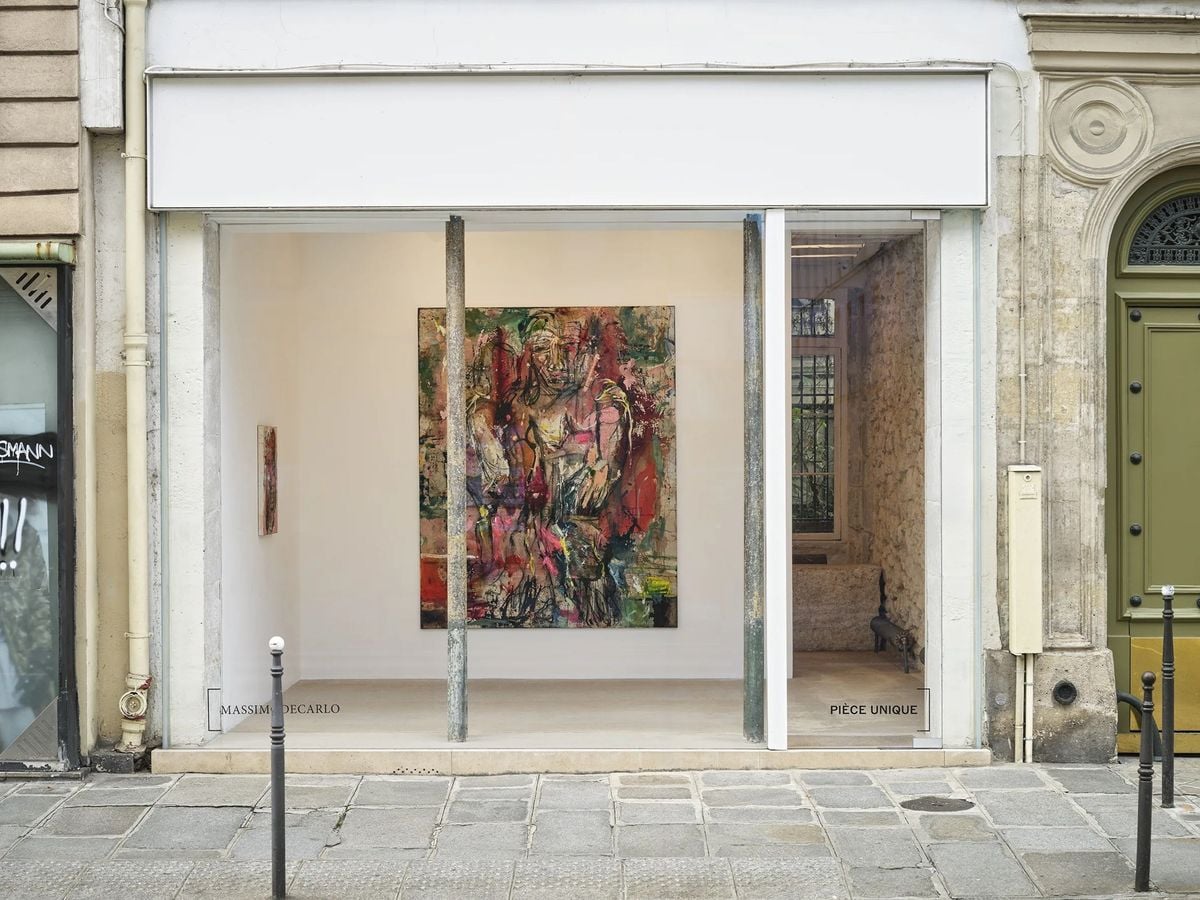
Exhibition | Daniel Crews-Chubb, 'Pareidolia' at MASSIMODECARLO Pièce Unique, Pièce Unique, Paris, France

MASSIMODECARLO Pièce Unique in Paris presents 'Pareidolia,' an exhibition of new paintings by London-based artist Daniel Crews-Chubb. The show explores the psychological phenomenon of pareidolia—the brain's tendency to see faces in random patterns—through heavily layered works created with hands, ink, oil, sand, and collage. Three paintings are featured: 'Immortal XXXVIII' and 'Immortal XXXIX' (2026), large-scale works drawing on cultural memory of ancient sculpture, and 'Mask XXIV' (2026), which tests the minimal cues needed for facial recognition. Crews-Chubb's process involves building up and tearing back surfaces over weeks, with charcoal lines added last to define emergent figures.

WORDS WORDS WORDS at Everard Read shows the power of words in contemporary art

The article reviews 'WORDS, WORDS, WORDS,' an exhibition at Everard Read Gallery's CIRCA space in South Africa, which explores the role of language in contemporary visual art. Curated with a focus on how words are bent, repeated, fragmented, and reassembled, the show features works by South African artists including Willem Boshoff and Luca Evans, who engage with conceptual art traditions from Dada to Barbara Kruger. Boshoff's braille-inset wooden piece 'Planet of Echinus' questions inclusion and exclusion in language, while Evans' work riffs on Joseph Kosuth's iconic text pieces using ancient wood-inlay techniques.

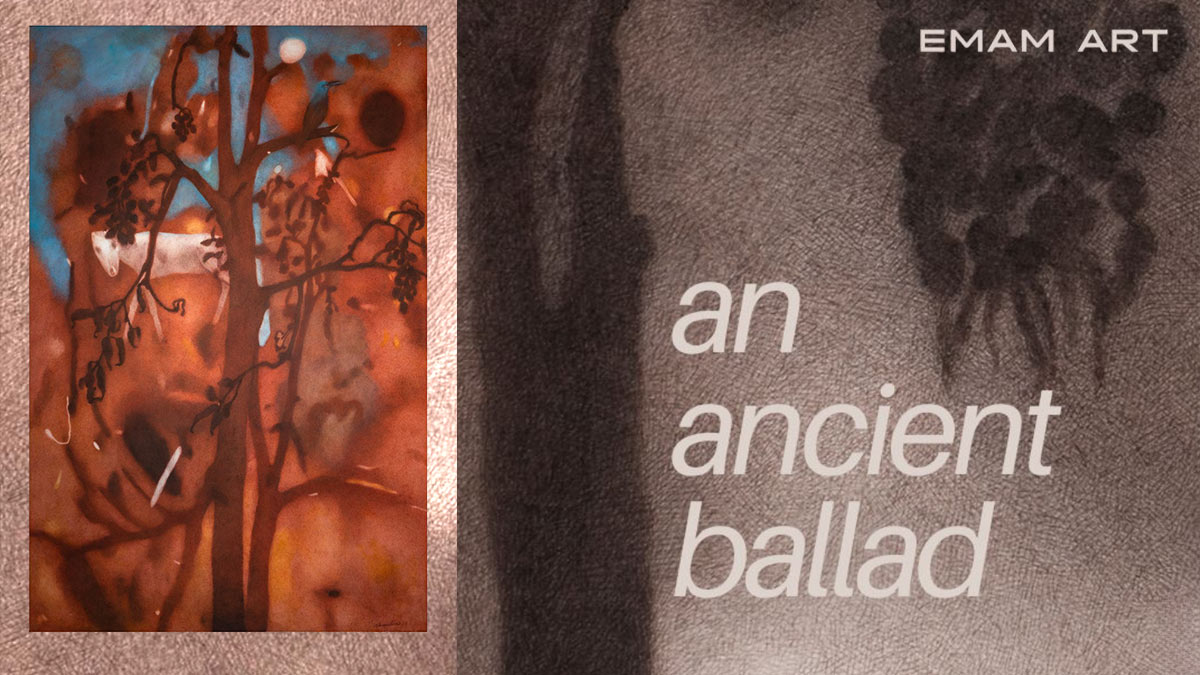
An Ancient Ballad at Emami Art Brings Generations of Artists Together in Kolkata

A new group exhibition titled 'An Ancient Ballad' opens at Emami Art in Kolkata on 22 May 2026, bringing together 12 artists across generations. The show examines recurring motifs of nature, the human body, and animal forms in modern and contemporary art through photography, painting, printmaking, textile, ceramics, and sculpture. Historical works by L. M. Sen and K. C. Pyne are displayed alongside contemporary artists including Arunima Choudhury, Ajit Kumar Das, Alakananda Sengupta, Raja Boro, and Rahul Sarkar, creating an intergenerational dialogue on memory, mythology, and lived experience.

Vian Sora: Tepe Gawra

Vian Sora’s solo exhibition "Tepe Gawra" at Bortolami Gallery marks her debut with the gallery, featuring a series of large-scale paintings that bridge ancient Mesopotamian history with contemporary Iraqi experience. The works, such as 'Celestial capsule' and 'Scarlet', utilize a complex layering process of poured acrylics and precise oil applications to explore themes of mortality, survival, and the aftermath of conflict.

Print Quarterly Volume XLIII - Number 1 - March 2026

The March 2026 issue of the academic journal *Print Quarterly* has been published, featuring a collection of scholarly articles and reviews focused on the history of prints and printmaking. The contents include new research on artists ranging from Hans Burgkmair and Paul Gauguin to Hiroshige and Aubrey Beardsley, along with obituaries for notable scholars and reviews of recent publications and exhibitions.

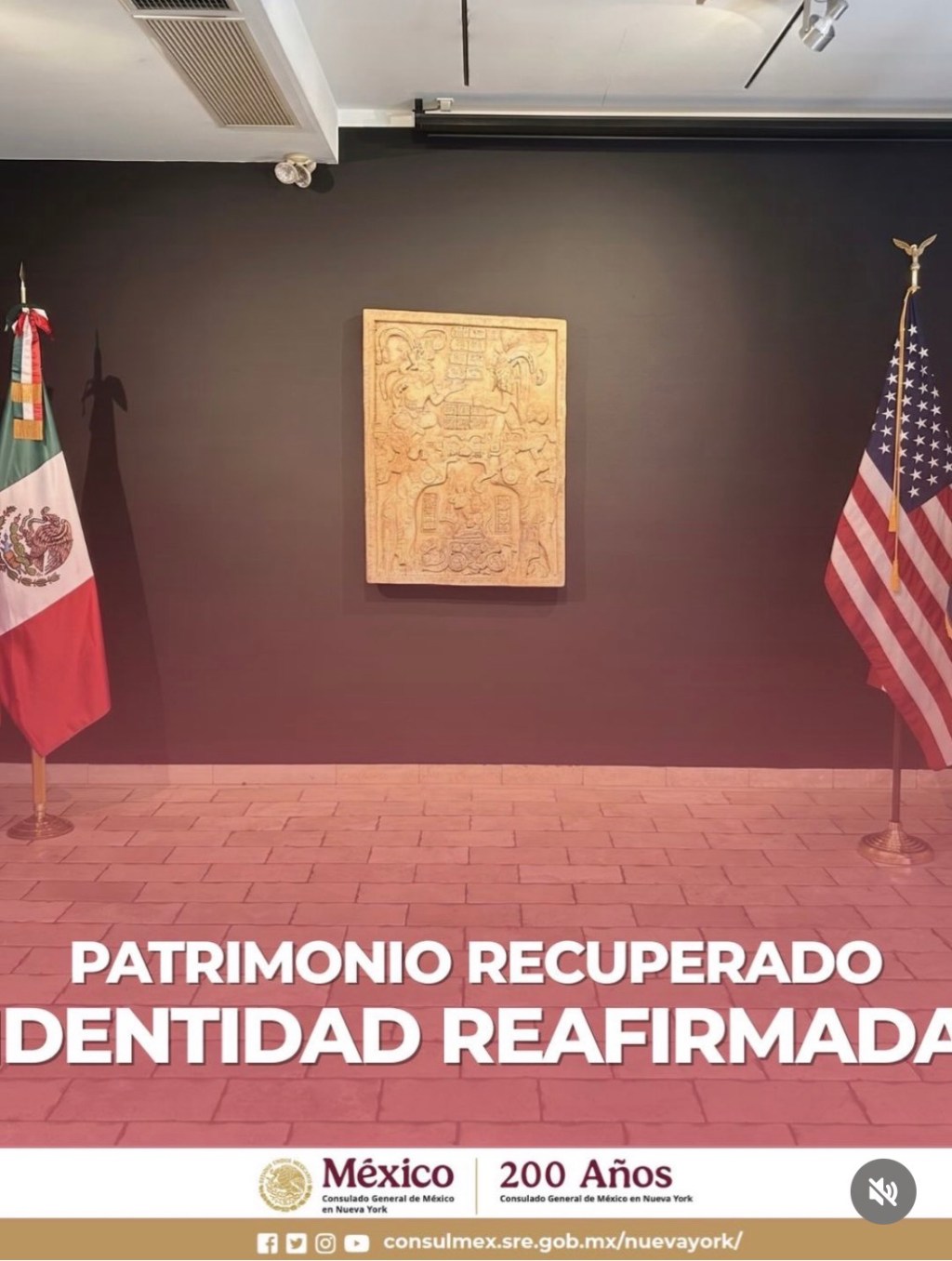
1,200-Year-Old Limestone Lintel was Inadvertently Repatriated to Mexico Instead of to Guatemala

A 1,200-year-old limestone lintel, carved by the ancient Maya artist Mayuy and depicting a ruler of Yaxchilán, was repatriated from the United States to Mexico in mid-April after an American businessman turned it over to the Mexican consulate in New York. However, Guatemala's cultural minister has begun proceedings to reclaim the artifact, arguing that it was originally removed from the Guatemalan side of the Usumacinta River, not Mexico. The lintel was first documented by American explorers Dana and Ginger Lamb in the 1950s in an area called Laxtunich, and its exact provenance has been disputed by scholars.

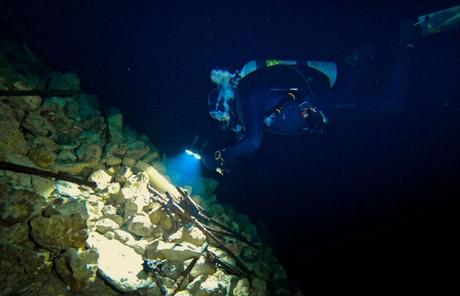
19th-century European weapons found in cenote in Mexico

Archaeologists from Mexico's National Institute of Anthropology and History (INAH) have discovered 153 Spanish and British muskets and rifles, along with an iron cannon, in the Síis Já cenote beneath the 16th-century former convent San Bernardino de Siena in Valladolid, Mexico. The weapons were likely discarded by the Yucatecan government during the early years of the Caste War of Yucatán (1847-1901) to prevent them from falling into Maya rebels' hands. The site also yielded Maya ceramic pieces and 18th-century Chinese porcelain, and INAH reported debris and pollution affecting the cenote.

Ancient Greek and Roman Statues Found in Alexandria

An excavation in the Moharam Bek neighborhood of Alexandria, Egypt, has uncovered a significant trove of artifacts from the Greek, Roman, and Byzantine periods, including statues of deities such as Bacchus, Asclepius, and Minerva, as well as coins, lamps, ceramic vessels, a public bathhouse, mosaic flooring from a Roman villa, and advanced water systems. The discovery was announced by Egypt’s Ministry of Tourism and Antiquities and reported by Greek City Times, with officials from the Supreme Council of Antiquities highlighting the site’s comprehensive view of ancient residential and service architecture.

US Border Wall Construction Damages 1,000-Year-Old Indigenous Land Art in Arizona

Construction crews building a barrier between the United States and Mexico have damaged a 200-foot-long etching of a fish embedded in the land in Arizona, known as the Las Playas Intaglio, which is thought to be 1,000 years old. According to a report in the Washington Post, workers destroyed a 60-to-70-foot portion of the ancient Indigenous land art as part of President Donald Trump’s $46.5 billion border-wall project. Satellite imagery confirmed the destruction, showing bulldozer marks running through about a third of the fish formation. U.S. Customs and Border Protection acknowledged the incident, stating that a contractor inadvertently disturbed the cultural site on April 23, 2026, and that the remaining portion has been secured.

Seven-Foot-Tall Monument to Ramses II Discovered in Eastern Nile Delta Region

Archaeologists in Egypt have discovered the upper half of a 7-foot-tall statue of Ramses II at the site of Tell El-Faraoun in the eastern Nile Delta. Weighing over 5 tons, the fragment is believed to have originally been carved for a temple in the ancient capital of Per-Ramesses and was later relocated. The find was announced by the Egyptian Ministry of Tourism and Antiquities, with Hisham El-Leithy of the Supreme Council of Antiquities noting its importance for understanding how statues were moved and reused during the New Kingdom.

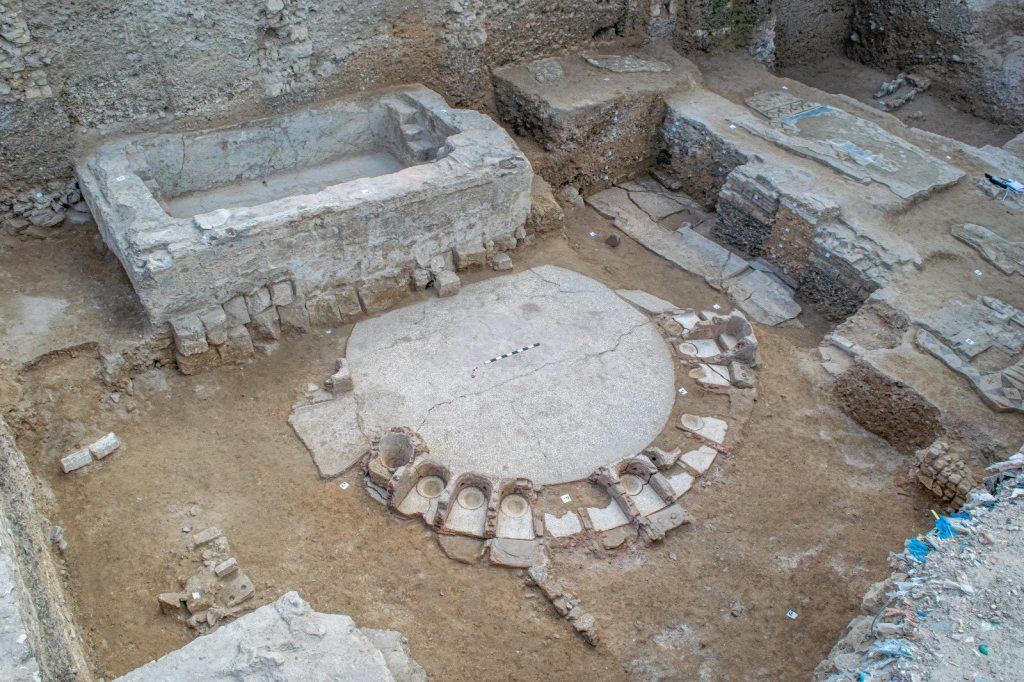
Ruins of a ‘Unique‘ Temple Complex Discovered in Northern Sinai

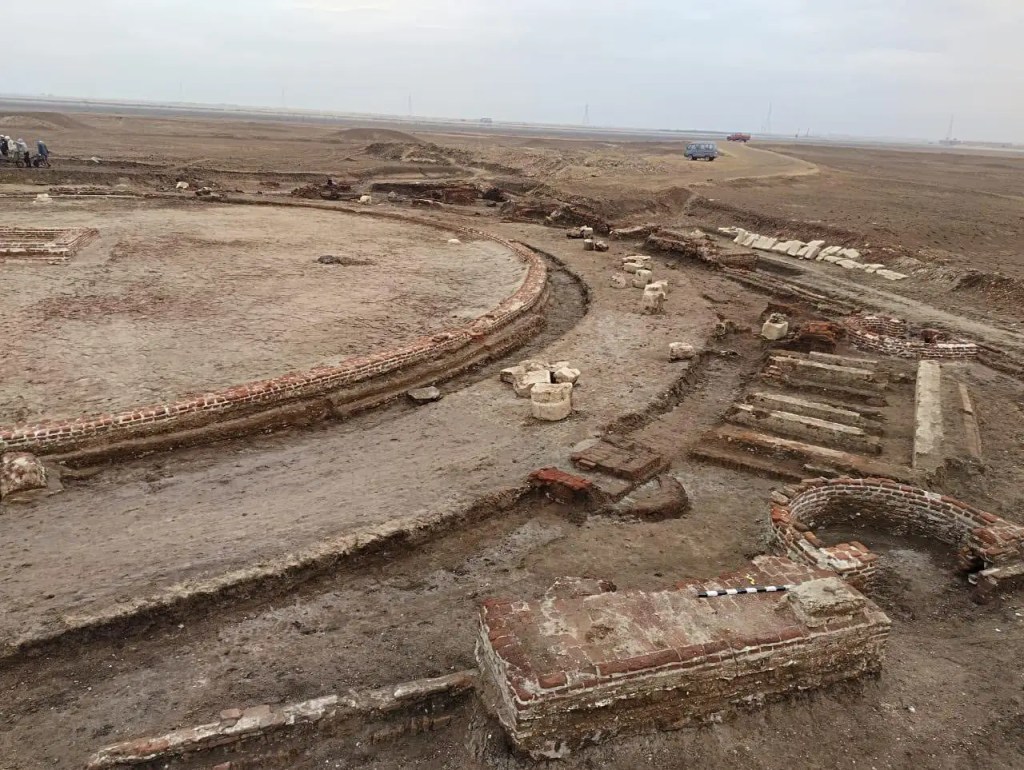
An Egyptian archaeological mission has unearthed a unique temple complex at Tell el-Farama, the site of the ancient city of Pelusium in northern Sinai. The discovery features a massive circular water basin, approximately 100 feet in diameter, surrounded by drainage channels and a central plinth likely intended for a statue. Initially mistaken for a civic building when first excavated in 2019, further study has revealed the site to be a sacred water installation used for religious rituals between the 2nd century BC and the 6th century AD.

‘I want people to see nature as a wondrous work of art’: Jon McCormack’s best phone picture

Photographer Jon McCormack captured a striking image of the Remarkable Rocks on Kangaroo Island, Australia, framing the Southern Ocean through a naturally eroded granite hollow. The photograph, taken at sunset, emphasizes the graphic simplicity and sculptural quality of the ancient rock formations, which have been shaped by wind and salt over 10,000 years of isolation.

Native Americans Played Dice Games Far Earlier Than Previously Known, Study Shows

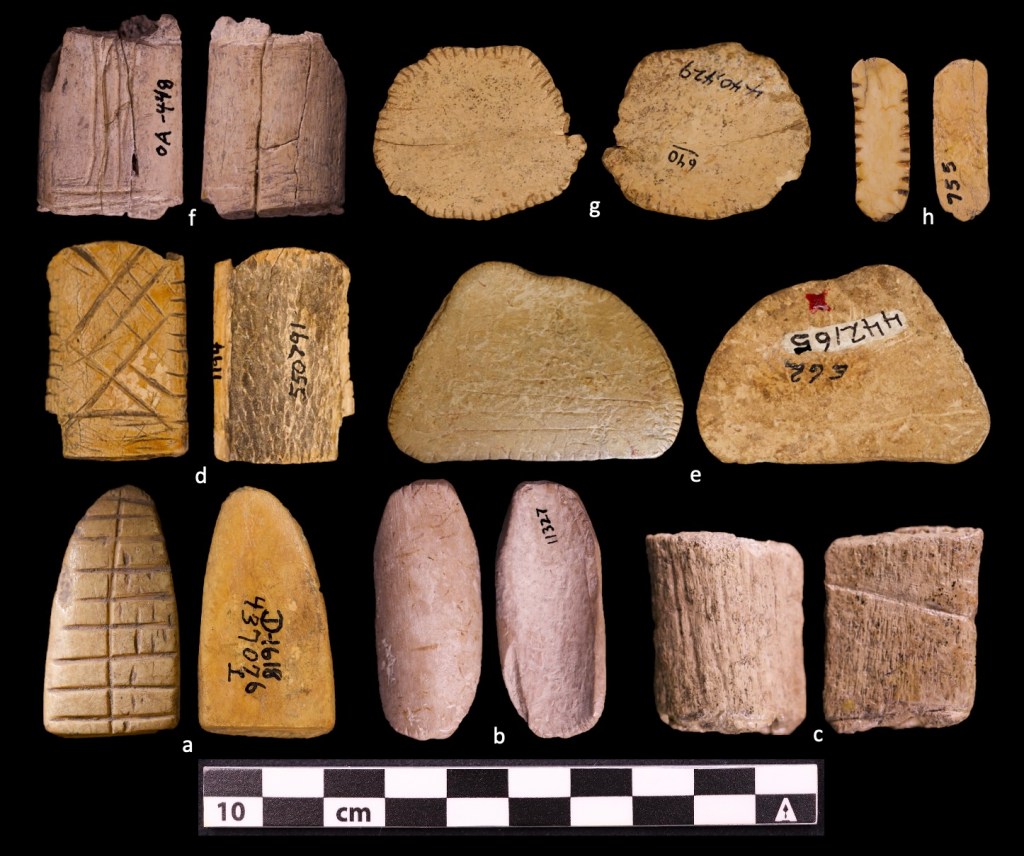
A groundbreaking study from Colorado State University reveals that Native Americans in the western Great Plains were using dice for gaming over 12,000 years ago. Researcher Robert J. Madden identified two-sided dice made of bone or wood from archaeological sites in Wyoming, Colorado, and New Mexico, pushing the known history of games of chance back significantly further than previously recorded.

‘This cactus looks as if it’s preaching’: Joseph Cyr’s best phone picture

Joseph Cyr, a language teacher and avid trail runner, captured a rare crested saguaro cactus while running in Saguaro National Park near Tucson, Arizona. The photograph highlights a unique mutation found in only about 75 of the park's estimated two million saguaros, featuring a fan-like growth that gives the plant a distinct, human-like silhouette.

Rome’s Colosseum Gets a New Pedestrian Plaza

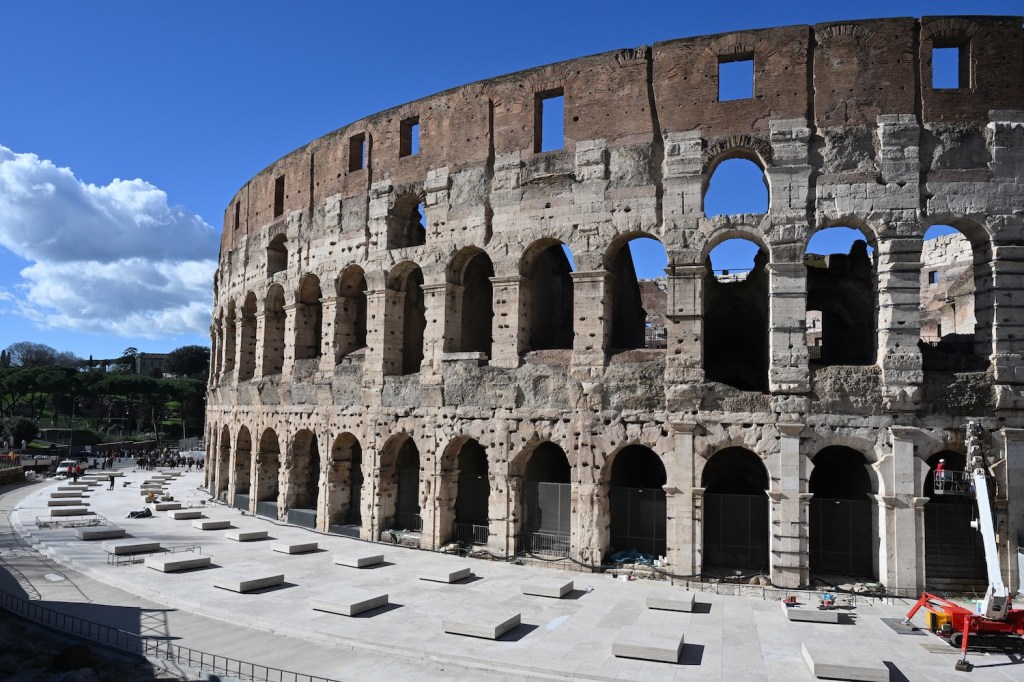
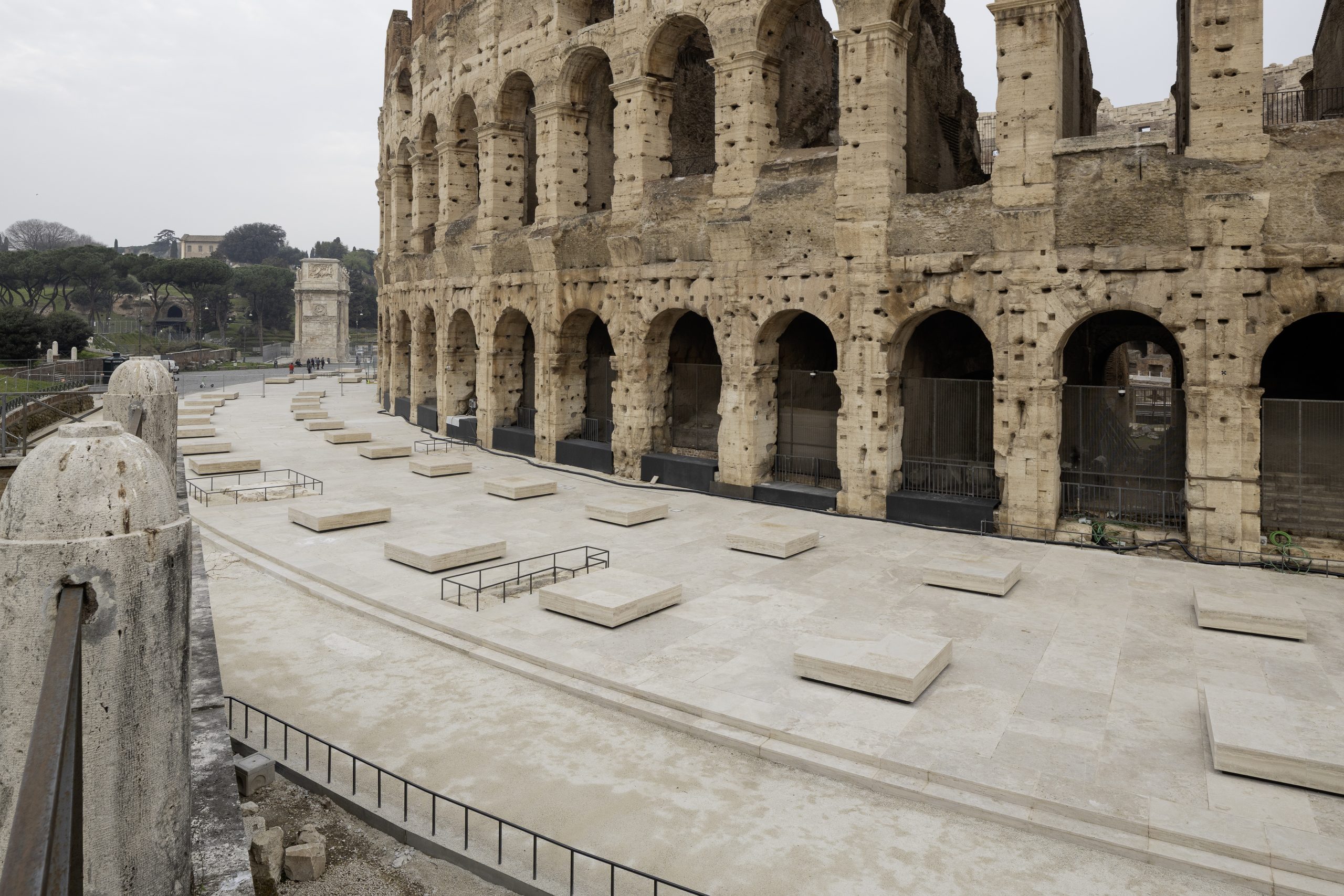
Rome has unveiled a newly restored pedestrian plaza at the southern façade of the Colosseum following a four-year construction project. Led by Stefano Boeri Interiors, the renovation features a travertine-paved square that recreates the original floor level and footprint of the ancient amphitheater. The design uses stone plinths to mark the locations of long-lost columns, allowing visitors to visualize the massive scale of the structure as it appeared nearly 2,000 years ago.

Colosseum Facelift Restores Ancient Southern Entrance to Its Former Glory

Rome’s Colosseum has unveiled a major four-year restoration of its southern entrance, a project led by Stefano Boeri Interiors in collaboration with the Colosseum Archaeological Park. The renovation lowered the surrounding piazza to its original Roman-era height, reintroduced travertine flooring sourced from ancient quarries, and installed seating blocks that mark the locations of long-lost marble columns. During the excavation process, archaeologists recovered a wealth of historical artifacts, including ancient coins, statues, and gold jewelry, while leaving a specific section untouched to showcase the arena's complex hydraulic foundations.

Bronze Age State Metal-Working Center Unearthed Near China’s Yangtse River

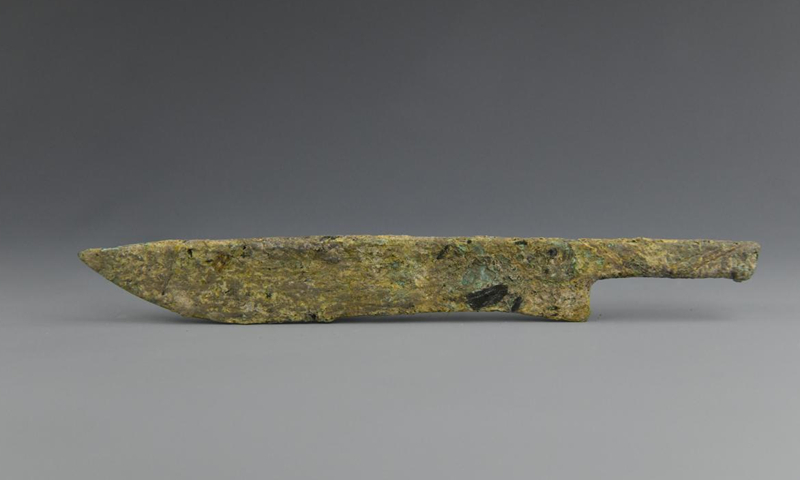
Archaeologists at the Shenduntou site near the Yangtze River have unearthed a significant Bronze Age metal-working center dating back to the Zhou dynasty. The excavation, led by Nanjing Normal University, revealed approximately 1,000 artifacts including clay molds, arrowheads, and knives, alongside evidence of furnaces and protective earthen walls. These findings confirm the existence of a high-level workshop dedicated to large-scale bronze production within the ancient Wu kingdom.

Native Americans created dice more than 12,000 years ago, study finds

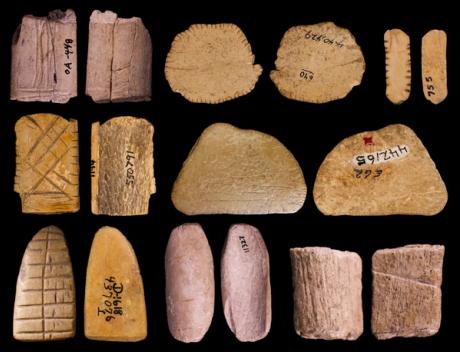
Archaeological research from Colorado State University has identified the world's oldest known dice, created by Native American hunter-gatherers on the western Great Plains over 12,000 years ago. These two-sided "binary lots," found at Folsom-period sites in Wyoming, Colorado, and New Mexico, predate the earliest known Old World dice by more than 6,000 years. The study reclassifies artifacts previously overlooked or misidentified, highlighting that these objects were the only decorated, non-utilitarian items found at these late-Pleistocene sites.

Dutch Museum Discovers 8-Inch Ancient Roman Phallus

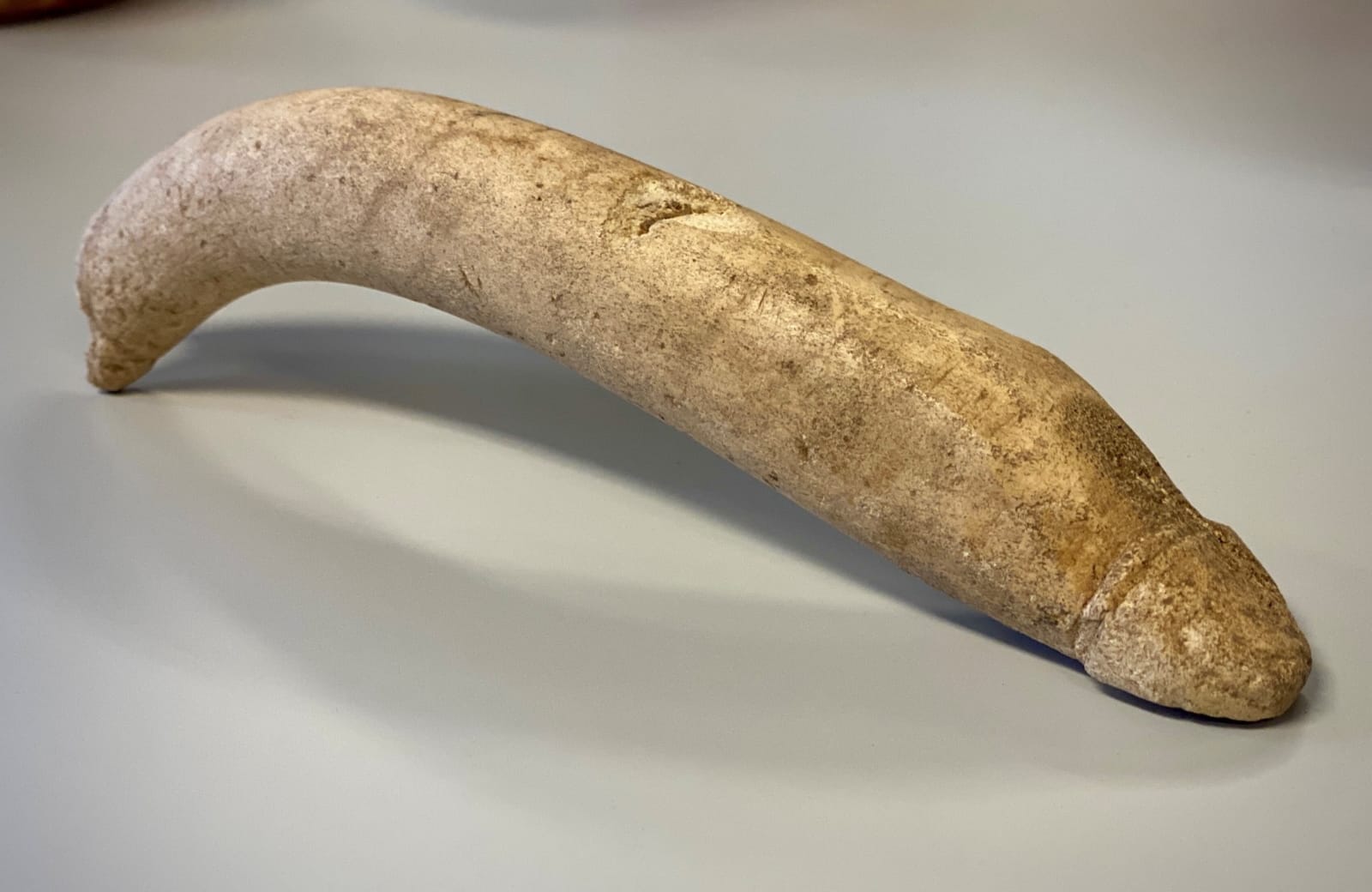
Archaeologists at the Valkhof Museum in Nijmegen discovered a rare, eight-inch Ancient Roman phallus carved from bone while cataloging a massive backlog of 16,000 archaeological boxes. The artifact was found alongside high-quality Roman tableware during an €8 million government-funded inventory project aimed at processing collections from defunct storage depots in the province of Gelderland.

Plan to build border wall along the Rio Grande in Texas threatens prehistoric rock art, locals warn

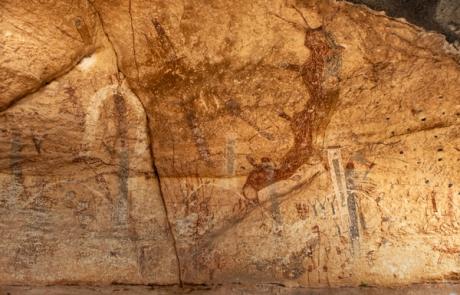
Plans to extend the US-Mexico border wall through Val Verde County, Texas, threaten to damage or destroy hundreds of prehistoric rock art murals in the Lower Pecos region. Archaeologists and local landowners warn that construction vibrations could destabilize the rock surfaces housing these ancient paintings, some of which are over 5,700 years old and span up to 100 feet in length.

‘We are trying to preserve the memory of our people’: archaeologists create map tracking damage to Iran heritage sites

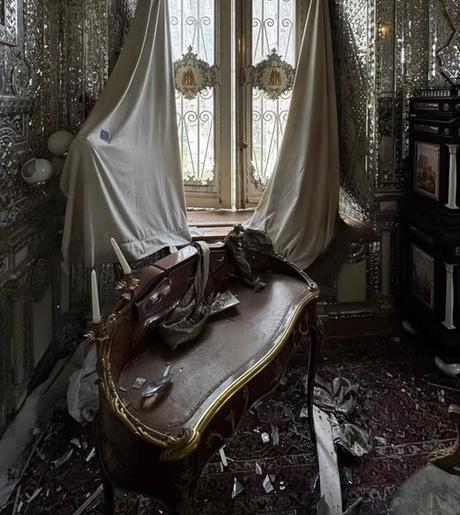
Iranian archaeologists Sepideh Maziar and Mehrnoush Soroush have launched an interactive online map to document and geolocate cultural heritage sites in Iran damaged by military strikes. The map, hosted by the University of Chicago's CAMEL Lab, currently lists 69 verified sites, including the historic Sa'dabad Palace complex in Tehran, and is updated as new information becomes available.

Newly Translated 2,000-Year-Old Graffiti Proves Presence of Indian Visitors to Egypt’s Valley of the Kings

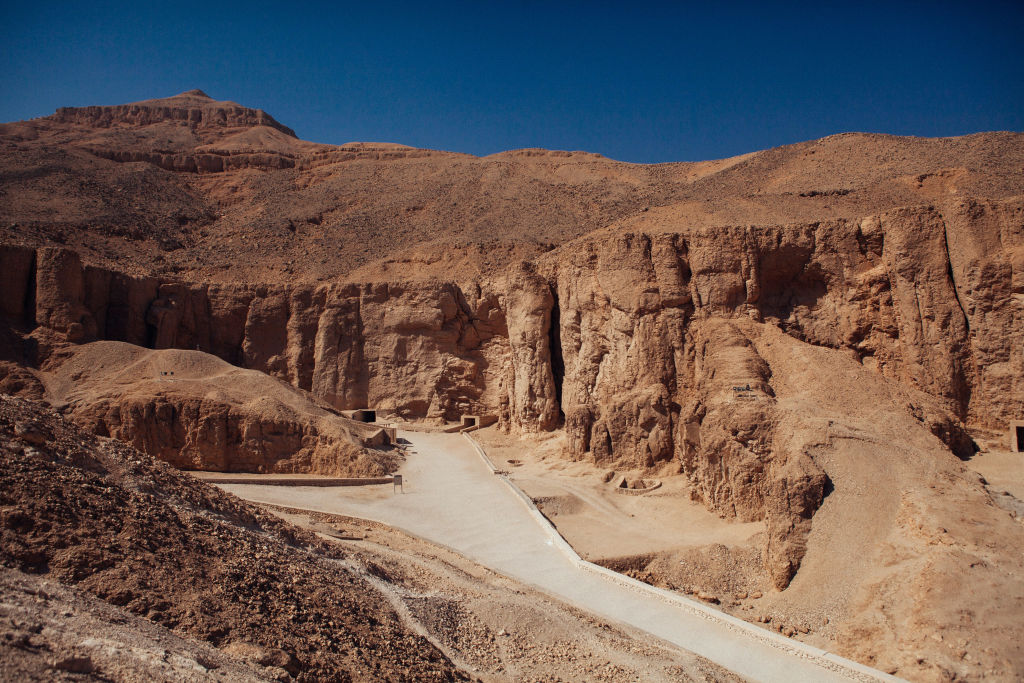
Archaeologists have translated 2,000-year-old graffiti in Old Tamil, Sanskrit, and Kharosti script found on the walls of six tombs in Egypt's Valley of the Kings. The inscriptions, dating from the 1st to 3rd centuries CE, include one individual, Cikai Korran, who wrote his name eight times across five tombs, effectively 'tagging' the ancient site.

Massive Cache of 42,000 Pottery Shards Reveals Daily Life in Ancient Egypt

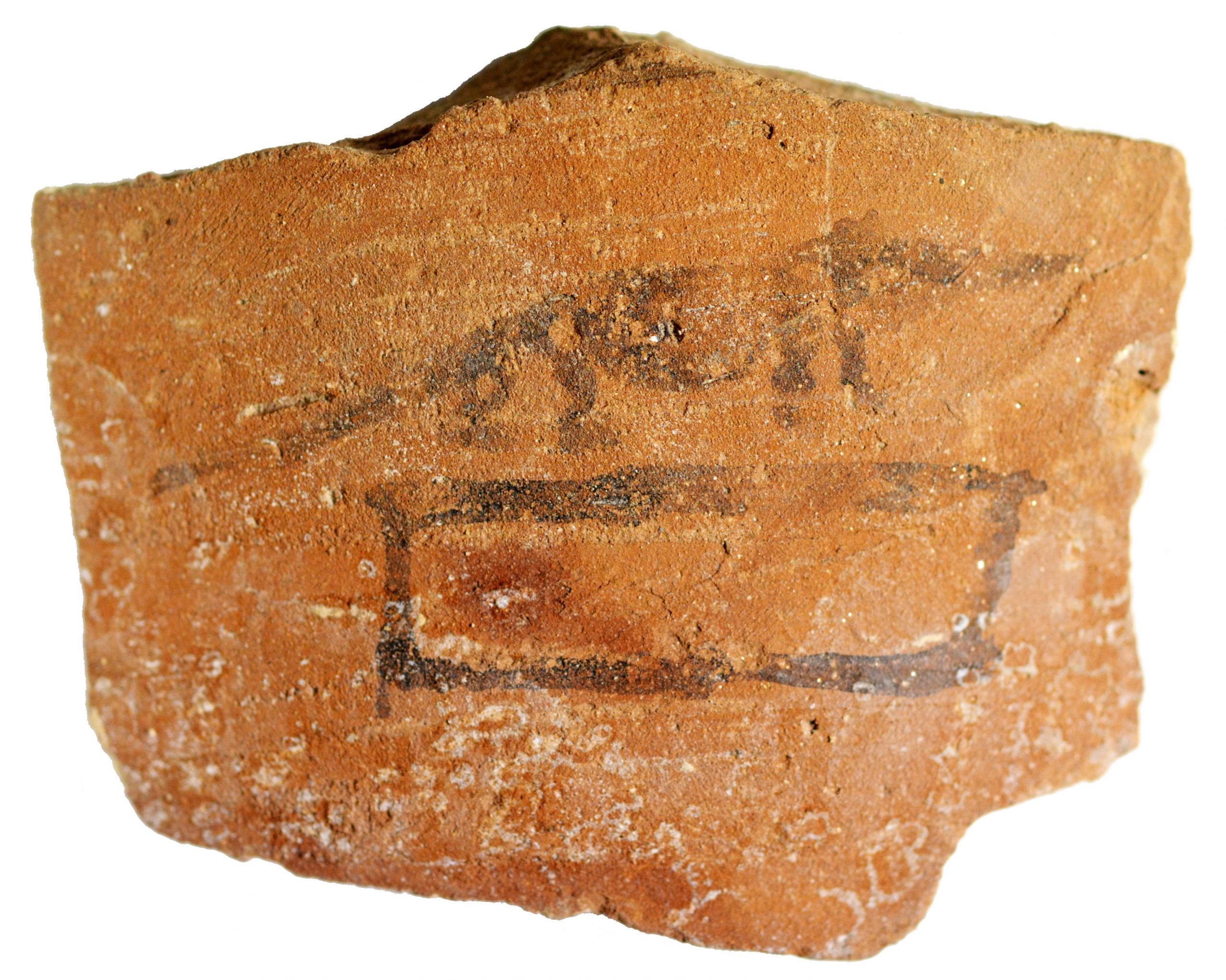
Archaeologists from the University of Tübingen and the Egyptian Ministry of Tourism and Antiquities have unearthed a massive collection of over 42,000 inscribed pottery shards, known as ostraca, at the ancient site of Athribis. The shards, dating from the 3rd century B.C.E. to the 11th century C.E., contain tax receipts, religious texts, school exercises, and personal notes written in Demotic, Greek, Hieratic, Coptic, and Arabic scripts, offering an unprecedented window into the daily lives of ordinary people.

lebanese ministry of culture urges unesco to grant enhanced protections to cultural property

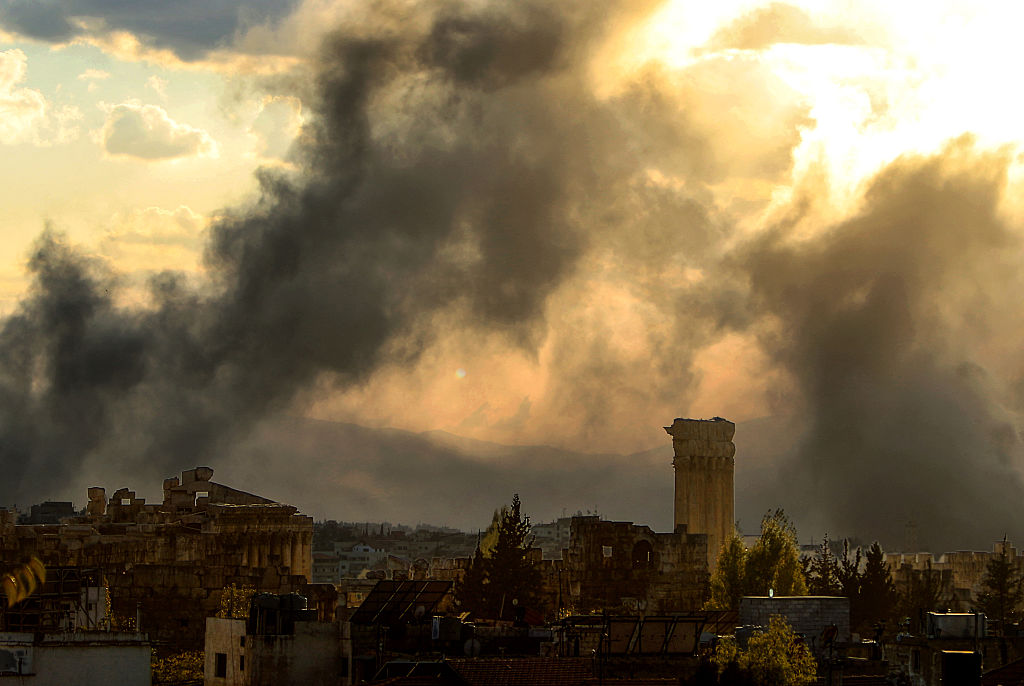
Lebanon’s Ministry of Culture has formally petitioned UNESCO to secure enhanced protections for the nation’s cultural heritage sites as regional conflict intensifies. Culture Minister Ghassan Salamé urged the UN agency to intervene with belligerent parties to ensure the safety of irreplaceable landmarks, including the National Museum of Beirut and the Roman ruins of Baalbek. UNESCO confirmed it has shared the coordinates of these World Heritage sites with all involved parties to prevent accidental or intentional targeting during military operations.

Israeli Authorities Plan to Seize Major Archaeological Site in West Bank, Sparking Outrage

sebastia west bank archaeological site israel palestinians

Israeli authorities have announced plans to seize a 182-hectare archaeological site in the West Bank town of Sebastia, the largest such land seizure for an archaeological project since 1967. The plan includes building a visitor center, parking lot, and a fence that would separate the site from the Palestinian town, cutting off local access to both the ruins and surrounding olive groves. The move has been denounced by Palestinian residents and officials as an aggression that threatens livelihoods and erases Palestinian identity.

house of griffins ancient rome restoration

The House of Griffins, an ancient Roman residence on Rome's Palatine Hill dating back to the 2nd and 1st centuries B.C.E., is opening to the public on March 3 after a major restoration. Discovered by archaeologist Giacomo Boni in the 19th century, the domus features vivid frescoes, mosaic floors, and a stucco lunette with griffins. The Colosseum Archaeological Park led the restoration in 2024, reinforcing structural integrity and conserving wall paintings. Visitors cannot access the underground chambers directly; instead, they will experience a real-time, remote tour via a livestream narrated by a guide with a video camera.

unusual medusa carving discovered archaeological site turkey

Archaeologists excavating a Roman forum near the ancient city of Amastris (modern-day Amasra) in Turkey have uncovered a marble Medusa carving with an unusual smiling expression. The relief was found atop decorative columns that once formed a covered walkway (stoa) in the forum. Excavations began three years ago after historical remains were discovered during school construction in 2017. The project, overseen by Bartin University’s Archaeology Application and Research Center and supported by the Turkish Ministry of Culture’s “Heritage of the Future” initiative, has so far reconstructed three columns across the 30,000-square-foot site.

united state returned 7 ancient artifacts egypt mummified fish falcon head

The United States repatriated seven ancient artifacts to Egypt, including two mummified fish, a falcon head from the Ptolemaic period, a bronze amulet of Set, a basald scarab, a carved face, a painted wooden funerary figurine, and a stone head from a statue. The objects had been smuggled out of Egypt in separate cases between 2017 and 2018, and were returned through collaboration between U.S. and Egyptian government agencies. Two items were voluntarily handed over by an unnamed American citizen to the Egyptian embassy in Washington, D.C. The artifacts were formally transferred to Ambassador Wael el-Naggar at a ceremony reaffirming Egypt's commitment to recovering smuggled cultural property.

huge persepolis destruction

The article recounts the Sack of Persepolis in 330 B.C.E., when Alexander the Great and his Macedonian forces pillaged and destroyed the Achaemenid capital. It describes Persepolis as a marvel of ancient architecture, including the 31-acre limestone terrace, the Apadana hall with 36 columns, and the palace of Xerxes I. Ancient sources like Diodorus of Sicily and Plutarch offer conflicting accounts of the destruction—whether it was spontaneous, premeditated, or fueled by alcohol—while modern historians view it as a political act of retribution for Xerxes' attack on Athens.

rome new metro stations mini museums

Rome has opened two new subway stations on Line C—Colosseo/Fori Imperiali and Porta Metronia—that double as mini museums, showcasing over 500,000 artifacts unearthed during two decades of excavation. The stations, located 100 feet underground, feature displays of ancient ceramics, frescoes, mosaic floors, and the remains of a Roman military compound and thermal baths, curated by the Colosseum Archaeological Park and Sapienza University. Commuters can view the artifacts without a ticket in the station atriums, and future stations on the line will incorporate additional archaeological finds.