filter_list Showing 731 results for "Lace" close Clear
search
dashboard All 731 museum exhibitions 400article local 124article news 67trending_up market 38article culture 37article policy 19candle obituary 18person people 14rate_review review 8gavel restitution 6
date_range Range Today This Week This Month All
Subscribe

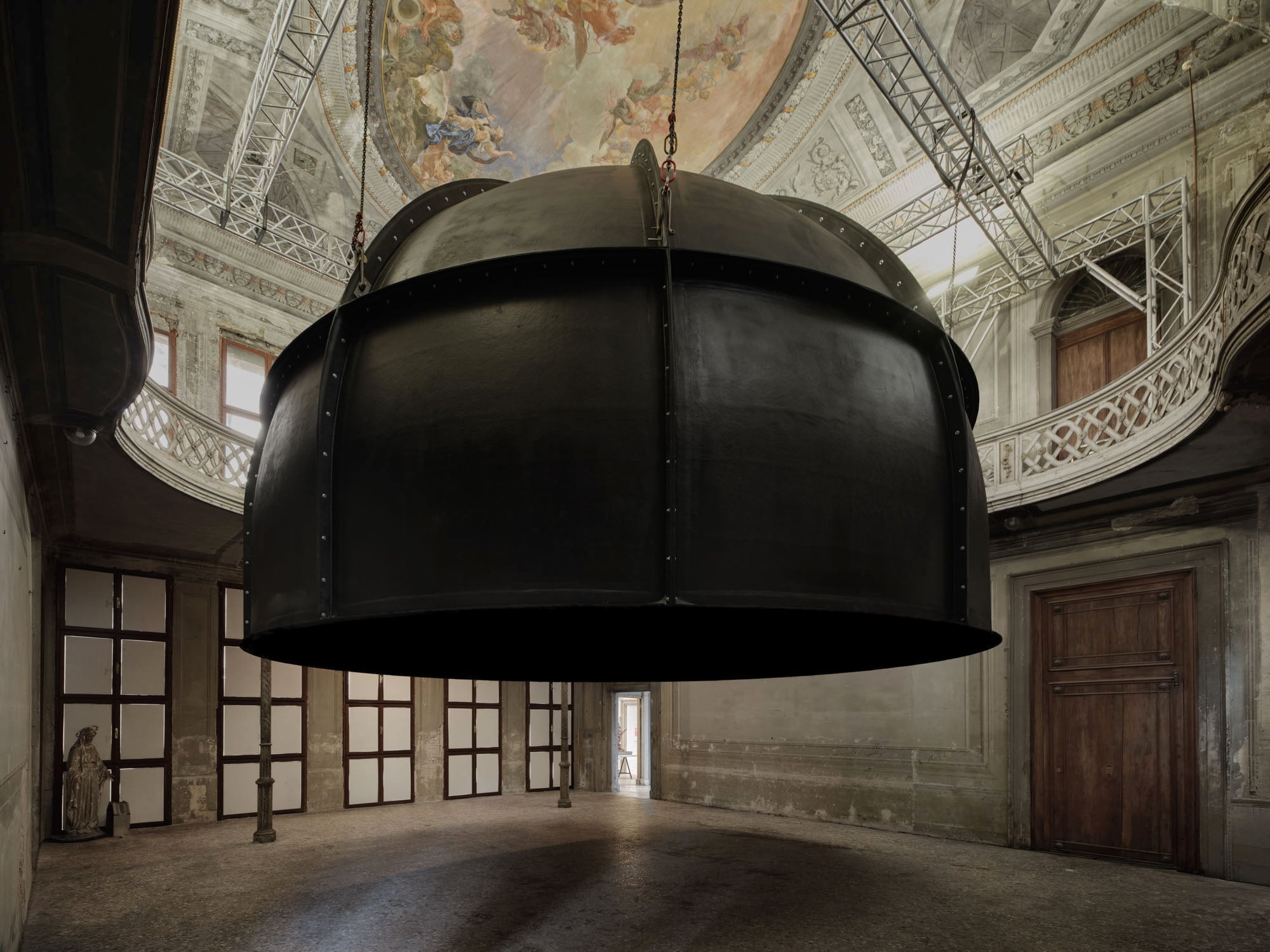
Sculpture as a Form of Architecture: Happening at the Foundation of Super Artist Anish Kapoor in Venice

La scultura come forma di architettura. Succede alla Fondazione del super artista Anish Kapoor a Venezia

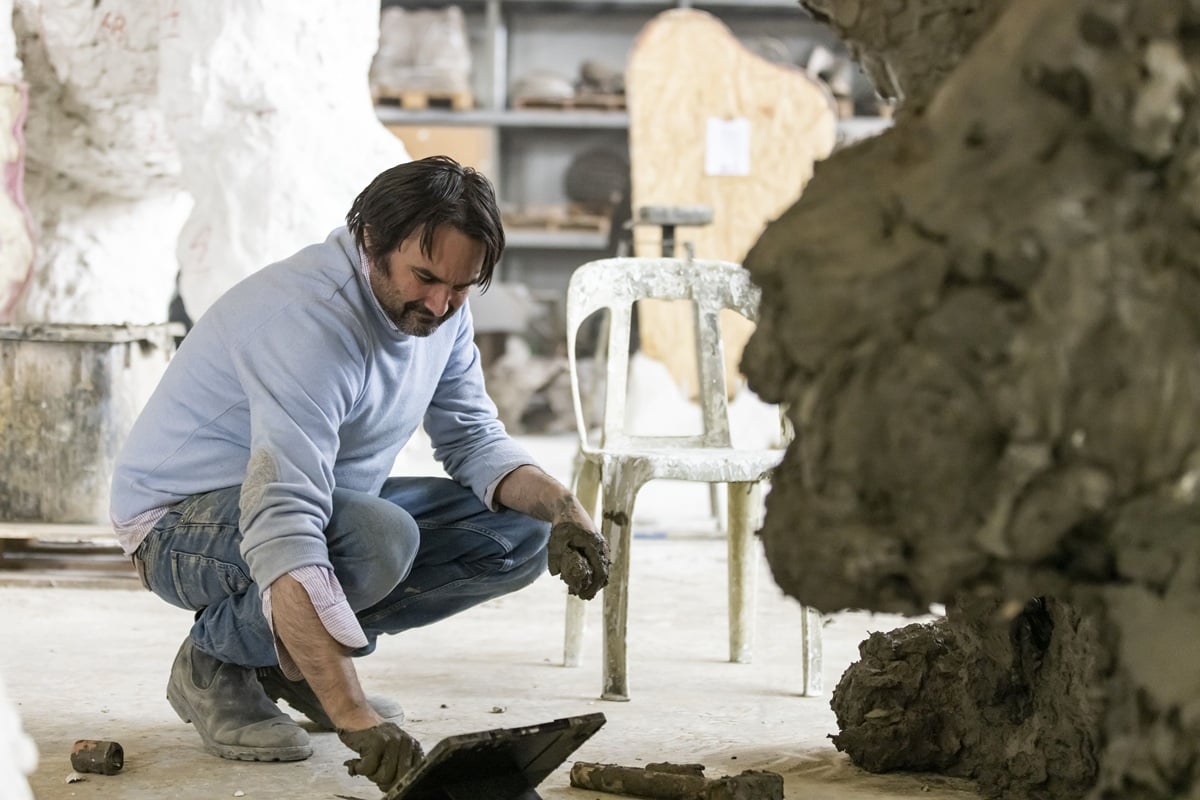
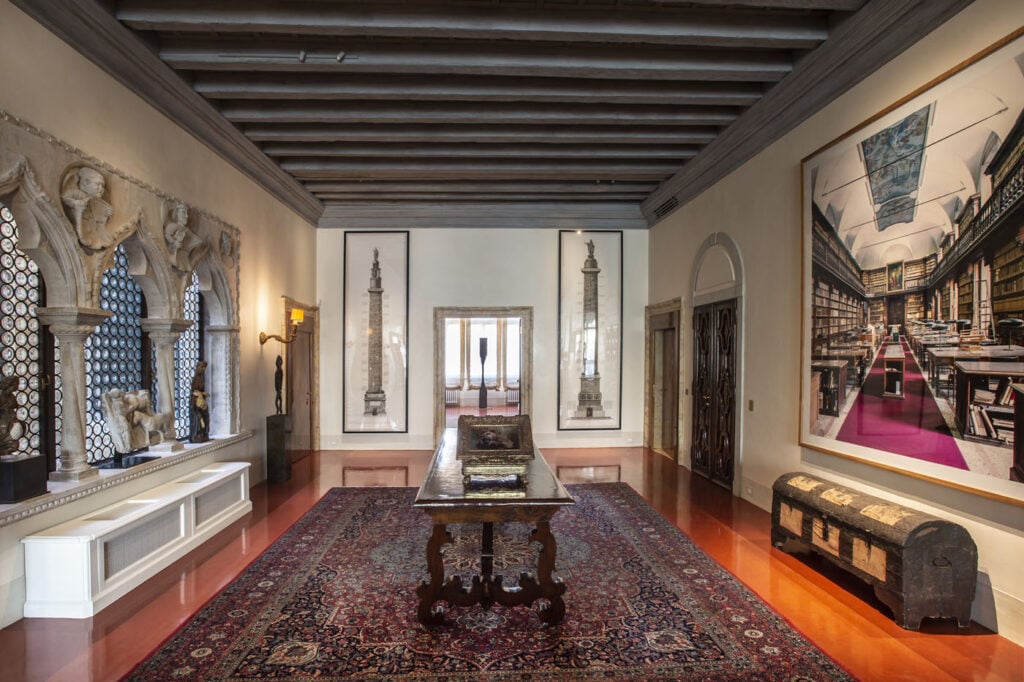
Anish Kapoor has opened a major solo exhibition at Palazzo Manfrin in Venice, a 16th-century building he purchased in 2018, now home to his foundation. The show, running until August 8 during the 61st Venice Biennale, spans over fifty years of his practice, featuring models, studies, and installations that blur the line between sculpture and architecture. Works include the Monte Sant'Angelo metro station in Naples, the ArcelorMittal Orbit tower for the 2012 London Olympics, the inflatable concert hall Ark Nova, and the environmental installation Temenos. The palazzo itself remains under restoration, with exposed construction elements and workspaces visible, reinforcing the exhibition's theme of continuous transformation.
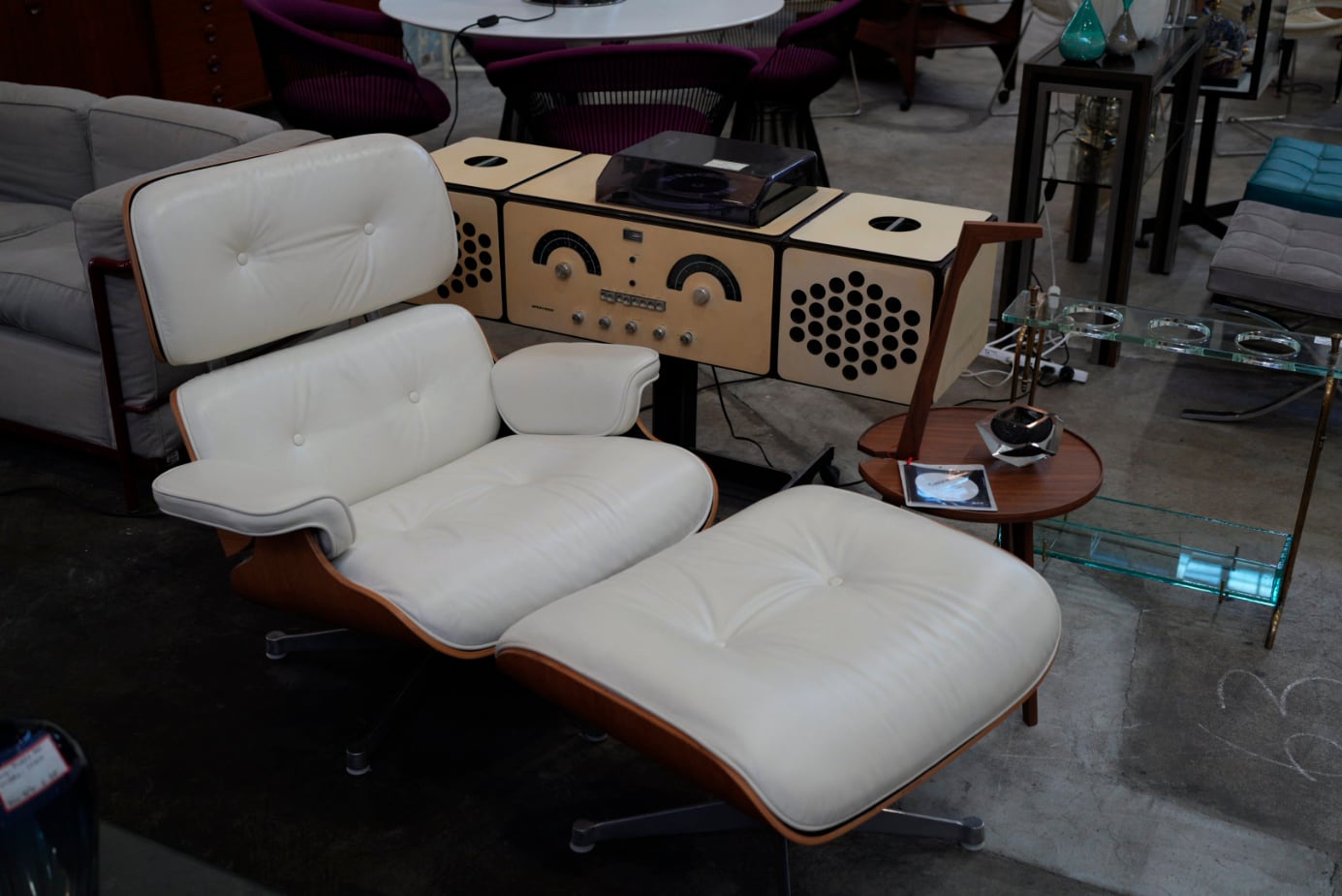
In Milan, the first exhibition-market dedicated entirely to 20th-century modernariato arrives

A Milano arriva la prima mostra-mercato dedicata interamente al modernariato del Novecento

The article announces the arrival of SOMO (Solo Modernariato), Italy's only fair dedicated entirely to 20th-century modernariato, in Milan. After two years in Alzano Lombardo near Bergamo, the event will take place at Superstudio Più in Via Tortona 27 on May 23-24, 2026. It will feature over 70 exhibitors from across Italy, showcasing furniture, lamps, and objects produced between the post-war period and the 1980s, targeting collectors, architects, interior designers, and a new generation of enthusiasts.

Provincia Cosmica. Interview with Giuseppe Stampone, the artist who chose Gran Sasso as his home

Provincia Cosmica. Intervista a Giuseppe Stampone, l’artista che ha scelto il Gran Sasso come casa

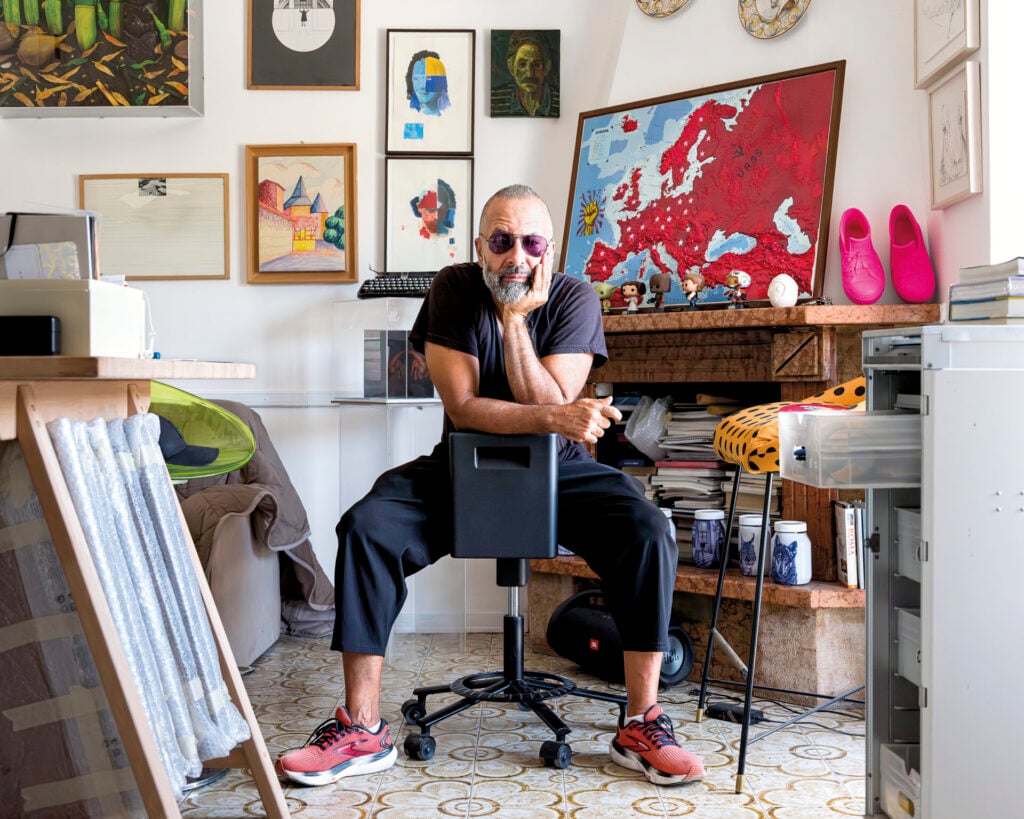
Italian contemporary artist Giuseppe Stampone, born in Cluses in 1974, has returned to his native Abruzzo after years living in New York, Rome, and Brussels. Following the loss of his parents, he established his studio in the province of Teramo, where he is restoring a farmhouse under the Gran Sasso mountain to house the Archivio Giuseppe Stampone-Maria Crispal and an artist residency called Abruzzo Mon Amour. Stampone won the PAC2021 prize for his project "La natura delle cose," which explores his bond with the region and will create an archive dedicated to the flora and fauna of the Monti della Laga, Parco Nazionale d’Abruzzo, and Gran Sasso areas.

In Romagna, debate over the artistic legacy of the Fascist era

In Romagna c’è discussione attorno all’eredità artistica del Ventennio fascista

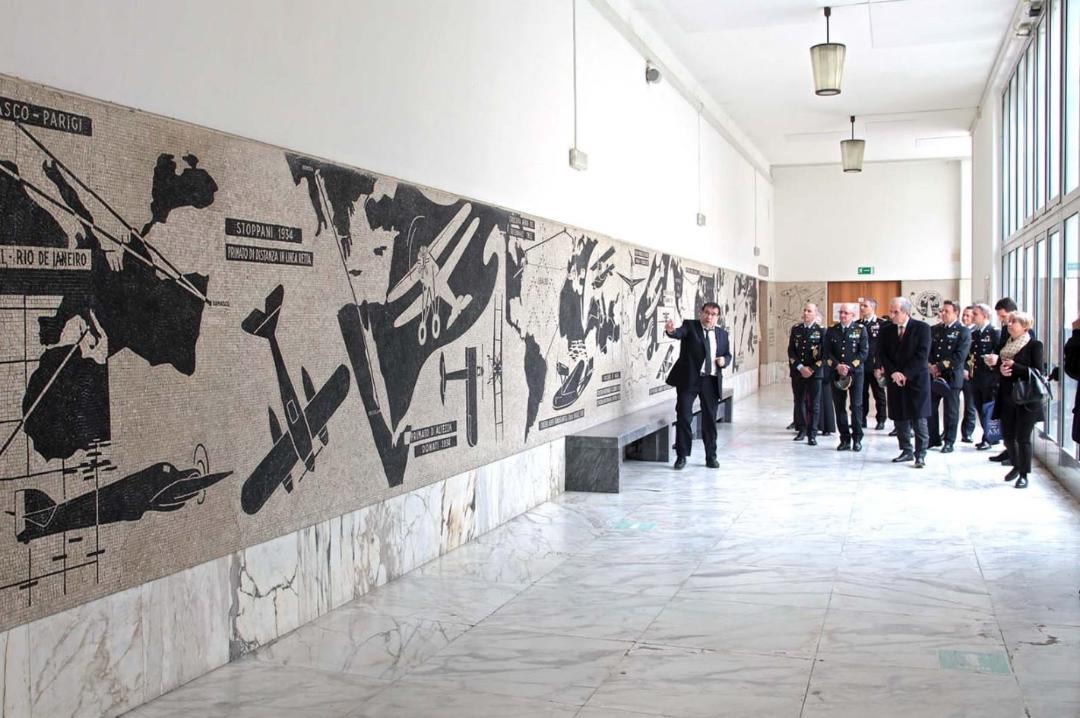
Recent developments in Romagna, Italy, have sparked debate over the artistic legacy of the Fascist era. The 102-meter-long Flight Mosaics at the former Aeronautical College in Forlì are now open to the public, and the Conad-Città di Forlì Auditorium, converted from a former GIL cinema, will inaugurate on May 13, 2026. Regional President De Pascale has announced initial funding to secure the Colonia Varese in Cervia, a Rationalist masterpiece, while long-awaited consolidation work has begun on the Casa del Fascio in Predappio, Benito Mussolini's birthplace. A 2010 plan to turn the Casa del Fascio into a cultural center documenting Fascism has stalled due to political changes and bureaucratic hurdles.

Intervista all’artista italiano che ha riempito la città di Stoccolma di sculture-animali

Italian artist Davide Rivalta has installed thirteen monumental bronze sculptures of lions, buffalo, and rhinoceroses across Stockholm, Sweden, in a project titled "Blowing Figures into Space." Organized by the Italian Cultural Institute of Stockholm, the works are placed in strategic locations including Mynttorget, Gamla Stan, Ladugårdsgärdet, and Hagaparken, with installations rolling out from April 2025 through summer 2027. The first sculpture was unveiled near the Swedish Parliament during Stockholm Art Week, and additional animals will appear in public parks on August 29.

At the 2026 Venice Biennale, pavilions shut down for pro-Palestine strike. The map of protests

Alla Biennale di Venezia 2026 serrata dei padiglioni per sciopero pro Palestina. La mappa delle proteste

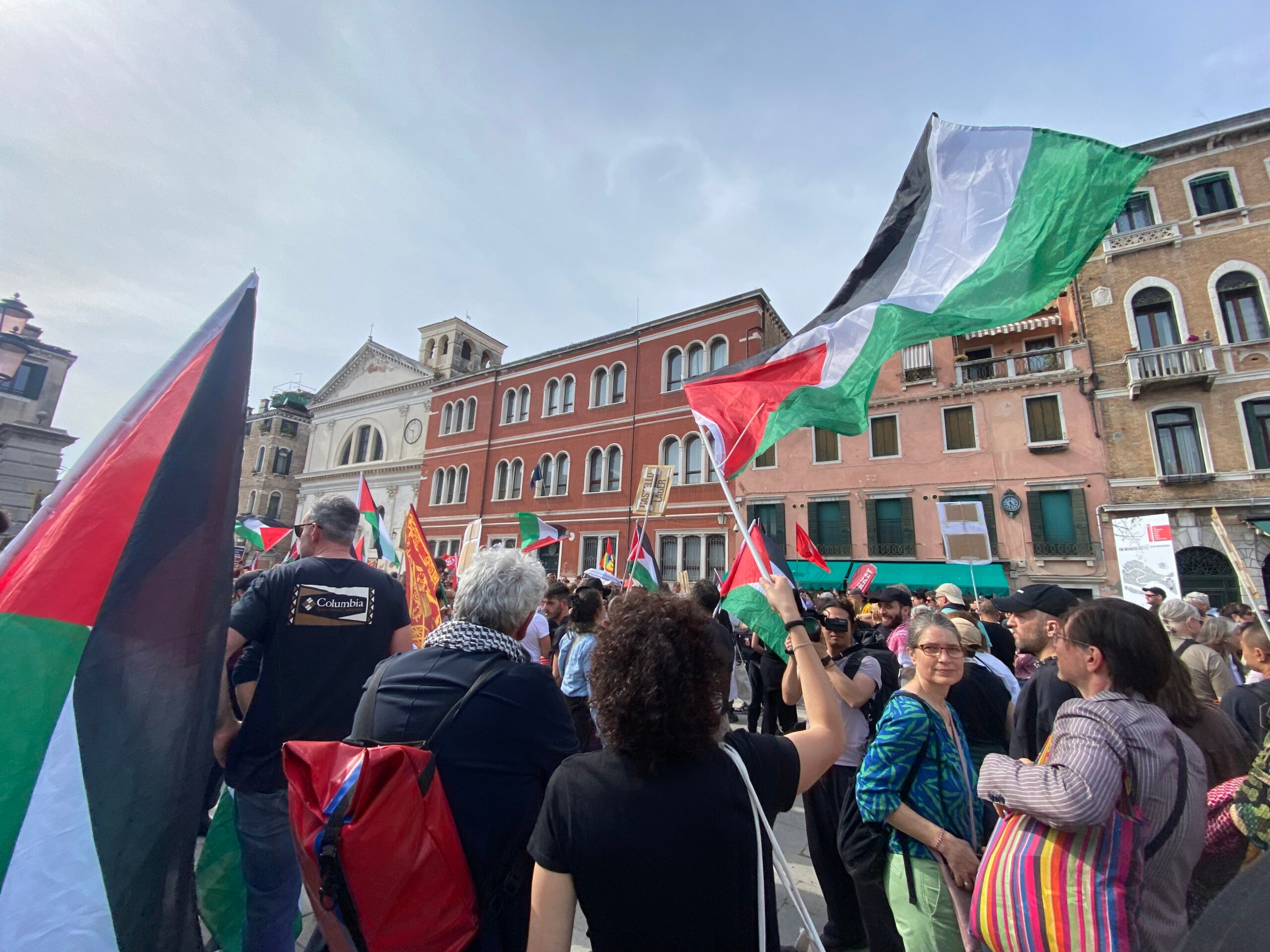
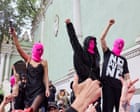
On May 8, 2026, the third VIP preview day of the 61st Venice Biennale, a massive strike shut down numerous national pavilions and disrupted the exhibition. Led by the Art Not Genocide Alliance (Anga), the protest demands Israel's exclusion from the Biennale over allegations of genocide in Palestine, and also targets poor labor conditions in the cultural sector. Pavilions closed one after another due to staff shortages, and protest posters appeared around artworks at the Giardini and Arsenale. The strike involved the Biennale Foundation itself, along with about twenty contractors managing services and national pavilions, with unions Adl Cobas, USB Lavoro privato, and Cub supporting the action. Tensions rose when the UK Pavilion reportedly replaced striking staff to remain open, and the Foundation issued a statement falsely denying that its employees were covered by the strike.

Il Padiglione Italia alla Biennale è il più internazionale di sempre

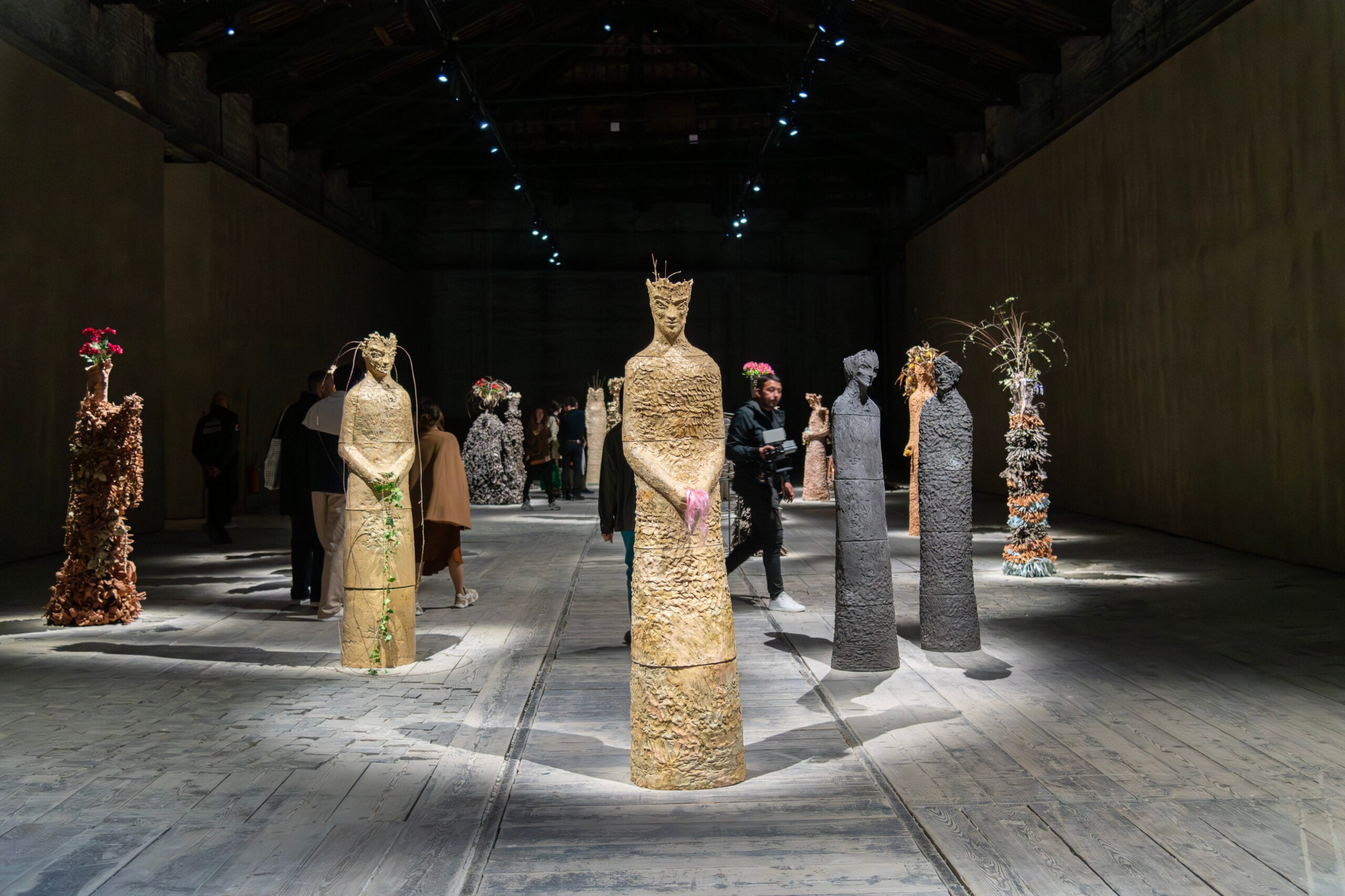
Chiara Camoni presents the Italian Pavilion at the 2026 Venice Biennale with her exhibition "Con Te Con Tutto" in the Arsenale. The show is divided into two sections: the first features monumental yet intimate sculptures, including her signature "sister" figures made from necklaces and terracotta fragments, while the second section continues the installation with a focus on circular production and zero waste. Camoni emphasizes a return to front-facing statuary, avoiding the gigantism of past editions, and works with sustainable, handmade processes.

A Venezia sta aprendo un nuovo Palazzo delle Arti e delle Culture grazie alla Fondazione Giancarlo Ligabue. L’intervista

A new Palazzo delle Arti e delle Culture – Collecto is opening in Venice at Palazzo Erizzo Ligabue, a 15th-century palace on the Grand Canal. The initiative, spearheaded by Inti Ligabue (45), son of the late paleontologist and entrepreneur Giancarlo Ligabue, will open to the public from May 7 to May 24, 2026, offering guided tours of a collection of over 400 pieces spanning from 4.5-billion-year-old fossils to contemporary works by artists such as Arcangelo Sassolino, Nico Vascellari, and Giorgio Andreotta Calò. The project builds on the Fondazione Giancarlo Ligabue, established in 2016 from the original Centro Studi founded in 1973, and will feature a residency by artist Marta Spagnoli.

100 anni fa nasceva Nuvolo. Ecco chi era l’artista partigiano che firmava col nome di battaglia

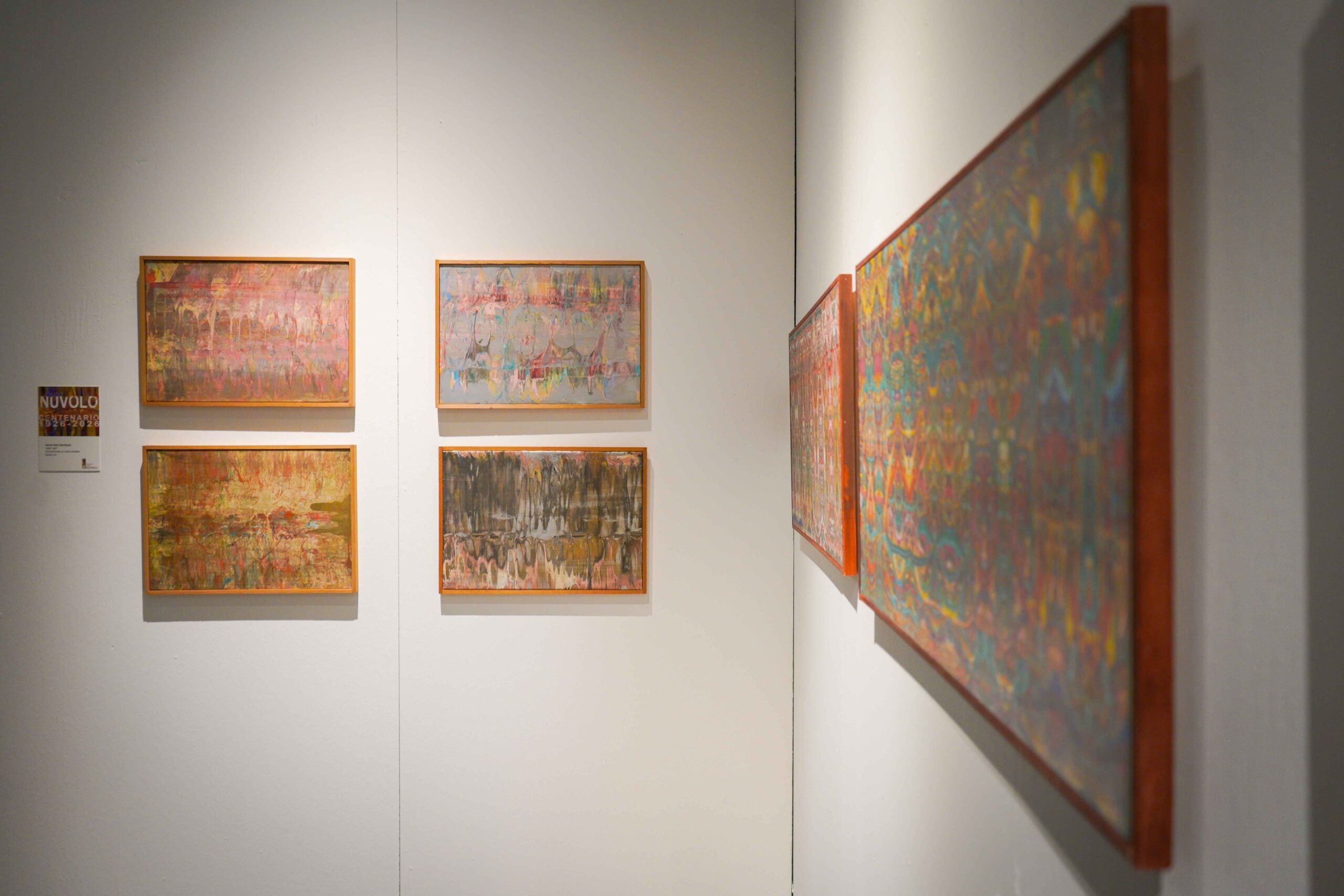
Giorgio Ascani, known by his partisan nickname Nuvolo, was born 100 years ago in Città di Castello, Italy. He adopted the name during the Resistance at age 17, inspired by his ability to appear and disappear like a cloud. Nuvolo became a painter and taught at the Accademia di Belle Arti di Perugia, serving as director from 1979 to 1984. His works are held in museums and collections worldwide. In 2025, a major exhibition curated by Bruno Corà, Aldo Iori, and Paolo Ascani was held at Palazzo Collicola in Spoleto, and in 2018, New York's Galleria Di Donna mounted a retrospective curated by Germano Celant. Now, the fair AMAB in Assisi joins centenary celebrations with 15 works spanning his career, including pieces from the Genesi cycle, Serotipie, and OIGROIG series.

A Londra compare una statua firmata da Banksy. Trovata di marketing o davvero una nuova opera dell’artista?

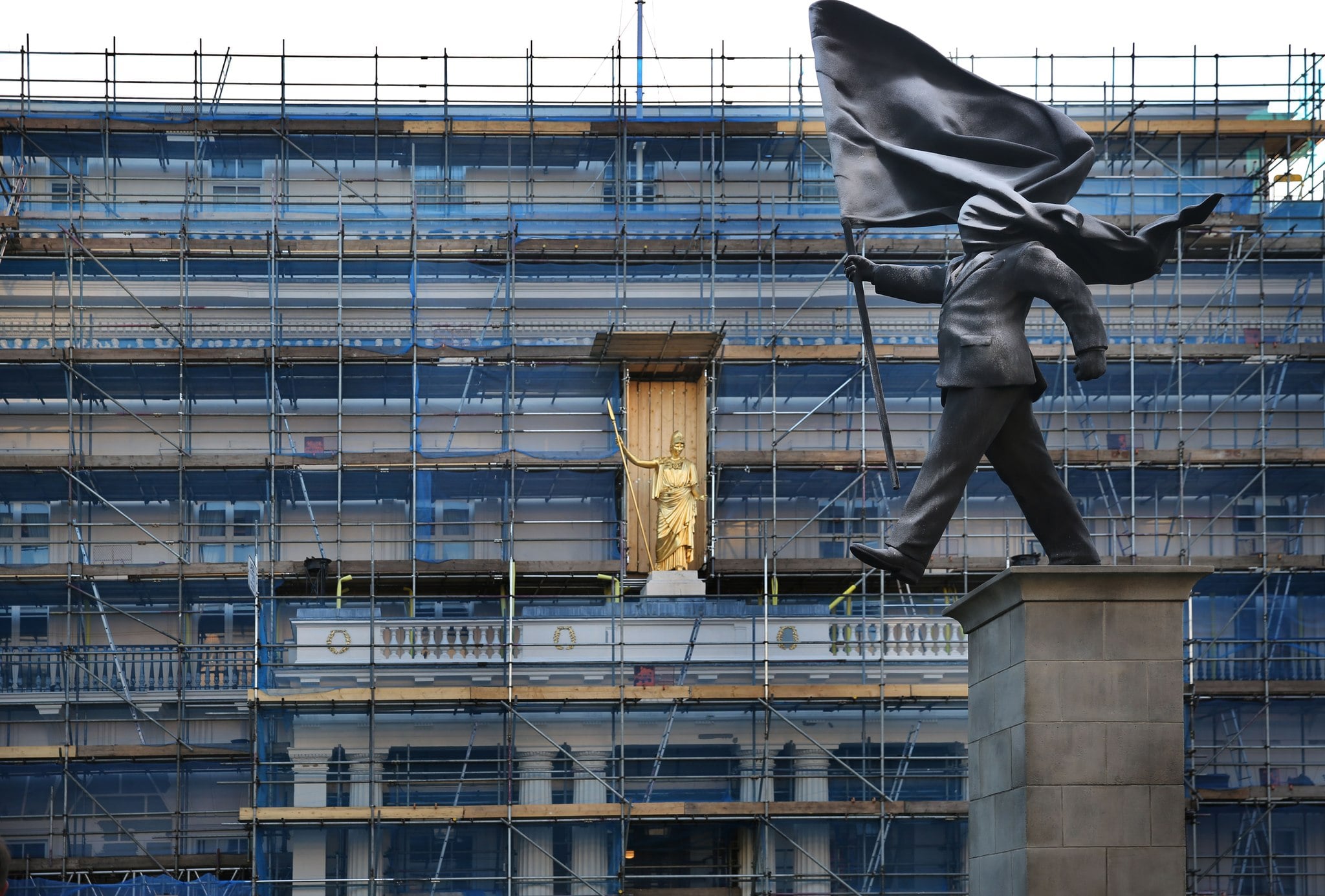
A satirical statue has appeared in Waterloo Place, London, depicting a man in a suit with his face covered by a large waving flag. Initially met with skepticism due to its unusual chalk signature and three-dimensional form—departing from Banksy's typical stencil and mural work—the artist later claimed the piece via an ironic video on his Instagram page. The statue stands near the Crimean War Memorial and statues of Edward VII and Florence Nightingale, and is interpreted as a critique of authoritarian trends in democracies.

Two exhibitions; one shared dialogue: Weyburn Art Gallery

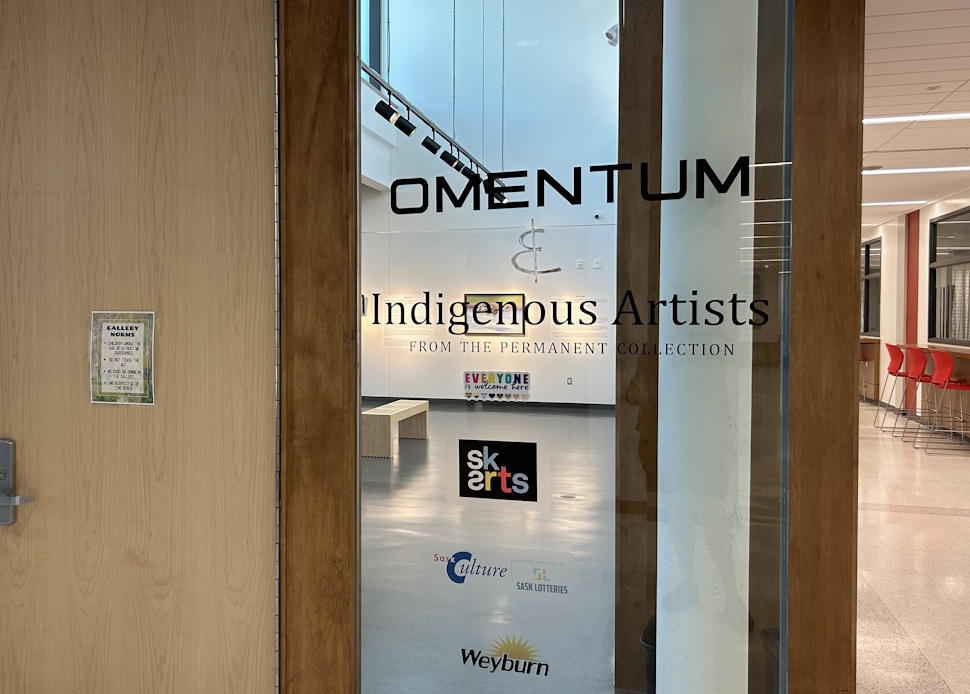
The Weyburn Art Gallery in Saskatchewan is presenting a dual exhibition running through the end of June, featuring two complementary shows. The first, 'Omentum: A look into the Indigenous Experience of the 21st Century- Exhibition Series, 2019' by Nehiyawak-Métis artist John Brady McDonald, comprises ten paintings that address themes such as Missing and Murdered Indigenous Women, cultural appropriation, residential school legacies, and the murder of Colten Boushie. Each painting was personally named by an influential Indigenous figure, including Isaac Murdoch, Rosanna Deerchild, and Dr. Evan Adams. The second exhibition draws from the City of Weyburn’s Permanent Collection, showcasing works by Indigenous artists Michael Lonechild, Ken Lonechild, and Mike Keepness, which explore identity, place, and memory.

Los Angeles Metro’s Stunning D Line Art Turns Stations Into Galleries

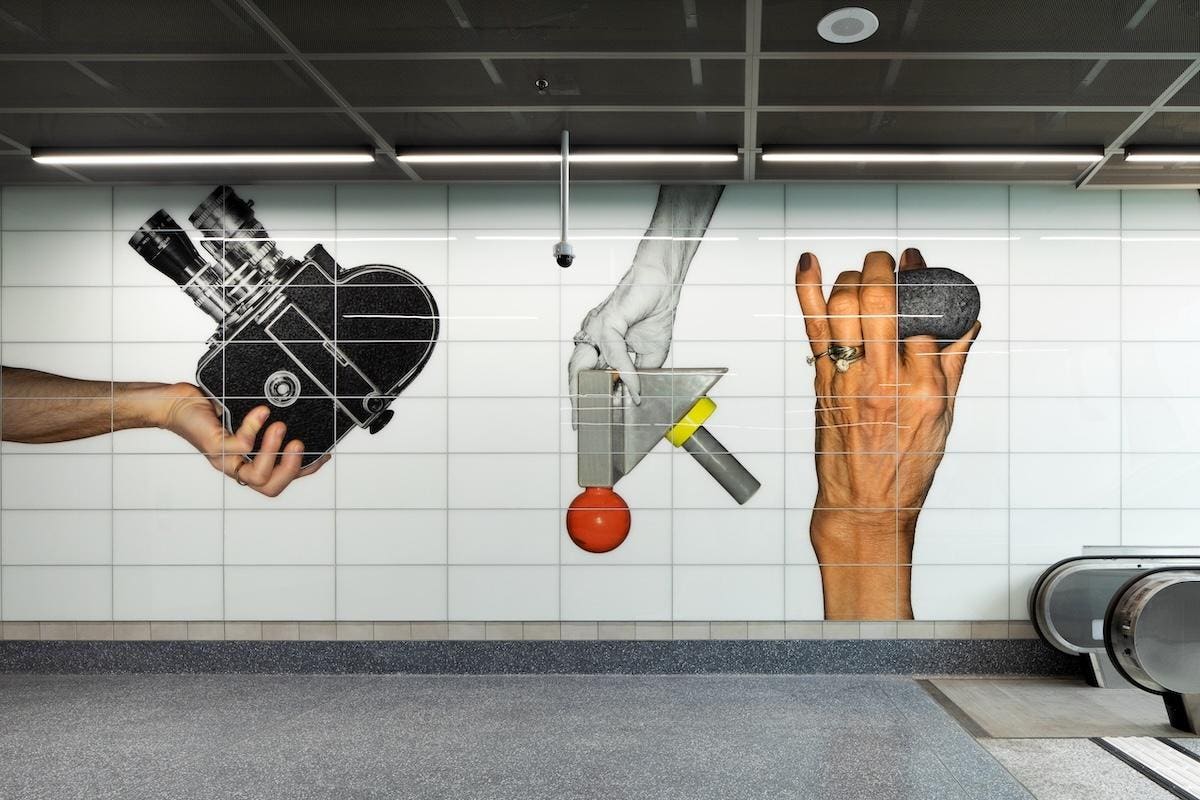
Los Angeles Metro unveiled a major public art installation on May 8 with the opening of the 3.92-mile D Line extension, connecting downtown to Beverly Hills. Nine artists were selected from over 1,400 applicants to create works across three stations—Wilshire/La Brea, Wilshire/Fairfax, and Wilshire/La Cienega. Notable pieces include Karl Haendel's "Hands and Things" at the Wilshire/Fairfax station, featuring photorealist pencil drawings of hands holding objects sourced from nearby cultural institutions, and Susan Silton's "WE, OUR, US." The artworks are mounted using durable porcelain enameling that resists corrosion, scratching, fading, and graffiti.

Biggs Museum spotlights the art and influence of Elizabeth Catlett

The Biggs Museum of American Art is presenting "The Art of Elizabeth Catlett from the Collection of Samella Lewis," on view through June 21, 2026. The exhibition features Catlett's prints and sculptures, drawn from the collection of her former student and lifelong friend Samella Lewis, and also includes works by Lewis and Catlett's husband, Francisco Mora. Catlett, who studied with Grant Wood and worked with the Taller de Gráfica Popular in Mexico City, focused her art on the lives of Black women, addressing themes of identity, equity, labor, family, and freedom.

Louvre: Emmanuel Macron's Obstinacy

Louvre : l'obstination d'Emmanuel Macron

Emmanuel Macron, less than a year before leaving office, continues to push controversial projects that harm French historical monuments and museums, including the Louvre's Colonnade project. The article criticizes these initiatives as detrimental to cultural heritage, while noting that his only promising project, the Musée de l'Œuvre Notre-Dame, has been shelved. The piece also highlights the appointment of Christophe Leribault as director of the Louvre as a positive step, but argues that Macron's overall record on cultural heritage is damaging.

ON THE IM-POSSIBILITY OF COMMUNICATING. “DICHO A MANO”, BY FELIPE PINEDA

SOBRE LA IM-POSIBILIDAD DE COMUNICARSE. “DICHO A MANO”, DE FELIPE PINEDA

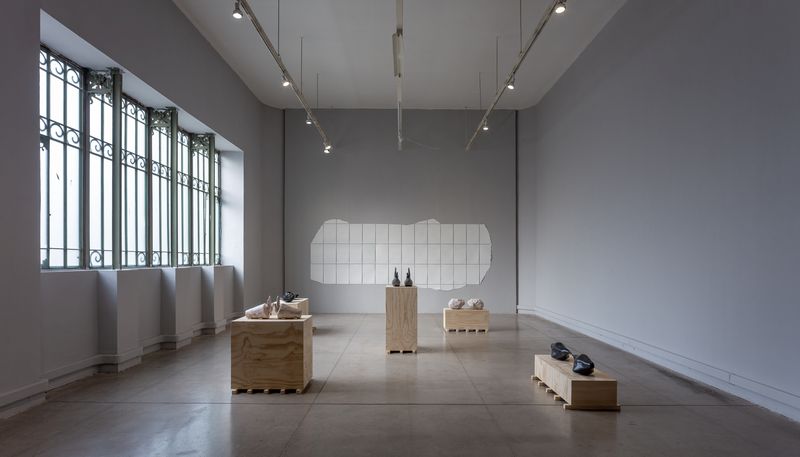
The exhibition "Dicho a mano" by Chilean artist Felipe Pineda, curated by Ayelén Ruiz at the Museo de Arte Contemporáneo de Santiago, explores the difficulty of communication when words fail, turning to the body and hands as alternative languages. Pineda draws on his migratory experience in London and references mutilated classical sculptures from the British Museum, while a recent theft of one piece adds an unexpected dimension. The show reflects on barriers in art and human connection, proposing that even failed communication carries a desire to be understood.

Between Ritual and Institution: Andrea Canepa's Interventions in Spain

ENTRE EL RITO Y LA INSTITUCIÓN: LAS INTERVENCIONES DE ANDREA CANEPA EN ESPAÑA

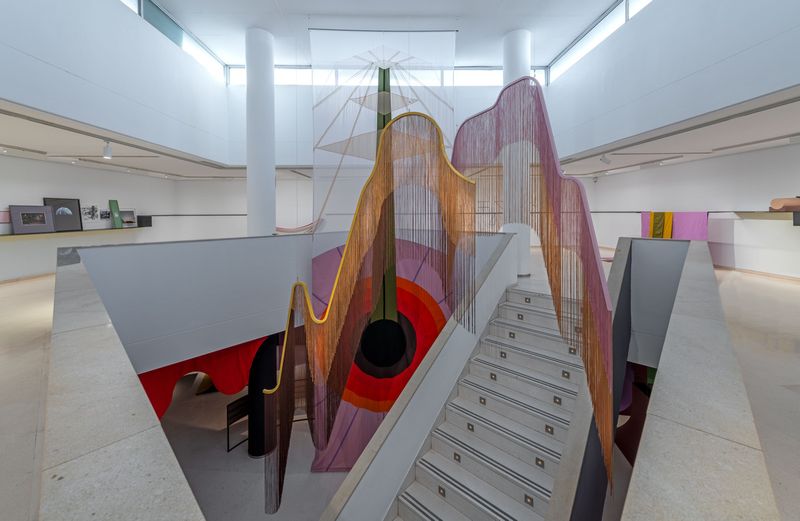
Andrea Canepa, a Peruvian artist born in 1980, has installed "Fardo" at the Palacio de Cristal in Madrid's Parque del Retiro, running from January 13, 2026 to January 1, 2027. The work wraps the building's perimeter in a printed fabric bearing patterns from Paracas funerary textiles, a pre-Columbian culture from southern Peru. Created during the palace's ongoing restoration (which began in 2023), the installation challenges the building's colonial history—it was built for the 1887 Exhibition of the Philippine Islands—by introducing indigenous visual and ritual references. Canepa also presented "Entre lo profundo y lo distante" at the IVAM in Valencia until April 12, 2026, which uses Andean huacas (sacred spaces) to propose a non-linear relationship between time, body, and space. Both works transform passive contemplation into active, bodily participation, using ritual as a means to reorganize the exhibition experience.

Seattle galleries launch Seattle Art Fair alternative

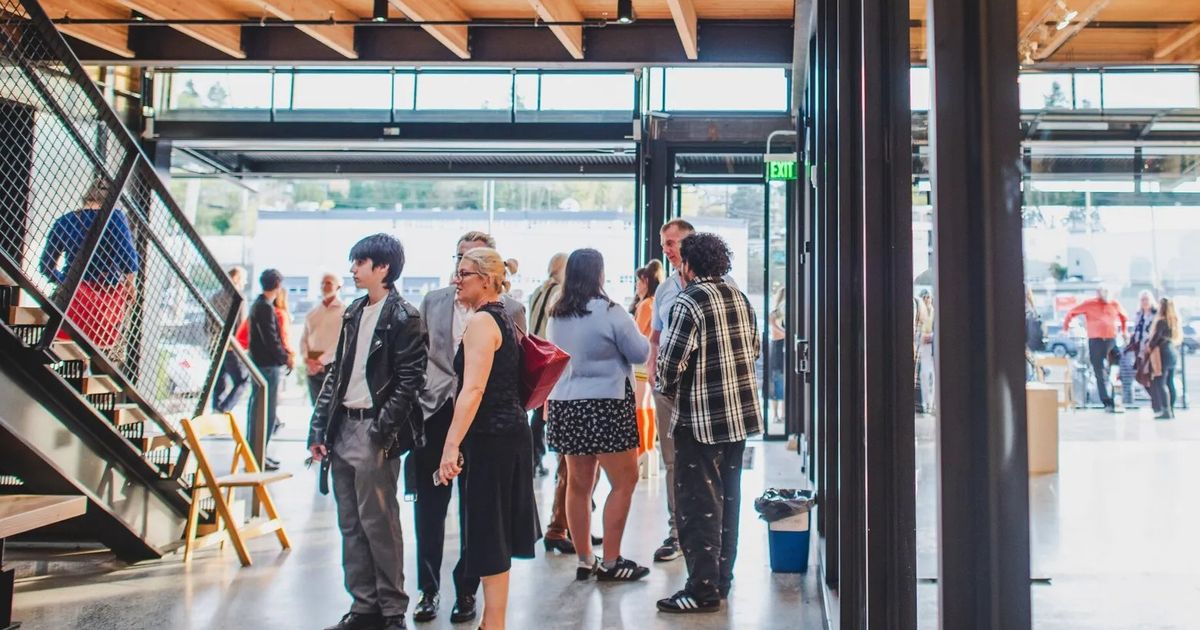
Two prominent Seattle galleries, Traver Gallery and Greg Kucera Gallery, are launching a new art fair called Assembly to coincide with the 10th edition of the Seattle Art Fair in July. Assembly will take place at West Canal Yards from July 23-26, featuring 10 to 15 invited galleries from the Pacific Northwest and Dallas, with a more intimate, curated approach and significantly lower participation costs ($3,000–$6,500 per gallery versus $25,000+ at SAF). The fair is invitational, uses vacant spaces around a central atrium instead of traditional booths, and plans to redistribute ticket and booth revenue to participating galleries.

Artist Murari Jha sculpts memory and home in his New Delhi exhibition

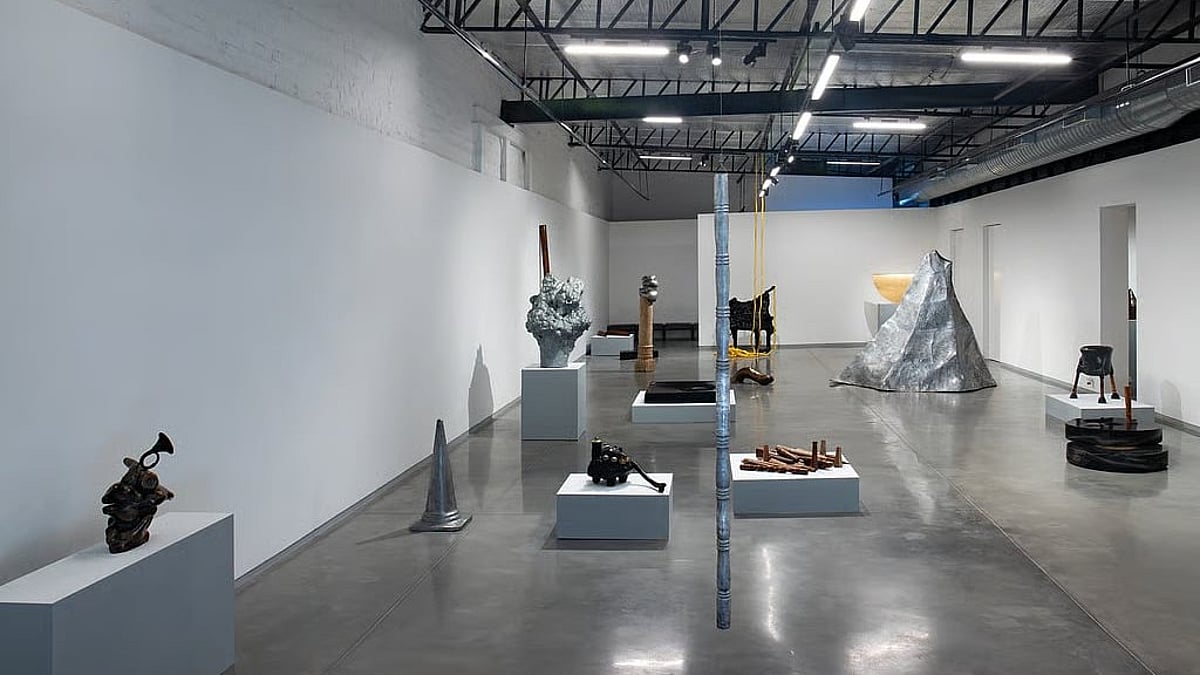
Artist Murari Jha presents *The Future of Nostalgia*, a solo exhibition at Nature Morte in New Delhi, running through May 17, 2026. The show features abstract sculptures in stone, bronze, wood, brass, aluminum, and synthetic putty that explore themes of home, migration, memory, and belonging. A live durational performance is scheduled for May 16, with Jha describing the gallery as a stage and his sculptures as performative objects. The works are deliberately untitled to invite viewers to become co-creators of meaning.

Notre-Dame: The Lie About Respecting Viollet-le-Duc's Light

Notre-Dame : le mensonge sur le respect de la lumière de Viollet-le-Duc

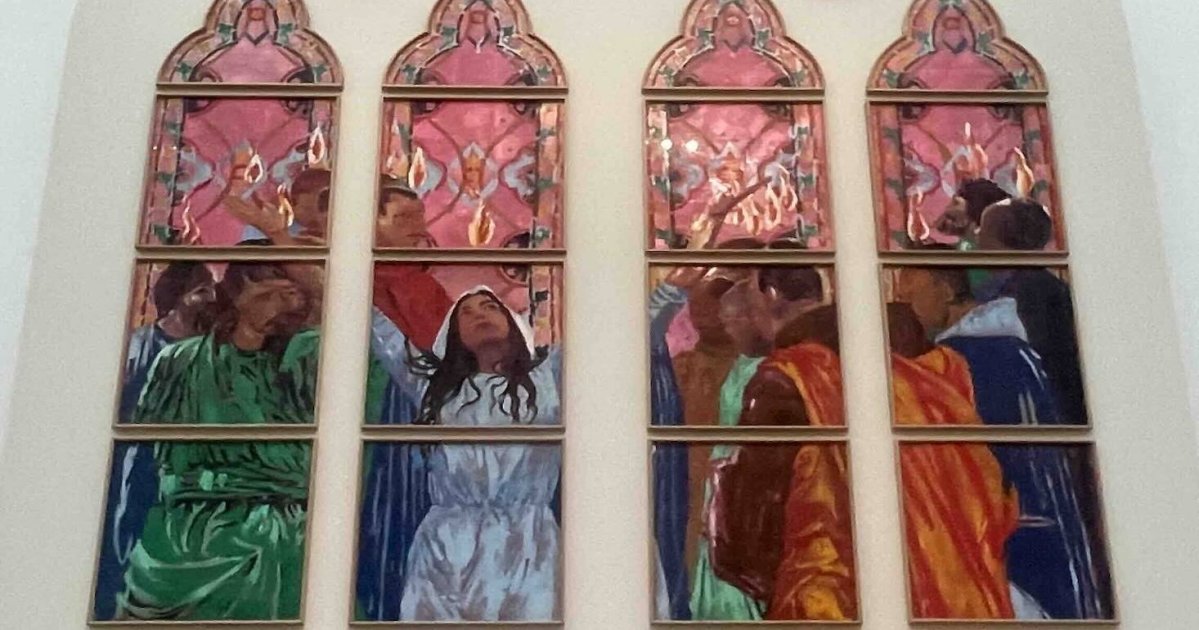
The article criticizes the planned replacement of the stained-glass windows in Notre-Dame Cathedral, designed by Claire Tabouret, arguing that the public establishment behind the project has made false claims about respecting the original light and colors of Eugène Viollet-le-Duc's 19th-century windows. The author compares the existing and proposed windows baie by baie, asserting that the new designs do not match the chromatic balance or light quality, and calls the official justification a lie. It also highlights two additional alleged falsehoods: that the law for Notre-Dame's restoration deliberately omitted the Venice Charter (when the culture minister said it was unnecessary because the charter was already binding), and that the National Commission for Heritage and Architecture had approved the window replacement (which the author claims is contradicted by the commission's own minutes and multiple members).

Notre-Dame : les travaux commencent, le combat se poursuit

Work has begun on replacing the stained-glass windows at Notre-Dame Cathedral in Paris, with scaffolding installed immediately after the work permit was posted. The project involves removing six ornamental windows created in 1864 by Alfred Gérente under Eugène Viollet-le-Duc and installing six new windows by artist Claire Tabouret and the master glassmakers Simon-Marq. The authorization, signed by the prefect, has sparked legal challenges from the heritage association Sites & Monuments, who argue the replacement is neither conservation nor restoration. The article details how the state's own authorization document inadvertently strengthens opponents' arguments by affirming that the entire cathedral, including Viollet-le-Duc's windows, is protected as a historic monument.

Giant glacier painting disappears from Argentina’s presidential palace after new law passes loosening protections for these icy regions

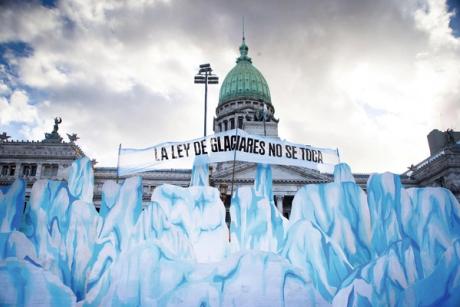
Days before Argentina’s Congress approved an amendment to the glacier law that weakens protections for glacial regions to facilitate mining, President Javier Milei’s government removed a monumental painting of the Perito Moreno Glacier from the Casa Rosada presidential palace. The work, Helmut Ditsch’s photorealist *The Triumph of Nature* (2006), had been on loan and on display since 2012. The government cited “maintenance reasons” and “structural damage,” but the artist says he was not notified and has contacted lawyers. A portrait of Juan Domingo and Evita Perón was also removed the same day, with the same vague explanation.

Stonewall Monument Named Among Most Endangered Sites in the US

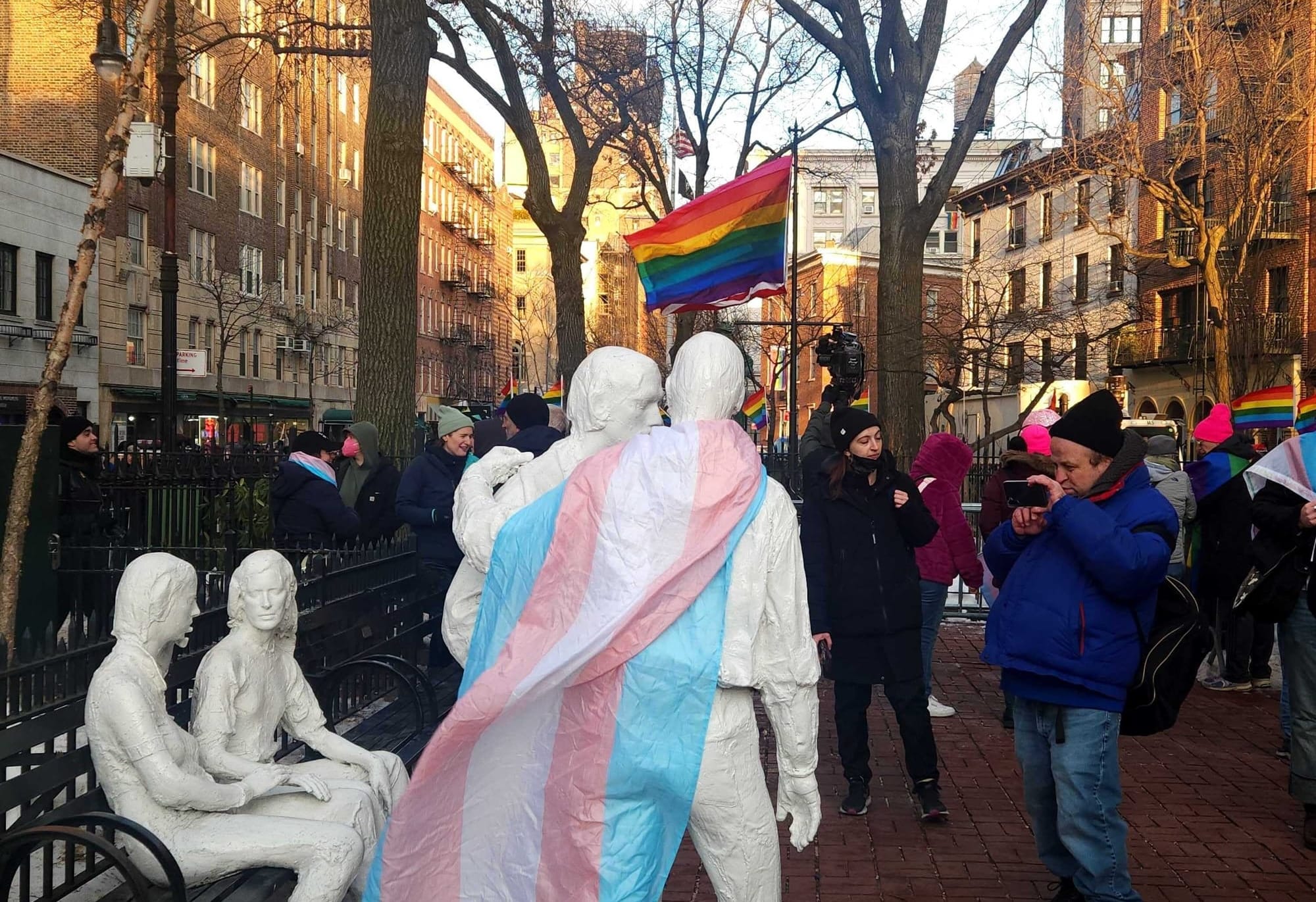
The Stonewall National Monument in Manhattan has been named one of the most endangered places in the US by the National Trust for Historic Preservation, marking the first time the site has appeared on the annual list. The designation comes amid the Trump administration's efforts to control LGBTQ+ history, including the National Park Service's removal of references to transgender individuals from the monument's official website and the removal of the rainbow pride flag from the site. Activists and the Gilbert Baker Foundation fought back, with the foundation filing a lawsuit that led to a settlement allowing the pride flag to be flown again, though the NPS has not restored the original website text.

‘Anger, curiosity and hope’: a planet of protest – in pictures

Matthew Connors' new photo book, *The Axe Will Survive the Master*, compiles 12 years of protest photography from Hong Kong, Cairo, New York, Kyiv, North Korea, and beyond. Published by MACK Books, the work weaves together images from the Occupy movement, the Egyptian revolution, Hong Kong's pro-democracy protests, the war in Ukraine, and other confrontations with authoritarian power, dissolving geographic boundaries into a single sequence drawn from an archive of 200,000 images.

From Eurovision to the Venice Biennale, culture contests are being overshadowed by politics

The Venice Biennale and Eurovision Song Contest are being overshadowed by political controversies rather than artistic merit. At the Venice Biennale, the Russian pavilion opened for press previews for the first time since the Ukraine invasion, a decision that may cost the festival €2m in EU funds. The Israeli pavilion will open despite protests from 200 artists and curators, while the South African pavilion will remain empty after its government blocked an artist's tribute to a Palestinian poet. The Iranian pavilion is also shut, and the awarding jury has resigned en masse, meaning no Golden or Silver Lion awards will be given for the first time in 40 years. Similarly, Eurovision's 70th anniversary is dominated by five countries boycotting over Israel's participation, with little focus on the music.

1,000-year-old archaeological site bulldozed during construction of Mexico-US border wall

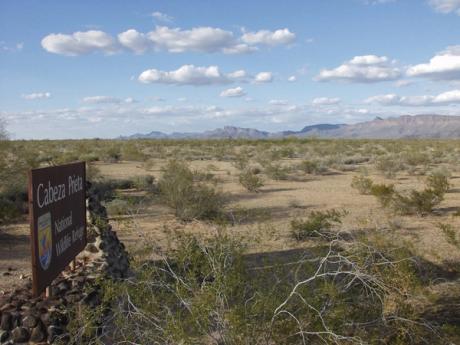
On 24 April, a Department of Homeland Security contractor bulldozed a 1,000-year-old intaglio—a 280ft by 50ft etching in the desert sand—during construction of the US-Mexico border wall in Arizona's Cabeza Prieta National Wildlife Refuge. The site, sacred to local Indigenous communities including the Hia-Ced O’odham, was part of a UNESCO biosphere and contained over 3,000 petroglyphs. Despite warnings from tribal members and refuge staff, the contractor destroyed a 70ft stretch of the fish-shaped intaglio, which elders and archaeologists describe as an irreplaceable cultural and archaeological treasure.

Historic Monument Honors New York's First Arabic-Speaking Community

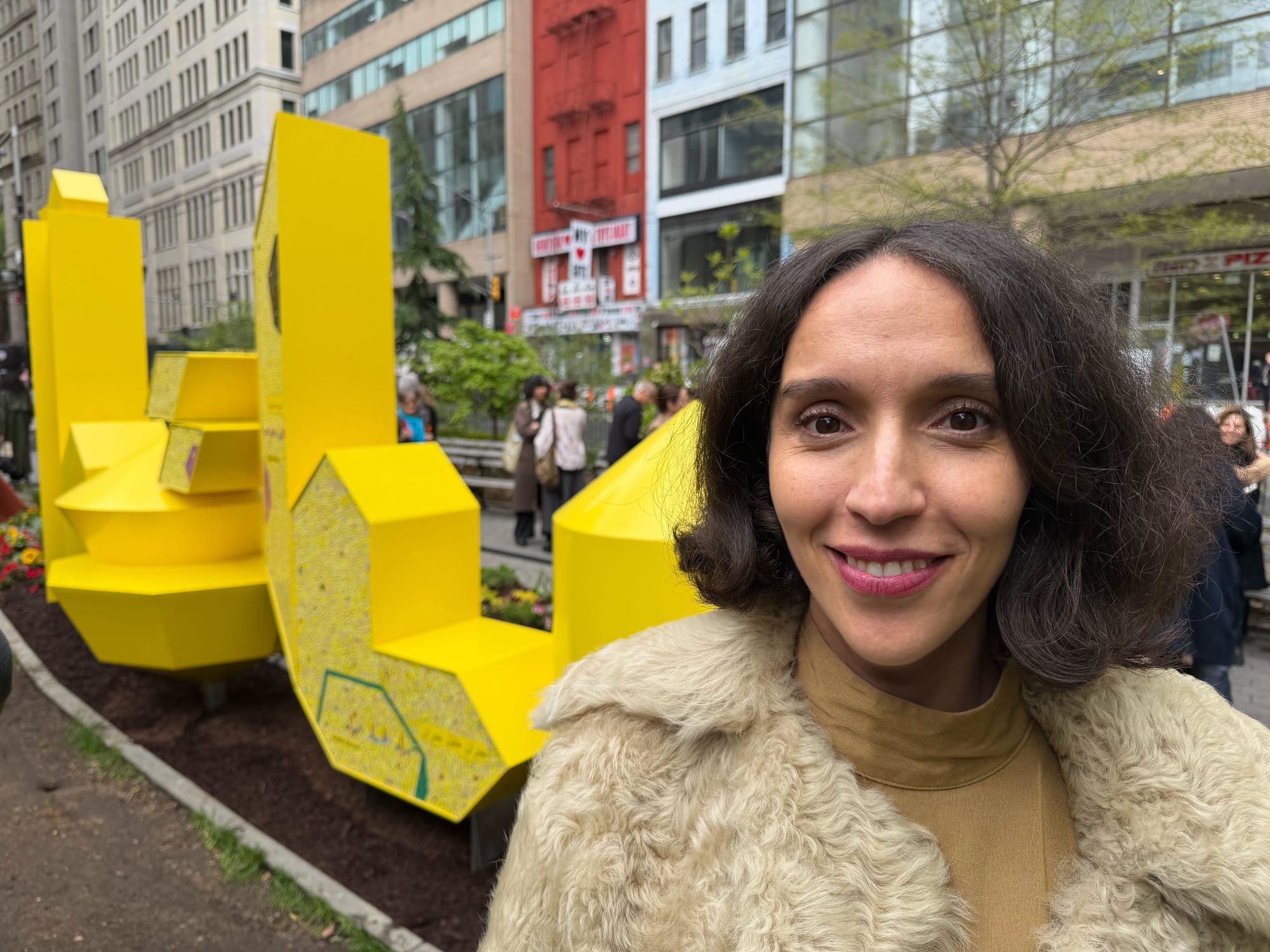
New York City unveiled its first commemorative public artwork under Mayor Zohran Mamdani's administration on April 30, honoring the historic "Little Syria" neighborhood in Manhattan's Financial District. The monument, titled "Al Qalam (The Pen): Poets in the Park," is a mosaic installation and sculpture by French-Moroccan artist Sara Ouhaddou, created over the past decade. It celebrates nine members of the enclave's literary community, including Lebanese-American poet Khalil Gibran, who co-founded the writers' association Pen Bond in 1920. The $1.6 million artwork sits in Elizabeth H. Berger Plaza, within the blocks where immigrants from Greater Syria settled in the late 19th century before being displaced by tunnel construction in the 1940s.

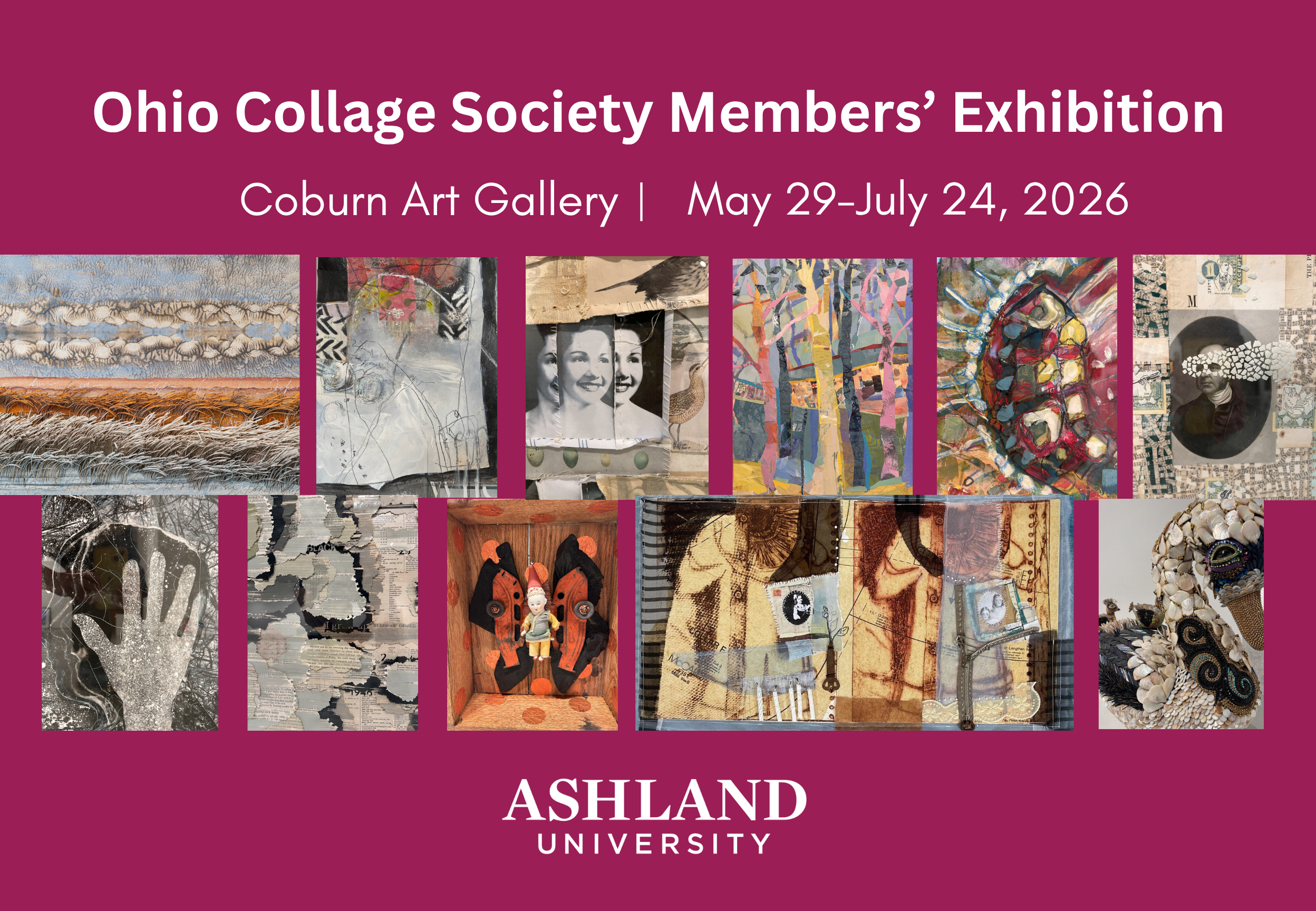
Regional exhibition of Ohio Collage Society opening May 29 at Coburn Art Gallery

The Coburn Art Gallery at Ashland University in Ashland, Ohio, will host a regional exhibition featuring 70 works by members of the Ohio Collage Society from May 29 through July 24. The free opening reception takes place on May 29 from 6 to 7:30 p.m., showcasing two-dimensional and three-dimensional collages that explore diverse materials and techniques. Featured artists include Anita Burgess, Nancy S. Sotka, Mary Ann Sedivy, and others.

Dolce Vita is Over

Dolce Vita war gestern

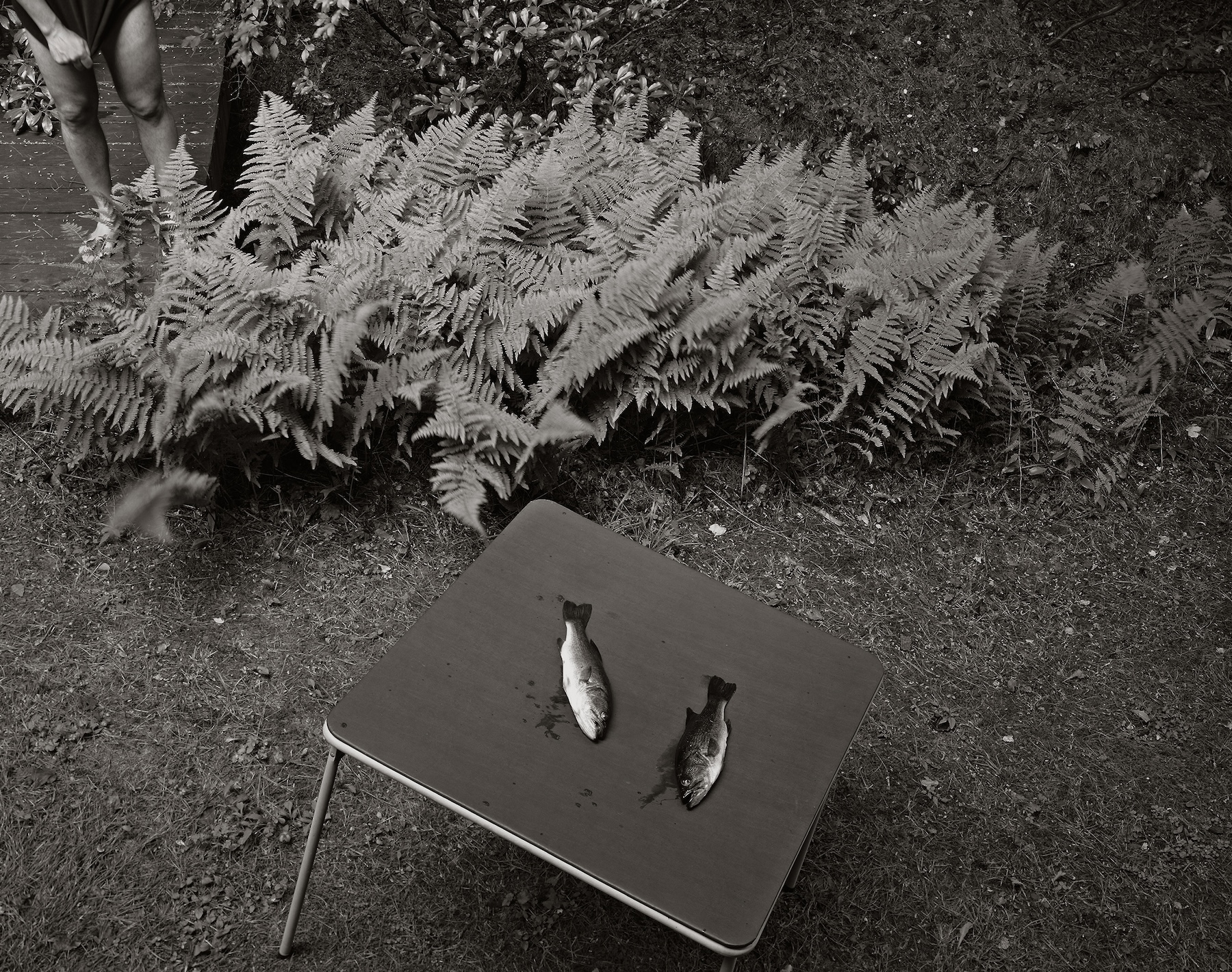
Andrea Modica's new photobook "Italian Story" collects four decades of photographs taken in Italy, beginning with her first trip there in the late 1980s. Born in 1960 to a family with roots in Sicily and Naples, Modica received a Fulbright scholarship to travel to Sicily and photograph the origins of the Catholic imagery, gender roles, and family structures she experienced growing up in New York. The book, however, is not a documentary of her heritage; instead, it presents dreamlike, surreal images—motionless bodies in water, dead fish, figures behind mosquito nets, Madonna statues—that resist clear narrative or identity politics. Modica works with an 8x10 large-format analog camera and prints using the historic platinum-palladium process, giving the images a timeless, collaborative quality.

Barrie artist bringing Louvre-inspired realism to Aurora gallery

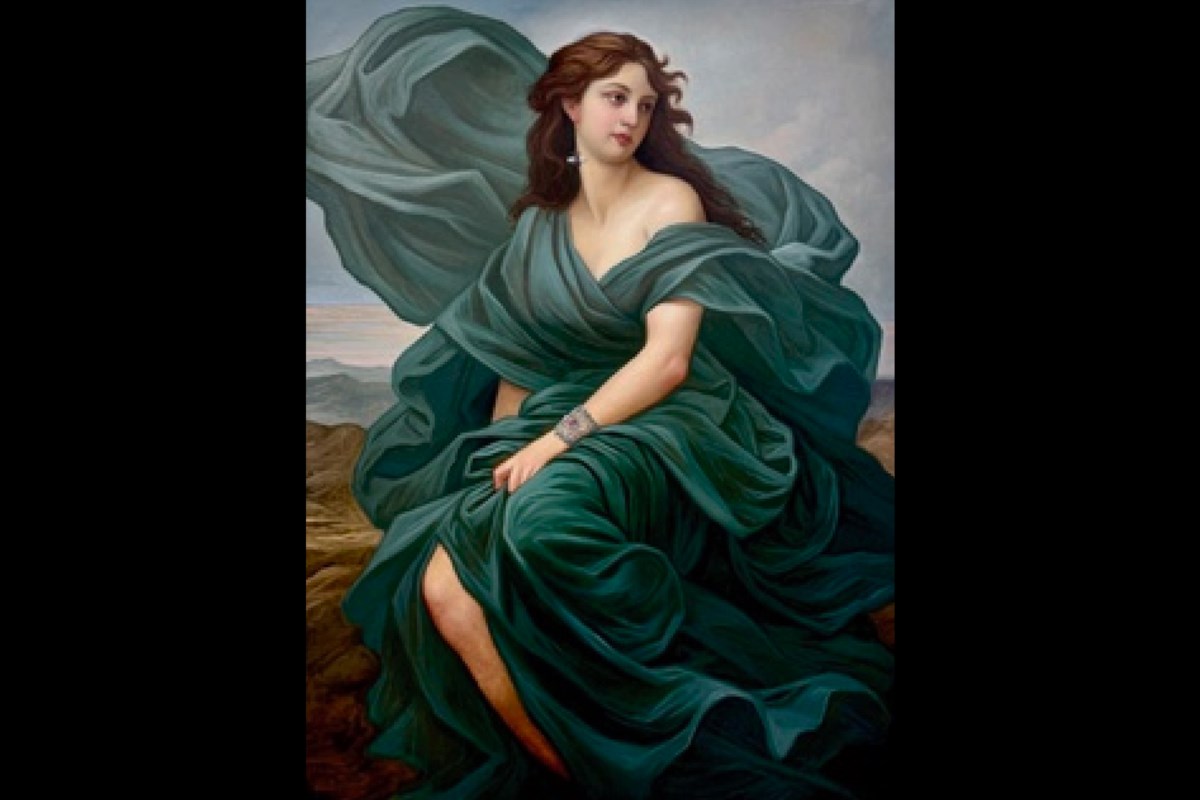
Micak Gallery in Aurora is presenting "Gilded Gold," a solo exhibition by Barrie-based artist JR Newton, featuring new oil paintings on view from May 16 through June 13, 2026. The show includes a live painting event on May 16 and an artist talk and reception on June 4. Newton's highly technical realist works, inspired by a recent trip to the Louvre, reimagine Renaissance portraiture, femininity, and historical grandeur through a contemporary lens, incorporating drapery and jewelry as central motifs.

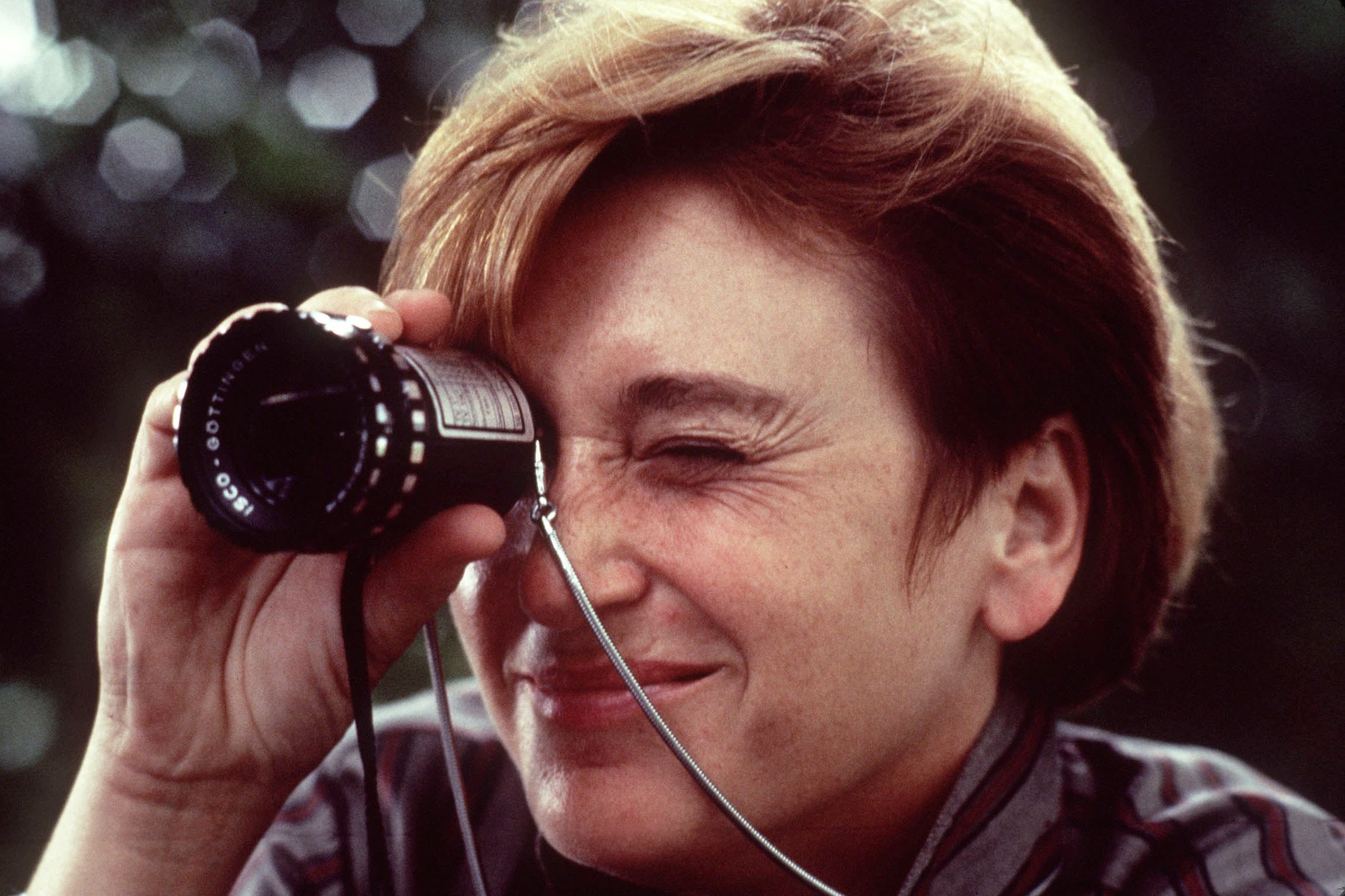
The Many Sheddings of Valie Export

Die vielen Häutungen der Valie Export

Valie Export, the Austrian media and performance artist known for using her body as a site of social critique, has died at age 85 in Vienna. Her final works include a black-and-white photo series of her forearm resting on a stone snake sculpture at the University of Vienna, exploring themes of skin, transformation, and mimesis. From the 1970s onward, she created iconic "Body Configurations" in which she placed her body on streets and against buildings along Vienna's Ringstrasse, tracing architectural forms to expose institutional power and patriarchal authority.