filter_list Showing 66 results for "Arsenal" close Clear
dashboard All 66 museum exhibitions 35article news 22rate_review review 4article culture 2trending_up market 2article local 1
date_range Range Today This Week This Month All
Subscribe

Venice Diary Day 1: At the Giardini, Artists Refuse to Make Fascism Cozy

Henrike Naumann's posthumous installation at the German Pavilion, which retains its 1938 Nazi-era fascist architecture, refuses to make the space 'cozy' by adorning windows with violently ripped domestic fabrics. The 2026 Venice Biennale is the first under president Pietrangelo Buttafuoco, associated with neo-fascist politics, and is overshadowed by controversy over his 'neutrality' policy allowing all countries to participate despite human rights concerns. The exhibition jury initially announced it would not consider pavilions from countries whose leaders are charged with crimes against humanity, then abruptly quit, leaving the situation unresolved. The US Pavilion features unimpressive blobs by Alma Allen, while the Russian Pavilion offers cut flowers and free vodka, and Andreas Angelidakis responds to fascist aesthetics at the Greek Pavilion.

Dozens of Venice Biennale Artists Stage ‘Drone’ Perfomance in Protest of Israel’s Participation

On the opening day of the Venice Biennale, around 60 artists and dozens of other participants staged a protest titled “Solidarity Drone Chorus” at the Giardini entrance, humming a viral song by Gazan composer Ahmed “Muin” Abu Amsha to sonically occupy the space. The action, organized by artists in the main exhibition over several months, protested Israel’s participation in the Biennale and expressed support for Palestine, with participants wearing T-shirts bearing the names and artworks of Gazan and Palestinian artists, many of whom have been killed. The protest follows an open letter from the Art Not Genocide Alliance demanding Israel’s exclusion.

‘Exclusion can only satisfy the ego’: Venice Biennale president hits out at critics amid Russia and Israel controversy

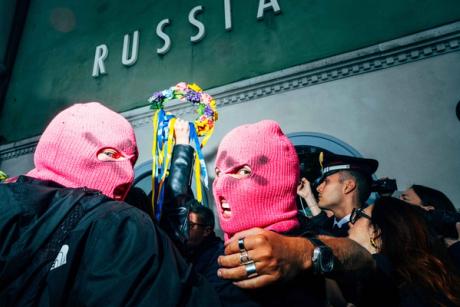
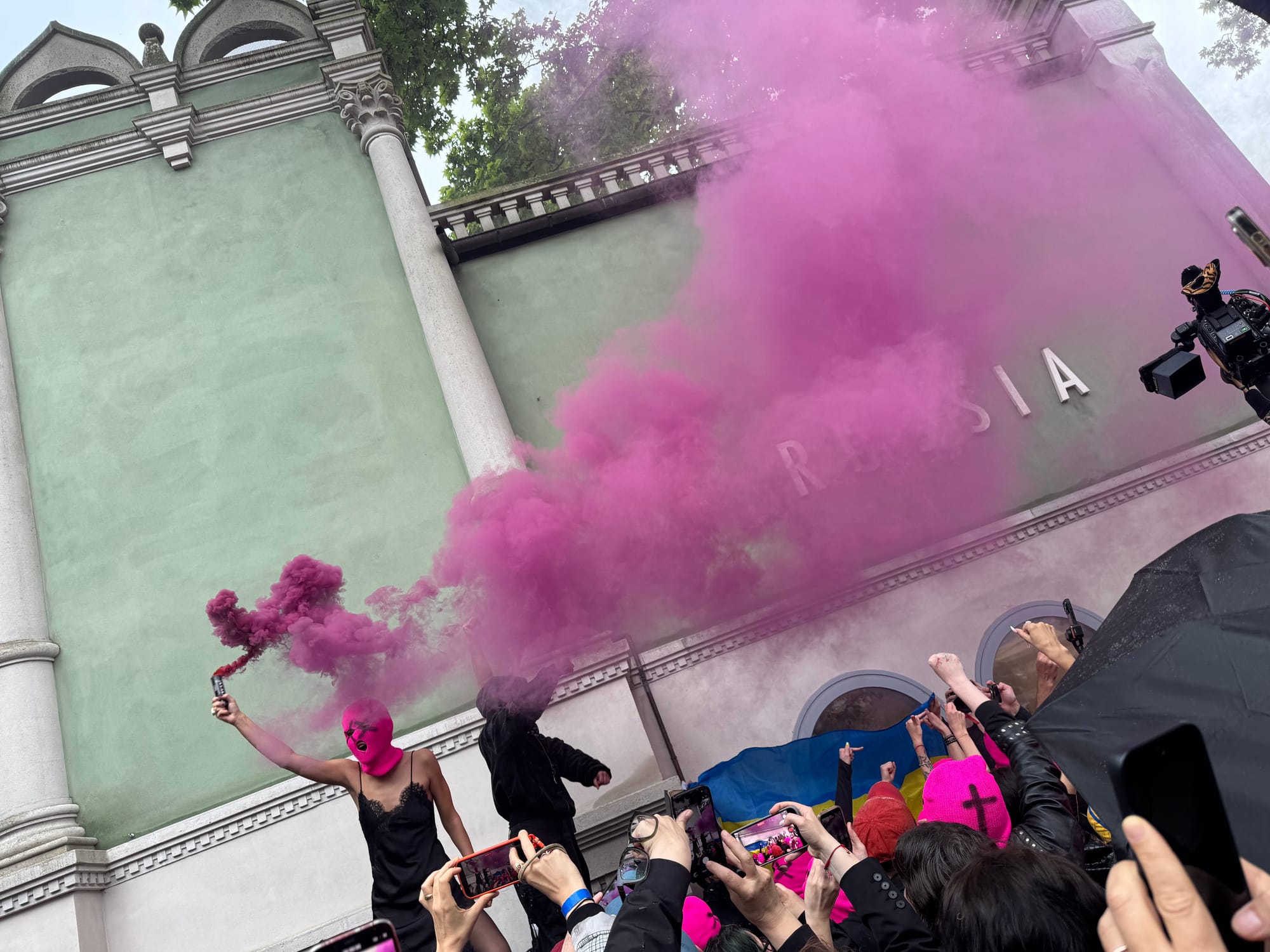
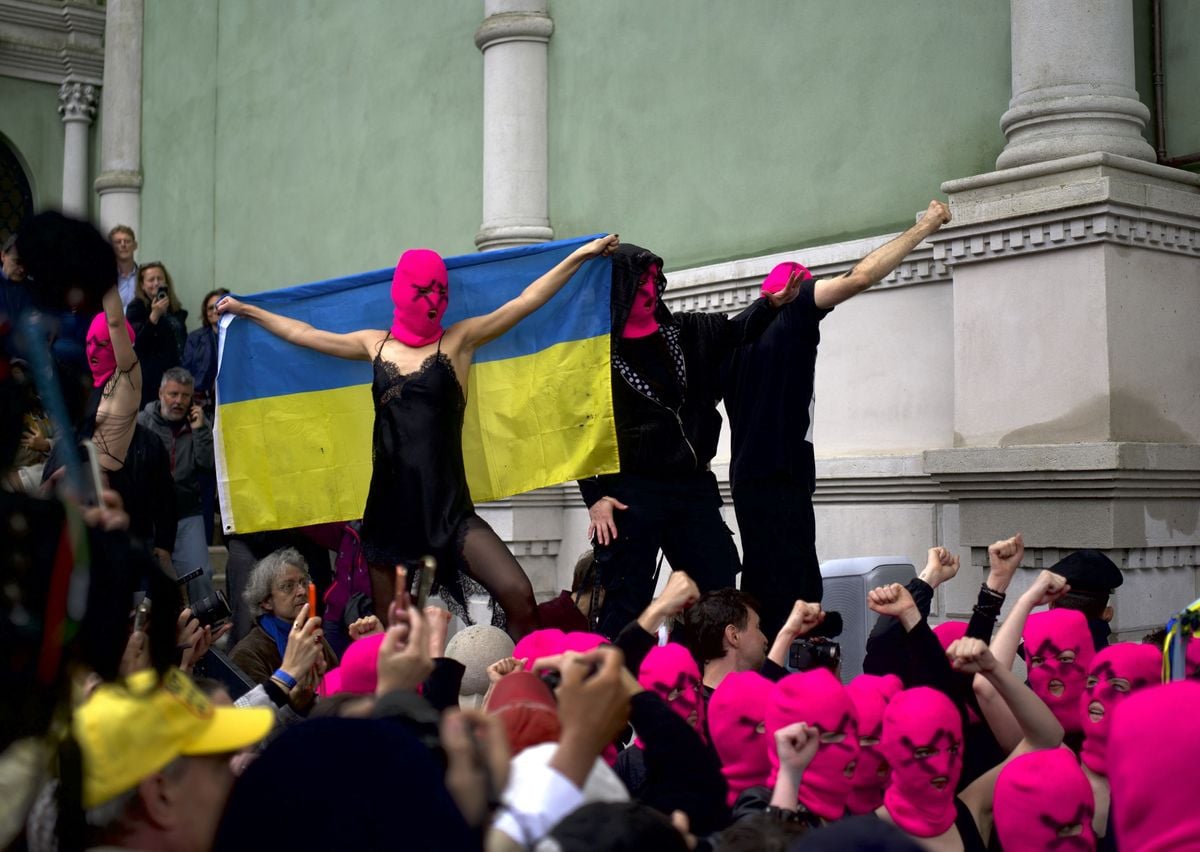
Venice Biennale president Pietrangelo Buttafuoco defended the institution against critics at a conference on May 6, three days before the public opening, amid controversy over Russia's return to the event for the first time since its 2022 invasion of Ukraine and ongoing disputes over Israel's participation. He accused critics of “narcissism” and “censorship,” while Italian culture minister Alessandro Giuli sent inspectors to investigate whether Russia's involvement breached sanctions; a report was submitted to Prime Minister Giorgia Meloni's office. Meanwhile, the Biennale faces legal threats from the artist representing Israel over alleged discrimination, and protests have erupted, including a demonstration by Art Not Genocide Alliance and a Pussy Riot action at the Russia pavilion.

Major protests take place at Venice Biennale previews

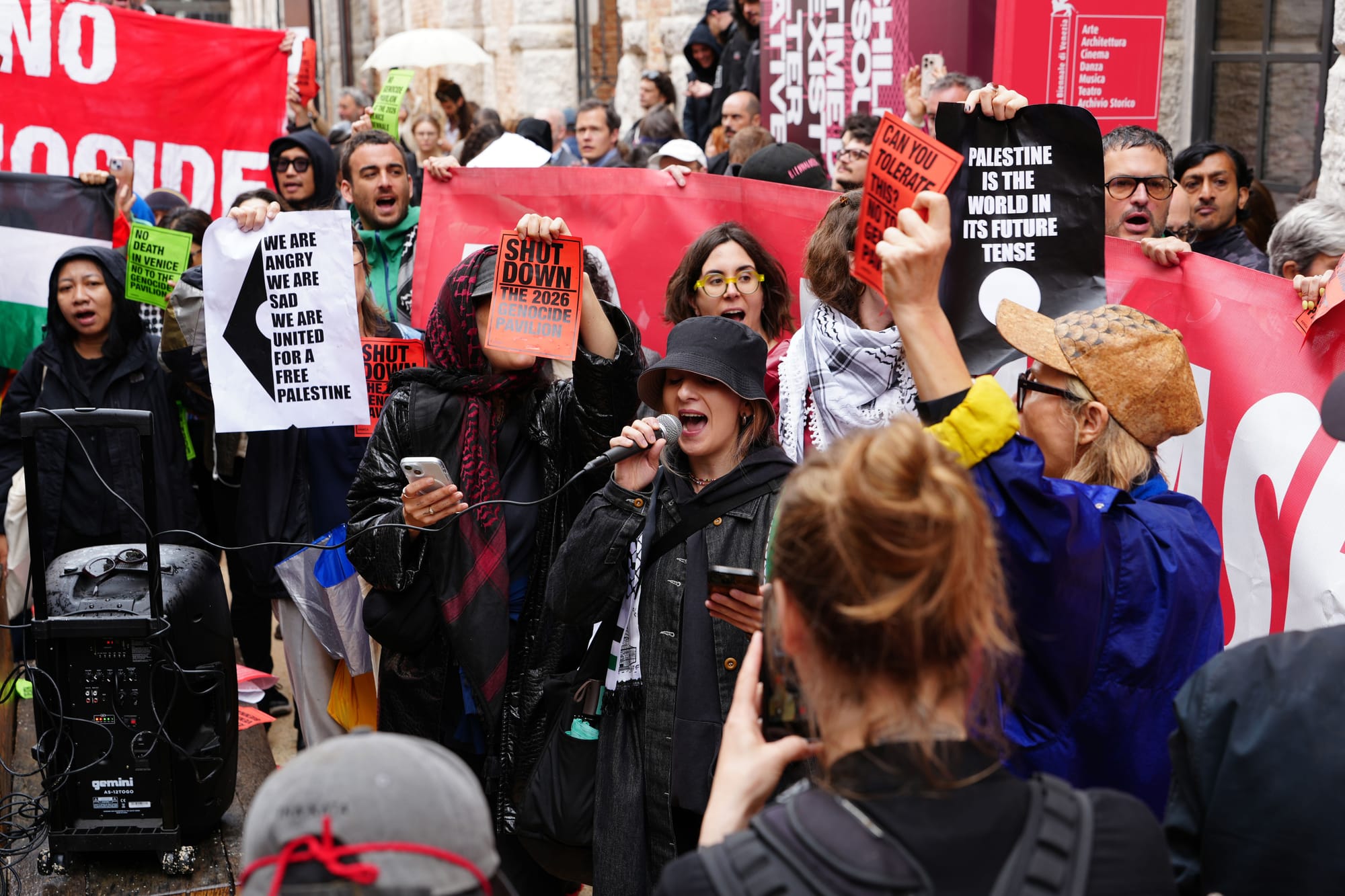
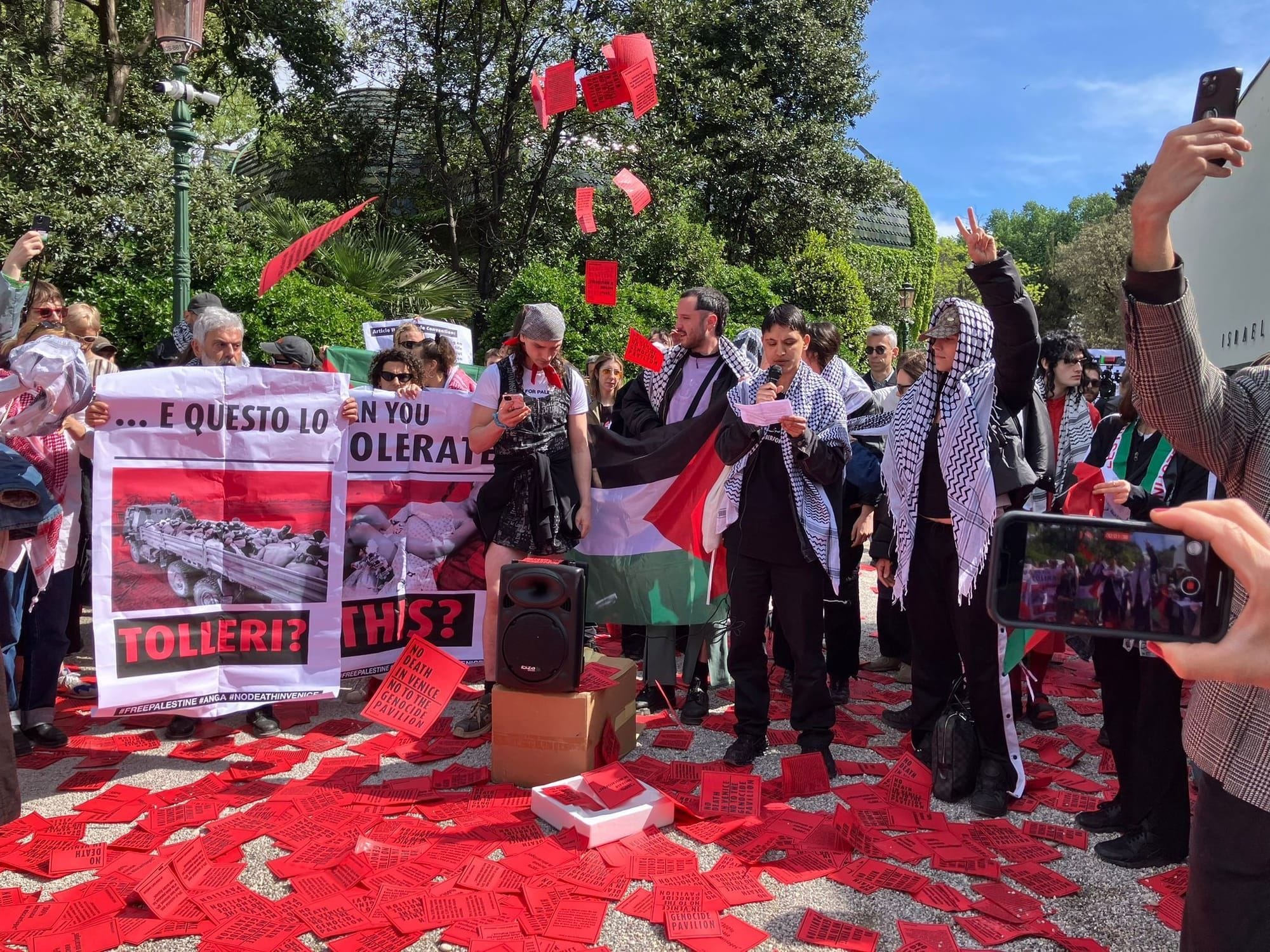
Major protests erupted during the preview days of the Venice Biennale, with multiple demonstrations targeting the Israeli and Russian pavilions. On Wednesday, the Art Not Genocide Alliance (ANGA) held a large protest outside the temporary Israeli pavilion in the Arsenale, attended by over 200 people calling for its closure. Separately, the Solidarity Drone Chorus performed a sound composition by Gazan artist Ahmed Muin, with 60 artists wearing T-shirts bearing names of artists from Gaza. Meanwhile, Pussy Riot and FEMEN protested Russian participation, forcing the Russian pavilion to shut its doors. These actions follow the resignation of the entire Golden Lion jury days before the opening, after they stated they would not consider pavilions from countries whose leaders are charged with crimes against humanity by the ICC—widely seen as a reference to Russia and Israel.

An Unprecedented 24-Hour Strike Could Upend the Venice Biennale

An unprecedented 24-hour strike is set to interrupt the Venice Biennale's opening week on Friday, May 8, in protest of Israel's participation in the global art event. The action, organized by the activist group Art Not Genocide Alliance (ANGA), follows a letter signed by over 230 Biennale participants demanding Israel's exclusion. The strike has exposed divisions among participants, with some artists and pavilion teams weighing solidarity against the rare opportunity to platform their own political messages. The Slovenian pavilion, represented by Nika Grabar of the Nonument Group, has committed to the strike, while others like Ecuador's Tawna Collective remain undecided, balancing protest with their mission to highlight ecological crises in the Amazon.

Khaled Sabsabi is finally at the Venice Biennale: ‘Being here is already a win’

Khaled Sabsabi has opened his exhibition 'conference of one’s self' at the Australian Pavilion of the 61st Venice Biennale, alongside a second installation 'Khalil' in the Arsenale. This follows a tumultuous period in which Creative Australia rescinded his appointment as Australia’s representative in February 2025, sparking widespread backlash from the art community. After being reappointed in July 2025, Sabsabi presents two monumental multimedia works inspired by Sufi practice, created in Bangkok and described as 'one body with two limbs'.

Arsenale Review: Where Voices Resist Erasure

At the 2026 Venice Biennale's Arsenale, critic Andrew Durbin reviews national pavilions, finding the US presentation vacuous and lacking meaning, while praising the British and German pavilions for their incisive and moving installations that resist erasure. The review highlights a stark contrast in curatorial ambition and political engagement among the participating nations.

Cultural workers at Venice Biennale to strike over Israel’s participation

Cultural workers and participants at the Venice Biennale plan to strike on 8 May during the opening week of the 61st edition, protesting Israel’s participation in the event. The strike, organized by the Art Not Genocide Alliance (ANGA) and supported by Italian trade unions, includes a rally near the Arsenale site. ANGA previously sent a letter signed by over 230 artists and curators demanding the cancellation of the Israeli pavilion, citing opposition to "genocide normalisation in culture" and precarious labor conditions. Israel is represented this year by sculptor Belu-Simion Fainaru, who opposes cultural boycotts.

The 2026 Venice Biennale is light and conscious

Quella del 2026 è una Biennale di Venezia leggera e consapevole

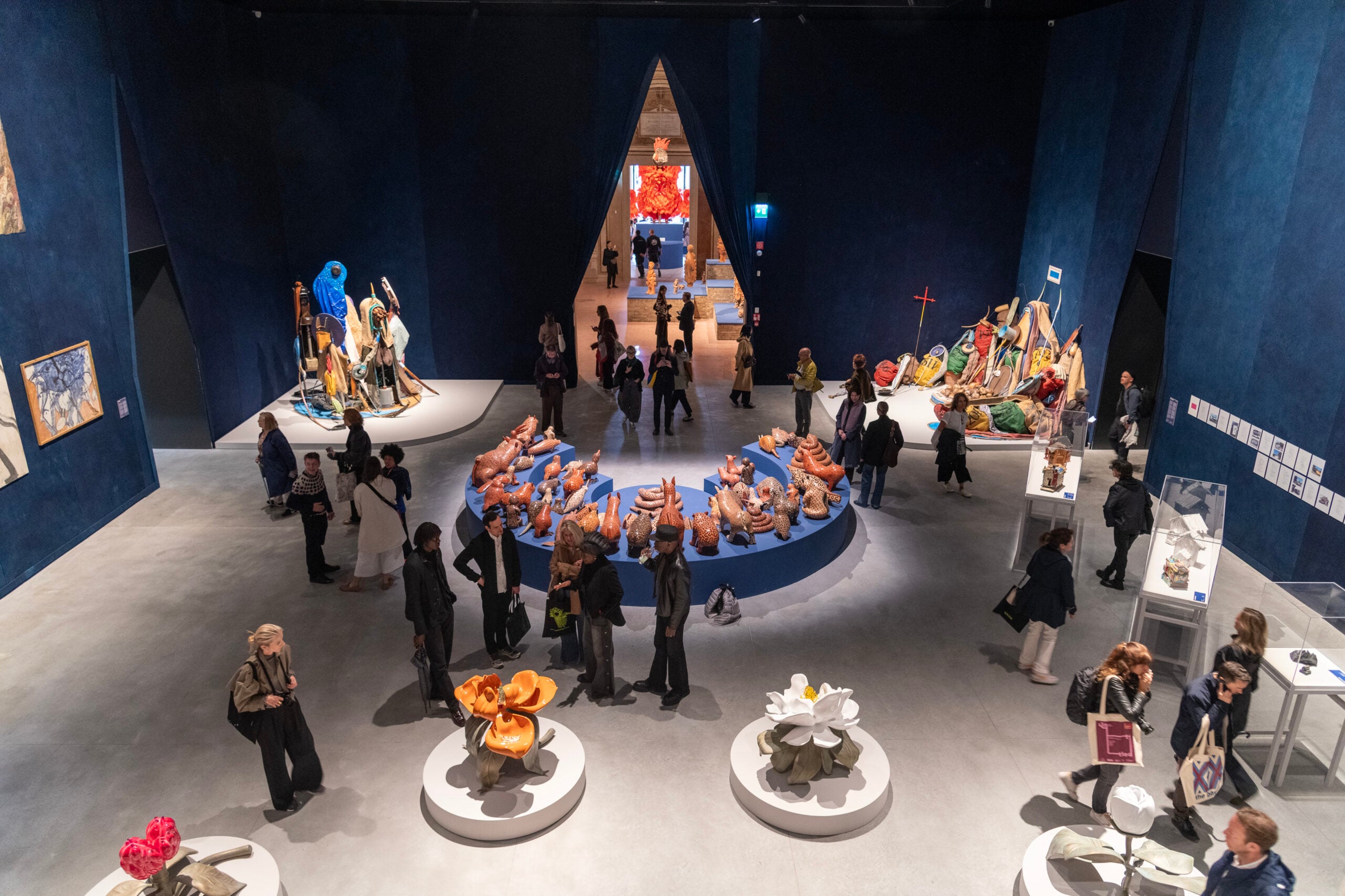
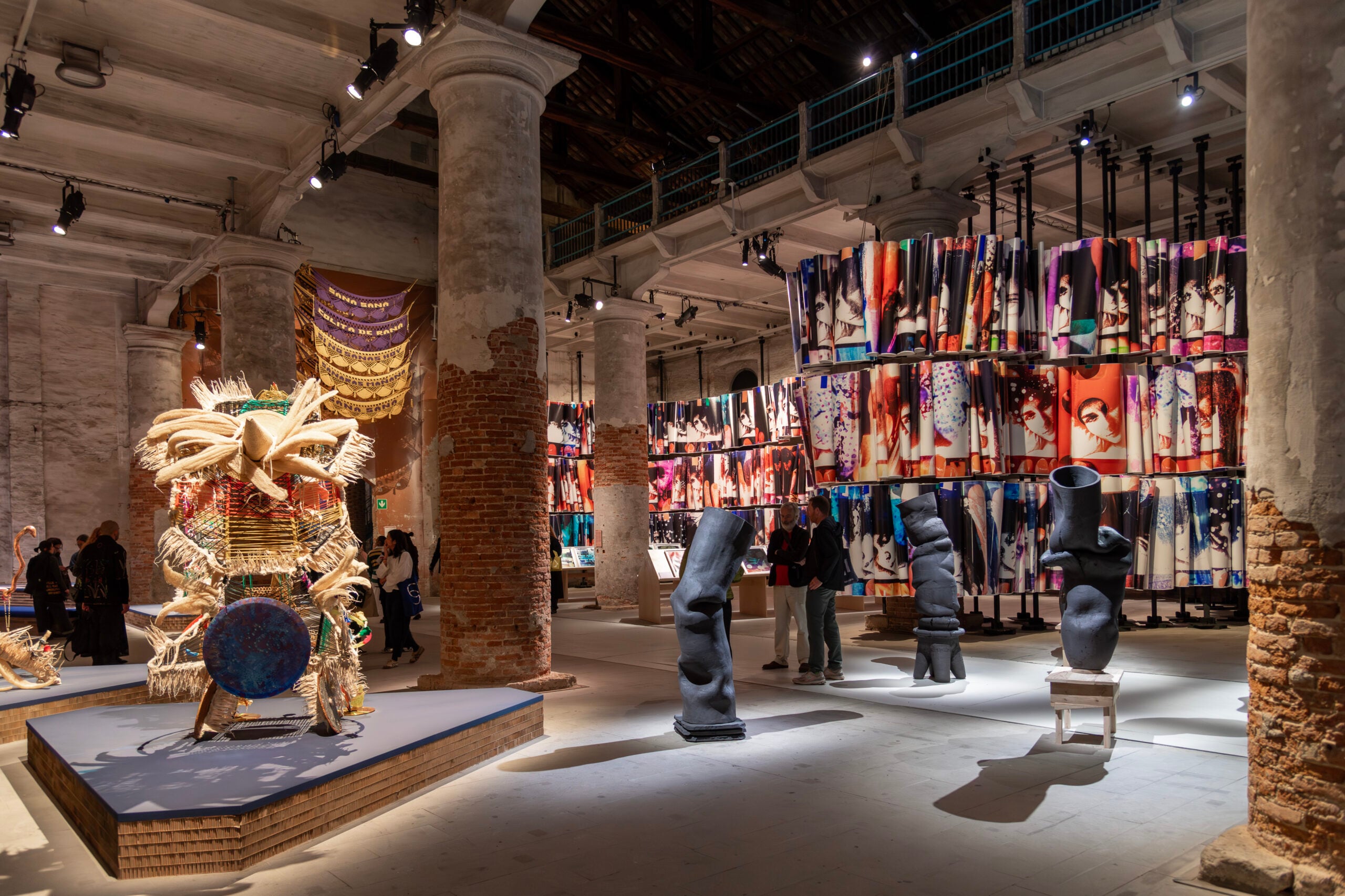
The 2026 Venice Biennale, titled "In Minor Keys" and curated by the late Koyo Kouoh, has opened with a focus on ecology and humanity's relationship with nature. The central pavilion at the Giardini presents a festive, craft-heavy exhibition that emphasizes connections with plants and animals, while the Arsenale offers a more spacious, symphonic experience featuring standout works such as Alfredo Jaar's "End of the World" (2023-2024) and Kader Attia's "Whisper of Traces" (2026). National pavilions, including those of Austria, Denmark, France, Germany, and Spain, explore themes of the body, memory, and ruin with notable installations.

Il Padiglione Italia alla Biennale è il più internazionale di sempre

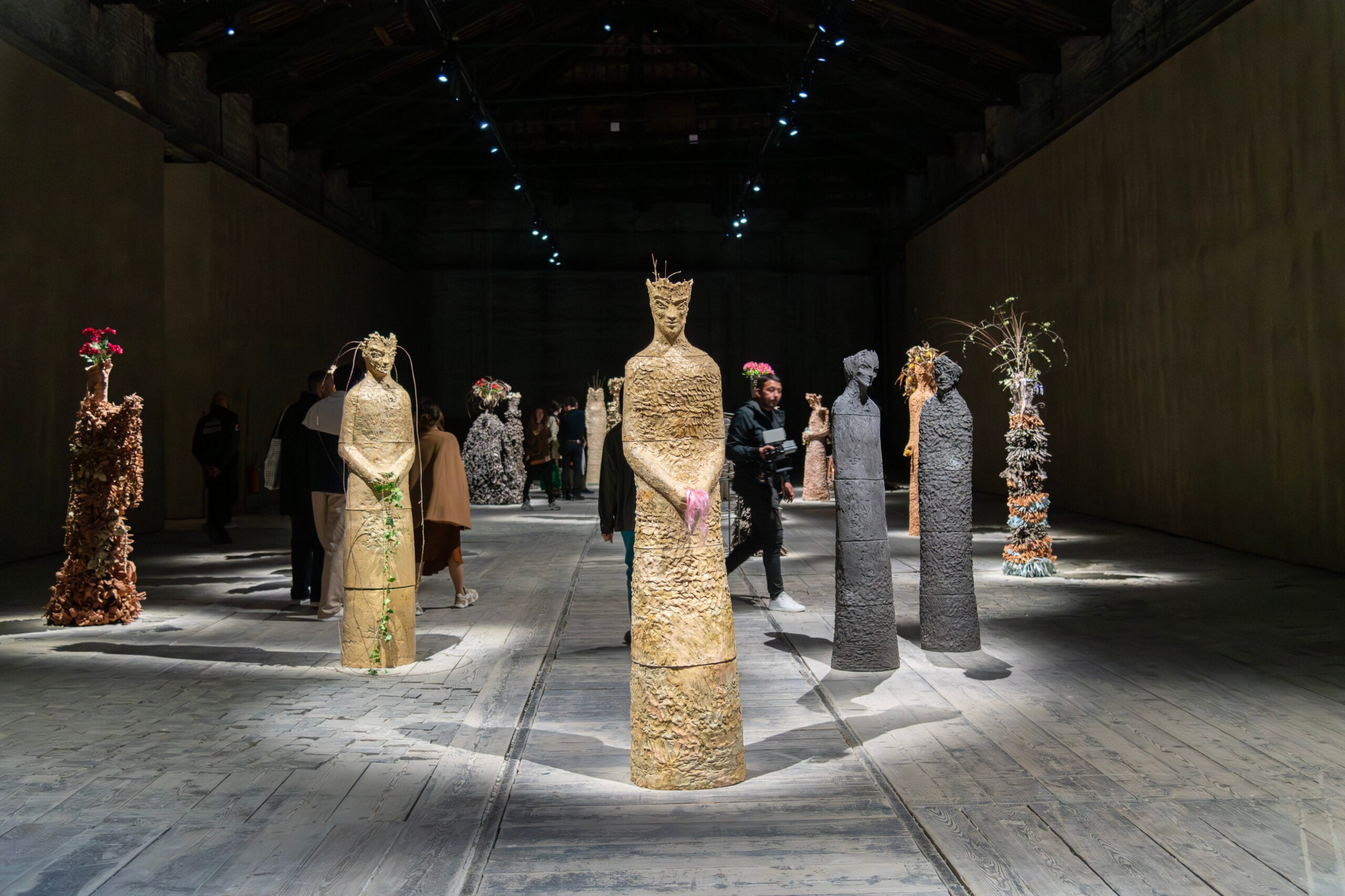
Chiara Camoni presents the Italian Pavilion at the 2026 Venice Biennale with her exhibition "Con Te Con Tutto" in the Arsenale. The show is divided into two sections: the first features monumental yet intimate sculptures, including her signature "sister" figures made from necklaces and terracotta fragments, while the second section continues the installation with a focus on circular production and zero waste. Camoni emphasizes a return to front-facing statuary, avoiding the gigantism of past editions, and works with sustainable, handmade processes.

What is the international exhibition of the Venice Biennale like? Review of "In minor keys" by Koyo Kouoh

Com’è la mostra internazionale della Biennale di Venezia? Recensione di “In minor keys” di Koyo Kouoh

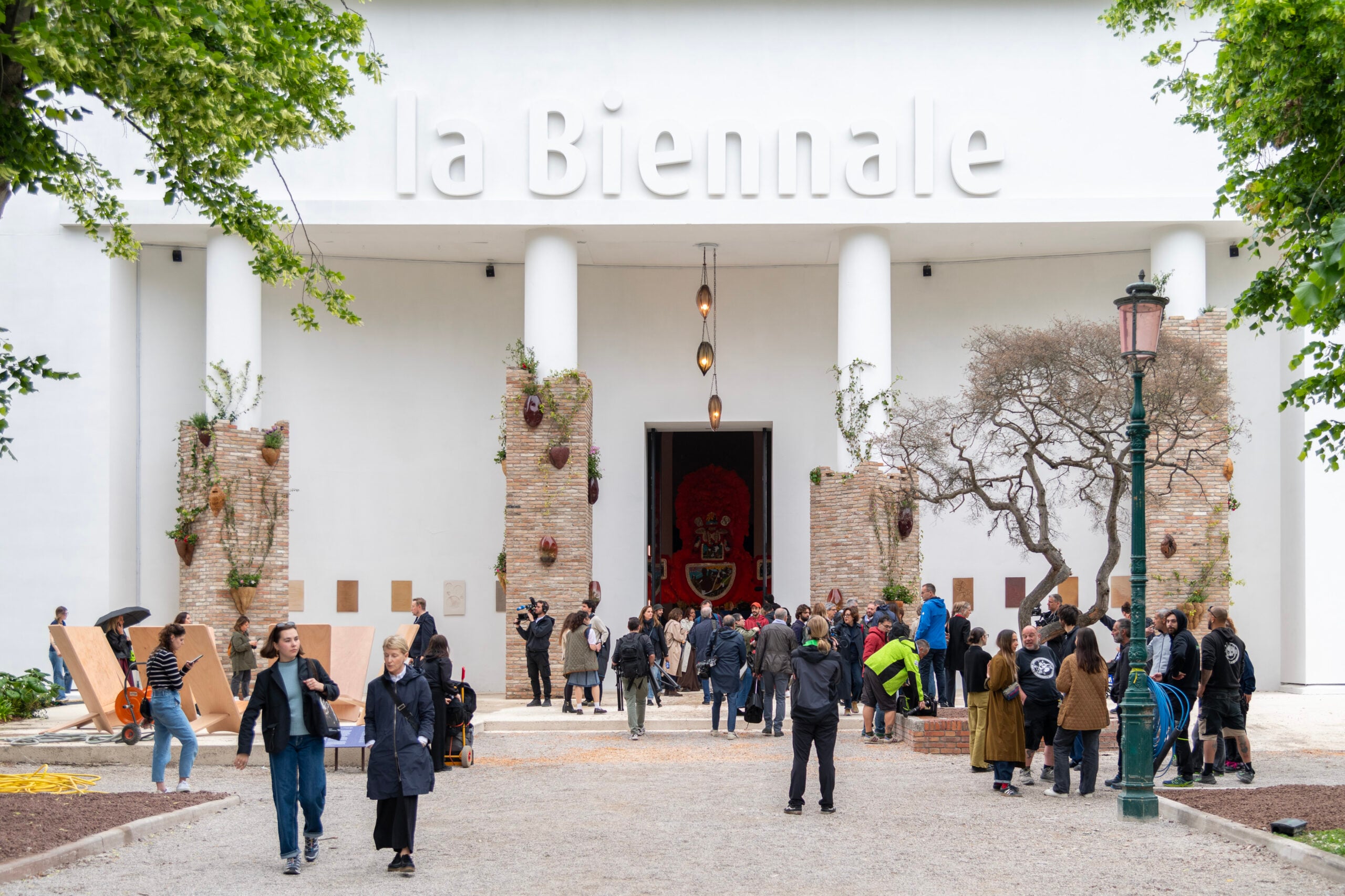
The 2026 Venice Biennale, titled "In minor keys" and curated by the late Koyo Kouoh, opens to the public on May 9 amid controversies including the absence of the president's name in the colophon at the Arsenale entrance. The exhibition, organized by Kouoh's team (Rory Tsapayi, Siddharta Mitter, Marie Helene Pereira, Gabe Beckhurst Feijoo, and Rasha Salty), unfolds across the Giardini and the Arsenale's Corderie, featuring works that balance strength and beauty with a harmonious mix of voices and themes. The Giardini section is particularly compelling, with a non-linear, polycentric layout that feels like a living organism, while the Arsenale offers further depth.

A brand-new novel is set in Renaissance Venice and its powerful Arsenal (where the Biennale is held)

Un nuovissimo romanzo è ambientato nella Venezia rinascimentale e nel suo potente Arsenale (quello dove si tiene la Biennale)

Allegra Scattaglia and Luca Josi have co-authored a new novel titled "Venetians – Il segreto dell’Arsenale," published by Sonzogno. Set in Renaissance Venice, the story follows young patrician Marcantonio Bragadin as he becomes entangled in a plot driven by the city's sophisticated and ruthless political system. The narrative highlights the Arsenal, one of the world's first proto-industrial shipbuilding complexes, which also hosts the Venice Biennale. The book weaves together art, technology, diplomacy, and intrigue, featuring historical figures such as Titian, Tintoretto, Albrecht Dürer, Leonardo da Vinci, and Aldus Manutius.

How sweet it is: chocolate Russell Crowe at the Malta Pavilion

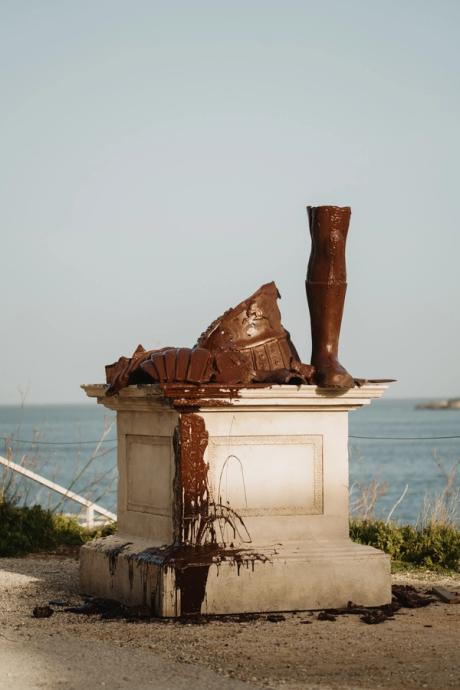
Artist Charlie Cauchi presents a 150-kg chocolate sculpture of Russell Crowe as Maximus from *Gladiator* in her installation *Dolce* at the Malta Pavilion's group exhibition *No Need To Sparkle: Experiments in Love and Revolution* in the Arsenale during the Venice Biennale. The chocolate effigy, originally made by Tiziano Cassar for the Hamrun Chocolate Festival in 2023, was previously admired by Crowe himself, who joked about being made of chocolate.

Morocco debuts at the Biennale with an exploration of its age-old craft traditions

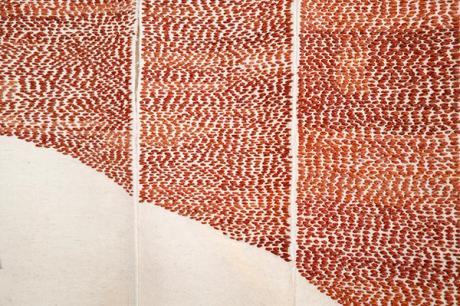
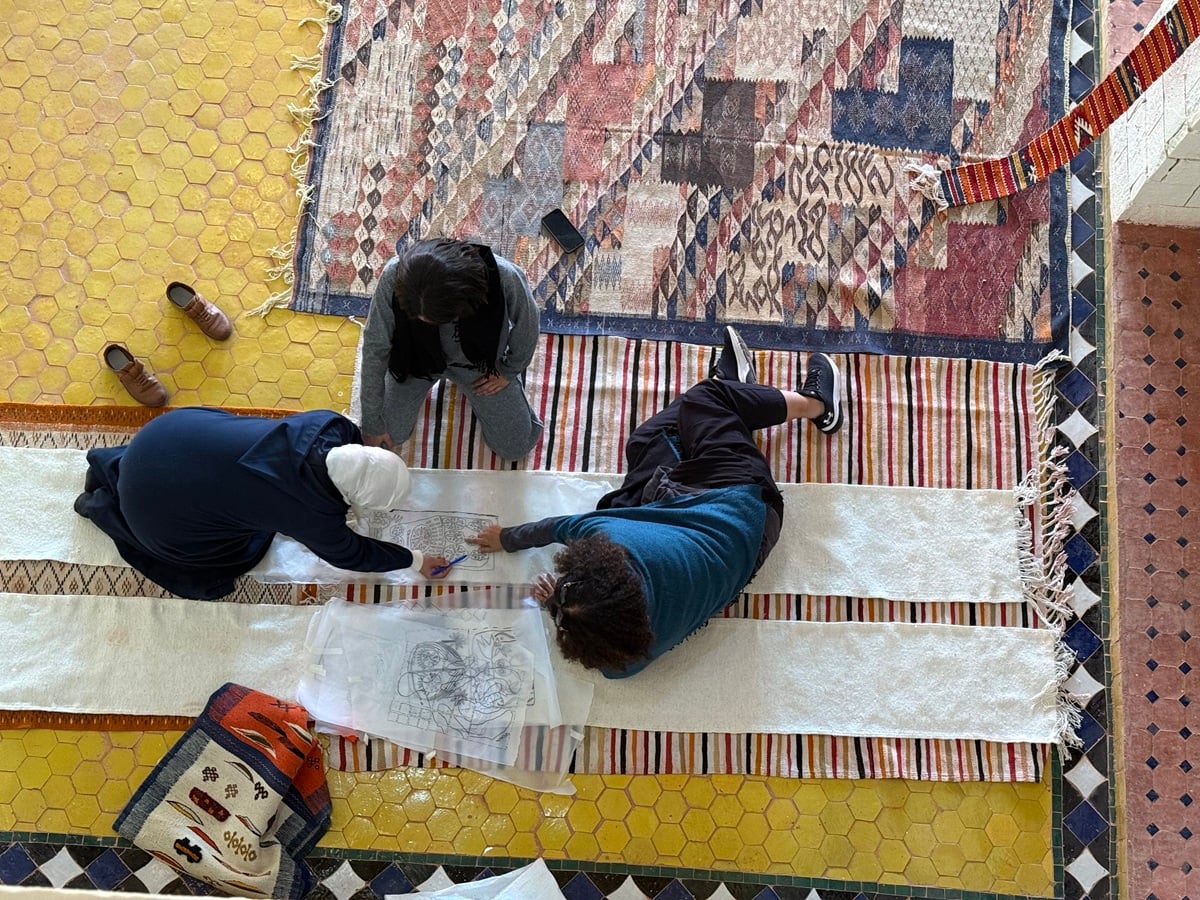
Morocco is debuting its first national pavilion at the Venice Biennale with a monumental installation titled "Asetta" by artist Amina Agueznay. The 300-square-meter site-specific work, located in the Arsenale, draws on centuries-old Moroccan craft traditions, including weaving, beadwork, and embroidery. Agueznay conducted field research across Morocco and collaborated with over 130 artisans, mostly women, some of whom she has worked with for decades. The installation explores the transmission of traditional craftsmanship and shared memory, and incorporates the concept of the threshold (âatba) from Moroccan vernacular architecture, offering visitors both an immersive experience and functional seating.

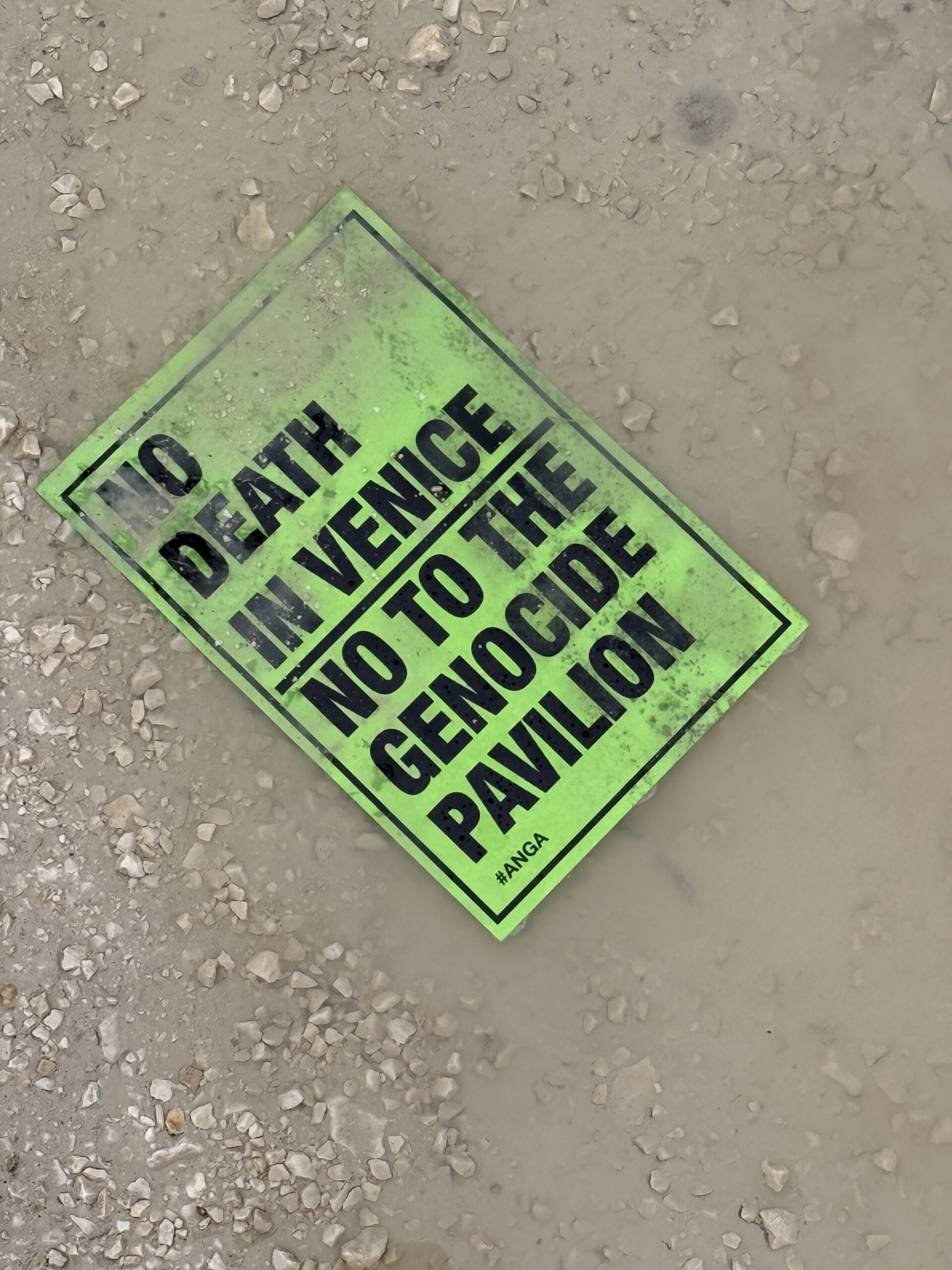
Hundreds Protest Israel’s “Genocide Pavilion” at Venice Biennale

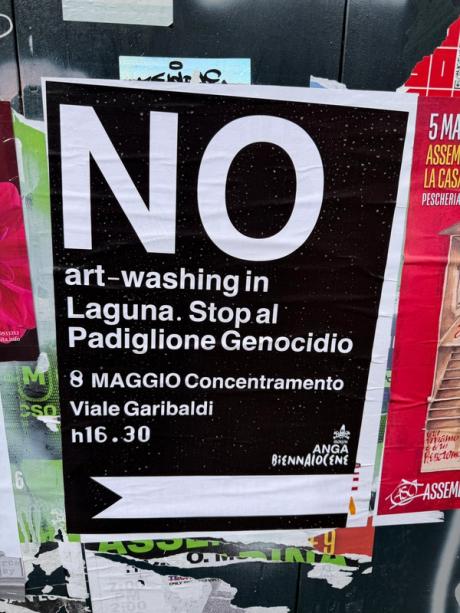
On May 6, 2026, the first day of previews at the Venice Biennale, hundreds of pro-Palestine activists led by the Art Not Genocide Alliance (ANGA) blocked the entrance to the Israeli pavilion, demanding its immediate closure. Protesters waved Palestine flags and banners reading "No Artwashing Genocide" and "No Genocide Pavilion at Biennale," chanting accusations of genocide against Israel. The demonstration temporarily shut down access to Belu-Simion Fainaru's exhibition "Rose of Nothingness" for about half an hour. The protest followed a letter signed by over 200 artists urging the Biennale to exclude Israel, which instead moved the pavilion to an alternative location in the Arsenale due to renovations. Separately, Pussy Riot and FEMEN rallied outside the Russian pavilion, which will only open during preview days due to sanctions. Venice cultural workers plan a 24-hour strike on May 8 in solidarity with Palestinians, potentially disrupting the Biennale's schedule.

Culture Workers Announce Venice Biennale Strike in Israeli Pavilion Protest

Cultural workers, unions, and grassroots groups are planning a 24-hour strike on Friday, May 8, at the Venice Biennale to protest Israel's participation amid the ongoing genocide in Gaza. Organized by the Art Not Genocide Alliance (ANGA), the action includes a rally on Viale Garibaldi and calls for a boycott of Israel's "genocide pavilion." Participating groups include Biennaleocene, Sale Docks, Mi Riconosci, Vogliamo Tutt’altro, and several Italian trade unions. The strike follows months of activism, including a letter signed by over 200 event participants, and comes after the Biennale jury resigned over award eligibility rules that initially excluded Israel and Russia.

Where to go for the next scandal?

Wo bitte geht's zum nächsten Skandal?

The article reports on the 2024 Venice Biennale preview days, where the atmosphere is dominated by political protests, media stunts, and social-media pressure rather than the art itself. Incidents include a solidarity drone choir for Gaza, a Pussy Riot and FEMEN protest at the Russian Pavilion, and a planned demonstration near the Israeli Pavilion, all amplified by PR agencies and WhatsApp alerts. A journalist describes being pressured by editors to cover scandals and political controversies instead of art reviews, which they say no longer attract clicks.

Protests and Shutdowns Engulf 61st Venice Biennale Opening

The 61st Venice Biennale preview week, opening to press and professionals ahead of its May 9 public launch, has been engulfed by protests and institutional crises. On May 5, around 60 artists from Koyo Kouoh's exhibition “In Minor Keys” staged a Solidarity Drone Chorus outside the Giardini, drawing on Gazan composer Ahmed Muin's Drone Song (2025) to highlight victims of warfare. On May 6, the Art Not Genocide Alliance (ANGA) organized protests outside Israel's pavilion at the Arsenale, leading to a security-enforced closure, while Pussy Riot and FEMEN demonstrated outside the Russian pavilion. The jury resigned on April 30 after controversy over award eligibility tied to ICC arrest warrants, prompting the Biennale to scrap Golden Lions and transfer prize voting to the public. Iran withdrew its pavilion on May 4, and Russia's will close on May 9, with only exterior video projections remaining. ANGA and Italian unions have announced a 24-hour strike on May 8.

Zīnah (Adornment): Oman’s Pavilion Tunes the Biennale to Resonance Over Spectacle

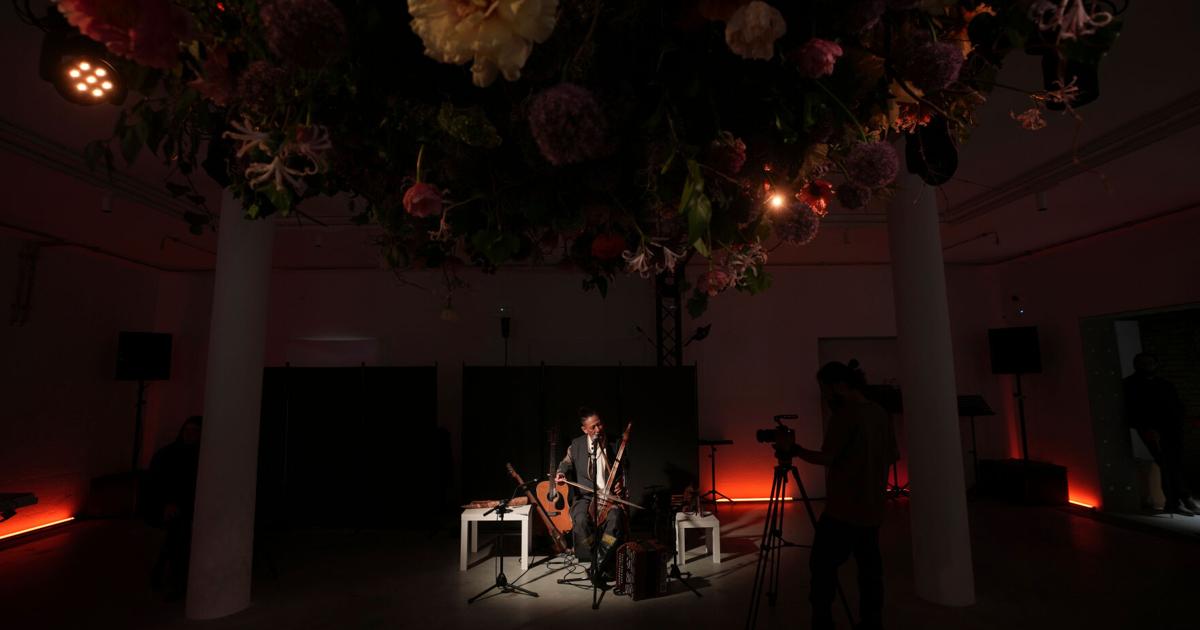
At the 60th Venice Biennale, the Sultanate of Oman presents "Zīnah (Adornment)," a pavilion conceived by artist and curator Haitham Al Busafi. The immersive installation, on view at the Arsenale Artiglierie from 9 May to 22 November 2026, draws on the Omani tradition of adorning horses with silver (al-zaanah) to explore themes of relation, movement, and shared presence. Visitors enter through darkness into a field of Omani sand, beneath a canopy of silver elements that respond to movement with sound. The work incorporates drawings by students and emerging artists from a workshop in Muscat, emphasizing collective authorship.

Art: Amanda Heng’s ‘A Pause’ opens at the 61st International Art Exhibition of La Biennale di Venezia to represent Singapore

Amanda Heng Liang Ngim's exhibition 'A Pause' has opened at the Singapore Pavilion of the 61st International Art Exhibition – La Biennale di Venezia. The installation transforms the historic Sale d’Armi into a contemplative space using larch wood platforms, photographs, and a dual-channel video that observes everyday gestures of rest and renewal in Venice and Singapore. The presentation also includes a reprint of her 1990 series 'Parts of My Body' and is accompanied by a comprehensive monograph, 'Amanda Heng: On and On'.

Venice Biennale previews in chaos as war follows art into world's oldest exhibition

The Venice Biennale previewed its 61st edition in chaos on Tuesday, marked by the unprecedented resignation of its jury over the participation of Israel and Russia. Ukrainian artists displayed a statue of an origami deer from the war-torn eastern front, while Russian pavilion participants danced to house music and Palestinians marched wearing the names of artists killed in Gaza. The jury had stated it would not award prizes to countries under International Criminal Court investigation, singling out Russia and Israel, and its resignation has thrown the exhibition's structure into question.

Annalee Davis at the 2026 Venice Art Biennale. Landscape as mourning, archive and resistance in the Barbados Pavilion

Annalee Davis alla Biennale Arte di Venezia 2026. Il paesaggio come lutto, archivio e resistenza nel Padiglione Barbados

Annalee Davis, an artist from Barbados, will represent her country at the 2026 Venice Biennale with an installation titled "Let this be my Cathedral" within the exhibition "In Minor Keys." The work addresses ecological grief, colonial memory, and the possibility of care without erasing conflict, using suspended plants and organic materials to create a threshold where loss, vulnerability, and wonder remain in tension. Davis discusses the influence of curator Koyo Kouoh, whose vision shaped the Biennale, and the importance of research as an integral part of her artistic process.

At the 2026 Venice Biennale, Spain transforms its Pavilion into a museum of accumulation with artist Oriol Vilanova

Alla Biennale Arte 2026 la Spagna trasforma il suo Padiglione in museo dell’accumulo con l’artista Oriol Vilanova

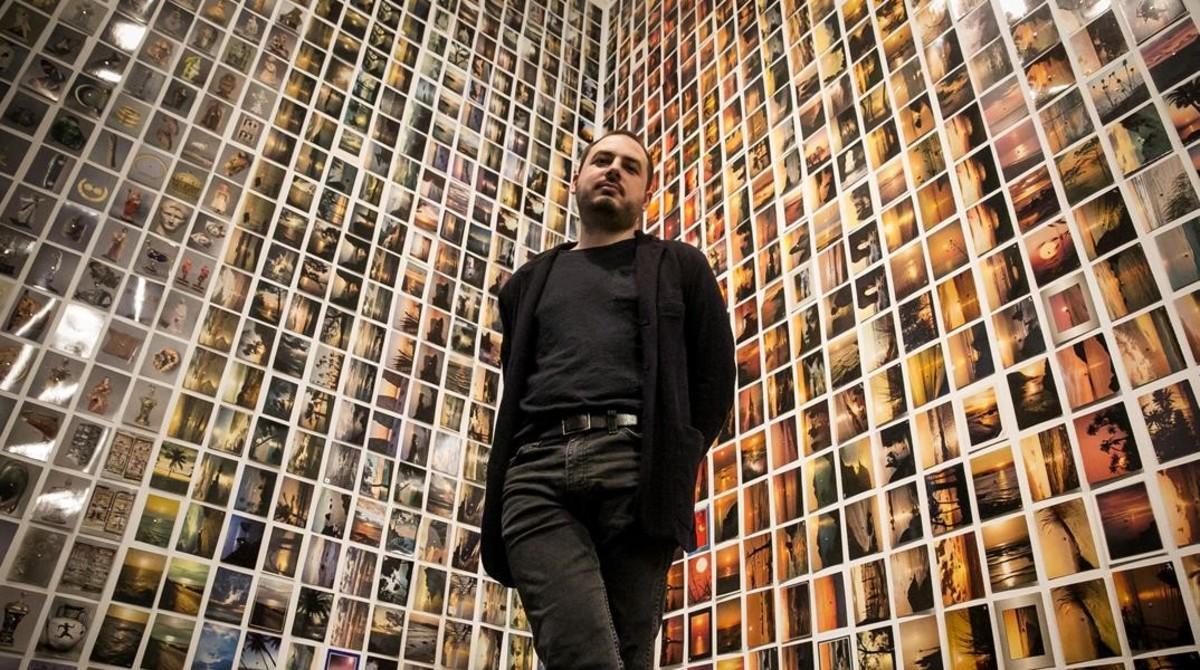
Spain has announced its participation in the 61st Venice Biennale Arte 2026, selecting Catalan artist Oriol Vilanova to represent the country in its newly renovated national pavilion. The project, titled "Los restos," transforms the pavilion into a pseudo-museum of accumulation, featuring Vilanova's vast personal archive of postcards collected over twenty years from flea markets and secondhand circuits. The installation presents these ephemeral fragments as an infinite, non-narrative mural, exploring themes of accumulation and loss. Curated by Carles Guerra, the project also includes a performative intervention titled "Il fantasma della libertà" (2026), which will unfold across the Giardini and Arsenale during the Biennale.

Around the World

Einmal um die Welt

The article previews the national pavilions at the Venice Biennale, where 99 countries present exhibitions across the Giardini, Arsenale, and venues throughout the city. It highlights Iceland's pavilion, featuring Ásta Fanney Sigurðardóttir's project "Pocket Universe" at the Docks Cantieri Cucchini, a multimedia work combining performance, sound, moving image, and installation centered on a film about a creature.

Venice Biennale Opens Amid Strikes, Protests and Institutional Rupture.

The 61st Venice Biennale opened in May 2026 amid strikes, protests, and political unrest, rather than celebration. Coordinated by Italian labor groups and transnational coalitions, demonstrators targeted the Biennale's decision to allow participation by Israel and Russia during the ongoing wars in Gaza and Ukraine. The Art Not Genocide Alliance (ANGA) led protests against Israel's participation, while Pussy Riot and FEMEN activists staged a protest outside the Russian pavilion. The Israeli pavilion's relocation from the Giardini to the Arsenale added symbolic weight, with critics viewing it as institutional endorsement. The late curator Koyo Kouoh's vision for the exhibition, titled "In Minor Keys," emphasized tenderness and complexity, contrasting with the volatile atmosphere.

Saudi pavilion at Venice Biennale turns fractured heritage into monumental art installation

Saudi Arabia has unveiled a large-scale installation by artist Dana Awartani at the 61st Venice Biennale, held at the Arsenale. Titled "May your tears never dry, you who weep over stones," the work covers the entire floor of the Saudi national pavilion and incorporates over 29,000 sunbaked clay bricks and mosaic patterns inspired by Islamic geometric art. The installation references 23 heritage sites across the Arab world that have been damaged or destroyed by conflict, and was produced over nearly 30,000 artisan hours with 32 craftspeople at a studio outside Riyadh. Curated by Antonia Carver with assistant curator Hafsa Alkhudairi, the piece emphasizes traditional craftsmanship and collective skill-sharing.

Anti-Russia Protests Spread Beyond the Biennale and Into Venice

Protests against the reopening of the Russian pavilion erupted at the Venice Biennale and spread across the city on the second day of the 61st edition. Visual artist Shalva Nikvashvili, who grew up in post-Soviet Georgia, began a silent performance wearing a muzzle-style mask and carrying a chair, holding a sign reading “La Biennale di Venezia” and “violence.” Shortly after, a group of about 20 protesters led by Pussy Riot co-founder Nadya Tolokonnikova gathered outside the Russian pavilion, chanting against Vladimir Putin, waving Ukrainian flags, and releasing a pink smoke flare. The protests followed the Biennale's decision to allow Russia to participate for the first time since its 2022 invasion of Ukraine, despite calls from artists and politicians to exclude the country.

After the firestorm: First look at Australian artist’s Venice Biennale works

Australia has opened its pavilion at the Venice Biennale featuring artist Khaled Sabsabi's multimedia installation "conference of one's self," a vivid work inspired by a 12th-century Sufi poem. The exhibition follows a political firestorm: Creative Australia initially selected Sabsabi and curator Michael Dagostini to represent the country, then rescinded the invitation after controversy over a 2007 video featuring Hezbollah leader Hassan Nasrallah. The decision was later reinstated, and Sabsabi also has a companion work in the main Biennale exhibition curated by Koyo Kouoh. The pavilion is funded by the federal government and private donors including Simon Mordant and the Turnbull Foundation.

A review of the 2026 Venice Biennale without naming a single artist

Una recensione della Biennale di Venezia 2026 senza nominare neppure un artista

This review of the 2026 Venice Biennale describes an exhibition that overcame dire circumstances—the death of curator Koyo Kouoh early in preparations, losses of key artists, and international political controversies—to deliver a surprisingly joyful and engaging show. Titled "In Minor Keys," the Biennale features a well-conceived, flowing presentation across the Giardini and Arsenale that prioritizes beauty, craftsmanship, and hope over a punitive or documentary tone.

Morocco is for the first time with a Pavilion at the Venice Art Biennale. Homage to the weaving of Amina Agueznay

Il Marocco è per la prima volta con un Padiglione alla Biennale d’Arte di Venezia. L’omaggio alla tessitura di Amina Agueznay

Morocco is participating for the first time with an official national pavilion at the Venice Art Biennale, presenting a monumental installation by artist Amina Agueznay. Titled "Asǝṭṭa" (2026), the site-specific work at the Arsenale's Artiglierie space explores ritual weaving and the transmission of traditional craftsmanship, using sewn panels to create a second skin over the 300-square-meter pavilion. Curated by Meriem Berrada, the project draws on Agueznay's two-decade-long research in dialogue with Moroccan artisan communities, including spinners, embroiderers, basket makers, and goldsmiths.