filter_list Showing 173 results for "Bates" close Clear
search
dashboard All 173 museum exhibitions 75article news 39article culture 18rate_review review 17candle obituary 6article policy 5article local 5person people 4trending_up market 2gavel restitution 2
date_range Range Today This Week This Month All
Subscribe

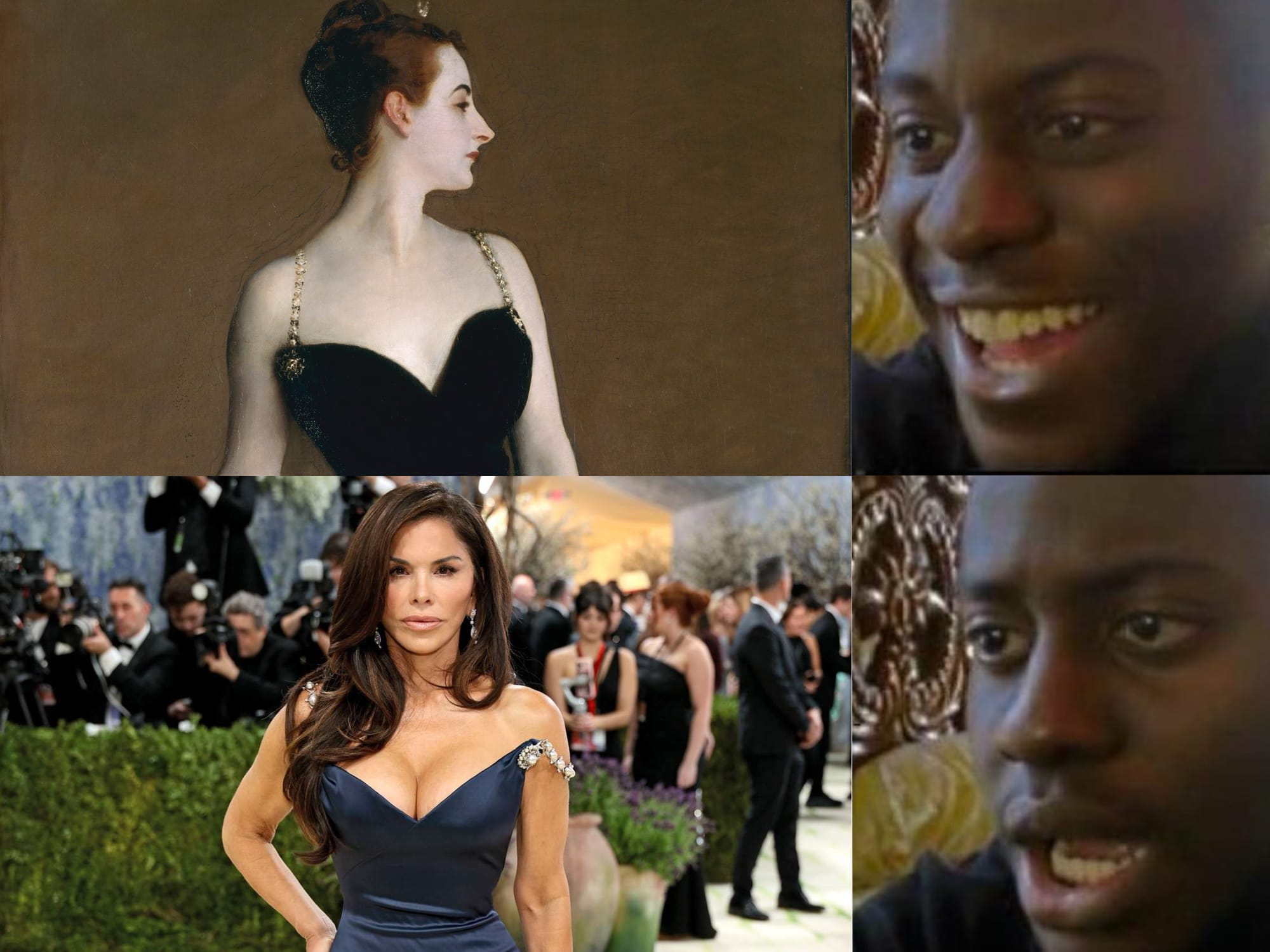
Met Gala Memes That Ate the Rich and Left No Crumbs

The article covers the 2026 Met Gala, sponsored by Jeff and Lauren Sánchez Bezos, and the intense online backlash it generated. Despite a dress code of "Fashion is Art," celebrities faced merciless mockery on social media for their looks, with particular scorn directed at Lauren Sánchez Bezos's Schiaparelli gown inspired by John Singer Sargent's "Madame X." The criticism was amplified by weeks-long protests against Amazon's labor practices and Bezos's involvement, as well as the museum's own unionized employees speaking out. The piece compiles the most inventive and cutting memes from X (formerly Twitter), targeting everything from fashion fails to political hypocrisy.
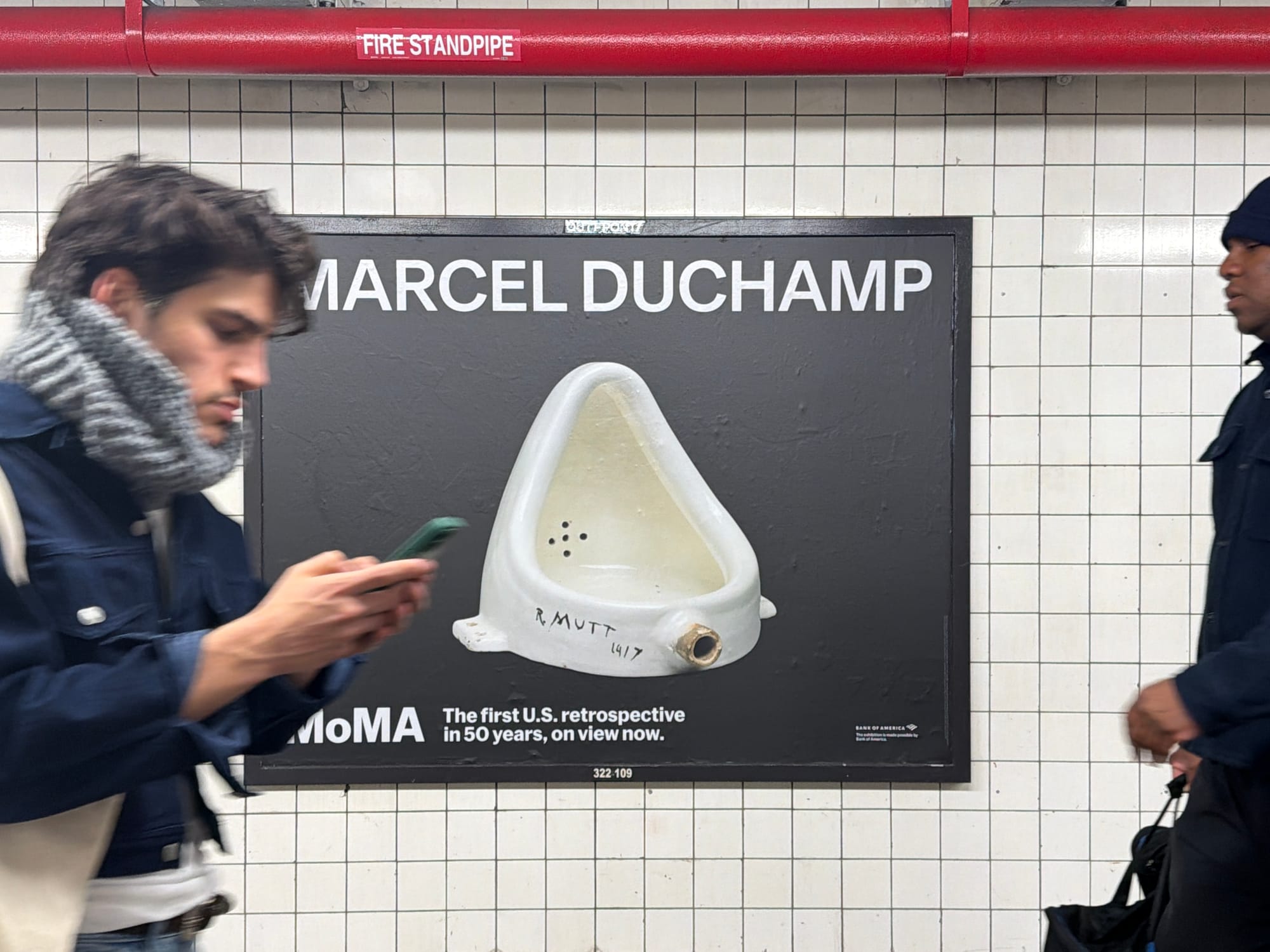

I’ve Got the Post-Duchamp Blues

The article is a review of the Marcel Duchamp retrospective at the Museum of Modern Art (MoMA) in New York, the first such show since 1973. Featuring around 300 works from Duchamp's six-decade career, the exhibition includes his iconic readymades like "Fountain" (1917) and early paintings such as "Nude Descending a Staircase, No. 2" (1912). Co-curated by MoMA's Ann Temkin and Michelle Kuo along with Matthew Affron of the Philadelphia Museum of Art, the show runs through August 22, 2026, before traveling to Philadelphia.

Tania Bruguera on Why Today’s Art Must Be Political

Cuban artist and activist Tania Bruguera will stage her performance "Tatlin’s Whisper #6" in Times Square on May 1, International Workers' Day. Originally created for the 2009 Havana Biennial, the work invites participants to speak freely on a platform for one minute, highlighting the conditional nature of free expression under authoritarian rule. Bruguera discusses the performance's relevance amid rising authoritarianism in both Cuba and the United States, noting that when she attempted to restage the work in Havana, she and other participants were arrested.

Can an Artwork Have Personhood?

The article explores a growing trend in contemporary art where artists like Pierre Huyghe, Nina Katchadourian, and Marge Monko create works that blur the line between art objects and sentient beings. These works incorporate human performers, animals, AI, and smart devices, prompting viewers to question whether these entities possess or simulate personhood, and forcing an examination of our instinct to anthropomorphize.

Master of Madonnas and the Market

Meister der Madonnen und des Marktes

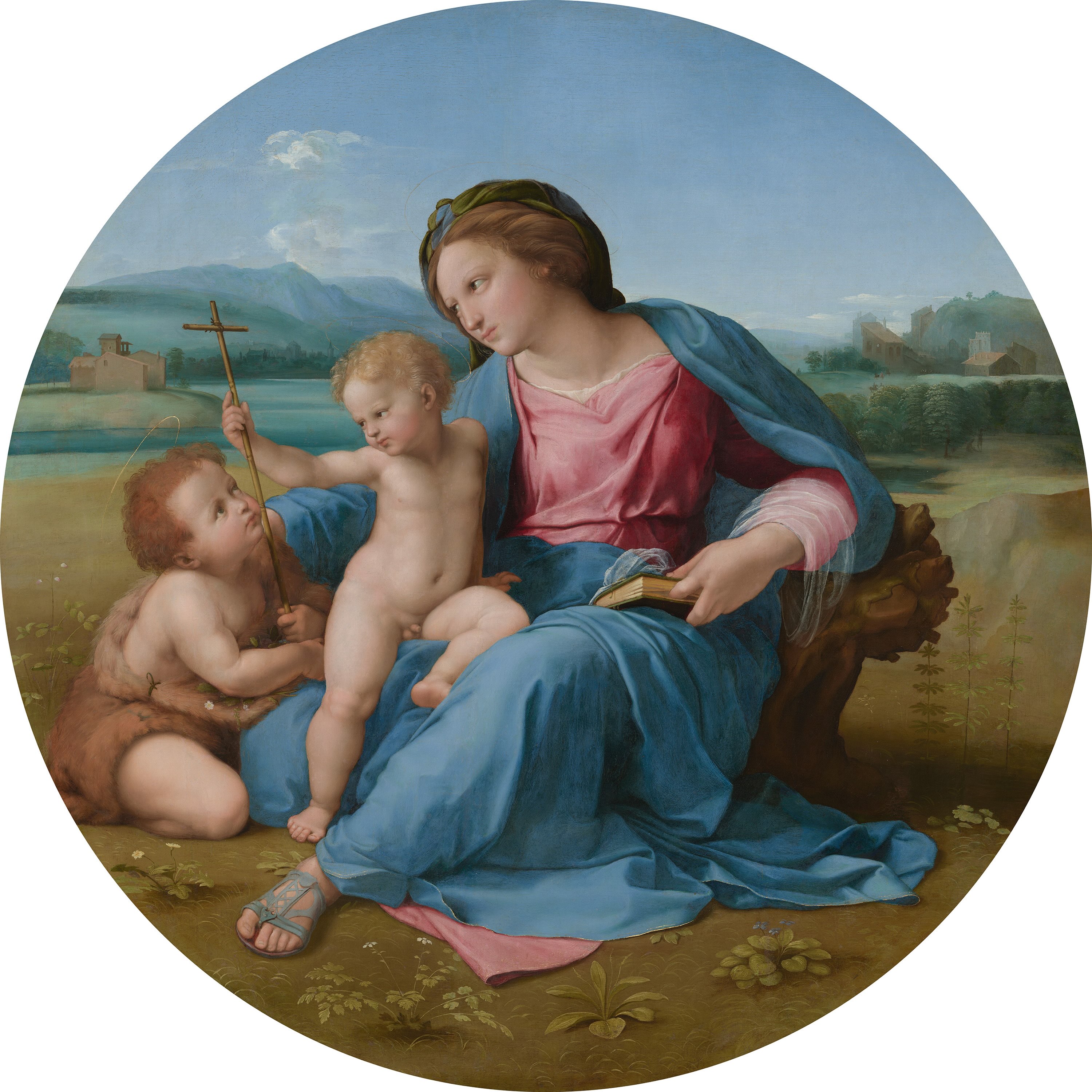
A major exhibition titled "Raphael: Sublime Poetry" has opened at the Metropolitan Museum of Art in New York, exploring how the Renaissance master Raphael's work was deeply intertwined with money, prestige, and patronage. The show traces his career from early mentorship under his father and influences from Leonardo da Vinci to his rivalry with Michelangelo, highlighting commissions from wealthy supporters like the aristocrat Elena Duglioli and Pope Leo X, who commissioned Raphael's extravagant tapestries for the Sistine Chapel.

La quinquennale d’art contemporain

This issue of Le Journal des Arts (n°676, May 2, 2026) covers a range of contemporary art news in France and internationally. Headlines include a critical look at the Whitney Biennial's perceived neutrality, the increasing complexity of art taxation in 2025, an interview with Bourges mayor Yann Galut about scaling down the Bourges 2028 project, the unveiling of a contemporary gallery at Angers Cathedral, the abandonment of the Frigos artists' site in Paris, and a profile of auctioneer Hubert L'Huillier.

A new director for the Smithsonian American Art Museum

Une nouvelle directrice pour le Smithsonian American Art Museum

Lynda Roscoe Hartigan, 75, has been appointed director of the Smithsonian American Art Museum (SAAM), succeeding Stephanie Stebich after a vacancy of nearly 17 months. Hartigan, who began her career at SAAM in the 1970s and rose to chief curator before leaving in 2003, most recently served as executive director of the Peabody Essex Museum, becoming its first woman to lead the institution. She will assume her new role on September 8.

The invisible worlds of Hilma af Klint, pioneer of abstraction, finally revealed at the Grand Palais

Les mondes invisibles d’Hilma af Klint, pionnière de l’abstraction, enfin révélés au Grand Palais

The article reveals the long-overlooked story of Hilma af Klint (1862–1944), the Swedish artist who created abstract paintings years before Kandinsky, Mondrian, and Malevich, yet kept her work secret until 20 years after her death. Her monumental output—1,600 abstract paintings and 124 notebooks—was first publicly shown in 1986 at the Los Angeles exhibition 'The Spiritual in Art, Abstract Painting, 1890–1985'. A 2019 retrospective at the Guggenheim Museum in New York drew 600,000 visitors, a museum record. Now, the Grand Palais in Paris presents the first-ever French exhibition of her work, focusing on her 'Paintings for the Temple' cycle (1906–1915), a series of 193 works that synthesize her spiritual quest.

Georg Baselitz, grande figure de l’art allemand, est mort à l’âge de 88 ans : retour sur sa vie et son œuvre

Georg Baselitz, one of Germany's most significant post-war artists, has died at age 88. Born Hans-Georg Kern in 1938, he grew up in Nazi-era Saxony and later rejected his father's ideology, fleeing to West Berlin in 1957. Known for his provocative, expressionist works and signature upside-down paintings, Baselitz challenged artistic conventions with brutalist techniques—attacking wood with chainsaws and axes—and created scandalous pieces like "Die große Nacht im Eimer" (1962–1963), which was banned from exhibition. His career included major retrospectives at the Musée d'Art Moderne de la Ville de Paris (2011) and Centre Pompidou (2021), and commissions for the Reichstag.

Pedro Reyes’s new Lacma commission sparks criticism in Mexico

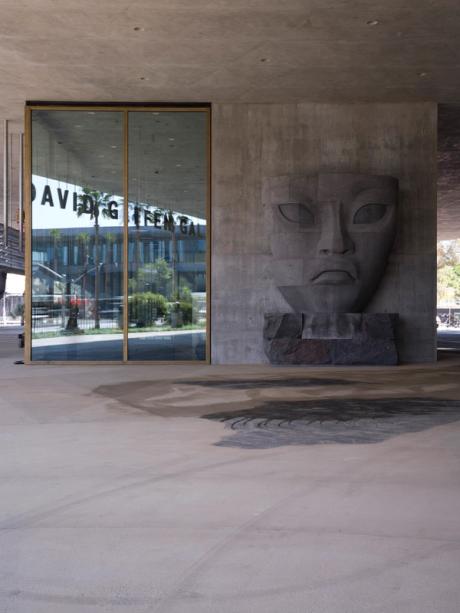
Pedro Reyes's new sculpture 'Tlali' (2026), a four-meter-tall Olmec-inspired volcanic-stone female face installed at the Los Angeles County Museum of Art (Lacma), has sparked criticism in Mexico. An open letter signed by nearly 80 cultural figures, published on the art criticism site Cubo Blanco, alleges the work is a new version of a 2021 project that was canceled after backlash. That earlier project, 'Tlalli', was meant to replace a Christopher Columbus statue on Mexico City's Paseo de la Reforma but faced opposition from over 300 cultural figures who argued a male, non-Indigenous artist should not represent Indigenous women. The site later became the 'Glorieta de las Mujeres que Luchan', an anti-monument against gender violence.

AI Helps UK Researchers Identify Unknown Subject in Hans Holbein Drawing as Anne Boleyn

Researchers Karen L. Davies and Hassan Ugail used artificial intelligence facial recognition to analyze two Hans Holbein drawings from the Royal Collection Trust. Their study, published in npj Heritage Science, suggests that a portrait previously labeled as Anne Boleyn actually depicts her mother, Elizabeth Howard, while a drawing cataloged as an unidentified woman is the true likeness of Anne Boleyn. The findings challenge long-held identifications based on 18th-century inscriptions and align more closely with contemporary descriptions of Boleyn as slender with dark hair.

The art of politics: how global conflicts are playing out in this year's Venice Biennale

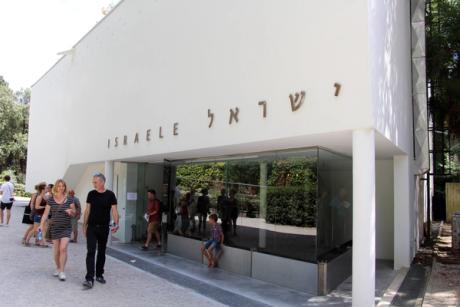
Israel is making a controversial return to the 2025 Venice Art Biennale after its pavilion was locked in 2024 with a note demanding a ceasefire in Gaza. The artist representing Israel, Belu-Simion Fainaru, will present his project "Rose of Nothingness" in the Arsenale, while Russia also returns to the Biennale after its Giardini pavilion was reassigned to Bolivia in 2024. The Art Not Genocide Alliance (ANGA) has renewed calls for a boycott and is organizing strike action to disrupt the event, accusing Israel of genocide.

Hito Steyerl “The Island” Osservatorio Fondazione Prada / Milan by Piermario De Angelis

Hito Steyerl's solo exhibition "The Island" at Osservatorio Fondazione Prada in Milan explores the concept of submersion as both a geological condition and a media regime. The show takes its title from a Neolithic artificial island discovered off the coast of Korčula, Croatia, which remained submerged for approximately seven thousand years. Through video interviews, installations, and critical assemblages, Steyerl connects this submerged structure to contemporary issues of digital image circulation, algorithmic power, and the dispossession of agency, drawing on science fiction, quantum physics, biochemistry, and deep time.

Selfie-Friendly Pedro Reyes Sculpture Sparks Controversy at LACMA

Nearly eighty Mexican cultural figures have signed an open letter condemning the installation of Pedro Reyes's sculpture 'Tlali' (2026) in the plaza of LACMA's new David Geffen Galleries. The work, described as a selfie-friendly monolithic face inspired by Olmec art, closely resembles a 2021 proposal for a Mexico City sculpture titled 'Tlalli' that was abandoned after protests from hundreds of cultural workers. Critics argue that Reyes, a male artist who does not identify as Indigenous, should not represent Indigenous womanhood, and that the new work perpetuates colonial stereotypes and nationalistic aesthetics. LACMA has defended the piece, claiming it is entirely different in purpose and meaning, while Reyes has not commented.

A skateboarder’s lament: the dismantling of San Francisco’s iconic and divisive fountain

San Francisco's Vaillancourt Fountain, a controversial concrete sculpture and centerpiece of Embarcadero Plaza since 1971, caught fire during its dismantling in early May 2025 after the city voted to potentially replace it with a grassy park. Designed by artist Armand Vaillancourt, the fountain was a landmark for the city's skateboarding scene in the 1980s and 1990s, but fell into disrepair and became a flashpoint in debates over modernist public art. The removal, costing $4 million for storage and assessment, was mourned by skateboarders and preservationists who saw it as a loss of cultural and architectural heritage.

A New Landmark Survey Aims to Bring Transparency to Museum Collecting Practices

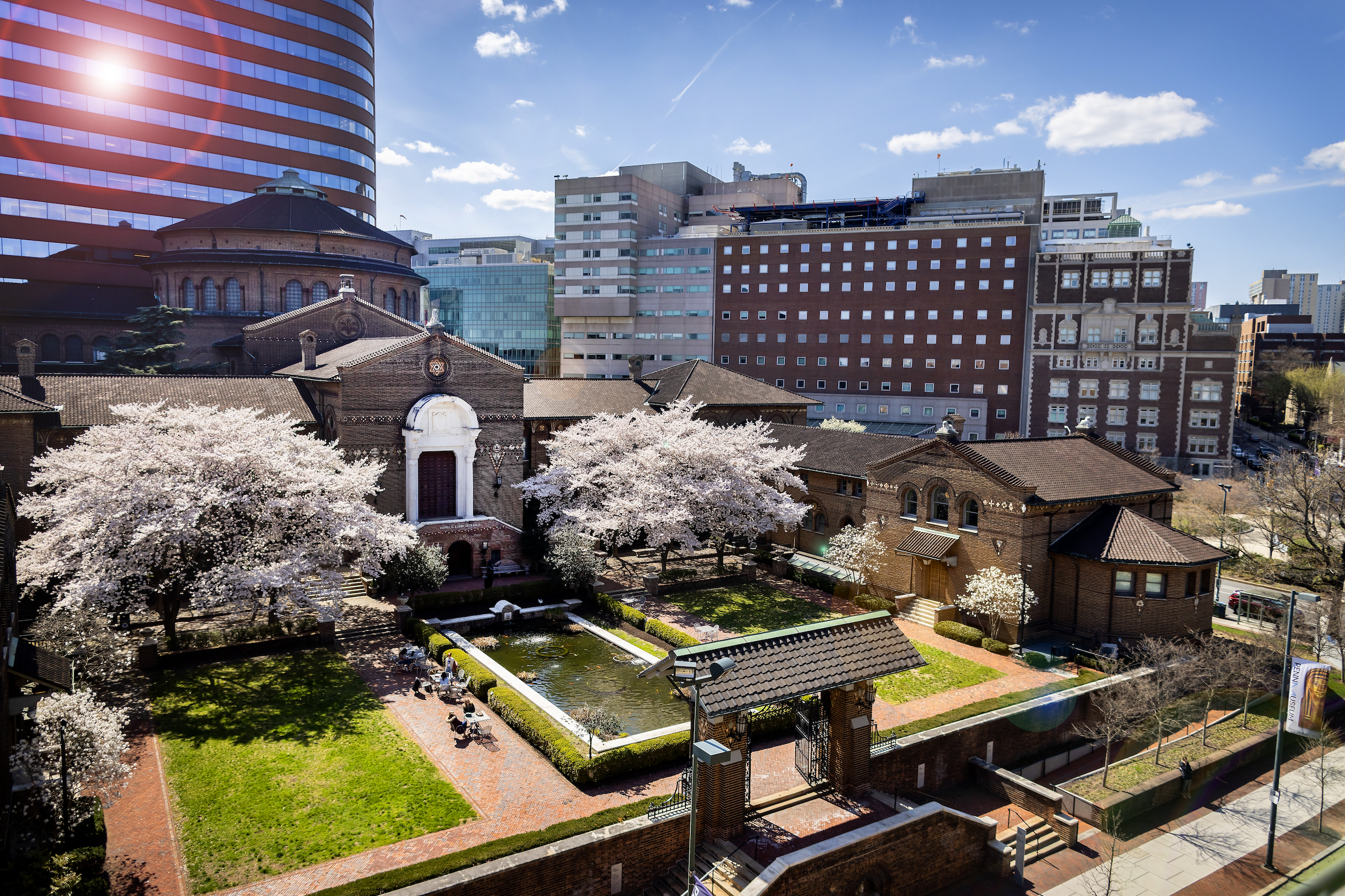
The Penn Cultural Heritage Center (PennCHC) at the University of Pennsylvania's Penn Museum will launch the National Survey of Museum Collecting Practices on May 20, running through August 20. This first-of-its-kind survey, part of the Museums: Missions and Acquisitions Project (M2A Project), will collect data on acquisitions, deaccessions, loans, provenance research, and policies from U.S. nonprofit museums and libraries. Results will be published in 2027, with only generalized insights to maintain anonymity.

Marcel Duchamp Is Stripped Bare at MoMA

The Museum of Modern Art in New York has opened "Marcel Duchamp," the first retrospective of the artist on this continent in over 50 years. Curated by Ann Temkin, Michelle Kuo, and Matthew Affron, the exhibition is organized strictly chronologically and features Duchamp's most famous works—including his revolutionary readymades like *Fountain* (1917) and *Bicycle Wheel* (1913)—often shown only in photographic reproduction or as later refabricated copies, replicas, and miniatures from his *Box in a Valise* series. The show highlights how Duchamp's original objects have been lost or dematerialized, forcing viewers to confront the very definition of an artwork.

Why Is Beeple So Successful?

The article examines the meteoric rise of artist Mike Winkelmann, known as Beeple, who broke auction records in 2021 by selling an NFT for $69.3 million at Christie's, becoming the third most expensive living artist. His robot dogs, featuring heads of figures like Elon Musk and Mark Zuckerberg, debuted at Art Basel Miami Beach and are now on view at Berlin's Neue Nationalgalerie during Gallery Weekend. The show, titled "Regular Animals," has sparked controversy, with critics like Markus Lüpertz denouncing the works as trivial entertainment unworthy of a museum, while curators Carolyn Christov-Bakargiev and Lisa Botti defend the exhibition.

What’s Left to Learn from Marcel Duchamp?

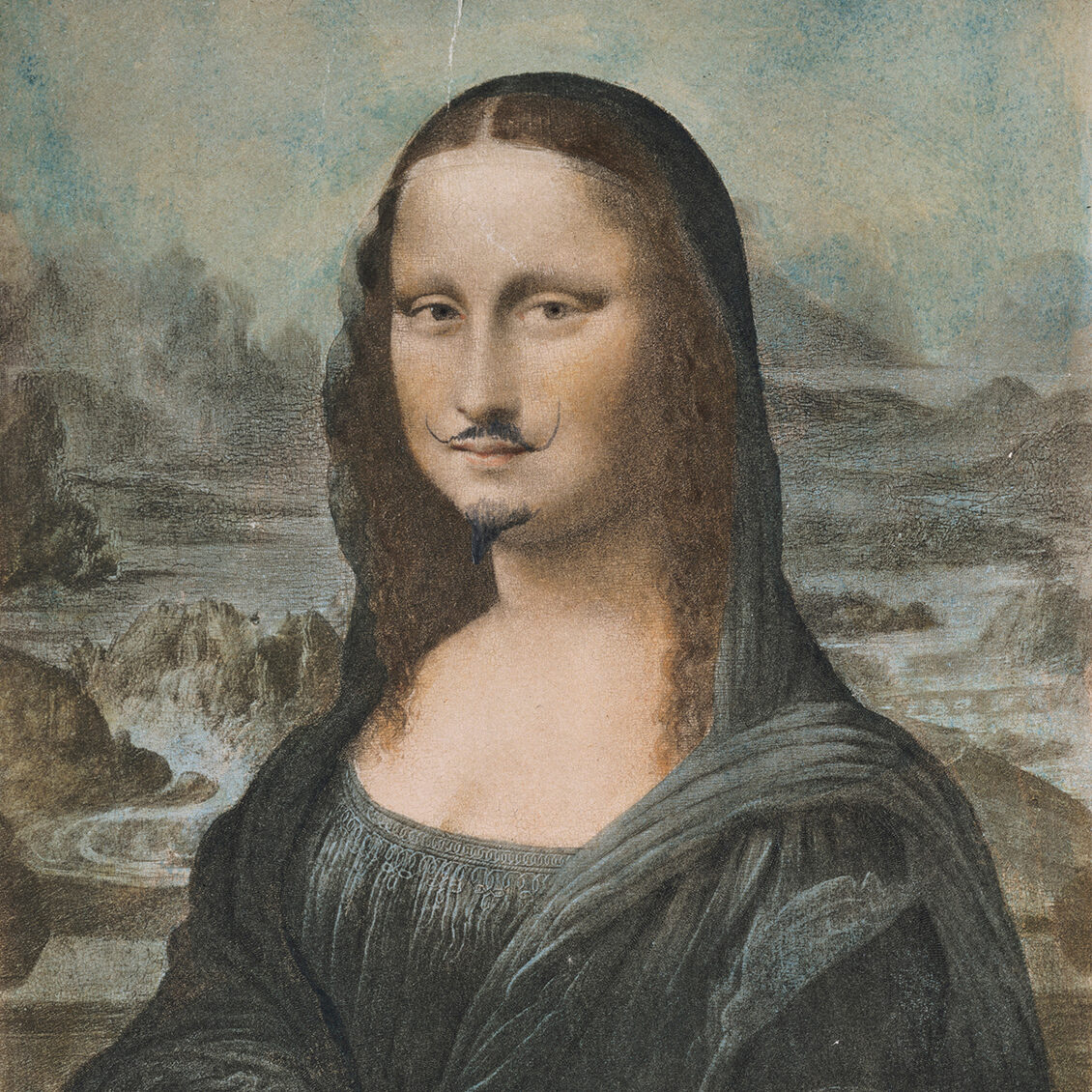
The article examines Marcel Duchamp's enduring influence on contemporary art, focusing on his readymades such as "Fountain" (1917) and "Bicycle Wheel" (1913/1951). It notes that a major survey co-organized by the Museum of Modern Art and the Philadelphia Museum of Art, 70 years after Duchamp predicted his true public would emerge in 50 to 100 years, reaffirms his status as the most influential artist of the past century. The piece discusses how Duchamp's practice of selecting and presenting ordinary objects as art—from a urinal to a snow shovel—once shocked the art world but now seems quaint compared to later works like Maurizio Cattelan's taped banana.

VALIE EXPORT, icon of feminist art who placed the body at the center of her research, has died

È morta VALIE EXPORT, icona dell’arte femminista che ha messo il corpo al centro della sua ricerca

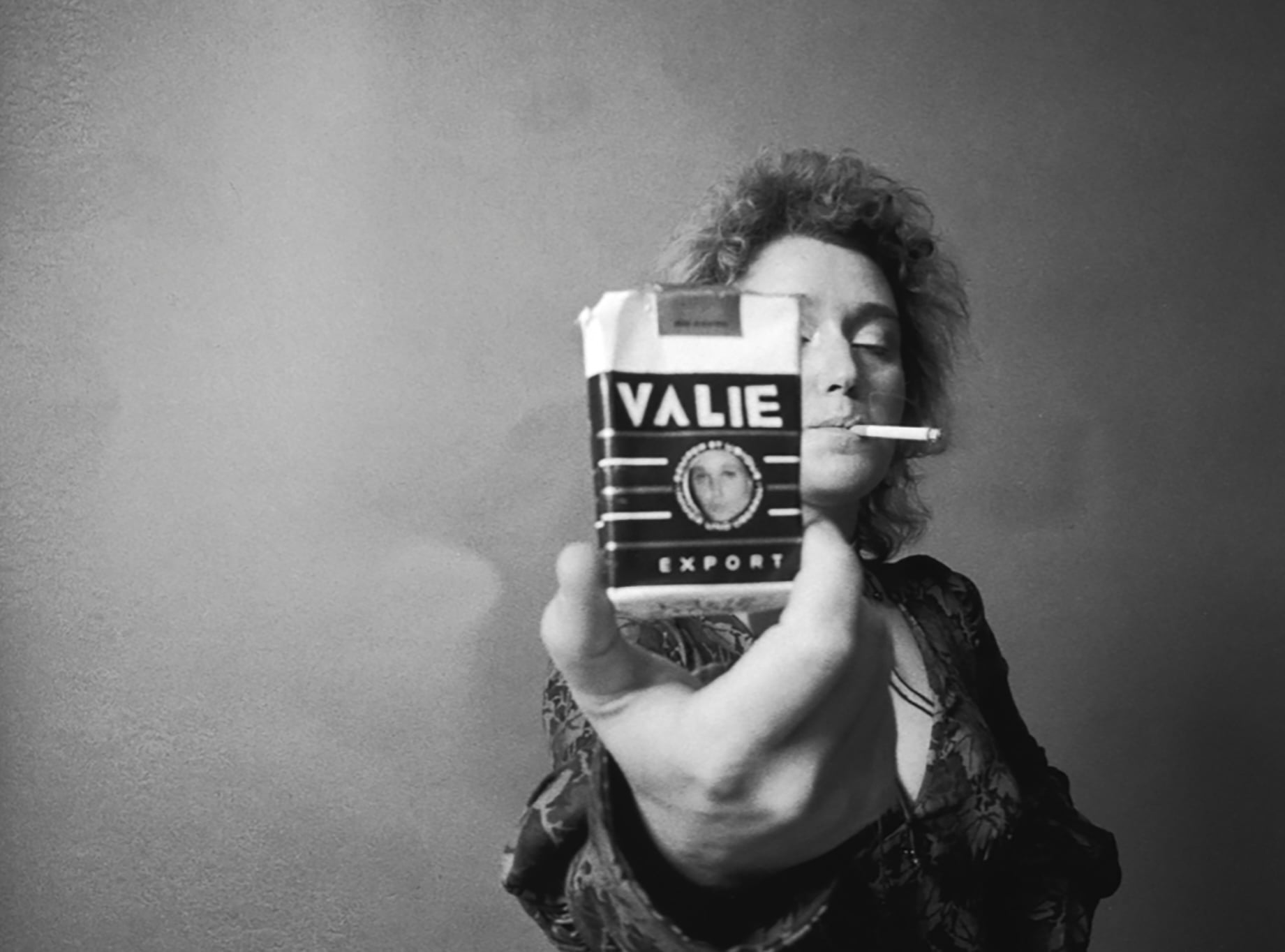
VALIE EXPORT, the Austrian artist and feminist icon known for using her body as a political and artistic tool, has died in Vienna at age 85. Born in Linz in 1940, she changed her name in 1967 and became a pioneer of performance, film, and media art, creating provocative works such as "Tapp-und Tastkino" (1968), where she turned her body into a touchable cinema screen, and "Aktionshose: Genitalpanik" (1969). Her career spanned over six decades, and she taught at institutions including the University of Wisconsin and the Berlin University of the Arts. In 2023, the Albertina Museum in Vienna held a major retrospective of her work.

Is there really an energy transformation in Marina Abramović's exhibition in Venice?

Nella mostra di Marina Abramović a Venezia c’è davvero una trasformazione di energia?

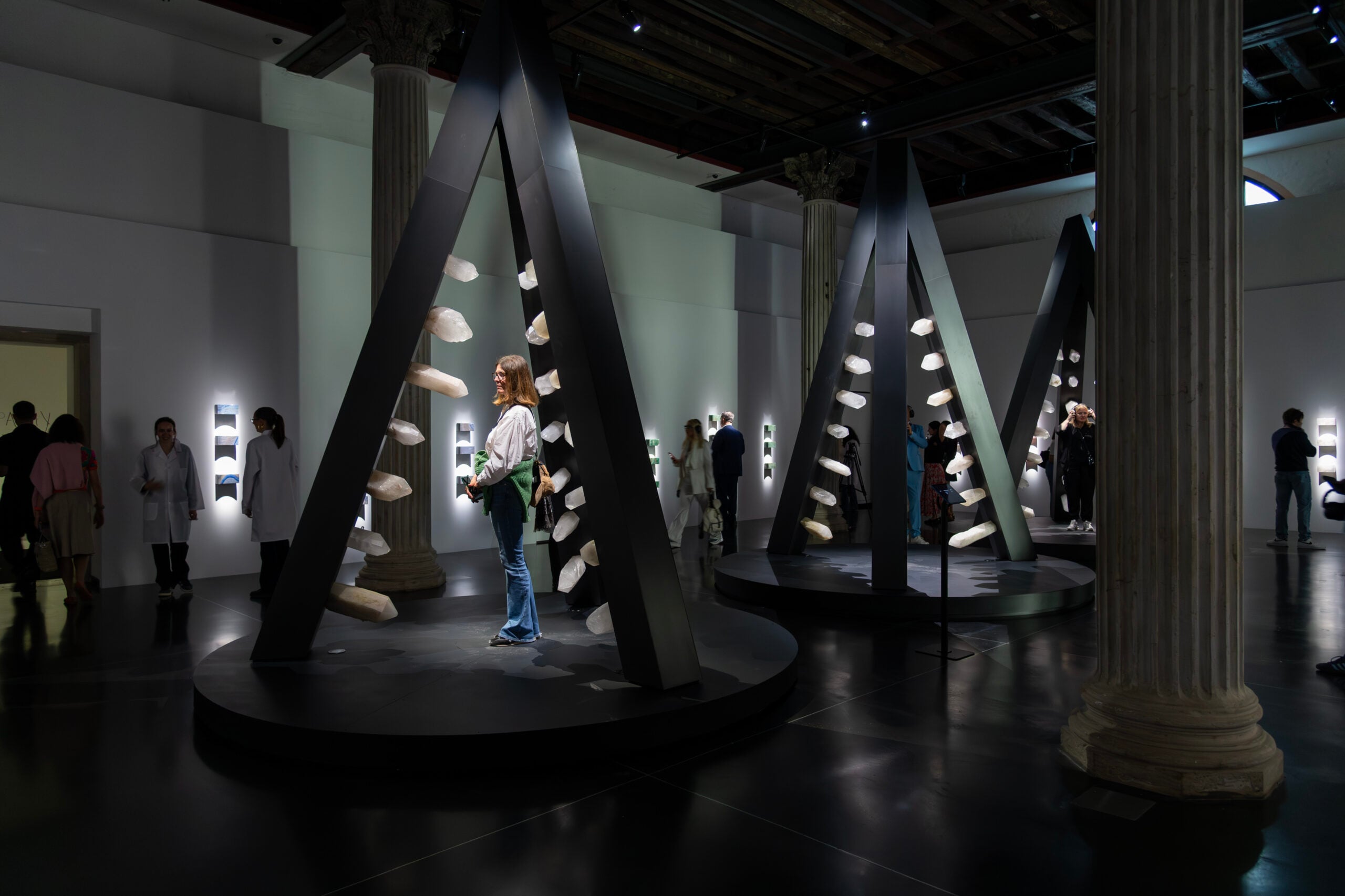
At the Gallerie dell'Accademia in Venice, Marina Abramović's exhibition "Transforming Energy" opens to the public from May 9 to September 30, 2026, as part of the 2026 Venice Biennale. The show is designed as an experiential device that moves beyond traditional exhibition formats, inviting viewers to determine their own presence through a sequence of rooms built around relationships between body, materials, and time. Crystals and locks of hair function not as decoration but as presences to be inhabited, demanding radical attention rather than spectacular participation. During the press conference, Abramović and curator Shai Baitel insisted that the materials, especially the crystals, possess real energy capable of directly affecting the viewer's body and perception, not merely as metaphor but as an active condition.

Controversial Costumes at the Met’s Newest Galleries

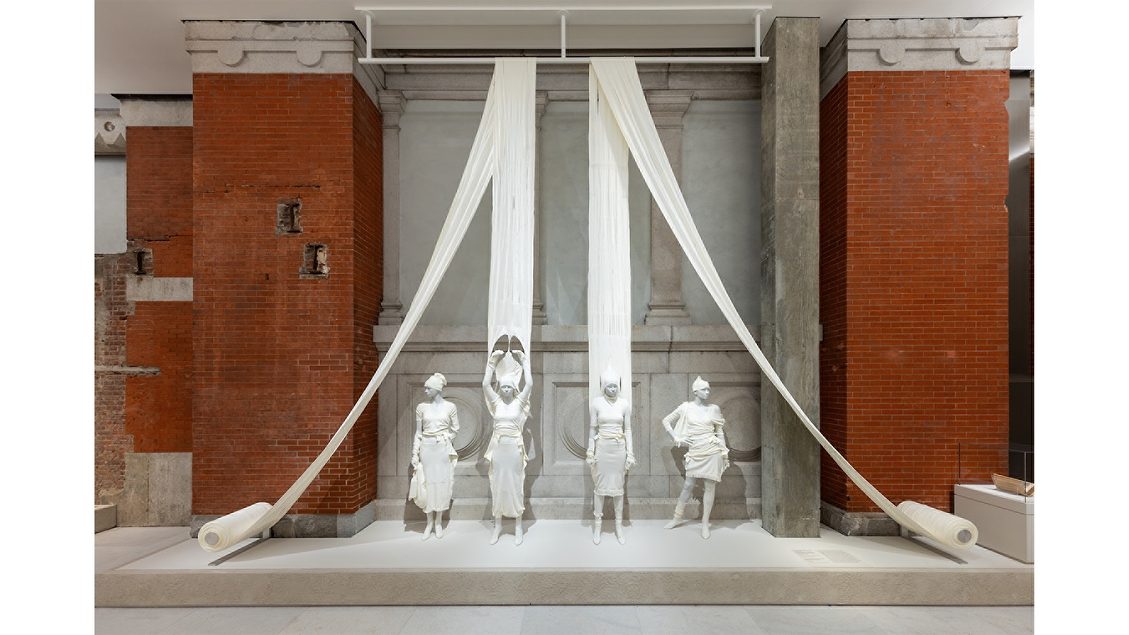
The Metropolitan Museum of Art in New York has opened the new Conde M. Nast Galleries, designed by the Brooklyn-based firm Peterson Rich Office (PRO). The inaugural exhibition, titled "Costume Art," features 200 pieces from various museum departments and will run until January 10, 2027. The 12,000-square-foot space, located off the Great Hall, incorporates historic structural elements and uses subtle lighting and materials to create a quiet backdrop for the display of fragile costumes and art objects.

Gala Porras-Kim: Future spaces replicate earlier spaces

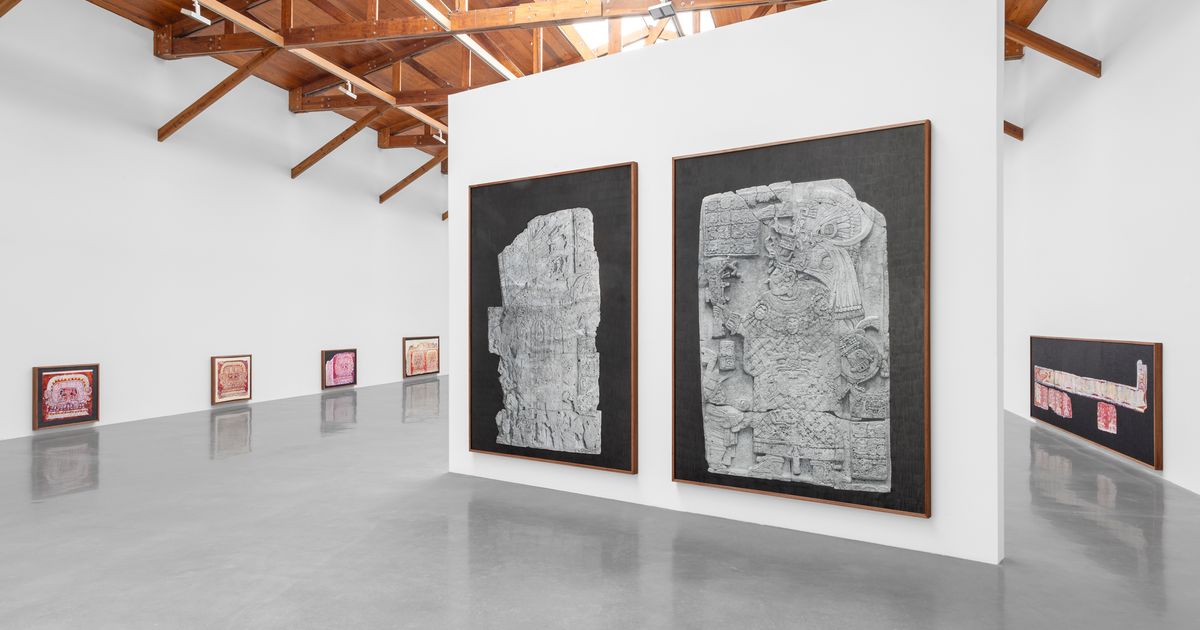
Gala Porras-Kim presents her first exhibition at kurimanzutto in Mexico City, titled "Future spaces replicate earlier spaces," running from April 11 to June 13, 2026. The show brings together works that examine how museums and conservation institutions reclassify objects removed from their original contexts, using reconstruction and resituating to explore their spatial, material, and temporal conditions. Central to the exhibition is the installation "The motion of an alluvial record" (2024), which recreates the humid marshland atmosphere of the Yucatán Peninsula inside the gallery, contrasting with the controlled climates of museums. Other works include drawings replicating wall decorations from the Techinantitla complex in Teotihuacan, which were fragmented and sold on the black market, and graphite drawings of objects by artist Brígido Lara, whose "original interpretations" of Totonac ritual clay objects were mistakenly catalogued as Pre-Hispanic artifacts in major museums.

Israel’s foreign ministry accuses Venice Biennale's jury of ‘politicising’ exhibition

Israel’s foreign ministry has accused the Venice Biennale's jury of politicizing the exhibition after jurors announced they would not consider for prizes countries whose leaders face International Criminal Court charges for crimes against humanity. The jury’s statement, which did not name specific nations, is broadly understood to apply to Israel and Russia, both returning to the Biennale for the first time since the Gaza war and the Ukraine invasion, respectively. The Israeli ministry posted on X that the jury had decided to 'boycott' Israeli sculptor Belu-Simion Fainaru, calling it 'a contamination of the art world.' The Biennale distanced itself from the jury’s announcement, stating the jury acts autonomously, while the Russian pavilion is reportedly set to open only for a limited pre-opening period due to budget constraints amid sanctions.

Deutscher Pavillon wird zum Plattenbau

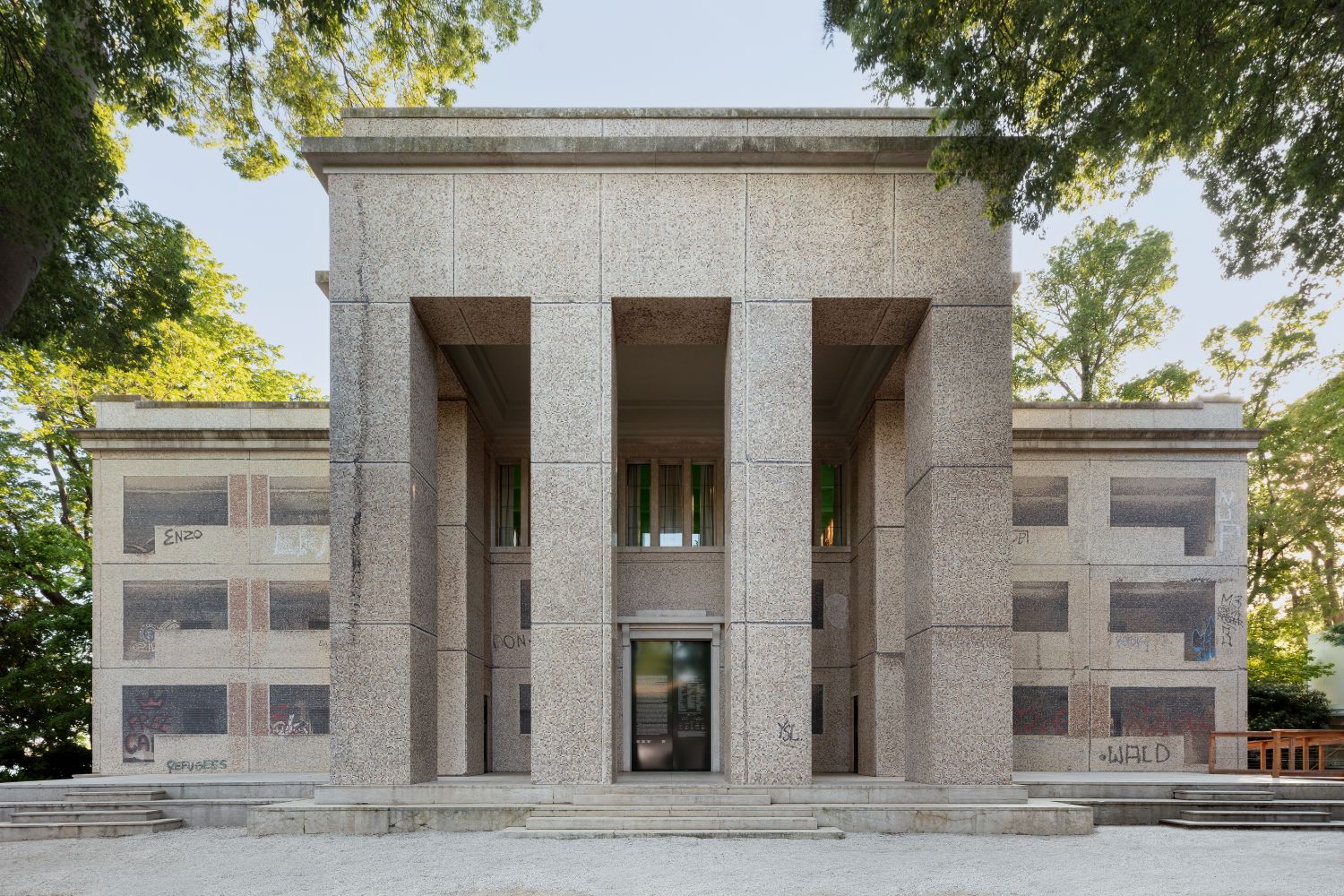
The German Pavilion at the Venice Art Biennale has been transformed into a prefabricated concrete slab building (Plattenbau) for this year's edition, designed by artists Sung Tieu and the late Henrike Naumann, who died suddenly in February at age 41 from cancer. Curator Kathleen Reinhardt described the pavilion as part of a highly political Biennale, with Tieu covering the 1938 fascist-era building with a mosaic of over three million tiles depicting a Berlin apartment block that once housed Vietnamese contract workers. Naumann's interior installation features mint-green references to Soviet barracks in East Germany, a cartography of war, and works including a relief of chairs, a curtain of chainmail, and the performance "Trümmerfrau."

The Good, the Bad, and the Fugly From the 2026 Met Gala

Cultured magazine's 2026 Met Gala coverage features a roundtable of critics and writers offering candid, often humorous takes on celebrity looks from the red carpet. Emma Chamberlain's hand-painted Mugler gown is widely praised as the most on-theme, while Troye Sivan's Prada homage to Robert Mapplethorpe and Chase Infiniti's Thom Browne trompe-l'œil dress also earn acclaim. Gabrielle Richardson calls for more color, noting the theme is about art, and criticizes the monochromatic trend. Mackenzie Thomas pans Alysa Liu's look as "prom" and "quinceañera," while others celebrate Naomi Osaka's Robert Wun Couture and Connor Storrie's Saint Laurent ensemble. The article is structured as a series of short, punchy quotes from multiple contributors, each focusing on specific attendees' fashion choices.

Israeli Pavilion artist issued legal warnings before Biennale jury resignation

Belu-Simion Fainaru, the artist representing Israel at the 2026 Venice Biennale, issued legal warnings to the Biennale, the Italian Ministry of Culture, and the Italian Prime Minister’s office after the Golden Lion jury announced it would not consider pavilions from countries whose leaders are charged with crimes against humanity by the International Criminal Court, including Israel and Russia. Fainaru’s legal threats cited alleged antisemitism and nationality-based discrimination. Shortly after, the Biennale jury resigned, prompting organizers to postpone the awards ceremony to the closing day and replace the Golden and Silver Lions with two 'Visitors’ Lions' voted on by attendees, with all national participations eligible.

Décès de Jacques Gairard

Jacques Gairard, a figure in the French art world, has died. The announcement appears in Le Journal des Arts, which also covers the opening of the Venice Biennale amid controversy, the final adoption of a law on the restitution of cultural property looted during colonization, the V&A East's focus on young audiences, the uneven economic impact of Monet's legacy in Giverny, and the structuring of the Nabis art market.

Drained, Drowning, and Decay: The Best National Pavilions at the Venice Biennale

The 2026 Venice Biennale is defined by themes of ruin and decay, with standout national pavilions exploring bodily, infrastructural, and archaeological collapse. The Slovenian Pavilion features the Nonument Group repurposing materials from past Biennales into a ruin of a mosque for Bosnian Muslim soldiers from World War I. Syria presents its first national pavilion since the Civil War, with Sara Shamma invoking Palmyra, destroyed by ISIS. Germany's pavilion, titled "Ruin," features works by Henrike Naumann (who died in February) and Sung Tieu, questioning the pavilion's fascist architecture and nationalist residue. The Austrian Pavilion, curated by Florentina Holzinger, offers a visceral performance titled "Sea World." The Biennale is also marked by the abrupt resignation of its five-member jury, who refused to consider nations charged with crimes against humanity, leading to awards being chosen by public vote. Additionally, the main exhibition "In Minor Keys" was affected by the death of its curator, Koyo Kouoh.

‘Exclusion can only satisfy the ego’: Venice Biennale president hits out at critics amid Russia and Israel controversy

Venice Biennale president Pietrangelo Buttafuoco defended the institution against critics at a conference on May 6, three days before the public opening, amid controversy over Russia's return to the event for the first time since its 2022 invasion of Ukraine and ongoing disputes over Israel's participation. He accused critics of “narcissism” and “censorship,” while Italian culture minister Alessandro Giuli sent inspectors to investigate whether Russia's involvement breached sanctions; a report was submitted to Prime Minister Giorgia Meloni's office. Meanwhile, the Biennale faces legal threats from the artist representing Israel over alleged discrimination, and protests have erupted, including a demonstration by Art Not Genocide Alliance and a Pussy Riot action at the Russia pavilion.