filter_list Showing 181 results for "Bates" close Clear
search
dashboard All 181 museum exhibitions 78article news 40article culture 20rate_review review 18candle obituary 6article policy 5article local 5person people 4trending_up market 3gavel restitution 2
date_range Range Today This Week This Month All
Subscribe

Stano Filko “Painting” at Layr, Vienna

Stano Filko's exhibition "Painting" at Layr in Vienna challenges the persistent binary opposition between painting and conceptualism. The show presents Filko's work from around 1980, a period when debates over the merits of painting versus conceptual art were at their peak, offering a nuanced perspective that complicates this historical divide.

At the Casa di Goethe in Rome, two controversial episodes in the history of science in Mischa Kuball's light installations

Alla Casa di Goethe di Roma due episodi controversi della storia della scienza nelle installazioni di luce di Mischa Kuball

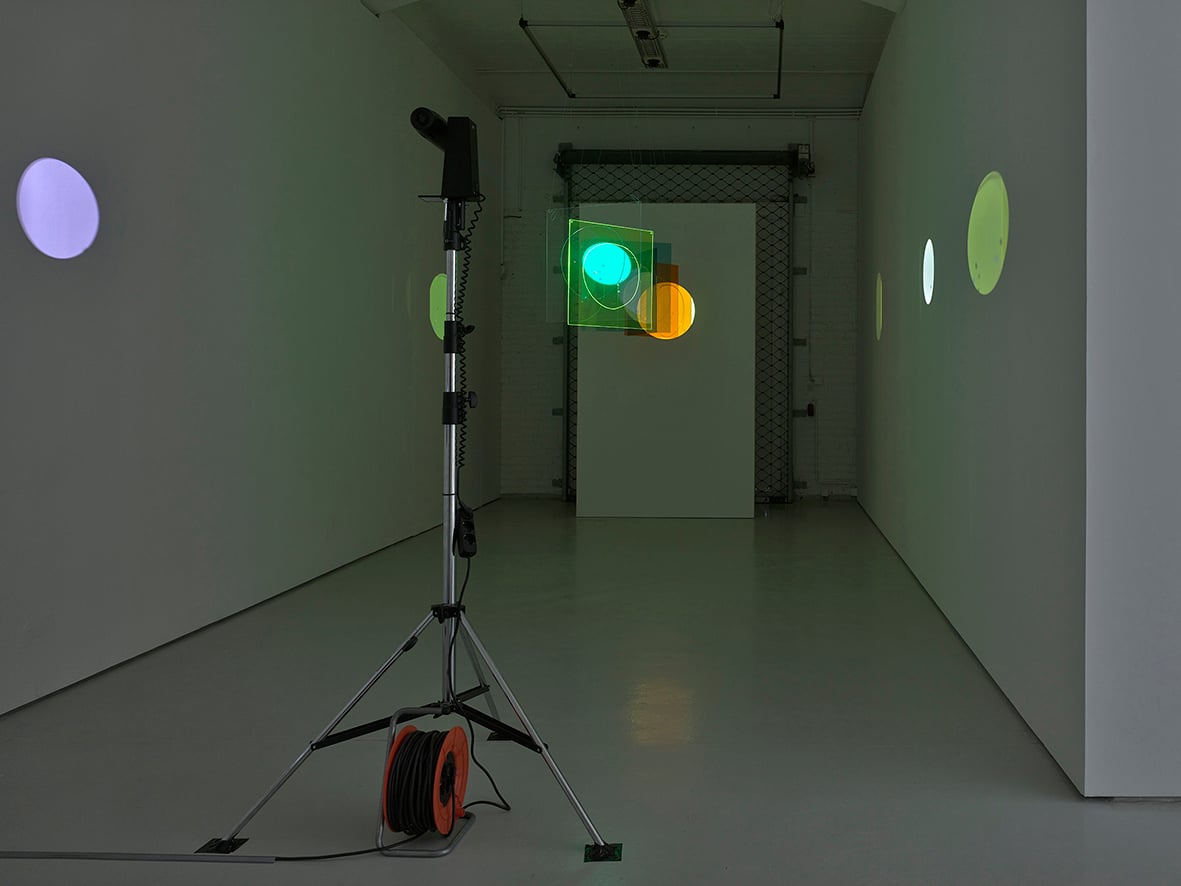
The Casa di Goethe in Rome is hosting a solo exhibition of German conceptual artist Mischa Kuball from April 30 to October 4, 2026. The show features two light installations: "Newton/Goethe luce nera," which contrasts Johann Wolfgang von Goethe's and Isaac Newton's opposing theories on color and light refraction, and "five suns / after Galileo," which visualizes Galileo Galilei's observations of sunspots and his conflict with the Catholic Church. The exhibition is curated by the museum's director, Gregor H. Lersch.

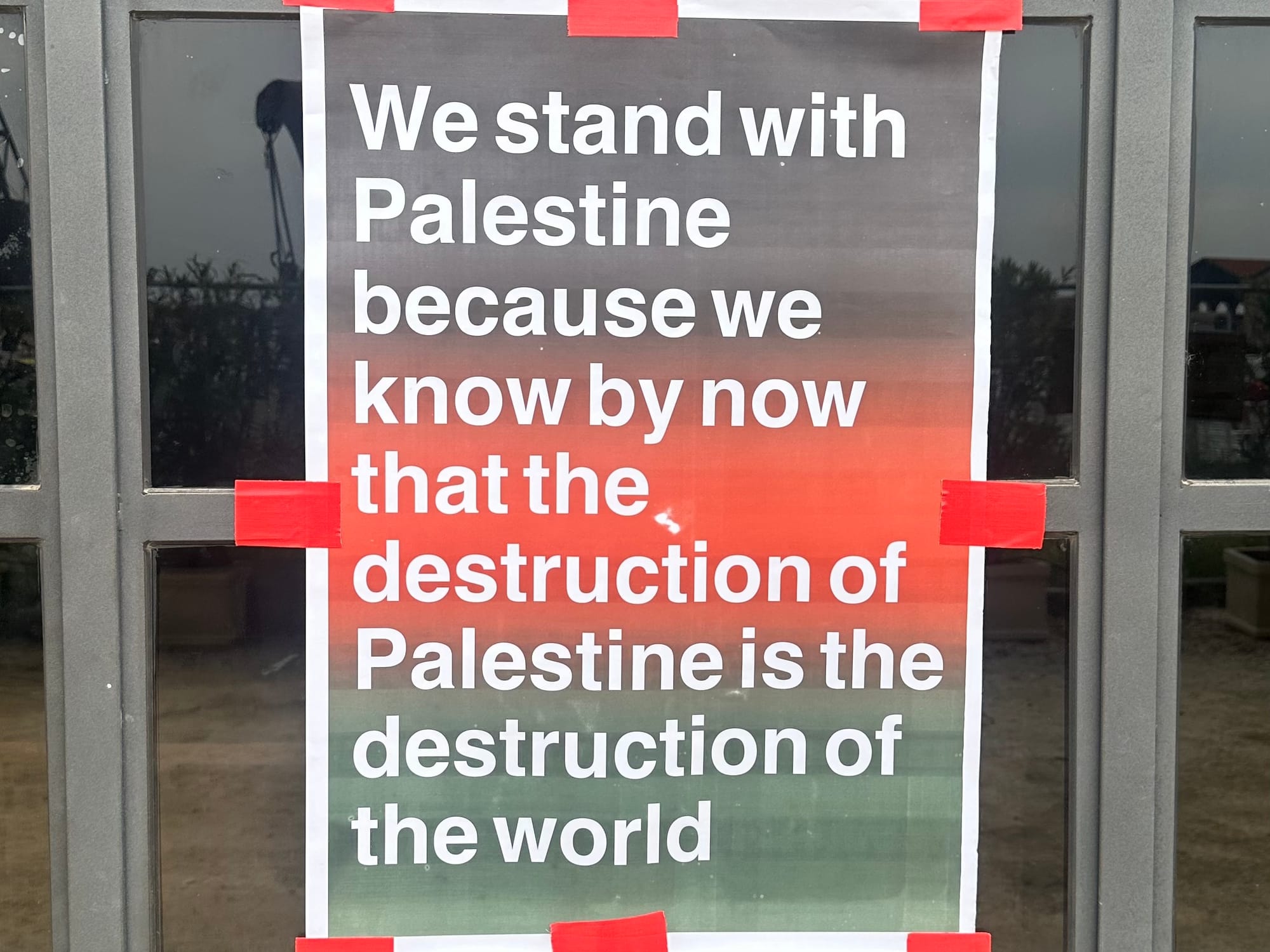
Now we open a Palestinian Pavilion at the Biennale. Interview with Tomaso Montanari

“Ora apriamo un Padiglione Palestina in Biennale”. Intervista a Tomaso Montanari

Tomaso Montanari, a member of the scientific committee for the exhibition "Gaza, il futuro ha un cuore antico. Materie e memorie del Mediterraneo" at Fondazione Merz in Turin, discusses the show's aim to highlight Gaza's 5,000-year history beyond the current war imagery. The exhibition, organized in collaboration with the Museo Egizio and the MAH – Musée d’art et d’histoire de Genève, juxtaposes ancient artifacts with contemporary artworks to assert the cultural and historical significance of Palestine. Montanari also addresses the upcoming Venice Biennale, criticizing the lack of a Palestinian pavilion and suggesting that the Turin exhibition itself serves as a de facto Palestinian pavilion, while calling for accountability for Israel's actions.

A Poetic Tribute to Ona Judge Is Coming to Philadelphia

A new public art installation titled "Sail Through This to That" by conceptual artist indira allegra will debut on May 28 at Philadelphia's Spruce Street Harbor as part of the new ArtPhilly festival. The work features a trio of neon-colored schooner sails mounted on the historic vessel North Wind, commemorating the 1796 escape from enslavement of Ona Judge, who fled the household of George and Martha Washington.

Exhibition | Nick DOYLE, 'Collective Hallucinations' at Perrotin, New York, United States

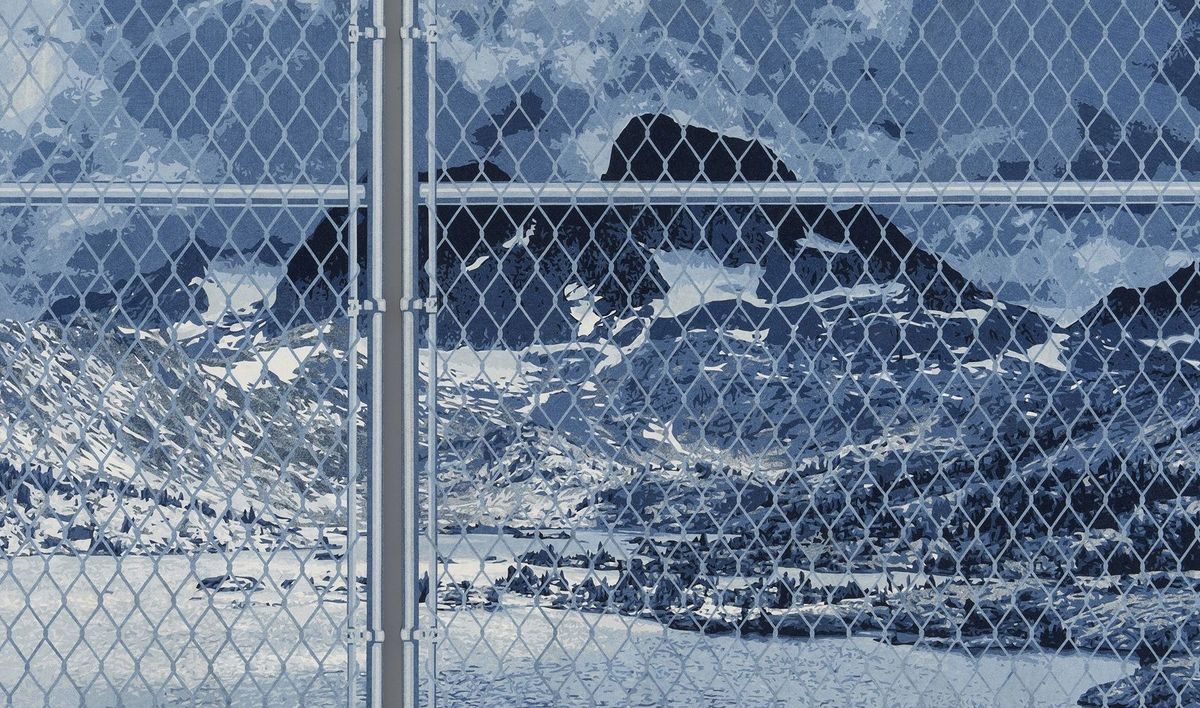
Perrotin gallery in New York presents 'Collective Hallcinations', an exhibition of new works by Brooklyn-based artist Nick Doyle. The show features wall-mounted denim collages and an immersive installation of a psychic parlor, including Doyle's first use of artificial intelligence. The works explore the fraught relationship between land and technology, progress and destruction, using denim as a material that evokes Americana, capitalism, and masculinity. The centerpiece, 'Mirror, Mirror', is a denim-clad structure housing an AI avatar named Ava, who offers sardonic commentary on the American dream and the digital frontier.

Stars feiern Mode und Kunst bei Met-Gala

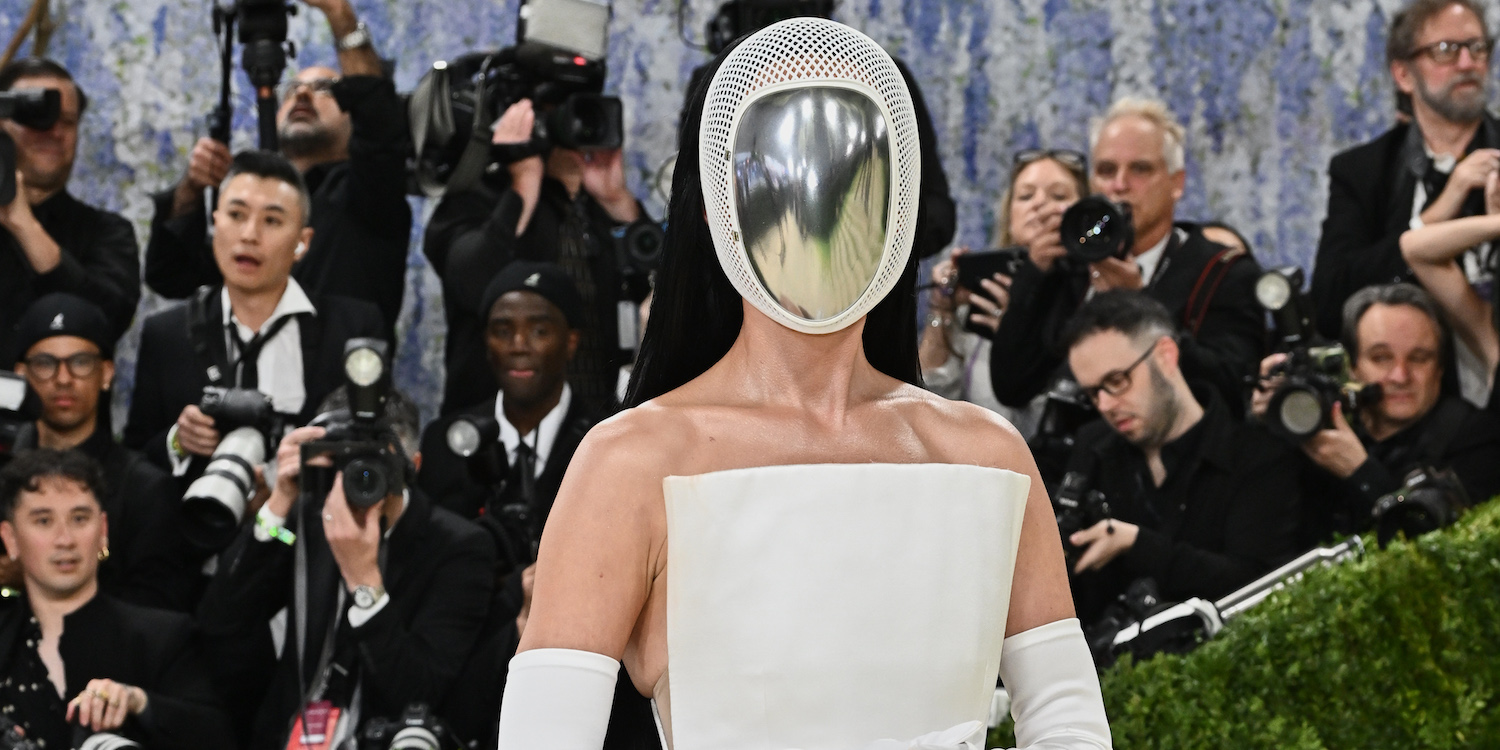
The Met Gala, hosted by Anna Wintour at the Metropolitan Museum of Art in New York, raised millions for the museum's Costume Institute. This year's event featured celebrities like Beyoncé, Nicole Kidman, and Heidi Klum, with a dress code of "Fashion is Art." Beyoncé and Kidman brought their daughters for the first time, while Klum dressed as a stone statue. The gala opened the "Costume Art" exhibition and was co-sponsored by Jeff Bezos and Lauren Sánchez Bezos, drawing protests over Bezos's involvement.

Forgers, One-Way Mirrors of the Art Market

Les faussaires, miroirs sans tain du marché de l’art

Anthropologist Monique Jeudy-Ballini has published a new book, "Peintres de l’ombre. Les faussaires à l’œuvre," in which she examines art forgers through an ethnographic lens. Drawing on autobiographical accounts, published interviews, and expert writings—including those of notorious forgers Wolfgang Beltracchi, Eric Hebborn, and Guy Ribes—she explores the motivations and practices of these clandestine figures, arguing that their work involves not only technical skill but also the creation of elaborate narratives and pedigrees for their forgeries. The book is part of the Ethnologiques series edited by Philippe Descola and published by Éditions Mimésis.

How the State Supports Provenance Research

Comment l’État soutient la recherche de provenance

The French Ministry of Culture has created two specialized missions to assist museums in researching the provenance of their collections, addressing looted artworks, human remains, colonial acquisitions, and illicit trafficking. The Mission for Research and Restitution of Looted Cultural Property (M2RS), established in 2019, focuses on Nazi-era spoliations (1933-1945) with a budget of €220,000 annually, while the newer Mission "Provenance," launched in 2024 under curator Catherine Chevillot, covers human remains, colonial-era objects, and illicit goods with a €450,000 budget. These missions provide expertise, funding, and coordination with institutions like the Commission for the Restitution of Property and Compensation of Victims of Anti-Semitic Spoliation (CIVS), though most museums still only initiate provenance checks during acquisitions or donations.

According to an AI, El Greco would actually be the sole author of the 'Baptism of Christ' in Toledo, long considered a workshop work

Selon une IA, Greco serait en réalité l’unique auteur du « Baptême du Christ » de Tolède, longtemps considéré comme une œuvre d’atelier

A new study published in Science Advances uses an AI tool called Patch to analyze the monumental painting "Le Baptême du Christ" (1608–1614) by El Greco, long believed to be a workshop piece completed by his son Jorge Manuel Theotocópuli. By mapping the 3D microtopography of the brushstrokes and comparing them with El Greco's authenticated "Christ on the Cross" at the Cleveland Museum of Art, the AI found consistent painterly gestures across the entire work, suggesting the master himself painted it despite tremors from neurological disorders in his old age.

Hundreds Protest Israel’s “Genocide Pavilion” at Venice Biennale

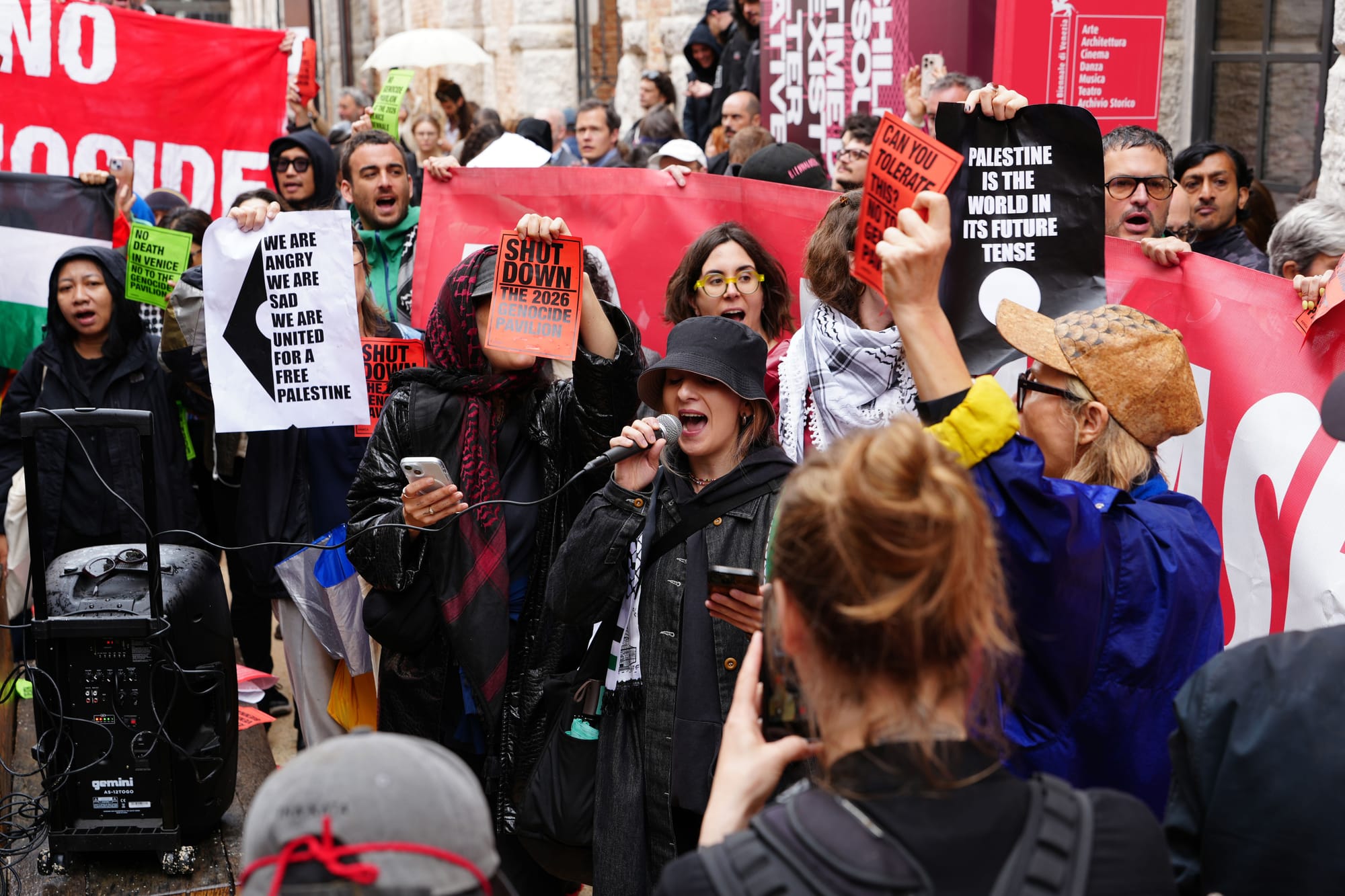
On May 6, 2026, the first day of previews at the Venice Biennale, hundreds of pro-Palestine activists led by the Art Not Genocide Alliance (ANGA) blocked the entrance to the Israeli pavilion, demanding its immediate closure. Protesters waved Palestine flags and banners reading "No Artwashing Genocide" and "No Genocide Pavilion at Biennale," chanting accusations of genocide against Israel. The demonstration temporarily shut down access to Belu-Simion Fainaru's exhibition "Rose of Nothingness" for about half an hour. The protest followed a letter signed by over 200 artists urging the Biennale to exclude Israel, which instead moved the pavilion to an alternative location in the Arsenale due to renovations. Separately, Pussy Riot and FEMEN rallied outside the Russian pavilion, which will only open during preview days due to sanctions. Venice cultural workers plan a 24-hour strike on May 8 in solidarity with Palestinians, potentially disrupting the Biennale's schedule.

Culture Workers Announce Venice Biennale Strike in Israeli Pavilion Protest

Cultural workers, unions, and grassroots groups are planning a 24-hour strike on Friday, May 8, at the Venice Biennale to protest Israel's participation amid the ongoing genocide in Gaza. Organized by the Art Not Genocide Alliance (ANGA), the action includes a rally on Viale Garibaldi and calls for a boycott of Israel's "genocide pavilion." Participating groups include Biennaleocene, Sale Docks, Mi Riconosci, Vogliamo Tutt’altro, and several Italian trade unions. The strike follows months of activism, including a letter signed by over 200 event participants, and comes after the Biennale jury resigned over award eligibility rules that initially excluded Israel and Russia.

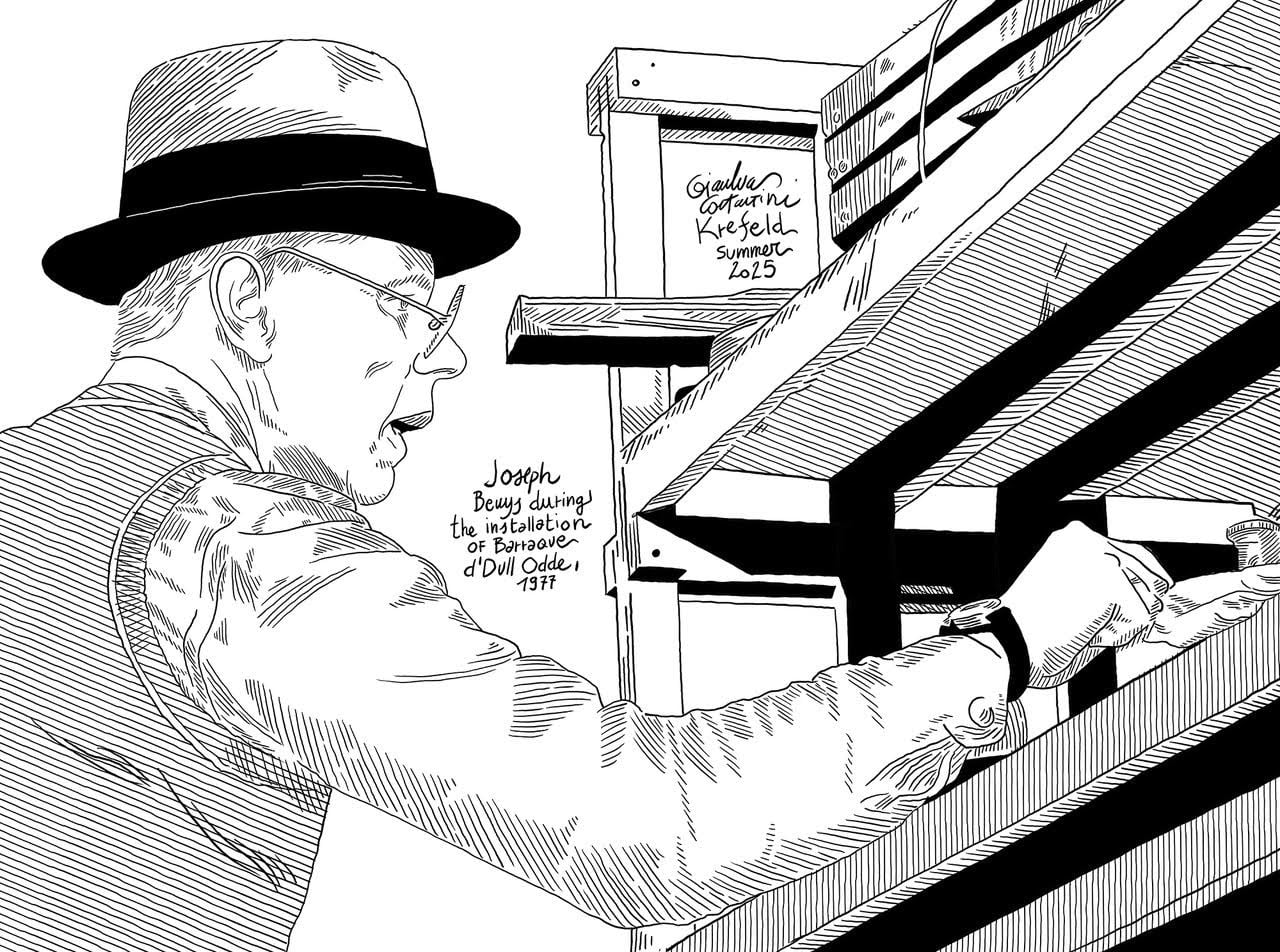
Where did the great artist Joseph Beuys live? The comic story by Gianluca Costantini

Dove viveva il grande artista Joseph Beuys? Il racconto a fumetti di Gianluca Costantini

In the summer of 2022, the author visited Düsseldorf and discovered that Joseph Beuys's former home at Drakeplatz 4 in Oberkassel was for sale, but the city's cultural department declined to purchase it. Beuys lived and worked there from 1961 until his death in 1986, using the space as both a residence and studio. The article recounts the intimate details of family life there, including how Beuys painted the main room white for his wife Eva's photography, and how the family navigated the blend of private life and artistic practice. Two years later, the Brunhilde Moll Foundation acquired the house and opened it to the public, though it was closed for renovations when the author returned. The house now displays about sixty works from Beuys's creative period and will host artist residencies and events.

"Gesundheitseffekt der Künste auf biologischer Ebene"

A roundup of art news covers multiple stories: Stefan Trinks criticizes Berlin's 'MuseumsMeileMitte' as a symptom of urban and cultural misdevelopment, where museums are co-opted by real estate marketing. At the Venice Biennale, the German Pavilion by Henrike Naumann and Sung Tieu explores East German identity and post-reunification trauma, while Patti Smith performed a 'sonic prayer' at the Vatican Pavilion curated by Hans Ulrich Obrist and Ben Vickers. A study from University College London suggests regular arts engagement may slow biological aging.

I'm a punk artist, I don't give a damn

"Ich bin Punk-Künstlerin, ich geb einen Scheiß drauf"

During the opening week of the Venice Biennale, the Russian activist and Pussy Riot member Nadya Tolokonnikova staged a protest against the Russian pavilion, wearing pink balaclavas and chanting slogans like "Blood is Russia's Art." Meanwhile, Florentina Holzinger's Austrian pavilion, subtitled "I Live in Your Piss," drew massive crowds with its scatological installations and extreme performances, causing wait times of up to two and a half hours. German media critics have widely covered the Biennale's heightened political tone, with debates over boycotts of Russia and Israel, and the tension between art and activism.

"Hier darf laut gelacht werden"

During the opening week of the Venice Biennale, multiple reports detail controversies surrounding the Israeli and Russian pavilions. According to Hyperallergic, artist Belu-Simion Fainaru of the Israeli pavilion threatened legal action against the Biennale after the jury sought to exclude Israel and Russia from prizes over alleged human rights violations, citing antisemitism and nationality-based discrimination. This may have prompted the jury's sudden resignation. Meanwhile, taz reports that Russia's pavilion is a macabre 'dance of death' blending techno and political denial, while Israel's pavilion faces a 'silent boycott' and social ostracism. Zeit describes protests by Pussy Riot and Femen outside the Russian pavilion as a defining image, with activists chanting 'blood sticks to the art of this country.'

A sturdy soldier in a sequin dress

"Eine kräftige Soldatin im Paillettenkleid"

Media reviews of the Venice Biennale's opening week offer contrasting takes on the German and US pavilions. Critics describe the German pavilion, curated by Sung Tieu and Henrike Naumann, as a dense, ironic East-West narrative that layers Nazi architecture with DDR prefab construction, creating what Jörg Häntzschel calls a "shockingly seamless symbiosis." The US pavilion, featuring sculptures by Alma Allen, is panned by Maximilíano Durón in ArtNews as politically timid and empty, lacking the clear colonial critiques of previous editions by Simone Leigh and Jeffrey Gibson.

"Eine Idee, die gut ist, kann fast alles verändern"

Henrike Naumann's final major artistic project, the German Pavilion at the Venice Biennale, is completed posthumously by friends after her death from cancer at age 41. Meanwhile, the sudden death of curator Koyo Kouoh at 57 has left her team to finish the central exhibition "In Minor Keys" for the Biennale, opening May 9. The US Pavilion is openly crowdfunding for its 2026 presentation by sculptor Alma Allen, citing opaque funding under the Trump administration. Israel's foreign ministry has accused the Venice Biennale jury of boycotting its artist Belu-Simion Fainaru by excluding countries whose leaders face International Criminal Court charges.

"Etwas zaghaft, etwas ängstlich, etwas sicher"

The article surveys recent art-world commentary, focusing on a critical review of the Turner Prize shortlist in The Guardian, where Eddy Frankel calls the selection "timid, anxious, safe" and laments a self-perpetuating, elitist system. It also covers a Hyperallergic essay by Lisa Siraganian questioning whether artworks can possess personhood, sparked by Pierre Huyghe's Venice exhibition. Additionally, it reports on controversy at the Venice Biennale, where the jury preemptively excluded countries whose leaders are sought by the International Criminal Court—namely Russia and Israel—drawing sharp criticism from Die Welt's Marcus Woeller. A podcast interview with US sculptor Alma Allen, selected for the US Pavilion, rounds out the coverage.

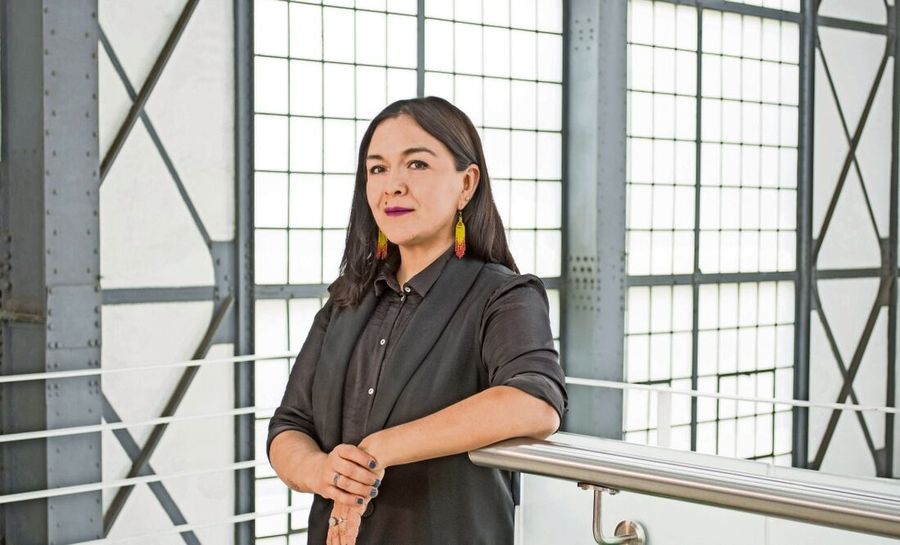
SOL HENARO: “BAJAR LA VELOCIDAD ES POLÍTICO Y, AUNQUE CUESTA MUCHO, HAY QUE SEGUIR INTENTÁNDOLO”

Sol Henaro, director of the Museo Universitario del Chopo in Mexico City, argues in an interview for Artishock Revista that museums must resist neoliberal pressures to accelerate production, spectacularize content, and convert cultural experience into immediate consumption. She advocates for the museum as a space of plurality, deceleration, and critical thought, emphasizing the need for horizontal, careful practices that allow for dissent and coexistence. The interview is part of a series on International Museum Day featuring directors from Latin American and Ibero-American institutions.

Dozens of Pavilions Close During Strike at 61st Venice Biennale

On May 8, 2026, a 24-hour strike organized by the Art Not Genocide Alliance (ANGA) and several Italian activist groups brought the 61st Venice Biennale to a standstill. Approximately 27 of the 100 national pavilions closed fully or partially in solidarity with protesters demanding Israel’s exclusion from the event, including those of Austria, Belgium, France, Great Britain, Japan, South Korea, and Ukraine. Over 3,500 people marched through Venice, with speakers including artist Gabrielle Goliath and curator Caroline Dumalin. The main exhibition, "In Minor Keys," curated by the late Koyo Kouoh, closed by late afternoon, and riot police were stationed outside the Arsenale. The Israeli pavilion, already shuttered during previews, remained closed.

The Most Provocative Performance in Venice

Florentina Holzinger, a performance artist known for extreme feminist works involving nudity, bodily fluids, and physical endurance, is representing Austria at the 2026 Venice Biennale with a pavilion titled “Seaworld Venice.” Opening May 9, the installation transforms the Austrian Pavilion in the Giardini into an underwater theme park and a functioning sewage treatment plant, where audience urine collected from portable toilets is cleaned and recycled into the tanks. The work explores themes of the human body, ecology, and Venice’s own struggles with sinking infrastructure and mass tourism.

From men on dog leads to public breast-fondling, Valie Export’s art demanded a total feminist revolution

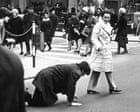
Valie Export, the pioneering Austrian feminist artist known for her provocative and confrontational performances from the 1960s onward, is the subject of a reflective essay by writer and academic Hettie Judah. The article revisits Export's radical works such as *Hyperbulia* (1973), where she crawled naked through electrified wires; *From the Portfolio of Doggedness* (1968), in which she led a man on a dog lead through Vienna; and *Action Pants: Genital Panic* (1969), where she walked through a cinema with exposed genitals. Judah draws on her own interviews with Export, who died in 2023, and discusses the artist's manifesto demanding that women use art to reshape consciousness and achieve liberation.

Read a book, flip off a Nazi: when reading meant resistance – in pictures

A new exhibition at Poster House in New York, titled "Reading Under Fire: Arming Minds & Hearts During Wartime," showcases vintage posters from World War I and World War II that promoted reading and book donations to support troops. The posters, drawn from the collections of the American Library Association, the YMCA, and other organizations, encouraged the public to supply soldiers with reading material as a form of morale-boosting and education. The exhibition runs until 1 November and is curated by Molly Guptill Manning.

‘The Bed Trick’ by Izabella Scott, Reviewed

Izabella Scott's book *The Bed Trick* examines a British rape case in which Gayle Newland was convicted for pretending to be a man named Kai during a two-year relationship with a woman identified as Miss X. Drawing on court transcripts, Scott explores the legal concept of 'fraud vitiates consent' and traces the historical bed-trick trope from medieval folktales to *The Rocky Horror Picture Show*, questioning how much deception invalidates sexual consent.

Sung Tieu on Representing Germany at the 61st Venice Biennale

Sung Tieu, who is co-representing Germany at the 61st Venice Biennale alongside Henrike Naumann, responds to a questionnaire from ArtReview about her plans for the German Pavilion. She describes her inspiration as her mother and childhood home, a site built for foreign contract workers in the GDR that later became a refuge for the diaspora. Tieu states that her work relates to the Biennale theme "In Minor Keys" through the lens of Gehrenseestrasse, a concrete record of collective memory. She also expresses skepticism about the Biennale's importance, noting that the German Pavilion's fascist architecture compels artists to work against it, and that national pavilions reveal how much work remains in undoing nationalism.

Somali Cultural Organizations Unhappy With Somalia Pavilion at the Venice Biennale

Somali artists and cultural organizations are protesting the Somalia pavilion at the 2024 Venice Biennale, arguing it excludes artists based in Somalia and relies on diaspora figures and an Italian co-curator, which they view as colonial. The Somali Arts Foundation issued a statement condemning the lack of consultation, while the queer arts collective Warbixinta Cidda criticized the appointment of Italian curator Fabio Scrivanti. Somali American poet Ladan Osman boycotted the pavilion, calling it "anti-indigenous."

San Francisco’s Vaillancourt Fountain Catches Fire During Controversial Removal

San Francisco's Vaillancourt Fountain, a Brutalist concrete structure at Embarcadero Plaza since 1971, caught fire on Wednesday morning as workers used blow torches to disassemble it. The fire ignited rubber tubing and debris inside the sculpture's cantilevered arms, producing smoke that forced the temporary evacuation of nearby paddle board courts. The fountain is being removed to make way for a $32.5 million redevelopment of the plaza and playground into a five-acre park.

Alison Roman’s Top Picks from the Frieze Viewing Room

Andrew Durbin reviews the national pavilions at the Venice Biennale, contrasting a vacuous US presentation with incisive and moving installations from Britain and Germany. The review highlights the thematic and emotional depth of the British and German pavilions while critiquing the lack of meaning in the US entry.

Seven Shows to Catch Across the US This May

Art critic Andrew Durbin reviews national pavilion presentations at the Venice Biennale, contrasting a vacuous US exhibition with incisive and moving installations from Britain and Germany. The review highlights the disparity in thematic depth and emotional resonance among the three pavilions.

Seba Calfuqueo and the Colonized Body

Andrew Durbin reviews national pavilions at the 2026 Venice Biennale, critiquing the US presentation as vacuous while praising incisive and moving installations from Britain and Germany. The review highlights Seba Calfuqueo's work in the context of colonized bodies, though the article's main focus is on the comparative quality of the pavilions.