filter_list Showing 92 results for "Bates" close Clear
search
dashboard All 189 museum exhibitions 92article news 29rate_review review 20article culture 17person people 7article policy 7candle obituary 6article local 5trending_up market 3gavel restitution 3
date_range Range Today This Week This Month All
Subscribe

Artists v fascists, Khmer Rouge horrors, fab flowers and an eye-popping nude – the week in art

This week's art roundup from The Guardian features a major exhibition at Towner Eastbourne titled 'Comrades in Art: Artists Against Fascism,' which examines how artists, poets, and intellectuals used their work to resist the rise of extremism in 1930s Europe, drawing on the history of the Artists International Association (AIA). Other highlights include 'Hidden: Photography and Displacement Under the Khmer Rouge' at The Wiener Holocaust Library in London, a show of early Netherlandish drawings at the British Museum, Katharina Grosse's colorful installations at White Cube, and a flower-themed survey at Kettle's Yard. The image of the week is Sylvia Sleigh's 1963 portrait 'The Bridge (Johanna Lawrenson),' part of a new exhibition of the Welsh artist's work. The article also covers news items such as Lydia Ourahmane's Venice Biennale installation, a Holbein portrait mystery, a restored stained-glass window by Edward Burne-Jones and William Morris, and Anish Kapoor's call to exclude the US from the Venice Biennale due to 'politics of hate.'
At the Venice Biennale, the Thrill of Victory, the Agony of Defeat

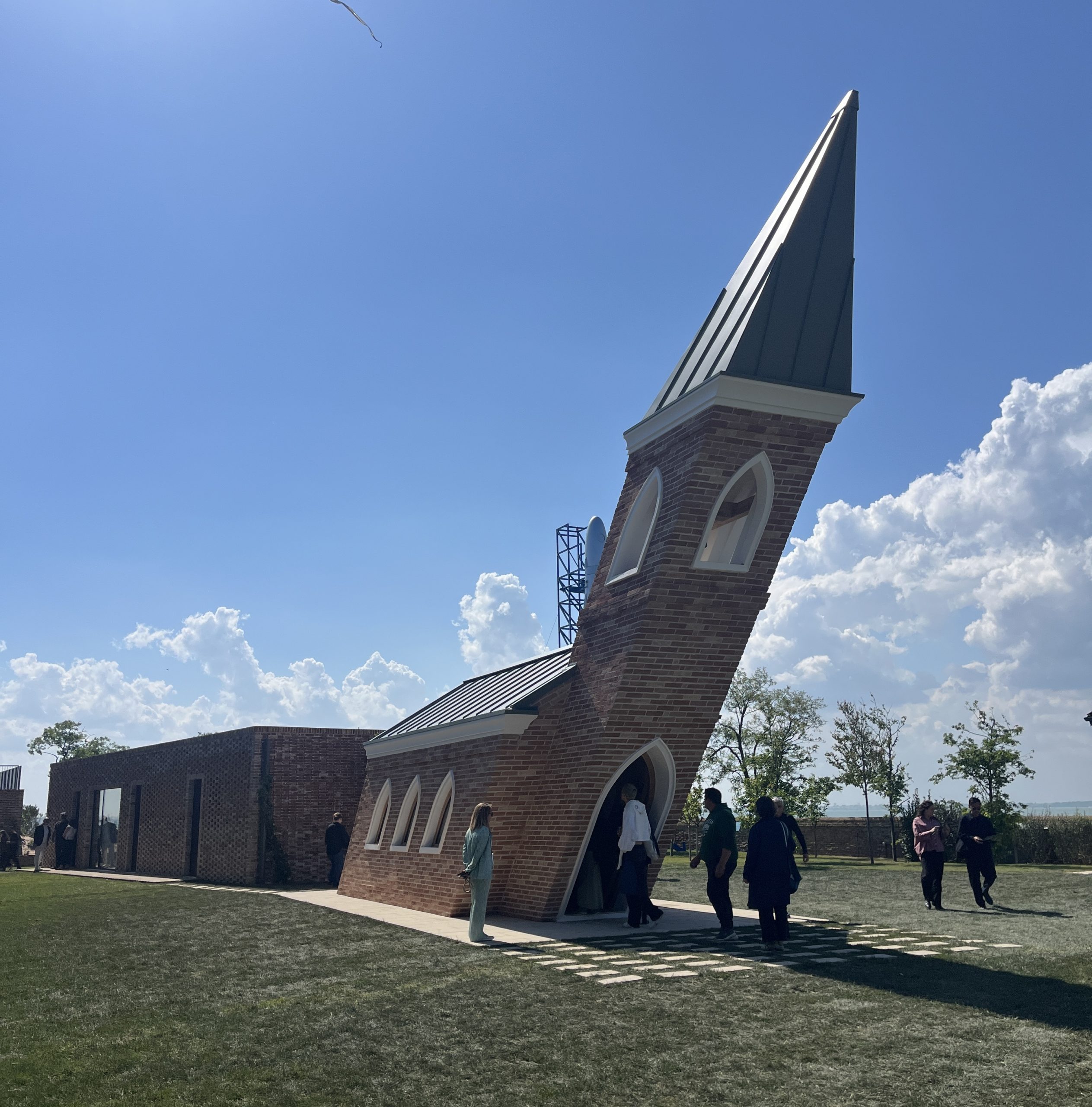
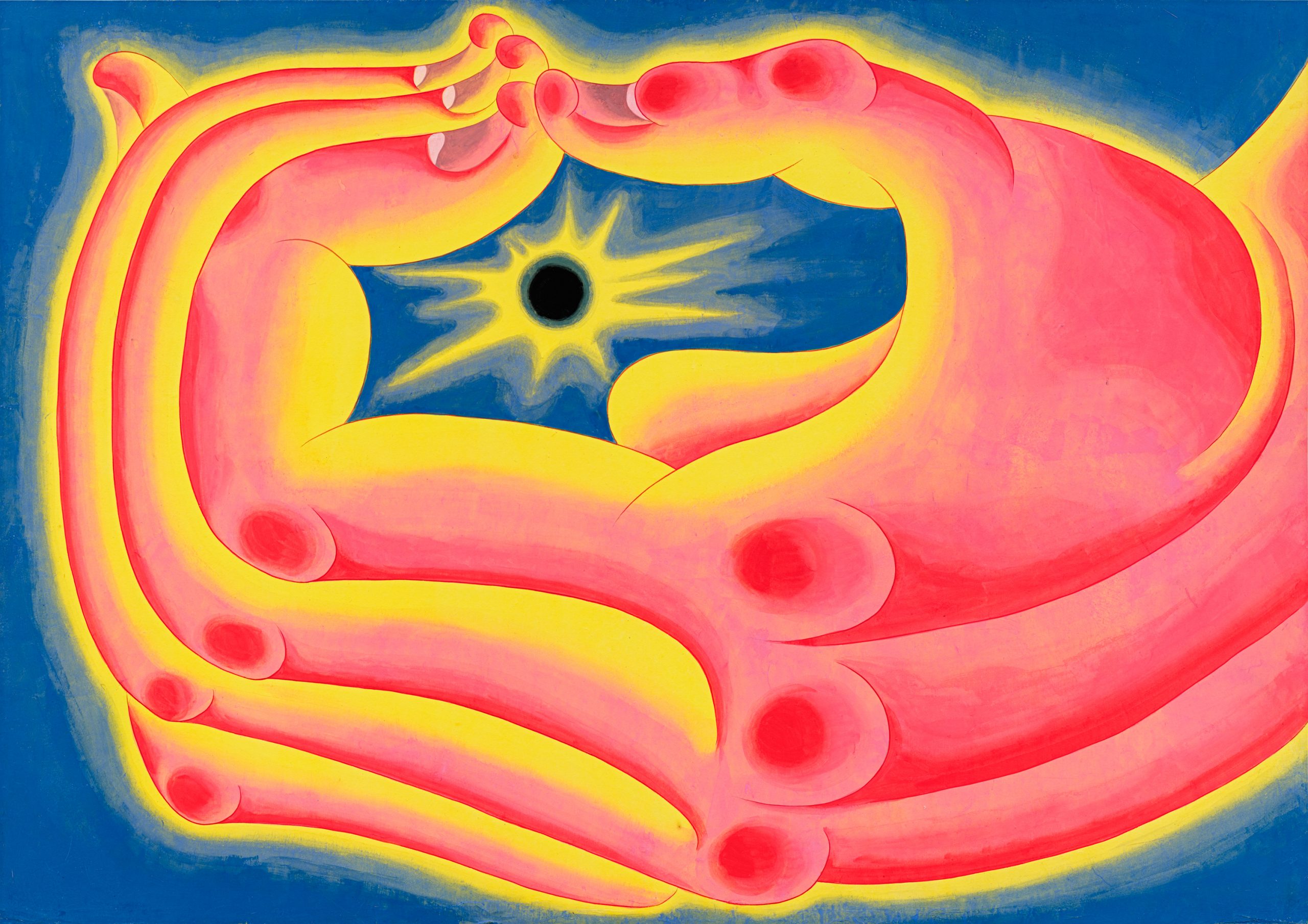
The article reports on the opening of the 61st Venice Biennale, highlighting the central exhibition "In Minor Keys" conceived by the late Koyo Kouoh, along with national pavilions and collateral events. It notes standout contributions from artists such as Alvaro Barrington, Kaloki Nyamai, Florentina Holzinger, Ei Arakawa-Nash, Li Yi-Fan, and Dries Verhoeven, while describing the American pavilion as lackluster and the overall commercial offerings as uneven. The text also covers performances and exhibitions featuring nudity and body horror, including Tino Sehgal's "The Kiss" and Maja Malou Lyse's video with the collective DIS.

Asian Artists Set the Stage at Independent Art Fair 2026

At the 17th edition of the Independent art fair in New York, six galleries are presenting solo booths dedicated to Asian artists, including a U.S. debut by Taiwanese artist Tseng Chien-Ying and works by Japanese painter Rika Minamitani and Chinese conceptual artist Pu Yingwei. Founder Elizabeth Dee highlights the trend as reflecting broader geopolitical shifts and artists' desire to engage with complex cultural debates in New York.

Venice Biennale 2026: all the national pavilions, artists and curators so far

The 61st edition of the Venice Biennale, the world's oldest and most prestigious art biennial, will open on 9 May 2026 and run through 22 November. The main exhibition follows the curatorial plan of the late Koyo Kouoh, while national pavilions have been announcing their participating artists and organizers. The article provides a comprehensive list of confirmed pavilions so far, including artists such as Genti Korini (Albania), Matías Duville (Argentina), Khaled Sabsabi (Australia), Florentina Holzinger (Austria), Faig Ahmed (Azerbaijan), and many others, with details on venues and organizers.

10 Must-See Shows During the Venice Biennale 2026

The 2026 Venice Biennale is embroiled in multiple controversies, including the cancellation and reinstatement of Australia's representative artist Khaled Sabsabi, ongoing calls to bar Israel from participating, criticism over allowing Russia to participate, and mounting voices to exclude the U.S. in response to President Donald Trump's actions in Iran. Despite these disputes, the article highlights that many of the city's most exciting shows will take place away from the main Biennale venues.

Back to the 90s: Tate exhibition to explore decade’s art and fashion

Tate Britain will stage a major exhibition titled "The 90s: Art and Fashion" this autumn, curated by former British Vogue editor Edward Enninful. The show will feature nearly 70 artists, photographers, and designers, including Steve McQueen, Chris Ofili, Damien Hirst, Alexander McQueen, and Tracey Emin, alongside works by Juergen Teller, Mark Leckey, and others. It will explore the decade's art, fashion, and club culture, with pieces such as McQueen's film "Bear" (1993), Ofili's Turner Prize-winning "No Woman, No Cry" (1998), and images from Manchester's Haçienda and London's Bagley's nightclubs.

It’s the Most Controversial Venice Biennale in Years. Can the Art Stand Up to the Noise?

The 2026 Venice Biennale is embroiled in controversy, with the US Pavilion at the center of a political storm. The Trump administration's State Department overhauled the selection process, bypassing the usual NEA panel and commissioning a nonprofit, the American Arts Conservancy, to organize the pavilion. Artist Alma Allen, who accepted the invitation despite threats from galleries and curators, presents a show that critics find politically muted. The Biennale's jury resigned days before the opening, and annual prizes were canceled, adding to the turmoil.

DACA Artist Uses Thread to Weave Immigration Stories

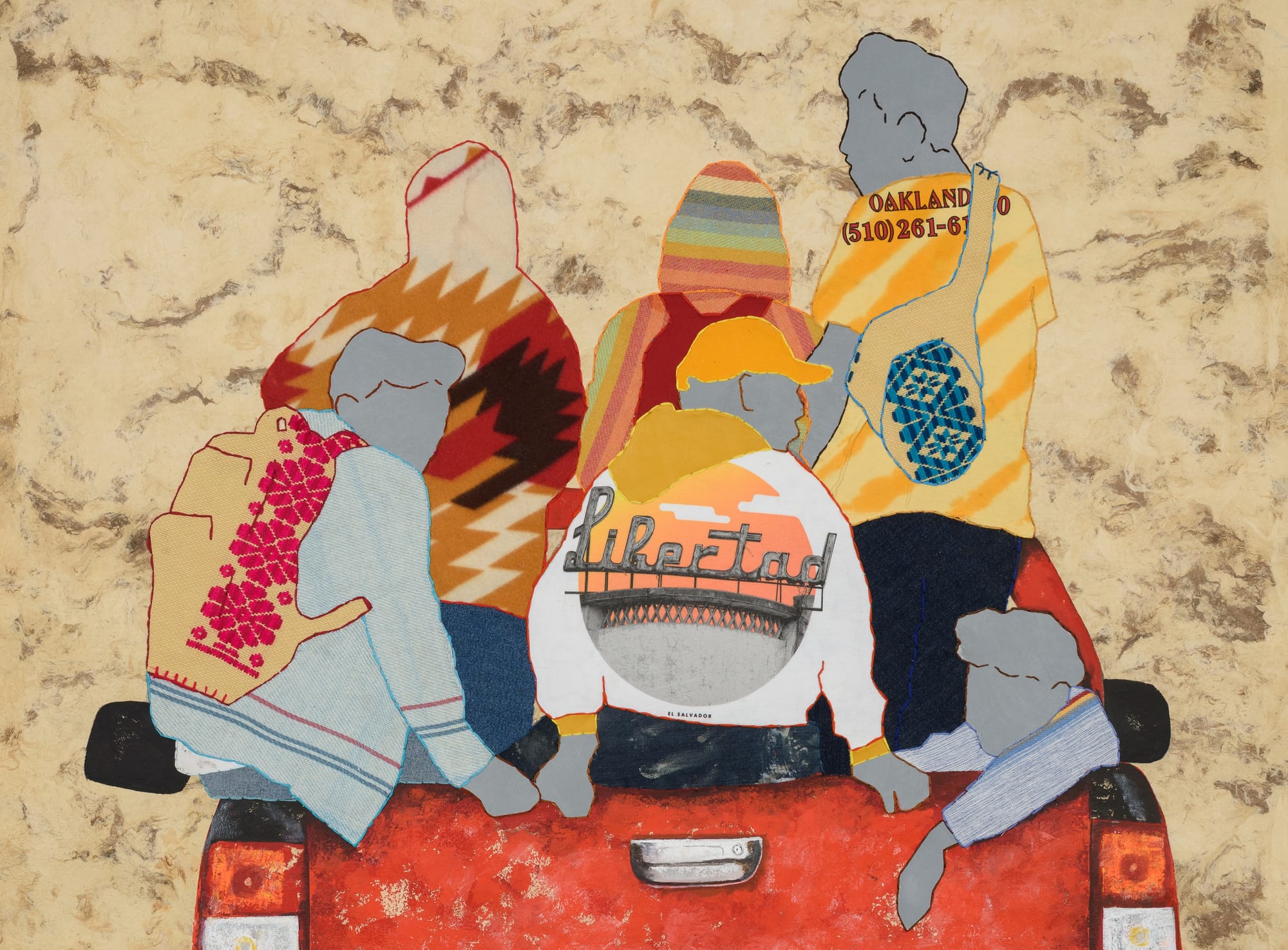
Arleene Correa Valencia, a DACA recipient and Bay Area artist, presents her debut solo exhibition "CÓDICE •• SOBREVIVIENDO A LA PERSECUCIÓN" at Fridman Gallery in Manhattan, on view through May 2. The show features large-scale acrylic and textile works on amate bark paper, including a 16-foot-long piece depicting border-crossing narratives. Valencia collaborates with her father, mother-in-law, and papermaker Jose Daniel Santos de la Puerta, and incorporates childhood letters that poignantly reflect family separation and undocumented life.

How the British Museum is preparing for the arrival of the Bayeux Tapestry

Comment le British Museum prépare l’arrivée de la tapisserie de Bayeux

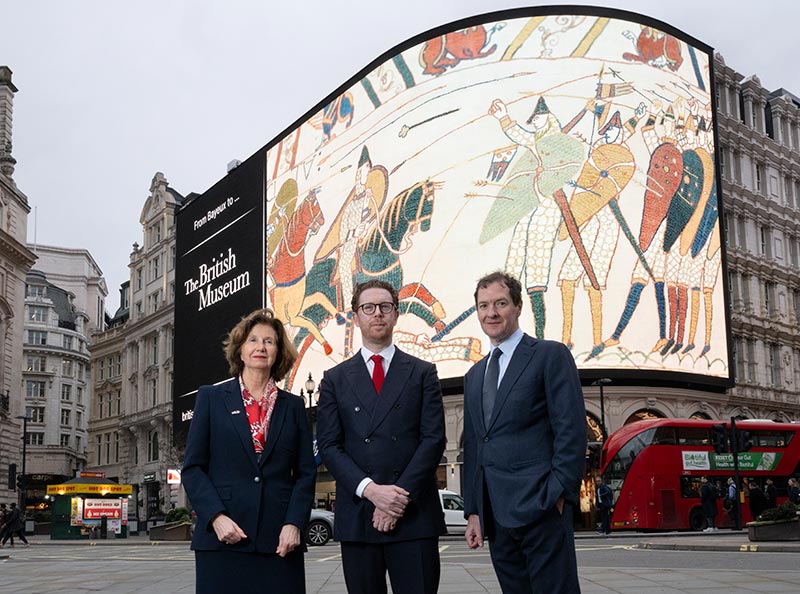
The British Museum will display the Bayeux Tapestry from September 10, 2025, to July 11, 2027, in its Sainsbury Exhibitions Gallery, coinciding with the closure of the Musée de la Tapisserie de Bayeux for renovation. The 68.38-meter embroidery will be shown flat for the first time in over two centuries, in a custom-designed case with low lighting and continuous visitor flow. Tickets go on sale July 1, 2026, priced between £25 and £33, with free entry for under-16s. The exhibition includes loans such as the Junius II manuscript from the Bodleian Library and coins from the Chew Valley hoard, plus an outdoor installation by Andy Sturgeon. The UK government has provided an £800 million indemnity guarantee.

Gabrielle Goliath’s "Elegy" Comes to Venice

South African artist Gabrielle Goliath’s installation "Elegy" was initially censored by South Africa’s Culture Minister Gayton McKenzie, who blocked it from the country’s pavilion at the Venice Biennale over its focus on Palestinian grief. After public outcry and support from several organizations, the work was instead installed in a Venice church, where critic Aruna D’Souza describes it as "hauntingly beautiful and achingly tender." The article also covers related news: a smear campaign against British-Nigerian photographer Misan Harriman for his Palestinian solidarity, and a list of summer art books.

The Strong Presence of Guatemalan Indigenous Artists at the Sydney Biennale

LA FUERTE PRESENCIA DE ARTISTAS INDÍGENAS GUATEMALTECOS EN LA BIENAL DE SYDNEY

The 25th Sydney Biennale, titled "Rememory" and curated by Hoor Al Qasimi, centers on colonialism and historical reparation, featuring a strong presence of Indigenous and First Nations artists. Notably, five Maya artists from Guatemala—Sandra Monterroso, Angélica Serech, Ángel Poyón, Fernando Poyón, and Edgar Calel—are participating, exploring ancestral knowledge, community practices, and tensions between Indigenous cosmologies and modernity. Their work engages with Australian debates on Indigenous sovereignty and colonial repair, challenging historical institutional representation.

Female nudity and art that stinks: key takeaways from Venice Biennale 2026

The 2026 Venice Biennale opened with 99 participating countries, including first-timers Somalia and Qatar, under the shadow of curator Koyo Kouoh's death. Her planned theme of "enhancement" and the main show "In Minor Keys" were disrupted by political protests: Pussy Riot objected to Russia's inclusion, and a strike against Israel's participation forced several national pavilions (UK, Austria, France) to close. Key takeaways include pervasive female nudity across pavilions, debates over Russia's presence, criticism of the US pavilion's lackluster art, maritime themes dominating several shows, and the rise of olfactory art.

Ralph Lemon: The Physical Traces of Racism

Ralph Lemon's exhibition at Paula Cooper Gallery presents 13 black-and-white photographs and three short videos focusing on sites in the Mississippi Delta connected to the 1955 lynching of Emmett Till. Rather than dramatizing the incident, Lemon records physical traces of the locations—such as Bryant's Grocery and Meat Market, the barn where Till was killed, the Tallahatchie River, and a funeral home—capturing dilapidated buildings and landscapes that suggest history slipping away. The show includes the titular video "From Out of Space" (2018–21), which offers closeups and drone footage of these sites, creating a meditative, detective-like examination of memory and erasure.

25th Biennale of Sydney – Rememory

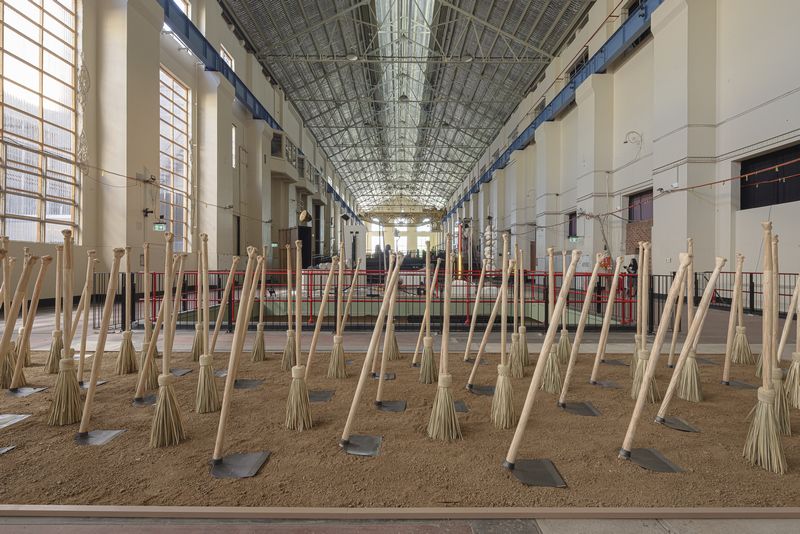
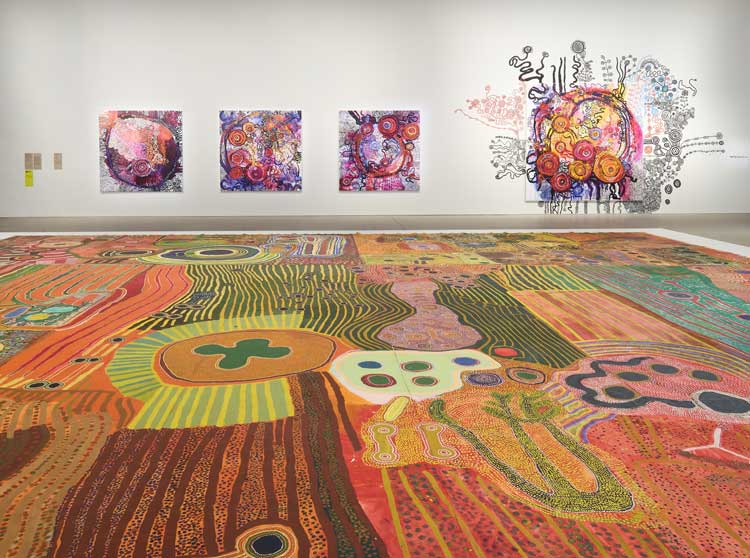
The 25th Biennale of Sydney, titled 'Rememory,' opened on March 14, 2026, across multiple venues including the Art Gallery of New South Wales, White Bay Power Station, and the Sydney Opera House. Artistic director Hoor Al Qasimi curated the event around the concept of 'rememory,' inspired by Toni Morrison's novel *Beloved*, featuring over 143 works by 83 artists and collectives from 37 countries. The biennale centers First Nations voices and diasporic communities, with standout pieces like the Ngurrara Artists' *Ngurrara Canvas II* (1997) and works by Yaritji Young. However, the event has faced controversy due to Al Qasimi's opposition to the war in Gaza, leading to criticism from donors and board members, as well as logistical disruptions from the Iran war affecting the curator and artists.

MFA's Nude Exhibition Challenges Art History's Gender Norms

The Museum of Fine Arts, Boston, has opened a new exhibition that challenges traditional gender norms in art history, featuring a dozen artists who disrupt the conventional nude. The show includes Xandra Ibarra's performance "Nude Laughing," where she paraded naked through the museum's European galleries, and works by Betty Tompkins, whose "Fuck Paintings" and "Women Words Painting" series confront misogyny and the male gaze. The exhibition juxtaposes these contemporary pieces with historical works like Jean-Léon Gérôme's "Moorish Bath" to highlight entrenched racial and gender hierarchies in art.

Tania Bruguera on Why Today’s Art Must Be Political

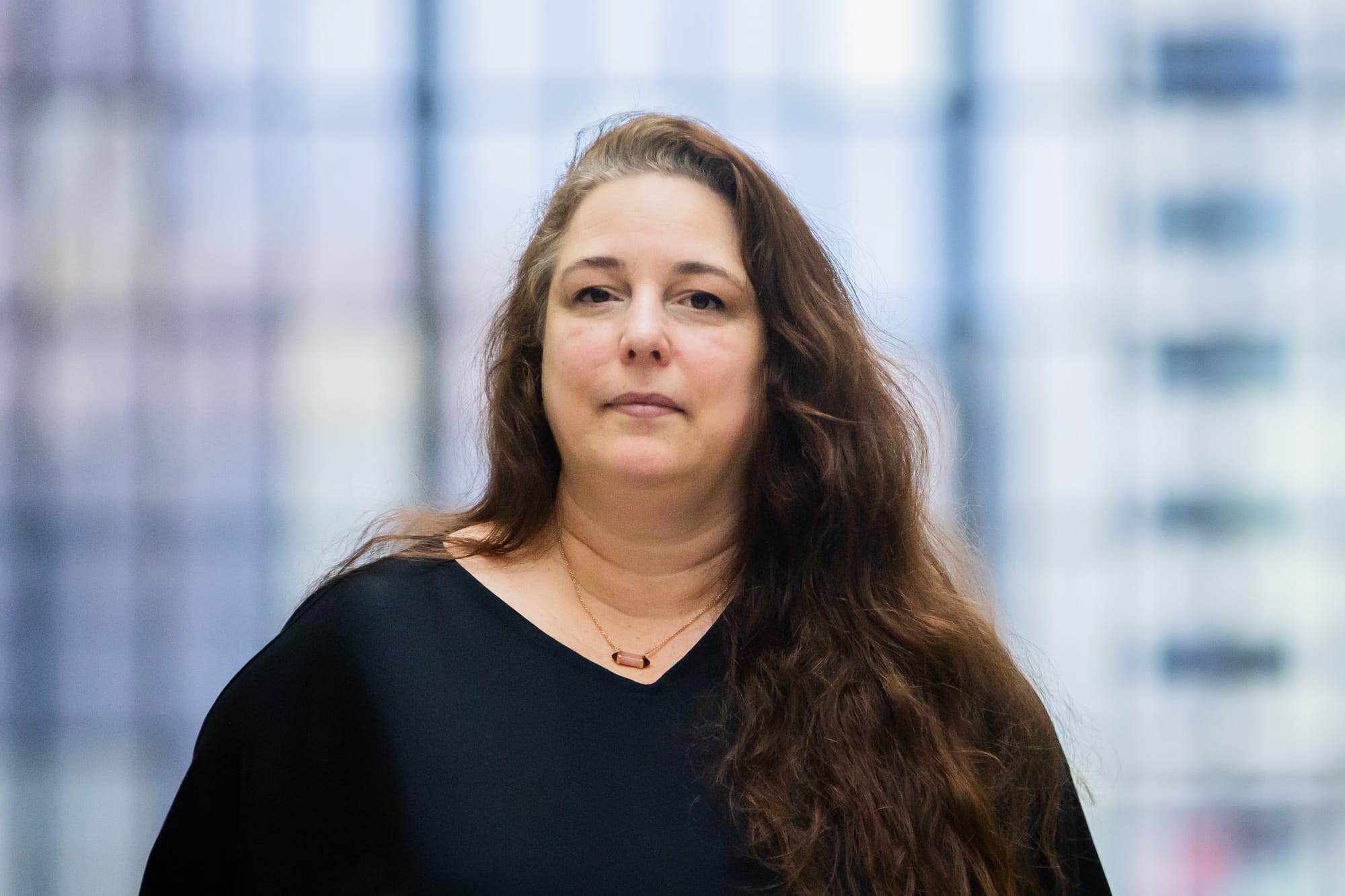
Cuban artist and activist Tania Bruguera will stage her performance "Tatlin’s Whisper #6" in Times Square on May 1, International Workers' Day. Originally created for the 2009 Havana Biennial, the work invites participants to speak freely on a platform for one minute, highlighting the conditional nature of free expression under authoritarian rule. Bruguera discusses the performance's relevance amid rising authoritarianism in both Cuba and the United States, noting that when she attempted to restage the work in Havana, she and other participants were arrested.

Master of Madonnas and the Market

Meister der Madonnen und des Marktes

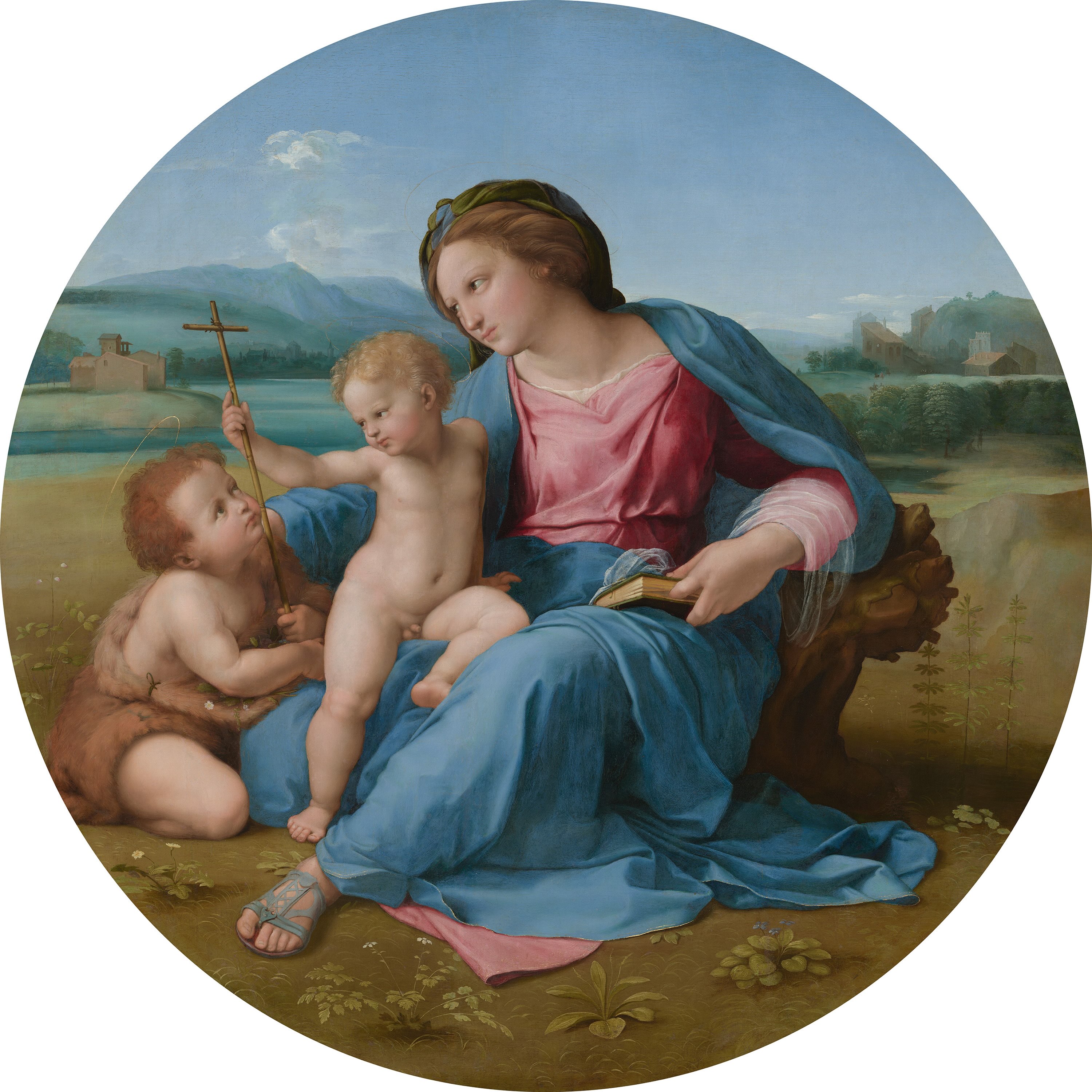
A major exhibition titled "Raphael: Sublime Poetry" has opened at the Metropolitan Museum of Art in New York, exploring how the Renaissance master Raphael's work was deeply intertwined with money, prestige, and patronage. The show traces his career from early mentorship under his father and influences from Leonardo da Vinci to his rivalry with Michelangelo, highlighting commissions from wealthy supporters like the aristocrat Elena Duglioli and Pope Leo X, who commissioned Raphael's extravagant tapestries for the Sistine Chapel.

The invisible worlds of Hilma af Klint, pioneer of abstraction, finally revealed at the Grand Palais

Les mondes invisibles d’Hilma af Klint, pionnière de l’abstraction, enfin révélés au Grand Palais

The article reveals the long-overlooked story of Hilma af Klint (1862–1944), the Swedish artist who created abstract paintings years before Kandinsky, Mondrian, and Malevich, yet kept her work secret until 20 years after her death. Her monumental output—1,600 abstract paintings and 124 notebooks—was first publicly shown in 1986 at the Los Angeles exhibition 'The Spiritual in Art, Abstract Painting, 1890–1985'. A 2019 retrospective at the Guggenheim Museum in New York drew 600,000 visitors, a museum record. Now, the Grand Palais in Paris presents the first-ever French exhibition of her work, focusing on her 'Paintings for the Temple' cycle (1906–1915), a series of 193 works that synthesize her spiritual quest.

Ornament & Information at Chicago Cultural Center

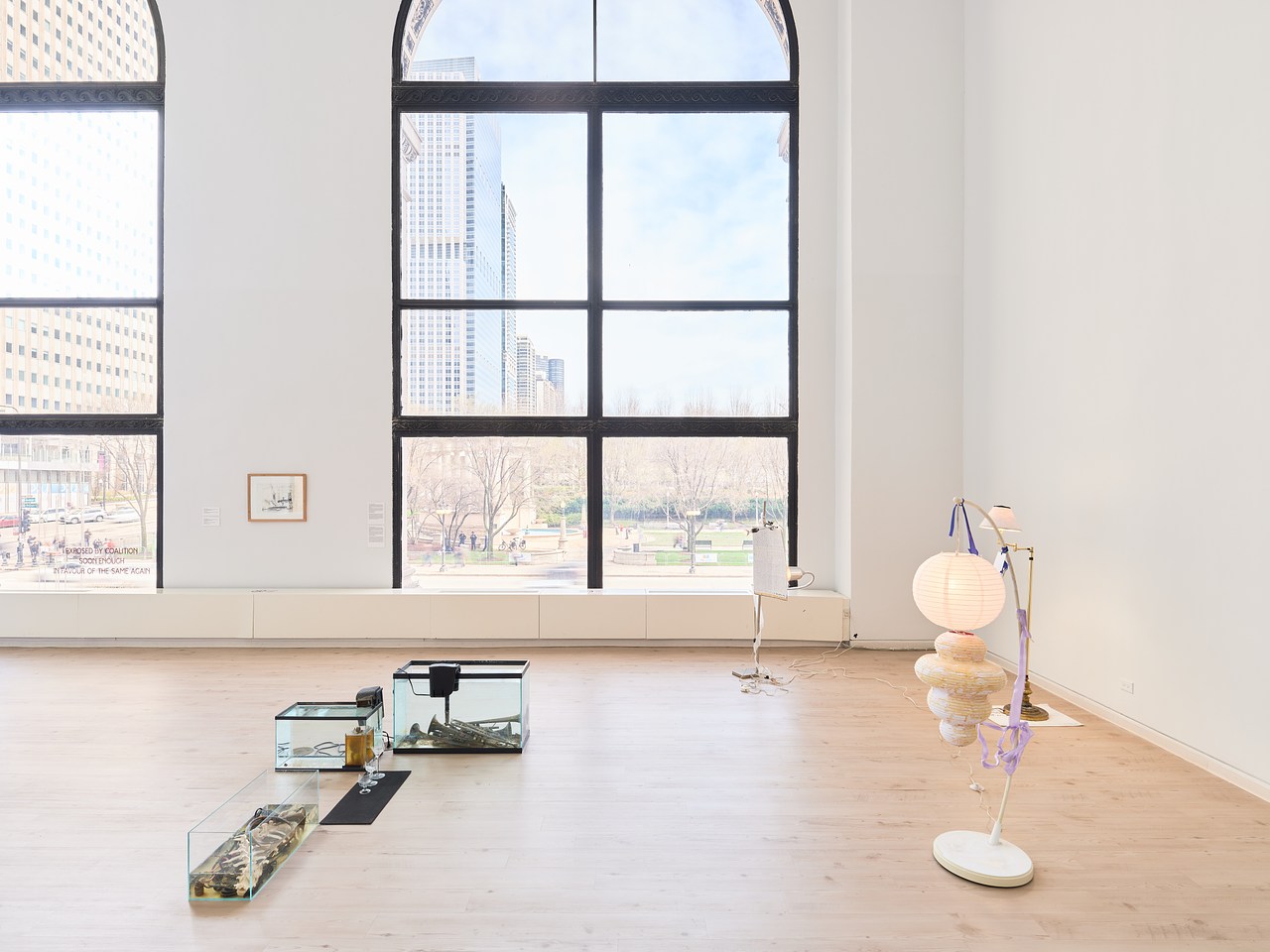
The Chicago Cultural Center is presenting 'Ornament & Information,' an exhibition featuring 62 images and no videos, as documented by Contemporary Art Daily. The show explores the interplay between decorative ornamentation and informational content in contemporary art, though specific artists, dates, and curatorial details are not provided in the available text.

Hito Steyerl “The Island” Osservatorio Fondazione Prada / Milan by Piermario De Angelis

Hito Steyerl's solo exhibition "The Island" at Osservatorio Fondazione Prada in Milan explores the concept of submersion as both a geological condition and a media regime. The show takes its title from a Neolithic artificial island discovered off the coast of Korčula, Croatia, which remained submerged for approximately seven thousand years. Through video interviews, installations, and critical assemblages, Steyerl connects this submerged structure to contemporary issues of digital image circulation, algorithmic power, and the dispossession of agency, drawing on science fiction, quantum physics, biochemistry, and deep time.

Marcel Duchamp Is Stripped Bare at MoMA

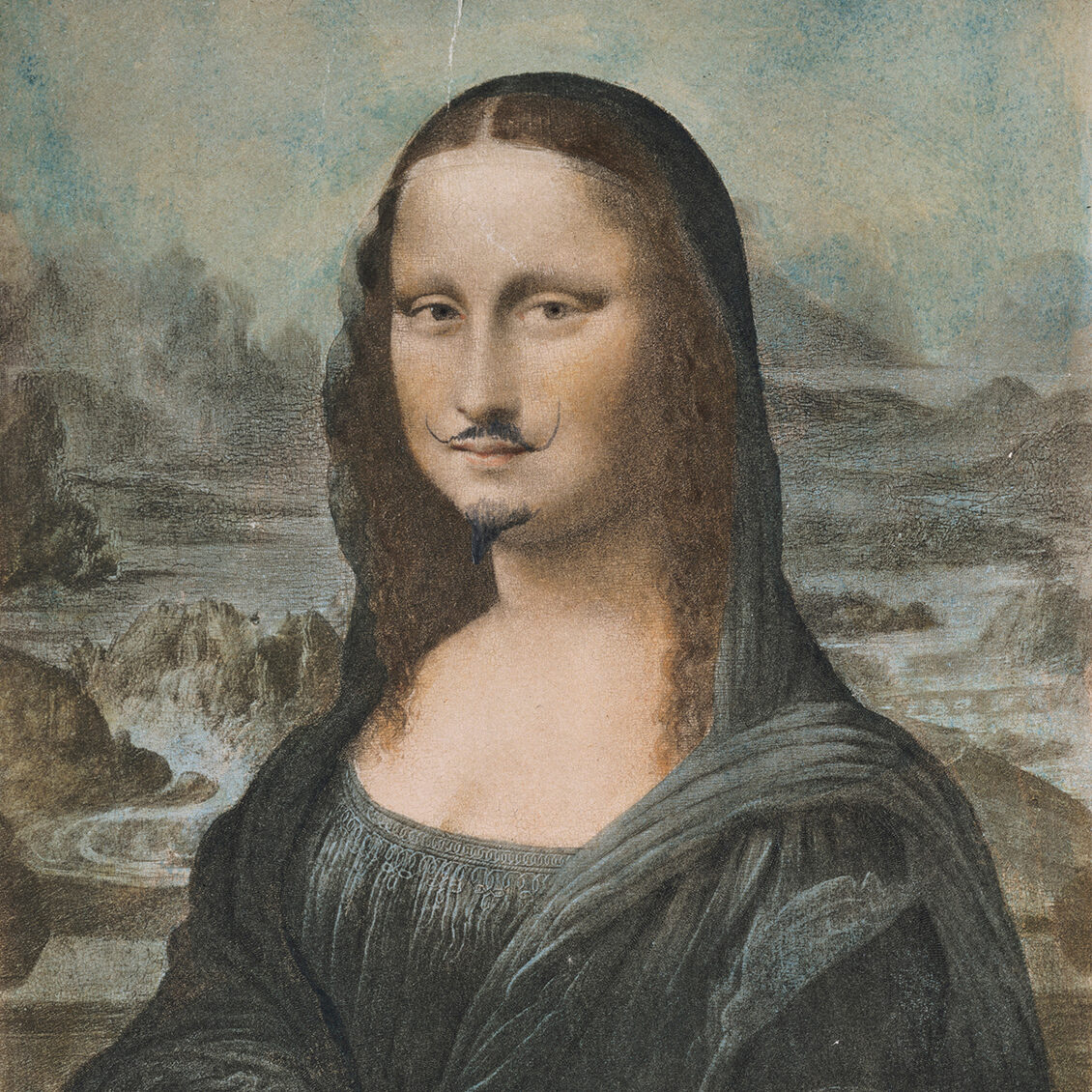
The Museum of Modern Art in New York has opened "Marcel Duchamp," the first retrospective of the artist on this continent in over 50 years. Curated by Ann Temkin, Michelle Kuo, and Matthew Affron, the exhibition is organized strictly chronologically and features Duchamp's most famous works—including his revolutionary readymades like *Fountain* (1917) and *Bicycle Wheel* (1913)—often shown only in photographic reproduction or as later refabricated copies, replicas, and miniatures from his *Box in a Valise* series. The show highlights how Duchamp's original objects have been lost or dematerialized, forcing viewers to confront the very definition of an artwork.

There Is No Separation. In Conversation with Alice Maher   by Frank Wasser

Alice Maher, one of several Irish artists at the 61st Venice Biennale, presents three works in the Arsenale as part of the group exhibition “In Minor Keys,” curated by the late Koyo Kouoh. Her presentation includes a reconstructed 1996 installation *Les Filles d’Ouranos*, a new series of drawings and sculptures titled “The Sibyls” (2025), and a collaborative textile piece *The Map* (2021) made with Rachel Fallon. In a conversation with Frank Wasser, Maher discusses the political conditions surrounding this year’s Biennale, including institutional resignations, debates over national representation, and the inclusion of the Israeli and Russian pavilions.

‘Like a Malfunctioning Theme Park Ride’: Banality and Body Horror at New York Art Week

New York Art Week featured a range of exhibitions that blended banality with body horror, drawing comparisons to a malfunctioning theme park ride. The article highlights several shows that juxtapose mundane, everyday objects with grotesque, unsettling imagery, creating a disorienting experience for viewers. Artists presented works that explore the fragility and absurdity of the human body, often using visceral materials and jarring installations to provoke discomfort and reflection.

Why Is Beeple So Successful?

The article examines the meteoric rise of artist Mike Winkelmann, known as Beeple, who broke auction records in 2021 by selling an NFT for $69.3 million at Christie's, becoming the third most expensive living artist. His robot dogs, featuring heads of figures like Elon Musk and Mark Zuckerberg, debuted at Art Basel Miami Beach and are now on view at Berlin's Neue Nationalgalerie during Gallery Weekend. The show, titled "Regular Animals," has sparked controversy, with critics like Markus Lüpertz denouncing the works as trivial entertainment unworthy of a museum, while curators Carolyn Christov-Bakargiev and Lisa Botti defend the exhibition.

In the Principality of Monaco, an exhibition where the great painter Poussin dialogues with contemporary art

Nel Principato di Monaco una mostra dove il grande pittore Poussin dialoga con l’arte contemporanea

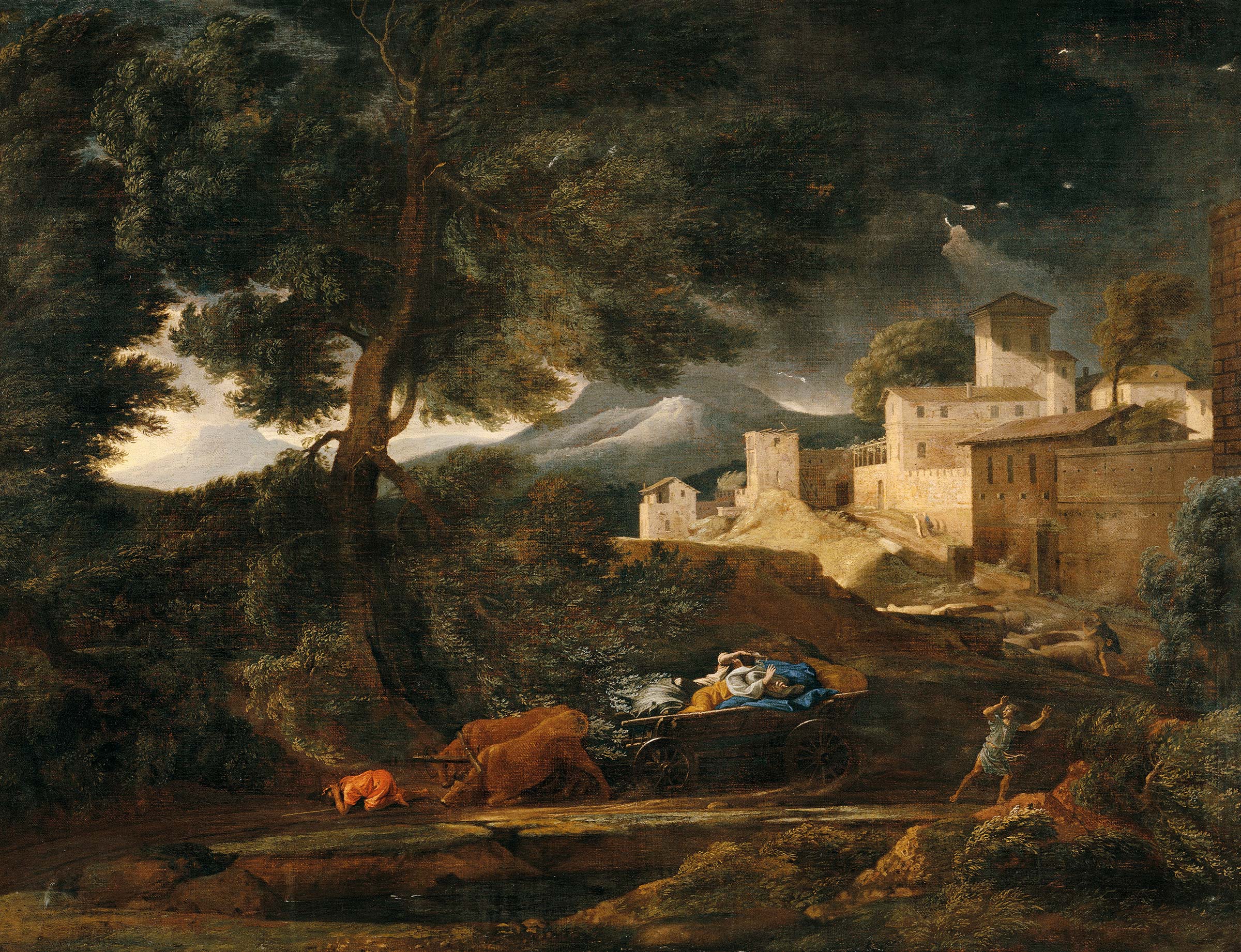
The Nouveau Musée National de Monaco presents an exhibition titled "Le Sentiment de la Nature," which juxtaposes works by 17th-century French painter Nicolas Poussin and his followers with pieces by about thirty contemporary and 20th-century artists. The show is organized into six thematic sections—storms and nights, forests and gardens, seas and waterfalls, deserts and volcanoes, mountains, and flowers and butterflies—each exploring the ancient concept of "miracula naturae" (wonders of nature). Featured contemporary artists include Nan Goldin, Andreas Gursky, Thomas Demand, Sarah Moon, Mimmo Jodice, Giulio Paolini, Giorgio Andreotta Calò, and Fausto Melotti, with works spanning photography, painting, video, and sculpture. The exhibition runs until May 25, 2026, and is accompanied by a catalog published by Italian publisher Humboldt Books in collaboration with the museum.

Controversial Costumes at the Met’s Newest Galleries

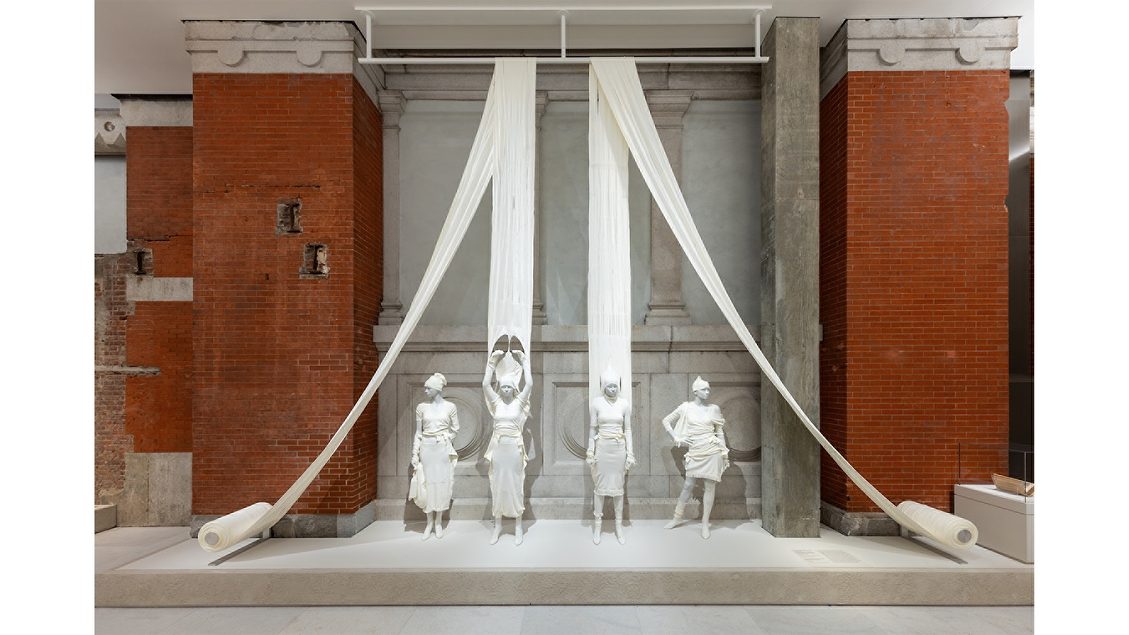
The Metropolitan Museum of Art in New York has opened the new Conde M. Nast Galleries, designed by the Brooklyn-based firm Peterson Rich Office (PRO). The inaugural exhibition, titled "Costume Art," features 200 pieces from various museum departments and will run until January 10, 2027. The 12,000-square-foot space, located off the Great Hall, incorporates historic structural elements and uses subtle lighting and materials to create a quiet backdrop for the display of fragile costumes and art objects.

Gala Porras-Kim: Future spaces replicate earlier spaces

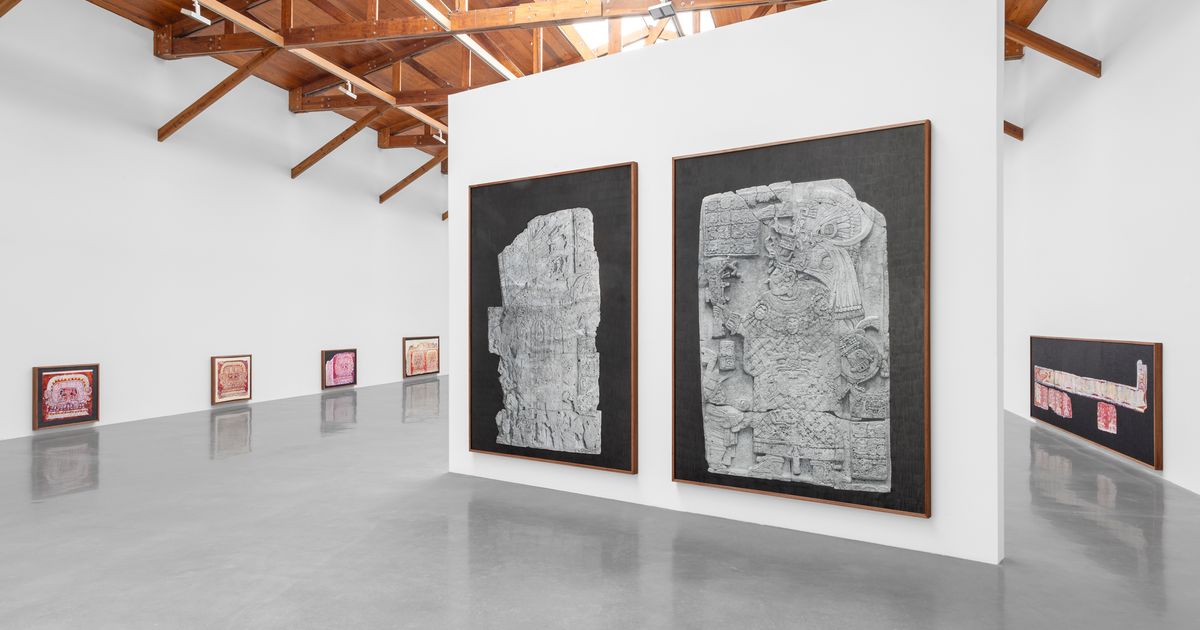
Gala Porras-Kim presents her first exhibition at kurimanzutto in Mexico City, titled "Future spaces replicate earlier spaces," running from April 11 to June 13, 2026. The show brings together works that examine how museums and conservation institutions reclassify objects removed from their original contexts, using reconstruction and resituating to explore their spatial, material, and temporal conditions. Central to the exhibition is the installation "The motion of an alluvial record" (2024), which recreates the humid marshland atmosphere of the Yucatán Peninsula inside the gallery, contrasting with the controlled climates of museums. Other works include drawings replicating wall decorations from the Techinantitla complex in Teotihuacan, which were fragmented and sold on the black market, and graphite drawings of objects by artist Brígido Lara, whose "original interpretations" of Totonac ritual clay objects were mistakenly catalogued as Pre-Hispanic artifacts in major museums.

Deutscher Pavillon wird zum Plattenbau

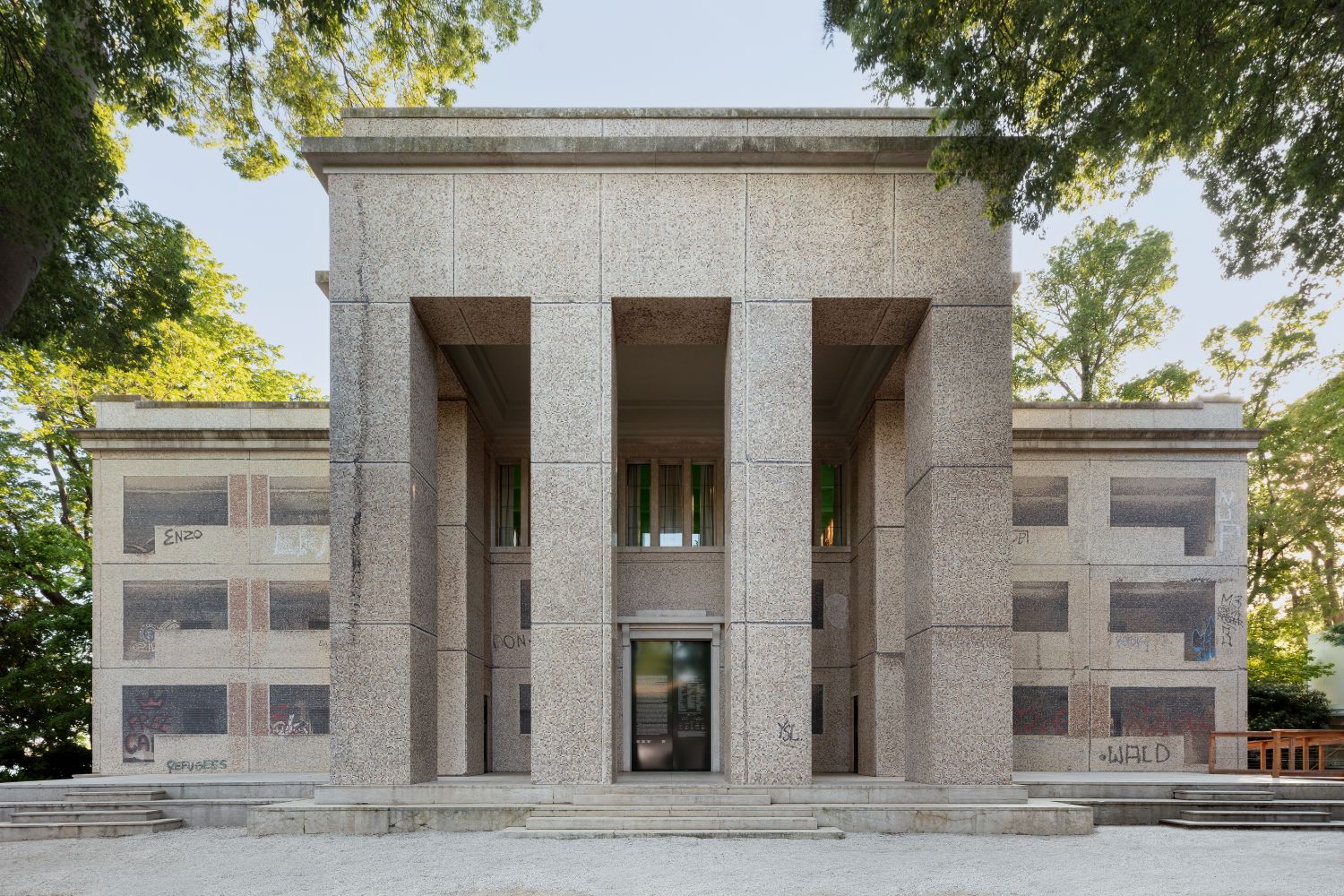
The German Pavilion at the Venice Art Biennale has been transformed into a prefabricated concrete slab building (Plattenbau) for this year's edition, designed by artists Sung Tieu and the late Henrike Naumann, who died suddenly in February at age 41 from cancer. Curator Kathleen Reinhardt described the pavilion as part of a highly political Biennale, with Tieu covering the 1938 fascist-era building with a mosaic of over three million tiles depicting a Berlin apartment block that once housed Vietnamese contract workers. Naumann's interior installation features mint-green references to Soviet barracks in East Germany, a cartography of war, and works including a relief of chairs, a curtain of chainmail, and the performance "Trümmerfrau."

‘It’s like a Ouija board – I listen to the painting’: the supernatural art of Sanya Kantarovsky

Russian-born, New York-based artist Sanya Kantarovsky presents his new exhibition "Basic Failure" at Venice's Institute of Sciences, Letters and Arts, timed to coincide with the Venice Biennale. The show features his signature dishevelled, otherworldly figures—including a pallid boy with a cigarette, a child spinning in innocence, and a glass bust of a young boy with a dead spider under its eye—that explore tension, alienation, and the supernatural. Kantarovsky describes his process as listening to the painting like a Ouija board, and the exhibition includes works that confound narrative expectations, such as a scruffy toy panda and a recreation of Antonello Gagini's 16th-century sculpture.

Khaled Sabsabi is finally at the Venice Biennale: ‘Being here is already a win’

Khaled Sabsabi has opened his exhibition 'conference of one’s self' at the Australian Pavilion of the 61st Venice Biennale, alongside a second installation 'Khalil' in the Arsenale. This follows a tumultuous period in which Creative Australia rescinded his appointment as Australia’s representative in February 2025, sparking widespread backlash from the art community. After being reappointed in July 2025, Sabsabi presents two monumental multimedia works inspired by Sufi practice, created in Bangkok and described as 'one body with two limbs'.