filter_list Showing 163 results for "Bates" close Clear
dashboard All 163 museum exhibitions 75article news 41article culture 16rate_review review 16person people 4article local 3candle obituary 3article policy 3gavel restitution 1trending_up market 1
date_range Range Today This Week This Month All
Subscribe

Artists v fascists, Khmer Rouge horrors, fab flowers and an eye-popping nude – the week in art

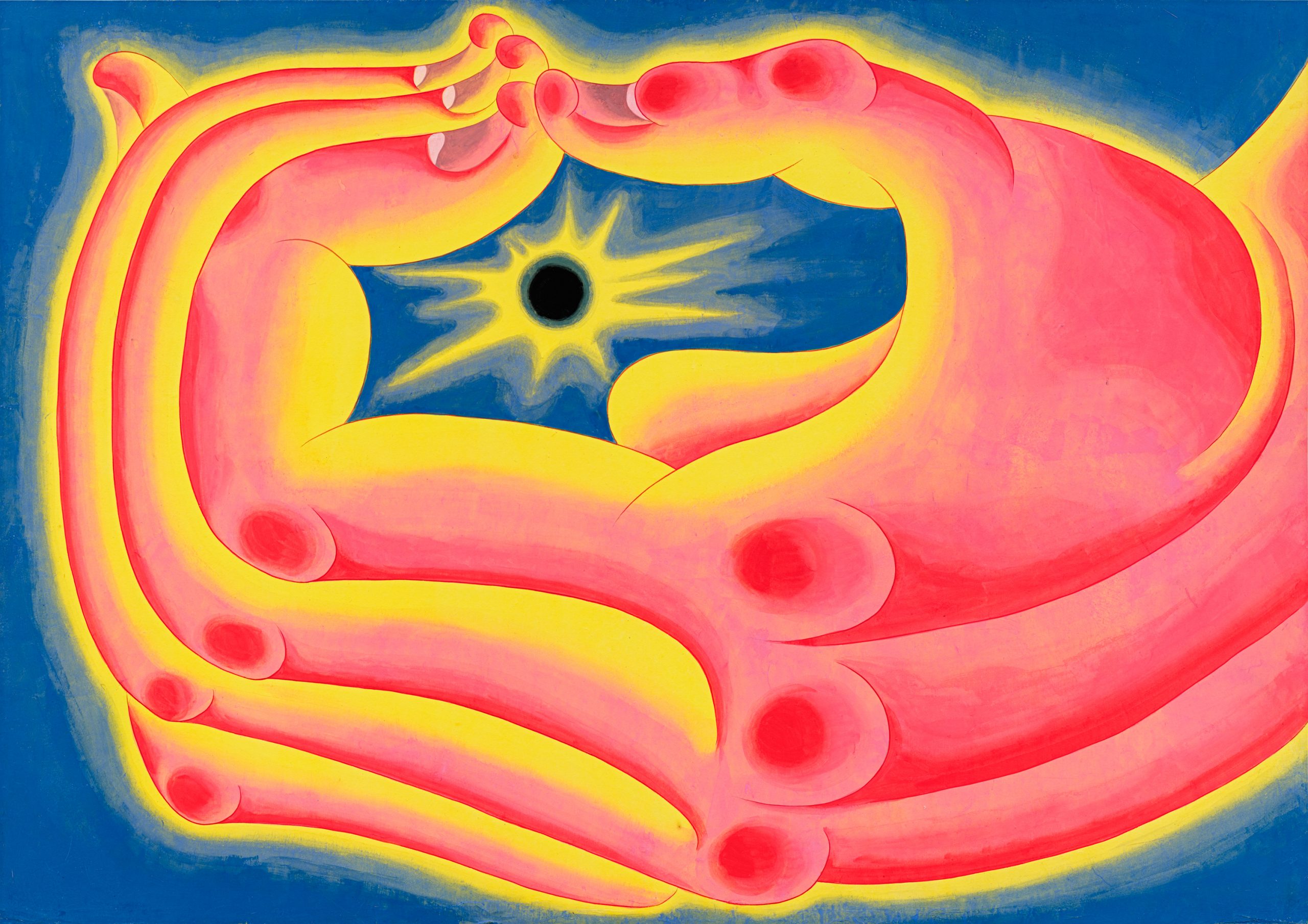
This week's art roundup from The Guardian features a major exhibition at Towner Eastbourne titled 'Comrades in Art: Artists Against Fascism,' which examines how artists, poets, and intellectuals used their work to resist the rise of extremism in 1930s Europe, drawing on the history of the Artists International Association (AIA). Other highlights include 'Hidden: Photography and Displacement Under the Khmer Rouge' at The Wiener Holocaust Library in London, a show of early Netherlandish drawings at the British Museum, Katharina Grosse's colorful installations at White Cube, and a flower-themed survey at Kettle's Yard. The image of the week is Sylvia Sleigh's 1963 portrait 'The Bridge (Johanna Lawrenson),' part of a new exhibition of the Welsh artist's work. The article also covers news items such as Lydia Ourahmane's Venice Biennale installation, a Holbein portrait mystery, a restored stained-glass window by Edward Burne-Jones and William Morris, and Anish Kapoor's call to exclude the US from the Venice Biennale due to 'politics of hate.'
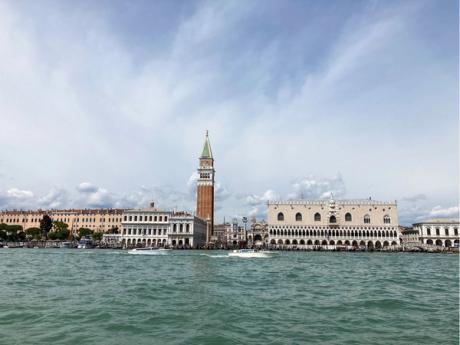
Venice Biennale 2026: all the national pavilions, artists and curators so far

The 61st edition of the Venice Biennale, the world's oldest and most prestigious art biennial, will open on 9 May 2026 and run through 22 November. The main exhibition follows the curatorial plan of the late Koyo Kouoh, while national pavilions have been announcing their participating artists and organizers. The article provides a comprehensive list of confirmed pavilions so far, including artists such as Genti Korini (Albania), Matías Duville (Argentina), Khaled Sabsabi (Australia), Florentina Holzinger (Austria), Faig Ahmed (Azerbaijan), and many others, with details on venues and organizers.

Asian Artists Set the Stage at Independent Art Fair 2026

At the 17th edition of the Independent art fair in New York, six galleries are presenting solo booths dedicated to Asian artists, including a U.S. debut by Taiwanese artist Tseng Chien-Ying and works by Japanese painter Rika Minamitani and Chinese conceptual artist Pu Yingwei. Founder Elizabeth Dee highlights the trend as reflecting broader geopolitical shifts and artists' desire to engage with complex cultural debates in New York.

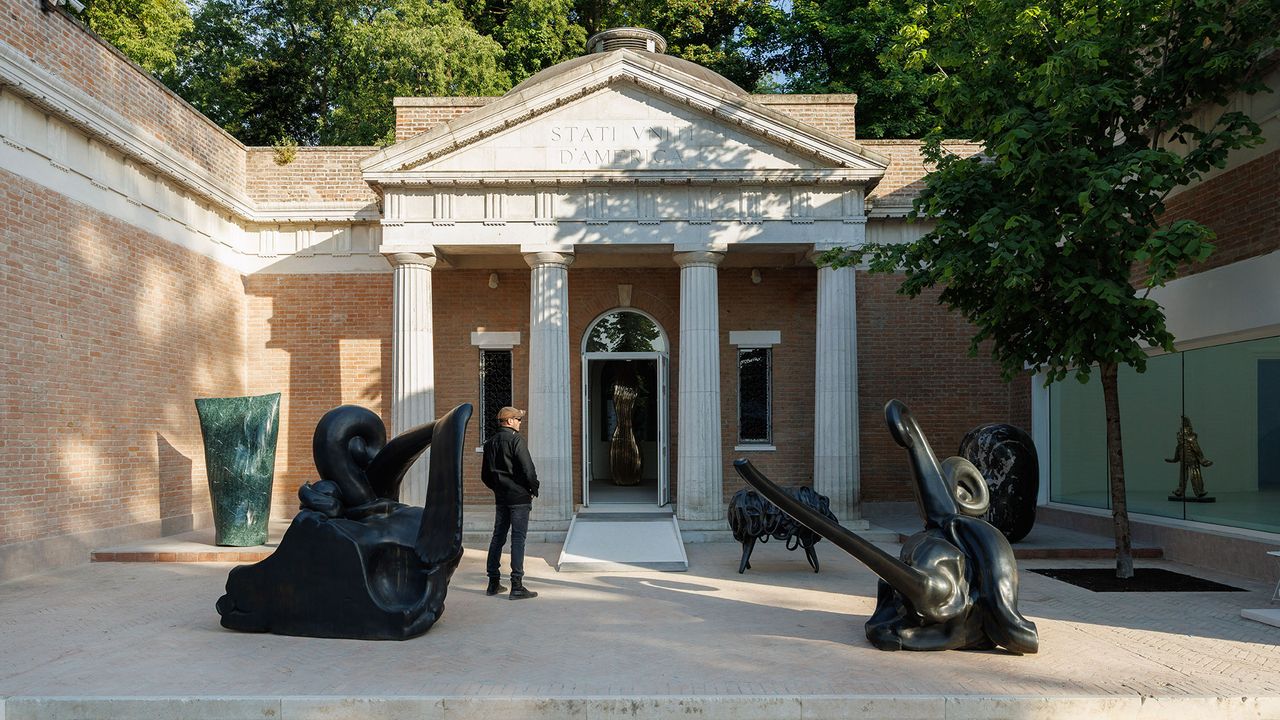
Alma Allen Speaks Out on Backlash Over U.S. Pavilion Commission: ‘A Little Stressful’

Sculptor Alma Allen has spoken out for the first time about the backlash he faced after accepting the commission to represent the United States at the Venice Biennale. In a rare interview on the podcast *Time Sensitive*, recorded at his home in Tepotzlán, Mexico, Allen described the response as “a little stressful” but said he never hesitated when curator Jeffrey Uslip invited him last fall. His selection sparked controversy because the State Department’s requirement that proposals “reflect and promote American values” while not promoting DEI initiatives led higher-profile artists like William Eggleston and Barbara Chase-Riboud to refuse. Allen’s former galleries, Mendes Wood and Olney Gleason, dropped him after he accepted, though he has since joined Perrotin. He also hinted that his exhibition, “Call Me the Breeze,” will include work about conflict and surveillance.

A Launchpad for the Future

"Eine Startrampe für die Zukunft"

The article is a media roundup covering several stories from the art world. It includes an interview with Jeff Koons discussing his artistic process and philosophy, a portrait of artist Jorinde Voigt, a report on the robust Art Düsseldorf fair, a news piece about two valuable Gerhard Richter paintings on loan to a museum, and a review of the new LACMA building's non-linear curatorial approach.

The Interview: Steven Soderbergh

Steven Soderbergh discusses his new film *The Christophers* (2025), which follows a cantankerous artist and his young assistant tasked with forging his unfinished works, exploring themes of authorship, originality, and the ethics of art-making. In an interview with ArtReview, Soderbergh also addresses his recent use of AI in a documentary about John Lennon, defending the technology as a creative tool akin to his own filmmaking process, and reflects on his career spanning genres from indie dramas to studio blockbusters.

Georg Baselitz, artist who turned painting upside down, 1938–2026

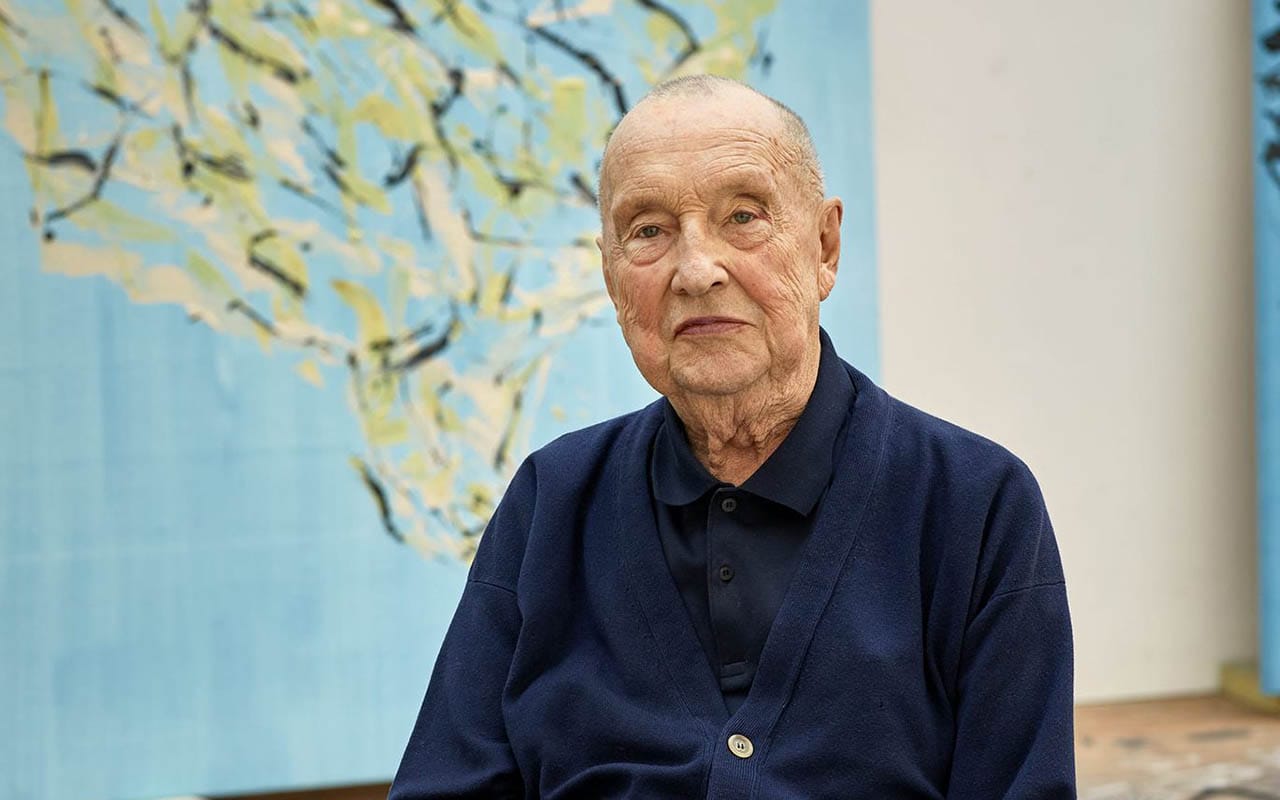
Georg Baselitz, the German painter, sculptor, and printmaker known for turning his canvases upside down, has died at age 88. Born Hans-Georg Kern in Saxony in 1938, he witnessed the bombing of Dresden as a child, an experience that shaped his artistic vision. Expelled from art school in East Berlin, he moved to West Berlin and adopted the name Baselitz. His first solo exhibition in 1963 was deemed obscene and confiscated. In 1969, he created his first upside-down painting, which became his signature. He rose to international prominence as a neo-expressionist in the late 1970s and 80s, represented Germany at the Venice Biennale in 1980, and continued working until his death. A recent series of his paintings will be shown at the Fondazione Giorgio Cini in Venice from May to September 2026.

The Turner Prize Has Revealed Its 2026 Nominees—and Already Courted Controversy

The Turner Prize has announced its 2026 nominees: Simon Barclay, Kira Freije, Marguerite Humeau, and Tanoa Sasraku. The award, administered by Tate Britain, includes a £25,000 prize for the winner. For the first time, the nominees' exhibition will be held at Teesside University's Middlesbrough Institute of Modern Art, an academic setting. The selection has already drawn criticism for being tame and safe, with Guardian critic Eddy Frankel describing the prize as "timid" and "fearful." Tate Britain director Alex Farquharson defended the nominees, praising the diversity and sculptural focus of their work.

What You Should Definitely Avoid in Venice

Was man in Venedig unbedingt vermeiden sollte

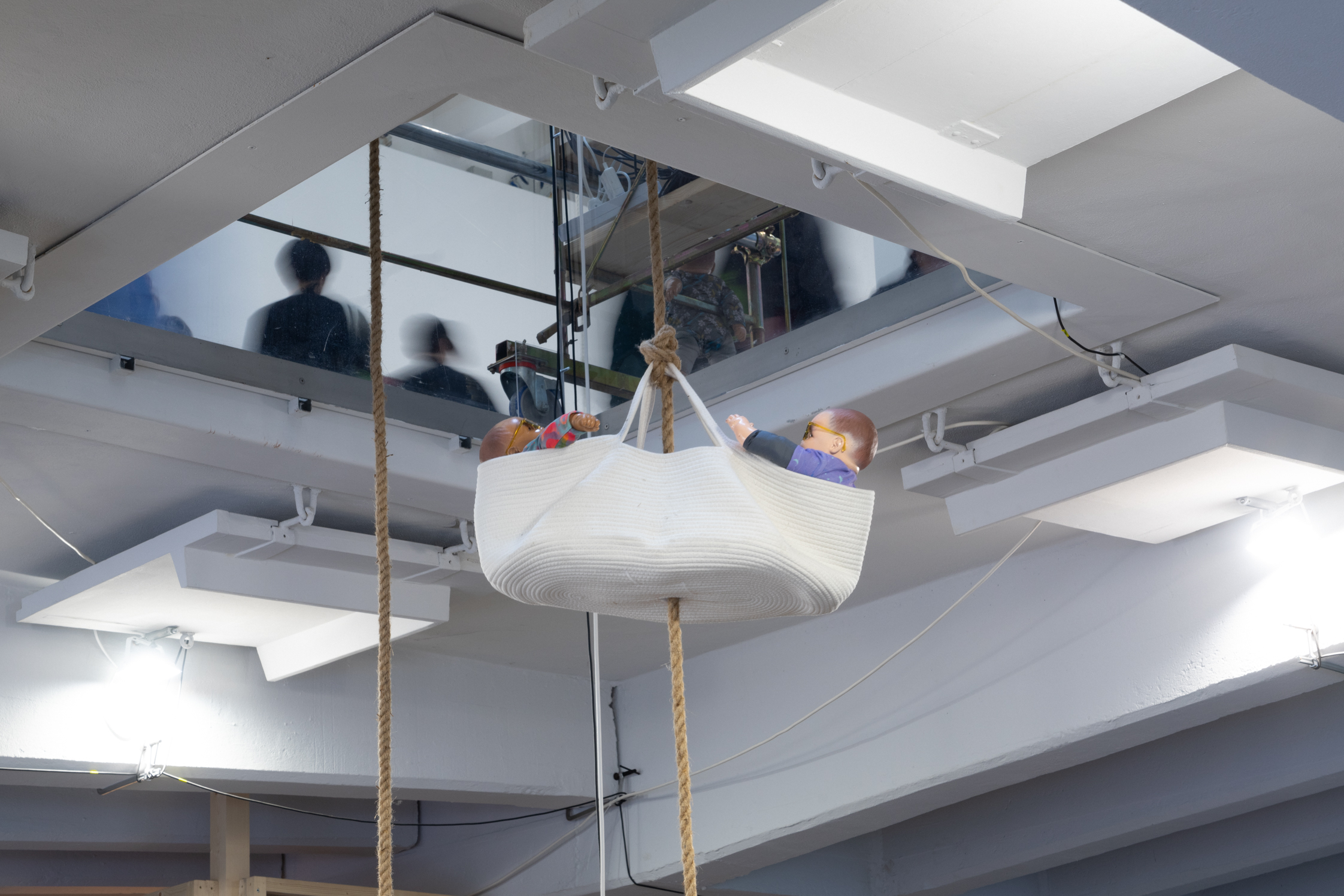
The article humorously critiques the Venice Biennale, highlighting several disappointments. It describes a Japanese pavilion installation by Ei Arakawa-Nash featuring baby dolls for diaper-changing, which a critic dismisses as a male artist over-romanticizing parenthood. Other flops include long queues for the German and Austrian pavilions, underwhelming main exhibition "In Minor Keys," and annoying self-promotional performers outside venues. The piece also laments the presence of loud American collectors and donors who dominate the event.

There Has Never Been an Apolitical Venice Biennale

"Es hat niemals eine unpolitische Venedig-Biennale gegeben"

The Venice Biennale is embroiled in political controversy, with the US Pavilion's selection process criticized for bypassing traditional curatorial expertise in favor of a politically connected outsider. Simultaneously, a collective of artists and academics is protesting Russia's return to the Biennale, arguing it uses art as a political instrument to normalize its actions amid the war in Ukraine. An analysis in ArtReview contends the Biennale has never been apolitical, serving as a stage for geopolitical power plays since its inception.

The Essential Works of Rirkrit Tiravanija

ArtAsiaPacific profiles Rirkrit Tiravanija, a pioneering figure in relational aesthetics known for participatory works centered on communal dining and shared rituals. The article traces his career from his first solo exhibition "untitled 1990 (pad thai)" at Paula Allen Gallery in New York, where he cooked and served pad thai to visitors, to his current major retrospective "The House That Jack Built" at Pirelli HangarBicocca in Milan, running through July 26. Tiravanija, born in Buenos Aires in 1961 and raised across multiple countries, has received numerous accolades including the Hugo Boss Prize (2004) and a nomination in the Established Artist category at the 2026 Art Basel Awards. He is also preparing to present a tent-like structure at the Qatari pavilion for the 2026 Venice Biennale, featuring contributions by Sophia Al-Maria, Tarek Atoui, Alia Farid, and Fadi Kattan.

Back to the 90s: Tate exhibition to explore decade’s art and fashion

Tate Britain will stage a major exhibition titled "The 90s: Art and Fashion" this autumn, curated by former British Vogue editor Edward Enninful. The show will feature nearly 70 artists, photographers, and designers, including Steve McQueen, Chris Ofili, Damien Hirst, Alexander McQueen, and Tracey Emin, alongside works by Juergen Teller, Mark Leckey, and others. It will explore the decade's art, fashion, and club culture, with pieces such as McQueen's film "Bear" (1993), Ofili's Turner Prize-winning "No Woman, No Cry" (1998), and images from Manchester's Haçienda and London's Bagley's nightclubs.

‘Designed to disorient’: LA art museum unveils enormous concrete gallery, 20 years in the making

The Los Angeles County Museum of Art (LACMA) has unveiled the David Geffen Galleries, a $724 million concrete structure designed by Swiss architect Peter Zumthor. Spanning Wilshire Boulevard, the building features 110,000 square feet of elevated gallery space characterized by curving walls and massive windows. The project marks the culmination of a nearly 20-year revitalization effort led by director Michael Govan, replacing several older buildings with a single, fluid architectural statement.

It’s the Most Controversial Venice Biennale in Years. Can the Art Stand Up to the Noise?

The 2026 Venice Biennale is embroiled in controversy, with the US Pavilion at the center of a political storm. The Trump administration's State Department overhauled the selection process, bypassing the usual NEA panel and commissioning a nonprofit, the American Arts Conservancy, to organize the pavilion. Artist Alma Allen, who accepted the invitation despite threats from galleries and curators, presents a show that critics find politically muted. The Biennale's jury resigned days before the opening, and annual prizes were canceled, adding to the turmoil.

DACA Artist Uses Thread to Weave Immigration Stories

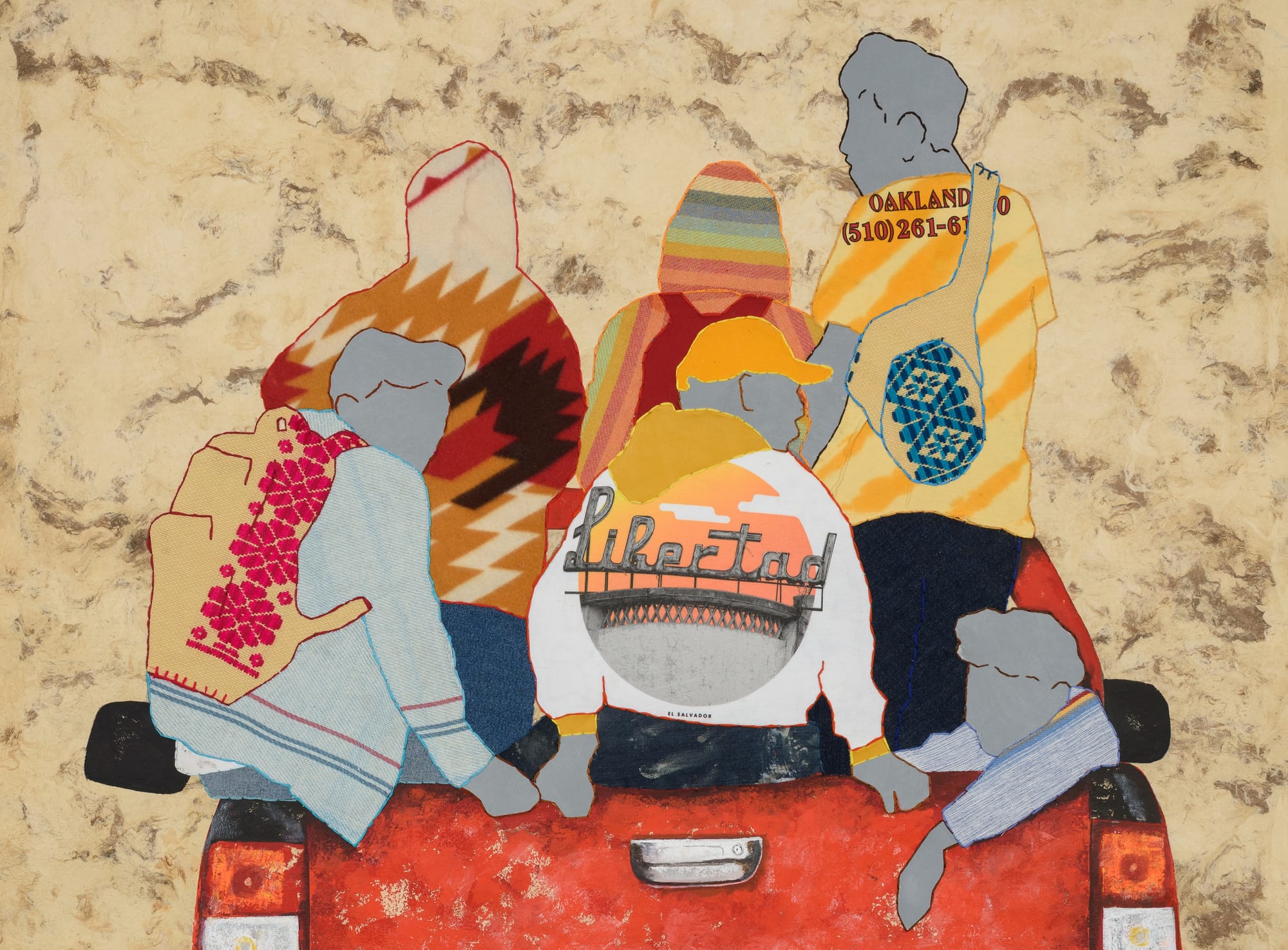
Arleene Correa Valencia, a DACA recipient and Bay Area artist, presents her debut solo exhibition "CÓDICE •• SOBREVIVIENDO A LA PERSECUCIÓN" at Fridman Gallery in Manhattan, on view through May 2. The show features large-scale acrylic and textile works on amate bark paper, including a 16-foot-long piece depicting border-crossing narratives. Valencia collaborates with her father, mother-in-law, and papermaker Jose Daniel Santos de la Puerta, and incorporates childhood letters that poignantly reflect family separation and undocumented life.

Museum openings: V&A East and Los Angeles County Museum of Art. Plus, William Blake in Dublin—podcast

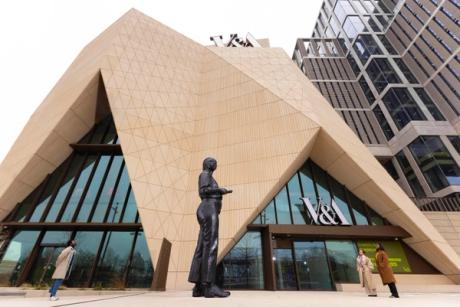
Two major museum projects have reached completion as London’s V&A East prepares for its public debut and the Los Angeles County Museum of Art (LACMA) unveils its new $700m David Geffen Galleries. V&A East opens with a focus on community-driven programming and its inaugural exhibition, 'The Music is Black: A British Story,' while LACMA’s long-awaited Peter Zumthor-designed building begins member previews amidst ongoing debates regarding its scale and cost.

George Baselitz, Purveyor of the Tortured Male Genius Myth, Dies at 88

Georg Baselitz, the influential German Neo-Expressionist painter known for his emotionally charged, often violent works and his controversial statements about women artists, has died at age 88. His final paintings will be shown in the exhibition "Eroi d’Oro" at the Fondazione Giorgio Cini in Venice starting May 6. Baselitz rose to prominence with his "Heroes" series of monumental male soldiers and his signature "upside down" paintings, which forced viewers to focus on painterly gesture over representation. He was a key precursor to Germany's Neue Wilde movement and confronted Germany's World War II trauma in works that combined expressionistic brutality with Wagnerian grandeur.

The week around the world in 20 pictures

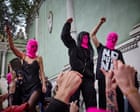
This photo essay from The Guardian presents 20 images capturing global events from the past week, including a protest by Femen and Pussy Riot activists against Russia's participation at the Venice Biennale art show, Israeli strikes in Gaza, the hantavirus outbreak, and Emma Chamberlain at the Met Gala. Other images document the war in Ukraine, with scenes of Russian military rehearsals in Moscow, damaged monuments, and drone strike aftermath, as well as a political protest in Nashville where Democratic state representative Justin J Pearson was removed from the house gallery during a redistricting protest.

"Kultursenator ist kein Nebenjob"

Berlin's finance senator Stefan Evers is set to additionally take on the role of culture senator following the resignation of Sarah Wedl-Wilson, a move criticized as a stopgap solution that creates a conflict of interest between austerity and cultural advocacy. Meanwhile, the Venice Biennale faces multiple controversies: critics question how to evaluate curator Koyo Kouoh's posthumous main exhibition "In Minor Keys," completed after her death in May 2025; Israeli artist Belu-Simion Fainaru speaks out against his exclusion from the Biennale competition, calling it politically biased and reminiscent of historical persecution; and German press decries the politicization of the Biennale, particularly the exclusion of Israel and Russia from the competition.

Barbara Chase-Riboud Says She Declined US Pavilion Offer Because It Was ‘Not the Moment’

Sculptor Barbara Chase-Riboud has revealed she declined an offer to represent the United States at the 2025 Venice Biennale, stating that for her, "this was not the moment." The offer was made by the American Arts Conservancy, the nonprofit organization commissioning the US Pavilion. The revelation comes amid ongoing scrutiny of the selection process that ultimately led to artist Alma Allen being chosen, following reports that the Trump administration removed diversity language from application materials.

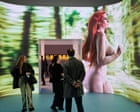
Female nudity and art that stinks: key takeaways from Venice Biennale 2026

The 2026 Venice Biennale opened with 99 participating countries, including first-timers Somalia and Qatar, under the shadow of curator Koyo Kouoh's death. Her planned theme of "enhancement" and the main show "In Minor Keys" were disrupted by political protests: Pussy Riot objected to Russia's inclusion, and a strike against Israel's participation forced several national pavilions (UK, Austria, France) to close. Key takeaways include pervasive female nudity across pavilions, debates over Russia's presence, criticism of the US pavilion's lackluster art, maritime themes dominating several shows, and the rise of olfactory art.

Ralph Lemon: The Physical Traces of Racism

Ralph Lemon's exhibition at Paula Cooper Gallery presents 13 black-and-white photographs and three short videos focusing on sites in the Mississippi Delta connected to the 1955 lynching of Emmett Till. Rather than dramatizing the incident, Lemon records physical traces of the locations—such as Bryant's Grocery and Meat Market, the barn where Till was killed, the Tallahatchie River, and a funeral home—capturing dilapidated buildings and landscapes that suggest history slipping away. The show includes the titular video "From Out of Space" (2018–21), which offers closeups and drone footage of these sites, creating a meditative, detective-like examination of memory and erasure.

Emily Kraus’s Glitchy Paintings Challenge Aesthetic Authority

Emily Kraus’s solo exhibition at Frieze presents a series of glitchy, digitally inspired paintings that disrupt traditional notions of aesthetic authority. The works employ pixelated distortions and vibrant color fields to question the boundaries between digital error and artistic intention, drawing attention to the role of technology in contemporary art-making.

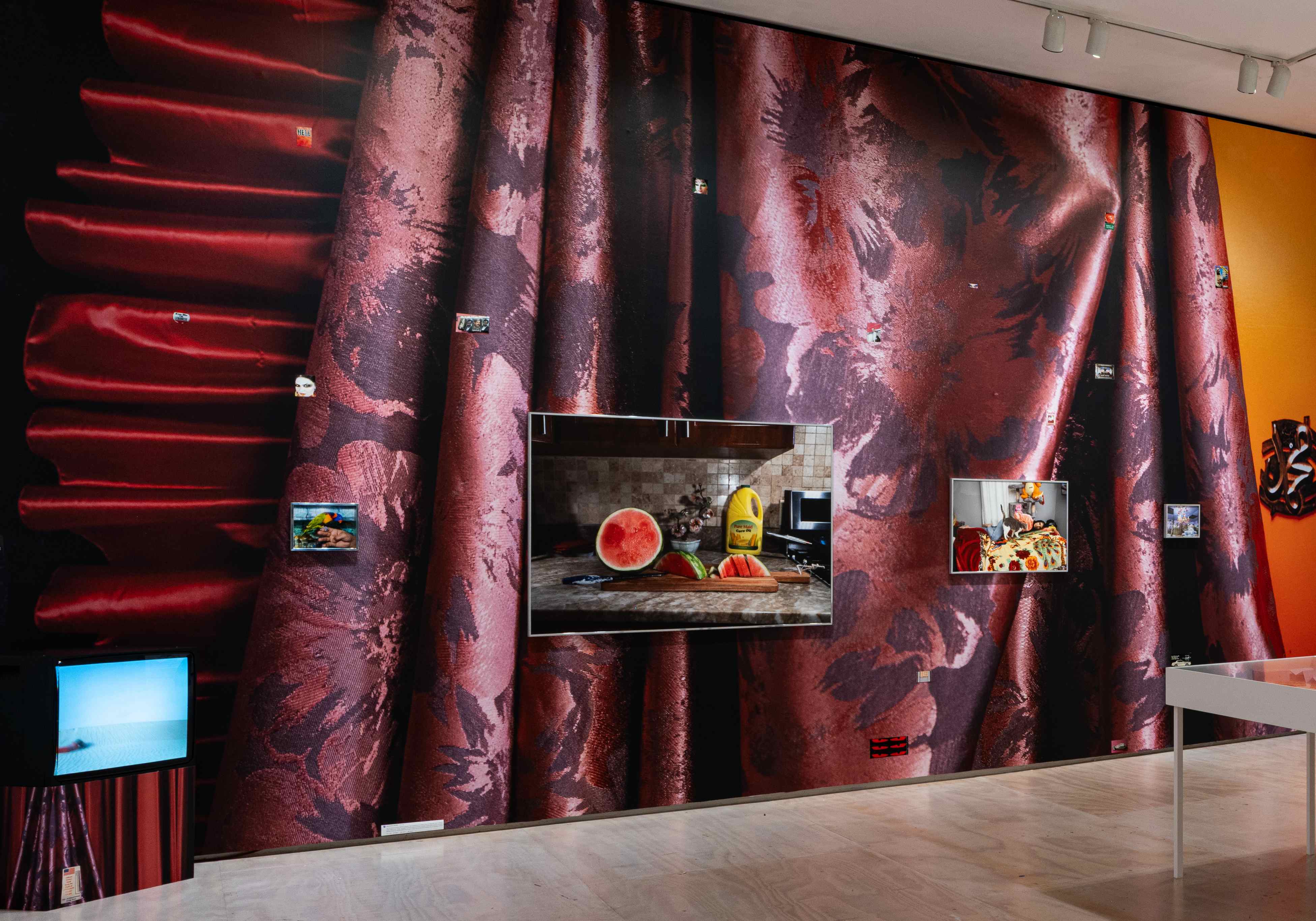
5 Standout Artists at MoMA PS1’s “Greater New York”

MoMA PS1's sixth edition of the "Greater New York" quinquennial exhibition has opened, showcasing the work of over 50 artists and collectives. The show aims to capture the current state of New York's art scene, highlighting new and ambitious work created despite challenging economic and political conditions.

America’s Venice Biennale artist was scorned by tastemakers — he says he’s misunderstood

American sculptor Alma Allen, a self-taught artist with an unconventional background, has been selected to represent the United States at the 2025 Venice Biennale. His selection was made by the American Arts Conservancy, a new nonprofit with no art-world track record, which was awarded the commission through a State Department process that removed diversity requirements and emphasized art reflecting "American values."

Austin’s Blanton Museum uses coding, data, and AI to explore what it means to create art

The Blanton Museum of Art at the University of Texas at Austin has opened a new exhibition titled 'Coded: Art Enters the Computer Age, 1952–1982.' The show features over 100 works by 75 artists who used computers, algorithms, and data as creative tools, exploring the intersection of art and technology during a pivotal three-decade period.

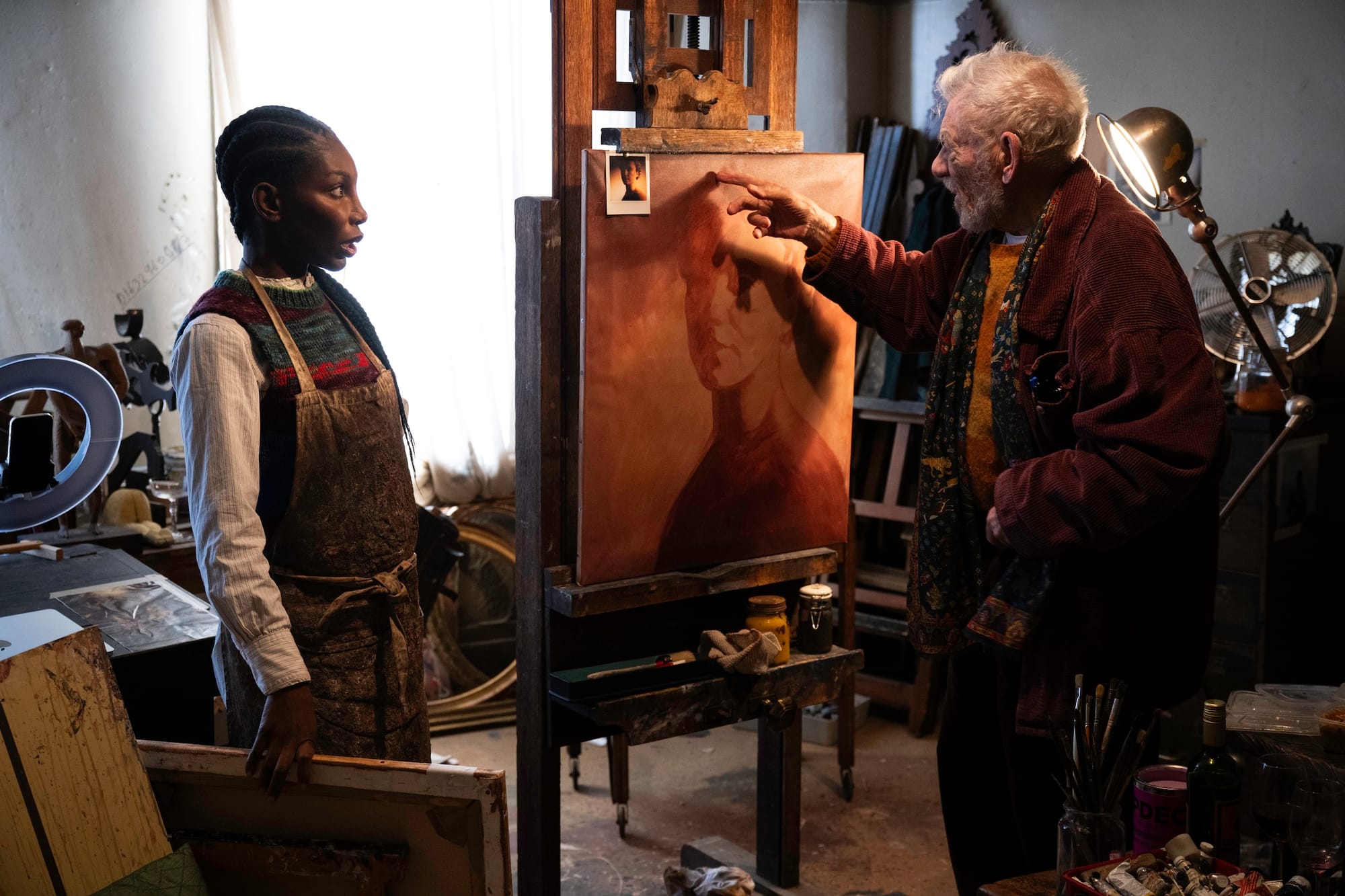
An Unlikely Friendship Between Artist and Forger

The article reviews Steven Soderbergh's 2026 film "The Christophers," which follows an unlikely friendship between two painters in London: Julian Sklar (Ian McKellen), an older artist facing cancellation, and Lori Butler (Michaela Coel), a young painter who restores and forges artworks. The film explores themes of attention, artistic legacy, and the purpose of art, contrasting with darker narratives like "Tár" by offering a comedic yet profound take on these issues.

Met Gala Memes That Ate the Rich and Left No Crumbs

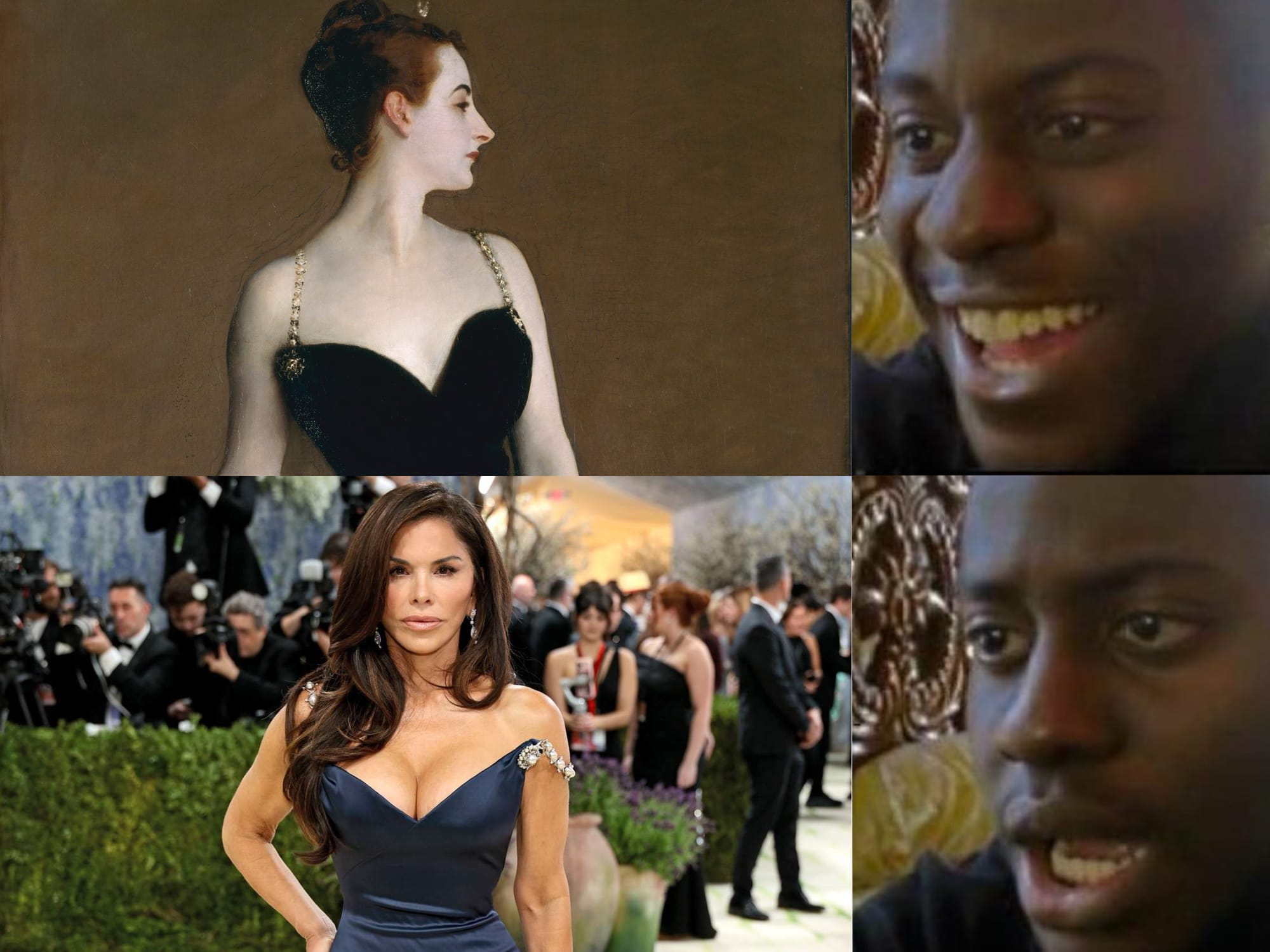
The article covers the 2026 Met Gala, sponsored by Jeff and Lauren Sánchez Bezos, and the intense online backlash it generated. Despite a dress code of "Fashion is Art," celebrities faced merciless mockery on social media for their looks, with particular scorn directed at Lauren Sánchez Bezos's Schiaparelli gown inspired by John Singer Sargent's "Madame X." The criticism was amplified by weeks-long protests against Amazon's labor practices and Bezos's involvement, as well as the museum's own unionized employees speaking out. The piece compiles the most inventive and cutting memes from X (formerly Twitter), targeting everything from fashion fails to political hypocrisy.

I’ve Got the Post-Duchamp Blues

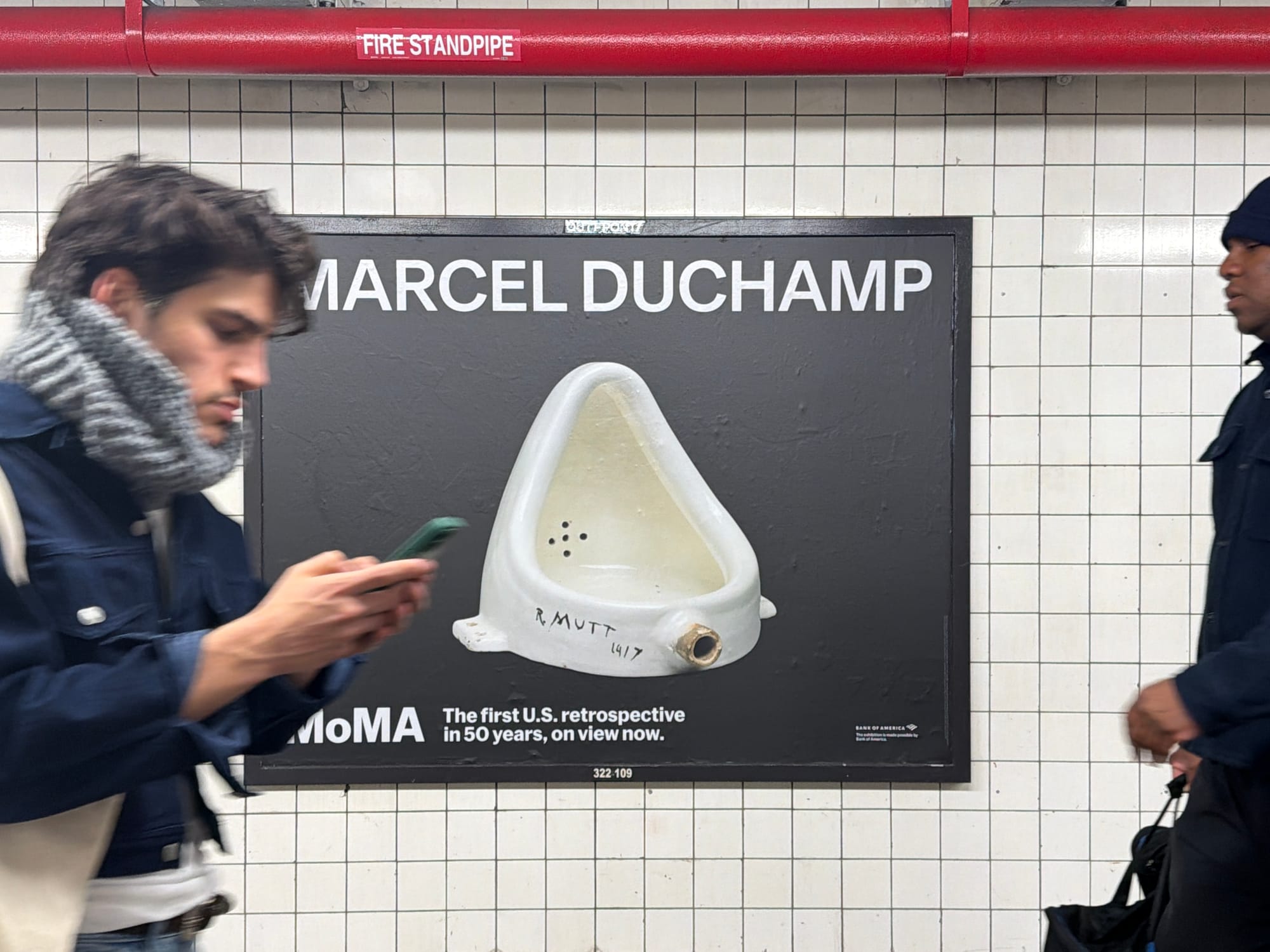
The article is a review of the Marcel Duchamp retrospective at the Museum of Modern Art (MoMA) in New York, the first such show since 1973. Featuring around 300 works from Duchamp's six-decade career, the exhibition includes his iconic readymades like "Fountain" (1917) and early paintings such as "Nude Descending a Staircase, No. 2" (1912). Co-curated by MoMA's Ann Temkin and Michelle Kuo along with Matthew Affron of the Philadelphia Museum of Art, the show runs through August 22, 2026, before traveling to Philadelphia.

Tania Bruguera on Why Today’s Art Must Be Political

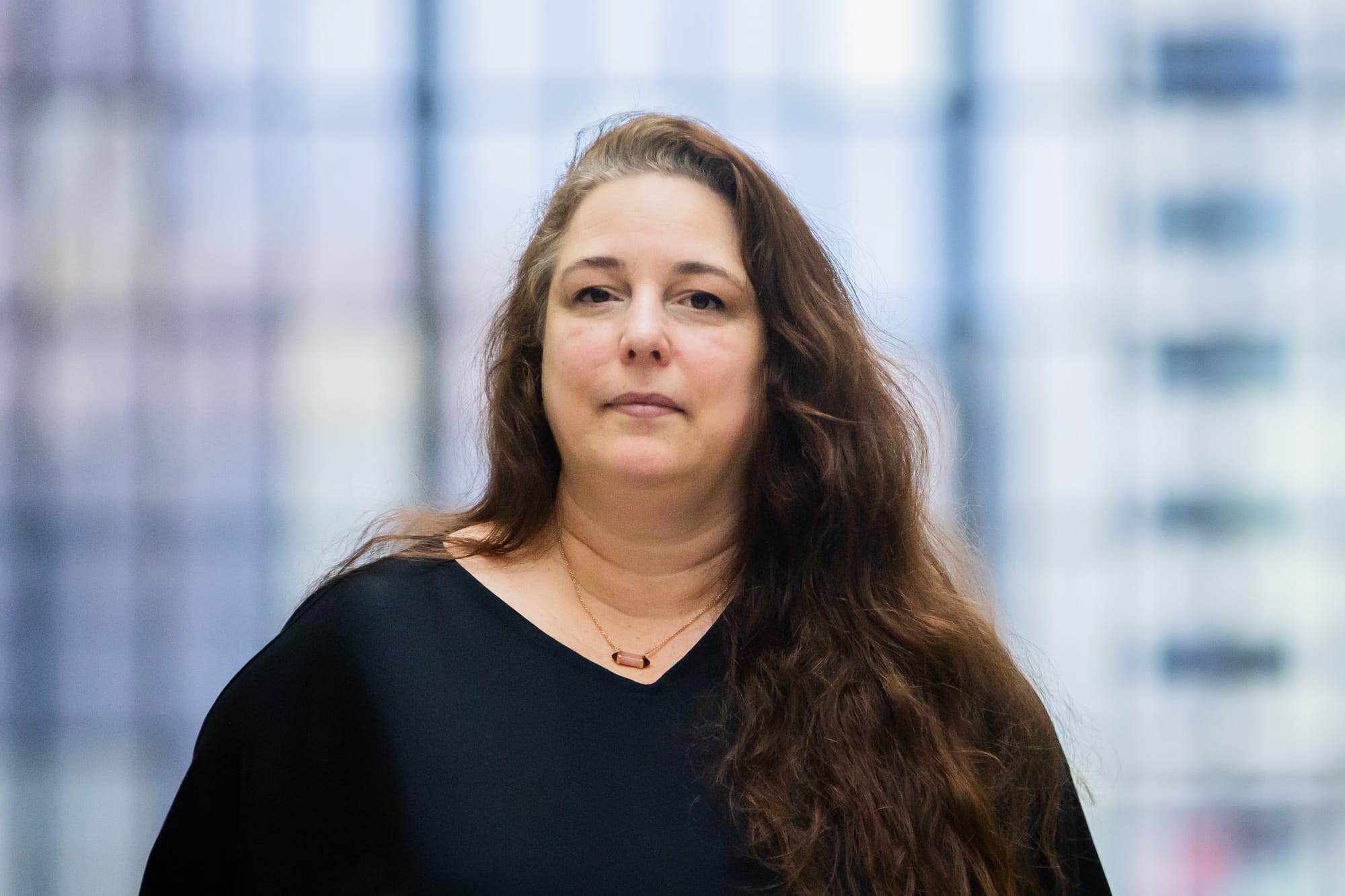
Cuban artist and activist Tania Bruguera will stage her performance "Tatlin’s Whisper #6" in Times Square on May 1, International Workers' Day. Originally created for the 2009 Havana Biennial, the work invites participants to speak freely on a platform for one minute, highlighting the conditional nature of free expression under authoritarian rule. Bruguera discusses the performance's relevance amid rising authoritarianism in both Cuba and the United States, noting that when she attempted to restage the work in Havana, she and other participants were arrested.