filter_list Showing 49 results for "Biennale 2026" close Clear
search
dashboard All 49 museum exhibitions 33article news 12article culture 2person people 1rate_review review 1
date_range Range Today This Week This Month All
Subscribe

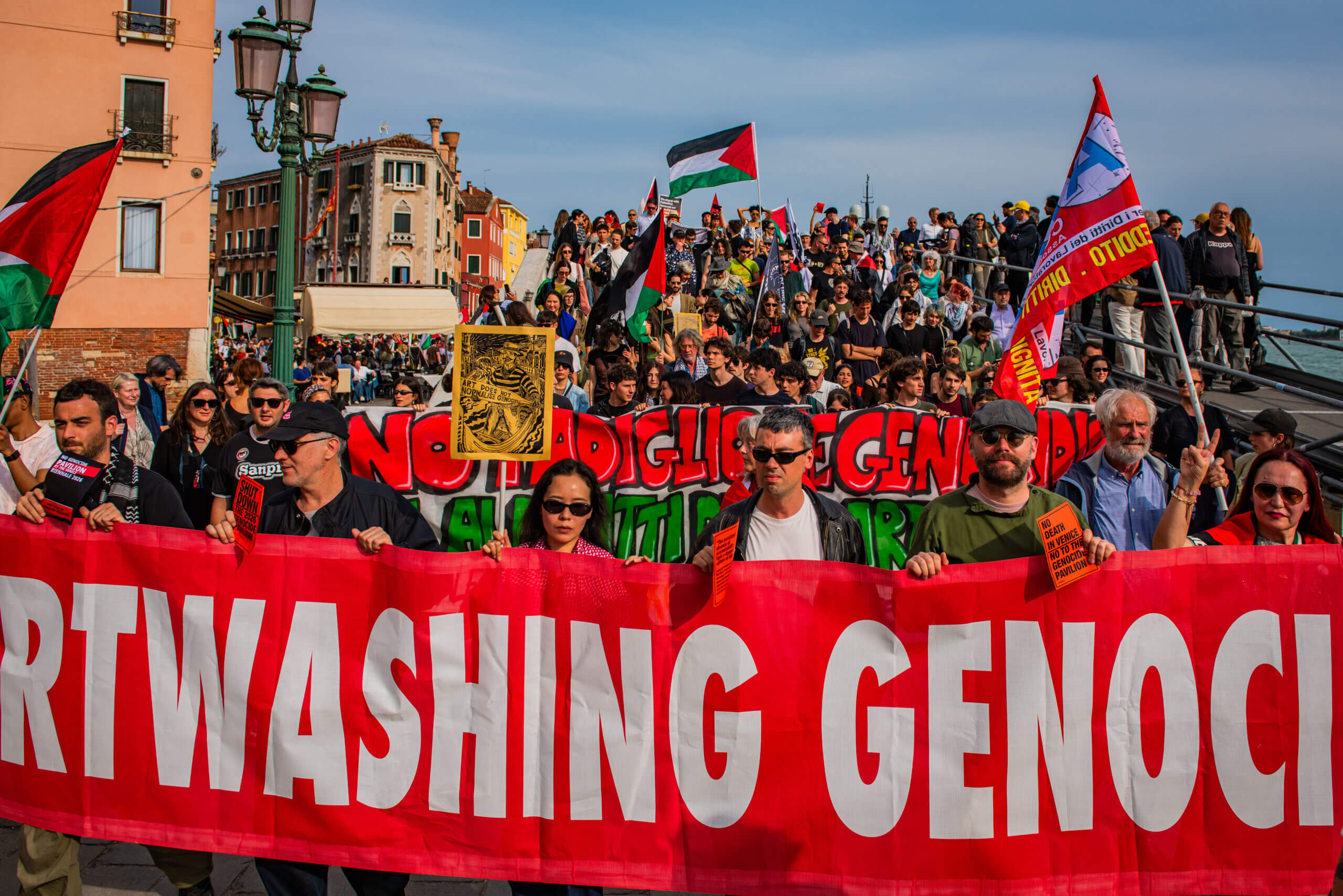
At the Venice Biennale, protests, self-mutilation and rage against Israel and Russia. Is anyone left to talk about the art?

At the 61st Venice Biennale, protests and controversies have overshadowed the art itself. The Art Not Genocide Alliance (ANGA) demonstrated against the inclusion of Israel and Russia, while the Israeli Pavilion became a flashpoint. Artist Belu-Simion Fainaru, presenting his installation "Rose of Nothingness" in a temporary space, complained that he was forced to defend his art's right to exist amid questions about politics rather than his work. The Biennale also saw barricades, strikes, the resignation of the Golden Lion jury, Iran's last-minute withdrawal, and anger directed at the American pavilion over Trump administration policies. The central exhibition, "In Minor Keys," curated by the late Koyo Kouoh, was eclipsed by these events.
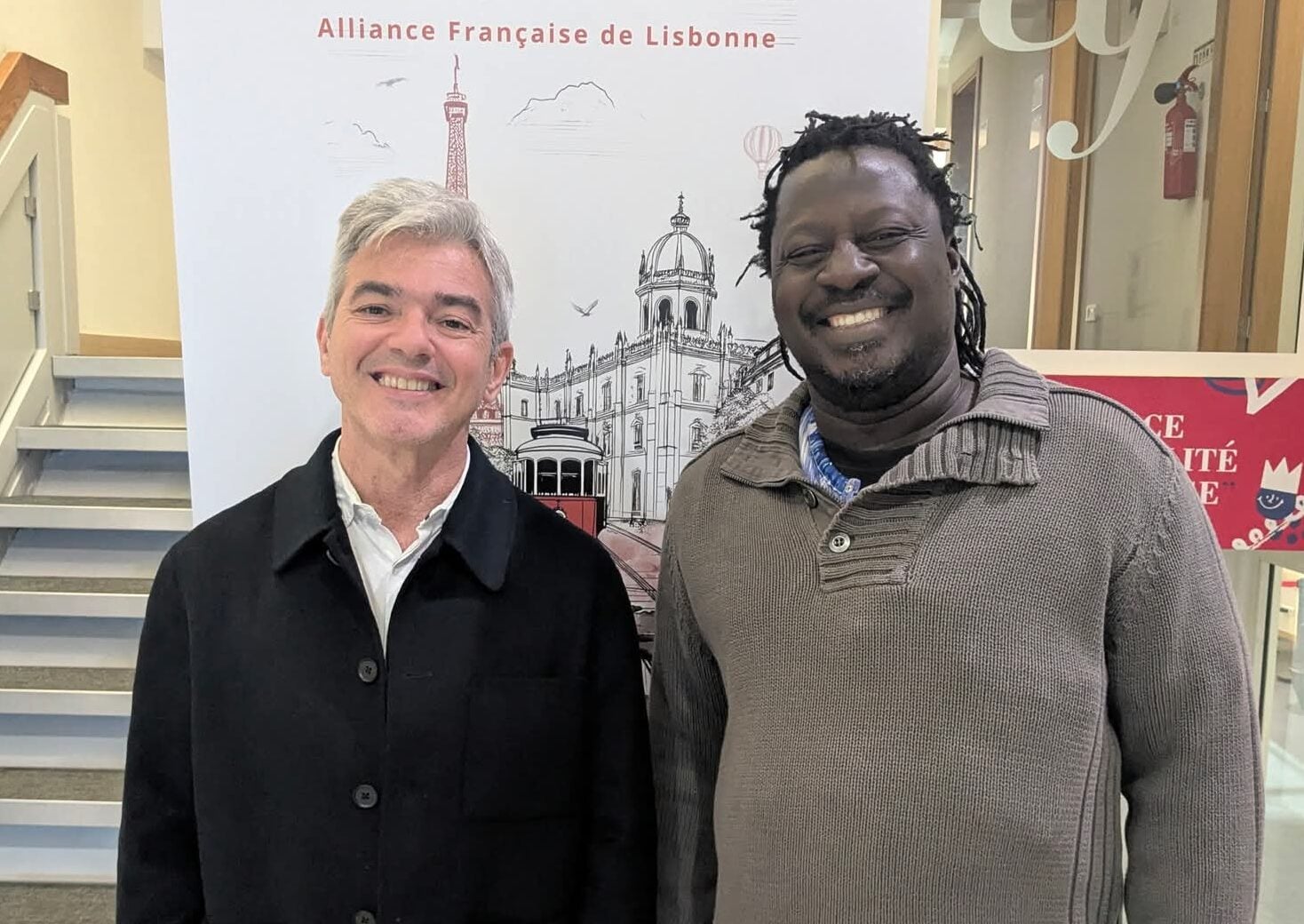
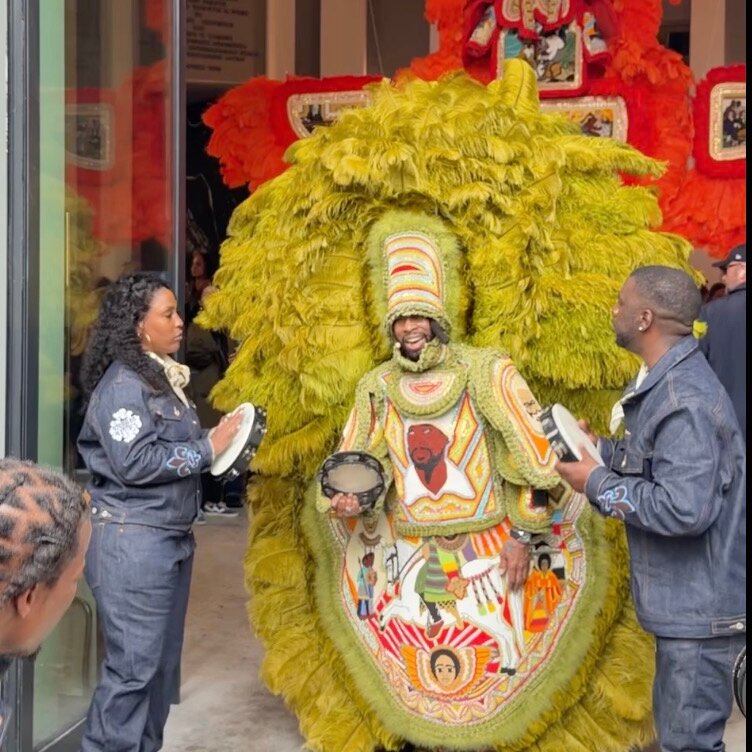
‘Africa in the Spotlight’ exhibition in Lisbon

An exhibition titled 'Africa in the Spotlight' has opened at the Lisbon Alliance Française, curated by Tatyana Jolivet. The show features seven contemporary African artists from Burkina Faso, Angola, and São Tomé e Príncipe, including Casimir Bationo (CasziB), SDZabila, Flore Kaboré, and Valdemar Dória. Jolivet, a Russian-born curator based in Lisbon who runs the online Jolie Art Gallery, organized the exhibition to promote cultural diversity and dialogue, highlighting the deep-rooted African presence in Portugal dating back five centuries.

In Venice, the Passion of Life and the Ghost of Art

The 2026 Venice Biennale, the world’s oldest art exhibition, has opened with a theme centered on vitality and the celebration of life. The edition is described as both a passionate embrace of energy and a reminder of art’s lingering ghosts, offering a mixed but compelling experience for visitors.

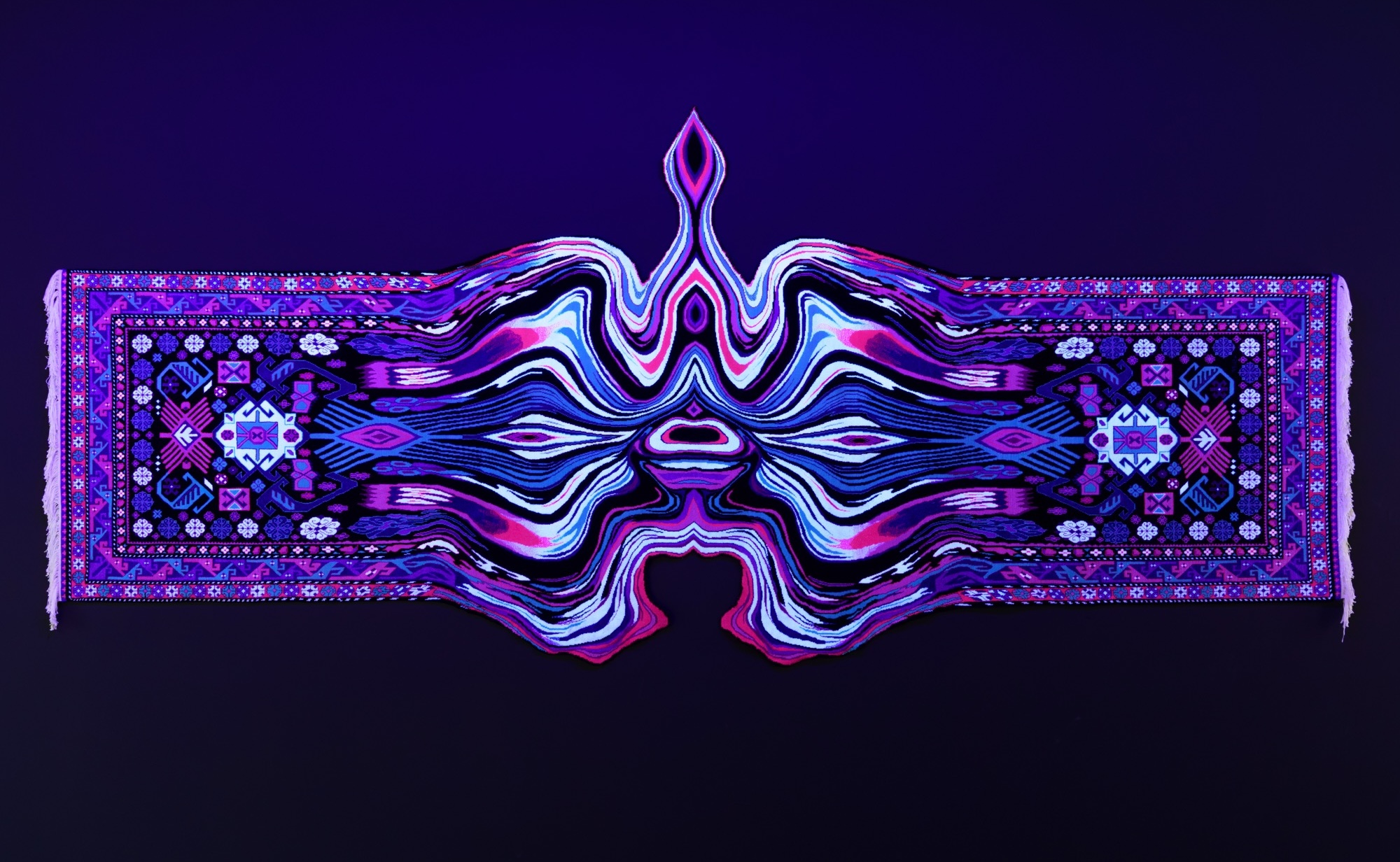
Faig Ahmed Weaves Mysticism, Science, Technology, and Craft into ‘The Attention’

Faig Ahmed, the Baku-based artist known for transforming traditional Azerbaijani carpets into melting, glitching textile sculptures, has opened a solo presentation at the 61st Venice Biennale, where he represents Azerbaijan. Titled 'The Attention,' the sprawling, maze-like installation curated by Gwendolyn Collaço explores science, alchemy, spirituality, and self-perception, weaving together digital processes with handcrafted techniques. Works include monumental machine-woven carpets like 'I Can Contain Both Worlds But I Do Not Fit Into This One,' a handwoven piece called 'Ancestors' that glows under black light, and 'Entropy Altar,' which uses a quantum random number generator to respond to visitors. The exhibition bridges 15th-century Hurufi mysticism with modern information theory, reflecting Ahmed's interest in consciousness, quantum physics, and the dialectic between measurable science and subjective experience.

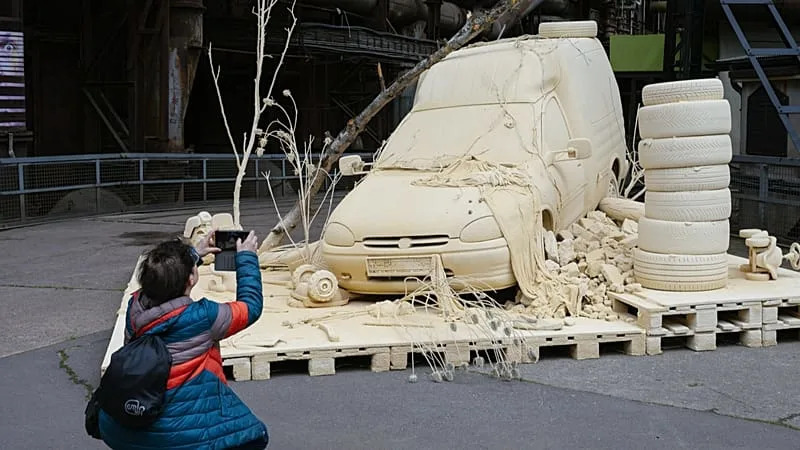
Urban Art Biennale: Rust, dust and decay revamps Germany's Völklingen ironworks

Dozens of urban artists from 17 countries have gathered at Germany's Völklinger Hütte (Völklingen Ironworks), a UNESCO World Heritage site, for the Urban Art Biennale 2026 opening this Saturday. The exhibition features 50 artists including Tomas Lacque, Boris Tellegen (Delta), Vortex-X, Ampparito, Remi Rough, and Anders Reventlov, who have created site-specific installations that engage with the industrial landmark's sprawling spaces, rust, dust, and sense of decay. Works range from a van covered in ash-like paint to a massive wooden sculpture and a rooftop text piece visible from 45 meters high.

All you need to know about world’s highest art biennale 2026 that is set to be hosted in Ladakh

The sā Ladakh Biennale, billed as the world's highest art biennale, returns to Ladakh from August 1-10, 2026, after a previous edition. Held at 3,600 meters above sea level, the event transforms the corridor between Leh and Kargil into an open-air exhibition titled 'Signals from Another Star', curated by Vishal K Dar and Tsering Motup across eight locations including Basgo, Lamayuru, and Kargil. It features 24 artists, including international figures like Jitish Kallat, Anna Jermolaewa, Peter Kogler, and Agnieszka Kurant, alongside local artists such as Tundup Dorjay, Chemat Dorjey, and Stanzin Samphel. Works are created using natural materials like stone, clay, and wool, and are designed to eventually disintegrate, reflecting the fragile ecosystem.

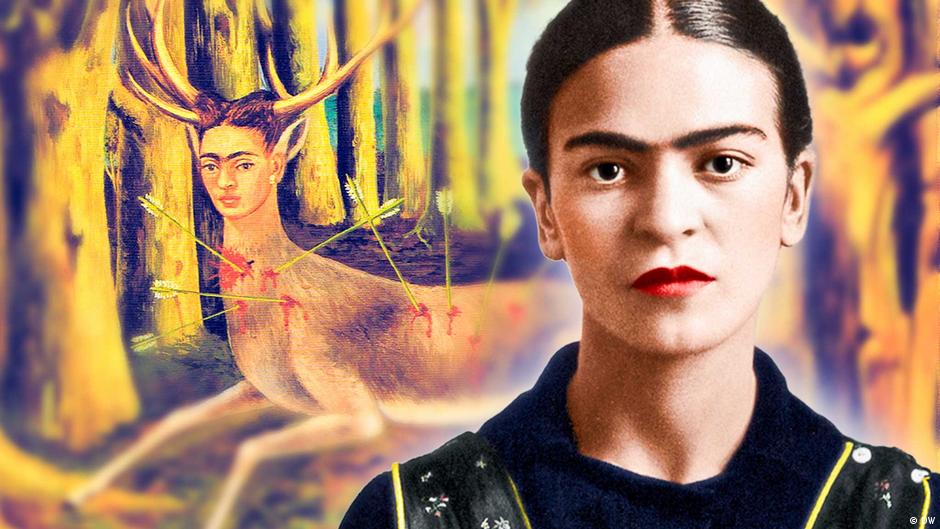
Art Born of Pain: Frida Kahlo

This article is a promotional piece for the DW English program 'Arts Unveiled,' highlighting several upcoming segments. It announces the start of the 61st Venice Biennale, the world's largest art exhibition, and poses questions about its standout features and art's role in times of crisis. Other segments explore the American Dream as a nightmare on the 250th anniversary of US independence, and feature Indigenous artist Britta Marakatt-Labba, who creates embroidered polar landscapes reflecting Sámi culture.

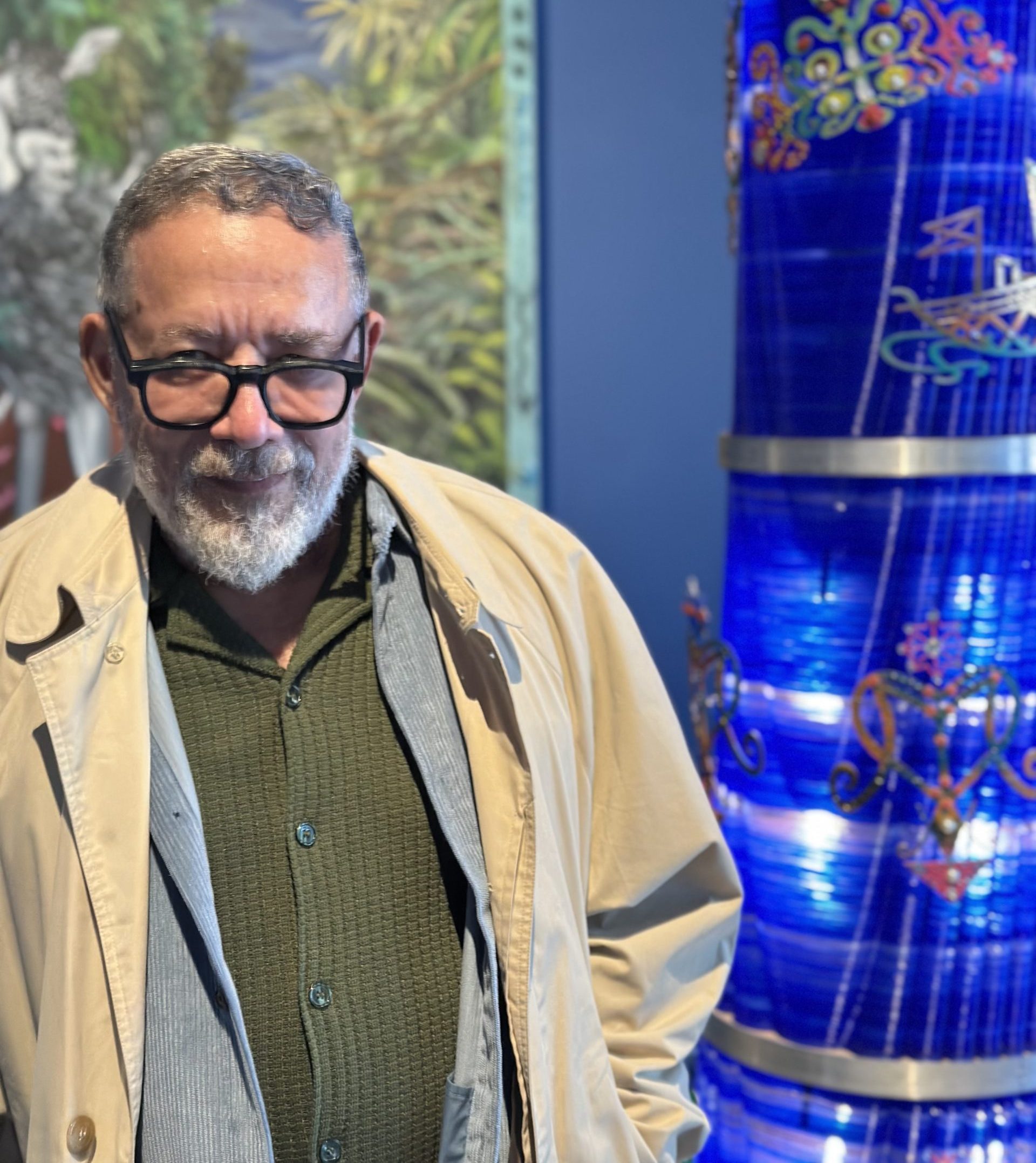
Haiti goes to Venice: Artist Duval-Carrié selected to represent nation at Biennale expo | PHOTOS

Internationally acclaimed Miami-based artist Edouard Duval-Carrié has been selected to represent Haiti at the 2026 Venice Biennale, the 61st International Art Exhibition of La Biennale di Venezia. Ahead of the May 9 opening, Duval-Carrié hosted a behind-the-scenes preview event at his Little Haiti studio in Miami on April 24, 2026, where he discussed his conceptual approach. His installation draws on themes of history, politics, and spirituality in Haiti and the Caribbean, reflecting evolving perspectives on the nation's past and present. Duval-Carrié collaborated with Vanessa Selk, founding artistic director of the Tout-Monde Art Foundation, to frame Haiti's presence as both a national showcase and a reflection of diasporic influence and Caribbean identity. The exhibition runs through November 22, 2026.

yuko mohri tunes into the unseen energies connecting people and objects

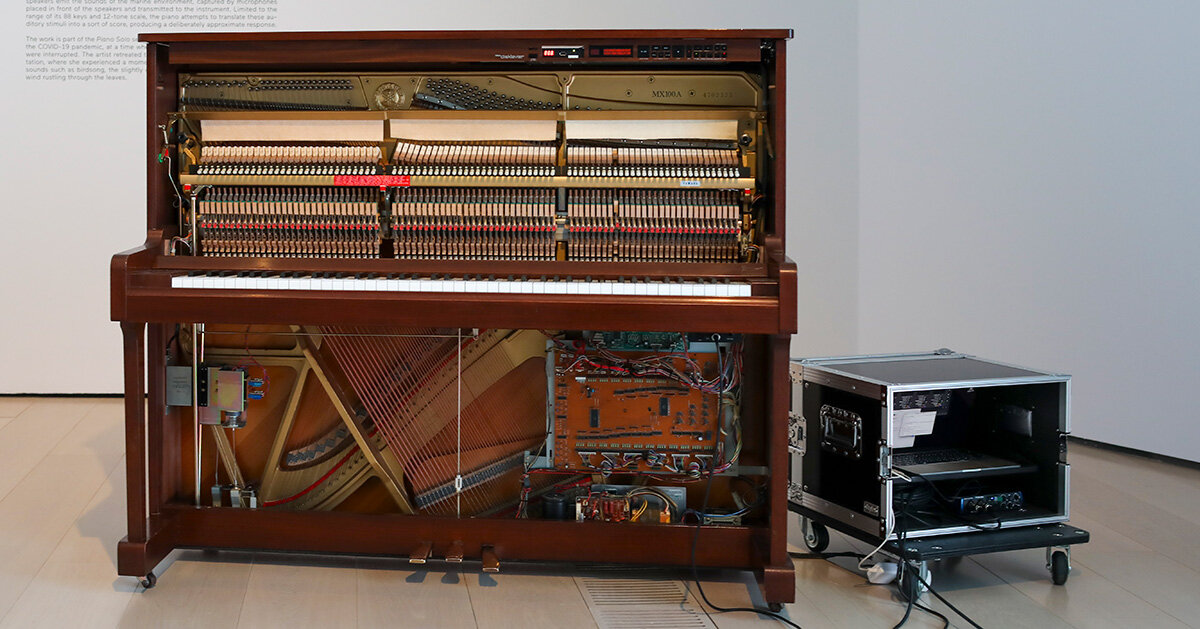
Japanese artist Yuko Mohri has created an exhibition where decomposing fruit powers electronic systems, and visitors move through the installations, becoming part of the circulation of energy within the show. The work explores the unseen energies connecting people and objects, blending organic decay with technological interactivity.

Agitate, Educate, Organize. A Conversation with the Indonesian Collective That Is in Venice with Two Projects

Agitare, educare, organizzare. Una conversazione con il collettivo indonesiano che è a Venezia con due progetti

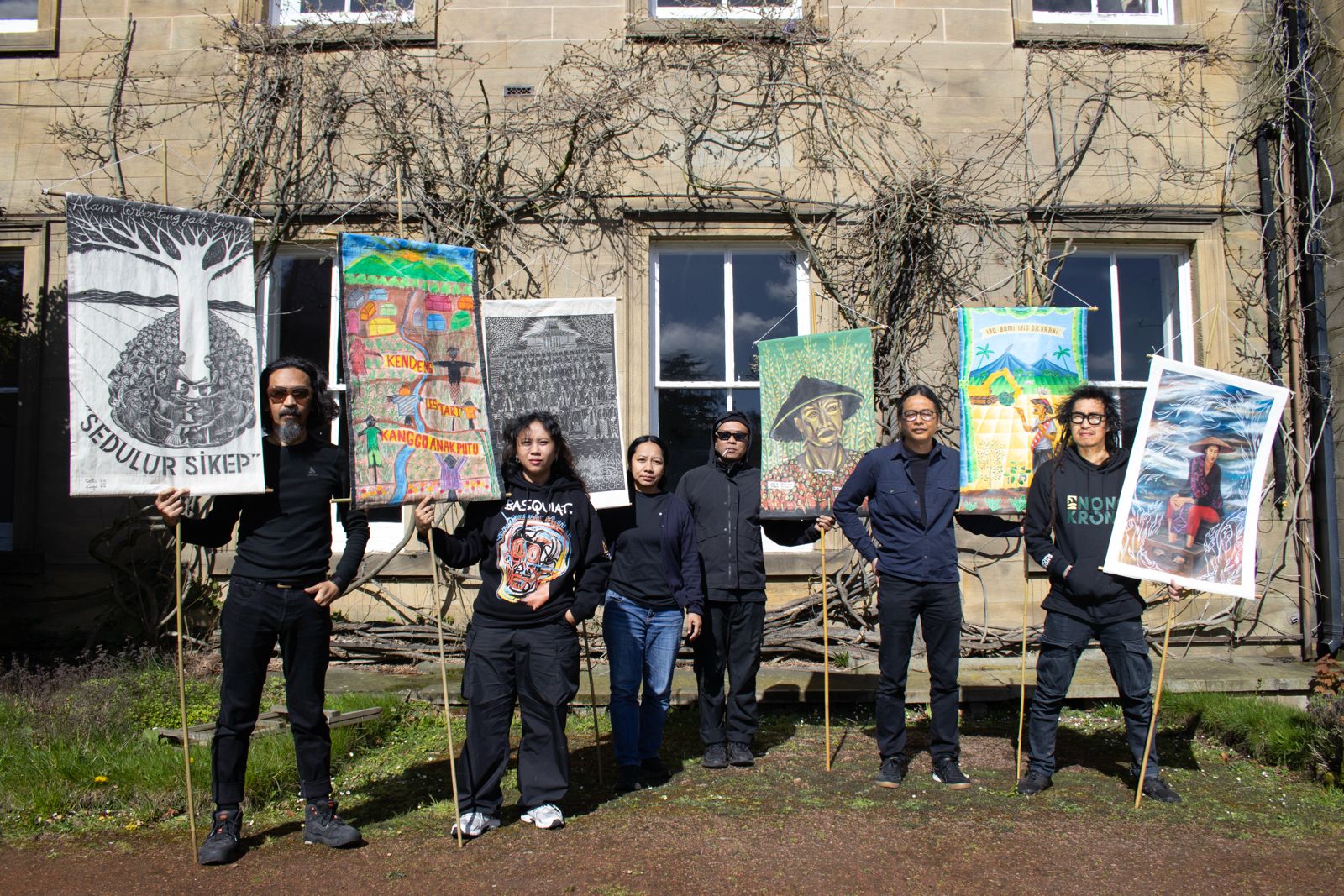
Sale Docks, an activist art space born from a 2007 occupation in Venice, has invited the Indonesian collective Taring Padi to collaborate on two projects. The first is the exhibition "Taring Padi: People's Liberation," which reactivates banners as tools for propaganda, mobilization, and resistance. The second is a public intervention in Venice, where the collective and local community will repaint the walls of the historic social center Laboratorio Occupato Morion. The article includes an interview with Taring Padi, which was founded in 1998 in Yogyakarta by students and activists, and discusses their use of wayang shadow-puppet imagery and collaborative processes to agitate, educate, and organize communities.

Doosan Yonkang Foundation Backs Venice Korean Pavilion

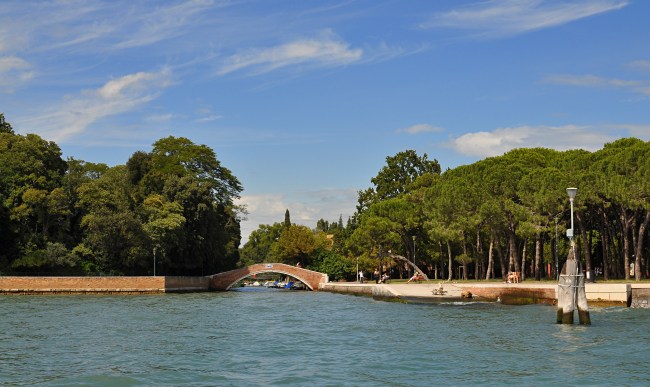
The Doosan Yonkang Foundation has announced its sponsorship of the Korean Pavilion at the 61st Venice Biennale, which will take place from May 9 to November 22, 2026, at Giardini Park in Venice, Italy. The Korean Pavilion, titled "Liberation Space: Fortress and Nest," explores political events and historical transitions in Korean society from 1945 to the present, under the artistic direction of Choi Bitna. Participating artists include Noh Hyeri and Choi Goeun, along with fellows such as novelist Han Kang, farmer and activist Kim Huju, writer and singer Lee Lang, photographer Hwang Yeji, and artist Christian Nyampeta. Notably, Noh Hyeri and Choi Bitna are alumni of the foundation's support programs, Doosan Art Lab and Doosan Curator Workshop, respectively.

Iran has not withdrawn from 2026 Venice Biennale, pavilion commissioner says

Iran has denied withdrawing from the 2026 Venice Biennale, despite the Biennale's announcement that the country would not participate. Aydin Mahdizadeh Tehrani, director-general of visual arts at Iran's ministry of culture and Islamic guidance and the country's pavilion commissioner, stated that Iran requested more time rather than submitting a withdrawal. He cited the US-Israel war with Iran, political and economic challenges, and a sharp currency devaluation that tripled projected costs as reasons for the delay. Iran proposed a shorter two-to-three-month participation, which was rejected, but has since sent a letter insisting on opening its pavilion even after the opening. The foreign ministry has intervened to support Iran's participation, and a final response from the Biennale is expected soon.

in venice, ukrainian artists reclaim joy with tender force

The article reports on 'Still Joy — From Ukraine Into the World,' a collateral exhibition at the 61st Venice Biennale presented by the Victor Pinchuk Foundation and PinchukArtCentre. The show features works by Ukrainian artists including Malashchuk & Khimei, Simone Post, and Zhanna Kadyrova, exploring themes of joy, survival, and resilience amid war. Highlights include a two-channel video juxtaposing a Kyiv rave before and after Russia's full-scale invasion, letters from Ukrainian soldiers printed on foam panels, and installations that transform everyday objects into meditations on sweetness and endurance.

Iran’s Participation in the Venice Biennale Still Uncertain

Iran’s participation in the 61st Venice Biennale remains uncertain after a public contradiction emerged between the Biennale Foundation and Iran’s Ministry of Culture and Islamic Guidance (MCIG). The Biennale Foundation had announced that Iran would not participate in the 2026 edition, curated by Koyo Kouoh, but Aydin Mahdizadeh Tehrani, director general of visual arts at the MCIG and commissioner of the Iranian Pavilion, stated in an interview with the Iranian Students’ News Agency (ISNA) that Iran never submitted a withdrawal letter. Instead, Iran requested more time and sent a letter on May 10 asking for the pavilion to open even if ineligible for prizes. Mahdizadeh Tehrani cited the US-Israel war with Iran as causing currency fluctuations that nearly tripled projected costs, complicating prior agreements, and noted that Iran had proposed a shorter exhibition period, which the Biennale rejected.

How Do You Curate an Exhibition on Genocide? Faisal Saleh and the Palestinian Question That Crosses the Venice Biennale

“Come si cura una mostra sul genocidio?”: Faisal Saleh e la domanda palestinese che attraversa la Biennale di Venezia

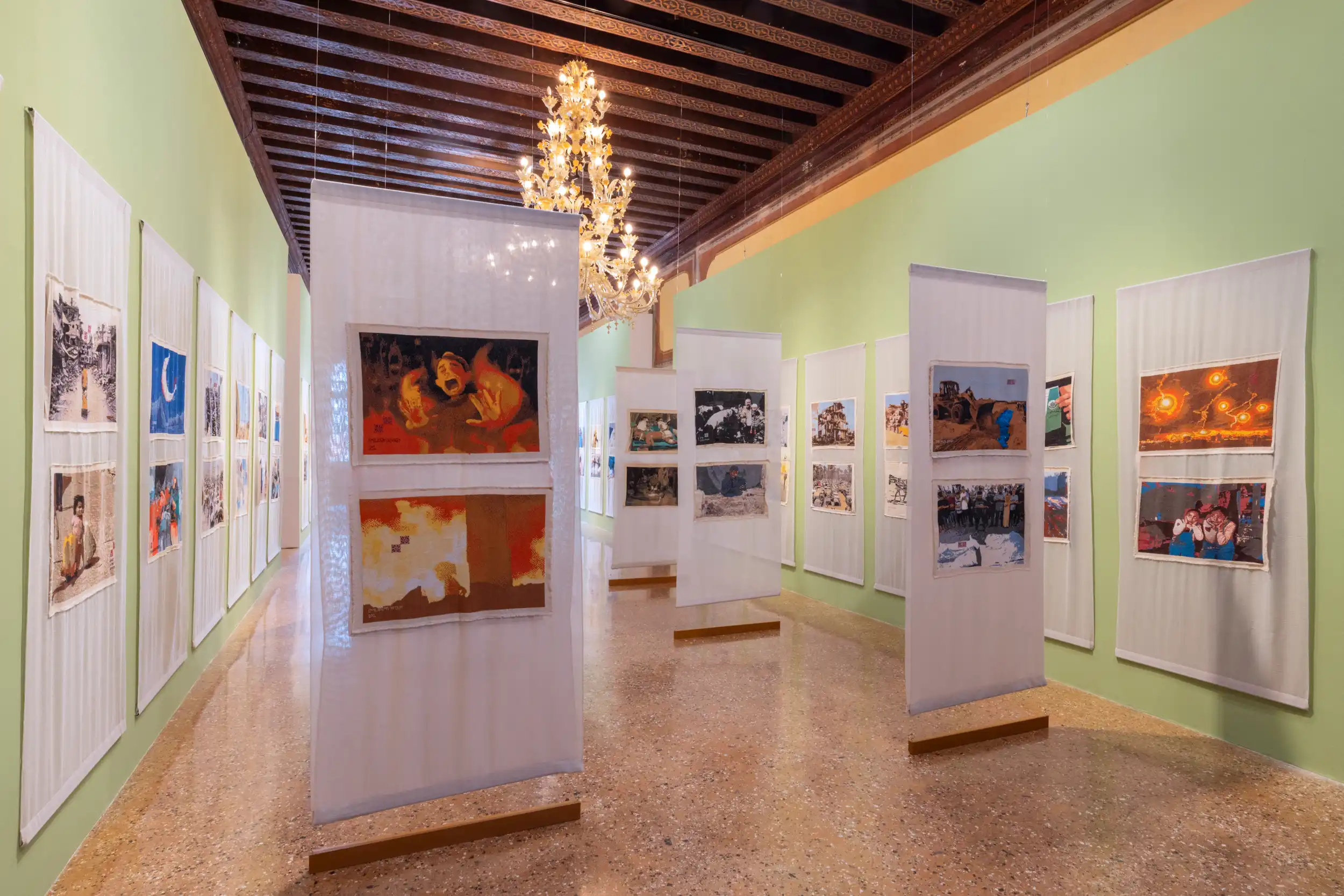
At the 2026 Venice Biennale, a collateral exhibition titled “Gaza – No Words – See the Exhibit” presents 100 embroidered works using the traditional Palestinian technique of Tatreez. Curated by artist Faisal Saleh, founder of the Palestine Museum US, the show transforms embroidery from decoration into political testimony, reconstructing scenes from Gaza over the past two and a half years: shrouded bodies, killed children, mothers bidding farewell, bombed hospitals. The exhibition is housed at Palazzo Mora and has been called by many visitors “the real Palestinian Pavilion” of the Biennale, though it is not an official national pavilion.

The Language Beyond the Human in the Surprising Polish Pavilion at the 2026 Venice Biennale. The Interview

Il linguaggio oltre l’umano nel sorprendente Padiglione Polonia alla Biennale di Venezia 2026. L’intervista

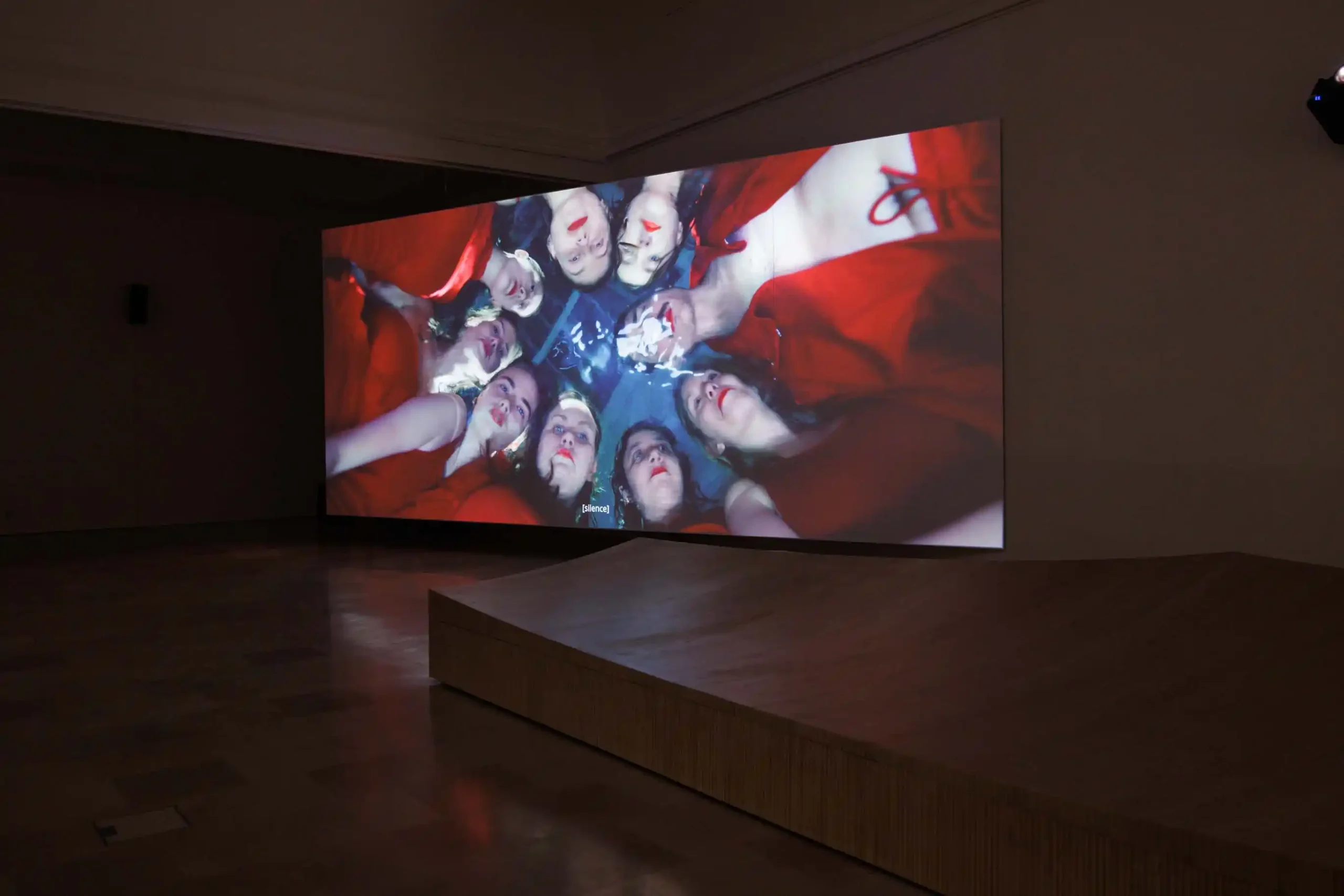
The Polish Pavilion at the 2026 Venice Biennale presents "Liquid Tongues," a project by artists Bogna Burska and Daniel Kotowski, curated by Ewa Chomicka and Jolanta Woszczenko with the collective Choir in Motion. The installation eschews spectacle for a subtle, immersive exploration of language beyond the human voice, incorporating sign language, underwater immersion, choreography, and whale songs to destabilize conventional communication.

Interview with the artist of the Danish Pavilion at the 2026 Venice Biennale who staged the porn stars

Intervista all’artista del Padiglione Danese della Biennale di Venezia 2026 che ha messo in scena i porno divi

The Danish Pavilion at the 2026 Venice Biennale presents "Things to Come," a project by artist Maja Malou Lyse (b. 1993, Denmark), curated by Chus Martínez. The installation combines a three-channel video developed with DIS, materials from Cryos (the world's largest sperm bank), and performers from the porn industry, embedding them within the pavilion's architecture to explore the convergence of pornography, biotechnology, desire, and visual culture as a single system of imaginary production.

Doosan Yonkang Foundation Joins as Sponsor of Korean Pavilion at Venice International Art Exhibition

The Doosan Yonkang Foundation has joined as a sponsor of the Korean Pavilion at the 61st Venice International Art Exhibition, held at Giardini Park in Italy until November 22. The pavilion, themed "Haebang Space," explores political and social changes in Korean society since liberation in 1945. Artistic Director Choi Bitna oversees the exhibition, featuring artists Noh Hyeri and Choi Goeun, along with fellows Han Kang, Kim Hoojoo, Lee Rang, Hwang Yeji, and Christian Nyampeta. This marks the foundation's first sponsorship of the Korean Pavilion as part of its visual arts support program.

The Biennale and the Weight of Flags. What Is the Point of National Pavilions?

La Biennale e il peso delle bandiere. Che senso hanno i padiglioni nazionali?

The article examines the inherent contradiction within the Venice Biennale: its historical structure of national pavilions, a legacy of 19th-century world fairs and state-sponsored art, clashes with the transnational, post-identity vision of the international exhibition curated by Koyo Kouoh. The return of the Russia Pavilion amid geopolitical conflict and the international show titled "In Minor Keys," which rejects national belonging as an interpretive criterion, highlight this tension. The piece also addresses the controversy over the lack of Italian artists in the main exhibition, questioning whether a Biennale hosted in Italy should guarantee national representation.