filter_list Showing 109 results for "Raum" close Clear
search
dashboard All 109 museum exhibitions 65candle obituary 12article culture 9article local 8rate_review review 6article news 4trending_up market 3article policy 1gavel restitution 1
date_range Range Today This Week This Month All
Subscribe

An Art Historian’s Riotous Novel Melds Medieval Art with Monica Lewinsky

Julia Langbein's new novel *Dear Monica Lewinsky*, published by Doubleday, follows translator Jean Dornan as she revisits a traumatic relationship with a professor from her youth, set against the backdrop of the 1998 Monica Lewinsky scandal. The story interweaves medieval art, particularly the 13th-century *Golden Legend*, with Lewinsky's public shaming, as Jean prays to Lewinsky for guidance and is visited by a haloed version of her. Langbein, an art historian with a PhD from the University of Chicago, draws on her expertise to explore themes of humiliation, self-estrangement, and collective experience.
literature salman rushdie laurie anderson the satanic verses

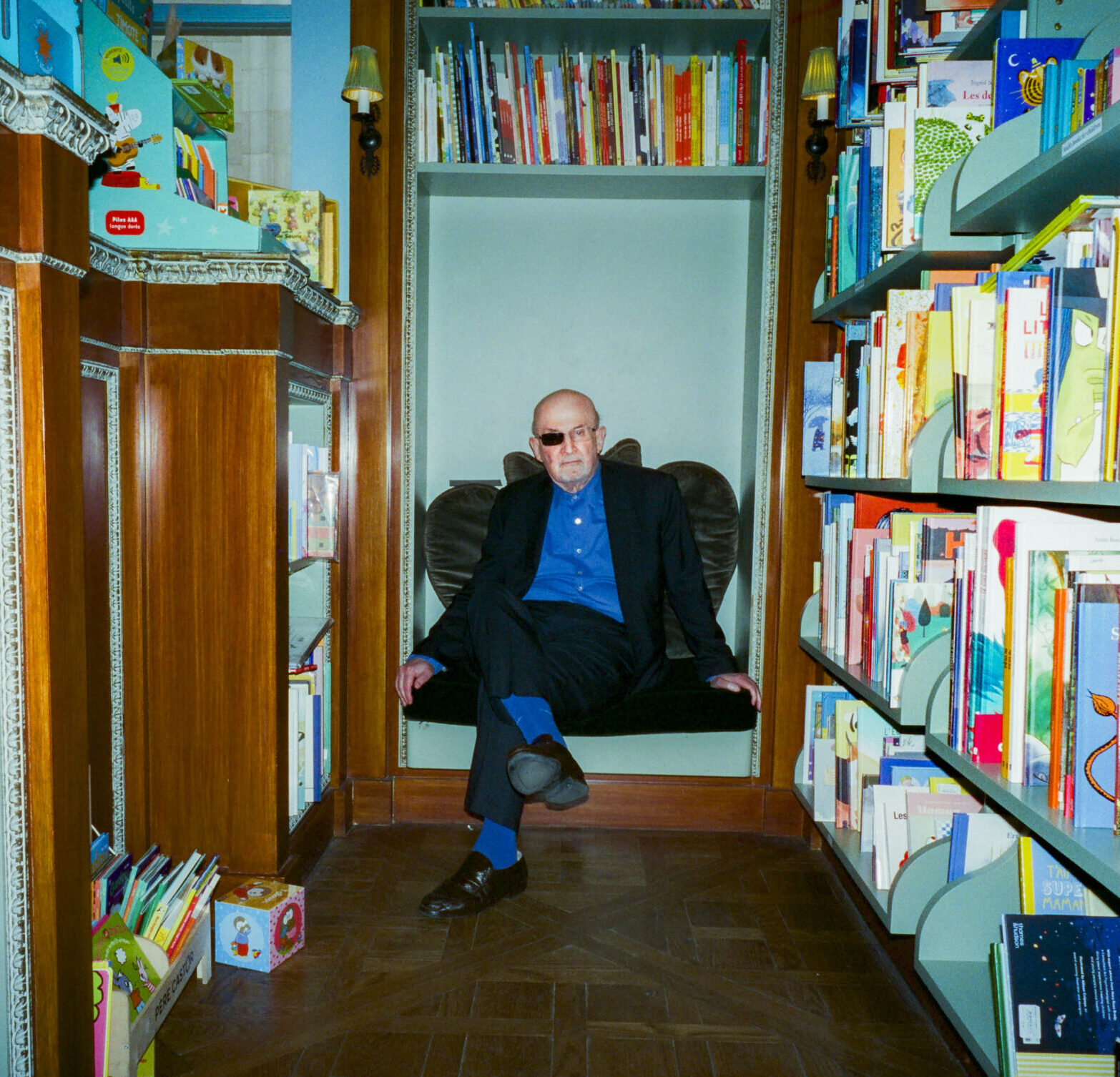
Salman Rushdie and Laurie Anderson, two legendary New York-based artists, engage in an intimate conversation published by Cultured magazine. Rushdie discusses his recent appearance at the Sundance Film Festival for the documentary "Knife," which adapts his memoir about surviving a 2022 stabbing attack, and his travels to literary festivals in New Orleans and Tucson. Anderson shares anecdotes about her own touring show "Republic of Love" with the band Sexmob, and the pair trade lighthearted observations about movie theaters, desert landscapes, and aliens.

Bruno Birmanis and Mareunrol’s on Representing Latvia at the 61st Venice Biennale

Bruno Birmanis and the artist duo Mareunrol’s (Mārite Mastiņa-Pēterkopa and Rolands Pēterkops) will represent Latvia at the 61st Venice Biennale in 2026, with their pavilion located in the Arsenale. Their project draws on memories of Latvia in the 1990s, particularly the avant-garde fashion event The Untamed Fashion Assembly (UFA), conceived by Birmanis, which took place two months after Latvia regained independence from the Soviet Union. The installation is not a nostalgic archive but a space of dialogue and reflection, using the visual codes of a fashion show backstage to explore themes of memory, freedom, and utopian intentions.

Ai Weiwei to Reenact His Own Detention in 24-Hour Performance in Manchester

Artist and dissident Ai Weiwei will reenact his 81-day detention by China's Ministry of Public Security in a 24-hour performance titled "Sewing a Button" at Factory International's Aviva Studios in Manchester, England. The performance, part of his exhibition "Button Up!" running from July 2, 2025, will take place in a re-creation of his cell and involve Ai sleeping, eating, exercising, writing, washing, and being interrogated, with visitors able to book two-hour slots or a full 24-hour ticket. The work follows his earlier piece "S.A.C.R.E.D." (2013) and is joined by other commissioned works including "Eight-Nation Alliance Flags" and a new version of "History of Bombs."

The Artist Who Painted Pixels Before We Saw in Pixels

Der Künstler, der Pixel malte, bevor wir in Pixel sahen

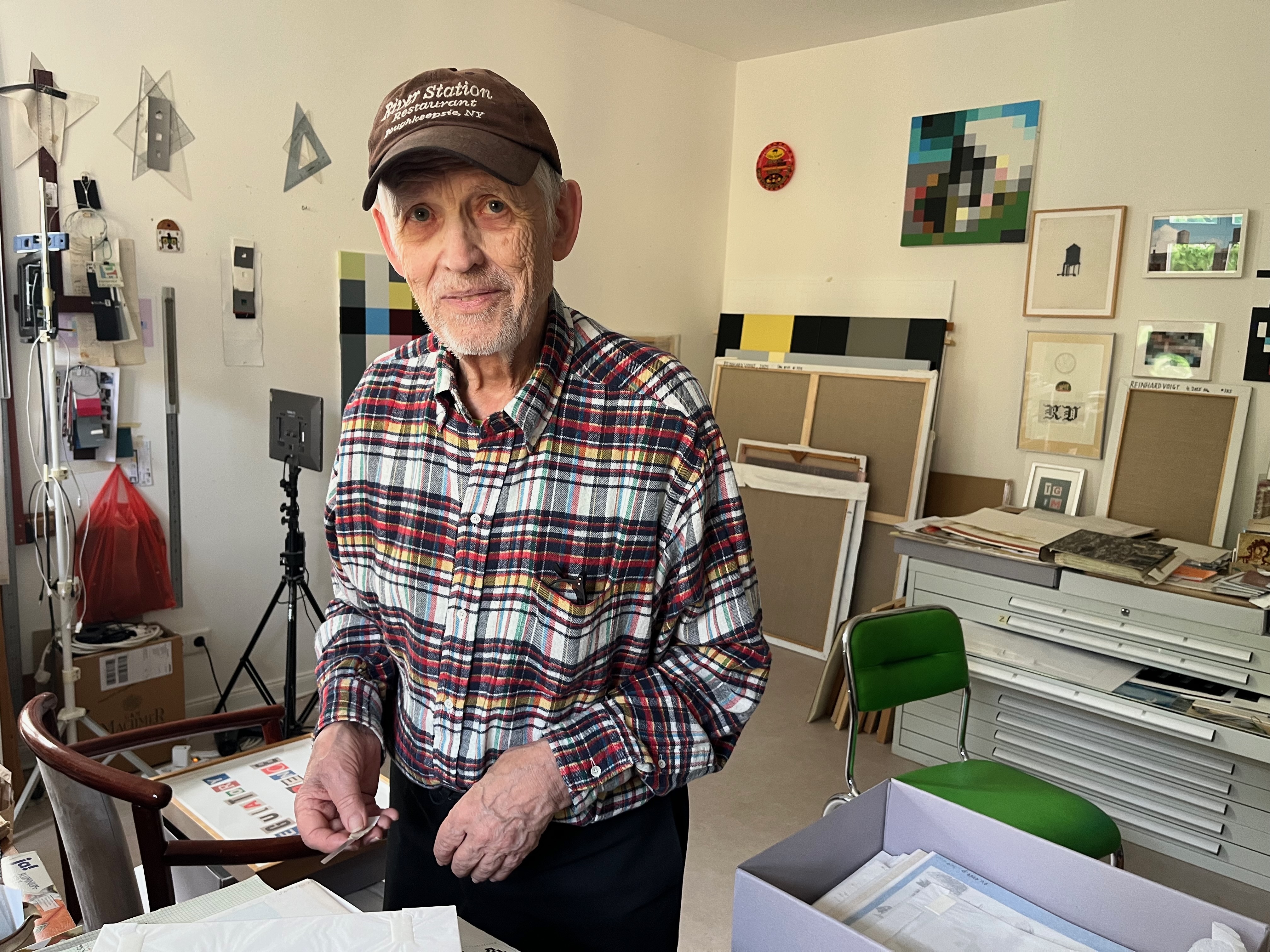
Reinhard Voigt, a German artist little known to the public, painted grid-based pictures as early as 1968—years before pixels became ubiquitous in daily life. Despite early discouragement from Gerhard Richter and fellow artist Alan Jones, Voigt persisted, creating meticulous works on paper and canvas using transparent paper, rulers, pencil, and oil paint. His first major exhibition, "Pure Pleasure," took place in 2023/2024 in Nuremberg, and his current duo show "High on Low" with Anna-Sophie Berger is on view at Berlin's Kunstraum Grotto, featuring his Word Paintings series. Voigt lives and works in Berlin-Prenzlauer Berg with his wife, artist Susan Elias.

‘Street Nihonga: The Art of Jimmy Tsutomu Mirikitani’

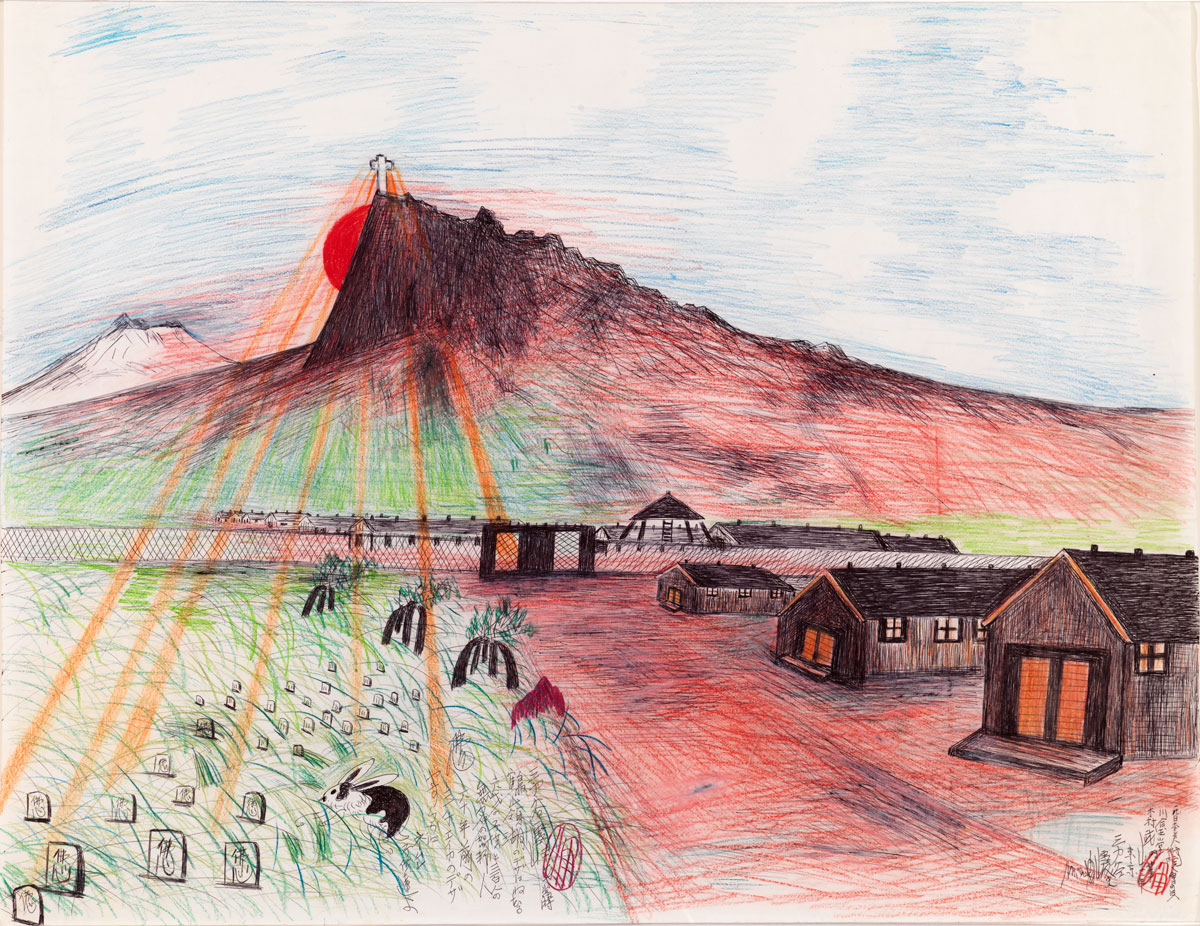
The Spencer Museum of Art has opened 'Street Nihonga: The Art of Jimmy Tsutomu Mirikitani,' a major spring exhibition featuring 170 works by the Japanese American artist, many never before displayed. The show traces Mirikitani's extraordinary life from his birth in Sacramento in 1920, his childhood in Hiroshima, formal training in traditional Nihonga under masters Kawai Gyokudō and Kimura Buzan, to his forced incarceration at Tule Lake during World War II after refusing to sign a loyalty oath. After years of statelessness and homelessness in New York City, Mirikitani developed a deeply personal, politically charged mixed-media practice that blended Japanese techniques with American street art.

Islamophobia, motherhood, war and immigration: Indy artists get political

Four Indianapolis-based artists—Salma Taman, Alejandra Carrillo, Bailey Jörk, and Iryna Bondar—are creating work that directly responds to contemporary political and social crises, including the war in Gaza, immigration, and political division. Their art, ranging from Taman's Arabic calligraphy painting promoting forgiveness to Carrillo's digital drawing protesting a migrant detention center, serves as a form of personal and communal expression in a fraught global climate.

From the artist who painted with his feet to the splashes of Pollock: abstraction takes over the Centre Pompidou Malaga

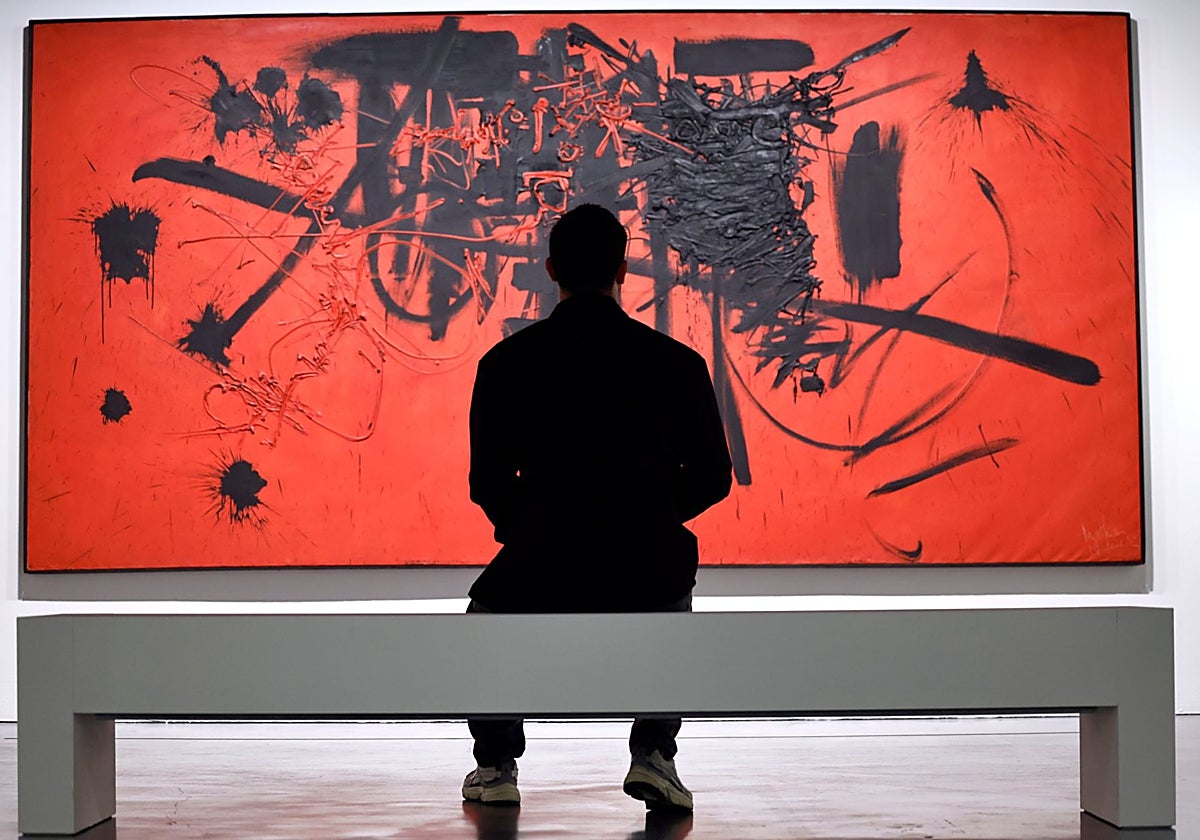
The Centre Pompidou Malaga has opened the exhibition 'Gesture and Matter. International Abstractions (1945–1965)', running until September, featuring around 30 works by 26 artists. The show highlights abstract art as a post-World War II response, with key pieces including Jackson Pollock's 'Number 26A. Black and White' and Kazuo Shiraga's 'Planet Nature', painted with his feet while suspended from ropes. Co-curated by Anne Foucault and Christian Briend, the exhibition traces abstraction's development from Paris and New York to Asia and Europe, emphasizing painting as a full-body, performative act of freedom.

Un grand dessin de Beckmann pour Stuttgart

The Staatsgalerie Stuttgart has acquired a monumental drawing by Max Beckmann titled *Resurrection*, measuring nearly five meters long and three and a half meters high. Executed between 1916 and 1918, it is the largest painting by the artist and a key work in his oeuvre, created after his traumatic experience as a volunteer medical orderly in World War I. Beckmann described the piece as expressing 'the terrifying cry of pain of deceived poor humanity,' marking a shift toward a new formal vocabulary influenced by the war.

Rosy Simas on Creating a Space for Peace in Minneapolis

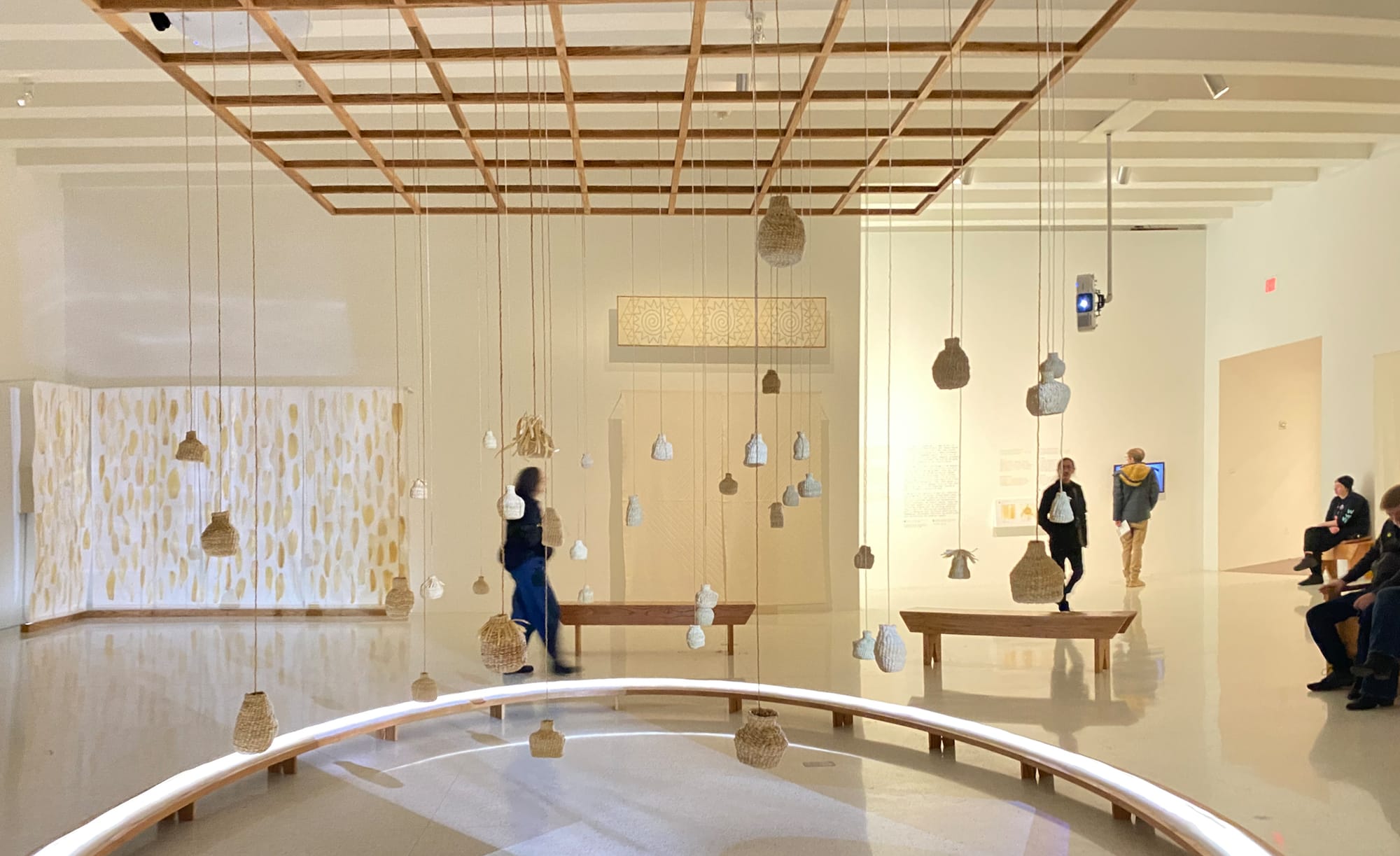
Minnesota-based interdisciplinary artist Rosy Simas opened a contemplative installation titled "A:gajë:gwah dësa’nigöëwë:nye:' (i hope it will stir your mind)" at the Walker Art Center on the same day that Trump-appointed border czar Tom Homan announced the end of Operation Metro Surge, a federal immigration enforcement operation in the Twin Cities. The installation features salt bottles made from woven corn husks, each honoring one of Simas's relatives, and is inspired by the teachings of Handsome Lake (Ganyodaiyo’), her fifth great-grandfather’s half-brother, who promoted the Seneca concept of a "good mind." The exhibition, on view through July 5, is part of a two-part project that also includes performances in May. Simas, known primarily for choreography, has increasingly gained recognition as a visual artist, recently receiving a Creative Capital Award.

DHM main building likely closed until 2031

DHM-Hauptbau wohl bis 2031 dicht

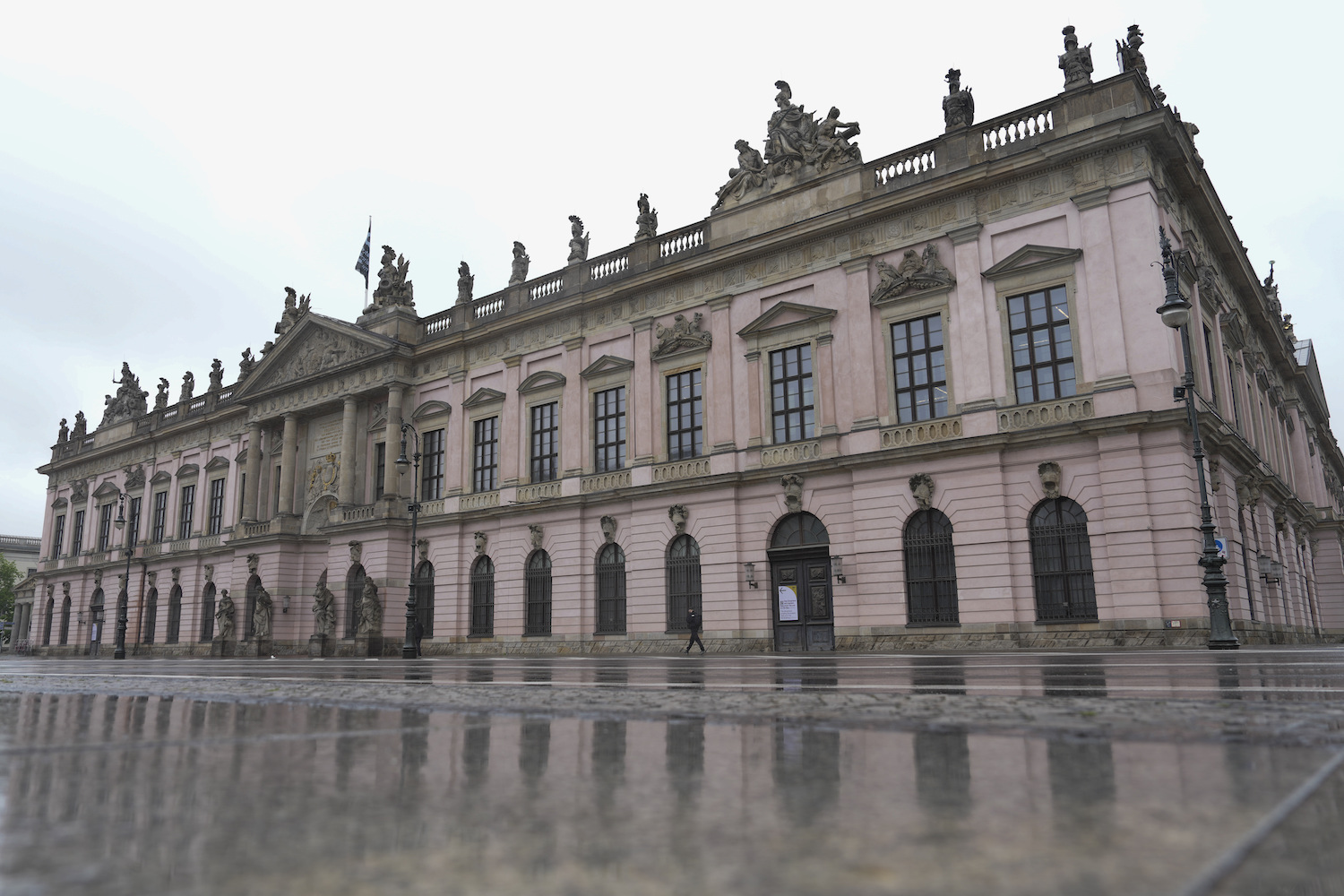
The German Historical Museum (DHM) in Berlin will remain without its main building, the Zeughaus on Unter den Linden, until at least 2031 due to further delays in its renovation. Museum director Raphael Gross announced that a binding timeline from the property owner and the federal construction authority is not expected until 2027, and a reopening before 2031 is unrealistic. In the meantime, the museum is using its modern Pei-Bau wing to host a new exhibition titled "Objekte. Geschichte. Geschichten," featuring around 200 highlights from its collection of one million objects, including a samurai armor once gifted to Adolf Hitler and objects from a refugee shelter.

Photographer Giles Duley brings images of historic and current wars into dialogue in Manhattan pop-up show

British photographer Giles Duley has opened a pop-up exhibition titled "Distortion/Memory/Resilience" in a 77th-floor penthouse at Sutton Tower in Manhattan, running from 12 to 24 May. The show features haunting war photography alongside installations—Youth, Childhood, and Memory—that draw parallels between historic and current conflicts. Duley, who lost both legs and an arm after stepping on a landmine in Afghanistan, uses a camera obscura, children's art from war zones, and side-by-side images of injured children from the London Blitz and Beirut to create an immersive experience. The exhibition is presented by the luxury tower's developer and includes benefit dinners hosted by Duley.

At the Venice Biennale, Ukraine’s Pinchuk Art Centre finds fragile moments of joy amid loss

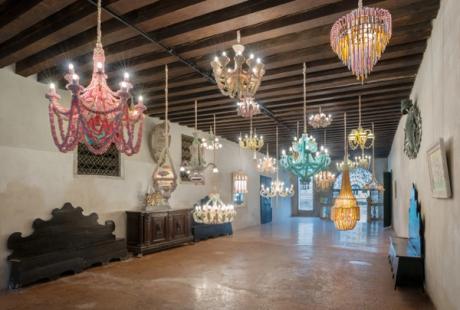
The Pinchuk Art Centre in Kyiv has transformed its Venice Biennale presentation from a glamorous celebration of young artists into a somber exhibition responding to the Russian invasion of Ukraine. This year's show, titled "Still Joy — From Ukraine into the World" (9 May-1 August) at the Palazzo Contarini-Polignac, features works by international artists like Tacita Dean and Julian Charriere alongside Ukrainian artists, as well as testimonials from soldiers collected by former marine Hlib Stryzhko. The exhibition explores how joy can persist amid trauma, with installations including pink scrolls bearing survivors' quotes, light box photographs of bombed interiors with rescued pot plants, and a sculpture of bells with displaced women's fingerprints.

Drained, Drowning, and Decay: The Best National Pavilions at the Venice Biennale

The 2026 Venice Biennale is defined by themes of ruin and decay, with standout national pavilions exploring bodily, infrastructural, and archaeological collapse. The Slovenian Pavilion features the Nonument Group repurposing materials from past Biennales into a ruin of a mosque for Bosnian Muslim soldiers from World War I. Syria presents its first national pavilion since the Civil War, with Sara Shamma invoking Palmyra, destroyed by ISIS. Germany's pavilion, titled "Ruin," features works by Henrike Naumann (who died in February) and Sung Tieu, questioning the pavilion's fascist architecture and nationalist residue. The Austrian Pavilion, curated by Florentina Holzinger, offers a visceral performance titled "Sea World." The Biennale is also marked by the abrupt resignation of its five-member jury, who refused to consider nations charged with crimes against humanity, leading to awards being chosen by public vote. Additionally, the main exhibition "In Minor Keys" was affected by the death of its curator, Koyo Kouoh.

‘In every drop of paint he slurped, you see the Holocaust’: the genius and torments of Georg Baselitz

Georg Baselitz, the German painter and sculptor known for his provocative confrontations with Nazi history, has died. Born in 1938, he was one of the last living artists with direct childhood memories of the Third Reich. His early works, such as *Die große Nacht im Eimer* (1961) and his upside-down German eagles, deliberately shocked postwar West Germany by depicting obscene, shameful images of a society trying to forget the Holocaust. He famously exhibited a zombie Hitler woodcarving at the 1980 Venice Biennale alongside Anselm Kiefer, insisting on confronting rather than ignoring the Nazi heritage of the German Pavilion.

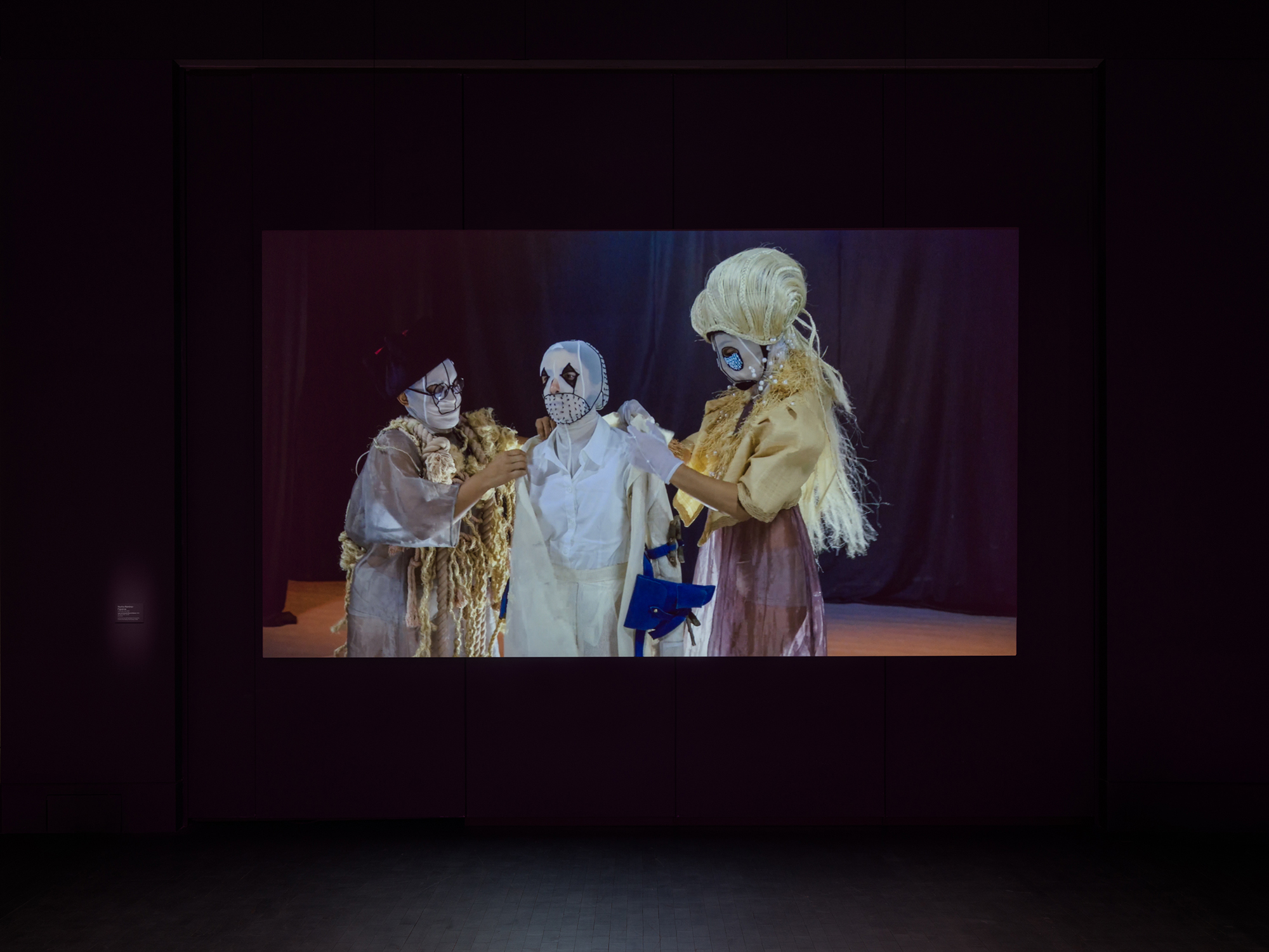
Naufus Ramírez-Figueroa “Lugar de Consuelo (Place of Solace)” at MoMA, New York

MoMA's Kravis Studio is presenting Naufus Ramírez-Figueroa's multimedia work "Lugar de Consuelo (Place of Solace)" (2020), marking the artist's first solo presentation at the museum. The work, jointly acquired in 2022 through MoMA's Latin American and Caribbean Fund and Fund for the Twenty-First Century, includes prints, drawings, costumes, sculptures, videos, and a related performance that explore political and personal histories of Guatemala.

Cambodian Artist Sopheap Pich Shares in an Exhibition how He Conceives Sculptures

Cambodian artist Sopheap Pich is presenting an exhibition at Meta House in Phnom Penh that reveals his creative process, showing how he conceives sculptures from initial drawings and woodblock prints to works in bamboo and metal. Born in Battambang, Pich survived the Khmer Rouge regime as a child and later immigrated to the U.S., earning an MFA from the School of the Art Institute of Chicago before returning to Cambodia in 2002. The exhibition includes early rattan pieces and recent metal sculptures, reflecting his intuitive, memory-infused approach to making art with a team of ten assistants in his Phnom Penh studio.

‘Entertainment is often violence shrouded in a fun disguise’: Marianna Simnett on being tickled for hours and having Botox injected into her throat

Marianna Simnett, a Croatian British multi-disciplinary artist, discusses her new exhibition 'Circus' at the Secession in Vienna, which features a light, sound, and sculpture installation in a pitch-black basement. The show includes works like 'Catherine Wheel' (2026), a blue spinning reflective skirt accompanied by the sound of the artist being tickled for four hours, and 'Fountain' (2026), a neon of a woman urinating referencing Balkan folklore. Simnett explores themes of violence, desire, pain, and power, often using her own body as a site of transformation, as in her earlier work 'The Needle and the Larynx' (2016) where she had Botox injected into her throat.

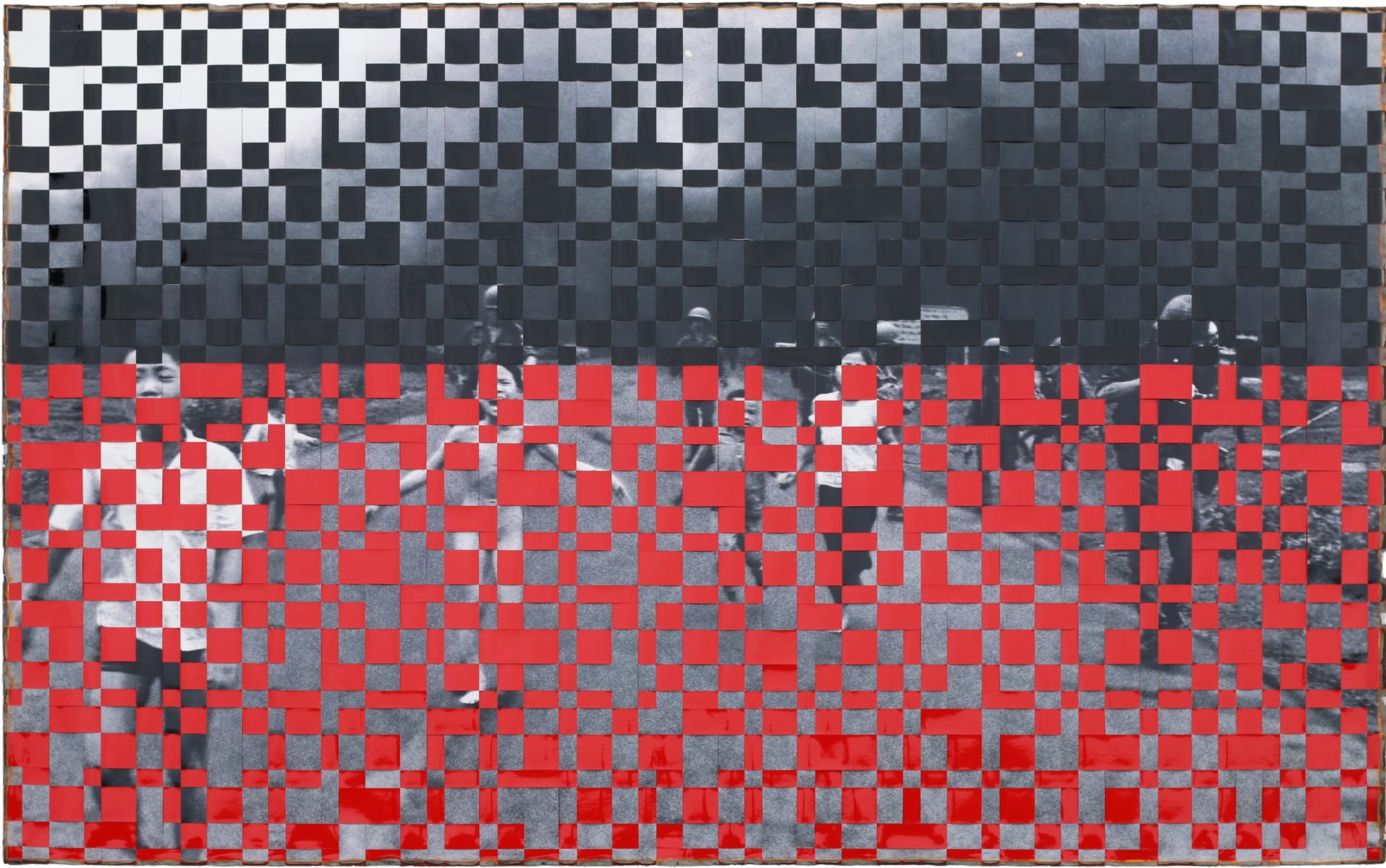
Regarding the Pain of Images: Dinh Q. Lê at 10 Chancery Lane

A posthumous exhibition titled "Remembrance: A Tribute to the Work of Dinh Q. Lê" is on view at 10 Chancery Lane in Hong Kong from March 20 to May 23, 2026. Curated by David Elliott, the show features key works by the late Vietnamese artist, including his series of manipulated photographs that slice and weave the iconic 1972 image "The Terror of War" into pixelated grids, alongside pieces like "Skin on Skin Black Mixed No. 9" that critique the influx of Western pornography into Vietnam after internet legalization.

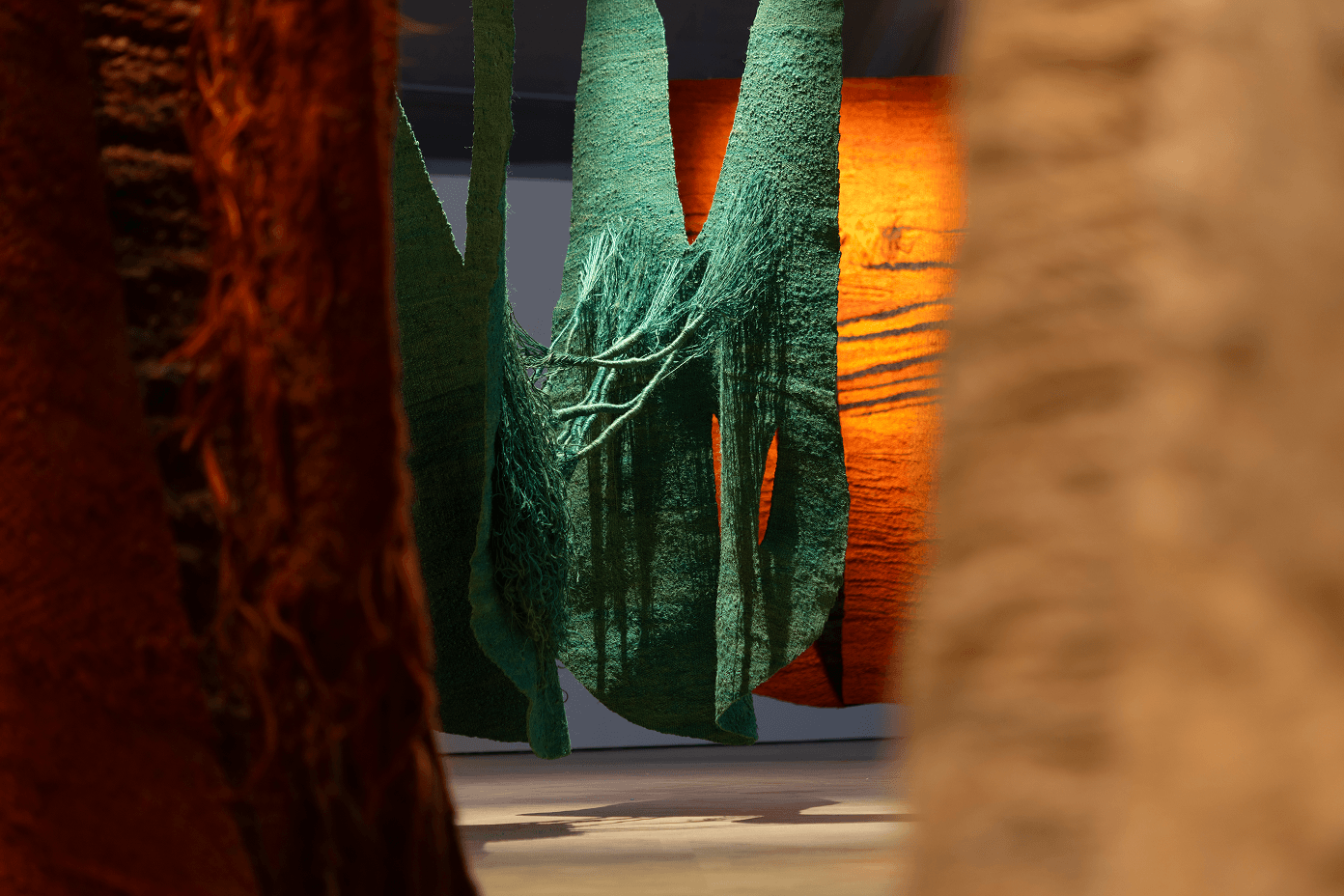
The pioneer of organic textile sculptures, Magdalena Abakanowicz, is taking over Helsinki Art Museum

Helsinki Art Museum (HAM) presents "Magdalena Abakanowicz: Crossing Boundaries," the first Finnish exhibition of the Polish artist's monumental fiber works, running from May 6 to August 30, 2026, at the Tennis Palace. The show features 58 works spanning six decades, including her iconic Abakans—suspended woven forms—and headless burlap figures, along with documentary screenings and a new Finnish-language publication.

John Hitchcock’s sonic and cultural rhythms

The New Britain Museum of American Art in Connecticut will present "John Hitchcock: We are Defined by the Beat" from May 16 to November 29, 2026, marking the artist's first mid-career retrospective. John Hitchcock, an enrolled member of the Kiowa Tribe of Oklahoma with Comanche and Northern European ancestry, has spent over three decades transforming the sonic and cultural rhythms of his homeland into a distinct visual language. The exhibition explores his integration of visual and sonic forms across printmaking, neon, textiles, sound, video, and installation, featuring series such as "Flatlander" (2011-18), "Bury the Hatchet" (2019-2020), "Blanket Songs" (2022-2023), "Soundscapes" (2021-2024), and "Celebration" (2025). Hitchcock's work pays homage to his ancestors, confronts histories of Indigenous displacement and trauma, and celebrates community, resilience, and survival, drawing on the sounds and landscapes of his ancestral home in Medicine Park, Oklahoma.

Lebanon’s Art Scene Is Living in ‘War Mode’

On April 8, 2025, a wave of Israeli airstrikes across Lebanon killed 357 people and injured over 1,200, a day now known as 'Black Wednesday.' Amid the violence, Lebanese artist Abed Al Kadiri, who grew up during Lebanon's civil war and Israeli occupation, has been working with displaced children in shelters, using art to help them process trauma. He collects their drawings and plans to combine them with sketches by other artists reflecting their own war experiences, creating concertina-style books to be exhibited and sold to raise funds for over 1.1 million displaced people.

What I learned from Tracey Emin about regeneration

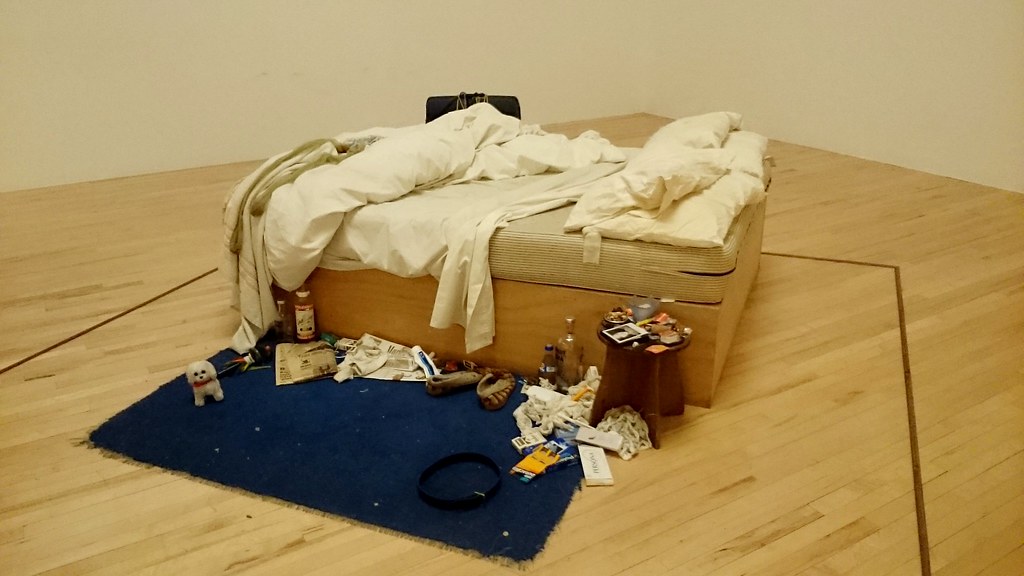
The article reviews Tracey Emin's exhibition "A Second Life" at Tate Modern, describing the author's initial lack of aesthetic connection to the artworks—finding the paintings derivative and neon signs tacky—but ultimately being moved by the exhibition's emotional force and the artist's refusal to disguise pain, humiliation, and grief. The author notes the crowded galleries, the predominantly female audience responding with visceral emotion, and highlights the film "How It Feels" as the most impactful piece, in which Emin discusses her traumatic abortion and its effect on her self-perception.

Charlottesville's Confederate statues are centerstage in West Coast art exhibition rooted in tragedy and trauma

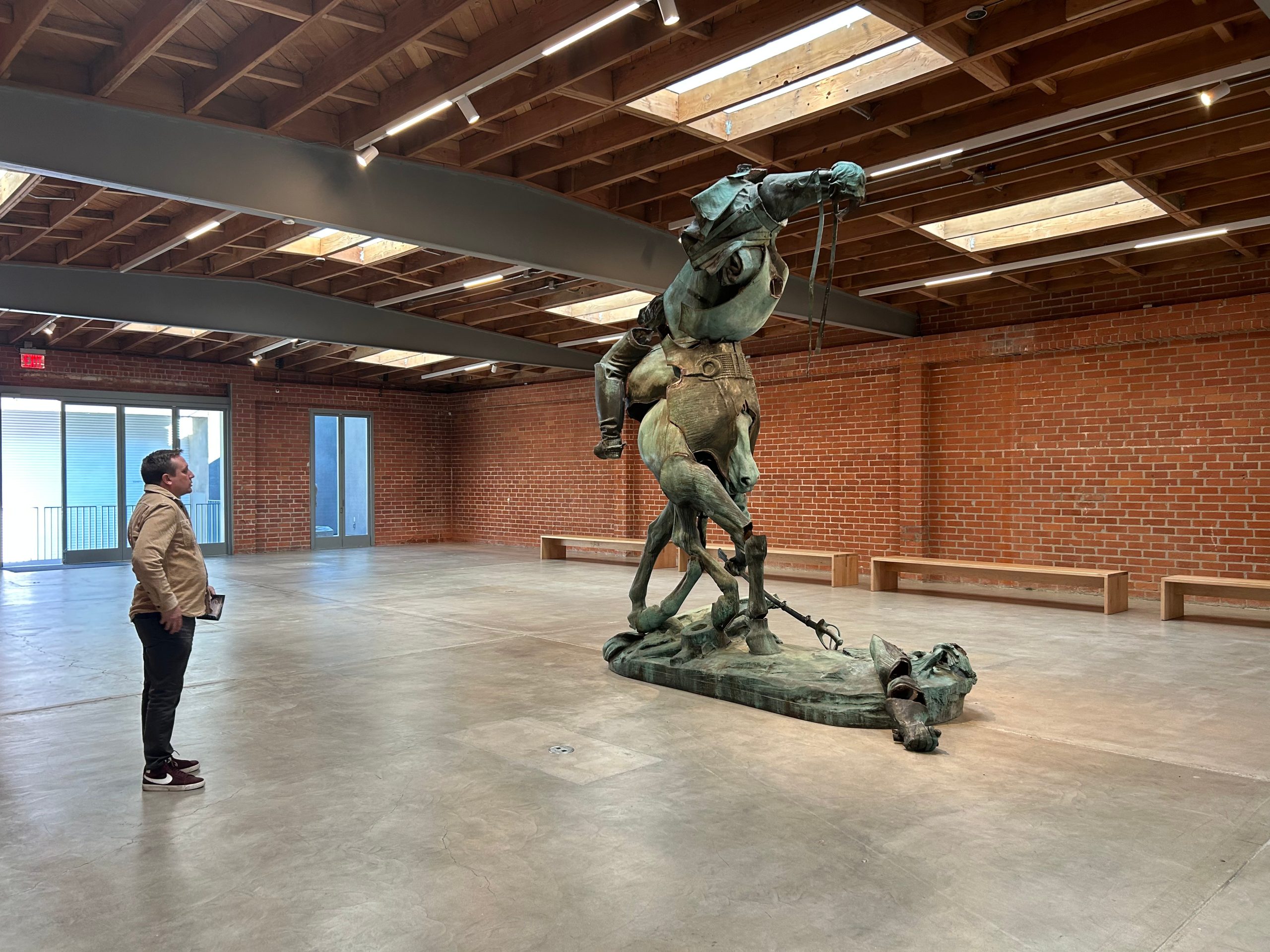
The remains of Charlottesville's melted Confederate statue of General Robert E. Lee are now on display at the Museum of Contemporary Art (MOCA) in Los Angeles as part of the 'Monuments' exhibition. The statue, originally standing in Market Street Park, was acquired by the Jefferson School African American Heritage Center (JSAAHC) in 2021, melted down at a secret location, and shipped to Los Angeles. The exhibition, presented in partnership with The Brick, also features artist Kara Walker's reconstruction of the Thomas Jackson statue. The bronze ingots and slag from the melting process are displayed alongside other works that reimagine Confederate monuments.

Dataland, World's First A.I. Arts Museum, Will Open in June, and Other News.

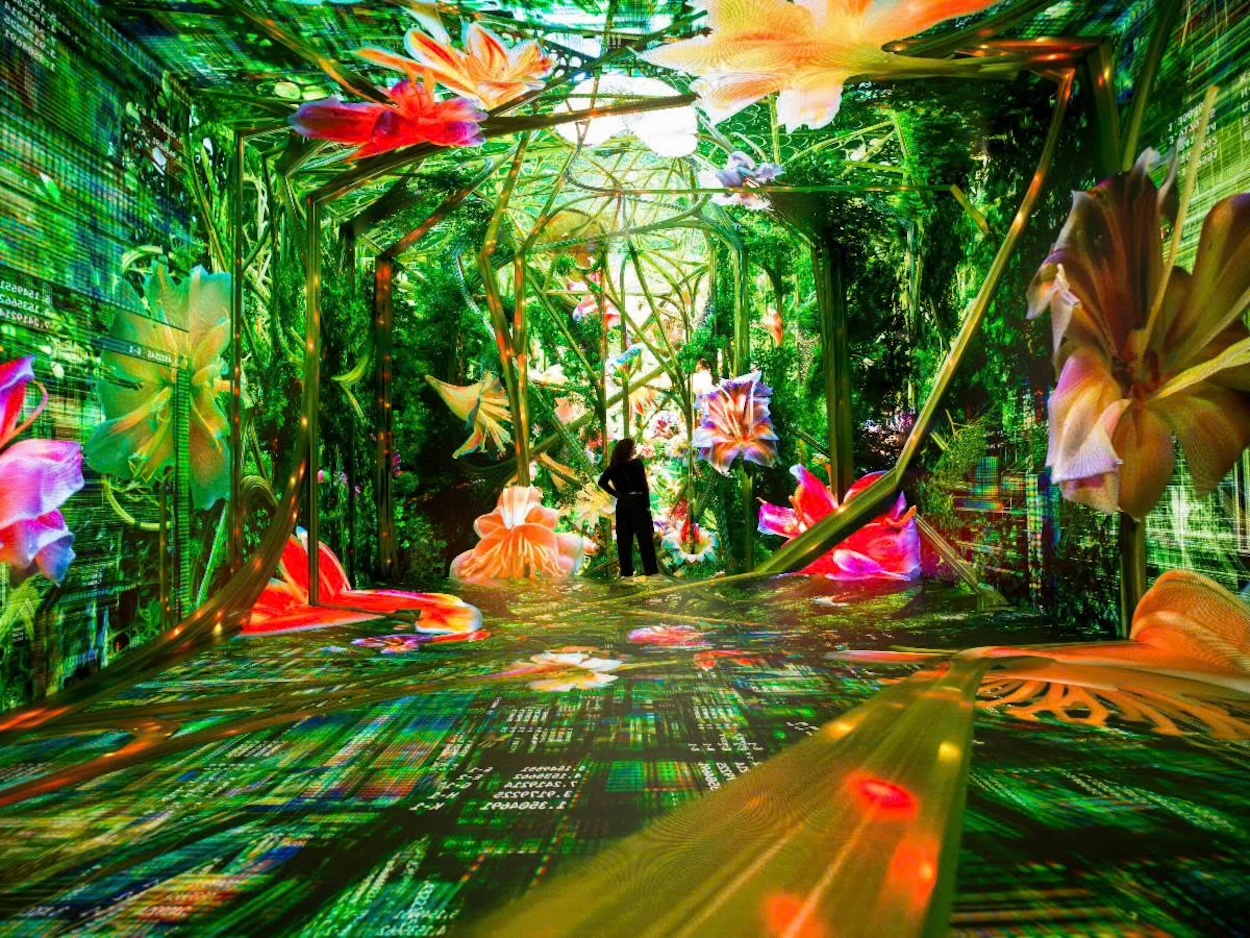
Dataland, billed as the world's first museum dedicated to AI-generated art, will open June 20 at The Grand LA in downtown Los Angeles, founded by Refik Anadol and Efsun Erkılıç. Its inaugural exhibition, 'Machine Dreams: Rainforest,' uses vast environmental datasets to create multi-sensory AI interpretations of nature. In other news, Tuan Andrew Nguyen's 27-foot-tall sandstone Buddha sculpture has been installed on New York's High Line Plinth; Chanel is launching its first-ever Coco Beach pop-up in Shanghai; Kengo Kuma collaborated with Jaipur Rugs on a carpet collection unveiled at Milan Design Week; and Pittsburgh's new $31 million Arts Landing civic space opened in the Cultural District.

Ha Chong-hyun’s radical practice comes into full view in San Francisco

The Asian Art Museum of San Francisco will present a major retrospective of Korean artist Ha Chong-hyun in September 2024. The exhibition, the artist's first full US retrospective, will span his decades-long career, showcasing his evolution from art informel works to his renowned 'Conjunction' series and his role as a leading figure in the dansaekhwa (Korean monochrome painting) movement.

Farah Al Qasimi: Psychic Repair

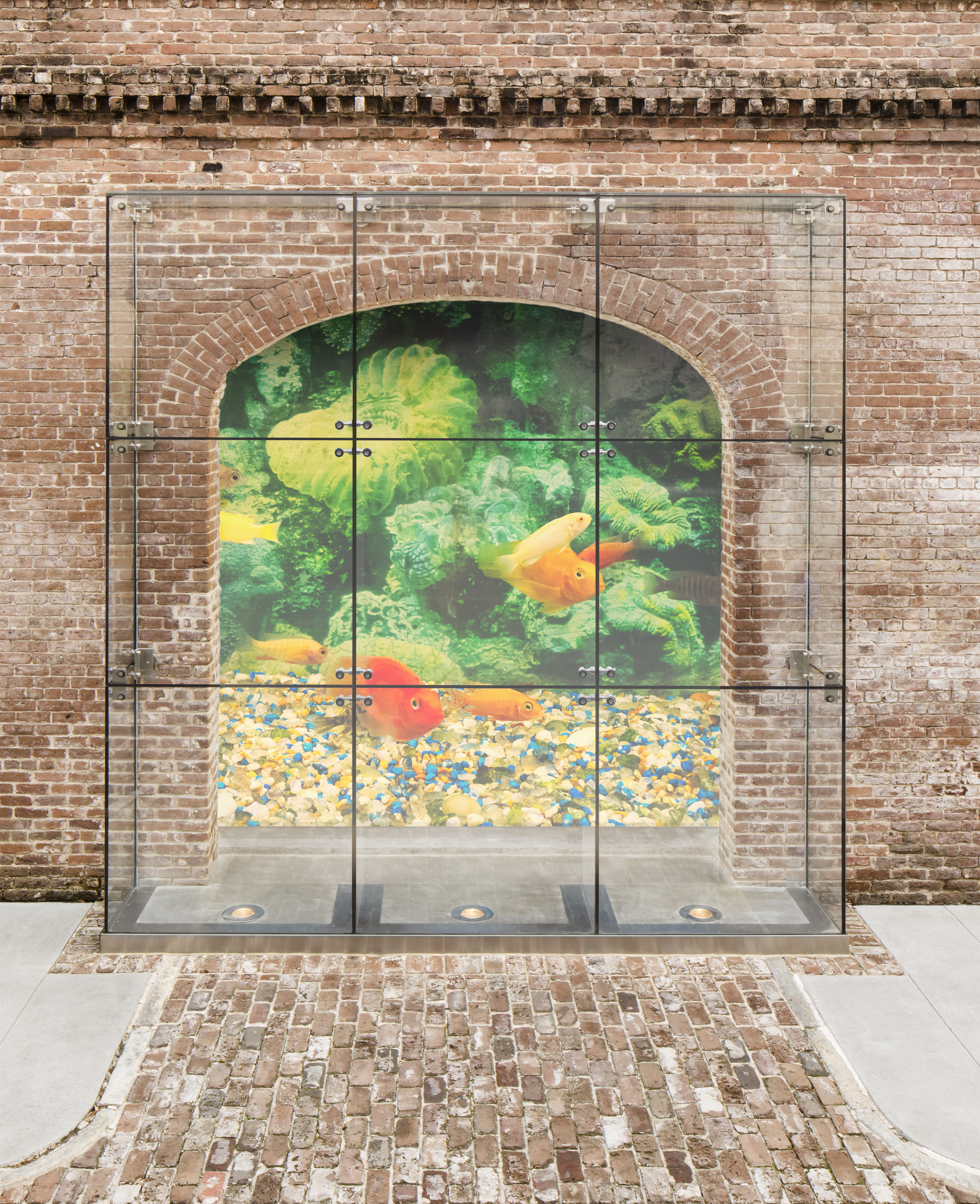
Emirati photographer and musician Farah Al Qasimi presents her solo exhibition "Psychic Repair" at the SCAD Museum of Art in Savannah, Georgia, running from January to June 7, 2026. Curated by SCAD Museum Associate Curator Brittany Richmond, the show explores self-presentation and consumerism through staged domestic interiors, vinyl works, framed photographs, and music videos. Key pieces include "Beauty Salon" (2024), "Aquarium" (2024), "Clothing Store" (2023), and "Painting and Astroturf" (2023), which appropriate signifiers of the attention economy. The exhibition is strategically positioned to respond to Savannah's history as a port city built on trade in cotton, indigo, rice, and enslaved people, with the museum itself occupying a former railway depot made of Savannah Gray brick produced by enslaved laborers.

"Gesundheitseffekt der Künste auf biologischer Ebene"

A roundup of art news covers multiple stories: Stefan Trinks criticizes Berlin's 'MuseumsMeileMitte' as a symptom of urban and cultural misdevelopment, where museums are co-opted by real estate marketing. At the Venice Biennale, the German Pavilion by Henrike Naumann and Sung Tieu explores East German identity and post-reunification trauma, while Patti Smith performed a 'sonic prayer' at the Vatican Pavilion curated by Hans Ulrich Obrist and Ben Vickers. A study from University College London suggests regular arts engagement may slow biological aging.

What We Throw Away Does Not Disappear

Was wir wegwerfen, verschwindet nicht

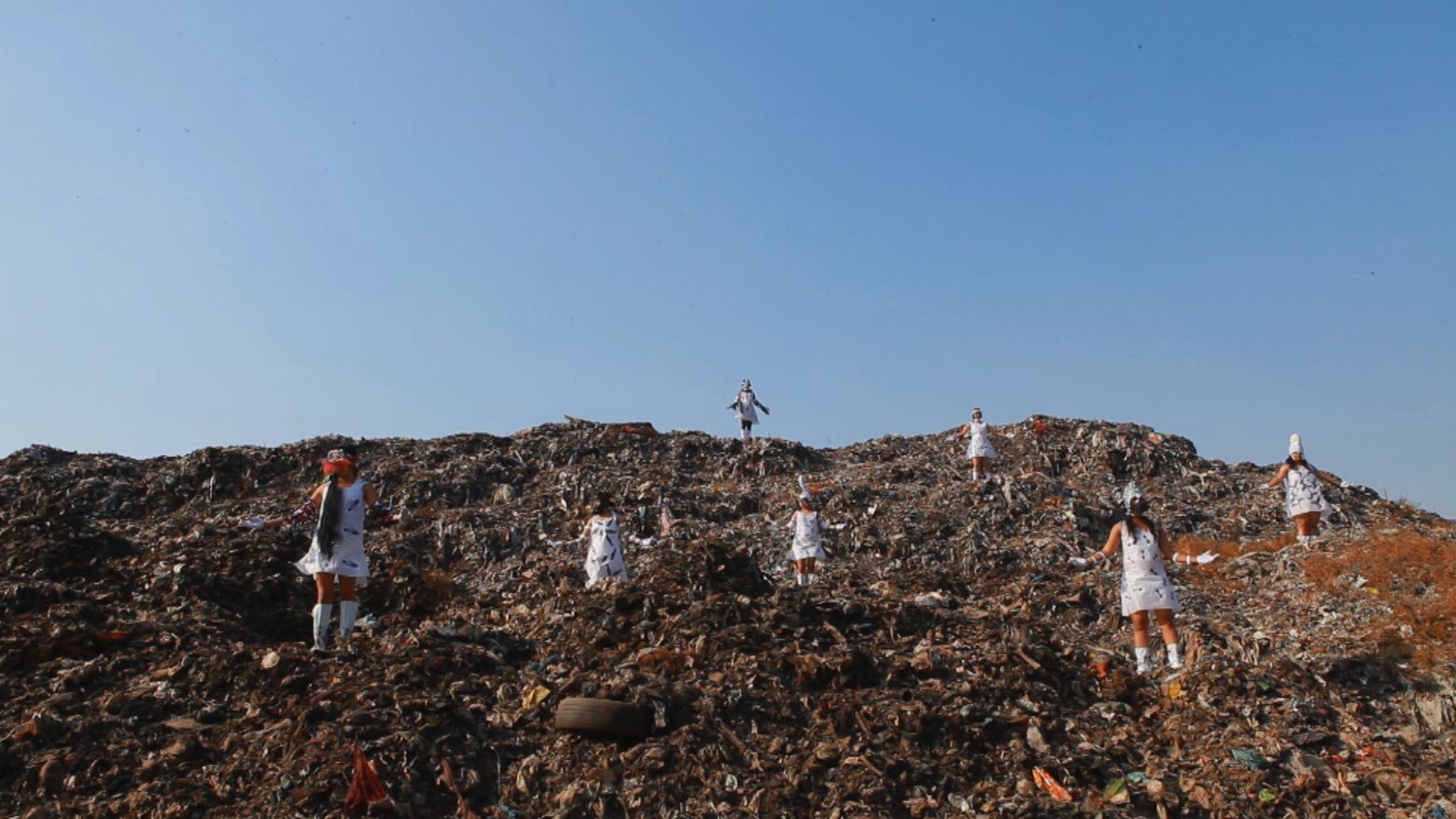
The Museum Ostwall at the Dortmunder U in Dortmund has opened a new exhibition titled "Müll – die globalen Wege des Abfalls" ("Waste – The Global Paths of Garbage"), curated by Christina Danick and Michael Griff. Featuring around 50 international artworks from the 20th and 21st centuries, including two newly commissioned pieces, the show uses art to explore waste as material, motif, and aesthetic strategy. Key works include Kader Attia's "Los de Arriba y Los de Abajo," which addresses power imbalances through the lens of garbage in Hebron, and historical pieces by César Baldaccini, Arman, and HA Schult. The exhibition also highlights contemporary issues such as e-waste, global waste trafficking, and the environmental impact of industrial nations on the Global South.

8 musées incontournables à visiter à Montréal

Montréal, a UNESCO City of Design, is home to a wealth of cultural institutions. This article highlights eight must-visit museums, including the Musée des Beaux-Arts de Montréal (the city's largest art museum, with nearly 47,000 works from antiquity to today), the Musée McCord Stewart (a centennial museum focusing on Canadian history and Indigenous voices), the Écomusée du Fier Monde (dedicated to working-class history and eco-design), and Pointe-à-Callière (an archaeology and history museum built on the city's original foundations). Each museum offers a unique perspective on art, history, and society.