filter_list Showing 79 results for "The Giardini" close Clear
search
dashboard All 79 museum exhibitions 51article news 22rate_review review 5article culture 1
date_range Range Today This Week This Month All
Subscribe

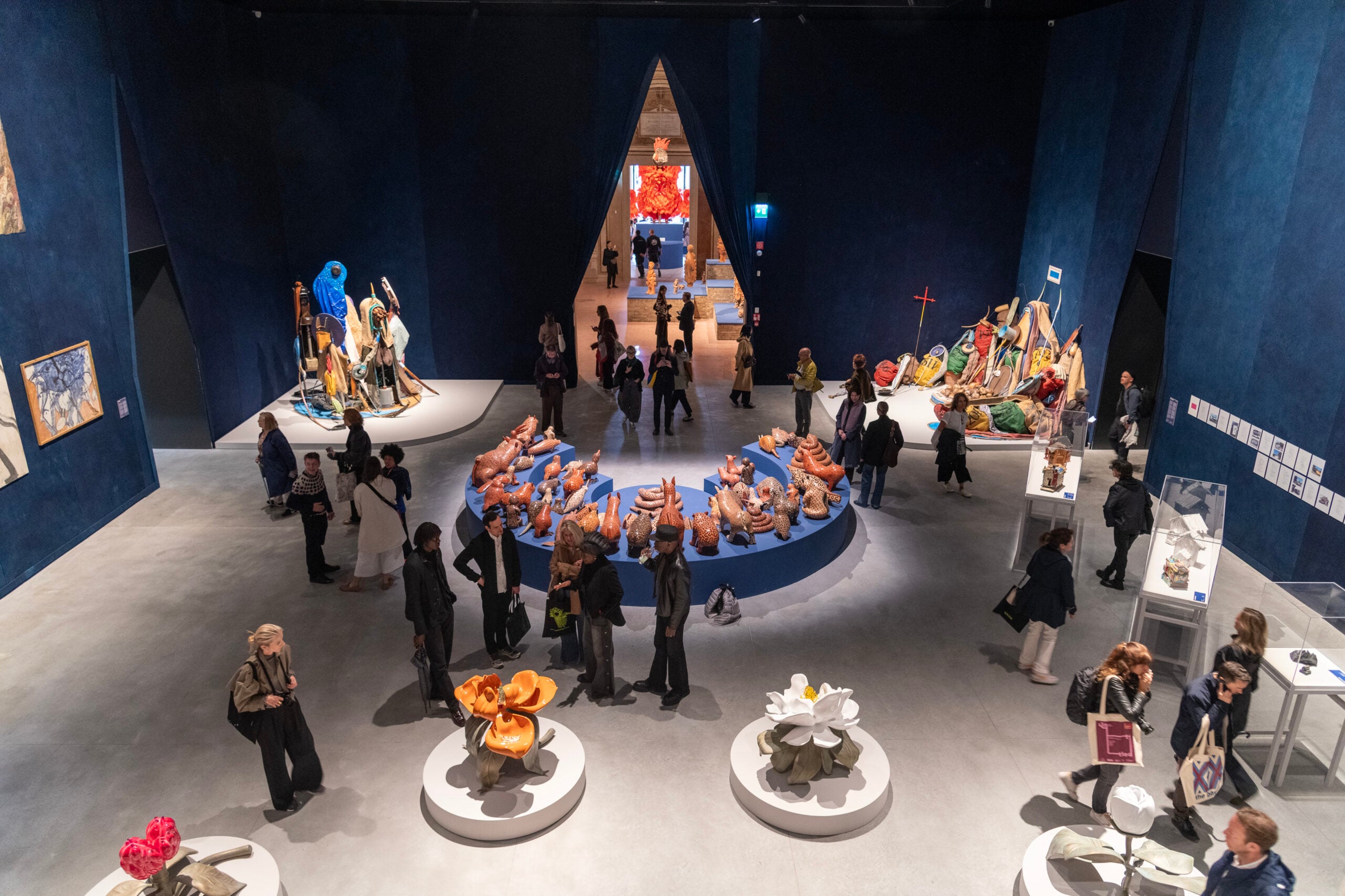
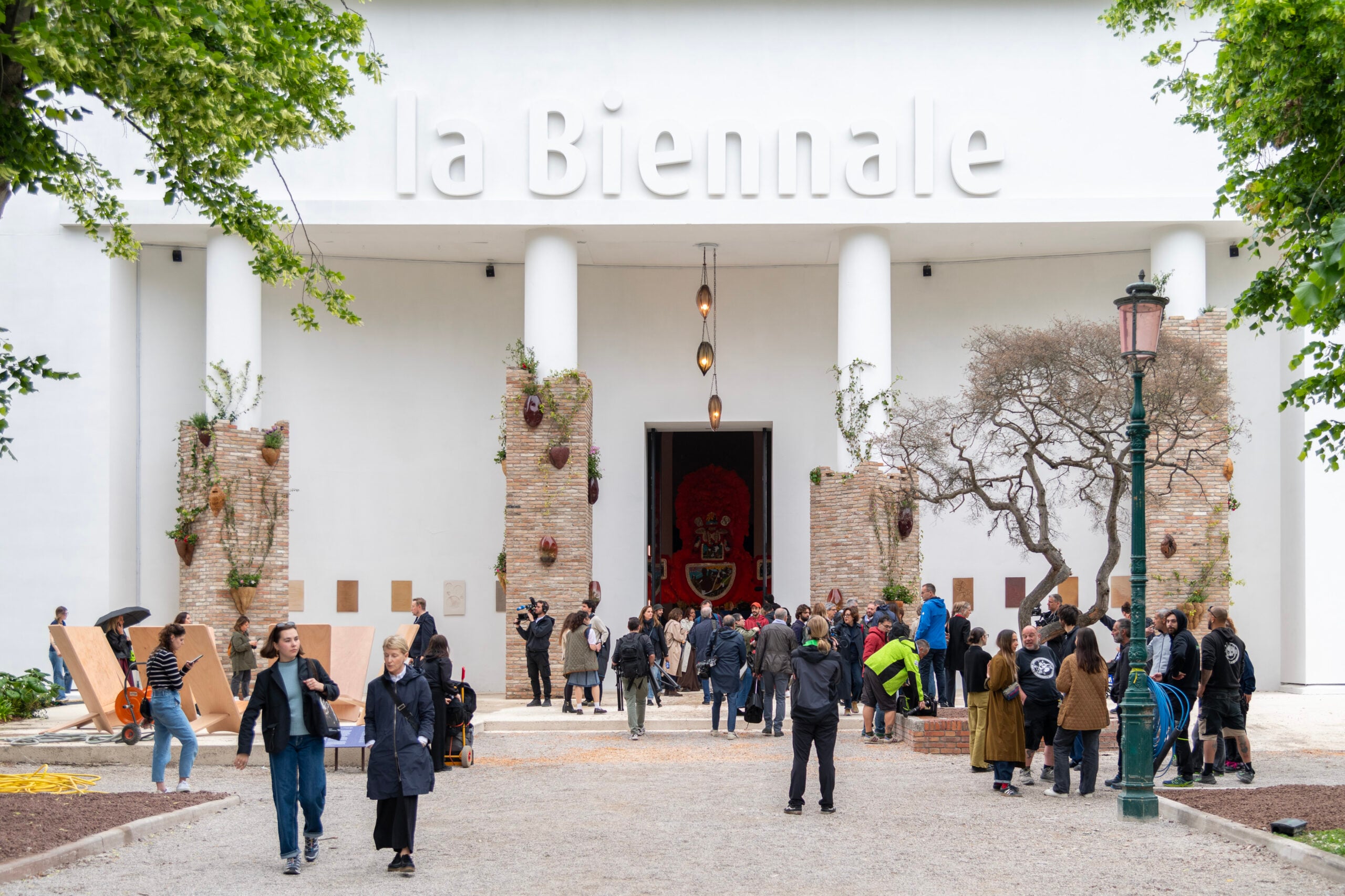
In Minor Keys A Cacophony At 61st Venice Biennale – Miranda Carroll

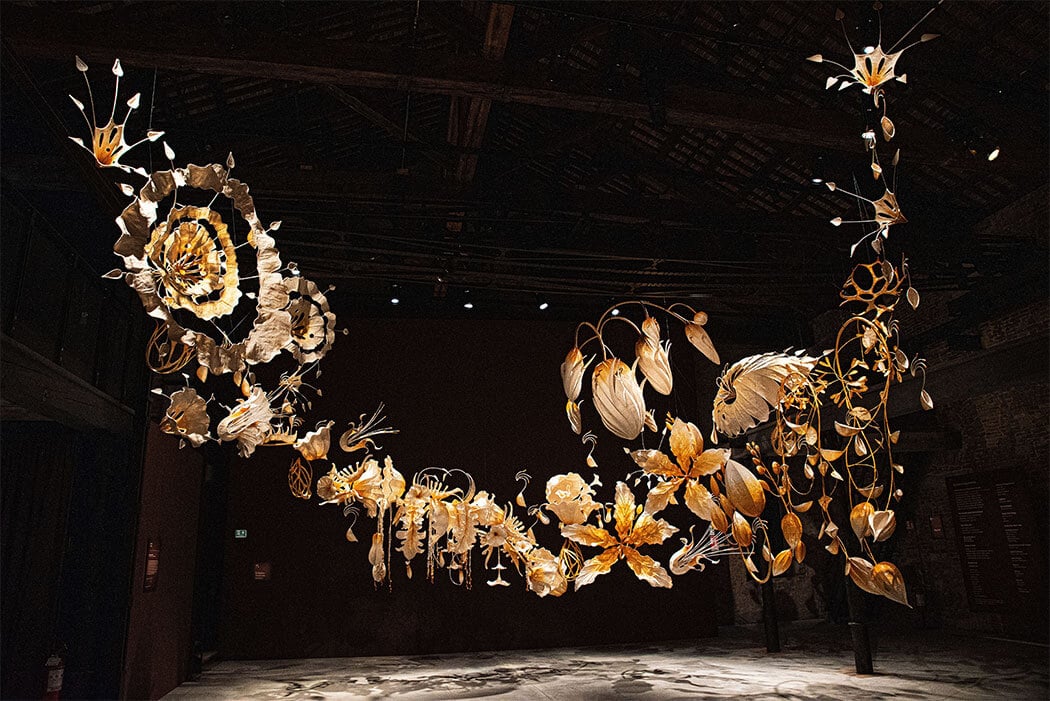
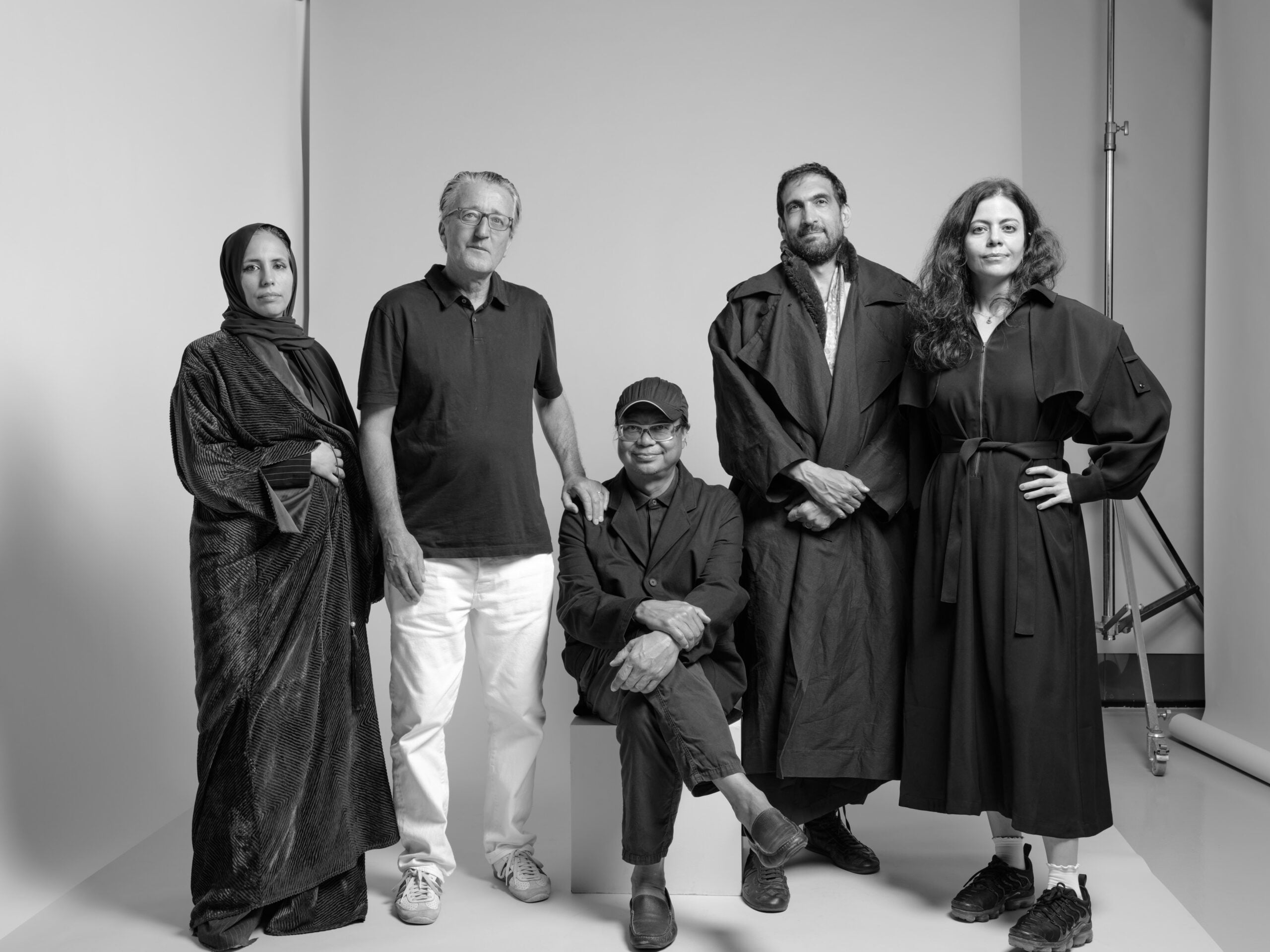
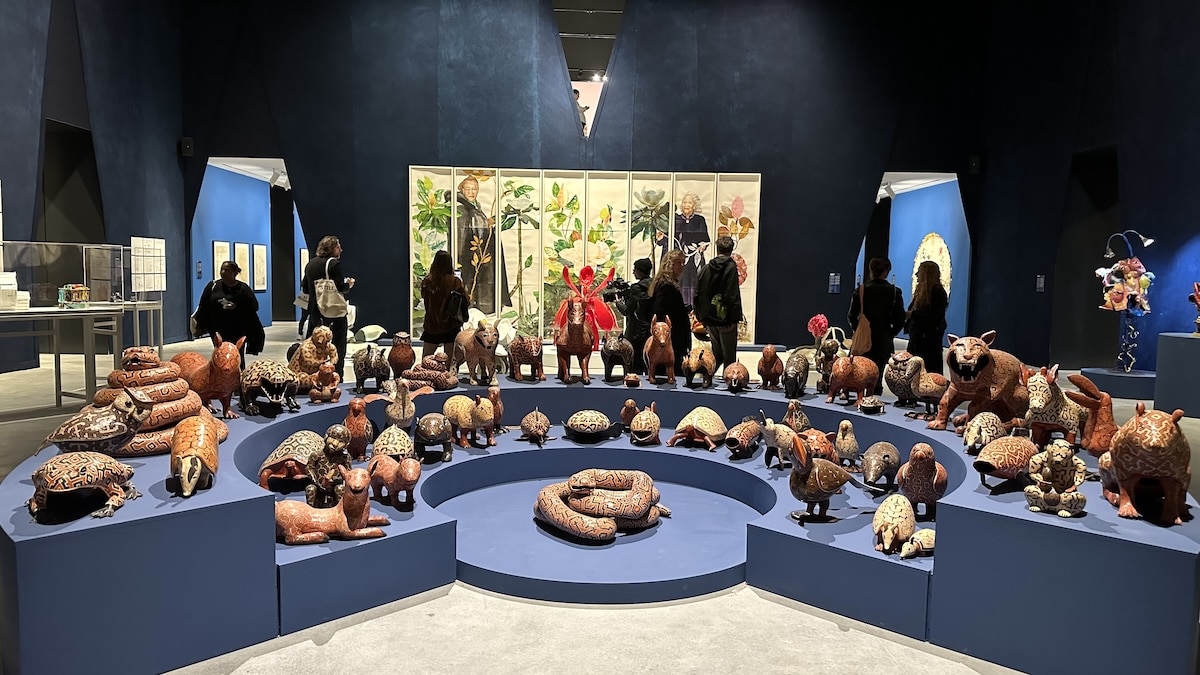
The 61st Venice Biennale, titled 'In Minor Keys,' opened with a central exhibition curated by the late Koyo Kouoh, who died in 2025. The show features 110 artists and collectives, realized by a team of five curators known as 'la squadra di Koyo.' The exhibition spans the Giardini and Arsenale venues, with works including Otobong Nkanga's living facade installation, Theo Eshetu's dying olive tree, and Nick Cave's vibrant sculptures. Poems and quotes by Refaat al-Areer, Etel Adnan, Toni Morrison, and Ben Okri punctuate the spaces, encouraging visitors to pause and reflect.
Pussy Riot slams Russia’s return to Venice Biennale

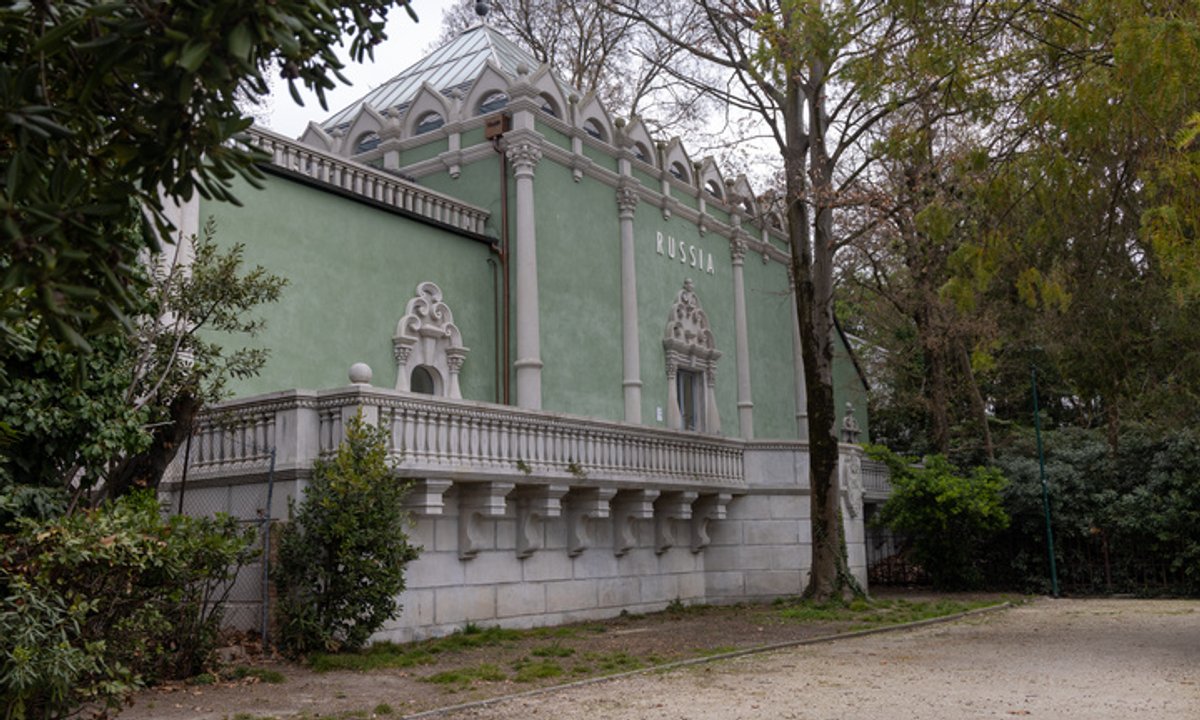
Russia is set to return to the Venice Biennale for the first time since the 2022 invasion of Ukraine, presenting a project titled "The tree is rooted in the sky" focused on folklore and multilingual cultures. The Russian pavilion, commissioned by Anastasia Karneeva and supported by Putin’s cultural envoy Mikhail Shvydkoy, will feature a filmed three-day festival. The Biennale organizers defended the inclusion, citing a policy of non-censorship for any country recognized by Italy that owns a pavilion in the Giardini.

LATIN AMERICAN ARTISTS AT THE BIENNALE DI VENEZIA 2026

The 61st Venice Biennale, titled 'In Minor Keys' and curated by the late Koyo Kouoh, will run from May to November 2026. The exhibition will feature 15 artists from Latin America, including Alvaro Barrington, Carolina Caycedo, Alfredo Jaar, and Guadalupe Maravilla, among others, who will present works across the Giardini, Arsenale, and other Venetian venues.

Artists Pay Tribute to Koyo Kouoh in Poetry Caravan at Venice Biennale

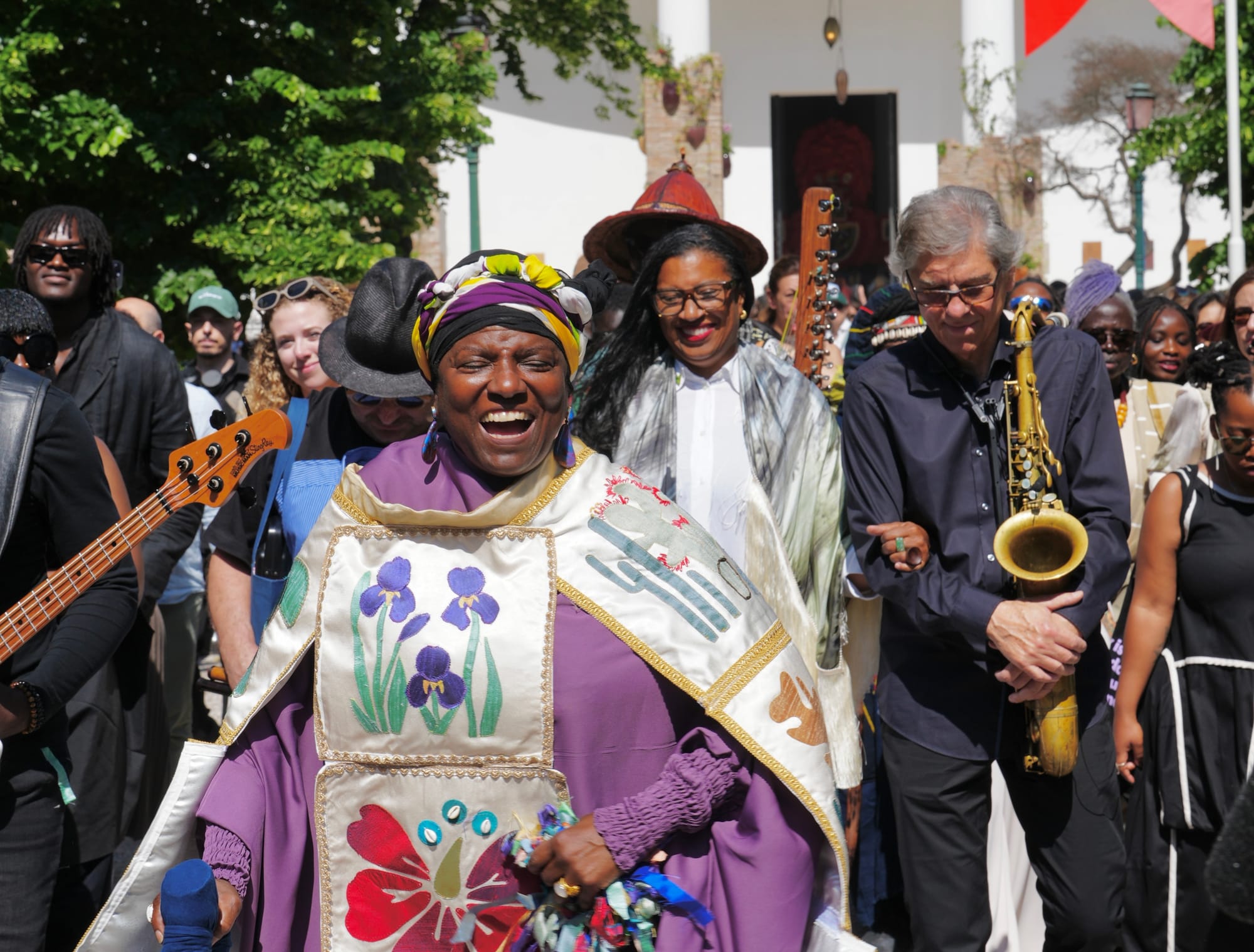
At the Venice Biennale on May 7, 2026, Cuban artist María Magdalena Campos-Pons led a poetry caravan across seven locations in the Giardini to honor Koyo Kouoh, the late curator of the Biennale's main exhibition "In Minor Keys," who died of cancer at age 57 in 2025. The procession, inspired by a 1999 voyage Kouoh took with nine African poets from Dakar to Timbuktu, featured performances by poets Natalie Diaz, Robin Coste Lewis, Batool Abu Akleen, and Anne Waldman, kora player Saliou Cissokho, and Kouoh's husband, Swiss saxophonist Philippe Mall, who played a composition dedicated to her. The event was organized by a team of Kouoh's assistants and advisers, including Marie Hélène Pereira, who served as stand-in lead of the 2026 Biennale.

Venice Biennale 2026: The Pavilions Not to Be Missed

Biennale de Venise 2026 : les pavillons à ne surtout pas manquer

The 61st Venice Biennale, curated by Koyo Kouoh as an invitation to slow down and reconnect with emotions, features a constellation of contemplative and powerful proposals across the city. Notable national pavilions include the Holy See transforming a monastic garden into an immersive sound experience by Soundwalk Collective, Canada exploring colonial heritage through giant water lilies by Abbas Akhavan, and Austria electrifying the Giardini with radical performances by Florentina Holzinger. Other highlights include Spain dissecting collective memory through postcards, Poland imagining new forms of language between human and underwater worlds, and India's pavilion exploring notions of home.

For the 61st Venice Biennale, a quest for beauty despite a troubled world

Pour la 61e Biennale de Venise, une quête de beauté malgré un monde troublé

Koyo Kouoh, the Swiss-Cameroonian curator who was set to become the first African woman to direct the Venice Biennale, died suddenly on May 10, 2025, at age 57, just weeks before the opening of the 61st edition she had conceived. Titled "In Minor Keys," the exhibition at the Giardini and Arsenale will proceed posthumously based on her detailed directives, featuring 111 artists including Laurie Anderson, Wangechi Mutu, and Kader Attia, with a focus on beauty, resilience, and radical emotional connection amid global turmoil.

Protests and Shutdowns Engulf 61st Venice Biennale Opening

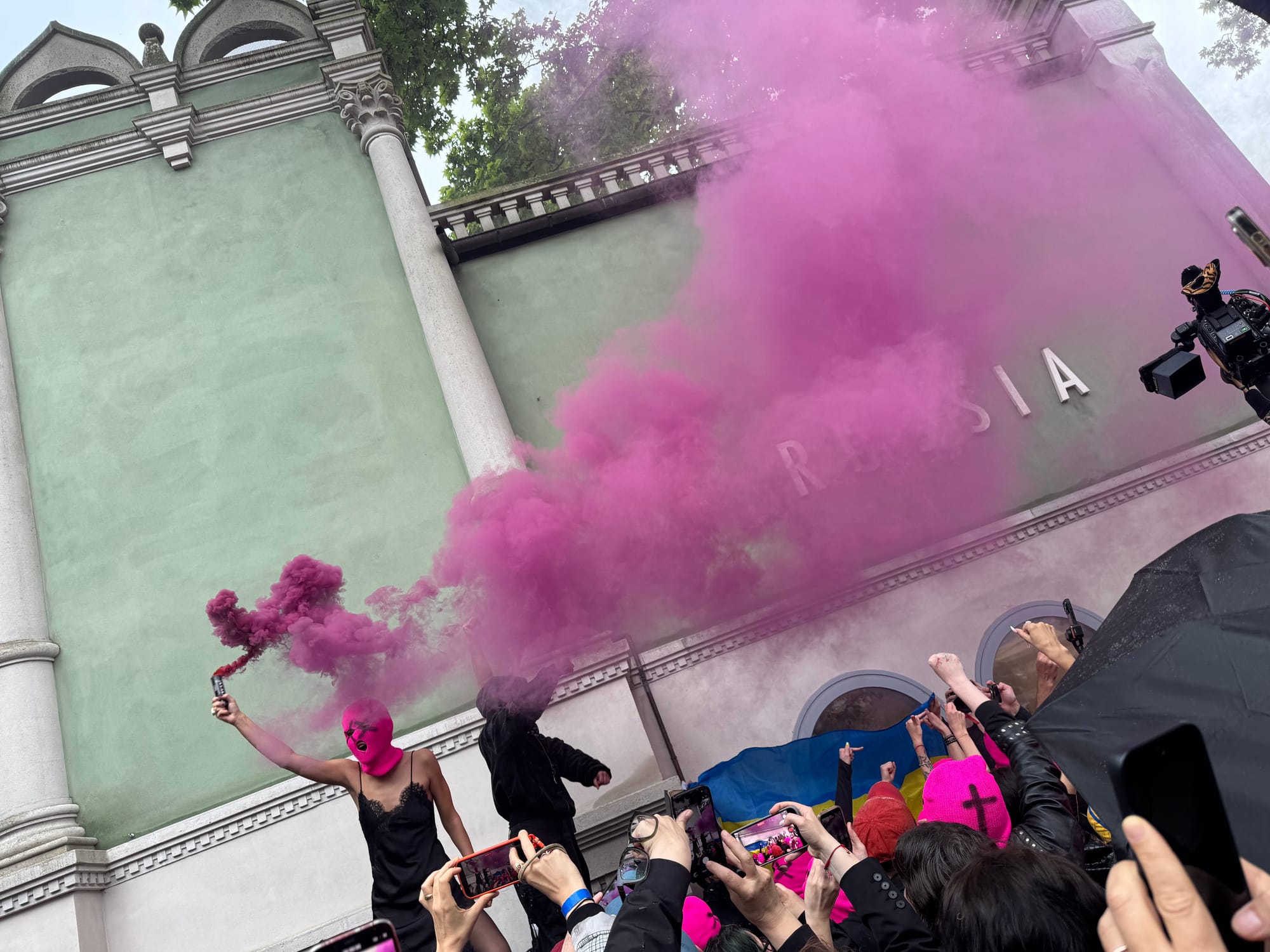
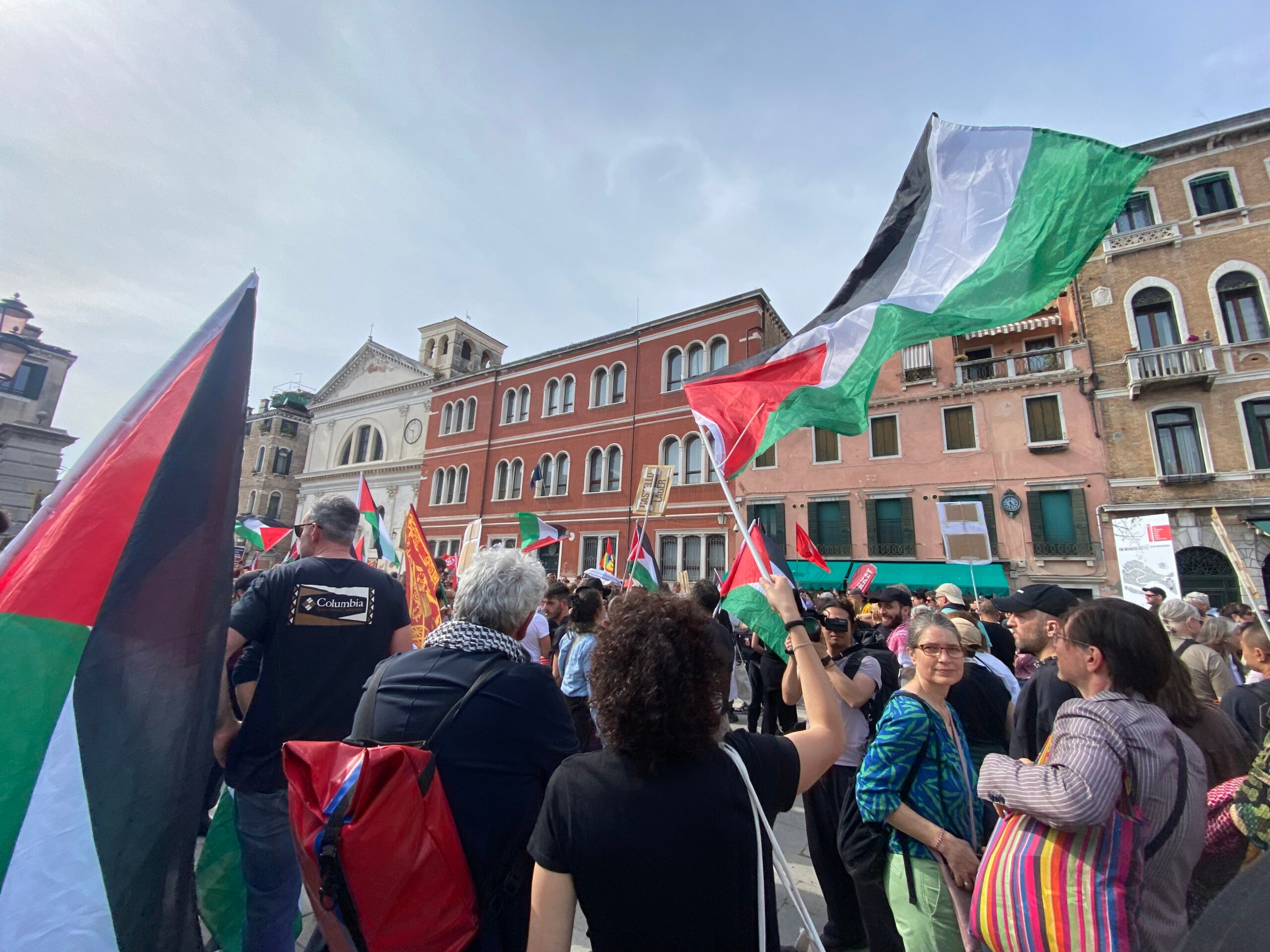
The 61st Venice Biennale preview week, opening to press and professionals ahead of its May 9 public launch, has been engulfed by protests and institutional crises. On May 5, around 60 artists from Koyo Kouoh's exhibition “In Minor Keys” staged a Solidarity Drone Chorus outside the Giardini, drawing on Gazan composer Ahmed Muin's Drone Song (2025) to highlight victims of warfare. On May 6, the Art Not Genocide Alliance (ANGA) organized protests outside Israel's pavilion at the Arsenale, leading to a security-enforced closure, while Pussy Riot and FEMEN demonstrated outside the Russian pavilion. The jury resigned on April 30 after controversy over award eligibility tied to ICC arrest warrants, prompting the Biennale to scrap Golden Lions and transfer prize voting to the public. Iran withdrew its pavilion on May 4, and Russia's will close on May 9, with only exterior video projections remaining. ANGA and Italian unions have announced a 24-hour strike on May 8.

Qatar Pavilion Announces Artists for 2026 Venice Biennale

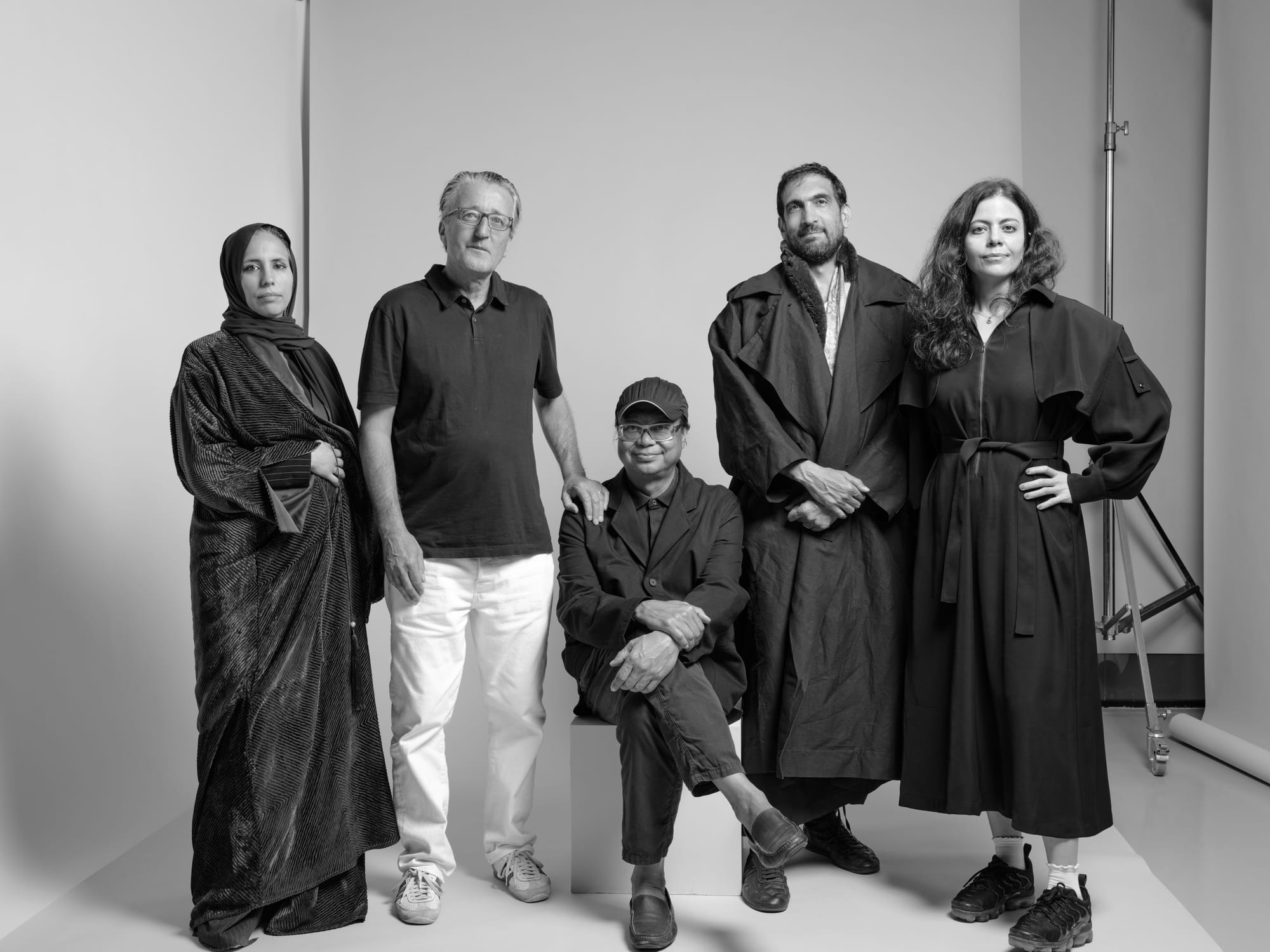
The Qatar Pavilion has unveiled its artist lineup and conceptual framework for the 61st Venice Biennale in 2026. Titled "untitled 2026 (a gathering of remarkable people)," the exhibition will feature a collaborative presentation centered around a tent-like structure designed by Rirkrit Tiravanija. The pavilion will include a film by Sophia Al-Maria, a large-scale sculpture by Alia Farid, sound performances by Tarek Atoui, and a culinary program curated by chef Fadi Kattan, all hosted within a temporary site in the Giardini designed by architect Lina Ghotmeh.

The Most Provocative Performance in Venice

Florentina Holzinger, a performance artist known for extreme feminist works involving nudity, bodily fluids, and physical endurance, is representing Austria at the 2026 Venice Biennale with a pavilion titled “Seaworld Venice.” Opening May 9, the installation transforms the Austrian Pavilion in the Giardini into an underwater theme park and a functioning sewage treatment plant, where audience urine collected from portable toilets is cleaned and recycled into the tanks. The work explores themes of the human body, ecology, and Venice’s own struggles with sinking infrastructure and mass tourism.

Gabrielle Goliath Discusses Her Canceled South African Pavilion as She Shows New Work in a Venice Church

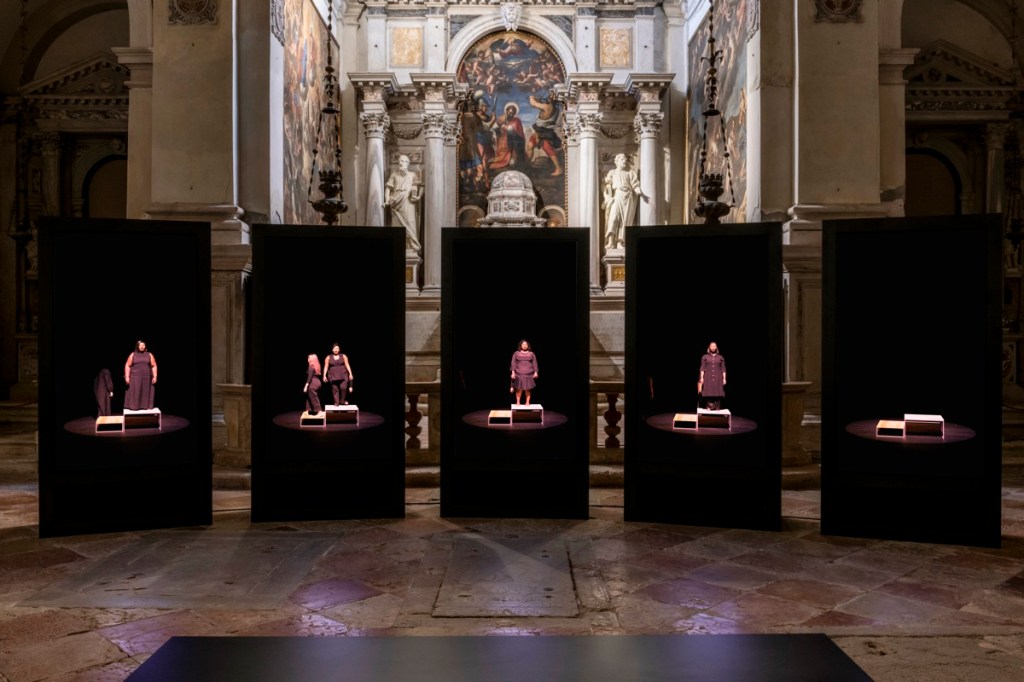
South African artist Gabrielle Goliath’s planned pavilion for the South Africa Pavilion at the Venice Biennale was canceled by culture minister Gayton McKenzie, who deemed it “highly divisive.” Despite the cancellation, Goliath has installed her work, a multi-screen iteration of her ongoing performance series *Elegy*, at the Chiesa di Sant’Antonin, half a mile from the Giardini. The new piece mourns victims of atrocities including South African femicide, the Herero and Nama genocide, and the death of Gazan poet Hiba Abu Nada, killed by an Israeli airstrike. Goliath stated that McKenzie explicitly demanded removal of the Palestinian content while deeming the other subjects acceptable.

Dozens of Venice Biennale Artists Stage ‘Drone’ Perfomance in Protest of Israel’s Participation

On the opening day of the Venice Biennale, around 60 artists and dozens of other participants staged a protest titled “Solidarity Drone Chorus” at the Giardini entrance, humming a viral song by Gazan composer Ahmed “Muin” Abu Amsha to sonically occupy the space. The action, organized by artists in the main exhibition over several months, protested Israel’s participation in the Biennale and expressed support for Palestine, with participants wearing T-shirts bearing the names and artworks of Gazan and Palestinian artists, many of whom have been killed. The protest follows an open letter from the Art Not Genocide Alliance demanding Israel’s exclusion.

israel pavilion venice biennale belu simion fainaru protest

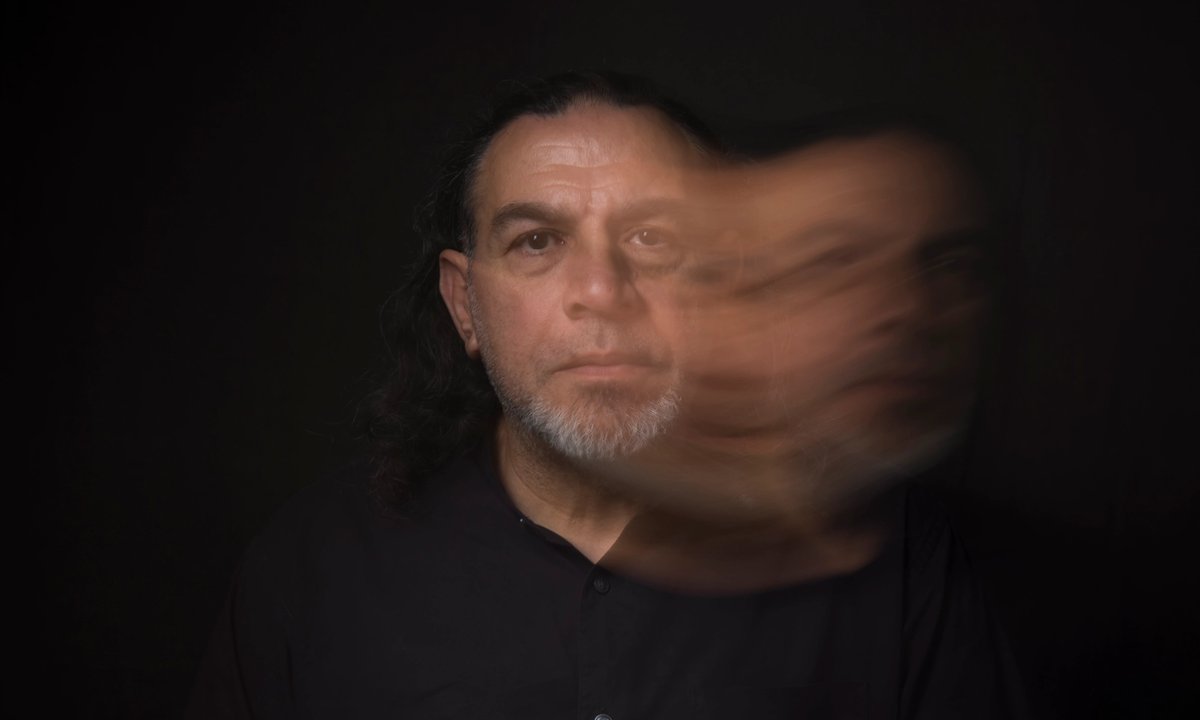
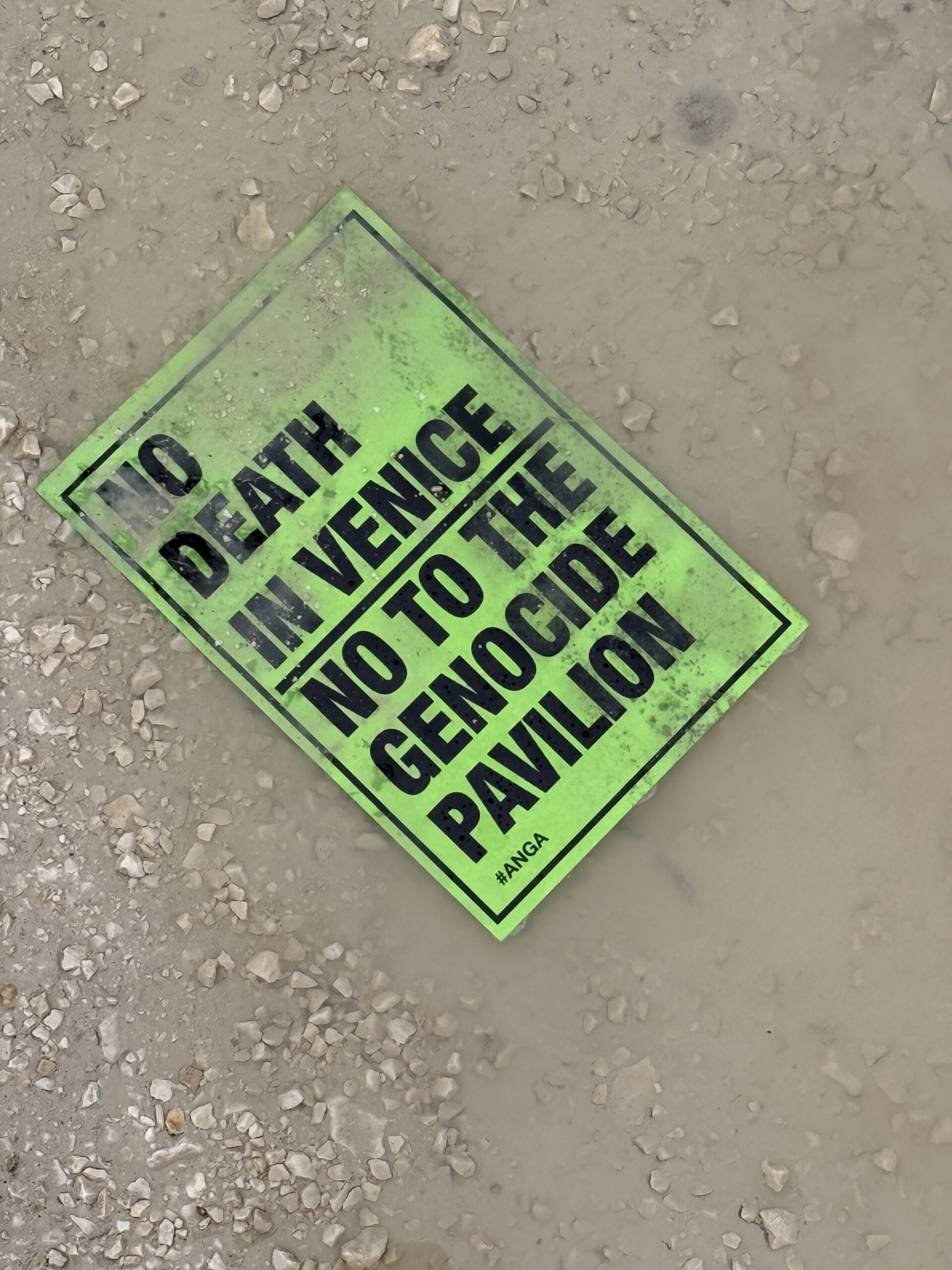
Israel will officially participate in the 2026 Venice Biennale, two years after its pavilion closed amid protests. The pavilion will be located in the Arsenale rather than its usual Giardini site, which is under construction. Representing Israel is sculptor Belu-Simion Fainaru, a Haifa-based artist and Israel Prize winner, who previously represented Romania at the 2019 Biennale. His pavilion, titled "Rose of Nothingness," will feature an installation about water inspired by poet Paul Celan's concept of black milk, with 16 pipes dripping black water into a pool. The pavilion is curated by Sorin Heller and Avital Bar-Shay. However, the Art Not Genocide Alliance (ANGA) has renewed its protest, calling the pavilion the "Genocide Pavilion" on Instagram and demanding Israel's exclusion from the Biennale.

Dries Verhoeven on Representing the Netherlands at the 61st Venice Biennale

Dries Verhoeven will represent the Netherlands at the 61st Venice Biennale (2026) with a new work titled *The Fortress*, installed in the Dutch Rietveld Pavilion in the Giardini. The 25-minute performance piece transforms the sunlit pavilion into a darkened bunker, featuring a raw vocal composition using only false vocal cords. Verhoeven describes the work as a meditation on transition and self-preservation, reflecting a Western society caught between its enlightened self-image and a dark vision of the future. The piece responds to geopolitical unrest outside the Biennale grounds and is designed to be melancholic and confrontational, contrasting with the main exhibition's theme, *In Minor Keys*.

Miet Warlop on Representing Belgium at the 61st Venice Biennale

Miet Warlop, the artist representing Belgium at the 61st Venice Biennale (2026), discusses her plans for the Belgian Pavilion in the Giardini in an interview with ArtReview. Her installation, inspired by the Belgian motto 'L'union fait la force' ('unity makes strength'), aims to create a space between a workspace, exhibition, and performance that brings people together in introspection. She cites time spent with Venice's artistic communities, including students at the Accademia, as influential, and notes that her work engages with the Biennale's theme 'In Minor Keys' by incorporating minor-key music to evoke nuanced, introspective emotions.

Margaret Whyte on Representing Uruguay at the 61st Venice Biennale

Margaret Whyte, an artist from Uruguay, is set to represent her country at the 61st Venice Biennale in 2026, with her pavilion located in the Giardini. In an interview with ArtReview, Whyte discusses her exhibition, which builds on her earlier show "Tiempo de Escuchar" at the National Museum of Visual Arts in Uruguay, curated by Patricia Bentancur. Her work is inspired by Nassim N. Taleb's book "Antifragile" (2012), exploring themes of chaos, uncertainty, and resilience. She sees her antifragile approach as complementary to the Biennale's theme, "In Minor Keys," curated by Koyo Kouoh, emphasizing emotional depth, silence, and healing.

Fondazione Bvlgari Bets on the Venice Biennale: Beyond the Pavilion in the Giardini, an Exhibition at the Biblioteca Marciana

Fondazione Bvlgari scommette sulla Biennale di Venezia: oltre al padiglione ai Giardini, una mostra alla Biblioteca Marciana

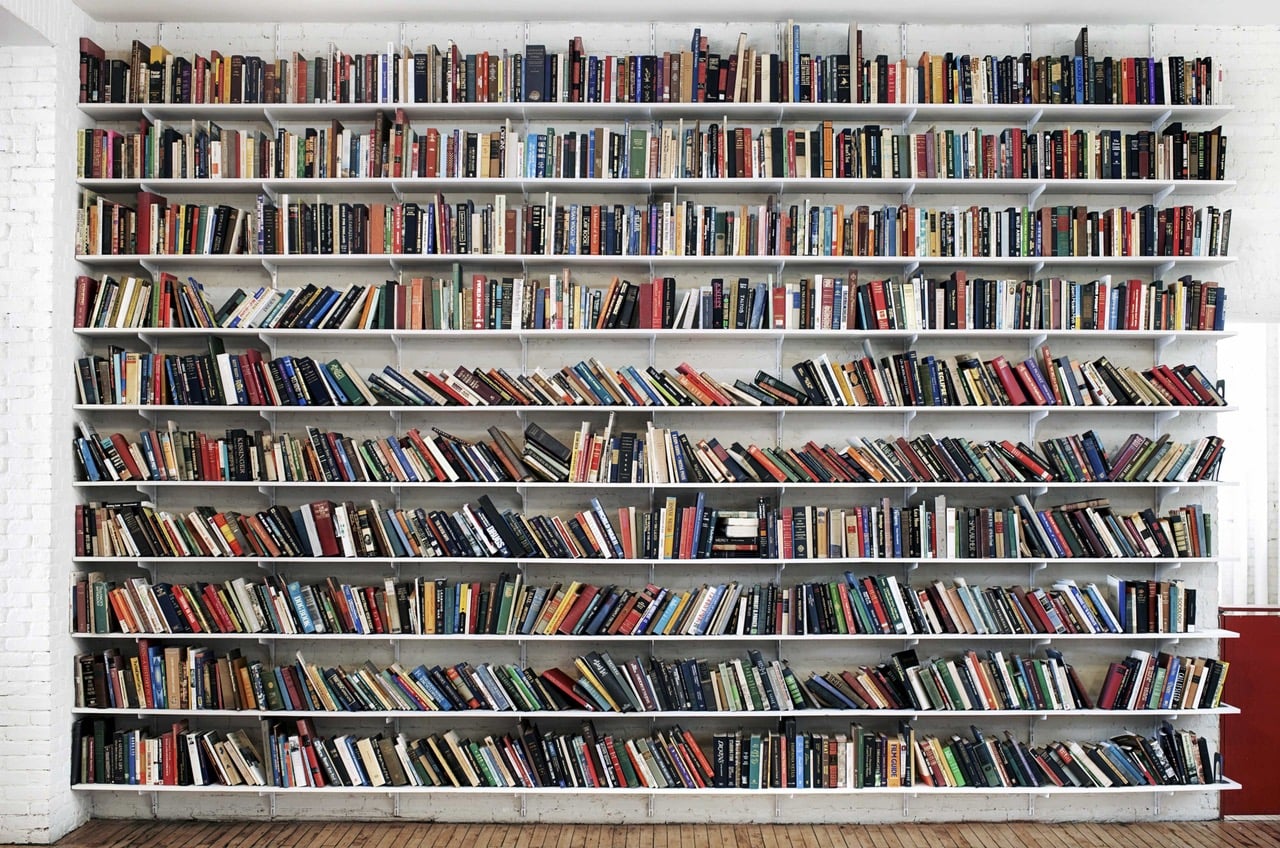
Fondazione Bvlgari is making its debut at the Venice Biennale with a collateral exhibition at the Biblioteca Nazionale Marciana, featuring site-specific works by Monia Ben Hamouda and Lara Favaretto. The show runs from May 9 to November 22, 2025, alongside the 61st International Art Exhibition. Ben Hamouda presents 'Fragments of Fire Worship,' neon sculptures in the Vestibule that explore language and cultural heritage, while Favaretto installs the final edition of 'Momentary Monument – The Library' in the Salone Sansovino, inviting public consultation of donated books. Additionally, Bvlgari has a pavilion in the Giardini featuring Canadian artist Lotus L. Kang, as part of a three-edition partnership with the Biennale through 2030.

The Ukrainian Pavilion’s Deer Seen Around the World

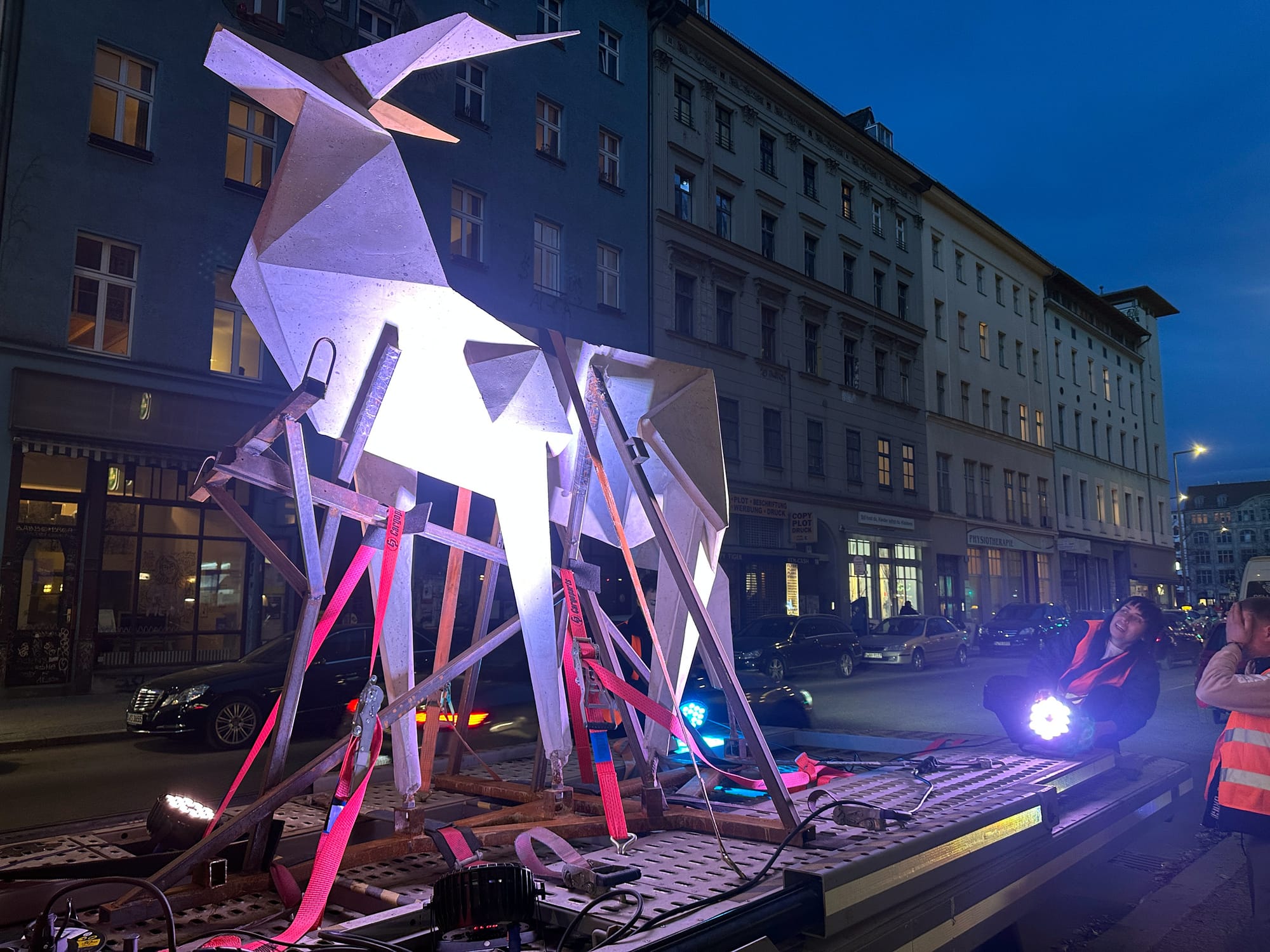
Zhanna Kadyrova's concrete sculpture "The Origami Deer" (2019) is prominently displayed at the entrance to the Giardini during the 61st Venice Biennale, part of her project "Security Guarantees" in the Ukrainian Pavilion. Originally installed in Pokrovsk, eastern Ukraine, the work was removed in 2024 as Russian forces advanced, then traveled through Vienna, Warsaw, Prague, Berlin, and Paris before reaching Venice—a journey mirroring the displacement of millions of Ukrainians. The sculpture, shaped like a deer and evoking folded paper, references the 1994 Budapest Memorandum, in which Russia, the UK, and US guaranteed Ukraine's security in exchange for its nuclear disarmament—guarantees that proved worthless after Russia's invasions.

Bvlgari enters the inner circle of the Venice Biennale

Bvlgari has become the first Exclusive Partner of La Biennale di Venezia, a landmark agreement that extends through 2030. The Roman jeweler will inaugurate its role at the 2026 Venice Biennale with two major initiatives: a newly created Bvlgari Pavilion at the Giardini featuring Canadian artist Lotus L. Kang, and an exhibition at the Biblioteca Nazionale Marciana curated by Fondazione Bvlgari, presenting works by Italian artists Lara Favaretto and Monia Ben Hamouda.

Biennale Arte 2026: In Minor Keys

The 61st Venice Biennale, titled 'In Minor Keys,' will proceed as a posthumous tribute to its late Artistic Director, Koyo Kouoh, who passed away in May 2025. Before her death, Kouoh had already finalized the curatorial framework, artist selection, and exhibition architecture during a pivotal meeting at her RAW Material Company in Dakar. The exhibition is scheduled to run from May 9 to November 22, 2026, across the Giardini, Arsenale, and various Venetian venues.

At the 2026 Venice Biennale, pavilions shut down for pro-Palestine strike. The map of protests

Alla Biennale di Venezia 2026 serrata dei padiglioni per sciopero pro Palestina. La mappa delle proteste

On May 8, 2026, the third VIP preview day of the 61st Venice Biennale, a massive strike shut down numerous national pavilions and disrupted the exhibition. Led by the Art Not Genocide Alliance (Anga), the protest demands Israel's exclusion from the Biennale over allegations of genocide in Palestine, and also targets poor labor conditions in the cultural sector. Pavilions closed one after another due to staff shortages, and protest posters appeared around artworks at the Giardini and Arsenale. The strike involved the Biennale Foundation itself, along with about twenty contractors managing services and national pavilions, with unions Adl Cobas, USB Lavoro privato, and Cub supporting the action. Tensions rose when the UK Pavilion reportedly replaced striking staff to remain open, and the Foundation issued a statement falsely denying that its employees were covered by the strike.

The 2026 Venice Biennale is light and conscious

Quella del 2026 è una Biennale di Venezia leggera e consapevole

The 2026 Venice Biennale, titled "In Minor Keys" and curated by the late Koyo Kouoh, has opened with a focus on ecology and humanity's relationship with nature. The central pavilion at the Giardini presents a festive, craft-heavy exhibition that emphasizes connections with plants and animals, while the Arsenale offers a more spacious, symphonic experience featuring standout works such as Alfredo Jaar's "End of the World" (2023-2024) and Kader Attia's "Whisper of Traces" (2026). National pavilions, including those of Austria, Denmark, France, Germany, and Spain, explore themes of the body, memory, and ruin with notable installations.

What is the international exhibition of the Venice Biennale like? Review of "In minor keys" by Koyo Kouoh

Com’è la mostra internazionale della Biennale di Venezia? Recensione di “In minor keys” di Koyo Kouoh

The 2026 Venice Biennale, titled "In minor keys" and curated by the late Koyo Kouoh, opens to the public on May 9 amid controversies including the absence of the president's name in the colophon at the Arsenale entrance. The exhibition, organized by Kouoh's team (Rory Tsapayi, Siddharta Mitter, Marie Helene Pereira, Gabe Beckhurst Feijoo, and Rasha Salty), unfolds across the Giardini and the Arsenale's Corderie, featuring works that balance strength and beauty with a harmonious mix of voices and themes. The Giardini section is particularly compelling, with a non-linear, polycentric layout that feels like a living organism, while the Arsenale offers further depth.

Qatar's Pavilion at the Venice Biennale Is Not Yet Built. But It Takes Shape Under a Tent in the Giardini with a Rich Cultural Program

Il Padiglione del Qatar alla Biennale di Venezia ancora non c’è. Ma prende forma sotto una tenda ai Giardini con un ricco programma culturale

Qatar's national pavilion at the Venice Biennale, designed by architect Lina Ghotmeh, is still under construction in the Giardini. For the 2026 Venice Art Biennale, Qatar Museums and Rubaiya Qatar have commissioned artist Rirkrit Tiravanija to present "Untitled 2026 (a gathering of remarkable people)" under a tent structure on the site. The project, curated by Tom Eccles and Ruba Katrib, will feature a film by Sophia Al-Maria, live performances by Tarek Atoui, a culinary program by chef Fadi Kattan, and a large-scale sculpture by Alia Farid, bringing together artists, musicians, and chefs from the Arab world.

Italian culture minister will not attend opening of Venice Biennale

Italian culture minister Alessandro Giuli has announced he will not attend the opening of the Venice Biennale next week, protesting Russia's involvement in the exhibition. Russia, which has a permanent pavilion in the Giardini, has been absent from the Biennale since 2022 but is returning this year, sparking widespread criticism. The European Union recently cut its €2 million grant to the Biennale following Russia's return, and Golden and Silver Lion jurors have stated they will not consider pavilions from countries whose leaders are charged with crimes against humanity by the International Criminal Court, effectively excluding Russia.

France reopens its historic pavilion at the 2026 Venice Art Biennale after restorations with artist Yto Barrada

La Francia riapre il suo storico padiglione alla Biennale Arte 2026 dopo i restauri con l’artista Yto Barrada

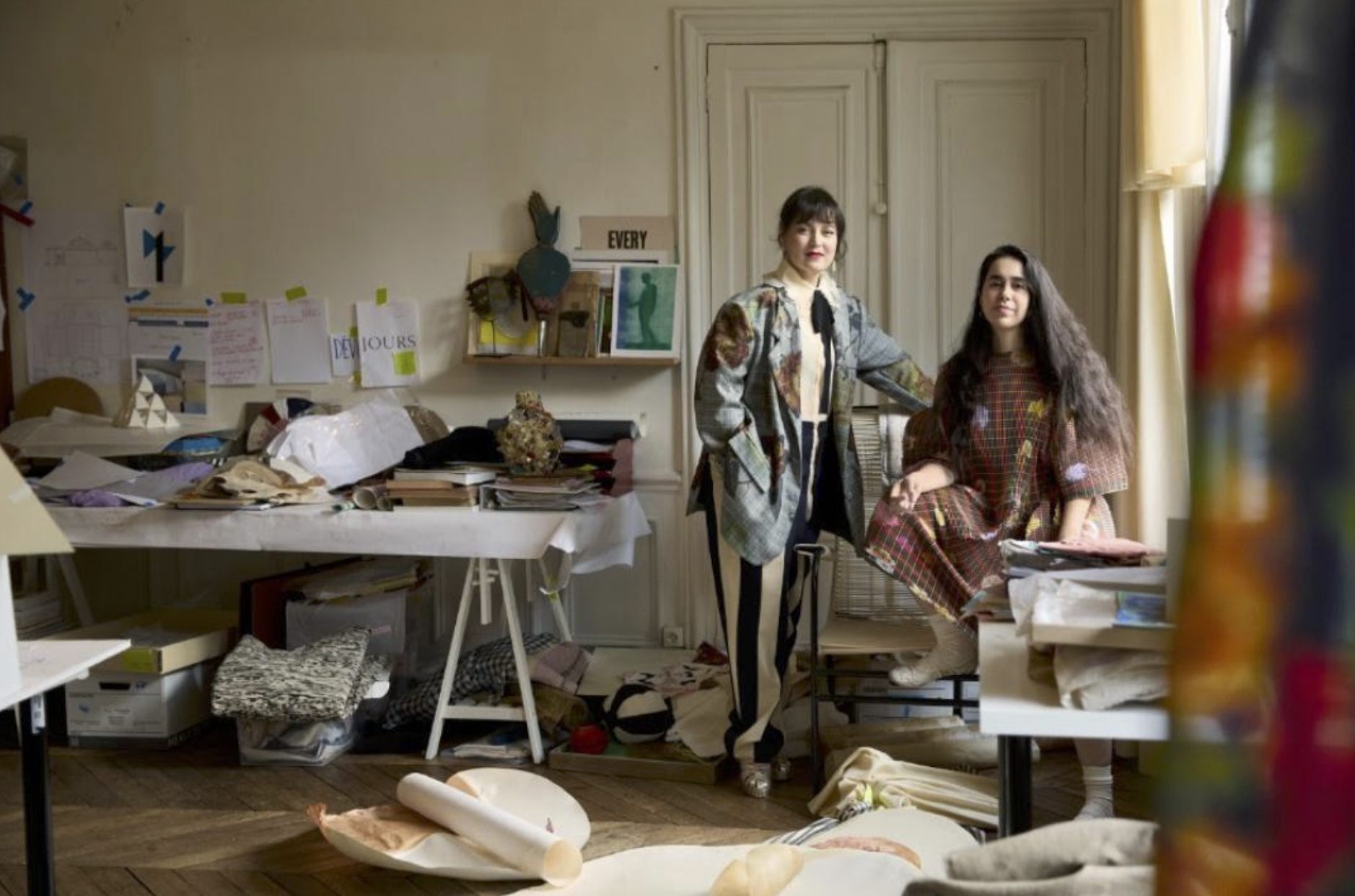
France will reopen its historic pavilion at the 61st Venice Biennale (May 9–November 22, 2026) after restoration, with Franco-Moroccan artist Yto Barrada (b. 1971) presenting the immersive textile-based project "Comme Saturne," curated by Myriam Ben Salah. The exhibition uses the "dévoré" technique—acid selectively corrodes fabric—as a metaphor for destruction and creation, featuring a goat-skin kite, a Room of Folds with wool drapery that fades in natural light, a Laboratory inspired by Saturnalia, and a Study Room linked to Barrada's garden of dye plants in Tangier, culminating in the Room of the Devoured where chemically attacked material fragments into an aesthetic of wear and formlessness.

Khaled Sabsabi—who had his Australia Pavilion cancelled and reinstated—will also exhibit in main Venice Biennale show

Khaled Sabsabi has achieved a historic milestone as the first Australian artist to be selected for both a national pavilion and the Venice Biennale’s main international exhibition. After a tumultuous period in which his appointment to the Australia Pavilion was cancelled and then reinstated following political controversy, Sabsabi will now present his work 'conference of one’s self' in the Giardini alongside a separate contribution to the central show. Both projects are deeply rooted in Tasawwuf (Sufism) and themes of spiritual enlightenment and communal unity.

Venice Biennale Opens Amid Strikes, Protests and Institutional Rupture.

The 61st Venice Biennale opened in May 2026 amid strikes, protests, and political unrest, rather than celebration. Coordinated by Italian labor groups and transnational coalitions, demonstrators targeted the Biennale's decision to allow participation by Israel and Russia during the ongoing wars in Gaza and Ukraine. The Art Not Genocide Alliance (ANGA) led protests against Israel's participation, while Pussy Riot and FEMEN activists staged a protest outside the Russian pavilion. The Israeli pavilion's relocation from the Giardini to the Arsenale added symbolic weight, with critics viewing it as institutional endorsement. The late curator Koyo Kouoh's vision for the exhibition, titled "In Minor Keys," emphasized tenderness and complexity, contrasting with the volatile atmosphere.

In Minor Keys: The 61st Biennale di Arte Venezia Opens Under Koyo Kouoh (1967–2025).

The 61st Biennale di Arte Venezia opens under the posthumous curatorial vision of Koyo Kouoh (1967–2025), the late Cameroonian-born curator who reshaped contemporary African and diasporic art discourse. The central exhibition, spanning the Giardini and Arsenale, features 111 participants including artists, collectives, and artist-led organizations from across the Global South, with works in textiles, film, sculpture, and performance that interrogate colonialism, migration, and ecological repair. The Biennale is also marked by a pronounced presence of African and diasporic narratives across national pavilions, including several first-time pavilions from the African continent.

lisbeth sachs switzerland pavilion venice architecture biennale

The Swiss Pavilion at the 2025 Venice Architecture Biennale pays tribute to Lisbeth Sachs (1914–2002), one of Switzerland's first licensed women architects, by recreating her 1958 kunsthalle design inside the pavilion originally built by Bruno Giacometti. The exhibition, titled "Endgültige Form wird von der Architektin am Bau bestimmt," is curated by an all-woman team—Elena Chiavi, Kathrin Füglister, Amy Perkins, Axelle Stiefel, and Myriam Uzor—and resurrects a structure Sachs built for the 1958 Swiss Exhibition for Women's Work (SAFFA) in Zürich, of which almost no trace remains today.

Endre Koronczi on Representing Hungary at the 61st Venice Biennale

Endre Koronczi, the artist representing Hungary at the 61st Venice Biennale (2026), discusses his upcoming exhibition in the Giardini pavilion. His project, titled "Pneuma Cosmic," explores the movement of air as both a physical and metaphysical phenomenon, drawing on decades of research into invisible forces like wind and breath. The exhibition also references his long-term experimental zone, Ploubuter Park, inspired by drifting plastic bags. Koronczi notes a strong resonance with the Biennale's curatorial theme, "In Minor Keys" by Koyo Kouoh, describing it as a "cosmic zeitgeist."