filter_list Showing 2462 results for "DIS" close Clear
search
dashboard All 2462 museum exhibitions 1355article local 355article news 233article culture 177trending_up market 94rate_review review 67person people 65article policy 43candle obituary 37gavel restitution 34article gallery 1article event 1
date_range Range Today This Week This Month All
Subscribe

Martin Schongauer en toute majesté

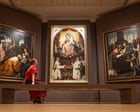
The Louvre Museum in Paris has opened a major retrospective dedicated to Martin Schongauer (c. 1445–1491), the German engraver and painter from Colmar, bringing together a large portion of his known works. The exhibition features around one hundred pieces, including fifty engravings, five of his rare drawings, and nearly all of his attributed paintings—such as the "Virgin and Child at the Window" (c. 1480) from the Getty Museum and the "Orlier Altarpiece" (c. 1470–1475) from the Musée Unterlinden. The centerpiece is Schongauer's "Virgin of the Rose Bush" (1473), displayed at low height to reveal its botanical precision. Co-curated by Pantxika Béguerie De Paepe and Hélène Grollemund, the show also highlights Schongauer's influence on contemporaries and later artists through comparative works by Rogier van der Weyden and others.
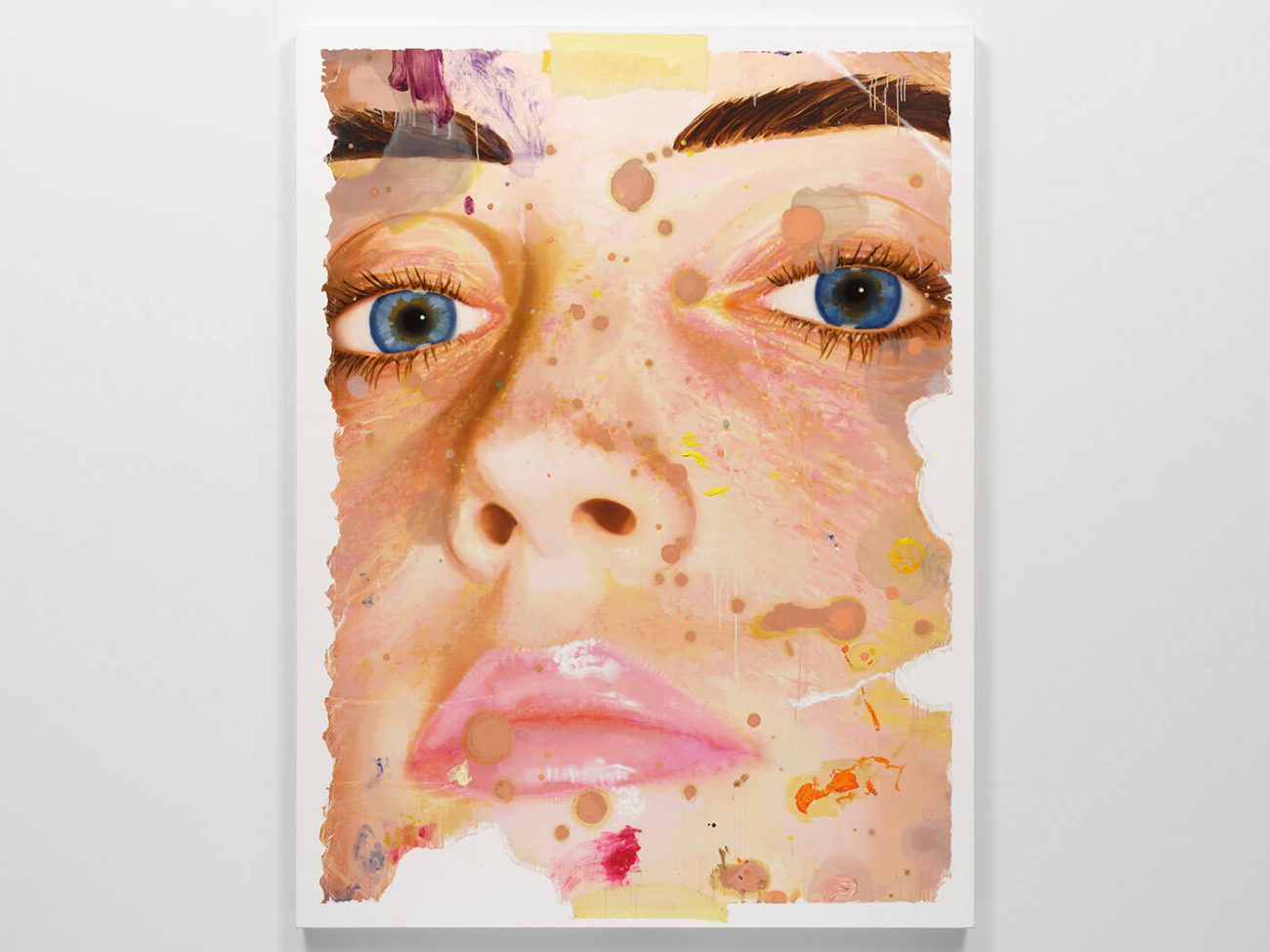
À Nîmes, la peinture sans entrave de Tursic & Mille envahit le Carré d’art

The article covers the retrospective exhibition of French artist duo Ida Tursic and Wilfried Mille at the Carré d'art in Nîmes. Titled "Dissonances à géométries variables," the show traces their career from student works at the École nationale supérieure d'art de Dijon to recent paintings, featuring a critical, humorous, and materially rich approach to figurative painting. The duo draws from press images, internet sources, art history, and archives, disrupting reproductions with paint splatters and odd details, and the exhibition is organized thematically from "happiness" to "melancholy."

Beyond the Sagrada Família: These 6 Surprising Places in Barcelona Reveal a Lesser-Known Gaudí

Au-delà de la Sagrada Família, ces 6 lieux étonnants à Barcelone qui révèlent un Gaudí méconnu

Beaux Arts Magazine highlights six lesser-known architectural works by Antoni Gaudí in Barcelona, beyond his famous Sagrada Família. The article features Casa Vicens (1883–1885), his first private commission; Torre Bellesguard (1900–1909), a medieval-inspired tower with panoramic views; Casa Calvet (1897), a residential building with textile-themed details; and the Finca Güell and Palau Güell, experimental projects for his patron Eusebi Güell. These sites showcase Gaudí's organic style, fusion of nature and architecture, and influences from Japanese, Arabic, and Catalan Gothic traditions, with several recently opened to the public.

Centenary of Elizabeth II: Two colossal statues of the queen to be erected in London's St James's Park

Centenaire d’Elizabeth II : deux statues colossales de la reine seront érigées à Londres, dans St James’s Park

London has unveiled the final design and models for a colossal memorial to Queen Elizabeth II in St James's Park, to be completed by 2028. The centerpiece is a seven-meter bronze statue of the queen at age 28, inspired by a Pietro Annigoni portrait and created by sculptor Martin Jennings. It will be accompanied by a statue of Prince Philip by Jennings and a second, more intimate statue of the queen in old age by Karen Newman. The project marks the centenary of Elizabeth II's birth (1926–2022) and is designed by Foster + Partners. Models are on display at the British Museum until June 21.

Ittai Gradel, Whistleblower in British Museum Gem Theft, Dies at 61

Ittai Gradel, the Israel-born Danish gem expert who alerted the British Museum to the theft of thousands of antiquities from its collection after discovering them for sale on eBay, died on April 28 of renal cancer at age 61. Days before his death, British Museum officials visited him in hospice and presented him with a rarely awarded medal for his service. Gradel first warned deputy director Jonathan Williams in 2021 that artifacts were being sold online, identified veteran curator Peter Higgs as the culprit, and provided detailed evidence. After the museum failed to act, Gradel contacted then-director Hartwig Fischer; two years later, Higgs was fired, and Fischer and Williams left the institution amid the scandal.

Final proposals for Billie Holiday monument in New York City revealed

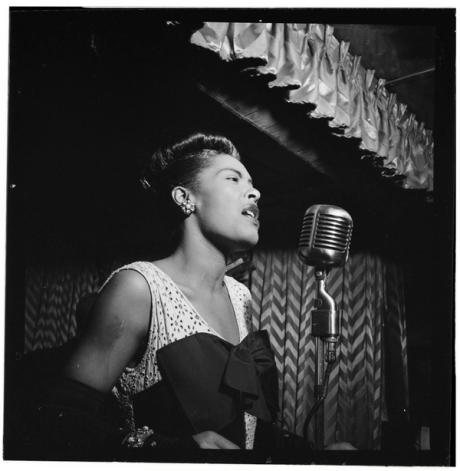
The New York City Department of Cultural Affairs has selected six finalist proposals for a monument to jazz singer Billie Holiday in Queens, where she once lived and performed. The finalists—all Black artists from around the world—include Tavares Strachan, La Vaughn Belle, Tanda Francis, Nikesha Breeze, Thomas J Price, and Nekisha Durrett. Their designs range from realistic to abstract, with some focusing on Holiday's expressive face, her signature gardenia, or symbolic forms. The winning project will be announced this summer and installed near the Jamaica Performing Arts Center (JPAC).

This First Nations artist wants your racist 'Aboriginalia' – video

Indigenous artist Tony Albert has issued a public call for Australians to donate their 'Aboriginalia'—objects that depict Aboriginal people and designs but were created by non-Indigenous people, often as caricatures or exoticized souvenirs. Over 3,000 items from Albert's own collection, including tea towels, ashtrays, and playing cards, are now on display in his solo exhibition 'Not a Souvenir' at the Museum of Contemporary Art (MCA) in Sydney, opening on 21 May.

‘It’s like a Ouija board – I listen to the painting’: the supernatural art of Sanya Kantarovsky

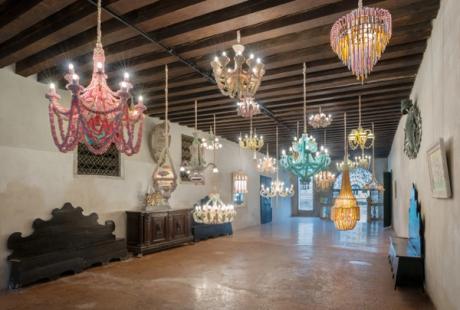
Russian-born, New York-based artist Sanya Kantarovsky presents his new exhibition "Basic Failure" at Venice's Institute of Sciences, Letters and Arts, timed to coincide with the Venice Biennale. The show features his signature dishevelled, otherworldly figures—including a pallid boy with a cigarette, a child spinning in innocence, and a glass bust of a young boy with a dead spider under its eye—that explore tension, alienation, and the supernatural. Kantarovsky describes his process as listening to the painting like a Ouija board, and the exhibition includes works that confound narrative expectations, such as a scruffy toy panda and a recreation of Antonello Gagini's 16th-century sculpture.

Photographer Giles Duley brings images of historic and current wars into dialogue in Manhattan pop-up show

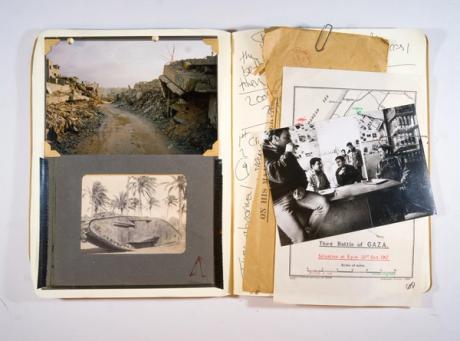
British photographer Giles Duley has opened a pop-up exhibition titled "Distortion/Memory/Resilience" in a 77th-floor penthouse at Sutton Tower in Manhattan, running from 12 to 24 May. The show features haunting war photography alongside installations—Youth, Childhood, and Memory—that draw parallels between historic and current conflicts. Duley, who lost both legs and an arm after stepping on a landmine in Afghanistan, uses a camera obscura, children's art from war zones, and side-by-side images of injured children from the London Blitz and Beirut to create an immersive experience. The exhibition is presented by the luxury tower's developer and includes benefit dinners hosted by Duley.

Enter the unsettled space of Asian American abstraction

The Milton Resnick and Pat Passlof Foundation in New York is hosting the exhibition "How Asian Is It?", featuring 12 pioneering East Asian American abstractionists born between 1928 and 1955. Curated by Lilly Wei, the show includes works by Barbara Takenaga, Emily Cheng, Charles Yuen, and David Diao, among others. These artists navigated an art world where downplaying their Asian identities often felt necessary for survival, especially after the 1965 Immigration and Nationality Act reshaped US immigration policy. The exhibition explores how their abstraction—marked by attention to interval, pause, and what remains unsaid—reflects a disciplined negotiation with space rather than a shared style or manifesto.

Venice Biennale’s Russian Pavilion and Pussy Riot Spar Over Usage of Protest Footage

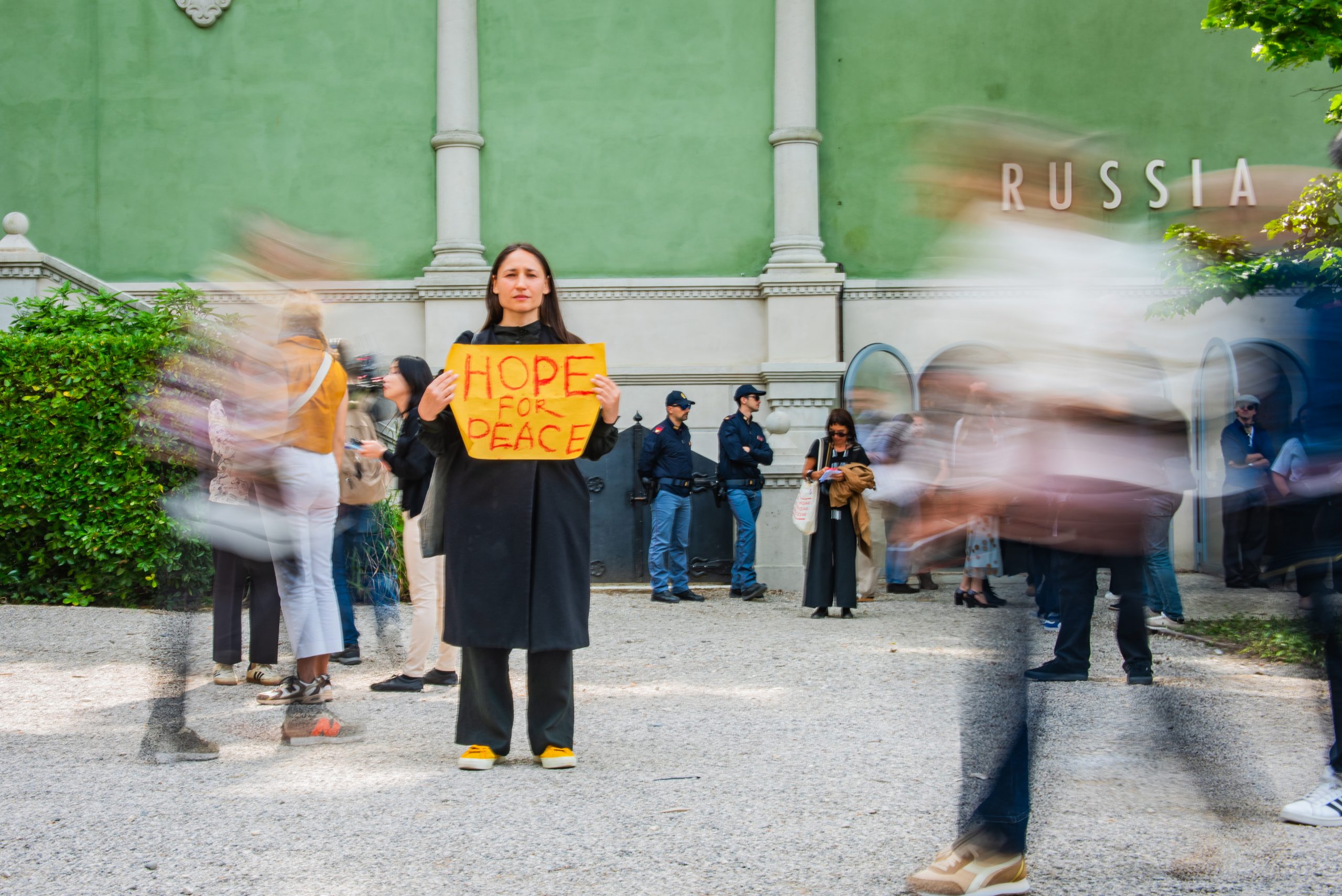
The Russian Pavilion at the 2026 Venice Biennale has become embroiled in a new controversy after accusing the anti-Putin art collective Pussy Riot of censorship. The pavilion posted on Instagram that Pussy Riot demanded the removal of footage featuring them from a documentary film about the pavilion's project, labeling the request as self-censorship. Pussy Riot responded sarcastically, questioning the pavilion's use of Instagram given Russia's 2022 ban of the platform. The dispute follows earlier protests at the pavilion's opening, led by Pussy Riot and FEMEN, against Russia's participation in the Biennale amid its ongoing invasion of Ukraine.

Political Fallout Rocks Venice Biennale Prize System

Dozens of artists participating in the 2026 Venice Biennale have withdrawn from consideration for the newly created Visitor Lion awards, replacing the traditional Gold and Silver Lion prizes. A total of 57 artists from the main exhibition and 22 national pavilions signed a statement published on e-flux on May 9, acting in solidarity with the five-person prize jury that resigned on April 30 over the continued participation of Russia and Israel. The jury had objected to awarding prizes to artists from countries whose leaders face International Criminal Court charges, including Russian president Vladimir Putin and Israeli prime minister Benjamin Netanyahu. In response, the Biennale organizers postponed the awards ceremony to November 22 and introduced visitor voting, a move they described as consistent with openness and dialogue. Meanwhile, the Russian Pavilion, which returned after lending its space to Bolivia in 2024, faced protests, closure after previews, and a €2 million funding pull by the European Union for the 2028 Biennale.

Putin ‘Won’ the Venice Biennale, Quips Italian Culture Minister

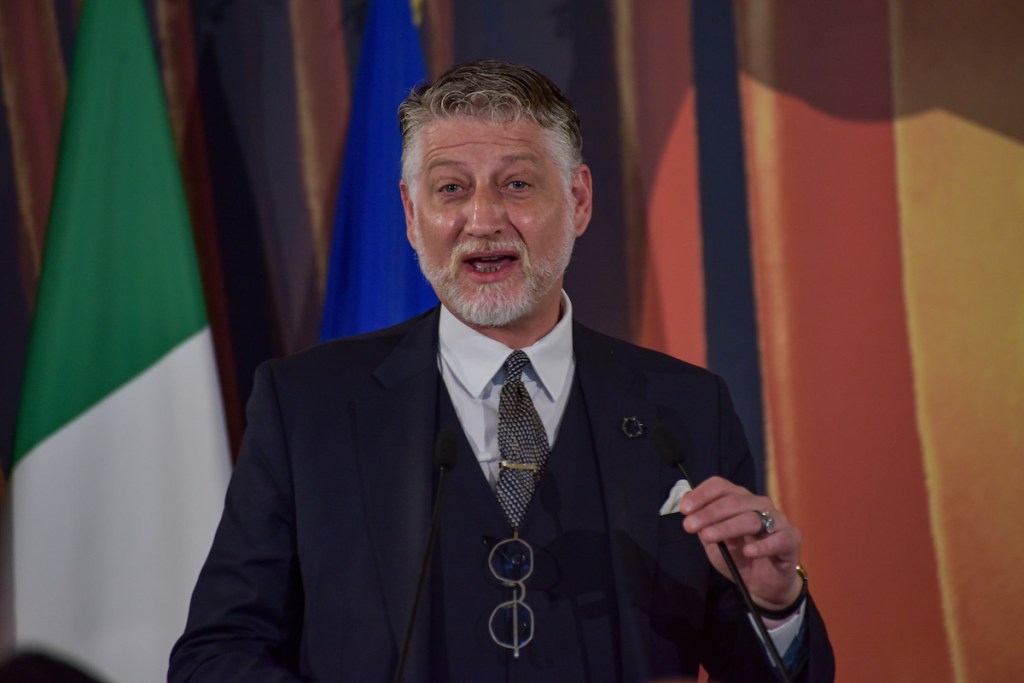
Italian Culture Minister Alessandro Giuli stated that Russian President Vladimir Putin "won" the 2024 Venice Biennale, criticizing Russia's controversial return to the event. Giuli, who repeatedly denounced Russia's presence, told Corriere della Sera that Russian artists in the pavilion cannot express dissent against their regime. The Biennale faced widespread calls to remove Russia, with the EU threatening to withhold a €2 million grant, but organizers argued they lacked legal authority to exclude the country. Protests by Pussy Riot and FEMEN marked the pavilion's opening, while the Biennale's jury resigned en masse after announcing that nations charged with crimes against humanity would be ineligible for Golden Lions.

Comment | Flourishing markets beyond the big three will benefit the art ecosystem—and the planet

The article analyzes the shifting dynamics of the global art market, reporting that regions outside the traditional 'big three' hubs of the US, UK, and China have increased their market share from 17% in 2015 to 24% in 2025. This shift is driven by nationally protective regulations like Brexit and tariffs, which have stifled the free circulation of contemporary art. While the US market remains dominant at 44%, countries such as South Korea, Switzerland, Japan, and Australia have seen growth, and emerging cultural energy is noted in places like Bangkok, Warsaw, Margate, and Qatar.

Former Korean Prosecutor Convicted in Alleged Lee Ufan Painting Bribery Scheme

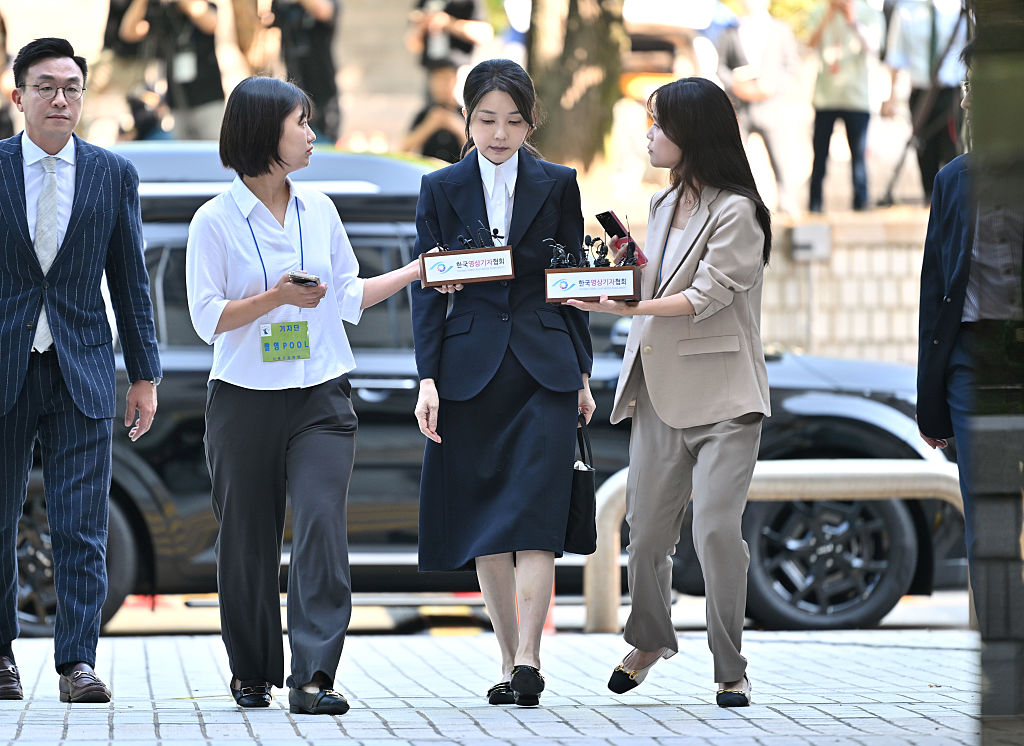
A former senior South Korean prosecutor, Kim Sang-min, has been convicted on appeal for allegedly gifting a painting by renowned artist Lee Ufan to former first lady Kim Keon Hee in exchange for political support ahead of the 2024 parliamentary elections. The Seoul High Court overturned an earlier acquittal, sentencing Kim to two years in prison (suspended for three years) for bribery, plus a separate suspended sentence for illegal political donations. The case took a strange turn when Kim's defense argued the artwork, titled *From Dots (No. 800298)* and valued at 140 million won ($95,500), was a forgery worth less than $700—a claim the court rejected after physically examining the piece and consulting experts.

Several Venice Biennale pavilions shut in protest over inclusion of Israel

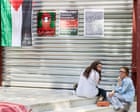
Several national pavilions at the 2026 Venice Biennale shut down during the final preview day in a strike organized by the Art Not Genocide Alliance (Anga) protesting Israel's inclusion due to its war in Gaza. Pavilions from Belgium, the Netherlands, Austria, Japan, Macedonia, and Korea closed entirely, while others like Britain, Spain, France, Egypt, Finland, and Luxembourg partially closed or reopened later. Artists in the main exhibition added Palestinian flags and posters reading "Palestine is the future of the world." The Israeli pavilion was closed for a private event, and earlier in the week Pussy Riot staged a protest at the Russian pavilion.

The glories of Francisco de Zurbarán’s paintings | Letters

Two letters to the editor respond to Charlotte Higgins's article on Francisco de Zurbarán. Paul McGilchrist critiques the physical inaccuracy of crucifixion depictions, including Zurbarán's *The Crucified Christ*, noting that most paintings fail to convey the true weight and distortion of a body suspended by nails. Jean Wilson highlights Zurbarán's series *Jacob and his 12 Sons* at Auckland Palace in Bishop Auckland, describing its history since 1756 and its connection to Bishop Trevor's support for Jewish rights.

At the Venice Biennale, Ukraine’s Pinchuk Art Centre finds fragile moments of joy amid loss

The Pinchuk Art Centre in Kyiv has transformed its Venice Biennale presentation from a glamorous celebration of young artists into a somber exhibition responding to the Russian invasion of Ukraine. This year's show, titled "Still Joy — From Ukraine into the World" (9 May-1 August) at the Palazzo Contarini-Polignac, features works by international artists like Tacita Dean and Julian Charriere alongside Ukrainian artists, as well as testimonials from soldiers collected by former marine Hlib Stryzhko. The exhibition explores how joy can persist amid trauma, with installations including pink scrolls bearing survivors' quotes, light box photographs of bombed interiors with rescued pot plants, and a sculpture of bells with displaced women's fingerprints.

Drained, Drowning, and Decay: The Best National Pavilions at the Venice Biennale

The 2026 Venice Biennale is defined by themes of ruin and decay, with standout national pavilions exploring bodily, infrastructural, and archaeological collapse. The Slovenian Pavilion features the Nonument Group repurposing materials from past Biennales into a ruin of a mosque for Bosnian Muslim soldiers from World War I. Syria presents its first national pavilion since the Civil War, with Sara Shamma invoking Palmyra, destroyed by ISIS. Germany's pavilion, titled "Ruin," features works by Henrike Naumann (who died in February) and Sung Tieu, questioning the pavilion's fascist architecture and nationalist residue. The Austrian Pavilion, curated by Florentina Holzinger, offers a visceral performance titled "Sea World." The Biennale is also marked by the abrupt resignation of its five-member jury, who refused to consider nations charged with crimes against humanity, leading to awards being chosen by public vote. Additionally, the main exhibition "In Minor Keys" was affected by the death of its curator, Koyo Kouoh.

Keith Haring Before the End of the World

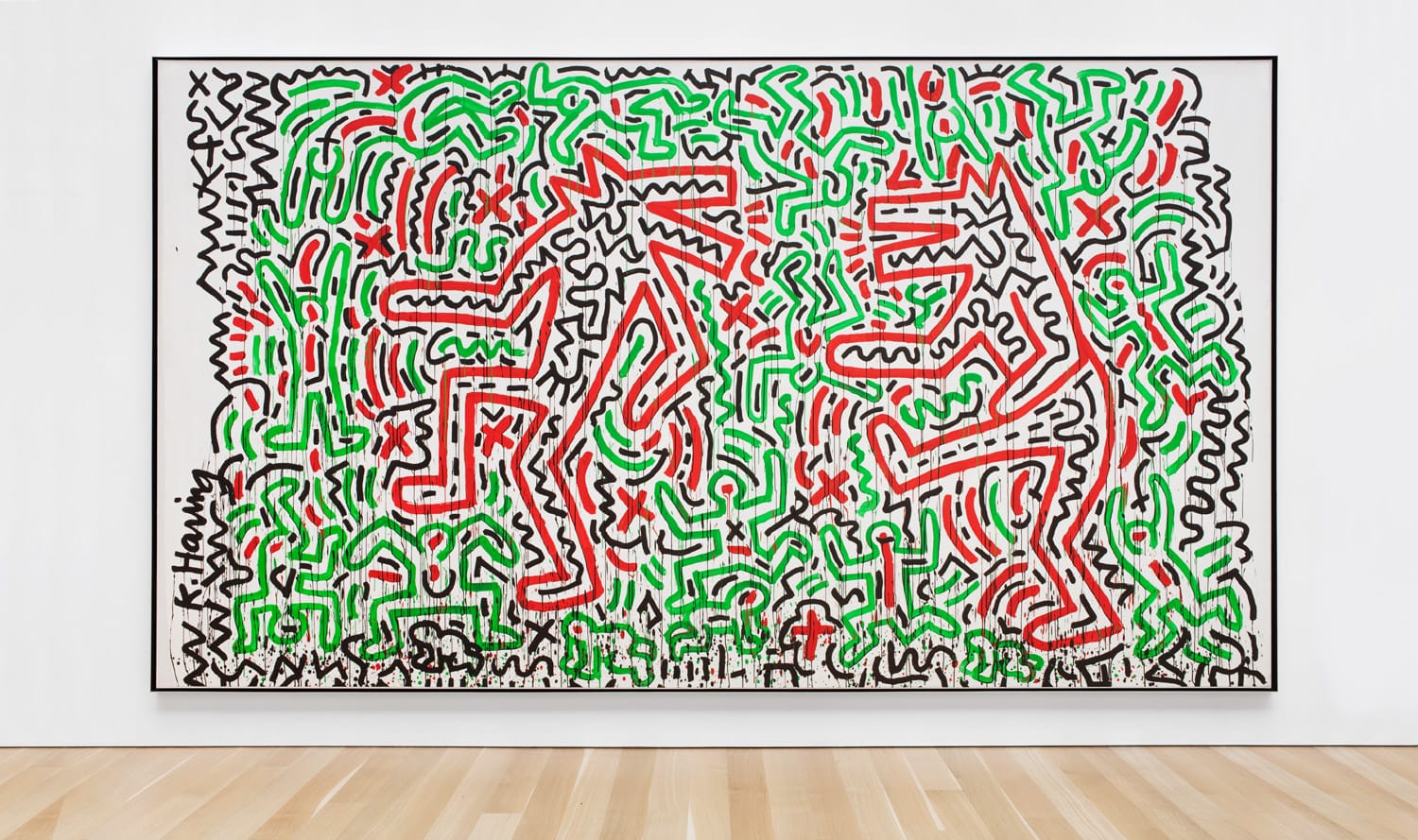
The article reviews Keith Haring's early work from 1980 to 1983, currently on view at the Brant Foundation in New York. The author reflects on initially dismissing Haring's graffiti-inspired style as trite and playful, but now sees darker, prophetic themes in pieces featuring apocalyptic imagery, UFOs, nuclear power, and mindless obedience to higher powers. The exhibition, curated by Dieter Buchhart and Anna Karina Hofbauer, runs through May 31.

Fondazione Sandretto Re Rebaudengo’s New Art Island Made a Sunny Splash in a Rainy Venice Vernissage Week

Patrizia Sandretto Re Rebaudengo, an ARTnews Top 200 collector, inaugurated a new art site on the island of San Giacomo in Venice’s Northern Lagoon during the rainy preview week of the Biennale. The island, purchased in 2018, features two Napoleonic-era powder magazines transformed into exhibition spaces: one hosting the group show “Don’t have hope, be hope!” from the Sandretto Re Rebaudengo Collection, and the other presenting “Fanfare/Lament,” a solo exhibition by Matt Copson curated by Hans Ulrich Obrist. The site also includes permanent installations by artists such as Claire Fontaine, Mario Garcia Torres, Hugh Hayden, Goshka Macuga, Pamela Rosenkranz, and Thomas Schütte, and will serve as a venue for exhibitions, performances, and residencies.

‘Exclusion can only satisfy the ego’: Venice Biennale president hits out at critics amid Russia and Israel controversy

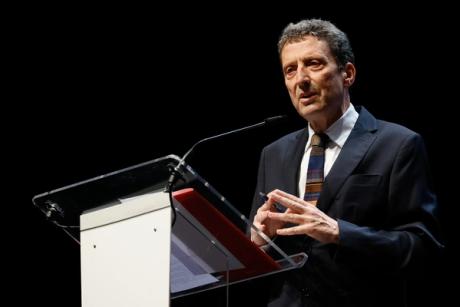
Venice Biennale president Pietrangelo Buttafuoco defended the institution against critics at a conference on May 6, three days before the public opening, amid controversy over Russia's return to the event for the first time since its 2022 invasion of Ukraine and ongoing disputes over Israel's participation. He accused critics of “narcissism” and “censorship,” while Italian culture minister Alessandro Giuli sent inspectors to investigate whether Russia's involvement breached sanctions; a report was submitted to Prime Minister Giorgia Meloni's office. Meanwhile, the Biennale faces legal threats from the artist representing Israel over alleged discrimination, and protests have erupted, including a demonstration by Art Not Genocide Alliance and a Pussy Riot action at the Russia pavilion.

Venice Diary Day 2: “In Minor Keys” Is a Major Statement on Perseverance and Play

The article is a diary entry from the 2026 Venice Biennale, focusing on the exhibition "In Minor Keys" curated by the late Koyo Kouoh. The author describes an emotional experience, beginning with a poem by Refaat Alareer on the Arsenale wall, and highlights works by Guadalupe Maravilla, Alexa Kumiko Hatanaka, and others that address themes of perseverance, healing, and survival. Maravilla's sculptures reference a child kidnapped by ICE, while Hatanaka's linocuts explore bipolar disorder as an adaptive trait. The show also features artist-led collectives like Denniston Hill and fierce pussy, emphasizing institution-building and world-making.

Pussy Riot protest at Venice Biennale forces Russian pavilion to briefly close

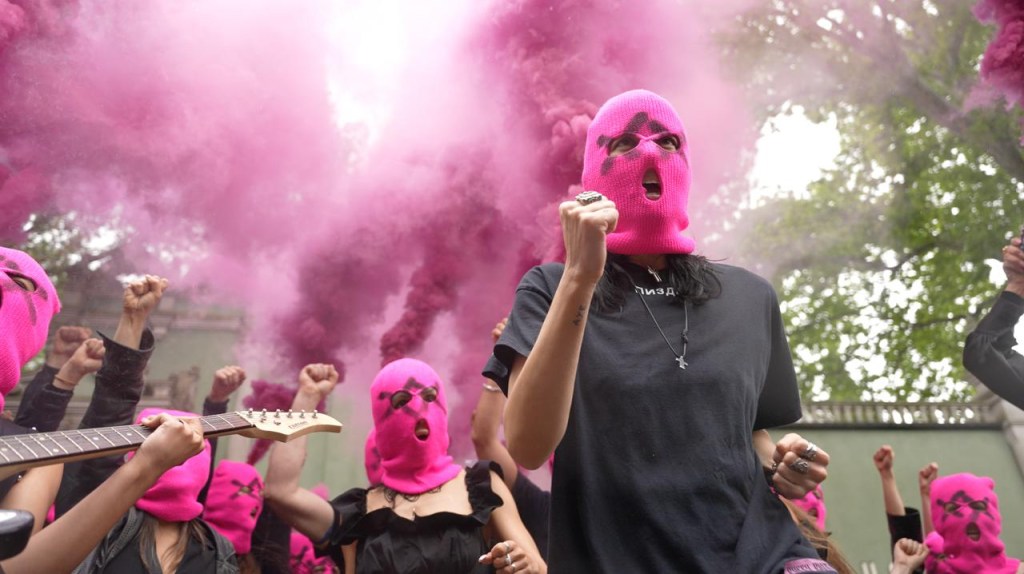
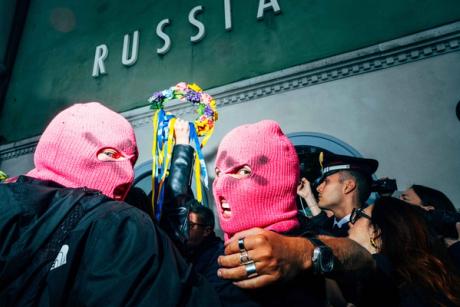
On the second day of the Venice Biennale preview, the activist group Pussy Riot staged a chaotic protest at the Russian pavilion, forcing it to temporarily close. Wearing pink balaclavas and carrying flares, about 40 activists—including members of Femen—gathered outside the pavilion, shouting slogans like "Blood is Russia's Art" and attempting to enter before being pushed back by police. Founding member Nadya Tolokonnikova led the protest, condemning Europe for allowing Russian participation despite the war in Ukraine. Separately, the Art Not Genocide Alliance (Anga) demonstrated outside the Israeli pavilion, which was locked from inside, over Israel's war in Gaza.

Malaysia Showcases Recovered 1MDB Artworks, From Picasso to Miró

Four artworks recovered from the 1MDB scandal—by Picasso, Miró, Balthus, and Maurice Utrillo—have gone on public display for the first time at the Malaysian Anti-Corruption Commission headquarters in Putrajaya. The paintings were repatriated from New York after being traced through Sotheby’s and shipped back to Malaysia on April 14. They are part of a broader art trail linked to the massive financial fraud, with Malaysian officials framing the display as an act of restitution rather than an art event.

Major protests take place at Venice Biennale previews

Major protests erupted during the preview days of the Venice Biennale, with multiple demonstrations targeting the Israeli and Russian pavilions. On Wednesday, the Art Not Genocide Alliance (ANGA) held a large protest outside the temporary Israeli pavilion in the Arsenale, attended by over 200 people calling for its closure. Separately, the Solidarity Drone Chorus performed a sound composition by Gazan artist Ahmed Muin, with 60 artists wearing T-shirts bearing names of artists from Gaza. Meanwhile, Pussy Riot and FEMEN protested Russian participation, forcing the Russian pavilion to shut its doors. These actions follow the resignation of the entire Golden Lion jury days before the opening, after they stated they would not consider pavilions from countries whose leaders are charged with crimes against humanity by the ICC—widely seen as a reference to Russia and Israel.

Venice Diary Day 1: At the Giardini, Artists Refuse to Make Fascism Cozy

Henrike Naumann's posthumous installation at the German Pavilion, which retains its 1938 Nazi-era fascist architecture, refuses to make the space 'cozy' by adorning windows with violently ripped domestic fabrics. The 2026 Venice Biennale is the first under president Pietrangelo Buttafuoco, associated with neo-fascist politics, and is overshadowed by controversy over his 'neutrality' policy allowing all countries to participate despite human rights concerns. The exhibition jury initially announced it would not consider pavilions from countries whose leaders are charged with crimes against humanity, then abruptly quit, leaving the situation unresolved. The US Pavilion features unimpressive blobs by Alma Allen, while the Russian Pavilion offers cut flowers and free vodka, and Andreas Angelidakis responds to fascist aesthetics at the Greek Pavilion.

David Nahmad maintains that his Modigliani was not looted by the Nazis

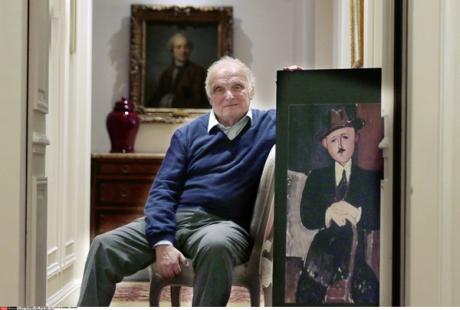
David Nahmad is continuing his legal battle to prove that his Modigliani painting, *Seated Man with a Cane* (1918), was not looted by the Nazis from the Jewish dealer Oscar Stettiner. Despite a recent New York ruling against him, Nahmad’s lawyers have filed a motion to review the case based on new eyewitness testimony. Two witnesses claim the painting they saw in the Van der Klip family—which bought the Nazi-looted work in 1944—is completely different from Nahmad’s painting, lacking a seated man or a cane. Nahmad’s legal team also cites a 1946 French bailiff report and a recent catalogue raisonné by Marc Restellini to argue that Mondex, the restitution firm working for Stettiner’s heirs, misidentified the work.

Nahmad Seeks to Reopen Modigliani Restitution Case With New Witnesses

David Nahmad's lawyers are asking a New York court to reconsider its April 3 decision in the restitution case over Amedeo Modigliani's *Seated Man with a Cane* (1918), which awarded the painting to the estate of dealer Oscar Stettiner. They cite new eyewitness testimony from Frédéric Allain, who recalls a different Modigliani—smaller, darker, and without a seated man or cane—hidden by the Van der Klip family in Paris during World War II, suggesting the wrong painting may have been the focus of the case. The filing also references a 1946 report describing the missing work as a self-portrait and a new catalogue raisonné by Marc Restellini that finds no link between the painting and Stettiner. Mondex, representing Stettiner's heirs, rejects the claims, asserting that *Seated Man with a Cane* bears Stettiner's name and was in the family's possession from 1944 to 1996.

‘She had a fresh, informed eye’: mural depicting late Venice Biennale curator Koyo Kouoh displayed in lagoon city

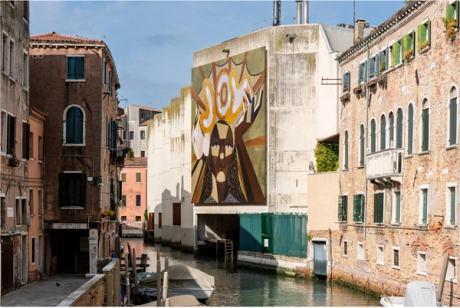
A mural honoring Koyo Kouoh, the late curator of the 2025 Venice Biennale, has been unveiled in Venice. Created by US artist Derrick Adams, the collage titled "Heavy is the head that wears the crown" adorns the facade of the Palazzetto dello sport Giobatta Gianquinto near the Arsenale. Kouoh died on 10 May 2025 at age 57 after a cancer diagnosis. The tribute was organized by curator Francesco Bonami, who had invited Kouoh to join the jury for the 50th Venice Biennale in 2003.