filter_list Showing 250 results for "Cott" close Clear
search
dashboard All 250 museum exhibitions 117article news 66article local 27article culture 11trending_up market 9article policy 9rate_review review 4person people 3candle obituary 2gavel restitution 1article event 1
date_range Range Today This Week This Month All
Subscribe

Ruth Pastine | Violet (Yellow), Color Space Series (2021) | For Sale

Ruth Pastine's painting "Violet (Yellow), Color Space Series" (2021) is being offered for sale through Louis Stern Fine Arts in West Hollywood, listed on Artsy. The work is an oil on canvas on beveled stretcher, measuring 30 × 60 inches, and is part of her Color Space Series. Pastine, an American artist born in 1964, holds a B.F.A. from The Cooper Union and an M.F.A. from Hunter College, and has exhibited widely, including a museum survey at MOAH Museum of Art and History and a show at CAM Carnegie Art Museum. Her work is held in major collections such as SFMOMA, MCASD, and the Achenbach Foundation.
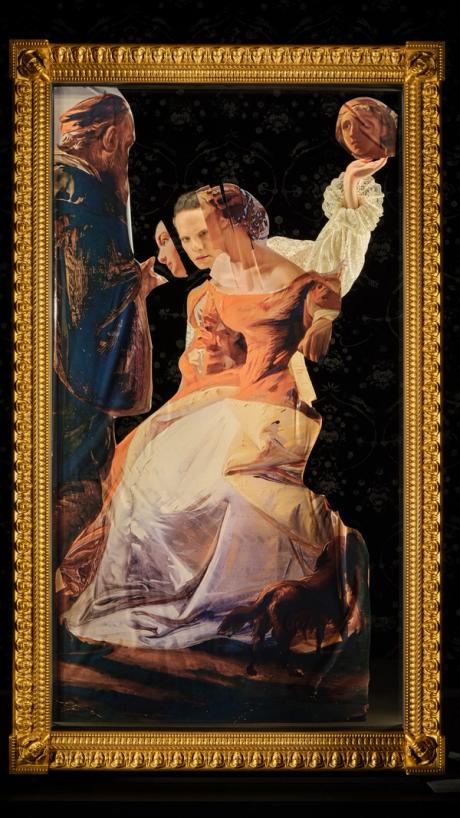
Fashion figure Jordan Roth wows in collage at the Venice Biennale

Multi-disciplinary artist Jordan Roth staged a performance on May 7 at Palazzo dei Fiori in Venice during the Biennale preview week, where he tore apart vinyl prints of Renaissance painter Irene di Spilimbergo and reassembled them into collages within a gilt frame. The event, presented with Performance Space New York’s Visionaries Circle, was attended by Whitney Museum director Scott Rothkopf and dealer Kristin Hjellegjerde, following Roth's earlier appearance as a "living sculpture" at the Met Gala.

Latino community organisation opens $33m arts centre in Boston

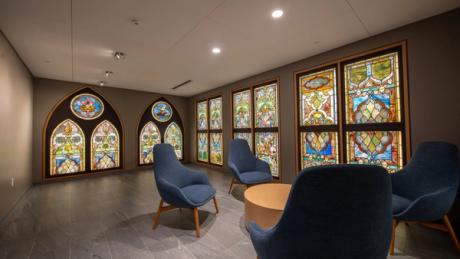
On 15 May, Inquilinos Boricuas en Acción (IBA), a Latino-founded nonprofit community development corporation, will open La Casa, a $33 million, 26,000-square-foot cultural center in Boston's South End. The largest Latino cultural center in New England, La Casa is designed by local firms Studio Enée and Annum Architects and features a terracotta-colored facade, energy-efficient design, and flexible spaces for civic engagement, education, and artistic expression. Initial programming includes artist residencies, workshops, and a mural by local artist Alvin “Acóma” Colon honoring Boston’s Puerto Rican residents. The building incorporates salvaged elements from the original turn-of-the-century Lutheran church that IBA repurposed in the 1960s.

Israel’s foreign ministry accuses Venice Biennale's jury of ‘politicising’ exhibition

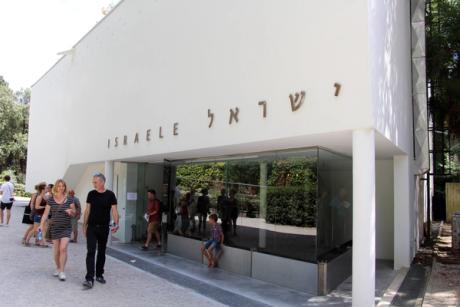
Israel’s foreign ministry has accused the Venice Biennale's jury of politicizing the exhibition after jurors announced they would not consider for prizes countries whose leaders face International Criminal Court charges for crimes against humanity. The jury’s statement, which did not name specific nations, is broadly understood to apply to Israel and Russia, both returning to the Biennale for the first time since the Gaza war and the Ukraine invasion, respectively. The Israeli ministry posted on X that the jury had decided to 'boycott' Israeli sculptor Belu-Simion Fainaru, calling it 'a contamination of the art world.' The Biennale distanced itself from the jury’s announcement, stating the jury acts autonomously, while the Russian pavilion is reportedly set to open only for a limited pre-opening period due to budget constraints amid sanctions.

Andrew Cranston’s Paintings of Dreamlike Domesticity

Scottish artist Andrew Cranston has opened a new solo exhibition titled 'I’m going in a field' at Modern Art gallery in London. The show features eleven paintings that blend landscape, memory, and domestic scenes, drawing inspiration from the artist's childhood in Hawick, Scotland, and his reflections on activities like golf, which he views as a form of landscape experience.

Venice in Crisis Mode

Venedig im Krisenmodus

The 61st Venice Biennale has opened under extraordinary circumstances, marked by political protests, a jury resignation, and canceled awards. The Biennale's jury resigned en masse after announcing they would exclude Israeli and Russian contributions from their decisions, leading to the cancellation of the Golden Lion awards and a crisis over the international competition's legitimacy. A newly introduced audience prize also faced boycotts from artists in solidarity. Protests, closed pavilions, and pro-Palestinian actions dominated the preview days, with artists pasting protest posters directly onto their works, reflecting heightened tensions.

EU confirms Venice Biennale funding cut over Russia feud

The European Union has confirmed it will cut its funding to the Venice Biennale following the event's decision to allow Russia's return to the exhibition. EU foreign policy chief Kaja Kallas announced the move, which was previously threatened, during a press conference focused on supporting Ukraine. Latvia and Finland have also stated they will not send government representatives if Russia's participation is maintained.

Political Fallout Rocks Venice Biennale Prize System

Dozens of artists participating in the 2026 Venice Biennale have withdrawn from consideration for the newly created Visitor Lion awards, replacing the traditional Gold and Silver Lion prizes. A total of 57 artists from the main exhibition and 22 national pavilions signed a statement published on e-flux on May 9, acting in solidarity with the five-person prize jury that resigned on April 30 over the continued participation of Russia and Israel. The jury had objected to awarding prizes to artists from countries whose leaders face International Criminal Court charges, including Russian president Vladimir Putin and Israeli prime minister Benjamin Netanyahu. In response, the Biennale organizers postponed the awards ceremony to November 22 and introduced visitor voting, a move they described as consistent with openness and dialogue. Meanwhile, the Russian Pavilion, which returned after lending its space to Bolivia in 2024, faced protests, closure after previews, and a €2 million funding pull by the European Union for the 2028 Biennale.

Venice Biennale Artists Decline Consideration for Golden Lions Chosen by Public Vote

Nearly half of the artists in the main exhibition of the Venice Biennale have signed a statement declining consideration for the Golden Lion awards, in solidarity with the jury that resigned last month. The statement, published by e-flux, includes prominent names such as Alfredo Jaar, Tuan Andrew Nguyen, Otobong Nkanga, and Walid Raad, as well as national pavilion representatives from France, Lithuania, and the Netherlands. The Biennale had planned to replace the jury-selected Golden Lions with "Visitor Lions" decided by public vote, but the artists' refusal marks an unprecedented protest within the exhibition.

An Unprecedented 24-Hour Strike Could Upend the Venice Biennale

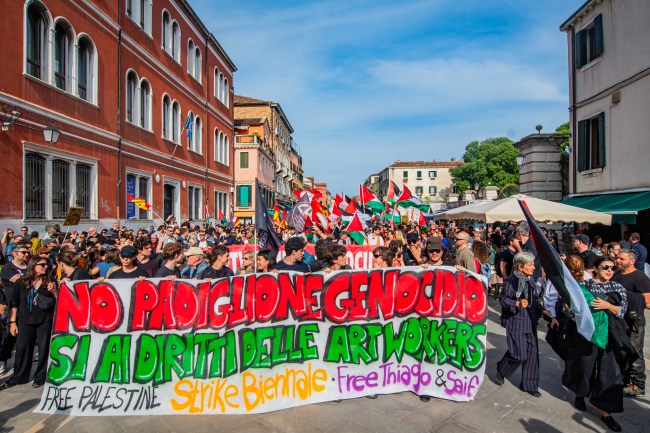
An unprecedented 24-hour strike is set to interrupt the Venice Biennale's opening week on Friday, May 8, in protest of Israel's participation in the global art event. The action, organized by the activist group Art Not Genocide Alliance (ANGA), follows a letter signed by over 230 Biennale participants demanding Israel's exclusion. The strike has exposed divisions among participants, with some artists and pavilion teams weighing solidarity against the rare opportunity to platform their own political messages. The Slovenian pavilion, represented by Nika Grabar of the Nonument Group, has committed to the strike, while others like Ecuador's Tawna Collective remain undecided, balancing protest with their mission to highlight ecological crises in the Amazon.

‘Exclusion can only satisfy the ego’: Venice Biennale president hits out at critics amid Russia and Israel controversy

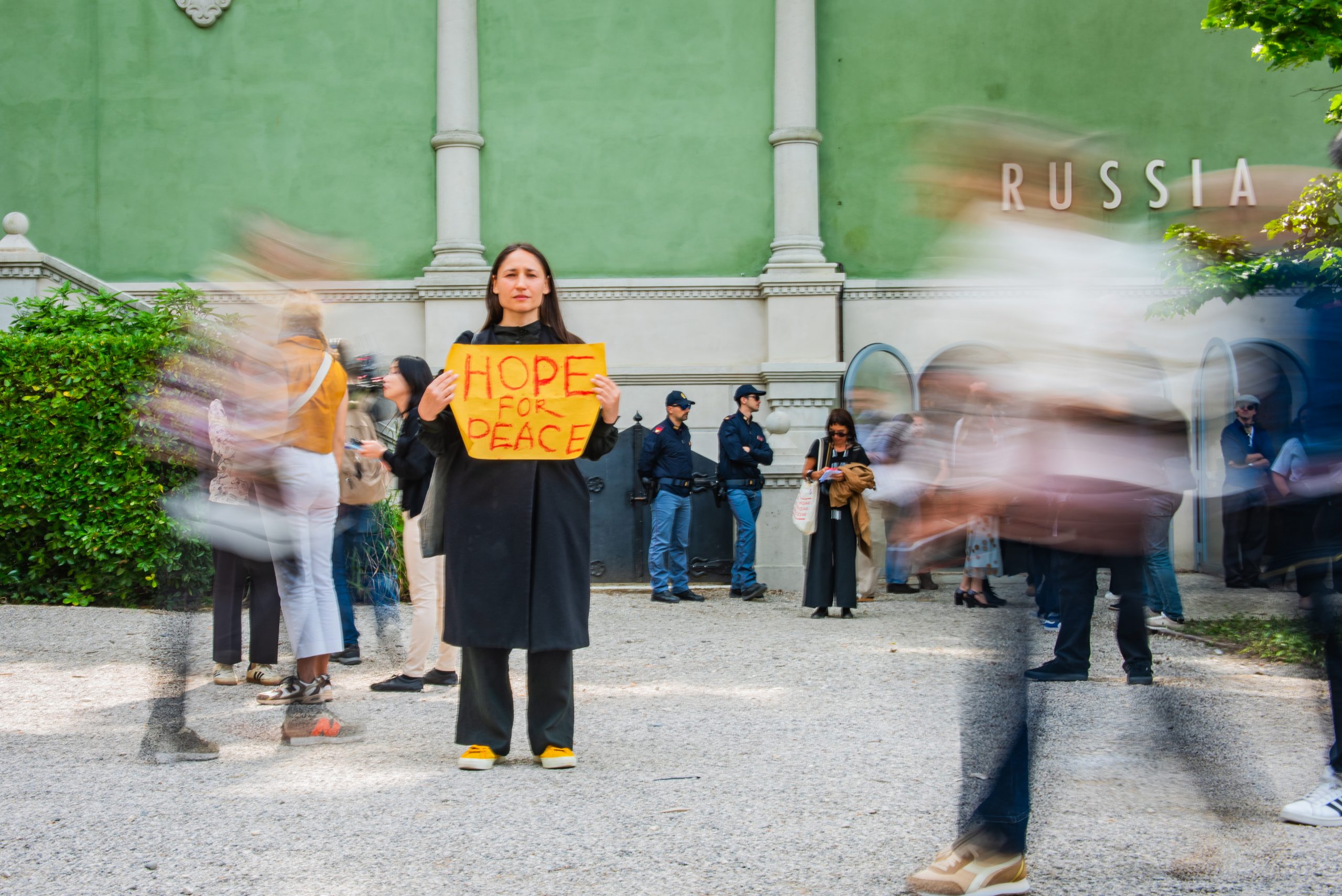
Venice Biennale president Pietrangelo Buttafuoco defended the institution against critics at a conference on May 6, three days before the public opening, amid controversy over Russia's return to the event for the first time since its 2022 invasion of Ukraine and ongoing disputes over Israel's participation. He accused critics of “narcissism” and “censorship,” while Italian culture minister Alessandro Giuli sent inspectors to investigate whether Russia's involvement breached sanctions; a report was submitted to Prime Minister Giorgia Meloni's office. Meanwhile, the Biennale faces legal threats from the artist representing Israel over alleged discrimination, and protests have erupted, including a demonstration by Art Not Genocide Alliance and a Pussy Riot action at the Russia pavilion.

In Protest of Israeli Pavilion, Activists and Unions Plan Strike on Venice Biennale’s Opening Day

The Art Not Genocide Alliance (ANGA) has announced a 24-hour strike and rally on May 8, the day before the 2026 Venice Biennale opens to the public, in protest of the Israeli Pavilion. ANGA, formed in opposition to Israel's inclusion in the 2024 Biennale, refers to the current Israeli presentation—featuring Haifa-based artist Belu-Simion Fainaru—as the "Genocide Pavilion." Over 200 artists, curators, and culture workers have signed an open letter demanding Israel's exclusion, and a separate action called Solidarity Drone Chorus involved 60 artists. ANGA is collaborating with local labor and culture organizations including Biennalocene, Vogliamo Tutt'altro, S.a.L.E. Docks, and Mi Riconosci.

Venice Diary Day 1: At the Giardini, Artists Refuse to Make Fascism Cozy

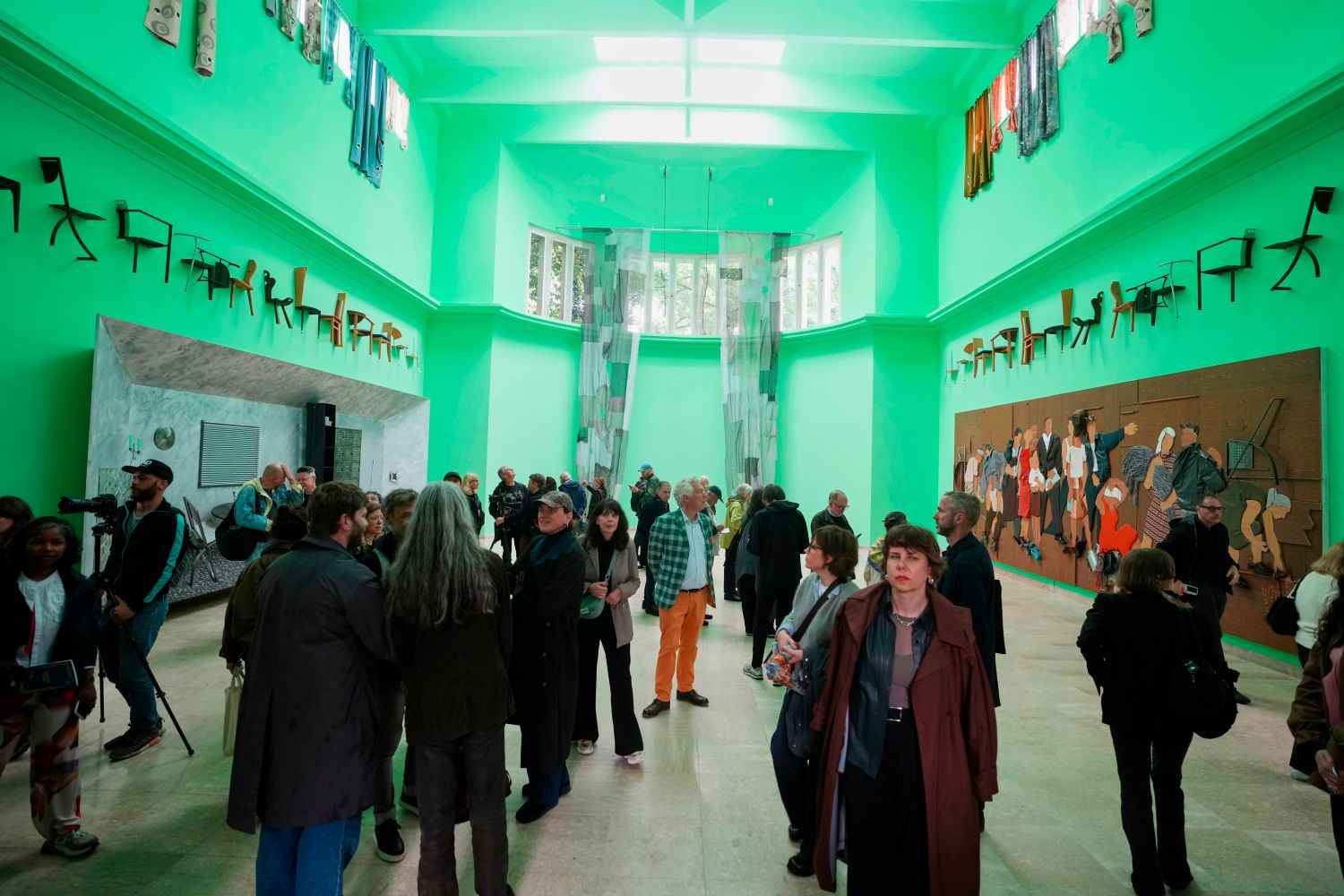
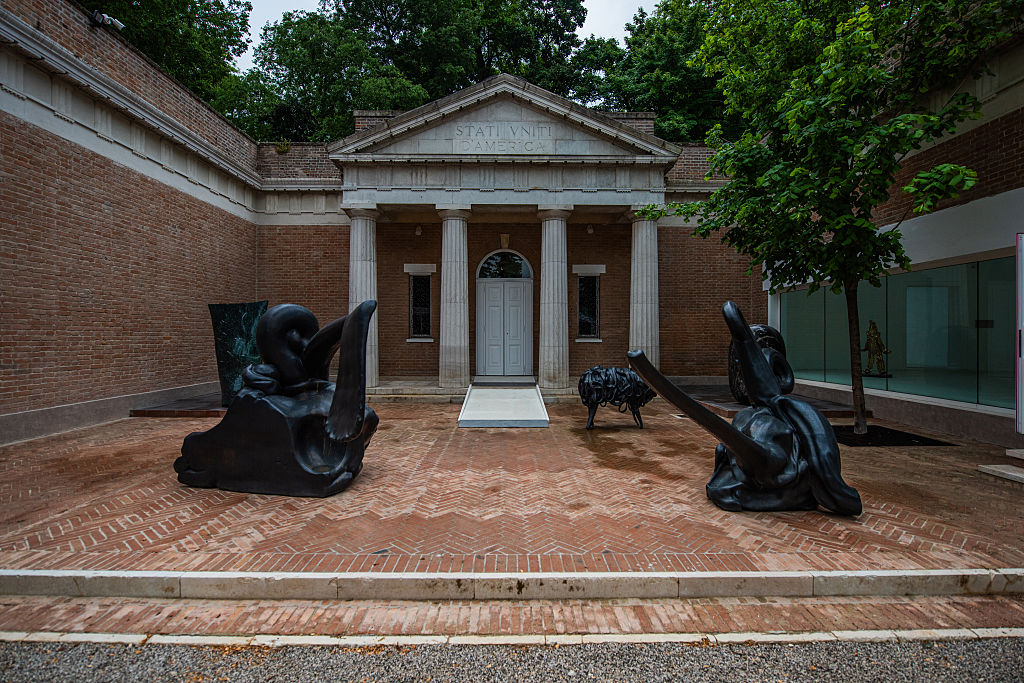
Henrike Naumann's posthumous installation at the German Pavilion, which retains its 1938 Nazi-era fascist architecture, refuses to make the space 'cozy' by adorning windows with violently ripped domestic fabrics. The 2026 Venice Biennale is the first under president Pietrangelo Buttafuoco, associated with neo-fascist politics, and is overshadowed by controversy over his 'neutrality' policy allowing all countries to participate despite human rights concerns. The exhibition jury initially announced it would not consider pavilions from countries whose leaders are charged with crimes against humanity, then abruptly quit, leaving the situation unresolved. The US Pavilion features unimpressive blobs by Alma Allen, while the Russian Pavilion offers cut flowers and free vodka, and Andreas Angelidakis responds to fascist aesthetics at the Greek Pavilion.

Venice Bound? Here’s All the News You Need to Know About This Year’s Biennale

The 61st Venice Biennale is embroiled in geopolitical controversy over Russia's return to the event in 2026, which has sparked widespread backlash. Nearly 10,000 artists and cultural leaders signed an open letter opposing Russia's participation, and the European Union withdrew €2 million in funding for the 2028 edition. Leaked emails reveal Biennale officials worked with Russian pavilion commissioner Anastasia Karneeva to circumvent EU sanctions, while Italy's culture minister Alessandro Giuli plans to boycott the opening week. Meanwhile, activists continue to push for Israel's removal from the Biennale, though Israel will be accommodated in the Arsenale this year.

Venice Biennale’s Prize Ban on Israel and Russia Falls Short for Critics

The jury of the 2026 Venice Biennale has ruled that Israel and Russia will be ineligible for the Golden and Silver Lion prizes, citing International Criminal Court charges of crimes against humanity against their leaders. The decision follows years of activism and political pressure, with the European Union withdrawing €2 million in funding from the event in protest of Russia's participation. While groups like Art Not Genocide Alliance praised the move as an unprecedented step, critics argue it falls short of a full ban on participation. Israel's artist representative, Belu-Simion Fainaru, condemned the policy as discriminatory, and an open letter signed by 70 artists and curators called for excluding all regimes committing war crimes, including the United States.

What You Need to Know About the Venice Biennale’s Russian Pavilion Controversy

The Russian pavilion is set to return to the Venice Biennale for the first time since the 2022 invasion of Ukraine, presenting an exhibition titled 'The tree is rooted in the sky.' This has sparked significant controversy, with artists, curators, and politicians from Ukraine and several European nations calling for the pavilion's exclusion, citing the ongoing war and sanctions. The Biennale organizers have refused to remove Russia, stating they lack the authority to exclude a state recognized by Italy and emphasizing the event's role as a neutral space for cultural dialogue.

Dark clouds, protests and resignations dampen start of 61st Venice Biennale

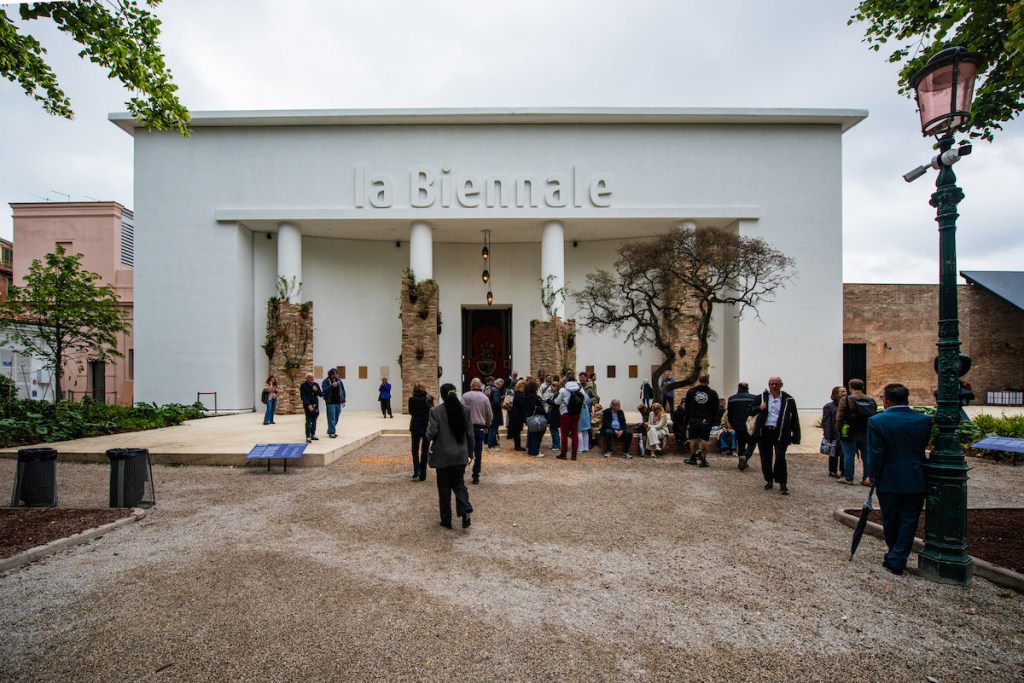
The 61st Venice Biennale opened under grey skies and rain, with political tensions overshadowing the art world's premier event. The Russian pavilion, absent for two editions due to the Ukraine war, reappeared with a party atmosphere, though the Italian ministry of culture confirmed it would not be open to the public. The Ukrainian culture minister called Russia's symbolic presence powerful. The Iranian pavilion withdrew without explanation, and a protest by 60 artists from the In Minor Keys show marched through the Giardini humming in solidarity against Israel's participation. Over 200 artists, including Lubaina Himid and Alfredo Jaar, signed an open letter demanding the Israeli pavilion's cancellation. The event also proceeded without its curator, Koyo Kouoh, who died in May 2025; her curatorial team delivered the exhibition following her plans.

Seen a ghost? The eeriest images from Fotografia Europea – in pictures

Fotografia Europea, the international photography festival in Reggio Emilia, Italy, has opened with 20 exhibitions and related events under the theme 'ghosts of the moment'. The festival features works by artists including Tania Franco Klein, Giulia Vanelli, Felipe Romero Beltrán, and Salvatore Vitale, exploring themes of memory, migration, identity, and the unseen forces shaping contemporary life. The festival runs until 14 June 2026.

In plane sight: how the gilded elite live – in pictures

Photographer Will Vogt's second monograph, *Behind the Hedges*, offers an intimate glimpse into the lives of America's gilded elite, featuring images of his own social circle at hunting estates, weddings, exclusive club lunches, and golf weekends. The book, published by Schilt Publishing, includes quotes by Vogt and text by editor Jennifer Garza-Cuen from her essay 'Posture of Privilege,' capturing a world of inherited wealth and tradition.

Exhibition explores revolutionary artists the Scottish Colourists in a new light

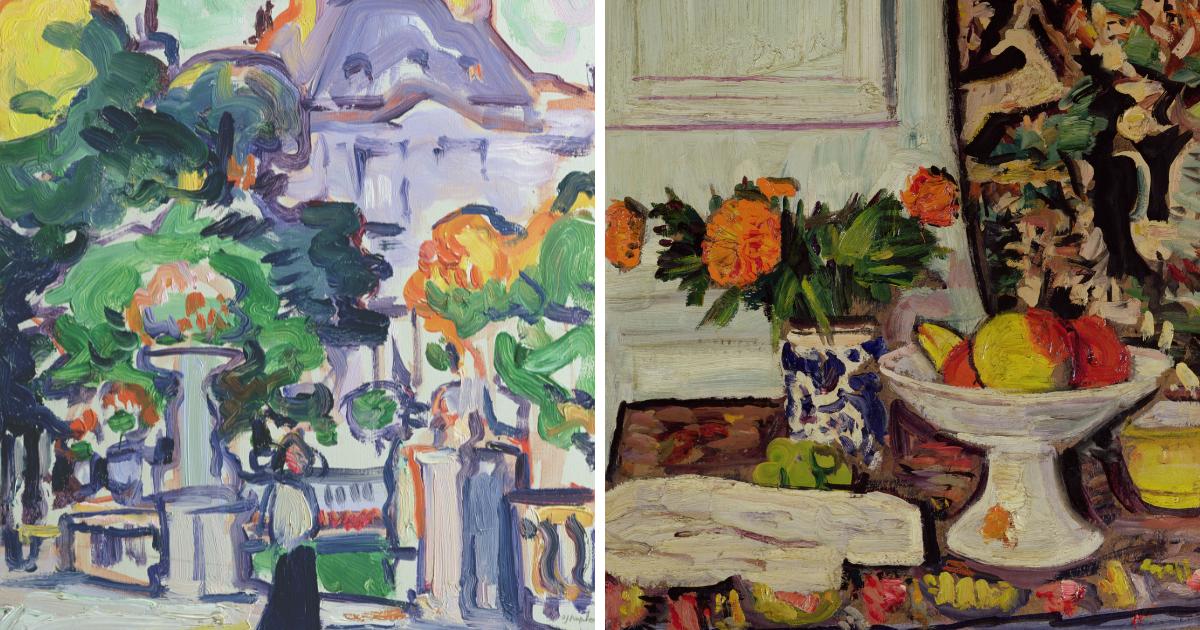
A major exhibition opening at The Arc Gallery in Winchester places the Scottish Colourists—SJ Peploe, JD Fergusson, GL Hunter, and FCB Cadell—in dialogue with their European and UK contemporaries for the first time. Running until September, the show features 70 artworks including André Derain's *The Pool of London* (1906) on loan from the Tate, alongside works by Vanessa Bell, Duncan Grant, Walter Sickert, Augustus John, and Roderic O'Connor. The exhibition is presented by Hampshire Cultural Trust in partnership with the Fleming Collection and explores the international "colour revolution" from 1905 to 1914, examining influences of Cubism and Vorticism.

Adam Budak dismissed as director of MOCAK amid controversy

Adam Budak has been dismissed as director of the Museum of Contemporary Art in Krakow (MOCAK), effective from 12 May, with his employment ending on 30 June. The city of Krakow cited improper performance of duties related to work organization and team management, following an investigation triggered by a complaint signed by 37 employees. Budak disputes the decision, calling it baseless and made under time pressure, and is considering an appeal. Artists including Paulina Ołowska and Robert Knoke have rallied in support, with several artists withdrawing from MOCAK's 2026–27 programme in solidarity.

Venice Biennale opening marked by protests

The 2026 Venice Biennale opened for professionals on Tuesday amid a series of protests, with more planned throughout the week. Around 60 artists from the exhibition "In Minor Keys" gathered at the Giardini for a collective action called "Solidarity Drone Chorus," inspired by Gazan composer Ahmed Muin's "Drone Song," to draw attention to genocide and war in Palestine. The Art Not Genocide Alliance (ANGA) organized a 24-hour strike for Friday 8 May, protesting Israel's participation. Pussy Riot staged a protest outside the Russian pavilion, and the Latvian pavilion launched a campaign against Russia's involvement. The protests follow a highly politicized lead-up, including calls for boycotts of the Russian, Israeli, and US pavilions, EU funding cuts over Russia's participation, and the resignation of the Biennale jury.

Strike Rocks Venice Biennale Ahead of Public Opening as Pavilions Close

Thousands of protesters marched through Venice to demonstrate against Israel's presence at the Venice Biennale, leading many national pavilions to close in solidarity. Pavilions from Austria, Belgium, Egypt, Japan, the Netherlands, South Korea, and over a dozen other countries shut fully or partially, with some displaying signs reading "We Stand with Palestine." The Israeli pavilion remained closed for its exhibition opening, and armed police clashed with protesters. The main exhibition, curated by Koyo Kouoh, stayed open initially but the Arsenale closed by late afternoon with riot police outside. The 24-hour strike, organized by Art Not Genocide Alliance (ANGA) and Italian activist groups, was described as the largest protest in Biennale history.

Venice Biennale Swamped in Protests Ahead of Planned Strike

The Art Not Genocide Alliance (ANGA) has announced a 24-hour strike for Friday, May 8, coinciding with previews of the 2026 Venice Biennale, alongside a protest rally organized by local group Biennalocene and Italian trade unions. Earlier this week, sixty artists staged a sonic protest at the Giardini entrance to draw attention to the plight of those affected by genocide and war in Palestine and elsewhere. The Latvian pavilion has also encouraged attendees to wear a design by artist Krišs Salmanis reading “Death in Venice – Russia go home!” Meanwhile, dissident artists Pussy Riot stormed the Russian pavilion waving Ukrainian flags, and the entire 2026 Biennale jury resigned after the decision to exclude countries whose leaders are charged with crimes against humanity by the International Criminal Court from competing for top prizes.

Anish Kapoor Condemns Inclusion of US in Venice Biennale

Anish Kapoor has publicly condemned the inclusion of the United States in the upcoming 61st Venice Biennale, calling for its exclusion due to what he describes as the country's 'abhorrent politics of hate and its incessant warmongering.' In an interview with The Guardian, Kapoor praised the five-person jury that resigned en masse after refusing to consider Israel and Russia for the event's top prize, both nations having been accused by the International Criminal Court of crimes against humanity. Kapoor's remarks come amid the ongoing US war with Iran under the Trump administration, and he previously threatened to sue the Trump administration over a photo taken at his Cloud Gate sculpture in Chicago.

The message behind the US pavilion at the Venice Biennale

The article previews the 61st Venice Biennale, opening May 9 and running through November 22, highlighting early controversies. The five-person Golden Lion jury, led by Brazilian curator Solange Farkas, resigned after declaring they would not consider pavilions from countries under International Criminal Court investigation, targeting the Israel pavilion and its artist Belu-Simion Fainaru. Separately, the US pavilion has drawn scrutiny from the New York Times over its selection process, with commissioner Jenni Parido (a former pet food store owner) tapping curator Jeffrey Uslip and sculptor Alma Allen, bypassing traditional funders like the Ford and Mellon foundations.

Landmark Exhibition at the Smithsonian American Art Museum Unites U.S. Bicentennial Photography Surveys for the First Time

The Smithsonian American Art Museum will present "Much Here Is Beautiful: Photography Surveys of the U.S. Bicentennial," a landmark exhibition opening September 18, 2026, that brings together for the first time photography surveys created through a federally funded grant program by the National Endowment for the Arts (NEA) around the 1976 U.S. Bicentennial. Featuring 225 photographs by more than 70 photographers, the show draws on the museum's holdings and collections nationwide, including previously unseen works, and places them in the context of federal survey photography dating back to the 19th century.

It’s not all movies: LA’s art, museums and exhibitions are world class

Los Angeles is expanding its cultural offerings with several new and renovated art institutions. The Museum of AI Arts, called Dataland, is set to open this spring at the Grand L.A. complex, created by artist Refik Anadol. It claims to be the world's first museum dedicated to AI art, featuring immersive installations like an Infinity Room with AI-generated scents. Meanwhile, the Natural History Museum completed a $75 million renovation in 2024, adding a 60,000-square-foot wing and displaying a unique green-boned dinosaur named Gnatalie, along with Barbara Carrasco's previously censored mural. The Los Angeles County Museum of Art is opening the David Geffen Galleries on May 4, a 110,000-square-foot space for its permanent collection.

Between Tropes and Treats at NADA New York

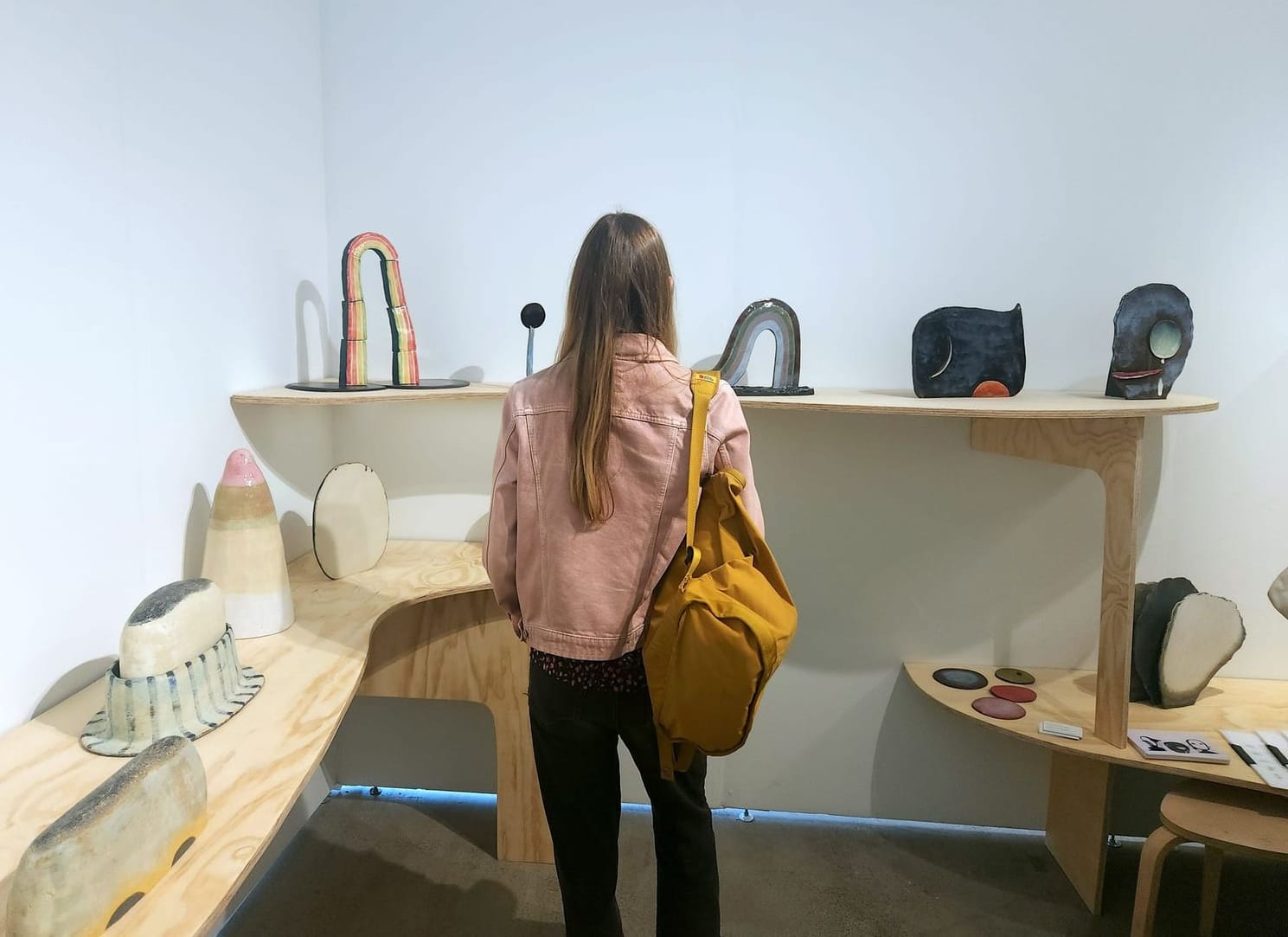
The 12th annual New Art Dealers Alliance (NADA) fair opened at the Starrett-Lehigh Building in Manhattan, featuring a wide array of contemporary works. Critic Rhea Nayyar notes that while many booths felt interchangeable due to prevalent trends like zany sculptures, shiny materials, and kitschy vibrancy, several standout pieces offered genuine engagement. Highlights include Elena Roznovan's maternal ephemera embedded in concrete with bondage tape, Kelly Tapia-Chuning's deconstructed serapes addressing colonial violence, and Niniko Morbedadze's folkloric illustrations.

Here Are the Seven Booths We’re Beelining to at NADA’s 2026 New York Edition

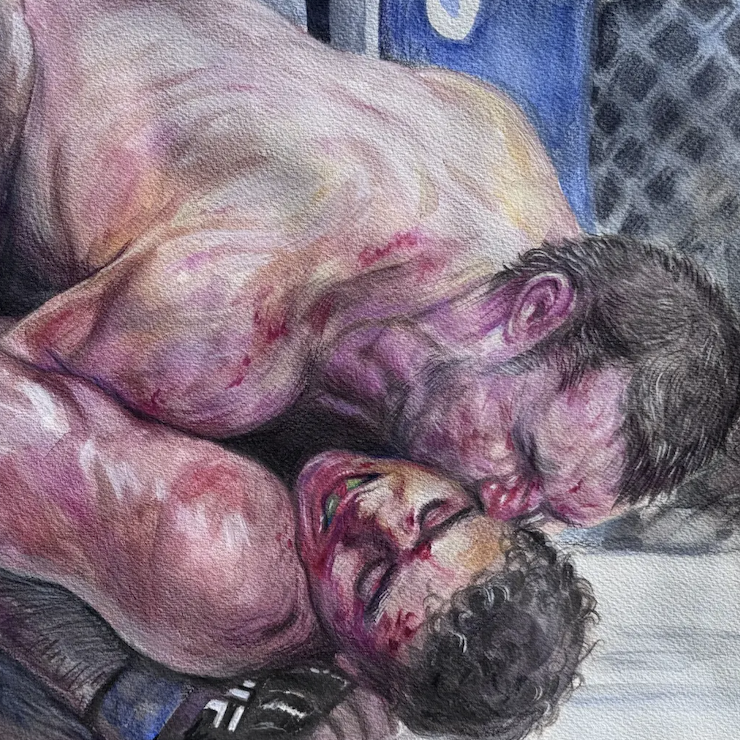
The 12th edition of NADA New York is now open through May 17 at the Starrett-Lehigh building in Chelsea, featuring 120 galleries and nonprofit spaces from around the world. The fair emphasizes intimacy and scale, with presentations ranging from wrestling-scene paintings by Ursula Dilley to miniature landscapes stitched onto shirt cuffs by Chang Suyung, alongside collaborations rooted in regional craft traditions and psychedelic excess. Cultured magazine highlights seven must-see booths, including solo shows by Douglas Rieger and Loucia Carlier, and a transatlantic dialogue between Saenger Galería and COHJU.