filter_list Showing 100 results for "diplomacy" close Clear
search
dashboard All 100 museum exhibitions 53article news 31article policy 7person people 4article culture 2rate_review review 2trending_up market 1
date_range Range Today This Week This Month All
Subscribe

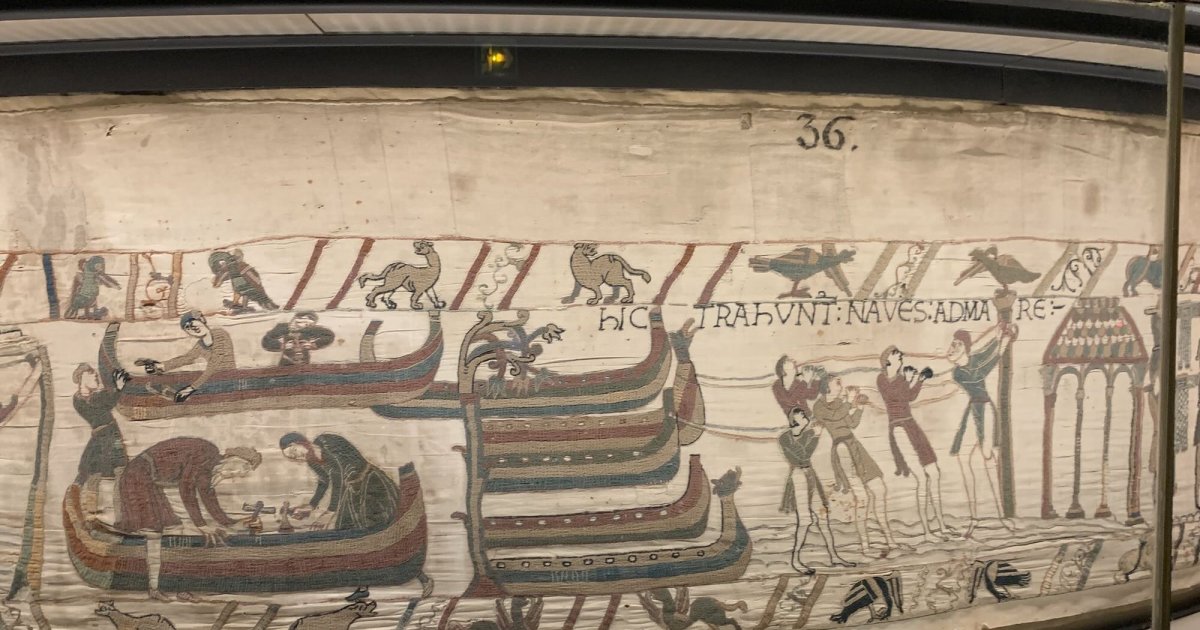
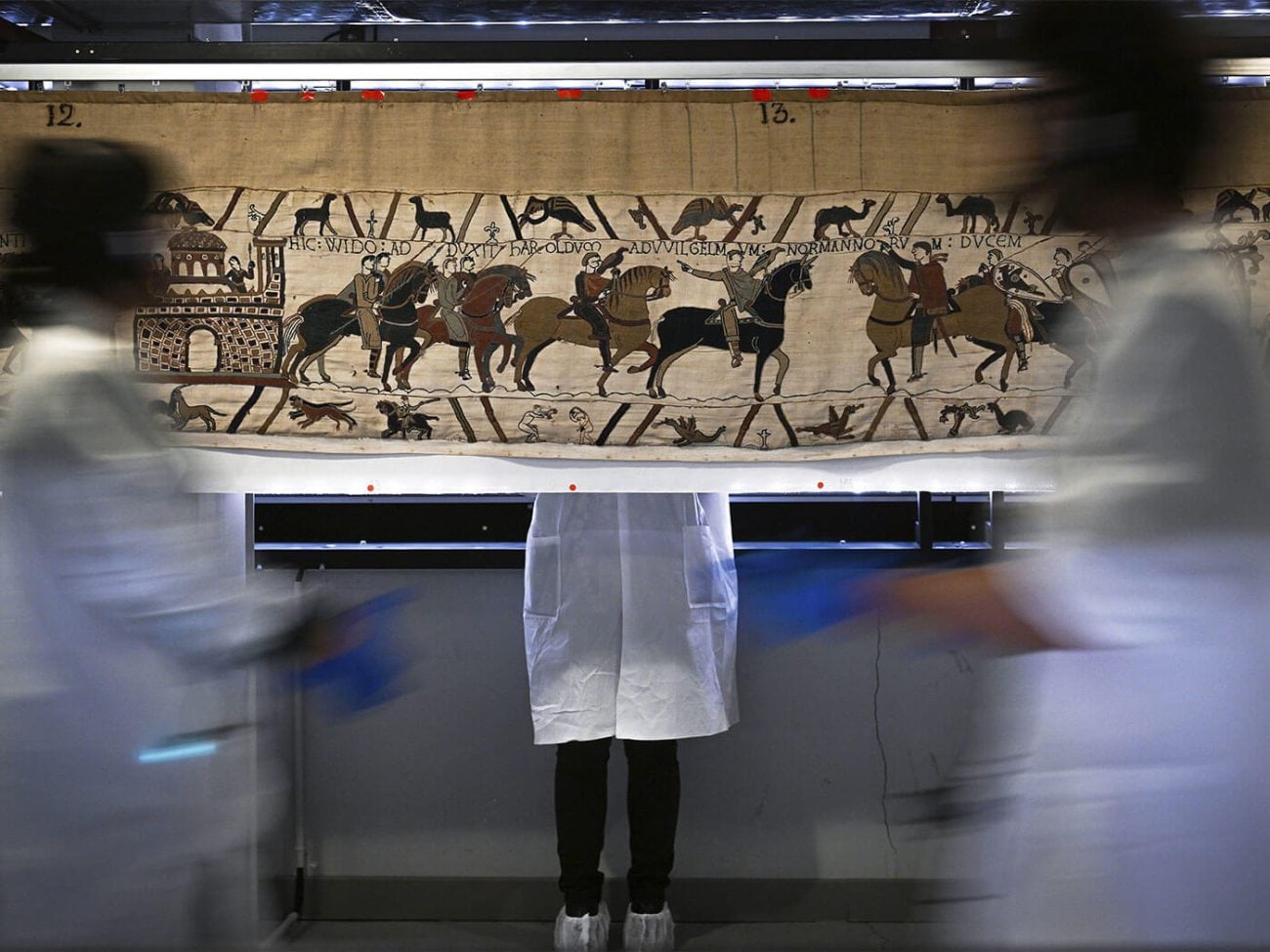
The British Museum bets on 'total immersion' to display the Bayeux Tapestry, which will be presented flat

Le British Museum mise sur « l’immersion totale » pour exposer la tapisserie de Bayeux qui sera présentée à plat

The British Museum has announced plans for an exceptional exhibition of the Bayeux Tapestry, which will be displayed flat for the first time in its history, rather than hung vertically as it has been for decades in Bayeux. The 70-meter-long 11th-century embroidery depicting the Norman conquest of England will be shown in London from September 10, 2026, to July 11, 2027, with tickets priced between £25 and £33. The museum promises an 'immersive' experience featuring raking light, digital devices, and loaned objects to contextualize the 58 scenes and 626 characters.
Hervé Barbaret s’éloigne de France-Muséums

Hervé Barbaret, aged 60, will step down as director general of France-Muséums on April 30, returning to the Cour des comptes (Court of Auditors). He had led the organization since 2019. Barbaret, a former student of the École Nationale d'Administration (ENA) and a senior counselor, previously served as general administrator of the Louvre, overseeing the Louvre-Lens project, the Department of Islamic Arts, and Louvre Abu Dhabi. He also directed the Mobilier national and was secretary general of the Ministry of Culture. France-Muséums coordinates French museum expertise internationally, from Louvre Abu Dhabi to a project in New Delhi. His successor has not yet been announced.

Italy-based Chinese artist shares cross-cultural art journey in Beijing

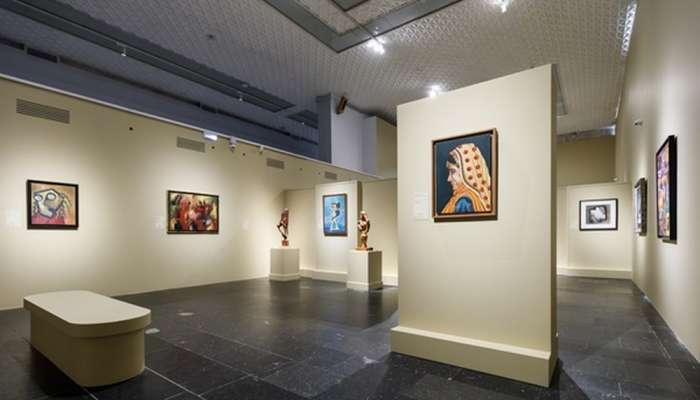
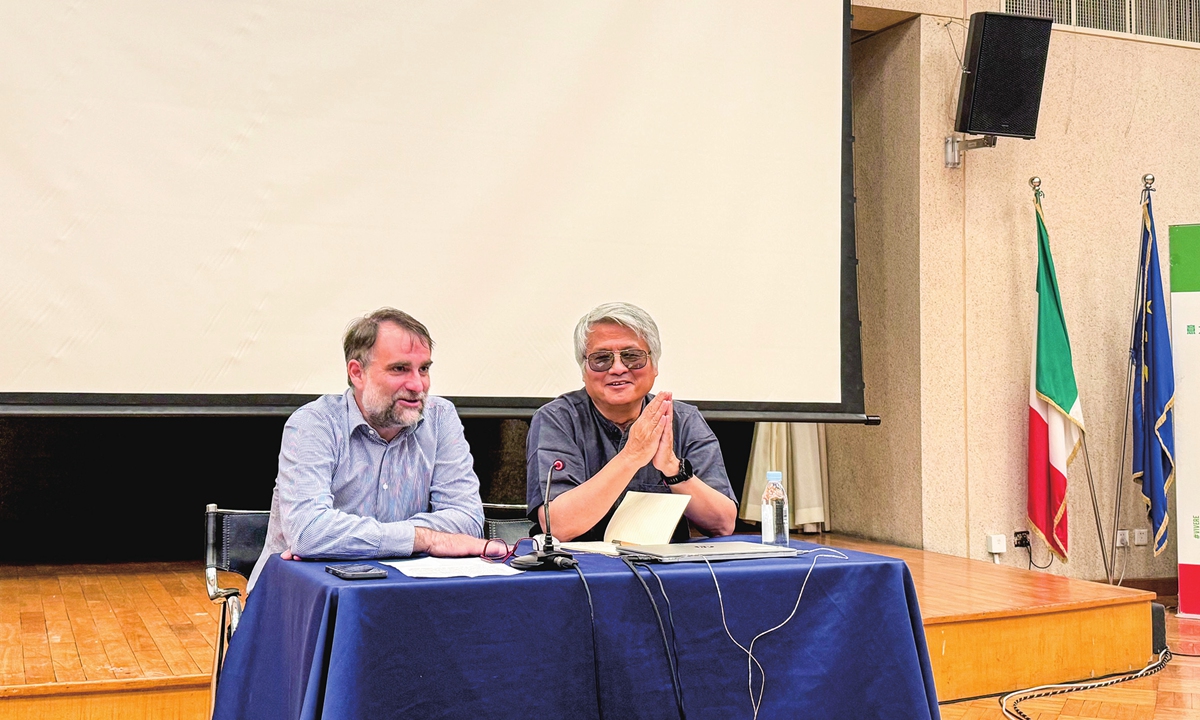
The Italian Cultural Institute in Beijing hosted a lecture on May 12, 2026, featuring Zhou Zhiwei, a Chinese painter based in Italy, who shared his four-decade artistic journey. Zhou, born in Shanghai in 1954, studied under renowned oil painters Yu Yunjie and Liu Kemin before entering the Academy of Fine Arts in Venice in 1980, where he learned from masters like Bruno Saetti and Emilio Vedova. He also trained with Pietro Annigoni and Riccardo Tommasi Ferroni, mastering fresco and tempera grassa techniques. The event was chaired by Federico Antonelli, cultural counselor of the Italian Embassy in China, who recalled Zhou's first exhibition at the institute in 1984. Zhou discussed his solo exhibition 'Notes along the Way,' which explores the Mediterranean through an Eastern lens, blending classical Italian painting with Chinese tradition.

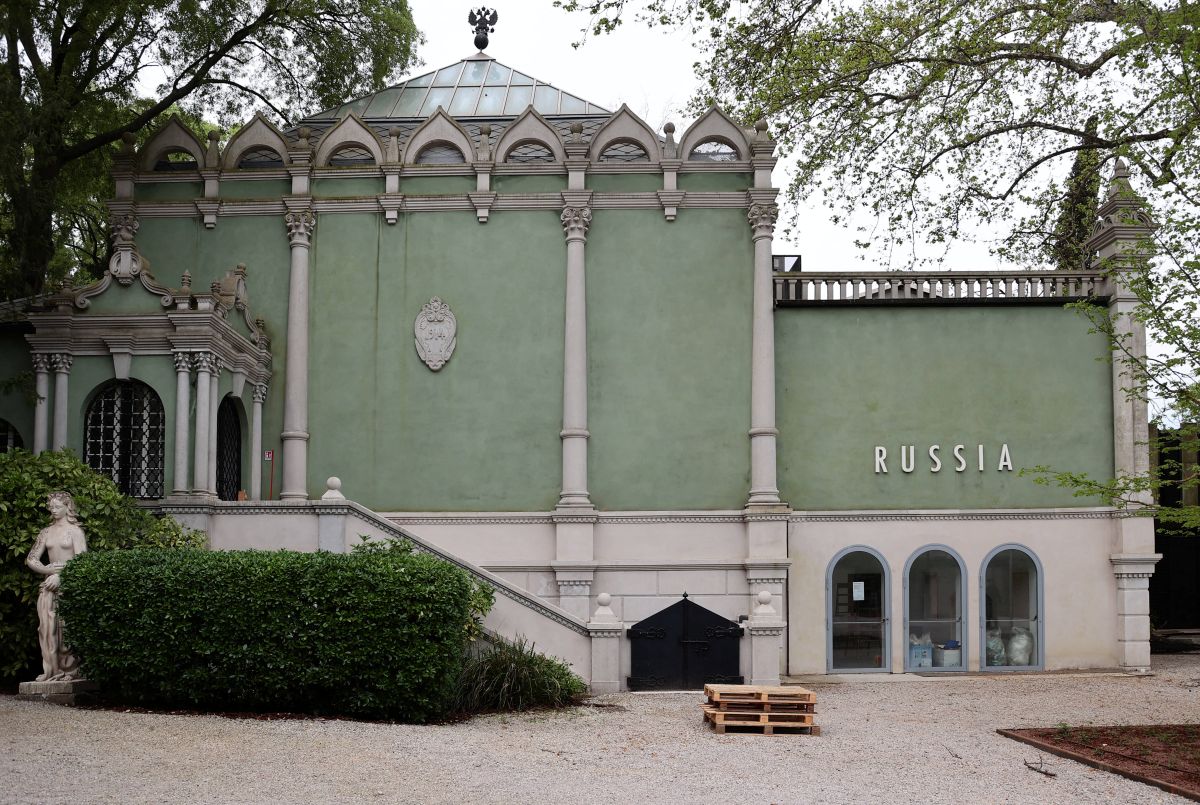
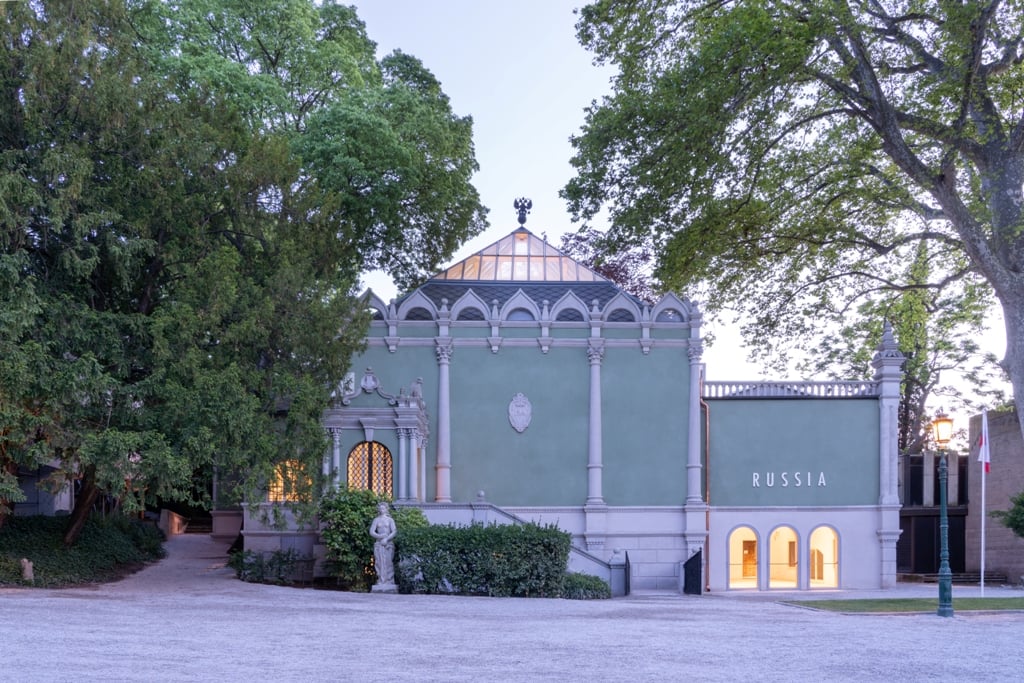
Two years ago Russia ceded its pavilion at the Biennale to Bolivia. A testimony from within

Due anni fa la Russia cedette il suo padiglione in Biennale alla Bolivia. Una testimonianza da dentro

Two years ago, Russia ceded its national pavilion at the Venice Biennale to Bolivia, a move that artist Inés Fontenla experienced firsthand when she was invited by Bolivia to participate in the 2024 edition. Fontenla recounts how the pavilion's organization shifted after Bolivia's 2025 elections, with the curator replaced by the new Minister of Culture just one month before the opening. She realized Russia was using Bolivia as a front to re-enter the Biennale after closing its own pavilion in 2022 in protest of the Ukraine invasion, and she ultimately withdrew from the project to avoid being instrumentalized by a military power.

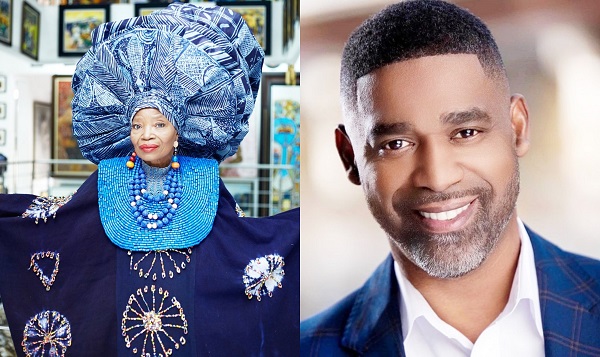
Nigerian art, culture returns to Atlanta in historic international exhibition

Fulton County Arts & Culture in Atlanta has announced "Threads of Heritage: A Cultural Confluence Connecting Africa to Atlanta," a major Nigerian-American cultural exchange initiative running from May to June 2026. The program, led by Nigerian textile icon Nike Monica Okundaye and involving Nike Art & Culture Foundation, Nike Art USA, and UniSpectrum Inc., will feature Nigerian artists, cultural practitioners, bata dancers, and tradition bearers in visual arts, textile traditions, muralism, sculpture, storytelling, workshops, and youth education at the Fulton County Arts & Culture Downtown Exhibition Space.

Around the World

Einmal um die Welt

The article previews the national pavilions at the Venice Biennale, where 99 countries present exhibitions across the Giardini, Arsenale, and venues throughout the city. It highlights Iceland's pavilion, featuring Ásta Fanney Sigurðardóttir's project "Pocket Universe" at the Docks Cantieri Cucchini, a multimedia work combining performance, sound, moving image, and installation centered on a film about a creature.

Gitte Zschoch wird Generalsekretärin des Goethe-Instituts

Gitte Zschoch has been appointed as the new Secretary General of the Goethe-Institut, taking over the role and chairmanship of the board on July 18. She succeeds Johannes Ebert, who has held the position since 2012 and will now lead the institute's regional office in Athens. Zschoch, currently Secretary General of the Institute for Foreign Cultural Relations (ifa), previously worked for the Goethe-Institut in various roles, including founding director of its branch in the Democratic Republic of Congo. The appointment was confirmed by German Foreign Minister Johann Wadephul and approved by the institute's presidium.

Under pressure, the Venice Biennale jury resigns and is replaced by a public vote

Sous pression, le jury de la Biennale de Venise démissionne et est remplacé par un vote du public

On April 30, just days before the Venice Biennale's public opening on May 9, the entire international jury responsible for awarding the Golden and Silver Lions resigned. The jury—comprising Solange Farkas, Zoe Butt, Elvira Dyangani Ose, Marta Kuzma, and Giovanna Zapperi—had been caught in a escalating controversy after Biennale president Pietrangelo Buttafuoco reinstated Russia, which had been excluded since the 2022 invasion of Ukraine. The European Union threatened to suspend or cancel its €2 million subsidy if Russia remained included. The jury attempted to exclude countries whose leaders face International Criminal Court arrest warrants, effectively targeting Russia and Israel, but ultimately resigned under pressure from both external diplomatic turmoil and internal institutional opposition to any discrimination between pavilions.

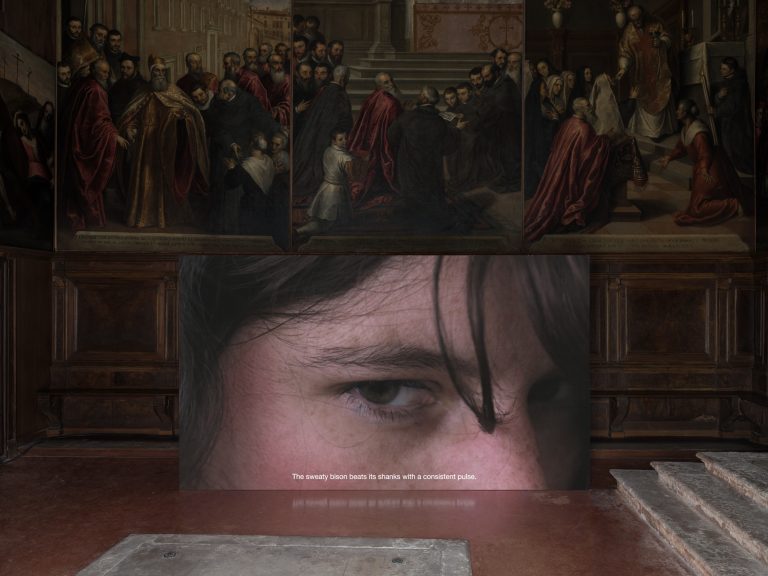
Ieva Lygnugarytė “Carmen: Utopias of Belonging” at Oratorio dei Crociferi, Venice

Artist Ieva Lygnugarytė presents "Carmen: Utopias of Belonging," a video installation at Oratorio dei Crociferi in Venice. The work reactivates a little-known story from 1523, when poet Nicolaus Hussovianus wrote "Carmen de Statura, Feritate ac Venatione Bisontis" as a diplomatic gesture for the Grand Duchy of Lithuania, intended to accompany a straw-stuffed European bison.

Nike Okundaye leads Nigerian artists to historic U.S. show

Nike Okundaye, founder of Nike Art Gallery, is leading 13 US-based Nigerian artists in a cultural diplomacy initiative titled "Threads of Heritage: A Cultural Confluence Connecting Africa to Atlanta." Organized by Fulton County Arts and Culture under Commissioner Robb Pitts and Director David Manuel, alongside Georgia State Representative Kim Schofield, the show opened last Friday at Fulton County Arts and Culture Downtown exhibition space in Atlanta. The event features artists including Shayee Awoyomi, Lasaki Olubunmi, Adeleke Akeem, Ola Balogun, Ajibade Awoyemi, and Bimbo Samson Adenugba, among others, and includes masquerade performances, African-American dances, and cuisines. The exhibition runs through the end of June.

The Biennale Must Remain Open – Also for Russia

Die Biennale muss offen bleiben – auch für Russland

The article argues against calls to exclude Russia from the Venice Biennale, focusing on the controversy surrounding the Russian pavilion's planned exhibition titled "Der Baum ist im Himmel verwurzelt" (The Tree Is Rooted in Heaven). The pavilion is set to feature musicians from Russia, Argentina, Mali, and Mexico, and its theme revolves around the idea that politics is time-bound. The author contends that while the demand to exclude Russia is understandable given the geopolitical context, it is dangerous because once a biennial begins disinviting states, it undermines the very concept of the international exhibition.

Bayeux Tapestry: A Blank Voyage That Tests Nothing

Tapisserie de Bayeux : un voyage à blanc qui ne teste rien

A confidential interim report obtained by La Tribune de l'Art reveals that the "blank voyage" test transport of the Bayeux Tapestry from Bayeux to London in February 2026 failed to measure actual risks to the artwork. The report admits that the vibration threshold used (2 mm/s) is arbitrary and based on paintings, not on a textile of this size and fragility. Because the tapestry has been stored and inaccessible since September 2025, no mechanical tests could be conducted beforehand to determine safe vibration levels, rendering the test meaningless. A second test took place on April 15, 2026, but its report has not yet been finalized; the actual loan is planned for July 2026, with transport via Eurostar.

Iran has not withdrawn from 2026 Venice Biennale, pavilion commissioner says

Iran has denied withdrawing from the 2026 Venice Biennale, despite the Biennale's announcement that the country would not participate. Aydin Mahdizadeh Tehrani, director-general of visual arts at Iran's ministry of culture and Islamic guidance and the country's pavilion commissioner, stated that Iran requested more time rather than submitting a withdrawal. He cited the US-Israel war with Iran, political and economic challenges, and a sharp currency devaluation that tripled projected costs as reasons for the delay. Iran proposed a shorter two-to-three-month participation, which was rejected, but has since sent a letter insisting on opening its pavilion even after the opening. The foreign ministry has intervened to support Iran's participation, and a final response from the Biennale is expected soon.

As the South African Pavilion Sits Empty, Gabrielle Goliath Continues a ‘Life-Work of Mourning’

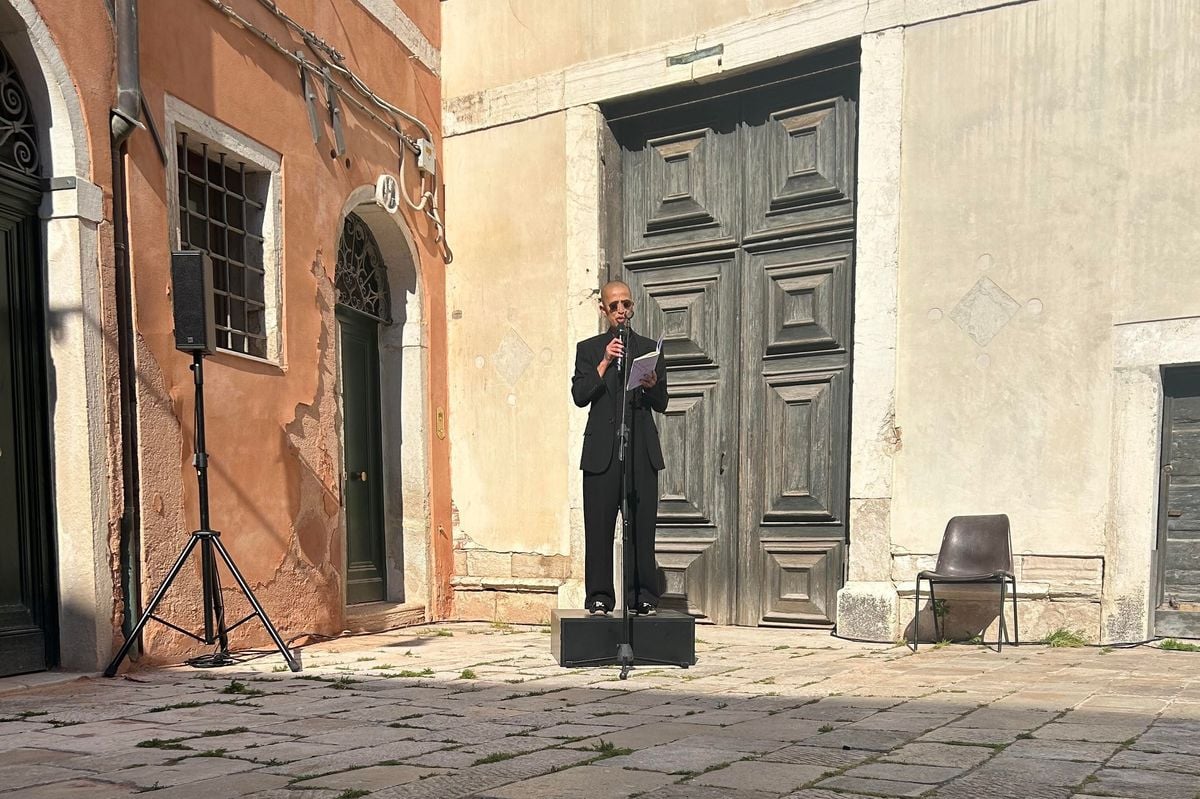
South African artist Gabrielle Goliath inaugurated an off-site Venice exhibition with a public poetry reading after her official presentation at the South African Pavilion was canceled. The performance, part of her ongoing series *Elegy* (2015), features seven singers sustaining a single tone for an hour as a mourning ritual. The work addresses femicide, rape culture, and the killing of Palestinian civilians, and includes new video and sound installations lamenting specific victims: South African teenager Ipeleng Christine Moholane, Nama women killed during Germany’s colonization of Namibia, and Palestinian poet Hiba Abu Nada. The South African Department of Sport, Arts and Culture rescinded Goliath’s invitation in January, deeming the work “related to an ongoing international conflict that is widely polarising.” Goliath unsuccessfully challenged the decision in South Africa’s high court, and the exhibition now runs throughout the Venice Biennale outside the official program before traveling to London in October.

Saudi pavilion at Venice Biennale turns fractured heritage into monumental art installation

Saudi Arabia has unveiled a large-scale installation by artist Dana Awartani at the 61st Venice Biennale, held at the Arsenale. Titled "May your tears never dry, you who weep over stones," the work covers the entire floor of the Saudi national pavilion and incorporates over 29,000 sunbaked clay bricks and mosaic patterns inspired by Islamic geometric art. The installation references 23 heritage sites across the Arab world that have been damaged or destroyed by conflict, and was produced over nearly 30,000 artisan hours with 32 craftspeople at a studio outside Riyadh. Curated by Antonia Carver with assistant curator Hafsa Alkhudairi, the piece emphasizes traditional craftsmanship and collective skill-sharing.

Iran’s Participation in the Venice Biennale Still Uncertain

Iran’s participation in the 61st Venice Biennale remains uncertain after a public contradiction emerged between the Biennale Foundation and Iran’s Ministry of Culture and Islamic Guidance (MCIG). The Biennale Foundation had announced that Iran would not participate in the 2026 edition, curated by Koyo Kouoh, but Aydin Mahdizadeh Tehrani, director general of visual arts at the MCIG and commissioner of the Iranian Pavilion, stated in an interview with the Iranian Students’ News Agency (ISNA) that Iran never submitted a withdrawal letter. Instead, Iran requested more time and sent a letter on May 10 asking for the pavilion to open even if ineligible for prizes. Mahdizadeh Tehrani cited the US-Israel war with Iran as causing currency fluctuations that nearly tripled projected costs, complicating prior agreements, and noted that Iran had proposed a shorter exhibition period, which the Biennale rejected.

EL SALVADOR MAKES ITS DEBUT AT THE VENICE BIENNALE WITH ITS OWN PAVILION

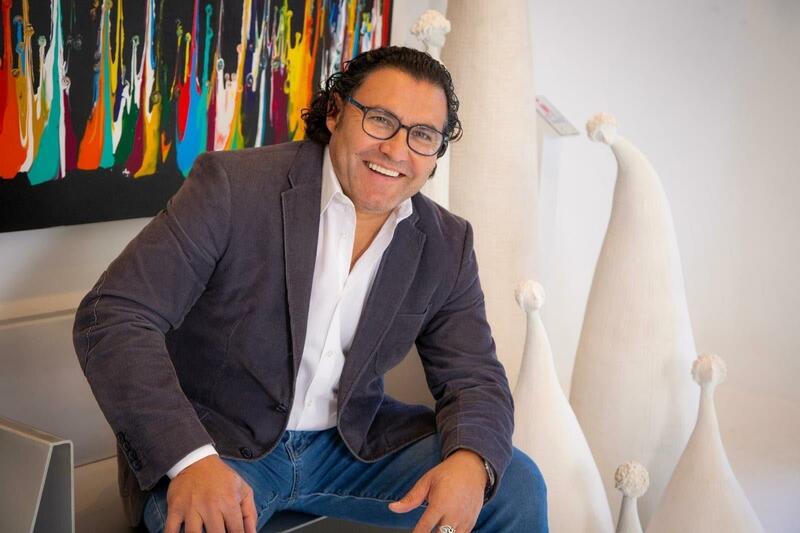
El Salvador will debut its own national pavilion at the 61st Venice Biennale, running from May 9 to November 22, 2025. The exhibition, titled "Cartographies of Displacement," features the sculptural series "Children of the World" by Salvadoran-American artist J. Oscar Molina, curated by Alejandra Cabezas and commissioned by Dr. Astrid Bahamond. The pavilion is located at Palazzo Mora, showcasing Molina's elongated, faceless monumental figures that explore the migrant experience and global diaspora.

MONITOR YIN YANG ARGENTINA ARRIVES AT THE VENICE BIENNALE WITH AN OPEN CARTOGRAPHY

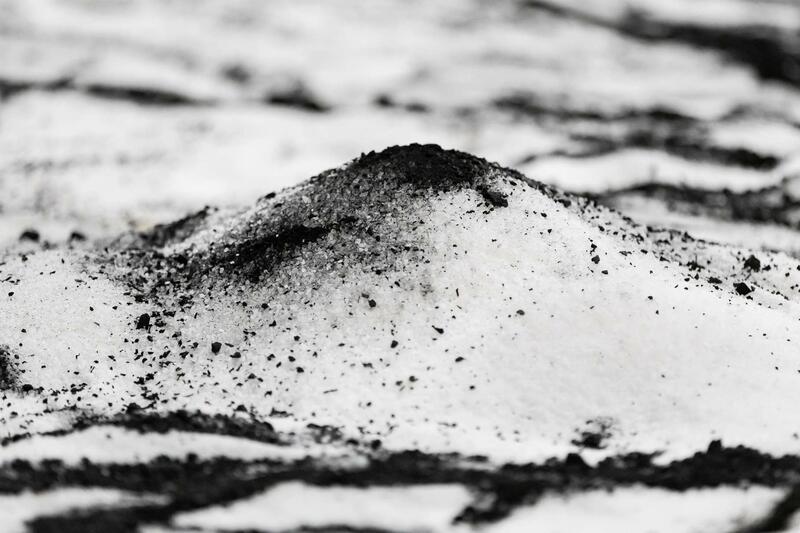
The Argentine Pavilion at the 61st Venice Biennale will feature a site-specific installation titled "Monitor Yin Yang" by artist Matías Duville. Curated by Josefina Barcia, the work uses salt and charcoal to create an unstable, walkable landscape that explores the coexistence of opposing forces such as light and shadow, waste and energy. The installation includes a sound composition developed with Centolla Society and Alvise Vidolin, integrating real-time environmental data from Venice. Duville's project was selected from 69 proposals in an open competition organized by Argentina's Ministry of Foreign Affairs, National Secretariat of Culture, and the Argentine Investment and Trade Agency.

China hosts exhibition of Azerbaijani artists

The Today Art Museum in Beijing hosted an exhibition titled "Dialogue through Art," featuring works by Azerbaijani artists. Organized by the Embassy of Azerbaijan in China in collaboration with the Innovation Art and Travel Center and the AYDANI Art Gallery, the show included paintings, sculptures, digital art, and animation by both established and emerging Azerbaijani artists.

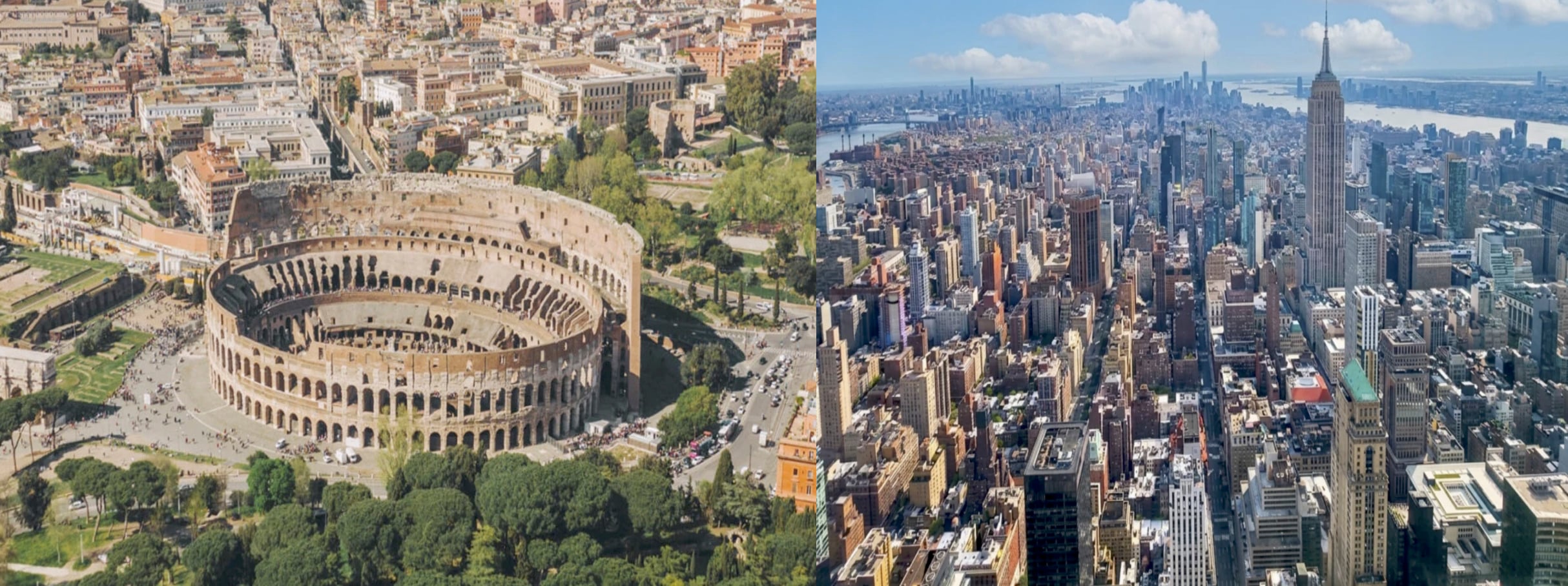
Cultural alliance between Rome and New York. The two cities sign the first agreement between major historic centers

Alleanza culturale tra Roma e New York. Le due città siglano il primo accordo tra grandi centri storici

Rome and New York have signed the first cultural cooperation agreement between their historic centers, Municipio I Roma Centro and Manhattan. The protocol was formalized during the Forum Cultura Roma Centro at the Temple of Vibia Sabina and Hadrian, aiming to establish an international network based on collaboration between cultural institutions and governance models. It includes exchanges, youth programs, artistic initiatives, and public art projects involving museums, archives, libraries, universities, and educational entities.

Ministry of Culture inspectors present report on Biennale: Russia pavilion will remain closed

Gli ispettori del Ministero della Cultura in Biennale presentano relazione: il padiglione Russia resterà chiuso

Italian Ministry of Culture inspectors have submitted a report to the Prime Minister's office regarding Russia's participation in the 2026 Venice Art Biennale. The report concludes that Russia did not receive a formal invitation from the Biennale Foundation to participate, nor did it sign the participation agreement—a situation shared by other countries with permanent pavilions. While Russia submitted a project and appointed a commissioner, its pavilion will remain closed to the public due to EU sanctions, though a private vernissage may proceed. The report finds no serious violations that would cancel Russia's participation, but notes critical issues that warranted more caution. The international jury resigned en masse after announcing it would not consider countries whose leaders are accused of crimes against humanity by the International Criminal Court, including Russia and Israel, and after an Israeli artist threatened a discrimination lawsuit.

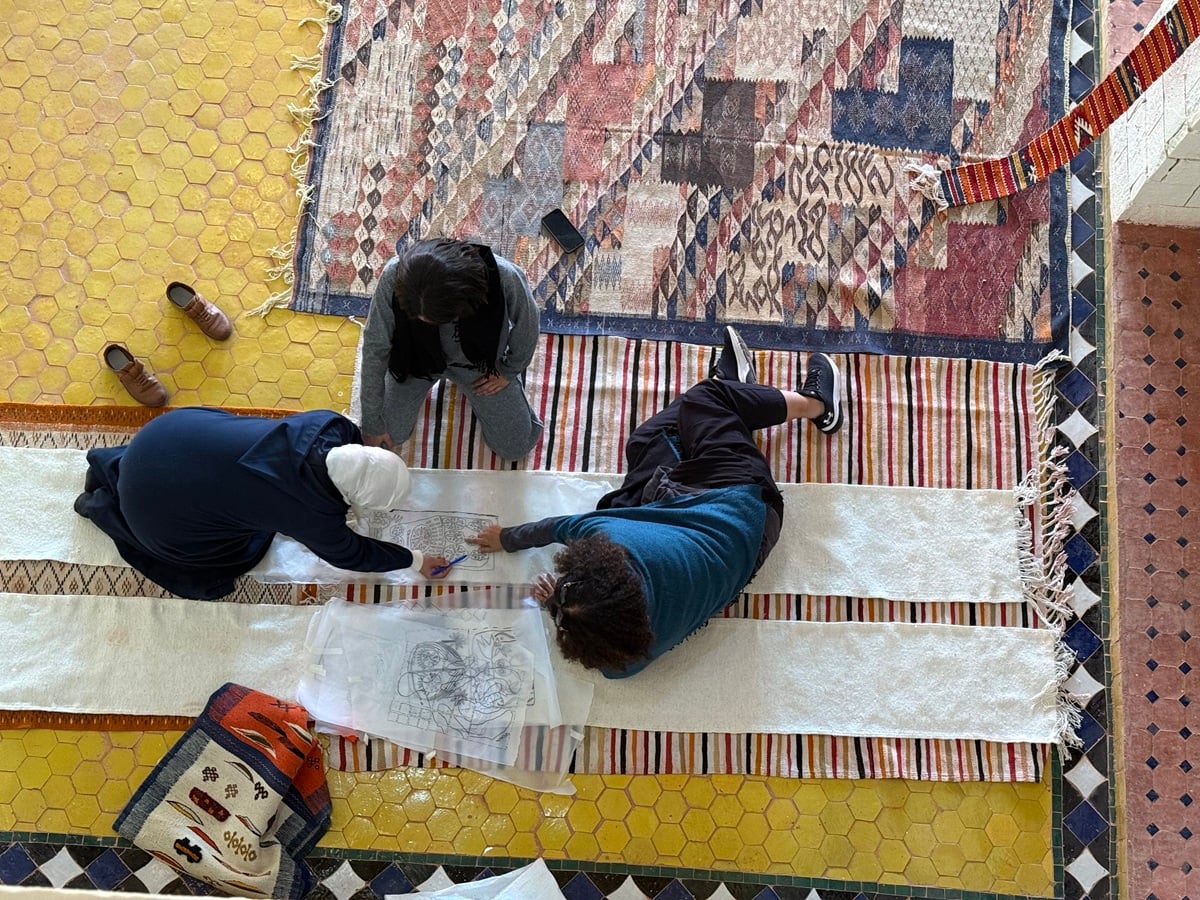
Morocco is for the first time with a Pavilion at the Venice Art Biennale. Homage to the weaving of Amina Agueznay

Il Marocco è per la prima volta con un Padiglione alla Biennale d’Arte di Venezia. L’omaggio alla tessitura di Amina Agueznay

Morocco is participating for the first time with an official national pavilion at the Venice Art Biennale, presenting a monumental installation by artist Amina Agueznay. Titled "Asǝṭṭa" (2026), the site-specific work at the Arsenale's Artiglierie space explores ritual weaving and the transmission of traditional craftsmanship, using sewn panels to create a second skin over the 300-square-meter pavilion. Curated by Meriem Berrada, the project draws on Agueznay's two-decade-long research in dialogue with Moroccan artisan communities, including spinners, embroiderers, basket makers, and goldsmiths.

Future cultural professionals in Africa will be trained by six Italian museums

I futuri professionisti della cultura in Africa saranno formati da sei musei italiani

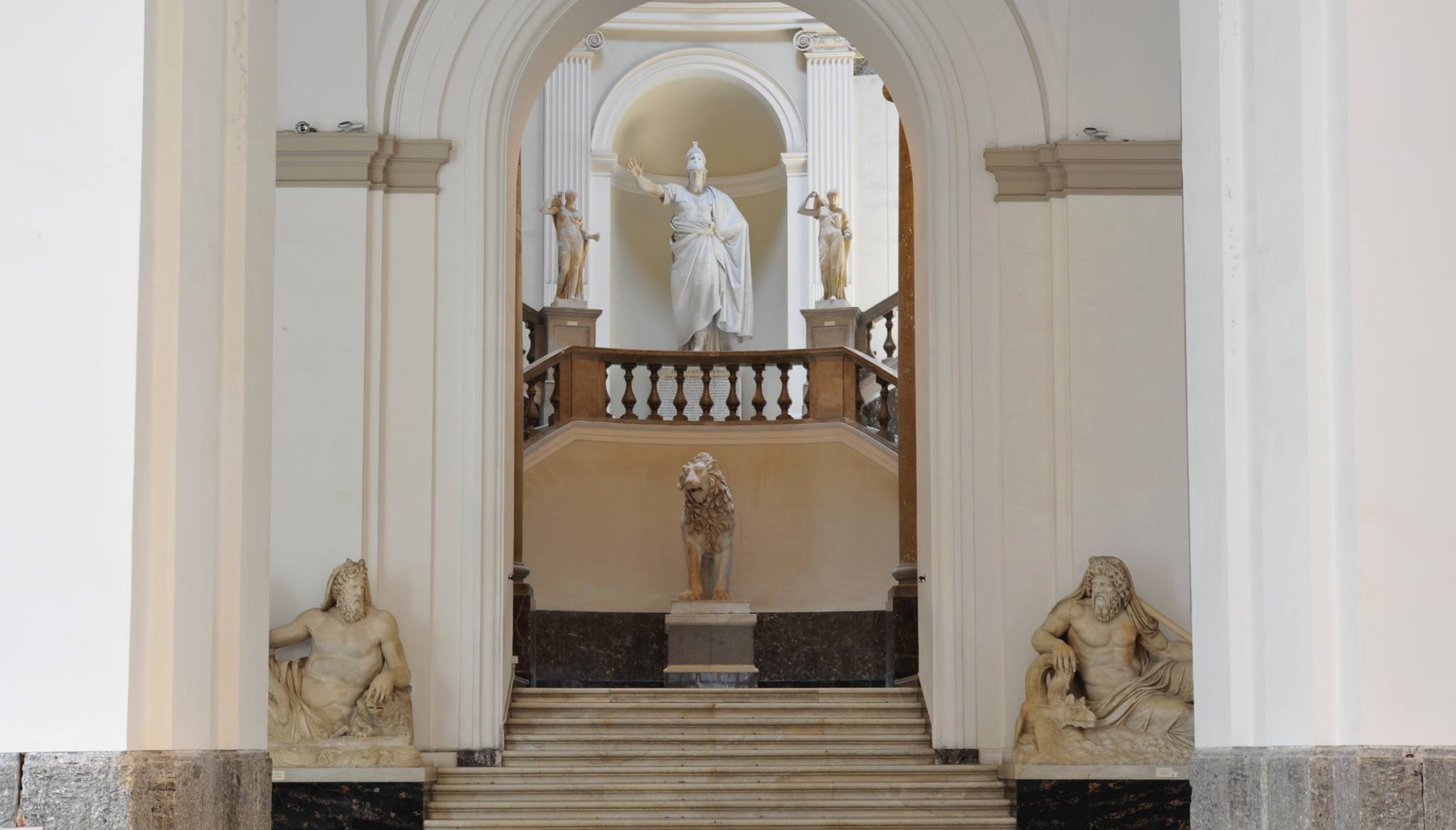
The fourth edition of the International School of Cultural Heritage (Scuola Internazionale del Patrimonio Culturale) is underway, with 23 cultural professionals from 12 African nations participating in a hands-on training program hosted by six Italian museums. After online modules and a week of lectures in Rome, the residential phase runs from April 27 to May 22, 2025, placing participants at the Museo delle Civiltà (MUCIV), the Archaeological Parks of Praeneste and Gabii, the National Archaeological Museum of Taranto (MArTA), the National Archaeological Museum of Naples (MANN), the National Archaeological Museum of Reggio Calabria (MArRC), and the National Archaeological Museum of Agro Falisco and Forte Sangallo in Civita Castellana. The program, titled "Managing Art Collections: from ancient to contemporary," focuses on collection management, conservation, and public programming, linking archaeological heritage with contemporary practices.

National Museum opens 'Pioneers of Omani Art' exhibition in Russia

The National Museum of Oman has opened an exhibition titled "Pioneers of Omani Art" at the State Tretyakov Gallery in Moscow, Russia. Running until 16 August, the show features 23 works by 17 Omani artists, highlighting how they draw inspiration from their culture, heritage, history, and environment. The exhibition traces the journey of fine art in Oman, from prehistoric rock art to the modern art movement, shaped by historical commercial and cultural exchanges with European artists.

Inauguration of Moroccan Pavilion at 61st Venice Biennale International Art Exhibition

Morocco inaugurated its national pavilion at the 61st Venice Biennale International Art Exhibition on Friday, with Head of Government Aziz Akhannouch presiding over the ceremony. The pavilion features the project “Asǝṭṭa,” led by artist Amina Agueznay and curator Meryem Berrada, and will be on view at the Doges through November. The presentation aligns with the Biennale’s overarching theme, “In Minor Keys,” and showcases Moroccan heritage through contemporary artistic expression.

Kazakh art exhibition opens in Baku

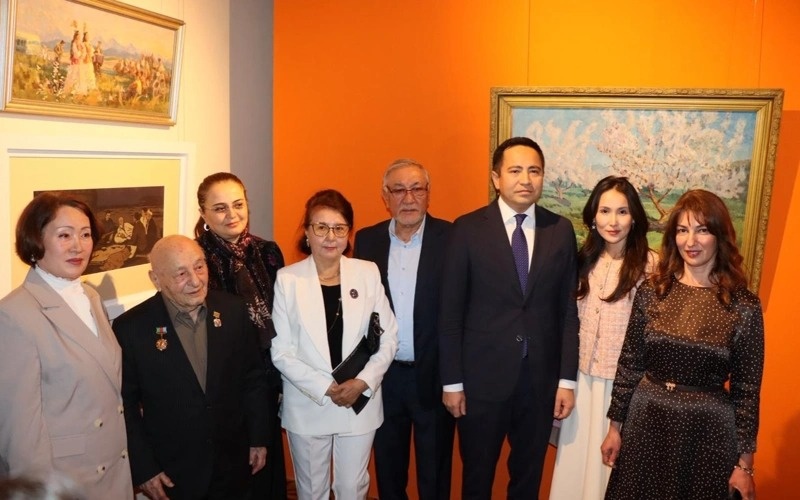
An exhibition of Kazakh art has opened in Baku, organized by the culture ministries of Kazakhstan and Azerbaijan. Featuring 30 paintings from the Abylkhan Kasteyev National Museum of Art, the show includes works by masters such as Abylkhan Kasteyev, Moldakhmet Kenbayev, and Kanafiya Telzhanov, as well as contemporary artists exploring tradition, spirituality, and national identity. The exhibition will run for four months at an unspecified venue in Baku.

Meloni on Venice Biennale: 'I've somewhat lost track'

Meloni über Venedig-Biennale: "Habe den Überblick etwas verloren"

Days before the opening of the Venice Biennale, the entire international jury resigned in protest over Russia's participation despite its war against Ukraine. The jury had previously excluded Russia and Israel from prize consideration due to International Criminal Court warrants against their leaders. Italy's Prime Minister Giorgia Meloni admitted she had "lost track" of the situation, while the government sent inspectors to Venice. Biennale organizers responded by postponing the Golden Lion awards until November and introducing two audience-choice awards that will include Russian and Israeli entries.

Seoul Museum of Craft Art opens two exhibitions centered on brief but ambitious Korean Empire

The Seoul Museum of Craft Art opens two special exhibitions on Tuesday, both centered on the Korean Empire (1897-1910), a brief period when Korea sought to modernize through craft and industrial innovation. The larger exhibition, “The Hybrid,” marks 140 years of diplomatic relations between Korea and France, gathering 24 objects from European collections—23 from France and one from Germany—some not displayed in Korea in over 120 years. The second, “Folded Time, Unfolded Memory: Andong Palace,” focuses on the royal women who lived on the museum’s grounds, particularly Empress Sunjeonghyo and Princess Kim Deok-su. Museum director Kim Soo-jung described the two shows as “almost like an omnibus,” connected through the Korean Empire period.

Iran Absent from the Venice Biennale

L’Iran absent de la Biennale de Venise

Iran will be absent from the 2026 Venice Biennale, marking a notable gap in the international art exhibition. The decision reflects ongoing geopolitical tensions and logistical challenges that have prevented the country from participating in one of the world's most prestigious cultural events.

The Biennale and the Weight of Flags. What Is the Point of National Pavilions?

La Biennale e il peso delle bandiere. Che senso hanno i padiglioni nazionali?

The article examines the inherent contradiction within the Venice Biennale: its historical structure of national pavilions, a legacy of 19th-century world fairs and state-sponsored art, clashes with the transnational, post-identity vision of the international exhibition curated by Koyo Kouoh. The return of the Russia Pavilion amid geopolitical conflict and the international show titled "In Minor Keys," which rejects national belonging as an interpretive criterion, highlight this tension. The piece also addresses the controversy over the lack of Italian artists in the main exhibition, questioning whether a Biennale hosted in Italy should guarantee national representation.