filter_list Showing 89 results for "diplomacy" close Clear
dashboard All 89 museum exhibitions 41article news 35article policy 6person people 4article culture 2rate_review review 1
date_range Range Today This Week This Month All
Subscribe

Who Went to Venice Last Week? Jenny Saville, Glenn Lowry, Jewel, and Many Other Power Players

Artnet News reporter Katya Kazakina recounts her experience at the opening week of the 61st Venice Biennale, describing a whirlwind of art, parties, and chance encounters. Notable figures spotted include former MoMA director Glenn Lowry, singer-songwriter Jewel (who debuted her visual art show "Matriclysm: An Archaeology of Connections Lost"), and Japanese Nintendo heir and collector Banjo Yamauchi. High-profile events included Thaddaeus Ropac gallery's reception for Georg Baselitz's final paintings (priced up to $1.5 million) and François Pinault's annual party at Fondazione Giorgio Cini, attended by Selma Hayek, Lorna Simpson, and JR. The article also highlights the social dynamics of the biennale, where dealers, curators, and collectors network across historic palazzos and hotels.

U.S. Crowdfunds Its Venice Biennale Pavilion

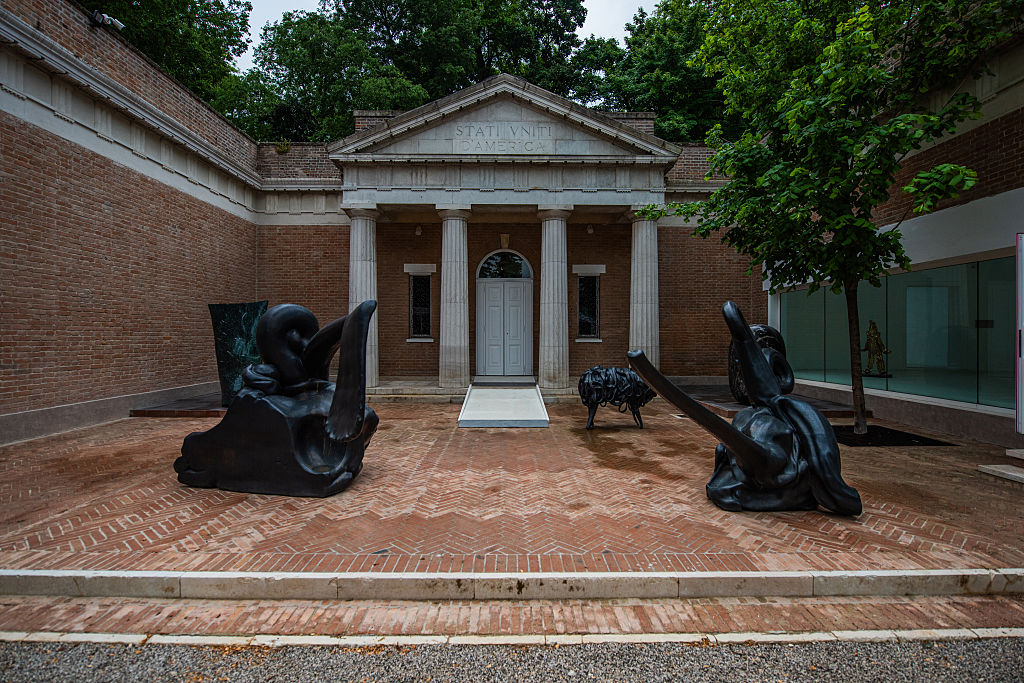
The United States is crowdfunding its pavilion at the 61st Venice Biennale, which opens in ten days, due to the absence of major sponsors like the Ford Foundation and the Mellon Foundation. The pavilion, featuring sculptures by Alma Allen, is being organized by the American Arts Conservancy (AAC), which is soliciting donations through a campaign that has been live since at least November. The U.S. government contributes $375,000, but the installation costs significantly exceed that amount. Donors include Nevada-based Republican donors Jim and Aimee Battista, talent manager Tom Ierna, and actor Alex Pita. The AAC has not disclosed the campaign's fundraising goal, amount raised, or end date.

Alma Allen Speaks Out on Backlash Over U.S. Pavilion Commission: ‘A Little Stressful’

Sculptor Alma Allen has spoken out for the first time about the backlash he faced after accepting the commission to represent the United States at the Venice Biennale. In a rare interview on the podcast *Time Sensitive*, recorded at his home in Tepotzlán, Mexico, Allen described the response as “a little stressful” but said he never hesitated when curator Jeffrey Uslip invited him last fall. His selection sparked controversy because the State Department’s requirement that proposals “reflect and promote American values” while not promoting DEI initiatives led higher-profile artists like William Eggleston and Barbara Chase-Riboud to refuse. Allen’s former galleries, Mendes Wood and Olney Gleason, dropped him after he accepted, though he has since joined Perrotin. He also hinted that his exhibition, “Call Me the Breeze,” will include work about conflict and surveillance.

There Has Never Been an Apolitical Venice Biennale

"Es hat niemals eine unpolitische Venedig-Biennale gegeben"

The Venice Biennale is embroiled in political controversy, with the US Pavilion's selection process criticized for bypassing traditional curatorial expertise in favor of a politically connected outsider. Simultaneously, a collective of artists and academics is protesting Russia's return to the Biennale, arguing it uses art as a political instrument to normalize its actions amid the war in Ukraine. An analysis in ArtReview contends the Biennale has never been apolitical, serving as a stage for geopolitical power plays since its inception.

The British Museum Is Recreating the Bayeux Tapestry’s Medieval Woodland

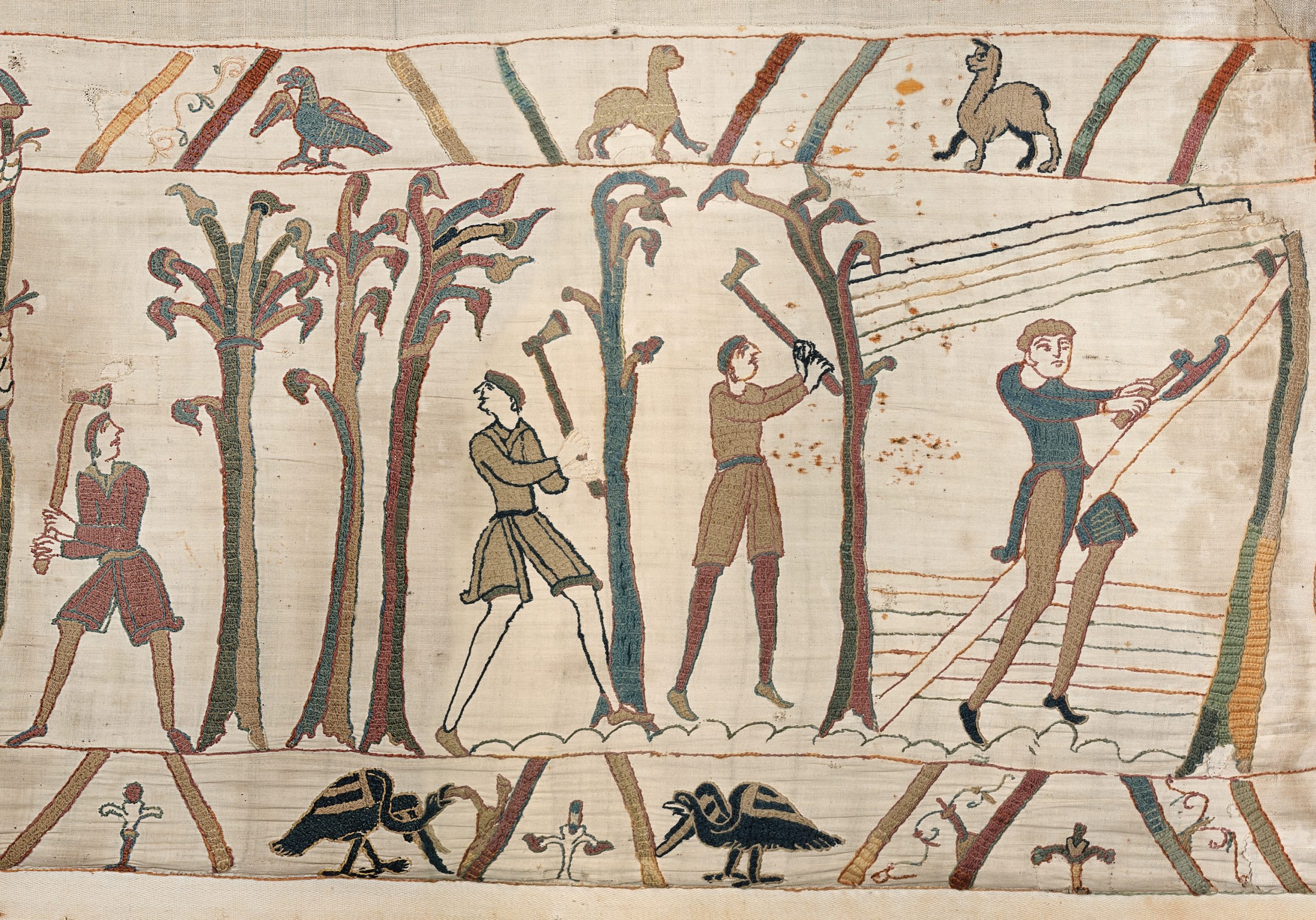
The British Museum is installing a temporary woodland installation called "Tapestry of Trees" in its forecourt from May 16 to June 2, evoking the 11th-century English landscape depicted in the Bayeux Tapestry. Designed by garden designer Andy Sturgeon, the installation features 37 silver birch trees and planters with dyed hessian wraps matching the tapestry's colors, alongside woodland species like Guelder Rose and Foxglove. It launches public programming ahead of the tapestry's historic loan from France, which will be displayed in a blockbuster exhibition on the Norman Conquest starting in September.

The US Pavilion Is Taking Online Donations

The American Arts Conservancy (AAC), the nonprofit tasked with executing Alma Allen's 2026 US Pavilion at the Venice Biennale, is soliciting online donations from the public after receiving no corporate or foundation funding. Unlike previous pavilions backed by major foundations like Ford and Mellon, AAC's fundraising relies on private citizens, with a minimum $100 donation requested via its website. The State Department provided $375,000 but requires additional funding, and AAC's Executive Director Jenni Parido, a former pet food store owner, declined to name specific donors, though Instagram posts suggest wealthy Trump allies attended benefit events. Perrotin Gallery, which represents Allen, is providing operational support but not funding.

No Need to Shed a Tear for the Jury

"Man muss der Jury keine Träne nachweinen"

The entire jury of the Venice Biennale resigned shortly before the opening, prompting criticism of Biennale President Pietrangelo Buttafuoco. Italian Culture Minister Alessandro Giuli accused Buttafuoco of pursuing a misguided "pacificist fantasy" by readmitting Russia to the six-month exhibition, calling it failed "side foreign policy." Commentators in German media, including Niklas Maak (FAZ) and Marcus Woeller (Die Welt), see the resignation as a symptom of a crisis in the art world, with the jury having acted as a "political tribunal" by pre-judging artists based on nationality, particularly regarding Israel. The Biennale leadership defended inclusion, but the standoff has caused significant "image damage." Separately, Dirk Knipphals (wochentaz) delivers a scathing review of Wolfram Weimer's first year as cultural policy commissioner, accusing him of empty rhetoric and failing to counter right-wing cultural politics. Juliane von Mittelstaedt (Der Spiegel) reports on Saudi Arabia's use of a spectacular new art museum in Riyadh as a stability narrative amid regional conflict.

Is the US about to be humiliated on the world’s most prestigious cultural stage?

More than 70 prominent international artists have signed an open letter demanding the exclusion of the United States, Israel, and Russia from the 2026 Venice Biennale, accusing those governments of committing war crimes and atrocities. The controversy centers on the US pavilion, which will feature Mexico-based American artist Alma Allen, whose abstract, anodyne sculptures were chosen by a last-minute commissioner with no art-world experience—a luxury pet food store owner from Florida who reportedly gained the role through connections at Mar-a-Lago. The Biennale's five-person jury has already resigned amid the furor, and Russia is returning to the event for the first time since its 2022 invasion of Ukraine.

Art and authoritarianism in Auckland

Auckland Art Gallery is presenting 'Forever Tomorrow: Chinese Art Now,' a major survey of Chinese contemporary art featuring 67 works by 42 artists, running from May 2 to August 23, 2026. The exhibition includes Xiao Lu's iconic 1989 work 'Dialogue,' which she famously shot with a gun hours after its opening, an act later linked to the Tiananmen Square protests. Xiao Lu comments on the political resonance of the show in New Zealand amid global shifts in democracy and US-centric world order.

The Kyrgyzstan Pavilion at the Venice Biennale Builds a Bridge Between Two Cultures

Il Padiglione del Kirghizistan alla Biennale di Venezia getta un ponte tra due culture

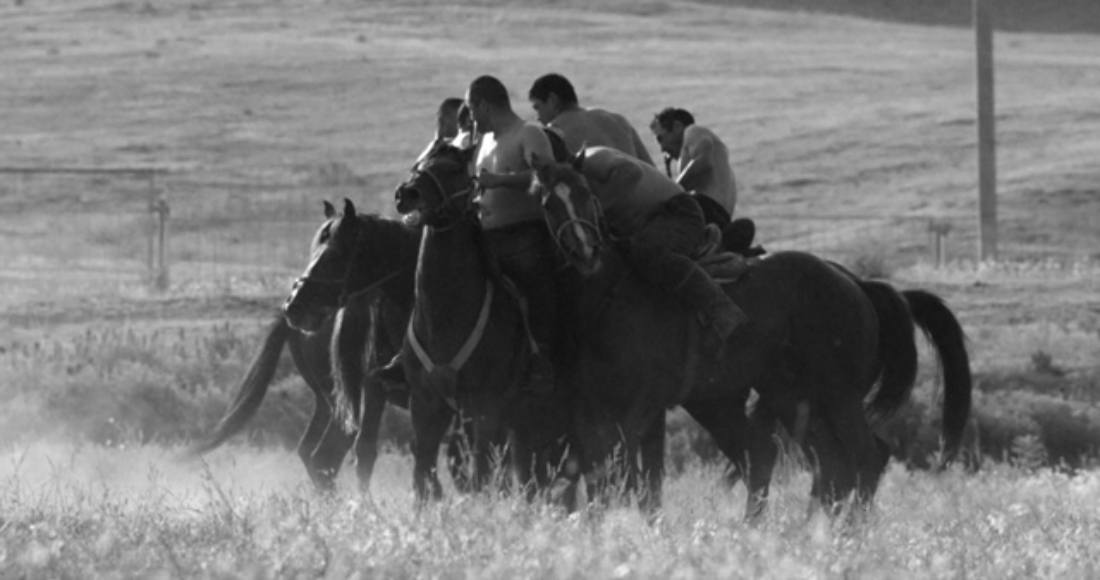
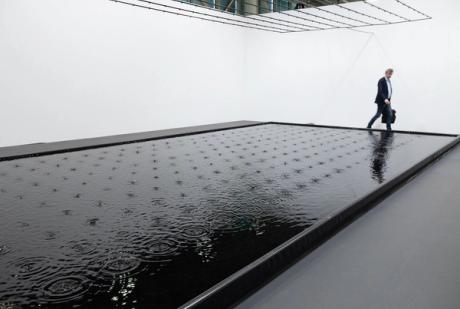
Alexey Morosov presents "BELEK" at the Kyrgyzstan Pavilion of the 61st Venice Biennale, a project inspired by the mountainous landscapes, glaciers, and brutalist dams of Kyrgyzstan. Combining video, sculpture, painting, and sound, Morosov explores water as a key resource for the future and a deep cultural memory of Central Asia, linking the region's hydro-engineering transformations with the nomadic heritage of the Kyrgyz people. The project centers on the traditional equestrian game Kok-Börü, which Morosov describes as constitutive of Kyrgyz identity, and features centaur-like figures made from raw earth used in local dwellings.

The Carnegie International Makes Its Mark

The 59th Carnegie International opens in Pittsburgh, featuring 61 artists from around the world in the oldest survey of its kind in the United States. Critic Ed Simon reviews the exhibition, noting it captures the excitement of earlier editions while providing vital commentary on authoritarianism and militarism. In other news, activists protested Jeff Bezos's co-chair role at the Met Gala with a costumed action and guerrilla projections on his penthouse; Iran withdrew from its national pavilion at the Venice Biennale; MoMA PS1 announced the first US survey of Mexican artist Teresa Margolles; and Hakim Bishara reflects on MoMA's Marcel Duchamp exhibition.

Defying Soft Power: “Proximities” at SeMA

The Seoul Museum of Art (SeMA) is hosting "Proximities: Contemporary Art from the United Arab Emirates," a major survey featuring over 110 works by 47 artists. Co-curated by Maya El Khalil and Eunju Kim in collaboration with the Abu Dhabi Music & Arts Foundation (ADMAF), the exhibition eschews traditional chronological narratives in favor of a dense, non-linear exploration of Emirati identity. The show is organized into thematic chapters led by artist-curators, featuring works ranging from Shaikha Al Mazrou’s precarious sculptures to Raja’a Khalid’s olfactory installations.

The Bahamas returns to the Venice Biennale with a joy-filled posthumous collaboration

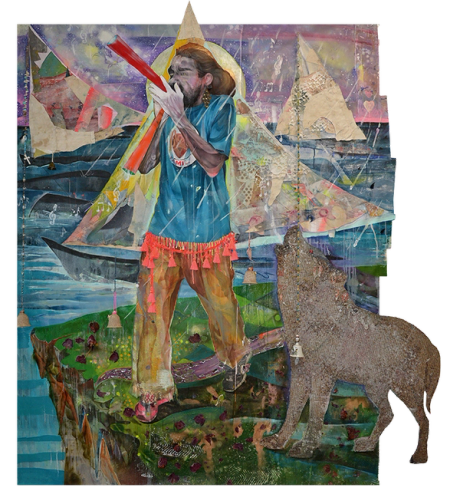
The Bahamas will return to the Venice Biennale in 2026 after a 13-year absence with a posthumous exhibition for artist John Beadle, who died in 2024 at age 60. Beadle was originally selected to represent the country in 2015 but the government withdrew funding. The exhibition, titled "In Another Man’s Yard," will feature Beadle’s work alongside that of his mentee, Lavar Munroe, using materials from Beadle’s studio including sails from Haitian migrant sloops. The pavilion is organized by commissioner Amanda Coulson and curator Krista Thompson, who raised private funds after the government declined to support the project.

The art of politics: how global conflicts are playing out in this year's Venice Biennale

Israel is making a controversial return to the 2025 Venice Art Biennale after its pavilion was locked in 2024 with a note demanding a ceasefire in Gaza. The artist representing Israel, Belu-Simion Fainaru, will present his project "Rose of Nothingness" in the Arsenale, while Russia also returns to the Biennale after its Giardini pavilion was reassigned to Bolivia in 2024. The Art Not Genocide Alliance (ANGA) has renewed calls for a boycott and is organizing strike action to disrupt the event, accusing Israel of genocide.

MMCA exhibition explores 80 years of artistic exchanges between Korea, Japan

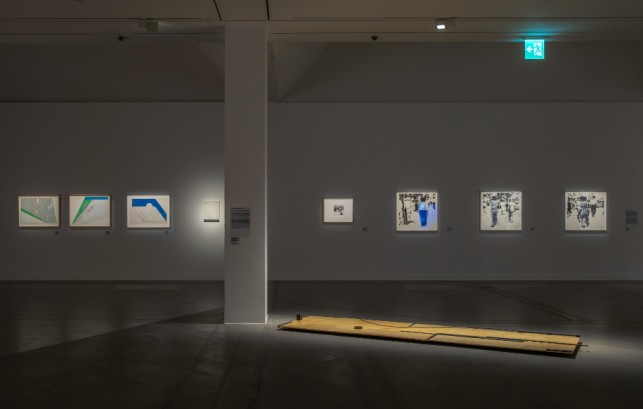
The National Museum of Modern and Contemporary Art (MMCA) in Korea, in collaboration with the Yokohama Museum of Art, has organized "Art between Korea and Japan since 1945," an exhibition opening at MMCA's Gwacheon branch. Featuring about 200 works by 43 artists and teams, including Paik Nam-june, Lee Ufan, Lee Bul, Jiro Takamatsu, Takashi Murakami, and Koki Tanaka, the show traces 80 years of artistic exchanges between the two countries. It is structured in five sections, beginning with a tribute to Zainichi Koreans, and highlights key works such as Paik's 1986 satellite project "Bye Bye Kipling." The exhibition runs through September 27.

Amid ceasefire, Tehran museum opens ‘Art & War’ exhibit spotlighting US Jewish artist

Tehran's Museum of Contemporary Art has opened an exhibition titled 'Art & War' featuring works by American Jewish artist Peter Saul, amid a fragile ceasefire between Israel and Hezbollah. The show includes Saul's provocative paintings that critique war and political violence, marking a rare cultural exchange in a country where official rhetoric often opposes Israel and the United States.

Bridging East and West: The top Asia-Pacific art exhibitions in Europe in 2026

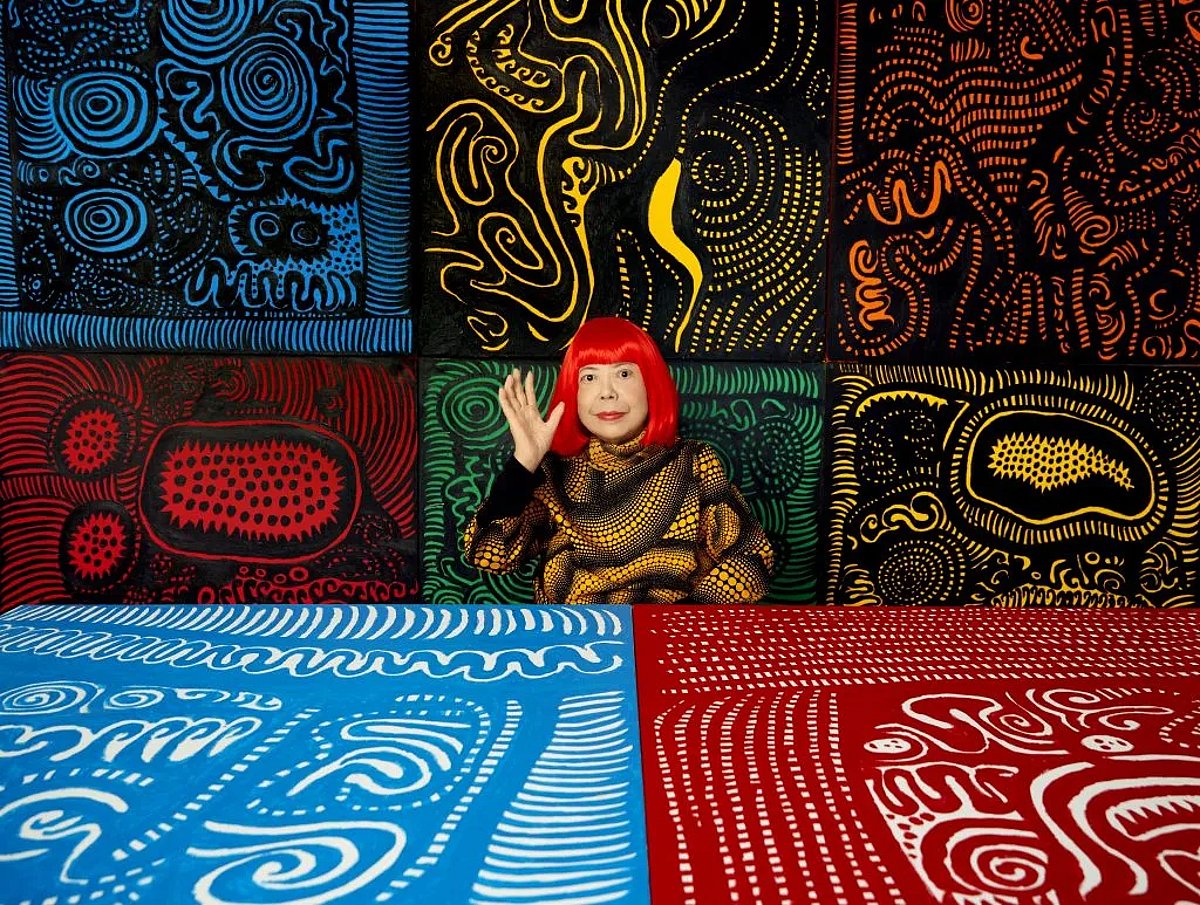
Europe is set to host a series of major exhibitions in 2026 that bridge the cultural divide between the East and West. Key highlights include a massive Yayoi Kusama retrospective at the Stedelijk Museum in Amsterdam, a showcase of Thai royal haute couture and Pierre Balmain’s designs at the Musée des Arts Décoratifs in Paris, and an exploration of ancient Korean gold at the Musée Guimet. Additionally, the Victoria and Albert Museum in London will partner with Australia’s QAGOMA for a large-scale survey of contemporary art from Asia and the Pacific.

Ha Chong-hyun's 6 decades of art head to San Francisco's Asian Art Museum

Korean artist Ha Chong-hyun, a key figure in the Dansaekhwa (monochrome painting) movement, will receive his first North American museum retrospective at the Asian Art Museum in San Francisco. The exhibition, opening in September, will feature approximately 50 works spanning six decades, including his recent paintings and his signature 'Conjunction' series.

À Marseille, la nouvelle saison culturelle Méditerranée s’ouvre avec deux semaines de festivités

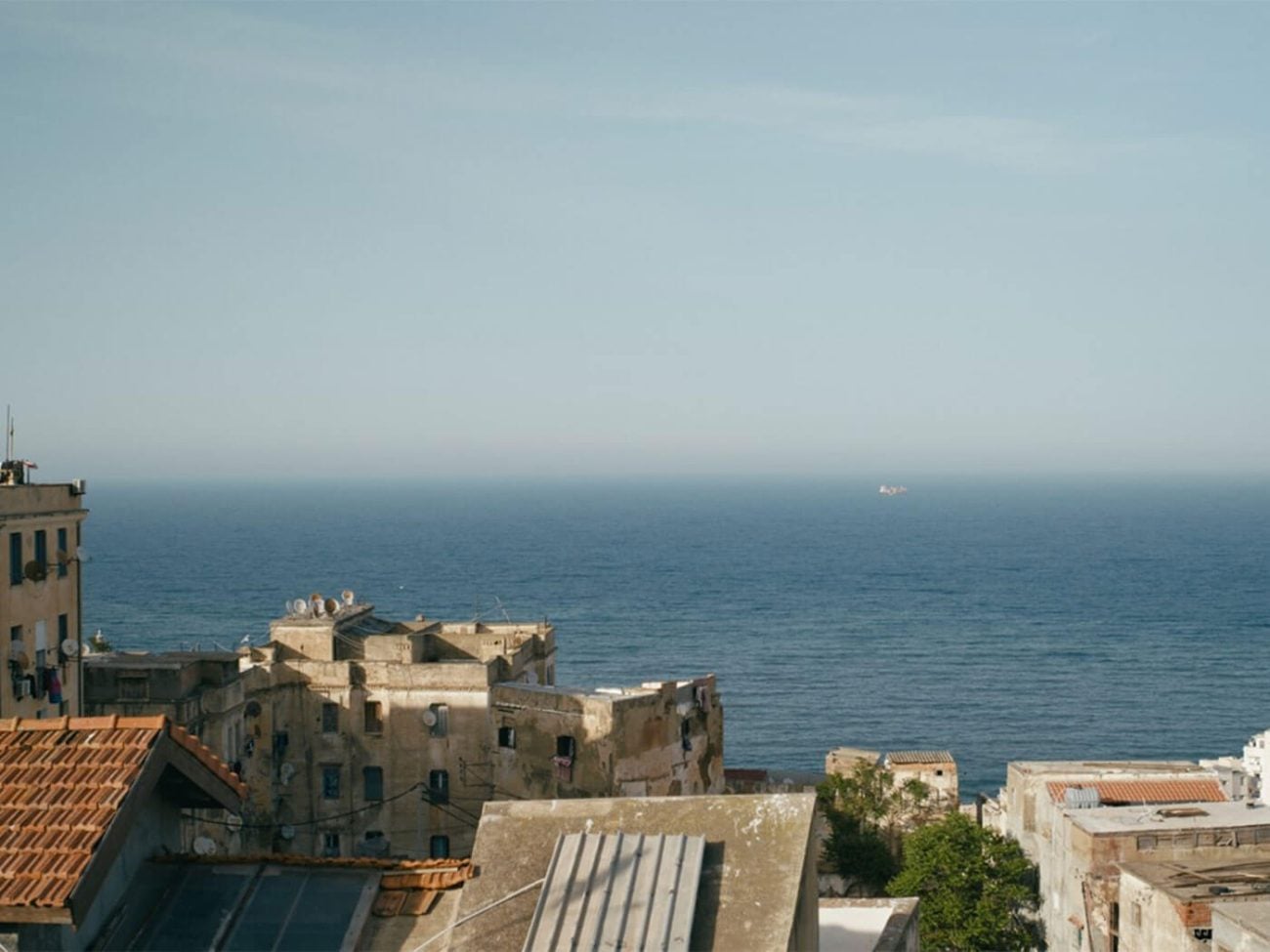
France's new cultural season, "Saison Méditerranée," launches on May 15, 2026, in Marseille with two weeks of festivities running through May 24. Organized by the Institut français and announced by President Emmanuel Macron in 2023, it is the first season to focus on an entire region—the Mediterranean and its 21 bordering countries—rather than a single nation. The program includes exhibitions at venues like the [mac], the Vieille Charité, and the Friche la Belle de Mai, featuring artists such as Louisa Babari, Adrien Vescovi, Zineb Sedira, Mona Benyamin, and Abdessamad El Montassir. Highlights also include the inauguration of the transformed Citadelle de Marseille with works by Saber Zammouri and Hugo Mir-Valette, a performance by Mohamed El Khatib at the Mucem, and a concert by Sofiane Saidi and Camélia Jordana. The season continues across France until October, with a major project by Mohamed Bourouissa at the Grand Palais in Paris.

Museum diplomacy in action at ICOM UK 2026: museums in a changing world

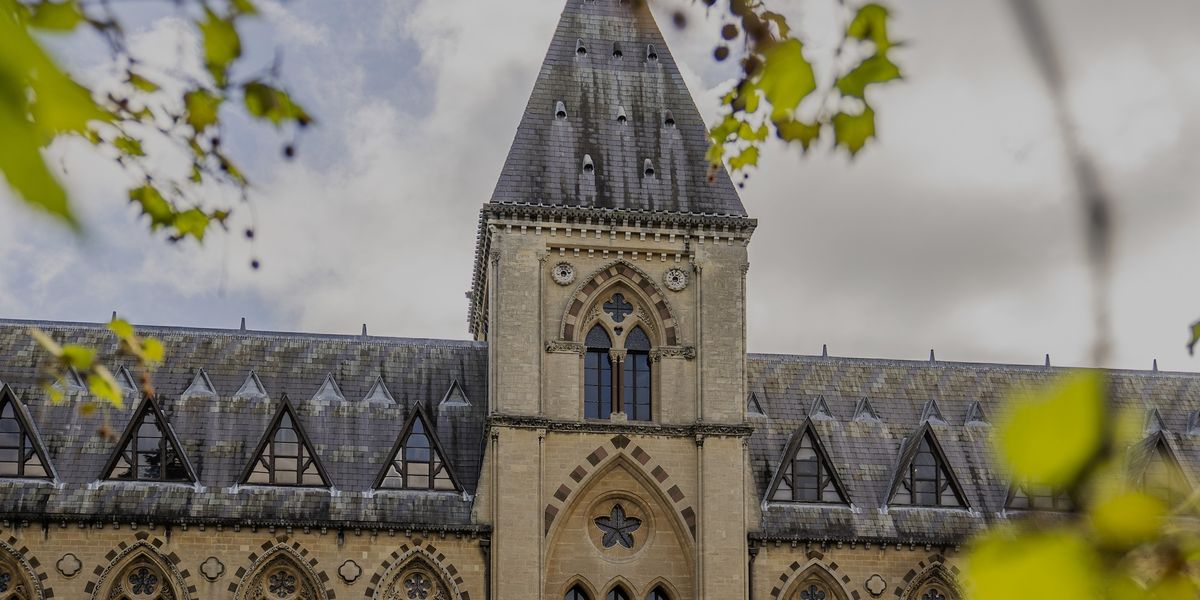
ICOM UK hosted its 2026 annual conference in Oxford, bringing together delegates from over 20 countries to explore the theme of 'Museum Diplomacy.' Keynote speaker Dr. Sascha Priewe of the Aga Khan Museum and ICOM Canada framed the current geopolitical moment as a 'GZERO World,' where no country is willing or able to lead globally, and discussed how sanctions, export controls, and shifting alliances are straining international museum collaborations. Sessions featured case studies from the Science Museum Group and International Arts & Artists, emphasizing that trust and networks, not grand gestures, are essential for enduring partnerships.

EU imposes sanctions on Mikhail Piotrovsky, director of Russia's State Hermitage Museum

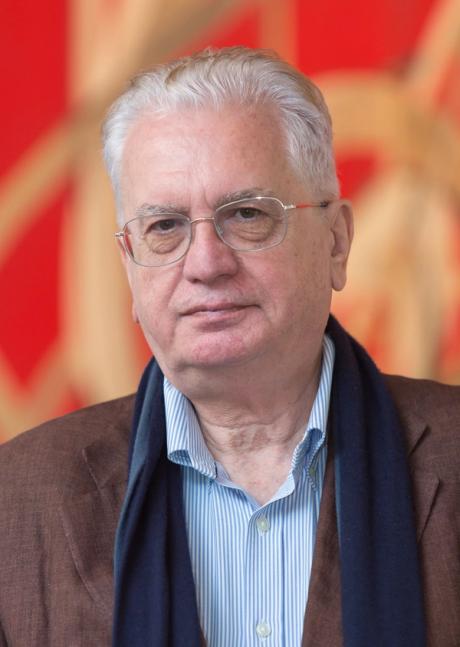
The European Union has imposed sanctions on Mikhail Piotrovsky, the director of Russia's State Hermitage Museum, as part of its 20th sanctions package adopted on 23 April. Piotrovsky, a vocal supporter of Russia's full-scale invasion of Ukraine, is cited for being a close associate of Vladimir Putin and for actively supporting the war, including justifying Russian cultural policies that incorporate Ukrainian museum items into Russia's State Museum Fund and enabling unauthorized archaeological excavations in occupied Crimea. The sanctions also target three other cultural officials involved in the Crimean digs. Meanwhile, Hermitage archaeologist Alexander Butyagin, arrested in Poland in December 2025 at Ukraine's request, was released in a prisoner exchange on 28 April.

Israel’s foreign ministry accuses Venice Biennale's jury of ‘politicising’ exhibition

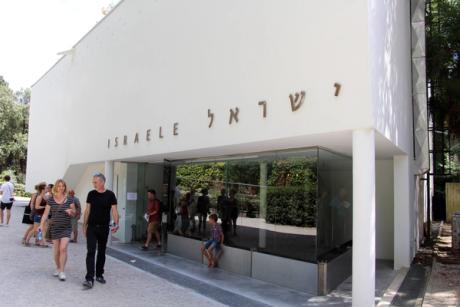
Israel’s foreign ministry has accused the Venice Biennale's jury of politicizing the exhibition after jurors announced they would not consider for prizes countries whose leaders face International Criminal Court charges for crimes against humanity. The jury’s statement, which did not name specific nations, is broadly understood to apply to Israel and Russia, both returning to the Biennale for the first time since the Gaza war and the Ukraine invasion, respectively. The Israeli ministry posted on X that the jury had decided to 'boycott' Israeli sculptor Belu-Simion Fainaru, calling it 'a contamination of the art world.' The Biennale distanced itself from the jury’s announcement, stating the jury acts autonomously, while the Russian pavilion is reportedly set to open only for a limited pre-opening period due to budget constraints amid sanctions.

Russian Pavilion Will Be Closed to the Public During Venice Biennale: Report

The Russian Pavilion will be closed to the public for most of the 2025 Venice Biennale, opening only during the pre-opening vernissage (May 5–8) for live performances tied to the exhibition “The Tree Is Rooted in the Sky.” After May 9, the pavilion will remain closed, with digital documentation displayed in the windows. The compromise follows weeks of pressure from European cultural and political figures—including Italy’s culture minister—to shutter the pavilion due to Russia’s ongoing war in Ukraine. Plans were confirmed via email correspondence between Biennale Foundation president Pietrangelo Buttafuoco, general director Andrea Del Mercato, and Russian Pavilion commissioner Anastasia Karneeva, as reported by Italian outlets Open and La Repubblica.

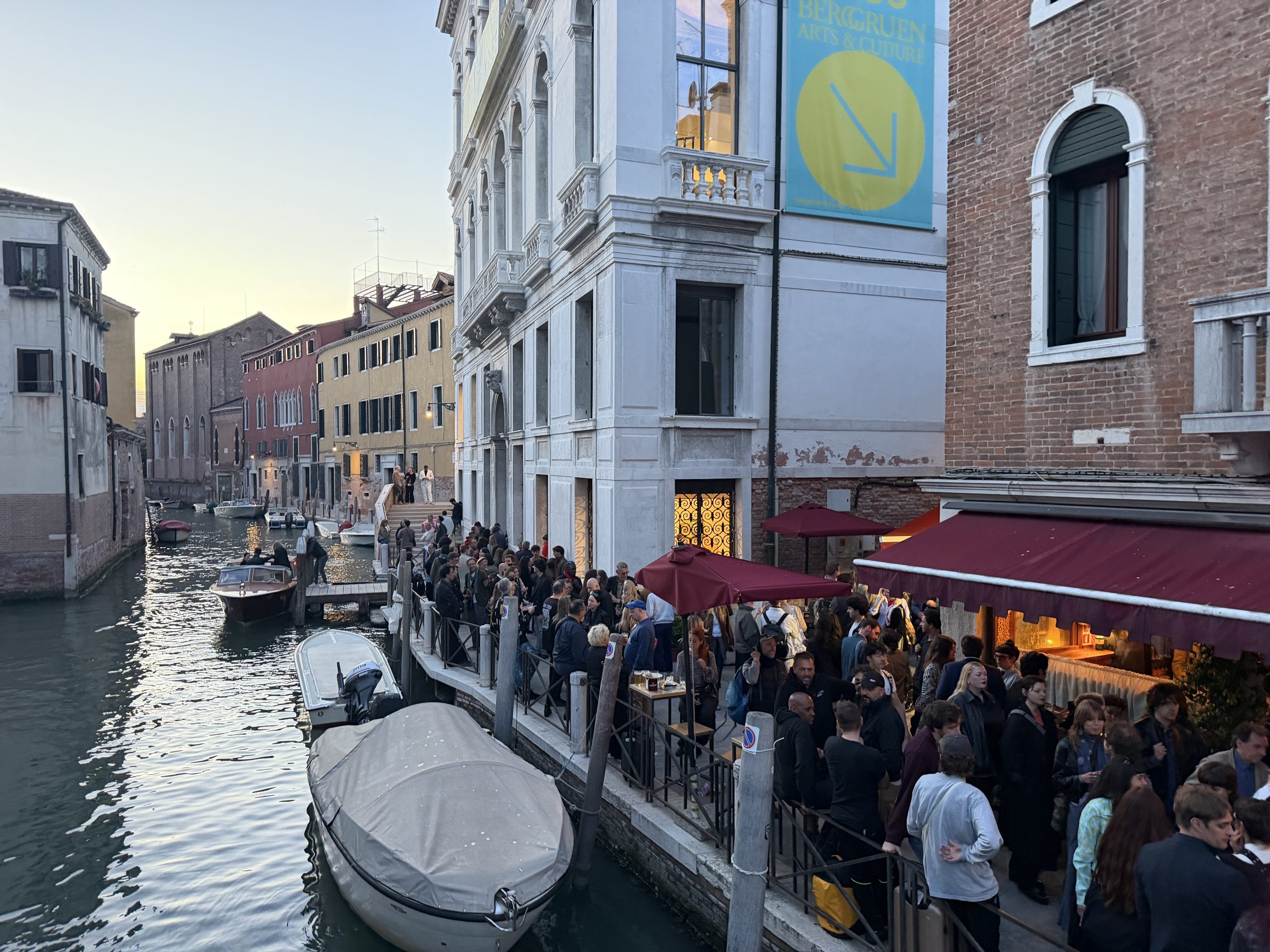
Venice’s Chicest Invite This Week? A Pizza Party Where the Artists Chose the Ingredients

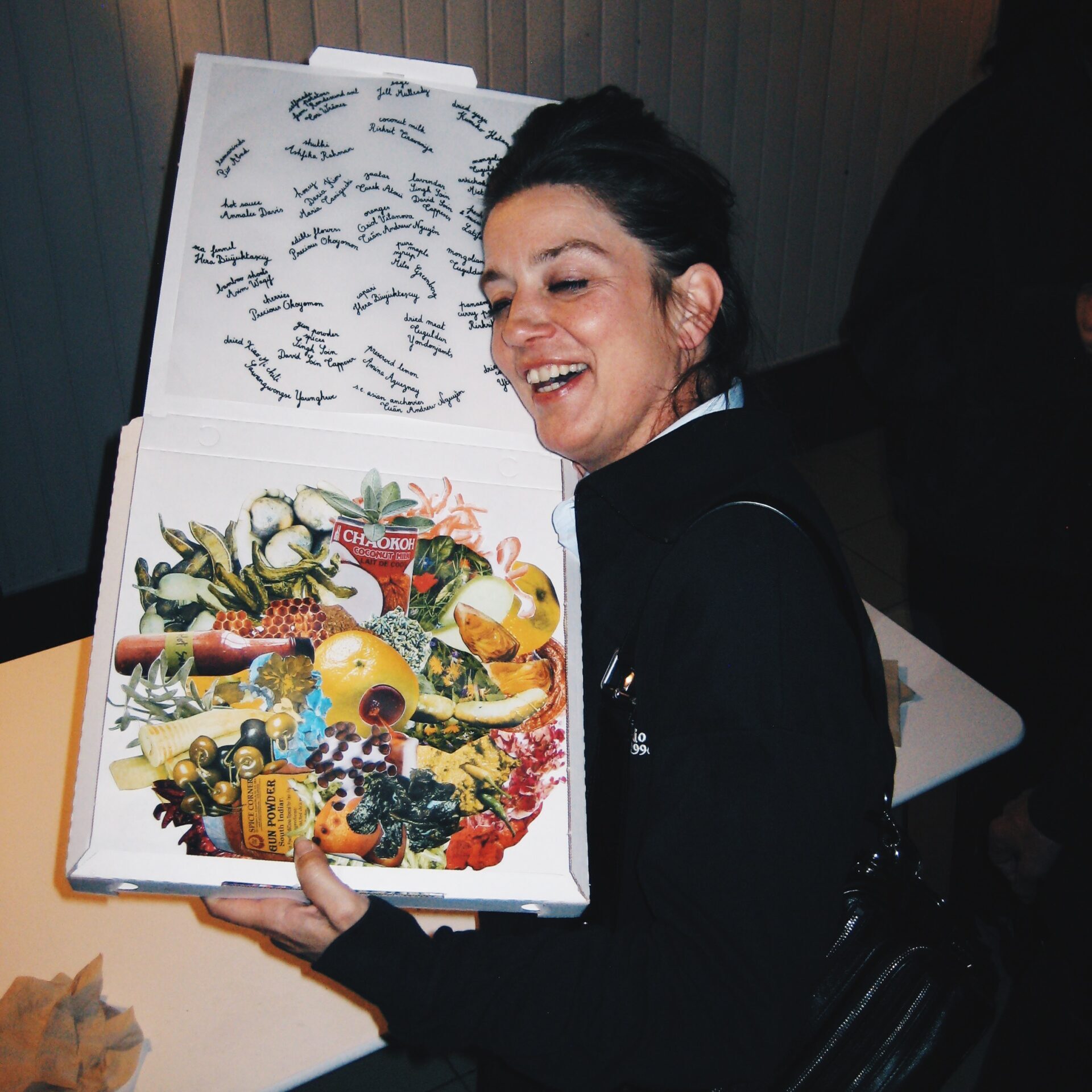
Diana Campbell, Chomwan Weeraworawit, and Paris-based art advisors Samy Ghiyati and Nicolas Nahab of NG Partners organized a pizza party called Pizzalo Mundo during the Venice Biennale. Each artist contributed an ingredient from home: Rirkrit Tiravanija brought a Penang coconut base, Precious Okoyomon added flowers, Daria Kim wild honey, Tarek Atoui za'atar on hummus, Miet Warlop artichoke hearts, Tori Wrånes self-grown potatoes, and Alexa Kumiko Hatanaka fig leaf oil with yuzu salt. The event drew a crowd of curators, directors, and collectors from institutions including Tate, Musée d'Orsay, Guggenheim Abu Dhabi, MoMA, and Centre Pompidou.

Venice Biennale’s Russian Pavilion and Pussy Riot Spar Over Usage of Protest Footage

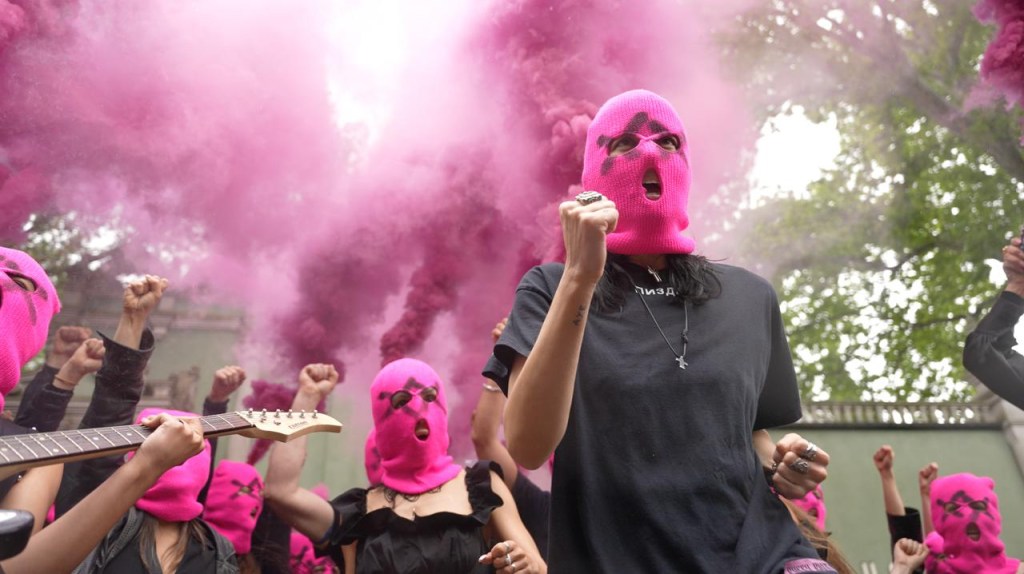
The Russian Pavilion at the 2026 Venice Biennale has become embroiled in a new controversy after accusing the anti-Putin art collective Pussy Riot of censorship. The pavilion posted on Instagram that Pussy Riot demanded the removal of footage featuring them from a documentary film about the pavilion's project, labeling the request as self-censorship. Pussy Riot responded sarcastically, questioning the pavilion's use of Instagram given Russia's 2022 ban of the platform. The dispute follows earlier protests at the pavilion's opening, led by Pussy Riot and FEMEN, against Russia's participation in the Biennale amid its ongoing invasion of Ukraine.

Putin ‘Won’ the Venice Biennale, Quips Italian Culture Minister

Italian Culture Minister Alessandro Giuli stated that Russian President Vladimir Putin "won" the 2024 Venice Biennale, criticizing Russia's controversial return to the event. Giuli, who repeatedly denounced Russia's presence, told Corriere della Sera that Russian artists in the pavilion cannot express dissent against their regime. The Biennale faced widespread calls to remove Russia, with the EU threatening to withhold a €2 million grant, but organizers argued they lacked legal authority to exclude the country. Protests by Pussy Riot and FEMEN marked the pavilion's opening, while the Biennale's jury resigned en masse after announcing that nations charged with crimes against humanity would be ineligible for Golden Lions.

Alma Allen’s US Pavilion Heads to Venice Amid Questions Over Selection Process

The selection of Alma Allen to represent the United States at the 2026 Venice Biennale has ignited controversy over the process. The U.S. State Department abandoned its traditional selection model, which involved a panel of experts convened by the National Endowment for the Arts, and instead handed control to a new nonprofit, the American Arts Conservancy, led by individuals with little museum experience. This shift has drawn criticism from prominent figures in the art world, with some artists declining to participate due to concerns over the political context and unfamiliar leadership.

Anish Kapoor says US’s ‘politics of hate’ should exclude it from Venice Biennale

Anish Kapoor has called for the United States to be excluded from the Venice Biennale, citing the country's "abhorrent politics of hate" and "incessant warmongering." His comments follow the resignation of the five-member international jury, who stepped down in protest over the inclusion of Israel and Russia. Kapoor praised the jury's decision as "courageous" but argued they should have also targeted the US. The US pavilion, featuring artist Alma Allen and his exhibition "Call Me the Breeze," has faced scrutiny over perceived Trump administration interference and a delayed selection process. Meanwhile, the Israeli and Russian pavilions remain flashpoints, with over 200 participants signing a letter demanding the cancellation of the Israeli pavilion, and the Russian pavilion closed to the public but viewable through windows.

Embattled US Venice Biennale Pavilion is Seeking Donations

The American Arts Conservancy (AAC), an organization founded last year by the Trump administration, has launched a crowdfunding campaign to support the United States Pavilion at the Venice Biennale. This comes amid widespread controversy and calls to exclude the US, Russia, and Israel from the event. The AAC website solicits donations starting at $100, claiming a "once-in-a-generation opportunity" to restore America's artistic presence abroad. The US government has already contributed $375,000, but the State Department says the total exhibition cost far exceeds that amount. This year's pavilion will feature sculptor Alma Allen, after Barbara Chase-Riboud and William Eggleston declined to participate.

The message behind the US pavilion at the Venice Biennale

The article previews the 61st Venice Biennale, opening May 9 and running through November 22, highlighting early controversies. The five-person Golden Lion jury, led by Brazilian curator Solange Farkas, resigned after declaring they would not consider pavilions from countries under International Criminal Court investigation, targeting the Israel pavilion and its artist Belu-Simion Fainaru. Separately, the US pavilion has drawn scrutiny from the New York Times over its selection process, with commissioner Jenni Parido (a former pet food store owner) tapping curator Jeffrey Uslip and sculptor Alma Allen, bypassing traditional funders like the Ford and Mellon foundations.