filter_list Showing 24 results for "diplomacy" close Clear
dashboard All 24 museum exhibitions 13article news 8article policy 2article culture 1
date_range Range Today This Week This Month All
Subscribe

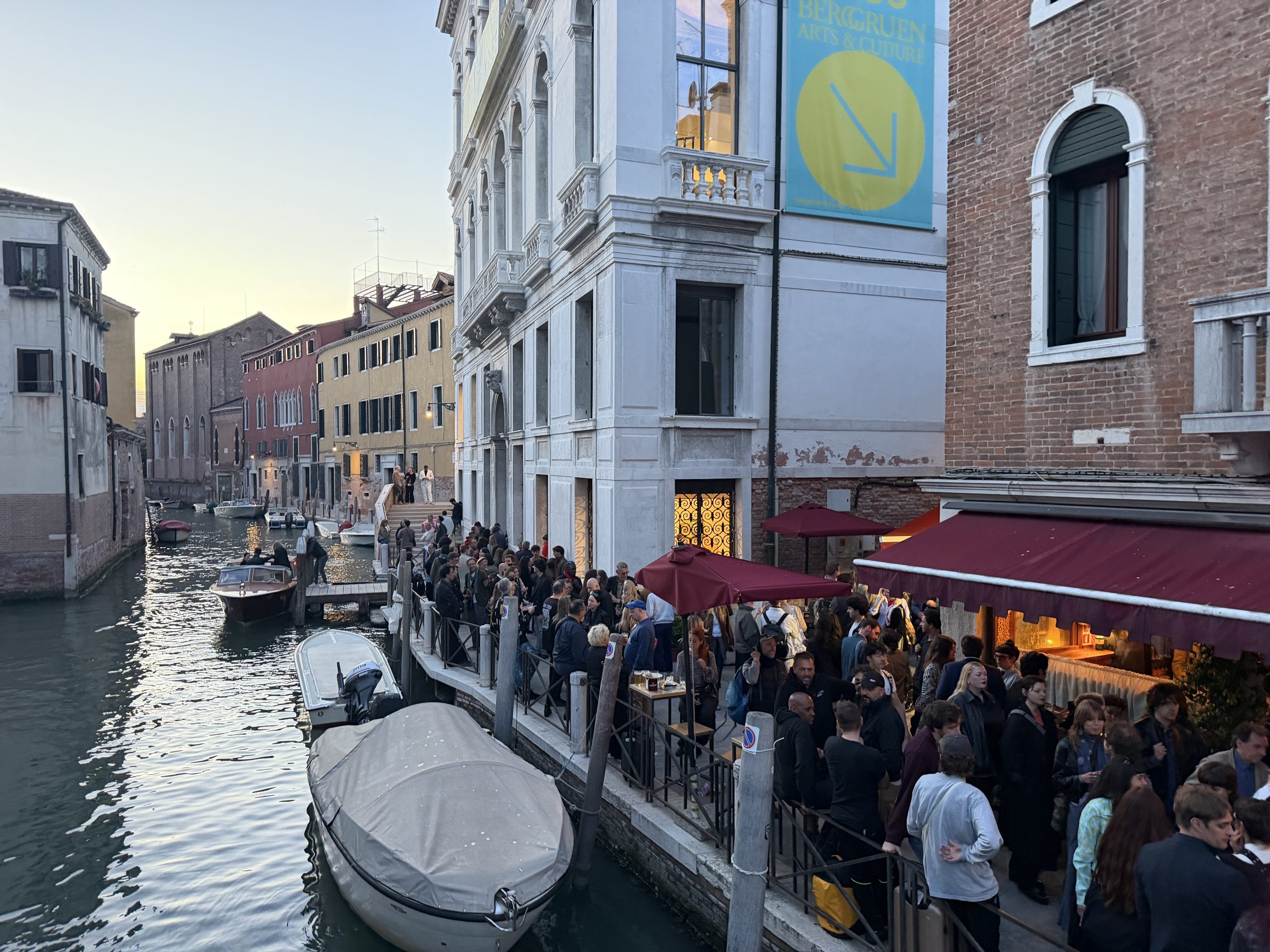
Who Went to Venice Last Week? Jenny Saville, Glenn Lowry, Jewel, and Many Other Power Players

Artnet News reporter Katya Kazakina recounts her experience at the opening week of the 61st Venice Biennale, describing a whirlwind of art, parties, and chance encounters. Notable figures spotted include former MoMA director Glenn Lowry, singer-songwriter Jewel (who debuted her visual art show "Matriclysm: An Archaeology of Connections Lost"), and Japanese Nintendo heir and collector Banjo Yamauchi. High-profile events included Thaddaeus Ropac gallery's reception for Georg Baselitz's final paintings (priced up to $1.5 million) and François Pinault's annual party at Fondazione Giorgio Cini, attended by Selma Hayek, Lorna Simpson, and JR. The article also highlights the social dynamics of the biennale, where dealers, curators, and collectors network across historic palazzos and hotels.
The British Museum Is Recreating the Bayeux Tapestry’s Medieval Woodland

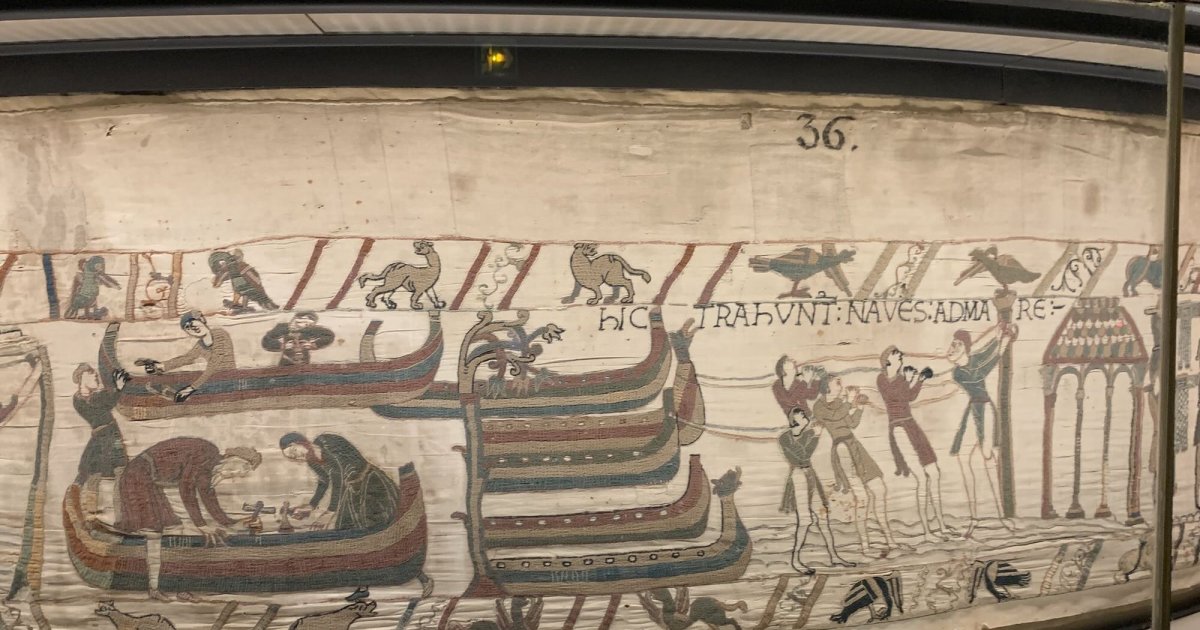
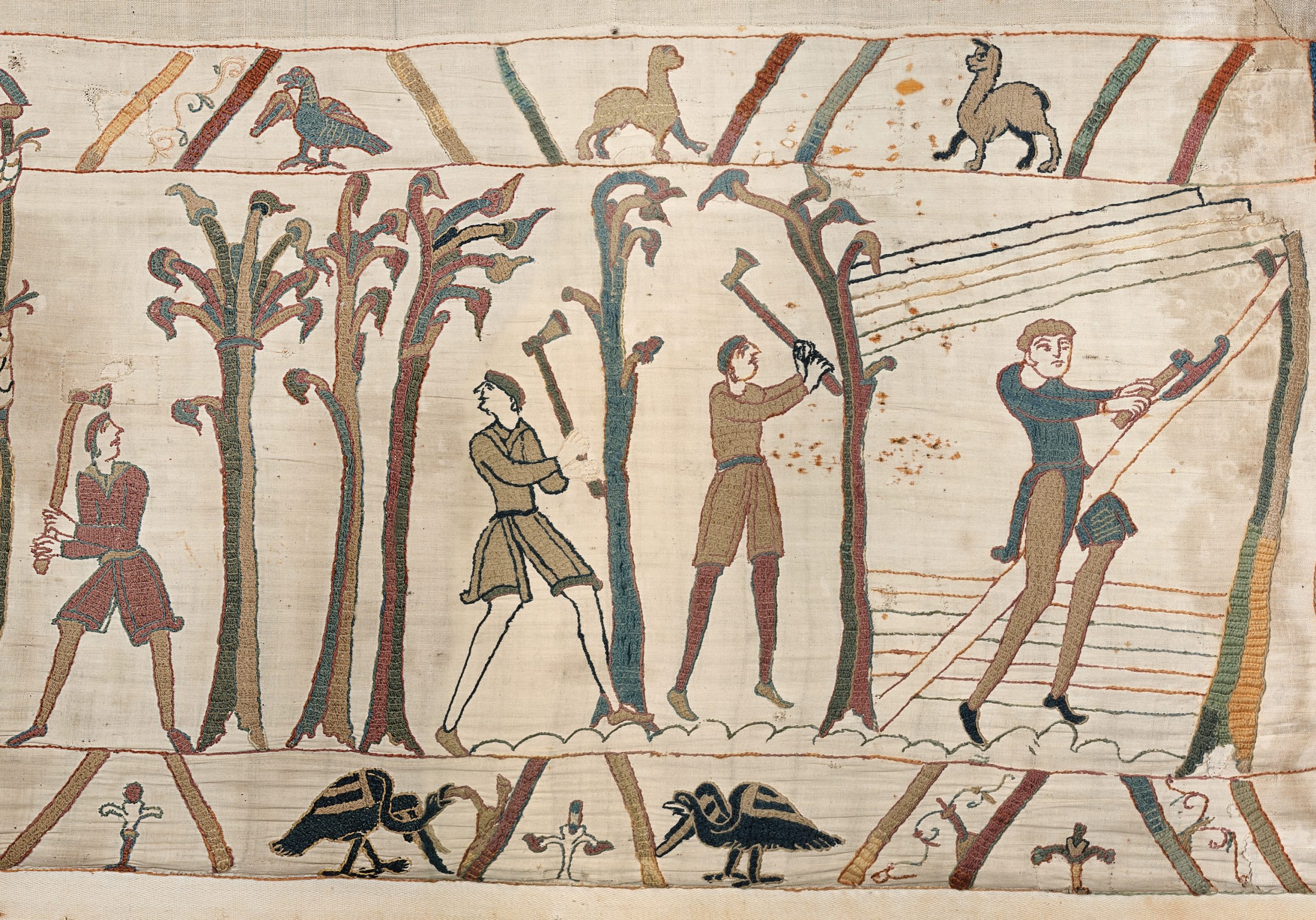
The British Museum is installing a temporary woodland installation called "Tapestry of Trees" in its forecourt from May 16 to June 2, evoking the 11th-century English landscape depicted in the Bayeux Tapestry. Designed by garden designer Andy Sturgeon, the installation features 37 silver birch trees and planters with dyed hessian wraps matching the tapestry's colors, alongside woodland species like Guelder Rose and Foxglove. It launches public programming ahead of the tapestry's historic loan from France, which will be displayed in a blockbuster exhibition on the Norman Conquest starting in September.

Is the US about to be humiliated on the world’s most prestigious cultural stage?

More than 70 prominent international artists have signed an open letter demanding the exclusion of the United States, Israel, and Russia from the 2026 Venice Biennale, accusing those governments of committing war crimes and atrocities. The controversy centers on the US pavilion, which will feature Mexico-based American artist Alma Allen, whose abstract, anodyne sculptures were chosen by a last-minute commissioner with no art-world experience—a luxury pet food store owner from Florida who reportedly gained the role through connections at Mar-a-Lago. The Biennale's five-person jury has already resigned amid the furor, and Russia is returning to the event for the first time since its 2022 invasion of Ukraine.

The Kyrgyzstan Pavilion at the Venice Biennale Builds a Bridge Between Two Cultures

Il Padiglione del Kirghizistan alla Biennale di Venezia getta un ponte tra due culture

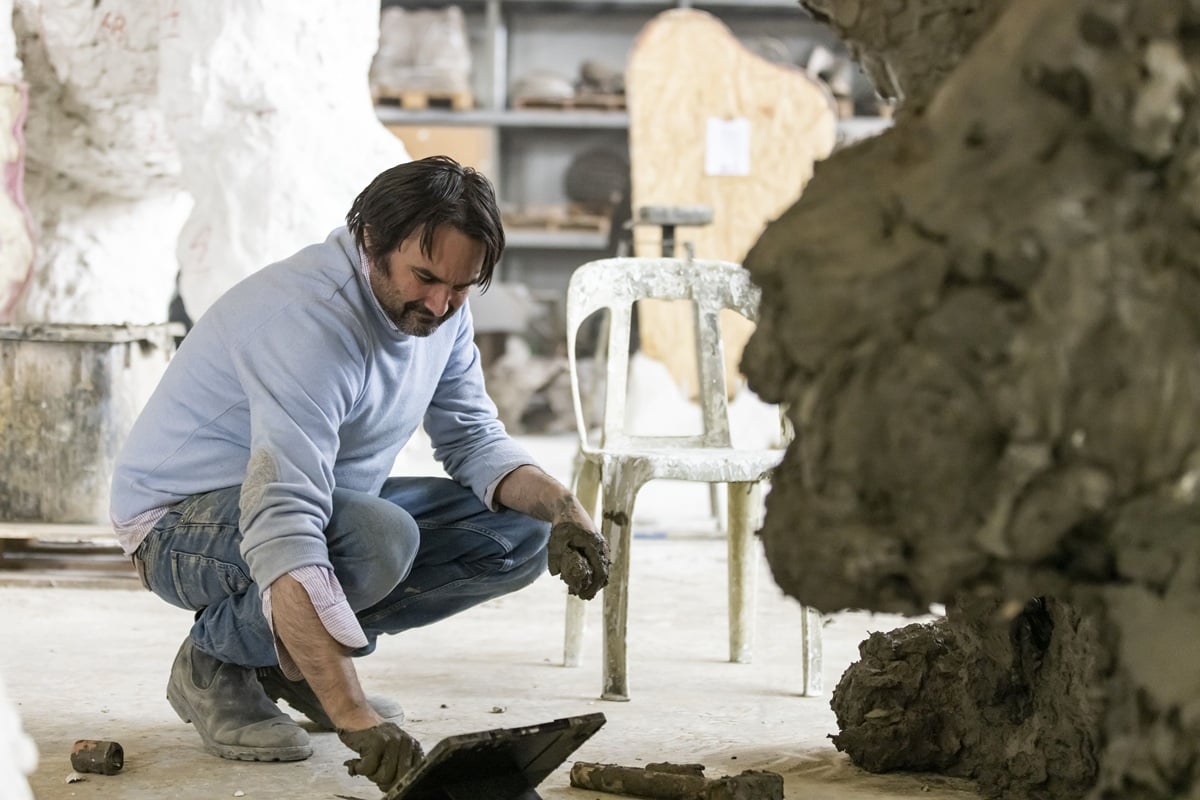
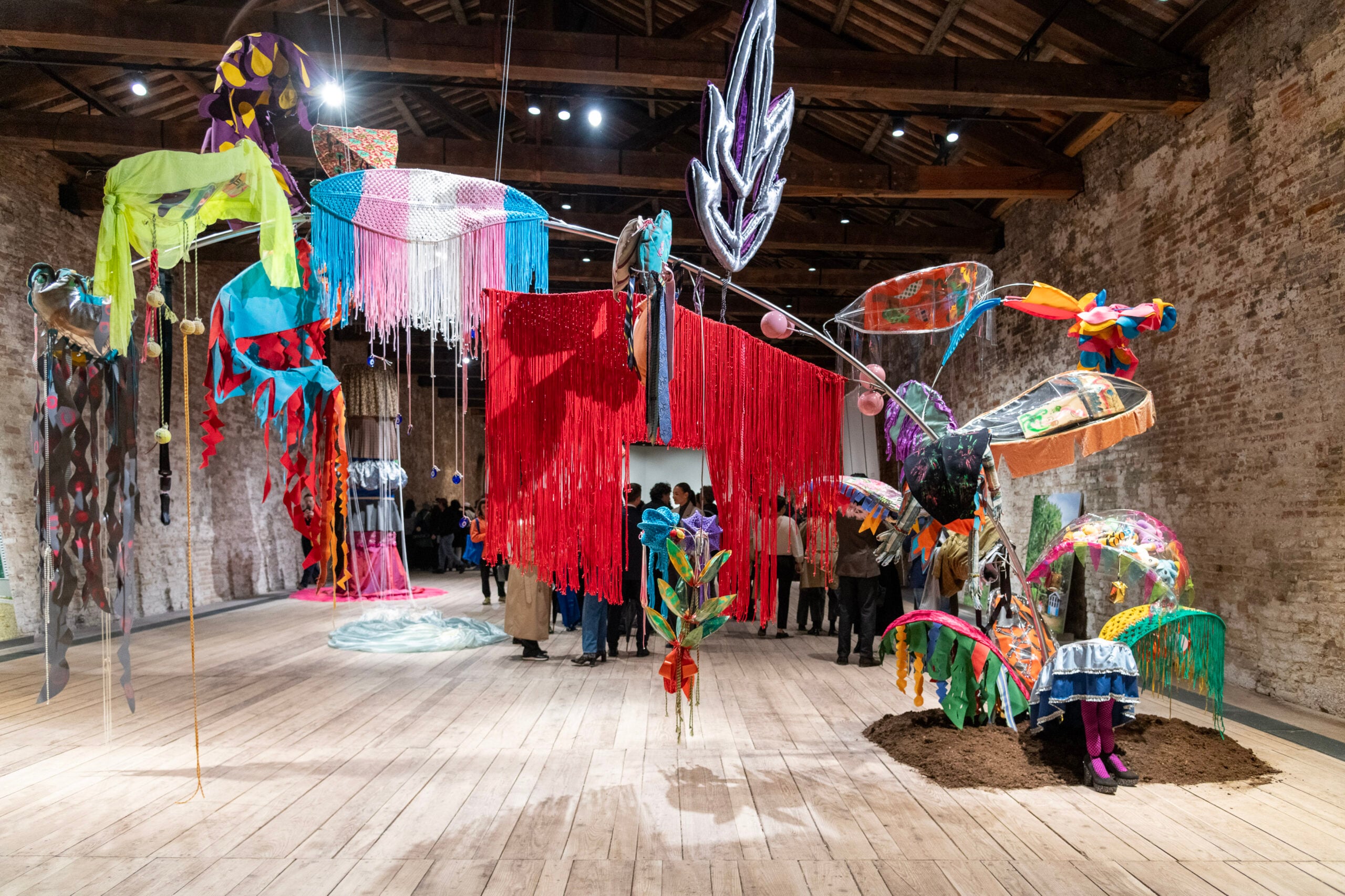
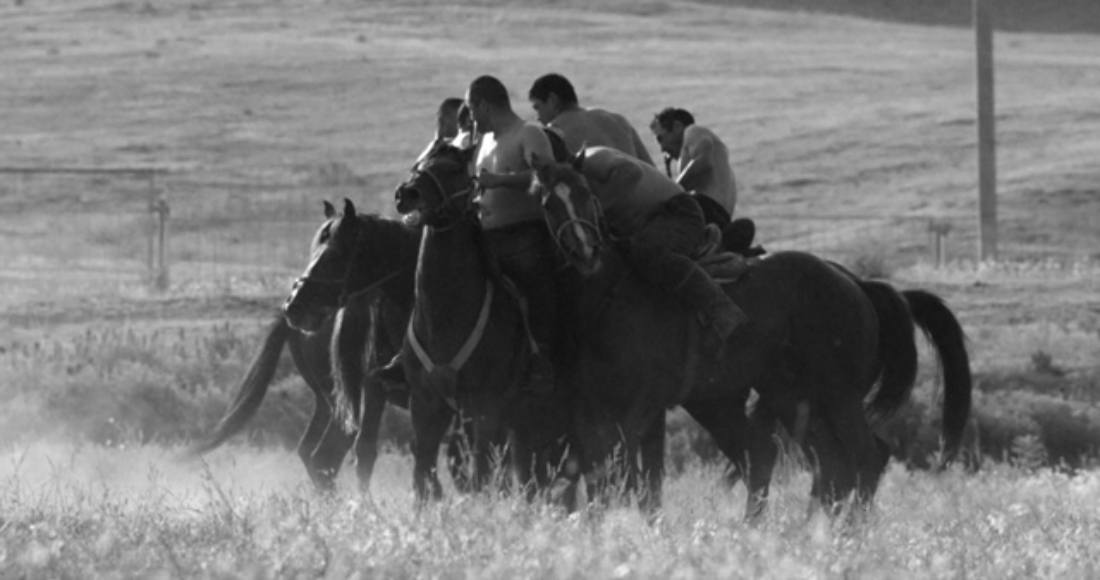
Alexey Morosov presents "BELEK" at the Kyrgyzstan Pavilion of the 61st Venice Biennale, a project inspired by the mountainous landscapes, glaciers, and brutalist dams of Kyrgyzstan. Combining video, sculpture, painting, and sound, Morosov explores water as a key resource for the future and a deep cultural memory of Central Asia, linking the region's hydro-engineering transformations with the nomadic heritage of the Kyrgyz people. The project centers on the traditional equestrian game Kok-Börü, which Morosov describes as constitutive of Kyrgyz identity, and features centaur-like figures made from raw earth used in local dwellings.

MMCA exhibition explores 80 years of artistic exchanges between Korea, Japan

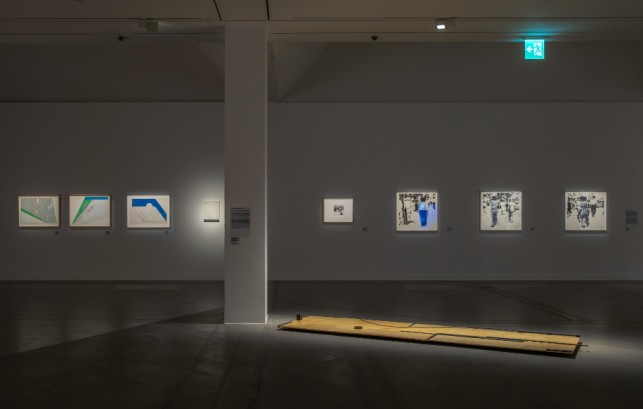
The National Museum of Modern and Contemporary Art (MMCA) in Korea, in collaboration with the Yokohama Museum of Art, has organized "Art between Korea and Japan since 1945," an exhibition opening at MMCA's Gwacheon branch. Featuring about 200 works by 43 artists and teams, including Paik Nam-june, Lee Ufan, Lee Bul, Jiro Takamatsu, Takashi Murakami, and Koki Tanaka, the show traces 80 years of artistic exchanges between the two countries. It is structured in five sections, beginning with a tribute to Zainichi Koreans, and highlights key works such as Paik's 1986 satellite project "Bye Bye Kipling." The exhibition runs through September 27.

Amid ceasefire, Tehran museum opens ‘Art & War’ exhibit spotlighting US Jewish artist

Tehran's Museum of Contemporary Art has opened an exhibition titled 'Art & War' featuring works by American Jewish artist Peter Saul, amid a fragile ceasefire between Israel and Hezbollah. The show includes Saul's provocative paintings that critique war and political violence, marking a rare cultural exchange in a country where official rhetoric often opposes Israel and the United States.

À Marseille, la nouvelle saison culturelle Méditerranée s’ouvre avec deux semaines de festivités

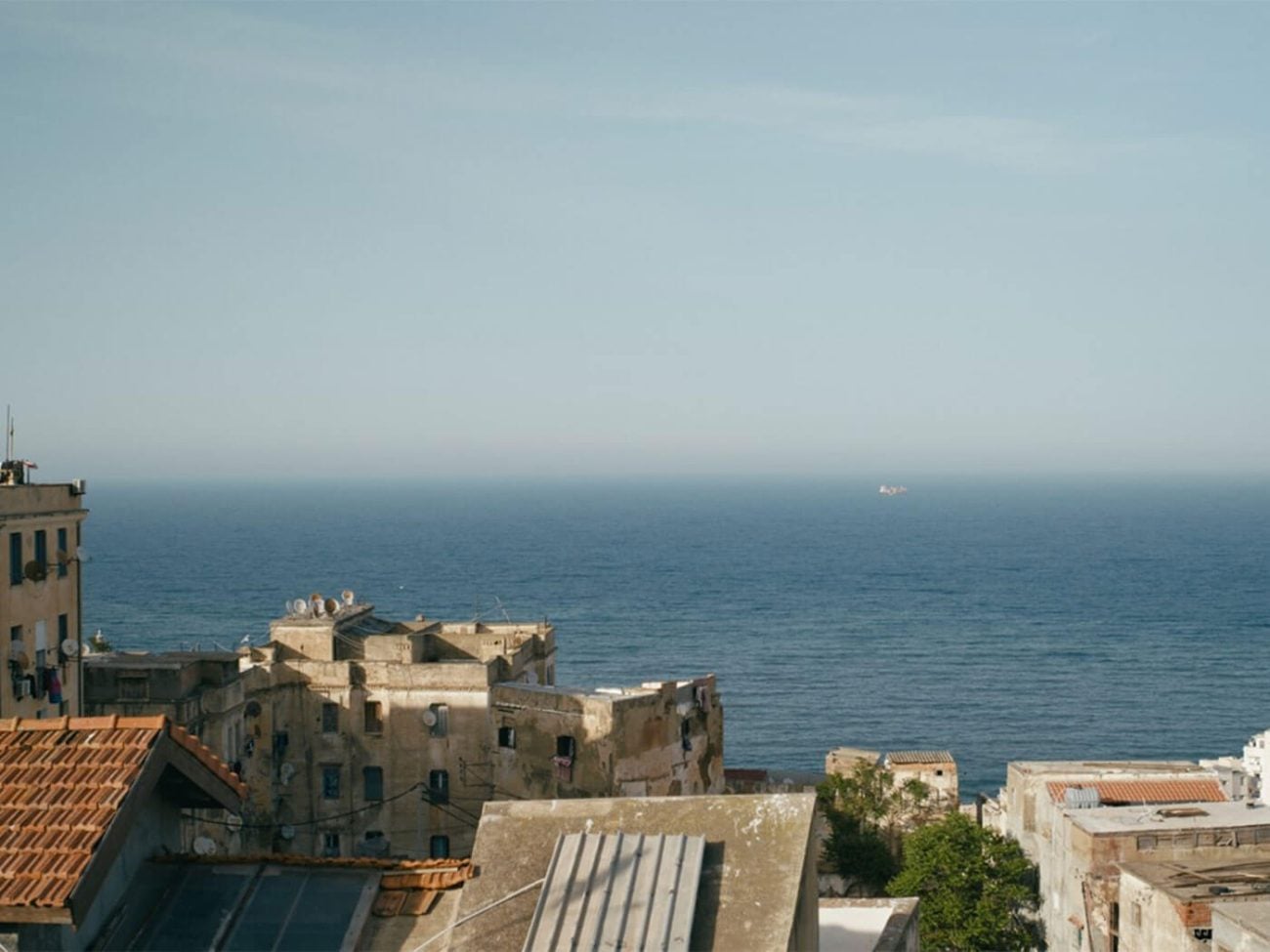
France's new cultural season, "Saison Méditerranée," launches on May 15, 2026, in Marseille with two weeks of festivities running through May 24. Organized by the Institut français and announced by President Emmanuel Macron in 2023, it is the first season to focus on an entire region—the Mediterranean and its 21 bordering countries—rather than a single nation. The program includes exhibitions at venues like the [mac], the Vieille Charité, and the Friche la Belle de Mai, featuring artists such as Louisa Babari, Adrien Vescovi, Zineb Sedira, Mona Benyamin, and Abdessamad El Montassir. Highlights also include the inauguration of the transformed Citadelle de Marseille with works by Saber Zammouri and Hugo Mir-Valette, a performance by Mohamed El Khatib at the Mucem, and a concert by Sofiane Saidi and Camélia Jordana. The season continues across France until October, with a major project by Mohamed Bourouissa at the Grand Palais in Paris.

Venice’s Chicest Invite This Week? A Pizza Party Where the Artists Chose the Ingredients

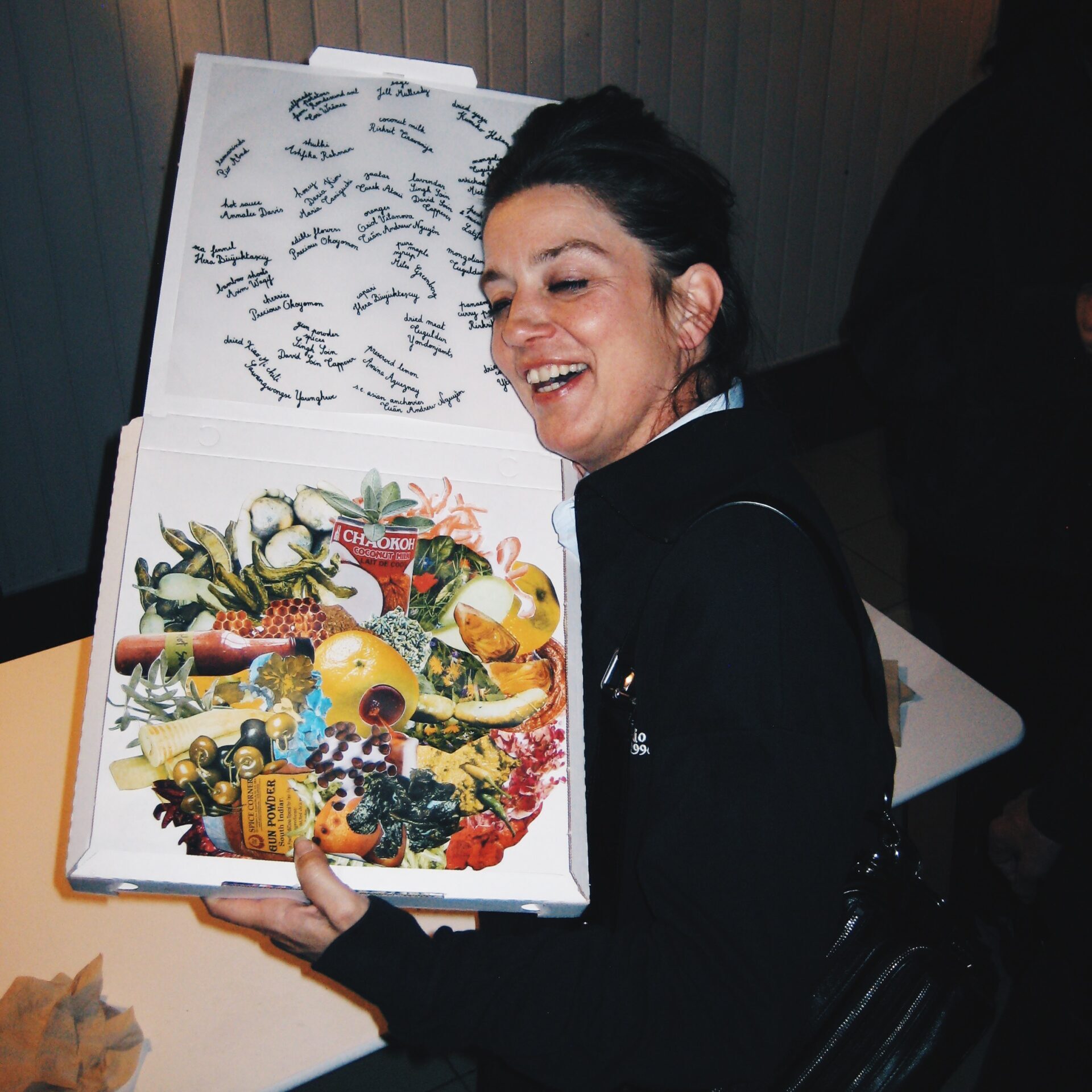
Diana Campbell, Chomwan Weeraworawit, and Paris-based art advisors Samy Ghiyati and Nicolas Nahab of NG Partners organized a pizza party called Pizzalo Mundo during the Venice Biennale. Each artist contributed an ingredient from home: Rirkrit Tiravanija brought a Penang coconut base, Precious Okoyomon added flowers, Daria Kim wild honey, Tarek Atoui za'atar on hummus, Miet Warlop artichoke hearts, Tori Wrånes self-grown potatoes, and Alexa Kumiko Hatanaka fig leaf oil with yuzu salt. The event drew a crowd of curators, directors, and collectors from institutions including Tate, Musée d'Orsay, Guggenheim Abu Dhabi, MoMA, and Centre Pompidou.

Venice Biennale’s Russian Pavilion and Pussy Riot Spar Over Usage of Protest Footage

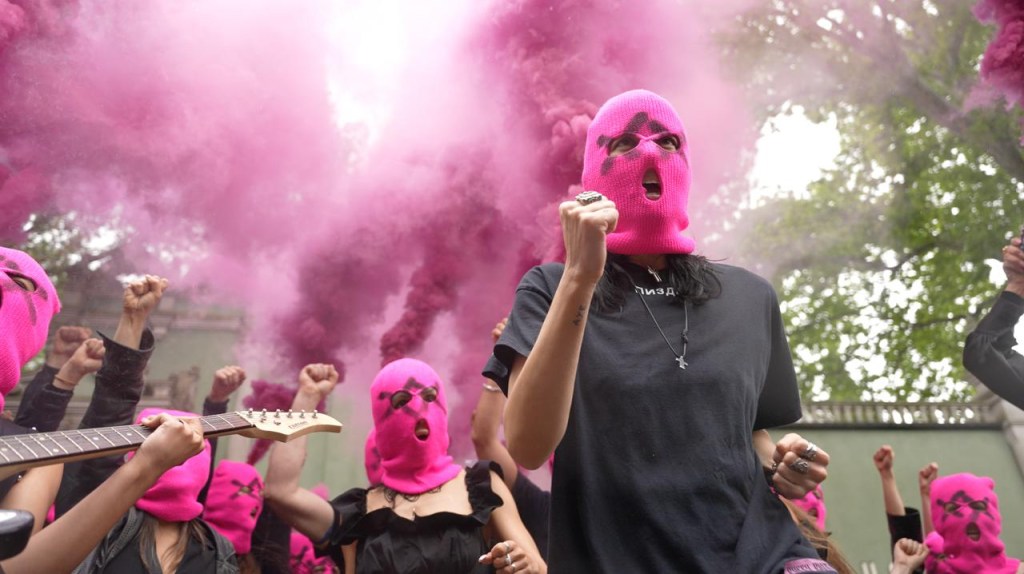
The Russian Pavilion at the 2026 Venice Biennale has become embroiled in a new controversy after accusing the anti-Putin art collective Pussy Riot of censorship. The pavilion posted on Instagram that Pussy Riot demanded the removal of footage featuring them from a documentary film about the pavilion's project, labeling the request as self-censorship. Pussy Riot responded sarcastically, questioning the pavilion's use of Instagram given Russia's 2022 ban of the platform. The dispute follows earlier protests at the pavilion's opening, led by Pussy Riot and FEMEN, against Russia's participation in the Biennale amid its ongoing invasion of Ukraine.

Putin ‘Won’ the Venice Biennale, Quips Italian Culture Minister

Italian Culture Minister Alessandro Giuli stated that Russian President Vladimir Putin "won" the 2024 Venice Biennale, criticizing Russia's controversial return to the event. Giuli, who repeatedly denounced Russia's presence, told Corriere della Sera that Russian artists in the pavilion cannot express dissent against their regime. The Biennale faced widespread calls to remove Russia, with the EU threatening to withhold a €2 million grant, but organizers argued they lacked legal authority to exclude the country. Protests by Pussy Riot and FEMEN marked the pavilion's opening, while the Biennale's jury resigned en masse after announcing that nations charged with crimes against humanity would be ineligible for Golden Lions.

Venice Biennale strike sees more than 15 pavilions temporarily or partially close

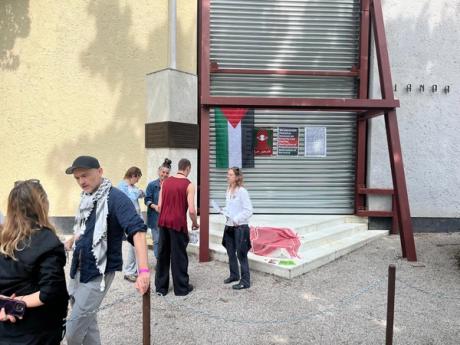
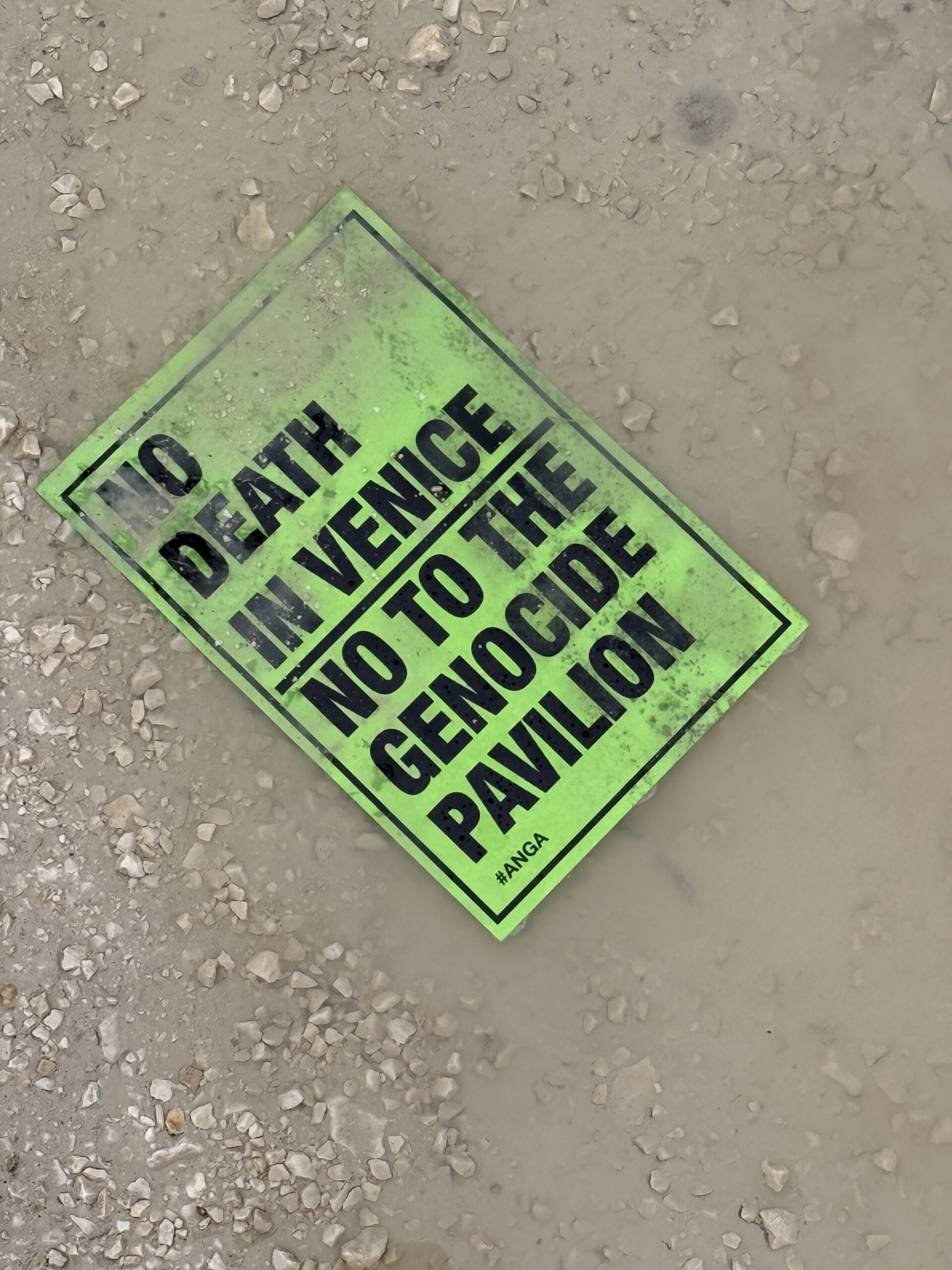
On 8 May, more than 15 national pavilions at the Venice Biennale temporarily or partially closed in a coordinated strike organized by the Art Not Genocide Alliance (ANGA). The protest opposes Israel’s participation in the event, which organizers say normalizes what they call genocide and exploits precarious labor. Participating countries include Austria, Lebanon, Slovenia, Egypt, Poland, and the Netherlands, whose artist Dries Verhoeven stood outside his shuttered pavilion with a Palestinian flag. Some pavilions, like Japan’s, remained open but suspended interactive elements. The strike follows earlier controversies, including the resignation of the prize jury and an open letter demanding the Israeli pavilion’s cancellation.

PinchukArtCentre opens new exhibition at the Venice Biennale

The PinchukArtCentre has opened a new exhibition titled "Still Joy — From Ukraine Into the World" as part of the official parallel program of the 61st Venice Biennale. The show, which opened on May 7 at Palazzo Contarini Polignac and runs through August 1, features works by over 20 international and Ukrainian artists exploring joy as an act of resilience and humanity. Central to the exhibition are testimonies from Hlib Stryzhko, a marine veteran who returned from Russian captivity, which are transformed into sculptural elements. Notable works include a protest performance by Yurii Hruzinov at the Russian pavilion, a video installation of Kyiv rave parties by Malashchuk and Khimei, and installations by Future Generation Art Prize laureates Ashfika Rahman and Zhanna Kadyrova.

Intervista all’artista italiano che ha riempito la città di Stoccolma di sculture-animali

Italian artist Davide Rivalta has installed thirteen monumental bronze sculptures of lions, buffalo, and rhinoceroses across Stockholm, Sweden, in a project titled "Blowing Figures into Space." Organized by the Italian Cultural Institute of Stockholm, the works are placed in strategic locations including Mynttorget, Gamla Stan, Ladugårdsgärdet, and Hagaparken, with installations rolling out from April 2025 through summer 2027. The first sculpture was unveiled near the Swedish Parliament during Stockholm Art Week, and additional animals will appear in public parks on August 29.

Venice Biennale Opens Amid Strikes, Protests and Institutional Rupture.

The 61st Venice Biennale opened in May 2026 amid strikes, protests, and political unrest, rather than celebration. Coordinated by Italian labor groups and transnational coalitions, demonstrators targeted the Biennale's decision to allow participation by Israel and Russia during the ongoing wars in Gaza and Ukraine. The Art Not Genocide Alliance (ANGA) led protests against Israel's participation, while Pussy Riot and FEMEN activists staged a protest outside the Russian pavilion. The Israeli pavilion's relocation from the Giardini to the Arsenale added symbolic weight, with critics viewing it as institutional endorsement. The late curator Koyo Kouoh's vision for the exhibition, titled "In Minor Keys," emphasized tenderness and complexity, contrasting with the volatile atmosphere.

Bayeux Tapestry: A Blank Voyage That Tests Nothing

Tapisserie de Bayeux : un voyage à blanc qui ne teste rien

A confidential interim report obtained by La Tribune de l'Art reveals that the "blank voyage" test transport of the Bayeux Tapestry from Bayeux to London in February 2026 failed to measure actual risks to the artwork. The report admits that the vibration threshold used (2 mm/s) is arbitrary and based on paintings, not on a textile of this size and fragility. Because the tapestry has been stored and inaccessible since September 2025, no mechanical tests could be conducted beforehand to determine safe vibration levels, rendering the test meaningless. A second test took place on April 15, 2026, but its report has not yet been finalized; the actual loan is planned for July 2026, with transport via Eurostar.

Iran has not withdrawn from 2026 Venice Biennale, pavilion commissioner says

Iran has denied withdrawing from the 2026 Venice Biennale, despite the Biennale's announcement that the country would not participate. Aydin Mahdizadeh Tehrani, director-general of visual arts at Iran's ministry of culture and Islamic guidance and the country's pavilion commissioner, stated that Iran requested more time rather than submitting a withdrawal. He cited the US-Israel war with Iran, political and economic challenges, and a sharp currency devaluation that tripled projected costs as reasons for the delay. Iran proposed a shorter two-to-three-month participation, which was rejected, but has since sent a letter insisting on opening its pavilion even after the opening. The foreign ministry has intervened to support Iran's participation, and a final response from the Biennale is expected soon.

Iran’s Participation in the Venice Biennale Still Uncertain

Iran’s participation in the 61st Venice Biennale remains uncertain after a public contradiction emerged between the Biennale Foundation and Iran’s Ministry of Culture and Islamic Guidance (MCIG). The Biennale Foundation had announced that Iran would not participate in the 2026 edition, curated by Koyo Kouoh, but Aydin Mahdizadeh Tehrani, director general of visual arts at the MCIG and commissioner of the Iranian Pavilion, stated in an interview with the Iranian Students’ News Agency (ISNA) that Iran never submitted a withdrawal letter. Instead, Iran requested more time and sent a letter on May 10 asking for the pavilion to open even if ineligible for prizes. Mahdizadeh Tehrani cited the US-Israel war with Iran as causing currency fluctuations that nearly tripled projected costs, complicating prior agreements, and noted that Iran had proposed a shorter exhibition period, which the Biennale rejected.

“Equatorial territories” art exhibition opens in Budapest – photos

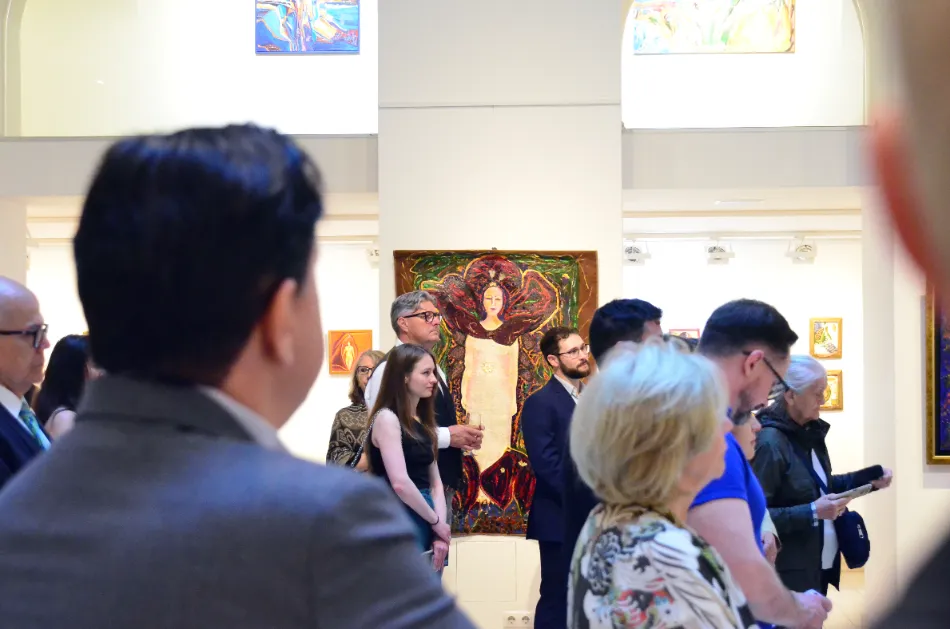
The Embassy of Ecuador in Hungary opened the art exhibition “Equatorial Territories” (Territorios Ecuatoriales) on May 7th at the Széphárom Community Space in Budapest, running through May 29th. The show features 40 paintings and sculptures by five Ecuadorian artists—Miguel Betancourt, William Cáceres García, María Fernández de Córdova, Salomé Lalama, and María Elena Machuca—exploring the colors of the Andean equatorial zone and advocating for environmental preservation. Admission is free.

Inauguration of Moroccan Pavilion at 61st Venice Biennale International Art Exhibition

Morocco inaugurated its national pavilion at the 61st Venice Biennale International Art Exhibition on Friday, with Head of Government Aziz Akhannouch presiding over the ceremony. The pavilion features the project “Asǝṭṭa,” led by artist Amina Agueznay and curator Meryem Berrada, and will be on view at the Doges through November. The presentation aligns with the Biennale’s overarching theme, “In Minor Keys,” and showcases Moroccan heritage through contemporary artistic expression.

Kazakh art exhibition opens in Baku

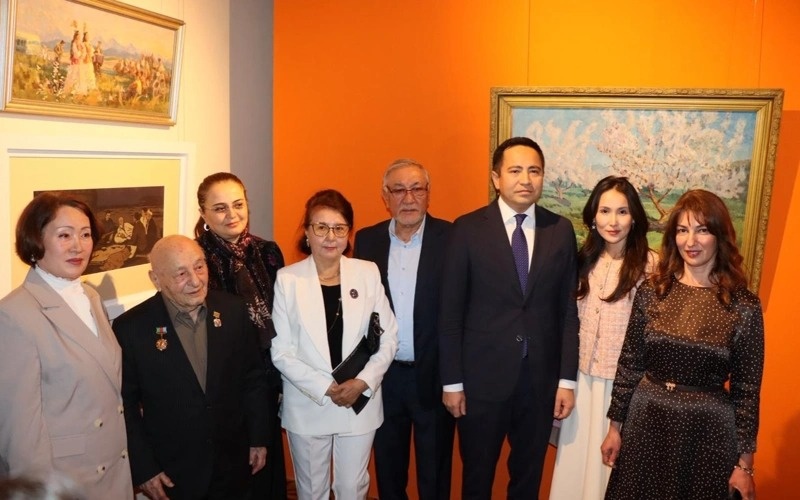
An exhibition of Kazakh art has opened in Baku, organized by the culture ministries of Kazakhstan and Azerbaijan. Featuring 30 paintings from the Abylkhan Kasteyev National Museum of Art, the show includes works by masters such as Abylkhan Kasteyev, Moldakhmet Kenbayev, and Kanafiya Telzhanov, as well as contemporary artists exploring tradition, spirituality, and national identity. The exhibition will run for four months at an unspecified venue in Baku.

The Biennale and the Weight of Flags. What Is the Point of National Pavilions?

La Biennale e il peso delle bandiere. Che senso hanno i padiglioni nazionali?

The article examines the inherent contradiction within the Venice Biennale: its historical structure of national pavilions, a legacy of 19th-century world fairs and state-sponsored art, clashes with the transnational, post-identity vision of the international exhibition curated by Koyo Kouoh. The return of the Russia Pavilion amid geopolitical conflict and the international show titled "In Minor Keys," which rejects national belonging as an interpretive criterion, highlight this tension. The piece also addresses the controversy over the lack of Italian artists in the main exhibition, questioning whether a Biennale hosted in Italy should guarantee national representation.

Call for Applications: Reiwa 8 (2026) Overseas Training Program for Emerging Artists – Japanese Culture Promotion and Dissemination Project

公募|令和8年度新進芸術家海外研修制度における「日本文化発信・普及事業」

Japan's Agency for Cultural Affairs (Bunka-cho) is now accepting applications for the "Japanese Culture Promotion and Dissemination Project" under the 2026 (Reiwa 8) Overseas Training Program for Emerging Artists. This separate track supports established cultural figures, artists, and researchers—not just emerging artists—to conduct activities that promote and disseminate Japanese culture abroad. The program covers travel, accommodation, and activity costs up to 1.5 million yen, with派遣 periods ranging from 20 to 80 days between October 1, 2026 and March 31, 2027. Applications must be received by June 5, 2025, and results will be announced by early September.

American anti-war pop art goes on display in Tehran

An exhibition of American anti-war pop art has opened in Tehran, Iran, featuring works that critique war and militarism through the lens of popular culture. The show brings together iconic pieces from American artists known for their anti-war stance, displayed in a country that has long been subject to U.S. sanctions and political tensions.

Hong Kong Exhibition Opens at 61st Venice Biennale, Showcasing Local Artists' Work

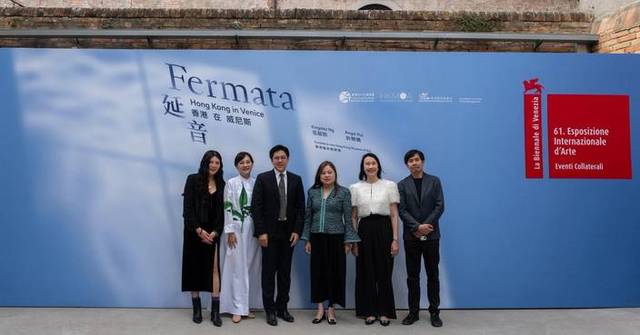
Hong Kong officials, led by Secretary for Culture, Sports and Tourism Rosanna Law, inaugurated the Hong Kong Exhibition at the 61st Venice Biennale on May 8, 2026. For the first time, the Hong Kong Museum of Art (HKMoA) is collaborating with the Hong Kong Arts Development Council (HKADC) to present works by local artists Kingsley Ng and Angel Hui in a Collateral Event running through November 2026. Law also attended the Chinese Pavilion opening and met with the Italian ambassador and the rector of Ca' Foscari University.