filter_list Showing 126 results for "Arsenale" close Clear
search
dashboard All 126 museum exhibitions 69article news 42rate_review review 8article culture 4article local 2trending_up market 1
date_range Range Today This Week This Month All
Subscribe

In Minor Keys: The 61st Biennale di Arte Venezia Opens Under Koyo Kouoh (1967–2025).

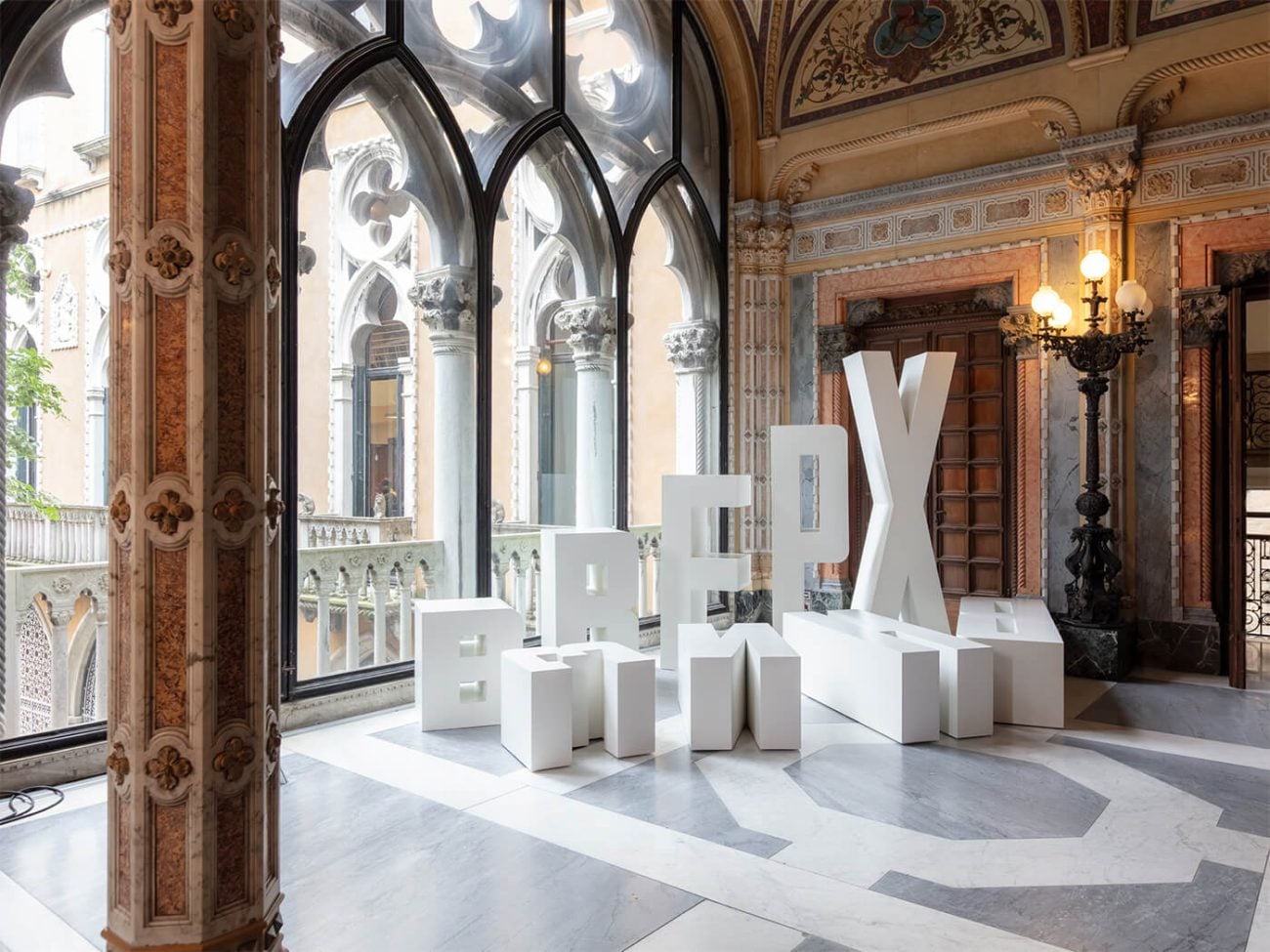
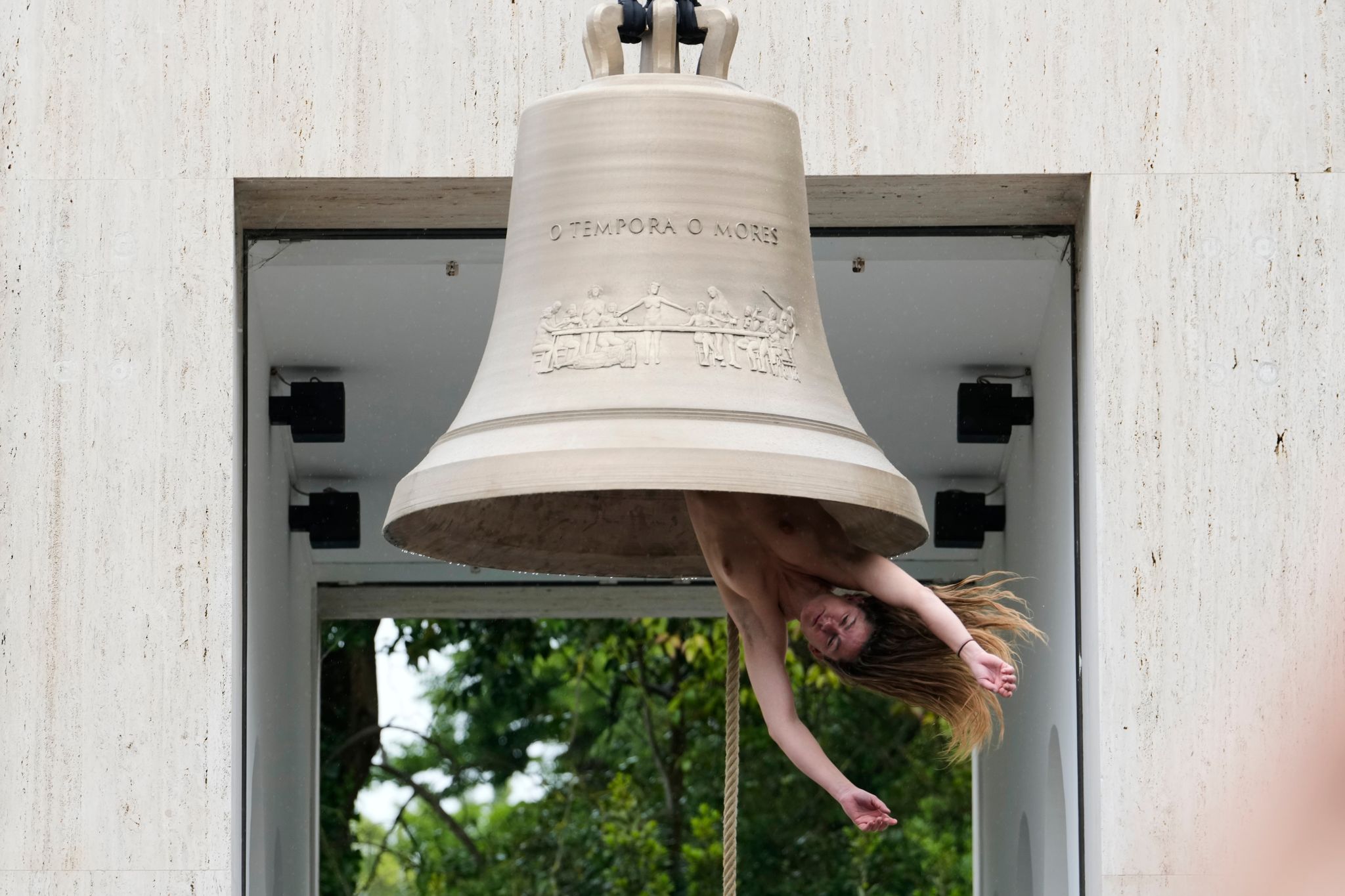
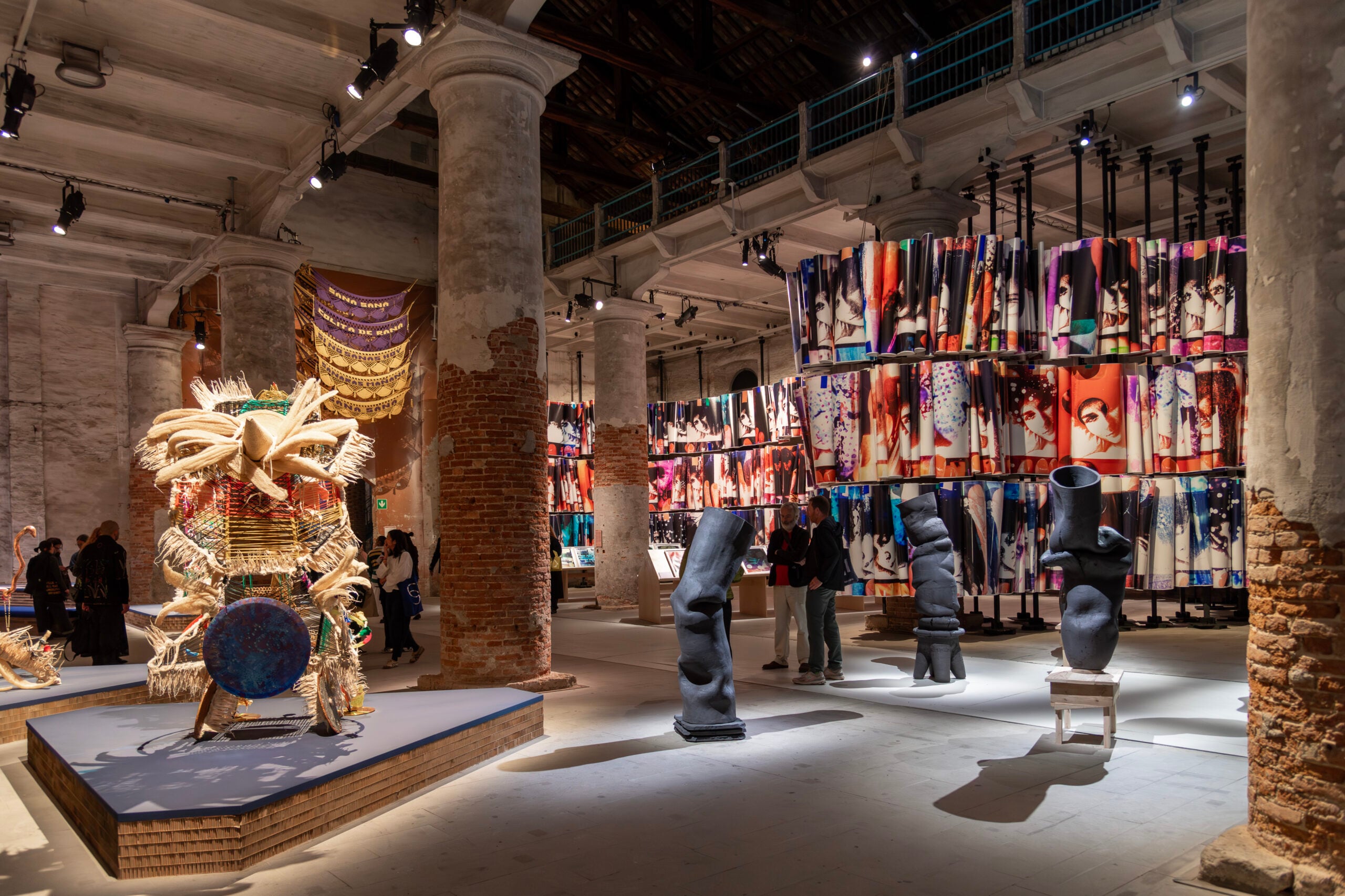
The 61st Biennale di Arte Venezia opens under the posthumous curatorial vision of Koyo Kouoh (1967–2025), the late Cameroonian-born curator who reshaped contemporary African and diasporic art discourse. The central exhibition, spanning the Giardini and Arsenale, features 111 participants including artists, collectives, and artist-led organizations from across the Global South, with works in textiles, film, sculpture, and performance that interrogate colonialism, migration, and ecological repair. The Biennale is also marked by a pronounced presence of African and diasporic narratives across national pavilions, including several first-time pavilions from the African continent.
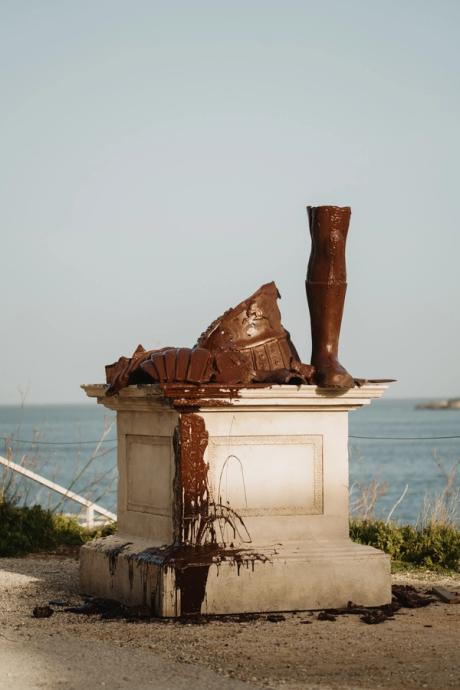
How sweet it is: chocolate Russell Crowe at the Malta Pavilion

Artist Charlie Cauchi presents a 150-kg chocolate sculpture of Russell Crowe as Maximus from *Gladiator* in her installation *Dolce* at the Malta Pavilion's group exhibition *No Need To Sparkle: Experiments in Love and Revolution* in the Arsenale during the Venice Biennale. The chocolate effigy, originally made by Tiziano Cassar for the Hamrun Chocolate Festival in 2023, was previously admired by Crowe himself, who joked about being made of chocolate.

Morocco debuts at the Biennale with an exploration of its age-old craft traditions

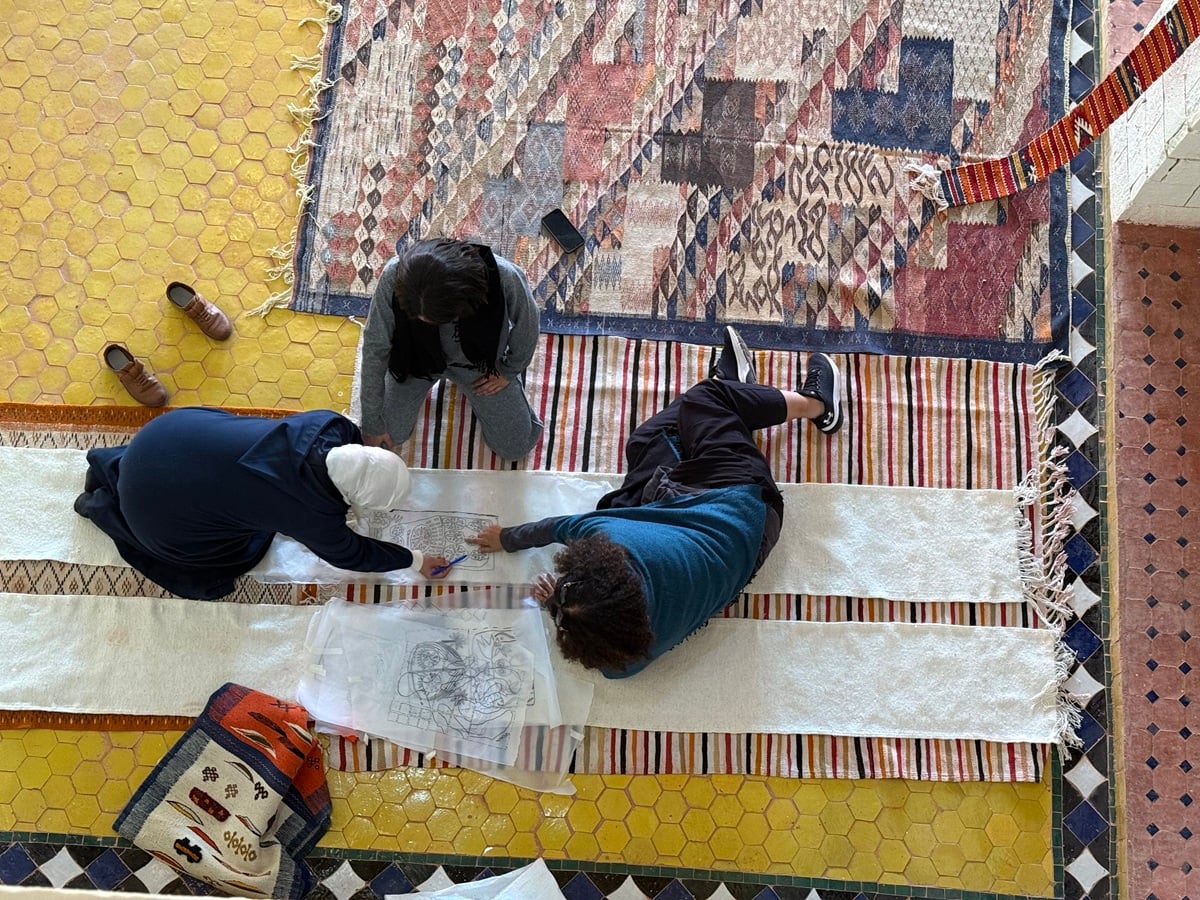
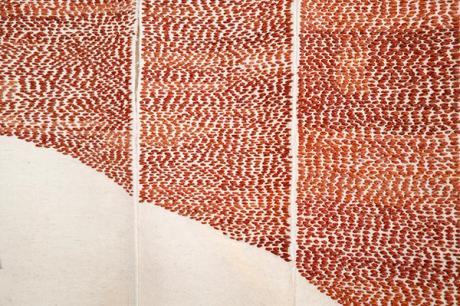
Morocco is debuting its first national pavilion at the Venice Biennale with a monumental installation titled "Asetta" by artist Amina Agueznay. The 300-square-meter site-specific work, located in the Arsenale, draws on centuries-old Moroccan craft traditions, including weaving, beadwork, and embroidery. Agueznay conducted field research across Morocco and collaborated with over 130 artisans, mostly women, some of whom she has worked with for decades. The installation explores the transmission of traditional craftsmanship and shared memory, and incorporates the concept of the threshold (âatba) from Moroccan vernacular architecture, offering visitors both an immersive experience and functional seating.

À la Biennale de Venise, le pavillon de l’Ouzbékistan fait revivre la mer d’Aral

The Uzbekistan Pavilion at the 61st Venice Biennale, curated around the figure of author Allayar Darmenov, brings together artists including Vyacheslav Akhunov, Zi Kakhramonova, A. A. Murakami, Zulfiya Spowart, and Nguyen Phuong Linh to explore the ecological disaster of the Aral Sea. Once the world's fourth-largest lake, it was drained by Soviet irrigation projects for cotton farming; the pavilion's installations—such as Kakhramonova's participatory salt-fish molding piece and Spowart's cradle-like sculpture—imaginatively revive the vanished sea and its endemic species.

Zīnah (Adornment): Oman’s Pavilion Tunes the Biennale to Resonance Over Spectacle

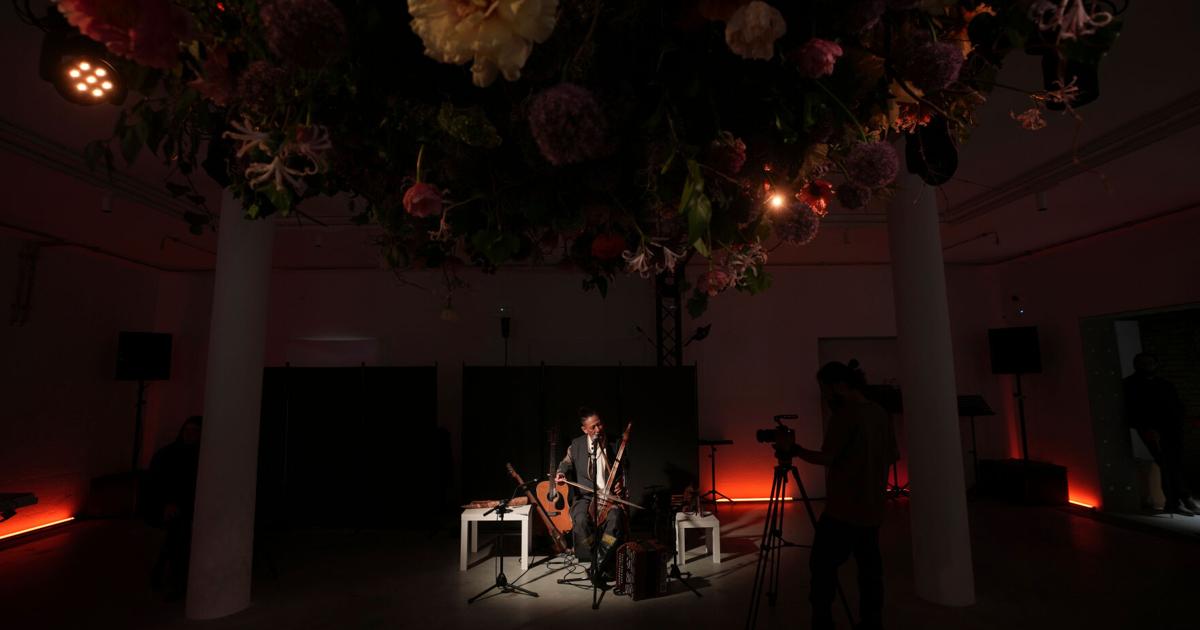
At the 60th Venice Biennale, the Sultanate of Oman presents "Zīnah (Adornment)," a pavilion conceived by artist and curator Haitham Al Busafi. The immersive installation, on view at the Arsenale Artiglierie from 9 May to 22 November 2026, draws on the Omani tradition of adorning horses with silver (al-zaanah) to explore themes of relation, movement, and shared presence. Visitors enter through darkness into a field of Omani sand, beneath a canopy of silver elements that respond to movement with sound. The work incorporates drawings by students and emerging artists from a workshop in Muscat, emphasizing collective authorship.

Venice Biennale opens without a jury amid strife over Russian and Israeli participation

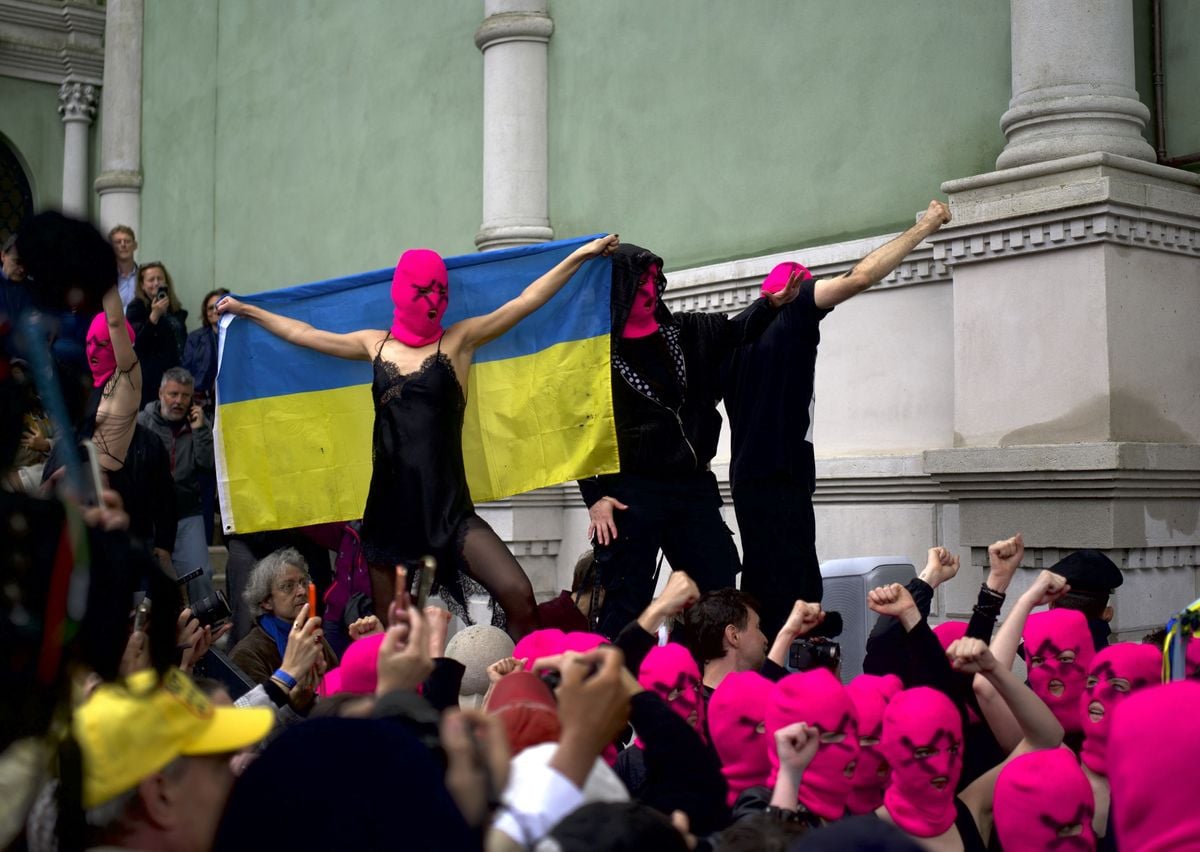
The Venice Biennale, one of the world's most prestigious contemporary art exhibitions, opens its most contested edition in memory without a jury after the jury resigned in protest over the participation of Israel and Russia, both under investigation by the International Criminal Court for human rights abuses. Protests have erupted outside the Israeli and Russian pavilions, with demonstrators clashing with police, while feminist groups from Ukraine and Russia converged on the Russian Pavilion and Palestinians remembered artists killed in Gaza. The Biennale has replaced the jury with a public vote via email, with winners announced at the close on November 22.

Art: Amanda Heng’s ‘A Pause’ opens at the 61st International Art Exhibition of La Biennale di Venezia to represent Singapore

Amanda Heng Liang Ngim's exhibition 'A Pause' has opened at the Singapore Pavilion of the 61st International Art Exhibition – La Biennale di Venezia. The installation transforms the historic Sale d’Armi into a contemplative space using larch wood platforms, photographs, and a dual-channel video that observes everyday gestures of rest and renewal in Venice and Singapore. The presentation also includes a reprint of her 1990 series 'Parts of My Body' and is accompanied by a comprehensive monograph, 'Amanda Heng: On and On'.

kazakhstan pavilion turns silence into a sensory landscape at venice biennale

Kazakhstan presents its third national pavilion at the Venice Biennale, titled 'Qoñyr Äulie: Immersion into Quiet Depths' by artist Ardak Mukanova. The exhibition, called 'Qoñyr: the Archive of Silence,' is housed at the Museo Storico Navale near the Arsenale entrance and transforms silence into a sensory landscape.

Biennale, rules announced for Visitor's Lion. But dozens of artists withdraw

The Venice Biennale has announced the voting rules for the new Visitors' Lion awards, which replace the traditional Golden Lions after the original jury resigned before the opening. On the same day the popular voting opened, dozens of artists from the central exhibition 'In Minor Keys' and several National Pavilions announced their withdrawal from the competition in solidarity with the resigned jury, releasing a statement via e-flux on May 9, 2026. The voting system requires visitors to have attended both the Giardini and Arsenale venues, with anonymous voting open until November 22, 2026.

Anti-Russia Protests Spread Beyond the Biennale and Into Venice

Protests against the reopening of the Russian pavilion erupted at the Venice Biennale and spread across the city on the second day of the 61st edition. Visual artist Shalva Nikvashvili, who grew up in post-Soviet Georgia, began a silent performance wearing a muzzle-style mask and carrying a chair, holding a sign reading “La Biennale di Venezia” and “violence.” Shortly after, a group of about 20 protesters led by Pussy Riot co-founder Nadya Tolokonnikova gathered outside the Russian pavilion, chanting against Vladimir Putin, waving Ukrainian flags, and releasing a pink smoke flare. The protests followed the Biennale's decision to allow Russia to participate for the first time since its 2022 invasion of Ukraine, despite calls from artists and politicians to exclude the country.

morocco debuts national pavilion at the venice biennale with monumental asǝṭṭa installation

Morocco will debut its first-ever national pavilion at the 2026 Venice Art Biennale, presenting a monumental installation titled "Asǝṭṭa" by multidisciplinary artist Amina Agueznay. Curated by Meriem Berrada, the project is housed in the Arsenale's Artiglierie and explores themes of traditional craftsmanship, shared memory, and the symbolic threshold (âatba). The installation, which involves 166 Moroccan artisans and two Venetian collaborators, is conceived as a porous, liminal space that engages with the Biennale's theme "In Minor Keys," curated by Koyo Kouoh.

Venice Biennale previews in chaos as war follows art into world's oldest exhibition

The Venice Biennale previewed its 61st edition in chaos on Tuesday, marked by the unprecedented resignation of its jury over the participation of Israel and Russia. Ukrainian artists displayed a statue of an origami deer from the war-torn eastern front, while Russian pavilion participants danced to house music and Palestinians marched wearing the names of artists killed in Gaza. The jury had stated it would not award prizes to countries under International Criminal Court investigation, singling out Russia and Israel, and its resignation has thrown the exhibition's structure into question.

Al Padiglione Emirati della Biennale di Venezia l’ascolto passa dall’architettura

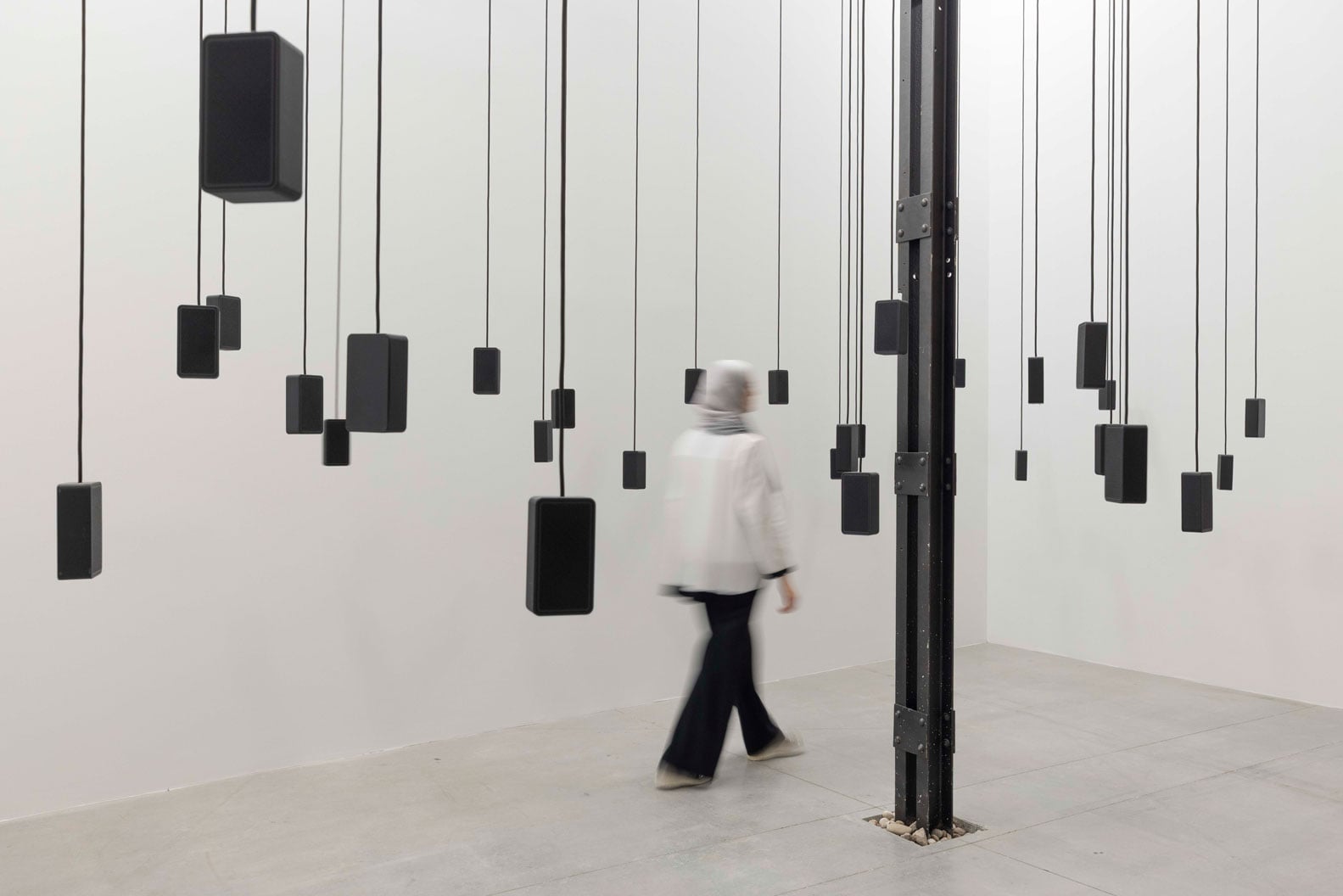
At the Venice Biennale, the UAE Pavilion at the Arsenale presents 'Washwasha,' a project curated by Bana Kattan that focuses on sound as an invisible infrastructure crossing cultures, memories, and identities. Featuring artists Tala Safié, Farah Al Qasimi, and Ala Younis, the pavilion eschews visual shock and political slogans for an immersive, auditory experience that prioritizes listening, proximity, and disorientation. Architect Koray Duman, who designed the space, explains in an interview that the pavilion is a deliberate counter to the contemporary culture of hyperstimulation and monetized attention, using architecture not as a container but as a system that organizes perception and emotional tension.

Annalee Davis at the 2026 Venice Art Biennale. Landscape as mourning, archive and resistance in the Barbados Pavilion

Annalee Davis alla Biennale Arte di Venezia 2026. Il paesaggio come lutto, archivio e resistenza nel Padiglione Barbados

Annalee Davis, an artist from Barbados, will represent her country at the 2026 Venice Biennale with an installation titled "Let this be my Cathedral" within the exhibition "In Minor Keys." The work addresses ecological grief, colonial memory, and the possibility of care without erasing conflict, using suspended plants and organic materials to create a threshold where loss, vulnerability, and wonder remain in tension. Davis discusses the influence of curator Koyo Kouoh, whose vision shaped the Biennale, and the importance of research as an integral part of her artistic process.

At the 2026 Venice Biennale, Spain transforms its Pavilion into a museum of accumulation with artist Oriol Vilanova

Alla Biennale Arte 2026 la Spagna trasforma il suo Padiglione in museo dell’accumulo con l’artista Oriol Vilanova

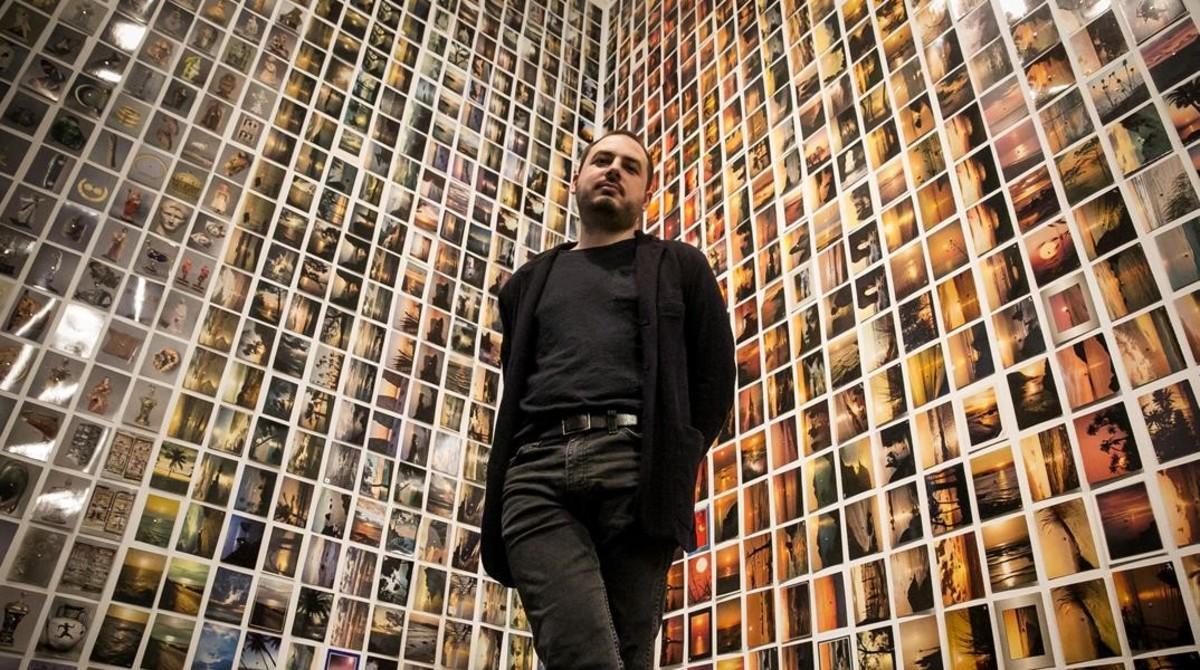
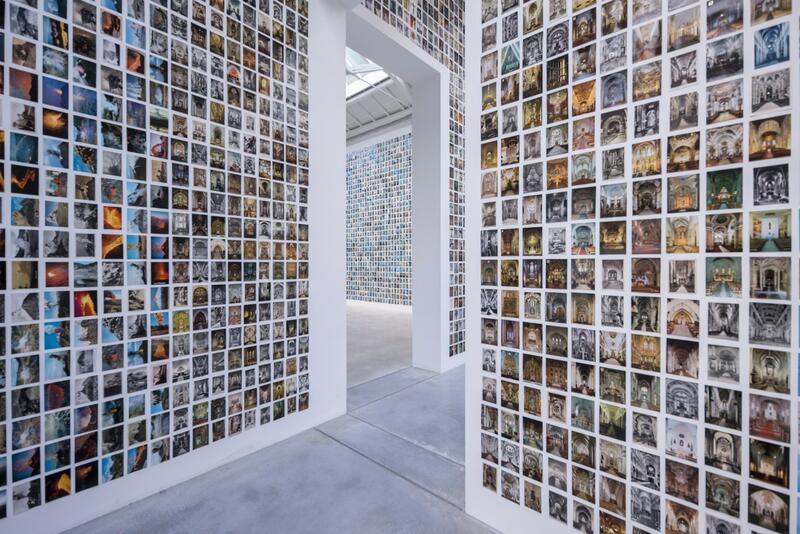
Spain has announced its participation in the 61st Venice Biennale Arte 2026, selecting Catalan artist Oriol Vilanova to represent the country in its newly renovated national pavilion. The project, titled "Los restos," transforms the pavilion into a pseudo-museum of accumulation, featuring Vilanova's vast personal archive of postcards collected over twenty years from flea markets and secondhand circuits. The installation presents these ephemeral fragments as an infinite, non-narrative mural, exploring themes of accumulation and loss. Curated by Carles Guerra, the project also includes a performative intervention titled "Il fantasma della libertà" (2026), which will unfold across the Giardini and Arsenale during the Biennale.

In Venice, an unprecedented space in the Arsenale opens to the public for the first time. It will host performances.

A Venezia apre al pubblico per la prima volta uno spazio inedito dell’Arsenale. Ospiterà performance

For the first time, the Galeazze—historically used for constructing the Serenissima fleet—will open to the public during the 2026 Venice Art Biennale on May 5 and 6. Artist and choreographer Faustin Linyekula has conceived a site-specific performance titled The Galeazze Project, activating the monumental, water-adjacent spaces of the Arsenale Nord. Collaborating with musician Heru Shabaka-Ra, Linyekula integrates the architecture into the performance, involving local performers and musicians. The project, conceived by Cosimo Ferrigolo and Dirk Bell and curated by Edoardo Lazzari, features scaffolding, platforms, and an irregular lighting system, inviting the audience to move freely and redefine the relationship between bodies and space.

Working in the arts: opportunities from Arte Laguna Prize, Reggio Parma Festival, Italian Cultural Institute of London, Museo Mitoraj

Lavorare nell’arte: opportunità da Arte Laguna Prize, Reggio Parma Festival, Istituto Italiano di Cultura di Londra, Museo Mitoraj

Artribune has compiled a list of five open calls and job opportunities in Italy for visual artists, theater professionals, curators, and digital media specialists. The opportunities include the Arte Laguna Prize 2026 offering exhibitions at Venice's Arsenale Nord and international residencies at venues like The Swatch Art Peace Hotel in Shanghai and BigCi in Australia; the Gradus theater residency program by Reggio Parma Festival; an artist residency for Italians under 40 at Camberwell College of Arts in London organized by the Istituto Italiano di Cultura di Londra; the Terre Alte residency for visual artists and curators under 36 by CasermArcheologica; and a digital media specialist position at the Fondazione Museo Igor Mitoraj.

Pavilions of the Venice Biennale go on strike

Pavillons der Venedig-Biennale werden bestreikt

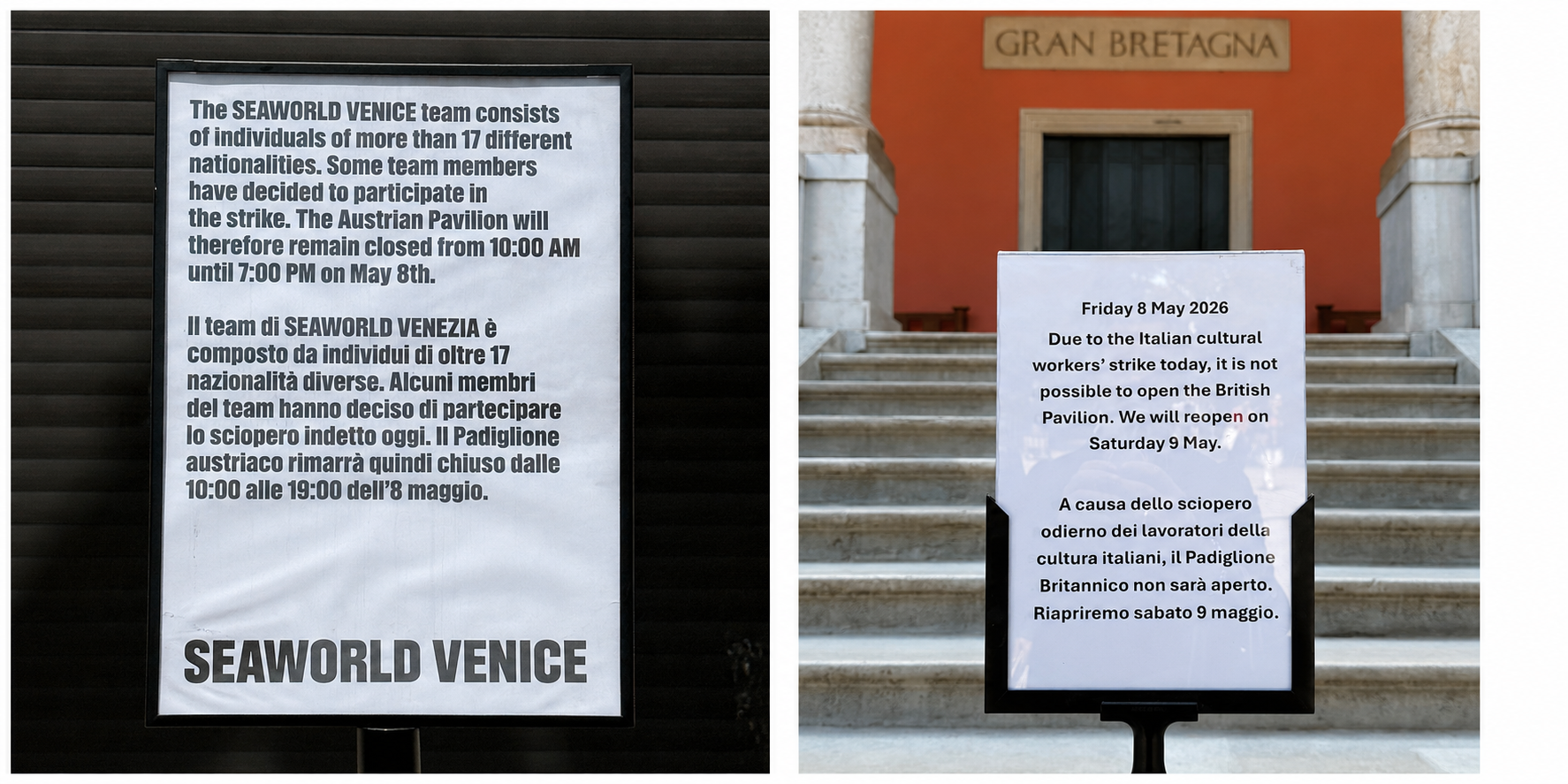
Cultural workers and participants of the Venice Biennale went on strike on Friday, protesting Israel's participation in the art exhibition. Organized by the Art Not Genocide Alliance (ANGA) alongside several cultural groups and Italian grassroots unions, the 24-hour walkout led to the closure of several national pavilions on the final preview day. A rally was planned near the Arsenale grounds. The strike aims to oppose the "normalization of genocide in culture" and poor working conditions at the Biennale, following an earlier open letter signed by over 230 artists and curators demanding the exclusion of the Israeli pavilion. Israel is represented by sculptor Belu-Simion Fainaru, who opposes cultural boycotts and advocates for dialogue. The Biennale's leadership has distanced itself from the strike, emphasizing adherence to regulations and support for freedom of speech and pluralism.

Around the World

Einmal um die Welt

The article previews the national pavilions at the Venice Biennale, where 99 countries present exhibitions across the Giardini, Arsenale, and venues throughout the city. It highlights Iceland's pavilion, featuring Ásta Fanney Sigurðardóttir's project "Pocket Universe" at the Docks Cantieri Cucchini, a multimedia work combining performance, sound, moving image, and installation centered on a film about a creature.

Cannes 2026 Dispatch, Part 1: Breaking False Unities

On May 8, during the pre-opening of the Venice Biennale, the independent collective ANGA (Art Not Genocide Alliance) organized a strike protesting genocide and precarity in the art world. Pro-Palestinian activists entered the Arsenale, where part of the exhibition "In Minor Keys" curated by the late Koyo Kouoh was installed, and hung posters on artworks calling for the liberation of Palestine and denouncing what they described as the Biennale's "art-washing" of Israel's reputation. The disruption blurred the line between activist intervention and the exhibition itself, as many works already addressed Palestine directly, including a poem by Refaat Alareer placed at the entrance.

Saudi pavilion at Venice Biennale turns fractured heritage into monumental art installation

Saudi Arabia has unveiled a large-scale installation by artist Dana Awartani at the 61st Venice Biennale, held at the Arsenale. Titled "May your tears never dry, you who weep over stones," the work covers the entire floor of the Saudi national pavilion and incorporates over 29,000 sunbaked clay bricks and mosaic patterns inspired by Islamic geometric art. The installation references 23 heritage sites across the Arab world that have been damaged or destroyed by conflict, and was produced over nearly 30,000 artisan hours with 32 craftspeople at a studio outside Riyadh. Curated by Antonia Carver with assistant curator Hafsa Alkhudairi, the piece emphasizes traditional craftsmanship and collective skill-sharing.

After the firestorm: First look at Australian artist’s Venice Biennale works

Australia has opened its pavilion at the Venice Biennale featuring artist Khaled Sabsabi's multimedia installation "conference of one's self," a vivid work inspired by a 12th-century Sufi poem. The exhibition follows a political firestorm: Creative Australia initially selected Sabsabi and curator Michael Dagostini to represent the country, then rescinded the invitation after controversy over a 2007 video featuring Hezbollah leader Hassan Nasrallah. The decision was later reinstated, and Sabsabi also has a companion work in the main Biennale exhibition curated by Koyo Kouoh. The pavilion is funded by the federal government and private donors including Simon Mordant and the Turnbull Foundation.

Spain: Oriol Vilanova and the Abolition of the Museum and the Archive

ESPANA ORIOL VILANOVA Y LA ABOLICION DEL MUSEO Y EL ARCHIVO

The Spanish Pavilion at the 61st Venice Biennale presents "Los restos," a project by Catalan artist Oriol Vilanova, curated by Carles Guerra. The installation transforms the pavilion into an anti-museum or pseudo-museum, featuring over twenty years of postcards collected from flea markets, arranged in a wall-based accumulation that challenges linear narrative and archival hierarchy. The project also includes a publication and a performative action titled "El fantasma de la libertad" (2026), inspired by Luis Buñuel, which will take place across the Giardini and Arsenale through unannounced encounters.

SPAIN ORIOL VILANOVA AND THE ABOLITION OF THE MUSEUM AND THE ARCHIVE

The Spanish Pavilion at the 61st Venice Biennale presents "Los restos," a project by Catalan artist Oriol Vilanova, curated by Carles Guerra. The installation transforms the pavilion into an anti-museum or pseudo-museum, featuring Vilanova's collection of postcards sourced from flea markets over more than twenty years. The work critiques traditional archival systems through accumulation, repetition, and fragmentation, and includes a publication and a performative action titled "El fantasma de la libertad" (2026), inspired by Luis Buñuel, which will take place across the Giardini and Arsenale.

CHILE AT THE 2026 VENICE BIENNALE NORTON MAZA PRESENTS INTER REALITY

Chile will participate in the 61st Venice Art Biennale with the exhibition "Inter-Reality" by artist Norton Maza, curated by Marisa Cachiolo and Dermis León, and managed by Claudia Pertuzé. The monumental installation, on view from May 9 to November 22, 2026 at the Sala dell'Isolotto in the Arsenale complex, contrasts an exterior referencing geopolitics, landscape, and ecology with an interior of precarious dioramas blending classical European painting and contemporary issues like fake news, migration, and environmental devastation. The work includes a soundscape of helicopters, airplanes, ancestral chants, and nature sounds recorded in Chile.

EL SALVADOR MAKES ITS DEBUT AT THE VENICE BIENNALE WITH ITS OWN PAVILION

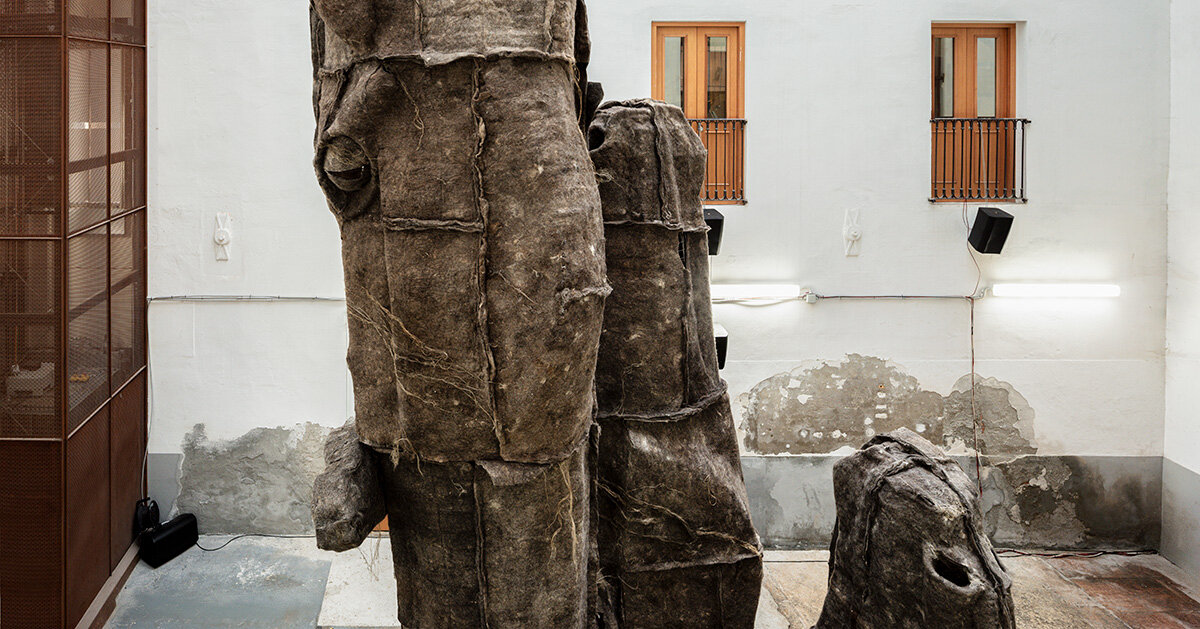
El Salvador will debut its own national pavilion at the 61st Venice Biennale, running from May 9 to November 22, 2025. The exhibition, titled "Cartographies of Displacement," features the sculptural series "Children of the World" by Salvadoran-American artist J. Oscar Molina, curated by Alejandra Cabezas and commissioned by Dr. Astrid Bahamond. The pavilion is located at Palazzo Mora, showcasing Molina's elongated, faceless monumental figures that explore the migrant experience and global diaspora.

Rigenerare Roma: in arrivo un numero speciale della newsletter Render. Iscrivetevi

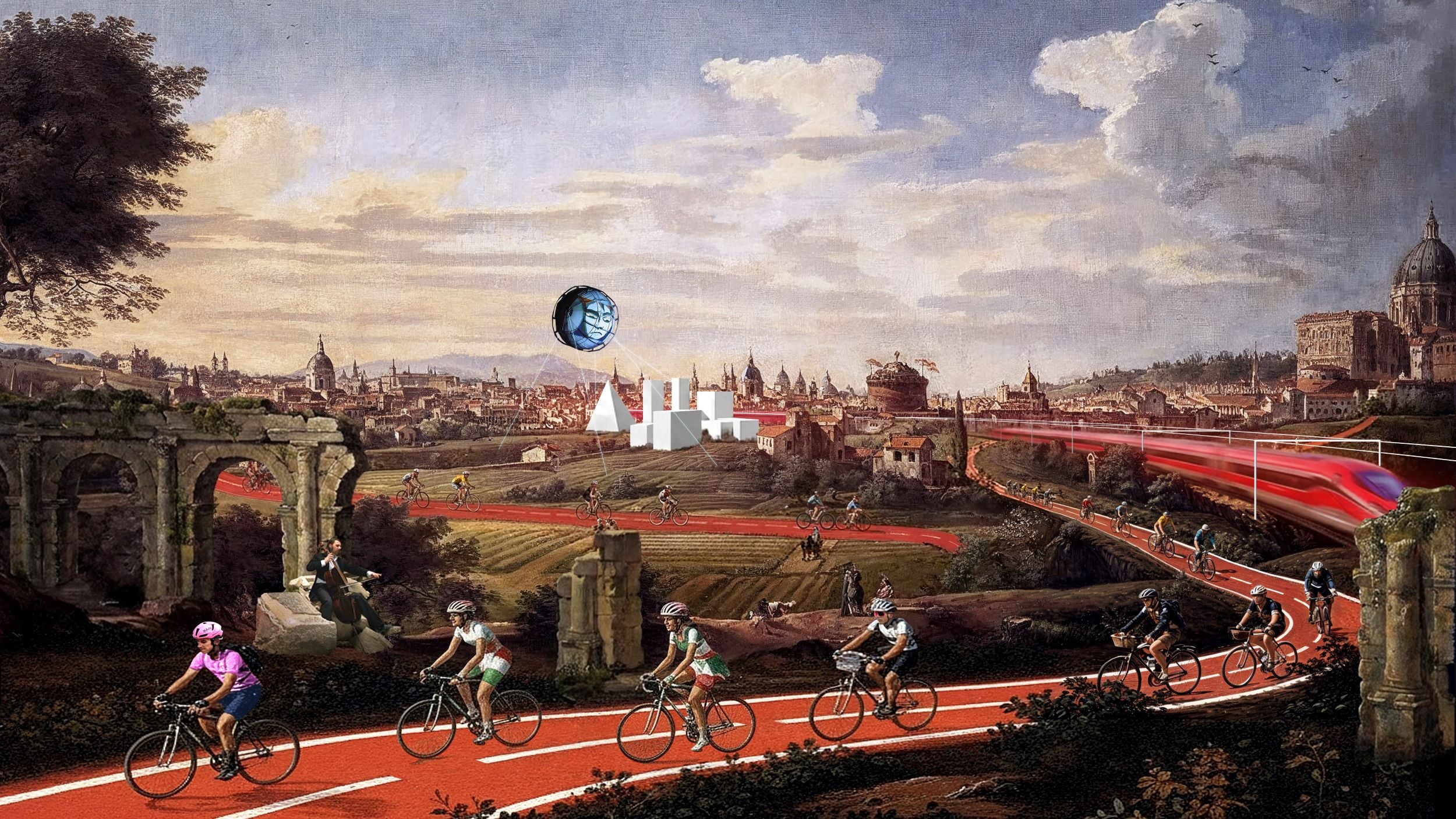
The article announces the upcoming 58th edition of Artribune's newsletter 'Render', focused on urban and cultural regeneration, set to be released on Monday, May 25, 2026. It highlights the winning project 'Roma Continua' from the 'A Vision for Rome' call for ideas promoted by Fondazione Roma REgeneration, led by architects Alessandro Cambi and Bruna Dominici of studio IT'S, in collaboration with OMA, LGSMA, OKRA, NET Engineering, and others. The second-place project 'New Times New Roma' is also mentioned, involving groups like From, Fosbury Architecture, and BASE Milano. The newsletter also covers new regeneration projects across Italy and Europe, and notes the upcoming 20th International Architecture Exhibition of Venice.

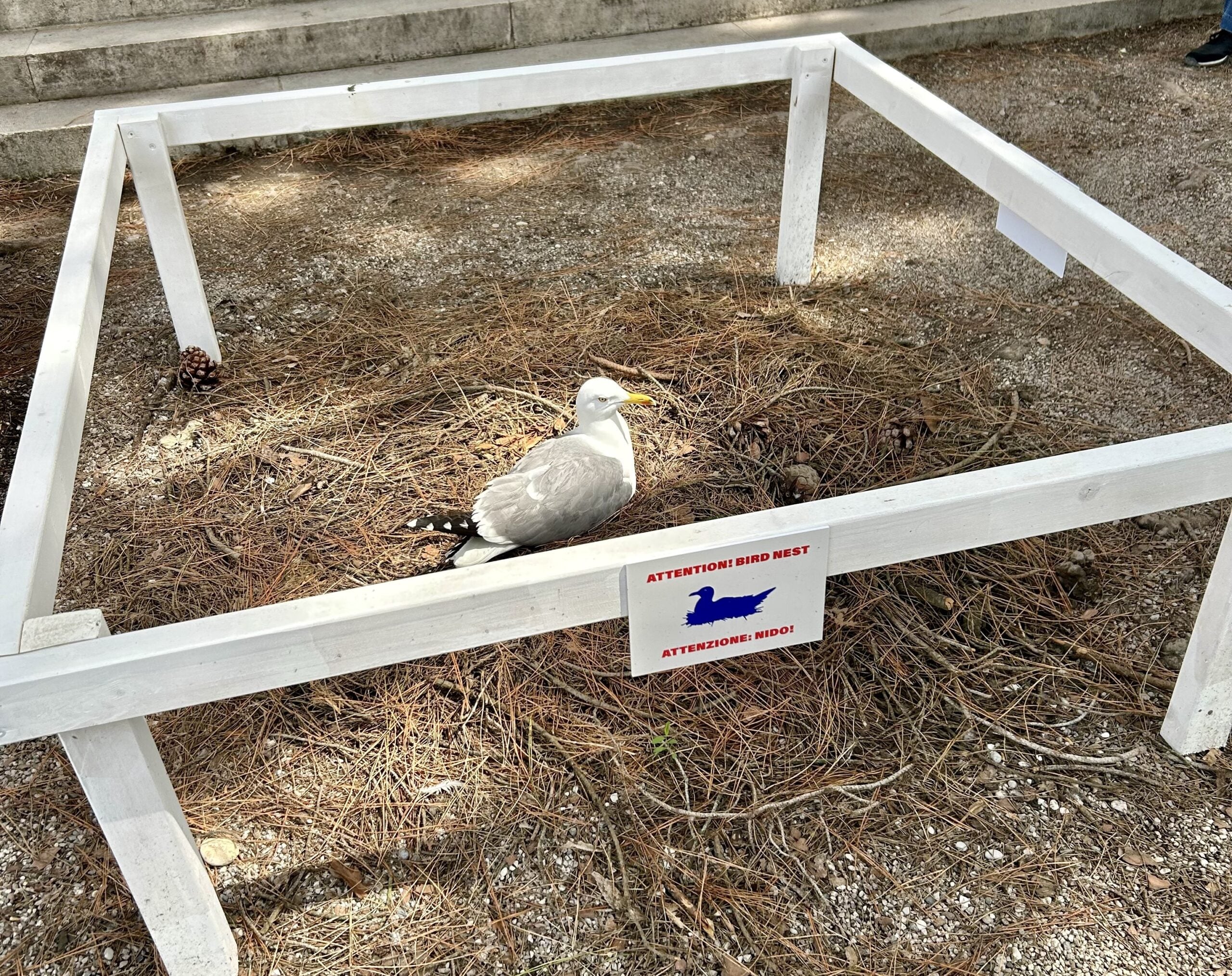
Il Padiglione della Natura alla Biennale di Venezia. Ovvero due gabbiani che mettono in crisi il patriarcato

At the 2026 Venice Biennale, two seagulls built a nest in front of the Polish Pavilion in the Giardini. Organizers chose to protect the nest with a small fence and a sign, turning it into an unofficial "Nature Pavilion." The birds share incubation duties equally, drawing large crowds who pause to watch their cooperative behavior amid the Biennale's intense geopolitical tensions, including protests against the Russian Pavilion, pro-Palestinian actions, and debates over Israel's cultural role.

A review of the 2026 Venice Biennale without naming a single artist

Una recensione della Biennale di Venezia 2026 senza nominare neppure un artista

This review of the 2026 Venice Biennale describes an exhibition that overcame dire circumstances—the death of curator Koyo Kouoh early in preparations, losses of key artists, and international political controversies—to deliver a surprisingly joyful and engaging show. Titled "In Minor Keys," the Biennale features a well-conceived, flowing presentation across the Giardini and Arsenale that prioritizes beauty, craftsmanship, and hope over a punitive or documentary tone.

Morocco is for the first time with a Pavilion at the Venice Art Biennale. Homage to the weaving of Amina Agueznay

Il Marocco è per la prima volta con un Padiglione alla Biennale d’Arte di Venezia. L’omaggio alla tessitura di Amina Agueznay

Morocco is participating for the first time with an official national pavilion at the Venice Art Biennale, presenting a monumental installation by artist Amina Agueznay. Titled "Asǝṭṭa" (2026), the site-specific work at the Arsenale's Artiglierie space explores ritual weaving and the transmission of traditional craftsmanship, using sewn panels to create a second skin over the 300-square-meter pavilion. Curated by Meriem Berrada, the project draws on Agueznay's two-decade-long research in dialogue with Moroccan artisan communities, including spinners, embroiderers, basket makers, and goldsmiths.