filter_list Showing 130 results for "Venice Biennale" close Clear
search
dashboard All 130 museum exhibitions 76article news 18trending_up market 11article culture 11candle obituary 10person people 2rate_review review 2
date_range Range Today This Week This Month All
Subscribe

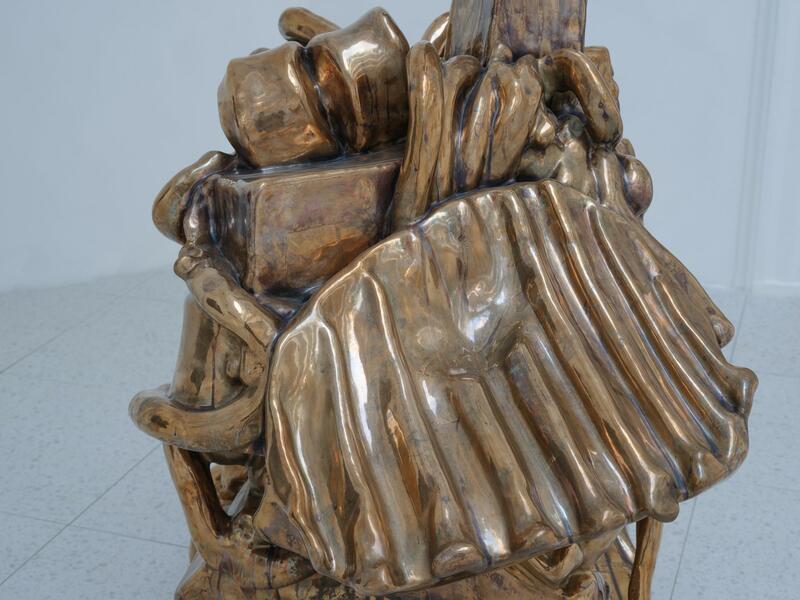
In Venice, Wallace Chan’s Titanium Sculptures Offer Introspection and Reckoning

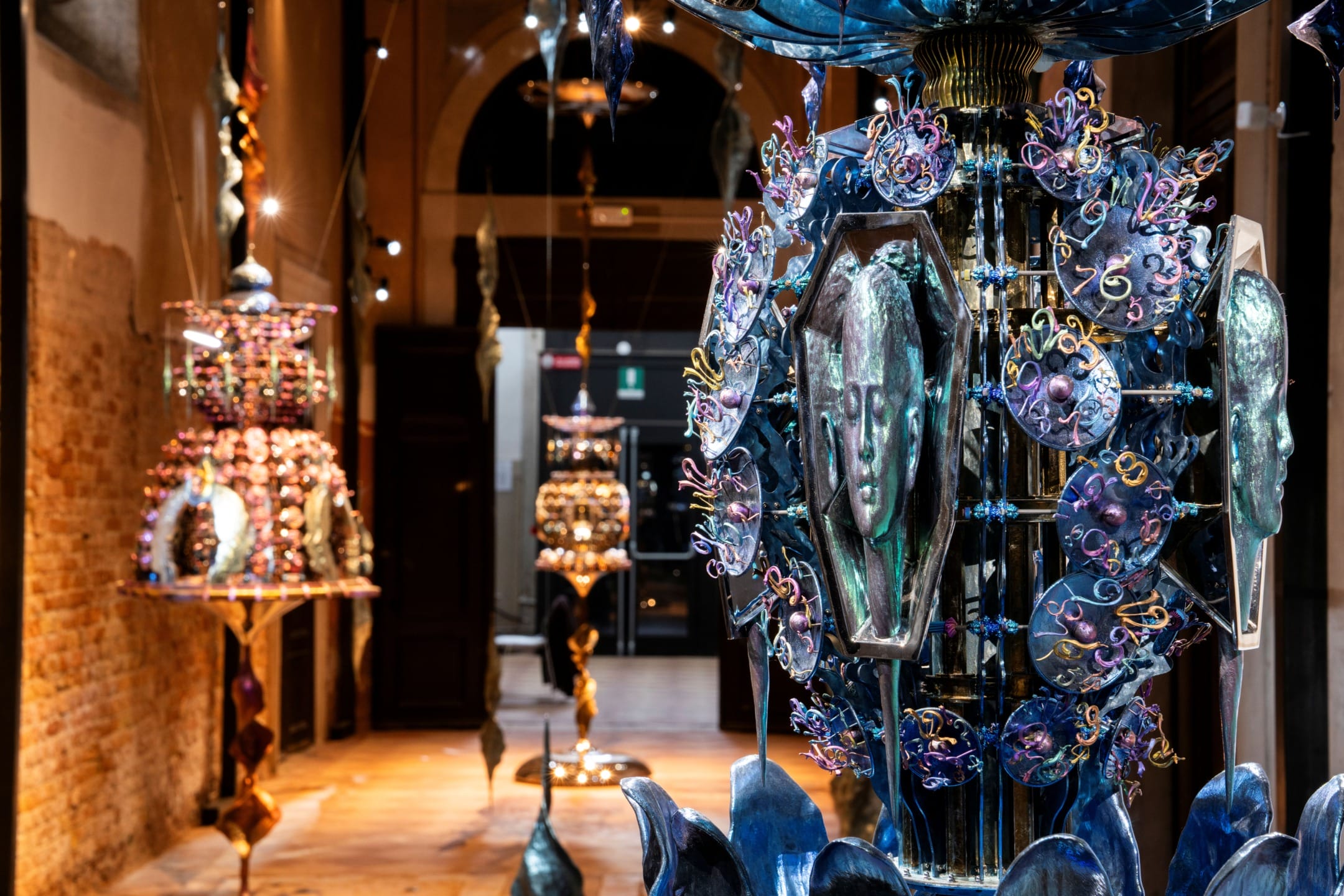
Wallace Chan, a Chinese sculptor and gem master, has opened a new exhibition titled “Vessels of Other Worlds” at the Chapel of Santa Maria della Pietà in Venice during the 61st Venice Biennale. The show features large-scale titanium sculptures that explore themes of life cycles, mortality, and introspection, with the artist drawing inspiration from the sounds of the city, including Vivaldi’s music from a neighboring church. Chan, who has presented works at two previous biennials in Venice, also marks his 70th birthday this year with a concurrent show at Shanghai’s Long Museum in July.
At this year's Venice Biennale, a clash of politics and art exposes the need for a rethink

The 2026 Venice Biennale is plagued by controversy and structural issues. Curator Koyo Kouoh died of cancer in 2025, leaving her team to execute the main exhibition "In Minor Keys" without her. The Biennale's jury resigned after refusing to judge entries from countries charged with war crimes, and media coverage during preview week focused on protests against the Israeli and Russian pavilions rather than the art. The sprawling exhibition features 96 national pavilions and 110 artists, with works ranging from Daniel Lind-Ramos's found-material figures to María Magdalena Campos-Pons's tribute to Toni Morrison and Kouoh.

Finally, Culture Minister Giuli visited the Italy Pavilion at the 2026 Venice Biennale and made peace with President Buttafuoco

Finalmente il Ministro della Cultura Giuli ha visitato il Padiglione Italia alla Biennale di Venezia 2026 e ha fatto pace con il Presidente Buttafuoco

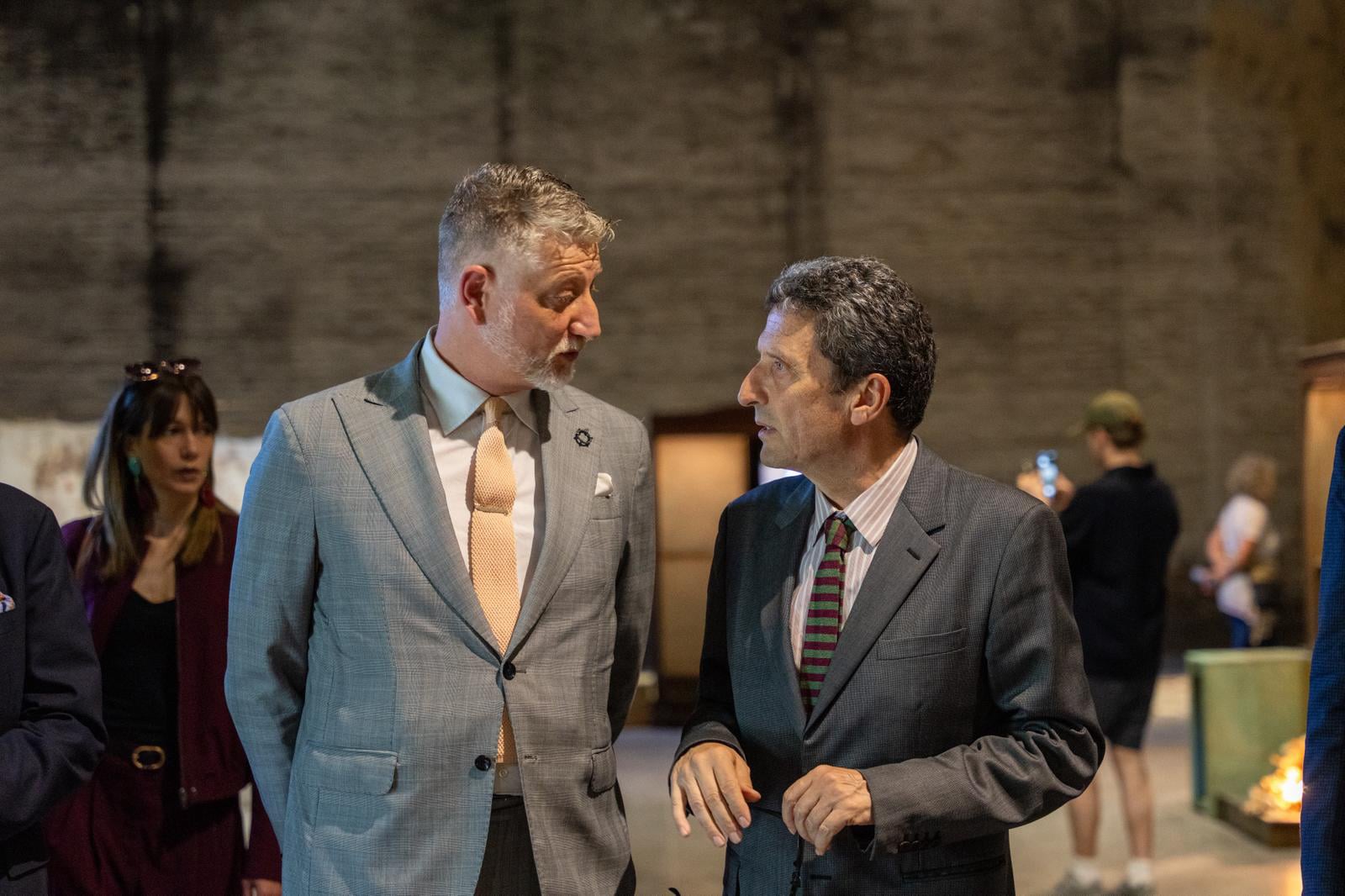
Italian Culture Minister Alessandro Giuli finally visited the Italy Pavilion at the 2026 Venice Biennale alongside Biennale President Pietrangelo Buttafuoco, marking their first public appearance together after earlier tensions led Giuli to skip the opening ceremony. During the visit, Buttafuoco proposed that the work of artist Chiara Camoni, whose exhibition "Con te con tutto" is curated by Cecilia Canziani, should find a permanent home after the Biennale ends, sparking discussion about the future of pavilion artworks.

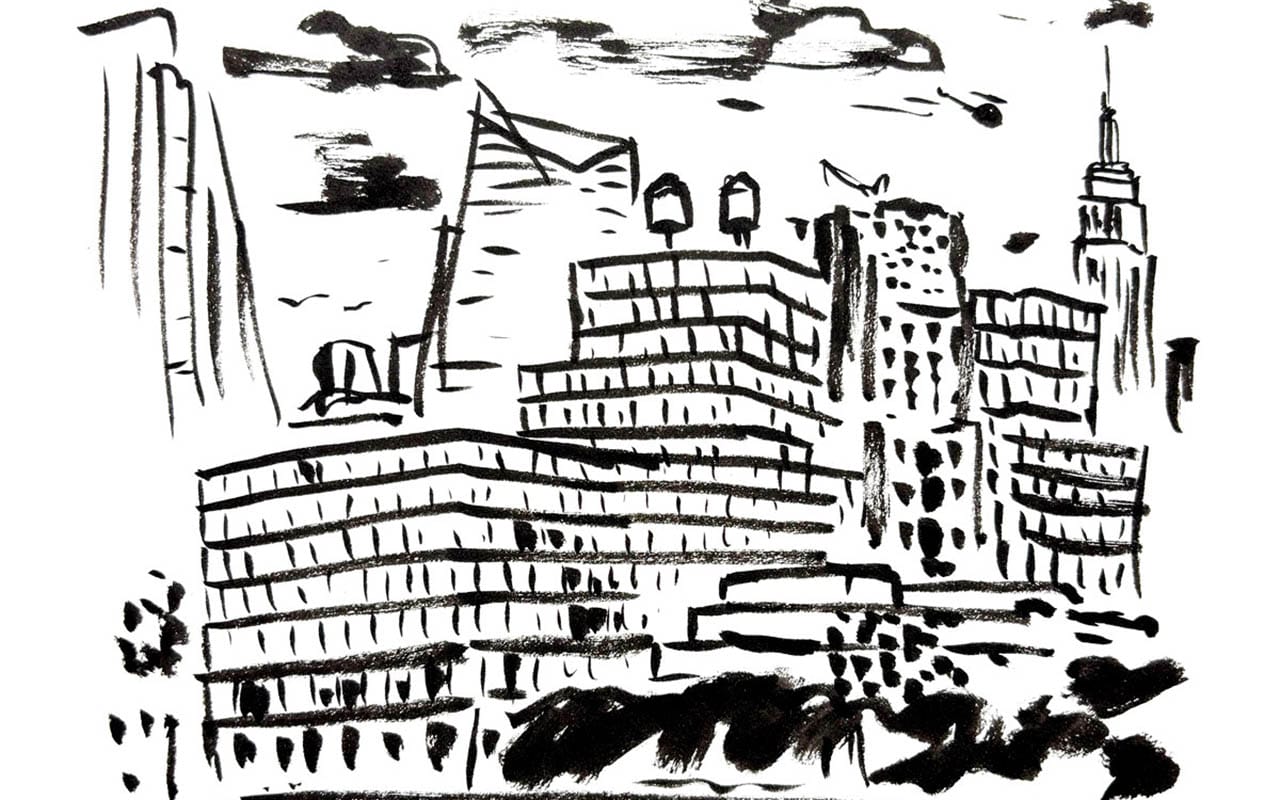
My NADA Sketchbook

Lehman College Art Gallery is presenting the 2026 Thesis Exhibition, running from May 20 to 28. The show features over thirty undergraduate and graduate artists, showcasing a wide range of conceptual approaches and material experimentation.

US SCULPTURES AMID CONTROVERSY AT THE VENICE BIENNALE

The United States Pavilion at the 61st Venice Biennale features sculptor Alma Allen's exhibition "Call Me the Breeze," which opened with no clear funding just ten days prior. Unlike previous pavilions supported by major foundations like Ford and Mellon, Allen's show relies on a $375,000 US government contribution and public donations via the American Arts Conservancy. The selection process was unconventional: the State Department, which took over after Trump's NEA budget cuts, imposed restrictions on DEI policies and required proposals promoting "American exceptionalism." Curator Jeffrey Uslip directly approached Allen without a formal proposal, leading the artist's two galleries—Olney Gleason and Mendes Wood DM—to drop him when he accepted the commission.

‘How can nudity be so provocative?’ Florentina Holzinger on rocking Venice with naked jetskiers, human bells and urine divers

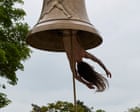
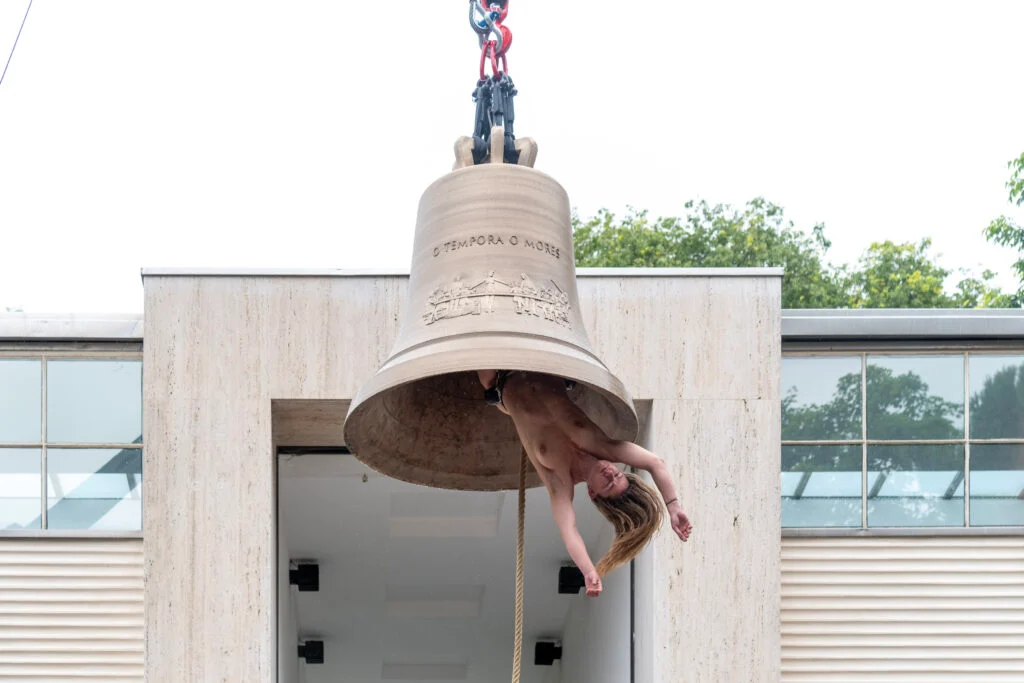
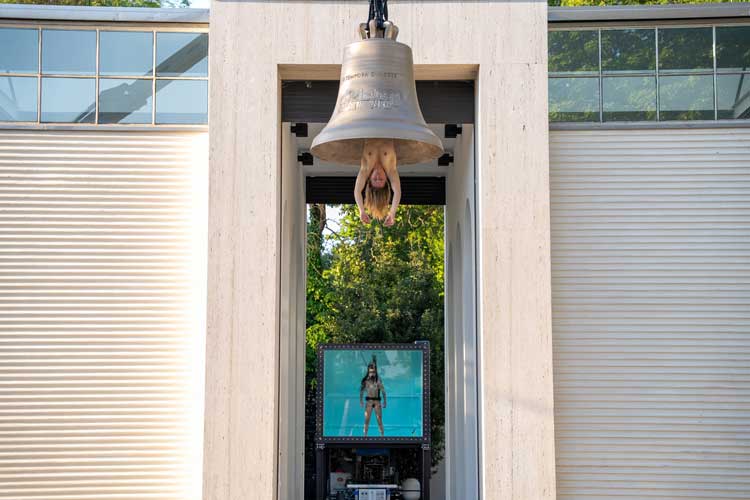
Florentina Holzinger, an Austrian dancer and choreographer known for provocative, physically extreme performances, is representing Austria at the Venice Biennale with a new work titled *Seaworld Venice*. The piece features naked performers on a barge in the lagoon, including a woman suspended upside down inside a cast-iron bell hoisted by a crane, a guitarist rocking at a vertiginous height, and a vocalist screaming like Yoko Ono. Holzinger’s previous opera *Sancta* included a climbing wall, nuns on roller skates, and a pregnant pope on a robot arm, and has toured European opera houses for two years.

Open Letter in Support of the Artist Asel Kadyrkhanova

An open letter initiated by members of the Kazakhstani and international art community protests the removal of artist Asel Kadyrkhanova's work *Machine* (2013) from the Kazakhstan pavilion at the 2026 Venice Biennale. The mixed-media installation, which addresses Stalinist repression through a vintage typewriter, arrest warrants, and red threads, was dismantled on May 5, 2026, reportedly by order of Kazakhstan's Ministry of Culture and Information, just before the pavilion's opening. The artist and curator were allegedly pressured to alter the work beforehand, and the ministry initially cited restrictions from the Italian side, but the Italian Ministry of Defense denied involvement.

Gabrielle Goliath Sounds a Call to Action in Venice

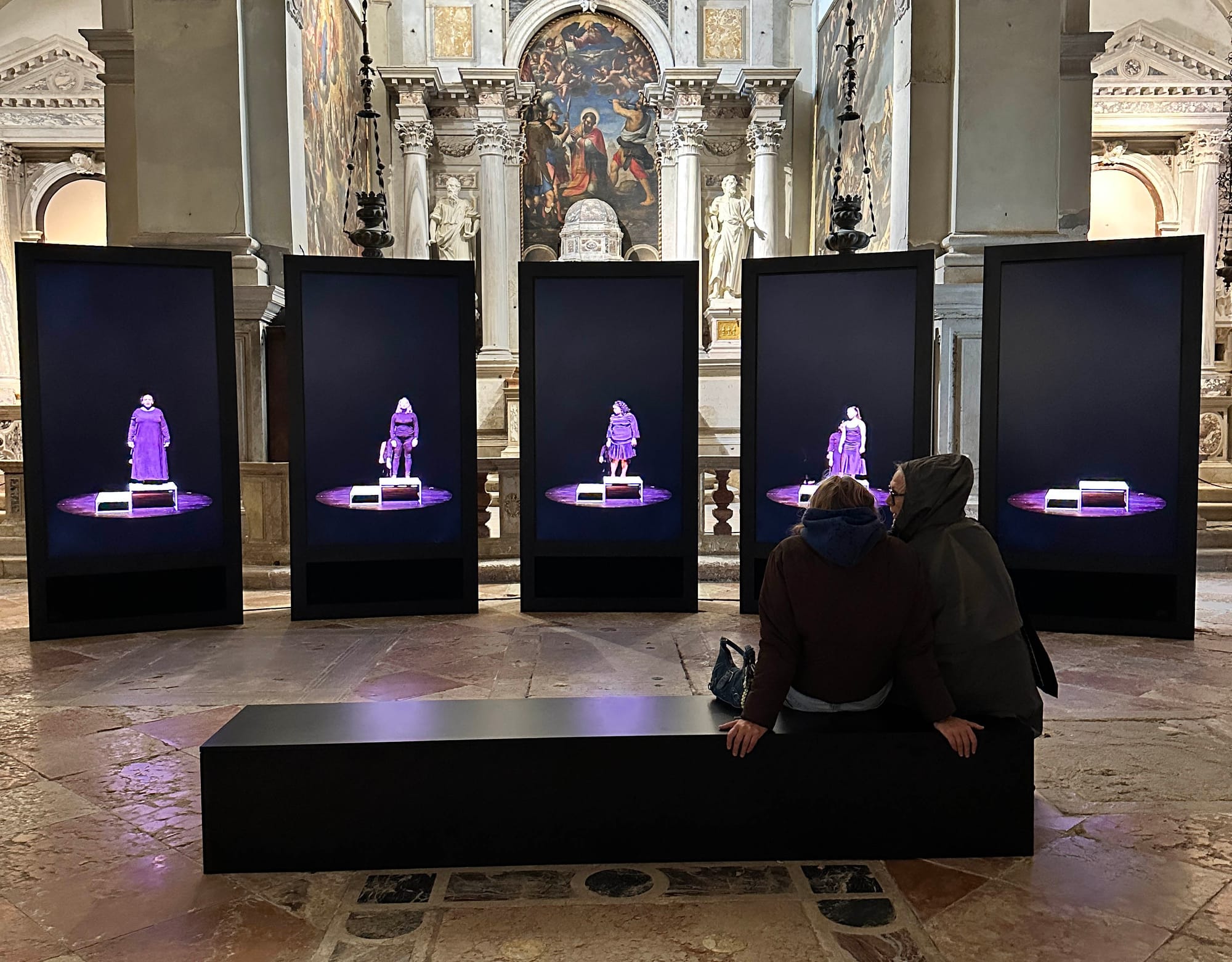
Gabrielle Goliath’s exhibition "Elegy" is presented as South Africa’s unofficial pavilion at the 61st Venice Biennale, after the country’s Culture Minister Gayton McKenzie overrode an independent committee’s selection of Goliath, citing her proposed inclusion of a memorial for Palestinians killed in Gaza. The installation features three video works in which singers sound a single note in tribute to victims of violence: a South African femicide victim, two women killed in Germany’s colonial genocide in Namibia, and Palestinian poet Heba Abunada. The show occupies the Chiesa di Sant'Antonin in Venice, curated with Ingrid Masondo, after a legal challenge against McKenzie was dismissed.

Canadian Museum of Human Rights Threatened With Legal Action Over Palestinian Nakba Show

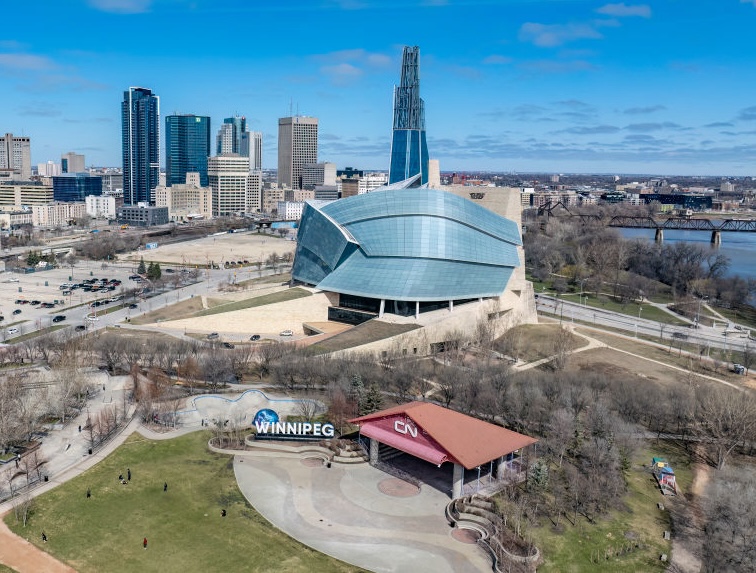
The Canadian Museum for Human Rights in Winnipeg has been threatened with legal action by Shurat HaDin – Israel Law Center over an upcoming exhibition titled "Palestine Uprooted: Nakba Past and Present," scheduled to open June 27. The exhibition focuses on the 1948 expulsion of approximately 750,000 Palestinians, known as the Nakba, and features video testimonies, photography, visual art, and text exploring human rights violations and forced displacement. Shurat HaDin's letter, sent to the museum's board and senior leadership, argues the exhibition omits Jewish historical ties to the region, politicizes history, and could fuel hostility against the Jewish community. The organization demands the museum halt work on the show, commission an independent review, and retract statements about Israeli human rights violations, threatening litigation if the museum does not respond within 14 days. The museum has confirmed the letter is under review but stated the exhibition is still expected to open as scheduled.

ENTRE PERRO Y LOBO CANADA LLEVA EL CREPUSCULO A LA BIENAL DE VENECIA

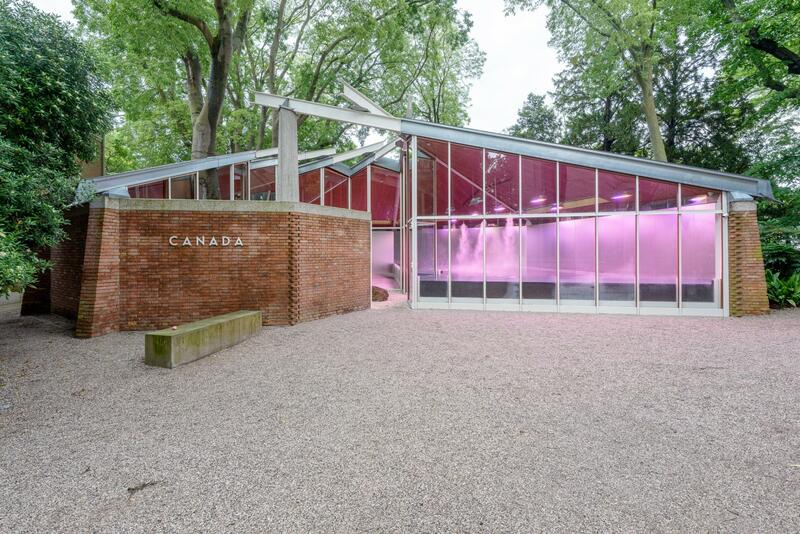
Abbas Akhavan, born in Tehran in 1977, will represent Canada at the 61st Venice Biennale in 2026 with an exhibition titled "Entre chien et loup" (Between Dog and Wolf). Commissioned by the National Gallery of Canada and curated by Kim Nguyen, the Canada Pavilion is transformed into a monumental Wardian case—a 19th-century plant transport device—serving as a greenhouse for Victoria water lilies. The seeds were germinated at the Orto Botanico di Padova in collaboration with the Royal Botanic Gardens, Kew, and the installation will be on view until November 22, 2026.

BETWEEN DOG AND WOLF CANADA BRINGS TWILIGHT TO THE VENICE BIENNALE

Abbas Akhavan, born in Tehran in 1977, represents Canada at the 61st Venice Biennale with an exhibition titled "Entre chien et loup" (Between Dog and Wolf). Commissioned by the National Gallery of Canada and curated by Kim Nguyen, the installation transforms the Canada Pavilion into a monumental Wardian case—a 19th-century plant transport device—converted into a greenhouse for Victoria water lilies. The lilies, native to South America and germinated at the Orto Botanico di Padova from seeds provided by the Royal Botanic Gardens, Kew, reference their prominent display in the Crystal Palace during the 1851 Great Exhibition. The exhibition runs until November 22, 2026.

The great artist Remo Salvadori has died. He was 79 years old

È morto il grande artista Remo Salvadori. Aveva 79 anni

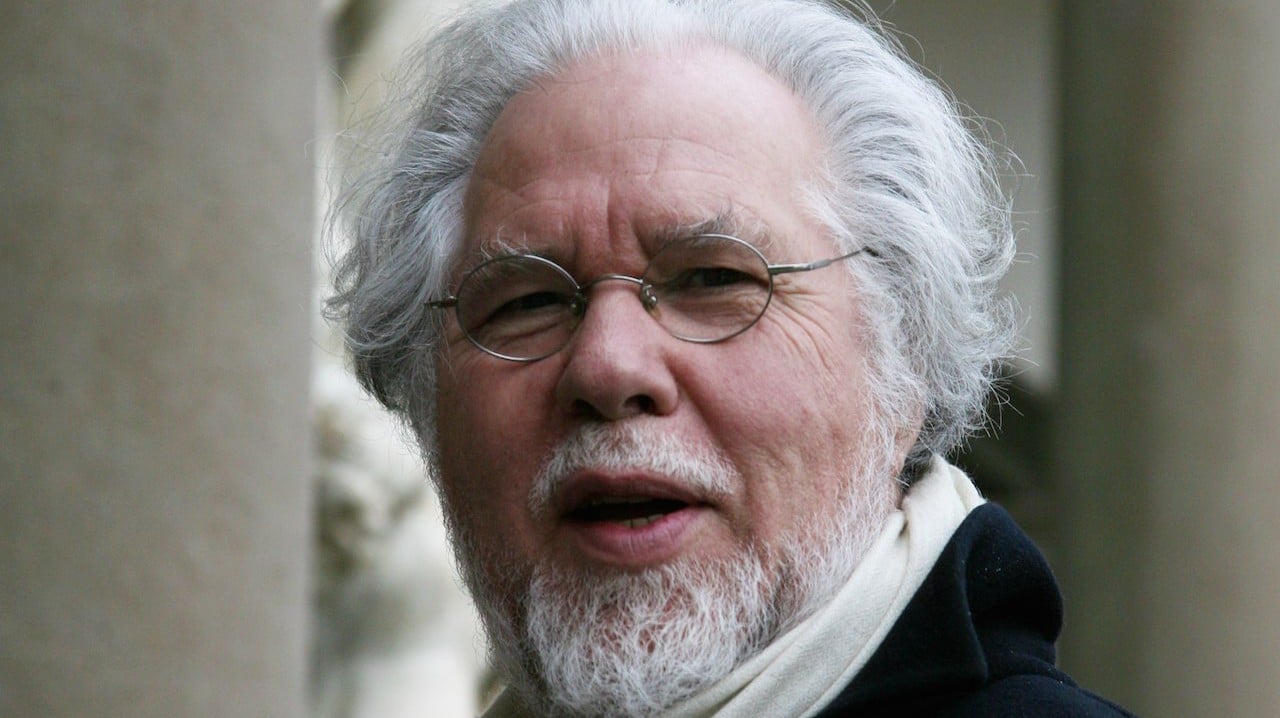
Italian artist Remo Salvadori has died at age 79. Known for his rigorous, independent practice, Salvadori explored matter, energy, science, philosophy, and spirituality through sculpture, installations, and site-specific works. Born in Cerreto Guidi, he studied at the Accademia delle Belle Arti di Firenze and moved to Milan in the early 1970s, where he participated in the experimental scene without joining any movement. His career included solo shows in Milan galleries from 1971, appearances at the Venice Biennale (1982, 1986, 1993) and Documenta in Kassel (1982, 1992), and works held in major museums worldwide. In 2019 he received the Premio Presidente della Repubblica for sculpture. A major retrospective in 2025 at Palazzo Reale, Museo del Novecento, and San Gottardo in Corte in Milan showcased over 50 works from 1969 to 2025.

Kazakhstan's creative industry accelerates. A new foundation supporting the art scene emerges

L’industria creativa del Kazakhstan accelera. Spunta una nuova fondazione che sostiene la scena artistica

A new private foundation called TOVA Foundation, based in Geneva, has been established to promote contemporary art from Central Asia, specifically focusing on Kazakhstan's art scene. The foundation debuted at the Venice Biennale with an exhibition titled "Trading Treasures" featuring Kazakh artists Saule Suleimenova and Sayan Baigaliyev at Casa dei Tre Oci. The initiative is backed by Togzhan Wertheimer, a Kazakh-born entrepreneur and philanthropist connected to the fashion industry through her husband David Wertheimer, and includes a board with figures like Tatiana de Pahlen and art consultant Jean-Olivier Despres. The foundation's curator is Vladislav Sludskiy, who previously worked at Ethan Cohen Gallery and co-founded the ARTBAT FEST and Eurasian Cultural Alliance.

Story of Max Peiffer Watenphul, the Bauhaus painter who found his new homeland in Italy

Storia di Max Peiffer Watenphul, il pittore del Bauhaus che trovò in Italia la sua nuova patria

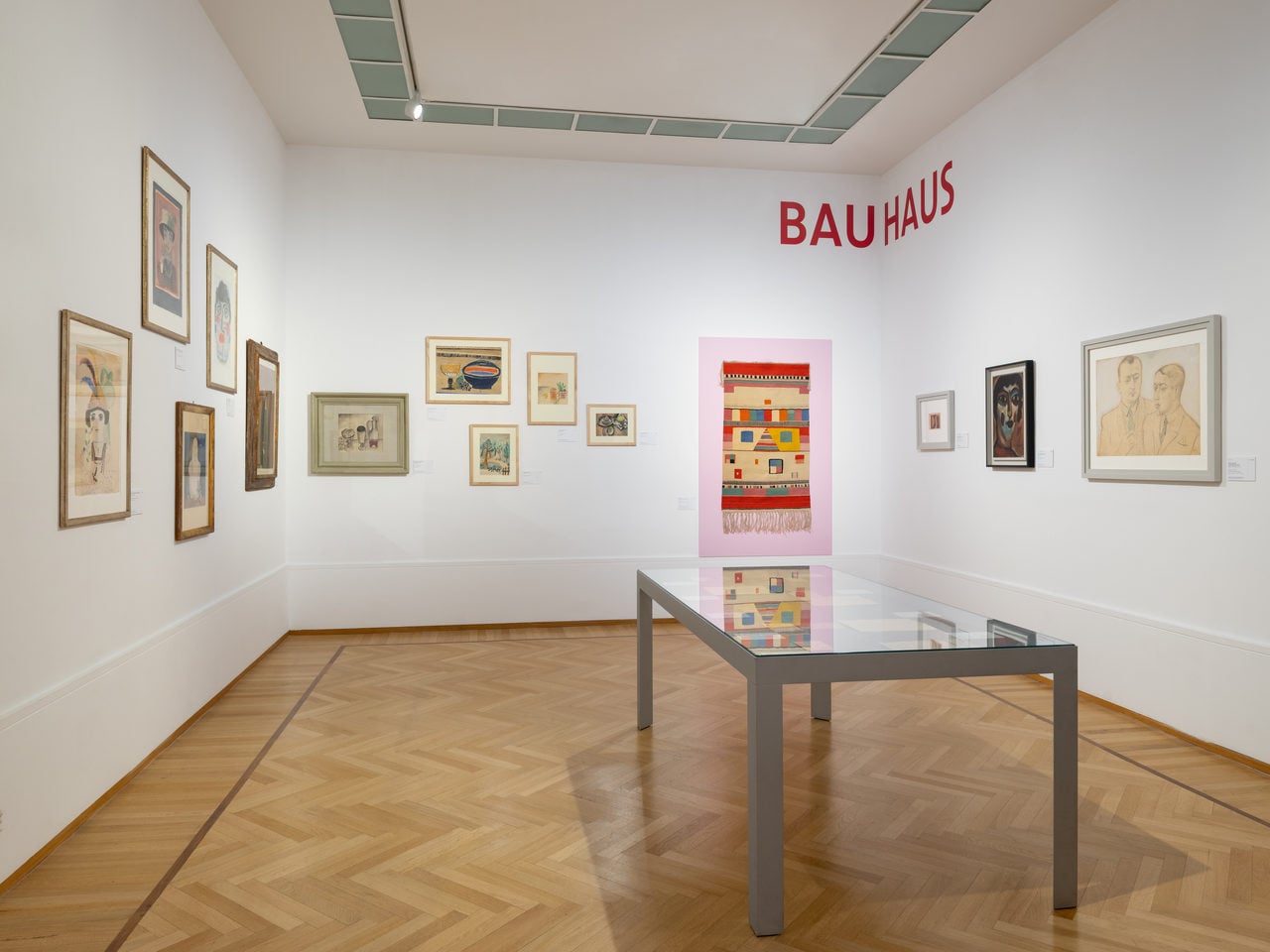
A major retrospective titled "Max Peiffer Watenphul. Pittore del Bauhaus" has opened at the Galleria Nazionale d'Arte Moderna e Contemporanea (GNAMC) in Rome, curated by Gregor H. Lersch, director of the Museo Casa di Goethe. The exhibition explores the complex artistic journey of Max Peiffer Watenphul (1896–1976), a German Bauhaus-trained painter who found a second home in Italy. It highlights his multidisciplinary approach, his troubled painting style marked by unusual materials and scratched surfaces, and his deep connection to Italy, where he fled after Nazi persecution and where he lived until his death.

The great artist who designed precious rings for an Italian brand inspired by crabs

La grande artista che ha disegnato preziosissimi anelli per un brand italiano ispirandosi ai granchi

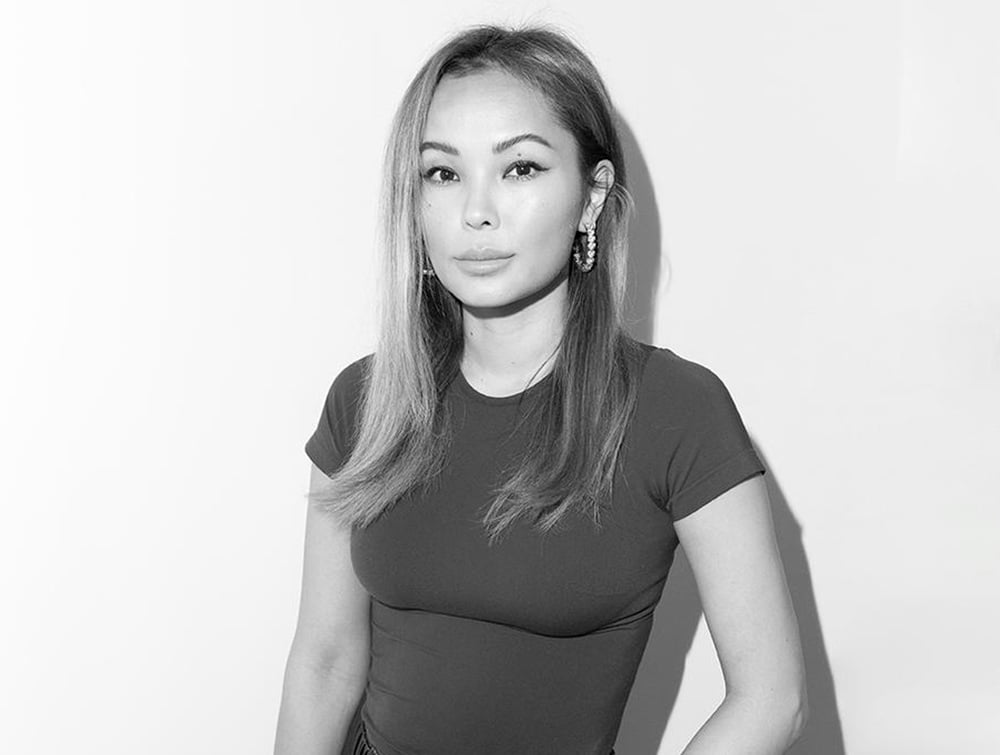
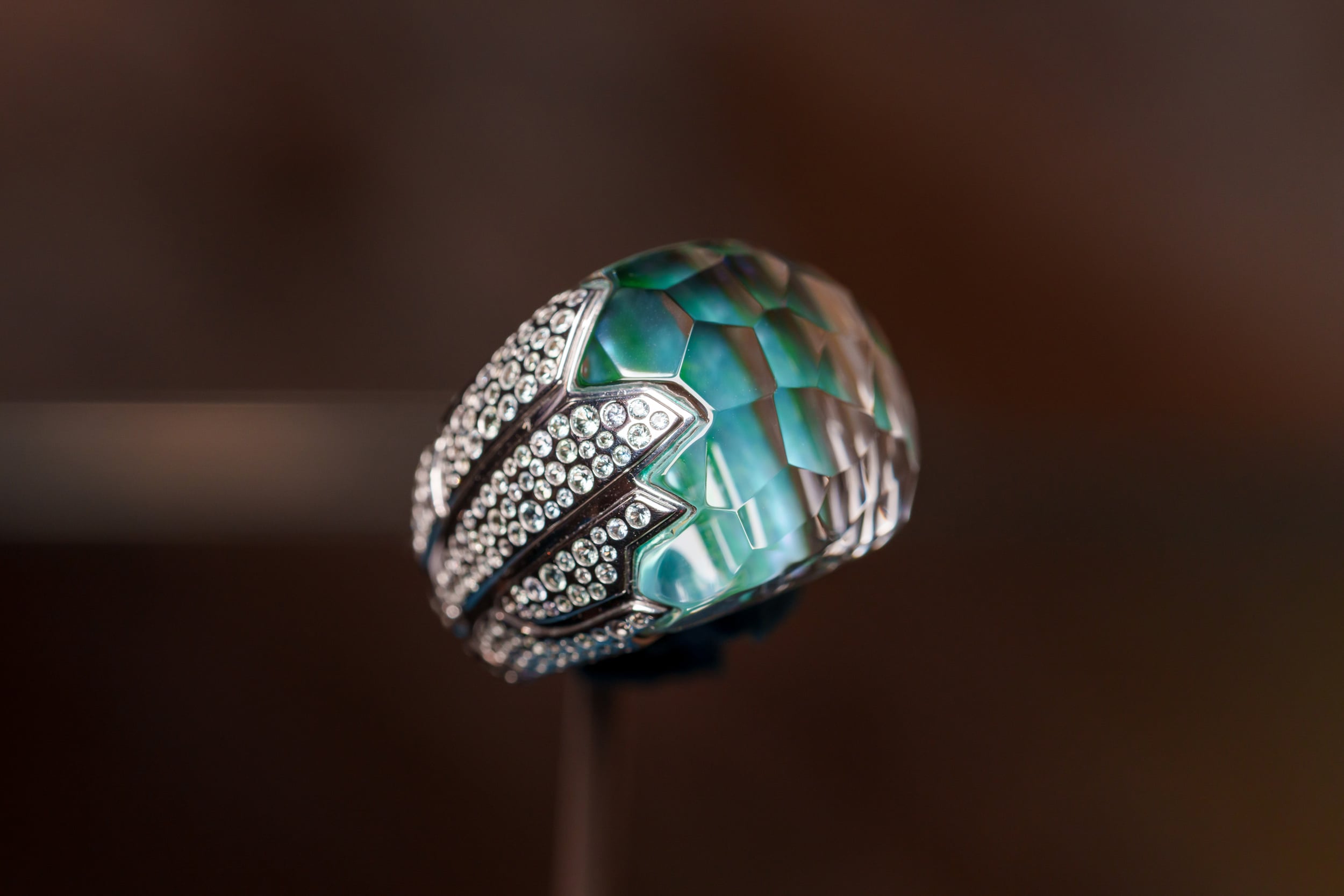
American multidisciplinary artist Pae White has collaborated with Milanese jewelry house Maison Vhernier to create a limited-edition ring collection inspired by crabs and marine life. The collection was unveiled in Venice during the launch days of the Venice Biennale, following a preview in Los Angeles at collector Eugenio Lopez's home. White drew inspiration from crab exoskeletons and shells found on the California coast, working with Vhernier's master artisans in Valenza to produce ten ring designs—each limited to two pieces—featuring abalone mother-of-pearl, jade, rock crystal, sapphires, and diamonds set in white gold.

Video interview with Cecilia Canziani and Chiara Camoni, curator and artist of the Italy Pavilion at the Venice Biennale

Video intervista a Cecilia Canziani e Chiara Camoni curatrice e artista del Padiglione Italia alla Biennale di Venezia

The article is a video interview with curator Cecilia Canziani and artist Chiara Camoni about the Italy Pavilion at the 61st Venice Biennale. Camoni's installation, titled "Con te e con tutto," features large, monumental figures called "Sisters" that evoke ancient yet contemporary presences, created through a slow, collective, and materially responsive process. The pavilion is divided into two spaces: a vertical, sacred-like area and a horizontal, convivial one that includes a sub-exhibition called "Dialoghi." The project builds on years of friendship and collaboration between Canziani and Camoni, and involves a fluid community of international students, weavers, midwives, and artists working at Camoni's studio in Fabbiano, on the Apuan Alps.

There is an absent pavilion at the 2026 Venice Art Biennale that no one has talked about: Venezuela

C’è un padiglione assente alla Biennale d’Arte di Venezia 2026 di cui nessuno ha parlato: il Venezuela

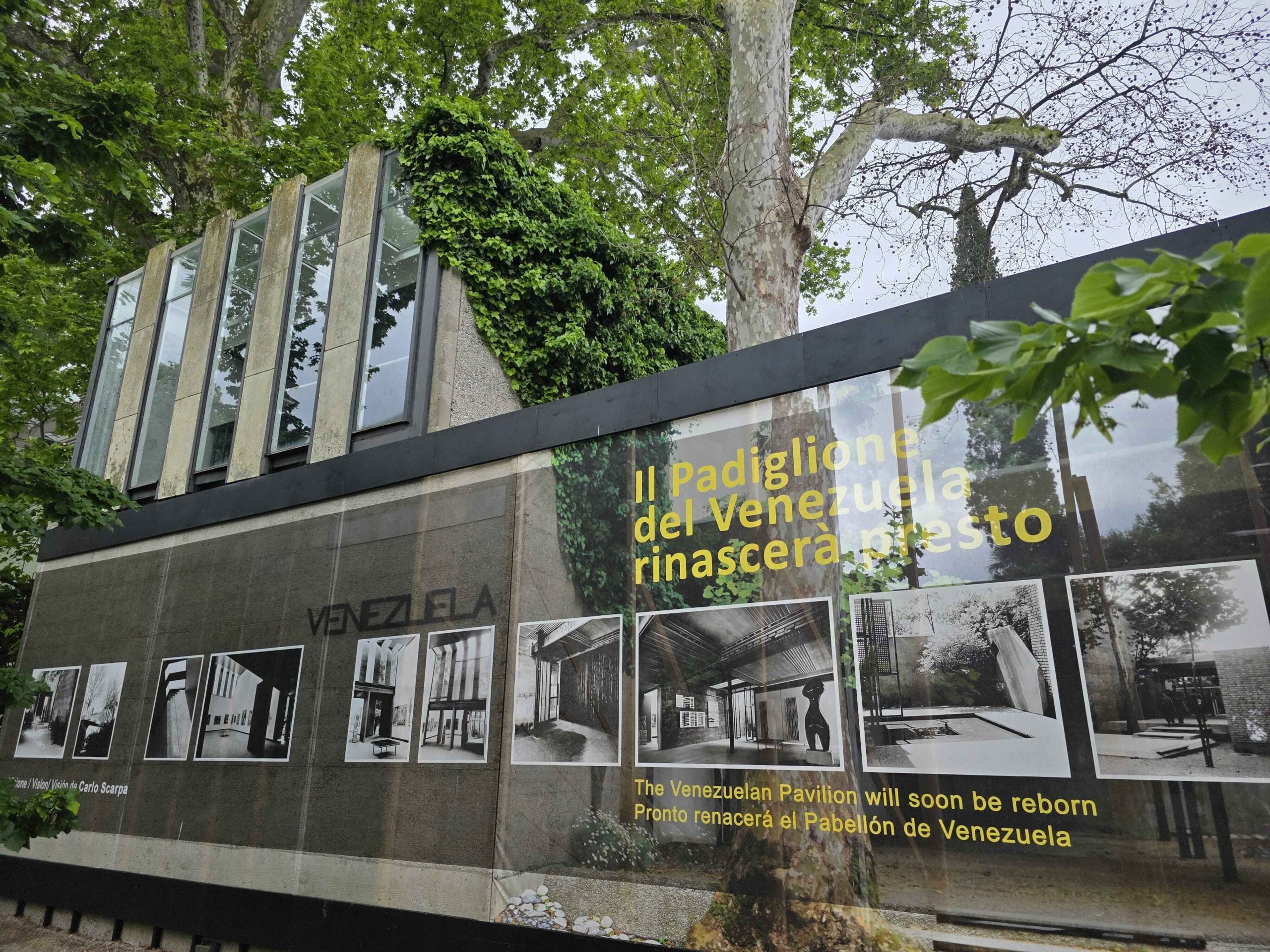
The Venezuelan pavilion at the 2026 Venice Art Biennale remains closed, an absence that has gone largely unnoticed amid other controversies surrounding the Russian, Israeli, South African, and Iranian pavilions. Designed by architect Carlo Scarpa and built between 1953 and 1956, the pavilion now displays a trilingual sign stating it will "rise again soon," reflecting the country's collapse after the kidnapping and imprisonment of President Nicolás Maduro by the United States and the installation of a fragile pro-American interim government.

Body as Device. Guide and Reflection on the Performances of the Venice Biennale

Corpo come dispositivo. Guida e riflessione sulle performance della Biennale di Venezia

The article analyzes the role of performance art at the 2026 Venice Biennale, arguing that performance is no longer a rediscovered genre but a structurally institutionalized primary form of experience production. It examines how the body reemerges not as an alternative to image-based works but as an internal interruption of the artwork system, preventing closure and reintroducing instability. Key pavilions are discussed: Austria's Florentina Holzinger with "Sancta" draws on 1970s radical performance and feminist body art, creating an immersive environment of continuous movement; Belgium's Miet Warlop with "IT NEVER SSST" engages post-dramatic theater and postmodern dance repetition; Japan's Ei Arakawa-Nash with "Grass Babies, Moon Babies" activates Gutai avant-garde legacies through viewer interaction with soft dolls.

Artist appointed, axed then reinstated from Venice Biennale triumphs

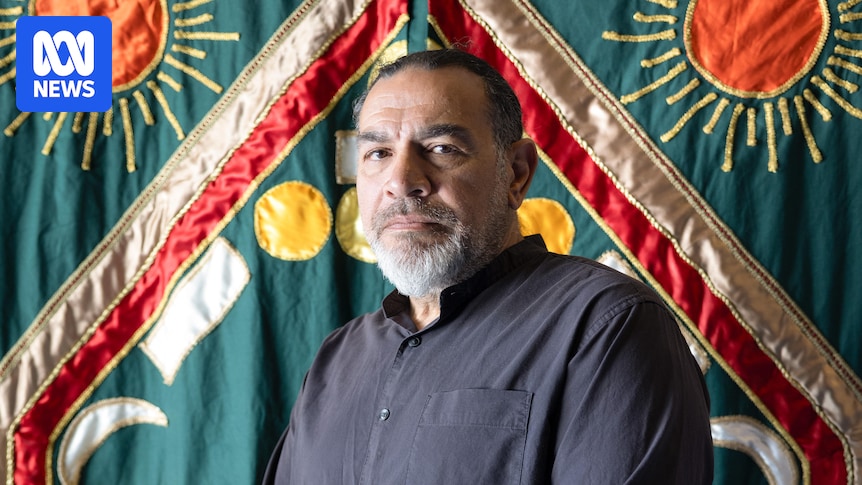
Khaled Sabsabi, a Lebanese Australian artist, presents his installation 'conference of one's self' at the Australia Pavilion of the Venice Biennale, alongside a second work 'khalil' in the main exhibition 'In Minor Keys' curated by Koyo Kouoh. His participation follows a tumultuous period in February 2025 when he was initially appointed to represent Australia, then controversially sacked by Creative Australia's board after a political dispute triggered by Senator Claire Chandler's comments, and later reinstated. Sabsabi is now one of only three artists in the Biennale's 131-year history to show in both a national pavilion and the main exhibition.

This is fucking Disneyland

"Das ist fucking Disneyland"

The article surveys recent German cultural commentary, highlighting three main stories: art historian Bénédicte Savoy's warning in the FAZ about the physical decay of German universities, particularly the Technical University of Berlin, as a threat to democratic culture; Berlin artist Charlie Stein's essay on anxiety as a pervasive contemporary condition and art's role in making it visible; and critic Rachel Wetzler's harsh review of the Venice Biennale in Artforum, calling it an overwhelming 'theme park' version of the art world. Additionally, Nikolaus Bernau defends expert juries in the Tagesspiegel, using the Biennale's jury crisis as a case study.

Endre Koronczi on Representing Hungary at the 61st Venice Biennale

Endre Koronczi, the artist representing Hungary at the 61st Venice Biennale (2026), discusses his upcoming exhibition in the Giardini pavilion. His project, titled "Pneuma Cosmic," explores the movement of air as both a physical and metaphysical phenomenon, drawing on decades of research into invisible forces like wind and breath. The exhibition also references his long-term experimental zone, Ploubuter Park, inspired by drifting plastic bags. Koronczi notes a strong resonance with the Biennale's curatorial theme, "In Minor Keys" by Koyo Kouoh, describing it as a "cosmic zeitgeist."

À la Biennale de Venise, le pavillon de l’Ouzbékistan fait revivre la mer d’Aral

The Uzbekistan Pavilion at the 61st Venice Biennale, curated around the figure of author Allayar Darmenov, brings together artists including Vyacheslav Akhunov, Zi Kakhramonova, A. A. Murakami, Zulfiya Spowart, and Nguyen Phuong Linh to explore the ecological disaster of the Aral Sea. Once the world's fourth-largest lake, it was drained by Soviet irrigation projects for cotton farming; the pavilion's installations—such as Kakhramonova's participatory salt-fish molding piece and Spowart's cradle-like sculpture—imaginatively revive the vanished sea and its endemic species.

Ron Nagle in Milan: at Gió Marconi the first Italian solo exhibition 'Phantom Banter'

Gió Marconi Gallery in Milan will host 'Phantom Banter', the first Italian solo exhibition of American sculptor Ron Nagle, from May 29 to July 24, 2026. The show features eleven ceramic sculptures created between 2024 and 2026, along with a selection of recent drawings, highlighting Nagle's process-oriented practice focused on material, surface, and language. Nagle, born in San Francisco in 1939, is a key figure in the California Clay Movement, having apprenticed with Peter Voulkos in the 1960s and influenced by Ken Price. His small-scale works, rarely exceeding 15 centimeters, explore reduction of scale and surface construction through cast and fired ceramics combined with resins and synthetic materials.

Venice Biennale 2026 Roundup

The 61st Venice Biennale, titled "In Minor Keys" and curated by the late Koyo Kouoh, opened in May 2026 amid significant turmoil. The Austrian Pavilion features Florentina Holzinger's performance piece "Seaworld Venice," centered on a giant bell that chimes hourly. The biennale has been marked by the death of its curator, the resignation of the international jury over the inclusion of Russia and Israel, protests by Pussy Riot and the Art Not Genocide Alliance, and the cancellation of the South African Pavilion over Gabrielle Goliath's "Elegy," which honors murdered women including a Palestinian poet. The US Pavilion's state-sponsored offerings have also drawn criticism.

24 Hours with Jewel at the 2026 Venice Biennale Festival

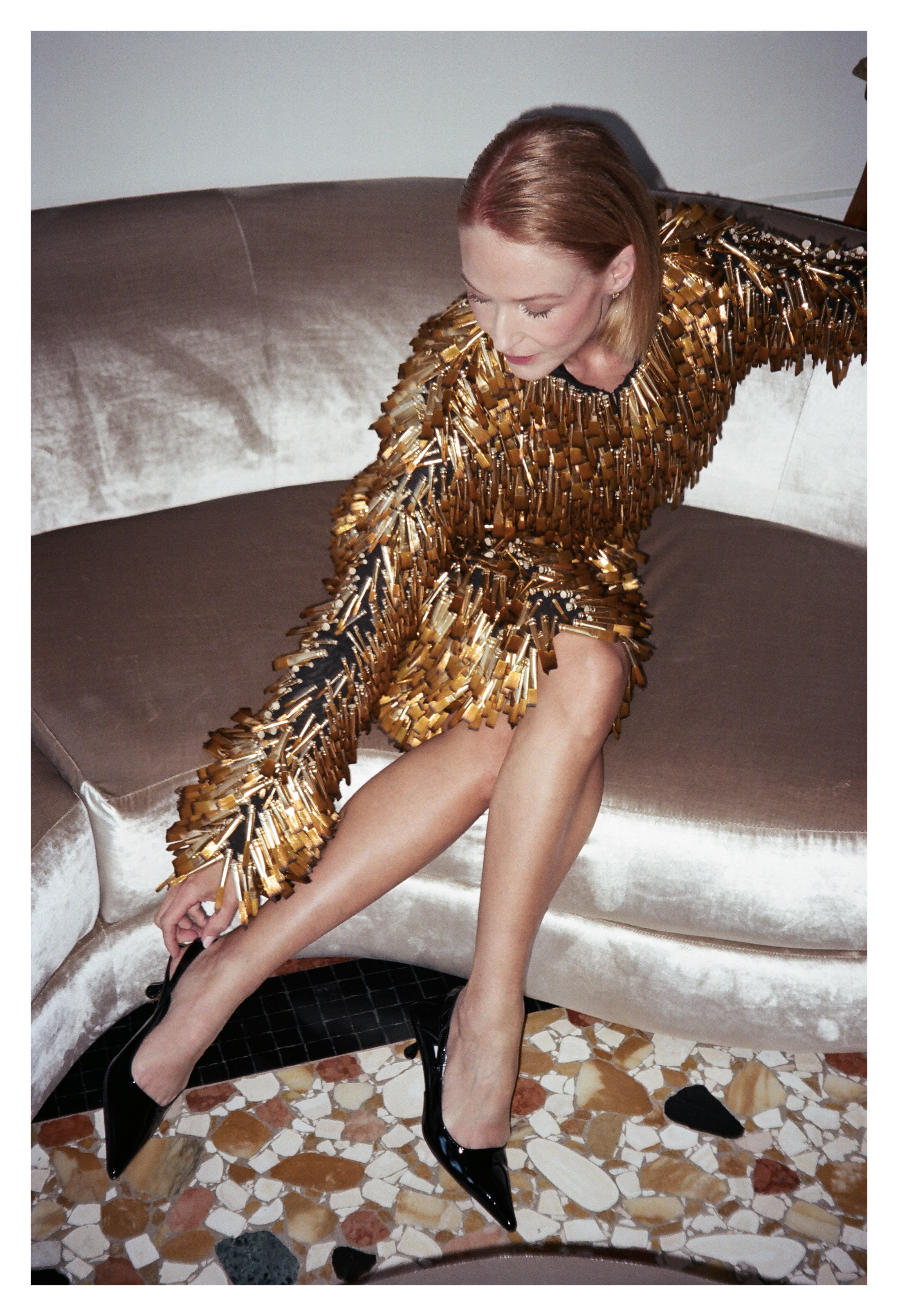
Singer-songwriter Jewel has transformed into a multimedia artist, presenting a solo exhibition titled '24 Hours with Jewel' at the 2026 Venice Biennale. The show features 34 new works, including paintings, sculptures, and kinetic installations, with the centerpiece 'Heart of the Ocean'—an eight-foot kinetic sculpture created in collaboration with scientists from NASA, NOAA, Stanford, and UC Berkeley that translates real-time oceanographic data into light and sound. V Magazine followed Jewel for 24 hours as she prepared for her Biennale debut, documenting her day from rooftop meditations and water taxi rides with her son to private patron tours and an opening night performance in a custom Schiaparelli dress.

Why We Need Corporate Art Collections

The article traces the history and significance of corporate art collections, beginning with Deutsche Bank's acquisition of 57 early drawings by Joseph Beuys in the late 1970s, which led to the formal launch of its collection in 1980. Today, the Deutsche Bank Collection comprises over 57,000 objects displayed in 500 locations across 40 countries, and the bank sponsors events like the Frieze Art Fair. The piece also highlights the role of American banker David Rockefeller, who inaugurated Chase Manhattan Bank's Art at Work program in 1959, and notes that corporate collecting has deep roots in Renaissance banking, with institutions like Banca Monte dei Paschi di Siena commissioning art for their offices.

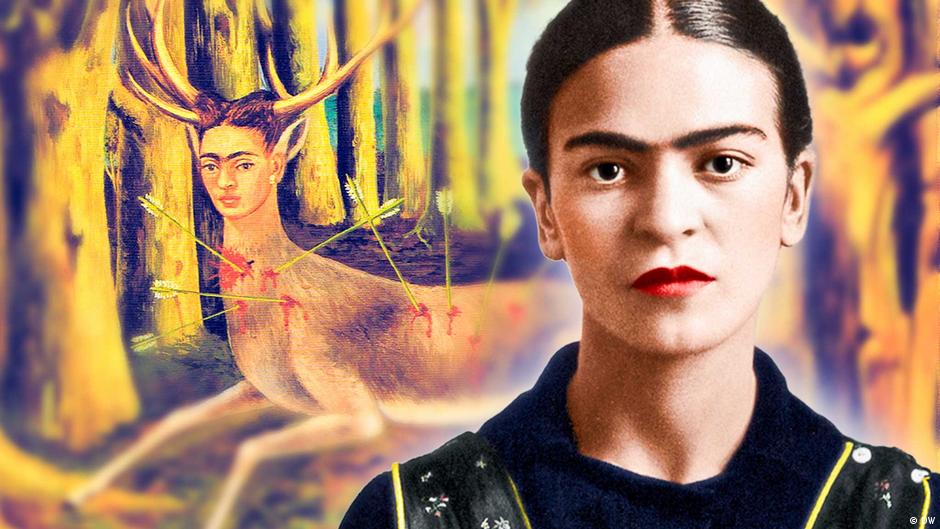
Art Born of Pain: Frida Kahlo

This article is a promotional piece for the DW English program 'Arts Unveiled,' highlighting several upcoming segments. It announces the start of the 61st Venice Biennale, the world's largest art exhibition, and poses questions about its standout features and art's role in times of crisis. Other segments explore the American Dream as a nightmare on the 250th anniversary of US independence, and feature Indigenous artist Britta Marakatt-Labba, who creates embroidered polar landscapes reflecting Sámi culture.

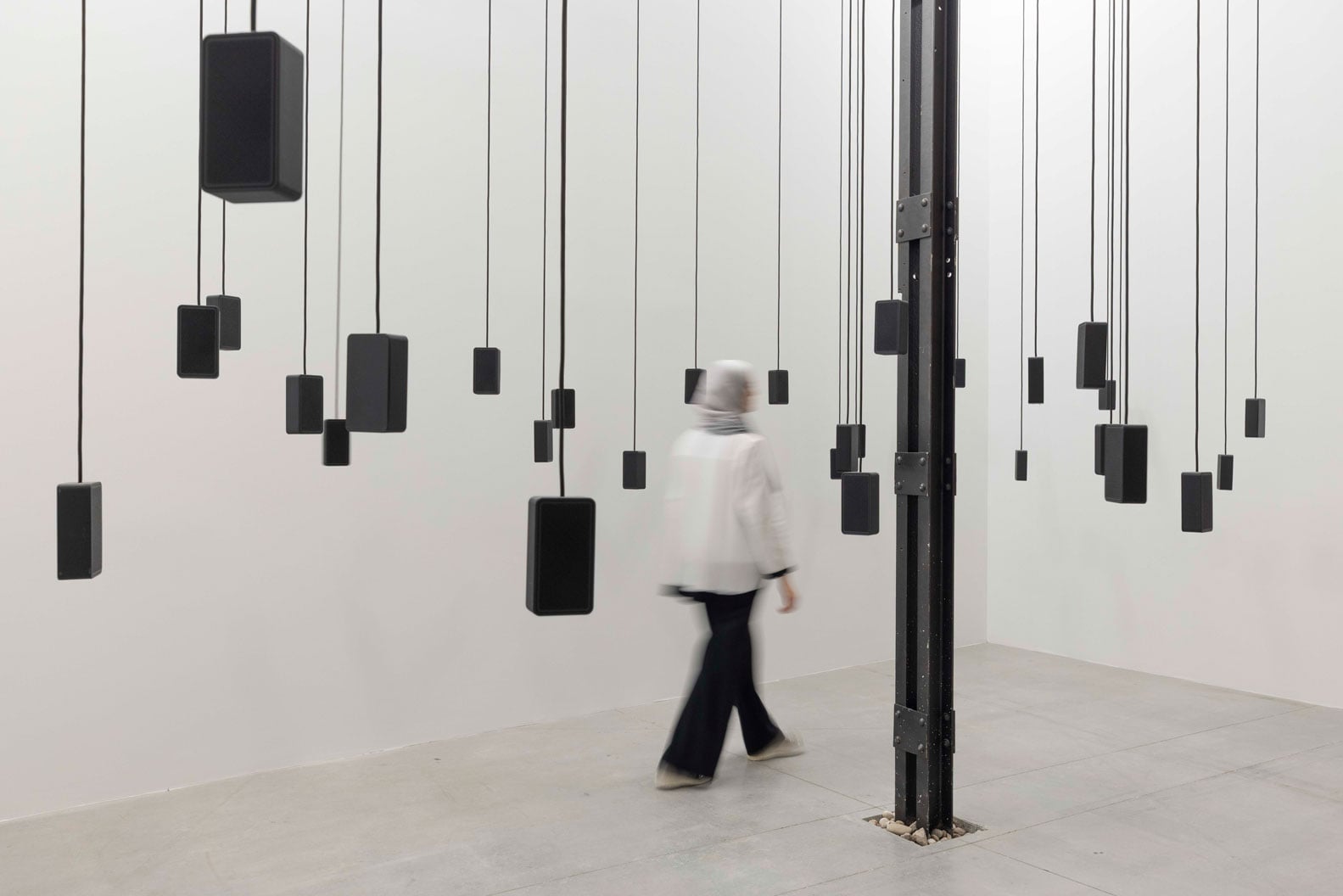
Al Padiglione Emirati della Biennale di Venezia l’ascolto passa dall’architettura

At the Venice Biennale, the UAE Pavilion at the Arsenale presents 'Washwasha,' a project curated by Bana Kattan that focuses on sound as an invisible infrastructure crossing cultures, memories, and identities. Featuring artists Tala Safié, Farah Al Qasimi, and Ala Younis, the pavilion eschews visual shock and political slogans for an immersive, auditory experience that prioritizes listening, proximity, and disorientation. Architect Koray Duman, who designed the space, explains in an interview that the pavilion is a deliberate counter to the contemporary culture of hyperstimulation and monetized attention, using architecture not as a container but as a system that organizes perception and emotional tension.

Cannes 2026 Dispatch, Part 1: Breaking False Unities

On May 8, during the pre-opening of the Venice Biennale, the independent collective ANGA (Art Not Genocide Alliance) organized a strike protesting genocide and precarity in the art world. Pro-Palestinian activists entered the Arsenale, where part of the exhibition "In Minor Keys" curated by the late Koyo Kouoh was installed, and hung posters on artworks calling for the liberation of Palestine and denouncing what they described as the Biennale's "art-washing" of Israel's reputation. The disruption blurred the line between activist intervention and the exhibition itself, as many works already addressed Palestine directly, including a poem by Refaat Alareer placed at the entrance.

Agitate, Educate, Organize. A Conversation with the Indonesian Collective That Is in Venice with Two Projects

Agitare, educare, organizzare. Una conversazione con il collettivo indonesiano che è a Venezia con due progetti

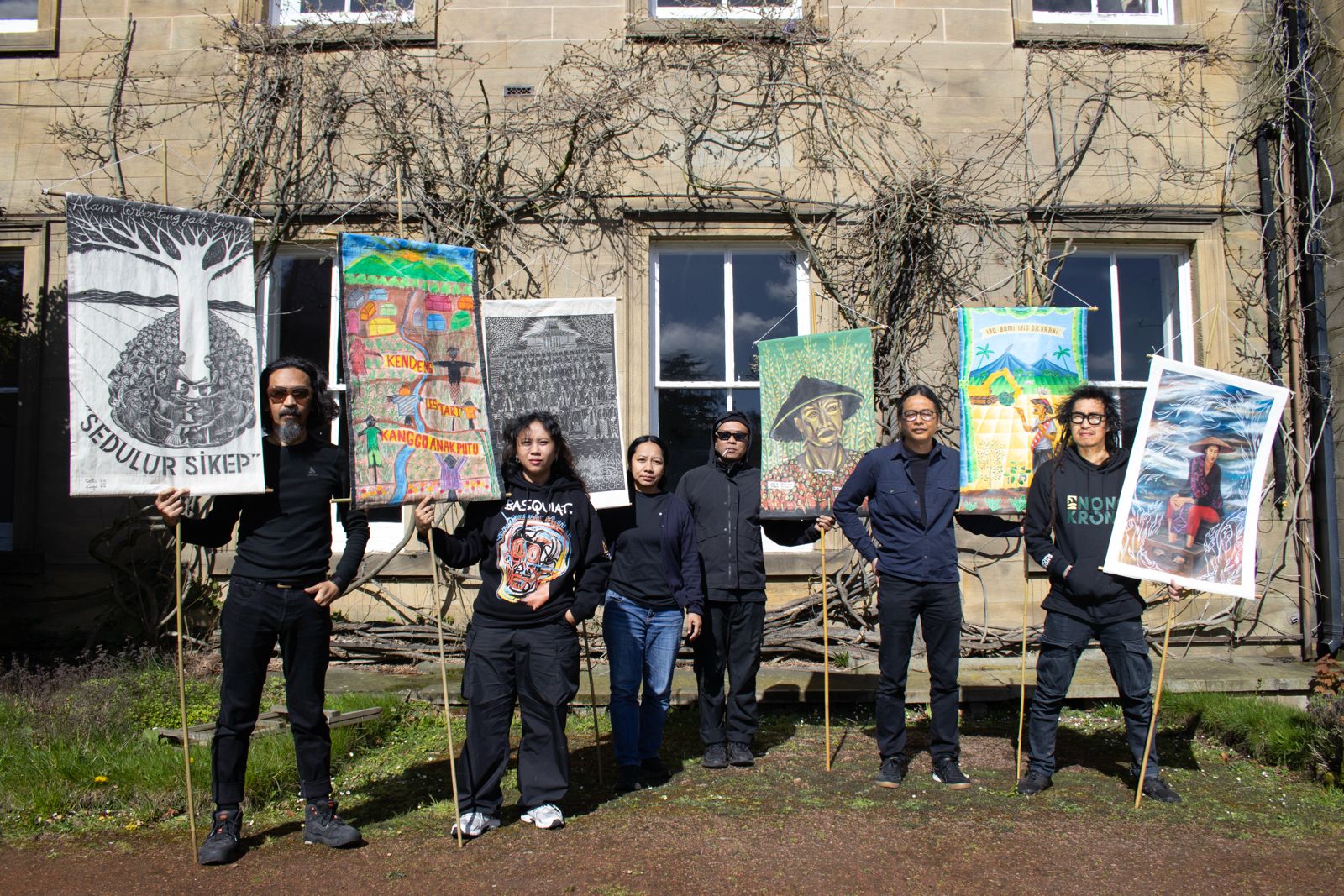
Sale Docks, an activist art space born from a 2007 occupation in Venice, has invited the Indonesian collective Taring Padi to collaborate on two projects. The first is the exhibition "Taring Padi: People's Liberation," which reactivates banners as tools for propaganda, mobilization, and resistance. The second is a public intervention in Venice, where the collective and local community will repaint the walls of the historic social center Laboratorio Occupato Morion. The article includes an interview with Taring Padi, which was founded in 1998 in Yogyakarta by students and activists, and discusses their use of wayang shadow-puppet imagery and collaborative processes to agitate, educate, and organize communities.