filter_list Showing 127 results for "repatriation" close Clear
search
dashboard All 127 gavel restitution 76museum exhibitions 17article news 10article policy 10article culture 9trending_up market 3person people 2
date_range Range Today This Week This Month All
Subscribe

germany colonial restitution conduct 1287815

Germany's culture minister Monika Grütters has released a 130-page code of conduct for museums, titled "Guide to Dealing With Collection Goods From Colonial Contexts," which outlines methods for identifying and confronting colonial-era artifacts in German collections. The guidelines, published by the German Association of Museums, include best practices for provenance research, a list of former and current colonies, and alternatives to full restitution such as long-term loans and joint custody agreements. The release coincides with the Prussian Cultural Heritage Foundation's official ceremony returning nine artifacts to Indigenous Alaskan communities, and follows increased pressure from public outcry over the Humboldt Forum and similar restitution efforts by French president Emmanuel Macron.

manhattan da office repatriates artifacts peru 1234742639

The Manhattan District Attorney’s Office returned eight artifacts to Peru during a ceremony at the Peruvian consulate in New York on May 15. The repatriated items include funerary objects illegally taken from tombs in northern Peru during the 1960s and ’70s, a copper mask believed to represent the Moche deity Ai Apaec (circa 300 BCE) from the looted Loma Negra site, and a ceramic portrait vessel from the Chavín culture (1000–700 BCE). This is the second time New York officials have returned a group of works to Peru.

US Returns 337 Looted Objects to Italy in Repatriation Effort

The United States officially returned 337 looted antiquities to Italy at a ceremony held at La Marmora barracks in Rome. Of these, 221 objects were repatriated through the Manhattan District Attorney’s Office, while the remaining 116 were recovered on April 10, 2026, via joint efforts by the FBI, Homeland Security Investigations, the District Attorney’s Office, and Christie’s New York auction house. The objects span from the Villanovan era (900–700 BCE) to the Hellenistic period (323–31 BCE) and include a 1st-century CE marble head of Alexander the Great, a bronze sculpture from Herculaneum, and two Egyptian basalt sculptures.

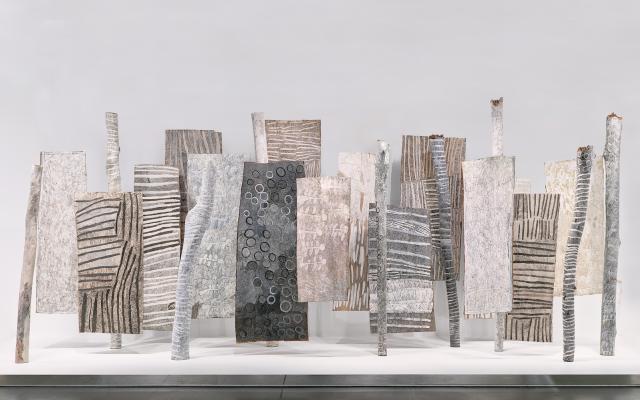
Australian Indigenous Art Speaks to Contemporary Concerns

The National Gallery of Victoria (NGV) in Melbourne, in collaboration with the National Gallery (NGA) in Washington, D.C., has organized 'The Stars We Do Not See,' the largest and most comprehensive exhibition of Australian Indigenous art ever shown outside Australia. Opening in Washington on October 25 and running through March 1, 2026, the show features over 200 works from the 19th century to the present, including 130 of the NGV's most prized pieces by revered artists from across Australia. The title is inspired by late Yolŋu artist Gulumbu Yunupiŋu, known for her celestial mappings, and the exhibition will travel to several U.S. cities and Toronto over two and a half years.

Mummies and other human remains held in UK museums raise serious ethical questions, warn scholars

A major investigation has revealed that UK museums, universities, and local authorities hold more than 263,000 human remains, including mummies, skeletons, and skulls. Of these, approximately 37,000 originate from overseas, largely from former British colonies, often acquired without consent. The findings have sparked intense criticism from scholars and curators who argue that the sheer scale of these collections reflects a distressing colonial legacy and necessitates a systemic shift toward repatriation and more ethical storage practices.

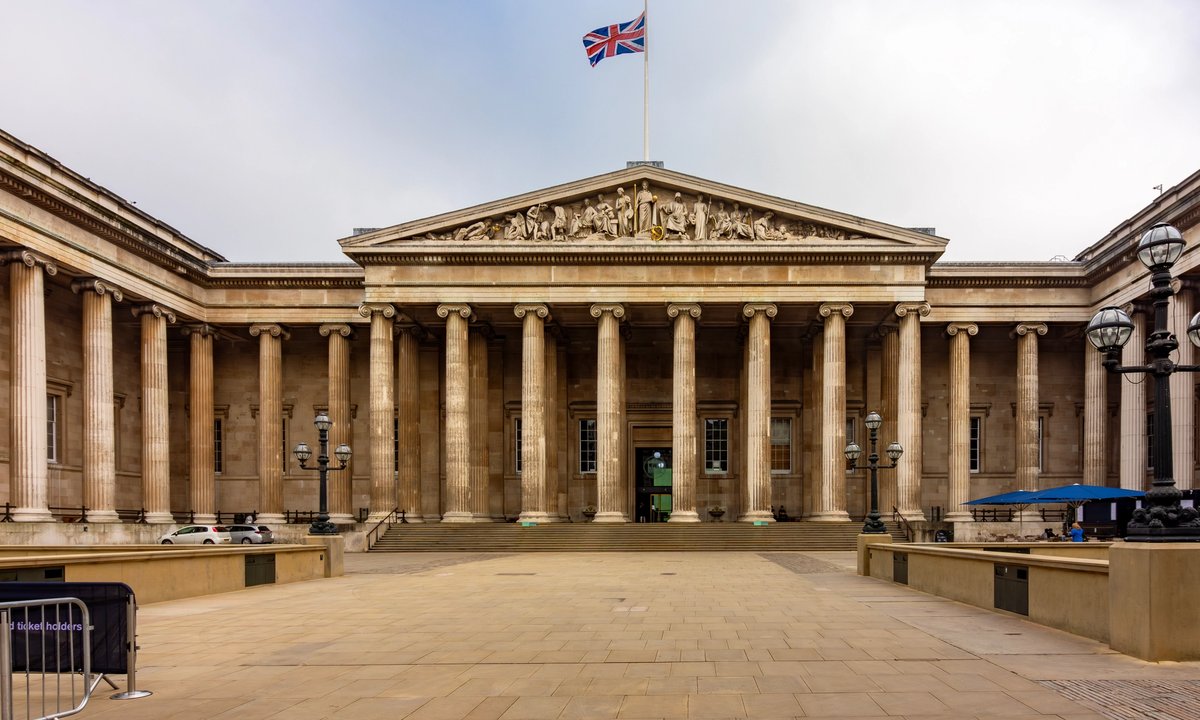
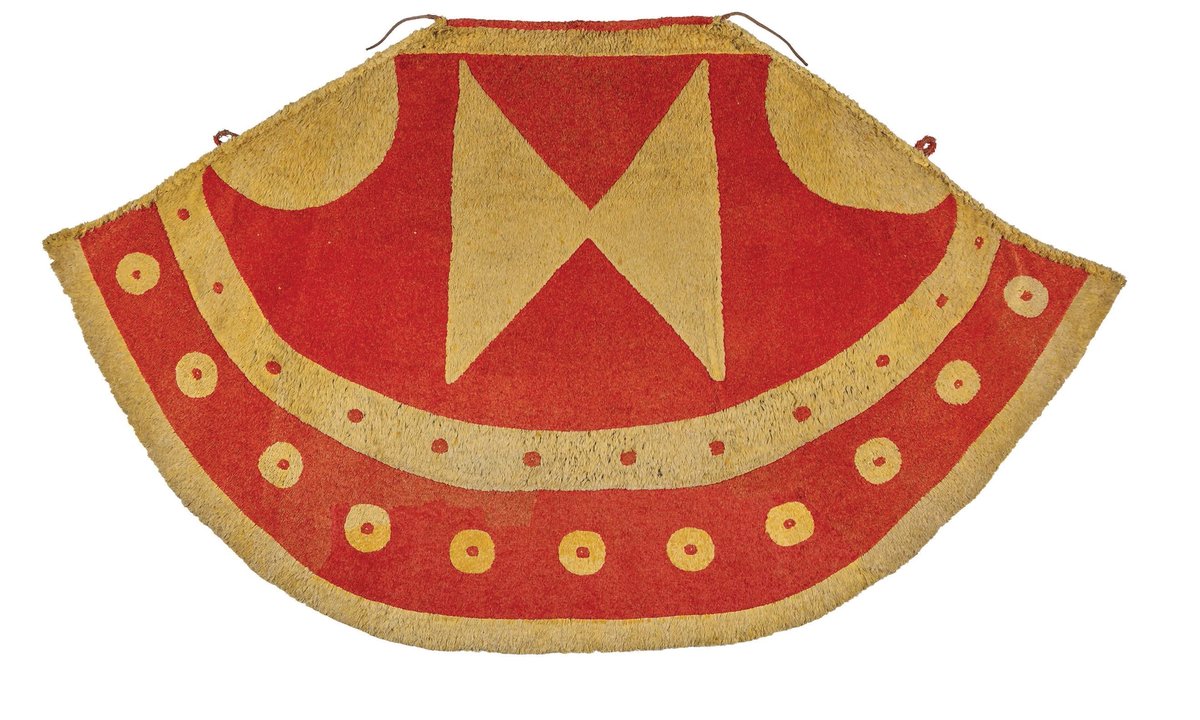
A taster of the British Museum's Hawaii show in three objects

The British Museum in London is opening a major exhibition titled 'Hawai‘i: a Kingdom Crossing Oceans' (15 January–25 May), accompanied by a catalogue featuring over 150 works from ancient Hawaiian treasures to contemporary pieces. The show explores the historical and cultural ties between Hawaii and the UK, highlighting objects such as an 18th-century feather cloak gifted to a British captain, portraits of King Kamehameha II and Queen Kamāmalu from their 1824 London visit, and a crested helmet. The catalogue includes an inventory of the entire Native Hawaiian collection at the British Museum, the largest outside Hawaii.

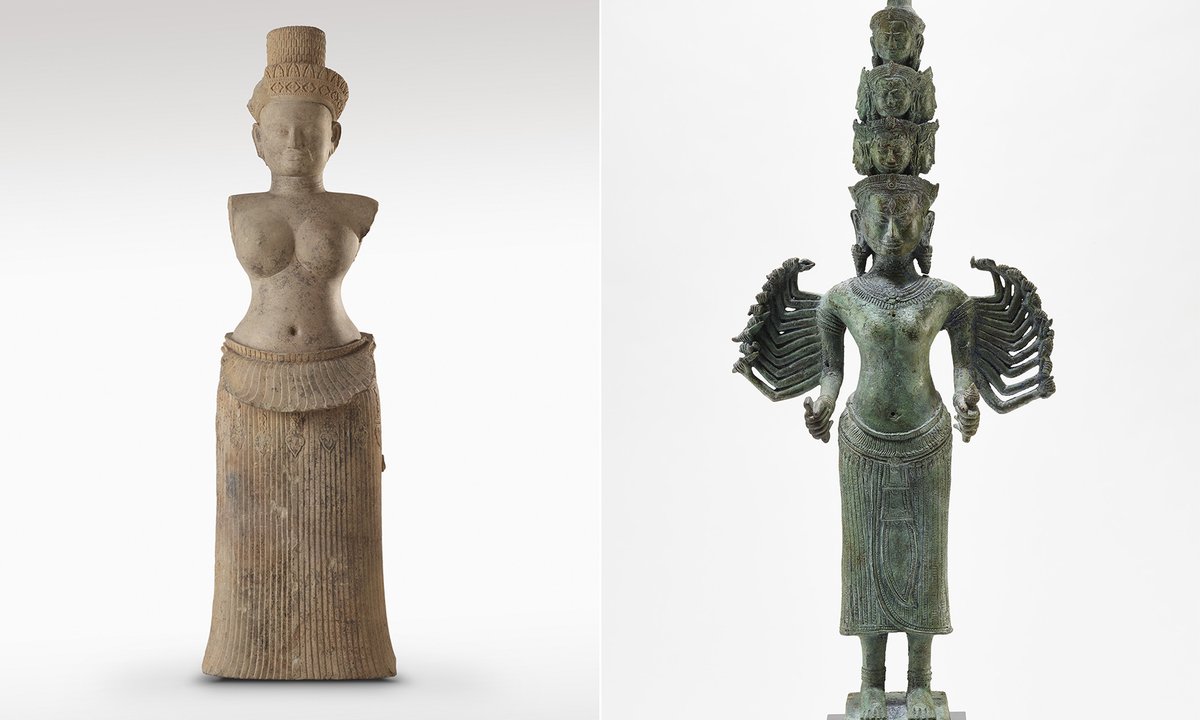
Smithsonian’s National Museum of Asian Art returns three sculptures to Cambodia

The Smithsonian’s National Museum of Asian Art (NMAA) in Washington, DC, has voluntarily returned three sculptures to the Cambodian government after an internal provenance investigation determined the objects were likely removed from Cambodia during the country’s civil war (1967-75). The returned artifacts include a tenth-century sandstone head of Harihara, a tenth-century sandstone sculpture of the goddess Uma, and a bronze statue of Prajnaparamita from around 1200. The museum’s director, Chase F. Robinson, stated that strong evidence linked the pieces to problematic dealers and a context of war and violence, and that no documentation supported their lawful export. The objects were donated to the NMAA by Arthur M. Sackler and Gilbert and Ann Kinney without proper provenance papers.

In historic move, MFA Boston returns works by 19th-century enslaved artist David Drake to his heirs

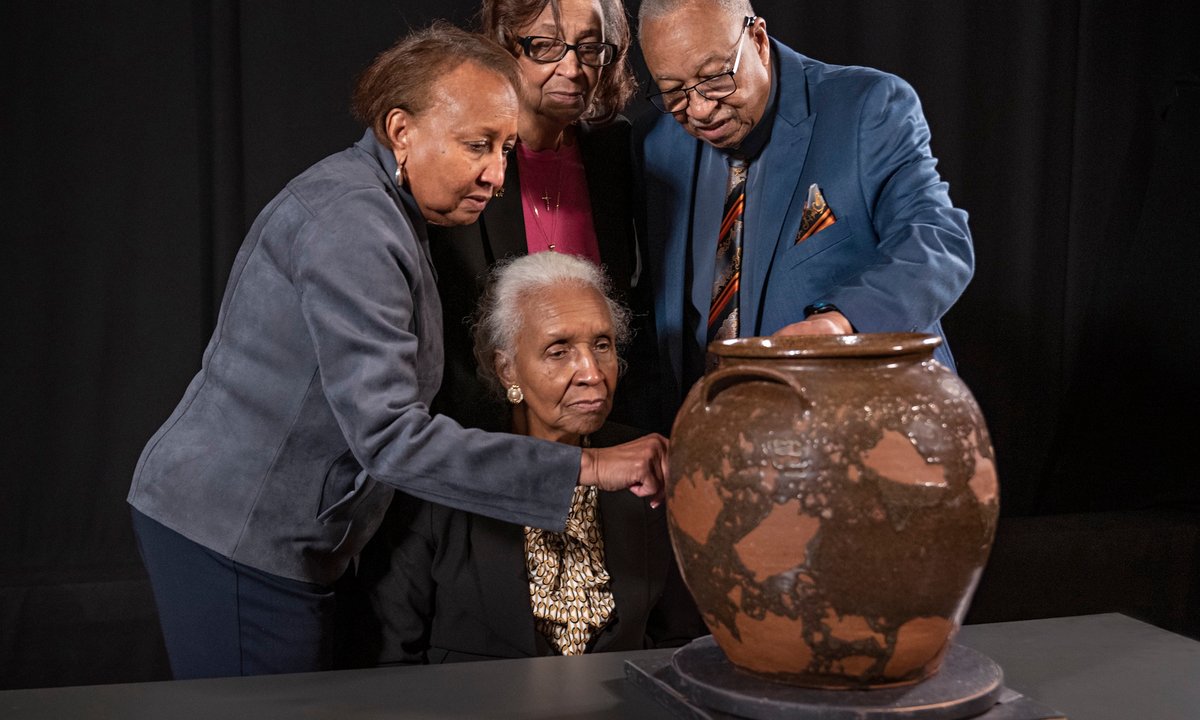
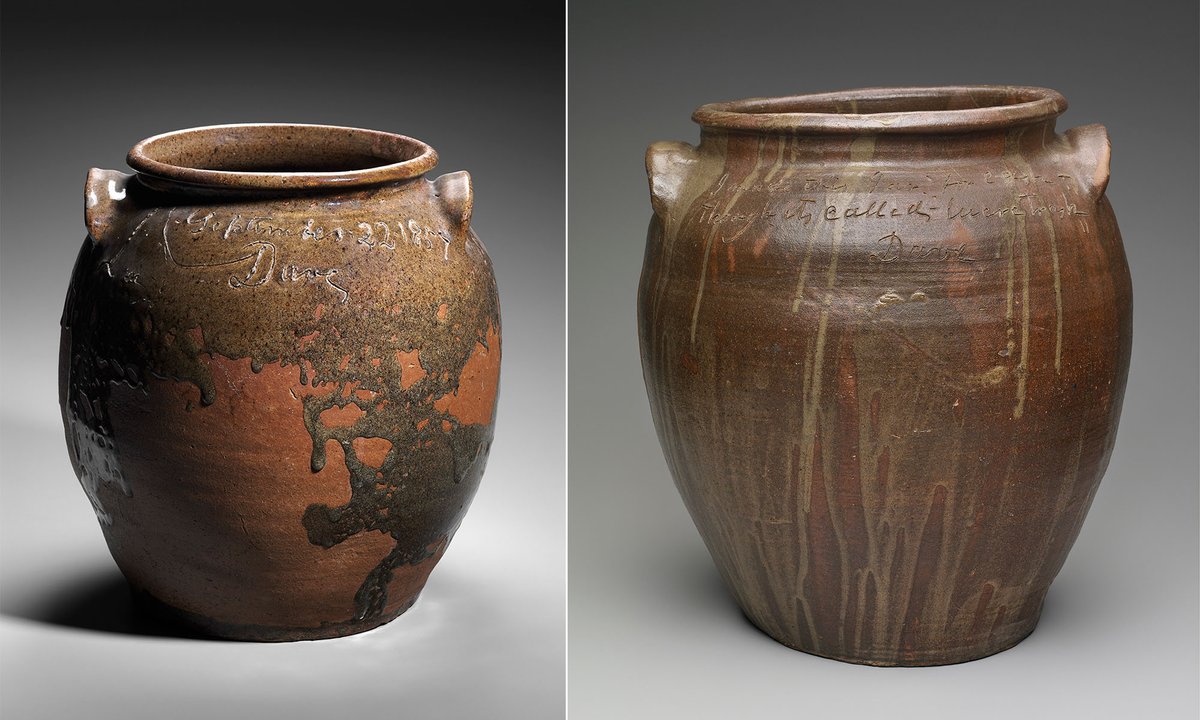
The Museum of Fine Arts (MFA) Boston has agreed to return two 1857 ceramic jars by David Drake, an enslaved Black potter, to his living descendants. One vessel will remain on loan to the museum for at least two years, while the other—the "Poem Jar"—has been purchased back by the MFA from the heirs for an undisclosed sum, now carrying a "certificate of ethical ownership." The museum acknowledges that Drake created the works involuntarily and without compensation, marking the first time the MFA has resolved a claim for art wrongfully taken under U.S. slavery.

Piecing together ancient Andean stories at Krannert Art Museum

Krannert Art Museum has reopened its reimagined exhibition 'Fragmented Histories: Andean Art before 1600' after a year-long closure, following nearly a decade of collaborative research. Co-curators Allyson Purpura and Kasia Szremski worked with pre-contact Andean art historians and Peruvian archaeologists to restore context to looted artifacts from the Fred Olsen Collection, donated in 1967. The exhibition is organized into four themes—Unfinished Stories, The Mobile Life of Objects, Powerful Images, and Object Biographies—and includes digital displays that acknowledge the violent histories of looting and aim to share knowledge with descendant communities in Peru.

In a new exhibition, Turkey displays the success of its heavyweight heritage drive

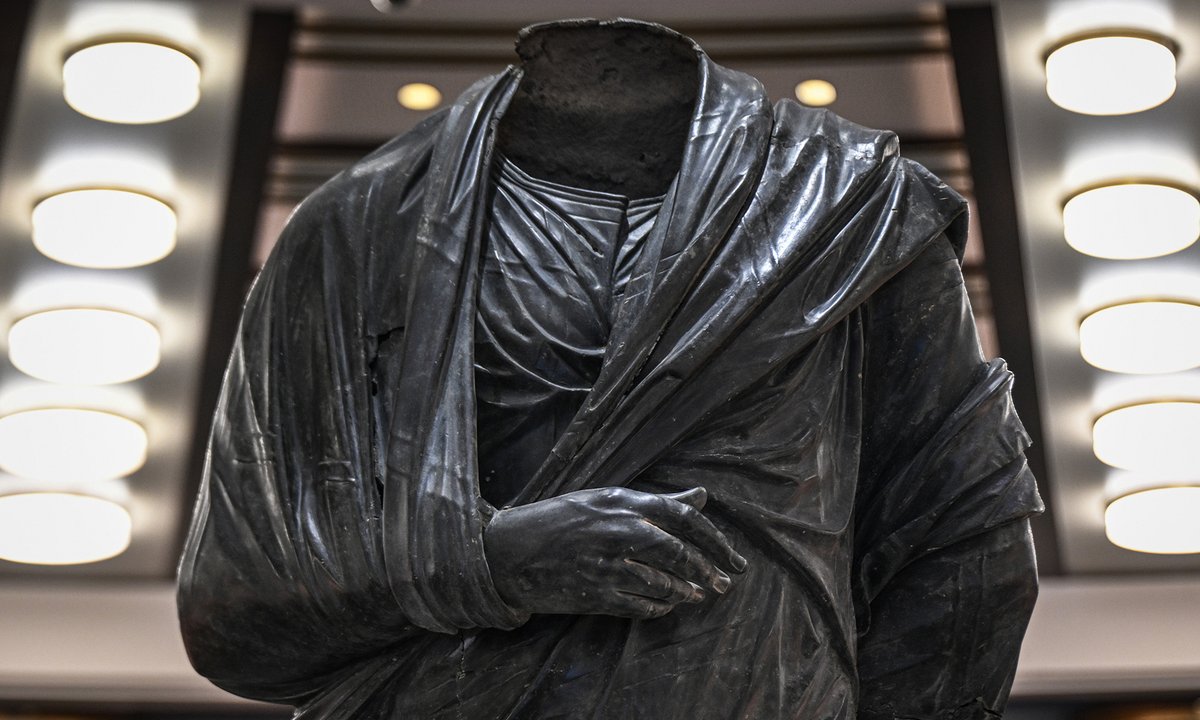
Turkey has opened a new exhibition titled "The Golden Age of Archaeology" at a national library in Ankara, showcasing 570 ancient artifacts—most unearthed in the past two years and displayed for the first time. Highlights include 11,500-year-old Neolithic vessels, a Bronze Age tablet revealing a previously unknown language (Kalasma), and a repatriated bronze statue of Roman emperor Marcus Aurelius, which was smuggled out of Turkey in the 1960s and recently returned from the Cleveland Museum of Art after a legal battle. The exhibition is part of the government's Heritage for the Future project, which spends around $150 million annually on excavations, visitor centers, and museums, with active digs rising to about 800.

Smithsonian’s National Museum of Asian Art repatriates ancient silk manuscript to China

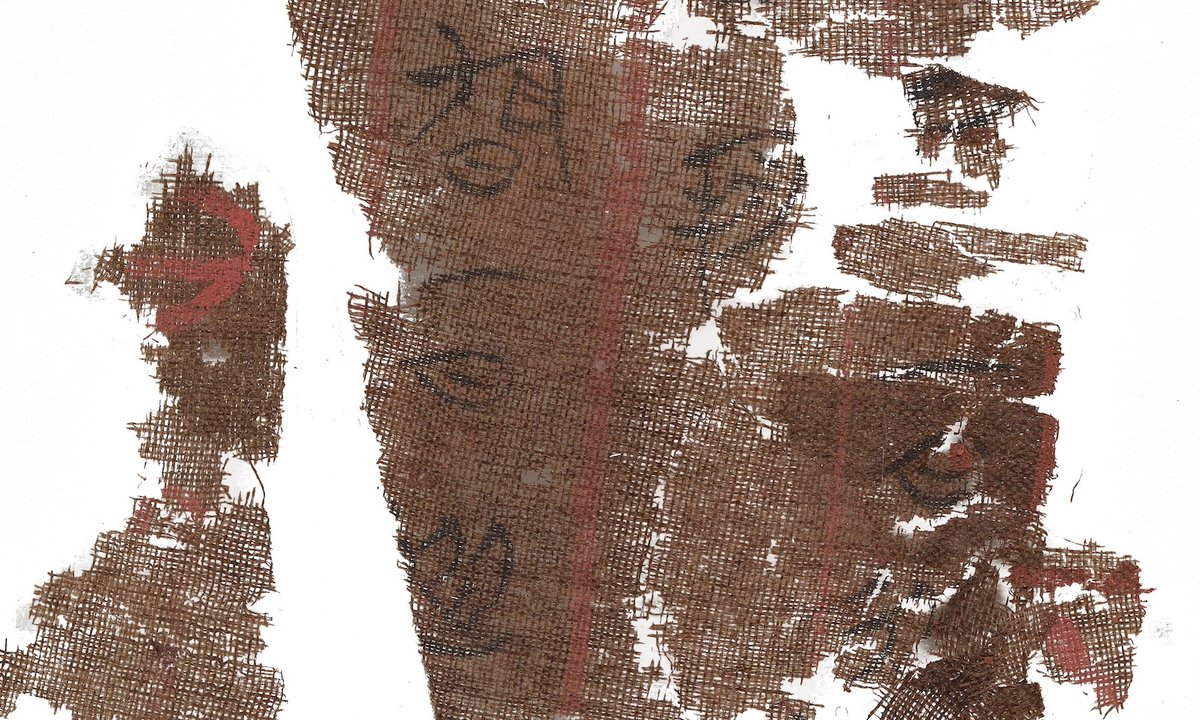
The Smithsonian’s National Museum of Asian Art (NMAA) in Washington, DC, has repatriated fragments of the ancient Zidanku Silk Manuscripts to China. The artifacts, dating from the fourth to third century BCE, were looted from a tomb near Changsha, Hunan Province, and smuggled into the US in 1946. The NMAA deaccessioned Volumes II and III of the manuscripts, which were given to the Arthur M. Sackler Gallery by an anonymous donor in 1992. The transfer was formalized in a ceremony at the Chinese embassy following an agreement signed earlier this month, with the fragments handed over to the National Cultural Heritage Administration (NCHA) of China.

MFA Boston to return Benin Bronzes to wealthy donor, close gallery

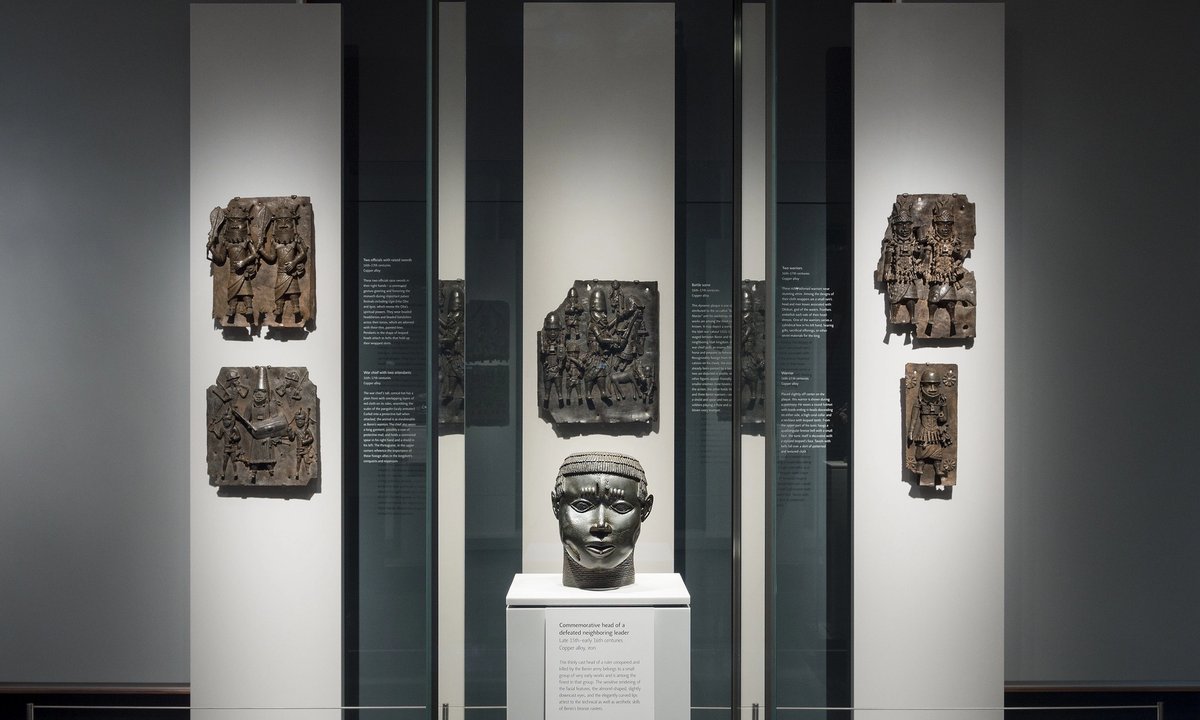
The Museum of Fine Arts (MFA), Boston will close its Benin Kingdom Gallery on April 28, and most of the Benin Bronzes displayed there will not be repatriated to Nigeria. Instead, all but five of the 34 objects will be returned to their donor, filmmaker and banking heir Robert Owen Lehman, who rescinded his 2008 gift after stalled negotiations with the museum. The MFA had sought to acquire full ownership of the works to ensure their display, but Lehman asked for them back. The five bronzes the museum does own will remain in its collection and be shown in its Art of Africa Gallery starting in June.

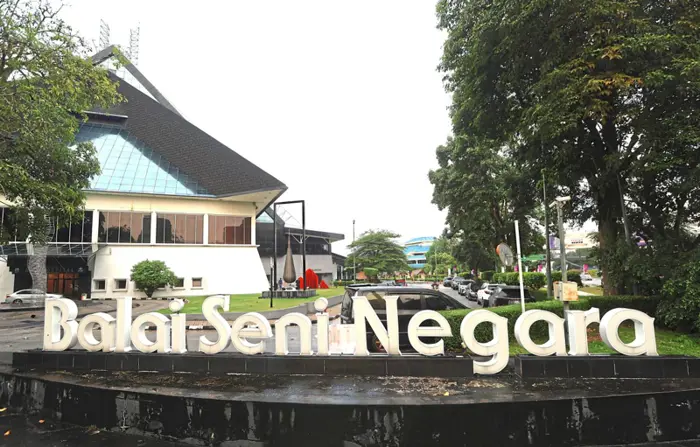
Tight security at Malaysian National Art Gallery ahead of’ arrival of art works linked to 1MDB scandal

The National Art Gallery of Malaysia has implemented high-level security measures, including enhanced alarms and restricted access zones, to receive four artworks recovered from the 1MDB financial scandal. The collection includes pieces by Pablo Picasso, Joan Miró, Maurice Utrillo, and Balthus, which were previously owned by former 1MDB lawyer Jasmine Loo. The repatriation was a coordinated effort between the Malaysian Anti-Corruption Commission (MACC), the FBI, and the U.S. Department of Justice.

Art on Location

The article introduces 'Art on Location,' a curated focus on outdoor art experiences, covering public art, sculpture parks, urban and rural artist trails, and location-specific technology. It highlights examples such as Caravaggio's Rome, John Constable's Dedham Vale, and public sculptures from the Colossus of Rhodes to Anish Kapoor's Cloud Gate. The piece also features a guide to all existing paintings by Leonardo da Vinci by expert Martin Kemp, a Vincent van Gogh artist trail by Martin Bailey, and discussions of exo-architecture, memorial art, land art, and virtual repatriation through location-specific technology.

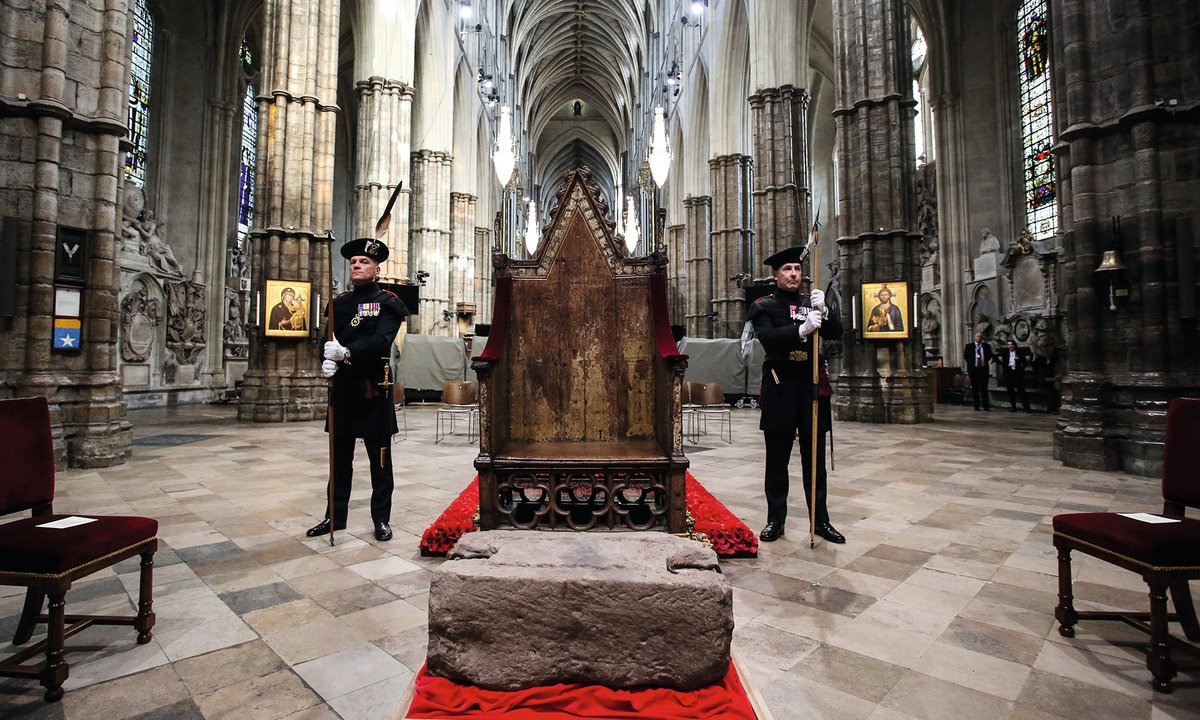
UK Heritage Department feared ‘mass restitutions’ when Stone of Scone was returned to Scotland

Newly released UK government files reveal that in 1996, the Department of National Heritage strongly opposed Prime Minister John Major's decision to return the 13th-century Stone of Scone to Scotland. The department's cultural property unit head, Lynn Gates, warned that the return would set a 'precedent to mass restitution,' triggering claims from Greece for the Parthenon Marbles, Egypt for the Rosetta Stone and Sphinx's Beard fragment, and Nigeria for the Benin Bronzes, with fears of further demands from Ethiopia, India, Pakistan, and other nations. The internal memo criticized Major for failing to consult the department before agreeing to the transfer from Westminster Abbey.

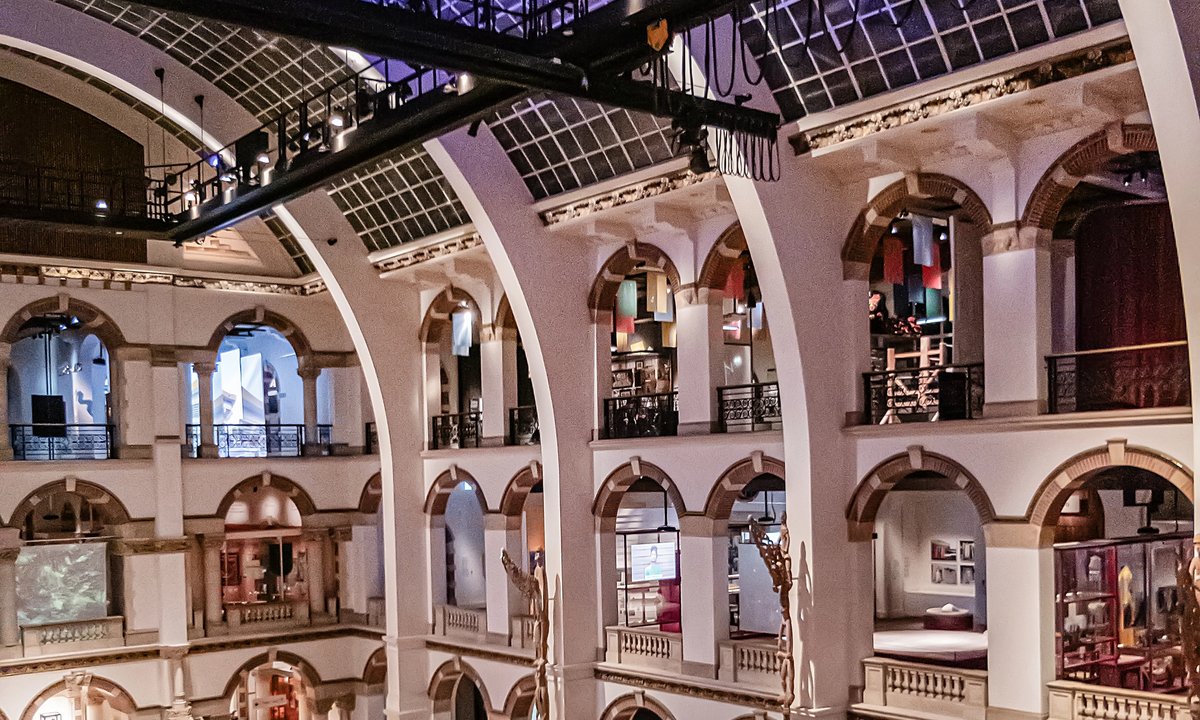
Wereldmuseum Amsterdam ponders space to ‘respectfully’ house human remains

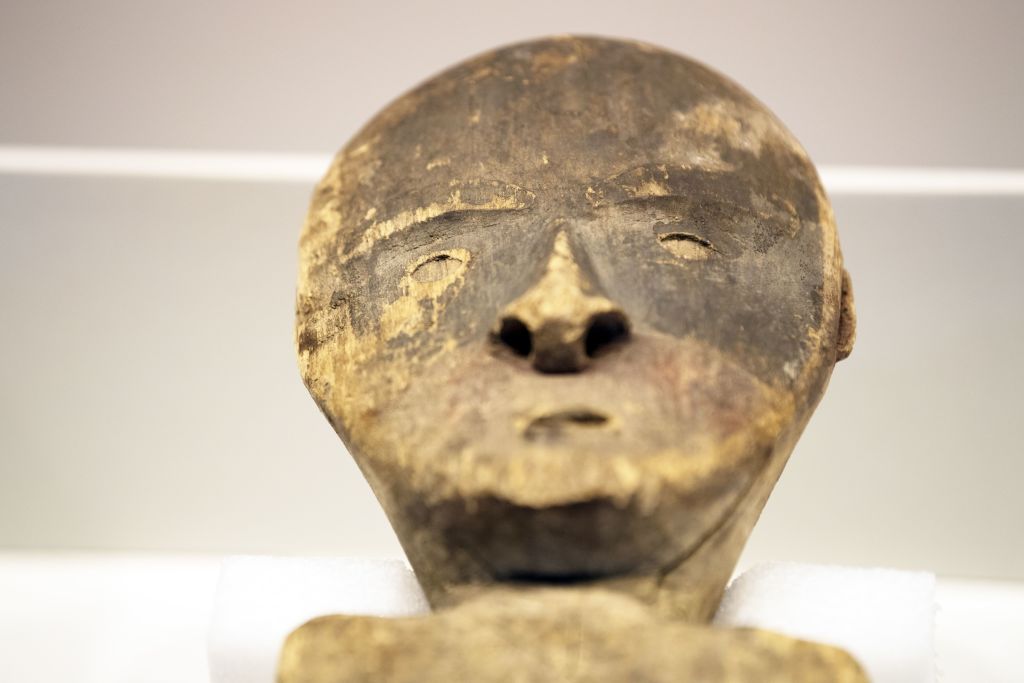
The Wereldmuseum Amsterdam has announced it will no longer publicly exhibit any human remains from its colonial-era collection, which includes around 4,000 body parts such as skulls and a preserved Surinamese newborn. At the opening of the exhibition "Unfinished past: return, keep, or…?", director of content Wayne Modest suggested the museum may create a dedicated space for "ritual practices" where descendants can respectfully engage with ancestral remains until a permanent repatriation solution is found. The exhibition features contemporary artworks, including Pansee Atta's "To Make One Particle," which reproduces each body part as a small wooden token, and draws on a four-year research program called Pressing Matter.

Berlin Museum to Return Almost 600 Skulls

Berliner Museum will fast 600 Schädel zurückgeben

The Prussian Cultural Heritage Foundation in Berlin has announced plans to repatriate hundreds of human skulls to West African nations following a multi-year provenance investigation. The research identified the origins of 574 skulls, with 336 linked to present-day Cameroon, 151 to Togo, 23 to Ghana, and one to Nigeria, while 63 could not be precisely located. The skulls were part of a historical anthropological collection transferred from Berlin's Charité university hospital in 2011.

337 œuvres et objets volés récupérés : la vaste opération italienne de lutte contre le trafic de biens culturels aux États-Unis

On April 29, Italy's carabinieri dedicated to cultural heritage protection announced the recovery of 337 looted or stolen artworks and objects repatriated from the United States between December 2025 and April 2026. The haul includes archaeological artifacts, archival documents, and other artworks, such as a marble head of Alexander the Great from the 1st century AD, a bronze sculpture stolen from Herculaneum, and two Egyptian basalt sculptures. The objects were dispersed through international markets using forged provenance documents, and their return involved U.S. agencies including the FBI.

UK’s Brighton & Hove Museums to return 45 artefacts to Botswana

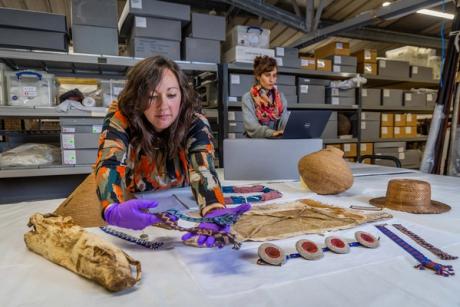
Brighton & Hove Museums in southern England will return 45 artefacts to Botswana. The objects, including clothing, accessories and hunting implements, were acquired by English reverend William Charles Willoughby in the 1890s and will be housed at the Khama III Memorial Museum in Serowe, where they will form part of a permanent exhibition opening on 27 May. A team from Brighton & Hove Museums is working with Botswanan curators on the return, which is scheduled for April.

portugal returns looted mexican antiquities 1234773823

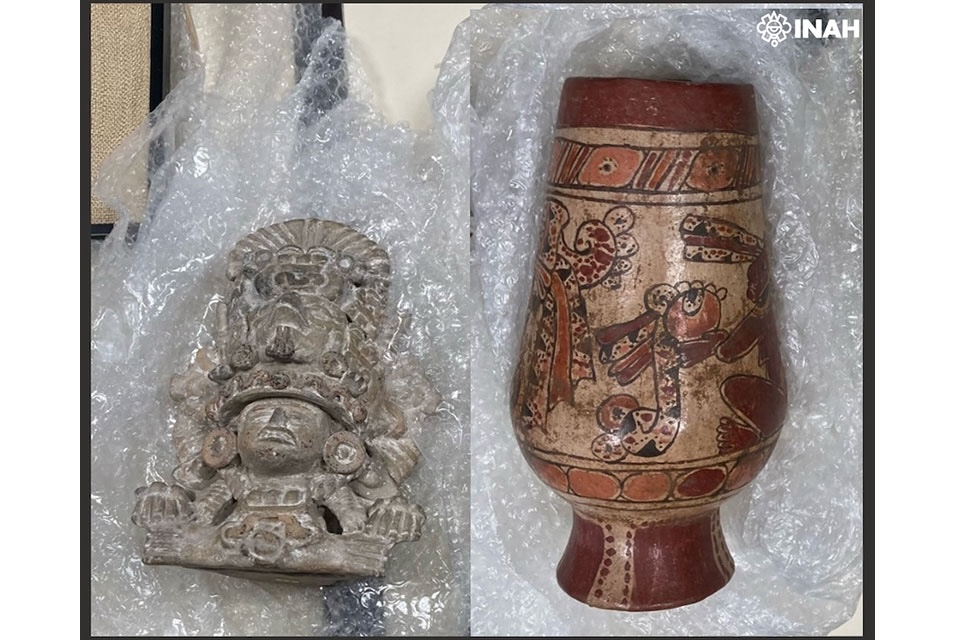
Portugal has repatriated three pre-Columbian artifacts to Mexico, marking the first time the country has returned unlawfully acquired antiquities to the Mexican government. The returned items include a Shaft Tomb Culture female figure, a Maya painted vessel, and a Zapotec funerary urn representing the deity Cocijo. The objects were recovered through the cooperation of Portuguese judicial authorities and the Mexican embassy after being flagged at auctions and in various cities including Lisbon, Guimarães, and Évora.

smithsonians national museum of asian art returns three looted sculptures to india 1234771247

The Smithsonian's National Museum of Asian Art announced it will return three looted bronze sculptures to India: "Shiva Nataraja" (ca. 990), "Somaskanda" (12th century), and "Saint Sundarar with Paravai." Provenance research linked the works to art dealers known for trafficking looted antiquities. The museum partnered with the Photo Archives of the French Institute of Pondicherry in 2023, finding the bronzes had been photographed in Tamil Nadu temples between 1956 and 1959 and removed in violation of Indian laws. This follows the museum's December return of three Khmer-period sculptures to Cambodia, also determined to be looted.

pompeii hercules fresco location 2730508

Archaeologists have identified the original location of a looted fresco fragment from Pompeii that was repatriated from the U.S. to Italy in 2023. The fragment, depicting baby Hercules wrestling a snake, was found to have once decorated the upper lunette of a private chapel (sacellum) at the ancient villa of Civita Giuliana. The discovery was made during excavations in 2023 and 2024, and the fragment will be exhibited at the Antiquarium of Boscoreale from mid-January.

protesters storm campus nigeria museum of west african art 1234760895

Protesters stormed the campus of the Museum of West African Art (MOWAA) in Benin City, Nigeria, on Sunday, just hours before its first preview events were set to begin. Demonstrators entered through a gate after being denied access, hurling insults at foreign guests and journalists. All preview events have been canceled and the public opening postponed. The museum attributed the unrest to disputes between previous and current state administrations, while local residents claimed anger over the perceived hijacking of a local initiative, with the Oba of Benin reportedly unhappy about the project.

mutter museum philadelphia new policy human remains 1234749793

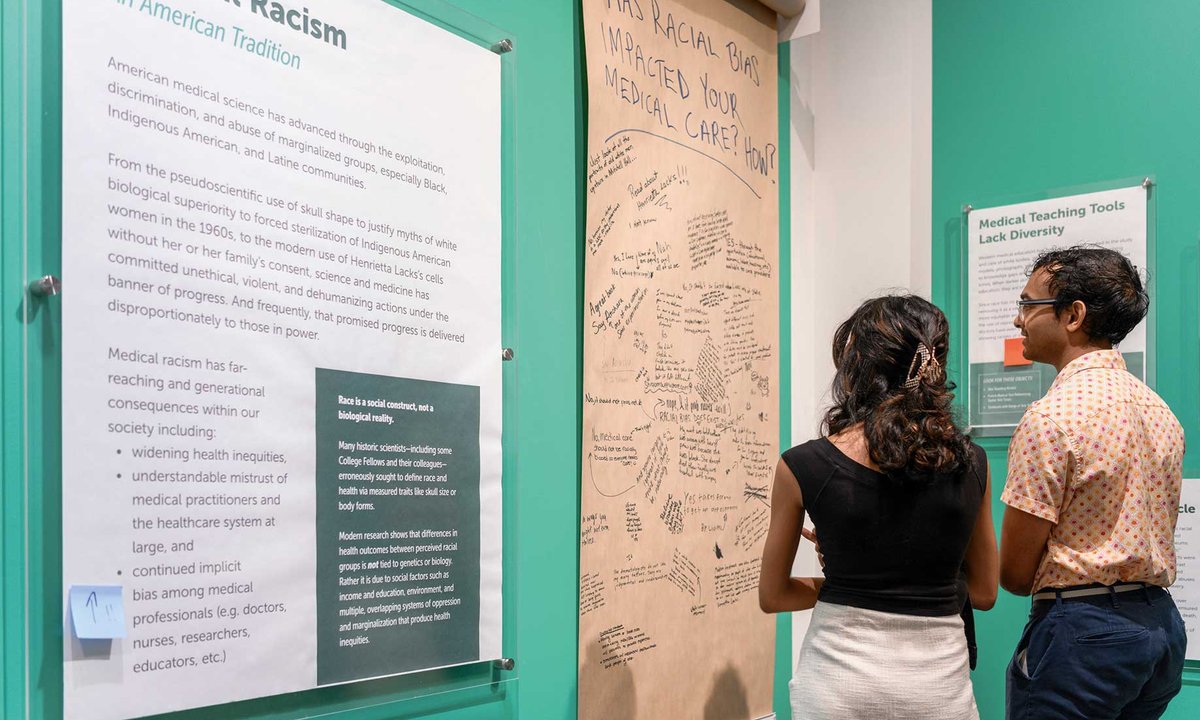
The Mütter Museum in Philadelphia, a medical history institution that has faced controversy over its handling of human remains, announced a new policy on August 19 for exhibiting its collection. The policy shifts focus toward the lives of patients and changes in medical history, developed through the two-year Postmortem Project involving focus groups and public meetings. The announcement follows backlash after former executive director Kate Quinn removed online exhibits in June 2023 as part of an ethical review, and subsequent staff departures.

erotic mosaic pompeii nazi officer 1234747699

An ancient mosaic looted during World War II by a Nazi officer has been repatriated to Italy and is now on public display in Pompeii. The mosaic, which depicts an erotic bedroom scene, likely originated near Mount Vesuvius and was taken by a Wehrmacht captain who donated it to a German citizen. It was returned with the help of the Italian consulate in Stuttgart on September 16, 2023, and is now housed at the Pompeii Archaeological Park.

Comment | Dave the Potter finally becomes a complete artist

David Drake, also known as Dave the Potter, was an enslaved African American ceramicist and poet in 19th-century South Carolina who inscribed his stoneware jars with defiant poetry at a time when teaching enslaved people to read or write was a crime. The article argues that despite his recognized genius, Drake was not fully an artist during his lifetime because he was denied the fundamental right to own, control, and benefit from his creations—a right the Berne Convention calls 'inalienable.' Only recently, after the Museum of Fine Arts Boston returned two of his jars to his heirs, has Drake begun to receive the full recognition and economic justice that define true artistic status.

From controversy to clarity: how a Philadelphia medical museum is rethinking the display of human remains

The Mütter Museum in Philadelphia, known for its collection of medical artifacts including human remains, has been embroiled in controversy since a 2023 ProPublica investigation revealed it held Native American remains without repatriating them as required by NAGPRA. The museum's executive director Kate Quinn and then-president Mira Irons responded by removing digital content mentioning human remains, sparking a petition signed by over 30,000 people accusing them of reactive decisions. High-level staff departed, donors requested their body parts back, and both Quinn and Irons eventually resigned. The museum is now led by science historians Erin McLeary and Sara Ray.

Williamson Gallery exhibit illuminates political history of Mexican muralist Alfredo Ramos Martínez

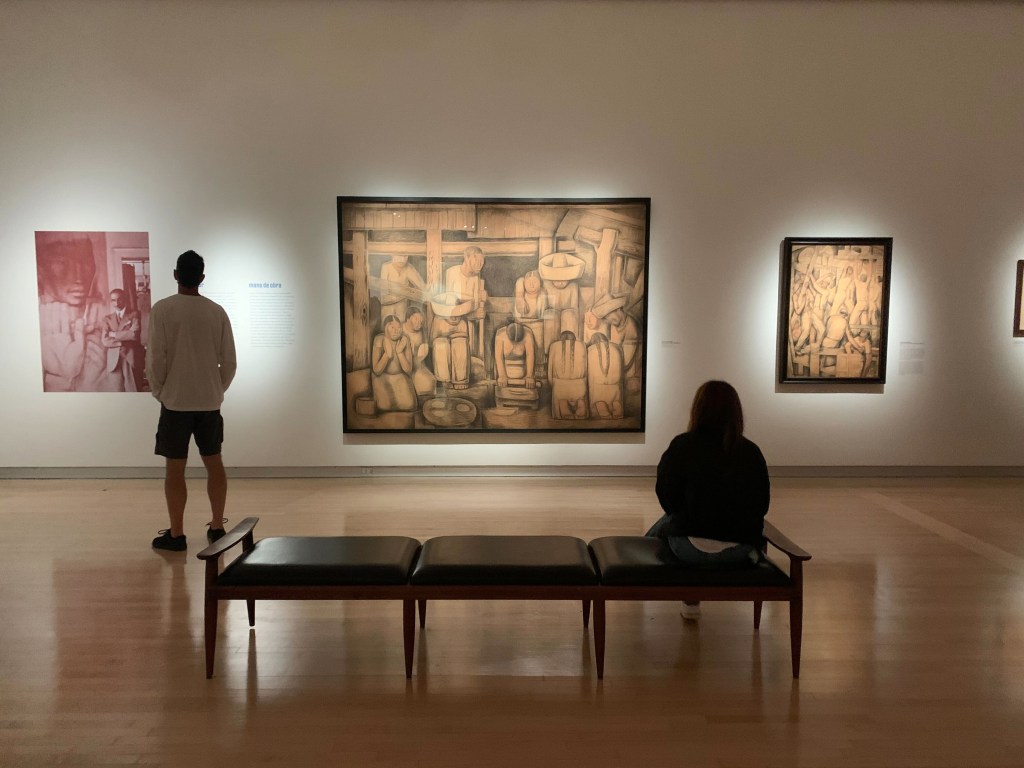
The Ruth Chandler Williamson Gallery at Scripps College has opened a new exhibition, “Pintor de Poemas: Unseen Works by Alfredo Ramos Martínez,” featuring over 25 drawings and paintings by the Mexican modernist. Guest curator Robin Dubin, director of Louise Stern Fine Arts, organized the show to highlight recently discovered works that reveal Ramos Martínez’s political engagements, challenging the long-held view of his art as merely decorative or folkloric. The exhibition is divided into four thematic sections—Indigenismo, Revolution, Labor, and War—and includes studies for his 1946 mural “The Flower Vendors,” which is housed nearby in the Margaret Fowler Garden.

MFA Boston returns two works to Kingdom of Benin

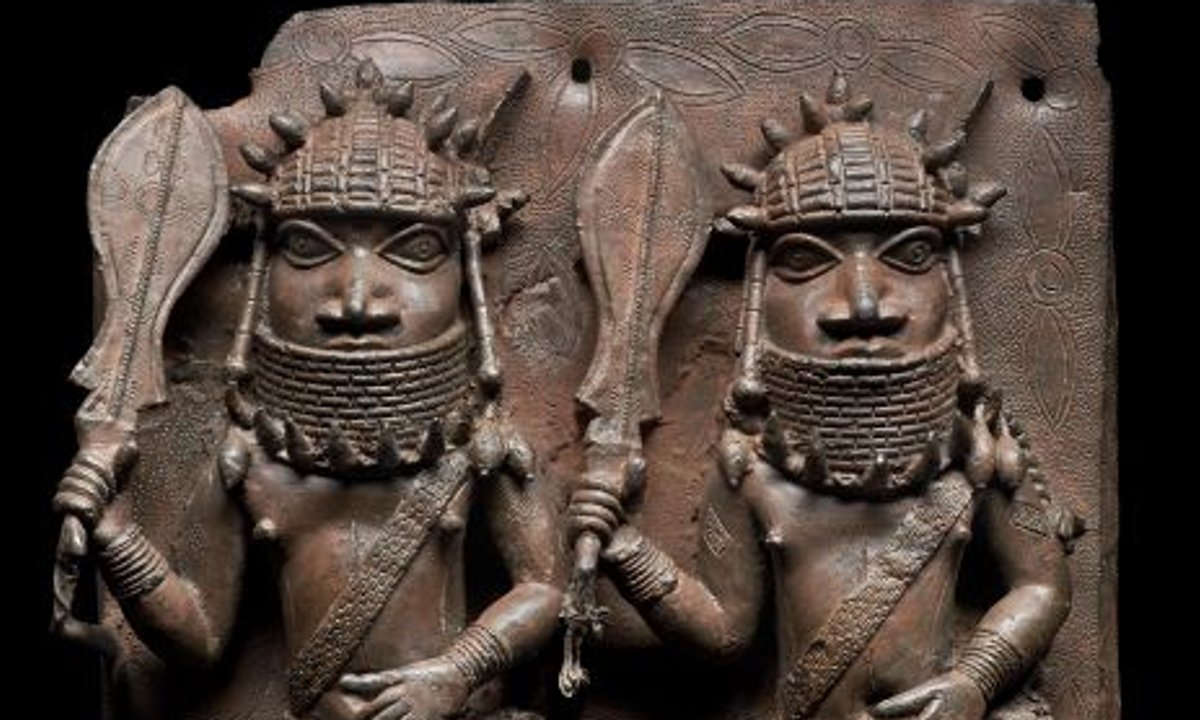
The Museum of Fine Arts (MFA) Boston has returned two looted artefacts—a bronze relief plaque and a terracotta and iron head—to the Oba of Benin during a ceremony at Nigeria House in New York City. The works, stolen by British forces during the 1897 punitive expedition against the Kingdom of Benin, were traced to the collection of Augustus Pitt-Rivers and later acquired by investment titan Robert Owen Lehman, who donated them to the MFA in 2013 and 2018. The pieces will be handed over to Nigeria's National Commission for Museums and Monuments and ultimately to His Royal Majesty Omo N’Oba Ewuare II.

Should UK museums display mummies? One institution is asking its visitors for their view

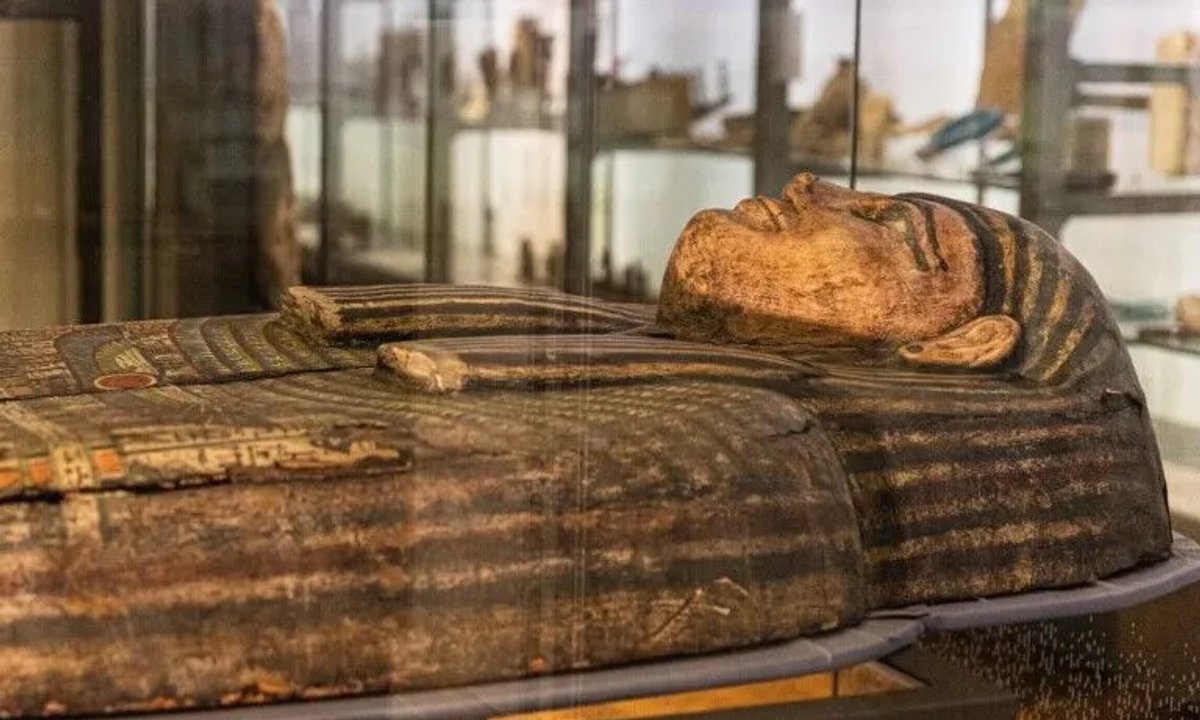
Manchester Museum in the UK is asking visitors whether the mummified remains of Asru, an Egyptian woman who lived around 2,700 years ago, should remain on display. The public consultation, running until the end of August, invites comments online or in a box next to her case. The museum notes that Asru's body was acquired in the early 1800s by the sons of a man who profited from slavery, shipped to Manchester, and unwrapped in 1825.