filter_list Showing 222 results for "unesco" close Clear
search
dashboard All 222 museum exhibitions 69article news 60article policy 40gavel restitution 22article culture 17article local 5trending_up market 4person people 3article event 1rate_review review 1
date_range Range Today This Week This Month All
Subscribe

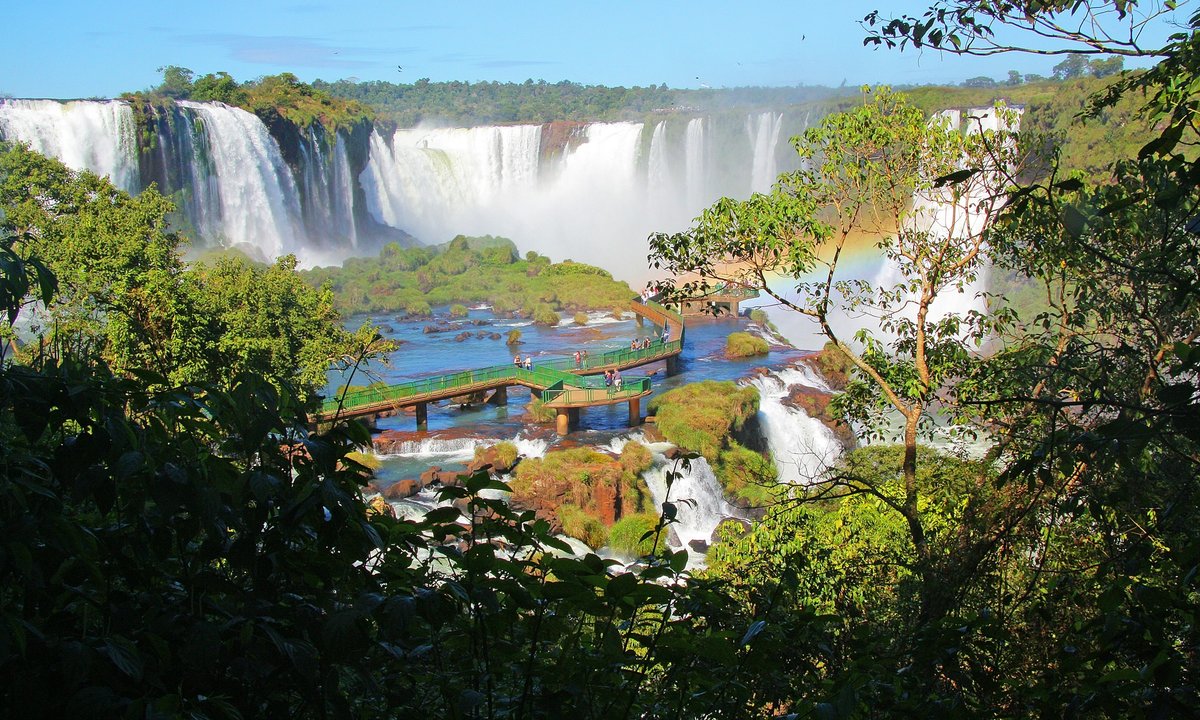
Pompidou to launch outpost near Unesco heritage site of Iguaçu falls in Brazil

The Centre Pompidou has signed a five-year partnership with Brazil to open its first South American outpost near the Iguaçu falls, a UNESCO World Heritage site, in the city of Foz do Iguaçu. Scheduled to launch in November 2027, the 10,000 sq. m. museum will be designed by Paraguayan architect Solano Benitez, with a construction budget of R$200 million ($36 million). The venue will host exhibitions, live performances, festivals, film screenings, lectures, and artist residencies focused on the cultures of Brazil, Argentina, and Paraguay.
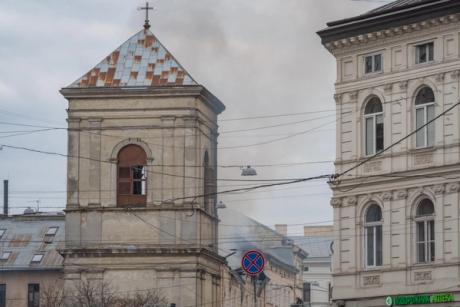

Unesco-protected monastery in Lviv damaged by Russian drone strike

A Russian drone strike on the historic center of Lviv, Ukraine, on March 24 damaged multiple buildings, including the 17th-century Bernardine Monastery, a UNESCO World Heritage site. At least 27 people were injured in the attack, which saw drones hit the area of St. Andrew's Church, part of the monastery complex.

unesco launches museum looted cultural objects

UNESCO has launched the world's first virtual museum of stolen cultural objects, featuring thousands of artifacts viewable in 3D. The initiative was announced at UNESCO's World Conference on Cultural Policies and Sustainable Development in Barcelona, designed by architect Francis Kéré in collaboration with Interpol, with funding from Saudi Arabia. The museum is organized by geographic region and includes sections like the "stolen cultural objects gallery" and a "return and restitution room" that highlights recovered items, such as a bronze Buddha statue from China's Ming Dynasty and a Syrian gold pendant looted from the Palmyra Museum.

The Procession as a Form of World: Latin American Artists at the Diriyah Biennale

LA PROCESIÓN COMO FORMA DE MUNDO: ARTISTAS LATINOAMERICANOS EN LA BIENAL DE DIRIYAH

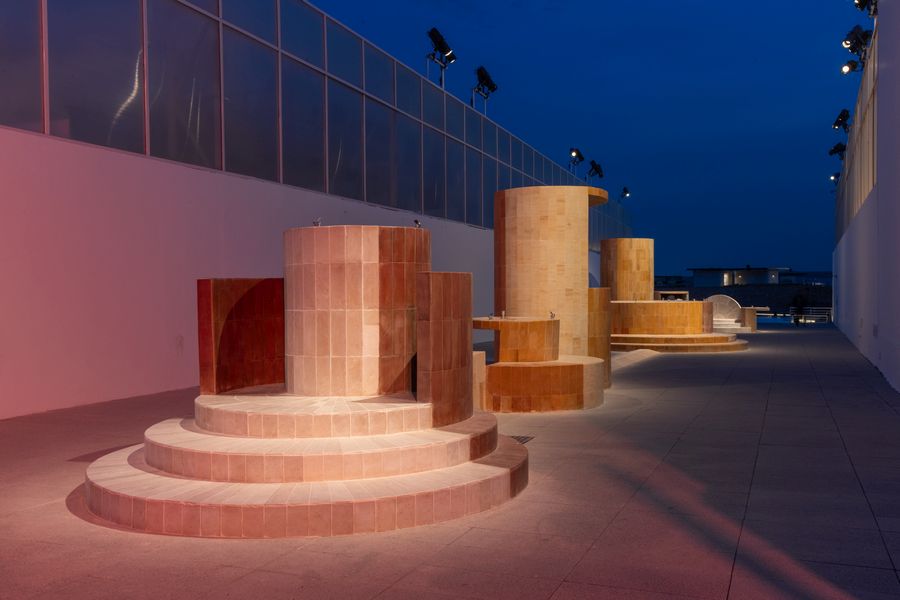
The third Diriyah Contemporary Art Biennale, titled 'In Interludes and Transitions,' is open until May 2nd in Saudi Arabia's historic Diriyah district. Curated by Nora Razian and Sabih Ahmed, the exhibition features 68 artists from over 37 countries and frames the world as a multitude of processions, using movement as its central theme and methodology. The exhibition design by Formafantasma encourages a fluid, nomadic journey through four thematic movements and site-specific 'arenas' within the repurposed industrial halls of the JAX creative district.

Amid a wave of global crises, Ilya and Emilia Kabakov’s Ship of Tolerance sets sail again—with added potency

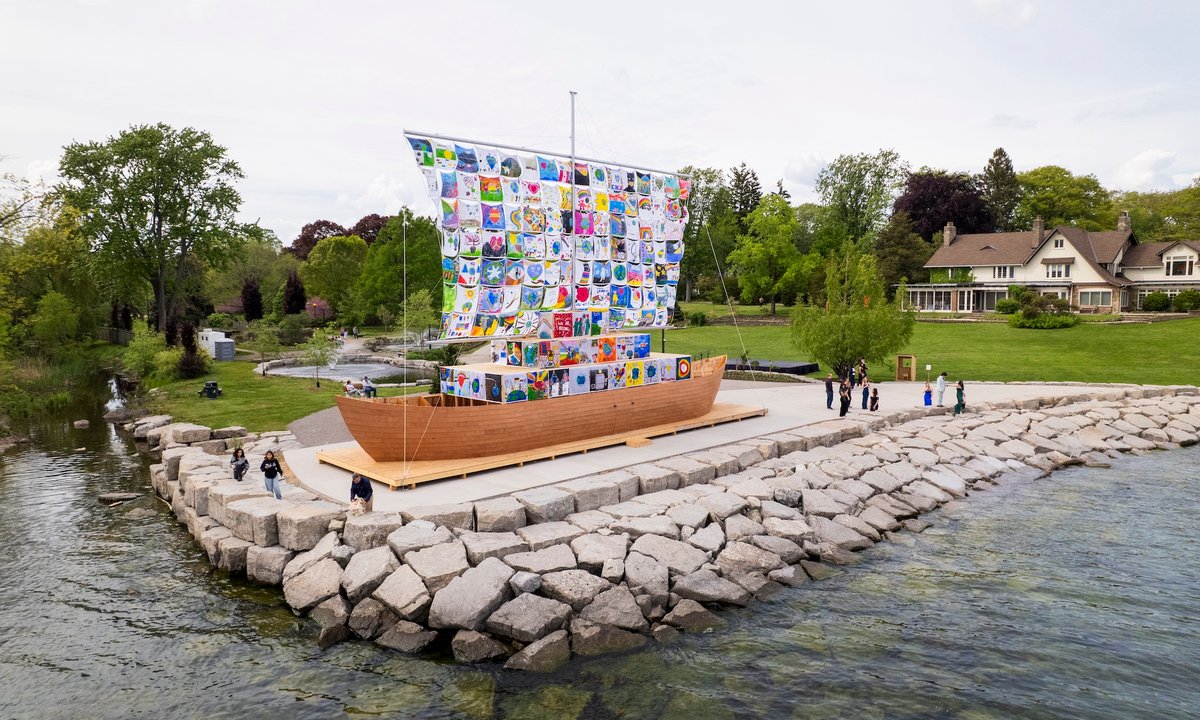
Ilya and Emilia Kabakov's participatory art project *Ship of Tolerance* (2005–present) has been reinstalled at Oakville Galleries on Lake Ontario, near Toronto, opening on 31 May as part of the exhibition *Between Heaven and Earth* (through 20 September). The project, which involves children from diverse backgrounds creating painted sails for a 60-foot wooden boat, has previously traveled to locations including Siwa, Egypt; the Venice Biennale; Sharjah; Brooklyn; Miami; Moscow; and London. Emilia Kabakov continues to lead the project after Ilya Kabakov's death in 2023, and the latest iteration arrives amid global crises including wars, migrant displacement, and US President Donald Trump's threats to annex Canada.

Stonewall Monument Named Among Most Endangered Sites in the US

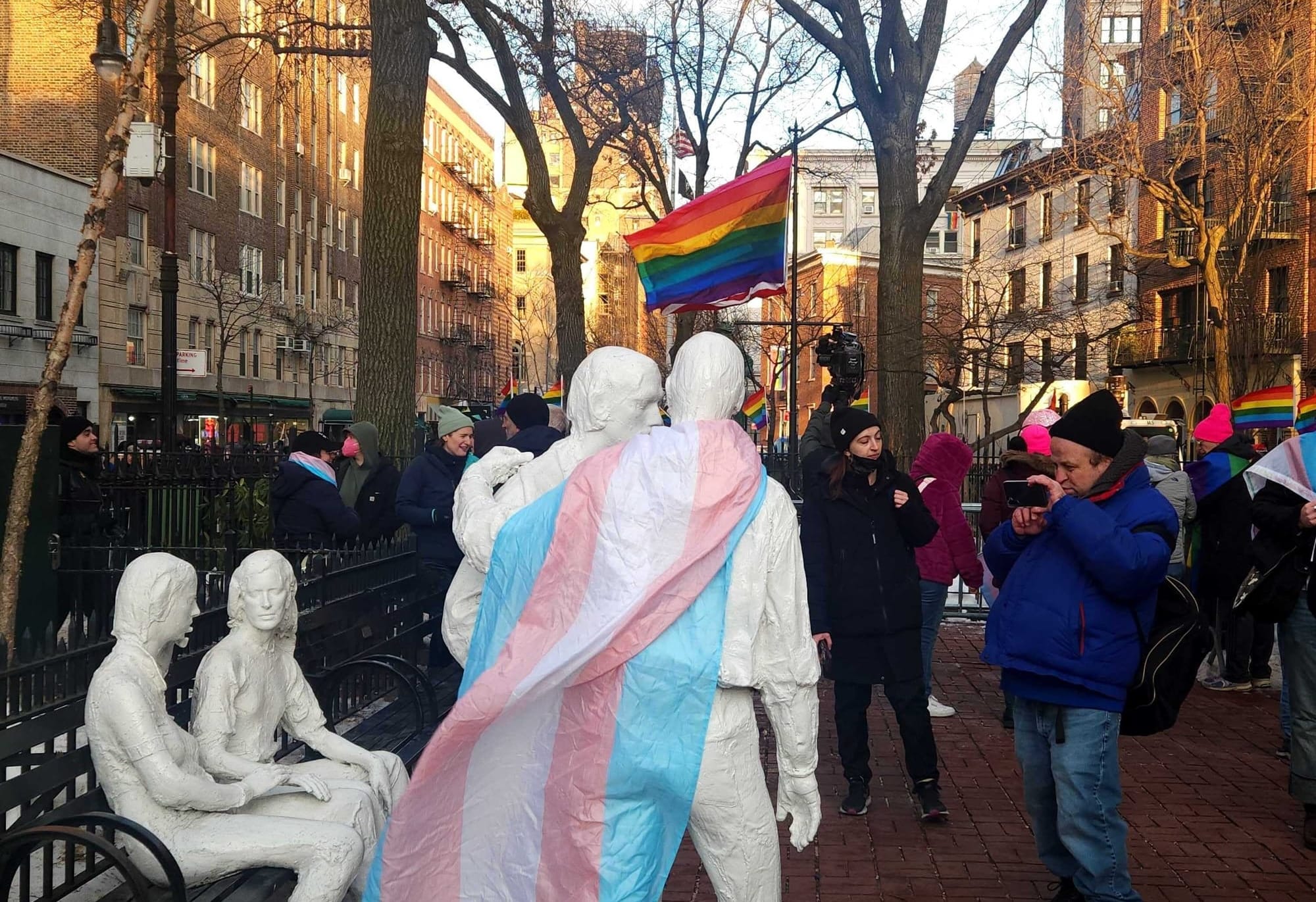
The Stonewall National Monument in Manhattan has been named one of the most endangered places in the US by the National Trust for Historic Preservation, marking the first time the site has appeared on the annual list. The designation comes amid the Trump administration's efforts to control LGBTQ+ history, including the National Park Service's removal of references to transgender individuals from the monument's official website and the removal of the rainbow pride flag from the site. Activists and the Gilbert Baker Foundation fought back, with the foundation filing a lawsuit that led to a settlement allowing the pride flag to be flown again, though the NPS has not restored the original website text.

1,000-year-old archaeological site bulldozed during construction of Mexico-US border wall

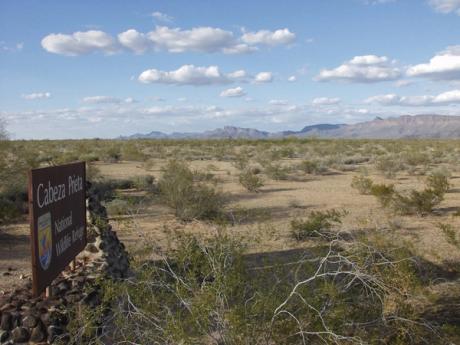
On 24 April, a Department of Homeland Security contractor bulldozed a 1,000-year-old intaglio—a 280ft by 50ft etching in the desert sand—during construction of the US-Mexico border wall in Arizona's Cabeza Prieta National Wildlife Refuge. The site, sacred to local Indigenous communities including the Hia-Ced O’odham, was part of a UNESCO biosphere and contained over 3,000 petroglyphs. Despite warnings from tribal members and refuge staff, the contractor destroyed a 70ft stretch of the fish-shaped intaglio, which elders and archaeologists describe as an irreplaceable cultural and archaeological treasure.

A Buddha Is Reborn on the High Line

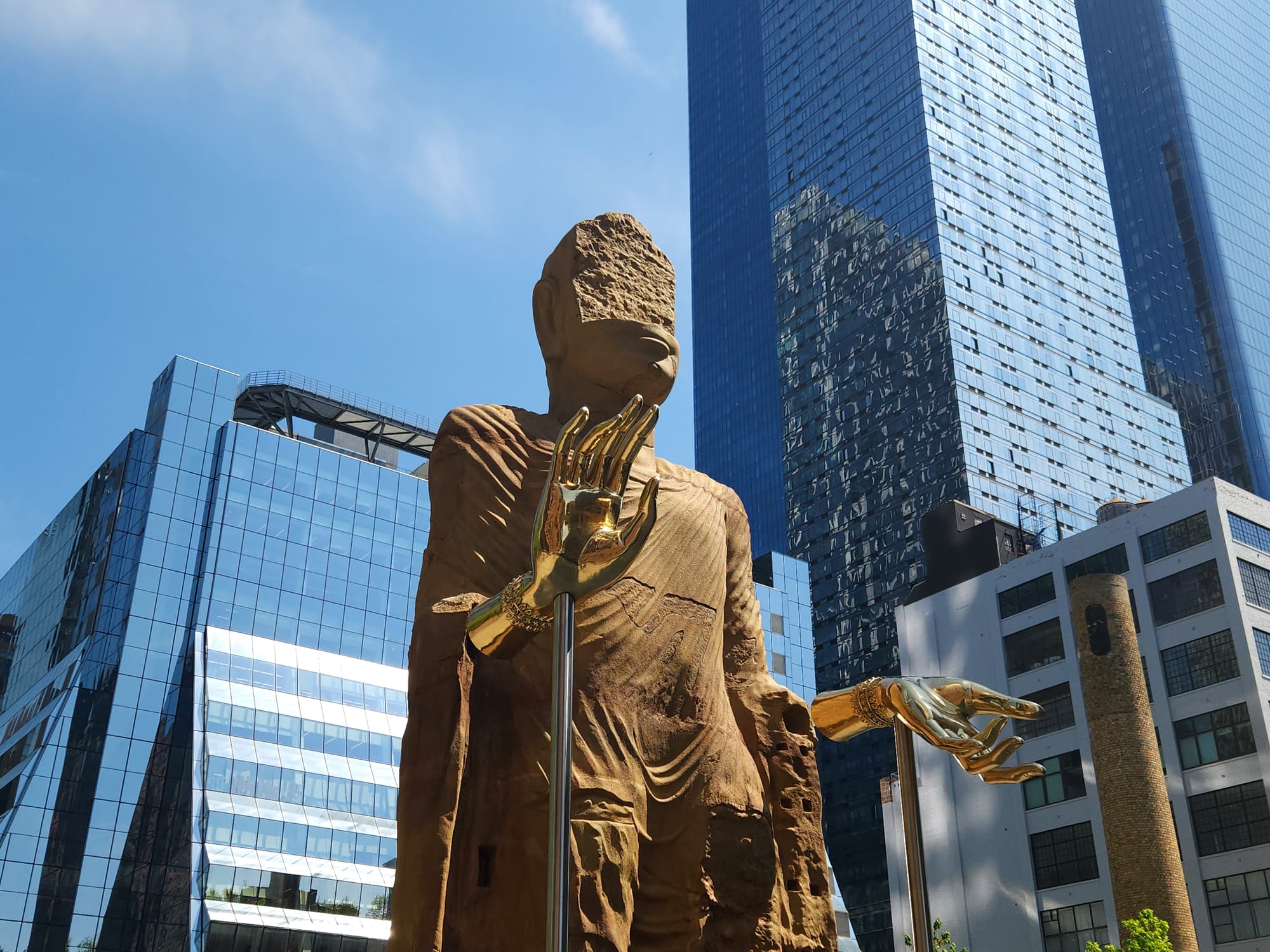
Tuan Andrew Nguyen's sandstone and brass sculpture "The Light That Shines Through the Universe" (2026) has been installed on the High Line in Manhattan as the park's fifth site-specific commission. The 27-foot-tall work, selected from nearly 60 proposals, resurrects the destroyed Bamiyan Buddhas of Afghanistan, which were demolished by the Taliban in 2001. Nguyen sourced artillery brass from Afghanistan to cast the sculpture's mudra hand gestures, symbolizing fearlessness and compassion, and had the sandstone carved in Vietnam. The piece is on view through Spring 2027.

Lebanon appeals to Unesco to intervene amid fears protected citadel has been destroyed

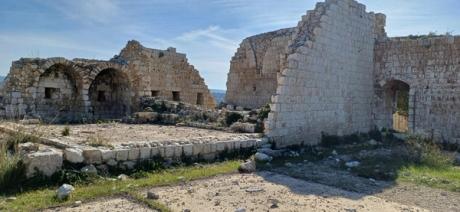
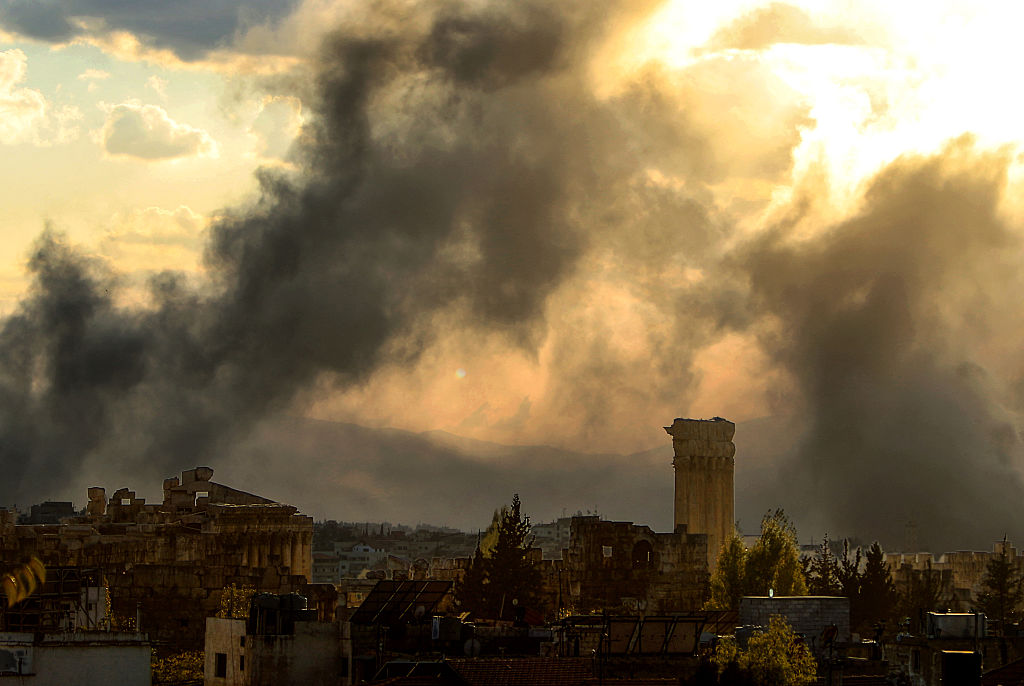
Lebanon’s Ministry of Culture has filed an urgent complaint with Unesco following reports that Israeli military forces destroyed the 12th-century Chama’ Citadel in southern Lebanon. The site, a Crusader-era fortress, had recently been granted "enhanced protection" status under the 1954 Hague Convention, a designation intended to shield it from military targeting. Lebanese authorities are currently unable to access the site due to ongoing military occupation and have requested that Unesco utilize satellite imagery to verify the extent of the demolition.

Proposed Restitution Law in France Advances in National Assembly

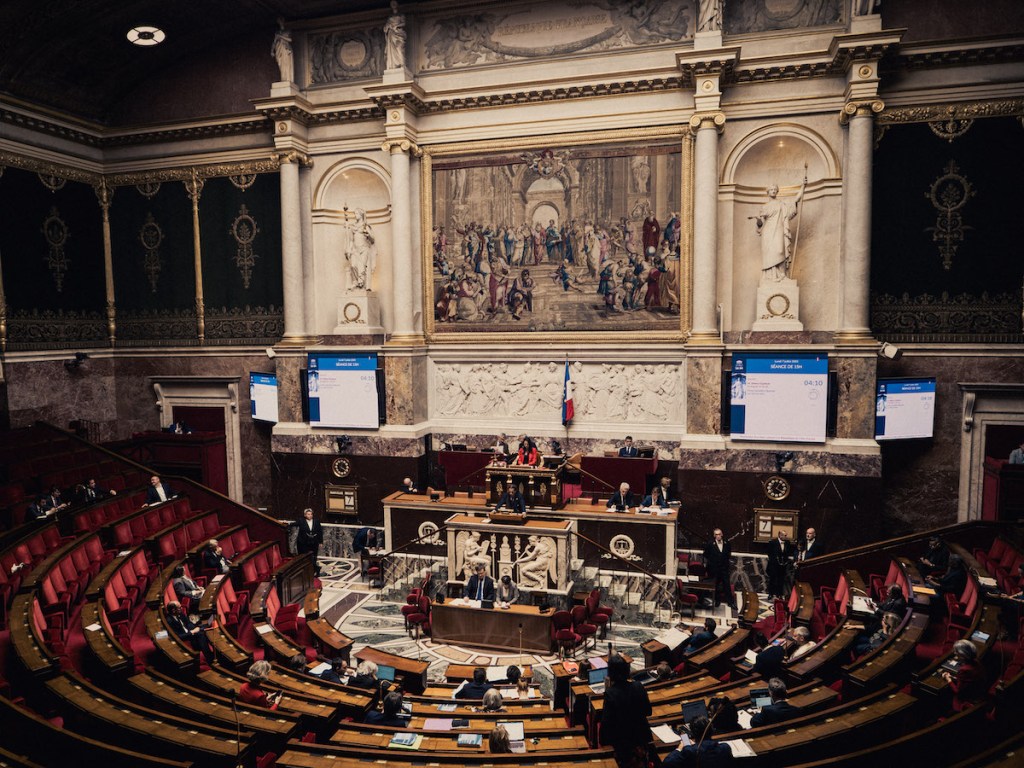
The French National Assembly’s Cultural Affairs Committee has approved a landmark bill aimed at streamlining the restitution of cultural property looted from Africa during the colonial era. Moving away from the previous requirement for case-by-case legislation, the new framework allows restitutions to be ordered by ministerial decree, provided they fall within the 1815–1972 timeframe. This advancement follows years of debate sparked by President Emmanuel Macron’s 2017 pledge and the influential 2018 Sarr-Savoy report.

Navajo Nation: the fight for cultural survival – photo essay

The Navajo Nation is currently navigating a complex struggle to preserve its cultural heritage against the lingering effects of colonial-era boarding schools and the modern pressures of social media and urbanization. While elders like Virginia Brown recount the trauma of forced assimilation and language suppression, a new generation is grappling with a decline in Navajo fluency, which UNESCO now classifies as a vulnerable language. Despite these hurdles, community members are utilizing local schools and traditional practices to reclaim their identity.

Comment | Inside the preservation of the largest fortress in the Americas

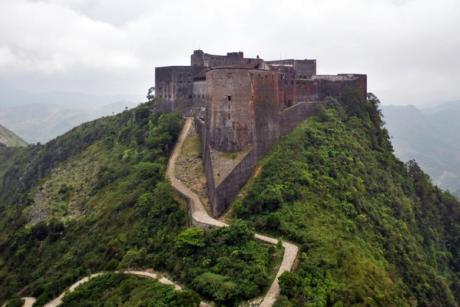
A major 25-year conservation project at Haiti's Citadelle Laferrière, the largest fortress in the Americas and a UNESCO World Heritage Site, is nearing completion. The project, involving the World Monuments Fund, UNESCO, and the Haitian Institute for the Protection of National Heritage, has focused on earthquake reinforcement, waterproofing, and improving visitor access, using traditional 19th-century techniques and local labor.

lebanese ministry of culture urges unesco to grant enhanced protections to cultural property

Lebanon’s Ministry of Culture has formally petitioned UNESCO to secure enhanced protections for the nation’s cultural heritage sites as regional conflict intensifies. Culture Minister Ghassan Salamé urged the UN agency to intervene with belligerent parties to ensure the safety of irreplaceable landmarks, including the National Museum of Beirut and the Roman ruins of Baalbek. UNESCO confirmed it has shared the coordinates of these World Heritage sites with all involved parties to prevent accidental or intentional targeting during military operations.

Israeli Authorities Plan to Seize Major Archaeological Site in West Bank, Sparking Outrage

sebastia west bank archaeological site israel palestinians

Israeli authorities have announced plans to seize a 182-hectare archaeological site in the West Bank town of Sebastia, the largest such land seizure for an archaeological project since 1967. The plan includes building a visitor center, parking lot, and a fence that would separate the site from the Palestinian town, cutting off local access to both the ruins and surrounding olive groves. The move has been denounced by Palestinian residents and officials as an aggression that threatens livelihoods and erases Palestinian identity.

us withdrawal un cultural organizations alarm

President Donald Trump has withdrawn the United States from 66 international organizations, including several that safeguard creative rights and freedoms, via a January 7 memo. The New York-based Artists at Risk Connection (ARC) expressed deep concern, particularly over the impact on its partner, the International Federation of Arts Councils and Culture Agencies (IFACCA). ARC listed affected organizations such as the International Centre for the Study of the Preservation and Restoration of Cultural Property, the Freedom Online Coalition, the UN Democracy Fund, UN Women, the UN Alliance of Civilizations, and the International Development Law Organization, all of which support artistic freedom, cultural heritage, and protections for artists under threat.

france mexico celebrate 200th anniversary pre hispanic manuscripts

In May 2025, French President Emmanuel Macron visited Mexico City for his first official trip to Mexico, where President Claudia Sheinbaum announced a temporary exchange of two pre-Hispanic codices. The Codex Azcatitlán, held at the Bibliothèque Nationale de France in Paris, will travel to Mexico City, while the Codex Boturini, housed at Mexico's Biblioteca Nacional de Antropología e Historia, will go to Paris. Both illustrated manuscripts, rarely displayed due to conservation concerns, recount the Aztecs' migration to Tenochtitlan. The exchange comes amid ongoing Mexican efforts to repatriate Mesoamerican codices from European collections, including the Codex Borgia and Codex Vaticanus in the Vatican and the Codex Borbonicus in France.

huge persepolis destruction

The article recounts the Sack of Persepolis in 330 B.C.E., when Alexander the Great and his Macedonian forces pillaged and destroyed the Achaemenid capital. It describes Persepolis as a marvel of ancient architecture, including the 31-acre limestone terrace, the Apadana hall with 36 columns, and the palace of Xerxes I. Ancient sources like Diodorus of Sicily and Plutarch offer conflicting accounts of the destruction—whether it was spontaneous, premeditated, or fueled by alcohol—while modern historians view it as a political act of retribution for Xerxes' attack on Athens.

libya national museum red castle reopens after 14 years

Libya’s National Museum, also known as the Red Castle Museum (As-Saraya Al-Hamra), has reopened in Tripoli for the first time since the 2011 revolution that ended Muammar el-Qaddafi’s rule. The museum, the largest in North Africa, closed at the onset of Libya’s military instability during the Arab Spring. Its 10,000-square-meter gallery houses artifacts spanning prehistory through Greek, Roman, and Islamic periods, including millennia-old mummies. Renovations began in 2023, with a full public reopening scheduled for early 2026; currently admission is limited to students.

the hunt sanxingdui civilization china

The article recounts the rediscovery and ongoing excavation of the ancient Sanxingdui civilization in Sichuan, China, beginning with a peasant's accidental find of jade relics in 1929. After decades of political disruption, large-scale digs resumed in the 1980s, uncovering over 50,000 artifacts—including distinctive bronze masks with gold foil—that offer the only clues to this Bronze Age city's culture, trade networks, and mysterious collapse around the 11th century B.C.E.

ancient egyptian iconography roman bathhouse sagalassos turkey

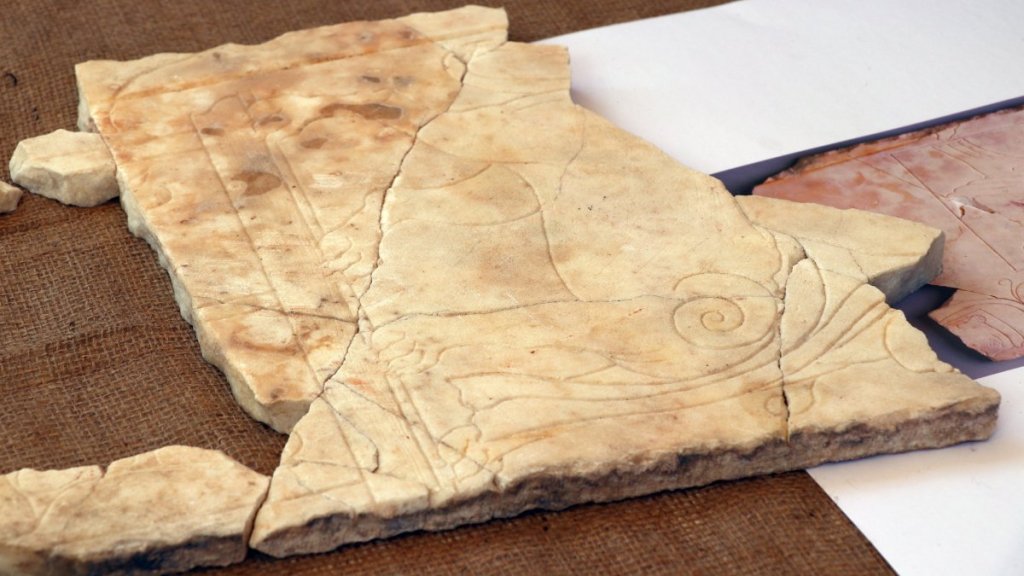
Archaeologists have identified ancient Egyptian iconography on a marble lintel in a Roman-era bathhouse at Sagalassos, Turkey. The carving depicts the sphinx god Tutu, flanked by two human figures wearing the crowns of Upper and Lower Egypt, along with deities Horus and Sobek. Dating to the reign of Emperor Augustus (27 BCE–14 CE), the panel was found in the frigidarium and was sourced from marble quarried over 124 miles away in the Afyonkarahisar region.

yemen national museum damaged israeli air strikes

The National Museum of Yemen was damaged during Israeli airstrikes on Sanaa on Wednesday, according to the Houthi Ministry of Culture. The bombardment, part of escalating regional tensions linked to the Gaza war, killed 45 people and injured 165. Video footage shows the museum courtyard littered with rubble, and its windows and doors destroyed, though the building remains standing. The museum had only reopened in May 2023 after a decade-long closure due to Yemen's civil war.

gaza artifacts removed school building

Archaeological treasures from Gaza's five main archaeological sites were evacuated from the French Biblical and Archaeological School of Jerusalem's storehouse in Gaza City, following an Israeli order to vacate the building before a threatened military strike. The operation, described by school director Olivier Poquillon as a "high-risk" and "last-minute rescue," involved improvised transport and logistics in a context where almost no international actors remain on the ground. The relics include artifacts from a fourth-century monastery designated as a UNESCO World Heritage site.

trump to withdraw us from unesco for second time

President Donald Trump has announced the United States will withdraw from UNESCO for the second time, effective at the end of 2026. The State Department cited the organization's focus on "divisive social and cultural causes" and its alignment with the UN's Sustainable Development Goals as contrary to America First foreign policy, as well as "anti-Israel rhetoric" within UNESCO. This follows a pattern of Trump pulling the US from multilateral bodies, including the UN Human Rights Council and the World Health Organization, and continues a fraught history: the US stopped funding UNESCO under Obama over Palestine's membership, left in 2017 under Trump, and rejoined under Biden in 2023.

murujuga rock art australia receives unesco world heritage status

UNESCO has granted World Heritage status to Murujuga, an ancient Aboriginal rock art site in Western Australia's Pilbara region, despite concerns about its vulnerability to emissions from nearby gas and fertilizer plants. The site contains over 1 million petroglyphs, including the oldest known depiction of a human face, dating back up to 50,000 years. Indigenous groups campaigned for two decades for protection, and the Australian government nominated the site in 2023. However, the Karratha Gas Plant, operated by Woodside Energy, sits on the nominated land, and ICOMOS had warned that emissions pose a risk to the rock art. The UNESCO designation was unanimous, but an amendment was added requiring Australia to continue monitoring industrial impact.

murujuga rock art woodside gas unesco concerns

Australian politicians are pushing back against UNESCO's concerns that ancient rock art in Murujuga, Western Australia, is endangered by the proposed expansion of the Karratha Gas Plant, operated by Woodside Energy. The site contains up to 1 million petroglyphs, some dating back 47,000 years, and UNESCO's advisory body ICOMOS has warned that industrial emissions are a major threat. Australia's environmental minister Murray Watt has disputed ICOMOS's findings, calling them factually inaccurate, while Woodside claims the expansion will help transition away from coal and achieve net zero by 2050.

looted antiquities sold facebook marketplace palmyra syria

Thieves in Syria are looting ancient artifacts from archaeological sites like Palmyra, a UNESCO World Heritage city dating back to the 3rd century BCE, and selling them on Facebook Marketplace. The looting has surged since the overthrow of former president Bashar al-Assad in December, with traffickers listing funerary gold, statues, and mosaics alongside ordinary secondhand goods. The Antiquities Trafficking and Heritage Anthropology Research (ATHAR) Project reports that nearly one-third of its 1,500 Syrian cases occurred in December alone, and sales are happening faster than ever—mosaics that once took a year to sell now move in two weeks.

eu import regulations

The European Union's Regulation 2019/880, aimed at combating illicit trafficking and terrorism, will take effect on June 28, imposing stricter import controls on antiquities and artworks over 200 years old and valued above €18,000 ($19,500). The regulation requires importers to provide evidence that an object was lawfully exported from its country of origin, even for items exported decades ago when such documentation was not required. This reverses the presumption of innocence, placing the burden of proof on importers. Dealers and experts express concern that the rules are not based on market realities, as importers must be registered within the E.U., forcing non-E.U. dealers to rely on third-party agents or shippers. The regulation also poses challenges for ancient objects, where borders and export controls may be historically ambiguous.

peru halves protected area near nazca lines

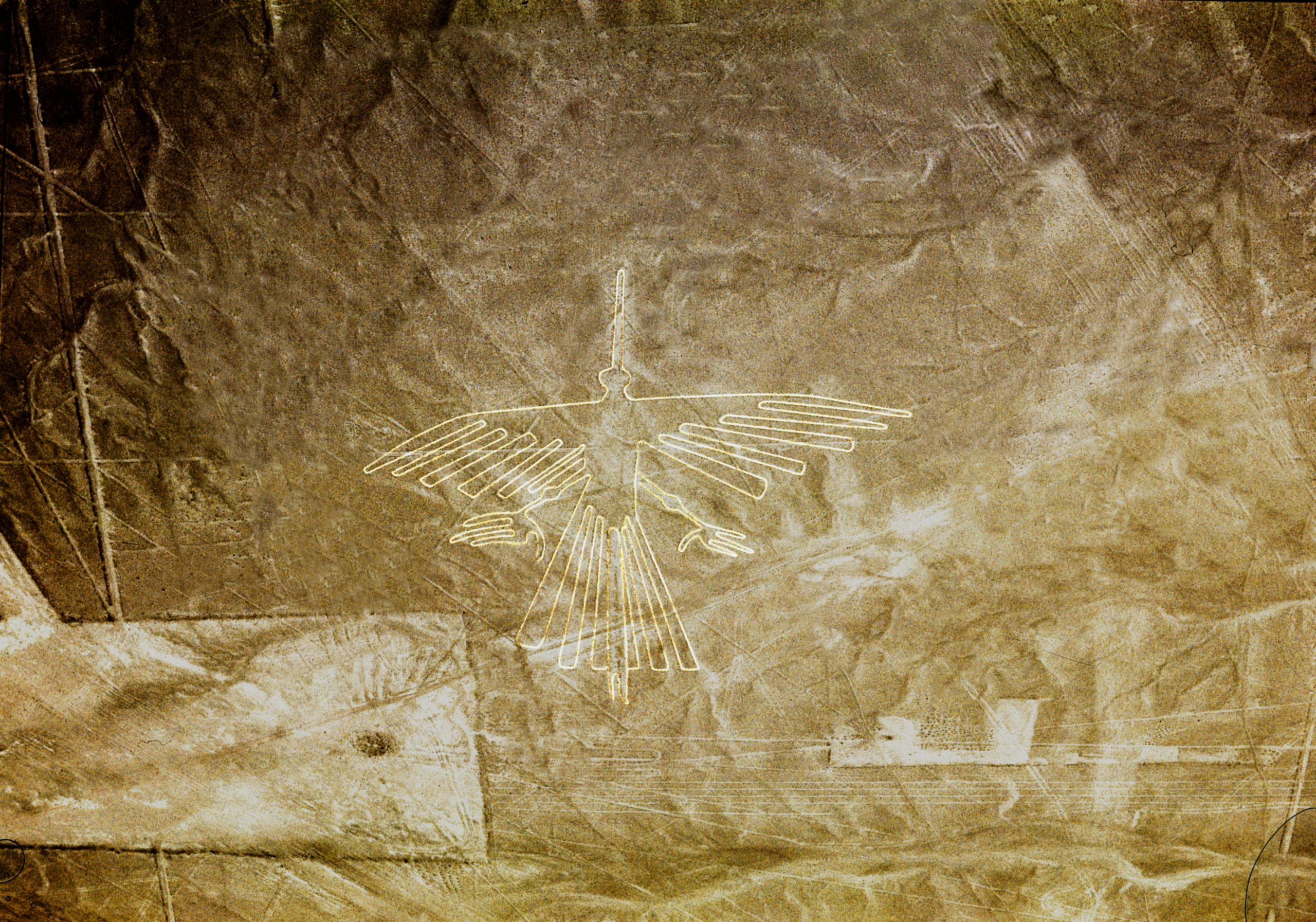
Peru's Culture Ministry has reduced the protected area surrounding the Nazca Lines by nearly half, from approximately 2,162 square miles to 1,235 square miles. The move shrinks the Nazca Archaeological Reserve, a UNESCO World Heritage Site, and archaeologists warn it could expose the ancient geoglyphs to exploitation by informal miners seeking to legitimize their operations amid a global surge in precious metal prices.

nazca lines reduced reserve plan

Peru’s Ministry of Culture has announced a plan to shrink the Nazca Lines and Geoglyphs Archaeological Reserve from 2,175 square miles to 1,236 square miles—a reduction of more than 40 percent. The decision, formalized in a May 28 resolution, has drawn sharp criticism from archaeologists, environmentalists, and former officials, who argue it removes protections from areas where informal mining is expanding. Vice Minister Moira Novoa Silva cited economic development and community participation as motivations, but critics say the move violates Peru’s environmental impact assessment law and could damage the UNESCO World Heritage site.

who took famous napalm girl photo

A documentary film titled *The Stringer* has sparked a controversy over the authorship of the iconic 1972 Vietnam War photograph known as "Napalm Girl" (officially *The Terror of War*). Both the Associated Press and World Press Photo conducted investigations into whether the credited photographer, Nick Ut, actually took the image. While the AP decided to maintain Ut's credit due to insufficient evidence to the contrary, World Press Photo stripped his authorship, concluding that the level of doubt is too significant to keep the existing attribution. The organization found that two other photographers—Nguyen Thanh Nghe and Huỳnh Công Phúc—were also present and could have taken the shot, but it could not definitively reassign authorship.