filter_list Showing 219 results for "unesco" close Clear
search
dashboard All 219 museum exhibitions 68article news 58article policy 40gavel restitution 22article culture 17article local 5trending_up market 4person people 3article event 1rate_review review 1
date_range Range Today This Week This Month All
Subscribe

What Did the Golden Lion Die Of? On Judgment and Disavowal at the Venice Biennale

The international jury of the 61st Venice Biennale announced it would exclude from prize consideration countries whose leaders are charged with crimes against humanity by the International Criminal Court, specifically targeting Russia and Israel. This prompted the Italian culture minister to send inspectors to the Biennale's offices, leading the jury to resign. The Biennale then replaced the Golden Lion with "Visitors' Lions" prizes voted by ticket-holders, immediately making Russia and Israel eligible again. The article traces this crisis to the Biennale's historical structure under Mussolini's 1930 Royal Decree, which established the national pavilion system as a diplomatic concession system designed to serve state power, and notes the recent acceptance of a €50 million donation from Qatar for a new permanent pavilion in the Giardini.
More UNESCO-Listed Sites Damaged by Airstrikes in Iran

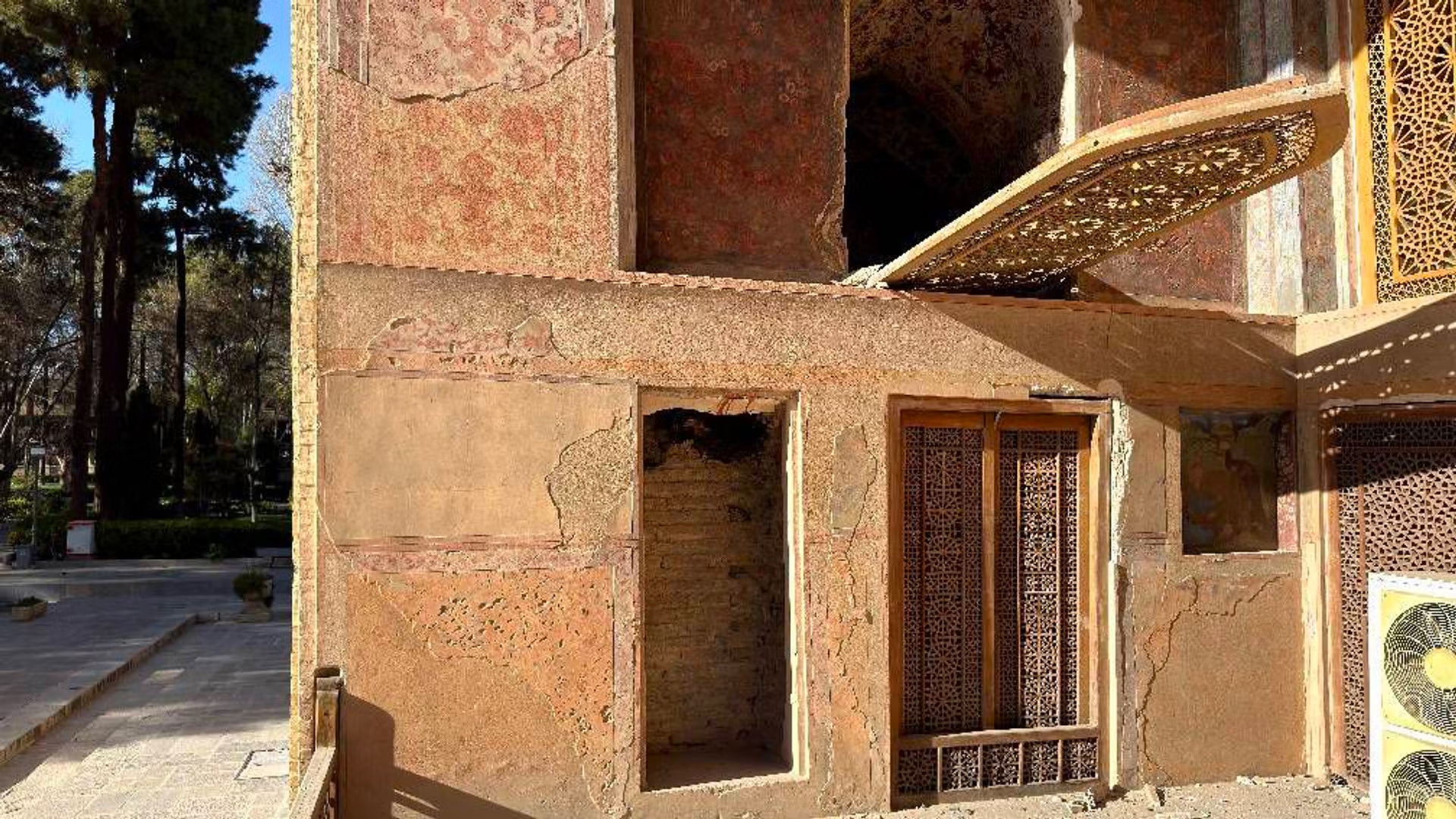
Multiple UNESCO World Heritage sites in Iran, including the 17th-century Chehel Sotoun palace in Isfahan, have sustained significant damage from recent US-Israeli airstrikes. The attacks shattered historic windows, doors, and decorative tiles at several monuments in Isfahan's historic center, and also damaged the third-century Falak-ol-Aflak Citadel, despite the display of protective Blue Shield emblems.

Comment | Inside the preservation of the largest fortress in the Americas

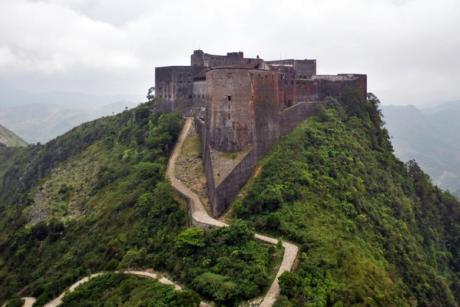
A major 25-year conservation project at Haiti's Citadelle Laferrière, the largest fortress in the Americas and a UNESCO World Heritage Site, is nearing completion. The project, involving the World Monuments Fund, UNESCO, and the Haitian Institute for the Protection of National Heritage, has focused on earthquake reinforcement, waterproofing, and improving visitor access, using traditional 19th-century techniques and local labor.

Urban Art Biennale: Rust, dust and decay revamps Germany's Völklingen ironworks

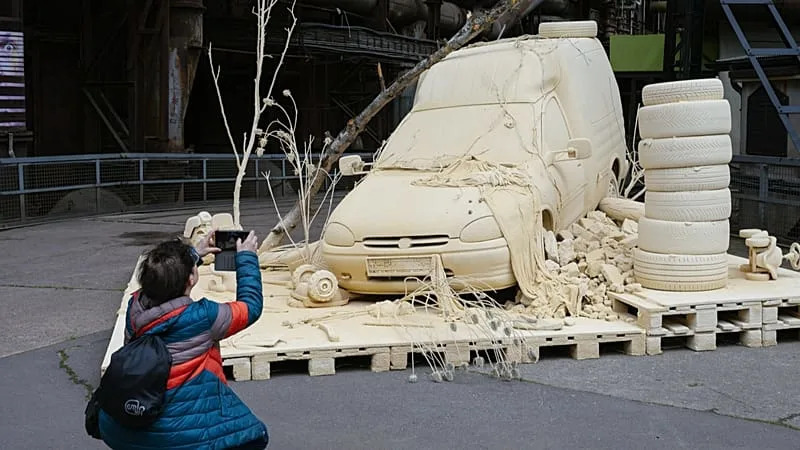
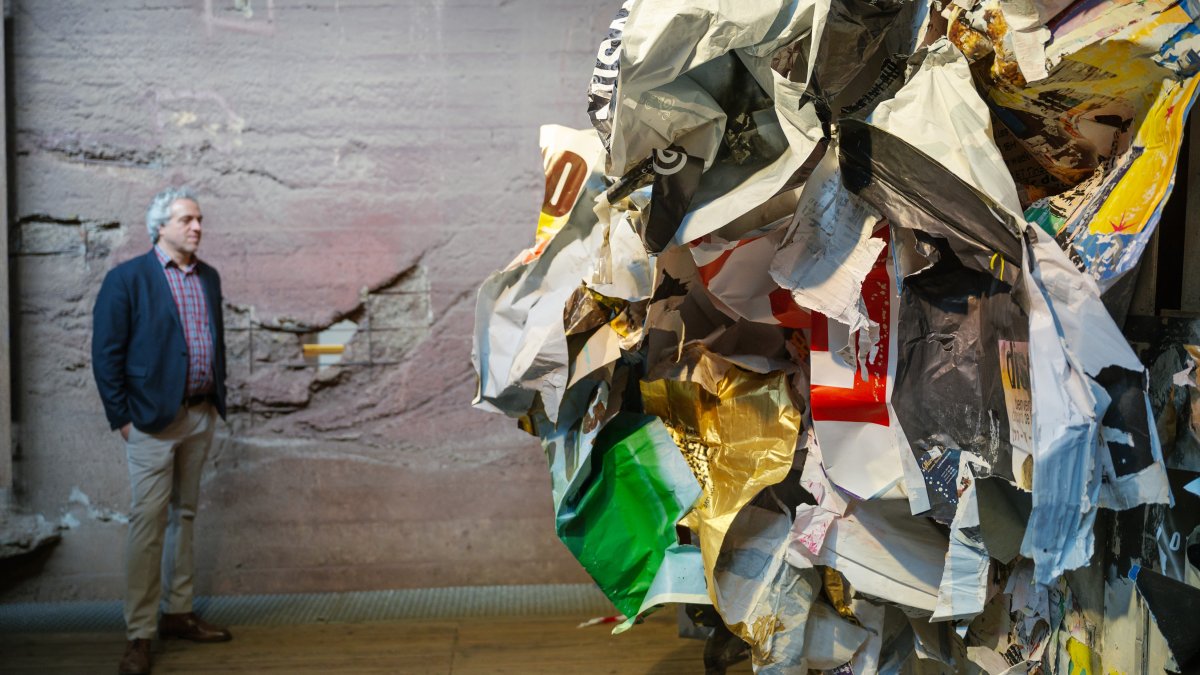
Dozens of urban artists from 17 countries have gathered at Germany's Völklinger Hütte (Völklingen Ironworks), a UNESCO World Heritage site, for the Urban Art Biennale 2026 opening this Saturday. The exhibition features 50 artists including Tomas Lacque, Boris Tellegen (Delta), Vortex-X, Ampparito, Remi Rough, and Anders Reventlov, who have created site-specific installations that engage with the industrial landmark's sprawling spaces, rust, dust, and sense of decay. Works range from a van covered in ash-like paint to a massive wooden sculpture and a rooftop text piece visible from 45 meters high.

Urban Art Biennale returns to UNESCO industrial site in Germany | Daily Sabah

Dozens of urban artists from 17 countries have gathered at the Völklinger Hütte (Völklingen Ironworks) in Germany, a UNESCO World Heritage Site and former ironworks, for the Urban Art Biennale 2026. The exhibition features 50 artists, including Tomas Lacque, Boris Tellegen, Ampparito, Remi Rough, Anders Reventlov, and the collective Vortex-X, who have created site-specific installations, murals, and sculptures that engage with the industrial ruins and history of the 15-acre complex, which ceased production in 1986.

Unesco sites in Iranian city of Isfahan damaged by US-Israel strikes

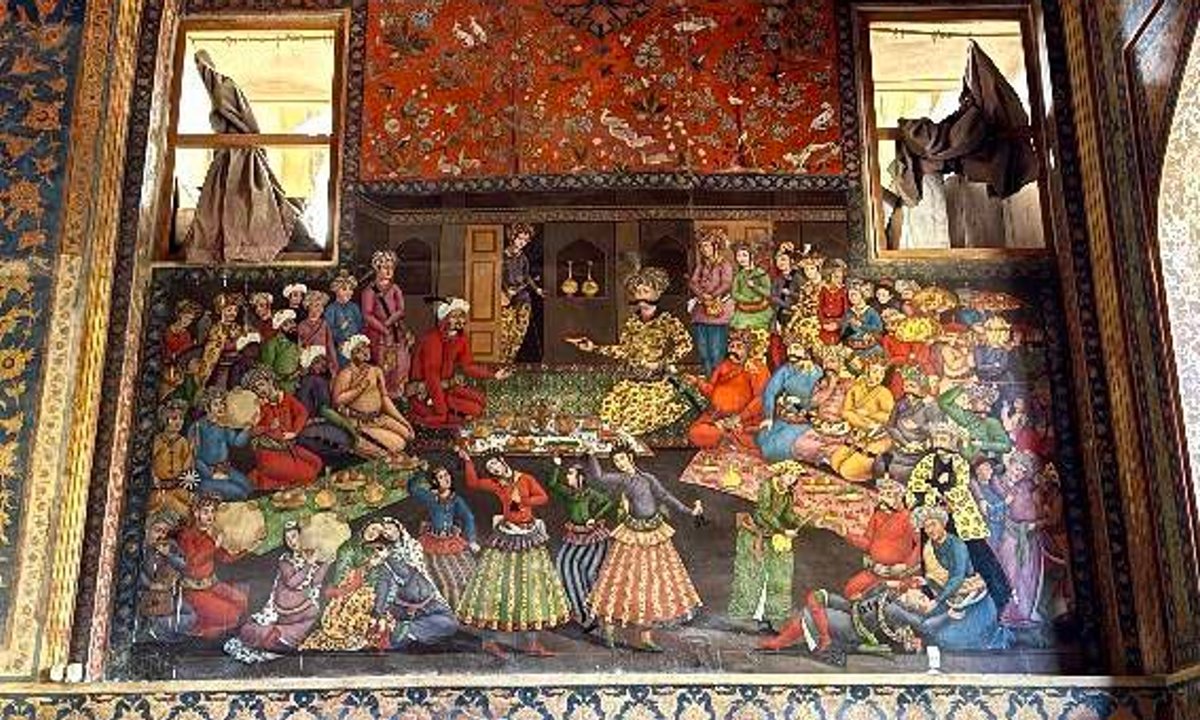
Recent US-Israeli strikes in the Iranian city of Isfahan have caused significant damage to several UNESCO World Heritage sites and historic landmarks. Reports indicate that the 17th-century Chehel Sotoun Palace suffered shattered windows, broken doors, and a large crack in a major fresco depicting Shah Tahmasp and the Mughal Emperor Humayun. Nearby, in the historic Naqsh-e-Jahan Square, the Ali Qapu Palace and the Jame Abbasi Mosque also sustained damage, including the destruction of iconic turquoise tiles and intricate fretwork.

Smithsonian’s National Museum of Asian Art returns three sculptures to Cambodia

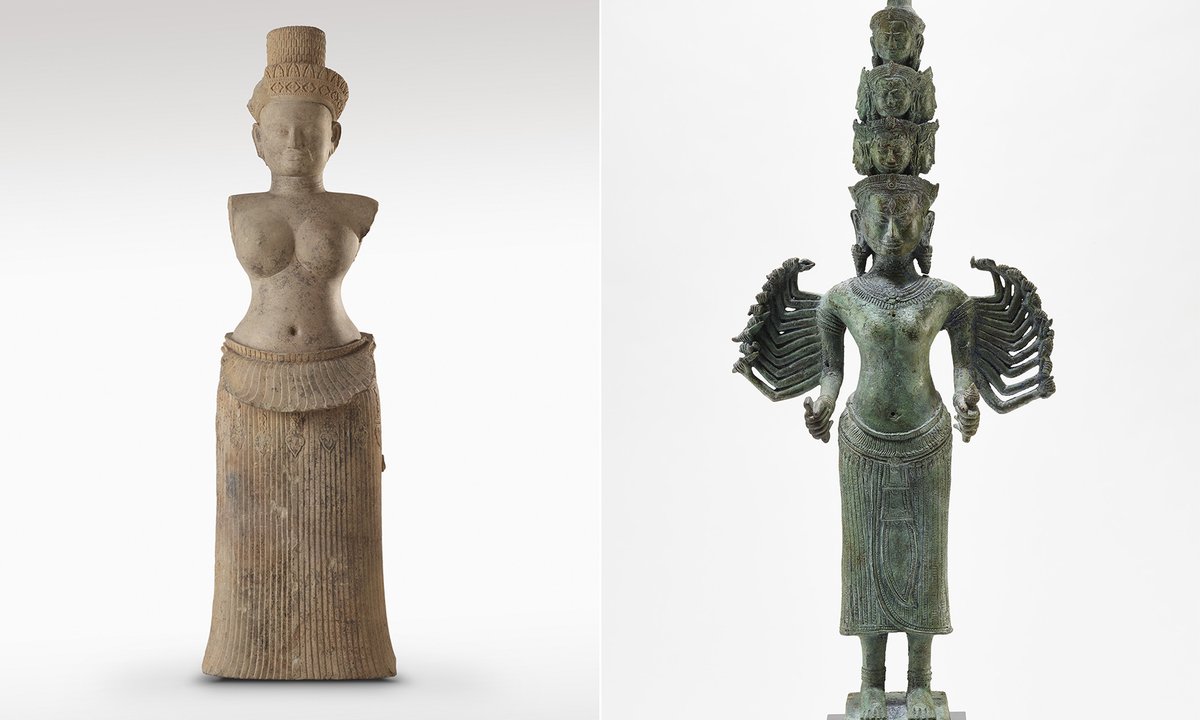
The Smithsonian’s National Museum of Asian Art (NMAA) in Washington, DC, has voluntarily returned three sculptures to the Cambodian government after an internal provenance investigation determined the objects were likely removed from Cambodia during the country’s civil war (1967-75). The returned artifacts include a tenth-century sandstone head of Harihara, a tenth-century sandstone sculpture of the goddess Uma, and a bronze statue of Prajnaparamita from around 1200. The museum’s director, Chase F. Robinson, stated that strong evidence linked the pieces to problematic dealers and a context of war and violence, and that no documentation supported their lawful export. The objects were donated to the NMAA by Arthur M. Sackler and Gilbert and Ann Kinney without proper provenance papers.

Heritage experts call for international task force to plan Palmyra rebuild

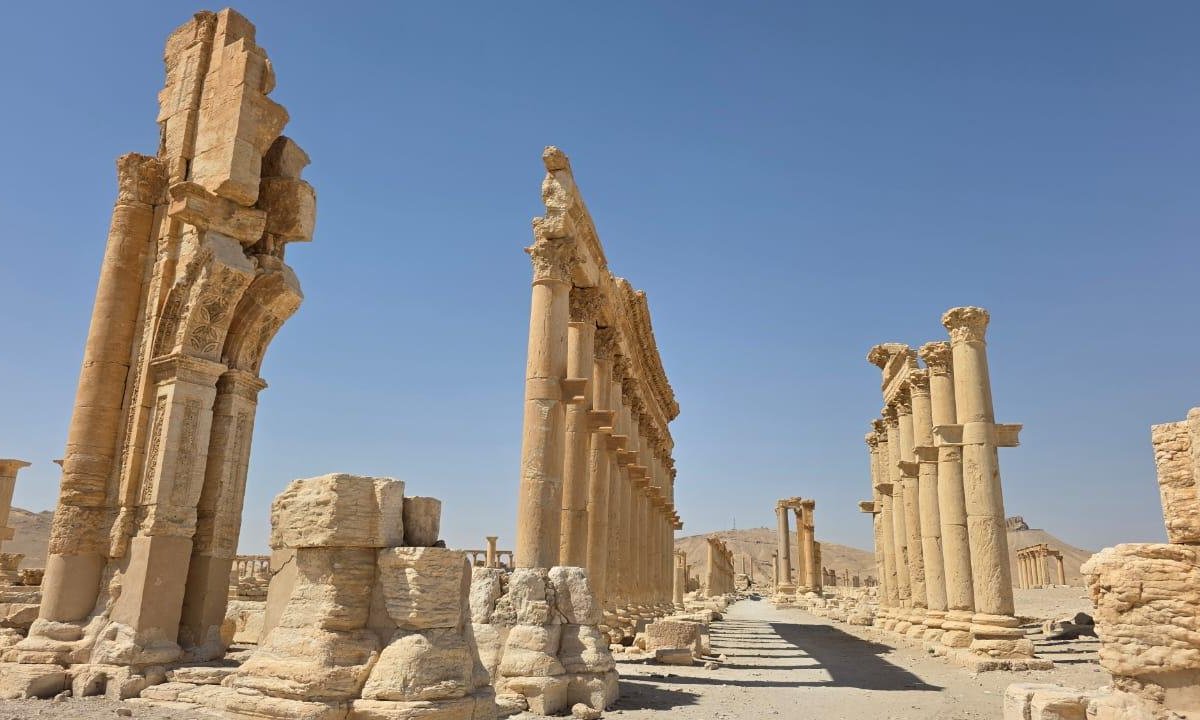
Heritage experts, antiquities officials, and Syrian community members convened at a conference organized by the University of Lausanne and the Aliph foundation in Switzerland, marking the first comprehensive international meeting on Palmyra since the fall of Bashar Al Assad's regime in 2024. The group issued recommendations including the creation of an international expert task force to work toward removing Palmyra from the UNESCO List of World Heritage in Danger, and outlined three key priorities: rehabilitating the looted and damaged Palmyra museum, restoring artefacts currently held at the Damascus Museum, and repairing the foot bridge to the site. Aliph executive director Valery Freland aims to begin work in January 2026.

Netherlands will return stolen ancient statue—featured at Tefaf art fair in 2022—to Egypt

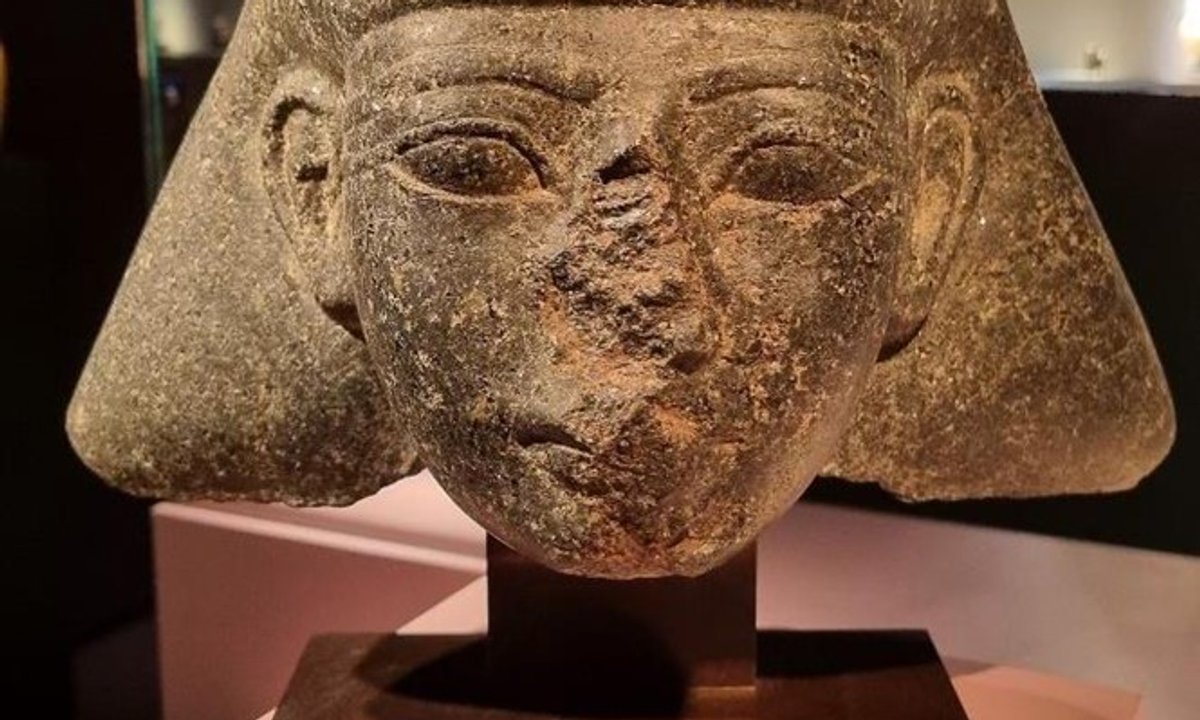
The Netherlands will return a 3,500-year-old stolen Ancient Egyptian statue to Egypt after it was spotted at the Tefaf Maastricht art fair in 2022 by an eagle-eyed visitor. The stone statue, believed to depict a high official from the dynasty of Pharaoh Thutmose III, was flagged via an anonymous tip, leading the dealer to voluntarily surrender it. An investigation by Dutch police and the Information and Heritage Inspectorate confirmed it was likely plundered unlawfully and illegally exported. The statue will be handed to the Egyptian ambassador in The Hague later this year, in line with the 1970 Unesco convention against trafficking cultural property.

French government adopts bill for restitution of colonial-era objects

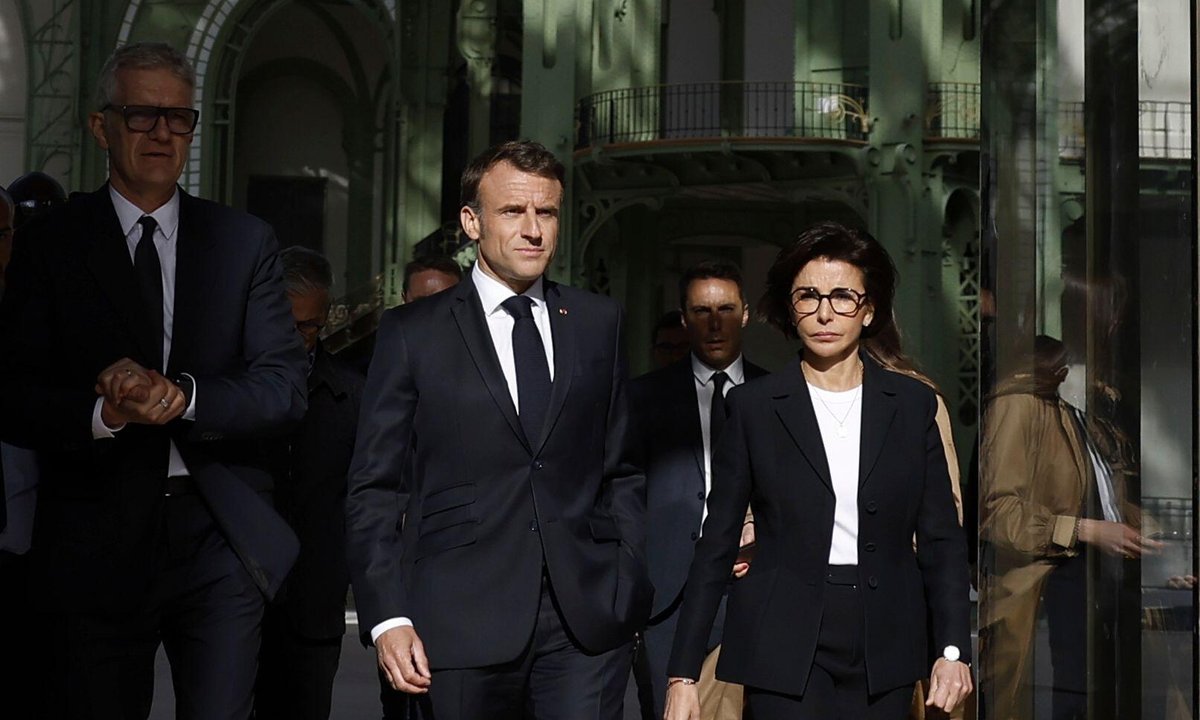
The French government has adopted a bill that facilitates the restitution of cultural objects plundered from former colonies, eight years after President Emmanuel Macron pledged to return African heritage. Presented by Culture Minister Rachida Dati, the bill maintains that French public collections are inalienable but creates an exemption for items taken by force between 1815 and 1972. Restitution requests must come from foreign states, be for public preservation and display, and involve items allegedly stolen, looted, or sold under duress. A bilateral scientific committee will examine each case, with final approval from the Conseil d'État. The bill aims to replace the current slow, case-by-case legislative process that has resulted in only 30 objects returned since 2017.

What the renovation of the Pergamon Museum costs

Was die Sanierung des Pergamonmuseums kostet

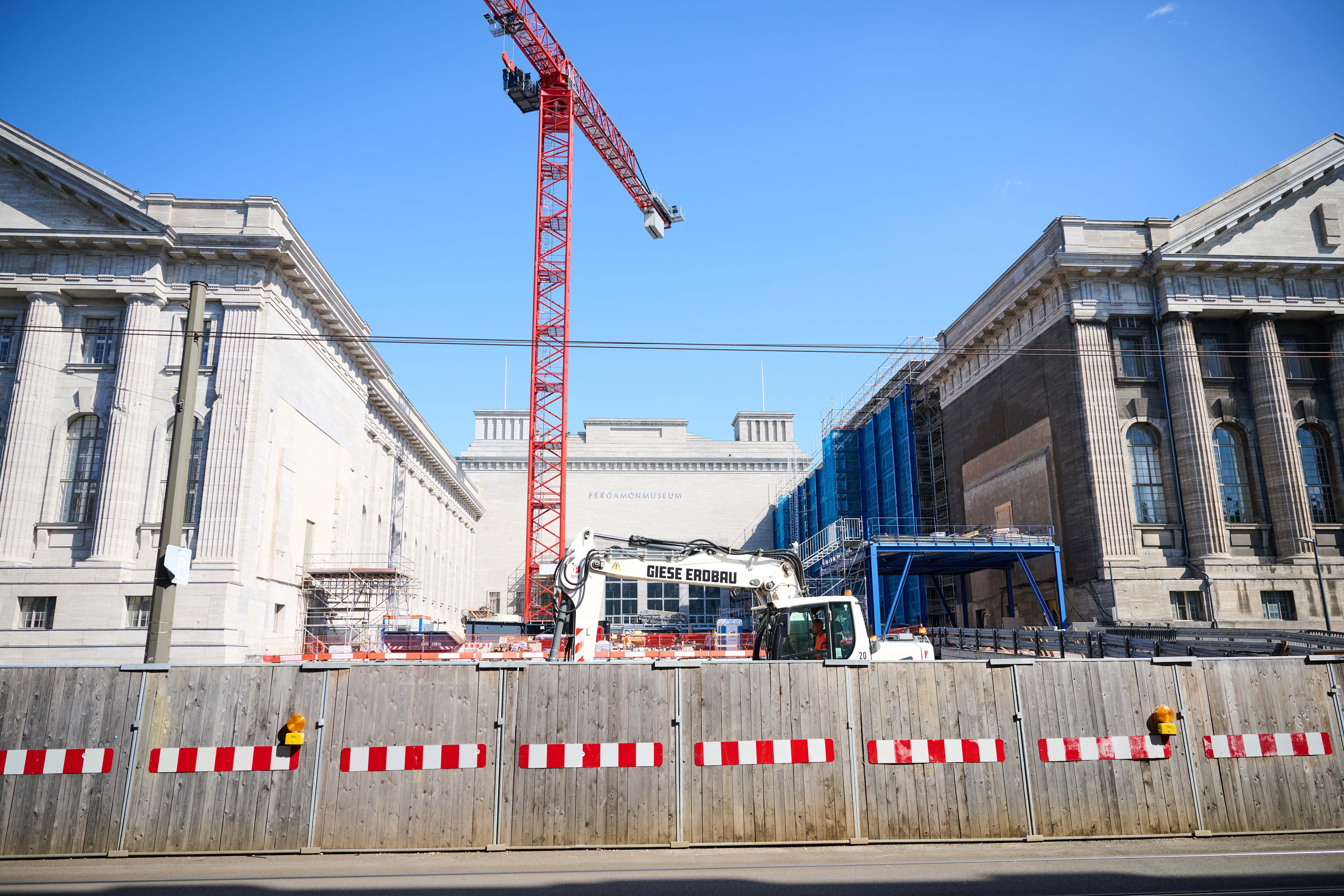
The Pergamon Museum in Berlin is undergoing a major renovation with a total budget of €1.5 billion for both construction phases, including cost risks. The Federal Office for Building and Regional Planning (BBR) has announced that current projections indicate the overall costs will not be exceeded. Phase A, which includes the hall housing the famous Pergamon Altar, is expected to open on June 4, 2027, with a potential cost increase of up to 5% over the originally approved €489 million. Phase B, covering the Ishtar Gate and Babylonian Processional Way, has seen its cost forecast reduced by €27 million to €722.4 million, with an additional €295.6 million set aside for risks and price increases. The museum will fully reopen only in 2037.

The British Museum bets on 'total immersion' to display the Bayeux Tapestry, which will be presented flat

Le British Museum mise sur « l’immersion totale » pour exposer la tapisserie de Bayeux qui sera présentée à plat

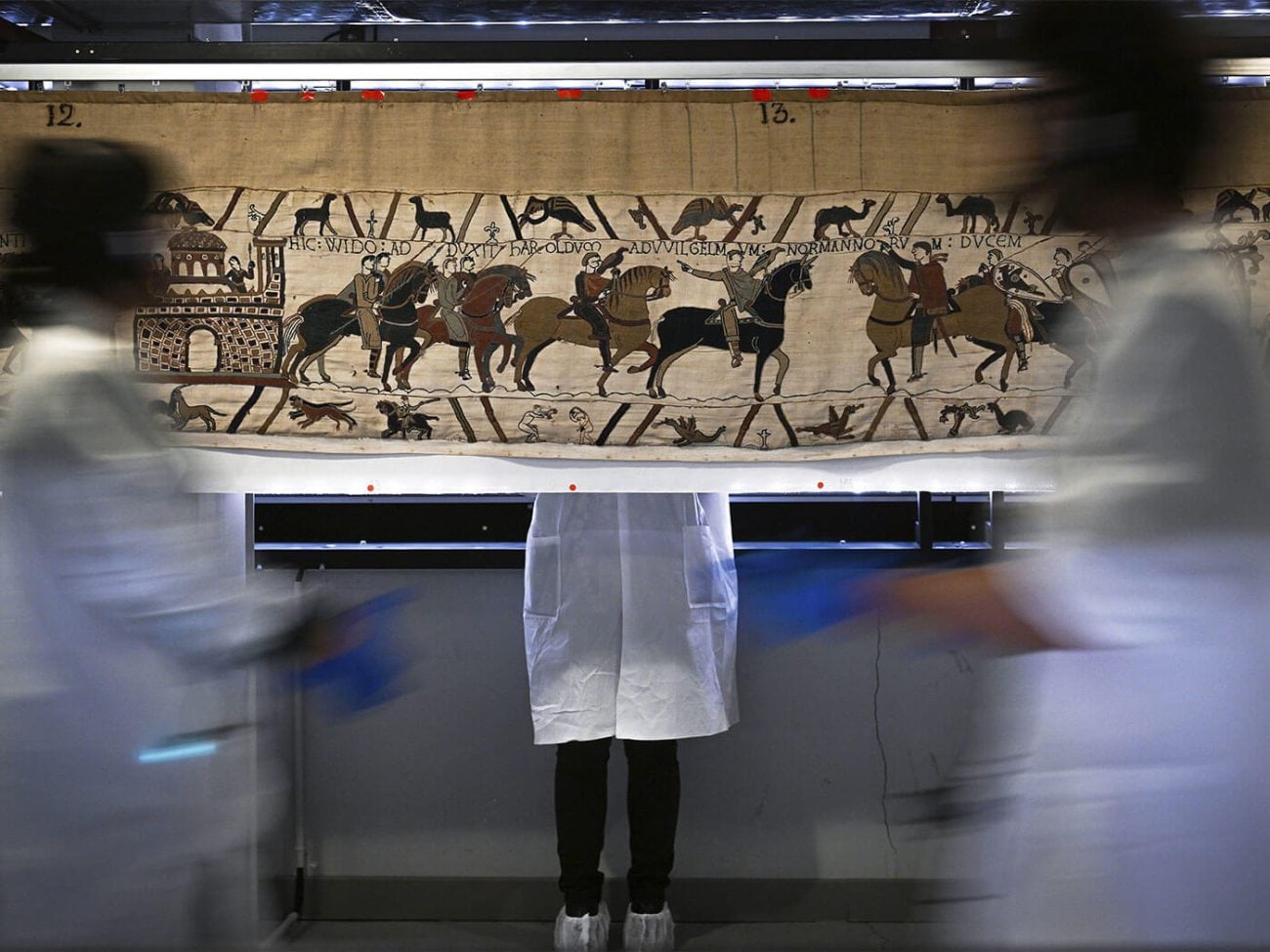
The British Museum has announced plans for an exceptional exhibition of the Bayeux Tapestry, which will be displayed flat for the first time in its history, rather than hung vertically as it has been for decades in Bayeux. The 70-meter-long 11th-century embroidery depicting the Norman conquest of England will be shown in London from September 10, 2026, to July 11, 2027, with tickets priced between £25 and £33. The museum promises an 'immersive' experience featuring raking light, digital devices, and loaned objects to contextualize the 58 scenes and 626 characters.

The ECC Italy’s Venice Exhibition Demonstrates the Power of ‘Conscious Intermingling’

The ECC Italy has opened a new exhibition in Venice titled 'Conscious Intermingling,' showcasing works that explore cross-cultural dialogue and artistic exchange. The show brings together contemporary artists from diverse backgrounds, emphasizing collaborative and hybrid creative practices that transcend national and cultural boundaries.

Soyinka, others to grace Onobrakpeya art exhibition in Lagos

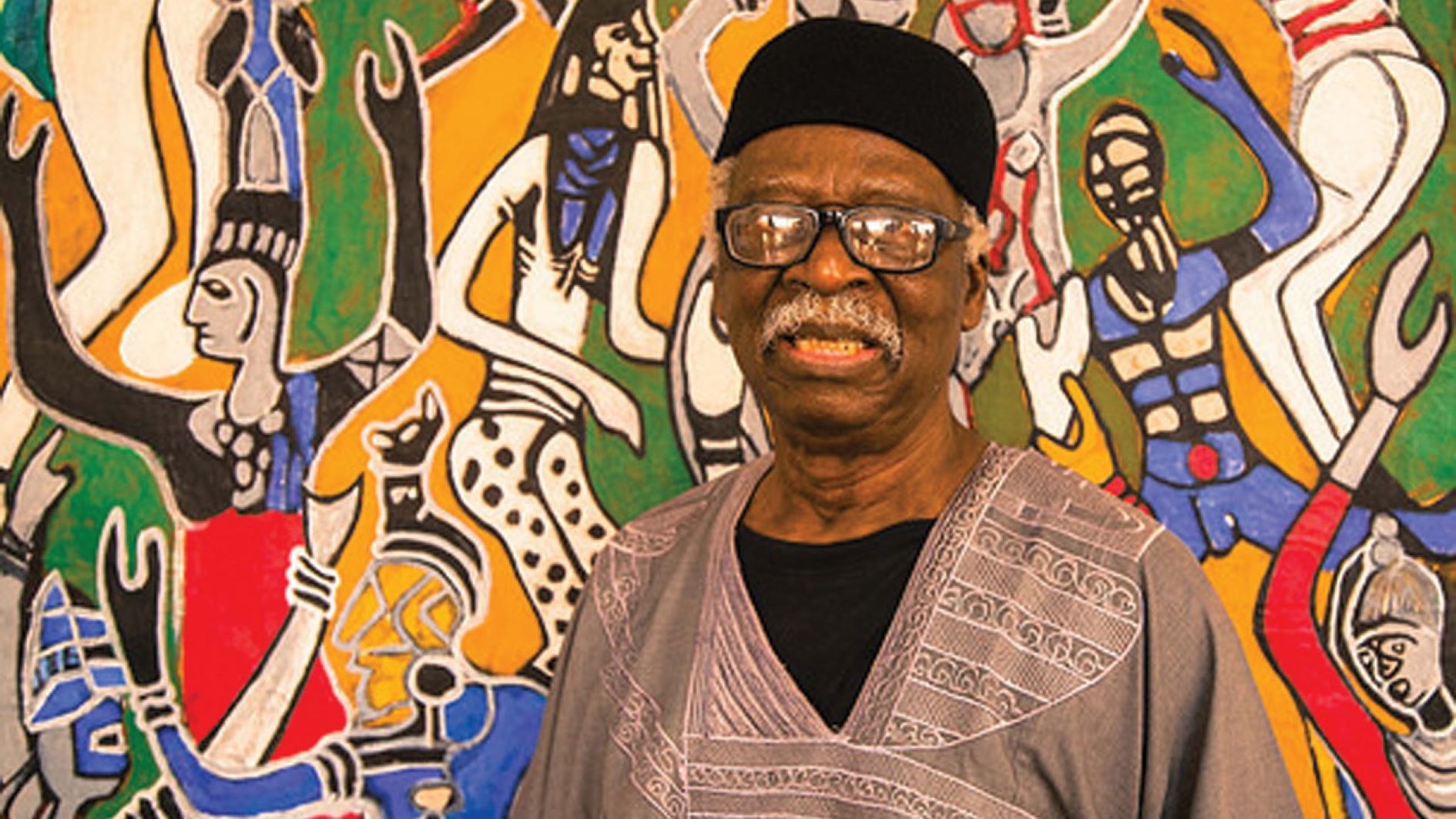
The St. Gregory’s College Old Boys Association is set to host 'The Gregorian Art Exhibition' in Lagos, a landmark event honoring the legendary Nigerian master artist Bruce Onobrakpeya. Running from April 25 to 27, 2026, the showcase will feature a high-profile opening ceremony attended by Nobel laureate Wole Soyinka, the Obi of Onitsha, and various prominent traditional rulers and political figures.

Soyinka, Obi of Onitsha for Onobrakpeya art exhibition

A major retrospective and group exhibition titled “The Gregorian Art Exhibition” is set to take place at St. Gregory’s College in Lagos, Nigeria, from April 25 to 27, 2026. The event honors the legendary Nigerian modernist Bruce Onobrakpeya and will feature works by him alongside other notable alumni and artists including the late Victor Uwaifo and David Dale. The opening is expected to draw high-profile figures such as Nobel laureate Wole Soyinka and the Obi of Onitsha, Igwe Nnaemeka Alfred Achebe.

The Davos arts programme: ‘Art ventures where policy briefs and position papers cannot go’

The article describes the Arts and Culture Programme at the World Economic Forum's Annual Meeting in Davos, centered on the theme 'A Spirit of Dialogue.' It features performances and installations including the Mahler Chamber Orchestra with violinist Renaud Capuçon and an AI-generated visual installation by artist Ronen Tanchum, a concert by musician Jon Batiste, Thijs Biersteker's data-driven installation 'Forestate' created with Unesco, and Marina Abramović's mobile installation 'THE BUS.' The programme is structured around three pillars: Human Presence in the Digital Age, Tradition and Innovation, and Connection and Collaboration.

Sotheby’s Origins II Returns to Riyadh

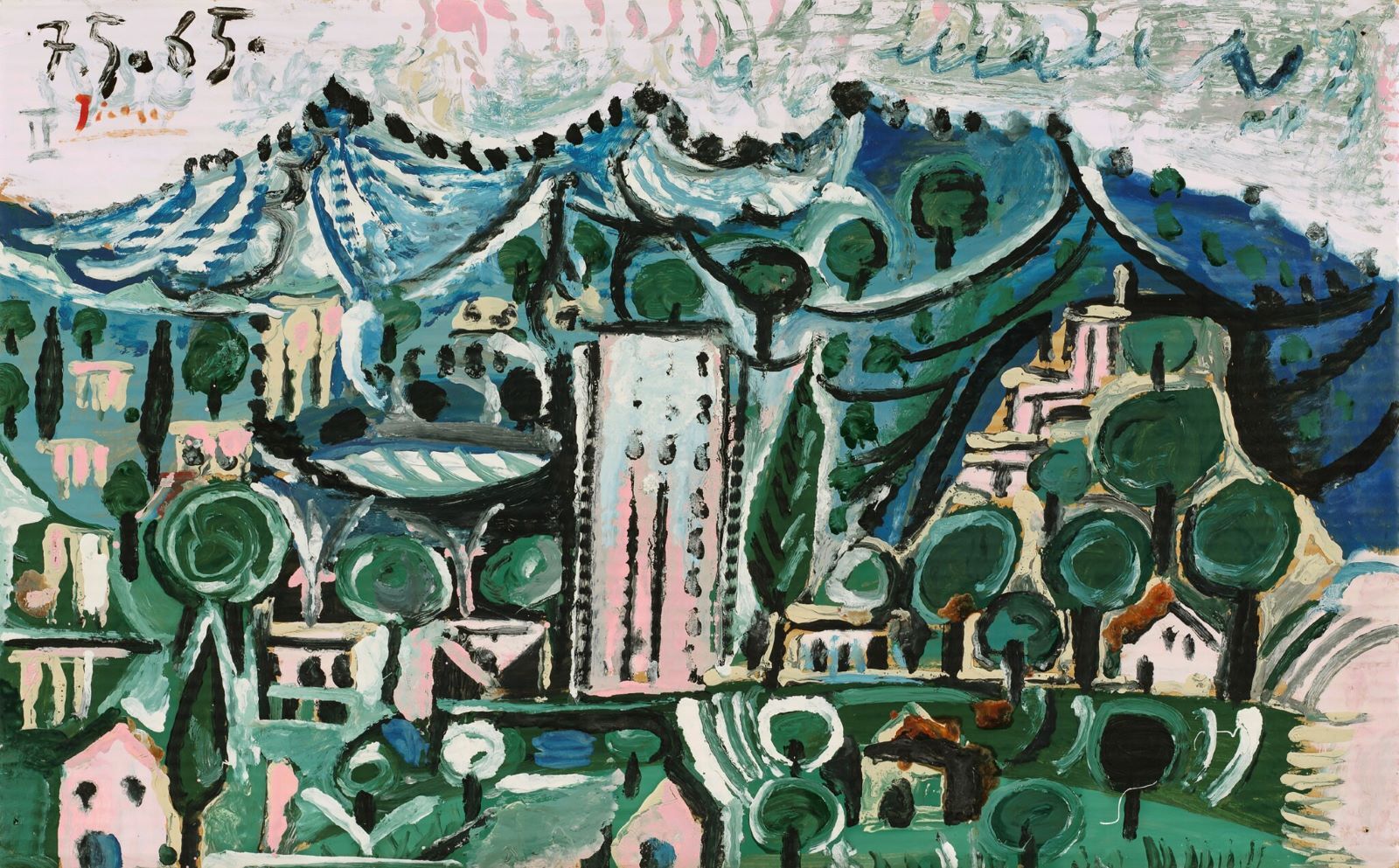
Sotheby’s is returning to Riyadh for the second edition of its Origins sale, titled Origins II, with a live auction scheduled for 31 January. The sale will feature over 70 lots spanning Modern and Contemporary Art, Ancient Sculpture, and 20th-Century Design, including works by Saudi pioneer Safeya Binzagr, Iraqi artist Mahmoud Sabri, and Pablo Picasso. The auction coincides with the Diriyah Contemporary Art Biennale and the debut of Art Basel Doha, and will be preceded by a public exhibition at Diriyah’s Bujairi Terrace from 24 to 31 January.

Gaudi’s original vision for Casa Batlló has been restored

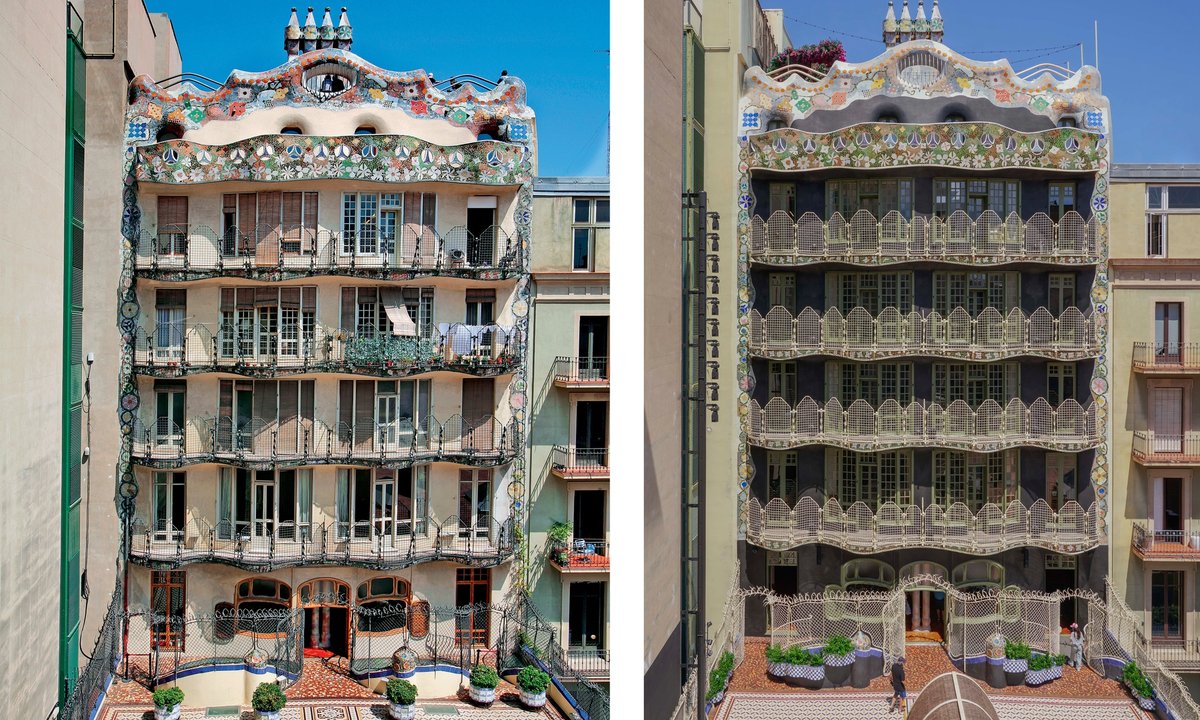
Antoni Gaudí’s Casa Batlló in Barcelona has undergone a €3.5 million restoration that returns the building’s rear façade and private courtyard to their original 1906 design. Led by architect Xavier Villanueva, the year-long project employed local artisans to rebuild Gaudí’s vaulted balcony support system, reinstate lost features such as planters and a pergola, and restore original colors using 85,000 Nolla mosaic pieces, ironwork, stucco, and trencadís. The work coincides with the 20th anniversary of the building’s UNESCO World Heritage designation.

How Javier Milei’s war on history is threatening art spaces in Argentina

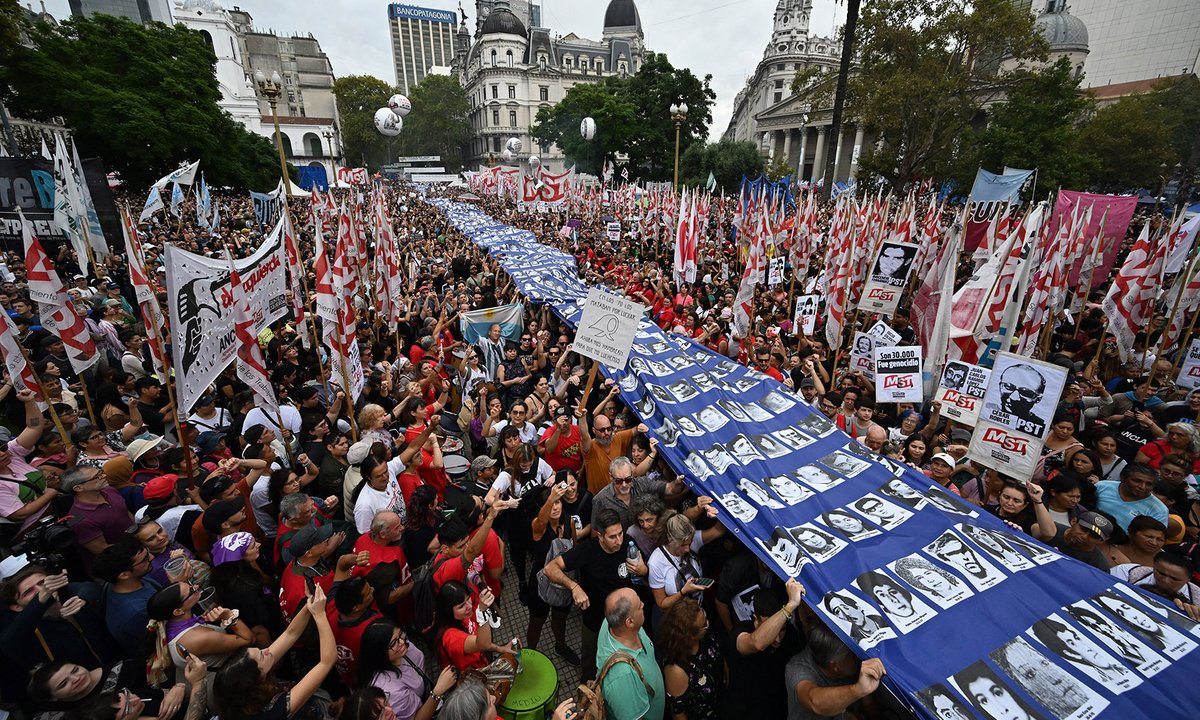
Argentina's President Javier Milei has escalated his campaign to rewrite the history of the country's 1976-1983 dictatorship by closing art and human-rights spaces on the grounds of the ESMA Museum and Site of Memory in Buenos Aires, a former clandestine prison turned memorial and UNESCO World Heritage Site. In January, the Haroldo Conti Cultural Centre was shuttered for 'internal restructuring,' with 50 of its 87 employees fired; in early April, the government halted operations at Espacio Memoria, suspending salary payments and funding pending an audit. Both centres are public institutions managed by the Human Rights Secretariat, which has undergone mass layoffs and changes under Milei's administration.

Cultural Losses Across West Asia

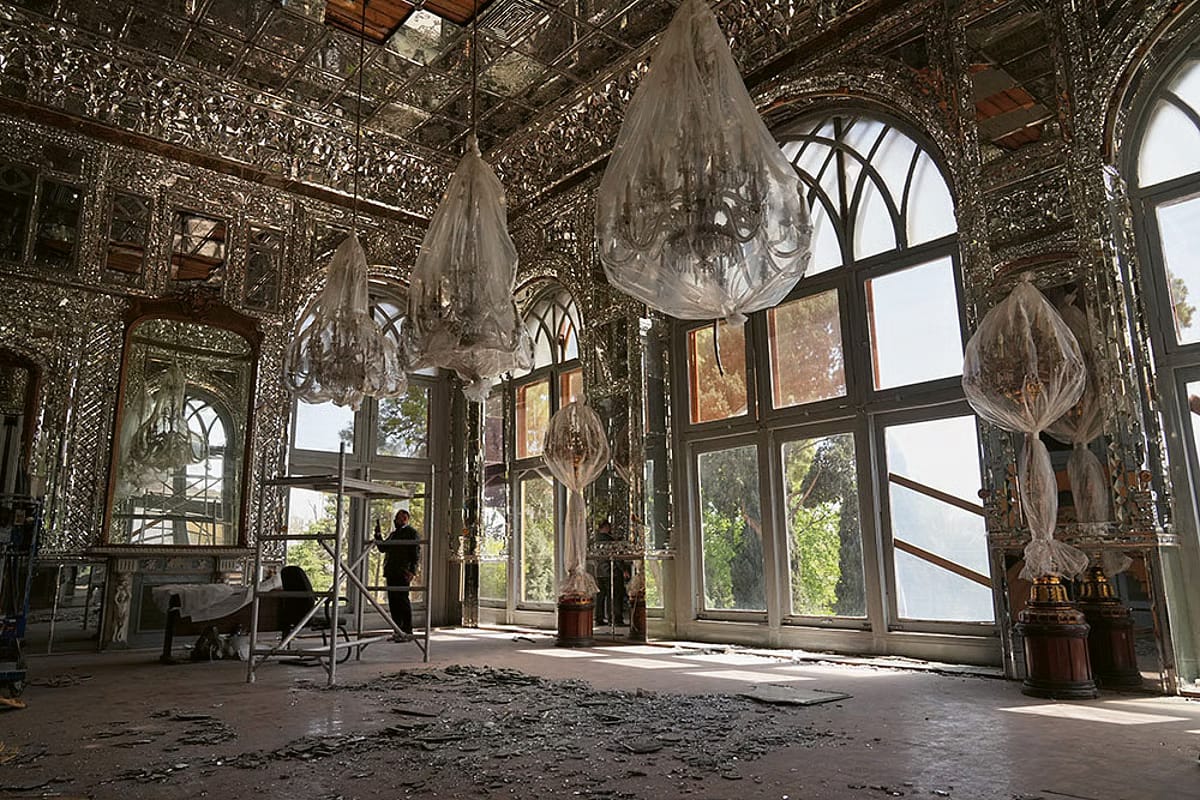
Since February 28, 2026, US-Israeli strikes on Iran have escalated into a major military confrontation across the Middle East, causing heavy casualties and infrastructure damage. Multiple UNESCO World Heritage sites have been hit, including Tehran's Golestan Palace (damaged on March 2), Isfahan's Chehel Sotoun palace and Naqsh-e Jahan Square (attacked March 9), and Tel Aviv's White City Bauhaus architecture, which suffered severe damage from Iranian counterattacks.

Karmic Modernism. In Conversation with Elizabeth Englander by Nick Irvin

Elizabeth Englander, an artist working primarily in assemblage with materials like children's furniture, nutcrackers, and old clothing, discusses her recent exhibitions and spiritual approach to art in an interview with Nick Irvin for Flash Art. The conversation covers her show "The Elizabethan Lumber Room" (2026) at a. SQUIRE in London, the modular barrister's bookcase inherited from her mother, and her "Parinirvana" series (2025) that explores themes of death and sacred art through papier-mâché, paint, and mylar. Englander also references influences such as Constantin Brâncuși, her graduate advisor Tom Weaver, and Erwin Panofsky's writings on tomb sculpture.

Scandal in Florence's Skyline? After the Black Cube and the White Cylinder, the Prism That Impales Santa Croce Appears

Scandalo nello skyline di Firenze? Dopo il cubo nero e il cilindro bianco spunta il prisma che impalla Santa Croce

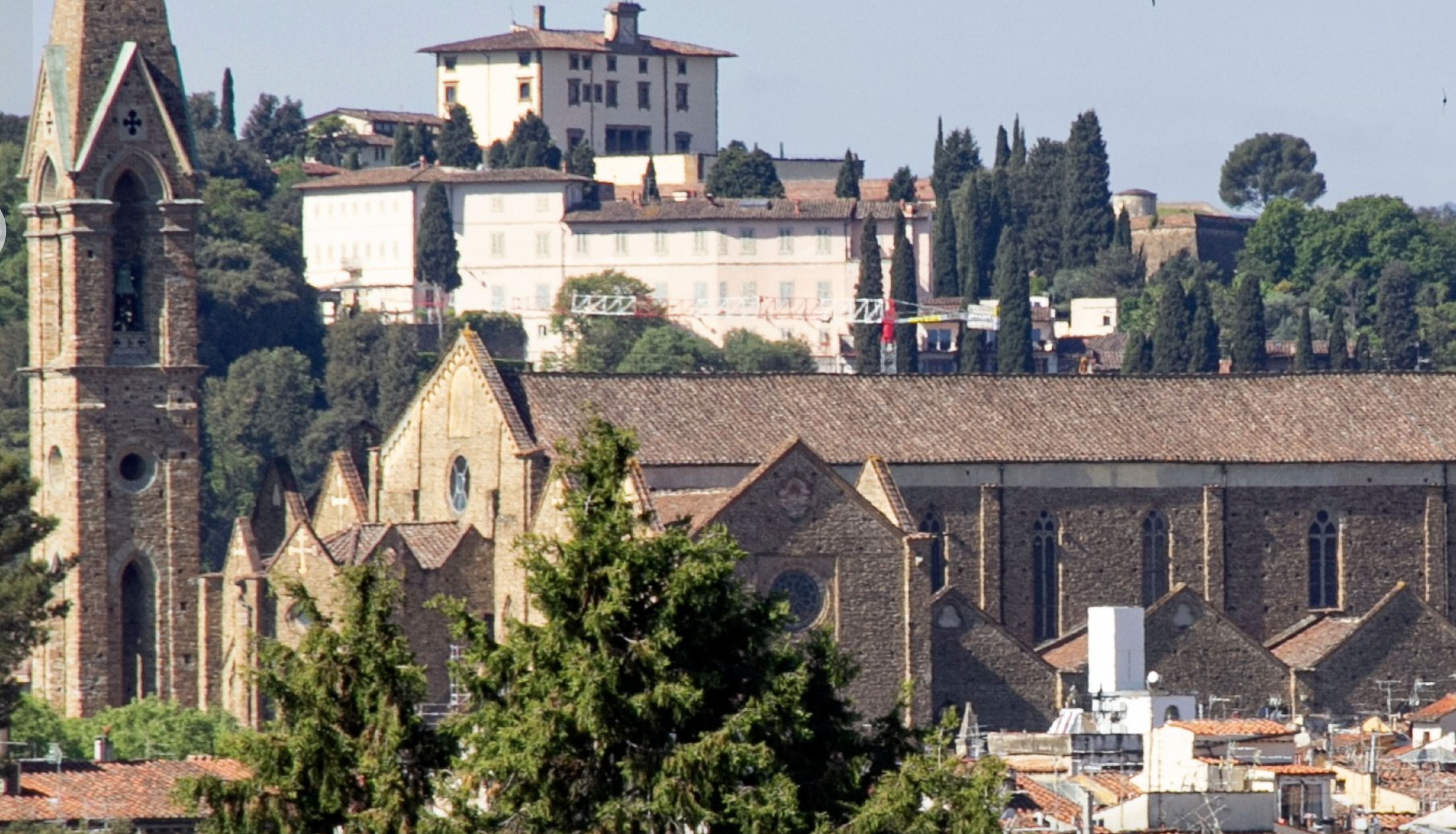
A cylindrical antenna installed by the telecom company Iliad in Florence has sparked controversy after it was reported that, from certain angles, it visually overlaps with iconic landmarks such as Brunelleschi's Dome and Giotto's Campanile. The article traces a pattern of periodic scandals in Florence, including a previous uproar over the so-called "Cubo Nero" (a new building replacing a decaying theater), and notes that the antenna has actually been in place since 2023 without earlier outcry. Local artist Giacomo Costa recently photographed another white prismatic antenna in Via Ghibellina, within the UNESCO zone, that obstructs the view of Santa Croce, fueling further debate.

Museum Sculptures in Park Sanssouci Return Restored

Musen-Skulpturen im Park Sanssouci kehren restauriert zurück

Eight 18th-century marble sculptures depicting Greek muses have been reinstalled in the western pleasure garden of Park Sanssouci in Potsdam following a six-month restoration project. The works, created by Berlin sculptor Friedrich Christian Glume, represent figures like Melpomene (Tragedy), Klio (History), and Thalia (Comedy) and have been cleaned, repaired, and given a protective coating.

La loi-cadre sur les restitutions définitivement adoptée par le Parlement

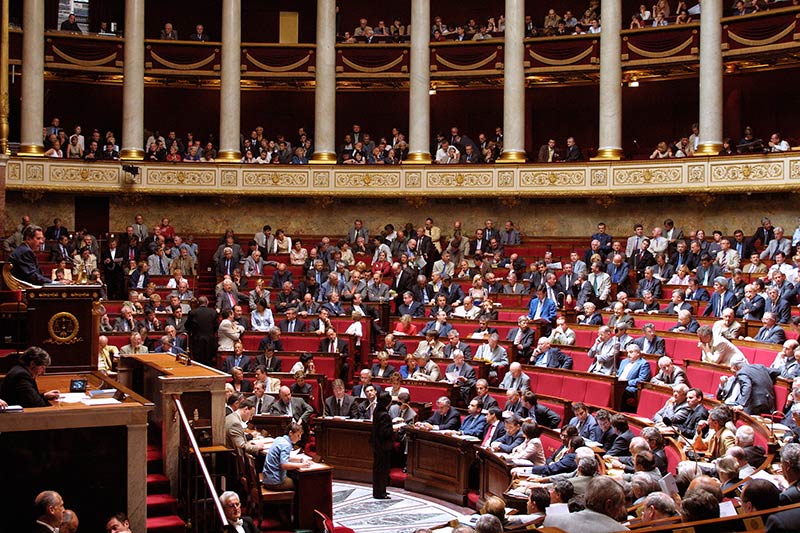
The French Parliament has definitively adopted a framework law on the restitution of cultural property that was illicitly acquired. The Senate unanimously approved the conclusions of the joint committee on May 7, following the National Assembly's approval on May 6, after an agreement was reached on April 30. The law establishes a general mechanism for returning objects from French public collections without requiring a specific law for each case, covering items acquired through looting, theft, forced sale, or other illicit means before the 1970 UNESCO Convention. It creates a permanent national commission and a bilateral scientific committee to assess claims, with restitution ultimately decided by government decree subject to legal review by the Council of State.

Mexico faces sales of pre-Columbian art

Le Mexique face aux ventes d’art précolombien

The Mexican government is facing ongoing legal and diplomatic hurdles in its attempts to halt the sale of pre-Columbian artifacts in Paris. Despite formal protests from the Mexican embassy citing national heritage laws from 1827, auction houses like Millon continue to proceed with sales, generating millions in revenue. French authorities and legal experts maintain that Mexican national laws do not supersede French jurisdiction, which largely adheres to the 1970 UNESCO Convention regarding the illicit import and export of cultural property.

New art gallery opens in one of Barcelona’s most famous buildings

A new contemporary art gallery, Casa Batlló Contemporary, has opened on the previously closed second floor of Antoni Gaudí's iconic Casa Batlló building in Barcelona. The inaugural exhibition, "Beyond the Facade," is by the London-based art practice United Visual Artists, founded by Matt Clark, and runs until May 17.

Students Worked on Exhibit of Gowns Worn at La Scala by Maria Callas

Six opera gowns worn by Maria Callas onstage at La Scala in Milan are on display at the Luther W. Brady Art Gallery in Washington, D.C., as part of the exhibition “Callas at La Scala.” The exhibition, located within the Corcoran School of the Arts and Design, features costumes from roles including Anna Bolena and Ifigenia, alongside costume sketches by designers Nicola Benois and Piero Tosi and photographs of Callas. Students from the Corcoran School, guided by assistant professor Tanya Wetenhall, contributed by researching, writing labels, and installing the show, while ambassadors from Greece and Italy spoke at the opening.

Ullger reflects on ‘quite special’ Berlin exhibition with Cane-Yo collective

Artist Karl Ullger recently participated in the group exhibition "Running with Scissors" at Anders Galerie in Berlin, organized by the global artist collective Cane-Yo. The show featured over 40 artists, including five invited Berlin artists, and displayed some 200 artworks. Ullger described the experience as "quite special," highlighting the energy of the packed opening and the direct engagement with visitors. He noted standout works by Austrian artist Theo Ritzinger, Chilean artist Diego Palacios, and Italian artist Yasmine Elgamal, as well as the opportunity to reconnect with fellow artists Alf Sims, Alex May, Shanice Farrugia, and Nicole Debono.

Israel Advances Bill Granting Sweeping Civilian Authority over West Bank Archaeological Sites

Israel advanced a bill on Tuesday that would grant sweeping civilian authority over antiquities and archaeology in the occupied West Bank, replacing the current military-run system. The Likud-backed legislation would create a "Judea and Samaria Heritage Authority" under the Israeli heritage minister, empowered to purchase and expropriate land, oversee excavations, and manage heritage sites across Areas B and C of the West Bank. The bill passed its first of three votes (23-14) and would be led by Amichai Eliyahu, a far-right politician who advocates for annexation. Human rights groups and the Israeli NGO Emek Shaveh warned the move amounts to de facto annexation and a violation of Palestinian rights.

Mexican President Calls for Stricter Gun Control After Deadly Shooting at Teotihuacán Pyramids

A gunman opened fire on tourists at the Teotihuacán archaeological site in Mexico, killing a Canadian woman and injuring at least 13 others. The shooter, identified as Julio César Jasso Ramírez, acted alone and later died from a self-inflicted gunshot wound after planning the attack over multiple visits to the site.