filter_list Showing 3693 results for "GION" close Clear
search
dashboard All 3693 museum exhibitions 1604article local 1273trending_up market 265article news 240person people 97article policy 75article culture 70rate_review review 30gavel restitution 16candle obituary 15article event 7article events 1
date_range Range Today This Week This Month All
Subscribe

Notre-Dame : les travaux commencent, le combat se poursuit

Work has begun on replacing the stained-glass windows at Notre-Dame Cathedral in Paris, with scaffolding installed immediately after the work permit was posted. The project involves removing six ornamental windows created in 1864 by Alfred Gérente under Eugène Viollet-le-Duc and installing six new windows by artist Claire Tabouret and the master glassmakers Simon-Marq. The authorization, signed by the prefect, has sparked legal challenges from the heritage association Sites & Monuments, who argue the replacement is neither conservation nor restoration. The article details how the state's own authorization document inadvertently strengthens opponents' arguments by affirming that the entire cathedral, including Viollet-le-Duc's windows, is protected as a historic monument.


The Long-Awaited Reopening of the Musée Bonnat

La réouverture attendue du Musée Bonnat

After fifteen years of closure, the Musée Bonnat (now renamed Bonnat-Helleu) in Bayonne, France, has finally reopened. The closure was initially due to structural problems, including collapsing skylights and leaks, and even before that, much of the collection had been inaccessible. The renovated museum now features a new extension built from a former school, housing the public reception area, an exhibition space, a courtyard with a café terrace, and storage. The galleries display the museum's full holdings, including Rubens sketches, terracottas from the Paul Cailleux collection, and works by Léon Bonnat himself.

Stitches in time: the artist chronicling the DRC’s blood-soaked history in tapestry

Lucie Kamusekera, an 82-year-old artist in Goma, Democratic Republic of the Congo, creates embroidered tapestries on tobacco sacks that chronicle the country's violent history. Born in 1944 and taught sewing by Italian nuns, she began documenting contemporary conflicts after witnessing a military truck filled with corpses. Her more than 70 works depict events from the colonial Belgian Congo era to the 1961 assassination of Patrice Lumumba and the second Congo war, as well as personal tragedies including her husband's murder by rebels. Despite ongoing danger from rebel offensives, she continues to stitch from her home studio, training her children and great-granddaughter to carry on her work.

Metal Detectorists Unearth Norway’s Largest-Known Viking Coin Hoard

Two hobbyist metal detectorists, Rune Sætre and Vegard Sørlie, discovered Norway's largest-known Viking Age coin hoard in a field in Østerdalen, east-central Norway. Starting with 19 silver coins on April 10, the find grew to over 3,250 coins dating from the 980s to the 1040s, surpassing the previous record of 1,800 coins found in the 1800s. The hoard includes coins minted under Æthelred the Unready, King Cnut, and Holy Roman Emperor Otto III, as well as early Norwegian coins from after Harald Hardråde's return from Byzantium. The coins have been transferred to the Museum of Cultural History in Oslo for expert analysis.

What Biennials Reveal About the Art World

Ben Davis and Jo Lawson-Tancred of Artnet News have published complementary projects analyzing global art biennials. Davis compiled data from major biennials including Istanbul, Gwangju, São Paulo, Sharjah, and Venice over the past four years, tracking which artists have been shown most frequently worldwide since the 2022 Venice Biennale. Lawson-Tancred examined the upcoming Venice Biennale, titled "In Minor Keys" and curated by the late Koyo Kouoh, comparing the demographics of its artists to previous editions to trace shifts in the global art conversation.

Seven-Foot-Tall Monument to Ramses II Discovered in Eastern Nile Delta Region

Archaeologists in Egypt have discovered the upper half of a 7-foot-tall statue of Ramses II at the site of Tell El-Faraoun in the eastern Nile Delta. Weighing over 5 tons, the fragment is believed to have originally been carved for a temple in the ancient capital of Per-Ramesses and was later relocated. The find was announced by the Egyptian Ministry of Tourism and Antiquities, with Hisham El-Leithy of the Supreme Council of Antiquities noting its importance for understanding how statues were moved and reused during the New Kingdom.

Shelley’s hair to Schindler’s list: the most fascinating objects in the State Library of NSW – in pictures

The State Library of NSW is celebrating its 200th anniversary with a new exhibition featuring 200 objects from its collection of 6 million items. Lead curator Elise Edmonds and her team selected highlights including a lock of Mary Shelley's hair, the smallest book in the library's collection (measuring 6mm by 6mm), bread wrappers from the 1960s, a colonial sketchbook from 1817, a Dharawal Indigenous language wordlist, Australia's oldest surviving political cartoon from 1808, and a contemporary artwork by Wiradjuri artist Karla Dickens. The objects span literature, colonial history, Indigenous culture, sport, and everyday life.

Ruins of a ‘Unique‘ Temple Complex Discovered in Northern Sinai

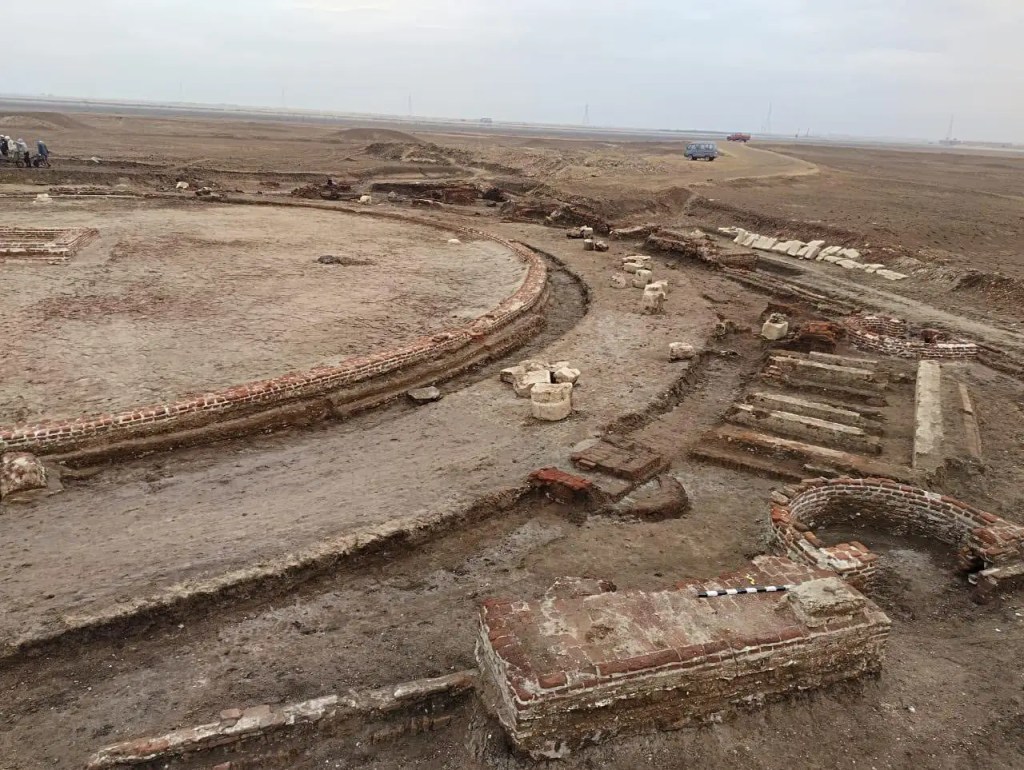
An Egyptian archaeological mission has unearthed a unique temple complex at Tell el-Farama, the site of the ancient city of Pelusium in northern Sinai. The discovery features a massive circular water basin, approximately 100 feet in diameter, surrounded by drainage channels and a central plinth likely intended for a statue. Initially mistaken for a civic building when first excavated in 2019, further study has revealed the site to be a sacred water installation used for religious rituals between the 2nd century BC and the 6th century AD.

Barcelona museum refuses to return Sijena murals to monastery

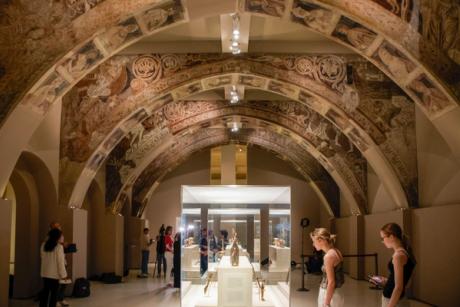
The Museu Nacional d’Art de Catalunya (MNAC) in Barcelona is refusing to comply with a Spanish Supreme Court order to return the 12th-century Sijena murals to their original monastery in Aragón. Tensions escalated after the museum hosted a listening party for pop star Rosalía in the same hall where the Romanesque masterpieces are housed, leading to accusations from the municipality of Villanueva de Sijena that the museum is endangering the fragile works. MNAC director Pepe Serra has dismissed these concerns as scientifically unfounded, sparking threats of a defamation lawsuit from local officials.

Nikyle Begay Resurrects Century-Old Diné Weavings

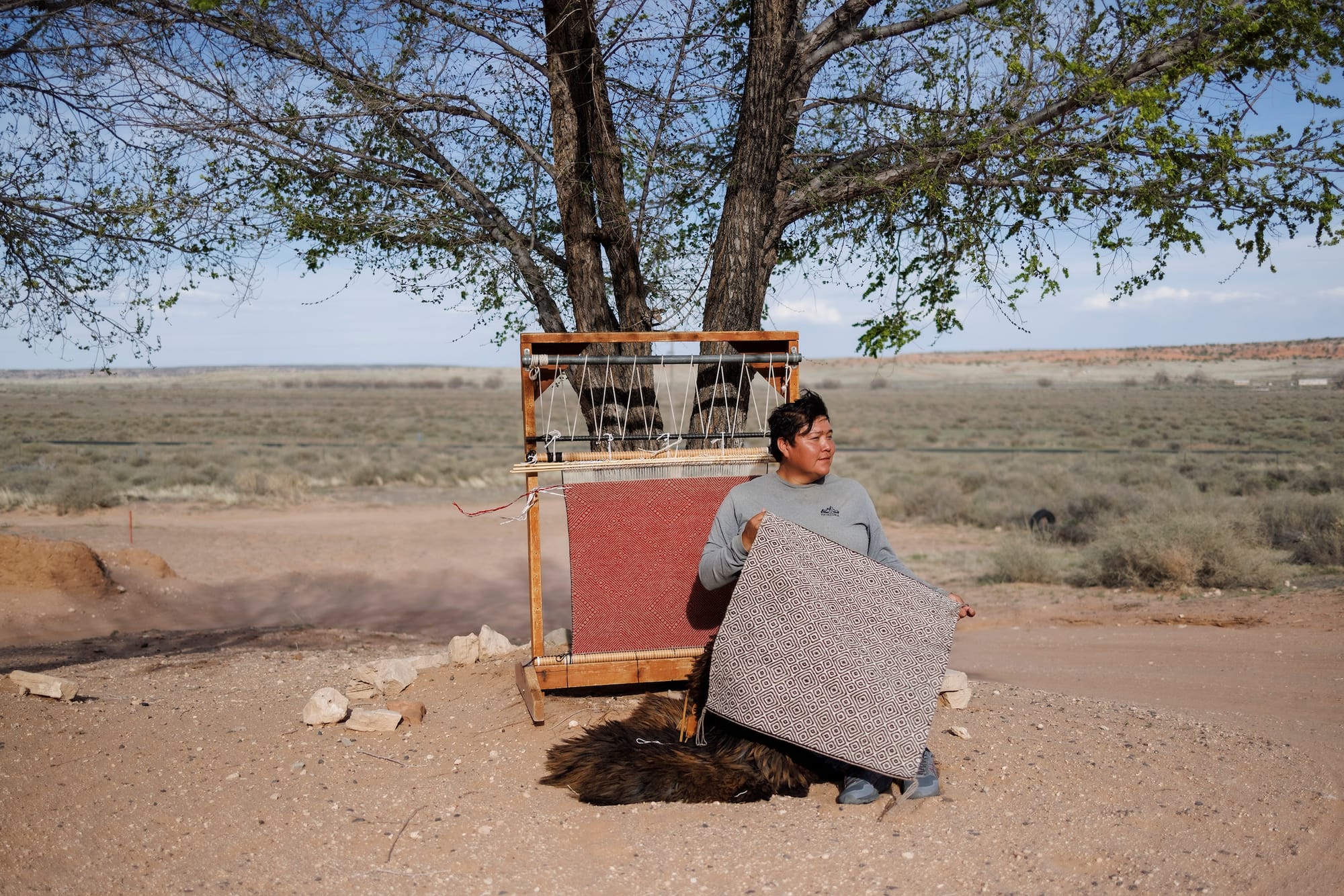
Nikyle Begay, a Diné shepherd and weaver based in the Navajo Nation, is revitalizing ancestral weaving techniques that were historically marginalized by the colonial trading-post economy. By breeding Navajo Churro sheep and mastering complex twill patterns once used for functional saddle blankets, Begay bridges the gap between traditional agricultural practice and contemporary fine art. Their work involves the entire lifecycle of the medium, from shearing and processing wool to reconstructing intricate designs that fell out of favor when commercial markets prioritized specific regional styles for non-Native buyers.

How to Extract the Story of Appalachia

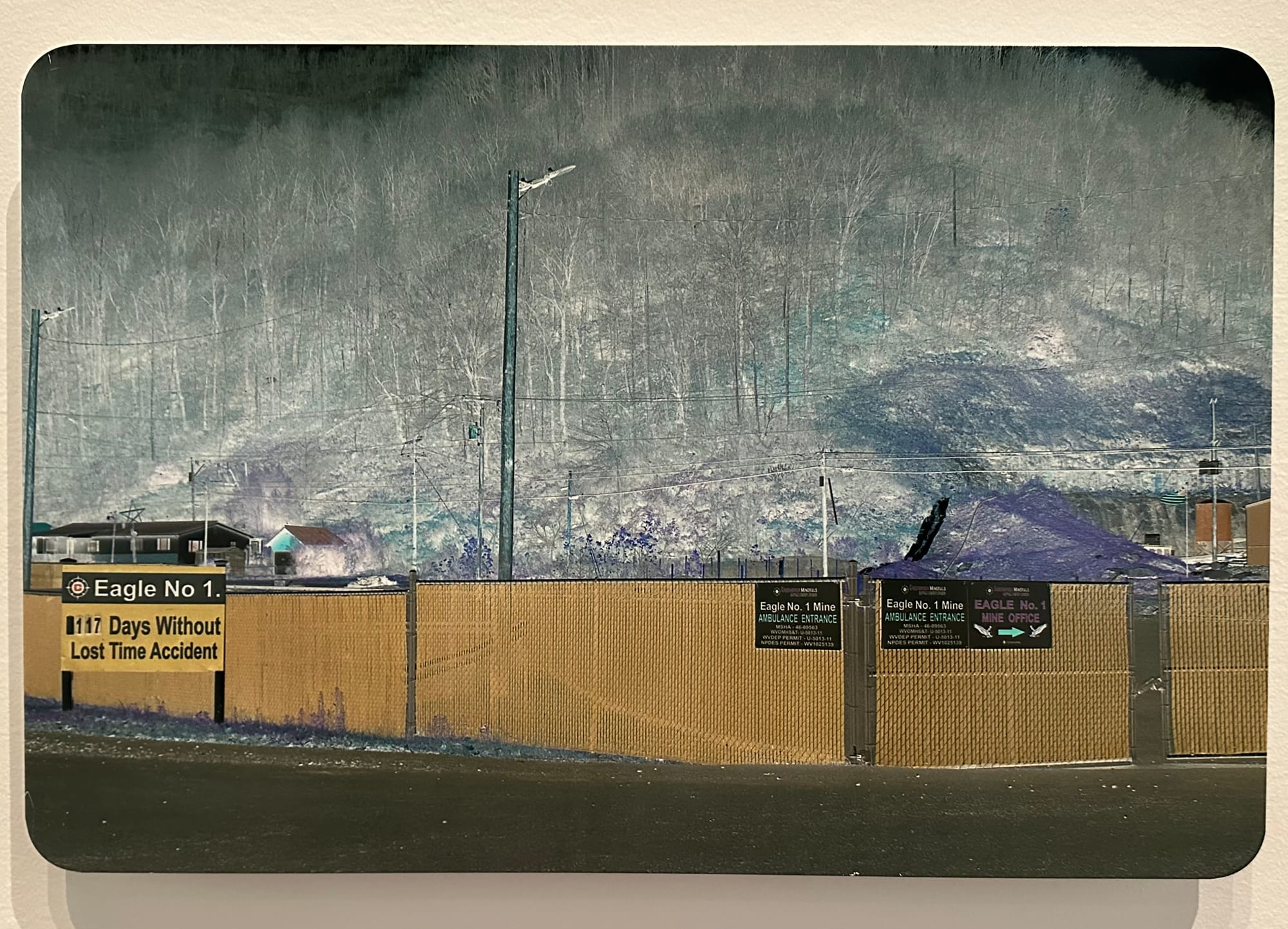
The artist collective GRIT has issued a sharp critique of Fia Backström’s exhibition, "The Great Society," currently on view at the Queens Museum. The authors argue that Backström, a European artist, engages in "extractive" storytelling by focusing exclusively on trauma, environmental disaster, and poverty in West Virginia. They contend that the exhibition’s aesthetic choices—such as inverting landscape photographs and omitting human subjects—flatten the region's complexity into a spectacle of misery that alienates the very community it claims to represent.

Archaeologists Uncover a 2,000-Year-Old Hillfort in Estonia

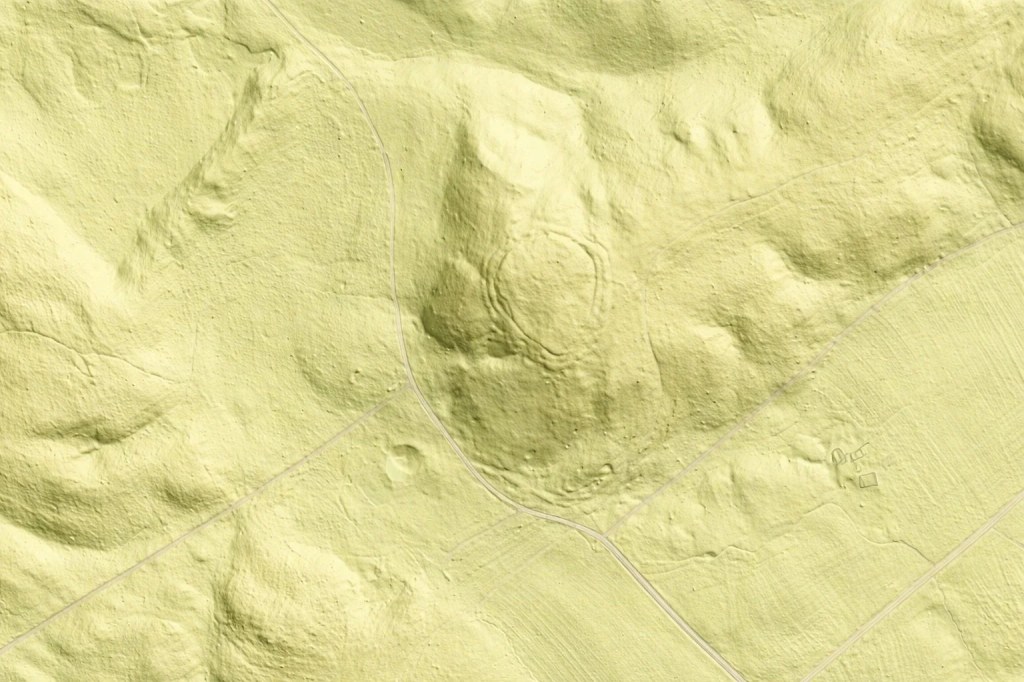
Archaeologists from the University of Tartu have discovered a 2,000-year-old Iron Age hillfort at Köstrimägi in Tartu County, Estonia. Using high-resolution terrain mapping, the team identified a 16,000-square-foot fortification featuring an unusual stepped rampart system that dates back to between 41 BCE and 9 CE. Despite its size, the site yielded few artifacts beyond pottery fragments and charcoal, suggesting a very brief period of occupation before it was destroyed by fire.

Dutch Museum Discovers 8-Inch Ancient Roman Phallus

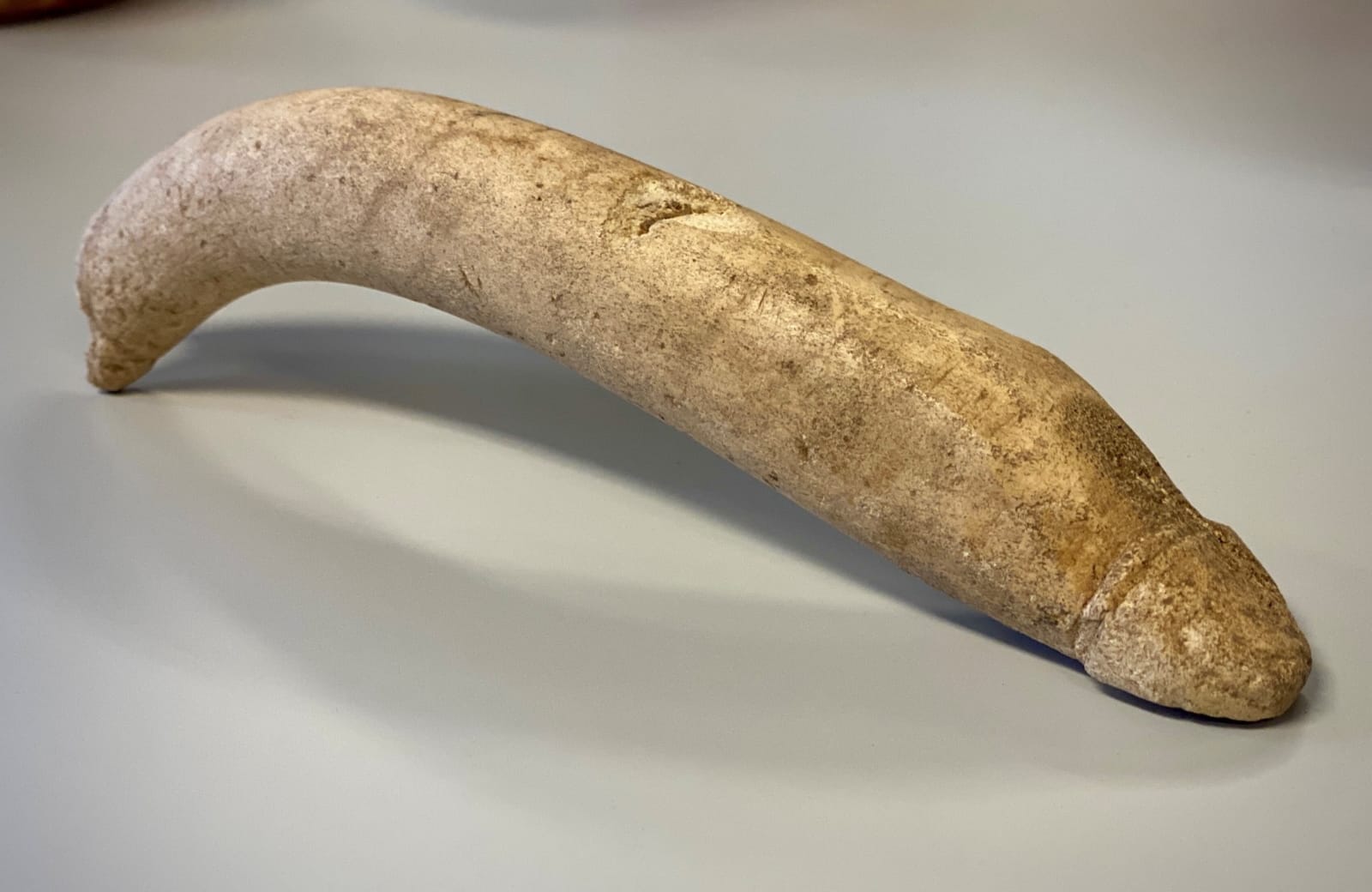
Archaeologists at the Valkhof Museum in Nijmegen discovered a rare, eight-inch Ancient Roman phallus carved from bone while cataloging a massive backlog of 16,000 archaeological boxes. The artifact was found alongside high-quality Roman tableware during an €8 million government-funded inventory project aimed at processing collections from defunct storage depots in the province of Gelderland.

Art Market Minute: Art Basel Hong Kong 2026 Analysis

art market minute mar 30

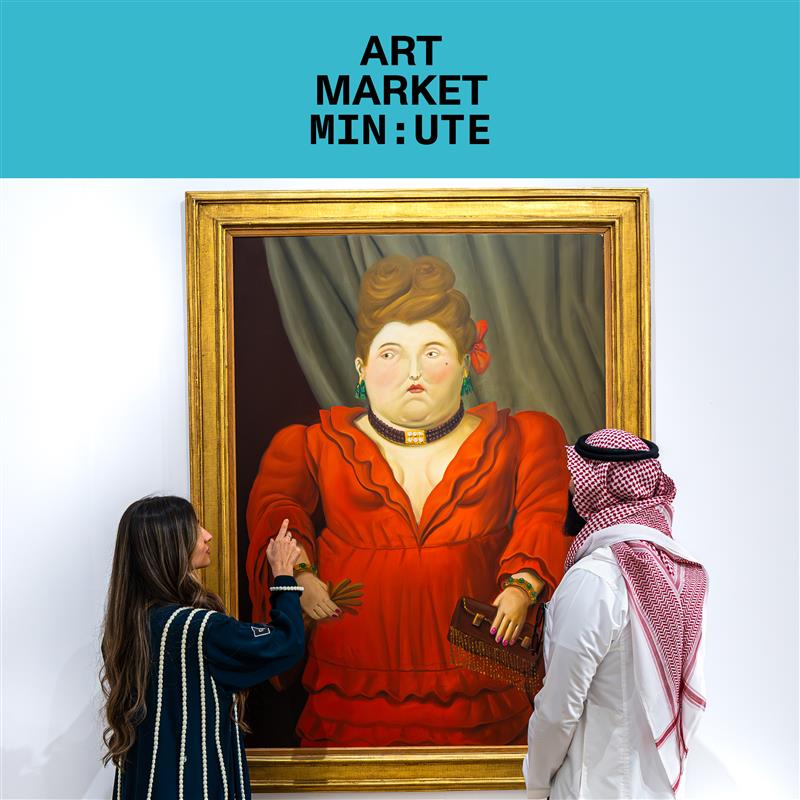
Art Basel Hong Kong 2026 served as a critical barometer for a shifting global art market, characterized by a move away from impulsive buying toward a more deliberate and cautious collector base. Industry experts observed that the traditional first-day frenzy has been replaced by extended decision-making timelines, as buyers navigate a complex landscape of rising logistical costs and regional economic shifts.

Exhibition explores connection between textiles and spirituality in Asia

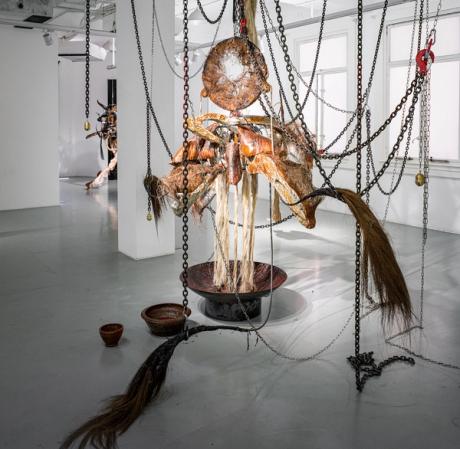
The Centre for Heritage, Arts and Textile (Chat) in Hong Kong has opened the exhibition 'Threading Inwards,' which explores the deep connection between textiles and spirituality across Asia. The show features 14 artists from the region, working in media from painting to video, who use fabric and fiber to create portals, shrines, and installations that bridge the material and spiritual realms.

lebanese ministry of culture urges unesco to grant enhanced protections to cultural property

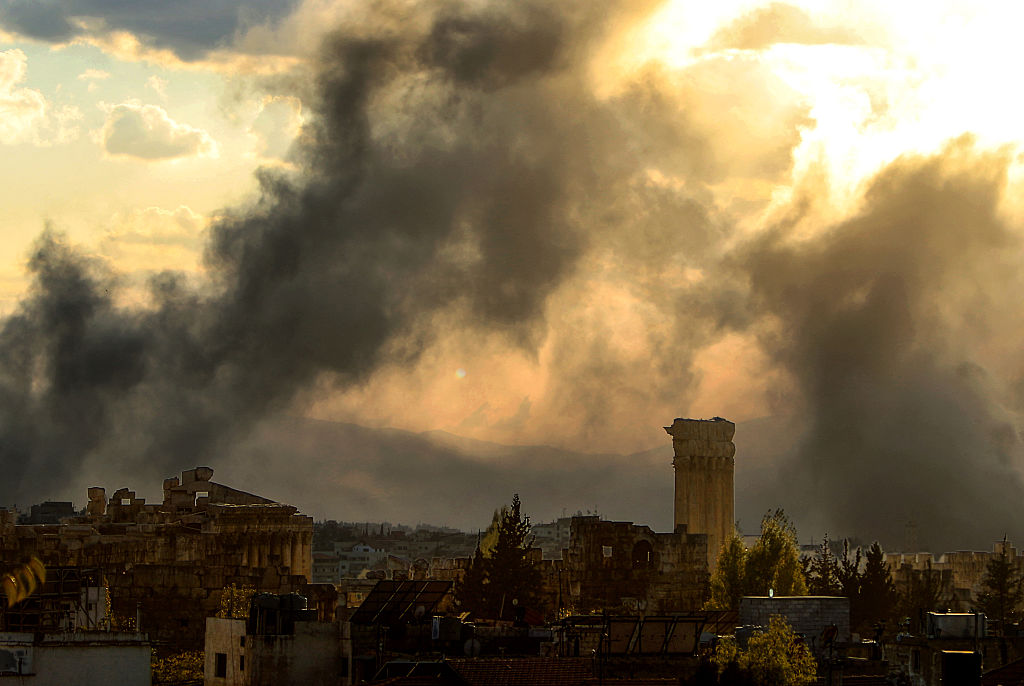
Lebanon’s Ministry of Culture has formally petitioned UNESCO to secure enhanced protections for the nation’s cultural heritage sites as regional conflict intensifies. Culture Minister Ghassan Salamé urged the UN agency to intervene with belligerent parties to ensure the safety of irreplaceable landmarks, including the National Museum of Beirut and the Roman ruins of Baalbek. UNESCO confirmed it has shared the coordinates of these World Heritage sites with all involved parties to prevent accidental or intentional targeting during military operations.

Patarei Prison Could Become Museum

paterei prison could become museum

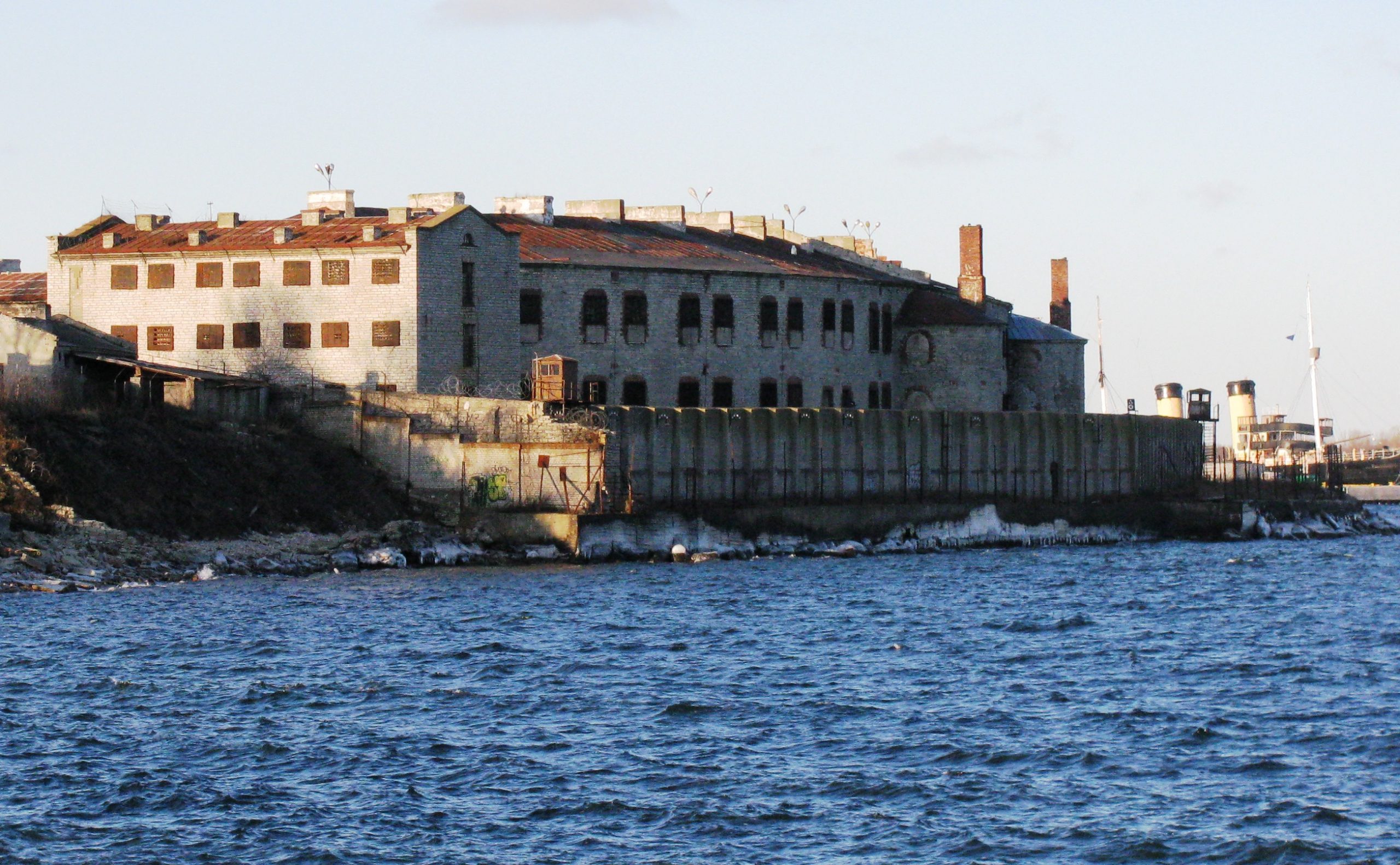
Estonia’s Minister of Justice, Urmas Reinsalu, has proposed transforming the historic Patarei Prison in Tallinn into an international museum and research center dedicated to the crimes of communism. The sprawling 10-acre seaside complex, which served as a site of political incarceration under Soviet rule until 2002, remains largely unrestored, containing haunting remnants such as surgical tools and tattered bunk beds. The proposal has gained significant diplomatic traction, receiving formal support from representatives of eight EU member states during a recent meeting in the Estonian capital.

christies luxury head interview newsmakers

Christie's has promoted Kimberly Miller to the role of Global Managing Director of its luxury division. This move follows a period of strong performance for the auction house's luxury categories, which saw sales reach $795 million in 2025, a 17% increase, significantly outpacing its overall growth. Miller previously served as regional managing director for luxury in the Americas, where she oversaw jewelry, watches, wine, and handbags, and integrated the automotive auction house Gooding & Company.

Israeli Authorities Plan to Seize Major Archaeological Site in West Bank, Sparking Outrage

sebastia west bank archaeological site israel palestinians

Israeli authorities have announced plans to seize a 182-hectare archaeological site in the West Bank town of Sebastia, the largest such land seizure for an archaeological project since 1967. The plan includes building a visitor center, parking lot, and a fence that would separate the site from the Palestinian town, cutting off local access to both the ruins and surrounding olive groves. The move has been denounced by Palestinian residents and officials as an aggression that threatens livelihoods and erases Palestinian identity.

art market minute feb 2

Saudi Arabia is scaling back some of its ambitious 'gigaprojects' under the Vision 2030 plan due to falling oil prices and budget constraints, raising questions about the future of its major cultural investments. This shift occurs as the art world's attention turns to the Gulf region for the inaugural Art Basel Qatar, highlighting the tension between grand cultural ambitions and economic realities in a key emerging art market.

ancient egyptian pleasure boat portus magnus

Underwater archaeologist Franck Goddio and his Institut Européen d’Archéologie Sous-Marine (IEASM) team have discovered the remains of a 35-meter-long ancient Egyptian pleasure boat, known as a thalamagos, in the submerged Portus Magnus off Alexandria’s harbor. The 28-meter preserved timbers, found seven meters underwater and buried under sediment, represent the first physical evidence of such vessels, previously known only from ancient texts like Strabo's Geography and the Nile mosaic at Palestrina. The ship, built in Alexandria and propelled by oars, features a central pavilion and Greek graffiti from the 1st century C.E., and may have sunk around 50 C.E. during the destruction of the temple of Isis on Antirhodos Island.

lower pecos cave paintings radiocarbon date

Three Texas-based researchers have successfully radiocarbon dated ancient cave paintings in the Lower Pecos Canyonlands along the Rio Grande border between Mexico and West Texas, using a novel combination of technologies. By dating the deer bone marrow used as a paint binder—rather than the mineral pigments themselves—and employing plasma oxidation to extract carbon, the team analyzed 53 figures across 12 sites. Their findings, published in *Science Advances*, reveal that individual murals were created in single painting events, not accumulated over centuries, and that the paintings span four millennia, from about 5,760 to 1,035 years ago.

brussels nativity scene stolen baby jesus

Belgian police are investigating the theft of the infant Jesus figure from a controversial Nativity scene at a Brussels Christmas market. The installation, created by German artist Victoria-Maria Geyer, features faceless cloth figures intended to allow all Catholics to identify with the biblical story, but it sparked a national scandal and political backlash, with critics calling the design zombie-like and the €65,000 cost exorbitant. The figure was stolen from its manger in the early hours of November 29, and authorities have since replaced it with a new model.

churchill marrakech heffel sale 2025

A Winston Churchill painting, *Churchill’s Marrakech* (circa 1935), sold for $1.3 million at Heffel Fine Art Auction House in Toronto, more than double its high estimate of $600,000. The work was the top lot in a 27-lot sale of deaccessioned works from the Hudson’s Bay Company corporate collection, which realized $4.9 million in total hammer price. Churchill had gifted the painting to his wife, Lady Clementine Ogilvy Spencer-Churchill, who donated it to Hudson’s Bay in 1956.

pemberton asset management buys bonhams from private equity firm epirus for undisclosed sum

Pemberton Asset Management, a European private credit manager backed by Legal & General, has acquired the auction house Bonhams from private equity firm Epiris for an undisclosed sum. The acquisition led to the departure of Bonhams's global CEO Chabi Nouri and chief commercial officer Céline Assimon, with a new senior leadership team appointed including Seth Johnson as CEO, Liese Thomas as CFO, and Jennifer Babington as COO. Bonhams chairman Hans-Kristian Hoejsgaard will remain in his role, while Chris Ellerker and Mohit Agarwal from Pemberton join the board.

canterbury cathedral jd vance elon musk artist responds

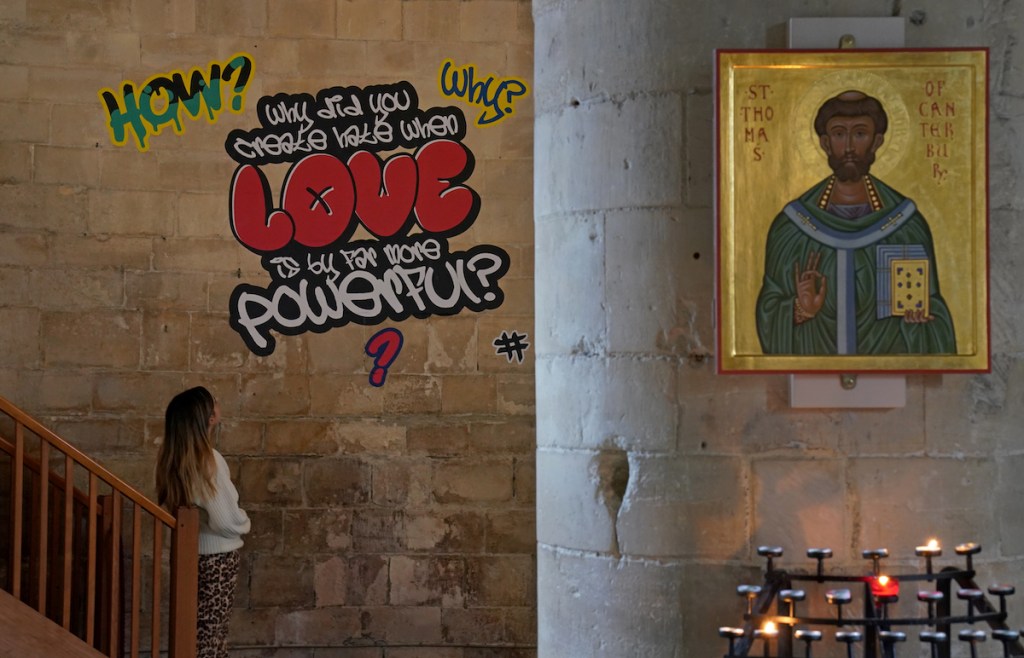
Artist Alex Vellis responded to criticism from conservative commentators, including Elon Musk and US Vice President JD Vance, over a graffiti-style art installation at Canterbury Cathedral. The installation, titled “HEAR US,” features questions posed to God, such as “What is the architecture of heaven?” and “Why are you indifferent to suffering?” Created through workshops with marginalized communities—including the Punjabi, black and brown diaspora, neurodivergent individuals, and the LGBTQIA+ population—the work uses spray-paint-like lettering but was not actually painted onto the historic building. Vance called the installation “ugly,” while Musk accused it of being “anti-Western propaganda.” Vellis responded on Instagram with a crude retort and the hashtag #freepalestine.

ancient egyptian iconography roman bathhouse sagalassos turkey

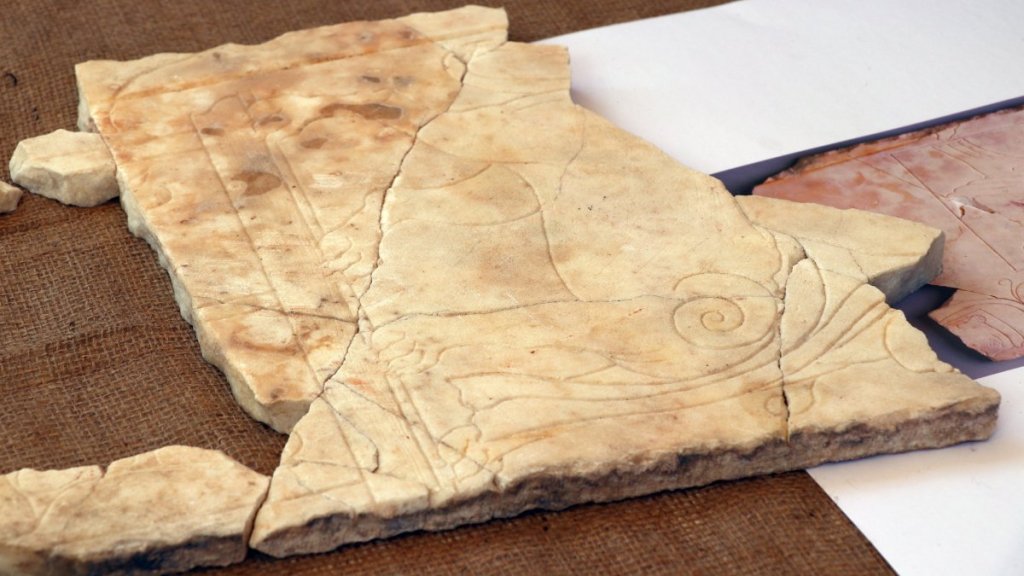
Archaeologists have identified ancient Egyptian iconography on a marble lintel in a Roman-era bathhouse at Sagalassos, Turkey. The carving depicts the sphinx god Tutu, flanked by two human figures wearing the crowns of Upper and Lower Egypt, along with deities Horus and Sobek. Dating to the reign of Emperor Augustus (27 BCE–14 CE), the panel was found in the frigidarium and was sourced from marble quarried over 124 miles away in the Afyonkarahisar region.

yemen national museum damaged israeli air strikes

The National Museum of Yemen was damaged during Israeli airstrikes on Sanaa on Wednesday, according to the Houthi Ministry of Culture. The bombardment, part of escalating regional tensions linked to the Gaza war, killed 45 people and injured 165. Video footage shows the museum courtyard littered with rubble, and its windows and doors destroyed, though the building remains standing. The museum had only reopened in May 2023 after a decade-long closure due to Yemen's civil war.

mars meteorite sothebys auction

A 54-pound chunk of Mars, believed to be the largest Martian meteorite ever discovered on Earth, will be auctioned at Sotheby’s New York on July 16 with an estimate of $2 million to $4 million. Named NWA 16788, the meteorite was found in November 2023 in Niger’s Agadez region and accounts for 6.5 percent of all known Martian material on Earth, making it 70 percent larger than the next largest piece. Sotheby’s is billing it as the most valuable meteorite ever offered at auction, and it will be on public view from July 8–15 before the live sale.

archaeologists peru ancient 3500 year old city penico

Peru’s Ministry of Culture has unveiled the archaeological site of Peñico, a 3,500-year-old city in the province of Huaura, after eight years of research and conservation. Dating back to 1800 BCE, the “City of Social Integration” was strategically built to enhance monumentality, prevent flooding, and promote trade. It likely served as a hub linking Pacific coast cultures with the Andes and Amazon. Archaeologist Ruth Shady, director of the Caral Archaeological Zone, led the research and noted that Peñico emerged after the Caral civilization was devastated by climate change. The site includes 18 structures, among them a major administrative building with depictions of conch shell trumpets called pututus, and yielded artifacts such as clay sculptures, necklaces, and stone tools. The site opened for tourism on July 3, with a traditional Andean festival planned for July 12.