filter_list Showing 5292 results for "Log" close Clear
search
dashboard All 5292 museum exhibitions 3148article news 549article local 362article culture 352trending_up market 225person people 196article policy 182rate_review review 138gavel restitution 65candle obituary 64article event 6article museum 2article events 2article museums 1
date_range Range Today This Week This Month All
Subscribe

Hong Kong Artists Bring Quiet Reflection to Venice

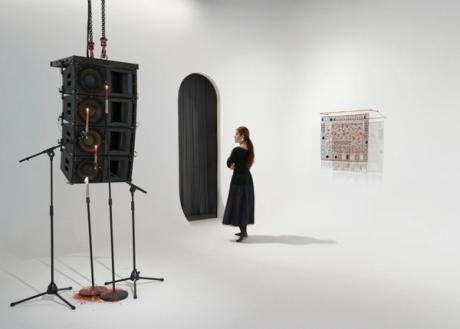
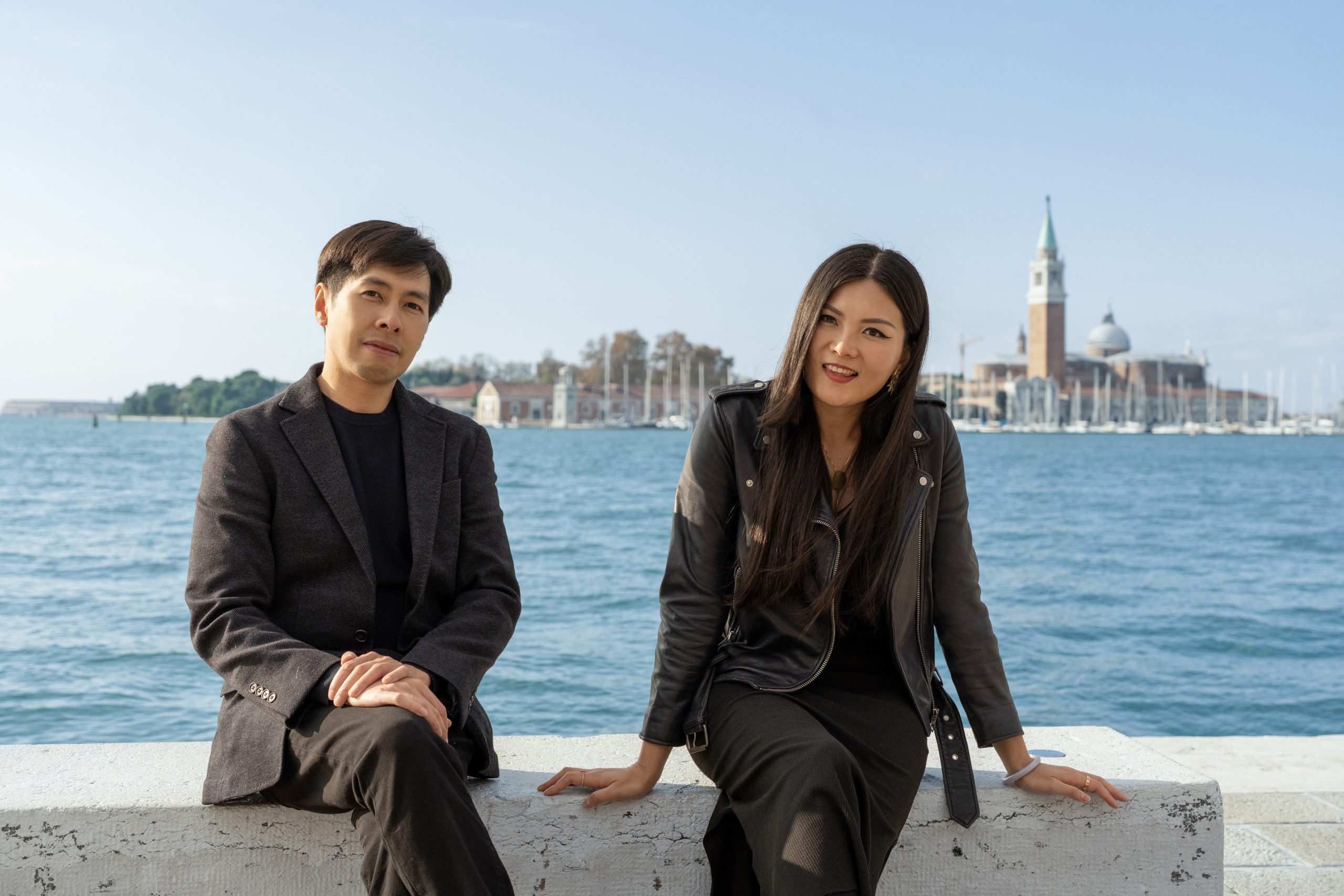
The 61st Venice Biennale, themed “In Minor Keys” by late curator Koyo Kouoh, emphasizes quiet reflection over spectacle. A collateral exhibition titled “Fermata: Hong Kong in Venice,” curated by the Hong Kong Museum of Art (HKMoA), runs through November 22, 2026, and features two Hong Kong-born artists: Kingsley Ng and Angel Hui. Ng’s installation *Laundry Nocturne* (2026) uses projections and sound to connect the shared laundry-drying traditions of Venice and Hong Kong, while Hui’s *I Would Like to Open a Window for You* (2026) incorporates wrought-iron window frames crafted with local metalsmiths. Both artists explore everyday experiences, memory, and quiet emotions, aligning with the Biennale’s call for a slower, more reflective engagement with art.

‘These are artifacts from history’: exhibition celebrates objects of sporting victory

A new exhibition at the American Museum of Natural History in New York, titled "For the Win," showcases championship rings, trophies, medals, and jewelry spanning nearly 150 years of US sports history. Highlights include Jesse Owens's 1936 Olympic gold medal, Breanna Stewart's 2024 WNBA championship ring, the 1877 NYPD Medal of Valor, and items from Kevin Durant and the Seattle Seahawks. The exhibition, timed to the upcoming World Cup, is housed in the museum's gems and minerals space to emphasize craftsmanship.

Taiwan Presents “Screen Melancholy: Li Yi-Fan” at the Venice Biennale

The Taipei Fine Arts Museum (TFAM) presents the collateral event "Screen Melancholy: Li Yi-Fan" at the 61st Venice Biennale, held at the Palazzo delle Prigioni from May 9 to November 22, 2026. The exhibition features a new video installation and mixed-media work by Taiwanese artist Li Yi-Fan, curated by Raphael Fonseca, curator of visual arts at Culturgest in Lisbon and Porto. The installation integrates large-scale sculptural fragments with video and sound, exploring how screens mediate perception and emotional experience, in dialogue with the Biennale's theme "In Minor Keys."

UK’s Palestinian Ambassador Calls on Government to Have British Museum Reinstate the Word ‘Palestinian’

The Palestinian ambassador to the UK, Husam Zomlot, has called on the British government to intervene in a dispute with the British Museum over the removal of the word “Palestinian” from wall texts in its Middle East galleries. Zomlot raised the complaint with the Foreign & Commonwealth Office after reports that the museum had stripped the term from maps and didactics, following lobbying by UK Lawyers for Israel. The museum denies removing the word entirely, stating it still appears elsewhere, but photographic evidence suggests otherwise. Zomlot declined a tour with director Nicholas Cullinan, calling the issue “existential.”

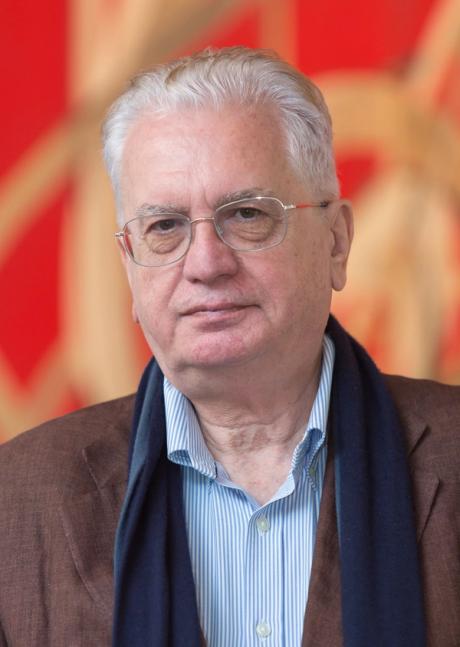
EU imposes sanctions on Mikhail Piotrovsky, director of Russia's State Hermitage Museum

The European Union has imposed sanctions on Mikhail Piotrovsky, the director of Russia's State Hermitage Museum, as part of its 20th sanctions package adopted on 23 April. Piotrovsky, a vocal supporter of Russia's full-scale invasion of Ukraine, is cited for being a close associate of Vladimir Putin and for actively supporting the war, including justifying Russian cultural policies that incorporate Ukrainian museum items into Russia's State Museum Fund and enabling unauthorized archaeological excavations in occupied Crimea. The sanctions also target three other cultural officials involved in the Crimean digs. Meanwhile, Hermitage archaeologist Alexander Butyagin, arrested in Poland in December 2025 at Ukraine's request, was released in a prisoner exchange on 28 April.

The Newest Docent at This Historic Italian Palace Is a Robot

Palazzo Madama in Turin, Italy, has introduced a four-foot-tall robot named R1 as a docent for its Baroque collection. The robot, developed by the Italian Institute of Technology (IIT) under Project Convince with €4 million in EU funding, guides visitors through the former royal apartments, narrating the history of the House of Savoy and detailing paintings, tapestries, and furniture. R1 can interact with visitors via LED eyes, answer questions, and autonomously navigate the museum's first floor, though it cannot climb stairs. It has been learning on the job since 2025, completing 30 tours in December 2025, and uses corrective software to relocalize itself if lost.

Tourist Damages Florence’s Neptune Fountain in Pre-Wedding Stunt

A 28-year-old tourist in Florence climbed the Neptune Fountain in Piazza della Signoria and caused €5,000 ($5,800) in damage while attempting to touch the statue's genitals as part of a pre-wedding challenge. Police intervened, and specialists from the Fabbrica di Palazzo Vecchio later found damage to a horse's legs and a frieze. The woman has been reported to judicial authorities but is presumed innocent until a verdict.

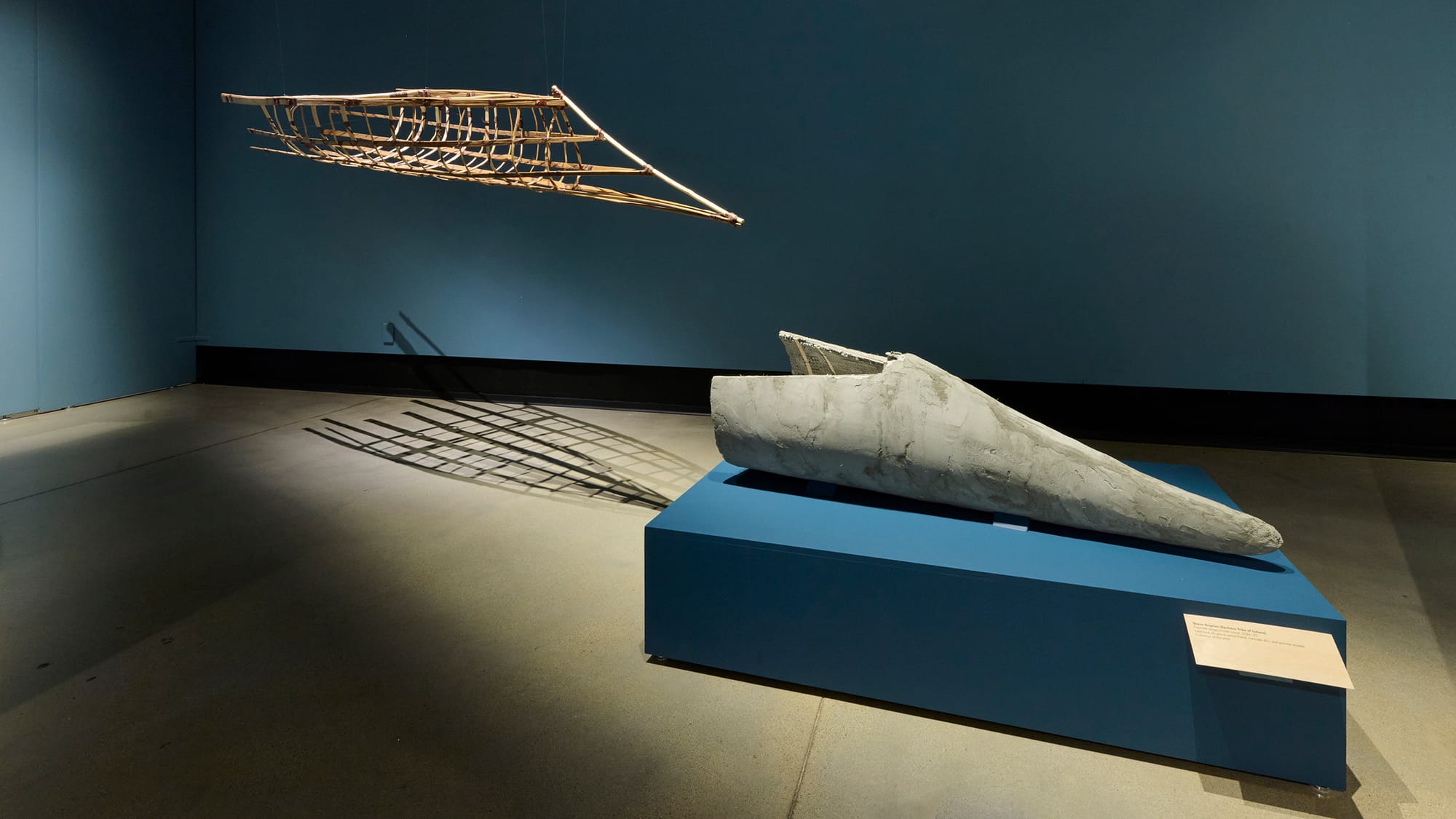
Parallax(e): Perspectives on the Canada–US Border

The exhibition "Parallax(e): Perspectives on the Canada–US Border" at The Reach Gallery Museum in Abbotsford, British Columbia, brings together archival materials from the Northwest Boundary Survey (1857–62) with new works by five Indigenous artists. The show features photographs, maps, and watercolors from British and American surveyors alongside commissions by Dr. Shawn Brigman, Dr. Michelle Jack, Deb Silver, Xémóntalot Carrielynn Victor, and Dr. T’uy’t’tanat Cease Wyss, who respond to the legacy of the border's creation through canoe culture, transboundary identity, and place-based knowledge.

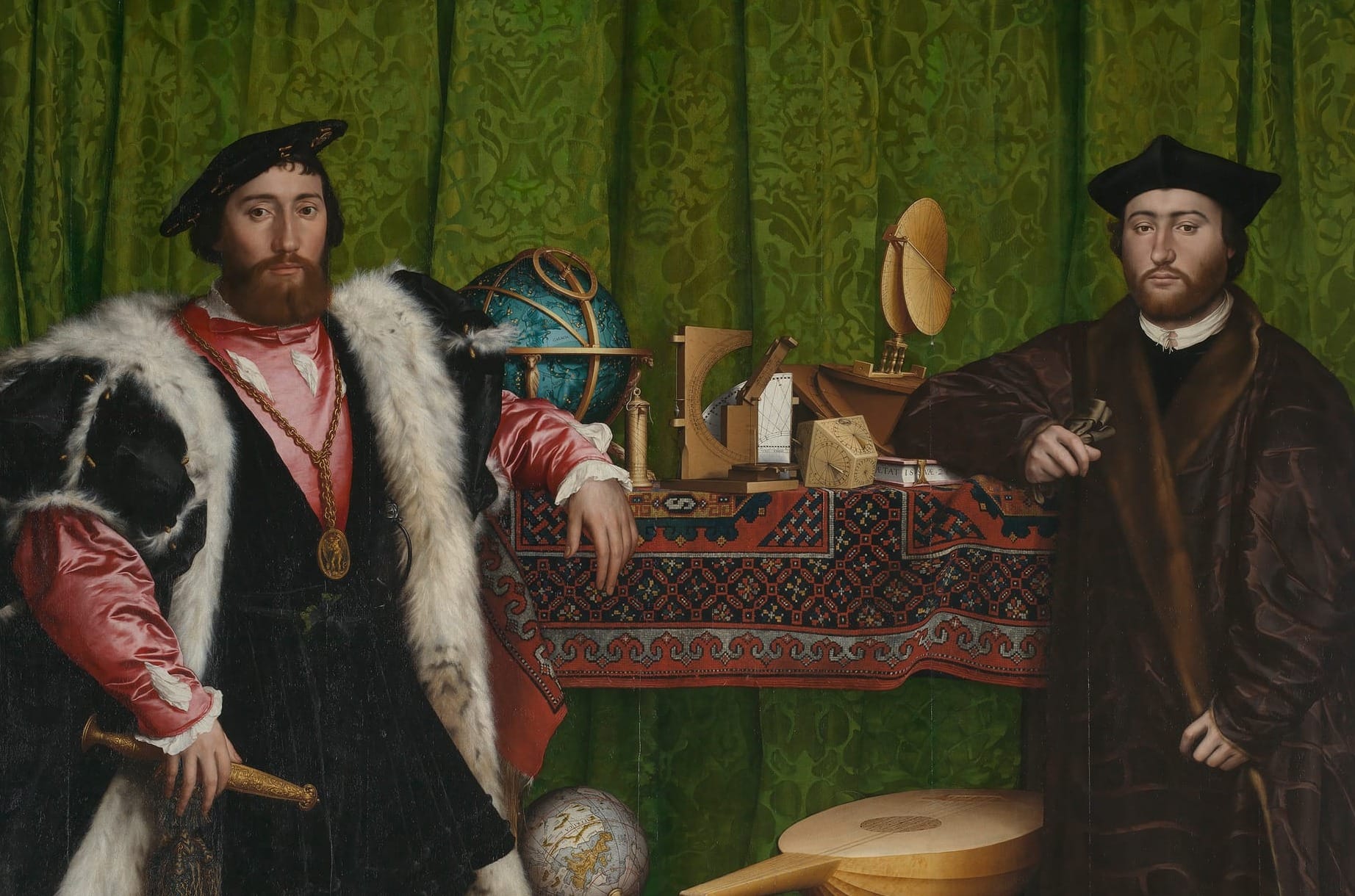
Hans Holbein Painted the Human

A new book, 'Holbein: Renaissance Master' by Elizabeth Goldring, published by Yale University Press and the Paul Mellon Centre, offers a comprehensive scholarly examination of the 16th-century German painter Hans Holbein the Younger. The review focuses on Holbein's masterful portraiture, particularly his depictions of opposing Tudor-era figures like Sir Thomas More and Thomas Cromwell, which are highlighted as embodying the era's complex political and religious tensions through their visual presentation at the Frick Collection in New York.

Dance Your Way to the Museum

Curator Naz Cuguoğlu argues in an opinion essay that museums should embrace the ethos of rave culture to become more welcoming and inclusive spaces, suggesting they can foster new forms of belonging. The article also covers several other art stories, including the discovery of pre-Hispanic rock art in Mexico that led to the rerouting of a train line, an exhibition of Genesis P-Orridge's mail art in Toronto, and artist Jean Shin's memorial project at Green-Wood Cemetery.

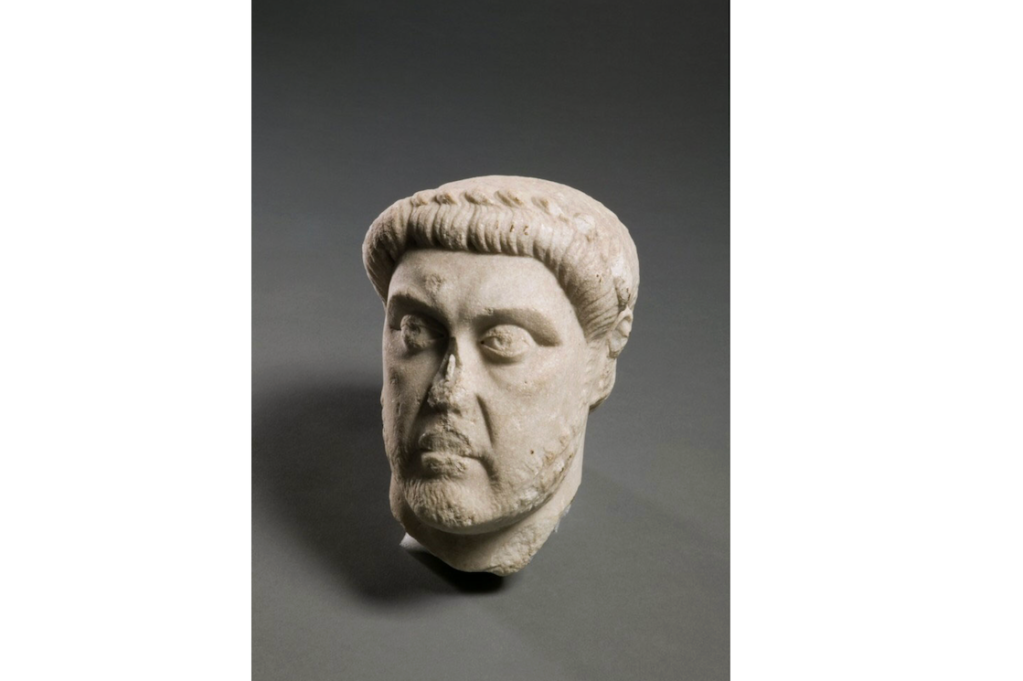
Turkey Notches Another Successful Restitution After Denver Art Museum Returns 1500-Year-Old Marble Head

The Denver Art Museum has repatriated a 1,500-year-old marble head of a bearded man to Turkey, following a successful restitution claim. The sculpture, which dates back to the fifth century BCE, was originally unearthed in the agora of the ancient city of Smyrna (modern-day Izmir) and was likely trafficked illicitly before entering the museum's collection. The artifact is now on public display at the İzmir Archaeology Museum.

New York Mayor Zohran Mamdani to Skip Met Gala, Sources Say

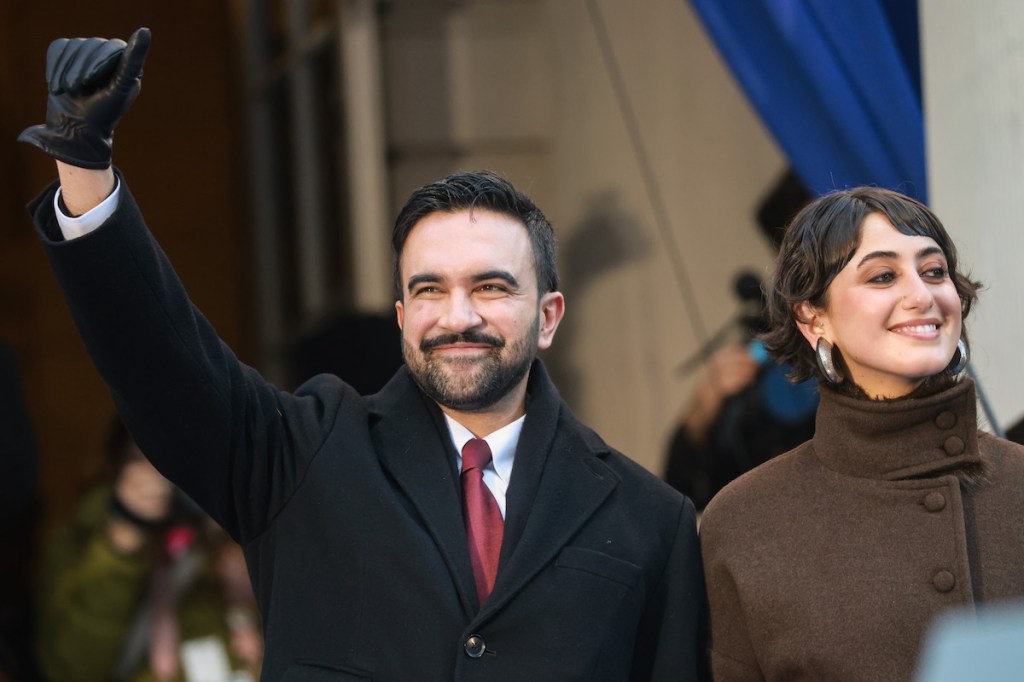
New York City Mayor Zohran Mamdani and his wife Rama Duwaji will reportedly skip the 2025 Met Gala, breaking a long-standing tradition of mayoral attendance at the Metropolitan Museum of Art’s premier fundraiser. Sources suggest the decision stems from a conflict between Mamdani’s socialist political platform and the event's association with billionaire sponsors, specifically Jeff Bezos and Lauren Sánchez-Bezos.

Ruins of ‘unique’, circular water temple discovered in Egypt

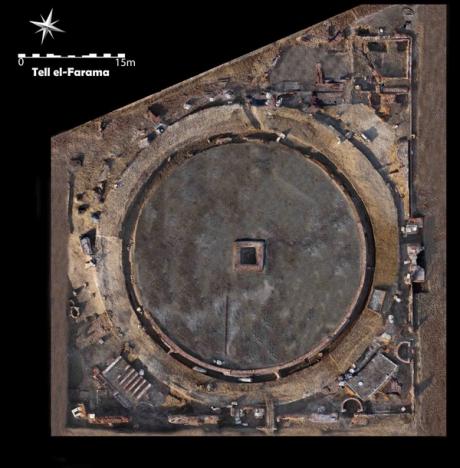
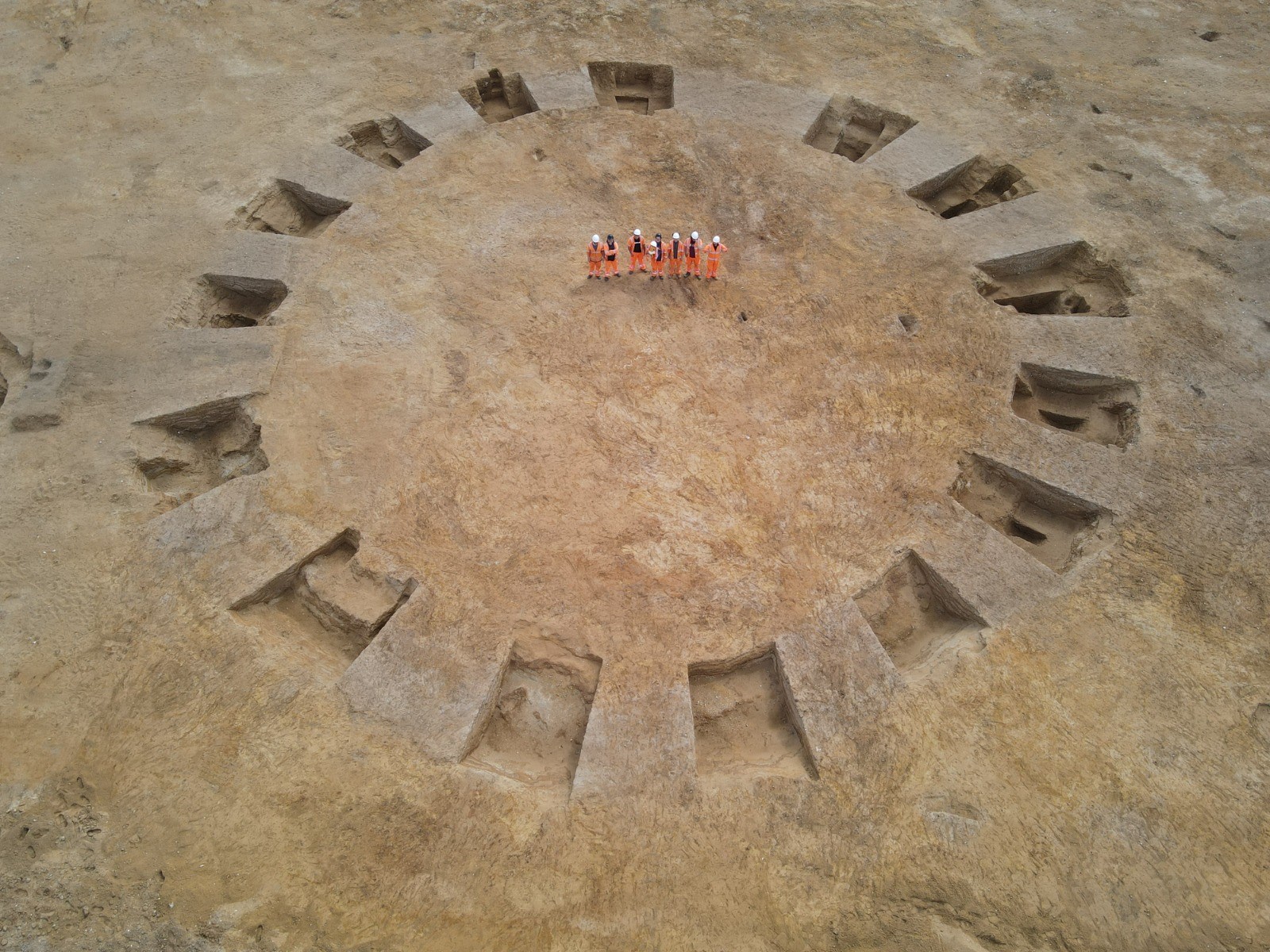
Archaeologists in northern Sinai have unearthed the ruins of a unique circular water temple at the site of ancient Pelusium, dating back to the second century. Initially mistaken for a political senate building, the structure features a 35-meter wide basin and brick walls characteristic of Roman construction, suggesting it was used for religious rituals linked to the local fertility god Pelusius.

More than 200 cultural figures sign statement criticising international response to destruction of Iran’s heritage

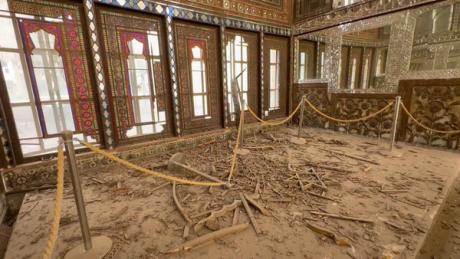
More than 200 international scholars and cultural heritage professionals have signed a joint statement condemning the United States and Israel for inflicting "irreversible damage" on Iran’s cultural heritage. The group, which includes academics from leading global institutions, alleges that recent military strikes have damaged over 130 UNESCO-registered monuments and museums, including the Senate Palace in Tehran and sites in Isfahan. They argue these actions violate the 1954 Hague Convention and criticize international bodies like UNESCO for failing to issue a sufficiently forceful response.

France’s new restitution law passes final vote

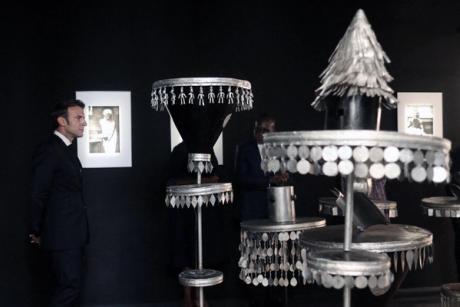
The French parliament has officially passed framework legislation establishing a legal pathway for the restitution of cultural artifacts looted from former colonies. This landmark law, inspired by a report from former Louvre director Jean-Luc Martinez, allows for the deaccession of items taken by force or under duress between 1815 and 1972. While the law fulfills a 2017 pledge by President Emmanuel Macron, it remains strictly supervised, requiring bilateral scientific committees to verify claims and excluding military archives and archaeological shares.

Prehistoric Stone Altar with Human Remains Discovered in Central Mexico

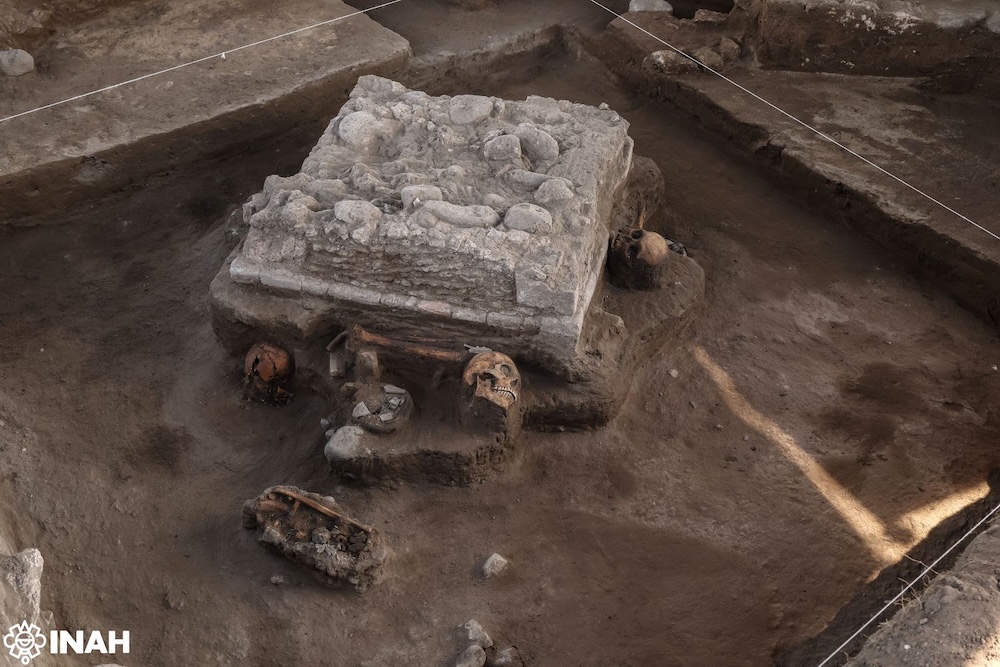
Archaeologists conducting salvage work for a new passenger train line between Querétaro and Mexico City have unearthed a 1,000-year-old Toltec stone altar. Located within the Tula Archaeological Monument Zone in Hidalgo, the three-level structure was found alongside four human skulls, long bones, a black ceramic bowl, and obsidian blades. Preliminary assessments by the National Institute of Anthropology and History (INAH) suggest the remains belong to individuals offered as ritual sacrifices.

Sharjah’s Barjeel Art Foundation Is Building its First Museum

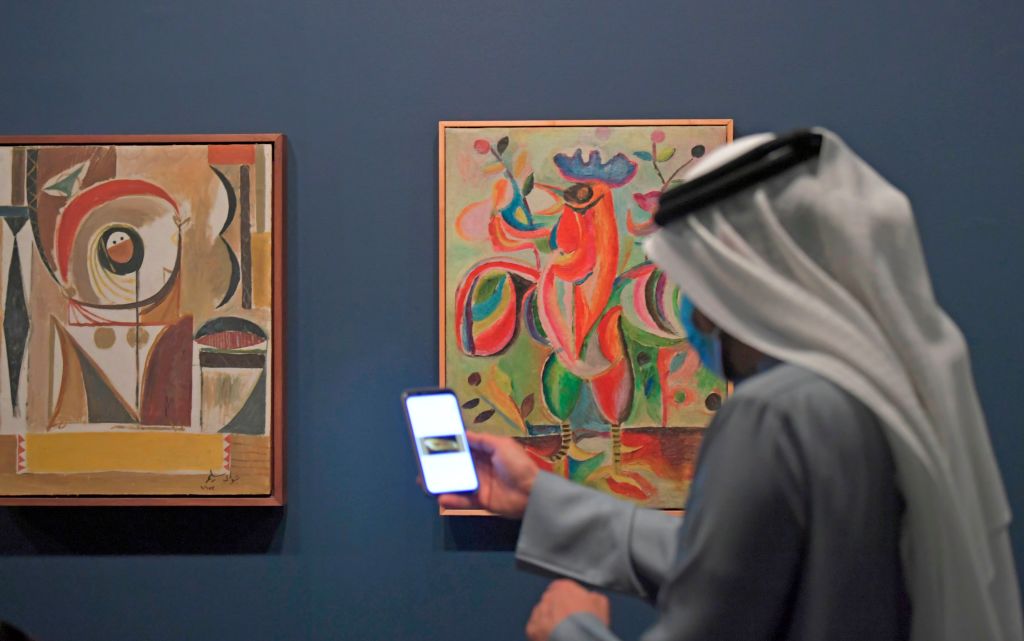
The Barjeel Art Foundation has officially broken ground on its first permanent museum in Sharjah, United Arab Emirates, with a scheduled opening for January 2028. Founded by Sultan Sooud Al Qassemi, the 38,750-square-foot facility will be designed by Abdelmoneam Essa of Architecture Corner Consultants, featuring a design inspired by the traditional architecture of the Al Rigga neighborhood.

1,000-year-old Toltec altar with four human skulls found in Mexico

Archaeologists from Mexico’s National Institute of Anthropology and History (INAH) have discovered a 1,000-year-old Toltec altar during salvage work for a new high-speed rail line between Mexico City and Querétaro. The stone structure, known as a momoztli, dates back to AD 900-1150 and was found with four human skulls and leg bones arranged at its base, suggesting ritual or sacrificial use. Located near the ancient site of Tula Chico, the find also included ceramic objects and obsidian artifacts within a compound likely belonging to the local elite.

Louvre Museum Jewel Heist Inspires Latest ‘Law & Order’ Episode

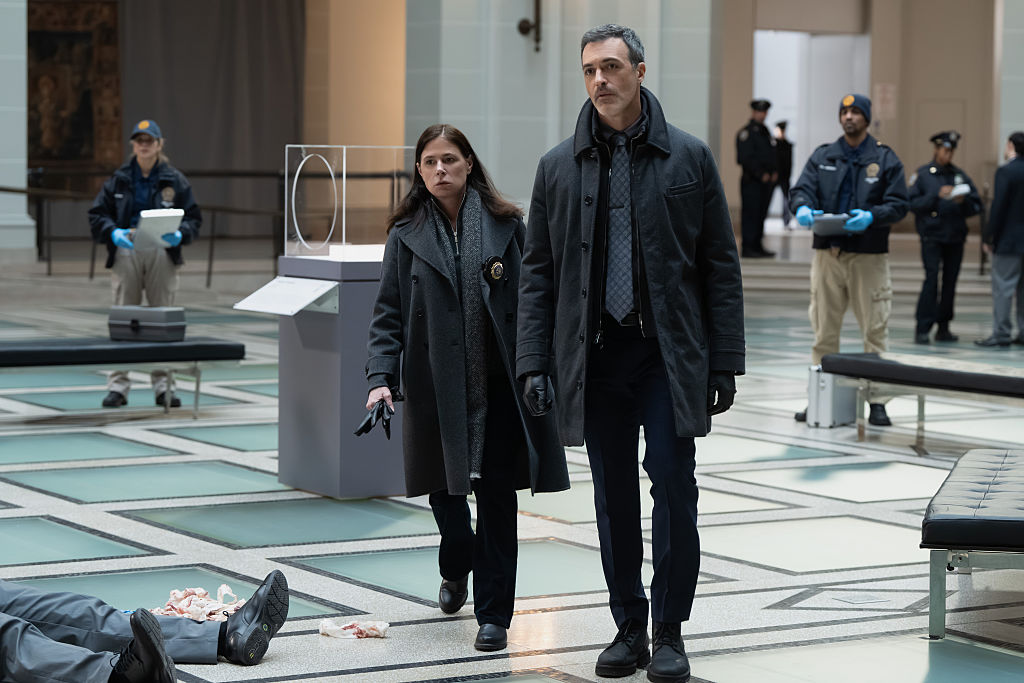
The long-running television series Law & Order has adapted the recent high-profile Louvre Museum jewel heist into a new episode titled "Beyond Measure." Filmed at the Brooklyn Museum—serving as the fictional Atlas Museum of Art—the plot follows detectives investigating the theft of the bejeweled Crown of Popoyan, a fictionalized version of the real-world $102 million heist involving a cherry picker escape. The episode weaves in a complex subplot regarding the repatriation of Indigenous Colombian artifacts held by the Vatican.

Large Roman Villa Uncovered in the U.K. During Wind Farm Survey

Archaeologists conducting surveys for an offshore wind farm project in Norfolk, England, have discovered a significant Roman villa dating back to the 1st through 3rd centuries C.E. The expansive estate, which measures over 100 feet in length, featured a bathhouse, a covered porch, and ancillary buildings for crop processing. Excavations also yielded high-status artifacts including an ornate bronze door handle, a lion-headed furniture foot, and imported pottery, alongside evidence of a Roman road and two lost medieval villages.

Comment | The market grew in 2025 but ‘interest in art is waning’

The global art market saw a 4% growth in 2025 according to the latest Art Basel and UBS Art Market Report, yet the industry remains on edge. Despite the headline increase, the report reveals a sharp decline in the average number of buyers per gallery—reaching its lowest level since 2021—and rising operational costs for shipping and logistics. Protectionist trade policies and geopolitical instability, particularly escalating conflicts in the Middle East affecting oil prices, continue to strain the contemporary sector.

Art Cologne heads to the beach with revived Mallorca edition

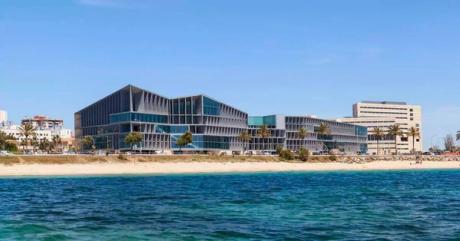
Art Cologne is relaunching its satellite fair in Mallorca nearly two decades after a brief, unsuccessful attempt in 2007. Scheduled for April 9–12 at the Palau de Congressos de Palma, the revived Art Cologne Palma Mallorca will feature 88 galleries, with a significant emphasis on Spanish and local Balearic participants rather than just German exports.

National Museum of Korea Seoul sees a surge in visitor numbers

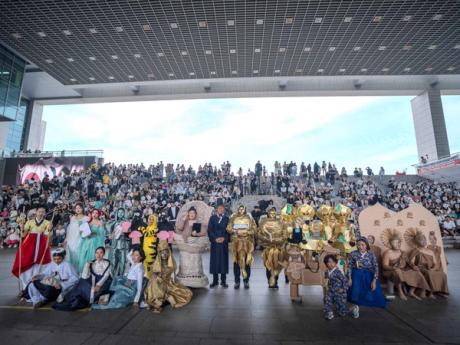
The National Museum of Korea in Seoul reported a dramatic increase in annual visitors, rising from 3.8 million in 2024 to 6.5 million in 2025. This surge included a record 230,000 international visitors, marking the first time the museum has surpassed 200,000 foreign attendees in a single year.

underground railroad museum sues trump administration

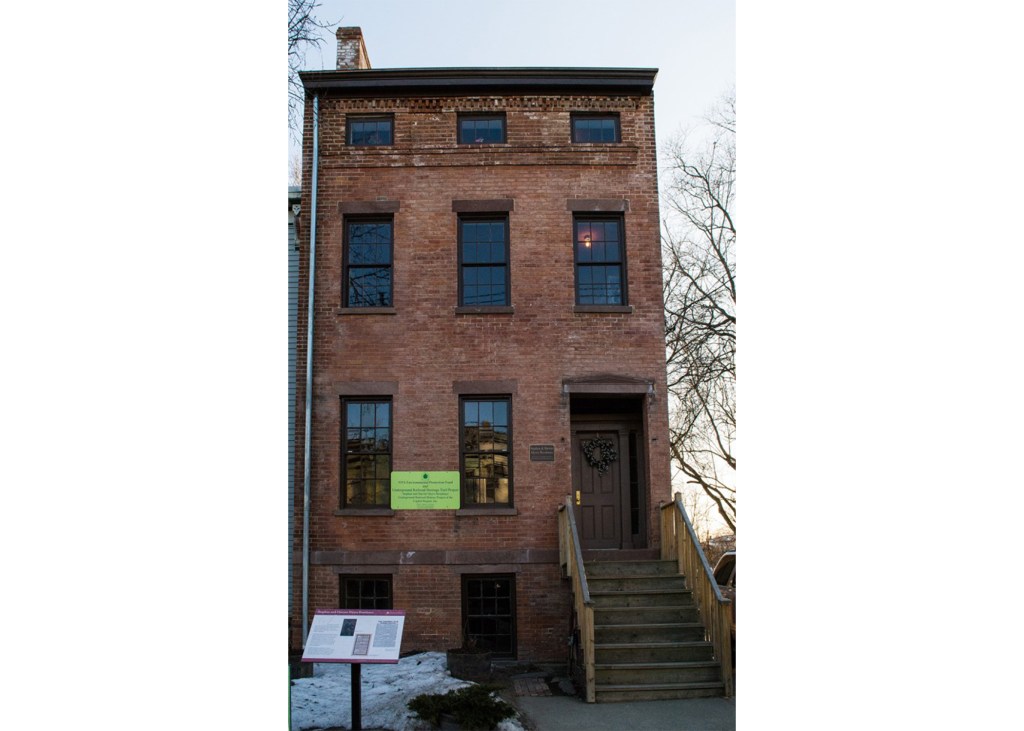
The Underground Railroad Education Center (UREC) in Albany, New York, has filed a lawsuit against the National Endowment for the Humanities (NEH) following the cancellation of a $250,000 grant. The legal action, filed in the US District Court for the Northern District of New York, alleges that the funding was revoked based on race and as part of a broader federal effort to dismantle diversity, equity, and inclusion (DEI) initiatives. The center claims this cancellation violates its First and Fifth Amendment rights.

Homework till midnight and ‘one breakdown a week’: the mysterious art school keeping a forgotten style alive

The École Van der Kelen-Logelain, a unique and mythologized painting school in Brussels founded in 1892, continues to operate under strict, traditional methods. Students endure a rigorous six-month winter course, adhering to rules like mandatory white lab coats, silence, and no phones, to master specialized decorative painting skills, most notably the art of trompe l'oeil, or illusionistic painting.

What to See During New York's Asia Art Week

Asia Week New York begins, bringing a concentrated series of exhibitions, auctions, and lectures across the city dedicated to the art and material culture of Asia and its diaspora. The ten-day event features highlights including a selling exhibition of Indian-American artist Zarina at Sotheby's, a showcase of Indian and Persian miniature paintings, a condensed survey of 250 years of Japanese woodblock prints, and a contemporary group show exploring Korean diasporic identity.

In the Whitney Biennial, Artists Explore the Horrifying Boundary Between Human and Machine

The 2026 Whitney Biennial features artists using technology to explore themes of surveillance, data extraction, and the unsettling blur between human and machine. Works like Cooper Jacoby's AI-generated piece, which scrapes data from deceased individuals' social media, and Isabelle Frances McGuire's 3D-scanned witch figures, confront the ethical and existential implications of biometrics and digital quantification.

500-year-old Aztec ritual offering uncovered in Mexico City

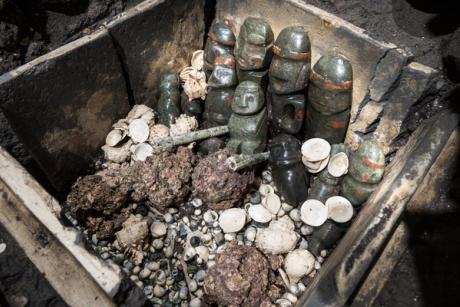
Archaeologists from Mexico's National Institute of Anthropology and History have uncovered a 500-year-old Aztec ritual offering at the Templo Mayor site in Mexico City. The discovery consists of six volcanic stone boxes containing greenstone sculptures, thousands of marine shells, copal spheres, and pendants, all forming a complete ceremonial assemblage from the reign of Emperor Moctezuma I (1440-1469).

dylan doe muscle memory

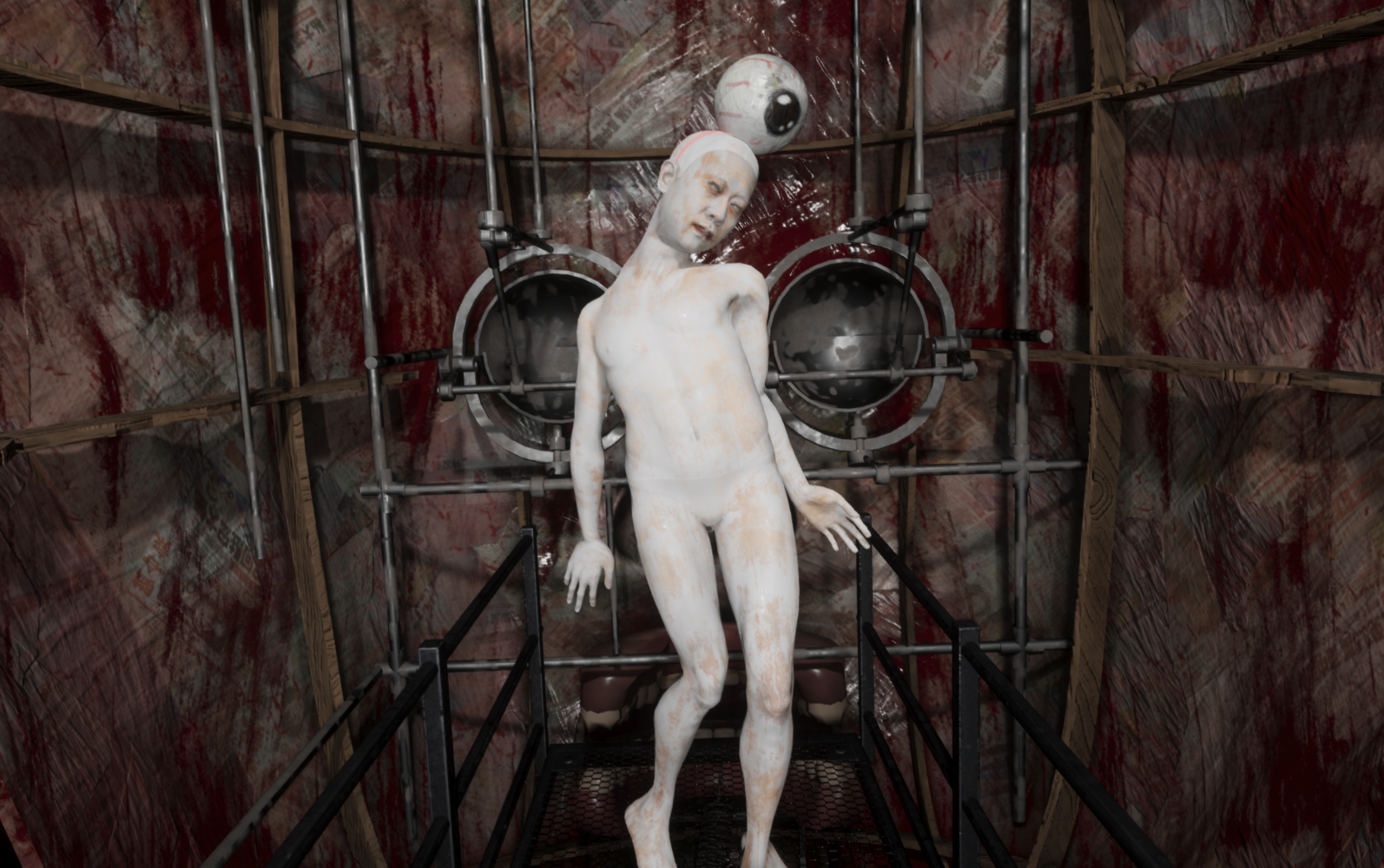
British artist Dylan Doe explores the physical manifestations of digital saturation in his solo exhibition, "Muscle Memory," at Mandy Zhang Art in London. The body of work focuses on "bodily glitches"—involuntary physical actions, such as attempting to zoom in on a physical drawing, that stem from repetitive interactions with technology. Through a surrealist lens, Doe’s paintings depict disembodied limbs and futuristic armatures that reflect a synthesis of sentient and non-sentient elements.

ancient egyptians correction fluid book of the dead

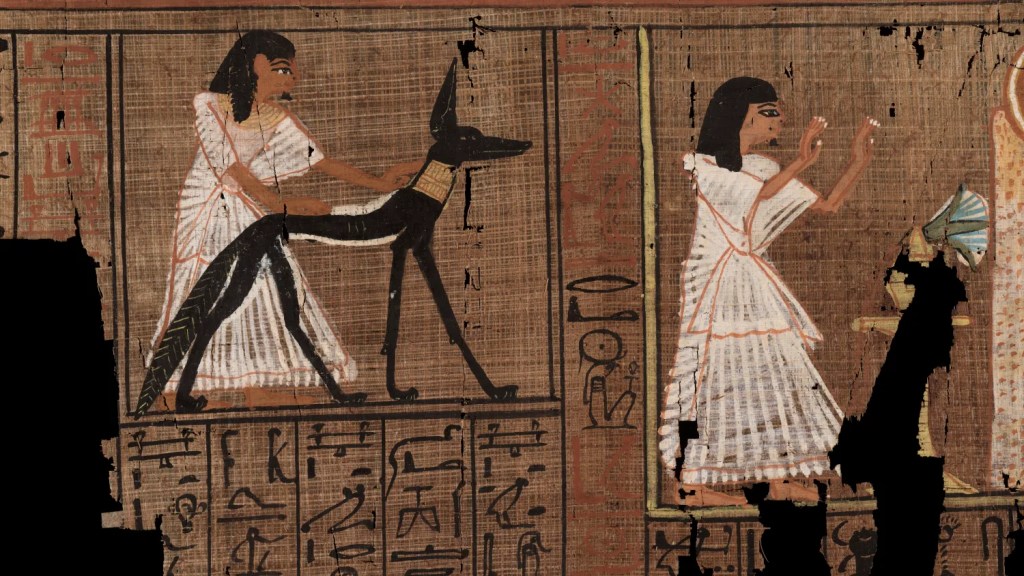
Researchers at the Fitzwilliam Museum have discovered that ancient Egyptian scribes used a primitive form of correction fluid to amend errors on papyrus scrolls. While preparing a 3,300-year-old copy of the Book of the Dead for the tomb of the scribe Ramose, conservators noticed white lines of huntite and calcite mixed with yellow orpiment used to slim down a painted jackal. This 'ancient Wite-Out' was specifically blended to match the cream-colored tone of fresh papyrus, concealing revisions made during the artistic process.