filter_list Showing 3099 results for "EU" close Clear
search
dashboard All 3099 museum exhibitions 1748article local 329article news 282trending_up market 200article culture 194article policy 100person people 91rate_review review 64candle obituary 58gavel restitution 32article architecture 1
date_range Range Today This Week This Month All
Subscribe

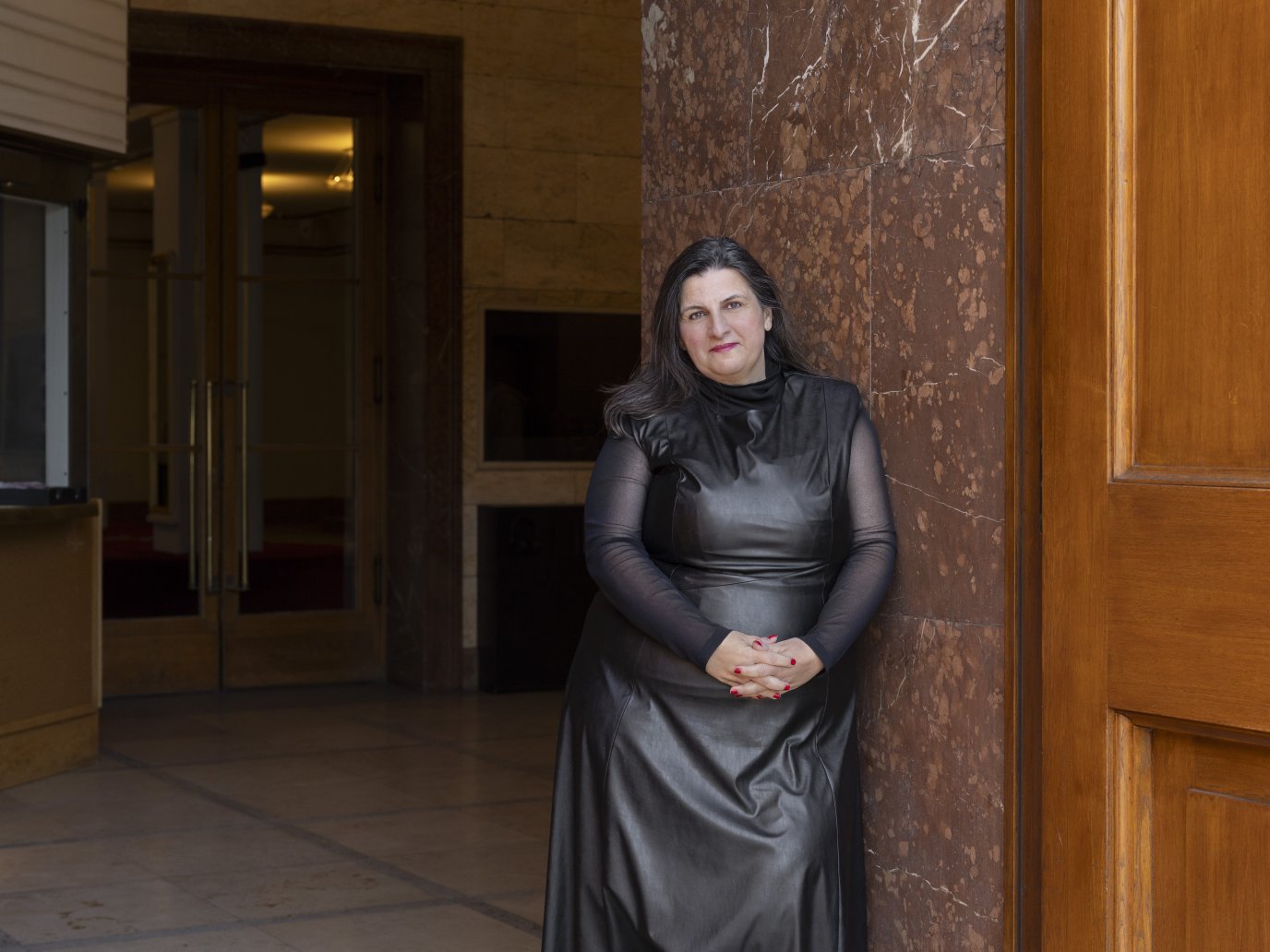
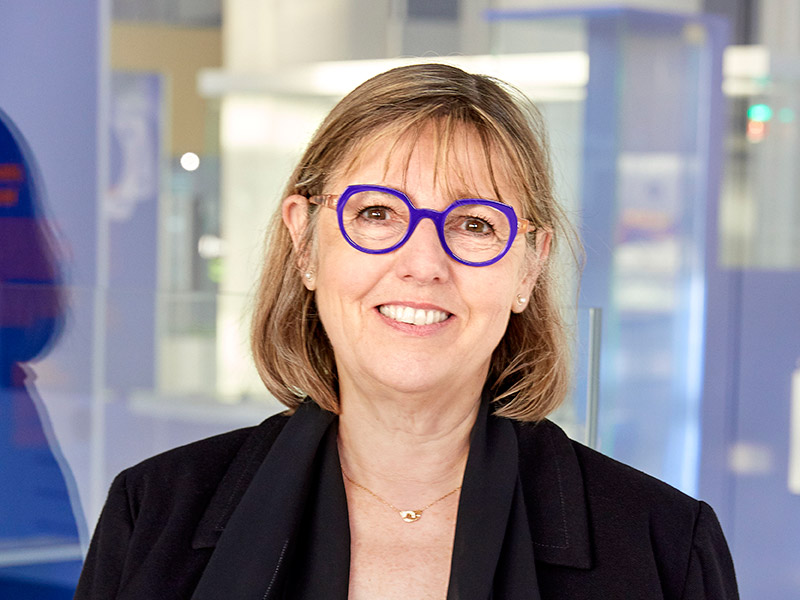
Sylvie Retailleau explains how she saved the Palais de la Découverte

Sylvie Retailleau explique comment elle a sauvé le Palais de la Découverte

Sylvie Retailleau, a physicist, former president of Paris-Saclay University, and former Minister of Higher Education, has been president of Universcience since January 2026. In an interview, she explains how the Palais de la Découverte, housed within the Grand Palais, nearly disappeared during the Grand Palais renovation. Intense debates over whether to dedicate the renovated space entirely to classical culture threatened the science museum. Retailleau negotiated a compromise: the Palais de la Découverte ceded one gallery (1,200 m²) to the Grand Palais for about €30 million in revenue over ten years and is lending another gallery (350 m²) until June 2030 for Centre Pompidou exhibitions. In return, Universcience gains full control of the programming for the Palais des Enfants. The Palais de la Découverte is set to reopen in March 2027.
Aux Catacombes, une visite réinventée

After five months of closure, the Catacombs of Paris have reopened with a major modernization project. The site now features a new immersive audio guide narrated by the voice of its historical founder, Louis Étienne Héricart de Thury, along with improved lighting that highlights previously invisible details and a revamped climate-control system to better preserve the bones. The €5.5 million renovation, led by Paris Musées and funded by the City of Paris, also included structural repairs to the bone stacks using dry-stone techniques instead of cement.

Forgers, One-Way Mirrors of the Art Market

Les faussaires, miroirs sans tain du marché de l’art

Anthropologist Monique Jeudy-Ballini has published a new book, "Peintres de l’ombre. Les faussaires à l’œuvre," in which she examines art forgers through an ethnographic lens. Drawing on autobiographical accounts, published interviews, and expert writings—including those of notorious forgers Wolfgang Beltracchi, Eric Hebborn, and Guy Ribes—she explores the motivations and practices of these clandestine figures, arguing that their work involves not only technical skill but also the creation of elaborate narratives and pedigrees for their forgeries. The book is part of the Ethnologiques series edited by Philippe Descola and published by Éditions Mimésis.

Meloni takes control of Italian museums

Meloni reprend en main les musées italiens

Italy’s culture ministry under Prime Minister Giorgia Meloni has appointed 14 new directors for so-called “second-tier” museums, reinforcing a shift away from the international “super-director” model introduced by the 2014 Franceschini reform. All appointees are Italian except for French director Axel Hémery, who was reappointed at the Pinacoteca di Siena due to his strong performance. The move follows the earlier ousting of foreign directors at top-tier museums, with only two foreign-born directors—Eike Schmidt and Gabriel Zuchtriegel—remaining, both of whom hold Italian citizenship.

How the State Supports Provenance Research

Comment l’État soutient la recherche de provenance

The French Ministry of Culture has created two specialized missions to assist museums in researching the provenance of their collections, addressing looted artworks, human remains, colonial acquisitions, and illicit trafficking. The Mission for Research and Restitution of Looted Cultural Property (M2RS), established in 2019, focuses on Nazi-era spoliations (1933-1945) with a budget of €220,000 annually, while the newer Mission "Provenance," launched in 2024 under curator Catherine Chevillot, covers human remains, colonial-era objects, and illicit goods with a €450,000 budget. These missions provide expertise, funding, and coordination with institutions like the Commission for the Restitution of Property and Compensation of Victims of Anti-Semitic Spoliation (CIVS), though most museums still only initiate provenance checks during acquisitions or donations.

Sébastien Allard à la tête du département des Peintures du Louvre

Sébastien Allard has been appointed interim head of the Paintings Department at the Musée du Louvre, effective April 14. The 47-year-old specialist in 19th-century art previously served as deputy to Vincent Pomarède, who moved to a new role overseeing museum mediation. Allard's permanent appointment awaits confirmation by Culture Minister Aurélie Filippetti, on the recommendation of Louvre director Jean-Luc Martinez. Meanwhile, the search for a director of the Research and Collections Support division continues, with recruitment expected to be external.

Nastaran Mir Sadegh | Untitled (2025) | For Sale

Nastaran Mir Sadegh's painting "Untitled" (2025) is listed for sale at US$2,500 through Sahar K. Boluki Gallery in Toronto. The work, an acrylic on canvas measuring 76 × 59 cm, is hand-signed by the artist and includes a certificate of authenticity. Mir Sadegh, an Iranian artist born in 1985 and based in Tehran, holds a bachelor's degree in Fine Art from Art University of Tehran. Her exhibition history includes shows in Toronto, Tehran, Dubai, and at institutions such as the Tehran Museum of Contemporary Art and Saba Cultural Institute. The listing appears on Artsy, with shipping available within Canada and internationally.

Required Reading

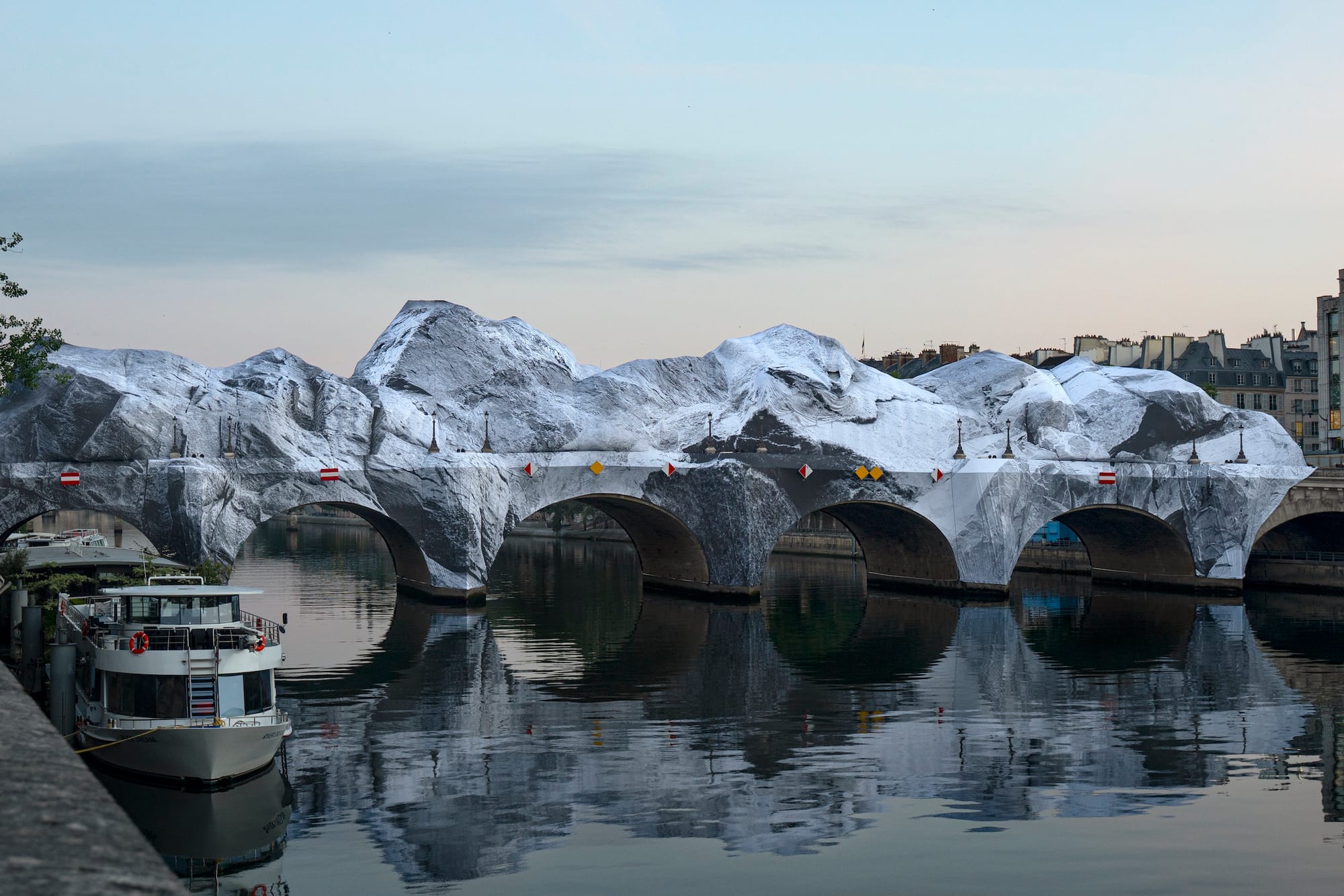
This week's Required Reading roundup from Hyperallergic covers a diverse range of art-world stories. French photographer JR has unveiled "La Caverne du Pont Neuf Paris" (2026), an optical illusion installation that transforms the pathway across the Seine into a black-and-white mountain range cave, paying homage to Christo and Jeanne-Claude's 1985 wrapping of the same bridge. Other highlights include architecture scholar Karrie Jacobs investigating a New York waterfront walking initiative for The Nation, curator Tara Contractor writing in Apollo about James McNeill Whistler's use of metallic pigments influenced by Japanese traditions, and Rob Corsini interviewing Amelia Abraham about their new book celebrating photography of queer nightlife for Dazed.

Historic Strike Disrupts Biennale as Thousands March in Venice

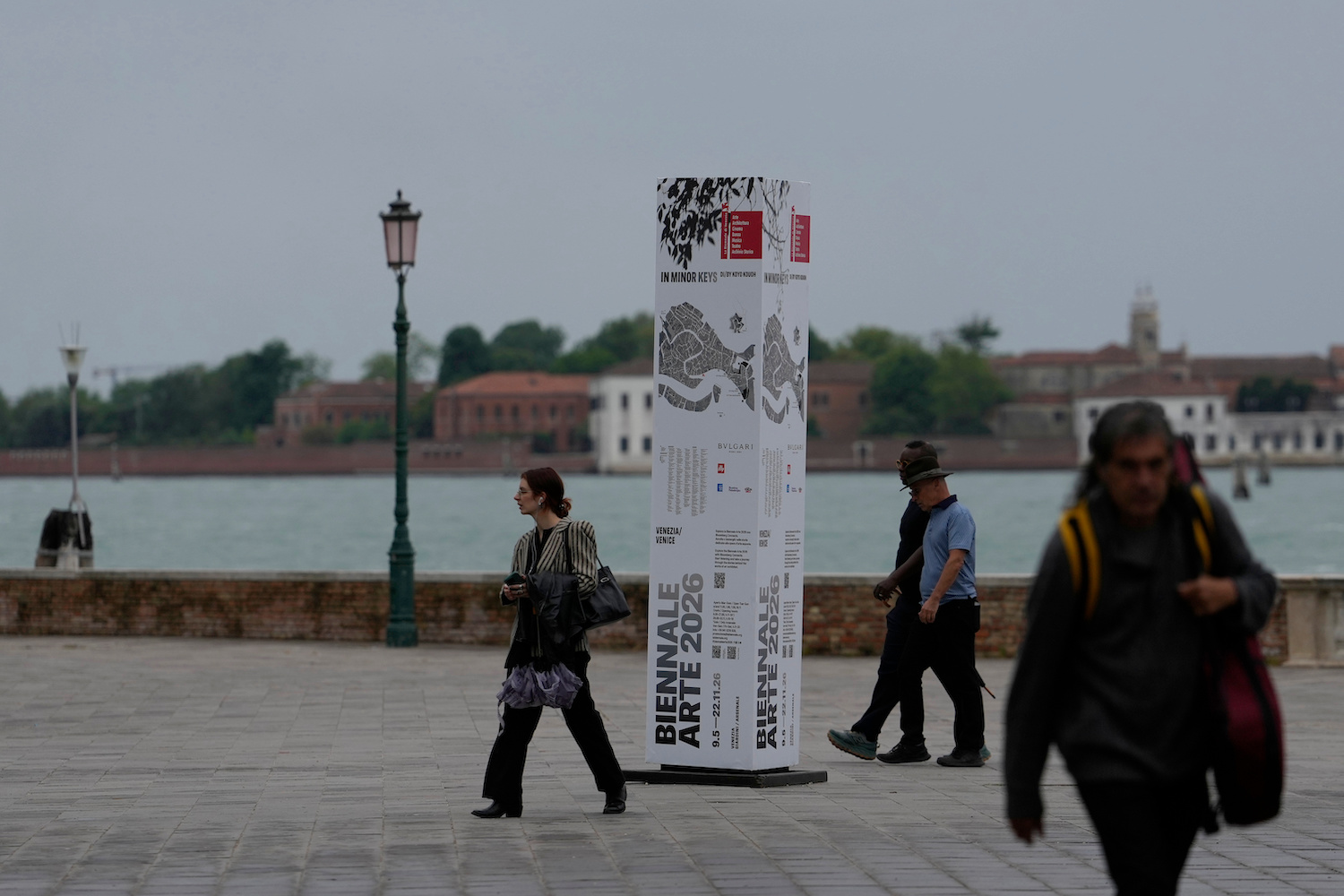
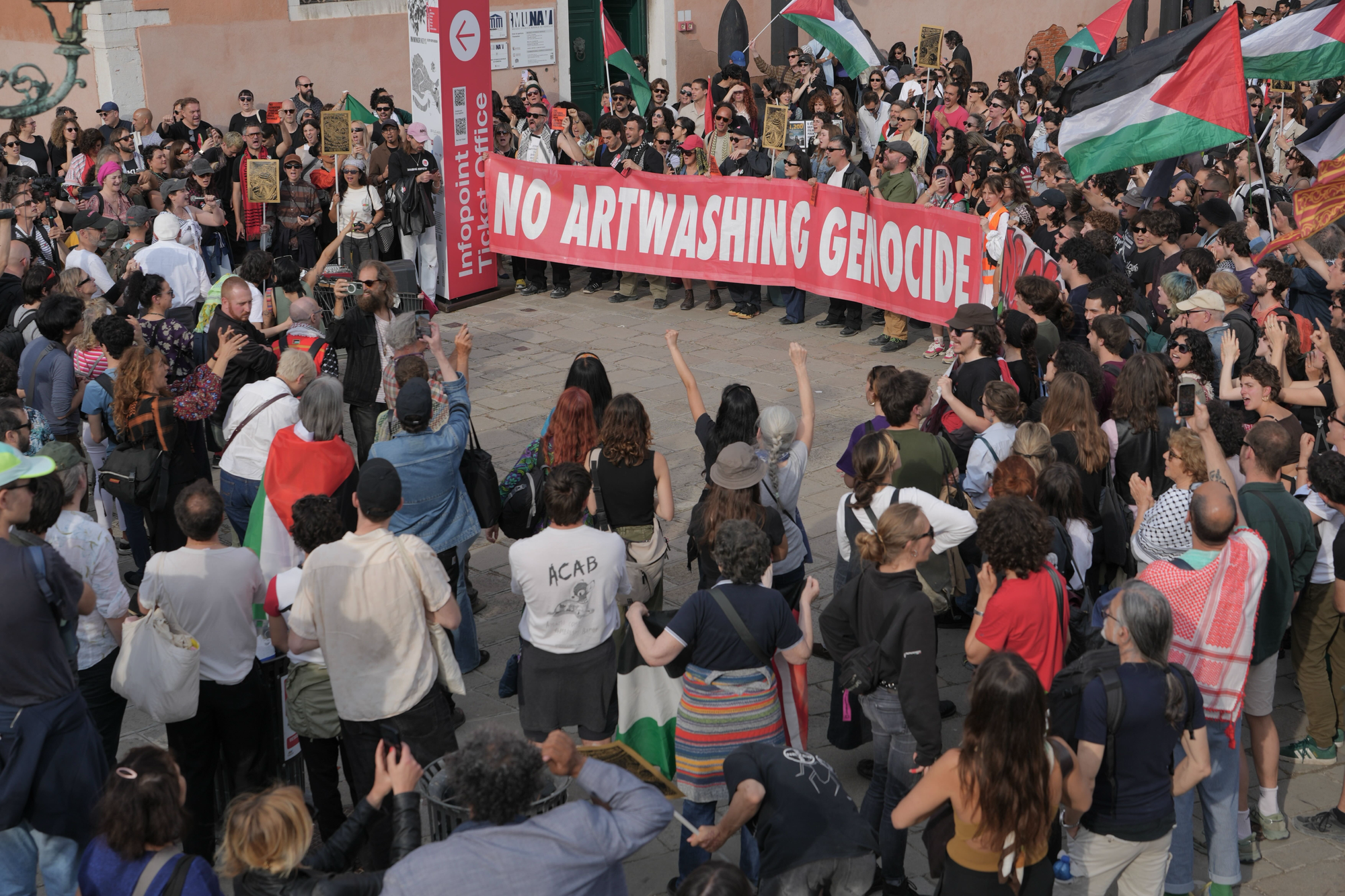
On May 8, 2026, artists and cultural workers staged the first strike in the 131-year history of the Venice Biennale, disrupting the pre-opening of the international exhibition. At least 27 of the 100 national pavilions were partially or fully shut down, and thousands marched through Venice to the Arsenale, which was barricaded by Italian riot police. The strike, organized by the Art Not Genocide Alliance (ANGA) and local activist groups, was a 24-hour action for Palestine and workers' rights, with some artists altering or draping their works in the main exhibition, "In Minor Keys."

A Whole Lot of Nothing at the US Pavilion

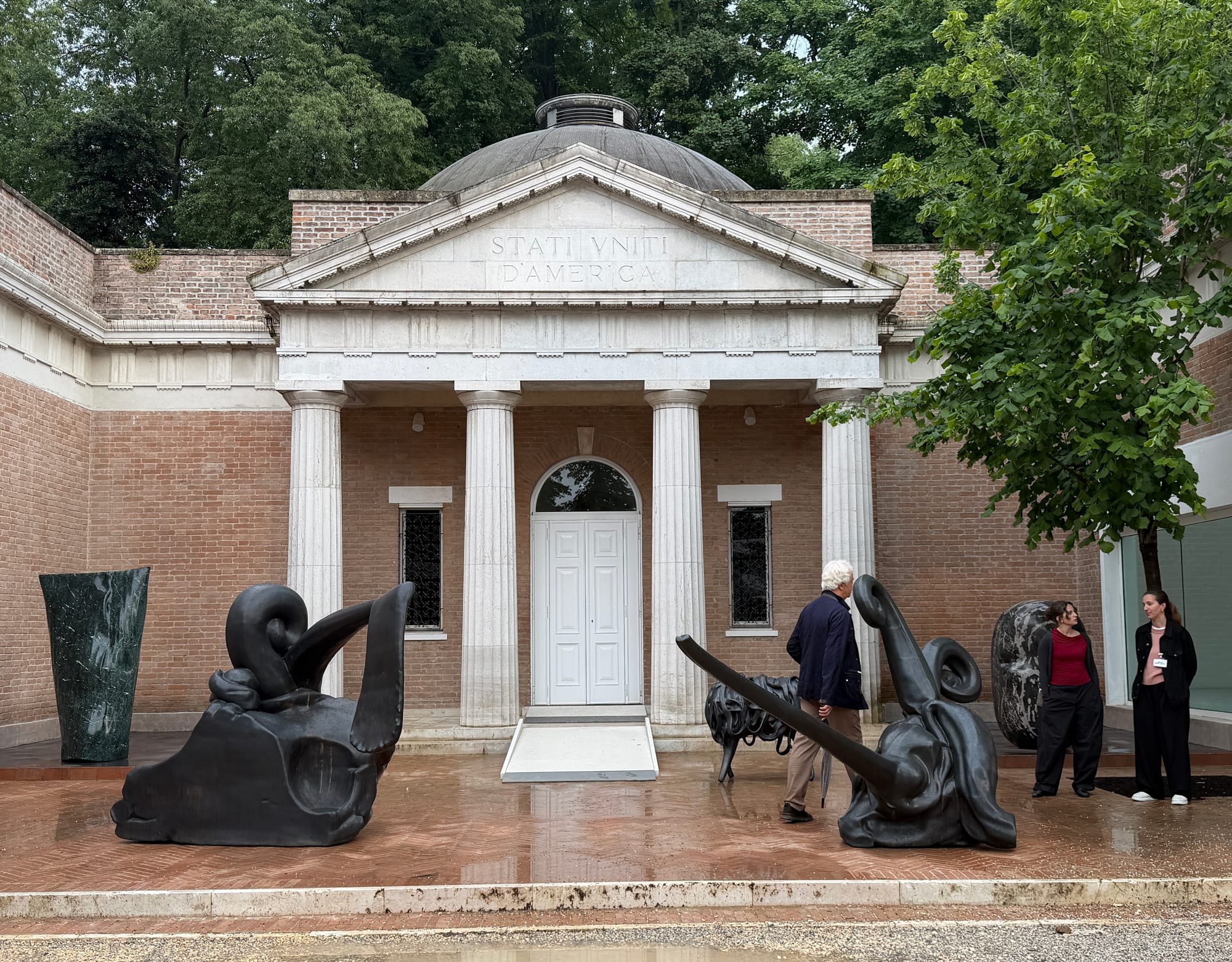
The US Pavilion at the 2026 Venice Biennale features sculptor Alma Allen's exhibition "Call Me the Breeze," curated by Jeffrey Uslip. The show presents untitled, amorphous sculptures in bronze, wood, and stone, including Colorado Yule marble. The selection process was controversial: after the Trump administration excluded the National Endowment for the Arts, the State Department initially picked artist Robert Lazzarini and curator John Ravenal, but that plan collapsed. The American Arts Conservancy, a new nonprofit led by Jenni Parido (a former pet food store operator with Mar-a-Lago ties), then took over, hiring Uslip, who approached Barbara Chase-Riboud and William Eggleston before settling on Allen. Donors include businessman John Phelan and fashion designer Tommy Hilfiger.

Steven Durland, Champion of Performance Art, Dies at 75

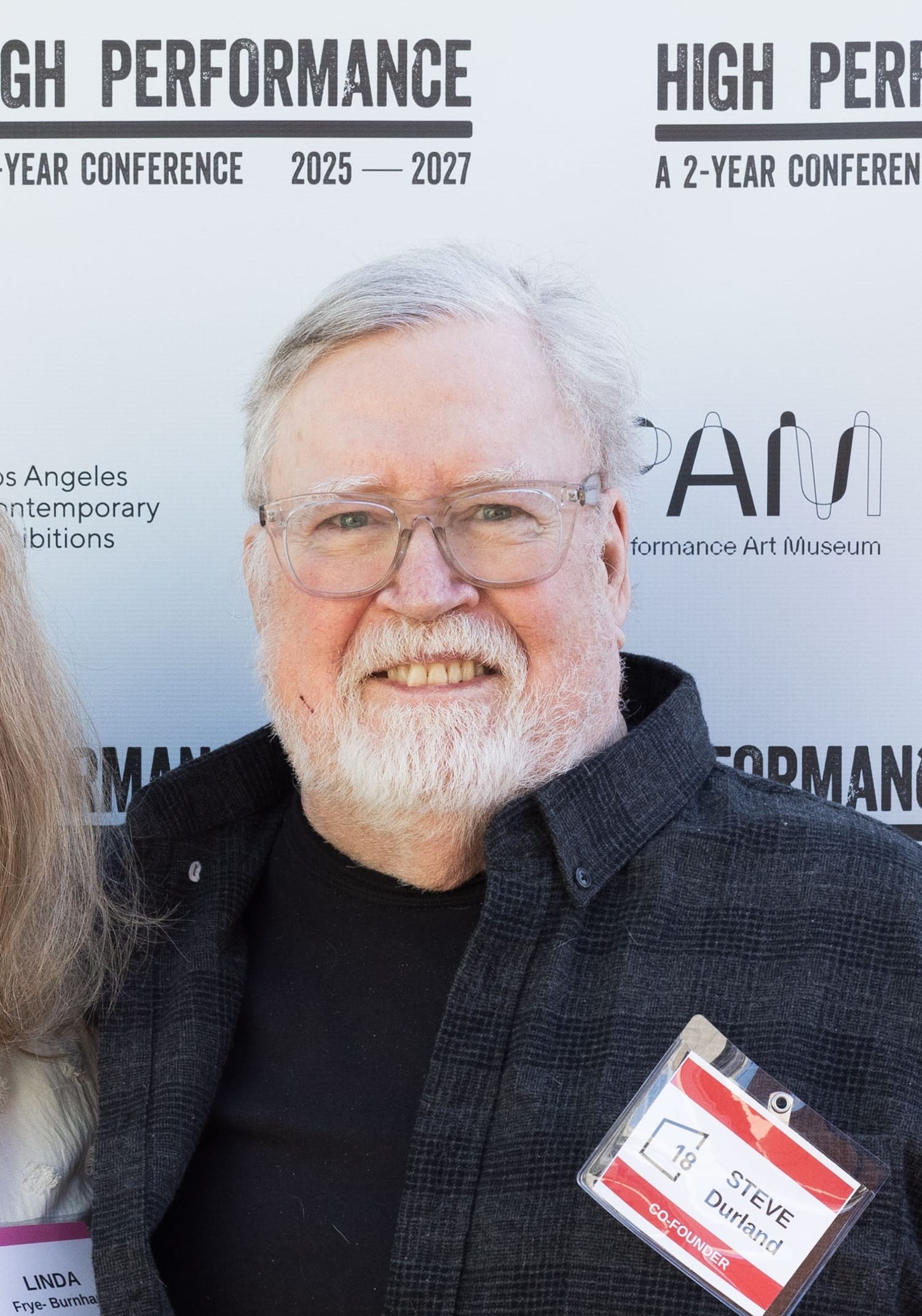
Steven Durland, a longtime editor of *High Performance* magazine and a champion of performance art, died on March 11 at age 75 after a brief illness. His life partner, Linda Frye Burnham, confirmed his death in Saxapahaw, North Carolina. Durland was born in Long Beach, California, raised in South Dakota, and trained as a ceramic artist with a BFA from the University of South Dakota and an MFA from the University of Massachusetts Amherst. He became deeply involved in performance and mail art, and from 1986 to 1994 served as editor of *High Performance*, a magazine founded by Burnham that featured thousands of artists including Nancy Buchanan, Carolee Schneemann, Paul McCarthy, Suzanne Lacy, and Ulysses Jenkins. Durland also maintained his own artistic practice, creating performances such as "Win Defeat/BID FOR POWER" (1978) and "Death and Taxis" (1982), and produced the micro-newspaper *Tacit*.

Shoot the Shit With Jack Kerouac

An exhibition at the Grolier Club in New York City, titled "Running Through Heaven: Visions of Jack Kerouac," presents over 60 pieces of ephemera and unpublished correspondence from the Beat Generation icon's life. Curated by antiquarian collector Jacob Loewentheil, the show includes first editions, a Buddhist mala, a tobacco pouch, and a signed 1964 portrait of Kerouac, organized thematically around religion, jazz, and family. The exhibition runs through May 16 and offers an intimate look at the man behind the myth.

Where did the great artist Joseph Beuys live? The comic story by Gianluca Costantini

Dove viveva il grande artista Joseph Beuys? Il racconto a fumetti di Gianluca Costantini

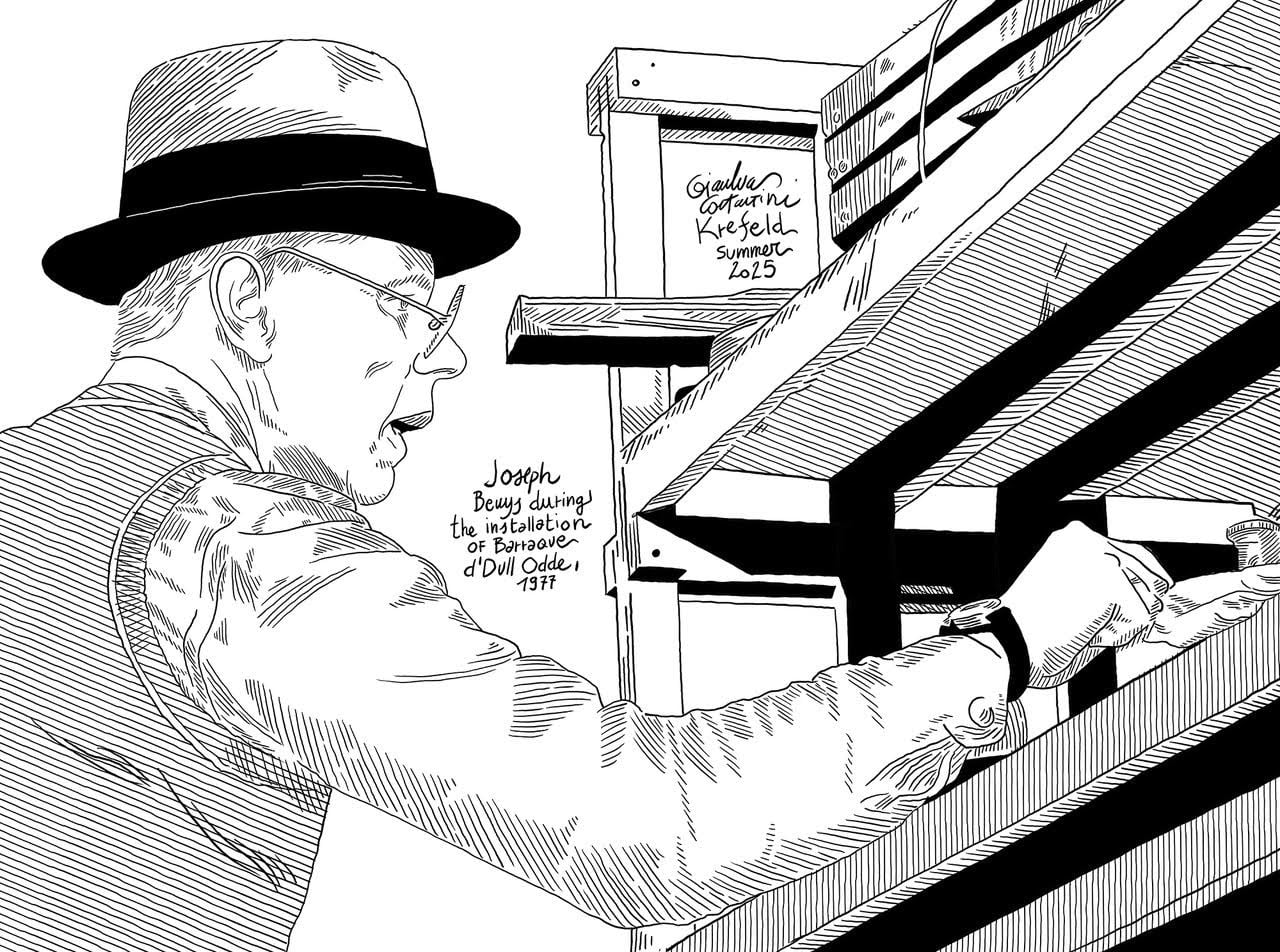
In the summer of 2022, the author visited Düsseldorf and discovered that Joseph Beuys's former home at Drakeplatz 4 in Oberkassel was for sale, but the city's cultural department declined to purchase it. Beuys lived and worked there from 1961 until his death in 1986, using the space as both a residence and studio. The article recounts the intimate details of family life there, including how Beuys painted the main room white for his wife Eva's photography, and how the family navigated the blend of private life and artistic practice. Two years later, the Brunhilde Moll Foundation acquired the house and opened it to the public, though it was closed for renovations when the author returned. The house now displays about sixty works from Beuys's creative period and will host artist residencies and events.

Mirna Bamieh “Sour Things: The Door” at NIKA Project Space, Paris

NIKA Project Space in Paris presents "Sour Things: The Door," a new installation by Palestinian artist Mirna Bamieh, on view from April 17 to May 23, 2026. Curated by Anne Davidian, the exhibition marks Bamieh's return to the gallery following her solo presentation that inaugurated NIKA's Paris space in 2024, and serves as the latest chapter in her ongoing "Sour" series.

Joe Macken Spent 21 Years Hand-Assembling a Vast Model of New York City

Joe Macken, a Queens resident, spent 21 years hand-assembling a vast 50-by-27-foot scale model of New York City, completing it in 2025. The model, built from cardboard, glue, and balsa wood, comprises 340 individual sections and is now on long-term display at the Museum of the City of New York in an exhibition titled "He Built This City: Joe Macken’s Model." Visitors can walk around the model and use binoculars to spot familiar buildings and neighborhoods.

The Holy Spirit in a Rapture of Pain

Der Heilige Geist im Schmerzrausch

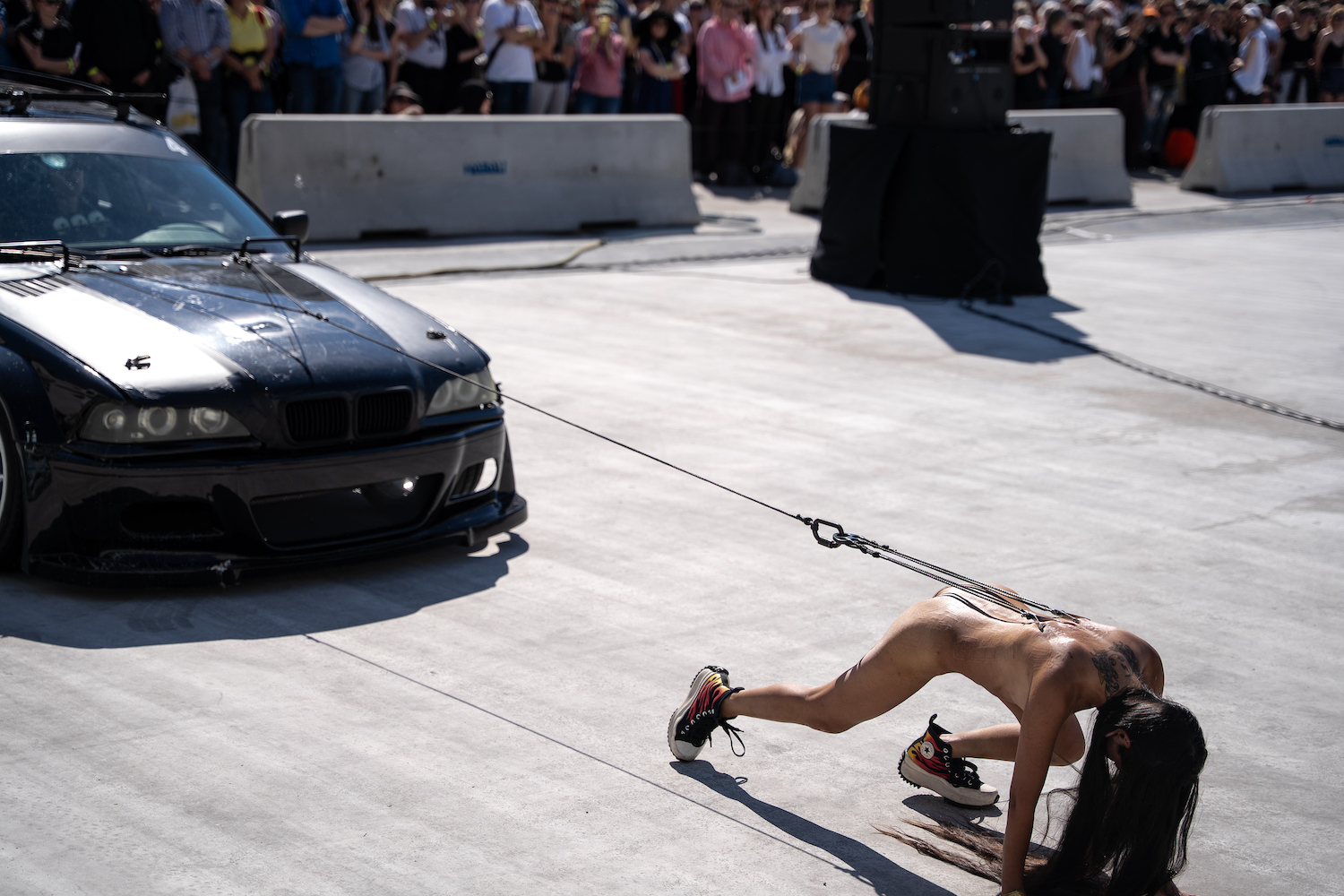
Florentina Holzinger's "Pfingstspiel" (Pentecost Play) is a multi-hour performance staged across two locations in Austria—the Wiener Eislauf-Verein in Vienna and Schloss Prinzendorf—as a satellite event to her contribution to the Venice Biennale. The work features extreme physical stunts, including a performer rappelling down a hotel facade, a car drifting with Holzinger on its roof, and a crucifixion scene, all drenched in blood, pain, and religious imagery. The performance, presented only once before 700 guests as part of the Wiener Festwochen, is described as a brutal, uncompromising marathon that pushes the boundaries of live art.

A Water Lily is a Water Lily is a Water Lily

Eine Seerose ist eine Seerose ist eine Seerose

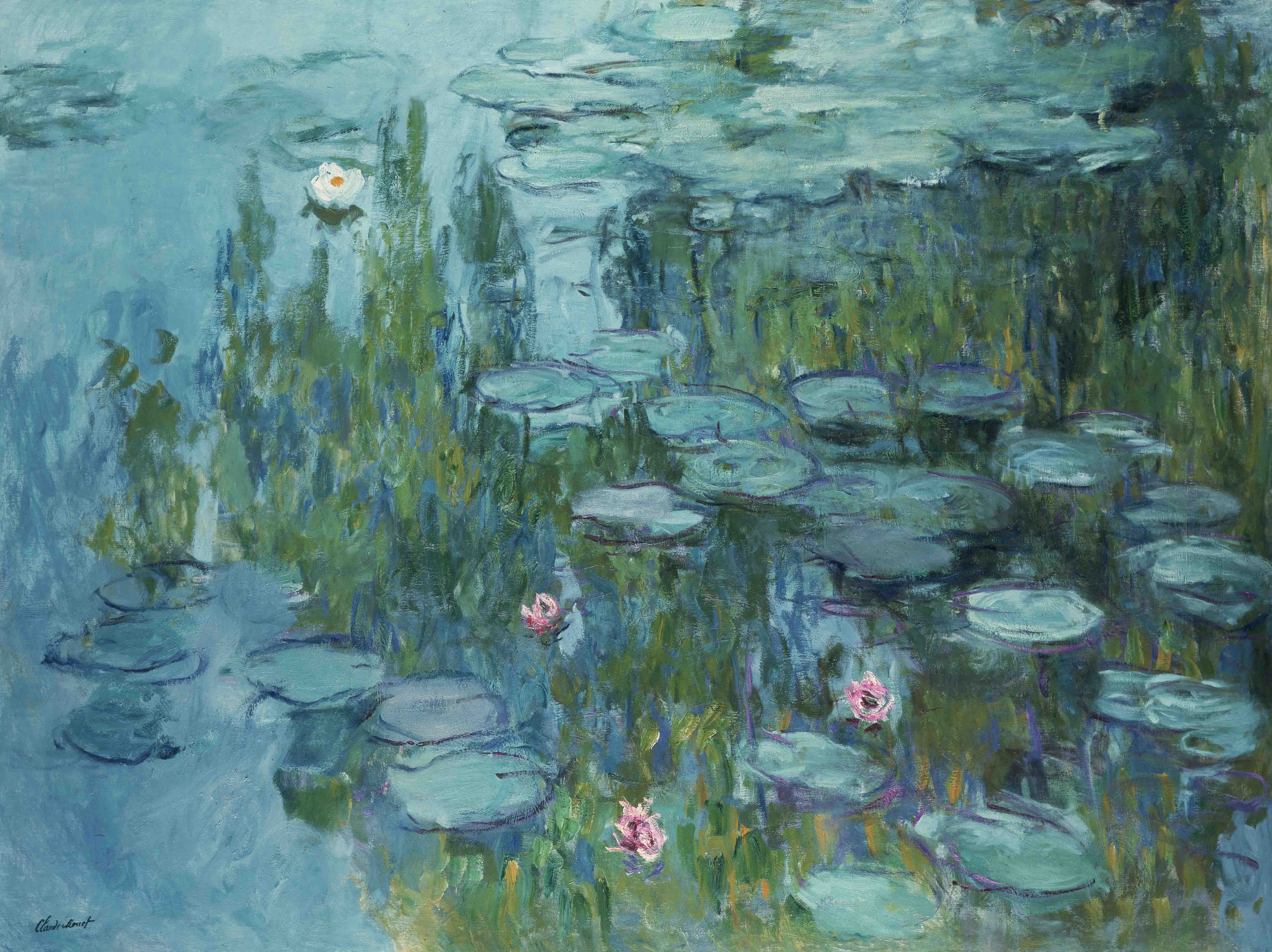
Anonymous internet artist SHL0MS posted an image of a Monet water lily painting on X, falsely claiming it was AI-generated. Thousands of users criticized the image's aesthetics, after which SHL0MS revealed it was actually a real Monet. He then minted the image as an NFT, sold it for around $40,000, and framed the entire episode as a conceptual artwork titled "Inferior Image," claiming it critiques online disinformation and debate culture.

Are Tattoos Art?

Sind Tattoos Kunst?

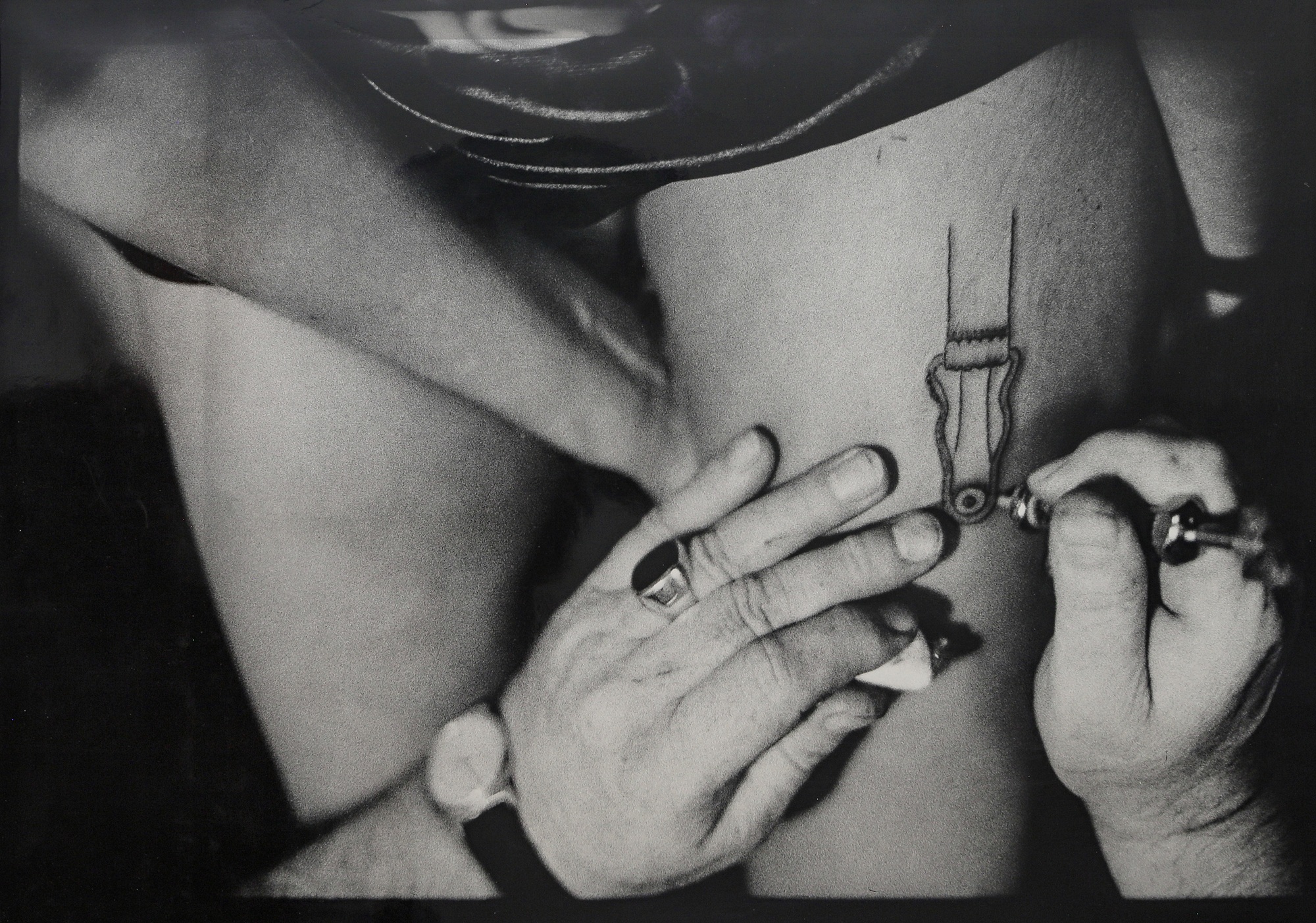
A group exhibition at the Opelvillen in Rüsselsheim, Germany, titled "Unter die Haut. Tattoos im Blick," explores tattooing as an art form, centering on the work of tattoo artist and photographer Herbert Hoffmann. The show traces the evolution of tattoos from post-war working-class culture to contemporary pop culture, featuring Hoffmann's photographs alongside works by contemporary artists David Schiesser, Michele Servadio, and Sarah Dubná, who bridge tattooing with drawing, painting, and printmaking. The exhibition is a partner project with "Mishpocha" at the Jewish Museum Frankfurt and includes shared photographic positions by Sandra Mann and Jan Zappner.

Is Berlin not over yet?

Ist Berlin doch noch nicht over?

Çağla Ilk, who curated the German Pavilion at the Venice Biennale two years ago, has presented her plans as the new artistic director of the Maxim Gorki Theater in Berlin. Her program reimagines theater from the perspective of visual art, signaling a major shift in the city's theater landscape. The announcement comes amid broader reforms in Berlin's theater scene, including Matthias Lilienthal's upcoming takeover of the Volksbühne, and was met with both anticipation and anxiety, reminiscent of Chris Dercon's failed tenure at the Volksbühne in 2017.

"Gesundheitseffekt der Künste auf biologischer Ebene"

A roundup of art news covers multiple stories: Stefan Trinks criticizes Berlin's 'MuseumsMeileMitte' as a symptom of urban and cultural misdevelopment, where museums are co-opted by real estate marketing. At the Venice Biennale, the German Pavilion by Henrike Naumann and Sung Tieu explores East German identity and post-reunification trauma, while Patti Smith performed a 'sonic prayer' at the Vatican Pavilion curated by Hans Ulrich Obrist and Ben Vickers. A study from University College London suggests regular arts engagement may slow biological aging.

The Art and History Museum of Sainte-Anne Hospital showcases the emblematic works by artist-patients.

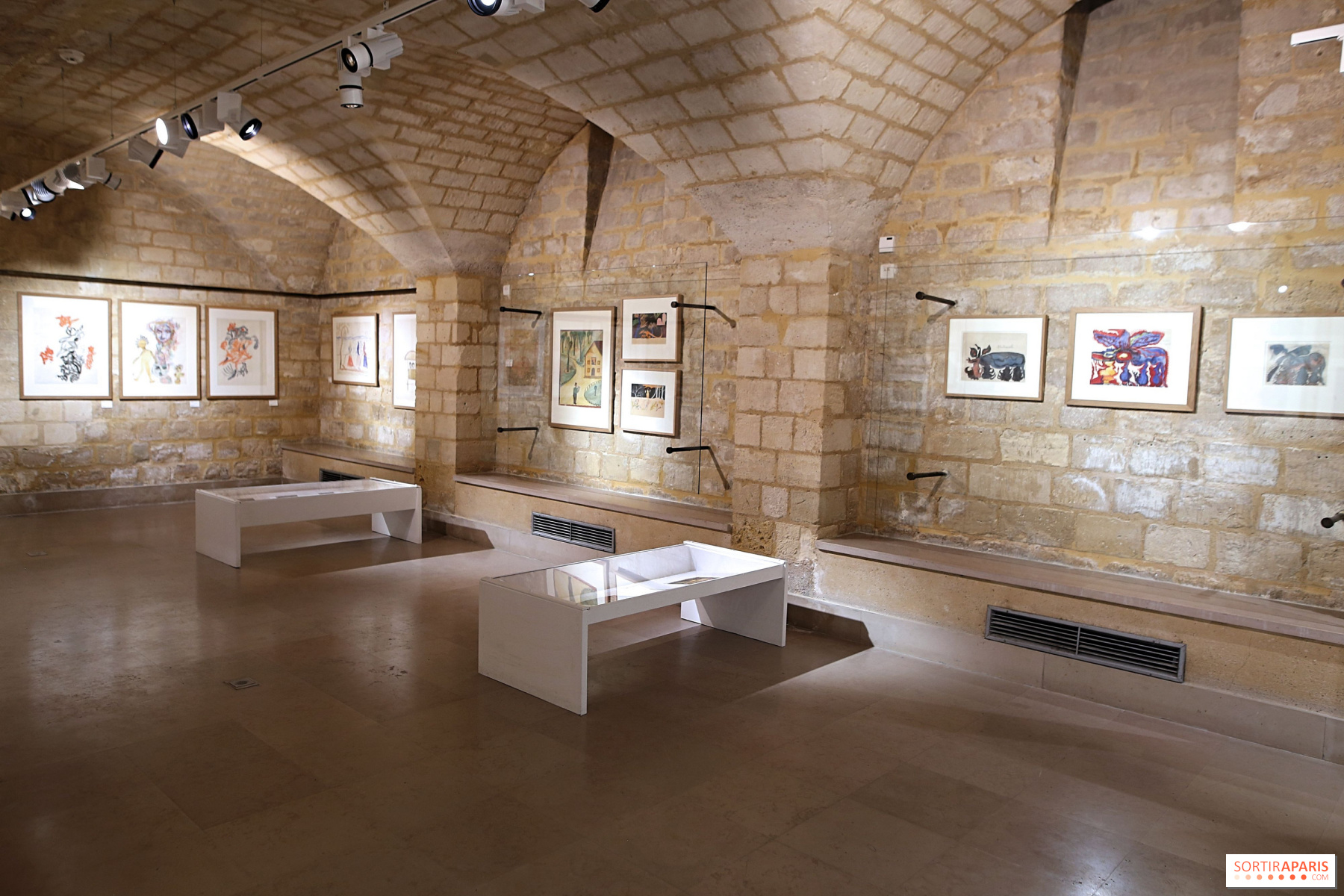
The Museum of Art and History of Sainte-Anne Hospital (MAHHSA) in Paris is presenting an exhibition titled "Masterpieces at the Heart of the Sainte-Anne Collection" from April 16 to July 26, 2026. The show features 145 works by artist-patients from the 19th century to today, including pieces by Aloïse Corbaz, Unica Zürn, Guillaume Pujolle, Maurice Blin, and Caroline Macdonald. Curated by Anne-Marie Dubois, the exhibition is organized into six thematic sections—such as "History of asylum and refuge" and "Imaginary universes"—to allow the works to dialogue without being reduced to the artists' illnesses. The museum also highlights Yayoi Kusama, who has long described her art as therapy.

I'm a punk artist, I don't give a damn

"Ich bin Punk-Künstlerin, ich geb einen Scheiß drauf"

During the opening week of the Venice Biennale, the Russian activist and Pussy Riot member Nadya Tolokonnikova staged a protest against the Russian pavilion, wearing pink balaclavas and chanting slogans like "Blood is Russia's Art." Meanwhile, Florentina Holzinger's Austrian pavilion, subtitled "I Live in Your Piss," drew massive crowds with its scatological installations and extreme performances, causing wait times of up to two and a half hours. German media critics have widely covered the Biennale's heightened political tone, with debates over boycotts of Russia and Israel, and the tension between art and activism.

Waterbury’s Mattatuck Museum Balances Art and Local

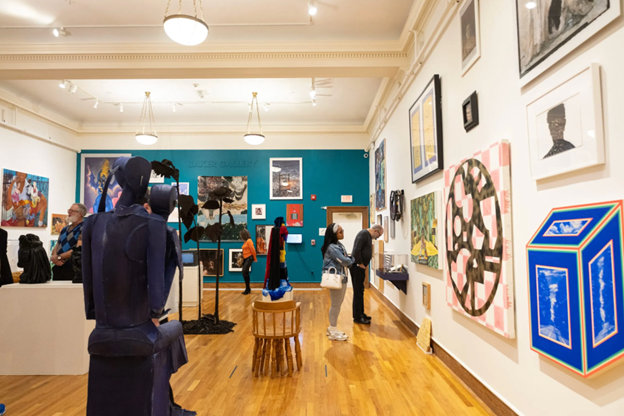
The Mattatuck Museum in Waterbury, Connecticut, balances art and local history, serving as a community hub. Director Bob Burns has integrated school programs reaching 7,000 local students annually, community art shows, contemporary works by artists like Yayoi Kusama and Simone Leigh, and a major exhibition "About Face: 250 Years of American Portraits" curated by Rebecca McNamara. The museum also features hyper-realistic paintings by Wende Caporale-Greene and a gallery of Waterbury's industrial past, with a focus on inclusivity after removing a physical barrier to Main Street in 2019.

"Hier darf laut gelacht werden"

During the opening week of the Venice Biennale, multiple reports detail controversies surrounding the Israeli and Russian pavilions. According to Hyperallergic, artist Belu-Simion Fainaru of the Israeli pavilion threatened legal action against the Biennale after the jury sought to exclude Israel and Russia from prizes over alleged human rights violations, citing antisemitism and nationality-based discrimination. This may have prompted the jury's sudden resignation. Meanwhile, taz reports that Russia's pavilion is a macabre 'dance of death' blending techno and political denial, while Israel's pavilion faces a 'silent boycott' and social ostracism. Zeit describes protests by Pussy Riot and Femen outside the Russian pavilion as a defining image, with activists chanting 'blood sticks to the art of this country.'

Where to go for the next scandal?

Wo bitte geht's zum nächsten Skandal?

The article reports on the 2024 Venice Biennale preview days, where the atmosphere is dominated by political protests, media stunts, and social-media pressure rather than the art itself. Incidents include a solidarity drone choir for Gaza, a Pussy Riot and FEMEN protest at the Russian Pavilion, and a planned demonstration near the Israeli Pavilion, all amplified by PR agencies and WhatsApp alerts. A journalist describes being pressured by editors to cover scandals and political controversies instead of art reviews, which they say no longer attract clicks.

A sturdy soldier in a sequin dress

"Eine kräftige Soldatin im Paillettenkleid"

Media reviews of the Venice Biennale's opening week offer contrasting takes on the German and US pavilions. Critics describe the German pavilion, curated by Sung Tieu and Henrike Naumann, as a dense, ironic East-West narrative that layers Nazi architecture with DDR prefab construction, creating what Jörg Häntzschel calls a "shockingly seamless symbiosis." The US pavilion, featuring sculptures by Alma Allen, is panned by Maximilíano Durón in ArtNews as politically timid and empty, lacking the clear colonial critiques of previous editions by Simone Leigh and Jeffrey Gibson.

How Art Libraries Make Art Accessible

Wie Artotheken Kunst zugänglich machen

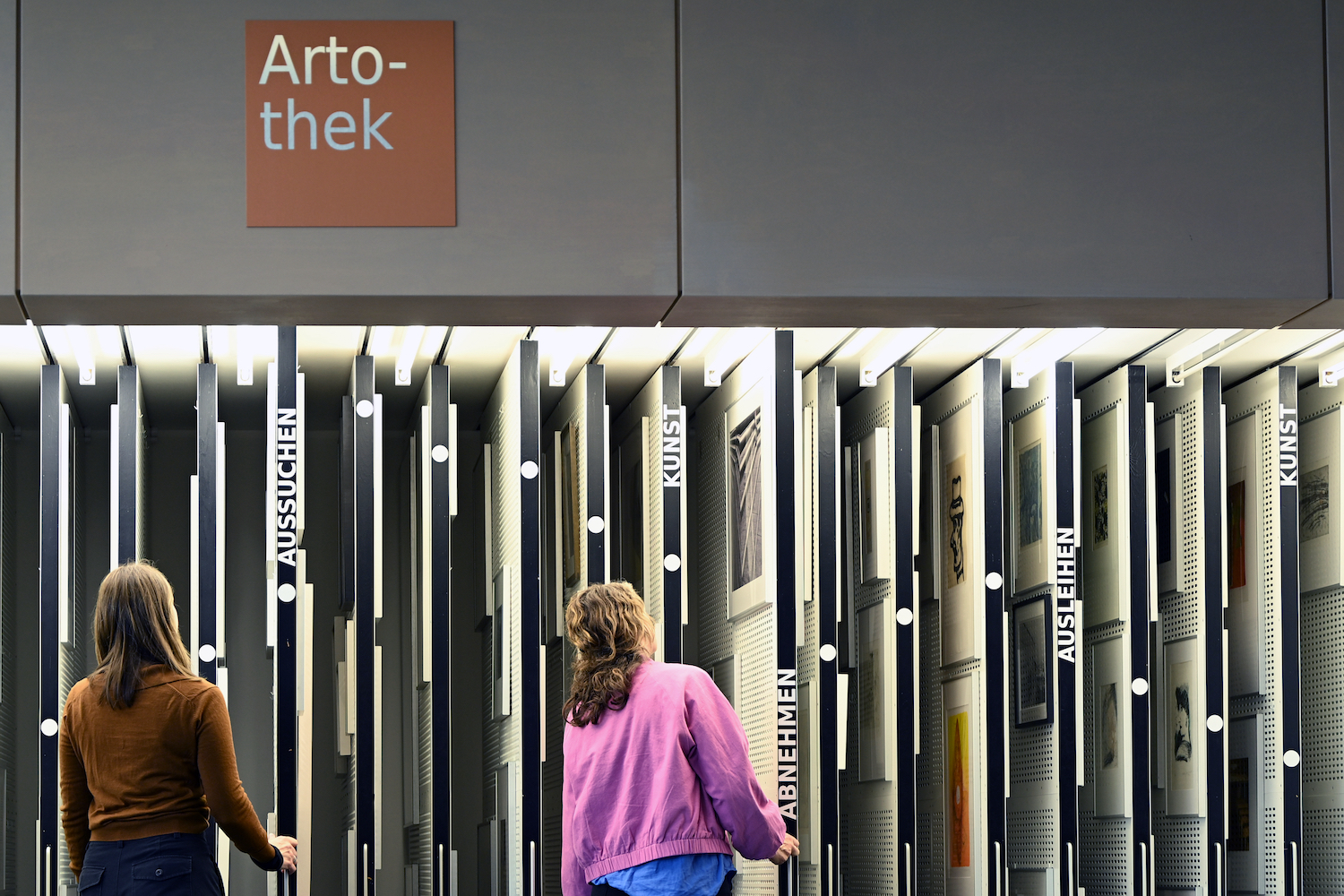
Artotheken, or art libraries, are public institutions that lend artworks to anyone with a library card, making art accessible beyond the traditional museum or gallery system. In Germany, over 100 such artotheken exist, often housed in public libraries, art associations, or museums. The Amerika-Gedenkbibliothek in Berlin, for example, has a collection of 2,000 works, with around 300 currently on loan to homes, doctors' offices, and law firms. The lending process is informal: borrowers can eat, drink, and even touch the works, and transport by bus or bike is encouraged. A jury selects up to 15 new works annually, and the collection includes major names like Roy Lichtenstein and Niki de Saint Phalle, though most users choose pieces based on personal connection rather than prestige.

Seen in Venice, Bought in Venice

"In Venedig gesehen, in Venedig gekauft"

The article reports on multiple developments surrounding the Venice Biennale. Iran has withdrawn from the Biennale, citing political and economic crises, with logistical challenges such as no flights or postal service making participation nearly impossible. Artist Anish Kapoor has called for the exclusion of the United States from the Biennale, criticizing its "abhorrent policy of hate" and "ongoing warmongering." A memorial installation by Derrick Adams for the late curator Koyo Kouoh, who was set to lead the main exhibition, will be displayed near the Arsenale. Additionally, the Biennale faces a funding cut from the EU due to Russia's continued participation despite the Ukraine war, leading to the resignation of the jury and the culture minister's withdrawal.

The Future Will Be Neither Good Nor Bad, But Strange

"Die Zukunft wird nicht gut oder schlecht, sondern seltsam"

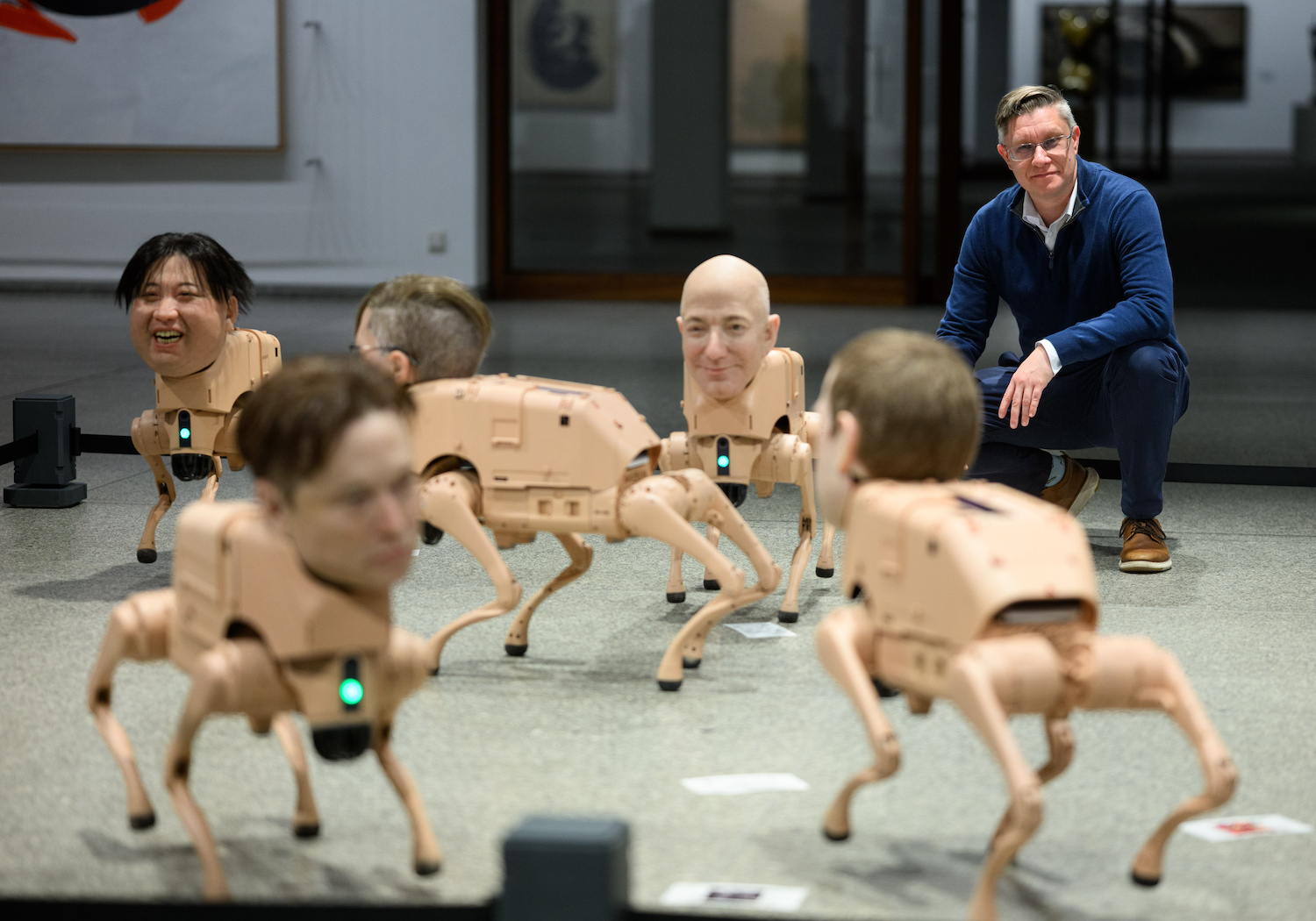
Mike Winkelmann, known as Beeple, has brought his "Regular Animals" series to the Neue Nationalgalerie in Berlin. The works feature digital creatures that blend pop-culture figures like Mark Zuckerberg with art-historical references such as Picasso, continuing Beeple's signature style of satirical, software-generated imagery. The exhibition marks a significant institutional debut for the artist, who rose to fame by selling the most expensive NFT ever and posting daily digital art online.

Wer vertritt wen in Venedig?