filter_list Showing 172 results for "antiquities" close Clear
search
dashboard All 172 gavel restitution 57article news 41museum exhibitions 29article policy 15trending_up market 15article culture 6candle obituary 4rate_review review 2person people 1article local 1article event 1
date_range Range Today This Week This Month All
Subscribe

portugal returns looted mexican antiquities

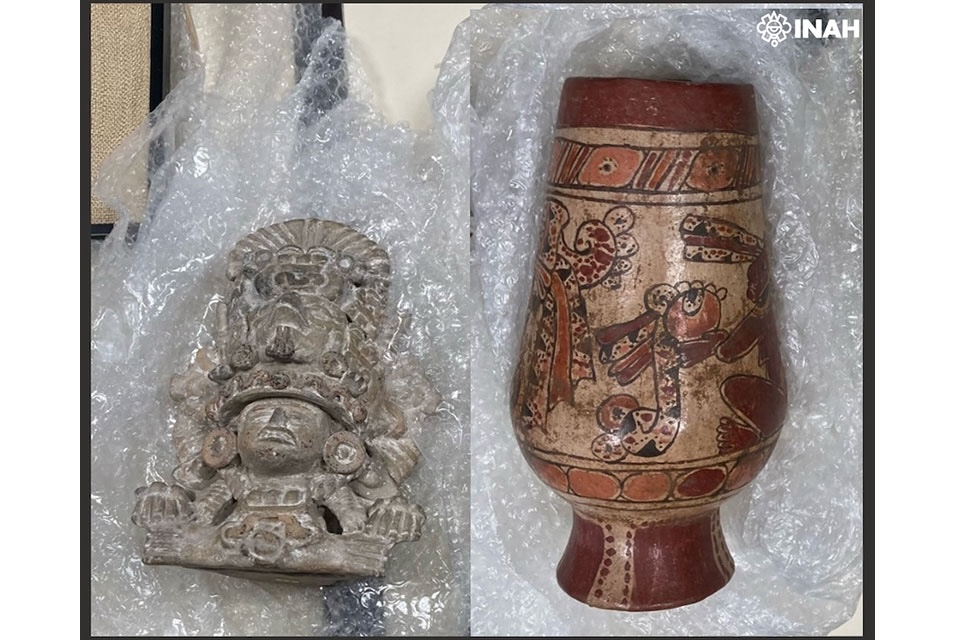
Portugal has repatriated three pre-Columbian artifacts to Mexico, marking the first time the country has returned unlawfully acquired antiquities to the Mexican government. The returned items include a Shaft Tomb Culture female figure, a Maya painted vessel, and a Zapotec funerary urn representing the deity Cocijo. The objects were recovered through the cooperation of Portuguese judicial authorities and the Mexican embassy after being flagged at auctions and in various cities including Lisbon, Guimarães, and Évora.

with new bill israel moves to expand control over ancient west bank sites

The Israeli Knesset's Ministerial Committee on Legislation approved a first reading of a bill that would grant Israel's Heritage Minister sweeping authority over antiquities in the West Bank. The legislation allows for the appointment of a governing council, the designation of antiquity sites, and the expropriation of land and artifacts across the occupied territory, including areas currently under Palestinian civil control.

matthew bogdanos new york antiquities trafficking unit art history

The Vilcek Foundation announced the recipients of its 20th annual prizes, honoring Matthew Bogdanos, a former classics scholar, US Marine colonel, and assistant district attorney in New York, with the Marica Vilcek Prize in Art History. Bogdanos, who launched the Antiquities Trafficking Unit in 2017, has overseen the seizure of over 5,000 looted antiquities valued at more than $300 million from museums, auction houses, and private collectors. He declined the $100,000 cash award, directing the foundation to donate the funds to nonprofits of his choosing.

smithsonians national museum of asian art returns three looted sculptures to india

The Smithsonian's National Museum of Asian Art announced it will return three looted bronze sculptures to India: "Shiva Nataraja" (ca. 990), "Somaskanda" (12th century), and "Saint Sundarar with Paravai." Provenance research linked the works to art dealers known for trafficking looted antiquities. The museum partnered with the Photo Archives of the French Institute of Pondicherry in 2023, finding the bronzes had been photographed in Tamil Nadu temples between 1956 and 1959 and removed in violation of Indian laws. This follows the museum's December return of three Khmer-period sculptures to Cambodia, also determined to be looted.

pompeii hercules fresco location

Archaeologists have identified the original location of a looted fresco fragment from Pompeii that was repatriated from the U.S. to Italy in 2023. The fragment, depicting baby Hercules wrestling a snake, was found to have once decorated the upper lunette of a private chapel (sacellum) at the ancient villa of Civita Giuliana. The discovery was made during excavations in 2023 and 2024, and the fragment will be exhibited at the Antiquarium of Boscoreale from mid-January.

after museum heist syrian cultural authorities face scrutiny over lack of transparency

Syria's Ministry of Culture briefly published details of artifacts stolen from the Damascus National Museum, including six Roman-era marble statues of Venus and gold ingots, only to delete the post hours later. The theft occurred on Sunday night and was discovered Monday morning when a broken door was found. International media reported the theft citing anonymous sources, and the Directorate General of Antiquities and Museums (DGAM) confirmed an investigation but provided no further details. The museum, which houses thousands of antiquities, had reopened in January after closing during the civil war and the fall of the Assad regime.

egypt alexandria artifacts lifted sea

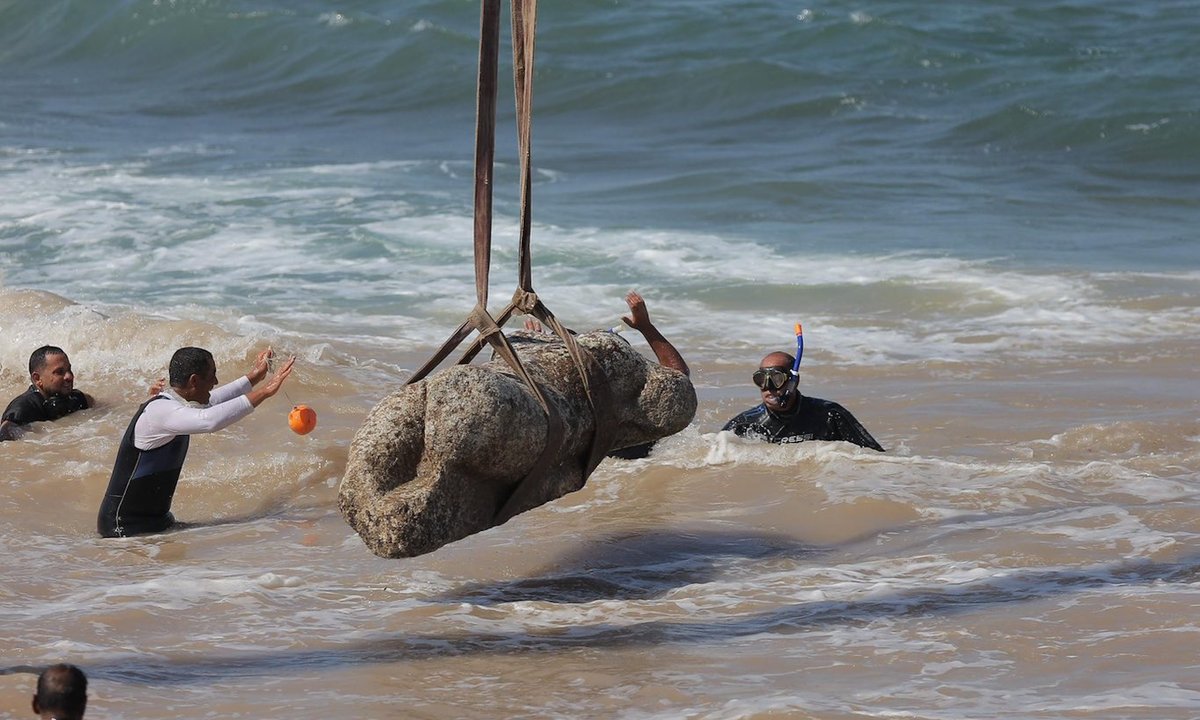
Egypt's Ministry of Tourism and Antiquities recovered underwater ruins from a sunken city off the coast of Alexandria on August 21. Divers and cranes retrieved ancient statues, including royal figures and sphinxes from the pre-Roman era, such as a partially preserved sphinx with the cartouche of Ramses II. The site in Abu Qir bay also revealed limestone buildings, residential and commercial structures, a 125-meter dock over 2,000 years old, a merchant ship, stone anchors, and a harbor crane from the Ptolemaic and Roman eras. Tourism and Antiquities Minister Sherif Fathy noted that only specific material meeting strict criteria is brought up, with the rest remaining underwater heritage.

erotic mosaic pompeii nazi officer

An ancient mosaic looted during World War II by a Nazi officer has been repatriated to Italy and is now on public display in Pompeii. The mosaic, which depicts an erotic bedroom scene, likely originated near Mount Vesuvius and was taken by a Wehrmacht captain who donated it to a German citizen. It was returned with the help of the Italian consulate in Stuttgart on September 16, 2023, and is now housed at the Pompeii Archaeological Park.

22 stone blocks alexandria ancient lighthouse seafloor

A team from the French National Center for Scientific Research has lifted 22 massive stone blocks from the Lighthouse of Alexandria from the seafloor, 30 years after the remains were first discovered in Egypt. The blocks include monumental door lintels, jambs weighing 70 to 80 tons, a threshold, large base slabs, and parts of a previously unknown pylon with an Egyptian-style door from the Hellenistic period. Each block will be scanned and studied to add to a digital collection of over 100 blocks already digitized, aiming to construct a virtual model of the lighthouse. The excavation was supervised by archaeologist Isabelle Hairy and conducted under the Egyptian Ministry of Tourism and Antiquities, with support from La Fondation Dassault Systèmes and French documentary company GEDEON Programmes, which filmed the work for a 90-minute documentary.

new regulation around eu import law promises art market shakeup

A new European Union regulation, Regulation (EU) 2019/880, will take effect on June 28, requiring thorough provenance documentation for cultural objects over 200 years old (or 250 for archaeological items) imported into the EU. Importers must provide material evidence proving lawful acquisition from the country of origin, including the object's origin, export date, and chain of ownership, or face potential seizure. The rule builds on a 2019 anti-trafficking law and has sparked concern among EU-based dealers, who warn it could stifle the market for antiquities and non-European art.

1600 year old beer shema mosaic publicly accessible israel

A 1,600-year-old mosaic known as the Be'er Shema Mosaic has been opened to the public for the first time at the Merhavim Regional Council complex in northwestern Negev, Israel. Originally unearthed in 1990 near Kibbutz Urim, the mosaic features 55 medallions depicting hunting scenes, exotic animals, mythological figures, fruit, and daily life, and was created by a master craftsman using small stones, varied colors, glass, and pottery. It was rediscovered, conserved, and relocated from its original site to the council compound as part of the "Antiquities Near Home" project co-organized by the Ministry of Heritage and the Israel Antiquities Authority.

New rules on importing cultural artefacts create headaches at Tefaf Maastricht

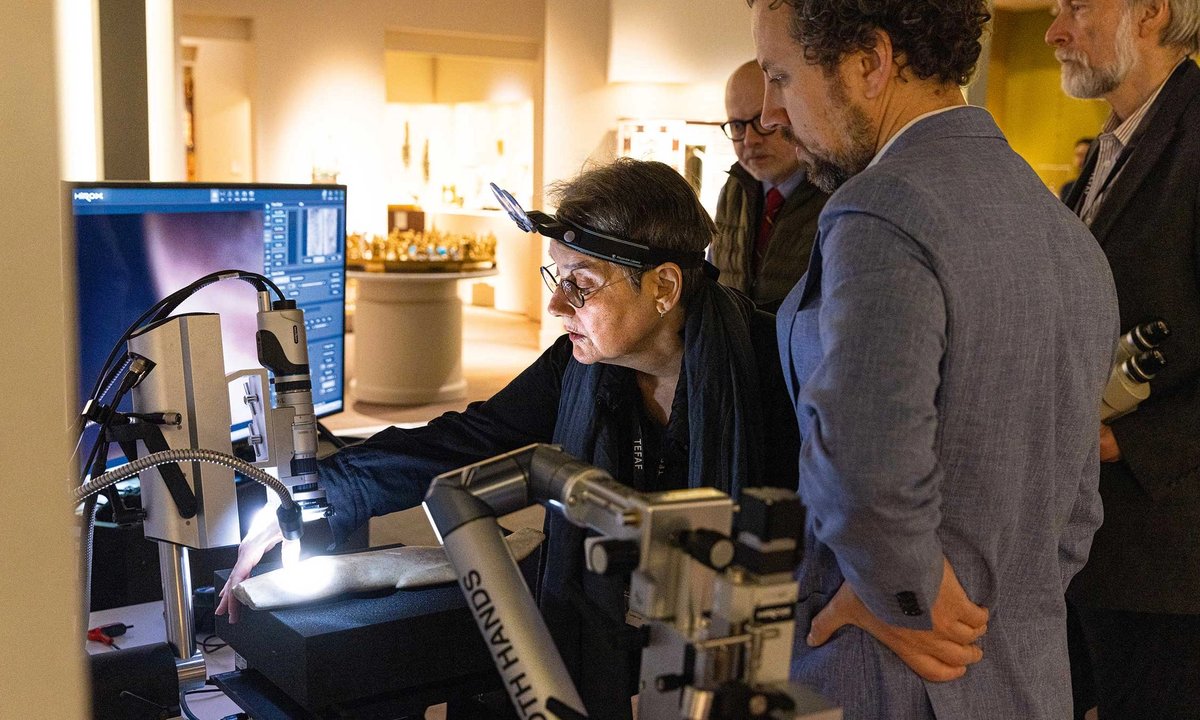
The implementation of new EU regulations on the import of cultural goods over 250 years old is causing significant disruption at TEFAF Maastricht. Dealers and collectors are facing administrative hurdles, including difficulties obtaining mandatory EORI numbers and inconsistent enforcement by customs officials. These rules, which require extensive documentation for items originating outside the EU, have led to seized shipments and a general crisis of confidence among international exhibitors.

Treasures of the past shine in ‘Ancient Splendor’

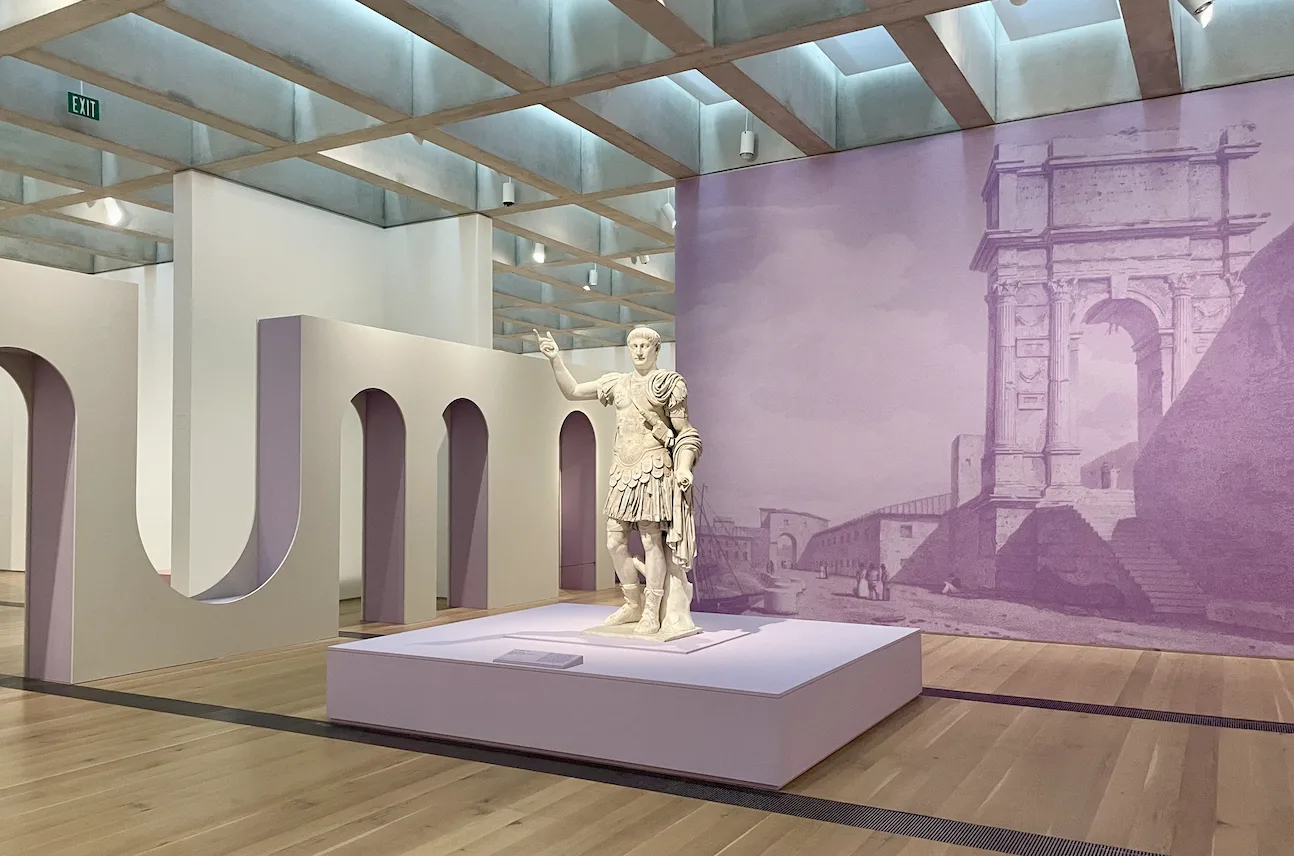
The Saint Louis Art Museum (SLAM) is launching 'Ancient Splendor: Roman Art in the Time of Trajan,' a major exhibition featuring approximately 160 artifacts including imperial portraiture, mosaics, jewelry, and frescoes. Curated by Lucrezia Ungaro and Hannah Segrave, the show utilizes theatrical design and sensory elements like scents to immerse visitors in the Roman world. The exhibition is bolstered by significant loans from prestigious Italian institutions, including the Vatican Museums and the National Archaeological Museum of Naples.

Tutankhamun set to debut at delayed Grand Egyptian Museum opening

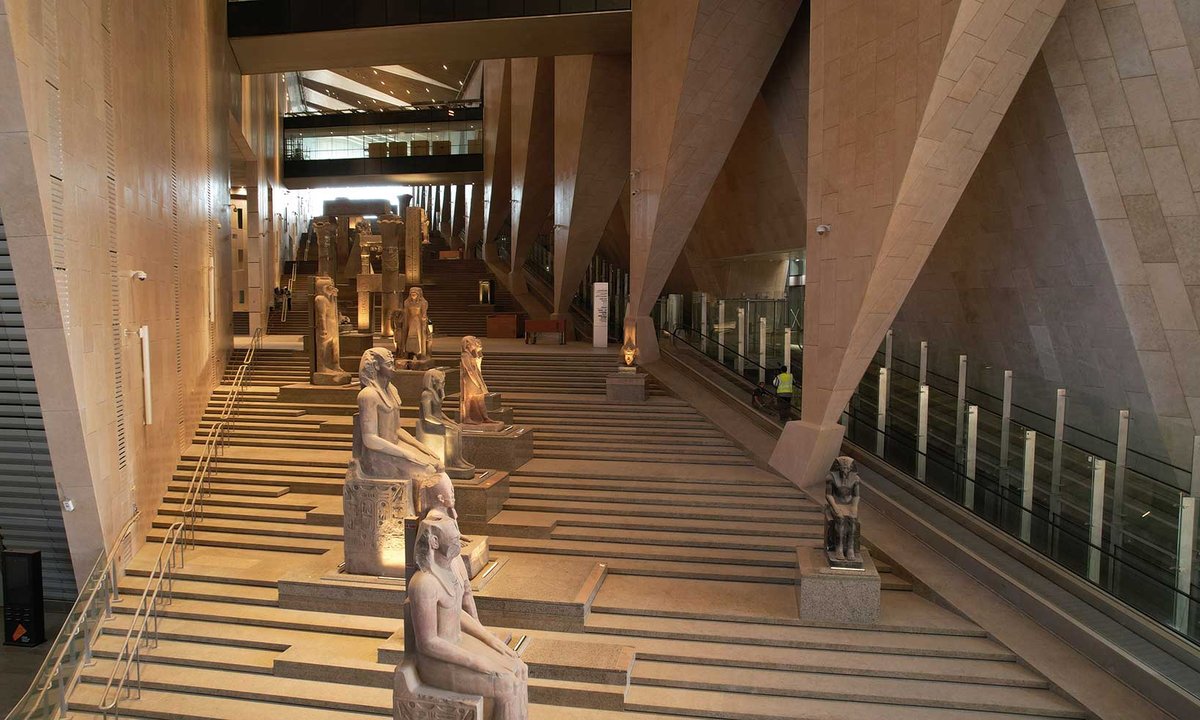
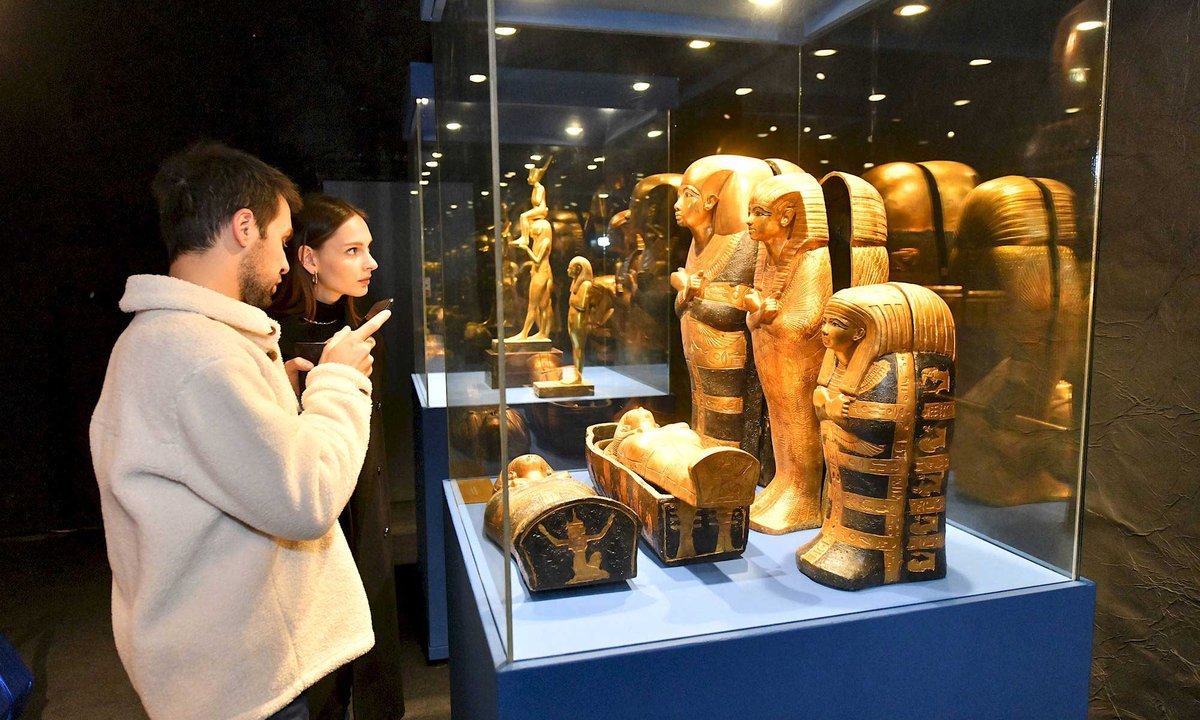
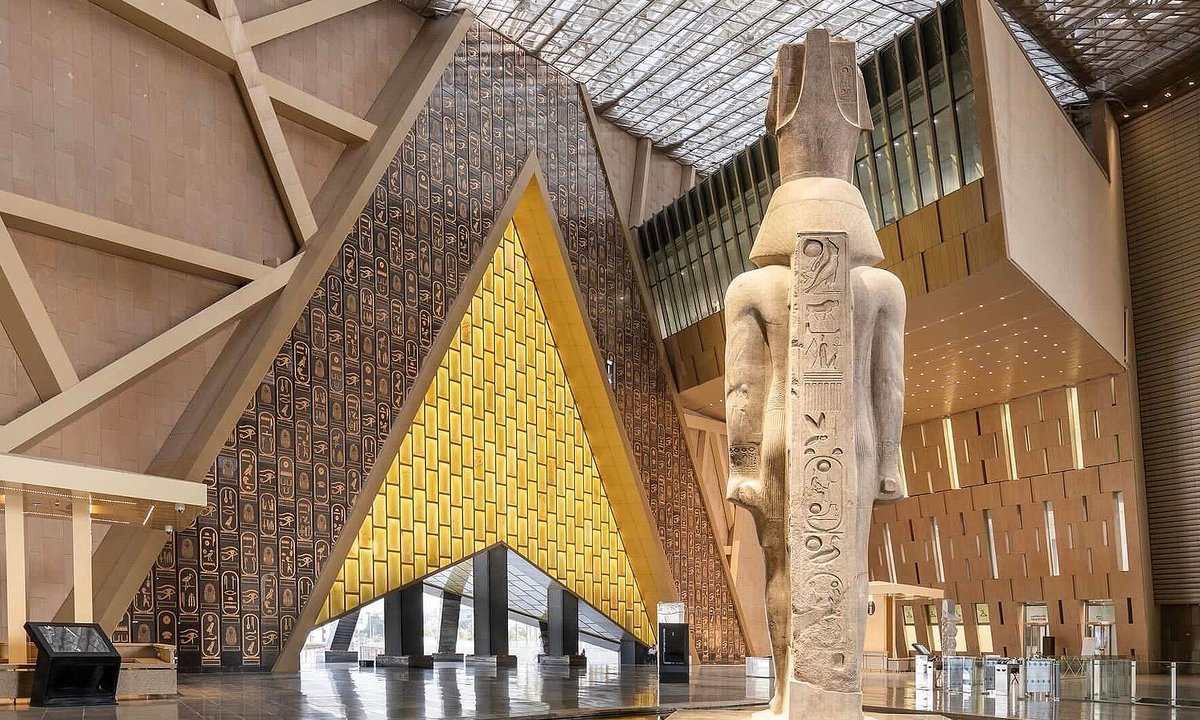
The Grand Egyptian Museum (GEM) will hold its official opening ceremony on November 1, more than 30 years after its initial proposal. The centerpiece of the inauguration is the Tutankhamun Gallery, featuring the famous gold funerary mask under bulletproof glass and a full-scale reproduction of the king's tomb. Designed by German studio Atelier Brückner, the gallery offers two narrative paths: one tracing Tutankhamun's life and reign, the other following Howard Carter's 1922 discovery. The museum, located near the Giza pyramids, has already been partially open to visitors, with conservation labs operating since 2010 and contemporary programming running for two years.

Why the new EU law aimed at stopping antiquities trafficking may hamper museum loans

A new EU regulation (2019/880) taking effect on 28 June aims to prevent trafficking of looted antiquities by requiring importers to provide extensive provenance records and export permits for cultural goods over 200 years old or worth more than €18,000. While the law includes an exemption for temporary exhibitions, implementing rules limit this exemption to loans from museums outside the EU, excluding private collectors. Museum directors and art fair officials warn that the administrative burden may discourage private lenders from participating in temporary exhibitions, potentially reducing the diversity of cultural offerings in the EU.

Grand Egyptian Museum opening delayed again due to 'current regional developments'

The official opening of the Grand Egyptian Museum (GEM), originally scheduled for July 3, has been postponed again due to the outbreak of war between Israel and Iran. Egyptian Prime Minister Mostafa Madbouly announced the delay on Saturday, with the tourism and antiquities ministry citing "current regional developments" and stating the full launch will now occur in the last quarter of this year. The museum is already partially open, including its conservation studios (operating since 2010), contemporary program (since 2023), and most Egyptian galleries with the grand staircase, but the Tutankhamen galleries are being held back for the formal opening.

More than 160 Tutankhamun treasures have arrived at the Grand Egyptian Museum

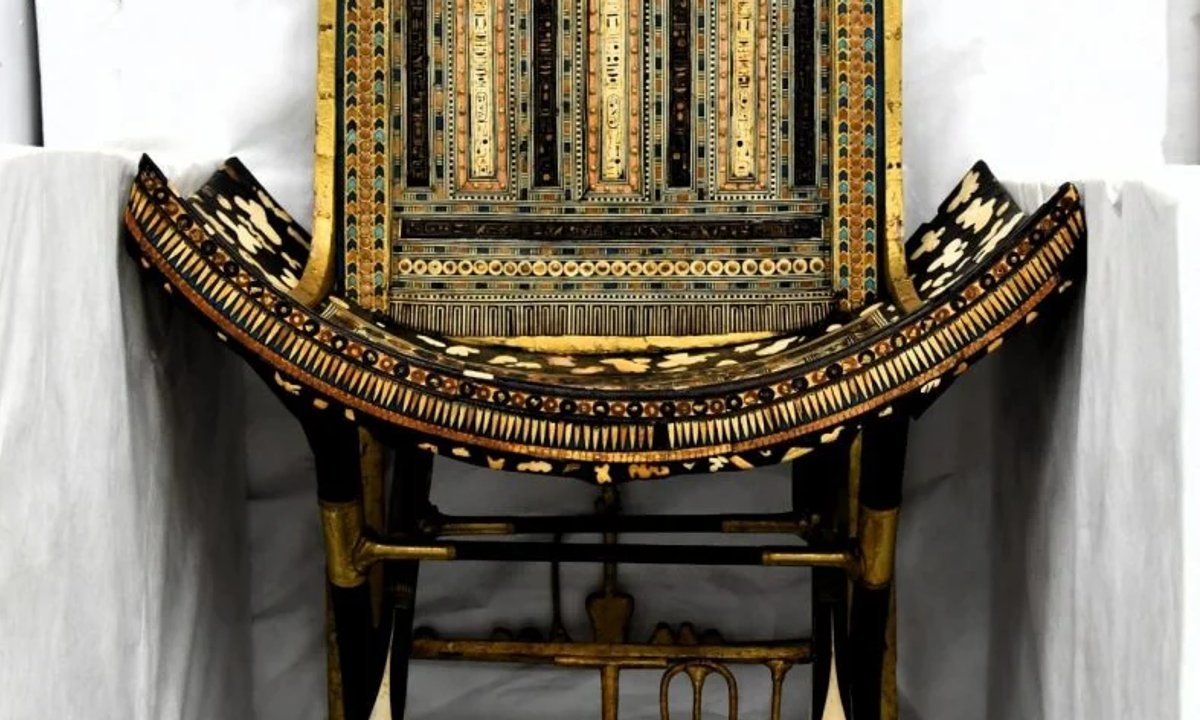
More than 160 treasures from the tomb of King Tutankhamun have been transferred from the Egyptian Museum in Cairo to the Grand Egyptian Museum in Giza, ahead of its long-awaited opening on 3 July. The items include a ceremonial chair inlaid with ivory and gold and an accompanying footstool decorated with gilded motifs. The Egyptian Ministry of Tourism and Antiquities states the move is part of a plan to display the entire Tutankhamun collection together for the first time. The famous golden mask and golden coffins remain at the Cairo museum for now and will be the last items moved.

Investigators search again for stolen Celtic gold treasure

Ermittler suchen erneut nach gestohlenem Kelten-Goldschatz

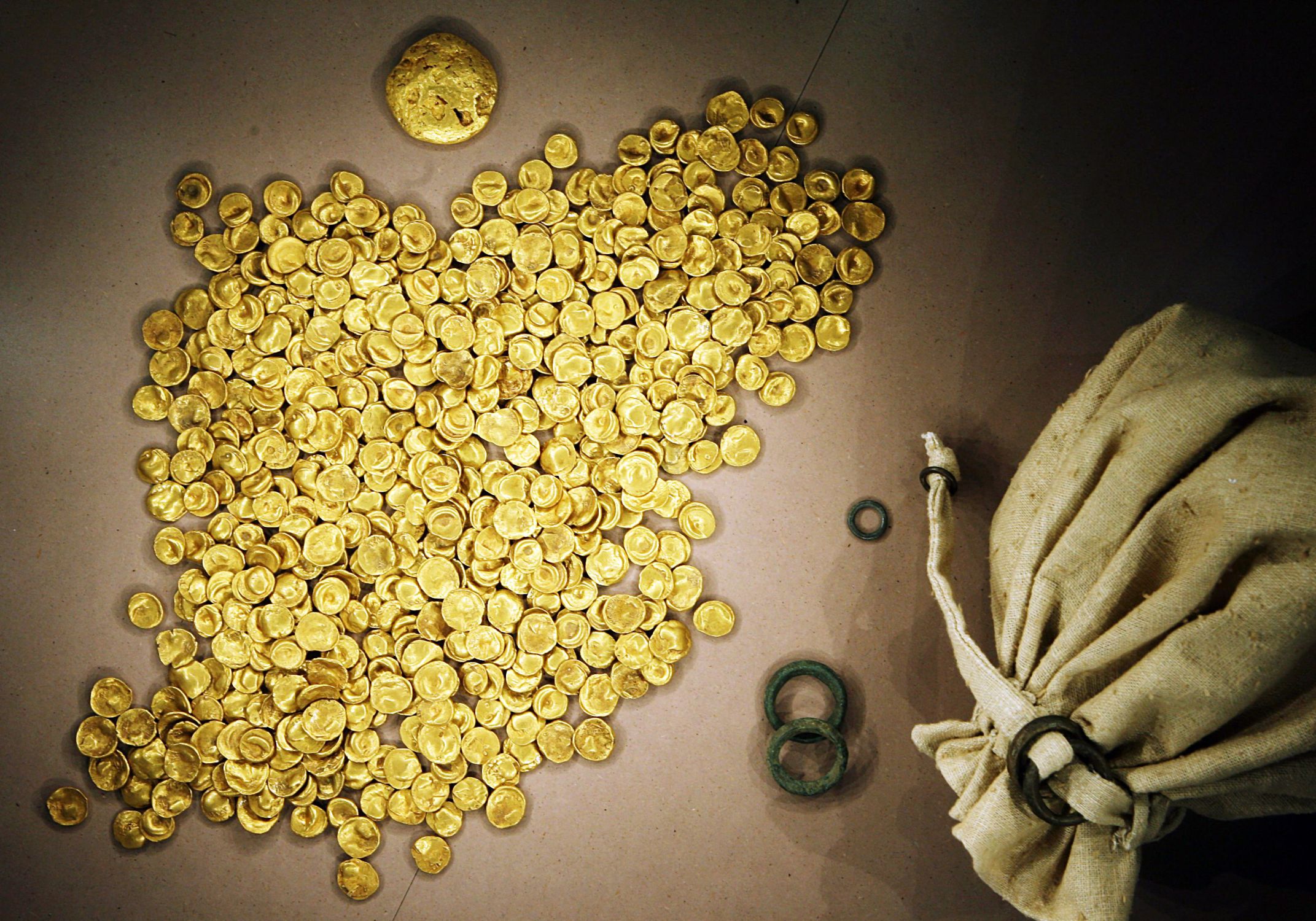
More than three years after the theft of a Celtic gold treasure from the Kelten Römer Museum in Manching, Bavaria, investigators are conducting a new search for the missing loot. Four perpetrators were arrested and sentenced to long prison terms in July 2025, but only a small portion of the stolen gold coins was recovered. Now, based on new intelligence, Bavarian state police are searching the property of the main suspect and his partner in Plate, Mecklenburg-Vorpommern, using X-ray and radar technology. They believe 411 gold coins and a gold casting ingot—about three kilograms of gold—are professionally hidden there, along with cash from other burglaries. The suspect's partner is under investigation for money laundering for allegedly offering to help sell the gold.

Bavarian State Police Return Saint Figures to the Czech Republic

LKA gibt Heiligenfiguren an Tschechien zurück

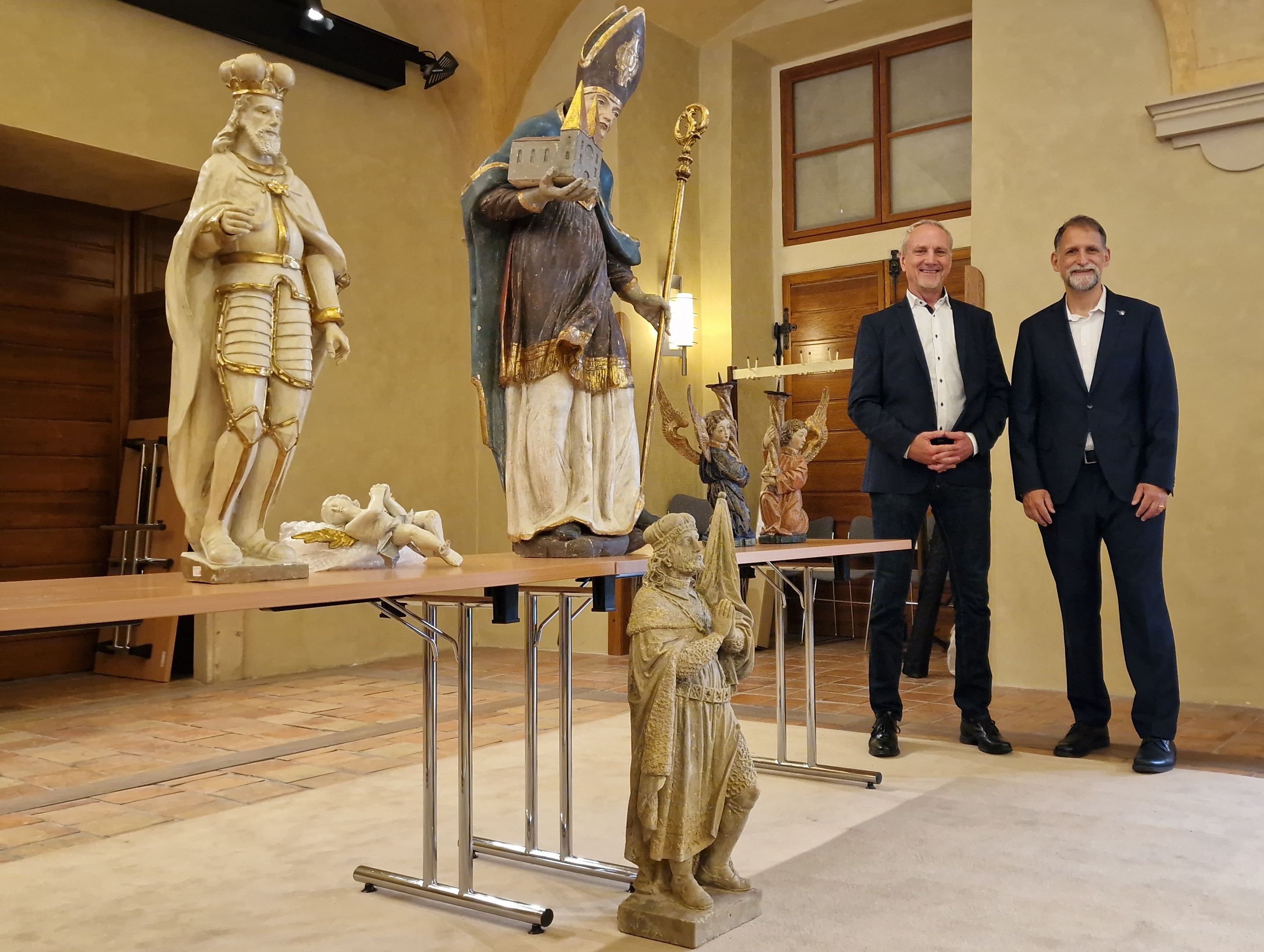
Bavarian state police (LKA) have returned five stolen religious sculptures—saints and angel figures—to Czech authorities. The artworks, some dating back centuries, were stolen from Czech churches as early as 1993 and later offered for online sale in Bavaria and Berlin. The handover ceremony took place in Prague, coordinated with Germany's Federal Government Commissioner for Culture and Media (BKM).

Ancient artefacts from sunken city lifted out of Mediterranean near Alexandria

Ancient artefacts from the sunken city of Canopus, submerged off the coast of Alexandria, have been recovered for the first time in 25 years. During a three-day underwater heritage event (19-21 August), archaeologists lifted limestone structures, a quartz sphinx bearing cartouches of Ramses II, and a white marble statue of a Roman nobleman from the Mediterranean. The operation was led by the European Institute for Underwater Archaeology (IEASM) in cooperation with the Egyptian Ministry of Tourism and Antiquities, with French underwater archaeologist Franck Goddio playing a key role. The finds are now on display in the exhibition 'Secrets of the Sunken City' at the Alexandria National Museum.

Discovery of ancient Coptic city ‘enhances our understanding of early Christianity in Egypt’

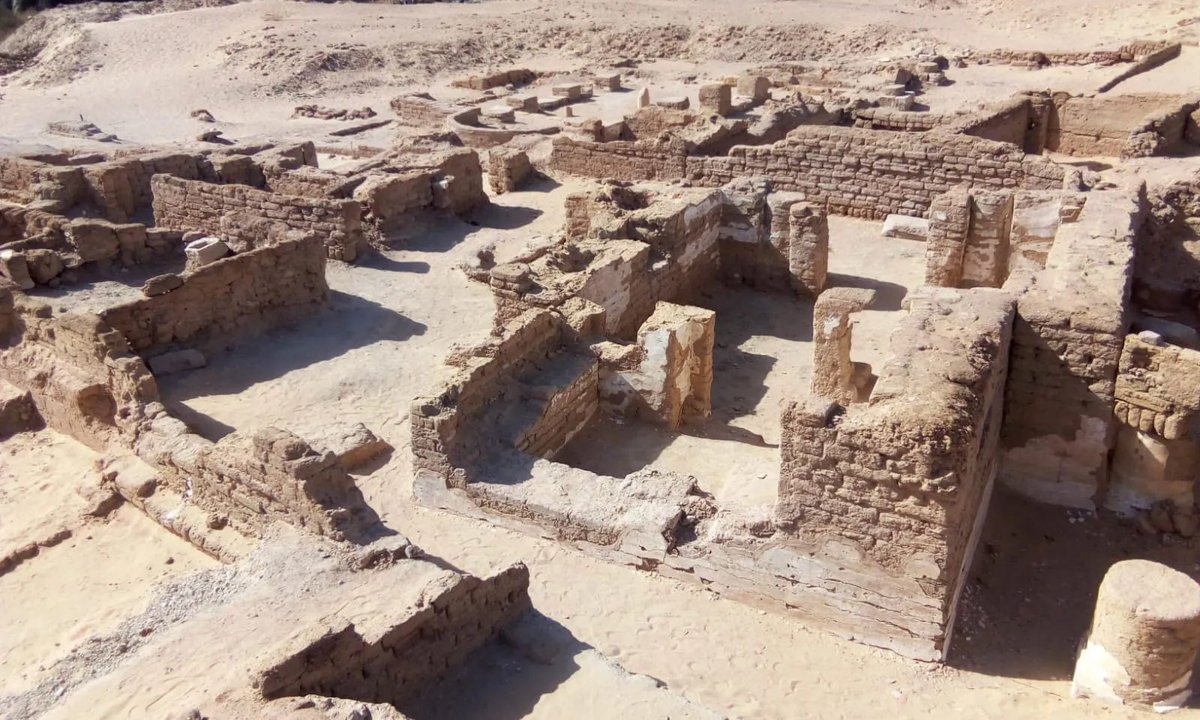
Egypt's Ministry of Tourism and Antiquities announced on 24 July the discovery of an ancient Coptic city at the Ain Al-Kharab archaeological site in the Kharga Oasis, Western Desert. Dating from the third to seventh centuries, the site includes mudbrick residences, tombs, two churches (one basilica-style), and a mural of Jesus Christ healing the sick. The excavation was led by the Supreme Council of Antiquities (SCA).

Syria, Ukraine and Gaza among countries to receive heritage funds from Aliph

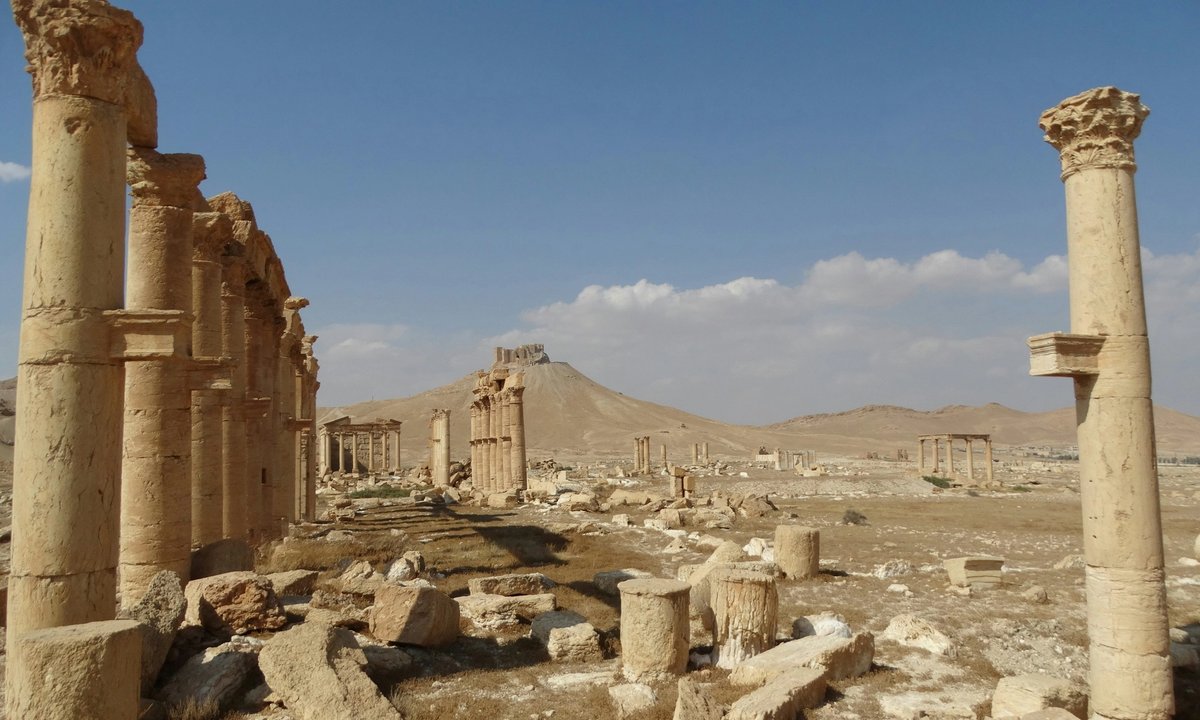
ALIPH, the Geneva-based cultural heritage protection agency, has announced over $16 million in its latest funding round, with support directed to Syria, Gaza, Ukraine, Sudan, and a new focus on climate change impacts on heritage, primarily in Africa. Nearly a third of the funding ($5 million) goes to Syria, where the newly appointed Director General of Antiquities and Museums, Dr. Anas Haj Zeidan, aims to restore sites damaged during the war under former president Bashar al-Assad. ALIPH executive director Valéry Freland reported extensive damage from 14 years of war, the 2023 earthquake, and economic crises, but noted strong local determination to rehabilitate heritage, including Palmyra. The agency also committed $9 million to address climate threats, supporting 28 projects—22 in Africa—focused on earthen architecture, sacred forests, and local knowledge preservation.