filter_list Showing 15 results for "antiquities" close Clear
search
dashboard All 173 gavel restitution 57article news 41museum exhibitions 30article policy 15trending_up market 15article culture 6candle obituary 4rate_review review 2person people 1article local 1article event 1
date_range Range Today This Week This Month All
Subscribe

Greece Creates New Art Crime Unit to Combat Forgery and Trafficking

Greece has enacted a comprehensive new law to combat art crime, establishing a specialized unit within the Ministry of Culture to target forgery, antiquities trafficking, and vandalism. The legislation introduces significantly harsher penalties, including fines up to €300,000 and prison sentences of up to 10 years, while expanding the scope of criminal activity to include the mere possession of forged works with intent to distribute.

british museum lending program

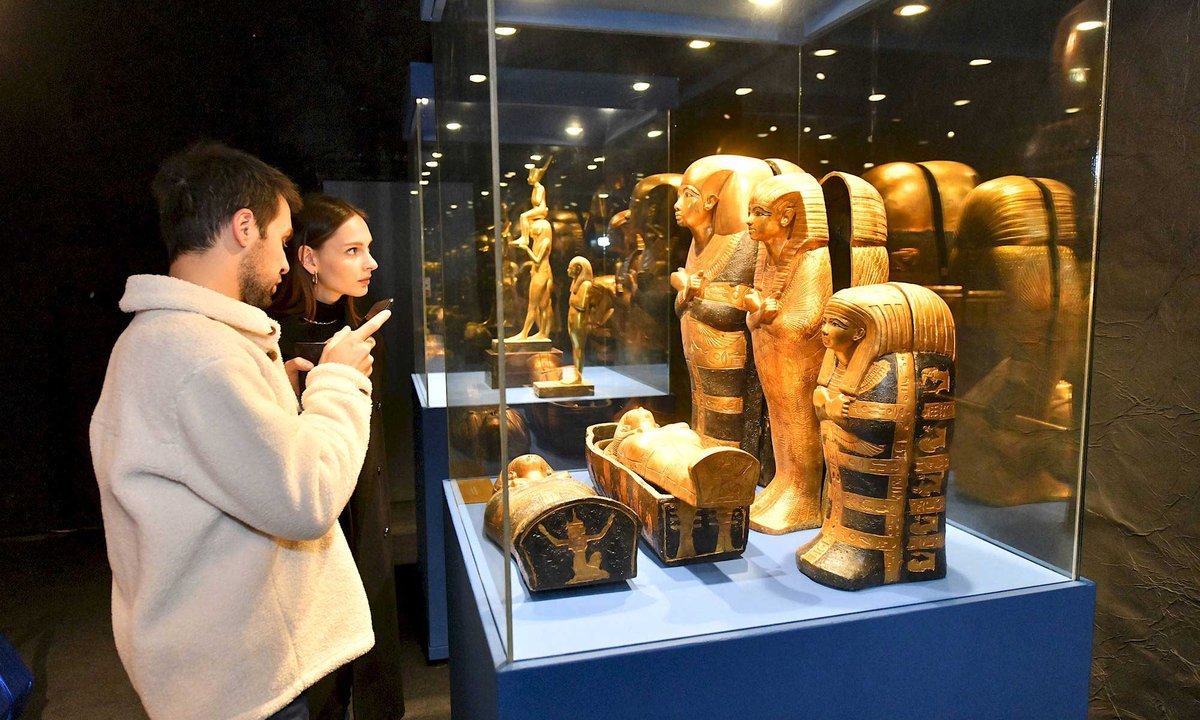
The British Museum has launched a new long-term lending program, transferring some 80 Greek and Egyptian antiquities to the Chhatrapati Shivaji Maharaj Vastu Sangrahalaya (CSMVS) in Mumbai, India, for a three-year exhibition. Director Nicholas Cullinan presented the initiative as a collaborative alternative to the contentious debate over repatriation, aiming to share artifacts with former British colonies without permanently deaccessioning them. The loans are part of a 15-year partnership between the two museums, and Cullinan has signaled plans to negotiate similar arrangements with China, Nigeria, and Ghana.

unesco new chief gaza and ukraine us exit anti israel bias

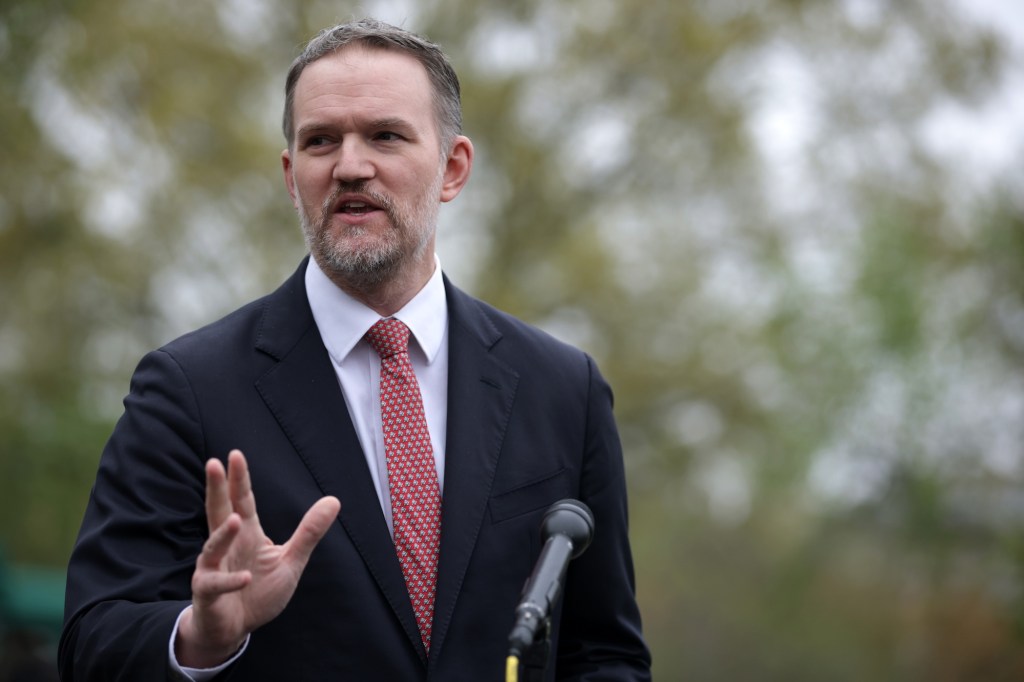
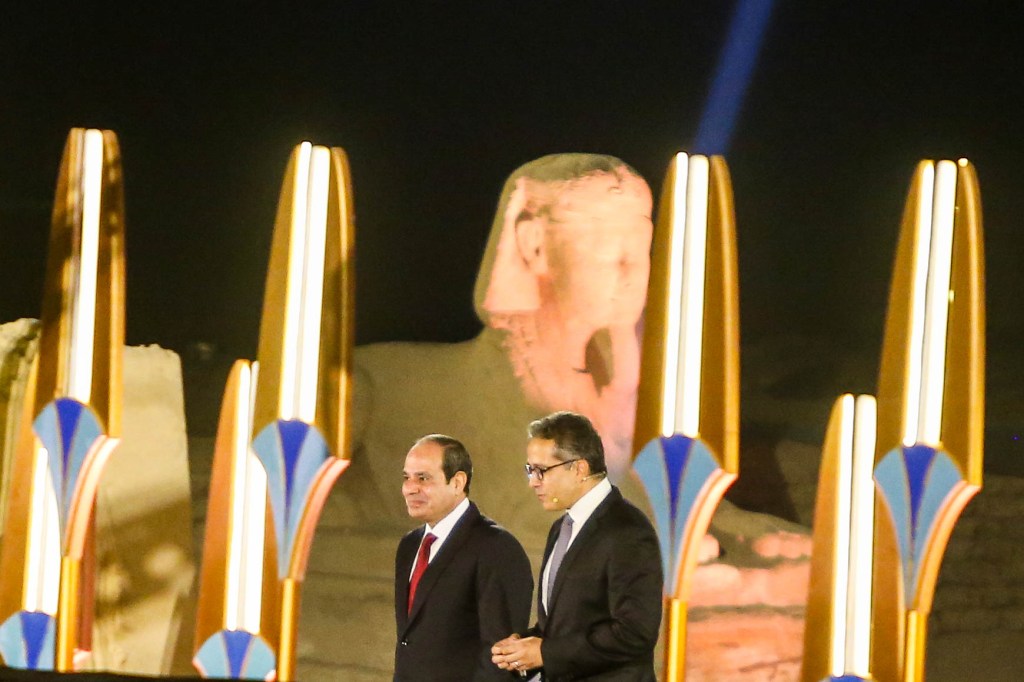
UNESCO's executive board has nominated Khaled El-Enany Ezz as its sole candidate for the next director-general, following a decisive vote during the organization's meetings at United Nations High Week. El-Enany, a 54-year-old Egyptian professor of Egyptology and former minister of tourism and antiquities, previously oversaw the construction and renovation of more than 20 museums, including the Grand Egyptian Museum. He will be the first Arab to lead UNESCO, replacing outgoing director-general Audrey Azoulay.

new european union law antiquities trafficking june 28

A new European Union law, Regulation 2019/880, aimed at preventing the sale of looted antiquities, is set to go into effect on June 28. The law imposes heightened due diligence requirements on anyone importing cultural goods from outside the EU, including fine arts, antiquities, and decorative arts. It categorizes cultural goods into three groups, with the strictest rules for archaeological items over 250 years old, which require an import license and proof of legal export. Non-compliance could lead to seizures or criminal consequences for art dealers, collectors, and professionals. While there is a partial exemption for temporary exhibitions, it primarily benefits museums outside the EU, leaving private collectors without the same protections.

Arts Groups Speak Out Against US Trade Representative’s Potential New Tariffs

The U.S. Trade Representative, Jamieson Greer, has launched a Section 301 investigation into 60 countries to determine if forced labor practices create unfair trade advantages. This move follows President Trump’s continued push for sweeping tariffs after previous attempts were struck down by the Supreme Court. Major art organizations, including the Association of Art Museum Directors (AAMD) and Heritage Auctions, are formally petitioning for works of art and antiquities to be exempt from any resulting duties.

China Orders Nationwide Museum Audit After Missing Masterpieces Scandal

China's National Cultural Heritage Administration has mandated a comprehensive, item-by-item inventory of all state-run museum collections following a major scandal at the Nanjing Museum. The audit aims to verify that objects listed in official records physically exist in storage, a direct response to the discovery that donated national treasures, including a valuable Ming dynasty painting, were improperly transferred or sold into the private market over decades.

senator john fetterman proposes bill to apply anti money laundering protections to us art market

On July 23, U.S. Senator John Fetterman introduced the Art Market Integrity Act, a bill that would apply anti-money laundering (AML) and counter-terrorism financing regulations to art dealers, auction houses, galleries, advisers, consultants, custodians, museums, collectors, and other intermediaries in the art market. The legislation amends the Bank Secrecy Act, requiring these entities to conduct client due diligence, maintain records, and report suspicious transactions. It exempts artists selling their own work, nonprofits, and businesses with under $50,000 in annual art transactions. The bill is co-sponsored by Senators Chuck Grassley, Sheldon Whitehouse, Bill Cassidy, Andy Kim, and David McCormick.

eu import regulations

The European Union's Regulation 2019/880, aimed at combating illicit trafficking and terrorism, will take effect on June 28, imposing stricter import controls on antiquities and artworks over 200 years old and valued above €18,000 ($19,500). The regulation requires importers to provide evidence that an object was lawfully exported from its country of origin, even for items exported decades ago when such documentation was not required. This reverses the presumption of innocence, placing the burden of proof on importers. Dealers and experts express concern that the rules are not based on market realities, as importers must be registered within the E.U., forcing non-E.U. dealers to rely on third-party agents or shippers. The regulation also poses challenges for ancient objects, where borders and export controls may be historically ambiguous.

Heritage experts call for international task force to plan Palmyra rebuild

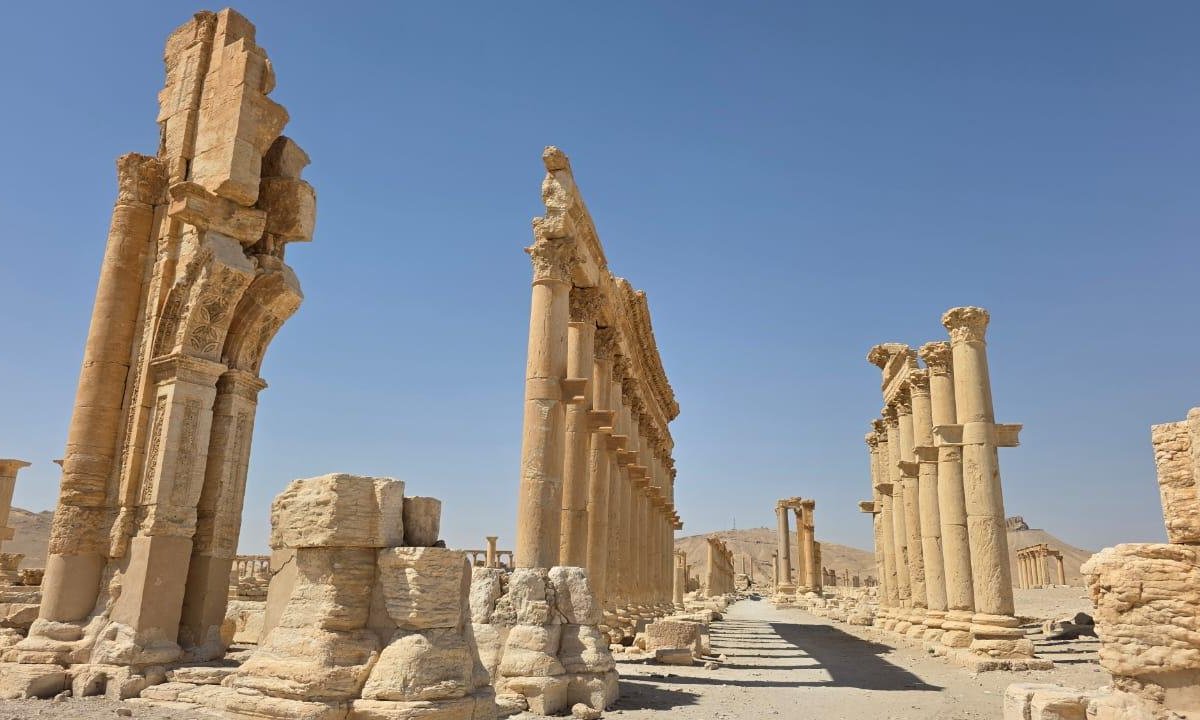
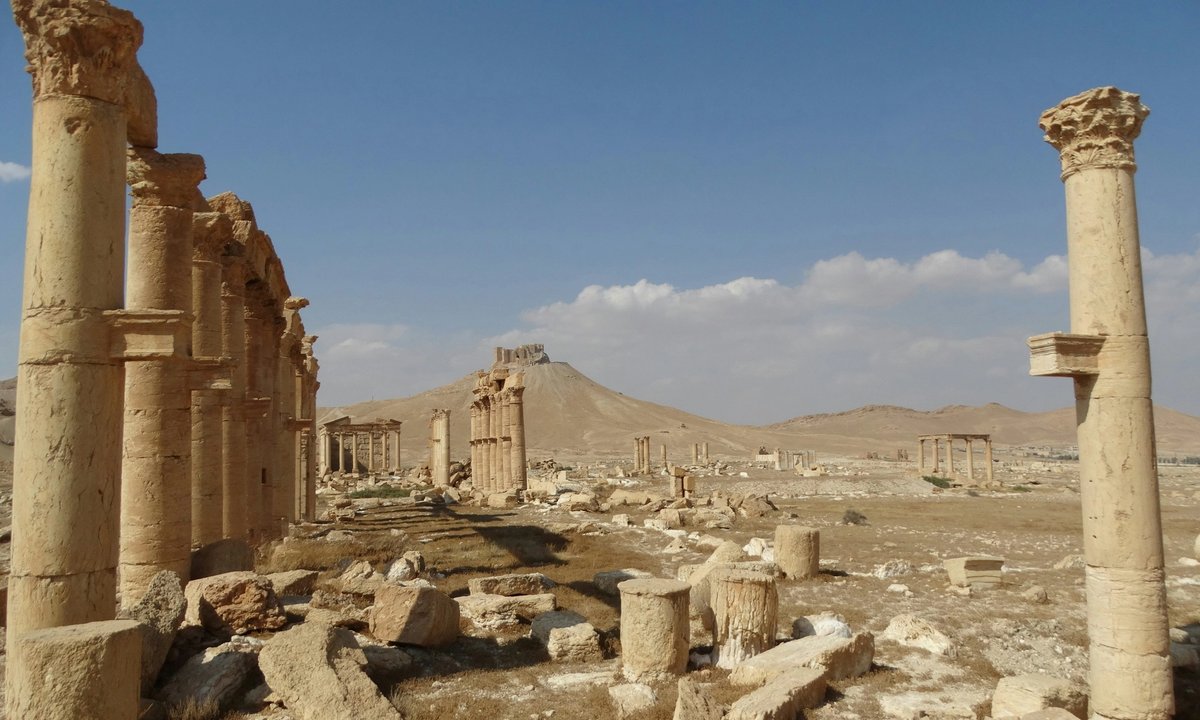
Heritage experts, antiquities officials, and Syrian community members convened at a conference organized by the University of Lausanne and the Aliph foundation in Switzerland, marking the first comprehensive international meeting on Palmyra since the fall of Bashar Al Assad's regime in 2024. The group issued recommendations including the creation of an international expert task force to work toward removing Palmyra from the UNESCO List of World Heritage in Danger, and outlined three key priorities: rehabilitating the looted and damaged Palmyra museum, restoring artefacts currently held at the Damascus Museum, and repairing the foot bridge to the site. Aliph executive director Valery Freland aims to begin work in January 2026.

Israel Advances Bill Granting Sweeping Civilian Authority over West Bank Archaeological Sites

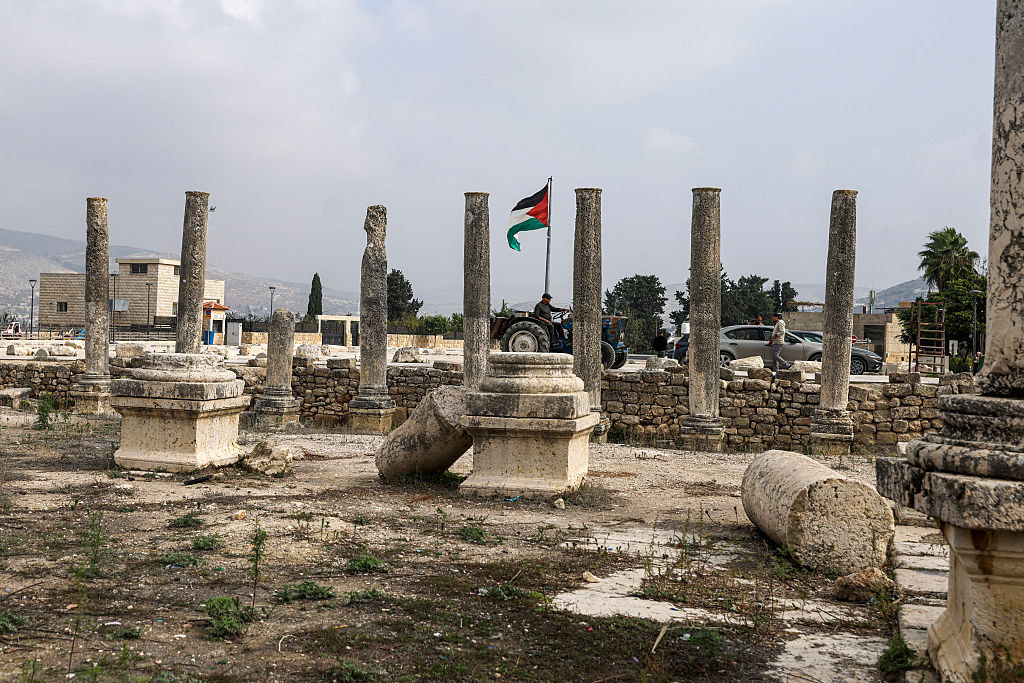
Israel advanced a bill on Tuesday that would grant sweeping civilian authority over antiquities and archaeology in the occupied West Bank, replacing the current military-run system. The Likud-backed legislation would create a "Judea and Samaria Heritage Authority" under the Israeli heritage minister, empowered to purchase and expropriate land, oversee excavations, and manage heritage sites across Areas B and C of the West Bank. The bill passed its first of three votes (23-14) and would be led by Amichai Eliyahu, a far-right politician who advocates for annexation. Human rights groups and the Israeli NGO Emek Shaveh warned the move amounts to de facto annexation and a violation of Palestinian rights.

Today’s war, tomorrow’s loot: attempts at stemming the illicit trade in art

The article examines the ongoing challenge of preventing the illicit trade in cultural property looted from conflict zones. It discusses the Hague Convention of 1954 and its protocol, which require signatory countries to prevent theft and pillage during armed conflict and to seize and repatriate unlawful exports. However, the protocol only applies to situations of 'occupation,' leaving a gap for looting that occurs in the chaos of war beyond formal occupation. The article also notes UN Security Council Resolutions that restrict unlawfully removed cultural property from Iraq and Syria, but no similar consensus exists for countries like Afghanistan, Libya, Ukraine, Lebanon, Yemen, Sudan, and Iran. EU Regulation 2019/880 is highlighted as a measure that prohibits introducing goods removed unlawfully from their place of origin into the EU, though its scope has expanded beyond its original anti-terrorist financing purpose.

with new bill israel moves to expand control over ancient west bank sites

The Israeli Knesset's Ministerial Committee on Legislation approved a first reading of a bill that would grant Israel's Heritage Minister sweeping authority over antiquities in the West Bank. The legislation allows for the appointment of a governing council, the designation of antiquity sites, and the expropriation of land and artifacts across the occupied territory, including areas currently under Palestinian civil control.

new regulation around eu import law promises art market shakeup

A new European Union regulation, Regulation (EU) 2019/880, will take effect on June 28, requiring thorough provenance documentation for cultural objects over 200 years old (or 250 for archaeological items) imported into the EU. Importers must provide material evidence proving lawful acquisition from the country of origin, including the object's origin, export date, and chain of ownership, or face potential seizure. The rule builds on a 2019 anti-trafficking law and has sparked concern among EU-based dealers, who warn it could stifle the market for antiquities and non-European art.

Why the new EU law aimed at stopping antiquities trafficking may hamper museum loans

A new EU regulation (2019/880) taking effect on 28 June aims to prevent trafficking of looted antiquities by requiring importers to provide extensive provenance records and export permits for cultural goods over 200 years old or worth more than €18,000. While the law includes an exemption for temporary exhibitions, implementing rules limit this exemption to loans from museums outside the EU, excluding private collectors. Museum directors and art fair officials warn that the administrative burden may discourage private lenders from participating in temporary exhibitions, potentially reducing the diversity of cultural offerings in the EU.

Syria, Ukraine and Gaza among countries to receive heritage funds from Aliph

ALIPH, the Geneva-based cultural heritage protection agency, has announced over $16 million in its latest funding round, with support directed to Syria, Gaza, Ukraine, Sudan, and a new focus on climate change impacts on heritage, primarily in Africa. Nearly a third of the funding ($5 million) goes to Syria, where the newly appointed Director General of Antiquities and Museums, Dr. Anas Haj Zeidan, aims to restore sites damaged during the war under former president Bashar al-Assad. ALIPH executive director Valéry Freland reported extensive damage from 14 years of war, the 2023 earthquake, and economic crises, but noted strong local determination to rehabilitate heritage, including Palmyra. The agency also committed $9 million to address climate threats, supporting 28 projects—22 in Africa—focused on earthen architecture, sacred forests, and local knowledge preservation.