filter_list Showing 370 results for "Diplo" close Clear
search
dashboard All 370 museum exhibitions 151article news 103article policy 47gavel restitution 24person people 12trending_up market 11article culture 10article local 7rate_review review 3candle obituary 1article event 1
date_range Range Today This Week This Month All
Subscribe

Intervista all’artista italiano che ha riempito la città di Stoccolma di sculture-animali

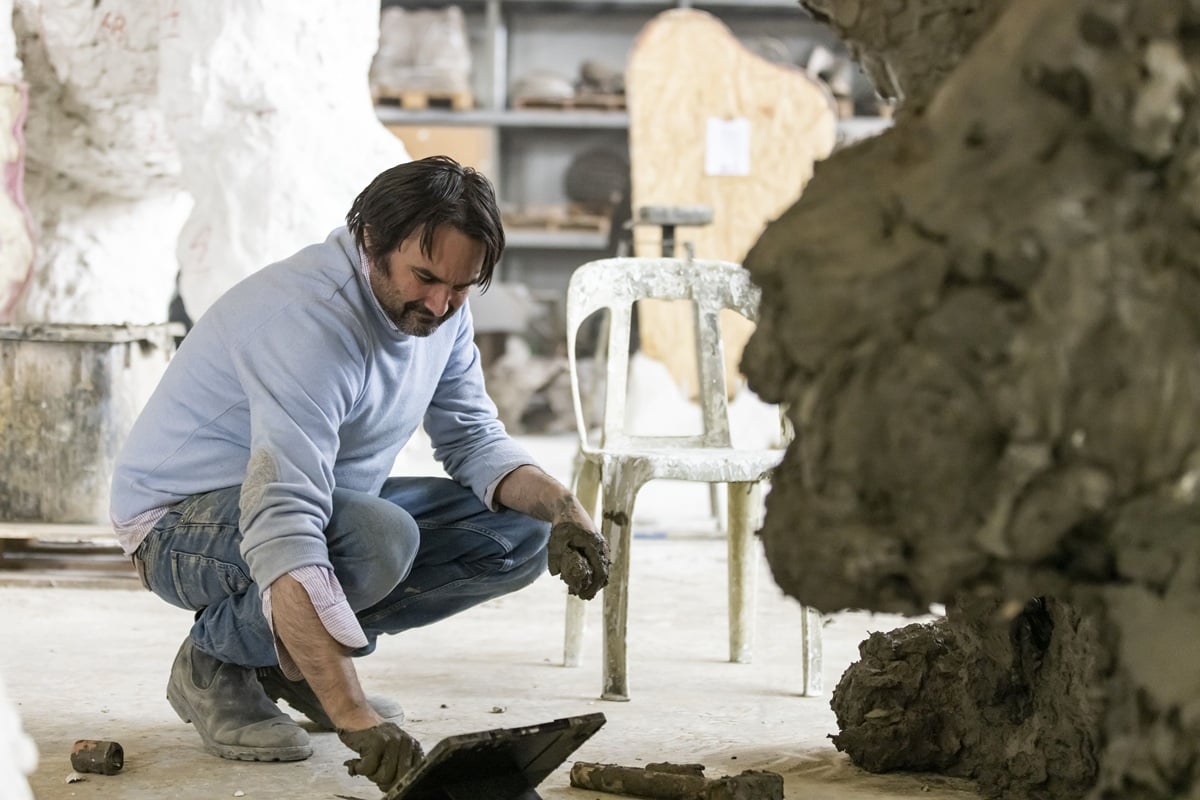
Italian artist Davide Rivalta has installed thirteen monumental bronze sculptures of lions, buffalo, and rhinoceroses across Stockholm, Sweden, in a project titled "Blowing Figures into Space." Organized by the Italian Cultural Institute of Stockholm, the works are placed in strategic locations including Mynttorget, Gamla Stan, Ladugårdsgärdet, and Hagaparken, with installations rolling out from April 2025 through summer 2027. The first sculpture was unveiled near the Swedish Parliament during Stockholm Art Week, and additional animals will appear in public parks on August 29.
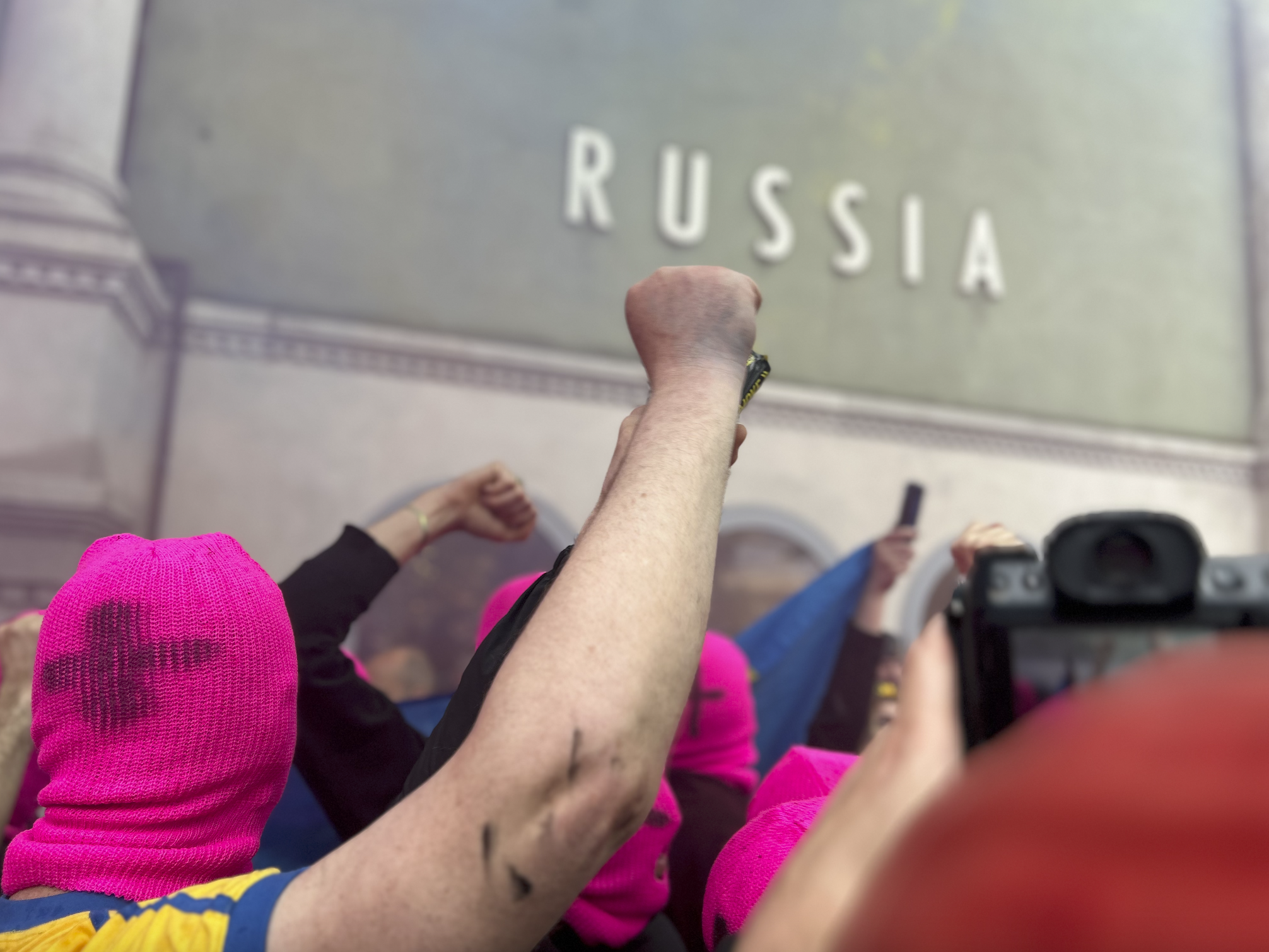
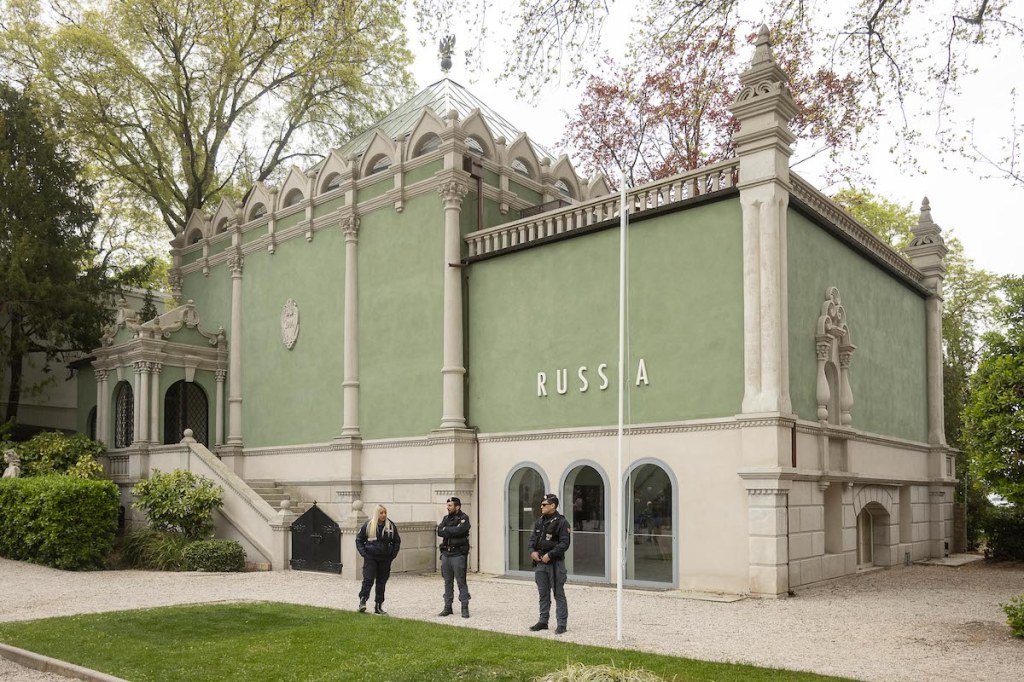
Pussy Riot and FEMEN protest at the Russian Pavilion at the Venice Biennale. "Blood is the true language of Russia"

Le Pussy Riot e le FEMEN in protesta al Padiglione russo alla Biennale di Venezia. “Il sangue è il vero linguaggio della Russia”

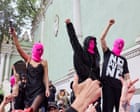
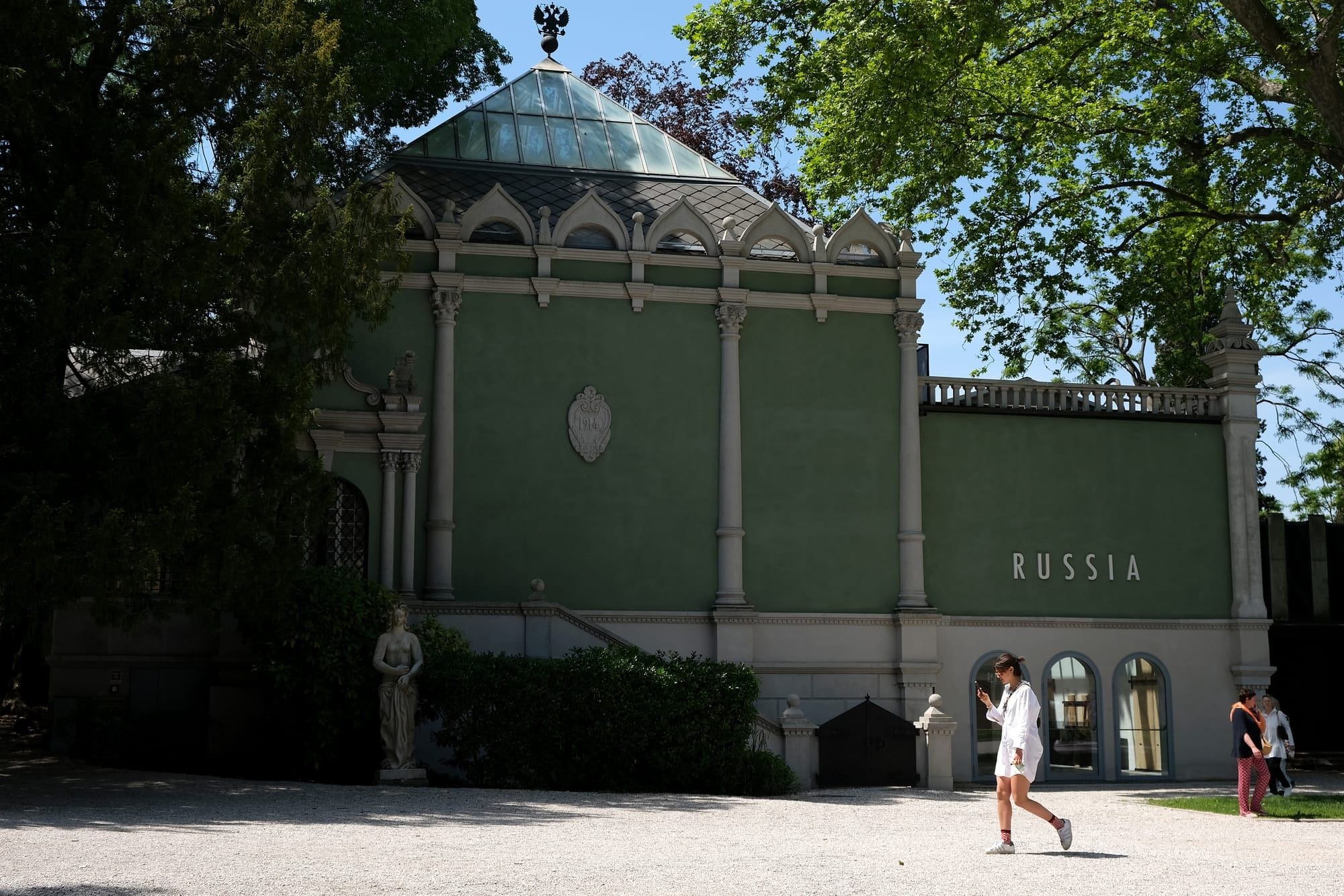
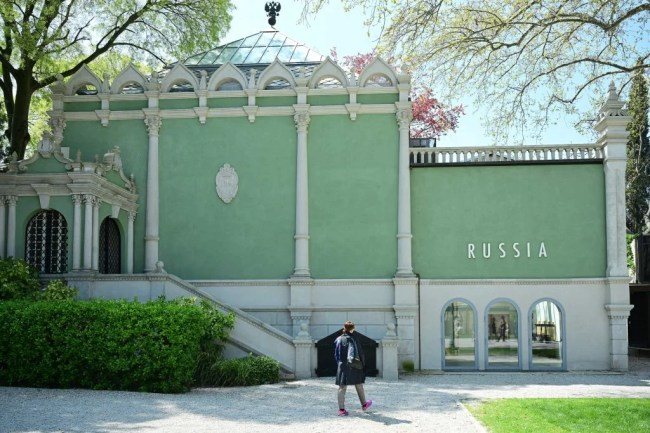
On May 6, 2026, during the preview days of the 61st Venice Biennale, Pussy Riot and FEMEN staged a joint protest outside the Russian Pavilion. Led by Nadya Tolokonnikova, the activists denounced Russia's participation in the Biennale as a form of political normalization while the war in Ukraine continues. The action included chants and slogans such as "Russia kills, Biennale exhibits. Blood is Russia's art," and targeted the Russian ambassador present inside the pavilion. The protest was unannounced and caught Biennale security off guard, drawing a crowd of journalists, visitors, and art professionals.

A brand-new novel is set in Renaissance Venice and its powerful Arsenal (where the Biennale is held)

Un nuovissimo romanzo è ambientato nella Venezia rinascimentale e nel suo potente Arsenale (quello dove si tiene la Biennale)

Allegra Scattaglia and Luca Josi have co-authored a new novel titled "Venetians – Il segreto dell’Arsenale," published by Sonzogno. Set in Renaissance Venice, the story follows young patrician Marcantonio Bragadin as he becomes entangled in a plot driven by the city's sophisticated and ruthless political system. The narrative highlights the Arsenal, one of the world's first proto-industrial shipbuilding complexes, which also hosts the Venice Biennale. The book weaves together art, technology, diplomacy, and intrigue, featuring historical figures such as Titian, Tintoretto, Albrecht Dürer, Leonardo da Vinci, and Aldus Manutius.

Qatar's Pavilion at the Venice Biennale Is Not Yet Built. But It Takes Shape Under a Tent in the Giardini with a Rich Cultural Program

Il Padiglione del Qatar alla Biennale di Venezia ancora non c’è. Ma prende forma sotto una tenda ai Giardini con un ricco programma culturale

Qatar's national pavilion at the Venice Biennale, designed by architect Lina Ghotmeh, is still under construction in the Giardini. For the 2026 Venice Art Biennale, Qatar Museums and Rubaiya Qatar have commissioned artist Rirkrit Tiravanija to present "Untitled 2026 (a gathering of remarkable people)" under a tent structure on the site. The project, curated by Tom Eccles and Ruba Katrib, will feature a film by Sophia Al-Maria, live performances by Tarek Atoui, a culinary program by chef Fadi Kattan, and a large-scale sculpture by Alia Farid, bringing together artists, musicians, and chefs from the Arab world.

Italian culture minister will not attend opening of Venice Biennale

Italian culture minister Alessandro Giuli has announced he will not attend the opening of the Venice Biennale next week, protesting Russia's involvement in the exhibition. Russia, which has a permanent pavilion in the Giardini, has been absent from the Biennale since 2022 but is returning this year, sparking widespread criticism. The European Union recently cut its €2 million grant to the Biennale following Russia's return, and Golden and Silver Lion jurors have stated they will not consider pavilions from countries whose leaders are charged with crimes against humanity by the International Criminal Court, effectively excluding Russia.

韓国国立現代美術館 果川館で「Road movie: Art between Korea and Japan since 1945」が開幕

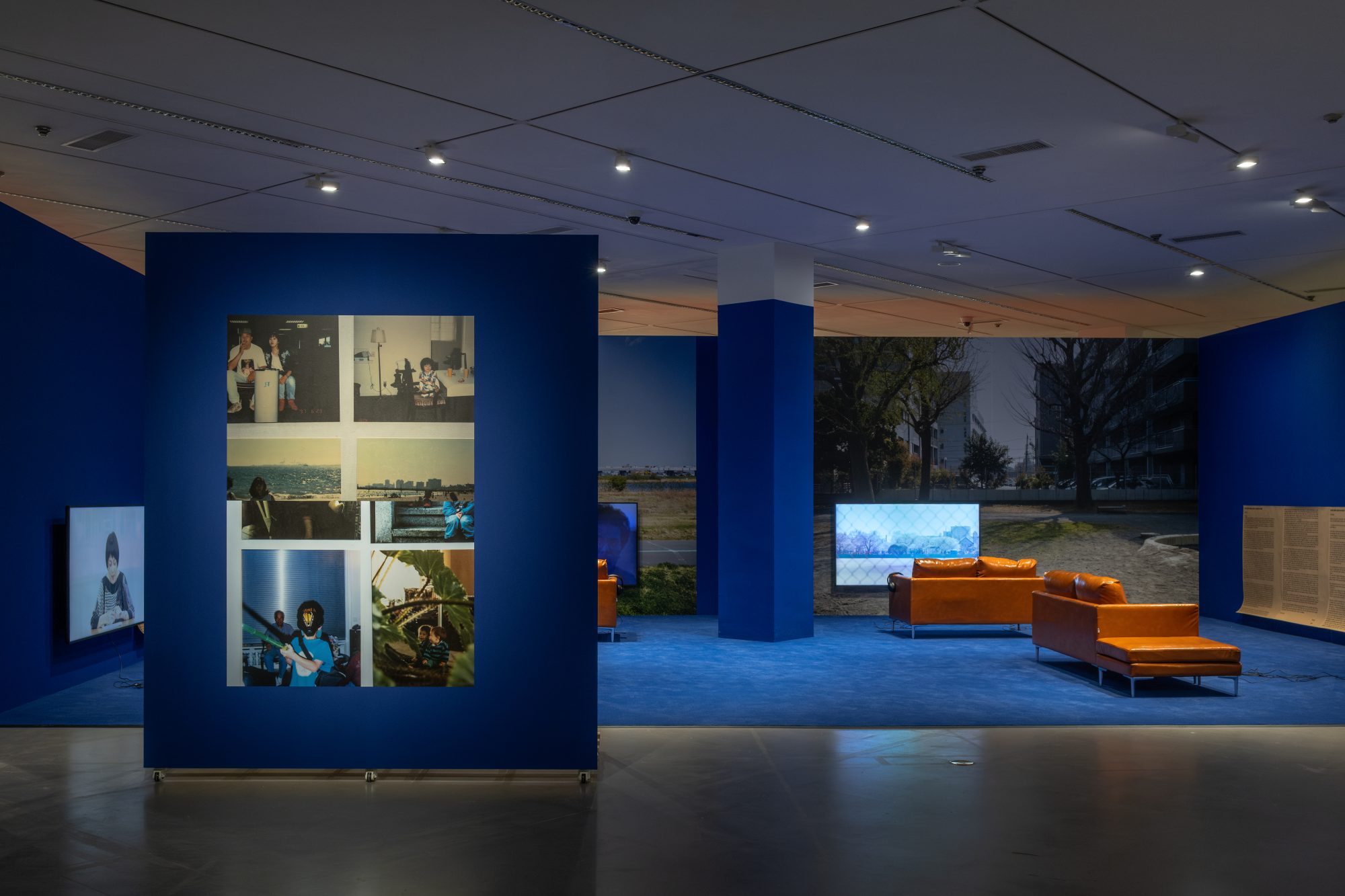
The National Museum of Modern and Contemporary Art (MMCA) in Gwacheon, South Korea, opened "Road movie: Art between Korea and Japan since 1945" on May 14, 2026. This exhibition is a touring version of the collaborative show "Always by Your Side: 80 Years of Art between Japan and Korea," which was held at the Yokohama Museum of Art from December 6, 2025, to March 22, 2026. Marking the 60th anniversary of the normalization of diplomatic relations between Japan and South Korea in 1965, the exhibition traces eight decades of artistic exchange from 1945 to the present. It features around 200 works by 43 artists, including Cho Yang-gyu, Kwak In-sik, Nam Hwa-yeon, Nam June Paik, Lee Ufan, Lee Bul, Takashi Murakami, and others, organized into five sections. The show also incorporates six outdoor sculptures installed at the museum's opening in 1986 and 1987, highlighting how the institution itself fostered cross-border artistic dialogue.

Venice Biennale Opens Amid Strikes, Protests and Institutional Rupture.

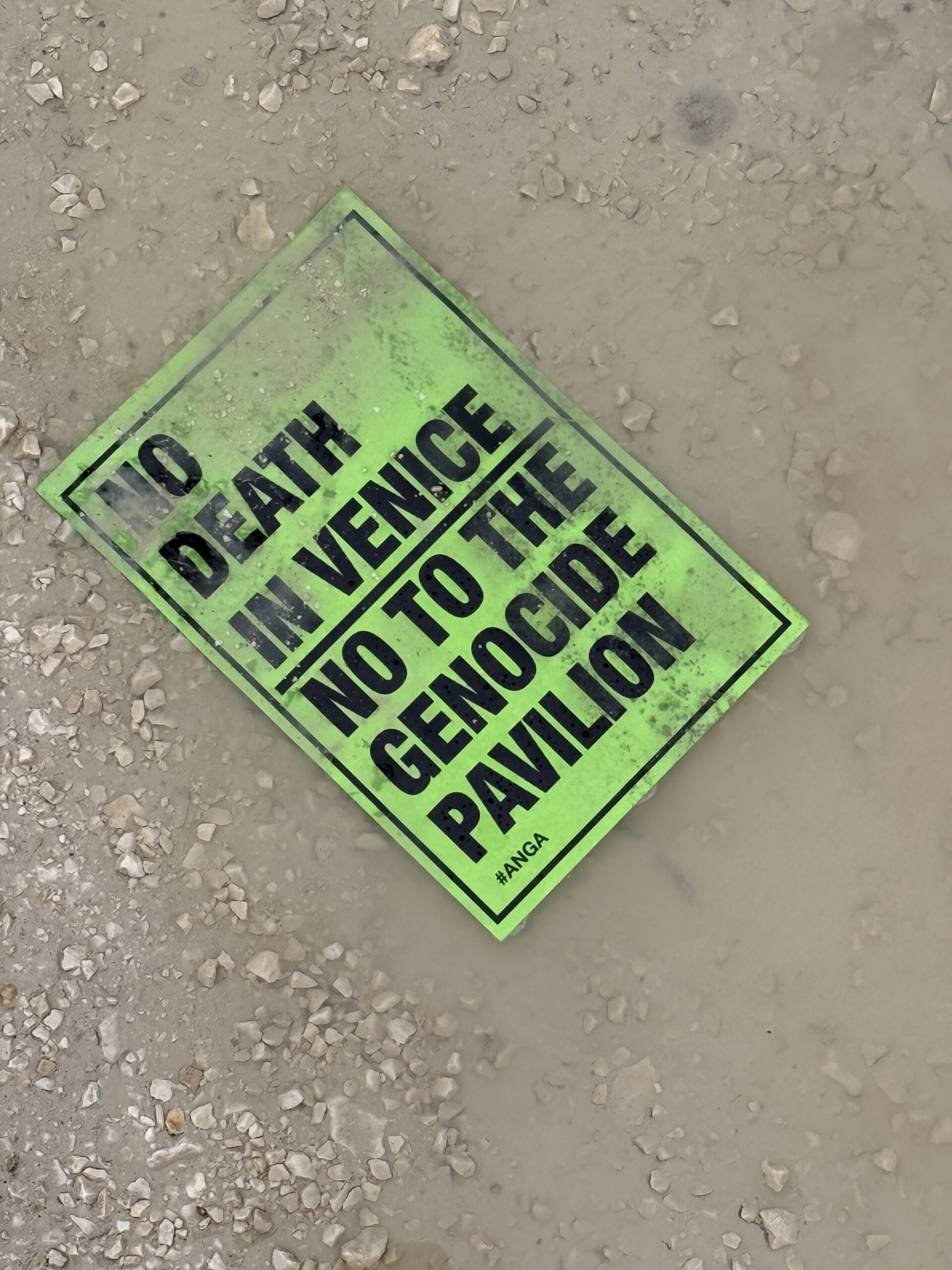
The 61st Venice Biennale opened in May 2026 amid strikes, protests, and political unrest, rather than celebration. Coordinated by Italian labor groups and transnational coalitions, demonstrators targeted the Biennale's decision to allow participation by Israel and Russia during the ongoing wars in Gaza and Ukraine. The Art Not Genocide Alliance (ANGA) led protests against Israel's participation, while Pussy Riot and FEMEN activists staged a protest outside the Russian pavilion. The Israeli pavilion's relocation from the Giardini to the Arsenale added symbolic weight, with critics viewing it as institutional endorsement. The late curator Koyo Kouoh's vision for the exhibition, titled "In Minor Keys," emphasized tenderness and complexity, contrasting with the volatile atmosphere.

From Eurovision to the Venice Biennale, culture contests are being overshadowed by politics

The Venice Biennale and Eurovision Song Contest are being overshadowed by political controversies rather than artistic merit. At the Venice Biennale, the Russian pavilion opened for press previews for the first time since the Ukraine invasion, a decision that may cost the festival €2m in EU funds. The Israeli pavilion will open despite protests from 200 artists and curators, while the South African pavilion will remain empty after its government blocked an artist's tribute to a Palestinian poet. The Iranian pavilion is also shut, and the awarding jury has resigned en masse, meaning no Golden or Silver Lion awards will be given for the first time in 40 years. Similarly, Eurovision's 70th anniversary is dominated by five countries boycotting over Israel's participation, with little focus on the music.

A Landmark Benjamin Franklin Collection Is Hitting the Auction Block

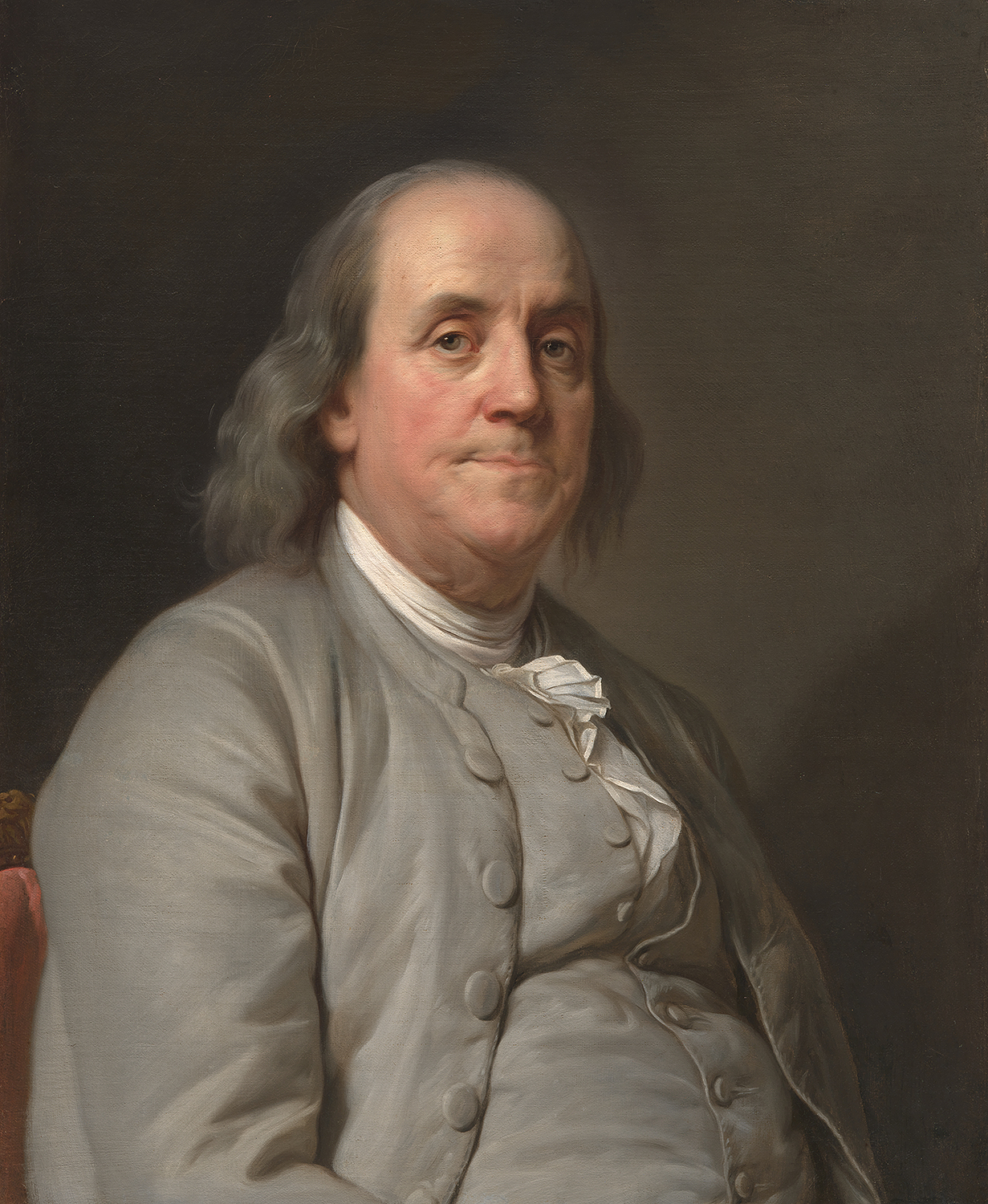
A landmark collection of Benjamin Franklin memorabilia assembled by sports and entertainment mogul Jay Snider is heading to Sotheby’s New York on June 24. The collection includes over 150 items—books, broadsides, letters, and manuscripts—tracing Franklin’s career from printer to scientist to diplomat. Highlights include a 1758 letter to Joseph Galloway (estimated $70,000–$100,000), a 1778 letter from George Washington introducing the Marquis de Lafayette (which sold for over $1 million in January), and a bound volume of Franklin’s electrical experiments ($75,000–$125,000). The full catalogue is valued at $3 million to $4.5 million, and 40 artifacts will be displayed at the Library Company of Philadelphia from May 5 to 7.

Italian Culture Minister Launches Inspection of Venice Biennale’s Russian Pavilion

Italian Culture Minister Alessandro Giuli has launched an official inspection of the Russian Pavilion at the 61st Venice Biennale, just days before the exhibition opens. An inspector has been sent to Venice to review all documentation related to Russia's participation, focusing on potential irregularities such as visa issues for Russian artists and delegation members. The investigation follows the Biennale's international jury decision to exclude Russia and Israel from awards due to accusations of crimes against humanity. The Russian Pavilion will be open only during the pre-opening vernissage, after which it will close, with digital documentation displayed in its windows.

Russia's Venice Pavilion to Close to the Public in Compliance With Sanctions

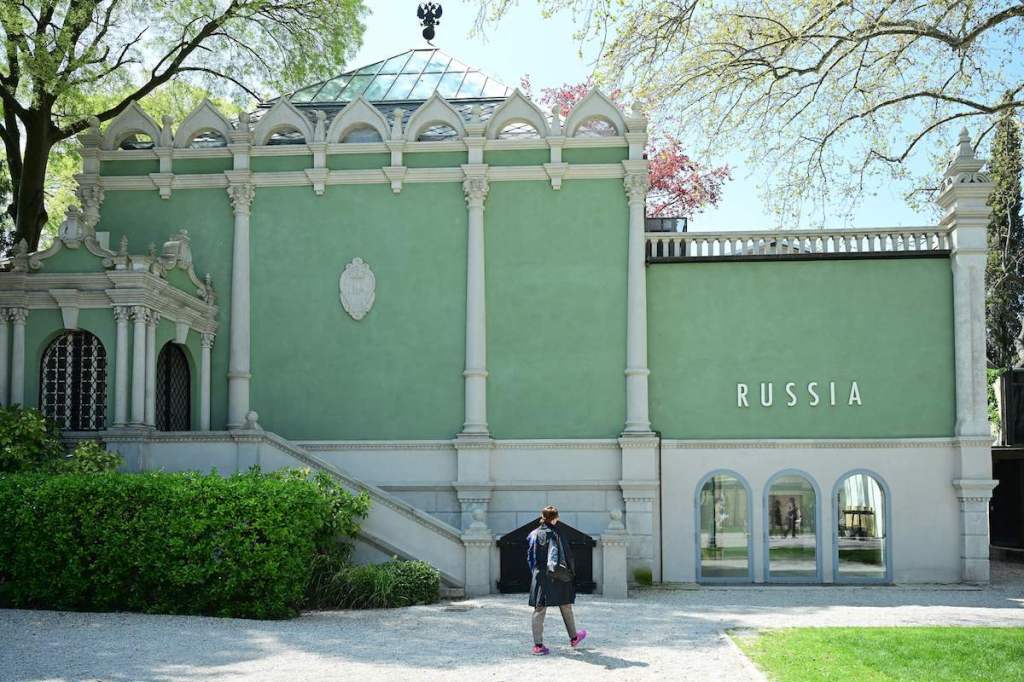
Russia will return to the 61st Venice Biennale with its national pavilion, but the exhibition will only be physically open to the press and select guests during the vernissage dates of May 5–8. From May 9 onward, the pavilion will remain closed to the public, with multimedia documentation of performances displayed on screens at the windows. The arrangement follows leaked emails among Biennale Foundation President Pietrangelo Buttafuoco, General Director Andrea Del Mercato, and Russian Pavilion Commissioner Anastasia Karneeva, revealing efforts to comply with EU sanctions while still allowing Russia's participation after two consecutive absences since its invasion of Ukraine.

Lebanon appeals to Unesco to intervene amid fears protected citadel has been destroyed

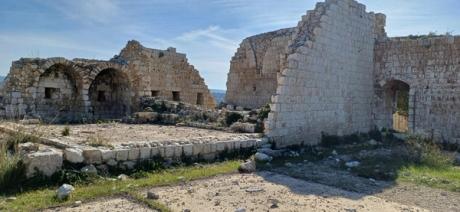
Lebanon’s Ministry of Culture has filed an urgent complaint with Unesco following reports that Israeli military forces destroyed the 12th-century Chama’ Citadel in southern Lebanon. The site, a Crusader-era fortress, had recently been granted "enhanced protection" status under the 1954 Hague Convention, a designation intended to shield it from military targeting. Lebanese authorities are currently unable to access the site due to ongoing military occupation and have requested that Unesco utilize satellite imagery to verify the extent of the demolition.

france national assembly vote bill looted artifacts

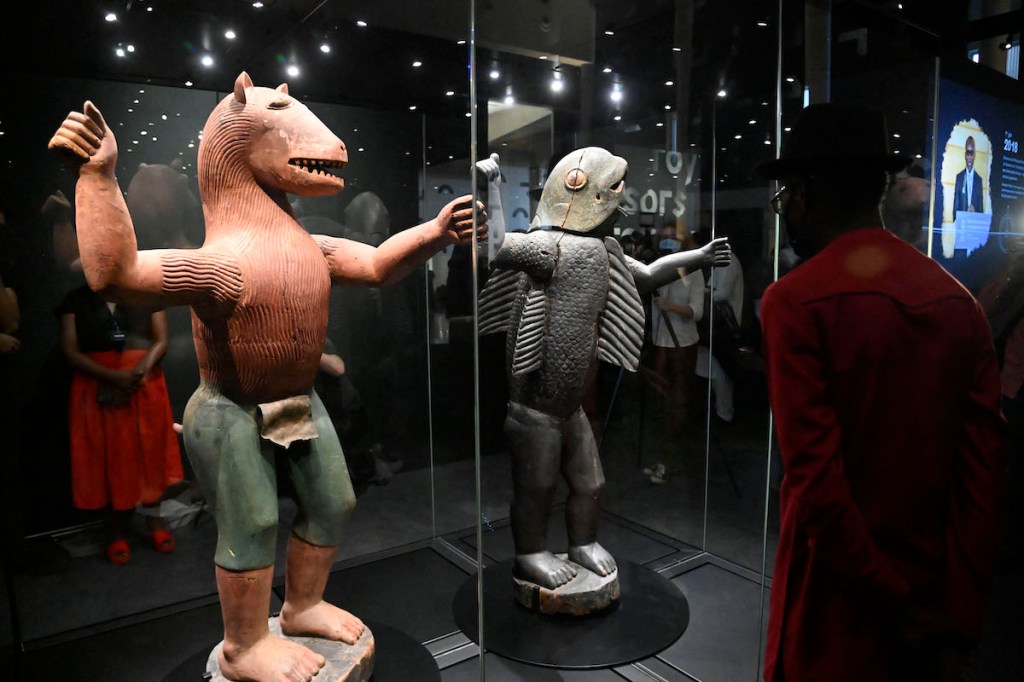
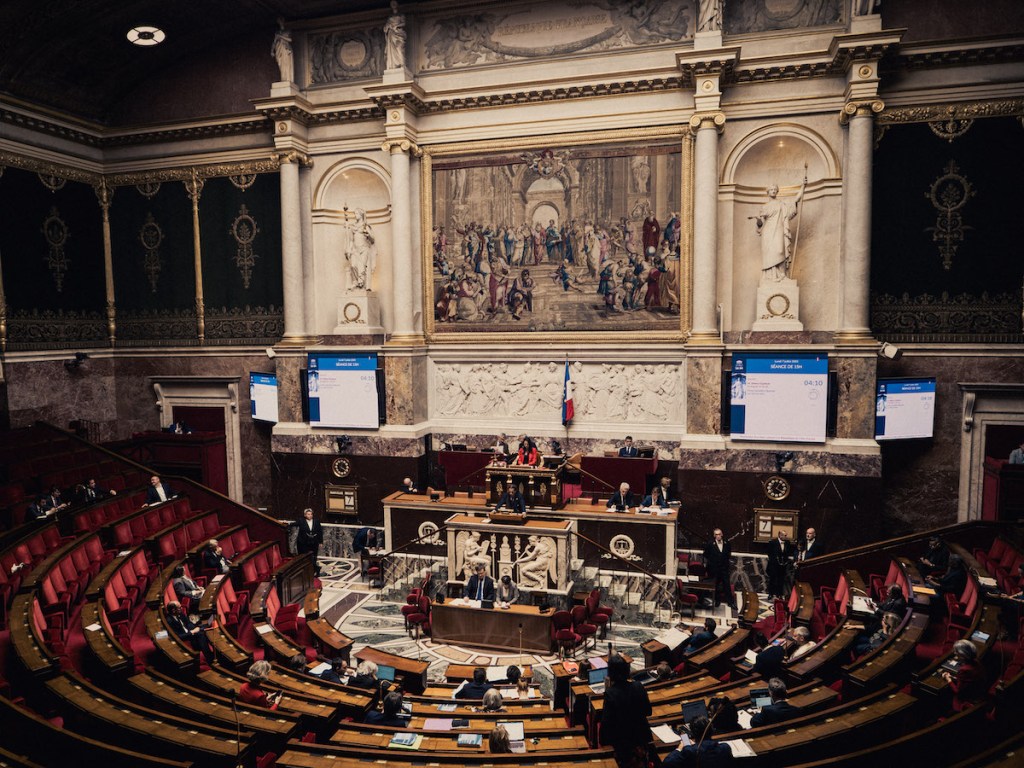
The French National Assembly has unanimously passed a landmark bill designed to streamline the restitution of cultural artifacts looted during the colonial era between 1815 and 1972. This legislative framework aims to replace the previous requirement for individual laws for every return, fulfilling a long-standing pledge by President Emmanuel Macron to restore African heritage. While the vote was unanimous, the debate was contentious, with critics arguing over the omission of the word "colonialism" to avoid far-right backlash regarding national "repentance."

European Commission Tells Venice Biennale to ‘Clear Its Name’ Regarding Russian Pavilion or Risk Losing $2.3 M. Grant for 2028

The European Commission has issued a 30-day ultimatum to the Venice Biennale, threatening to withdraw a €2 million ($2.3 million) grant for the 2028 edition unless the organization addresses concerns regarding the Russian Pavilion's inclusion in 2026. The Commission alleges that hosting a government-funded delegation violates EU sanctions and provides a cultural platform for Russian state interests amidst the ongoing war in Ukraine. The Biennale's president, Pietrangelo Buttafuoco, must respond by May 11, just two days after the exhibition's public opening.

Wandering Star – a photo essay

Photographer Vanessa Vettorello explores the physical and psychological impact of strabismus, or eye misalignment, through her visual project "Wandering Star." Drawing from her personal childhood experience with diplopia (double vision), Vettorello combines intimate portraits of others living with the condition, medical reportage, and reconstructed memories to illustrate the struggle of navigating a world where depth and distance are distorted.

Ukraine Sanctions Russian Culture Figures Linked to Country’s Participation in Venice Biennale

Ukrainian President Volodymyr Zelenskyy has issued a decree imposing sanctions on five Russian cultural figures involved in the Russian Pavilion for the 2026 Venice Biennale. The sanctioned individuals include pavilion commissioner Anastasia Karneeva, former culture minister Mikhail Shvydkoy, and three performers from the Intrada Ensemble. Ukrainian officials argue that these figures use international art platforms to legitimize Russian aggression and spread state propaganda, specifically citing past activities in occupied territories like Crimea and Donetsk.

Proposed Restitution Law in France Advances in National Assembly

The French National Assembly’s Cultural Affairs Committee has approved a landmark bill aimed at streamlining the restitution of cultural property looted from Africa during the colonial era. Moving away from the previous requirement for case-by-case legislation, the new framework allows restitutions to be ordered by ministerial decree, provided they fall within the 1815–1972 timeframe. This advancement follows years of debate sparked by President Emmanuel Macron’s 2017 pledge and the influential 2018 Sarr-Savoy report.

Patarei Prison Could Become Museum

paterei prison could become museum

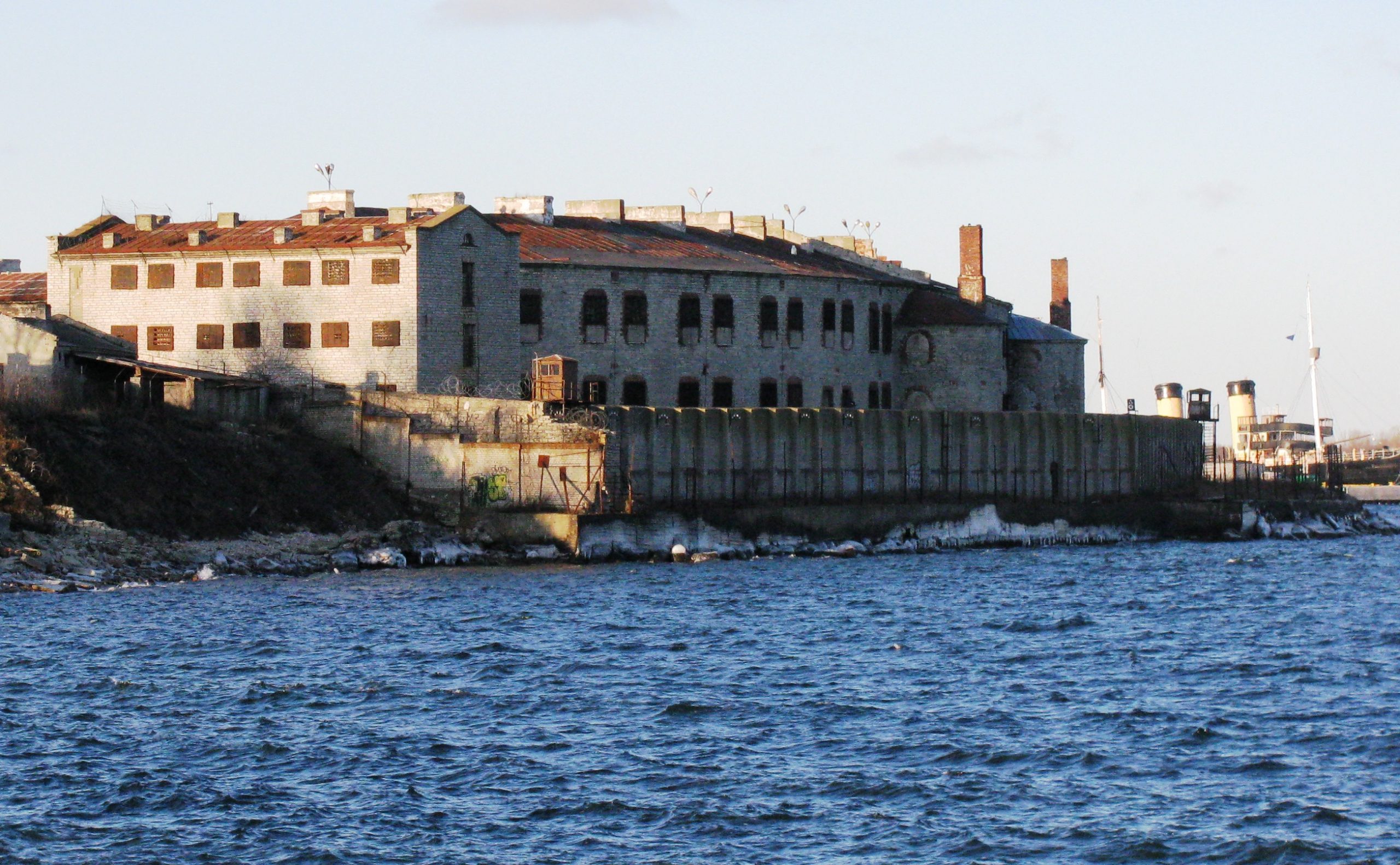
Estonia’s Minister of Justice, Urmas Reinsalu, has proposed transforming the historic Patarei Prison in Tallinn into an international museum and research center dedicated to the crimes of communism. The sprawling 10-acre seaside complex, which served as a site of political incarceration under Soviet rule until 2002, remains largely unrestored, containing haunting remnants such as surgical tools and tattered bunk beds. The proposal has gained significant diplomatic traction, receiving formal support from representatives of eight EU member states during a recent meeting in the Estonian capital.

jack lang resigns institut de monde arabe jeffrey epstein

Jack Lang, the former French culture minister and president of the Institut du Monde Arabe in Paris, resigned from his position. His resignation came after his name, and that of his daughter Caroline Lang, appeared in newly released court documents related to Jeffrey Epstein. French prosecutors have opened a preliminary investigation into the pair for alleged tax fraud and money laundering, leading to intense political pressure and Lang's decision to step down.

state department report biden paintings gifts

The U.S. State Department's annual report on gifts to senior officials revealed that former President Joe Biden received a painting valued at $19,000 from Angolan President João Lourenço in 2024. The artwork, titled *Marimba*, was created by self-taught Angolan painter Augusto Guizef Guilherme. Other officials, including former Vice President Kamala Harris, also received various artworks from foreign leaders, all of which were subsequently transferred to the National Archives.

french senate passes colonial art bill

The French Senate has unanimously passed a bill to streamline the process of returning artworks and artifacts looted from former colonies during the colonial era. The legislation, which now moves to the National Assembly for final approval, specifically targets items acquired between 1815 and 1972, aiming to remove legal hurdles that have previously required a separate parliamentary vote for each object's restitution.

united state returned 7 ancient artifacts egypt mummified fish falcon head

The United States repatriated seven ancient artifacts to Egypt, including two mummified fish, a falcon head from the Ptolemaic period, a bronze amulet of Set, a basald scarab, a carved face, a painted wooden funerary figurine, and a stone head from a statue. The objects had been smuggled out of Egypt in separate cases between 2017 and 2018, and were returned through collaboration between U.S. and Egyptian government agencies. Two items were voluntarily handed over by an unnamed American citizen to the Egyptian embassy in Washington, D.C. The artifacts were formally transferred to Ambassador Wael el-Naggar at a ceremony reaffirming Egypt's commitment to recovering smuggled cultural property.

burmese curator flees bangkok china censors art exhibition

The curator of an exhibition at the Bangkok Arts and Cultural Centre (BACC) fled Thailand two days after its opening, fearing arrest and deportation. The show, titled “Constellation of Complicity: Visualising the Global Machine of Authoritarian Solidarity,” featured exiled artists from China, Russia, Iran, and Myanmar and was curated by an artist from Myanmar known as Sai. After receiving warnings from BACC directors that Thai police were seeking his contact information, Sai learned that the Chinese embassy, Thai Foreign Ministry, and Bangkok city officials had pressured the museum over potential diplomatic tensions. The exhibition was censored: black paint covered artists' names and descriptions of Tibet, Hong Kong, and Xinjiang; a multimedia piece by Tibetan artist Tenzin Mingyur Paldron was nearly entirely removed; and flags representing Tibet and the Uyghur people were taken down. Sai immediately flew to London and plans to restage the exhibition elsewhere without censorship.

trump to withdraw us from unesco for second time

President Donald Trump has announced the United States will withdraw from UNESCO for the second time, effective at the end of 2026. The State Department cited the organization's focus on "divisive social and cultural causes" and its alignment with the UN's Sustainable Development Goals as contrary to America First foreign policy, as well as "anti-Israel rhetoric" within UNESCO. This follows a pattern of Trump pulling the US from multilateral bodies, including the UN Human Rights Council and the World Health Organization, and continues a fraught history: the US stopped funding UNESCO under Obama over Palestine's membership, left in 2017 under Trump, and rejoined under Biden in 2023.

president zelenskyy gives pope leo ukrainian icon

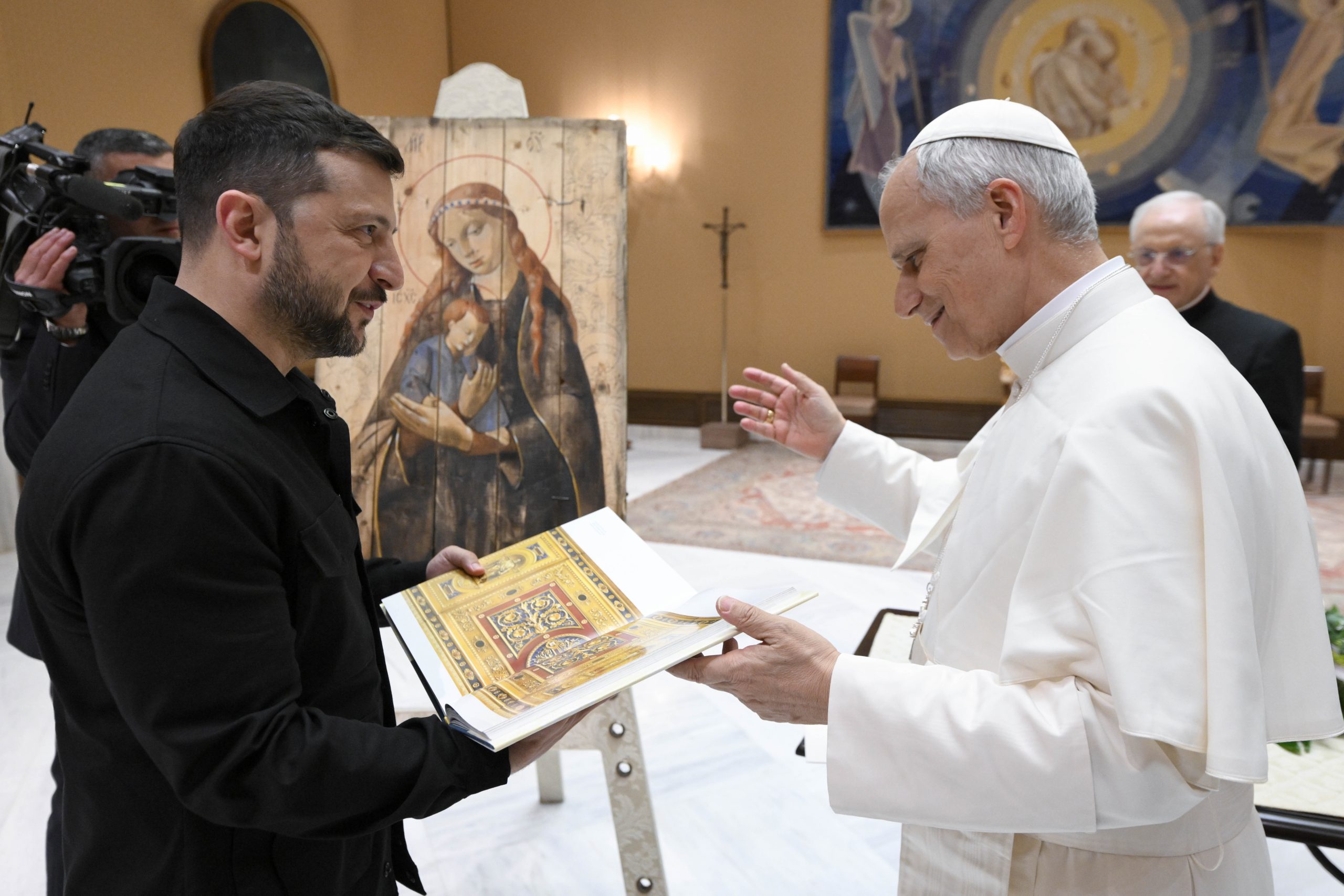
Ukrainian President Volodymyr Zelenskyy presented Pope Leo XIV with a Ukrainian religious icon painted on a fragment of an artillery crate from the front lines in the Kharkiv region, following the Pope's inaugural Mass on May 18, 2025. Zelenskyy described the icon, depicting the Virgin Mary and child, as a symbol of life that must be protected, referencing children affected by Russia's invasion. The meeting in Vatican City also included discussions about peace talks, with the Pope offering to host negotiations between Ukraine and Russia.

Venice Biennale denies it helped ‘circumnavigate’ sanctions against Russia with pavilion

The Venice Biennale is facing allegations that it helped Russia circumvent EU sanctions by allowing the Russian pavilion to operate during preview days, when only arts professionals and press are present. Investigative website Open published emails between Biennale officials and Russian pavilion organizers, including requests for visa assistance for artists and staff. The commissioner, Anastasia Karneeva, is the daughter of a Rostec deputy CEO and runs a consultancy with the daughter of Russia's foreign minister. The Biennale denies any wrongdoing, stating it acted in compliance with international law. Russia has been absent from the Biennale since 2022 but retains a permanent pavilion in the Giardini.

Finland’s political leadership to retract from Venice Biennale over Russian Pavilion

Finland's Minister of Science and Culture, Mari-Leena Talvitie, announced that the country's political leadership will not participate in the upcoming Venice Biennale if Russia's national pavilion is allowed to take part. This decision follows a joint letter signed by Talvitie and 21 other European ministers in March, which deemed Russia's return to the Biennale since its 2022 invasion of Ukraine as 'unacceptable'. Finnish public officials and cultural representatives, however, will still attend to support Finnish artists.

Russia’s Venice Pavilion Will Be Closed to Public for Duration of Biennale

Russia's pavilion at the 2026 Venice Biennale will be closed to the public for the duration of the exhibition, from May 9 to November 22, following escalating controversy over the country's participation. The group show, titled “The tree is rooted in the sky,” will only be open to press and industry insiders during the preview days (May 5–8). The move comes after the International Criminal Court accused Russia of crimes against humanity, leading the Biennale to bar Russia and Israel from competing for awards. Italian culture minister Alessandro Giuli has also boycotted the preview and opening ceremony in protest.

European Commission Tells Venice Biennale to Ditch Russian Pavilion

The European Commission has formally accused the Venice Biennale of violating EU sanctions against Russia by planning to reopen the Russian Pavilion for the 2026 edition. In a letter to the Biennale's president, the Commission argues that hosting a government-funded national pavilion constitutes accepting indirect support from the Russian state during its ongoing war in Ukraine. The organization has threatened to withhold a $2.3 million grant intended for the 2028 edition unless the Biennale addresses these concerns by May 11.

Printing the Unprinted: The Reversal of World Discovery

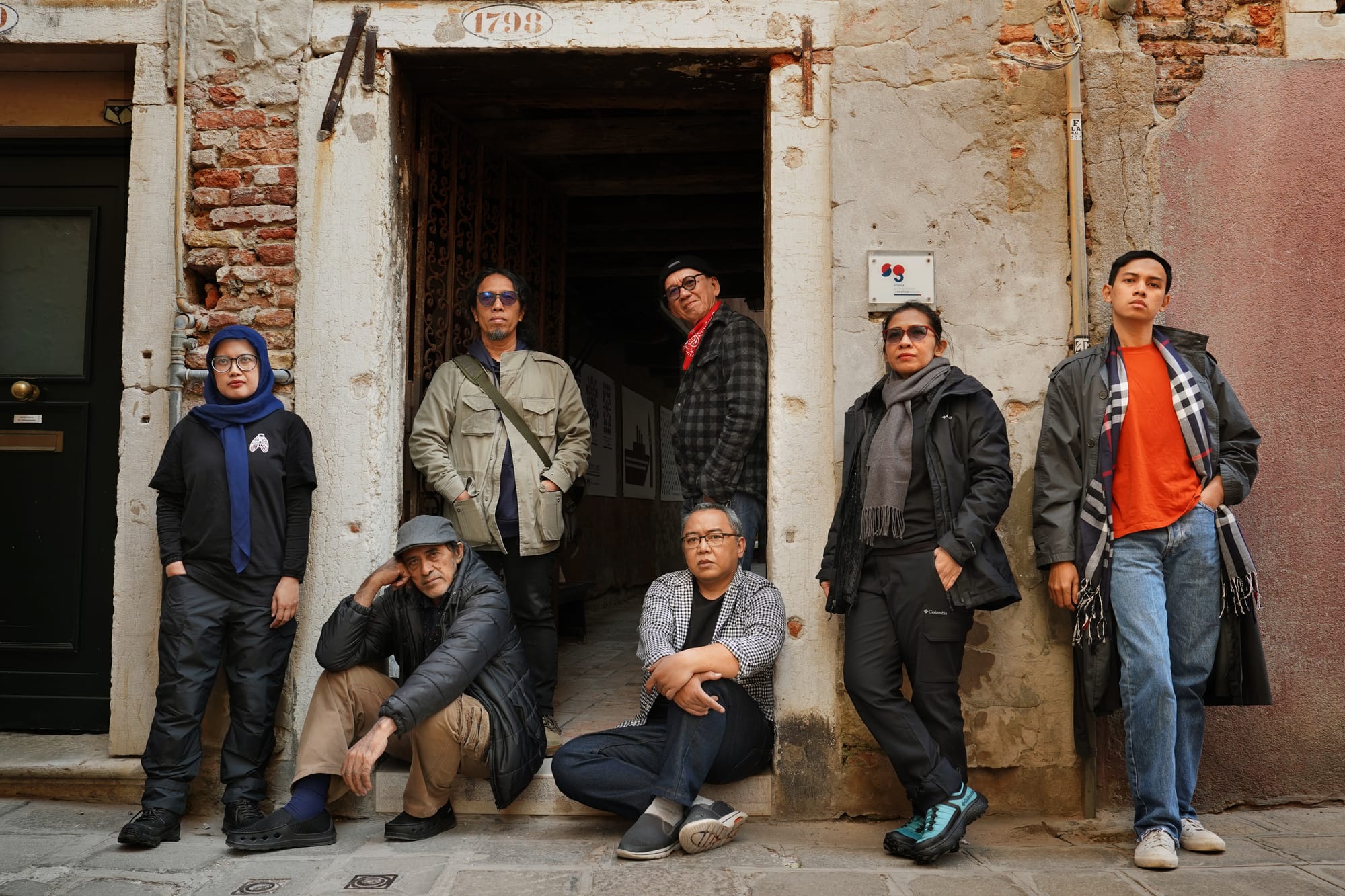
The Indonesian Pavilion at the Venice Biennale presents "Printing the Unprinted: The Reversal of World Discovery," a project that reimagines global history by casting an Indonesian kingdom as the explorer who discovers the West. Seven Indonesian artists—Agus Suwage, Syahrizal Pahlevi, Nurdian Ichsan, R.E. Hartanto, Theresia Agustina Sitompul, Mariam Sofrina, and Rusyan Yasin—participated in a two-month residency at the Scuola Internazionale di Grafica in Venice, collaboratively creating works through printmaking and expanded forms. The pavilion includes exhibitions, workshops, and symposiums that challenge dominant narratives and highlight Indonesia's contributions to maritime technology, commerce, arts, and knowledge.