filter_list Showing 373 results for "Diplo" close Clear
search
dashboard All 373 museum exhibitions 153article news 104article policy 47gavel restitution 24person people 12trending_up market 11article culture 10article local 7rate_review review 3candle obituary 1article event 1
date_range Range Today This Week This Month All
Subscribe

South Africa pavilion will be empty at 2026 Venice Biennale, culture ministry says

South Africa will not host a national pavilion at the 2026 Venice Biennale following a legal battle between the country’s Department of Sports, Arts and Culture (DSAC) and artist Gabrielle Goliath. The conflict began when Culture Minister Gayton McKenzie labeled Goliath’s planned project, which addressed violence in Gaza, as "highly divisive" and cancelled the exhibition after she refused to alter the content. A South African high court recently dismissed Goliath’s urgent application to overturn the cancellation, leading the government to abandon its participation in the prestigious international event entirely.
Mexico City exhibition explores dynamic exchange between Americas and Southeast Asia

A major exhibition titled 'El Galeón Acapulco – Manila Somos Pacífico: El Mundo que emergió del Trópico' has opened at the Colegio de San Ildefonso in Mexico City. It features 300 works, including 80 from Singapore's national collections, exploring the centuries-old cultural and economic exchange between Asia and the Americas facilitated by the Manila Galleon trade route. The show was launched to coincide with the 50th anniversary of Mexico-Singapore diplomatic relations and a state visit by Singapore's president.

UK museum directors join prime minister on diplomatic mission to China

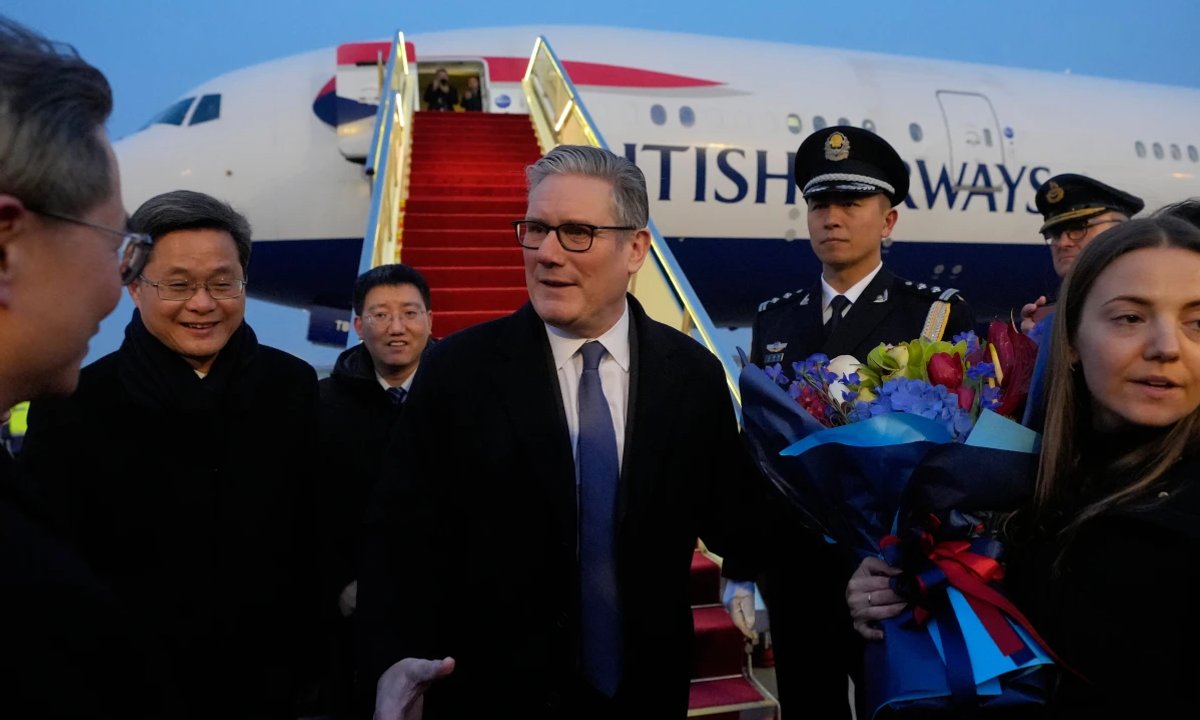
A delegation of senior UK museum directors, including Tim Reeve of the Victoria and Albert Museum, Doug Gurr of the Natural History Museum, Keith Merrin of North East Museums, Sara Wajid of Birmingham Museums Trust, and Laura Pye of National Museums Liverpool, accompanied Prime Minister Keir Starmer on a three-day diplomatic and trade mission to China. The trip aimed to strengthen bilateral relations, with the museum leaders highlighting existing partnerships and exploring new opportunities for cultural exchange and commercial collaboration in the Chinese market.

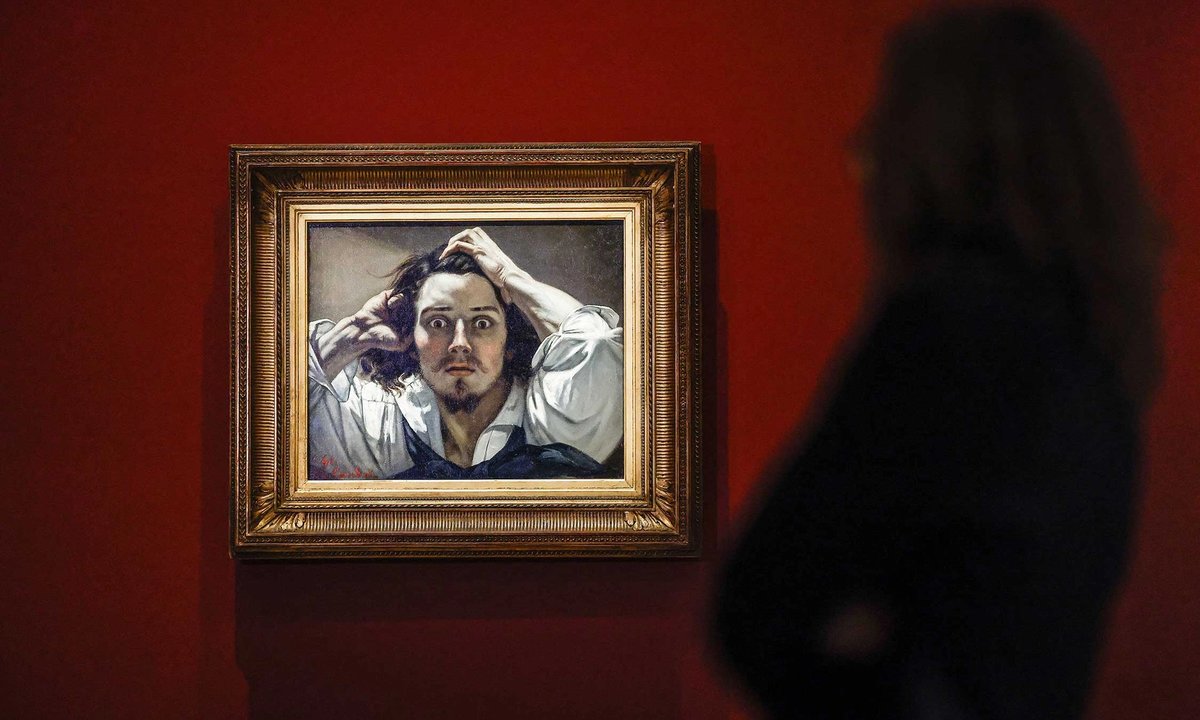
Did Qatar’s Courbet acquisition short-circuit French export licence process?

Qatar Museums has acquired Gustave Courbet's early self-portrait *Le Désespéré* (1843-45) from a French collector for €50 million, bypassing the standard French export licence process. The Musée d'Orsay revealed the purchase at a private event in October, announcing the painting will be lent to the museum for five years before moving to Qatar's future Art Mill Museum (opening by 2030). The sale was conducted without an export certificate, with the justification that the work will remain in France for most of the time, using temporary export licences for exhibitions in Doha. Critics, including heritage campaigner Julien Lacaze, argue this exemption is being misused, as it was intended for one-off exhibitions, not recurring rotations.

World Economic Forum and J. Paul Getty Trust bring art world leaders together to find ‘Connection in Times of Division’

The World Economic Forum and the J. Paul Getty Trust co-hosted a "cultural table" dinner for art world leaders on 23 October at the Hotel Le Meurice in Paris, themed "Bridging Worlds: Culture as a Force for Connection in Times of Division." The event, held in the Pompadour Room—where Pablo Picasso celebrated his 1918 wedding—was co-hosted by Getty president Katherine Fleming and WEF arts head Joseph Fowler, and marked the first collaboration between the two organizations. Fowler described the initiative as a global movement to place culture at the heart of systemic change, while Fleming emphasized art's unifying power and its measurable health benefits.

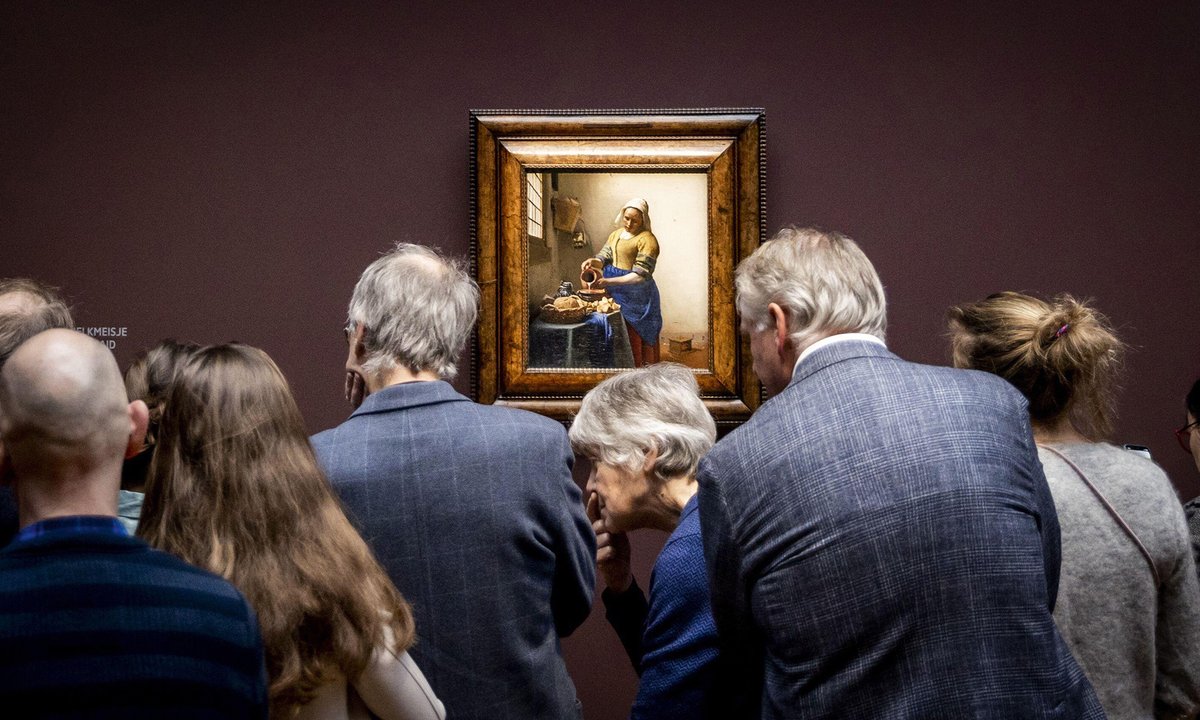
From royal visitors to extortionate eBay sales: new book offers rare behind-the-scenes glimpse of Vermeer blockbuster

The Rijksmuseum's 2023 Vermeer exhibition, widely considered the most successful show of the century, drew 650,000 visitors and assembled 28 of the artist's 37 known paintings. A new book, *Closer to Vermeer: New Research on the Painter and his Art*, reveals behind-the-scenes details: the initial plan for a broader thematic show was abandoned in favor of a focused Vermeer-only presentation; nine paintings could not be borrowed, including *The Concert* (stolen in 1990) and *The Astronomer* (on loan to Louvre Abu Dhabi); the Herzog Anton Ulrich Museum refused to lend *Girl with a Wine Glass*, even rejecting an offer of buses for schoolchildren. The book also discloses that the Dutch king and queen visited multiple times during regular hours, that a quarter of visitors felt context was missing, and that over 3,500 complaints were filed about photography. The most expensive resold ticket on eBay reached $2,724.

The Art of the Tour: King Charles's Traveling Painters

King Charles III has sponsored an exhibition titled “The King’s Tour Artists” at Buckingham Palace, featuring 43 artists he recruited to paint during 70 royal tours over the past 40 years. The show, open until September 28, includes 74 paintings selected from over 300 works in the King’s private collection, alongside a companion book, *The Art of Royal Travel: Journeys with The King*. The idea originated from Peter St. Clair-Erskine, the 7th Earl of Rosslyn, who catalogued the collection. Critics have dismissed the works as polite and old-fashioned, but the exhibition highlights Charles’s long-standing patronage of representational art and his own practice as a watercolorist.

Amid geopolitical tensions, Pakistani and Indian art worlds unite in London exhibitions

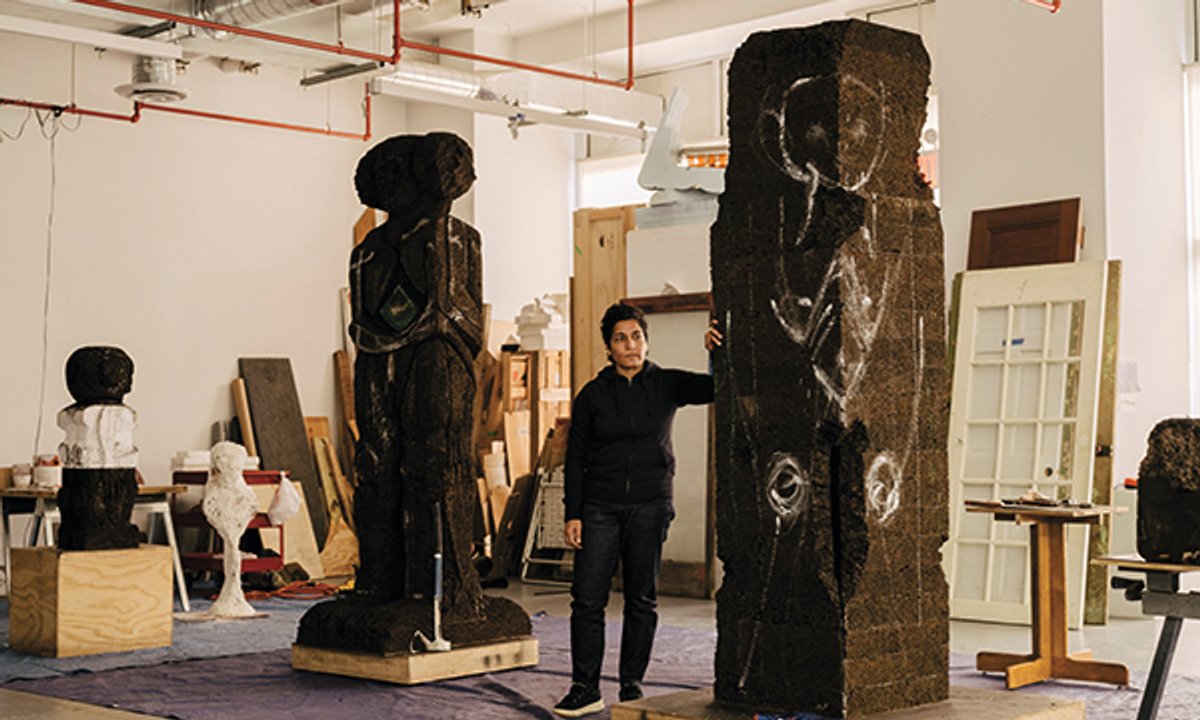
Amid ongoing geopolitical tensions between India and Pakistan, multiple art exhibitions in London are fostering cross-border cultural exchange. The Barbican is showing Pakistani artist Huma Bhabha alongside Swiss sculptor Alberto Giacometti, curated by Shanay Jhaveri. At SOAS, a South Asian group show organized by Pakistani artist Salima Hashmi and Indian curator Manmeet K. Walia features over 25 artists, including a collaborative textile work by Maheen Kazim and Purvai Rai. Two Indian galleries in central London have also exhibited Pakistani artists, though gallerists requested anonymity due to safety concerns in India.

THE VENICE BIENNALE IN AN EDITION MARKED BY POLITICAL GAMES

The Venice Biennale's 2024 edition is embroiled in political controversy surrounding its national pavilions, particularly those of Russia, South Africa, and Israel. The Russian pavilion's readmission amid the war in Ukraine drew sharp criticism from the artistic community and led the European Union to withdraw approximately two million euros in funding. The Israeli pavilion, which remained empty in 2024 to protest hostage situations, now features a proposal by sculptor Belu-Simion Fainaru, prompting protests from the Art Not Genocide Alliance and over 200 artists demanding its exclusion. The curatorial team, appointed by the late curator Koyo Kouoh, resigned collectively nine days before the opening, and the Biennale's directorship canceled the opening ceremony, postponing awards to November. Demonstrations led by Art Not Genocide Alliance, Pussy Riot, and FEMEN surrounded the Russian pavilion during the press opening, and a strike by cultural workers is planned for May 8th.

The soap opera continues. Minister Giuli will boycott the inauguration of the Venice Biennale

La telenovela continua. Il Ministro Giuli diserterà l’inaugurazione della Biennale di Venezia

Alessandro Giuli, Italy's Minister of Culture, has announced he will boycott the pre-opening and inauguration ceremony of the 61st Venice Biennale on May 9, 2026, escalating a political and cultural crisis. The dispute began when Biennale president Pietrangelo Buttafuoco allowed the Russian pavilion to reopen, absent since 2022 due to the Ukraine invasion, citing artistic freedom. Giuli demanded the removal of ministry representative Tamara Gregoretti from the Biennale board for failing to oppose the decision. Tensions flared during the Italy Pavilion press conference, where journalists were confined to a separate streaming room and questions were restricted. The European Commission condemned the Russian pavilion's reopening, cutting €2 million in funding and issuing a 30-day ultimatum, while 22 European countries signed a letter pressuring the institution. The Biennale's international jury, led by Solange Oliveira Farkas, then excluded Russia and Israel from award consideration, citing ethical guidelines against countries whose leaders face International Criminal Court charges for crimes against humanity.

Contemporary Indian Art at the State Hermitage Museum, St. Petersburg

The State Hermitage Museum in St. Petersburg is hosting "Sediments of Becoming: Fossilised Present, Summoned Pasts," an exhibition curated by Marina Schulz and Tunty Chauhan that features works by eleven contemporary Indian artists, including Afrah Shafiq, Anindita Bhattacharya, Debashish Mukherjee, and others. The show positions contemporary Indian artistic practice within a broader international and civilisational discourse, set against the Hermitage's historic backdrop of over three million objects spanning centuries.

For Gayane Umerova, Art and Culture in Uzbekistan are ‘About Empowerment’

The article profiles Gayane Umerova, a cultural leader in Uzbekistan, who discusses how art and culture in the country are centered on empowerment. It highlights her role in promoting Uzbek art and heritage through various initiatives and exhibitions, aiming to elevate the nation's cultural profile on the global stage.

Anne-Claire Legendre: 'Restoring serenity and transparency to the institution'

Anne-Claire Legendre : « Redonner de la sérénité et de la transparence à l’institution »

Anne-Claire Legendre has been appointed to succeed Jack Lang as president of the Institut du Monde Arabe (IMA) in Paris. A French diplomat, Legendre aims to restore confidence in the institution through governance reform, increased transparency, and a new strategic plan following an external financial audit.

National Assembly Unanimously Votes on Law for Restitution of Looted Colonial Works, but with Restrictions

L’Assemblée vote à l’unanimité la loi sur la restitution des œuvres pillées pendant la colonisation, mais avec des restrictions

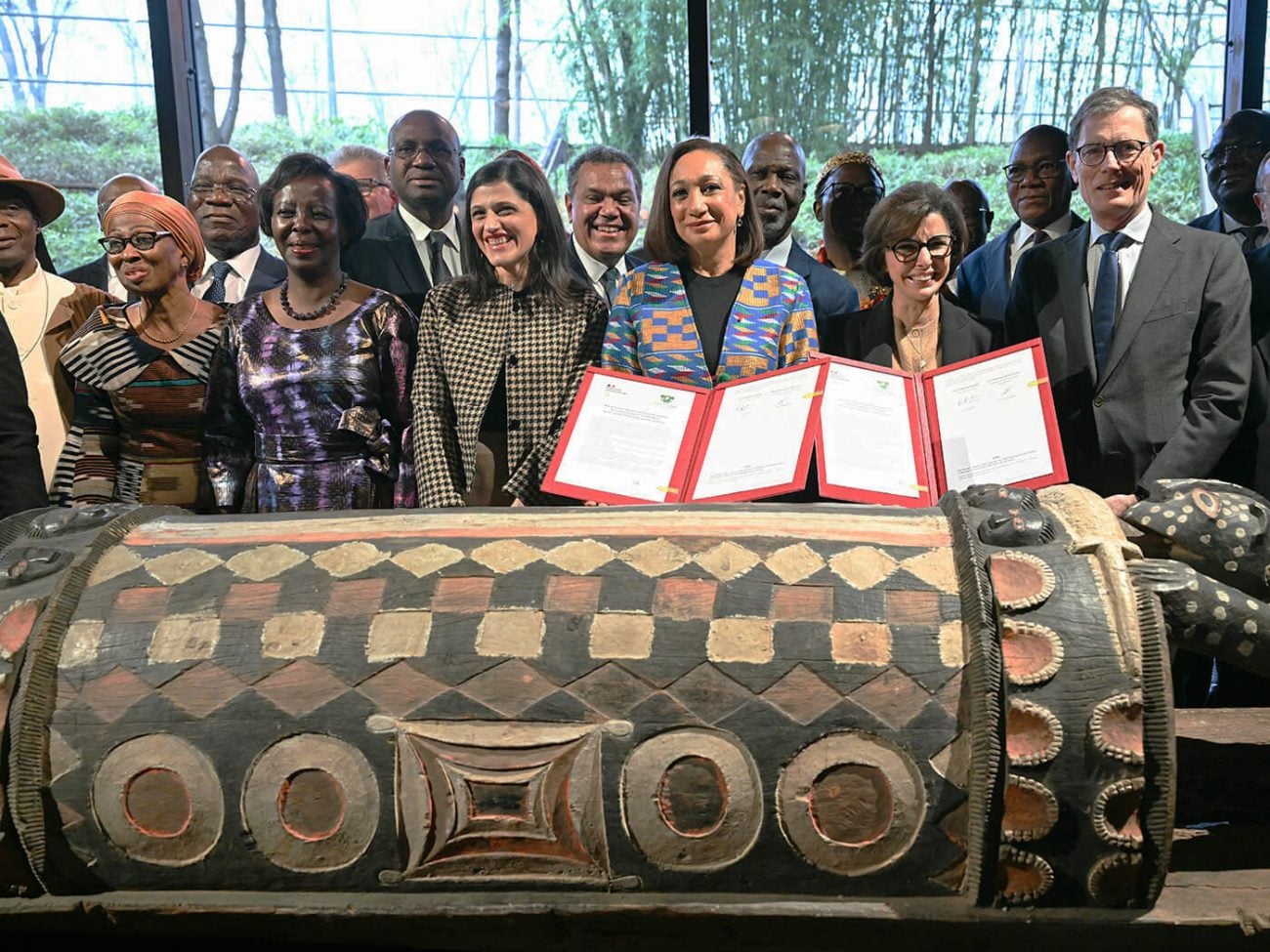
The French National Assembly has unanimously passed a landmark law establishing a permanent legal framework for the restitution of cultural property looted during the colonial era. Moving away from the previous requirement for case-by-case legislation, the new law allows the government to return artifacts via decree following consultations with scientific and parliamentary commissions. This shift fulfills a long-standing promise to simplify the return of African heritage currently held in French public collections.

Culture Workers Announce Venice Biennale Strike in Israeli Pavilion Protest

Cultural workers, unions, and grassroots groups are planning a 24-hour strike on Friday, May 8, at the Venice Biennale to protest Israel's participation amid the ongoing genocide in Gaza. Organized by the Art Not Genocide Alliance (ANGA), the action includes a rally on Viale Garibaldi and calls for a boycott of Israel's "genocide pavilion." Participating groups include Biennaleocene, Sale Docks, Mi Riconosci, Vogliamo Tutt’altro, and several Italian trade unions. The strike follows months of activism, including a letter signed by over 200 event participants, and comes after the Biennale jury resigned over award eligibility rules that initially excluded Israel and Russia.

Riyadh continues to bet big on public art: over 100 new works to be installed in the Saudi capital in the coming years

Riyadh continua a scommettere forte sull’arte pubblica: nei prossimi anni oltre 100 nuove opere installate nella capitale saudita

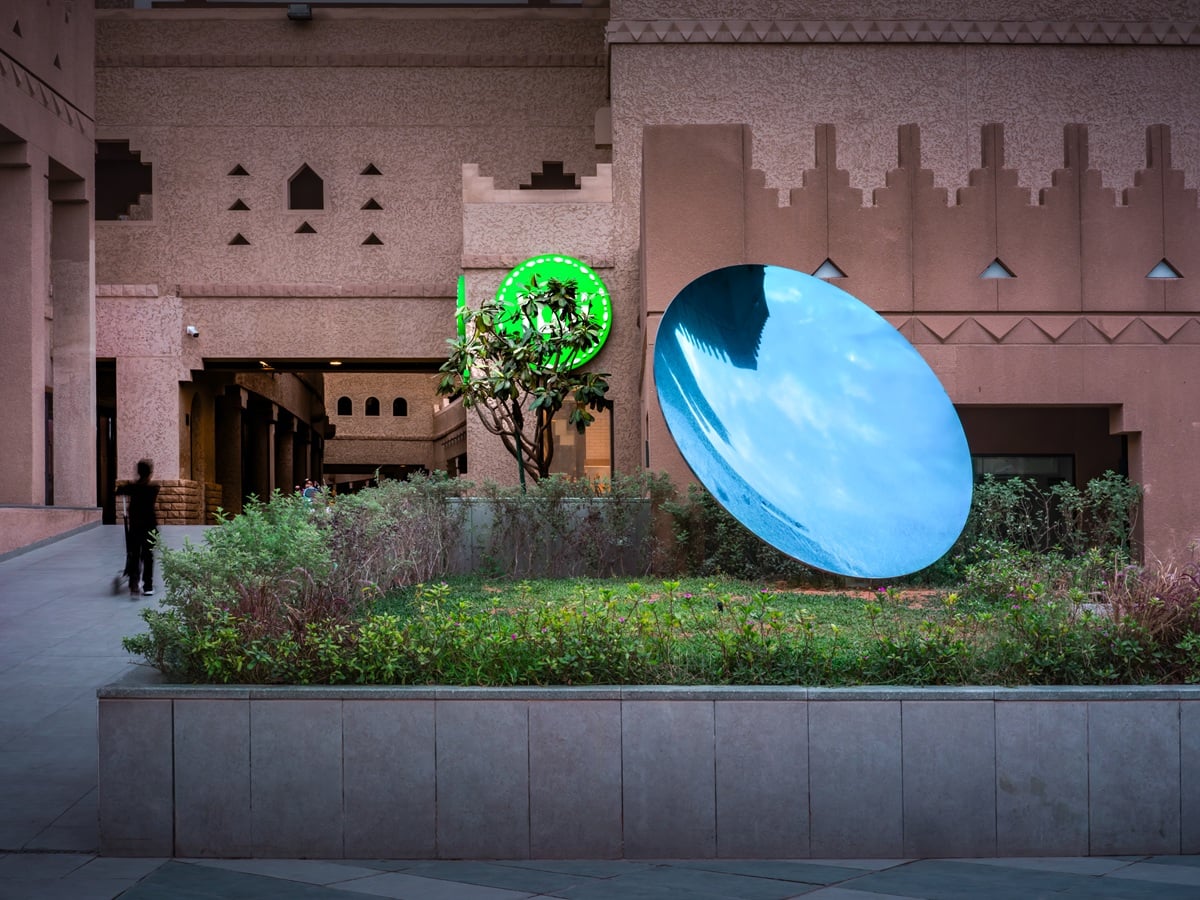
Saudi Arabia is significantly expanding its Riyadh Art public art initiative, with plans to install over 100 new monumental works across the capital city in the coming years. Following the recent Tuwaiq Sculpture 2026 event, which added 25 stone and metal sculptures to the permanent collection, the city has announced 12 new site-specific installations by high-profile international artists including Anselm Kiefer, El Anatsui, and Manal AlDowayan. The project aims to reach a total of 115 new commissions, building upon a collection that already features masters like Anish Kapoor, Jeff Koons, and Giuseppe Penone.

Choreography Instead of Cartography

Choreografie statt Kartografie

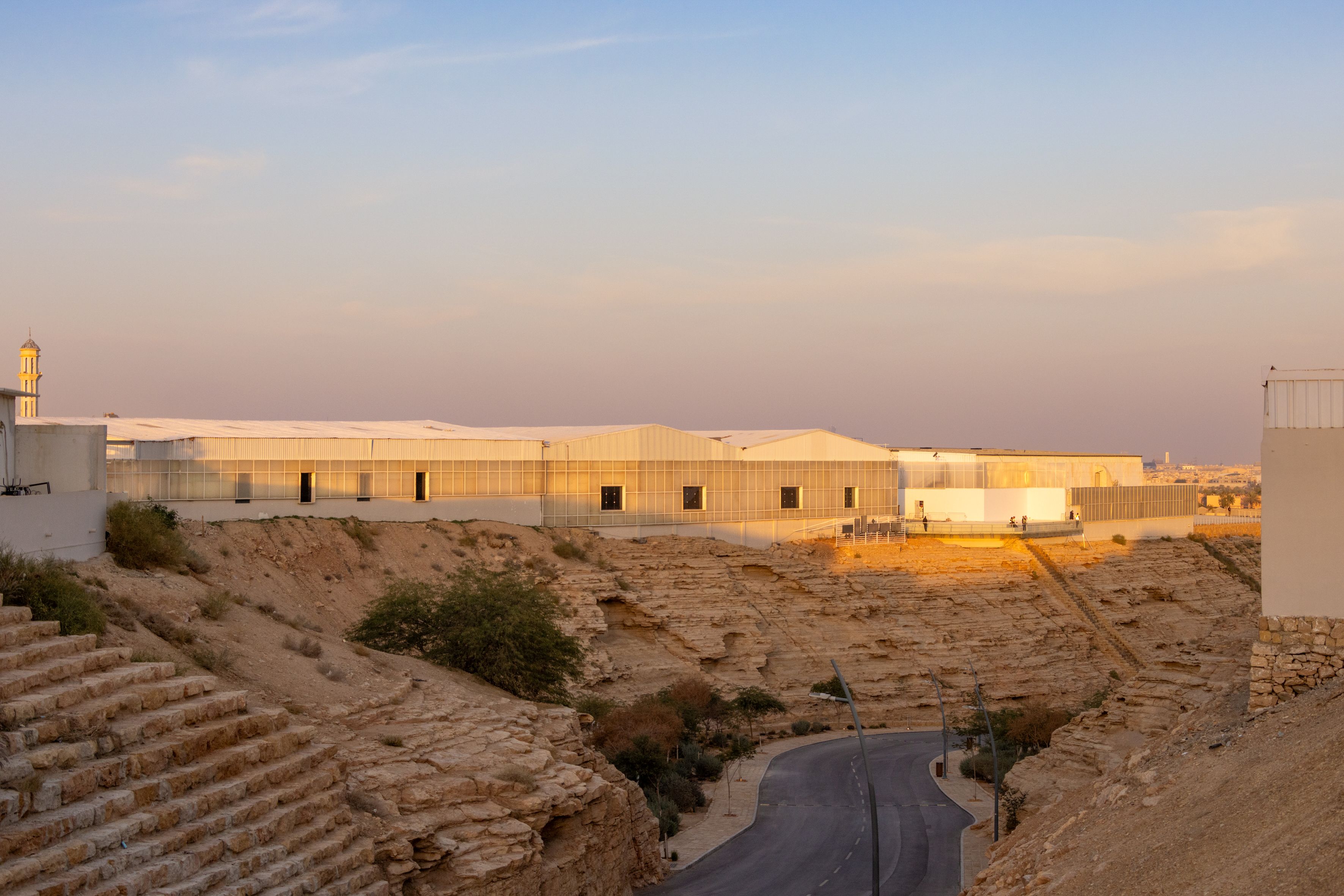
The third edition of the Diriyah Contemporary Art Biennale, titled "In Interludes and Transitions," has opened in the JAX District of Diriyah, Saudi Arabia. Featuring works by approximately 70 artists across five converted warehouses, the exhibition is curated by Nora Razian and Sabih Ahmed with a scenography designed by Formafantasma. Despite regional geopolitical tensions, the event showcases major installations by international artists such as Petrit Halilaj and Thao Nguyen Phan, emphasizing a "choreographic" rather than cartographic approach to global art.

Venice Biennale, no prize for Russia or Israel

Biennale de Venise, pas de prix pour la Russie ou Israël

The Venice Biennale has announced that neither Russia nor Israel will receive awards at this year's edition. The decision reflects ongoing geopolitical tensions and controversies surrounding the participation of these nations in the prestigious international art exhibition.

Château-Chinon unveils the astonishing gifts of President François Mitterrand

Château-Chinon déballe les étonnants cadeaux du président François Mitterrand

The Cité des présents-François Mitterrand, formerly the Musée du Septennat, has reopened in Château-Chinon, France, after a renovation. The museum displays thousands of diplomatic gifts received by President François Mitterrand during his 14-year tenure (1981–1995), including a portrait of Prince Charles, a vermeil oasis from the king of Saudi Arabia, and taxidermy lions from the Central African Republic. The collection of 4,800 objects spans 80 countries, with one-third donated by French citizens. The site also houses a fashion museum featuring 5,000 pieces from the 17th century to contemporary designers like Alexis Mabille and Yves Saint Laurent.

US SCULPTURES AMID CONTROVERSY AT THE VENICE BIENNALE

The United States Pavilion at the 61st Venice Biennale features sculptor Alma Allen's exhibition "Call Me the Breeze," which opened with no clear funding just ten days prior. Unlike previous pavilions supported by major foundations like Ford and Mellon, Allen's show relies on a $375,000 US government contribution and public donations via the American Arts Conservancy. The selection process was unconventional: the State Department, which took over after Trump's NEA budget cuts, imposed restrictions on DEI policies and required proposals promoting "American exceptionalism." Curator Jeffrey Uslip directly approached Allen without a formal proposal, leading the artist's two galleries—Olney Gleason and Mendes Wood DM—to drop him when he accepted the commission.

Qatar Pavilion Announces Artists for 2026 Venice Biennale

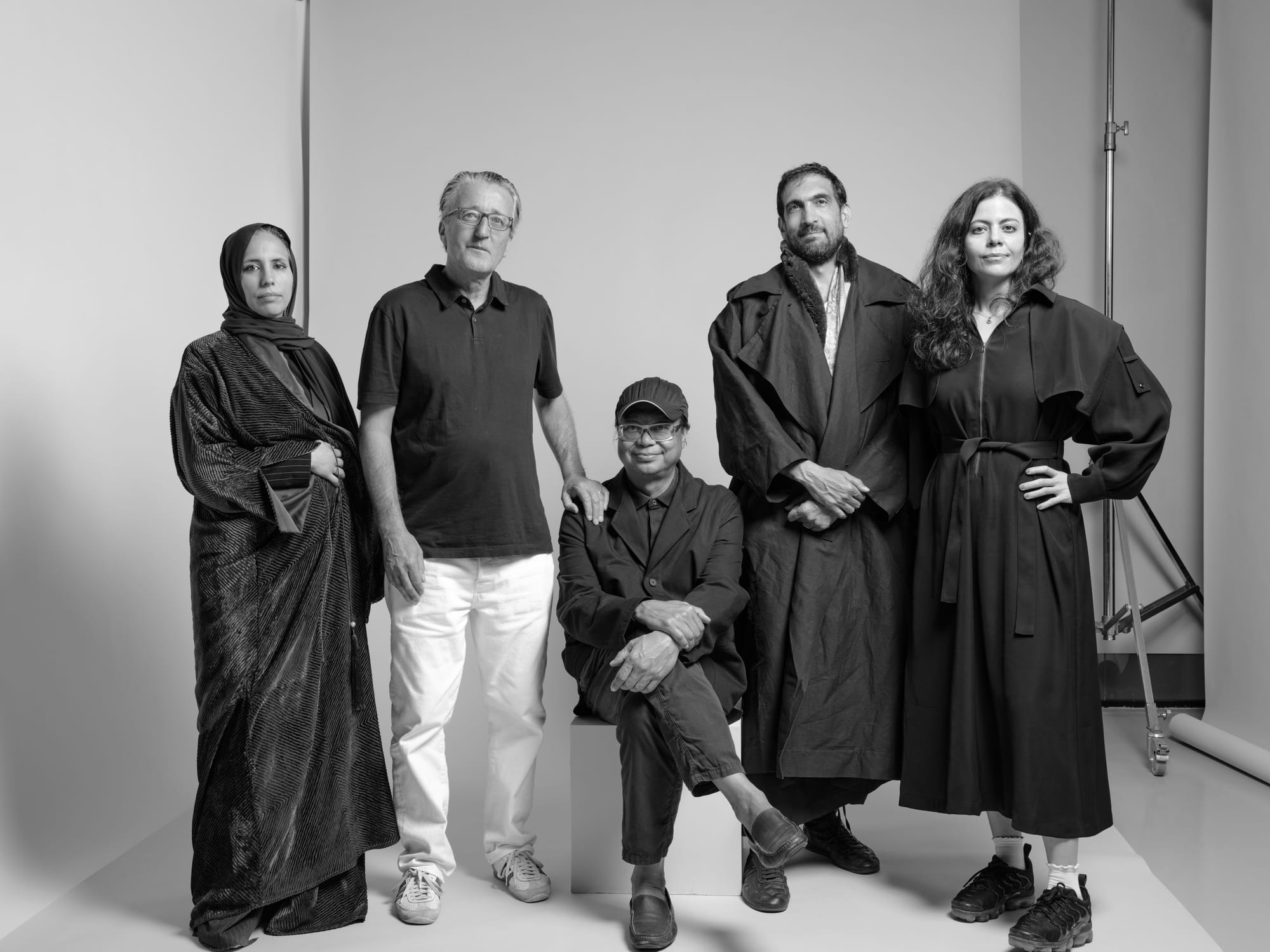
The Qatar Pavilion has unveiled its artist lineup and conceptual framework for the 61st Venice Biennale in 2026. Titled "untitled 2026 (a gathering of remarkable people)," the exhibition will feature a collaborative presentation centered around a tent-like structure designed by Rirkrit Tiravanija. The pavilion will include a film by Sophia Al-Maria, a large-scale sculpture by Alia Farid, sound performances by Tarek Atoui, and a culinary program curated by chef Fadi Kattan, all hosted within a temporary site in the Giardini designed by architect Lina Ghotmeh.

Venice Biennale strike sees more than 15 pavilions temporarily or partially close

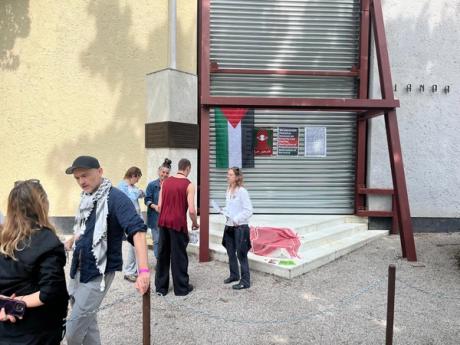
On 8 May, more than 15 national pavilions at the Venice Biennale temporarily or partially closed in a coordinated strike organized by the Art Not Genocide Alliance (ANGA). The protest opposes Israel’s participation in the event, which organizers say normalizes what they call genocide and exploits precarious labor. Participating countries include Austria, Lebanon, Slovenia, Egypt, Poland, and the Netherlands, whose artist Dries Verhoeven stood outside his shuttered pavilion with a Palestinian flag. Some pavilions, like Japan’s, remained open but suspended interactive elements. The strike follows earlier controversies, including the resignation of the prize jury and an open letter demanding the Israeli pavilion’s cancellation.

Venice Biennale jury ‘will not award artists from countries facing war crimes charges’

The jury of the Venice Biennale has announced it will not award prizes to artists from countries whose leaders face charges of crimes against humanity by the International Criminal Court, a decision widely seen as targeting Russia and Israel. The five-member jury, appointed by the late curator Koyo Kouoh, stated its commitment to human rights and will exclude artists from nations whose governments are under ICC investigation when selecting winners of the Golden and Silver Lion awards for the 2026 edition, which opens on 9 May. The move follows controversy over Russia’s participation in the biennale, with the European Commission threatening to suspend a €2m grant due to Russia’s involvement, and Italy’s far-right government opposing the decision.

Venice Biennale Breaks No Sanctions Over Russia Pavilion

venice biennale no sanctions broken russia pavilion

The Venice Biennale organizers have reaffirmed their decision to allow Russia to participate in the upcoming exhibition, despite intense pressure from the European Commission and Italy’s own Culture Minister, Alessandro Giuli. The Biennale maintains that it has fully complied with all international sanctions and that its mission is to reject censorship while providing a platform for artistic freedom. This stance has been bolstered by Italian Deputy Premier Matteo Salvini, who argued against "Russophobia" and stated that culture should serve as a bridge rather than a tool for division.

russian pavilion 2026 venice biennale return

Russia has announced it will reopen its national pavilion at the 2026 Venice Biennale after a four-year hiatus following the invasion of Ukraine. The pavilion, which remained closed in 2022 and was loaned to Bolivia in 2024, will host an exhibition titled "The Tree is Rooted in the Sky" featuring a "musical festival" with over 50 participants from Russia and countries including Argentina, Brazil, Mali, and Mexico.

gabrielle goliath legal action south africa venice pavilion

Artist Gabrielle Goliath and curator Ingrid Masondo are filing a court case against South African culture minister Gayton McKenzie after he canceled their planned pavilion for the Venice Biennale. McKenzie objected to a performance from Goliath's "Elegy" series that would address Israel’s war in Gaza, calling it "polarizing," a move Goliath described as censorship. McKenzie later attributed the cancellation to alleged interference by an unnamed foreign nation, with reports suggesting Qatar was involved, though the Qatar Museums ultimately did not purchase the work. The application, to be filed in the South African high court in Pretoria, seeks to have McKenzie's actions declared unconstitutional.

south africa venice biennale investigation

South Africa withdrew its national pavilion from the Venice Biennale after Culture Minister Gayton McKenzie claimed a foreign power attempted to purchase artist Gabriele Goliath's work *Elegy*, which addresses femicide, anti-queer violence, the war in Gaza, and Germany's colonial genocide in Namibia. McKenzie deemed the financial interest a use of "proxy power." New reporting from Daily Maverick reveals that the alleged foreign party was Qatar Museums, a state-owned network, which had expressed interest in acquiring the work but never committed to a purchase. The minister's decision has sparked political backlash, with South Africa's public protector processing a formal complaint against McKenzie, and Goliath's team accusing him of censorship and deflection.

qatar museums gabrielle goliath venice biennale pavilion

Gabrielle Goliath's planned South African pavilion at the Venice Biennale was abruptly canceled by South African culture minister Gayton McKenzie. McKenzie claimed the cancellation was not due to the pavilion's focus on Israel's war in Gaza, but because a foreign nation attempted to purchase the work after the show. The Daily Maverick reported that the foreign entity was actually Qatar Museums, which had expressed interest in acquiring a video recording of Goliath's performance piece 'Elegy,' which addressed violence against women and queer people in South Africa and a genocide in Namibia. McKenzie's statement contradicted earlier reports that he had privately called the pavilion 'polarizing.'

south africa pavilion venice biennale cancelation qatar

South Africa has canceled its pavilion at the Venice Biennale, which was to feature a performance by artist Gabrielle Goliath addressing the killings of women and queer people in South Africa, a German-led genocide in Namibia, and Israel’s war in Gaza. The performance would have included readings of poetry by Palestinian poet Hiba Abu Nada, who was killed in an Israeli airstrike in 2023. South African Culture Minister Gayton McKenzie blamed an unidentified foreign nation for seeking to use the pavilion for "proxy power," and Israeli publication Ynetnews reported that nation is Qatar. McKenzie denied censorship, claiming a rift with the nonprofit Art Periodic South Africa over a foreign nation's offer to purchase artworks after the Biennale.

south african culture mp denies censoring venice pavilion

The South African Ministry of Sport, Arts, and Culture has denied censoring its 2026 Venice Biennale pavilion after canceling a proposed artwork by artist Gabrielle Goliath on December 2. The work, part of Goliath's "Elegy" series curated by Ingrid Masondo, addressed sexual assault, femicide, the killings of women and queer people in South Africa, colonial-era genocide in Namibia, and included a tribute to Palestinian poet Hiba Abu Nada. Culture minister Gayton McKenzie initially called the piece "highly divisive" and linked to a polarizing international conflict, but a January 10 statement reframed the cancellation as a safeguard against foreign interference, alleging a foreign country attempted to fund or purchase the work to use the pavilion as a proxy for a geopolitical message about Israel's actions in Gaza.