filter_list Showing 31 results for "Diplo" close Clear
dashboard All 31 museum exhibitions 13article news 12person people 2article policy 2article culture 1article local 1
date_range Range Today This Week This Month All
Subscribe

Alma Allen Speaks Out on Backlash Over U.S. Pavilion Commission: ‘A Little Stressful’

Sculptor Alma Allen has spoken out for the first time about the backlash he faced after accepting the commission to represent the United States at the Venice Biennale. In a rare interview on the podcast *Time Sensitive*, recorded at his home in Tepotzlán, Mexico, Allen described the response as “a little stressful” but said he never hesitated when curator Jeffrey Uslip invited him last fall. His selection sparked controversy because the State Department’s requirement that proposals “reflect and promote American values” while not promoting DEI initiatives led higher-profile artists like William Eggleston and Barbara Chase-Riboud to refuse. Allen’s former galleries, Mendes Wood and Olney Gleason, dropped him after he accepted, though he has since joined Perrotin. He also hinted that his exhibition, “Call Me the Breeze,” will include work about conflict and surveillance.

There Has Never Been an Apolitical Venice Biennale

"Es hat niemals eine unpolitische Venedig-Biennale gegeben"

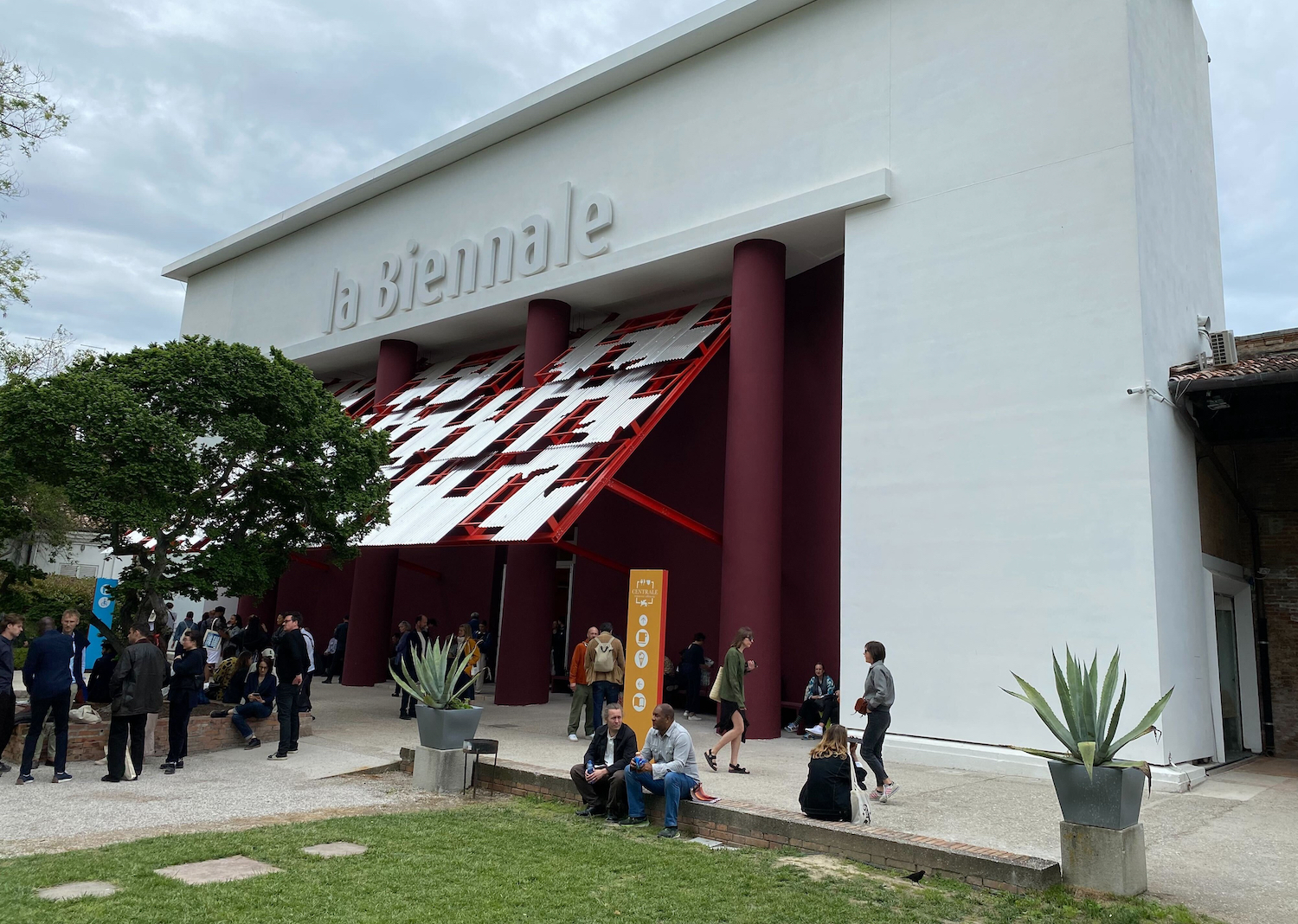
The Venice Biennale is embroiled in political controversy, with the US Pavilion's selection process criticized for bypassing traditional curatorial expertise in favor of a politically connected outsider. Simultaneously, a collective of artists and academics is protesting Russia's return to the Biennale, arguing it uses art as a political instrument to normalize its actions amid the war in Ukraine. An analysis in ArtReview contends the Biennale has never been apolitical, serving as a stage for geopolitical power plays since its inception.

Art and authoritarianism in Auckland

Auckland Art Gallery is presenting 'Forever Tomorrow: Chinese Art Now,' a major survey of Chinese contemporary art featuring 67 works by 42 artists, running from May 2 to August 23, 2026. The exhibition includes Xiao Lu's iconic 1989 work 'Dialogue,' which she famously shot with a gun hours after its opening, an act later linked to the Tiananmen Square protests. Xiao Lu comments on the political resonance of the show in New Zealand amid global shifts in democracy and US-centric world order.

Gearing Up for Venice

The 2026 Venice Biennale's awards jury has announced it will not consider artists from countries whose leaders are charged with crimes against humanity by the International Criminal Court, specifically naming Israel and Russia. In other news, satellite imagery confirms Azerbaijan demolished an Armenian church in Artsakh, the World Press Photo of the Year was awarded to Carol Guzy for an image of ICE detaining a father, and Argentine abstract painter Ides Kihlen died at age 108. Hyperallergic also published a guide to the Biennale by Hrag Vartanian and reported on Lynda Roscoe Hartigan's appointment as director of the Smithsonian American Art Museum.

Ha Chong-hyun's 6 decades of art head to San Francisco's Asian Art Museum

Korean artist Ha Chong-hyun, a key figure in the Dansaekhwa (monochrome painting) movement, will receive his first North American museum retrospective at the Asian Art Museum in San Francisco. The exhibition, opening in September, will feature approximately 50 works spanning six decades, including his recent paintings and his signature 'Conjunction' series.

The Multibillion-Dollar Maneuvers Behind the Met’s Raphael Show

The Metropolitan Museum of Art has opened “Raphael: Sublime Poetry,” the largest survey dedicated to the Renaissance master in the U.S., featuring 33 paintings and 142 works on paper. The exhibition includes loans from 60 public institutions across 11 countries, as well as private loans from billionaire Leon Black, and the estimated aggregate value of the art on view is in the billions of dollars. Curated by Carmen Bambach, the show took eight years to organize and follows her previous triumphs on Leonardo and Michelangelo.

What You Need to Know About the Venice Biennale’s Russian Pavilion Controversy

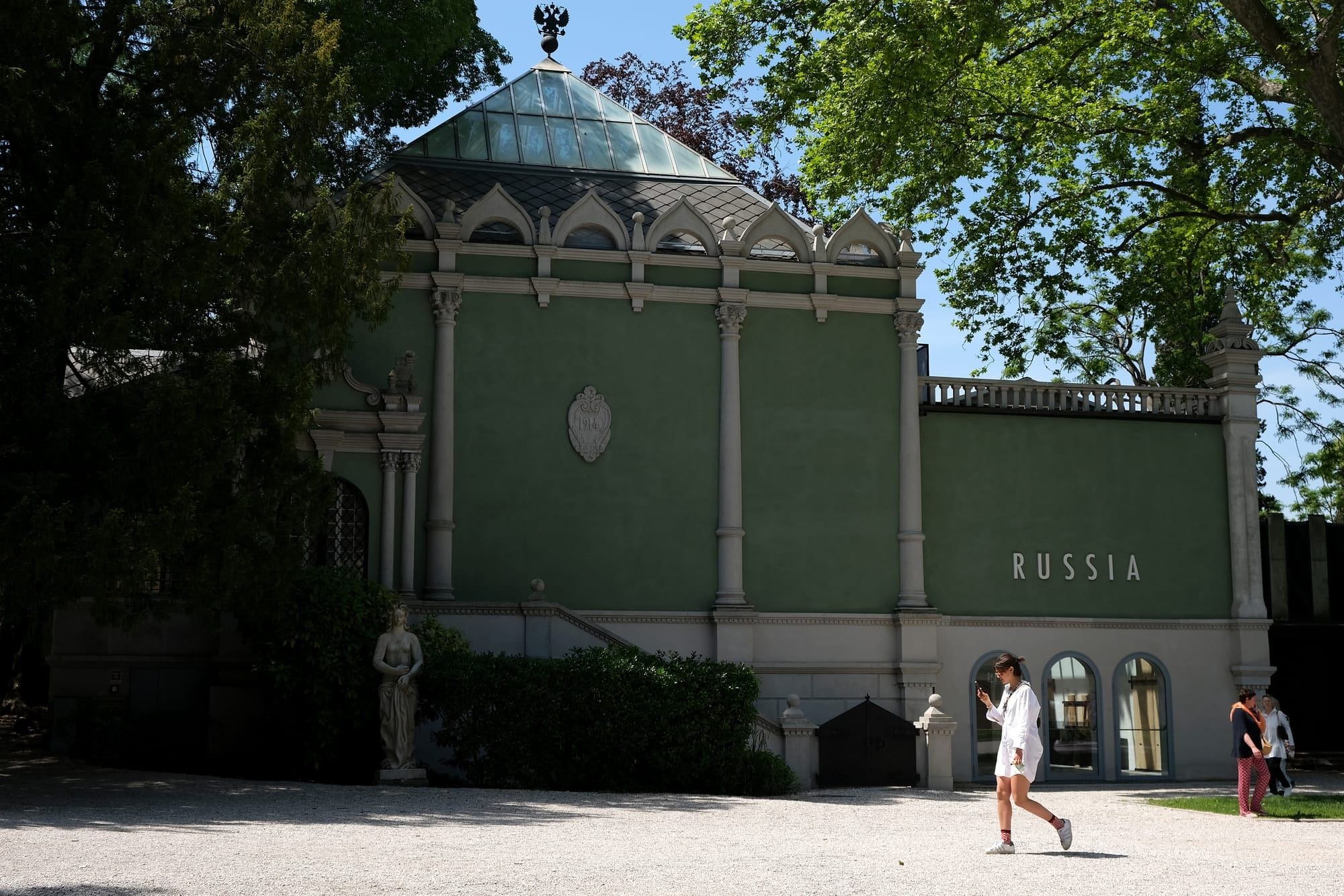
The Russian pavilion is set to return to the Venice Biennale for the first time since the 2022 invasion of Ukraine, presenting an exhibition titled 'The tree is rooted in the sky.' This has sparked significant controversy, with artists, curators, and politicians from Ukraine and several European nations calling for the pavilion's exclusion, citing the ongoing war and sanctions. The Biennale organizers have refused to remove Russia, stating they lack the authority to exclude a state recognized by Italy and emphasizing the event's role as a neutral space for cultural dialogue.

Venice Biennale’s Prize Ban on Israel and Russia Falls Short for Critics

The jury of the 2026 Venice Biennale has ruled that Israel and Russia will be ineligible for the Golden and Silver Lion prizes, citing International Criminal Court charges of crimes against humanity against their leaders. The decision follows years of activism and political pressure, with the European Union withdrawing €2 million in funding from the event in protest of Russia's participation. While groups like Art Not Genocide Alliance praised the move as an unprecedented step, critics argue it falls short of a full ban on participation. Israel's artist representative, Belu-Simion Fainaru, condemned the policy as discriminatory, and an open letter signed by 70 artists and curators called for excluding all regimes committing war crimes, including the United States.

The Centre Pompidou Expands to South Korea

Le Centre Pompidou s’exporte en Corée du Sud

The Centre Pompidou has opened a new satellite institution, the Centre Pompidou Hanwha, in Seoul, South Korea. The 11,000-square-meter venue, located in the 63 Tower and designed by the Wilmotte et Associés agency, is a partnership with the Hanwha Foundation of Culture and coincides with the 140th anniversary of Franco-Korean diplomatic relations. The opening was highlighted by a recent site visit from French President Emmanuel Macron and Centre Pompidou president Laurent Le Bon.

Venice Biennale Jury Bars Israel and Russia from Official Prizes

The international jury of the 61st Venice Biennale announced on April 23 that it will not consider the Israeli and Russian pavilions for official prizes, including the Golden Lion for national participation. The five-member, all-women panel—comprising Solange Farkas, Zoe Butt, Elvira Dyangani Ose, Marta Kuzma, and Giovanna Zapperi—said it would exclude countries whose leaders are currently charged with crimes against humanity by the International Criminal Court, a criterion that applies to Israel and Russia due to ICC arrest warrants for Benjamin Netanyahu and Vladimir Putin. The decision comes amid mounting controversy over the Biennale's decision to host both pavilions, with Russia returning after its artists withdrew in 2022 over the Ukraine invasion and Israel reopening after its 2024 pavilion remained closed pending a Gaza ceasefire. The European Commission had also threatened to suspend a €2 million grant over the Russian pavilion's reopening.

Beyond the Eiffel Tower: Photo Exhibition Reveals Paris Unseen

The Sungkok Art Museum in Seoul is hosting a photography exhibition titled 'Paris Unseen' or 'Paris, Invisible Paris'. The show features works by 51 artists, including three Koreans, and was co-curated with Alain Sayag, former head of photography at the Centre Pompidou. It aims to move beyond the city's iconic tourist imagery to present lesser-known perspectives of Paris, coinciding with the 140th anniversary of Korea-France diplomatic relations.

The soap opera continues. Minister Giuli will boycott the inauguration of the Venice Biennale

La telenovela continua. Il Ministro Giuli diserterà l’inaugurazione della Biennale di Venezia

Alessandro Giuli, Italy's Minister of Culture, has announced he will boycott the pre-opening and inauguration ceremony of the 61st Venice Biennale on May 9, 2026, escalating a political and cultural crisis. The dispute began when Biennale president Pietrangelo Buttafuoco allowed the Russian pavilion to reopen, absent since 2022 due to the Ukraine invasion, citing artistic freedom. Giuli demanded the removal of ministry representative Tamara Gregoretti from the Biennale board for failing to oppose the decision. Tensions flared during the Italy Pavilion press conference, where journalists were confined to a separate streaming room and questions were restricted. The European Commission condemned the Russian pavilion's reopening, cutting €2 million in funding and issuing a 30-day ultimatum, while 22 European countries signed a letter pressuring the institution. The Biennale's international jury, led by Solange Oliveira Farkas, then excluded Russia and Israel from award consideration, citing ethical guidelines against countries whose leaders face International Criminal Court charges for crimes against humanity.

"Etwas zaghaft, etwas ängstlich, etwas sicher"

The article surveys recent art-world commentary, focusing on a critical review of the Turner Prize shortlist in The Guardian, where Eddy Frankel calls the selection "timid, anxious, safe" and laments a self-perpetuating, elitist system. It also covers a Hyperallergic essay by Lisa Siraganian questioning whether artworks can possess personhood, sparked by Pierre Huyghe's Venice exhibition. Additionally, it reports on controversy at the Venice Biennale, where the jury preemptively excluded countries whose leaders are sought by the International Criminal Court—namely Russia and Israel—drawing sharp criticism from Die Welt's Marcus Woeller. A podcast interview with US sculptor Alma Allen, selected for the US Pavilion, rounds out the coverage.

Venice Biennale jury ‘will not award artists from countries facing war crimes charges’

The jury of the Venice Biennale has announced it will not award prizes to artists from countries whose leaders face charges of crimes against humanity by the International Criminal Court, a decision widely seen as targeting Russia and Israel. The five-member jury, appointed by the late curator Koyo Kouoh, stated its commitment to human rights and will exclude artists from nations whose governments are under ICC investigation when selecting winners of the Golden and Silver Lion awards for the 2026 edition, which opens on 9 May. The move follows controversy over Russia’s participation in the biennale, with the European Commission threatening to suspend a €2m grant due to Russia’s involvement, and Italy’s far-right government opposing the decision.

Fondazione Bvlgari Bets on the Venice Biennale: Beyond the Pavilion in the Giardini, an Exhibition at the Biblioteca Marciana

Fondazione Bvlgari scommette sulla Biennale di Venezia: oltre al padiglione ai Giardini, una mostra alla Biblioteca Marciana

Fondazione Bvlgari is making its debut at the Venice Biennale with a collateral exhibition at the Biblioteca Nazionale Marciana, featuring site-specific works by Monia Ben Hamouda and Lara Favaretto. The show runs from May 9 to November 22, 2025, alongside the 61st International Art Exhibition. Ben Hamouda presents 'Fragments of Fire Worship,' neon sculptures in the Vestibule that explore language and cultural heritage, while Favaretto installs the final edition of 'Momentary Monument – The Library' in the Salone Sansovino, inviting public consultation of donated books. Additionally, Bvlgari has a pavilion in the Giardini featuring Canadian artist Lotus L. Kang, as part of a three-edition partnership with the Biennale through 2030.

Europe: China’s censorship of cultural institutions must be challenged - ARTICLE 19

The Victoria and Albert Museum (V&A) in London has reportedly removed maps and images from exhibition catalogues on multiple occasions following pressure from its Chinese publisher, C&C Offset Printing. The publisher cited directives from China's General Administration of Press and Publication (GAPP), which enforces the Chinese Communist Party's official narratives on sensitive topics like territorial borders.

Syrian Artist Sara Shamma To Present An Ode To Palmyra At The 61st Edition Of La Biennale Di Venezia

Syrian artist Sara Shamma will present a large-scale immersive installation titled 'The Tower Tomb of Palmyra' at the 61st edition of La Biennale di Venezia in 2026. This marks Syria's first participation in the Biennale since the fall of the Assad regime and the appointment of President Ahmed Hussein al-Sharaa. Shamma's project, inspired by the ancient funerary towers of Palmyra destroyed during the Syrian Civil War, aims to restore the heritage site to life through a multisensory journey combining architecture, painting, and other elements. It will be the first solo presentation by a single Syrian artist at the Biennale, departing from previous group exhibitions with European collaborators.

Finland’s political leadership to retract from Venice Biennale over Russian Pavilion

Finland's Minister of Science and Culture, Mari-Leena Talvitie, announced that the country's political leadership will not participate in the upcoming Venice Biennale if Russia's national pavilion is allowed to take part. This decision follows a joint letter signed by Talvitie and 21 other European ministers in March, which deemed Russia's return to the Biennale since its 2022 invasion of Ukraine as 'unacceptable'. Finnish public officials and cultural representatives, however, will still attend to support Finnish artists.

MiC initiates cultural bridge between Italy and Mozambique on contemporary art

On April 20, 2026, the Italy-Mozambique project "A Bridge Made in Art" launched in Maputo, Mozambique, running until June 2027. Sponsored by Italy's Ministry of Culture and the National Museums of Perugia, the initiative includes workshops, exhibitions, and training in contemporary art, involving Mozambican institutions such as Universidade Eduardo Mondlane, Fundação Leite Couto, and Núcleo de Arte. The program is part of the Mattei Plan for Africa, aiming to redefine Italy-Africa relations through cultural cooperation.

Anne-Claire Legendre: 'Restoring serenity and transparency to the institution'

Anne-Claire Legendre : « Redonner de la sérénité et de la transparence à l’institution »

Anne-Claire Legendre has been appointed to succeed Jack Lang as president of the Institut du Monde Arabe (IMA) in Paris. A French diplomat, Legendre aims to restore confidence in the institution through governance reform, increased transparency, and a new strategic plan following an external financial audit.

The Venice Biennale Korean Pavilion was built in 1995 as the 26th national pavilion in Giardini Cast..

The article reports on the upcoming 61st Venice Biennale in 2026, focusing on the Korean Pavilion's exhibition titled "Liberation Space: Fortress and Nest." The Korean Pavilion, built in 1995 as the 26th national pavilion in Giardini Castello Park, will present itself as a temporary monument exploring Korea's post-colonial history, specifically the liberation period (1945-1948) and the concept of sovereignty. Artistic director Choi Bit-na has curated the exhibition to address Korea's geopolitical context, viewing the pavilion's 1995 entry as a key moment of decolonization alongside the demolition of the Government-General building and the founding of the Gwangju Biennale.

Biennale Jury Will Not Consider Countries with ICC Allegations

Biennale-Jury will Länder mit IStGH-Vorwürfen nicht berücksichtigen

The jury of the Venice Art Biennale has announced that it will not consider countries whose heads of state or government face allegations of crimes against humanity from the International Criminal Court (ICC) when awarding prizes this year. The jury, led by Brazilian art historian Solange Farkas, cited its commitment to defending human rights. While no specific countries were named, the ICC currently has arrest warrants against Russian President Vladimir Putin for alleged war crimes in Ukraine and Israeli Prime Minister Benjamin Netanyahu for alleged war crimes in Gaza. The Biennale leadership stated the jury acted in full autonomy and independence.

In Piazza Navona the École française de Rome opens a space for exhibitions (all will be free admission)

A Piazza Navona l’École française de Rome apre uno spazio per le mostre (saranno tutte ad accesso gratuito)

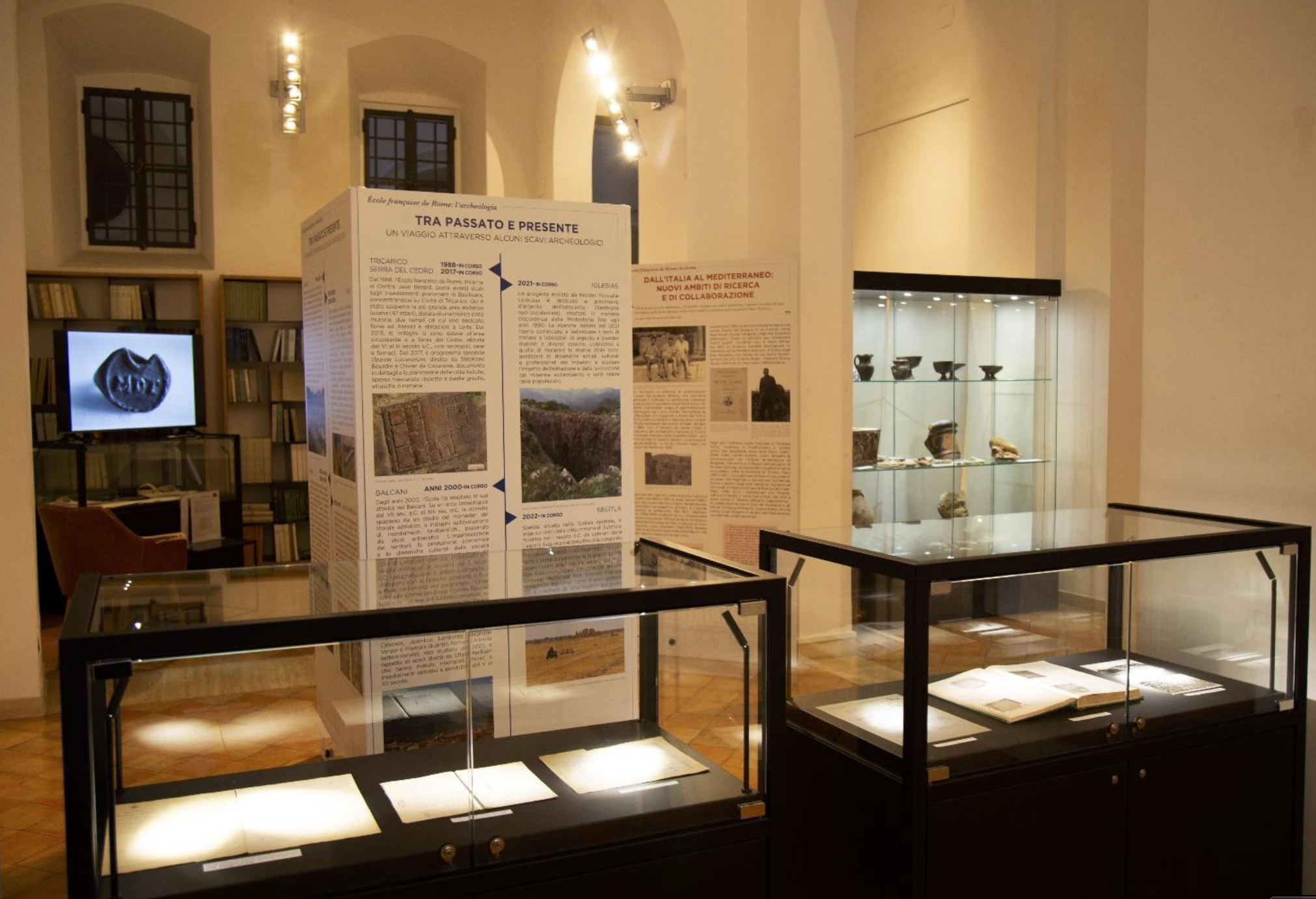
The École française de Rome, founded in 1875 and housed at Palazzo Farnese, has opened a permanent exhibition space at Piazza Navona 62 in Rome. A current exhibition running until April 30, 2026, traces the institute's 150-year history of historical, archaeological, and social science research, highlighting its Italian and Mediterranean focus and the collaborative spirit between France and Italy. The new gallery will host a regular program of free-admission exhibitions and events dedicated to cultural heritage, archaeology, and history, starting with the show "Isole e santi – Monasteri e santuari dell’Adriatico orientale, da san Girolamo a Gregorio VII" from May 27, 2026.

Russia's Venice Pavilion to Close to the Public in Compliance With Sanctions

Russia will return to the 61st Venice Biennale with its national pavilion, but the exhibition will only be physically open to the press and select guests during the vernissage dates of May 5–8. From May 9 onward, the pavilion will remain closed to the public, with multimedia documentation of performances displayed on screens at the windows. The arrangement follows leaked emails among Biennale Foundation President Pietrangelo Buttafuoco, General Director Andrea Del Mercato, and Russian Pavilion Commissioner Anastasia Karneeva, revealing efforts to comply with EU sanctions while still allowing Russia's participation after two consecutive absences since its invasion of Ukraine.

10 Must-See Shows During the Venice Biennale 2026

The 2026 Venice Biennale is embroiled in multiple controversies, including the cancellation and reinstatement of Australia's representative artist Khaled Sabsabi, ongoing calls to bar Israel from participating, criticism over allowing Russia to participate, and mounting voices to exclude the U.S. in response to President Donald Trump's actions in Iran. Despite these disputes, the article highlights that many of the city's most exciting shows will take place away from the main Biennale venues.

Italian culture minister will not attend opening of Venice Biennale

Italian culture minister Alessandro Giuli has announced he will not attend the opening of the Venice Biennale next week, protesting Russia's involvement in the exhibition. Russia, which has a permanent pavilion in the Giardini, has been absent from the Biennale since 2022 but is returning this year, sparking widespread criticism. The European Union recently cut its €2 million grant to the Biennale following Russia's return, and Golden and Silver Lion jurors have stated they will not consider pavilions from countries whose leaders are charged with crimes against humanity by the International Criminal Court, effectively excluding Russia.

Venice Biennale, no prize for Russia or Israel

Biennale de Venise, pas de prix pour la Russie ou Israël

The Venice Biennale has announced that neither Russia nor Israel will receive awards at this year's edition. The decision reflects ongoing geopolitical tensions and controversies surrounding the participation of these nations in the prestigious international art exhibition.

Pierson Students Showcase Artistic Talent at Exhibition

Pierson High School in Sag Harbor hosted its IB Visual Arts Exhibition Open, showcasing the two-year creative journey of Diploma Programme students. The exhibition featured a diverse range of media including fashion design, photography, digital art, oil painting, drawing, mixed media, sculpture, and unconventional pieces like decorated surfboards, with each student presenting a cohesive collection reflecting their artistic development and personal themes.

Final book in trilogy asks: What is the future of the art world?

Cultural strategist András Szántó has published the third and final volume of his trilogy on the future of museums, titled *What Is the Future of the Art World?*. The book features dialogues with a wide range of art-world figures—including gallerists José Kuri and Atsuko Ninagawa, collectors Alain Servais and Sylvain Levy, artists William Kentridge and Holly Herndon & Mathew Dryhurst, curator Fatoş Üstek, network scientist Albert-László Barabási, former Art Basel director Marc Spiegler, and Sheikha Al-Mayassa Al Thani—who discuss topics such as the definition of the art world, its rules, and its future trajectory. Szántó notes that there is no consensus on whether the art world is still expanding or entering a phase of slowdown, with different regions moving on divergent paths.

Gitte Zschoch wird Generalsekretärin des Goethe-Instituts

Gitte Zschoch has been appointed as the new Secretary General of the Goethe-Institut, taking over the role and chairmanship of the board on July 18. She succeeds Johannes Ebert, who has held the position since 2012 and will now lead the institute's regional office in Athens. Zschoch, currently Secretary General of the Institute for Foreign Cultural Relations (ifa), previously worked for the Goethe-Institut in various roles, including founding director of its branch in the Democratic Republic of Congo. The appointment was confirmed by German Foreign Minister Johann Wadephul and approved by the institute's presidium.