filter_list Showing 801 results for "Italia" close Clear
search
dashboard All 801 museum exhibitions 365article news 140trending_up market 78article culture 73article policy 36article local 35person people 22gavel restitution 22candle obituary 17rate_review review 13
date_range Range Today This Week This Month All
Subscribe

Expansion plans for Rome's Galleria Borghese draw fierce response

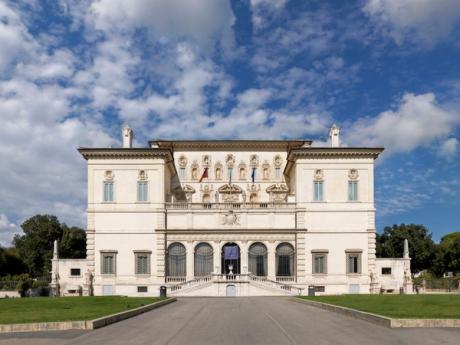
Rome's Galleria Borghese, a 17th-century villa museum housing masterpieces by Caravaggio, Bernini, and Canova, is facing controversy over a privately funded feasibility study for a potential expansion. Sponsored by Italian engineering firm Proger, the €900,000 initiative would fund an international architecture competition to explore adding exhibition and visitor space to the Villa Borghese Pinciana grounds. Museum officials cite operational constraints: the historic interiors limit access to 360 visitors per two-hour slot (about 4,000 daily), reservations require weeks of waiting, many works remain in storage, and accessibility is poor. Visitor numbers hit a record 630,760 in 2025, up from 506,000 a decade earlier. Preservation groups including Italia Nostra Roma and Amici di Villa Borghese have objected to any new construction in the sensitive historic landscape. Director Francesca Cappelletti emphasized at a May 18 press conference that no project exists yet and the museum is only beginning a study process, with a winner possible by year's end.

Lotus Kang channels desire into Bvlgari's Venice Biennale pavilion

Artist Lotus Kang has created a site-specific installation for the Bvlgari pavilion at the Venice Biennale, working across three studios including a temporary Brooklyn warehouse. Her work, which includes unfixed 35mm film on the façade of Spazio Esedra and new sculptures of plaster baby birds and rubber-wrapped tatami mats, explores themes of multiplicity, permeability, and the unfixing of meaning. Kang, known for her installations at the 2023 Whitney Biennial and Chisenhale Gallery, describes herself as a maker of objects and spaces who resists single interpretations.

Venice Biennale Jury Resigns in the Wake of Controversial Prize Ban

The jury for the 2026 Venice Biennale has resigned just days before the public opening on May 9, after announcing on April 22 that it would not consider artists from countries accused of crimes against humanity for the Golden and Silver Lion prizes. The jury, consisting of Solange Oliveira Farks (president), Zoe Butt, Elvira Dyangani Ose, Marta Kuzma, and Giovanna Zapperi, cited its earlier statement of intention in its resignation, which directly impacted the participation of Russia and Israel—both subject to International Criminal Court warrants. In response, the Biennale postponed the awards ceremony from May 9 to November 22 and replaced the traditional jury with a public vote for best participant and best national participation, framing the move as upholding openness and rejecting censorship.

The Newest Docent at This Historic Italian Palace Is a Robot

Palazzo Madama in Turin, Italy, has introduced a four-foot-tall robot named R1 as a docent for its Baroque collection. The robot, developed by the Italian Institute of Technology (IIT) under Project Convince with €4 million in EU funding, guides visitors through the former royal apartments, narrating the history of the House of Savoy and detailing paintings, tapestries, and furniture. R1 can interact with visitors via LED eyes, answer questions, and autonomously navigate the museum's first floor, though it cannot climb stairs. It has been learning on the job since 2025, completing 30 tours in December 2025, and uses corrective software to relocalize itself if lost.

Russian Pavilion Will Be Closed to the Public During Venice Biennale: Report

The Russian Pavilion will be closed to the public for most of the 2025 Venice Biennale, opening only during the pre-opening vernissage (May 5–8) for live performances tied to the exhibition “The Tree Is Rooted in the Sky.” After May 9, the pavilion will remain closed, with digital documentation displayed in the windows. The compromise follows weeks of pressure from European cultural and political figures—including Italy’s culture minister—to shutter the pavilion due to Russia’s ongoing war in Ukraine. Plans were confirmed via email correspondence between Biennale Foundation president Pietrangelo Buttafuoco, general director Andrea Del Mercato, and Russian Pavilion commissioner Anastasia Karneeva, as reported by Italian outlets Open and La Repubblica.

See Inside the Venice Biennale’s Newly Renovated Central Pavilion Ahead of the 2026 Edition

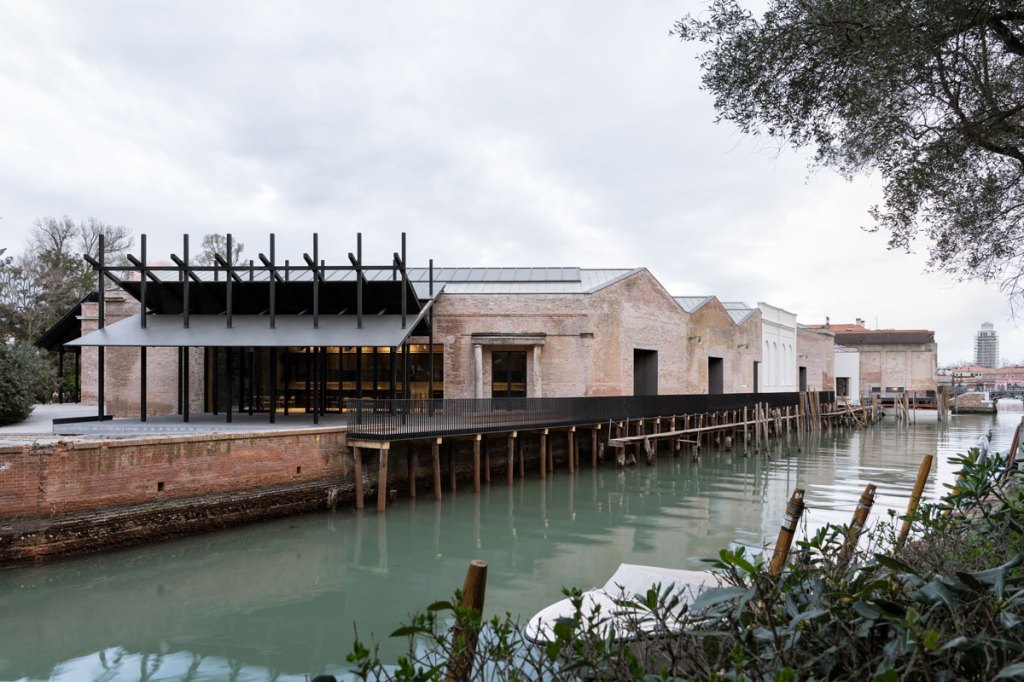
The Central Pavilion of the Venice Biennale has reopened after a €31 million renovation completed ahead of the 2026 edition. The 16-month project, funded by the Italian Ministry of Culture, streamlined the historic building's interior, concealed technical systems, added new skylights and motorized shades, and introduced outdoor structures to better connect the pavilion to the Giardini landscape.

Prado Implements New Crowd Control Measures to Combat Overtourism

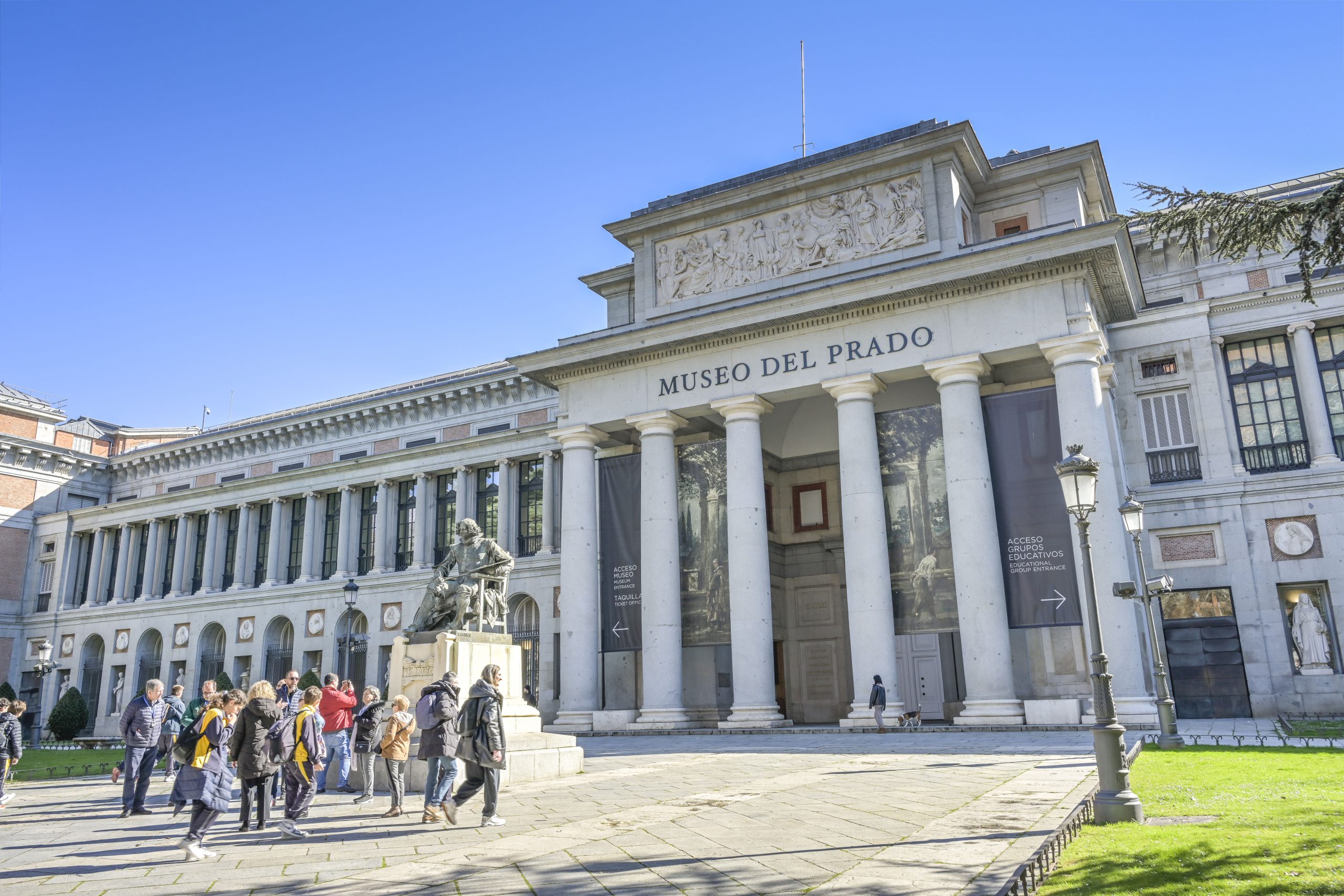
The Prado Museum in Madrid has implemented new crowd control measures to combat overtourism, including reducing the maximum size of tour groups from 30 to 20 people and restricting group access to off-peak afternoon hours. The museum is also promoting "thematic routes" to disperse visitors into less crowded galleries.

vatican orders removal meloni fresco

The Vatican ordered the removal of an angel's face resembling Italian Prime Minister Giorgia Meloni from a fresco at the Basilica of San Lorenzo in Lucina in Rome. The fresco, painted by artist Bruno Valentinetti in 2000 and restored in 2023, features two angels praying over Italy's last king, Umberto II. After Italian media noted the likeness, Valentinetti initially denied it but later admitted the angel bore Meloni's features. On Tuesday, he painted over the face, citing Vatican orders. The Diocese of Rome confirmed the original face will be restored, and an investigation has been launched.

art bites zuccaro drawing banished from rome

Federico Zuccaro, a 16th-century Italian Mannerist painter, was banished from Rome in 1581 after presenting a satirical drawing at a feast in the church of Saint Luke. The 13-foot work, 'Porta Virtutis (The Gate of Virtue),' depicted King Midas with donkey ears as a thinly veiled attack on papal steward Paolo Ghiselli, who had rejected Zuccaro's altarpiece. Zuccaro explicitly identified Ghiselli as the foolish Midas and labeled Bologna the 'Reign of Ignorance,' leading Pope Gregory XIII to sentence him for 'excesses' and banish him from the city. He avoided prison by paying a 400 scudi bail.

antonio solario stolen painting returned

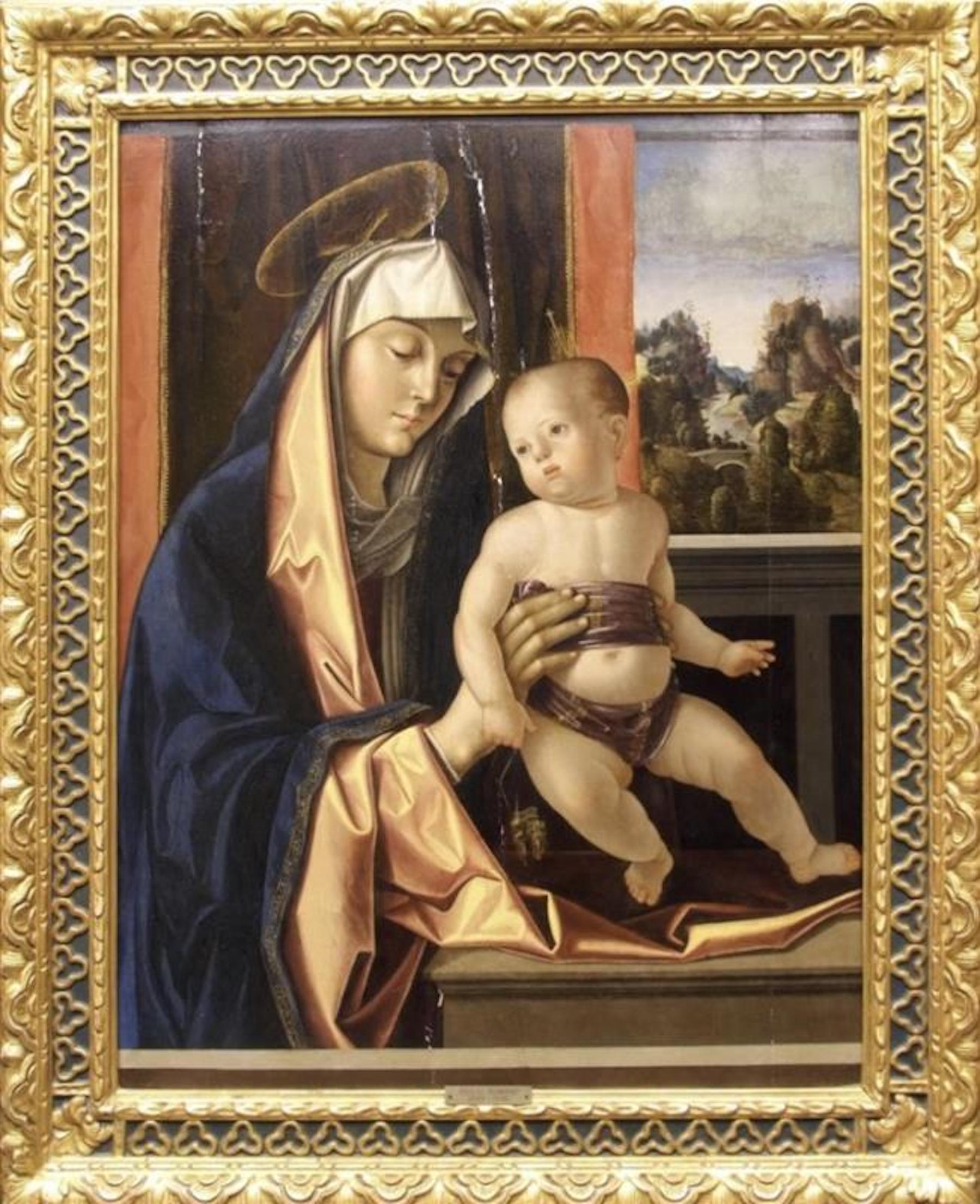
A British woman, Barbara de Dozsa, has voluntarily returned a stolen Renaissance painting by Antonio Solario to the Civic Museum of Belluno in Italy, more than 50 years after it was stolen in a 1973 heist. The work, a Madonna and Child, was purchased by her late ex-husband, Baron de Dozsa, shortly after the theft and later inherited by her. Although UK law allowed her to keep it legally, she was persuaded by art recovery specialist Christopher Marinello to return it on moral grounds, citing the painting's status on the Interpol database and the museum's role as a guardian of cultural heritage.

etruscan sarcophagus spouses restoration rome

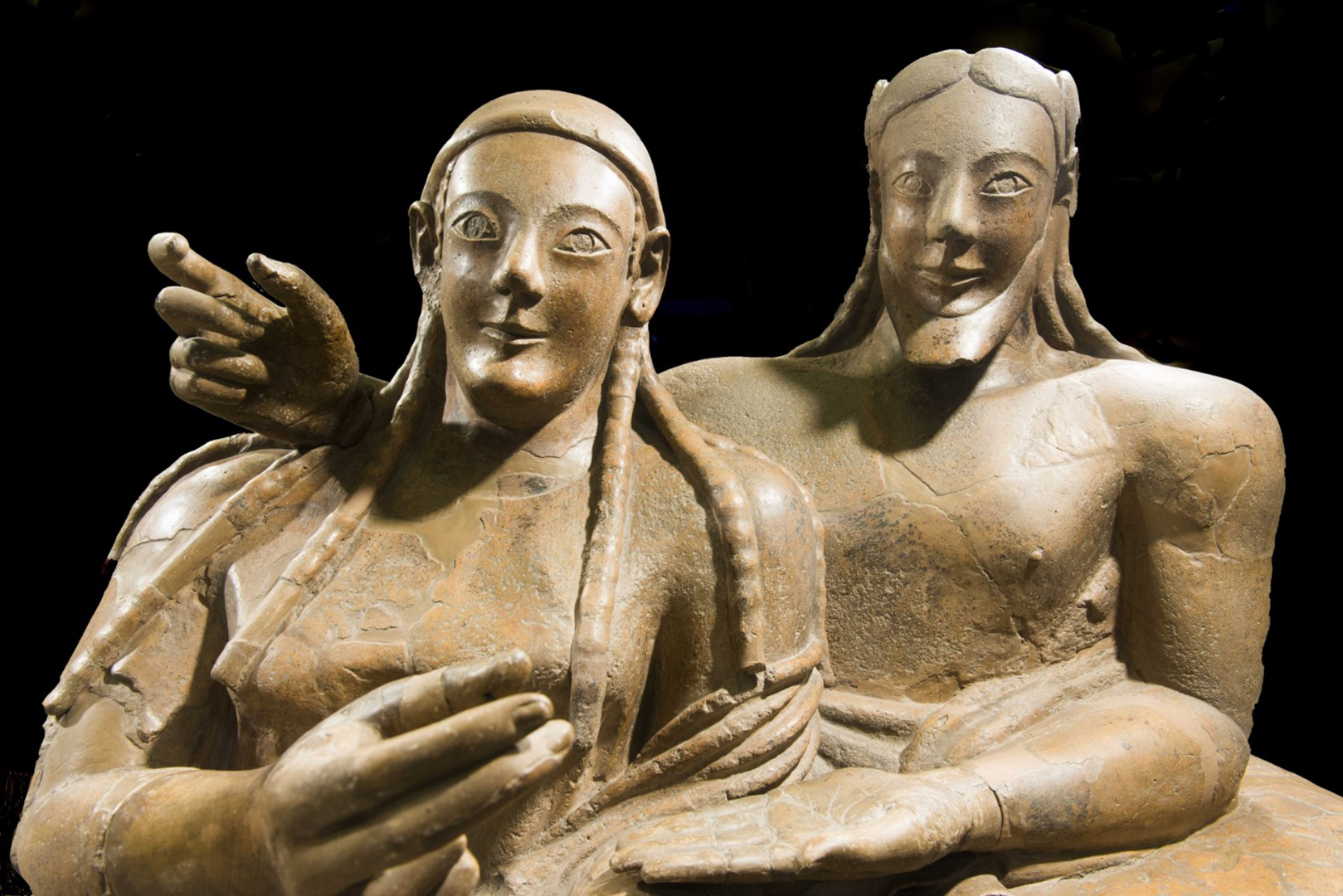
The National Etruscan Museum in Rome is undertaking a public restoration of the Sarcophagus of the Spouses, a 6th-century B.C.E. Etruscan terracotta tomb that was discovered in Cerveteri in 1881 and reassembled from 400 fragments by the museum's founder, Felice Barnabei. The open restoration will begin with the couple's legs, using digital technologies, and aims to highlight the work of art professionals while creating a long-term conservation plan for the masterpiece.

this qing dynasty painting could sell for nearly 19 million at auction

Sotheby's Hong Kong offered the Qing dynasty imperial painting *The Blue Goats* as a single-lot sale during its Asian Art Week. Commissioned by Emperor Qianlong in the late 1750s, the seven-by-six-foot hanging scroll was created by Italian Jesuit painter Giuseppe Castiglione (Lang Shining) and Chinese court artist Jin Tingbiao, blending Western and Eastern techniques. Despite a presale estimate of HK$60–150 million ($7.7–19.3 million), the work sold for HK$58.9 million ($7.6 million) after fees, below the low estimate. The painting depicts a pair of gorals in a rocky landscape and is inscribed with a poem by the emperor symbolizing his military conquests.

Le CMN perd le Mont-Saint-Michel

The article reports on several developments in the art world: the Centre des Monuments Nationaux (CMN) loses management of Mont-Saint-Michel; the Venice Biennale opens amid controversy; a law on the restitution of cultural property looted during colonization is definitively adopted; the V&A East museum targets younger audiences; in Giverny, the Monet legacy does not benefit everyone; and the market for the Nabis artists is becoming more structured.

Israeli Pavilion artist issued legal warnings before Biennale jury resignation

Belu-Simion Fainaru, the artist representing Israel at the 2026 Venice Biennale, issued legal warnings to the Biennale, the Italian Ministry of Culture, and the Italian Prime Minister’s office after the Golden Lion jury announced it would not consider pavilions from countries whose leaders are charged with crimes against humanity by the International Criminal Court, including Israel and Russia. Fainaru’s legal threats cited alleged antisemitism and nationality-based discrimination. Shortly after, the Biennale jury resigned, prompting organizers to postpone the awards ceremony to the closing day and replace the Golden and Silver Lions with two 'Visitors’ Lions' voted on by attendees, with all national participations eligible.

A Centre Pompidou in Korea

Un Centre Pompidou en Corée

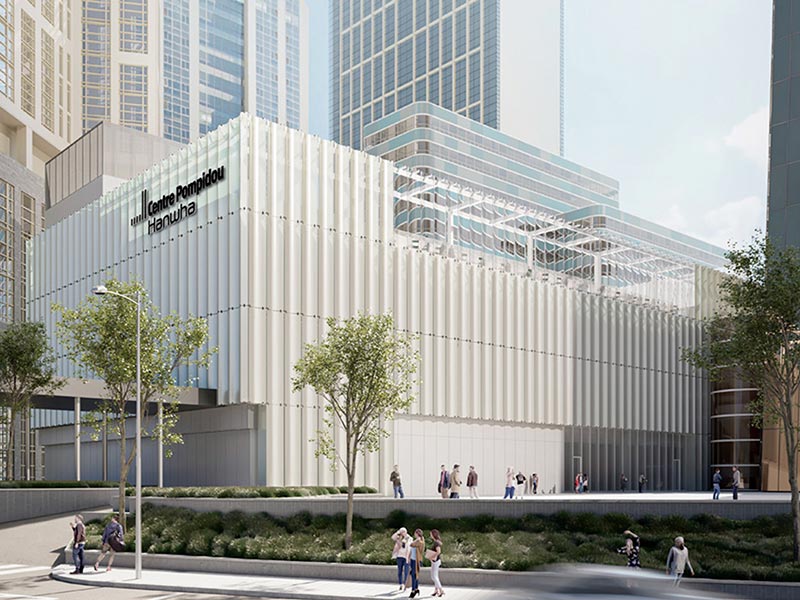
The Centre Pompidou has officially announced the opening date for its new satellite branch in Seoul, South Korea, scheduled for June 26, 2026. This international expansion is being developed in partnership with the Hanwha Foundation of Culture, a philanthropic arm of the South Korean conglomerate Hanwha, and will be housed in a space designed by architect Jean-Michel Wilmotte.

Italy purchases rare Caravaggio painting for $34.7 million.

Italy purchases rare Caravaggio painting for $34.7 million.

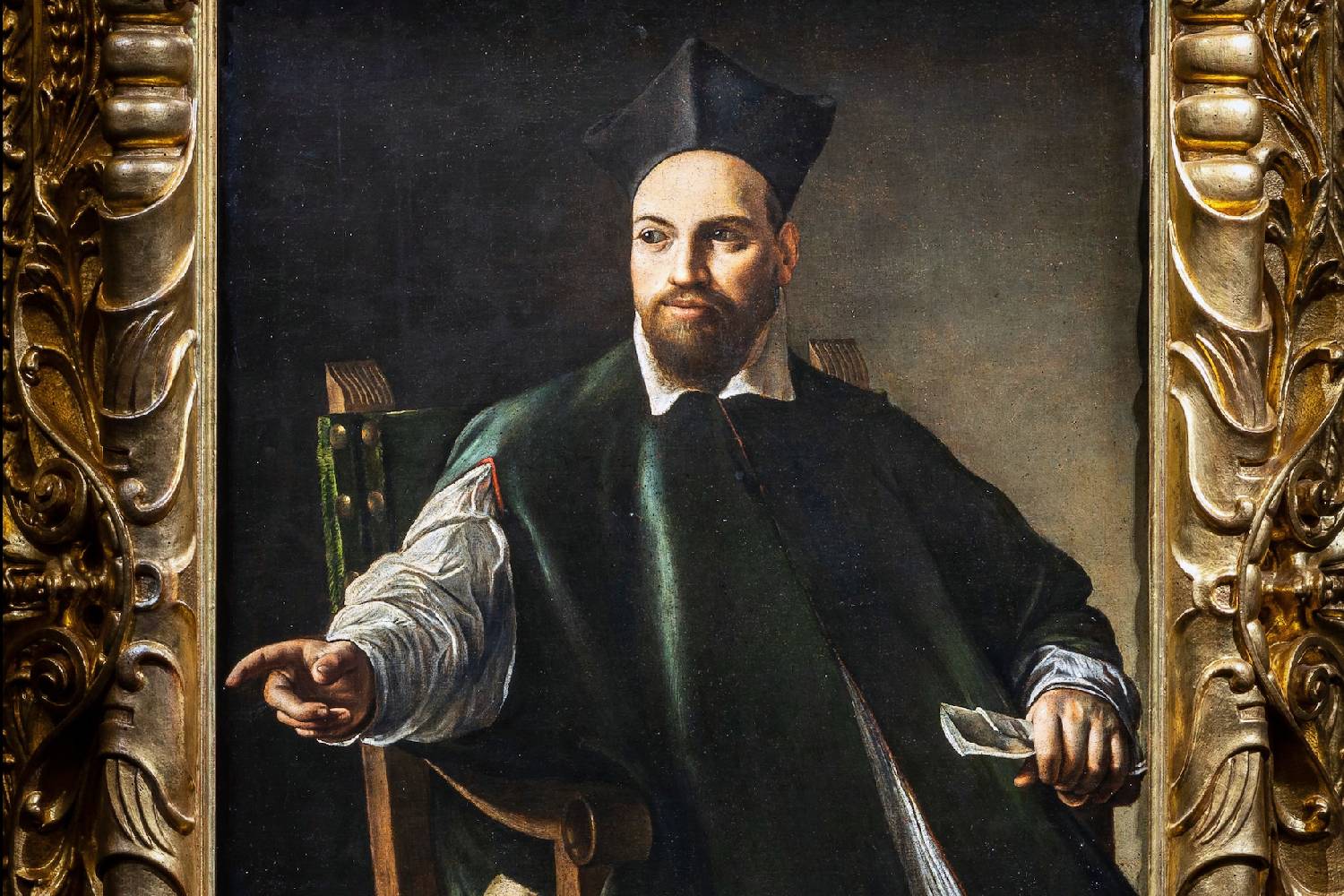
The Italian government has purchased Caravaggio's *Ecce Homo* for $34.7 million, preventing the 17th-century masterpiece from leaving the country. The painting, which depicts a bound Christ presented to the crowd, was sold by its private owners after its rediscovery and authentication in 2021. The state exercised its right of first refusal to match a sale agreed with an unnamed foreign buyer, securing the work for public ownership.

Political Fallout Rocks Venice Biennale Prize System

Dozens of artists participating in the 2026 Venice Biennale have withdrawn from consideration for the newly created Visitor Lion awards, replacing the traditional Gold and Silver Lion prizes. A total of 57 artists from the main exhibition and 22 national pavilions signed a statement published on e-flux on May 9, acting in solidarity with the five-person prize jury that resigned on April 30 over the continued participation of Russia and Israel. The jury had objected to awarding prizes to artists from countries whose leaders face International Criminal Court charges, including Russian president Vladimir Putin and Israeli prime minister Benjamin Netanyahu. In response, the Biennale organizers postponed the awards ceremony to November 22 and introduced visitor voting, a move they described as consistent with openness and dialogue. Meanwhile, the Russian Pavilion, which returned after lending its space to Bolivia in 2024, faced protests, closure after previews, and a €2 million funding pull by the European Union for the 2028 Biennale.

Putin ‘Won’ the Venice Biennale, Quips Italian Culture Minister

Italian Culture Minister Alessandro Giuli stated that Russian President Vladimir Putin "won" the 2024 Venice Biennale, criticizing Russia's controversial return to the event. Giuli, who repeatedly denounced Russia's presence, told Corriere della Sera that Russian artists in the pavilion cannot express dissent against their regime. The Biennale faced widespread calls to remove Russia, with the EU threatening to withhold a €2 million grant, but organizers argued they lacked legal authority to exclude the country. Protests by Pussy Riot and FEMEN marked the pavilion's opening, while the Biennale's jury resigned en masse after announcing that nations charged with crimes against humanity would be ineligible for Golden Lions.

‘Exclusion can only satisfy the ego’: Venice Biennale president hits out at critics amid Russia and Israel controversy

Venice Biennale president Pietrangelo Buttafuoco defended the institution against critics at a conference on May 6, three days before the public opening, amid controversy over Russia's return to the event for the first time since its 2022 invasion of Ukraine and ongoing disputes over Israel's participation. He accused critics of “narcissism” and “censorship,” while Italian culture minister Alessandro Giuli sent inspectors to investigate whether Russia's involvement breached sanctions; a report was submitted to Prime Minister Giorgia Meloni's office. Meanwhile, the Biennale faces legal threats from the artist representing Israel over alleged discrimination, and protests have erupted, including a demonstration by Art Not Genocide Alliance and a Pussy Riot action at the Russia pavilion.

Pussy Riot protest at Venice Biennale forces Russian pavilion to briefly close

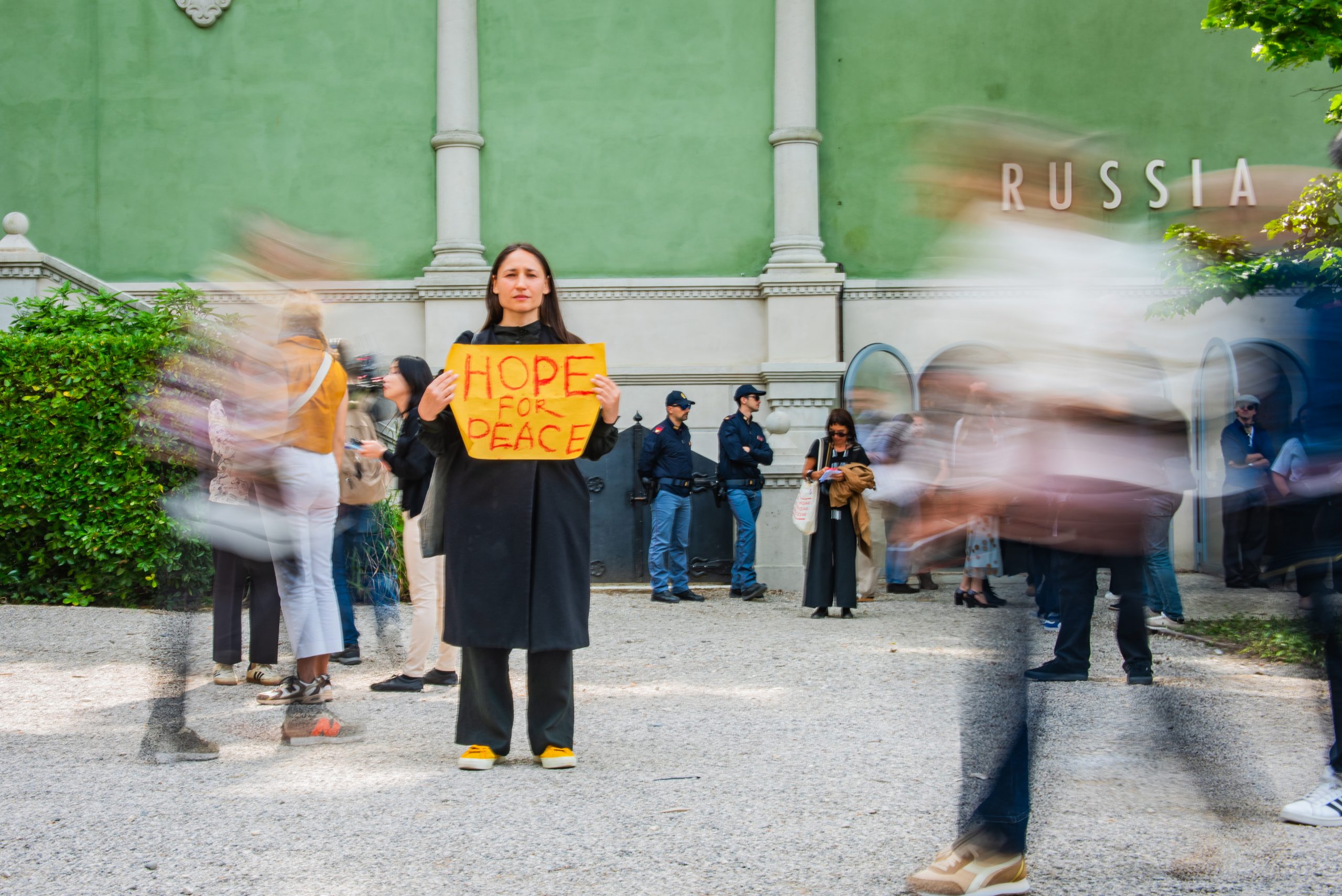
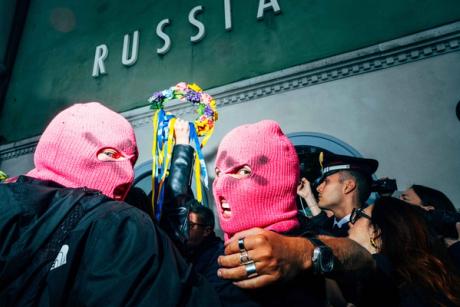
On the second day of the Venice Biennale preview, the activist group Pussy Riot staged a chaotic protest at the Russian pavilion, forcing it to temporarily close. Wearing pink balaclavas and carrying flares, about 40 activists—including members of Femen—gathered outside the pavilion, shouting slogans like "Blood is Russia's Art" and attempting to enter before being pushed back by police. Founding member Nadya Tolokonnikova led the protest, condemning Europe for allowing Russian participation despite the war in Ukraine. Separately, the Art Not Genocide Alliance (Anga) demonstrated outside the Israeli pavilion, which was locked from inside, over Israel's war in Gaza.

Major protests take place at Venice Biennale previews

Major protests erupted during the preview days of the Venice Biennale, with multiple demonstrations targeting the Israeli and Russian pavilions. On Wednesday, the Art Not Genocide Alliance (ANGA) held a large protest outside the temporary Israeli pavilion in the Arsenale, attended by over 200 people calling for its closure. Separately, the Solidarity Drone Chorus performed a sound composition by Gazan artist Ahmed Muin, with 60 artists wearing T-shirts bearing names of artists from Gaza. Meanwhile, Pussy Riot and FEMEN protested Russian participation, forcing the Russian pavilion to shut its doors. These actions follow the resignation of the entire Golden Lion jury days before the opening, after they stated they would not consider pavilions from countries whose leaders are charged with crimes against humanity by the ICC—widely seen as a reference to Russia and Israel.

Dark clouds, protests and resignations dampen start of 61st Venice Biennale

The 61st Venice Biennale opened under grey skies and rain, with political tensions overshadowing the art world's premier event. The Russian pavilion, absent for two editions due to the Ukraine war, reappeared with a party atmosphere, though the Italian ministry of culture confirmed it would not be open to the public. The Ukrainian culture minister called Russia's symbolic presence powerful. The Iranian pavilion withdrew without explanation, and a protest by 60 artists from the In Minor Keys show marched through the Giardini humming in solidarity against Israel's participation. Over 200 artists, including Lubaina Himid and Alfredo Jaar, signed an open letter demanding the Israeli pavilion's cancellation. The event also proceeded without its curator, Koyo Kouoh, who died in May 2025; her curatorial team delivered the exhibition following her plans.

Anish Kapoor says US’s ‘politics of hate’ should exclude it from Venice Biennale

Anish Kapoor has called for the United States to be excluded from the Venice Biennale, citing the country's "abhorrent politics of hate" and "incessant warmongering." His comments follow the resignation of the five-member international jury, who stepped down in protest over the inclusion of Israel and Russia. Kapoor praised the jury's decision as "courageous" but argued they should have also targeted the US. The US pavilion, featuring artist Alma Allen and his exhibition "Call Me the Breeze," has faced scrutiny over perceived Trump administration interference and a delayed selection process. Meanwhile, the Israeli and Russian pavilions remain flashpoints, with over 200 participants signing a letter demanding the cancellation of the Israeli pavilion, and the Russian pavilion closed to the public but viewable through windows.

schiaparelli fashion exhibition review

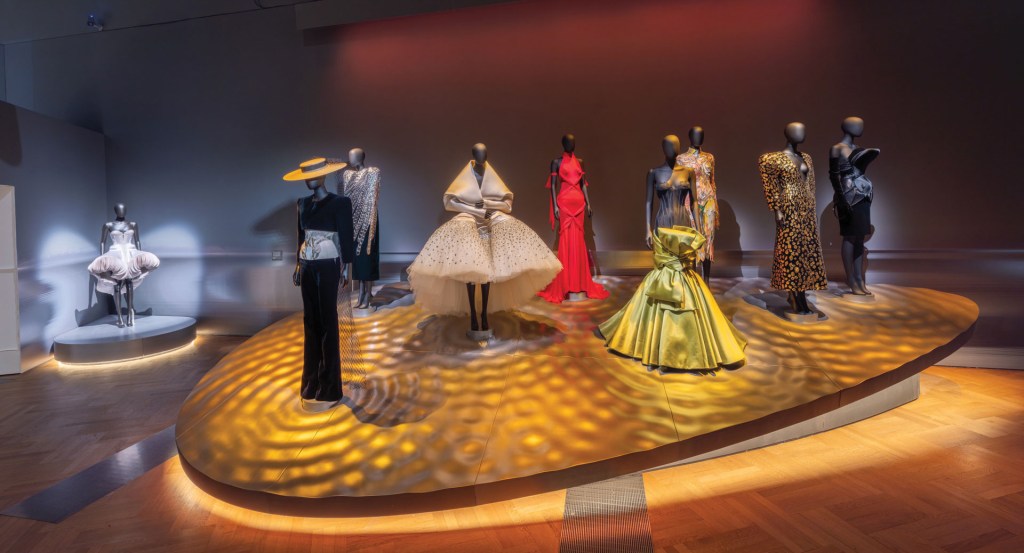
The Victoria & Albert Museum presents "Schiaparelli: Fashion Becomes Art," the first UK retrospective dedicated to the Italian designer Elsa Schiaparelli. The exhibition highlights her central role within the Parisian avant-garde of the 1930s, showcasing her famous collaborations with artists like Salvador Dalí, Alberto Giacometti, and Meret Oppenheim. By displaying iconic pieces such as the 1938 skeleton dress alongside personal notes and related artworks, the show argues that Schiaparelli was not merely a follower of Surrealism but a primary catalyst for its innovation.

Artist Michelangelo Pistoletto sends message of 'preventive peace' on digital billboards around the world

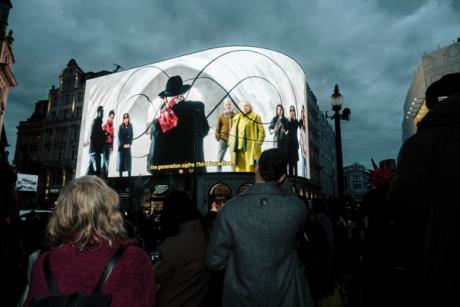
Italian Arte Povera pioneer Michelangelo Pistoletto has launched a global public art project titled "Three Mirrors," broadcasting digital works across major cities including London, Los Angeles, Seoul, and Milan. Organized by the digital art platform Circa, the series features three filmed performances of the artist drawing on mirrors, illustrating his "Third Paradise" philosophy. The works appear daily at 20:26 local time on prominent advertising screens, transforming commercial spaces into sites for artistic reflection.

egidio marzona dead avant garde collector archive

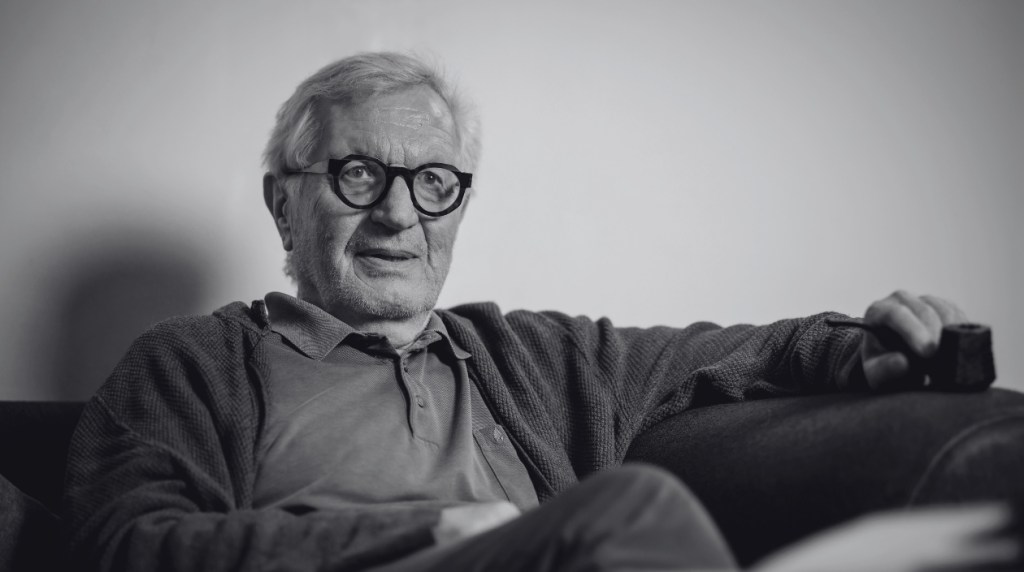
Egidio Marzona, the influential German-Italian collector, publisher, and patron, has died at the age of 81 in Berlin. Renowned for his intellectual approach to collecting, Marzona focused on the 20th-century avant-garde, including movements such as Bauhaus, Dada, Fluxus, and Arte Povera. Unlike traditional collectors, he prioritized the preservation of archives, letters, and ephemera alongside physical artworks, viewing the "paper trail of ideas" as essential to understanding artistic history.

Egidio Marzona, Collector Who Built a Monument to the Avant-Garde, Dies at 81

Egidio Marzona, the influential German-Italian collector, publisher, and patron, has died at age 81 in Berlin. His vast collection focused on 20th-century avant-garde movements, from Dada and Bauhaus to Fluxus and Arte Povera, and was distinguished by its deep archival holdings of letters, diagrams, and ephemera that documented the intellectual processes behind the art.

us figure skating sonja hilma portraits

U.S. Figure Skating commissioned athlete and artist Sonja Hilmer to create custom, elegant line-drawing portraits of each member of the 2026 Winter Olympic team. The black and gold ink portraits, inspired by Italian fashion drawings, were hung above the skaters' beds in the Olympic Village as a personal touch from home.

olympics opening ceremony art references

The opening ceremony of the 2026 Milano Cortina Winter Olympics featured significant art-historical references, including a flame cauldron inspired by Leonardo da Vinci's knot drawings and performances that brought to life the marble sculptures of Antonio Canova. Dancers animated recreations of works like 'Psyche Revived by Cupid's Kiss,' and the ceremony included symbolic representations of Italian architectural landmarks like the Colosseum and Florence's Duomo.

roman basilica fano vitruvius

Archaeologists in Fano, Italy, have unearthed the remains of a 2,000-year-old Roman basilica during redevelopment work on Piazza Andrea Costa. The rectangular structure, bordered by eight columns on the long side and four on the shorter sides, matches the precise measurements and layout described by the ancient Roman architect Vitruvius in Book V of his treatise *De Architectura*. This is the first time a physical building has been attributed to Vitruvius, whose writings have long been studied but whose structures had never before been found.