filter_list Showing 4553 results for "AD" close Clear
search
dashboard All 4553 museum exhibitions 2487article local 635article news 388article culture 307trending_up market 274person people 124rate_review review 113article policy 108candle obituary 73gavel restitution 43article architecture 1
date_range Range Today This Week This Month All
Subscribe

Sharjah Biennial 17 Assembles 109 Artists Across a Restless Global Landscape.

The Politics of In-action: Review of In-action: Viennese Actionism and the Passivities of Performance Art

Caroline Lillian Schopp's new book *In-action: Viennese Actionism and the Passivities of Performance Art* (2025) offers a revisionist history of Viennese Actionism, a movement retroactively named in 1970 by Peter Weibel and Valie Export. Schopp introduces the term "in-action" to describe a politics of artistic action that emphasizes intimacy, hesitation, and vulnerability rather than the violent or liberatory extremes typically associated with the movement. She expands the canon to include women artists such as Anna Brus, Hanel Koeck, and Ingrid Wiener, and reexamines the work of Rudolf Schwarzkogler, whose death was mythologized as a suicide by self-castration but was actually a fall from a window. Through close readings of photographs, Schopp argues that Schwarzkogler's performances were characterized by passivity and "in-sincerity," challenging the dominant narrative of actionism as aggressive or heroic.
These Four Filmmakers Have Never Fully Gotten Their Due. The Kitchen Wants To Change That.

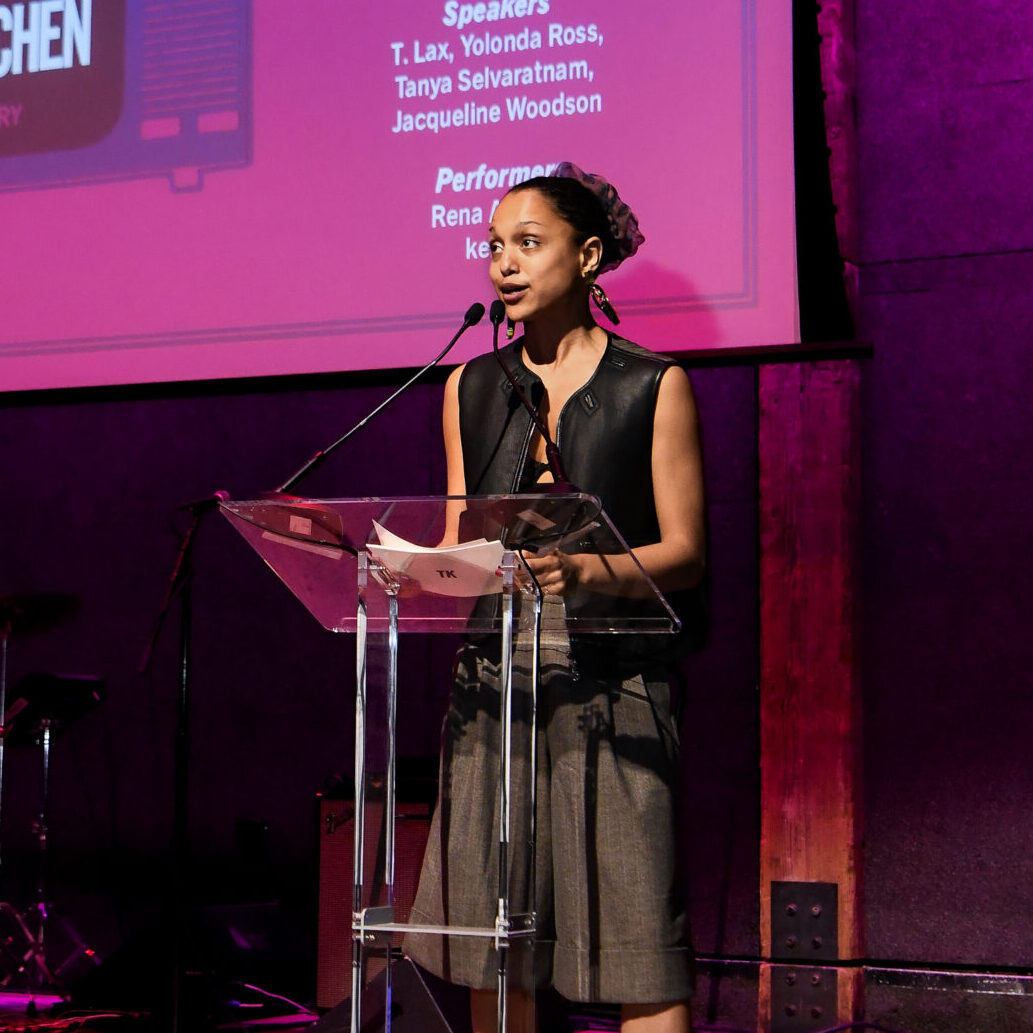
The Kitchen, a New York nonprofit arts organization, held its annual spring gala at City Winery to honor four female filmmakers: Cheryl Dunye, Garrett Bradley, Shari Frilot, and Catherine Gund. The event was co-chaired by prominent figures including Ava DuVernay, Julie Mehretu, and Komal Shah, and featured performances, remarks, and a crowd of artists, curators, and collectors. The gala celebrated the filmmakers' contributions to cinema, with special recognition of their work in expanding representation and narrative boundaries.

Step Aboard the Superyacht Circling This Year’s Cannes Film Festival

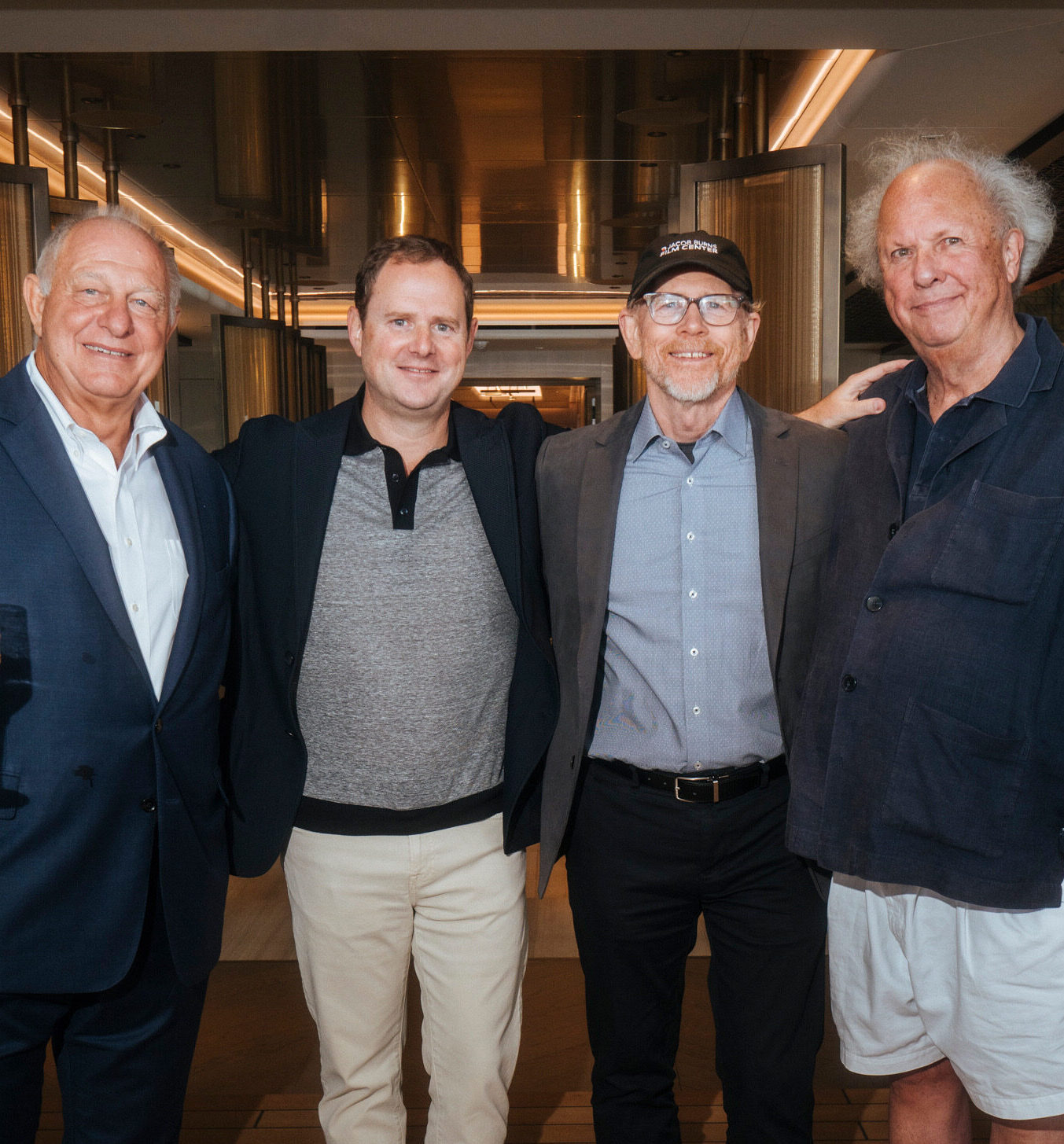
Over the weekend of the Cannes Film Festival, director Ron Howard premiered his documentary *Avedon*, which traces photographer Richard Avedon's rise from a working-class Jewish immigrant background to a defining chronicler of American culture. The film received a second life aboard the Renaissance superyacht with a party hosted by editor Graydon Carter, Ancient chairman and CEO Alexander Klabin, and Burgess chief executive John Beckett. Guests included actors Natasha Lyonne and Rosemarie Dewitt, photographer Jean Pigozzi, model Eddie Mitsou, Avedon's grandchildren Michael, Matthew, and Caroline Avedon, and producers Courtney Kivowitz, Sara Bernstein, Darcie Reisler, Dallas Rexer, Chris St. John, and Justin Wilkes. The after-hours cocktail allowed attendees to relive the film's most impactful scenes while mingling with the producers and the photographer's family.

What Does the Future Hold for Female Collectors? We Got a Sneak Peek.

CULTURED Editor-in-Chief Sarah Harrelson hosted a panel discussion at Christie’s Rockefeller Center with collectors Tiffany Zabludowicz, Sophia Cohen, and Victoria Rogers, exploring the evolving role of women in the art market. The event coincided with Christie’s Marquee Week sales, which included a record-breaking $1.1 billion night, and featured works from the collections of legendary female patrons such as Agnes Gund, Marian Goodman, Lorinda de Roulet, and Marilyn Arison. Guests viewed masterpieces on display and received remarks from Christie’s Senior Vice President Isabella Lauria, who is leading the 21st Century Sale on May 20.

The LA Art World’s New Obsession Is a Theater Where Artists Run the Show

Calla Henkel and Max Pitegoff, former artistic directors of Berlin's Grüner Salon, launched New Theater Hollywood in 2024 as a nonprofit venue on Santa Monica Boulevard. The 49-seat theater specializes in genre-defying, multidisciplinary collaborations, staging works like Sophie Becker's ventriloquist act *Ronnie's Big Idea* and Diamond Stingily's *The Driver*. Every performance sells out, attracting a cult following of literary, art world, and pop culture figures who often linger to discuss shows.

Can a Venice Biennale Pavilion Be Rock ‘n’ Roll? At the Belgium Pavilion, Miet Warlop Makes the Case.

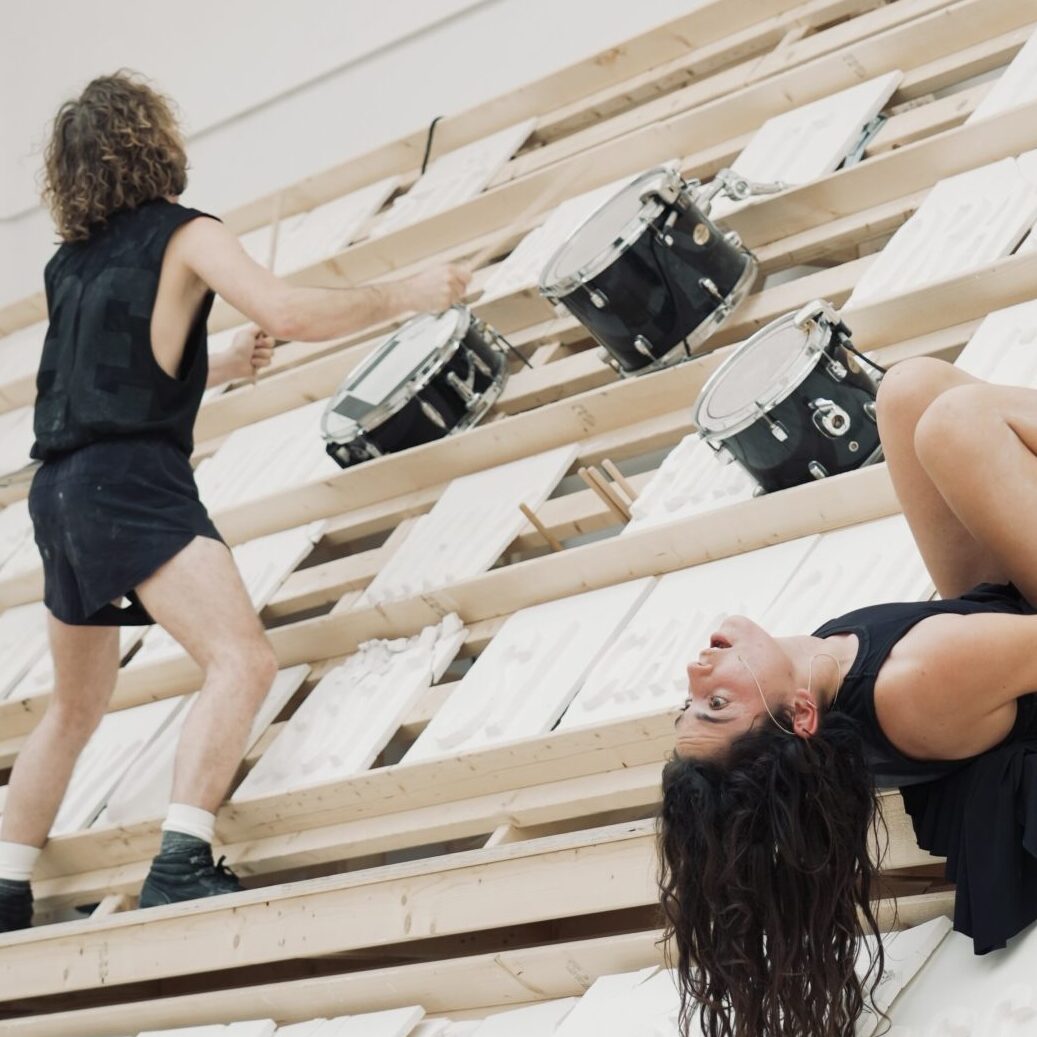
Miet Warlop, a Belgian artist known for her avant-garde theater work, is representing Belgium at the 2026 Venice Biennale with a performance-installation titled "IT NEVER SSST." The project transforms the Belgian Pavilion into a chaotic, sensory-filled space where performers climb wooden structures, bang drums, and break plaster boards inscribed with multilingual text, reflecting the noise and misunderstandings of contemporary life. Curated by Caroline Dumalin, the pavilion blurs the line between theater and visual art, with live performances occurring only part of the time while sculptors continuously remake plaster reliefs throughout the Biennale's run.

How a Remote California Artists’ Retreat Inspired Vhernier’s Latest Ring Collection

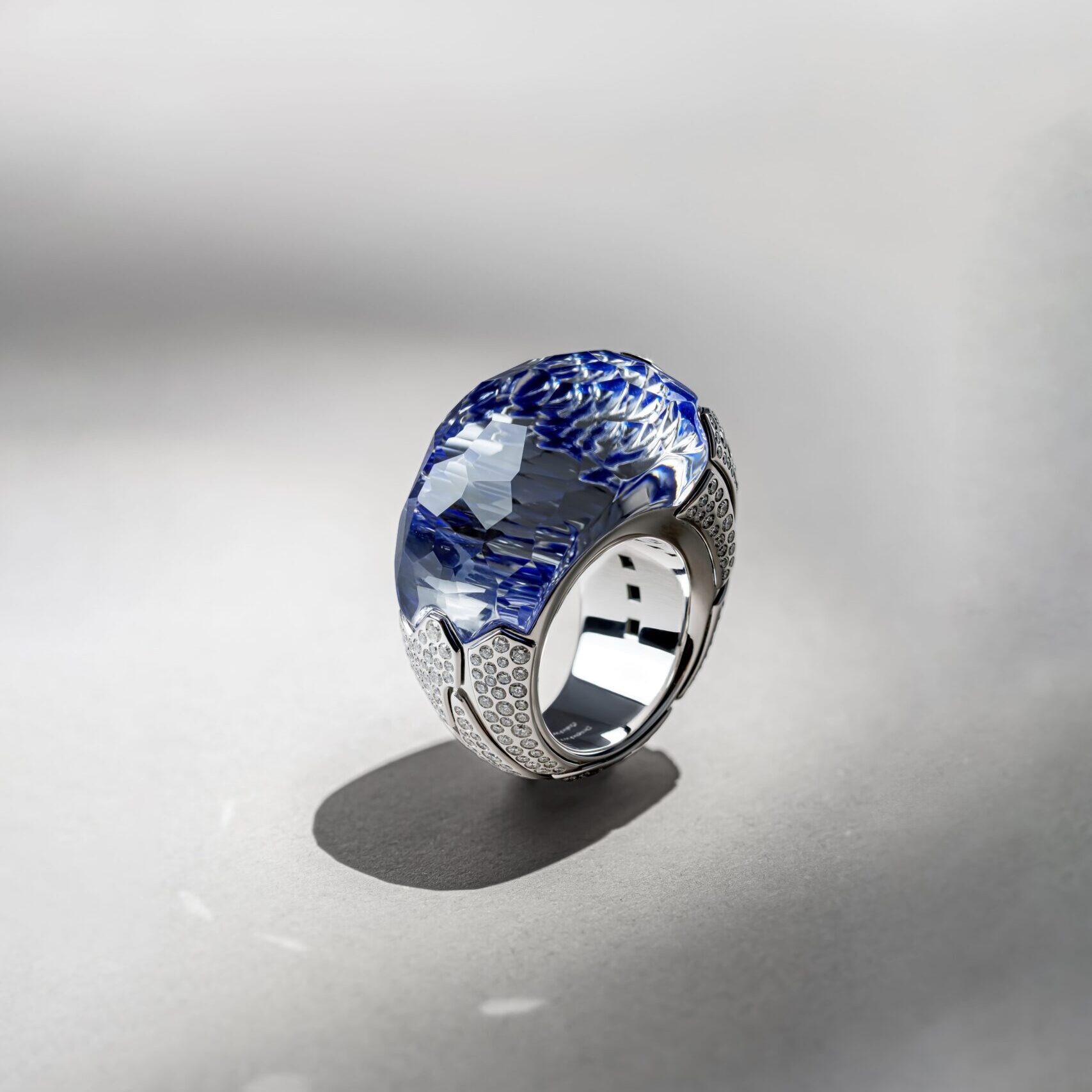
Italian jewelry maison Vhernier has collaborated with artist Pae White to create a 10-design limited-edition ring collection inspired by White's childhood memories of Sea Ranch, a remote artists' retreat in Sonoma County, California. The collection translates the architecture of crustaceans and abalone into precious materials, using sapphires, diamonds, and rock crystal set in white or rose gold, with only two versions of each design produced.

See Inside the Belarus Free Theatre’s Venice Exhibition on Art Under Authoritarianism

The Belarus Free Theatre has opened an exhibition titled “Official. Unofficial. Belarus.” at La Chiesa di San Giovanni Evangelista di Venezia, marking Belarus's first presence at the Venice Biennale in six years and its first appearance not as a state but as a self-governing cultural body. Curated by Daniella Kaliada, the show features Belarusian artists working across painting, installations, and large-scale sculptures, aiming to make the experience of living under authoritarianism viscerally legible through works that explore surveillance, repression, and bodily experience.

Biennale’s Kazakh Pavilion Roiled by Controversy after Artwork Fails to Make It on View

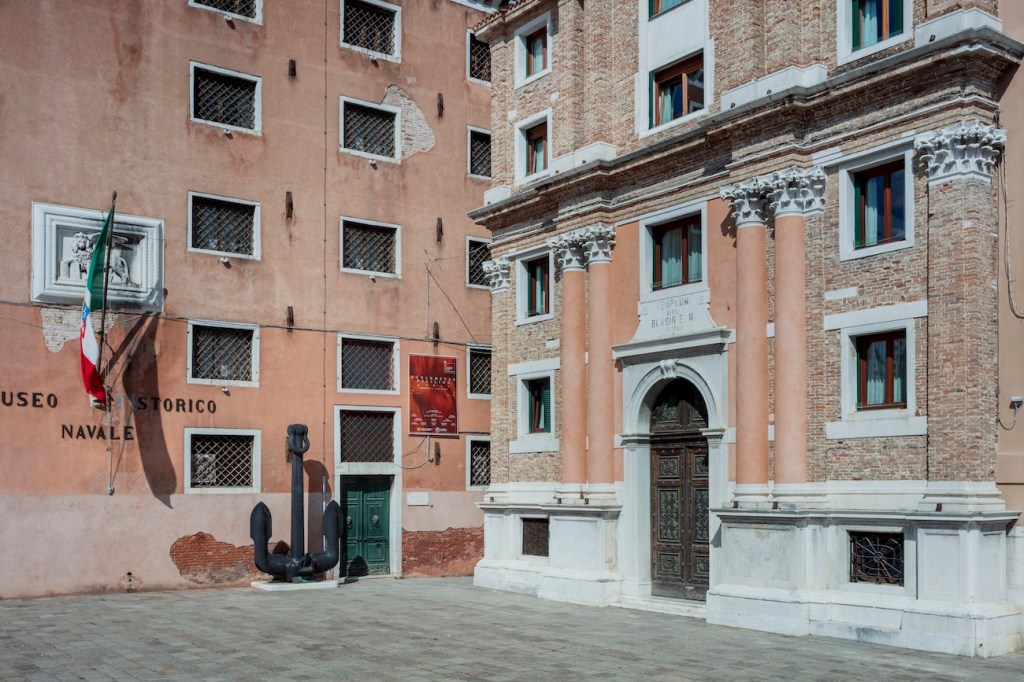
Controversy has erupted at the Kazakhstan pavilion of the Venice Biennale after artist Äsel Kadyrhanova's multimedia installation *Machine* (2013), which addresses Stalin-era repression in Kazakhstan, was dismantled before the exhibition opened. An open letter published on e-flux, signed by prominent Kazakhstani art community members, alleges the work was removed on May 5 on orders from the nation's Ministry of Culture or pavilion organizers. The pavilion's curator, Syrlybek Bekbota, claims he personally made the decision to dismantle the work after negotiations with the artist failed, citing contractual restrictions from the venue, the Museo Storico Navale di Venezia, which prohibits "political, ideological," or "propagandistic" content. The venue's management company, D'Uva, denies any role in the removal, while the project's co-commissioner, Danagul Tolepbay, disputes the accuracy of the open letter's claims.

Criminal review – homelessness show delivers a rage-making punch in the gut

The article reviews "Criminal: An Untold Story of Homelessness, Resistance and Survival," an installation at London's Museum of Homelessness. The show features works by Romany Gypsy poet and artist Gemma Lees, including a caravan installation with china decorated with hostile Sun newspaper headlines about Gypsy and Traveller encampments, and festive bunting printed with historical state proscriptions against nomadic communities dating from the Egyptians Act of 1530 to the 2022 Police, Crime, Sentencing and Courts Act. The exhibition, set largely in the garden of the museum's new home at Finsbury Park's Manor House Lodge, explores how homeless people and nomadic communities have been criminalized over 400 years.

Performance Cuts Through the Noise at the Venice Biennale

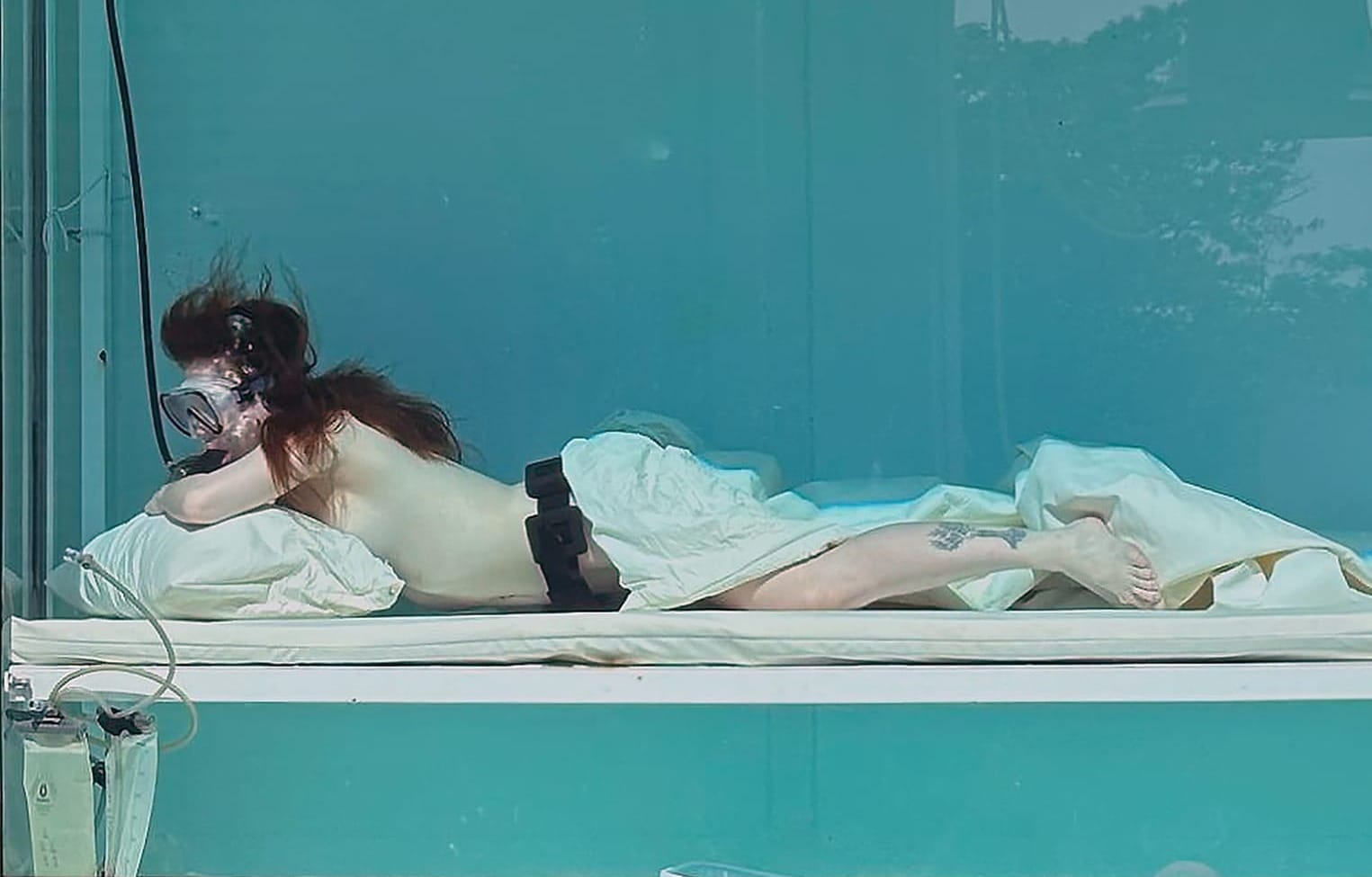
Florentina Holzinger and Miet Warlop have transformed the Austrian and Belgian pavilions at the 2026 Venice Biennale into immersive, performance-driven spectacles. Holzinger's "SEA WORLD VENICE" floods the Austrian pavilion with water and urine, featuring jet-skiing, suspended performers, and participatory toilets, while Warlop's "IT NEVER SSST" turns the Belgian pavilion into a chaotic arena of tile-throwing, chanting, and dancing. Both works demand sustained attention amid a fraught Biennale marked by the death of artistic director Koyo Kouoh, canceled pavilions, boycotts, and a jury resignation.

Multimedia arts project wins Sycamore Gap tree commission after public vote

A community arts charity, Helix Arts, and George King Architects have won a public vote to create 'The People's Tree', a multimedia artwork using preserved wood from the illegally felled Sycamore Gap tree in Northumberland. The National Trust commission, announced in September 2025, will transform the tree into a 'living archive' featuring participatory storytelling, a national sound archive, seed pods for digital recordings, a soundscape from growth rings, and a sound sculpture near the original site. The project is expected to begin public engagement in summer 2026 and be completed by autumn 2027.

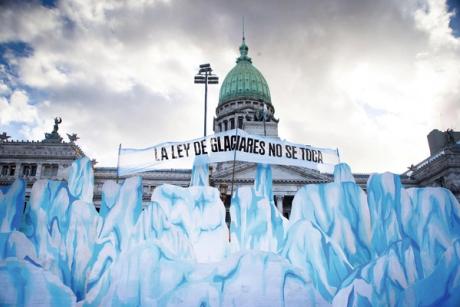
Giant glacier painting disappears from Argentina’s presidential palace after new law passes loosening protections for these icy regions

Days before Argentina’s Congress approved an amendment to the glacier law that weakens protections for glacial regions to facilitate mining, President Javier Milei’s government removed a monumental painting of the Perito Moreno Glacier from the Casa Rosada presidential palace. The work, Helmut Ditsch’s photorealist *The Triumph of Nature* (2006), had been on loan and on display since 2012. The government cited “maintenance reasons” and “structural damage,” but the artist says he was not notified and has contacted lawyers. A portrait of Juan Domingo and Evita Perón was also removed the same day, with the same vague explanation.

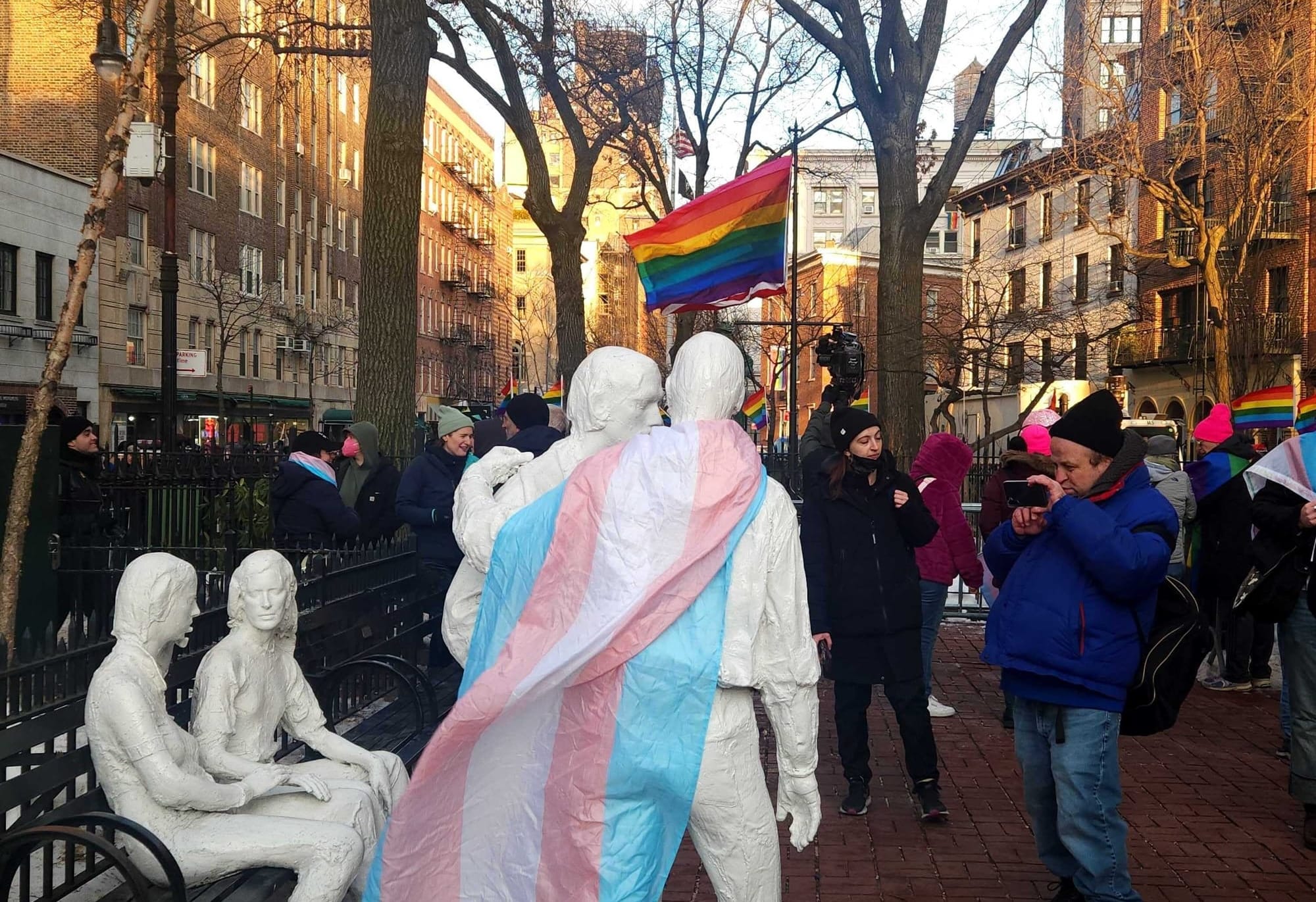
Stonewall Monument Named Among Most Endangered Sites in the US

The Stonewall National Monument in Manhattan has been named one of the most endangered places in the US by the National Trust for Historic Preservation, marking the first time the site has appeared on the annual list. The designation comes amid the Trump administration's efforts to control LGBTQ+ history, including the National Park Service's removal of references to transgender individuals from the monument's official website and the removal of the rainbow pride flag from the site. Activists and the Gilbert Baker Foundation fought back, with the foundation filing a lawsuit that led to a settlement allowing the pride flag to be flown again, though the NPS has not restored the original website text.

CalArts President Booed During Commencement Speech

California Institute of the Arts (CalArts) President Ravi S. Rajan was loudly booed by students during the school's commencement ceremony on May 15, as they held signs reading “Hold the Admin Accountable” and “Save Our Faculty & Staff.” The protest stemmed from ongoing financial turmoil at the esteemed art school, including a multi-million-dollar budget deficit, significant staff and faculty layoffs, and a decline in enrollment from 1,500 to roughly 1,200. Despite Rajan's attempts to redirect focus to the graduates, the booing persisted, and board chair Charmaine Jefferson unsuccessfully appealed for calm. The incident follows a broader crisis at CalArts, where over 75% of staff sought to unionize in 2024, and faculty held a “Chop from the Top” rally in March against proposed $5 million in cuts.

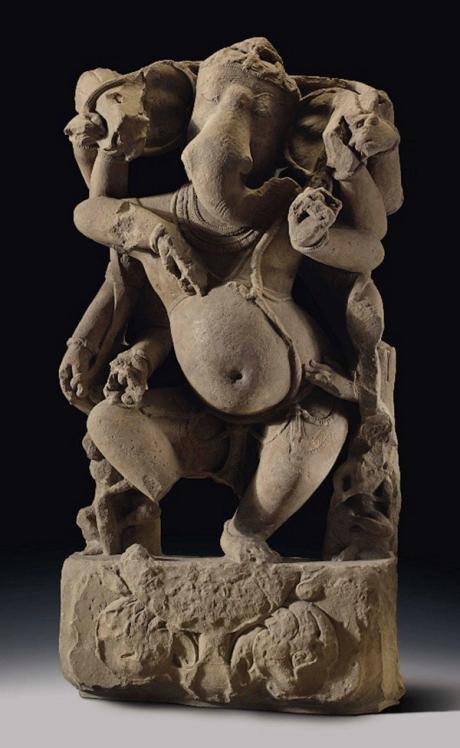
Authorities in New York return more than 650 looted antiquities, valued at nearly $14m, to India

The Manhattan District Attorney's office, led by Alvin Bragg, returned 657 looted antiquities valued at nearly $14 million to Indian authorities in late March 2025. The pieces, recovered through investigations into criminal trafficking networks, include a $2 million bronze Avalokiteshvara stolen from a museum in Raipur, a $7.5 million red sandstone Buddha smuggled by convicted trafficker Subhash Kapoor, and a sandstone dancing Ganesha looted from a Madhya Pradesh temple that passed through dealer Doris Wiener and was sold at Christie's in 2012.

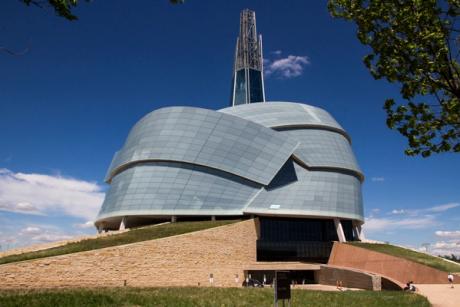
Israeli organisation threatens legal action against Canadian Museum for Human Rights over Palestine exhibition

The Israeli organization Shurat Hadin has threatened legal action against the Canadian Museum for Human Rights (CMHR) in Winnipeg over its upcoming exhibition "Palestine Uprooted: Nakba Past and Present," scheduled to open on June 27. The group sent a legal letter to the museum's board and leadership, alleging the exhibition promotes a one-sided narrative that could fuel antisemitism and violate Canadian federal law, and calling for an independent review. The CMHR is reviewing the letter but declined further comment, while supporters like Independent Jewish Voices argue the museum is right to tell the story of the Nakba from the perspective of Palestinian victims.

‘Anger, curiosity and hope’: a planet of protest – in pictures

Matthew Connors' new photo book, *The Axe Will Survive the Master*, compiles 12 years of protest photography from Hong Kong, Cairo, New York, Kyiv, North Korea, and beyond. Published by MACK Books, the work weaves together images from the Occupy movement, the Egyptian revolution, Hong Kong's pro-democracy protests, the war in Ukraine, and other confrontations with authoritarian power, dissolving geographic boundaries into a single sequence drawn from an archive of 200,000 images.

A Persian Garden Blooms on Governors Island

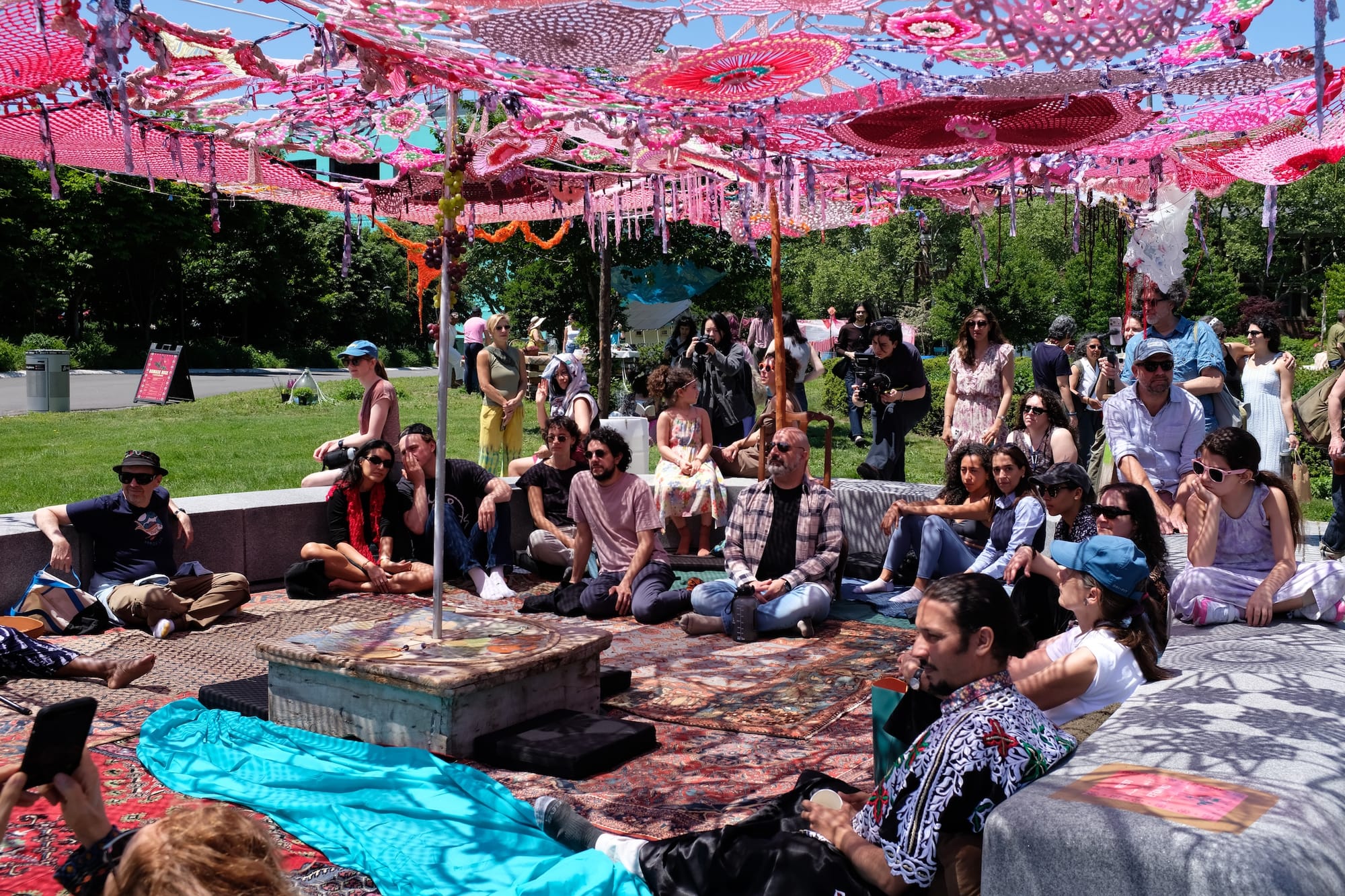
Artist Bahar Behbahani organized a four-hour event called "Damask Rose: A Gathering" on Governors Island, transforming three shallow fountains with handwoven carpets and crocheted canopies. The gathering featured West African musical improvisation, Kurdish poetry, a cyanotype workshop, and communal activities like hair braiding and tea ceremonies, involving over two dozen community groups including the Asia Contemporary Art Forum and Eat Offbeat. The event was part of Governors Island Arts's annual Interventions series, curated with associate curator Juan Pablo Siles.

1,200-Year-Old Limestone Lintel was Inadvertently Repatriated to Mexico Instead of to Guatemala

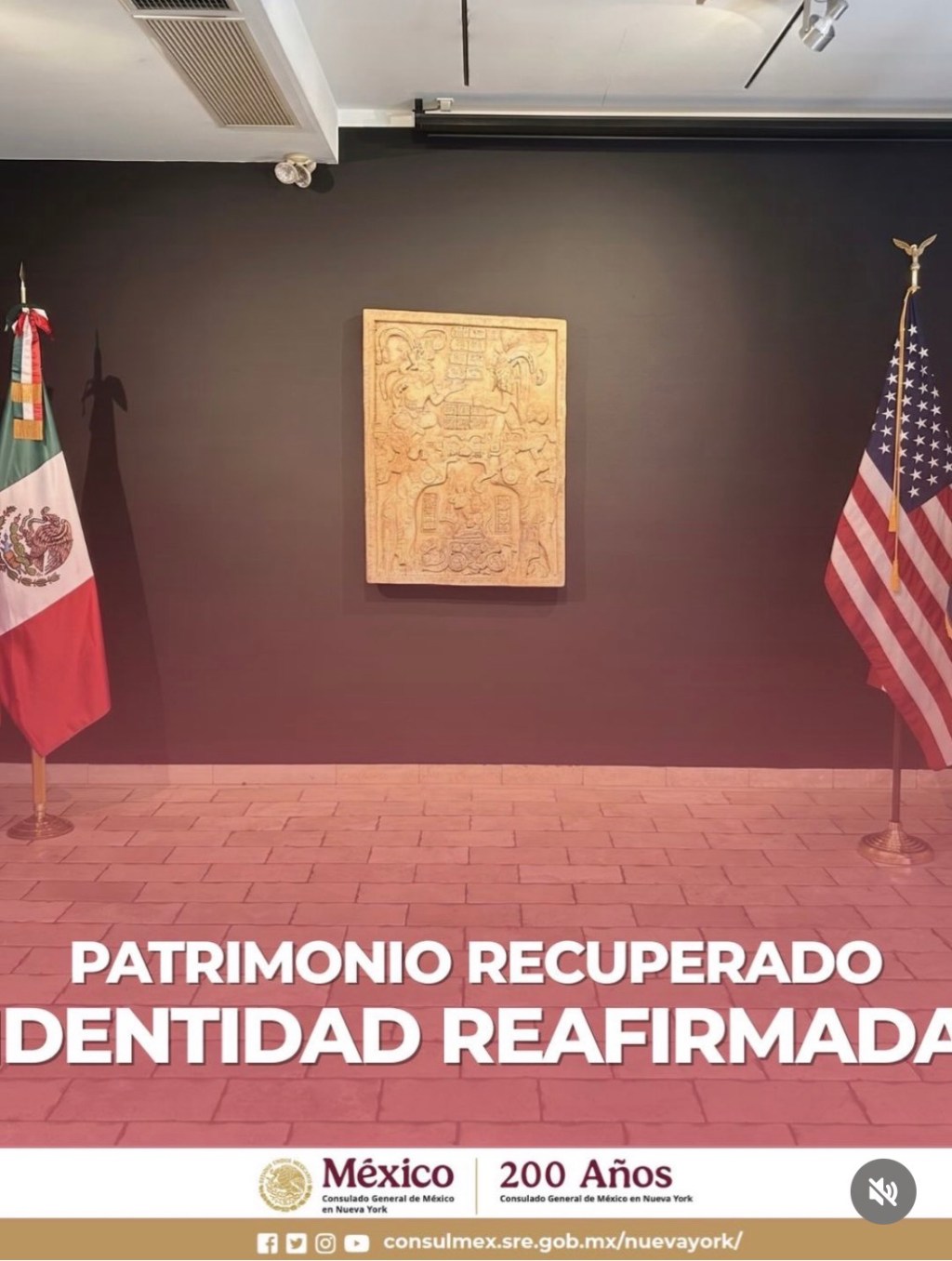
A 1,200-year-old limestone lintel, carved by the ancient Maya artist Mayuy and depicting a ruler of Yaxchilán, was repatriated from the United States to Mexico in mid-April after an American businessman turned it over to the Mexican consulate in New York. However, Guatemala's cultural minister has begun proceedings to reclaim the artifact, arguing that it was originally removed from the Guatemalan side of the Usumacinta River, not Mexico. The lintel was first documented by American explorers Dana and Ginger Lamb in the 1950s in an area called Laxtunich, and its exact provenance has been disputed by scholars.

Hamburg Culture Prize Renamed After Namesake’s Nazi Ties Emerge

Hamburg's Senator Biermann Ratjen Medal, a culture prize awarded for nearly five decades, is being renamed the Medal for Art and Culture in Hamburg after historian Helmut Stubbe da Luz uncovered evidence that the prize's namesake, Hans Harder Biermann-Ratjen, confirmed his Nazi Party membership in a 1943 application. Biermann-Ratjen, who later served as Hamburg's senator for culture, had been deemed not to have been a member during post-war de-Nazification, but the new research prompted the city to rebrand the award.

ArtPhilly Presents “What Now: 2026”

ArtPhilly has announced the inaugural edition of its city-wide festival, "What Now: 2026," scheduled to open on May 27, 2026, coinciding with the 250th anniversary of the United States. The five-week event will feature over 30 newly commissioned projects by Philadelphia-based artists, including performances, installations, and podcasts, staged across festival districts in public spaces and institutions. The festival is led by Creative and Executive Director Bill Adair and Curatorial and Deputy Director Tania Isaac, with a curatorial committee of 17 local curators selecting works that explore the nation's past, present, and future.

Art bartering: artists start viral social media trend to fight cost of living crisis

Artists worldwide are using social media platforms like Instagram and TikTok to barter their artwork for goods and services instead of money, in a viral trend responding to the cost of living crisis. Participants trade paintings for items such as handmade clothes, jewelry, tattoos, accommodation, meals, and professional services like video editing or framing, with some simply inviting offers. Artists like Lin Snow, Oli Fowler, and Andrea Mongenie cite economic pressures and anti-capitalist motivations, viewing bartering as a way to build community and bypass financial systems that leave creatives struggling.

Trial Begins in Brent Sikkema Murder-For-Hire Case

Opening statements and witness testimony began on Tuesday in a Manhattan court for the murder-for-hire trial following the 2024 killing of New York art dealer Brent Sikkema. Alejandro Triana Prevez, a Cuban national, was arrested shortly after Sikkema was found murdered in his Rio de Janeiro apartment, and claims that Sikkema's ex-husband, Daniel Carrera Sikkema, offered him $200,000 to commit the crime. Carrera Sikkema was charged in February 2025 with hiring Prevez. Prosecutors presented evidence including phone records, financial transactions, and witness testimony, while the defense argued the case relies on circumstantial evidence and that Carrera Sikkema's statements were made amid a contentious divorce.

Nazi-looted painting discovered in home of Dutch SS commander's heirs

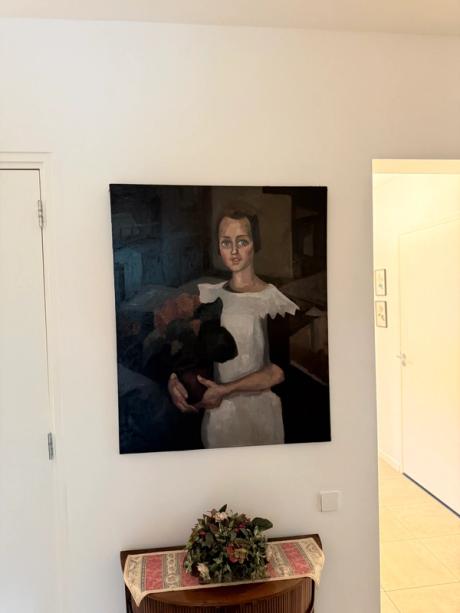
Art detective Arthur Brand announced the discovery of a Nazi-looted painting, *Portrait of a Young Girl* by Toon Kelder, in the home of the heirs of Hendrik Seyffardt, a notorious Dutch SS commander. The painting was part of the more than 1,100 works plundered from Amsterdam art dealer Jacques Goudstikker by German occupiers. An anonymous heir, who changed his family name, contacted Brand after learning of his ancestry, expressing shame and demanding the painting be returned to the rightful Jewish owners. The current owner, a relative, claims ignorance of its provenance and says the family is discussing restitution.

19th-century European weapons found in cenote in Mexico

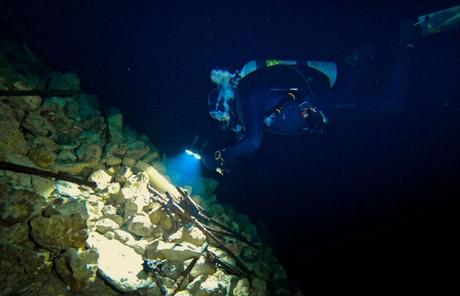
Archaeologists from Mexico's National Institute of Anthropology and History (INAH) have discovered 153 Spanish and British muskets and rifles, along with an iron cannon, in the Síis Já cenote beneath the 16th-century former convent San Bernardino de Siena in Valladolid, Mexico. The weapons were likely discarded by the Yucatecan government during the early years of the Caste War of Yucatán (1847-1901) to prevent them from falling into Maya rebels' hands. The site also yielded Maya ceramic pieces and 18th-century Chinese porcelain, and INAH reported debris and pollution affecting the cenote.

Ancient Greek and Roman Statues Found in Alexandria

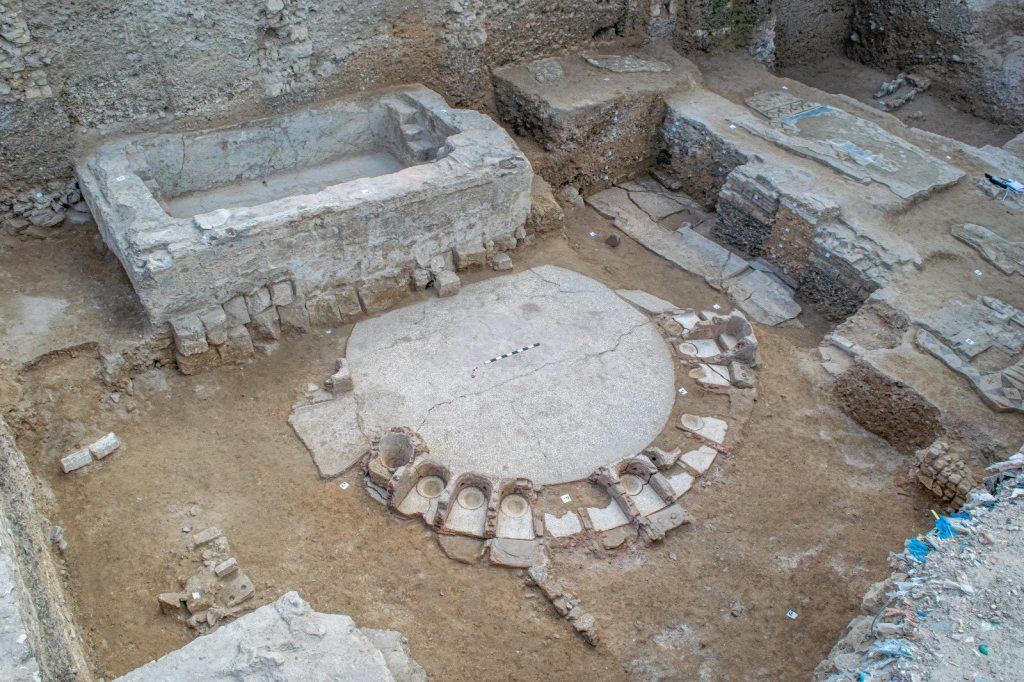
An excavation in the Moharam Bek neighborhood of Alexandria, Egypt, has uncovered a significant trove of artifacts from the Greek, Roman, and Byzantine periods, including statues of deities such as Bacchus, Asclepius, and Minerva, as well as coins, lamps, ceramic vessels, a public bathhouse, mosaic flooring from a Roman villa, and advanced water systems. The discovery was announced by Egypt’s Ministry of Tourism and Antiquities and reported by Greek City Times, with officials from the Supreme Council of Antiquities highlighting the site’s comprehensive view of ancient residential and service architecture.

Fade to black: inside the US’s abandoned movie theatres

Photographers Yves Marchand and Romain Meffre have documented abandoned early 20th-century movie theatres across the United States, capturing the haunting beauty of their decline. These once-grand cinemas, converted from 1920s music halls and theatres, have been left as hybrid ruins due to the rise of television, streaming platforms, and individualized media consumption. The work is exhibited at Kyotographie 2026 in Japan until 17 May.

Federal Panel Considers Plan to Paint Granite Eisenhower Executive Office Building White

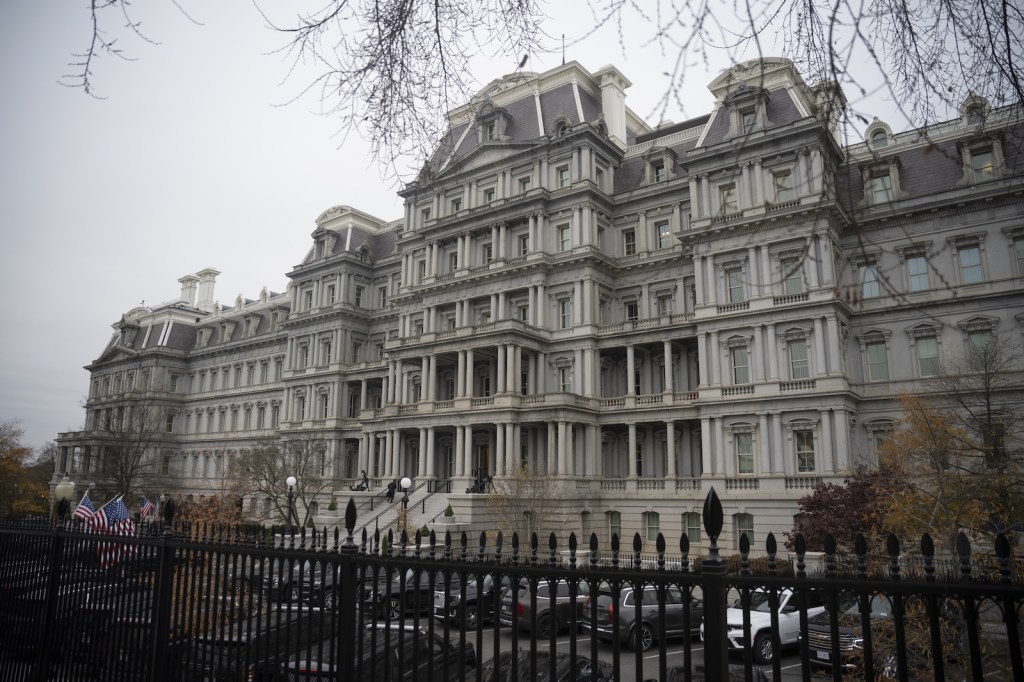
The Trump administration has proposed painting the granite Eisenhower Executive Office Building in Washington, D.C., white. The National Capital Planning Commission met on May 7, 2026, to review the plan, which was also submitted to the U.S. Commission of Fine Arts on April 16. That commission approved the idea conditionally, pending successful paint testing. The project, estimated to cost $7.5 million, has drawn over 2,000 public comments, most negative.