
filter_list Showing 4 results for "Archaeologists" close Clear
dashboard All 4 article news 4
date_range Range Today This Week This Month All
Subscribe

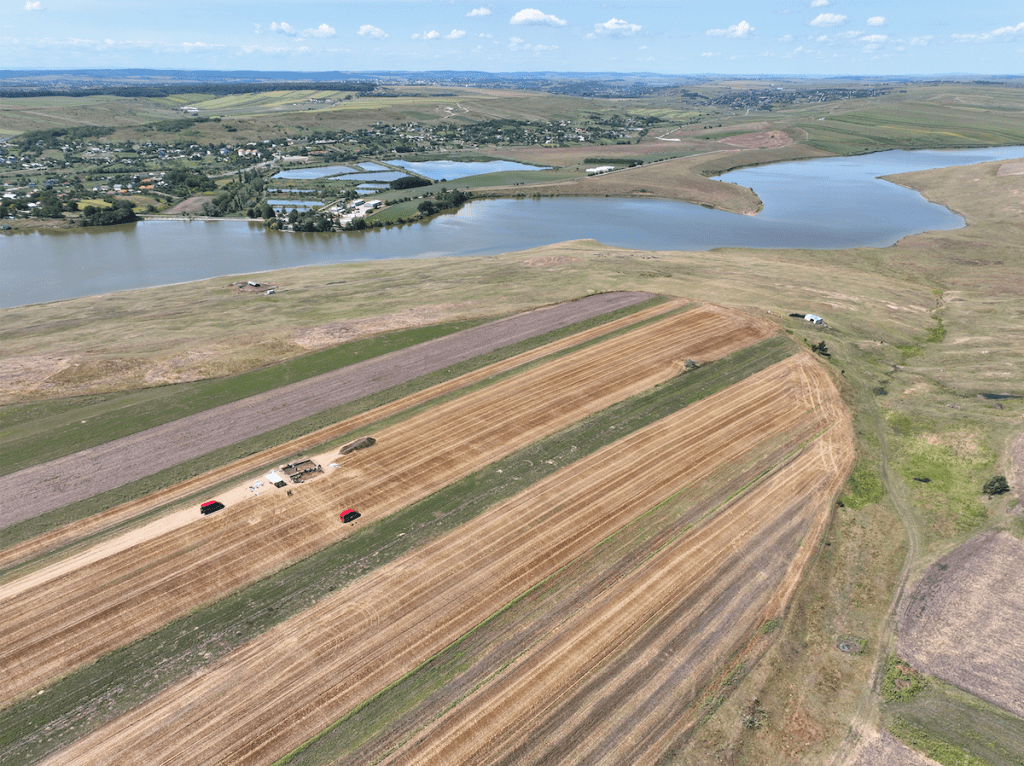
Archaeologists Discover 6,000-Year-Old ‘Megastructure’ in Romania

Archaeologists in northeastern Romania have unearthed a 6,000-year-old 'megastructure' at the Stăuceni-"Holm" site, attributed to the Cucuteni-Trypillia culture. Measuring approximately 350 square meters, the building is significantly larger than typical dwellings of the period and was strategically positioned near the settlement's entrance. The absence of domestic tools or ritual statuettes suggests the space served as a communal assembly hall or administrative center rather than a private residence.
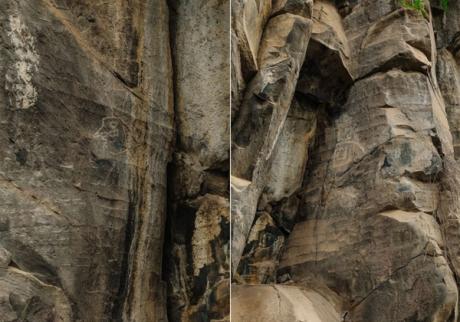
Petroglyphs and cave paintings, some more than 4,000 years old, discovered in Mexico

Archaeologists from Mexico’s Instituto Nacional de Antropología e Historia (INAH) have identified 16 petroglyphs and cave paintings near the Tula River in Hidalgo. The artworks span over 4,000 years, ranging from prehistoric times through the Mesoamerican Postclassic period and into the early colonial era. The discovery, which includes depictions of the rain god Tláloc and various anthropomorphic figures, was made during archaeological salvage work for a new passenger rail line connecting Mexico City and Querétaro.

Excerpt from the Iliad in a mummy's abdomen and gold tongues: rare discoveries made in Egypt

Extrait de l’Iliade dans l’abdomen d’une momie et langues en or : de rares découvertes effectuées en Égypte

Archaeologists working at the necropolis of Oxyrhynchus in Egypt have made a series of rare discoveries, the most significant being a fragment of papyrus from Homer's Iliad found inside the abdominal cavity of a Roman-era mummy. This marks the first time a Greek literary text has been found incorporated into the ancient Egyptian embalming process, suggesting a unique hybridization of funerary practices.

Mexico to Divert Train Route After Cave Art Discovery

Archaeologists in Mexico discovered 16 pre-Hispanic paintings and petroglyphs along the planned route of a high-speed passenger train connecting Mexico City to Querétaro. The discovery, made in the state of Hidalgo, includes rock art dating from 4,000 years ago to the Postclassic period (900-1521 CE), with imagery linked to Aztec deities and the Toltec city of Tula. In response, President Claudia Sheinbaum announced the $8 billion train project will be rerouted to preserve the ancient site.