filter_list Showing 40 results for "Archaeologists" close Clear
dashboard All 40 article news 34article policy 4article culture 2
date_range Range Today This Week This Month All
Subscribe

Large Roman Villa Uncovered in the U.K. During Wind Farm Survey

Archaeologists conducting surveys for an offshore wind farm project in Norfolk, England, have discovered a significant Roman villa dating back to the 1st through 3rd centuries C.E. The expansive estate, which measures over 100 feet in length, featured a bathhouse, a covered porch, and ancillary buildings for crop processing. Excavations also yielded high-status artifacts including an ornate bronze door handle, a lion-headed furniture foot, and imported pottery, alongside evidence of a Roman road and two lost medieval villages.
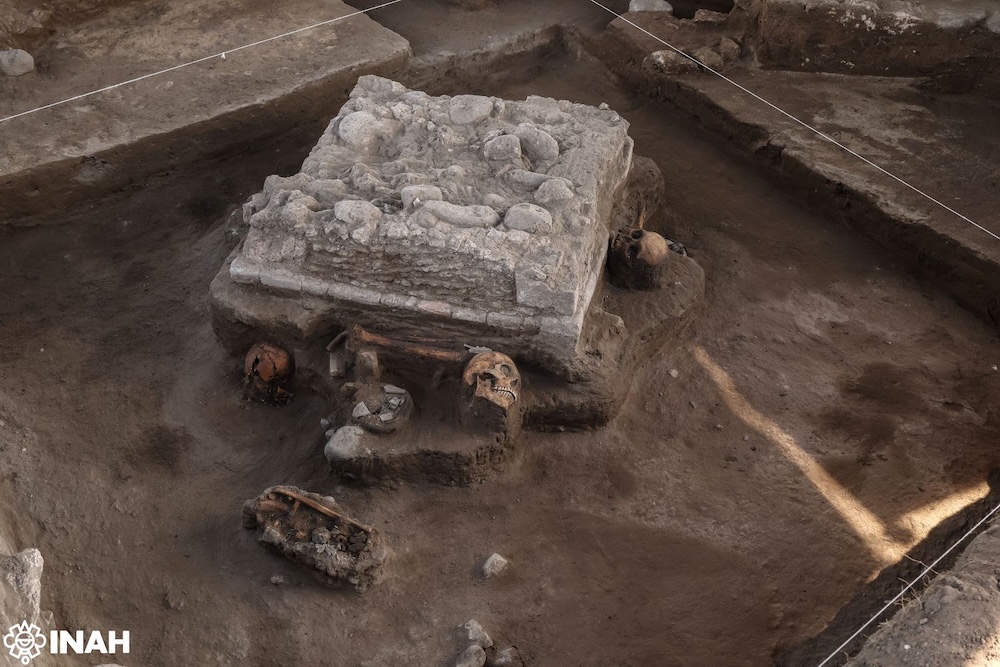
Prehistoric Stone Altar with Human Remains Discovered in Central Mexico

Archaeologists conducting salvage work for a new passenger train line between Querétaro and Mexico City have unearthed a 1,000-year-old Toltec stone altar. Located within the Tula Archaeological Monument Zone in Hidalgo, the three-level structure was found alongside four human skulls, long bones, a black ceramic bowl, and obsidian blades. Preliminary assessments by the National Institute of Anthropology and History (INAH) suggest the remains belong to individuals offered as ritual sacrifices.

1,000-year-old Toltec altar with four human skulls found in Mexico

Archaeologists from Mexico’s National Institute of Anthropology and History (INAH) have discovered a 1,000-year-old Toltec altar during salvage work for a new high-speed rail line between Mexico City and Querétaro. The stone structure, known as a momoztli, dates back to AD 900-1150 and was found with four human skulls and leg bones arranged at its base, suggesting ritual or sacrificial use. Located near the ancient site of Tula Chico, the find also included ceramic objects and obsidian artifacts within a compound likely belonging to the local elite.

500-year-old Aztec ritual offering uncovered in Mexico City

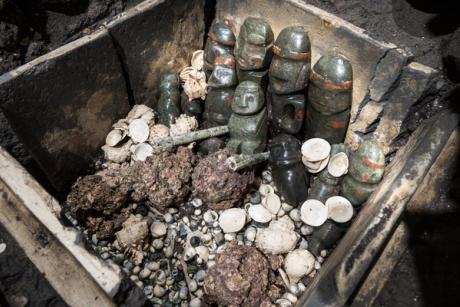
Archaeologists from Mexico's National Institute of Anthropology and History have uncovered a 500-year-old Aztec ritual offering at the Templo Mayor site in Mexico City. The discovery consists of six volcanic stone boxes containing greenstone sculptures, thousands of marine shells, copal spheres, and pendants, all forming a complete ceremonial assemblage from the reign of Emperor Moctezuma I (1440-1469).

Ruins of ‘unique’, circular water temple discovered in Egypt

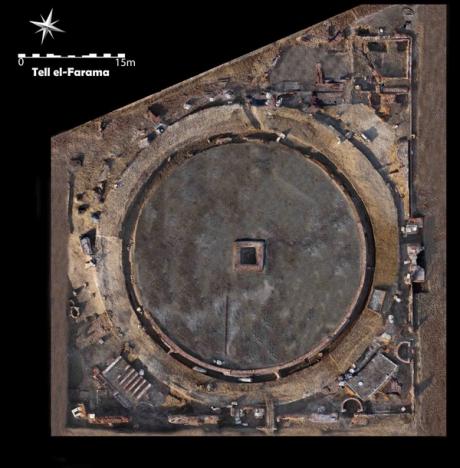
Archaeologists in northern Sinai have unearthed the ruins of a unique circular water temple at the site of ancient Pelusium, dating back to the second century. Initially mistaken for a political senate building, the structure features a 35-meter wide basin and brick walls characteristic of Roman construction, suggesting it was used for religious rituals linked to the local fertility god Pelusius.

Mysterious Lake District barn joins national treasures on heritage list

The Department for Culture, Media and Sport has granted Grade II* listed status to "Henry’s Castle," a mysterious limestone structure in the Lake District previously used as a livestock shelter. Following a four-year restoration project involving archaeologists and conservation engineers, experts identified high-status architectural features including a 14th-century oak roof truss, a corbelled chimneystack, and a garderobe. These elements suggest the building was originally a significant residence, such as a hunting lodge or a lookout dwelling, rather than a simple barn.

Bronze Age State Metal-Working Center Unearthed Near China’s Yangtse River

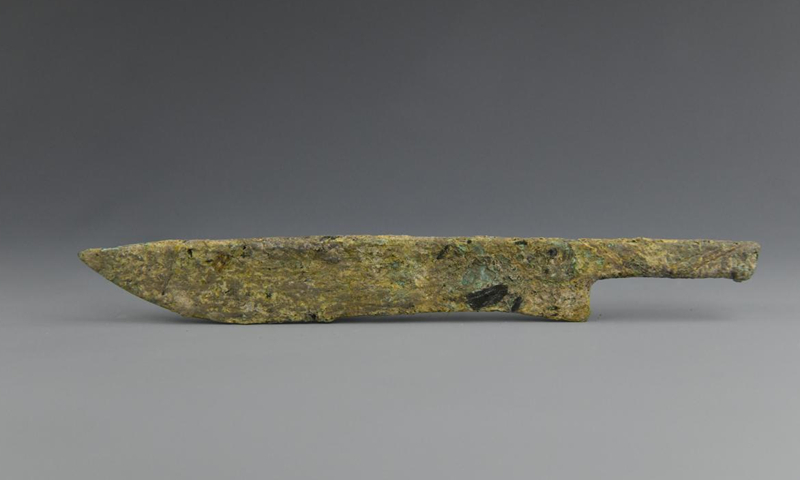
Archaeologists at the Shenduntou site near the Yangtze River have unearthed a significant Bronze Age metal-working center dating back to the Zhou dynasty. The excavation, led by Nanjing Normal University, revealed approximately 1,000 artifacts including clay molds, arrowheads, and knives, alongside evidence of furnaces and protective earthen walls. These findings confirm the existence of a high-level workshop dedicated to large-scale bronze production within the ancient Wu kingdom.

Remnants of 3,400-Year-Old Loom in Spain Sheds Light on Bronze Age Textile Production

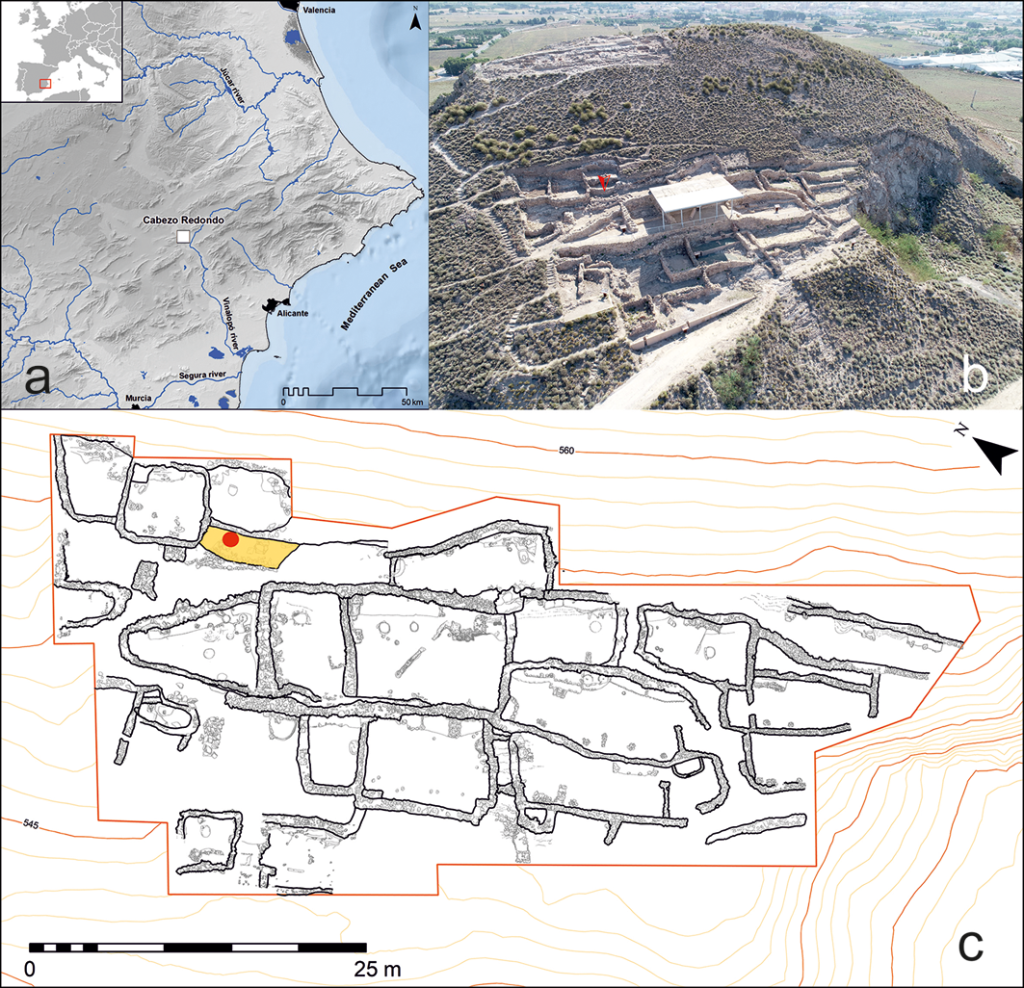
Archaeologists in Spain have published new research on a remarkably preserved 3,450-year-old wooden loom, discovered in 2008 at the Cabezo Redondo site. The loom survived because a fire destroyed the surrounding Bronze Age village and a roof collapsed on it, charring and protecting the wood from decay. This rare find includes over 200 lightweight loom weights, suggesting the community was engaged in intensive production of delicate wool textiles.

250-Year-Old Kiln Discovered on Thomas Jefferson’s Monticello Estate

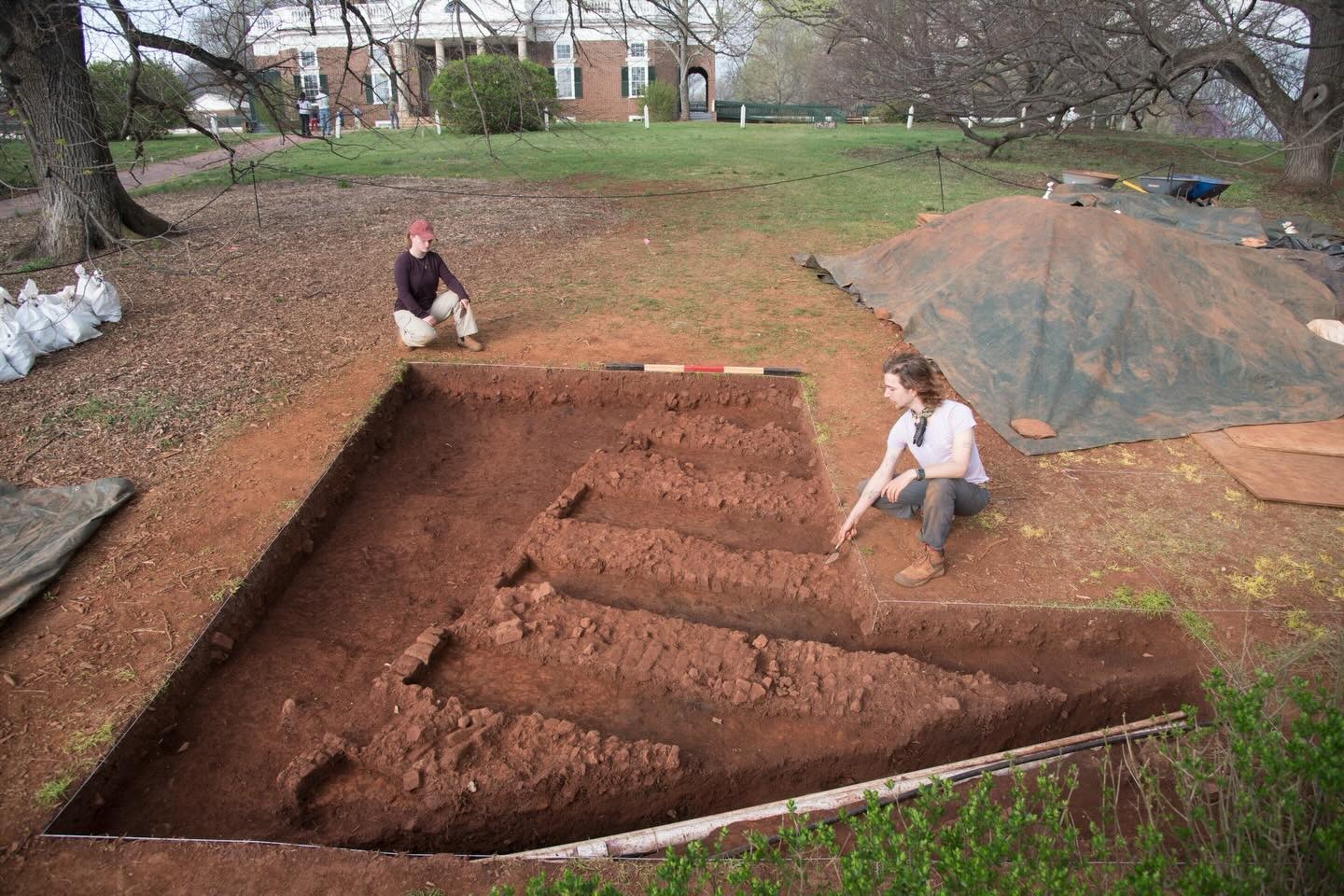
Archaeologists at Thomas Jefferson’s Monticello estate have unearthed a 250-year-old kiln used to fire bricks for the plantation’s original construction. Located on the East Lawn just feet from the main house, the site was identified through the discovery of specialized curved bricks, including cyma-shaped and ovolo-molded specimens. These architectural details confirm the kiln dates back to the "Monticello I" period (1768–1782), as these specific water table features were omitted during Jefferson’s later 18th-century renovations.

Archaeologists Uncover a 2,000-Year-Old Hillfort in Estonia

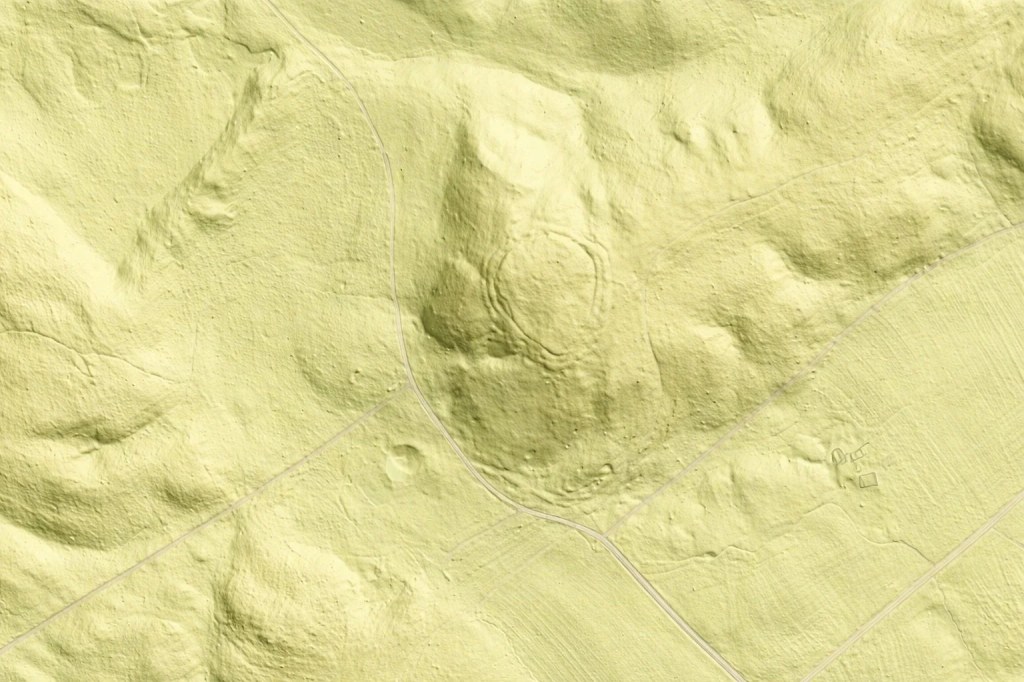
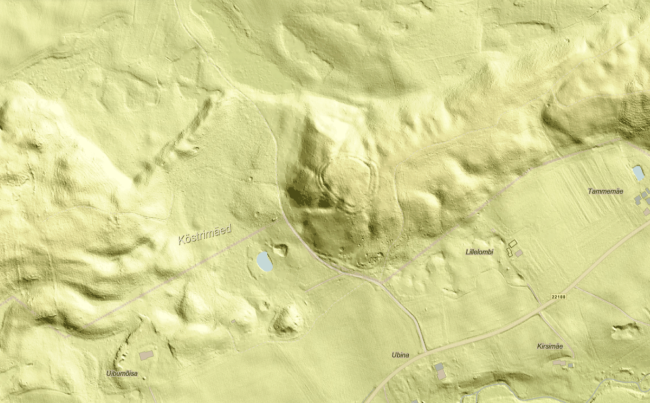
Archaeologists from the University of Tartu have discovered a 2,000-year-old Iron Age hillfort at Köstrimägi in Tartu County, Estonia. Using high-resolution terrain mapping, the team identified a 16,000-square-foot fortification featuring an unusual stepped rampart system that dates back to between 41 BCE and 9 CE. Despite its size, the site yielded few artifacts beyond pottery fragments and charcoal, suggesting a very brief period of occupation before it was destroyed by fire.

Colosseum Facelift Restores Ancient Southern Entrance to Its Former Glory

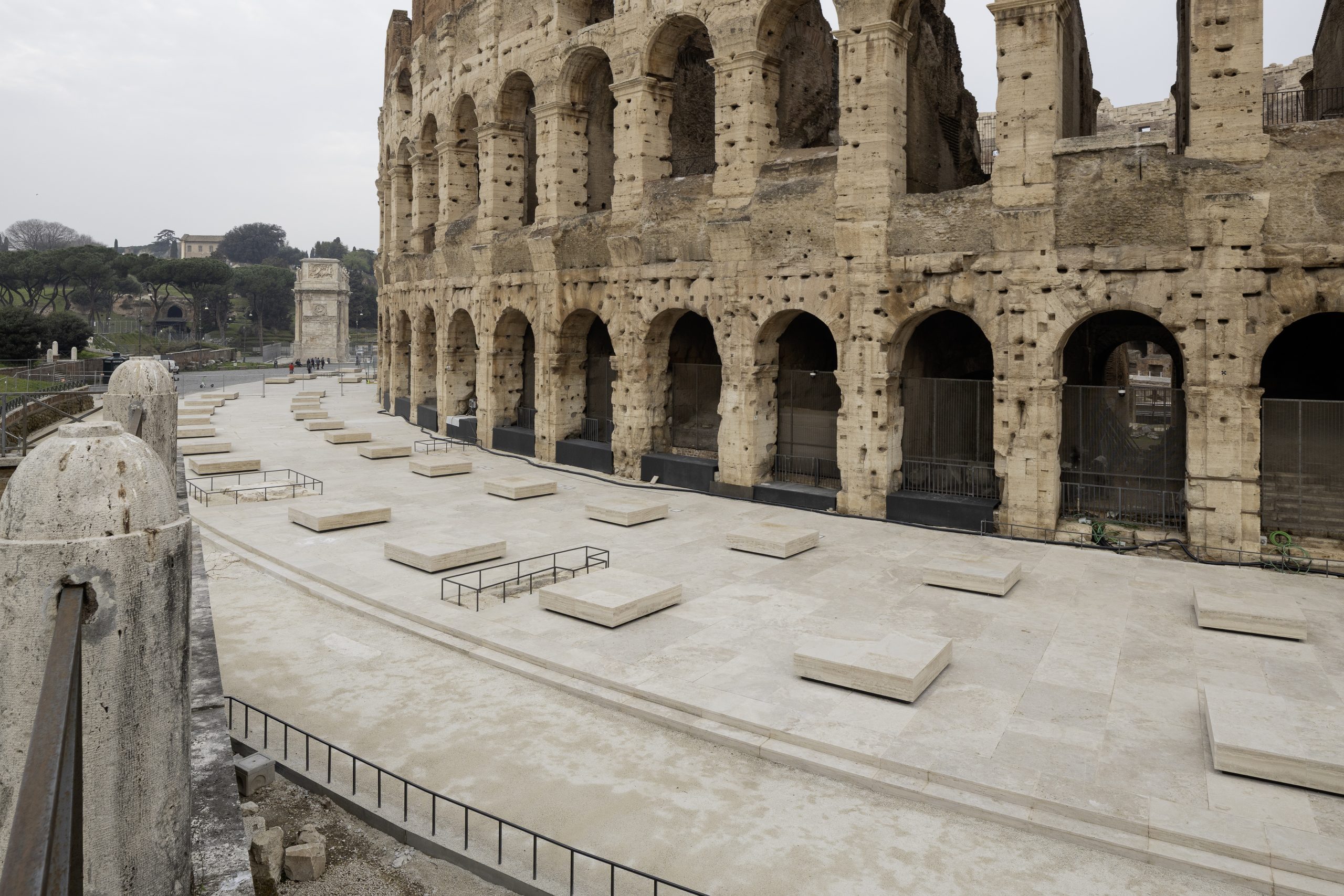
Rome’s Colosseum has unveiled a major four-year restoration of its southern entrance, a project led by Stefano Boeri Interiors in collaboration with the Colosseum Archaeological Park. The renovation lowered the surrounding piazza to its original Roman-era height, reintroduced travertine flooring sourced from ancient quarries, and installed seating blocks that mark the locations of long-lost marble columns. During the excavation process, archaeologists recovered a wealth of historical artifacts, including ancient coins, statues, and gold jewelry, while leaving a specific section untouched to showcase the arena's complex hydraulic foundations.

Dutch Museum Discovers 8-Inch Ancient Roman Phallus

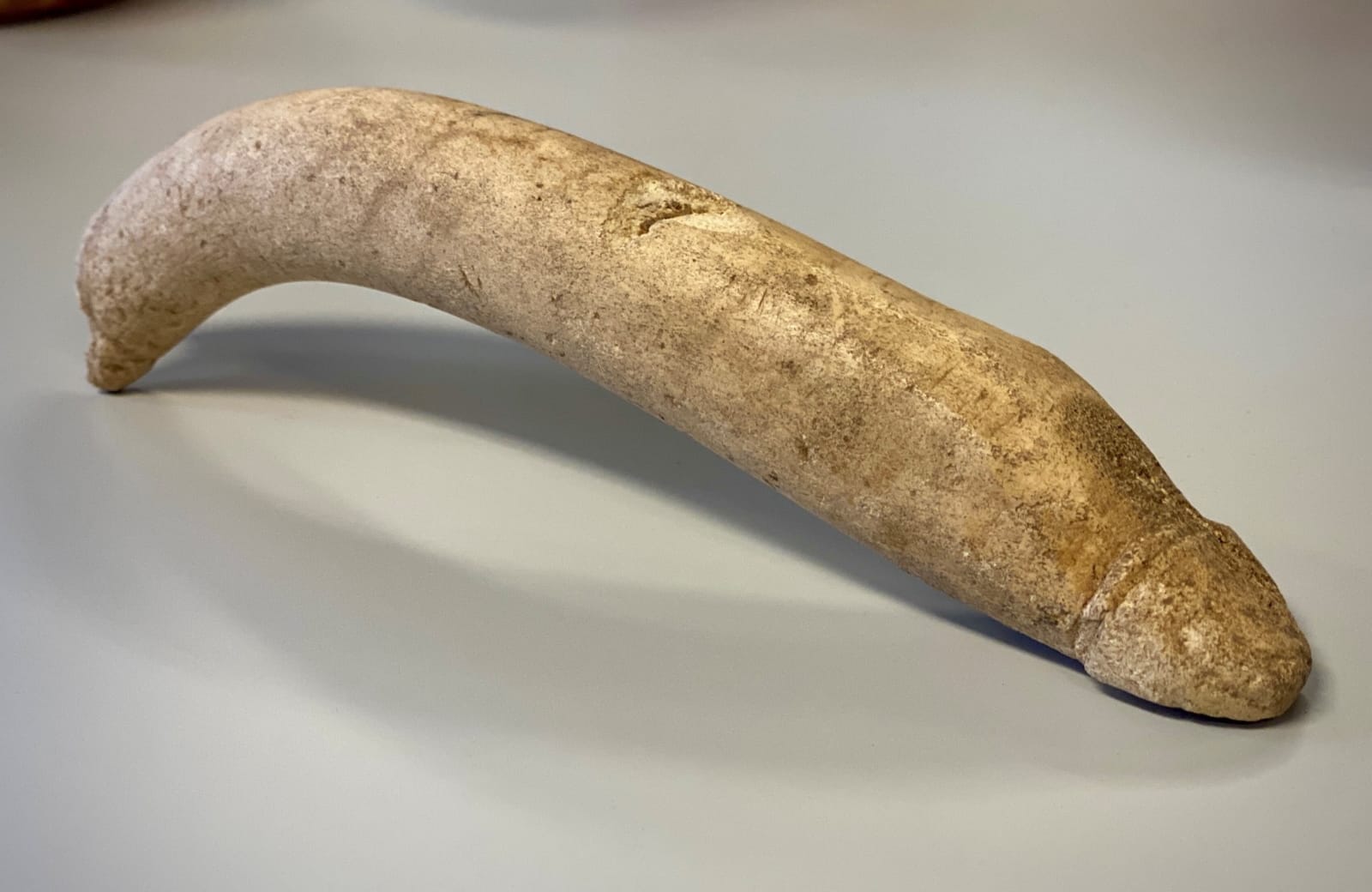
Archaeologists at the Valkhof Museum in Nijmegen discovered a rare, eight-inch Ancient Roman phallus carved from bone while cataloging a massive backlog of 16,000 archaeological boxes. The artifact was found alongside high-quality Roman tableware during an €8 million government-funded inventory project aimed at processing collections from defunct storage depots in the province of Gelderland.

Unusually Large, 2,000-Year-Old Hillfort Discovered in Estonia

Archaeologists from the University of Tartu have discovered a massive 2,000-year-old hillfort at Köstrimägi in Tartu County, Estonia. Utilizing high-resolution terrain mapping, the team identified a 4,800-square-meter Iron Age fortification featuring concentric ramparts and shallow ditches, a structural complexity rarely seen in the region. Radiocarbon dating suggests the site was active for a relatively short period, specifically between 41 BCE and 9 CE.

Long-Lost Skeleton of D’Artagnan, the Fourth Musketeer, Discovered in Dutch Church

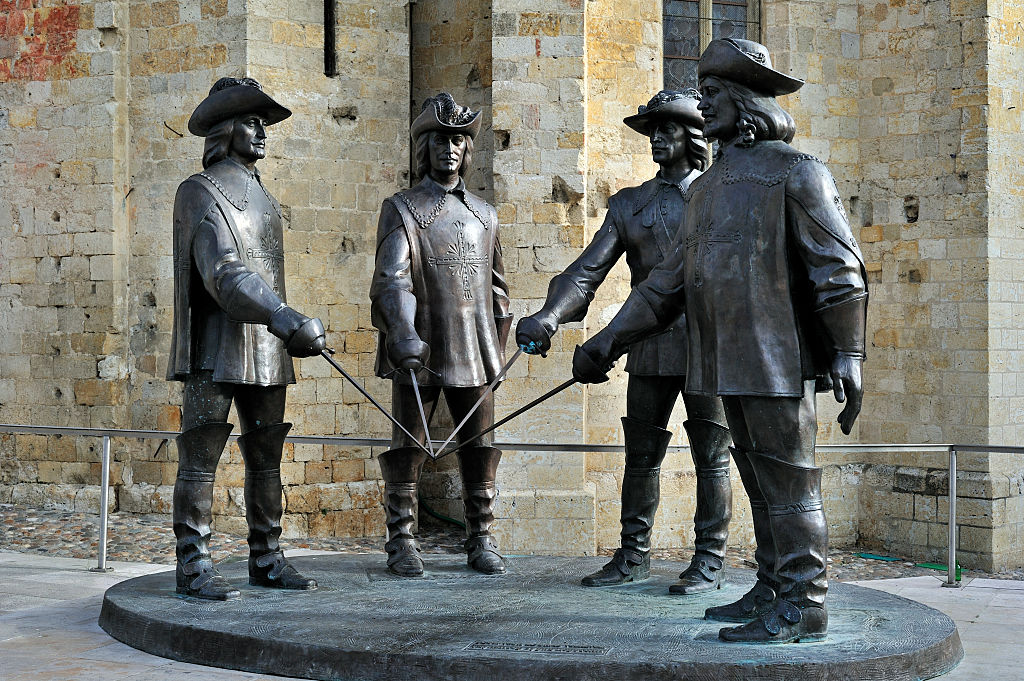
Archaeologists have discovered skeletal remains beneath the floor of St. Peter and Paul Church in Maastricht, Netherlands, which are believed to be those of the 17th-century French soldier Charles de Batz de Castelmore, the historical figure who inspired the literary character D'Artagnan. The discovery was made during repair work, and artifacts found nearby—including a French coin and musket ball fragments—align with the historical record of D'Artagnan's death during the 1673 siege of Maastricht.

Archaeologists Discover 6,000-Year-Old ‘Megastructure’ in Romania

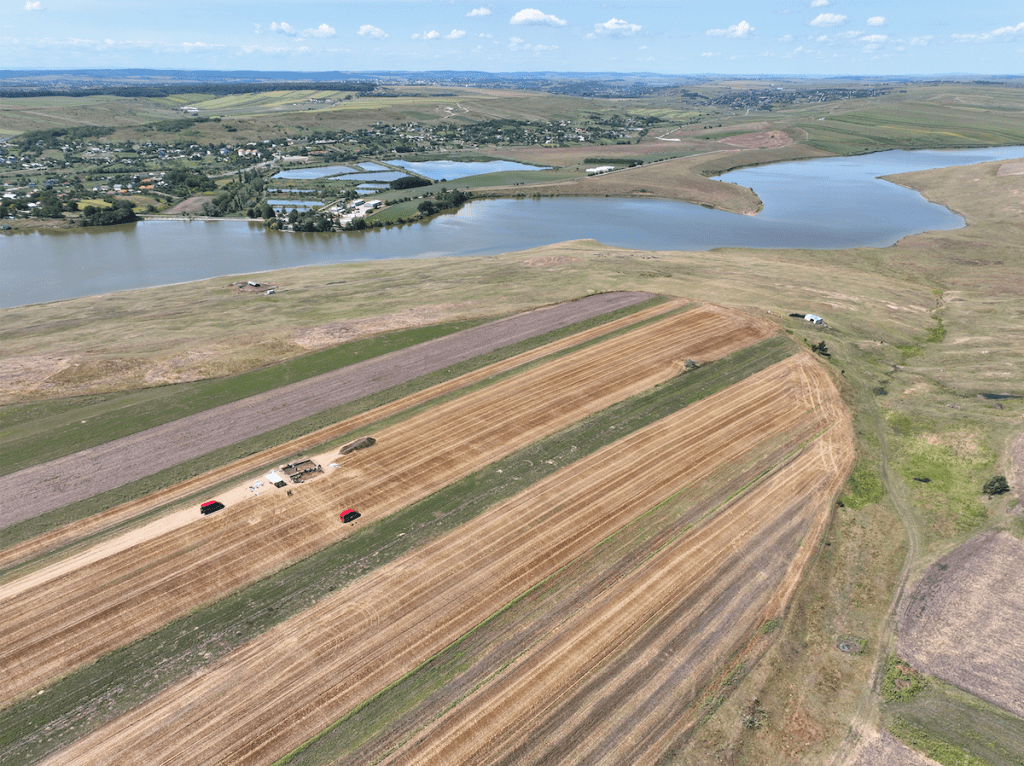
Archaeologists in northeastern Romania have unearthed a 6,000-year-old 'megastructure' at the Stăuceni-"Holm" site, attributed to the Cucuteni-Trypillia culture. Measuring approximately 350 square meters, the building is significantly larger than typical dwellings of the period and was strategically positioned near the settlement's entrance. The absence of domestic tools or ritual statuettes suggests the space served as a communal assembly hall or administrative center rather than a private residence.

Newly Translated 2,000-Year-Old Graffiti Proves Presence of Indian Visitors to Egypt’s Valley of the Kings

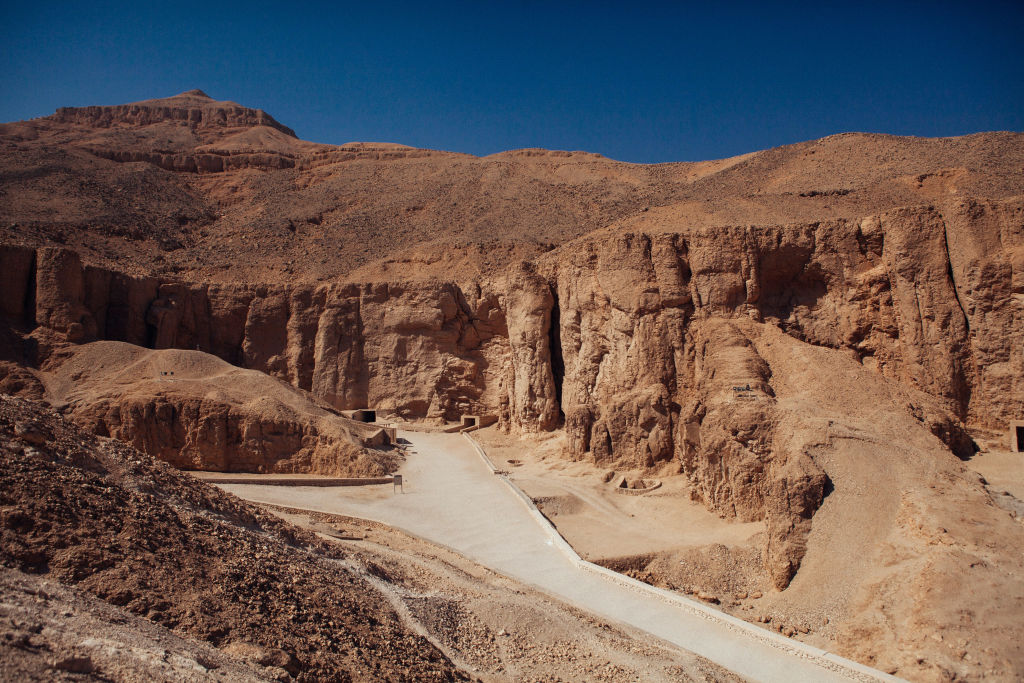
Archaeologists have translated 2,000-year-old graffiti in Old Tamil, Sanskrit, and Kharosti script found on the walls of six tombs in Egypt's Valley of the Kings. The inscriptions, dating from the 1st to 3rd centuries CE, include one individual, Cikai Korran, who wrote his name eight times across five tombs, effectively 'tagging' the ancient site.

Egyptian Archeologists Find 3,000-Year-Old Coffins of Temple Chanters in Luxor

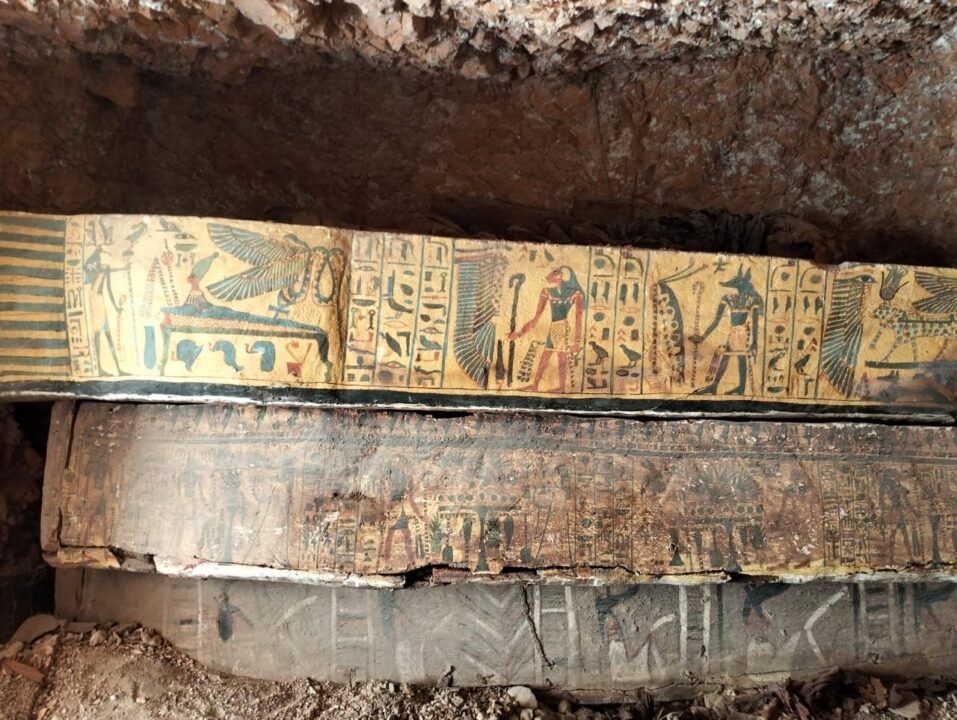
Archaeologists in Luxor have discovered 22 painted wooden coffins containing mummies, along with eight sealed papyrus scrolls, in a tomb within the Theban Necropolis. The coffins, dating to Egypt's Third Intermediate Period (1077–664 BCE), were found stacked in a rock-cut chamber, indicating they had been moved from their original burial sites.

Archaeologists Discover 19th-Century Shipwreck in Copenhagen Harbor

Marine archaeologists from Denmark's Viking Ship Museum have discovered the wreck of the 18th-century Danish warship Dannebroge in Copenhagen harbor. The ship was destroyed during the Battle of Copenhagen in 1801, when the British fleet under Admiral Horatio Nelson attacked to dismantle the League of Armed Neutrality. Divers have recovered cannons, uniform fragments, bottles, and sailors' remains from the site.

Ancient Roman Cargo Lost for 2,000 Years Resurfaces in Swiss Lake

A team of Swiss archaeologists and the nonprofit Octopus Foundation have recovered a 2,000-year-old Roman cargo from Lake Neuchâtel. The haul consists of approximately 600 remarkably preserved artifacts, including stacks of brand-new ceramic plates, bowls, goblets, weapons, tools, chariot wheels, and a wicker basket, dating from between 50 B.C.E. and 50 C.E. The ship itself was not found.

Massive Cache of 42,000 Pottery Shards Reveals Daily Life in Ancient Egypt

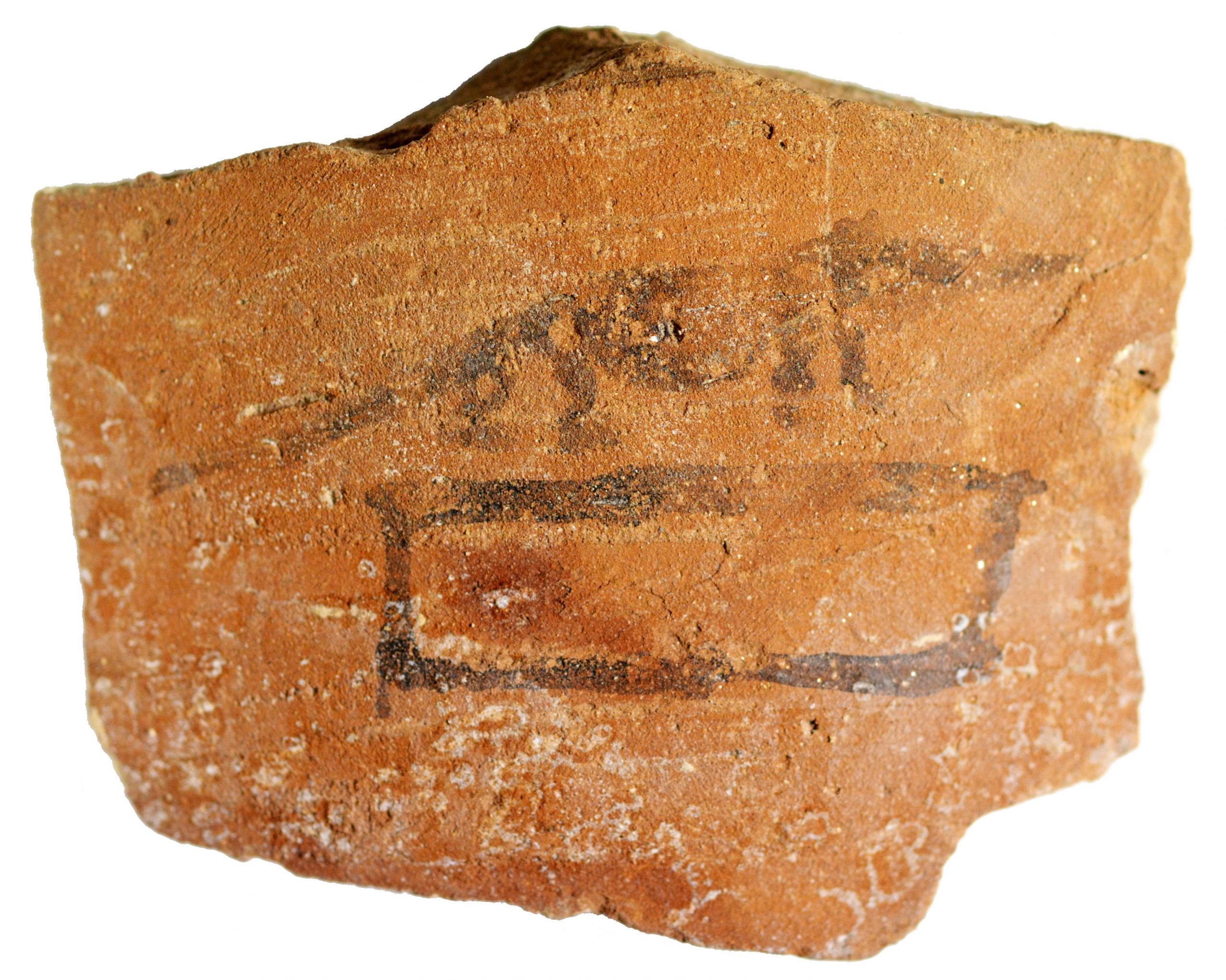
Archaeologists from the University of Tübingen and the Egyptian Ministry of Tourism and Antiquities have unearthed a massive collection of over 42,000 inscribed pottery shards, known as ostraca, at the ancient site of Athribis. The shards, dating from the 3rd century B.C.E. to the 11th century C.E., contain tax receipts, religious texts, school exercises, and personal notes written in Demotic, Greek, Hieratic, Coptic, and Arabic scripts, offering an unprecedented window into the daily lives of ordinary people.

Archaeologists Identify Lost Medieval Village in Polish Forest

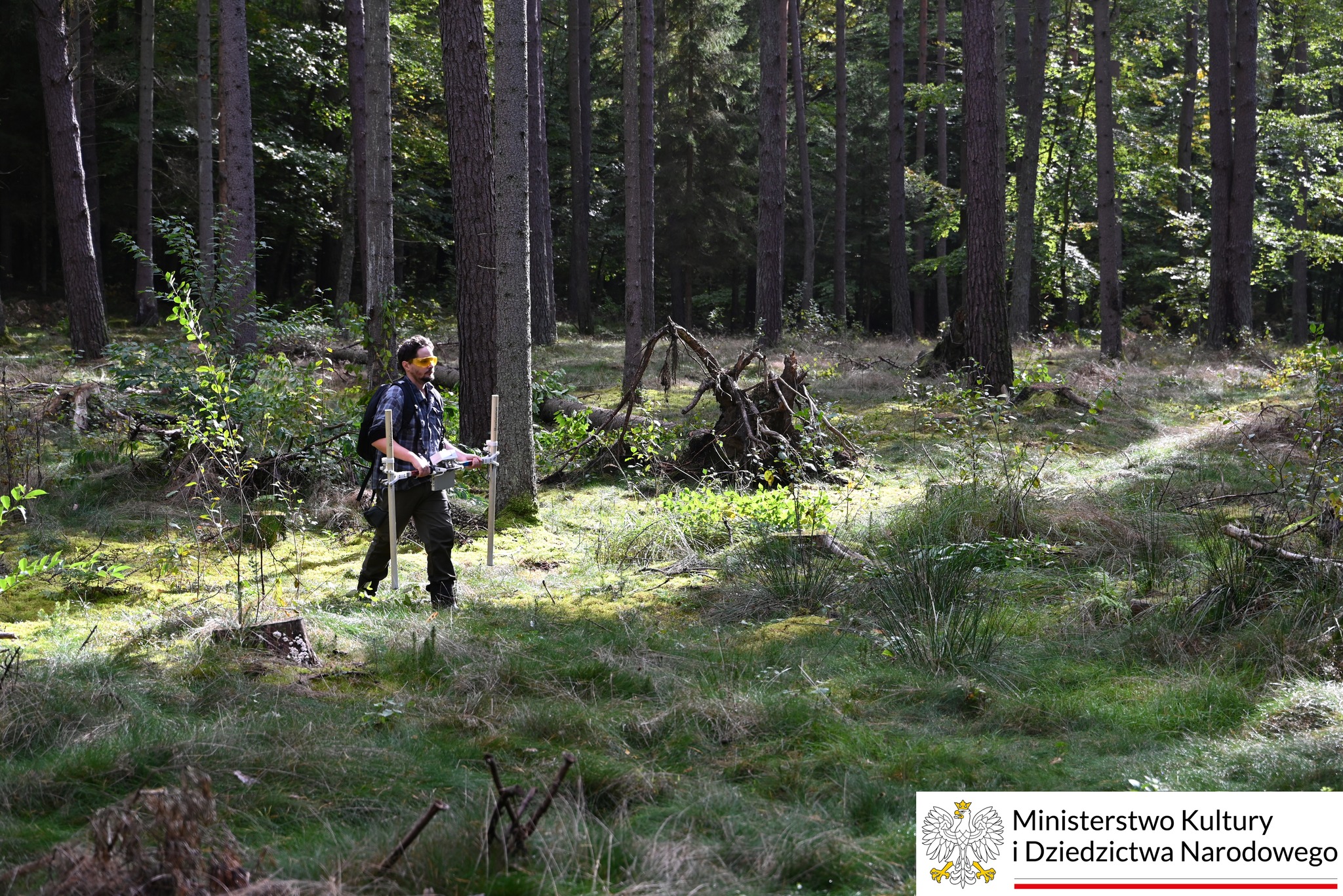
Archaeologists from Poland's Relicta Foundation have located the lost medieval village of Stolzenberg in a dense forest near Sławoborze in northwestern Pomerania. The 15-acre site, identified through a combination of historical research, metal detecting, and advanced geophysical surveys, has yielded 1,500 surface anomalies and 400 artifacts, including coins and belt buckles from the 13th-14th centuries, confirming its medieval origins. Radiocarbon dating places the height of its activity in the 14th century.

Petroglyphs and cave paintings, some more than 4,000 years old, discovered in Mexico

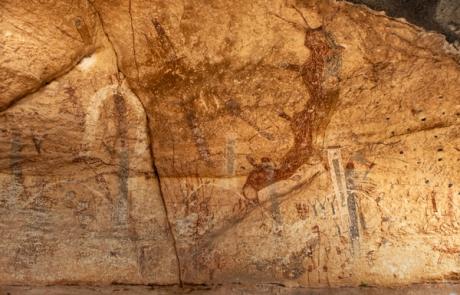
Archaeologists from Mexico’s Instituto Nacional de Antropología e Historia (INAH) have identified 16 petroglyphs and cave paintings near the Tula River in Hidalgo. The artworks span over 4,000 years, ranging from prehistoric times through the Mesoamerican Postclassic period and into the early colonial era. The discovery, which includes depictions of the rain god Tláloc and various anthropomorphic figures, was made during archaeological salvage work for a new passenger rail line connecting Mexico City and Querétaro.

Plan to build border wall along the Rio Grande in Texas threatens prehistoric rock art, locals warn

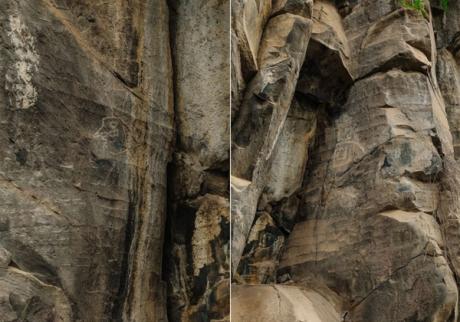
Plans to extend the US-Mexico border wall through Val Verde County, Texas, threaten to damage or destroy hundreds of prehistoric rock art murals in the Lower Pecos region. Archaeologists and local landowners warn that construction vibrations could destabilize the rock surfaces housing these ancient paintings, some of which are over 5,700 years old and span up to 100 feet in length.

‘We are trying to preserve the memory of our people’: archaeologists create map tracking damage to Iran heritage sites

Iranian archaeologists Sepideh Maziar and Mehrnoush Soroush have launched an interactive online map to document and geolocate cultural heritage sites in Iran damaged by military strikes. The map, hosted by the University of Chicago's CAMEL Lab, currently lists 69 verified sites, including the historic Sa'dabad Palace complex in Tehran, and is updated as new information becomes available.

Comment | Climate change is forcing tough choices—how much heritage can we save before it is too late?

Climate change is accelerating the degradation of archaeological sites worldwide, forcing archaeologists to make urgent, difficult choices about what to save. From thawing permafrost in the Canadian Arctic threatening Inuit heritage to landslides endangering ancient Buddhist temples in Nepal, researchers are now deploying innovative technologies like ground-penetrating radar, 3D scanning, and even cosmic-ray muon detectors to digitally document and monitor at-risk sites before they are lost.

12,000 Years Ago, Native Americans Were Playing Games of Chance with Handmade Dice

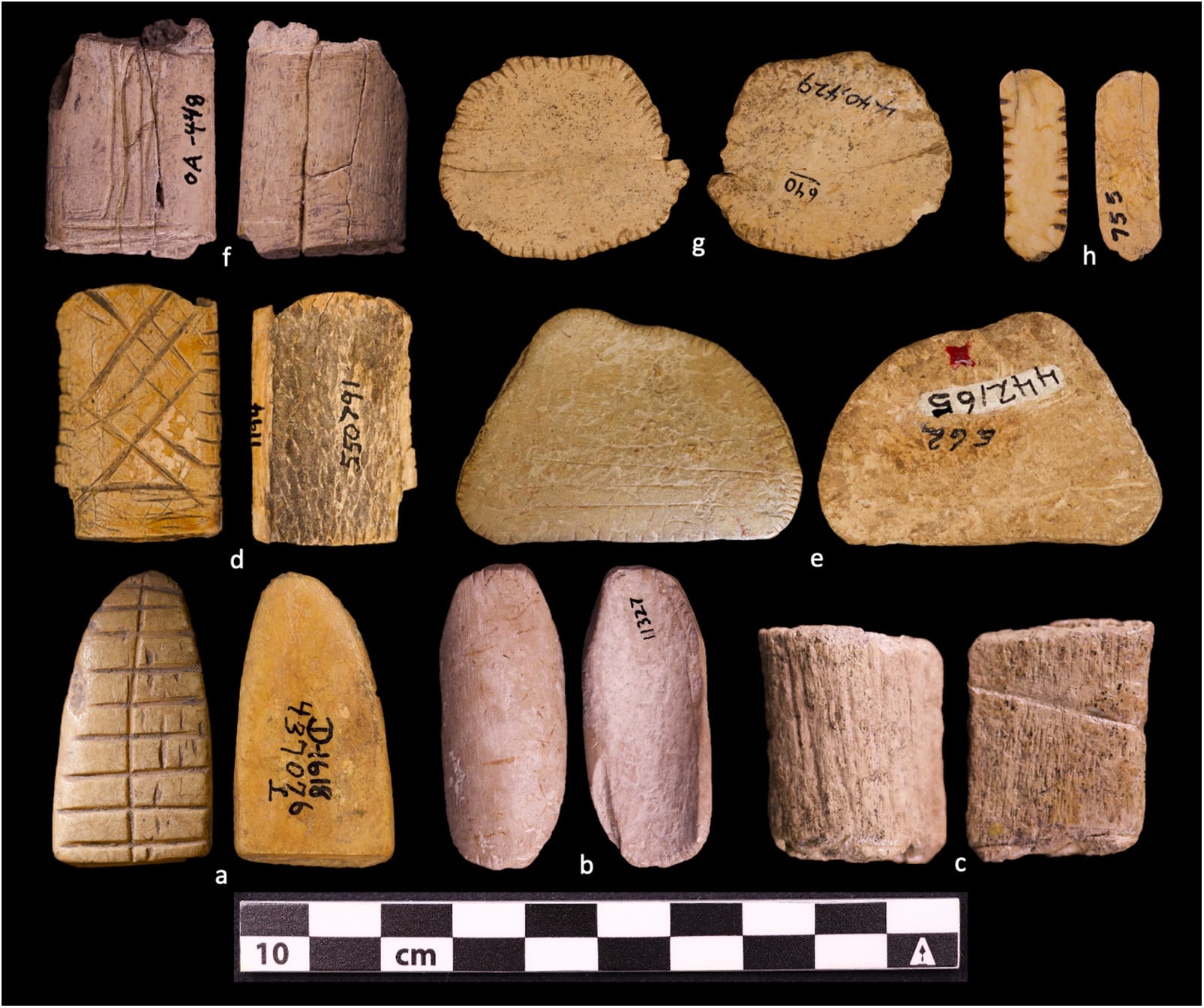
Archaeologists have discovered that Native Americans were engaging in games of chance using handmade dice as far back as 12,000 years ago, during the Late Pleistocene. A new study by researcher Robert Madden reveals that these artifacts, found in sites across Wyoming, Colorado, and New Mexico, predate the previously oldest known dice from Mesopotamia and the Indus Valley by over 6,000 years. These early dice, often made of bone and decorated with pigments, were used by the hunter-gatherer Folsom culture.

A 1st-Century Roman Cargo Uncovered in Lake Neuchâtel

Une cargaison romaine du Ier siècle mise au jour dans le lac de Neuchâtel

Archaeologists have completed two major underwater excavation campaigns in Lake Neuchâtel, Switzerland, recovering over 1,000 artifacts from a Roman cargo shipment dating between 20 and 50 AD. The discovery, initially spotted via aerial photography in 2024, includes exceptionally well-preserved items such as Spanish olive oil amphorae, tableware, military weaponry, and rare organic materials like a wicker basket and chariot wheels. The site was kept secret for two years to prevent looting while divers meticulously retrieved the historical treasures.

Excerpt from the Iliad in a mummy's abdomen and gold tongues: rare discoveries made in Egypt

Extrait de l’Iliade dans l’abdomen d’une momie et langues en or : de rares découvertes effectuées en Égypte

Archaeologists working at the necropolis of Oxyrhynchus in Egypt have made a series of rare discoveries, the most significant being a fragment of papyrus from Homer's Iliad found inside the abdominal cavity of a Roman-era mummy. This marks the first time a Greek literary text has been found incorporated into the ancient Egyptian embalming process, suggesting a unique hybridization of funerary practices.

Mexico to Divert Train Route After Cave Art Discovery

Archaeologists in Mexico discovered 16 pre-Hispanic paintings and petroglyphs along the planned route of a high-speed passenger train connecting Mexico City to Querétaro. The discovery, made in the state of Hidalgo, includes rock art dating from 4,000 years ago to the Postclassic period (900-1521 CE), with imagery linked to Aztec deities and the Toltec city of Tula. In response, President Claudia Sheinbaum announced the $8 billion train project will be rerouted to preserve the ancient site.

newly excavated maya settlement climate change adaptation 1234776855

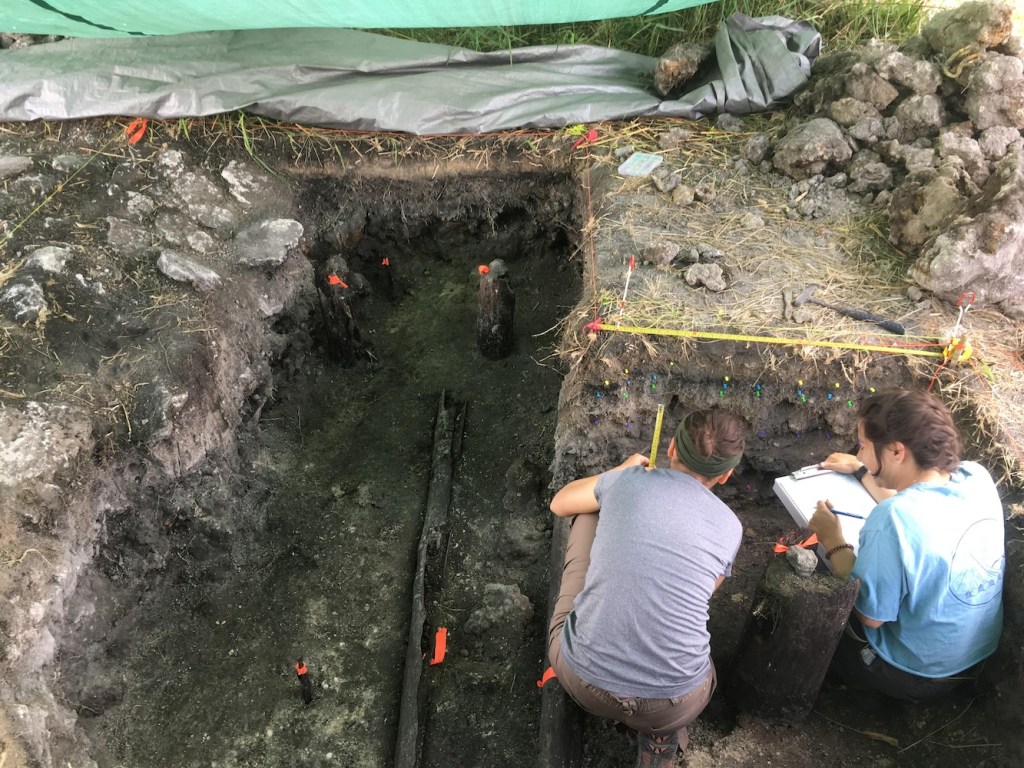
Archaeologists and geologists have uncovered a Postclassic Maya settlement at the Birds of Paradise field complex in the Rio Bravo floodplain of Belize. Utilizing LiDAR mapping and 20 years of field research, the team discovered exceptionally preserved wooden architecture, stone structures, and domestic artifacts dating from 800–1500 CE. These findings reveal that Maya communities successfully migrated to wetland environments after inland urban centers were abandoned due to prolonged droughts.