filter_list Showing 13 results for "Archaeologists" close Clear
dashboard All 13 article news 11article policy 1museum exhibitions 1
date_range Range Today This Week This Month All
Subscribe

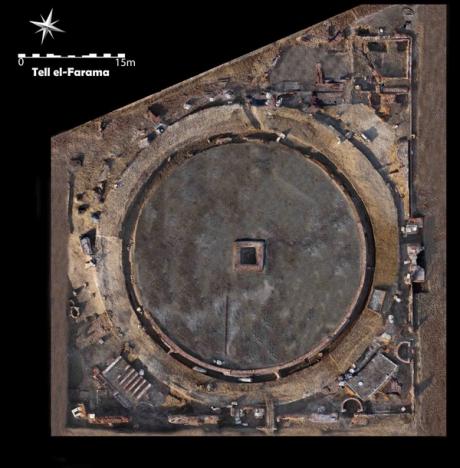
Ruins of ‘unique’, circular water temple discovered in Egypt

Archaeologists in northern Sinai have unearthed the ruins of a unique circular water temple at the site of ancient Pelusium, dating back to the second century. Initially mistaken for a political senate building, the structure features a 35-meter wide basin and brick walls characteristic of Roman construction, suggesting it was used for religious rituals linked to the local fertility god Pelusius.
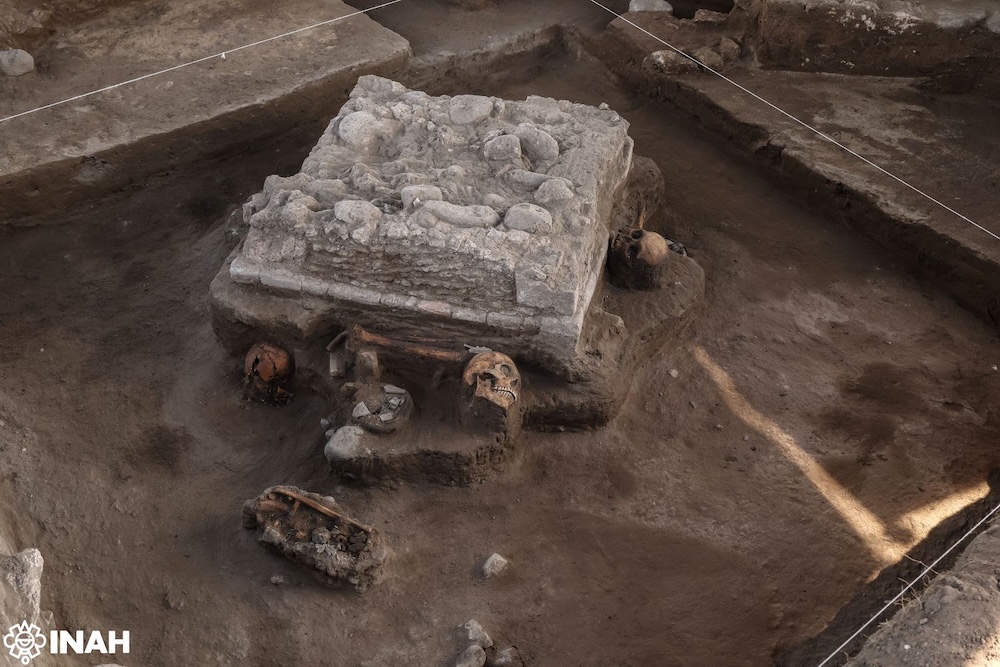
Prehistoric Stone Altar with Human Remains Discovered in Central Mexico

Archaeologists conducting salvage work for a new passenger train line between Querétaro and Mexico City have unearthed a 1,000-year-old Toltec stone altar. Located within the Tula Archaeological Monument Zone in Hidalgo, the three-level structure was found alongside four human skulls, long bones, a black ceramic bowl, and obsidian blades. Preliminary assessments by the National Institute of Anthropology and History (INAH) suggest the remains belong to individuals offered as ritual sacrifices.

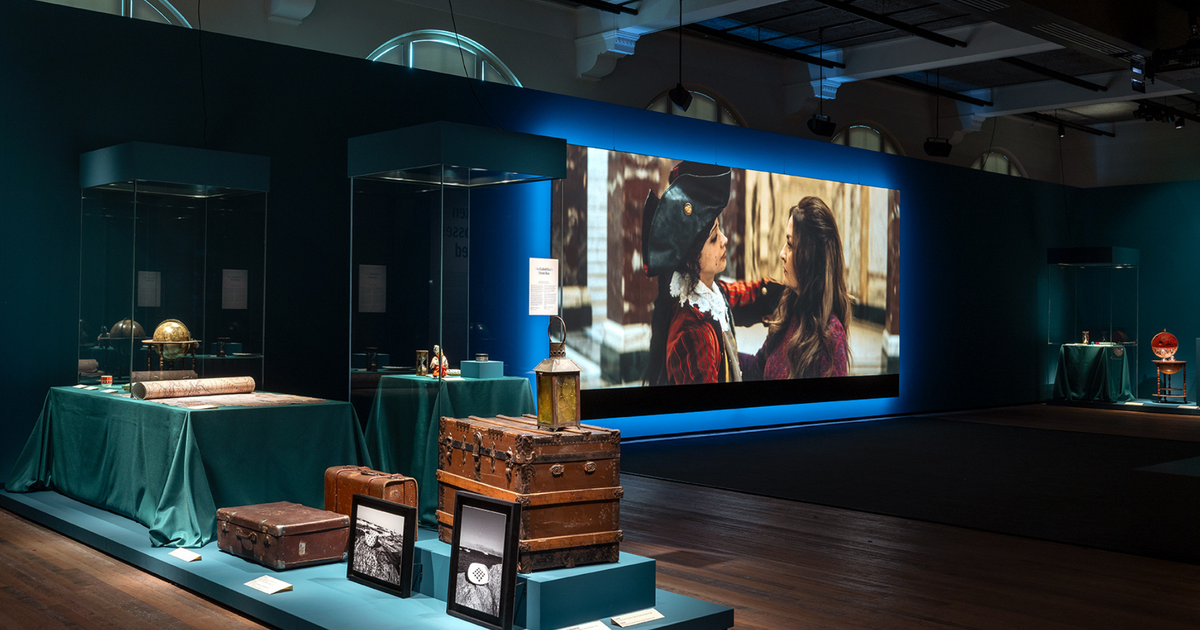
Larissa Sansour: Rogue Agents of History

Wereldmuseum Amsterdam is presenting "Rogue Agents of History," the first solo exhibition in the Netherlands by Palestinian artist Larissa Sansour. Running from April 24 to September 27, 2026, the show features three films—including the premiere of "A Sunken Tale of Losses Delayed" commissioned by the museum—alongside Sansour's artworks, personal heirlooms, film props, and historical objects. Curated by Nat Muller, the exhibition explores themes of identity, memory, belonging, and loss through a science-fiction lens, drawing on the Palestinian context and blurring boundaries between fact and fiction.

Director of the Hermitage Museum Sanctioned by the European Union

Le directeur du Musée de l'Ermitage sanctionné par l'Union européenne

The European Union has imposed sanctions on Mikhail Piotrovsky, the 81-year-old director of the State Hermitage Museum in Saint Petersburg, as part of its 20th sanctions package against Russia. Piotrovsky was blacklisted for supporting the war in Ukraine and overseeing illegal archaeological excavations in occupied Crimea. The EU cited his use of Kremlin war rhetoric—calling the museum's exhibition policy a "cultural special operation"—and the Hermitage's role in incorporating Ukrainian cultural objects from occupied territories into Russia's state museum fund. Additionally, under his leadership, unauthorized digs were conducted at the ancient Greek site of Myrmekion in Crimea, led by Hermitage archaeologist Alexander Butyagin, who was arrested in Warsaw and later released in a prisoner exchange.

Mysterious Lake District barn joins national treasures on heritage list

The Department for Culture, Media and Sport has granted Grade II* listed status to "Henry’s Castle," a mysterious limestone structure in the Lake District previously used as a livestock shelter. Following a four-year restoration project involving archaeologists and conservation engineers, experts identified high-status architectural features including a 14th-century oak roof truss, a corbelled chimneystack, and a garderobe. These elements suggest the building was originally a significant residence, such as a hunting lodge or a lookout dwelling, rather than a simple barn.

1,000-year-old archaeological site bulldozed during construction of Mexico-US border wall

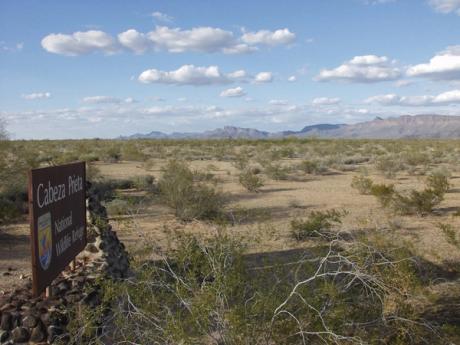
On 24 April, a Department of Homeland Security contractor bulldozed a 1,000-year-old intaglio—a 280ft by 50ft etching in the desert sand—during construction of the US-Mexico border wall in Arizona's Cabeza Prieta National Wildlife Refuge. The site, sacred to local Indigenous communities including the Hia-Ced O’odham, was part of a UNESCO biosphere and contained over 3,000 petroglyphs. Despite warnings from tribal members and refuge staff, the contractor destroyed a 70ft stretch of the fish-shaped intaglio, which elders and archaeologists describe as an irreplaceable cultural and archaeological treasure.

Seven-Foot-Tall Monument to Ramses II Discovered in Eastern Nile Delta Region

Archaeologists in Egypt have discovered the upper half of a 7-foot-tall statue of Ramses II at the site of Tell El-Faraoun in the eastern Nile Delta. Weighing over 5 tons, the fragment is believed to have originally been carved for a temple in the ancient capital of Per-Ramesses and was later relocated. The find was announced by the Egyptian Ministry of Tourism and Antiquities, with Hisham El-Leithy of the Supreme Council of Antiquities noting its importance for understanding how statues were moved and reused during the New Kingdom.

Petroglyphs and cave paintings, some more than 4,000 years old, discovered in Mexico

Archaeologists from Mexico’s Instituto Nacional de Antropología e Historia (INAH) have identified 16 petroglyphs and cave paintings near the Tula River in Hidalgo. The artworks span over 4,000 years, ranging from prehistoric times through the Mesoamerican Postclassic period and into the early colonial era. The discovery, which includes depictions of the rain god Tláloc and various anthropomorphic figures, was made during archaeological salvage work for a new passenger rail line connecting Mexico City and Querétaro.

Metal Detectorists Unearth Norway’s Largest-Known Viking Coin Hoard

Two hobbyist metal detectorists, Rune Sætre and Vegard Sørlie, discovered Norway's largest-known Viking Age coin hoard in a field in Østerdalen, east-central Norway. Starting with 19 silver coins on April 10, the find grew to over 3,250 coins dating from the 980s to the 1040s, surpassing the previous record of 1,800 coins found in the 1800s. The hoard includes coins minted under Æthelred the Unready, King Cnut, and Holy Roman Emperor Otto III, as well as early Norwegian coins from after Harald Hardråde's return from Byzantium. The coins have been transferred to the Museum of Cultural History in Oslo for expert analysis.

Mexico to Divert Train Route After Cave Art Discovery

Archaeologists in Mexico discovered 16 pre-Hispanic paintings and petroglyphs along the planned route of a high-speed passenger train connecting Mexico City to Querétaro. The discovery, made in the state of Hidalgo, includes rock art dating from 4,000 years ago to the Postclassic period (900-1521 CE), with imagery linked to Aztec deities and the Toltec city of Tula. In response, President Claudia Sheinbaum announced the $8 billion train project will be rerouted to preserve the ancient site.

Archaeologists Discover 6,000-Year-Old ‘Megastructure’ in Romania

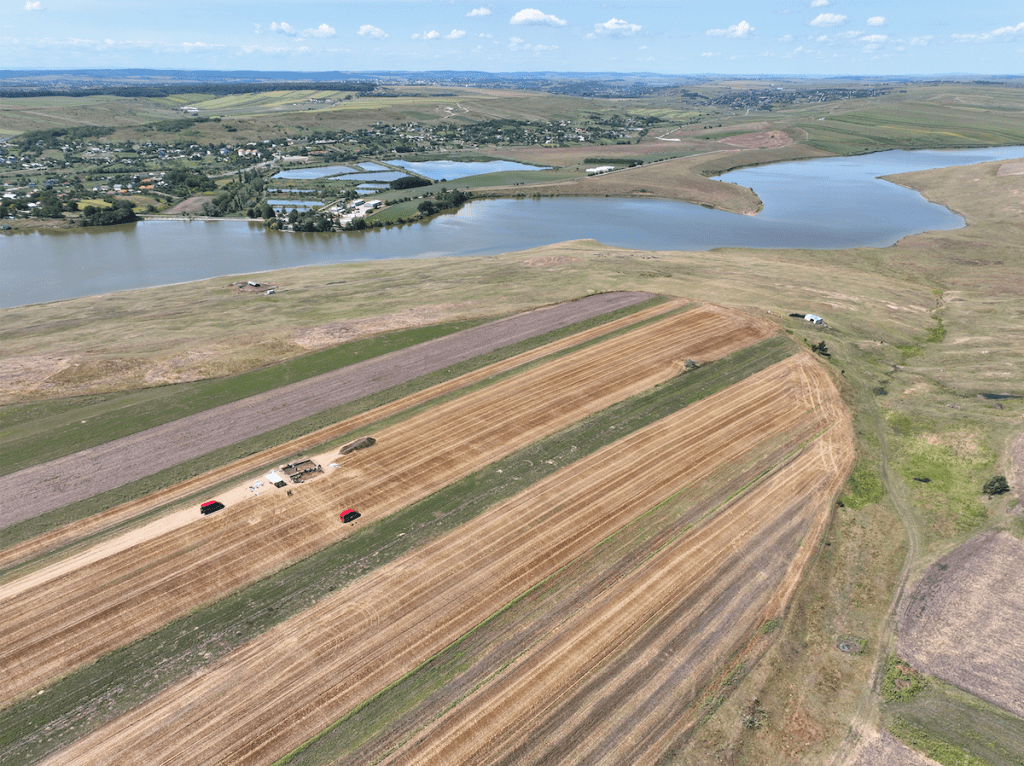
Archaeologists in northeastern Romania have unearthed a 6,000-year-old 'megastructure' at the Stăuceni-"Holm" site, attributed to the Cucuteni-Trypillia culture. Measuring approximately 350 square meters, the building is significantly larger than typical dwellings of the period and was strategically positioned near the settlement's entrance. The absence of domestic tools or ritual statuettes suggests the space served as a communal assembly hall or administrative center rather than a private residence.

A 1st-Century Roman Cargo Uncovered in Lake Neuchâtel

Une cargaison romaine du Ier siècle mise au jour dans le lac de Neuchâtel

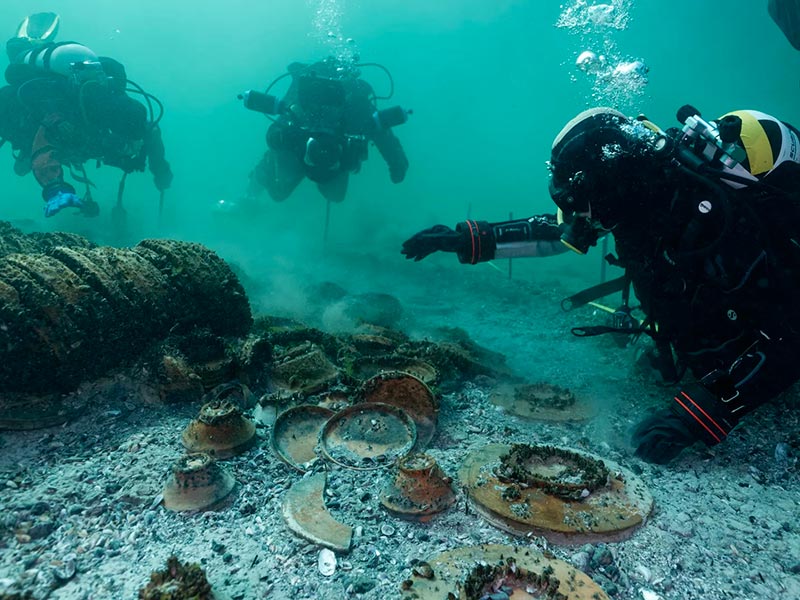
Archaeologists have completed two major underwater excavation campaigns in Lake Neuchâtel, Switzerland, recovering over 1,000 artifacts from a Roman cargo shipment dating between 20 and 50 AD. The discovery, initially spotted via aerial photography in 2024, includes exceptionally well-preserved items such as Spanish olive oil amphorae, tableware, military weaponry, and rare organic materials like a wicker basket and chariot wheels. The site was kept secret for two years to prevent looting while divers meticulously retrieved the historical treasures.

Excerpt from the Iliad in a mummy's abdomen and gold tongues: rare discoveries made in Egypt

Extrait de l’Iliade dans l’abdomen d’une momie et langues en or : de rares découvertes effectuées en Égypte

Archaeologists working at the necropolis of Oxyrhynchus in Egypt have made a series of rare discoveries, the most significant being a fragment of papyrus from Homer's Iliad found inside the abdominal cavity of a Roman-era mummy. This marks the first time a Greek literary text has been found incorporated into the ancient Egyptian embalming process, suggesting a unique hybridization of funerary practices.