filter_list Showing 37 results for "Austria" close Clear
dashboard All 37 museum exhibitions 13article news 12candle obituary 6article culture 2rate_review review 2trending_up market 1gavel restitution 1
date_range Range Today This Week This Month All
Subscribe

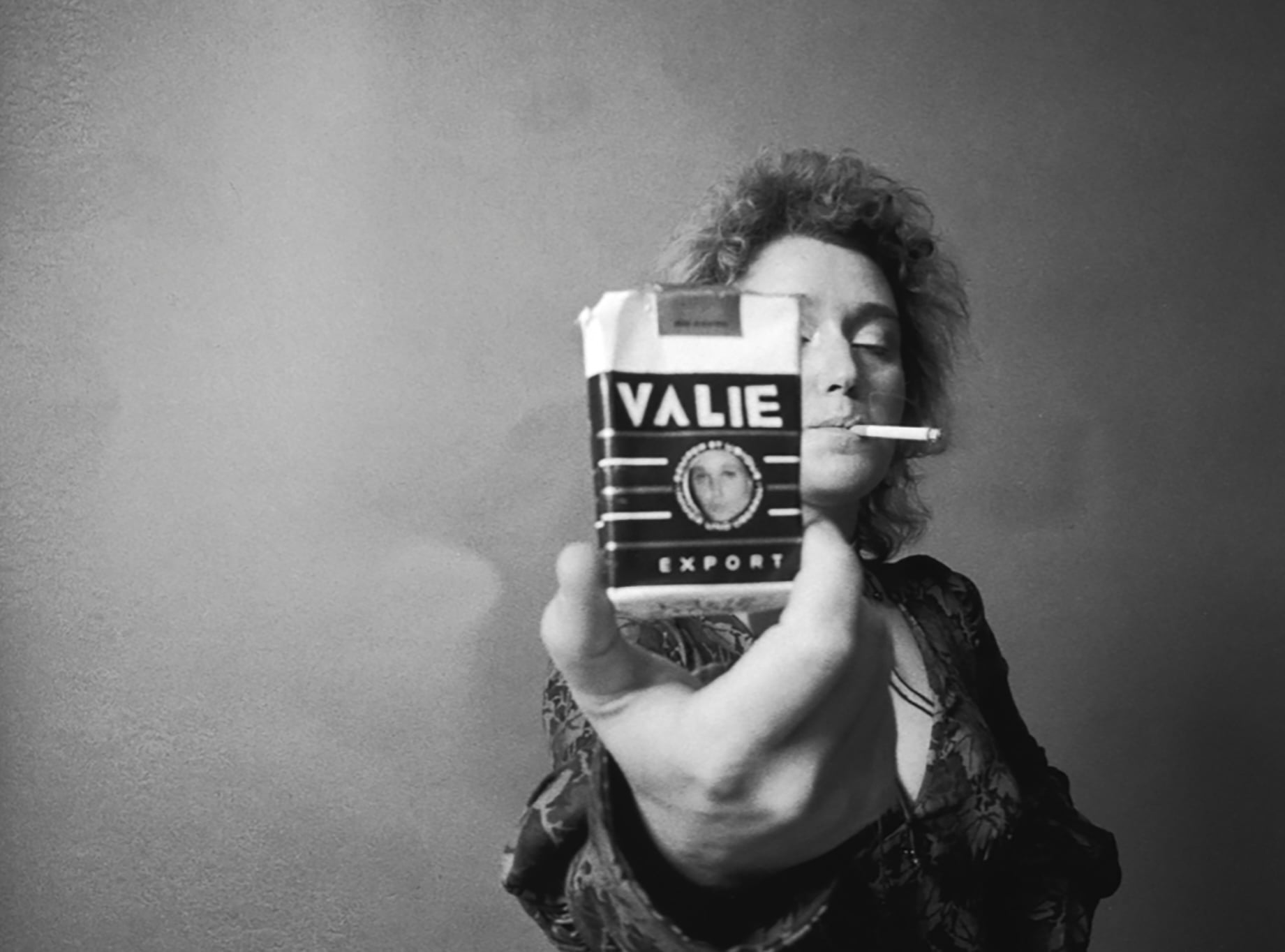
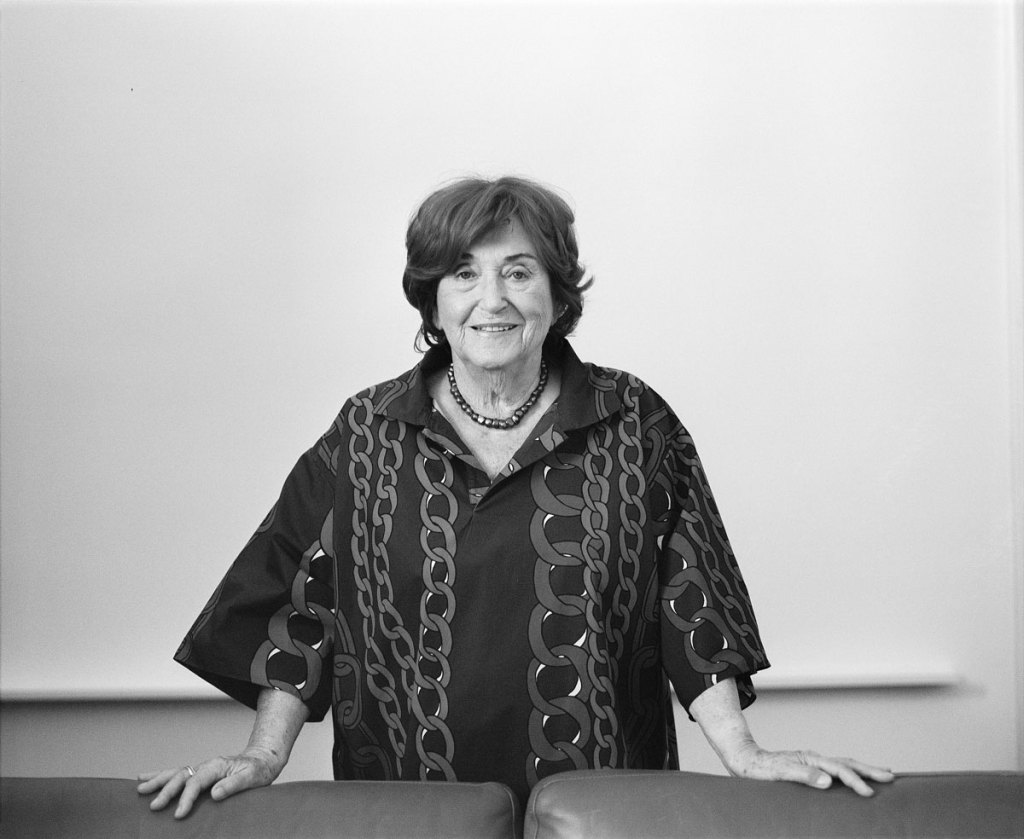
Valie Export, Groundbreaking Feminist Artist Who Questioned the Nature of Art, Dies at 85

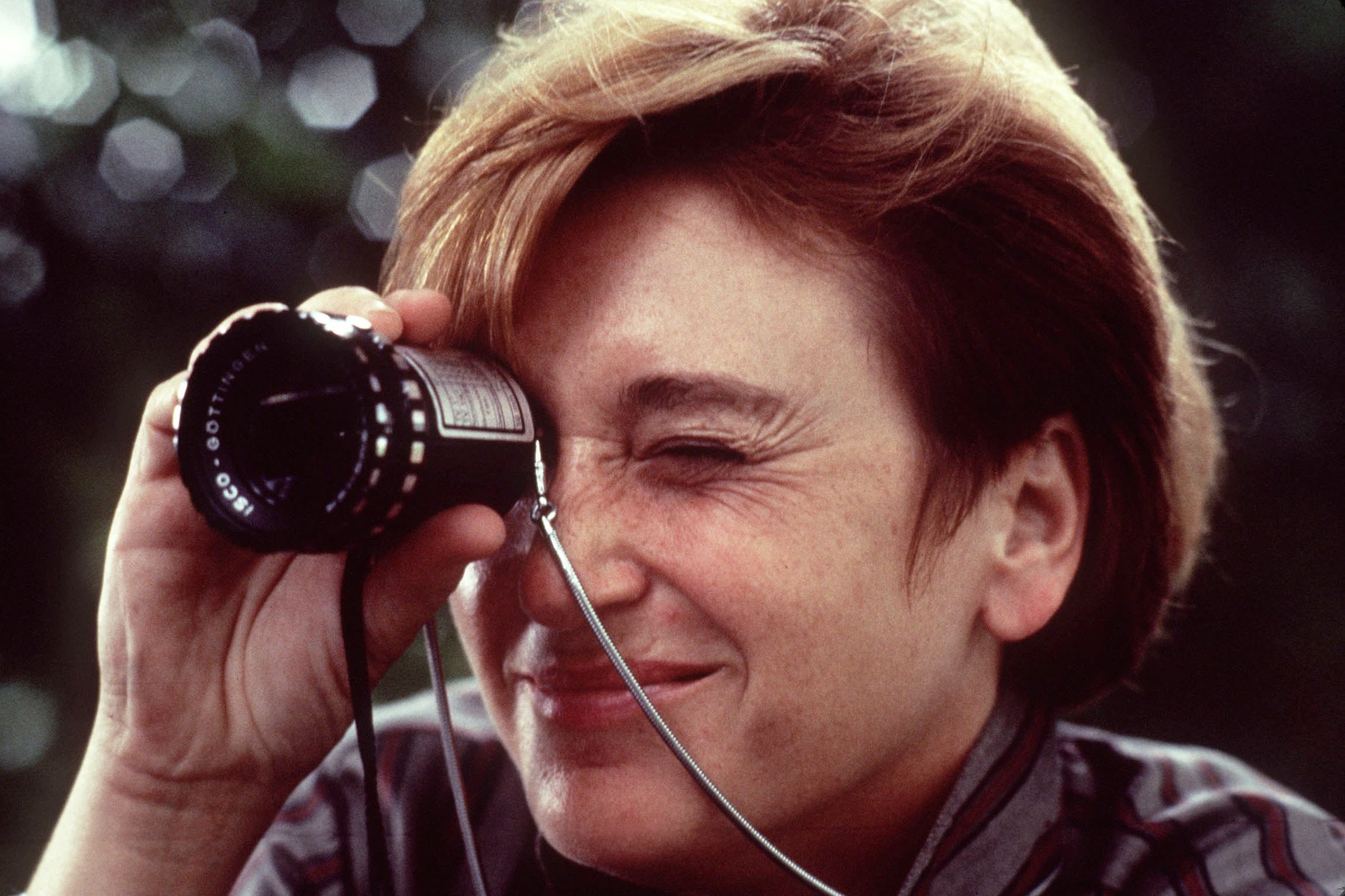
Valie Export, the pioneering Austrian feminist artist known for challenging the conventions of art and cinema through body-centered, tactile works, died on May 14 at age 85, three days before her birthday. Her death was confirmed by Thaddaeus Ropac Gallery, which represents her. Over six decades, Export created influential works such as "TAP and TOUCH CINEMA" (1968) and "Action Pants: Genital Panic" (1968), using her own body to question gender norms and the nature of film. Born Waltraud Lehner in Linz, she reinvented herself as VALIE EXPORT in 1967, a name symbolizing her exportation of personal ideas. She was associated with the Viennese Actionists but developed her own expanded cinema practice, producing works like "Abstract Film No. 1" (1967–68) that redefined the medium.
Renowned feminist artist and film-maker Valie Export dies aged 85

Valie Export, the Austrian performance artist and film-maker known for her provocative feminist works that challenged the male gaze, has died at age 85. Her foundation announced she died in Vienna on Thursday, three days before her 86th birthday. Export gained notoriety in the late 1960s for low-budget performances such as "Tapp und Tastkino" (1968), where she invited shoppers to touch her bare breasts through a tiny curtain strapped to her chest. She also co-founded the Austrian Filmmakers Cooperative, participated in documenta (1977, 2007) and the Venice Biennale (1980), and was a professor of multimedia and performance at the Academy of Media Arts in Cologne.

VALIE EXPORT, pioneering artist who centred the female body, 1940–2026

VALIE EXPORT, the pioneering Austrian feminist artist known for her provocative performances centered on the female body, has died at age 85. Born in Linz in 1940, she adopted the name VALIE EXPORT in 1967 and quickly rose to prominence with iconic actions such as *TAP and TOUCH Cinema* (1968) and *Action Pants: Genital Panic* (1968), which challenged passive representations of women. Her work spanned photography, film, and expanded cinema, and she participated in major international exhibitions including documenta 6 and 12, and the Venice Biennale, where she and Maria Lassnig became the first women to represent Austria in 1980.

5 Trends Shaping the 2026 Venice Biennale

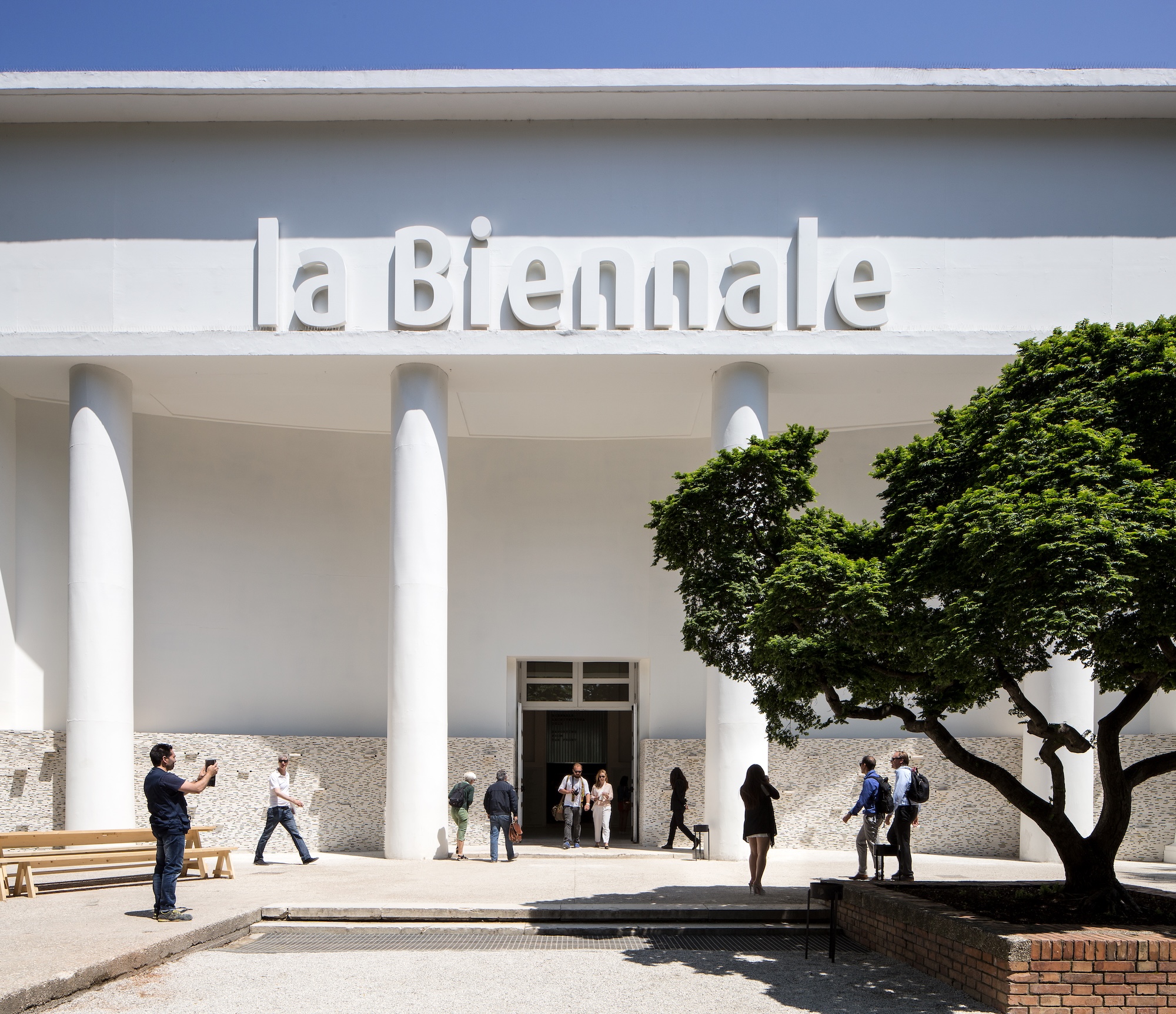
The 2026 Venice Biennale has opened to the public, featuring the main exhibition 'In Minor Keys' conceived by the late Cameroonian Swiss curator Koyo Kouoh, who died unexpectedly in May 2025. Kouoh, the first African woman appointed to lead the Biennale, had her curatorial team—including Rasha Salti, Marie Hélène Pereira, and Gabe Beckhurst Feijoo—carry forward her vision of art as a 'shared and sustaining force.' The opening was weighted with politics and emotion.

Manhattan's Neue Galerie to Merge With Met Museum

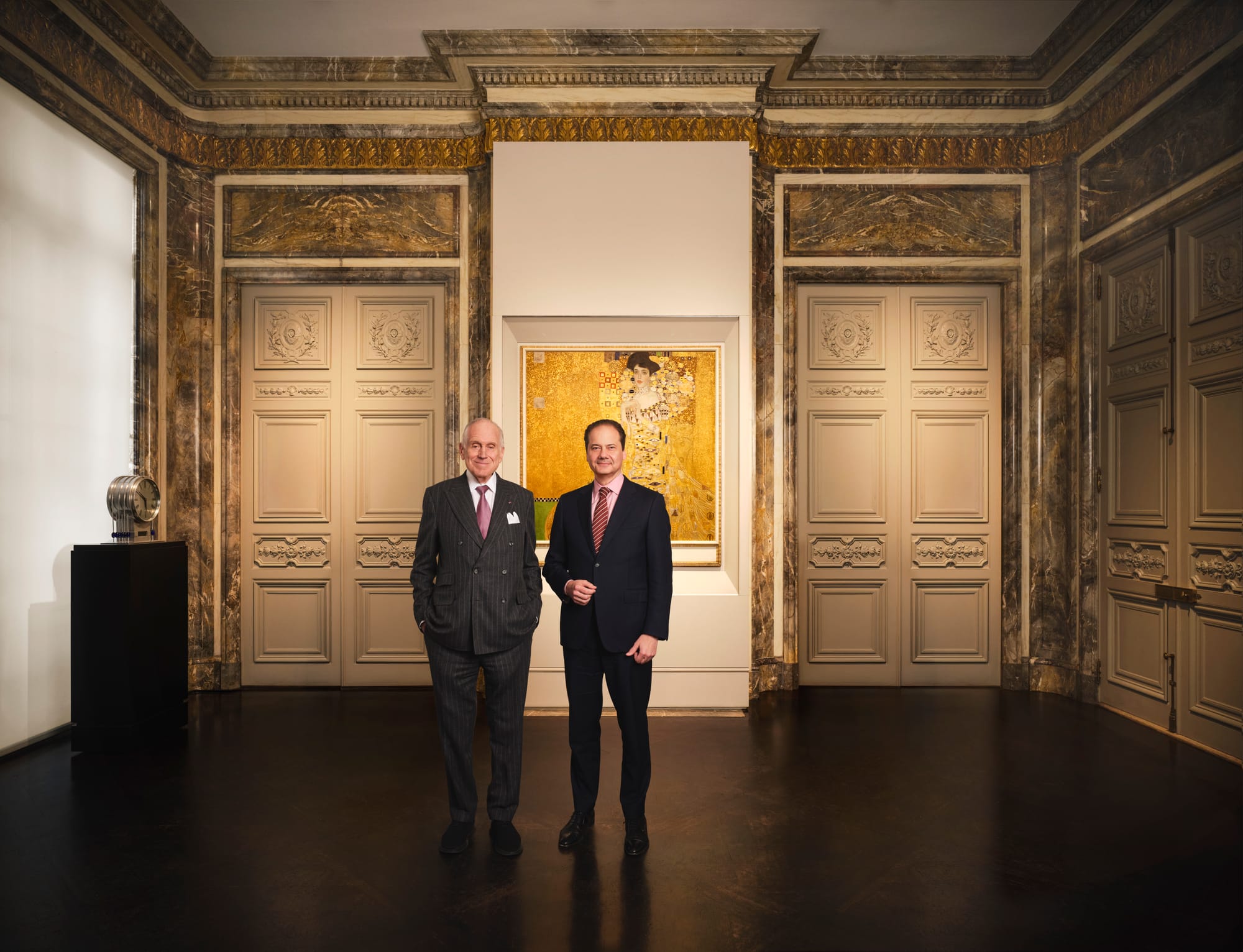
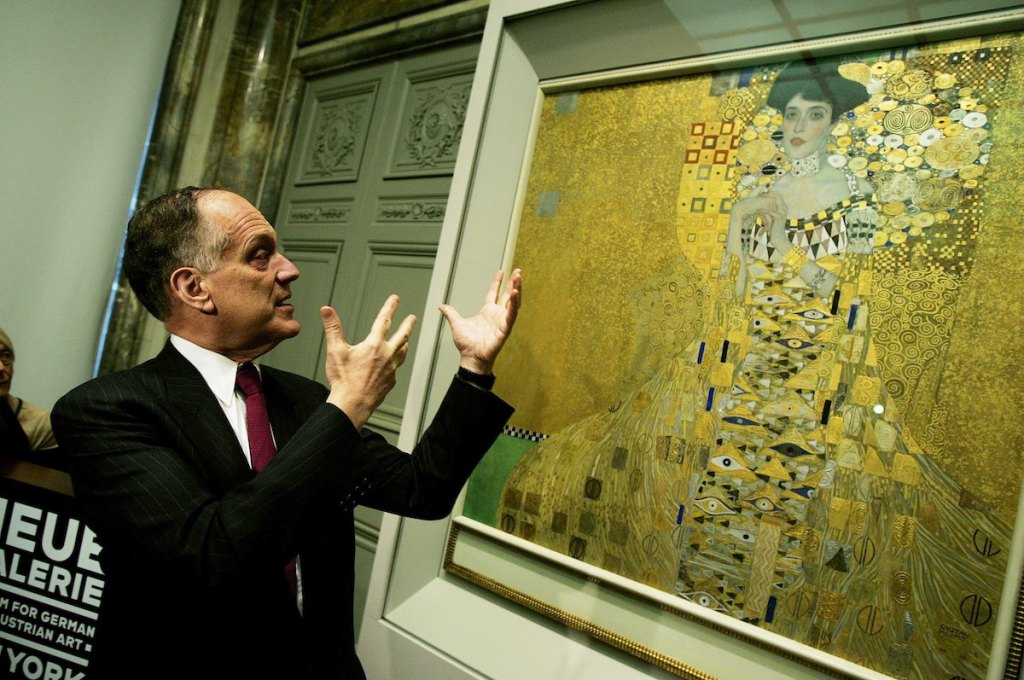
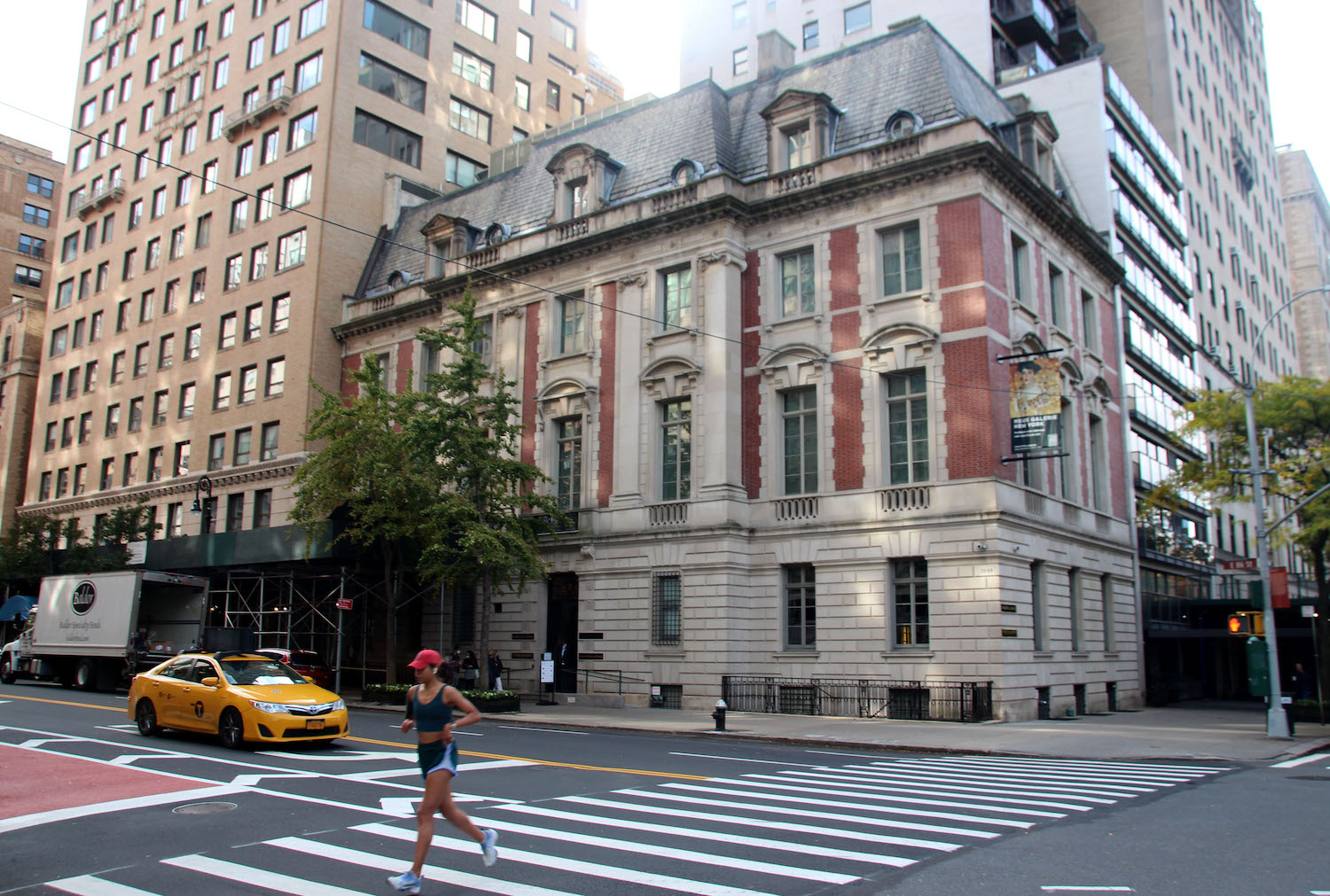
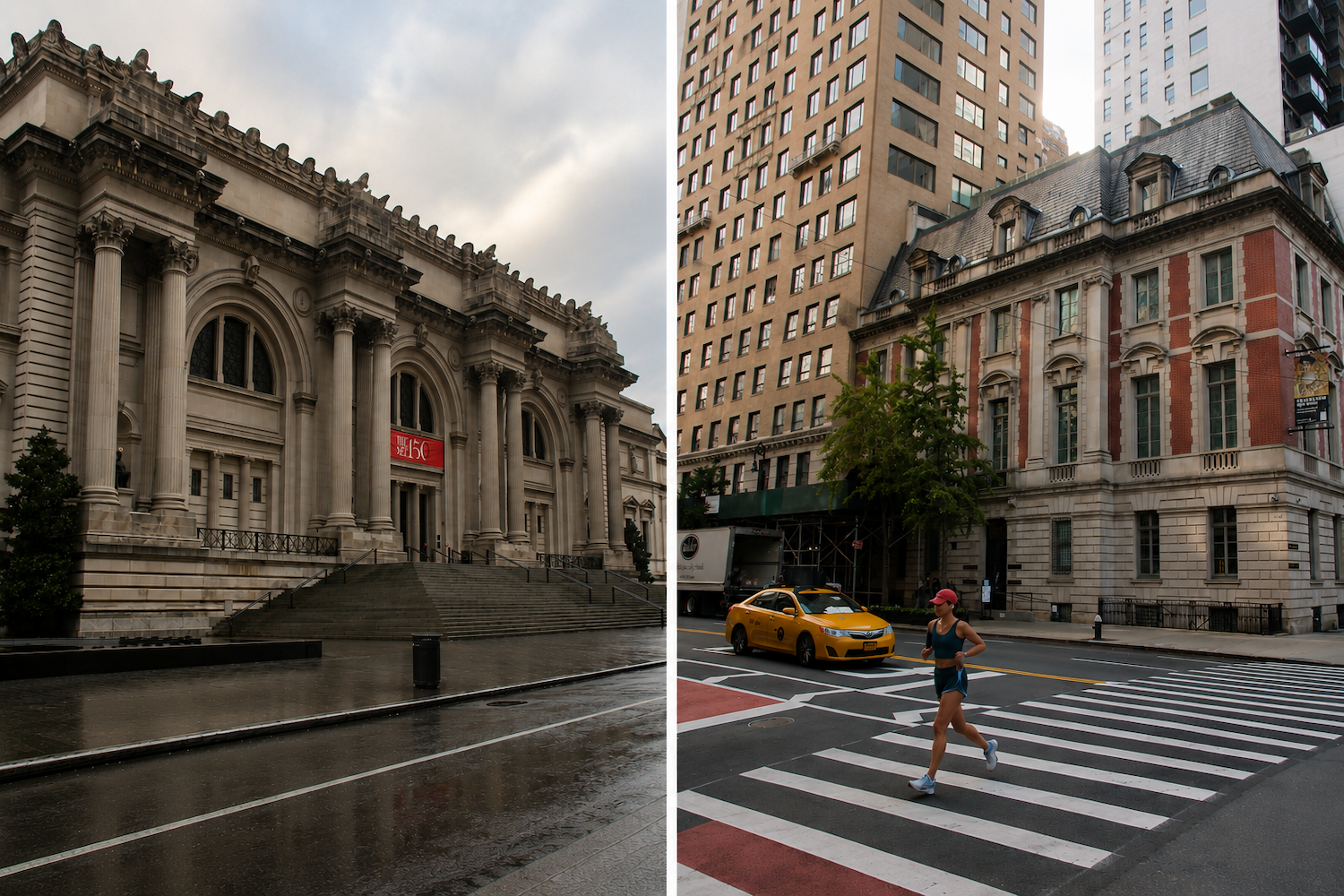
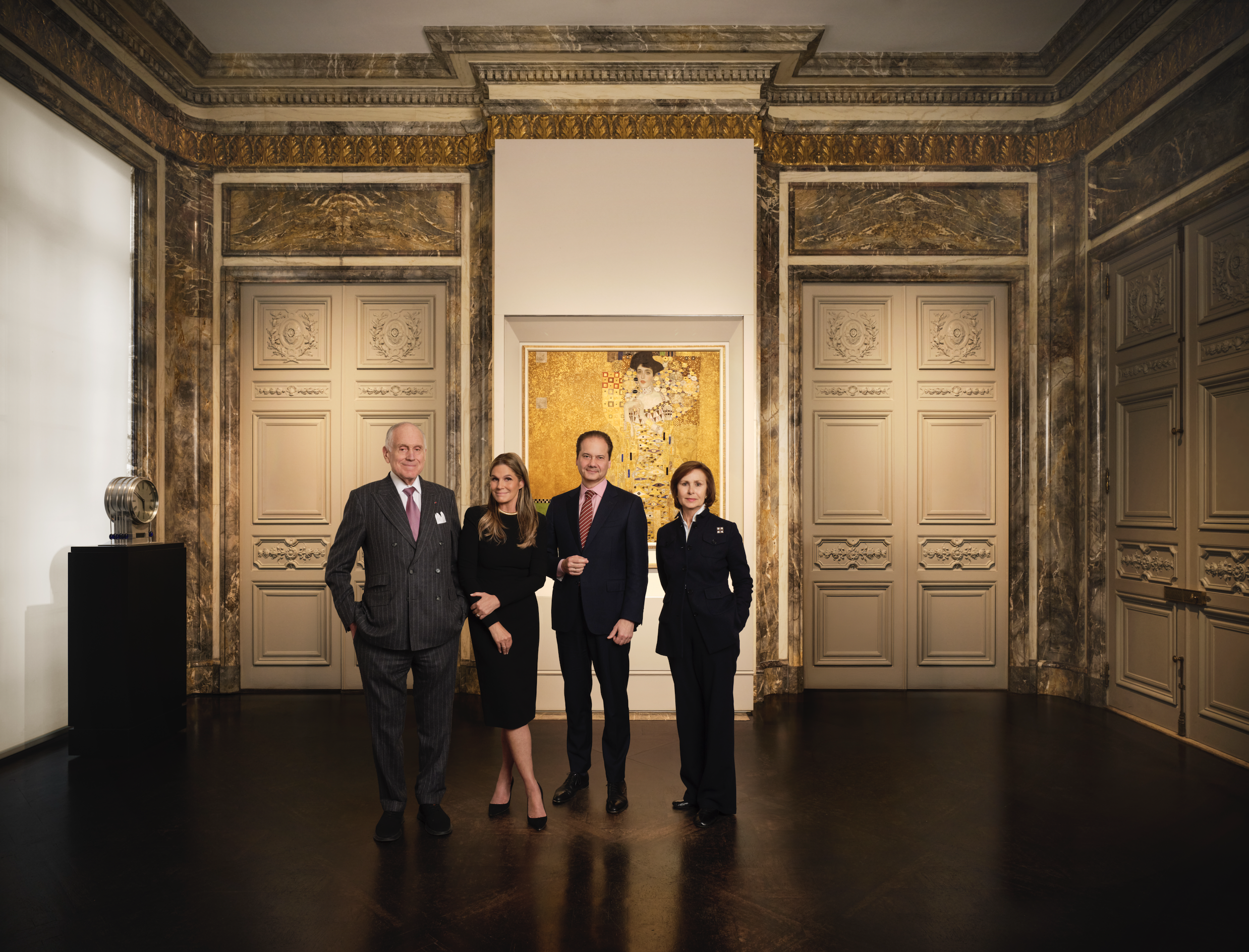
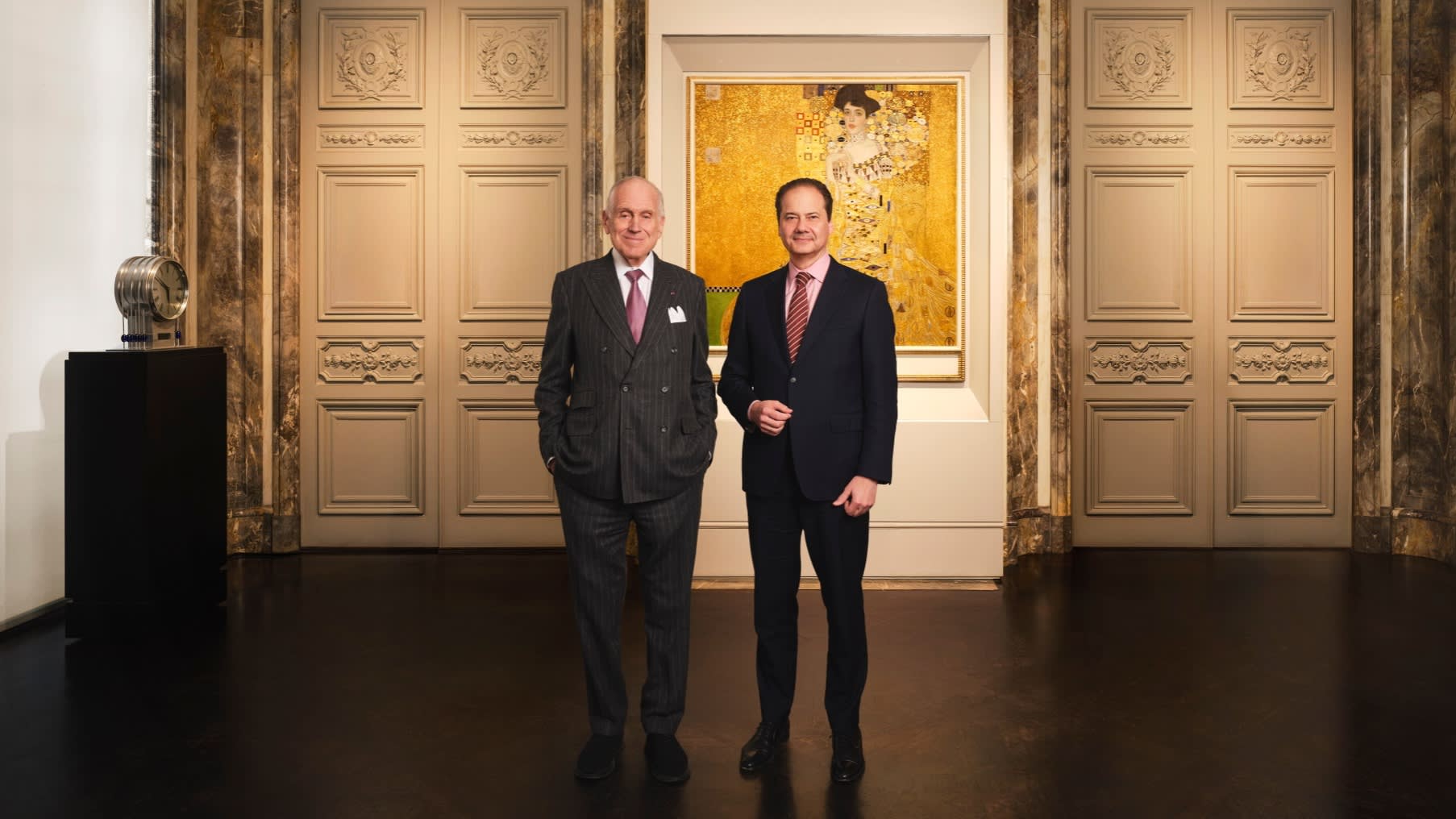
Cosmetics billionaire Ronald Lauder's Neue Galerie, a private museum on Manhattan's Fifth Avenue known for its collection of Austrian and German art, will merge with the Metropolitan Museum of Art. The merger takes effect in 2028, with the Neue Galerie retaining its physical space and staff. The announcement was made by The Met on May 14. The museum's star attraction is Gustav Klimt's "Portrait of Adele Bloch-Bauer I" (1907), and it also holds works by Egon Schiele, Oskar Kokoschka, and others. Lauder co-founded the Neue Galerie with dealer Serge Sabarsky in 2001. As part of the merger, Lauder and his daughter Aerin Lauder Zinterhofer will donate 13 additional paintings from their personal collection and make an undisclosed endowment gift.

It’s the Most Controversial Venice Biennale in Years. Can the Art Stand Up to the Noise?

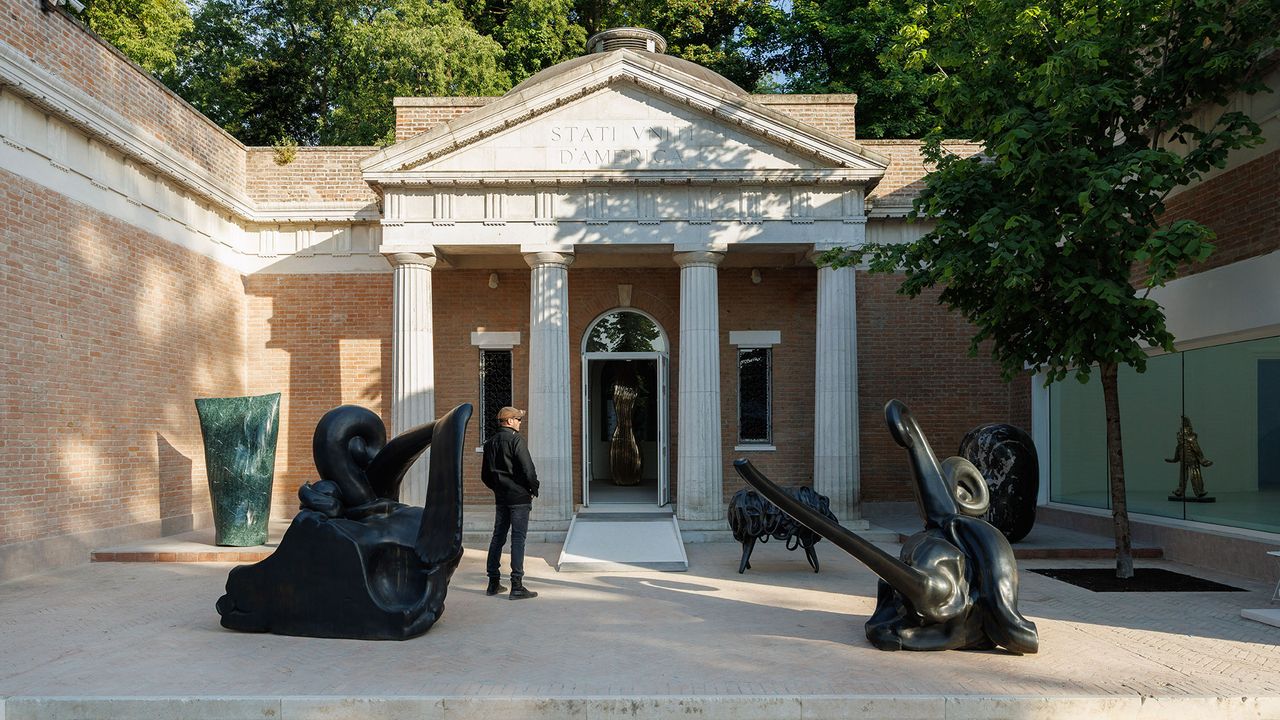
The 2026 Venice Biennale is embroiled in controversy, with the US Pavilion at the center of a political storm. The Trump administration's State Department overhauled the selection process, bypassing the usual NEA panel and commissioning a nonprofit, the American Arts Conservancy, to organize the pavilion. Artist Alma Allen, who accepted the invitation despite threats from galleries and curators, presents a show that critics find politically muted. The Biennale's jury resigned days before the opening, and annual prizes were canceled, adding to the turmoil.

New York’s Neue Galerie to Merge with Metropolitan Museum of Art in Major Expansion

The Neue Galerie, a private museum on New York's Upper East Side founded by collector Ronald S. Lauder, will merge with the Metropolitan Museum of Art in 2028. The institution will be renamed the Met Ronald S. Lauder Neue Galerie, or Met Neue for short. Lauder and his daughter Aerin Lauder Zinterhofer will contribute funds toward a $200 million endowment, along with 13 works from their collection, including a prized Gustav Klimt and paintings by German Expressionists. The Met plans to exhibit some holdings at its Fifth Avenue base, but Klimt's "Portrait of Adele Bloch-Bauer I" will remain at the townhouse.

What the Met Gains from the Neue Galerie

Was das Met mit der Neuen Galerie gewinnt

The Neue Galerie, a private museum for German and Austrian art founded by billionaire collector Ronald S. Lauder, will be integrated into the Metropolitan Museum of Art (the Met) as an auxiliary branch under the new name "The Met Ronald S. Lauder Neue Galerie." The transition, announced by founding director Renée Price, is set to be completed by 2028, with the Met assuming full operational control after a planned renovation of the historic townhouse on Fifth Avenue. The merger follows years of Lauder's stewardship and ensures the long-term future of the collection, which includes masterpieces by Gustav Klimt, Egon Schiele, Wassily Kandinsky, and Max Beckmann.

Metropolitan Museum und Neue Galerie in New York fusionieren

The Metropolitan Museum of Art and the Neue Galerie in New York are merging. Starting in 2028, the Neue Galerie will operate as a satellite of the Met, renamed "The Met Ronald S. Lauder Neue Galerie." Founded in 2001 by cosmetics entrepreneur and art collector Ronald Lauder, the Neue Galerie houses a renowned collection of German and Austrian art, including Gustav Klimt's "Adele Bloch-Bauer I." Met director Max Hollein announced the merger, which also includes a donation of 13 works from Lauder and his daughter Aerin, plus an endowment for ongoing operations.

The Met and Neue Galerie Embark on Historic Merger

The Metropolitan Museum of Art and the Neue Galerie in New York have announced a historic merger set for 2028. The Met will acquire the Neue Galerie's Beaux-Arts mansion, renaming it the Met Ronald S. Lauder Neue Galerie (or Met Neue Galerie), while preserving its museum experience. The merger comes ahead of the Neue Galerie's 25th anniversary and its renovations from May to August 2026. Founder Ronald S. Lauder will remain involved, and the Met will supplement the Neue Galerie's programs, research, and digital initiatives. Major fundraising is underway, with the endowment target of $200 million already 80 percent met, supported by Lauder, his daughter Aerin Lauder Zinterhofer, and trustee Marina Kellen French.

Female nudity and art that stinks: key takeaways from Venice Biennale 2026

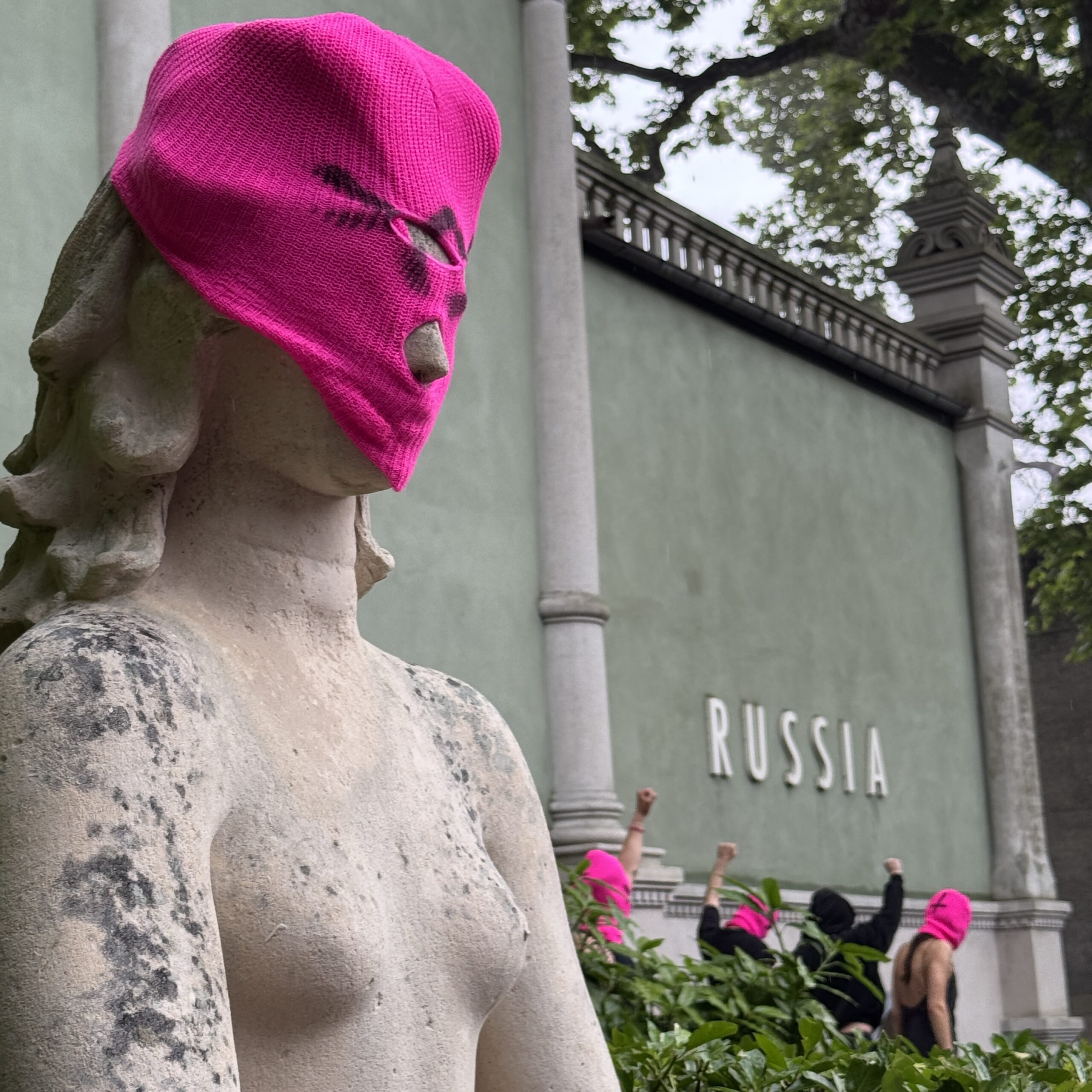
The 2026 Venice Biennale opened with 99 participating countries, including first-timers Somalia and Qatar, under the shadow of curator Koyo Kouoh's death. Her planned theme of "enhancement" and the main show "In Minor Keys" were disrupted by political protests: Pussy Riot objected to Russia's inclusion, and a strike against Israel's participation forced several national pavilions (UK, Austria, France) to close. Key takeaways include pervasive female nudity across pavilions, debates over Russia's presence, criticism of the US pavilion's lackluster art, maritime themes dominating several shows, and the rise of olfactory art.

A Time of Transition

During the preview week of the 61st Venice Biennale, escalating protests targeted the national pavilions of Israel and Russia, with demonstrations by Pussy Riot, ANGA (Art Not Genocide Alliance), and Baltic pavilions. A major protest on May 8 drew over 3,000 people in solidarity with Palestine, and 27 national pavilions—including Austria, the Netherlands, France, and Japan—staged a strike, the first at the Biennale since 1968. The Golden Lion jury resigned after declaring they would not consider countries under ICC investigation (Israel and Russia), and the Biennale administration replaced the prize with a visitors' award, from which half the artists in the main exhibition have withdrawn.

The Metropolitan Museum of Art and the Ronald S. Lauder Neue Galerie New York Announce Plans for a Landmark Merger

The Metropolitan Museum of Art and the Ronald S. Lauder Neue Galerie New York have announced a landmark merger agreement, set to take effect in 2028. The merger will unite the Neue Galerie's collection of 20th-century Austrian and German art—including Gustav Klimt's *Portrait of Adele Bloch-Bauer I*—with The Met, while preserving the Neue Galerie's distinct museum experience. Ronald S. Lauder and his daughter Aerin Lauder Zinterhofer plan to donate 13 additional paintings from their personal collection, and several Met trustees have pledged significant endowment gifts to support the integration and long-term operations.

Review: The Good, The Bad and The Venice Biennale

The article reviews the 2024 Venice Biennale, focusing on controversies over Russia's and Israel's participation. Protests erupted during opening week, leading the EU to cut funding and the International Jury to resign. As a result, awards like the Golden Lion and Silver Lion will be decided by public vote, with many pavilions and artists withdrawing in protest. The main exhibition, curated under the theme 'Minor Keys,' features standout works by Alfredo Jaar and Carrie Schneider, alongside national pavilions like Austria's provocative entry by Florentina Holzinger.

Numerous Venice Biennale Pavilions and Artists Go on Strike in Protest over Israel’s Participation

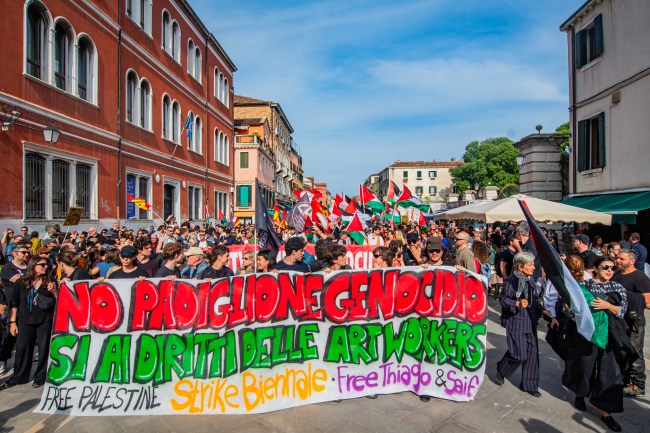
Thousands of protesters marched through Venice on the eve of the Venice Biennale's public opening, organized by Art Not Genocide Alliance (ANGA), to demand Israel's exclusion from the event. At least 18 national pavilions—including Austria, Belgium, France, Great Britain, and Ukraine—participated in a 24-hour strike, shutting down completely or partially. Protesters chanted slogans, waved Palestinian flags, and carried banners reading "no genocide pavilions," while ANGA released a statement with 236 signatories calling for Israel's removal, citing the humanitarian crisis in Gaza.

Valie Export ist tot

Valie Export, the pioneering Austrian media and performance artist, has died at age 85 in Vienna. Born Waltraud Lehner in Linz in 1940, she adopted the name Valie Export in the late 1960s, derived from a cigarette brand, and became internationally known for provocative works such as "Tapp- und Tastkino" (1968) and "Aktionshose: Genitalpanik." Her practice critically examined gender roles, power structures, and the representation of the female body through film, video, photography, and performance. She participated in major exhibitions including Documenta, the Centre Pompidou, and the Museum of Modern Art, and represented Austria at the Venice Biennale in 1980 alongside Maria Lassnig. She also taught as a professor of media and performance art in Berlin and Cologne, and the VALIE EXPORT Center opened in Linz in 2017.

Best in Show: 6 Standouts at the 2026 Venice Biennale

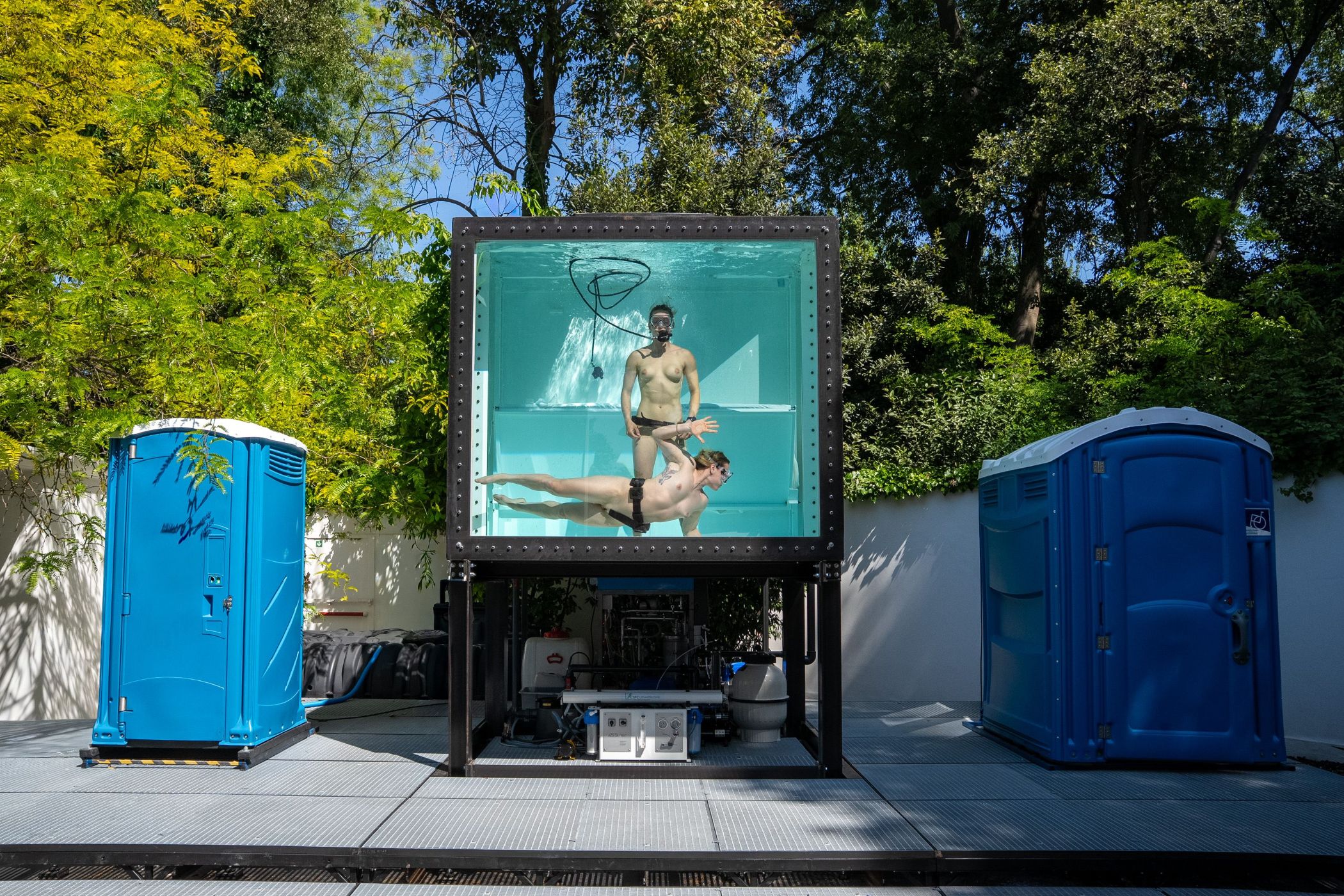
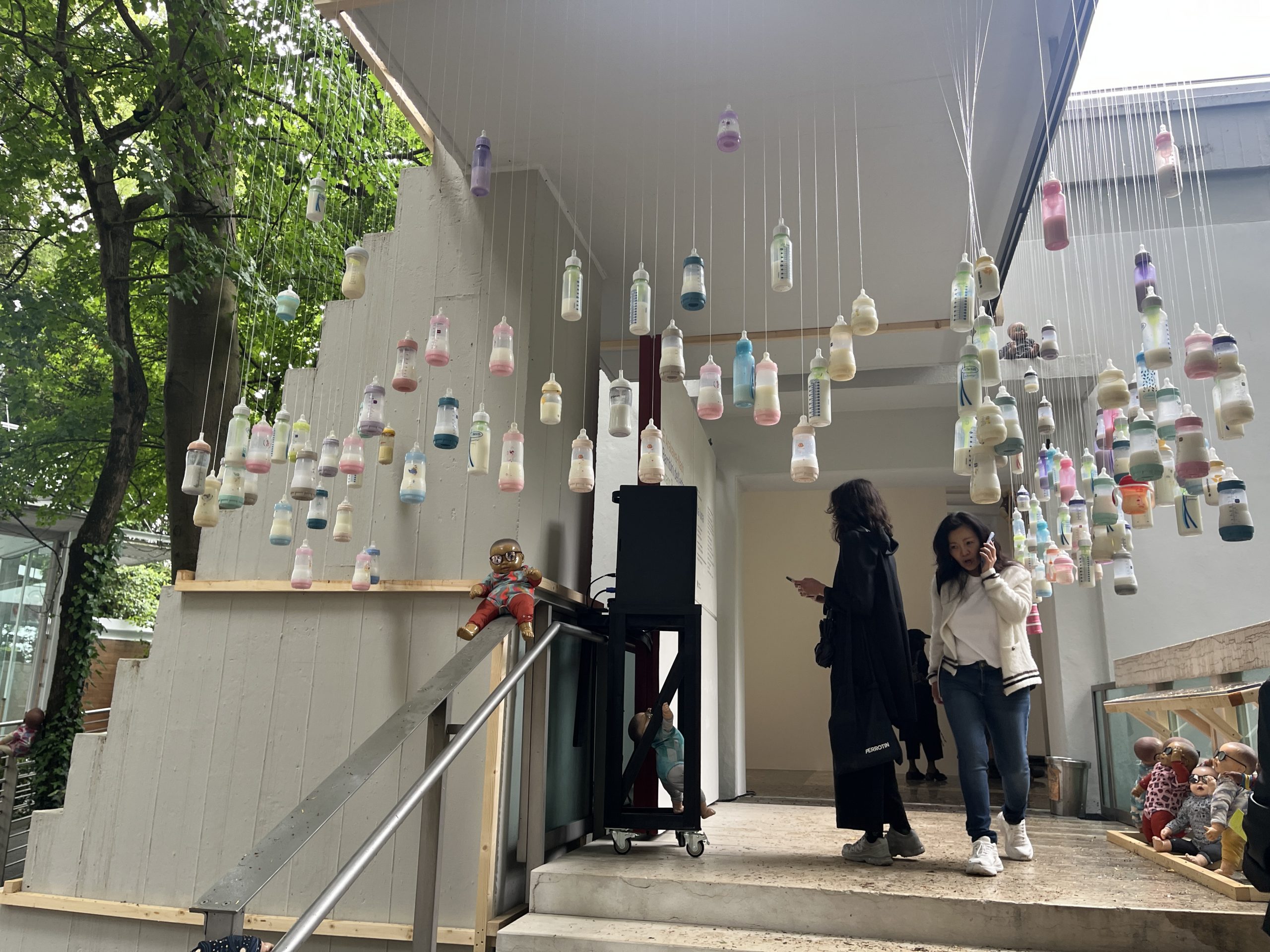
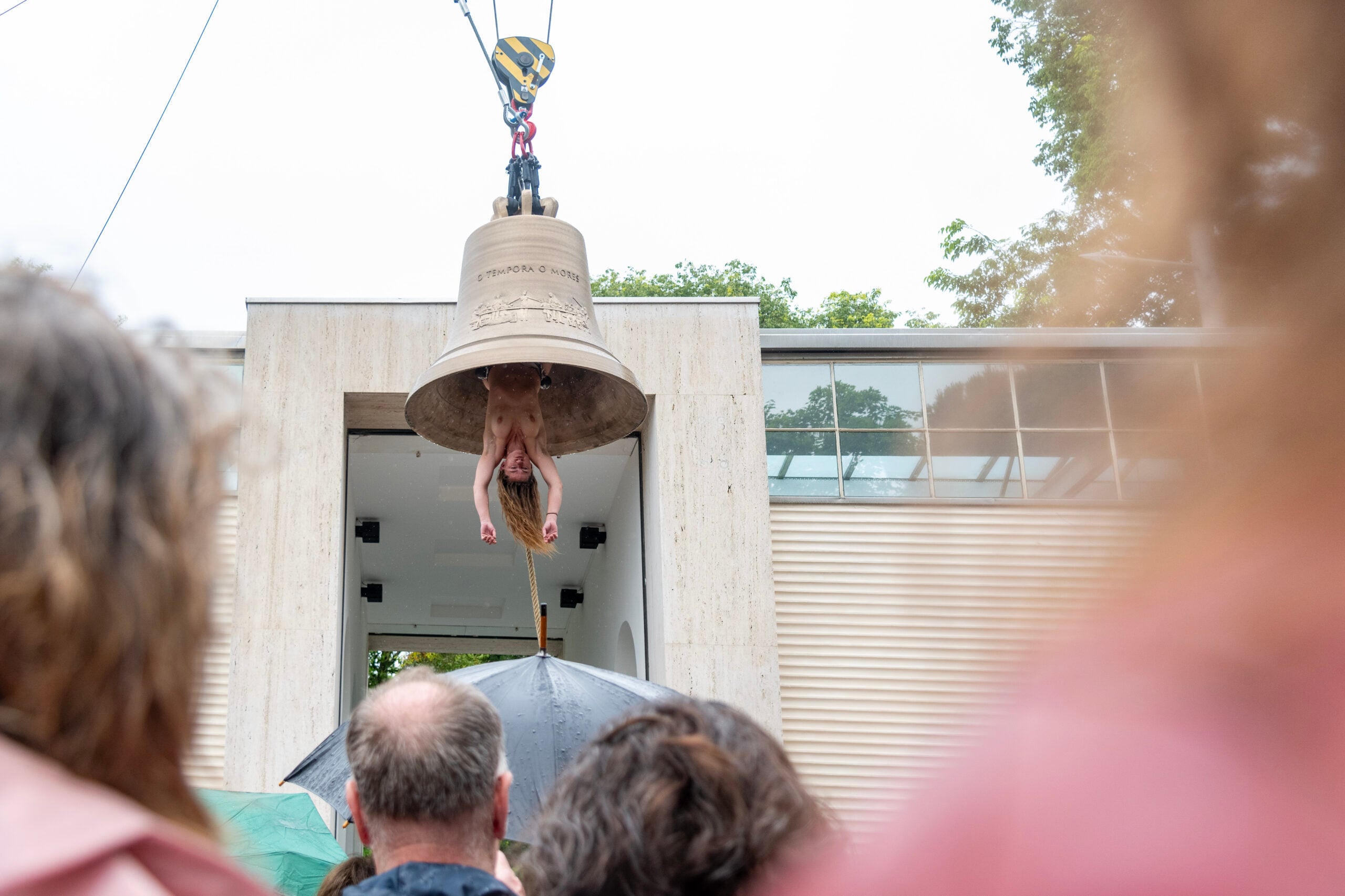
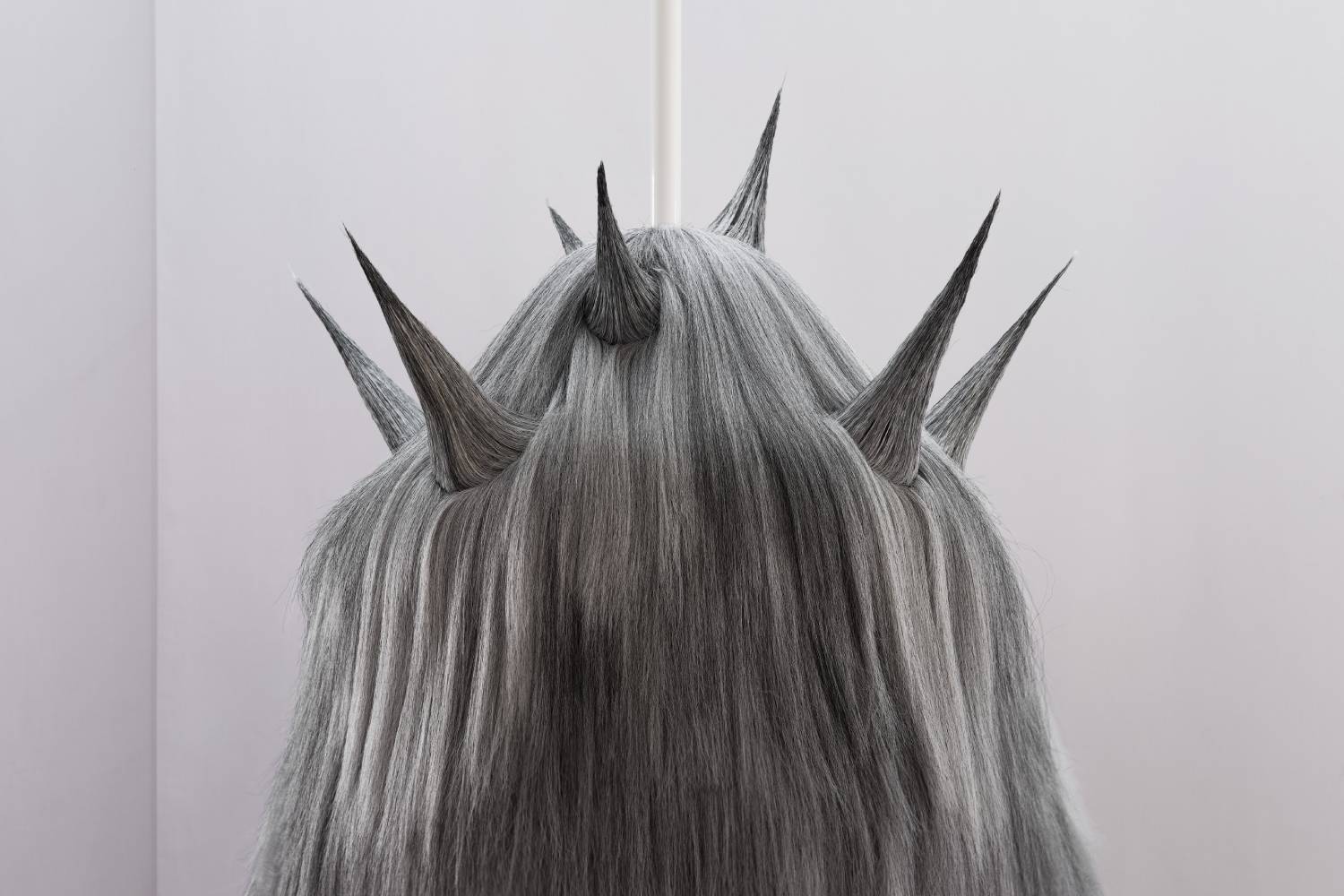
Artnet News writers highlight six standout exhibitions at the 2026 Venice Biennale, which opens to the public on May 9. Among the picks are Ei Arakawa-Nash's interactive installation "Grass Babies, Moon Babies" at the Japan Pavilion, featuring baby dolls and diaper-changing stations; Florentina Holzinger's provocative performance "Seaworld Venice" at the Austria Pavilion, involving nude performers, jet skis, and recycled wastewater; and Dayanita Singh's photographic exhibition "Archivio" at the State Archives of Venice, presenting intimate black-and-white images arranged as freestanding columns.

Venice Biennale 2026 Collateral Events Six Of The Best – Nico Kos Earle

The 61st Venice Biennale is described as the most contested and chaotic in recent history, marked by the absence of a curator following the death of Koyo Kouoh and overshadowed by global conflicts that made presentations in national pavilions fraught with difficulty. Amid this turmoil, standout collateral events include Michael Armitage's exhibition 'The Promise of Change' at Palazzo Grassi, curated by Jean-Marie Gallais and Hans-Ulrich Obrist, which uses softly painted scenes to address sociopolitical tensions and post-colonial identity. Another highlight is The Holy See Pavilion, curated by Hans Ulrich Obrist and Ben Vickers, featuring a sonic prayer by Soundwalk Collective with contributions from contemporary composers including Patti Smith.

VALIE EXPORT, icon of feminist art who placed the body at the center of her research, has died

È morta VALIE EXPORT, icona dell’arte femminista che ha messo il corpo al centro della sua ricerca

VALIE EXPORT, the Austrian artist and feminist icon known for using her body as a political and artistic tool, has died in Vienna at age 85. Born in Linz in 1940, she changed her name in 1967 and became a pioneer of performance, film, and media art, creating provocative works such as "Tapp-und Tastkino" (1968), where she turned her body into a touchable cinema screen, and "Aktionshose: Genitalpanik" (1969). Her career spanned over six decades, and she taught at institutions including the University of Wisconsin and the Berlin University of the Arts. In 2023, the Albertina Museum in Vienna held a major retrospective of her work.

The best and worst we saw at the Venice Art Biennale 2026. Artribune's hits and flops

Il meglio e il peggio che abbiamo visto alla Biennale d’Arte di Venezia 2026. Top e flop di Artribune

The 61st Venice Biennale, titled "In Minor Keys" and directed by Koyo Kouoh, opened amid significant turmoil: the death of a newly appointed curator, diplomatic tensions over the presence of Russia and Israel, political protests, and the unprecedented collective resignation of the jury, which led to the Golden Lions being awarded by public vote for the first time. Despite this chaotic backdrop, the exhibition—featuring a record 100 national pavilions—has been widely praised for avoiding moralistic pedagogy and instead embracing visual seduction, formal quality, and sensory joy while addressing themes of identity, memory, colonialism, ecological crisis, and violence. The article highlights top and flop moments from the opening week, including strong showings by Biennale president Pietrangelo Buttafuoco and a standout exhibition at Fondazione Prada.

Michael Garner Explores Truth, Systems & Constructed Reality

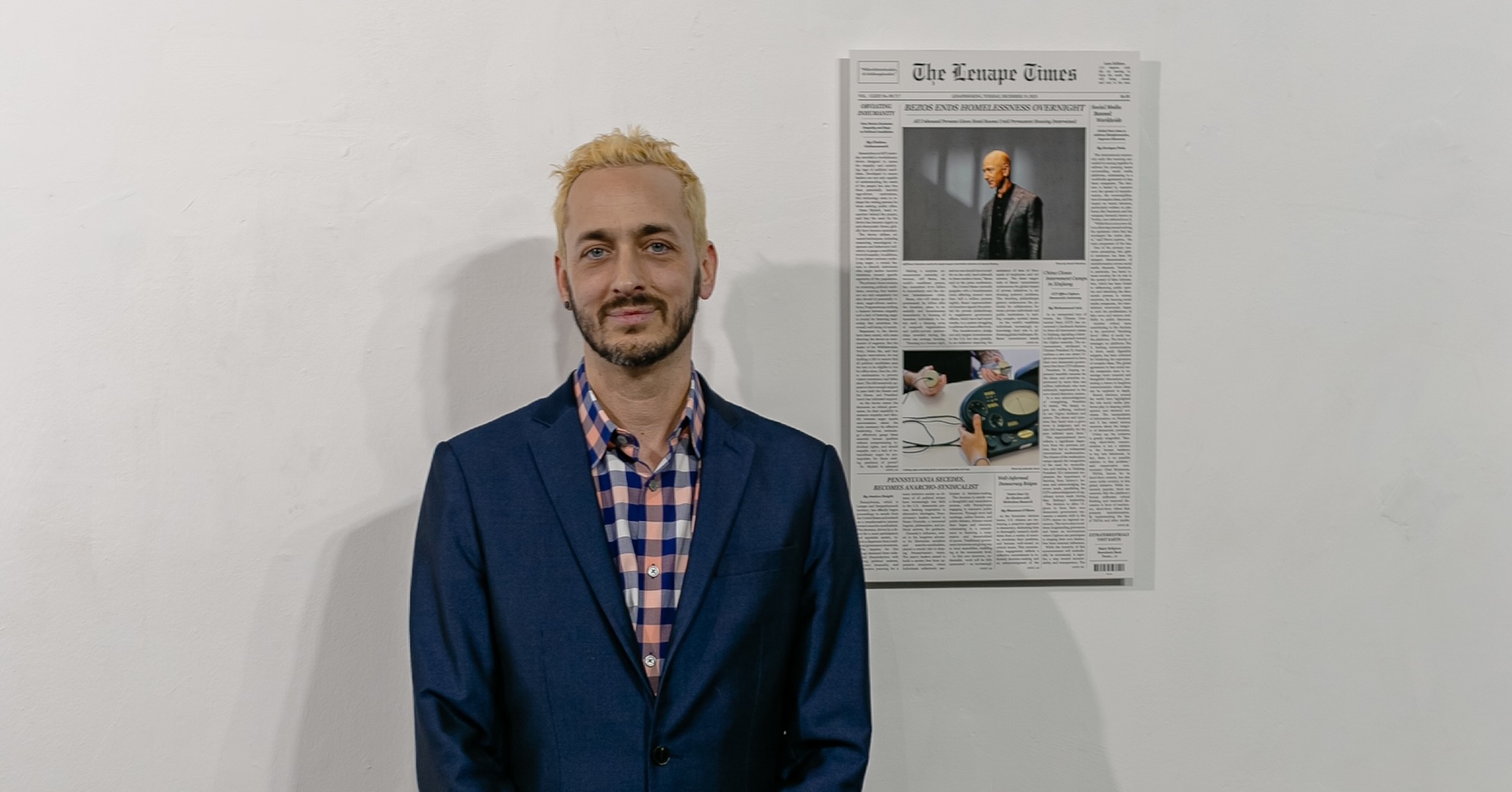
Michael Garner, an artist with a background spanning social science and intelligence work, creates immersive works that blend science, espionage, philosophy, and absurdity. His recent exhibitions include a show at the Bomb Factory Art Foundation featuring a vending machine dispensing mock classified information, and a presentation at the Austrian Cultural Forum London exploring his newly acquired Austrian citizenship through neural pathway paintings in the colors of the Austrian flag.

What not to miss at the 2026 Venice Biennale

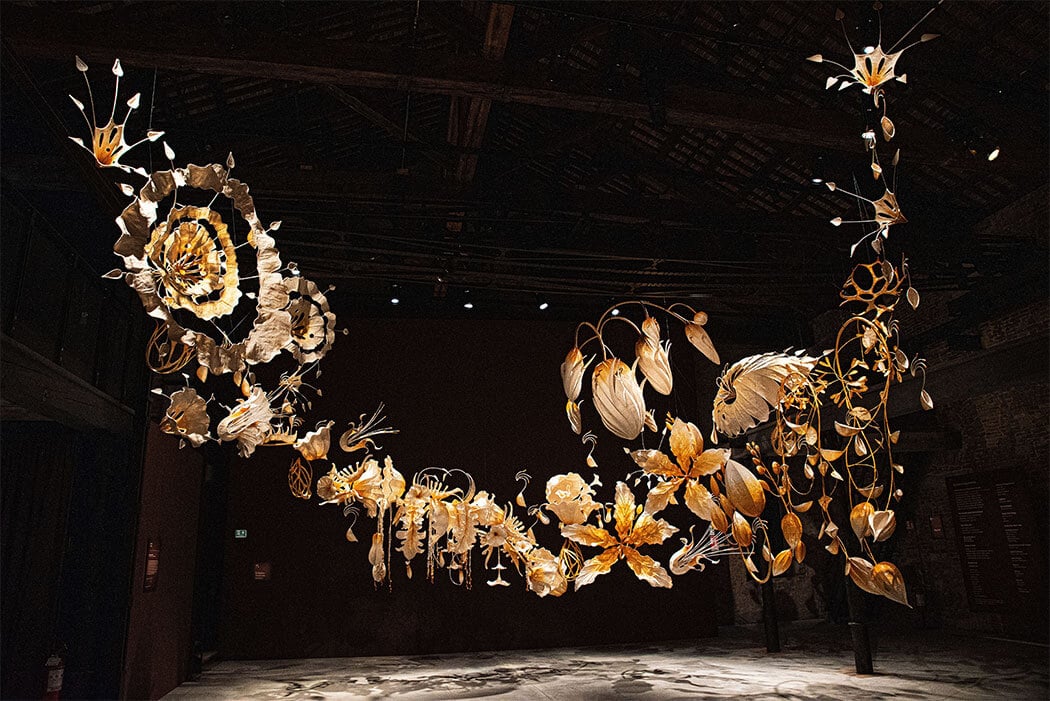
The article highlights five standout pavilions and installations at the 2026 Venice Biennale. Florentina Holzinger's Austrian pavilion features extreme, nude performances including a woman submerged in a urine-purified tank, drawing police attention. Sanya Kantarovsky presents eerie paintings and a Murano glass sculpture in a historic palazzo. Gabrielle Goliath's 'Elegy'—a hypnotic mourning performance for women killed in violence—was banned by South Africa but staged with London's Ibraaz. Carrie Schneider's 1.5km photographic curl in the Arsenale references Chris Marker's 'La Jetée'. Lydia Ourahmane's delicate sculptural show uses materials sourced from Venice, including a bead curtain made by inmates.

Several Venice Biennale pavilions shut in protest over inclusion of Israel

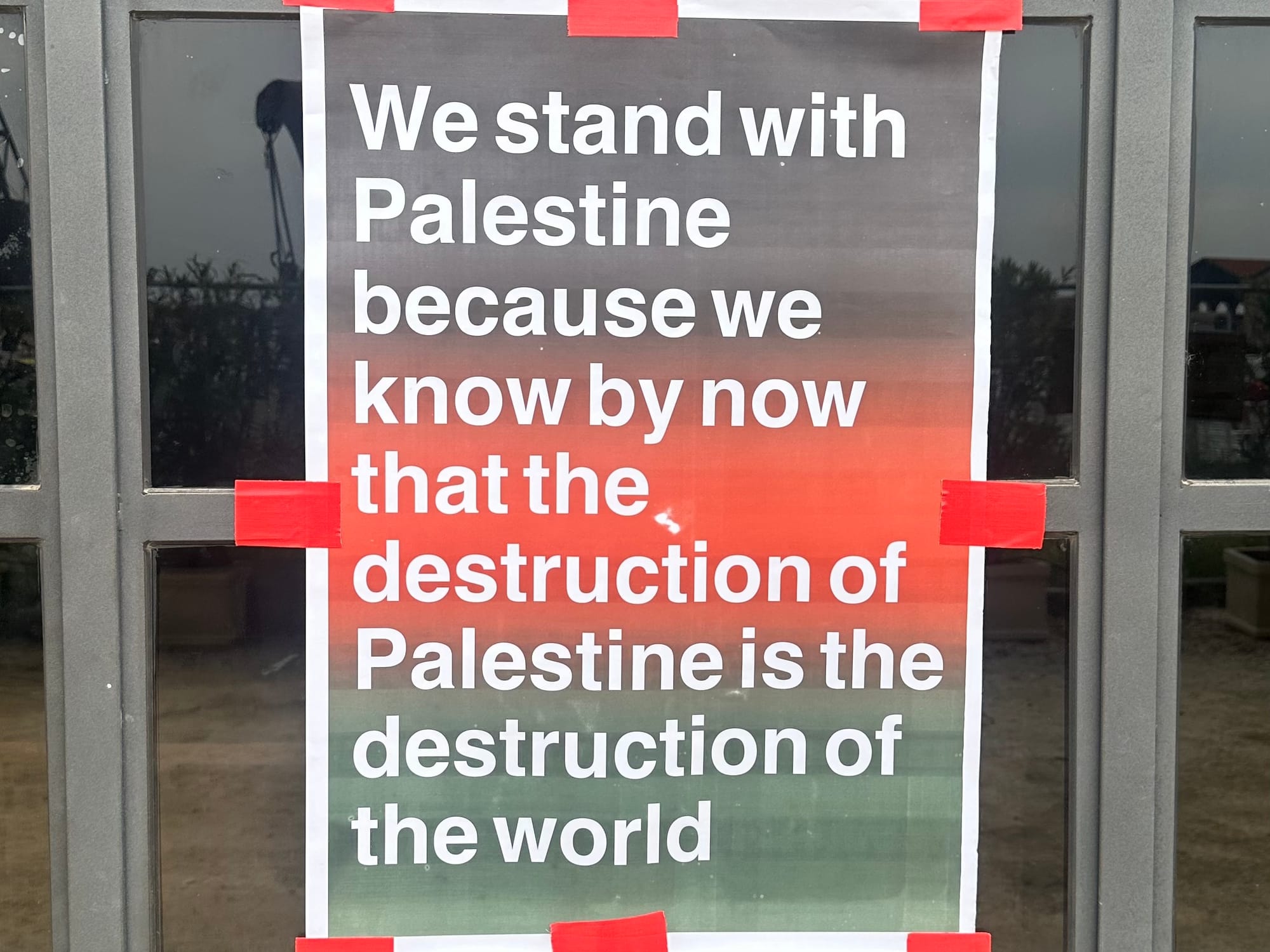
Several national pavilions at the 2026 Venice Biennale shut down during the final preview day in a strike organized by the Art Not Genocide Alliance (Anga) protesting Israel's inclusion due to its war in Gaza. Pavilions from Belgium, the Netherlands, Austria, Japan, Macedonia, and Korea closed entirely, while others like Britain, Spain, France, Egypt, Finland, and Luxembourg partially closed or reopened later. Artists in the main exhibition added Palestinian flags and posters reading "Palestine is the future of the world." The Israeli pavilion was closed for a private event, and earlier in the week Pussy Riot staged a protest at the Russian pavilion.

Strike Rocks Venice Biennale Ahead of Public Opening as Pavilions Close

Thousands of protesters marched through Venice to demonstrate against Israel's presence at the Venice Biennale, leading many national pavilions to close in solidarity. Pavilions from Austria, Belgium, Egypt, Japan, the Netherlands, South Korea, and over a dozen other countries shut fully or partially, with some displaying signs reading "We Stand with Palestine." The Israeli pavilion remained closed for its exhibition opening, and armed police clashed with protesters. The main exhibition, curated by Koyo Kouoh, stayed open initially but the Arsenale closed by late afternoon with riot police outside. The 24-hour strike, organized by Art Not Genocide Alliance (ANGA) and Italian activist groups, was described as the largest protest in Biennale history.

Lauder heir hands gallery and $135mn Klimt to New York’s Metropolitan Museum

The Metropolitan Museum of Art in New York has received a major donation from the Lauder family: a historic townhouse gallery on the Upper East Side and Gustav Klimt's 1907 portrait "Adele Bloch-Bauer II," valued at $135 million. The gift comes from the estate of Estée Lauder heir Ronald S. Lauder, a longtime museum trustee and collector, and includes the former Neue Galerie building at 1048 Fifth Avenue, which will be renovated to expand the Met's modern and contemporary art exhibition space.

72 Hours in Venice: Palazzos, Protests, and a Biennale on the Brink

The article recounts a journalist's 72-hour visit to the Venice Biennale, beginning with a protest by Pussy Riot and Femen at the Russian Pavilion. The action features pink smoke, chants of "Blood is Russia's art," and a guerrilla performance of the song "Disobey," set against a backdrop of internal Biennale strife—including juror resignations over countries whose leaders face ICC arrest warrants (Netanyahu and Putin). The narrative also notes the presence of alt-right figures like Ryan Coyne and sculptor Alma Allen's troubled U.S. pavilion representation.

The Many Sheddings of Valie Export

Die vielen Häutungen der Valie Export

Valie Export, the Austrian media and performance artist known for using her body as a site of social critique, has died at age 85 in Vienna. Her final works include a black-and-white photo series of her forearm resting on a stone snake sculpture at the University of Vienna, exploring themes of skin, transformation, and mimesis. From the 1970s onward, she created iconic "Body Configurations" in which she placed her body on streets and against buildings along Vienna's Ringstrasse, tracing architectural forms to expose institutional power and patriarchal authority.

Venice Biennale 2026: The Pavilions Not to Be Missed

Biennale de Venise 2026 : les pavillons à ne surtout pas manquer

The 61st Venice Biennale, curated by Koyo Kouoh as an invitation to slow down and reconnect with emotions, features a constellation of contemplative and powerful proposals across the city. Notable national pavilions include the Holy See transforming a monastic garden into an immersive sound experience by Soundwalk Collective, Canada exploring colonial heritage through giant water lilies by Abbas Akhavan, and Austria electrifying the Giardini with radical performances by Florentina Holzinger. Other highlights include Spain dissecting collective memory through postcards, Poland imagining new forms of language between human and underwater worlds, and India's pavilion exploring notions of home.

Dozens of Pavilions Close During Strike at 61st Venice Biennale

On May 8, 2026, a 24-hour strike organized by the Art Not Genocide Alliance (ANGA) and several Italian activist groups brought the 61st Venice Biennale to a standstill. Approximately 27 of the 100 national pavilions closed fully or partially in solidarity with protesters demanding Israel’s exclusion from the event, including those of Austria, Belgium, France, Great Britain, Japan, South Korea, and Ukraine. Over 3,500 people marched through Venice, with speakers including artist Gabrielle Goliath and curator Caroline Dumalin. The main exhibition, "In Minor Keys," curated by the late Koyo Kouoh, closed by late afternoon, and riot police were stationed outside the Arsenale. The Israeli pavilion, already shuttered during previews, remained closed.

The Met Will Expand by Merging With the Nearby Neue Galerie

The Metropolitan Museum of Art will acquire the Neue Galerie's Fifth Avenue building and its collection of 20th-century Austrian and German art, starting in 2028. The collection was built by cosmetics magnate Ronald S. Lauder, who founded the Neue Galerie in 2001.