filter_list Showing 8 results for "Excavation" close Clear
dashboard All 8 article news 7museum exhibitions 1
date_range Range Today This Week This Month All
Subscribe

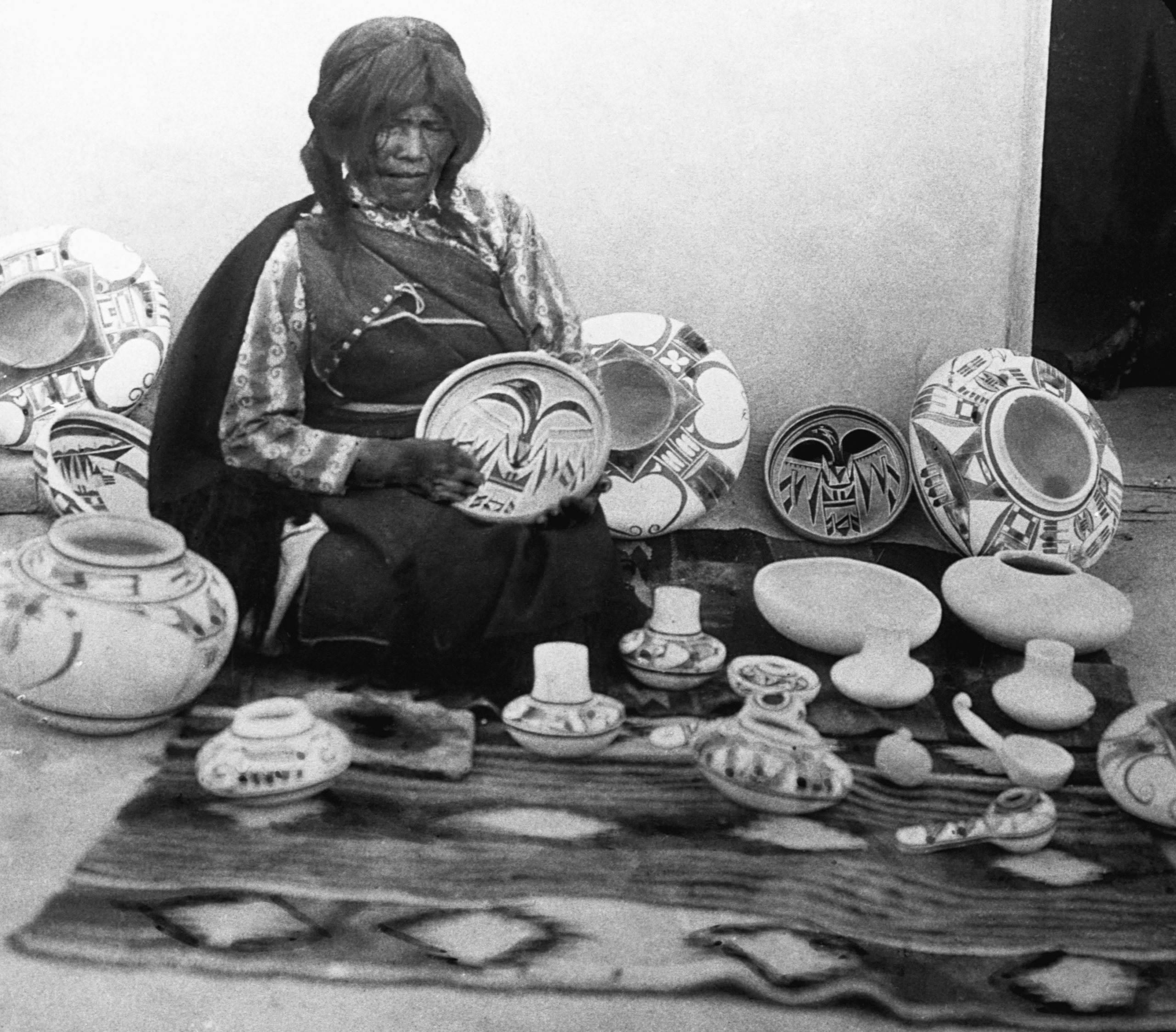
How a Hopi Potter Named Nampeyo Became a 19th-Century Art Star

The Hopi-Tewa artist Nampeyo (1859–1942) is being celebrated as a foundational figure in modern ceramics for her role in the Sikyátki Revival. By studying ancestral pottery shards from archaeological excavations, Nampeyo revitalized centuries-old techniques and motifs, transforming Pueblo pottery into a globally recognized art form. Her career spanned from selling works at regional trading posts to becoming a celebrated figure who demonstrated her craft at the Grand Canyon and exhibited at major fairs in Chicago.
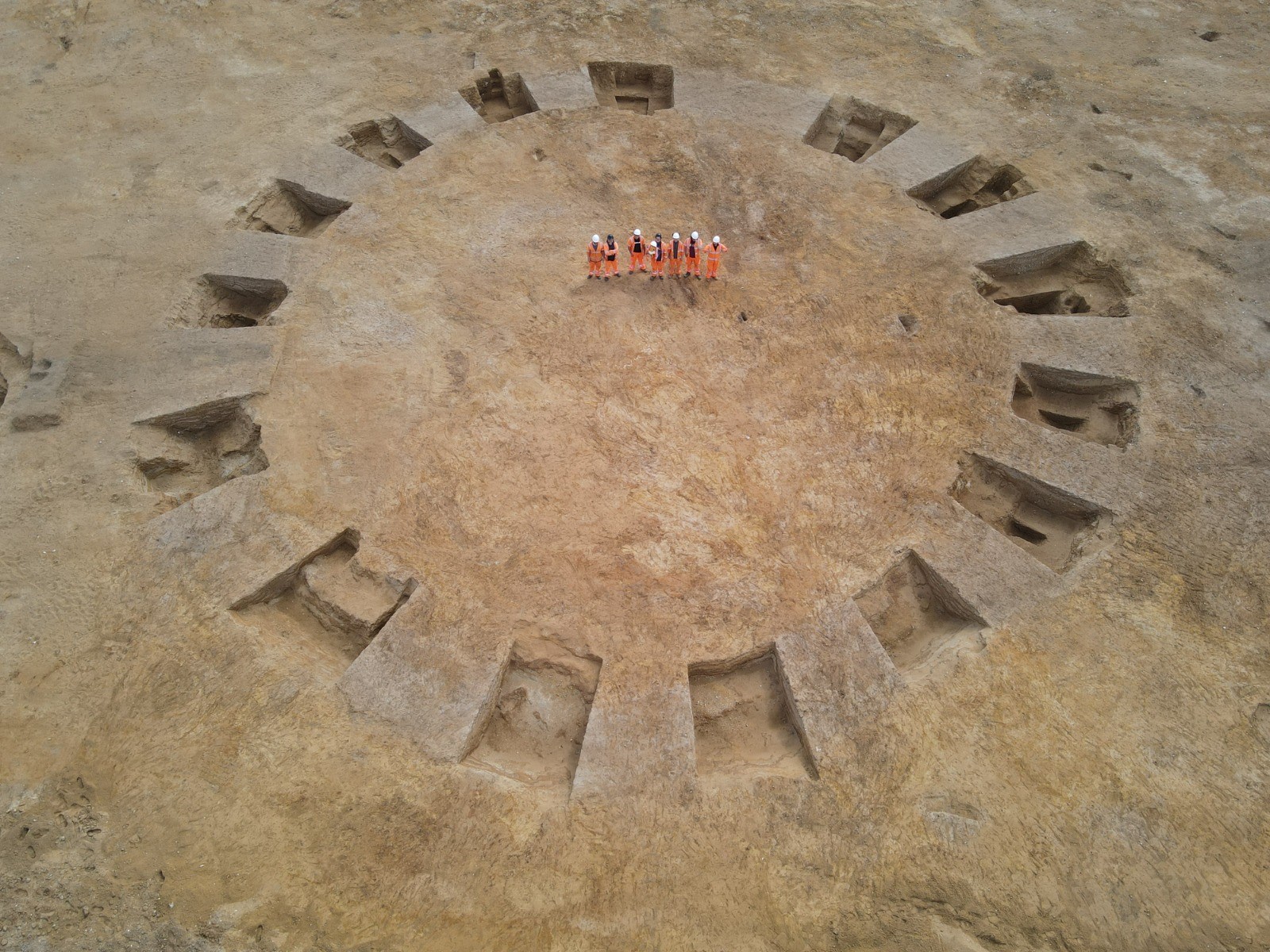
Large Roman Villa Uncovered in the U.K. During Wind Farm Survey

Archaeologists conducting surveys for an offshore wind farm project in Norfolk, England, have discovered a significant Roman villa dating back to the 1st through 3rd centuries C.E. The expansive estate, which measures over 100 feet in length, featured a bathhouse, a covered porch, and ancillary buildings for crop processing. Excavations also yielded high-status artifacts including an ornate bronze door handle, a lion-headed furniture foot, and imported pottery, alongside evidence of a Roman road and two lost medieval villages.

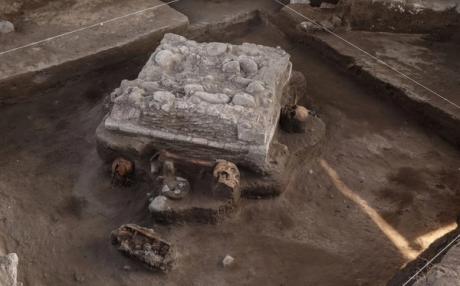
1,000-year-old Toltec altar with four human skulls found in Mexico

Archaeologists from Mexico’s National Institute of Anthropology and History (INAH) have discovered a 1,000-year-old Toltec altar during salvage work for a new high-speed rail line between Mexico City and Querétaro. The stone structure, known as a momoztli, dates back to AD 900-1150 and was found with four human skulls and leg bones arranged at its base, suggesting ritual or sacrificial use. Located near the ancient site of Tula Chico, the find also included ceramic objects and obsidian artifacts within a compound likely belonging to the local elite.

Princeton University Art Museum Spotlights Willem de Kooning's Breakthrough Years

Princeton University Art Museum has opened a new exhibition, "Willem de Kooning: The Breakthrough Years, 1948–1951," focusing on a pivotal three-year period in the artist's career. The show brings together approximately 25 paintings and drawings from this era, including key works like "Excavation" and "Attic," which trace his evolution from figurative elements to the dynamic, abstract style that cemented his legacy.

Bronze Age State Metal-Working Center Unearthed Near China’s Yangtse River

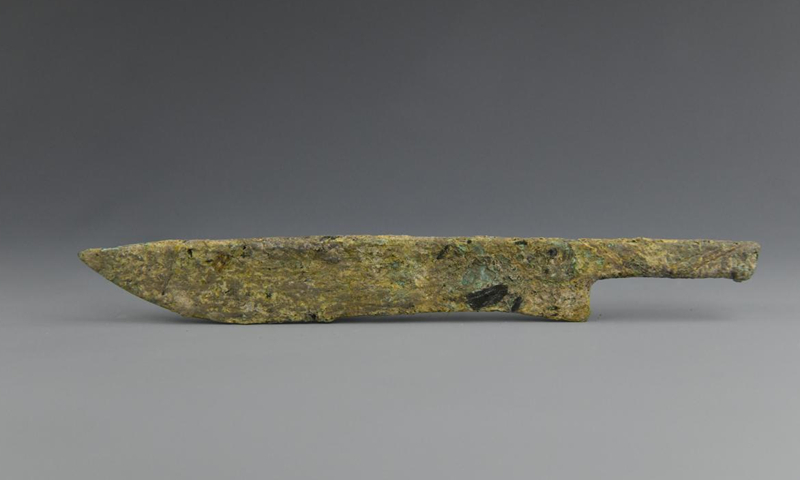
Archaeologists at the Shenduntou site near the Yangtze River have unearthed a significant Bronze Age metal-working center dating back to the Zhou dynasty. The excavation, led by Nanjing Normal University, revealed approximately 1,000 artifacts including clay molds, arrowheads, and knives, alongside evidence of furnaces and protective earthen walls. These findings confirm the existence of a high-level workshop dedicated to large-scale bronze production within the ancient Wu kingdom.

Colosseum Facelift Restores Ancient Southern Entrance to Its Former Glory

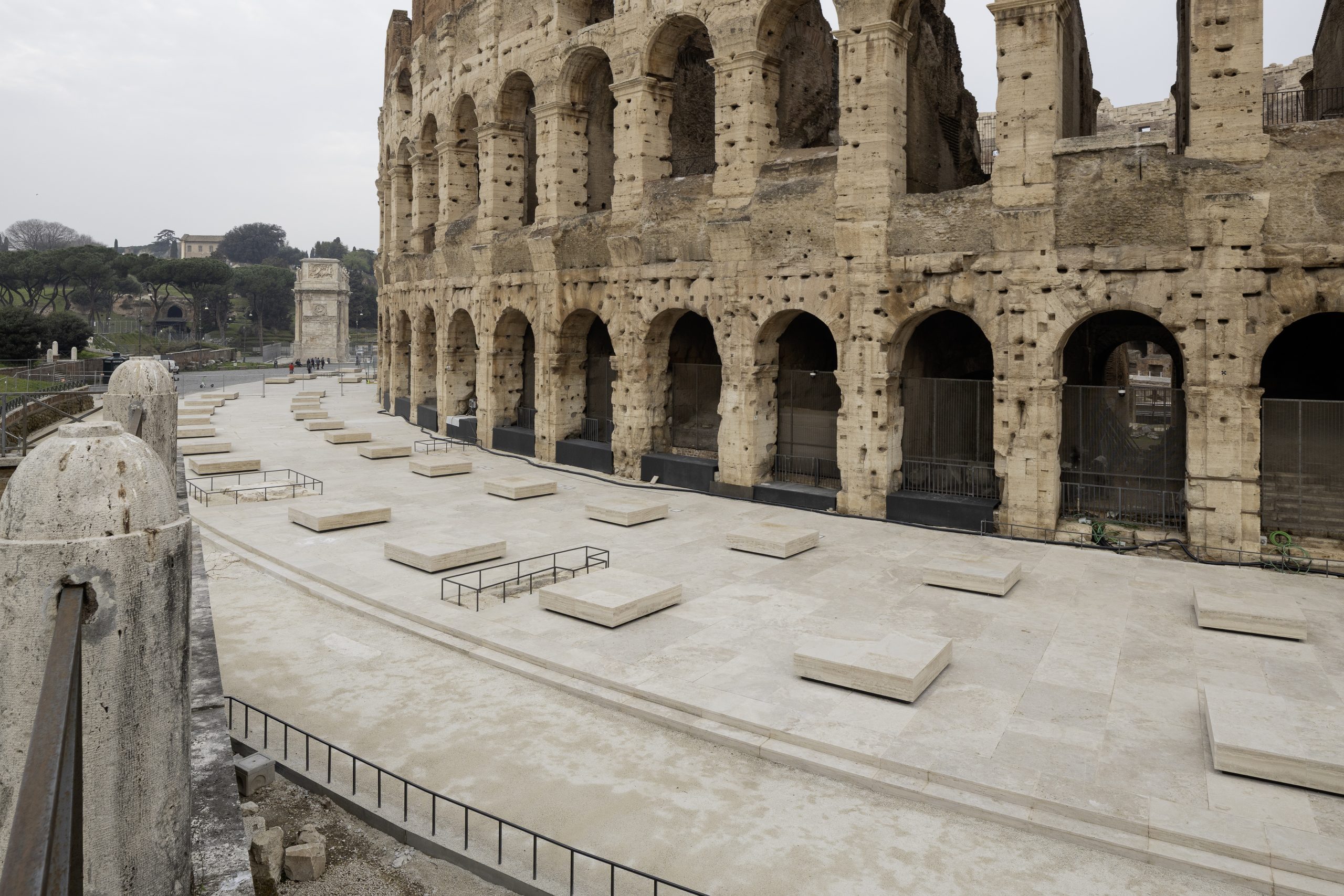
Rome’s Colosseum has unveiled a major four-year restoration of its southern entrance, a project led by Stefano Boeri Interiors in collaboration with the Colosseum Archaeological Park. The renovation lowered the surrounding piazza to its original Roman-era height, reintroduced travertine flooring sourced from ancient quarries, and installed seating blocks that mark the locations of long-lost marble columns. During the excavation process, archaeologists recovered a wealth of historical artifacts, including ancient coins, statues, and gold jewelry, while leaving a specific section untouched to showcase the arena's complex hydraulic foundations.

Archaeologists Discover 19th-Century Shipwreck in Copenhagen Harbor

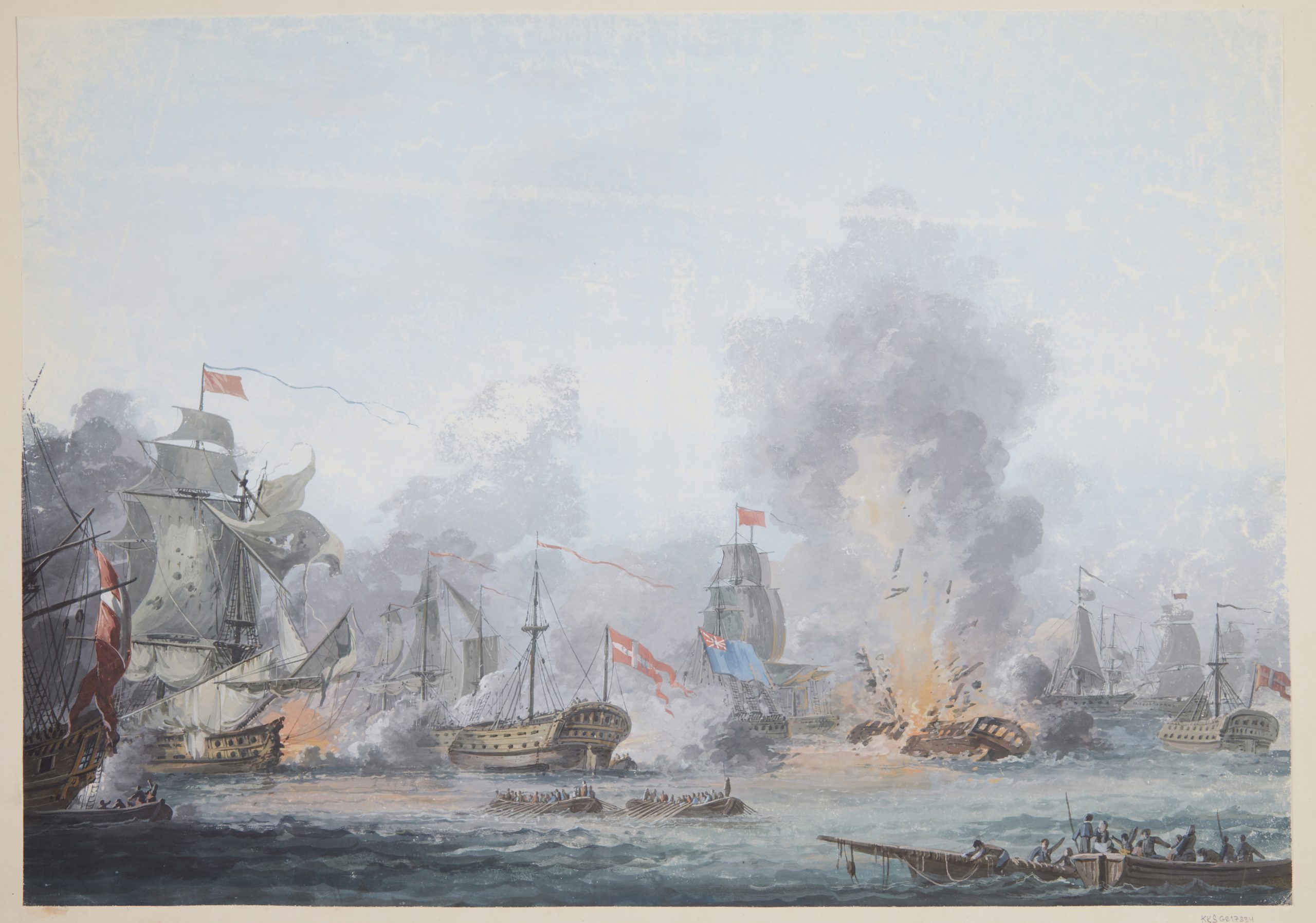
Marine archaeologists from Denmark's Viking Ship Museum have discovered the wreck of the 18th-century Danish warship Dannebroge in Copenhagen harbor. The ship was destroyed during the Battle of Copenhagen in 1801, when the British fleet under Admiral Horatio Nelson attacked to dismantle the League of Armed Neutrality. Divers have recovered cannons, uniform fragments, bottles, and sailors' remains from the site.

A 1st-Century Roman Cargo Uncovered in Lake Neuchâtel

Une cargaison romaine du Ier siècle mise au jour dans le lac de Neuchâtel

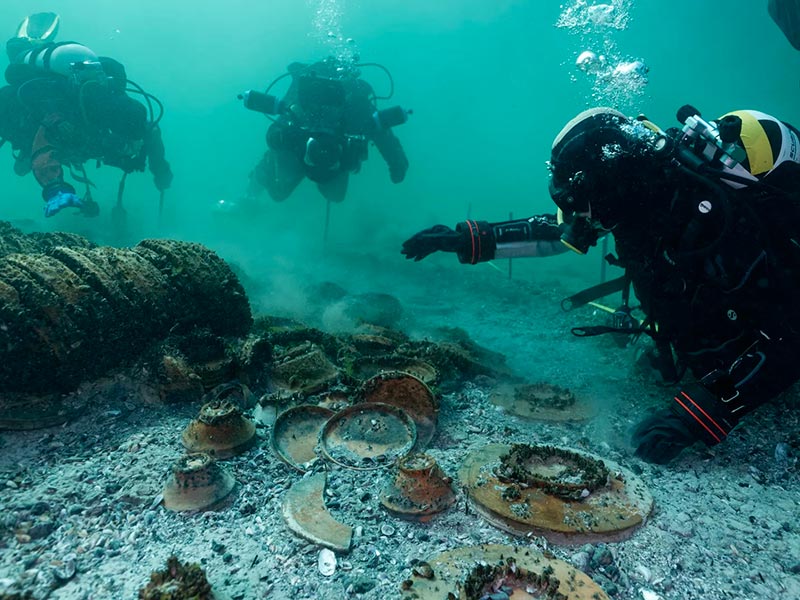
Archaeologists have completed two major underwater excavation campaigns in Lake Neuchâtel, Switzerland, recovering over 1,000 artifacts from a Roman cargo shipment dating between 20 and 50 AD. The discovery, initially spotted via aerial photography in 2024, includes exceptionally well-preserved items such as Spanish olive oil amphorae, tableware, military weaponry, and rare organic materials like a wicker basket and chariot wheels. The site was kept secret for two years to prevent looting while divers meticulously retrieved the historical treasures.