filter_list Showing 30 results for "Gabrielle Goliath" close Clear
dashboard All 30 museum exhibitions 16article news 13rate_review review 1
date_range Range Today This Week This Month All
Subscribe

Naked jetskiers, giant bells and a celebrity seagull! Venice Biennale’s wildest moments – in pictures

The Guardian presents a photo essay capturing the most eccentric and memorable moments from the 61st Venice Biennale, running until 22 November 2026. Photographer David Levene documents installations including a concrete 'Origami Deer' evacuated from war-torn Pokrovsk, Ukraine, by artist Zhanna Kadyrova; a seagull that became a minor celebrity after nesting outside the Polish pavilion; and the Holy See pavilion's immersive sound installation curated by Hans Ulrich Obrist and Ben Vickers. Other highlights include the Egyptian pavilion's touch-and-smell 'Silence Pavilion' and a Polish pavilion film featuring deaf and hearing singers.
What does a woman swimming in urine tell us about the state of the world? Lots! – Venice Biennale review

The 2026 Venice Biennale, curated by the late Koyo Kouoh under the theme "In Minor Keys," has been plagued by months of turmoil including countries withdrawing, artists being fired, exhibitions cancelled, funding pulled, and protests during the preview. A five-person curatorial team took over after Kouoh's death, resulting in what the critic describes as a disjointed, committee-driven exhibition that prioritizes quiet contemplation and healing over direct political engagement. The central shows in the Giardini and Arsenale feature a vast, poorly explained array of art from the global south, with installations of ceramics, textiles, slide projectors, and serene natural scenes that the critic finds anachronistic and dull.

Venice Biennale Special 2026—podcast

This episode of The Art Newspaper's podcast is a Venice Biennale special, covering the opening week of the 2026 edition. Host Ben Luke, along with Louisa Buck and Jane Morris, reviews the main exhibition "In Minor Keys," curated by the late Koyo Kouoh and realized by five collaborators. The podcast features interviews with artists Gabrielle Goliath, whose work for the South African pavilion was cancelled and is instead staged in a Venice church, and Lubaina Himid, showing in the British pavilion. It also includes conversations with writer Saidiya Hartman and Daniella Kaliada of Belarus Free Theatre about their collateral projects. The episode concludes with a focus on two restored Tintoretto paintings at the Basilica of San Giorgio Maggiore, funded by Save Venice.

art milan design week shows

Cultured magazine has compiled a guide to art exhibitions worth visiting during Milan Design Week 2026, beyond the main Salone del Mobile fair. Featured shows include Rirkrit Tiravanija's first retrospective at Pirelli HangarBicocca, Cao Fei's exploration of smart agriculture at Fondazione Prada, Anselm Kiefer's dual exhibitions at Palazzo Reale and Lia Rumma Gallery, Gabrielle Goliath's painting show at Galleria Raffaella Cortese, and Dozie Kanu's mirroring of Marc Camille Chaimowicz at Fondazione ICA Milano.

Female nudity and art that stinks: key takeaways from Venice Biennale 2026

The 2026 Venice Biennale opened with 99 participating countries, including first-timers Somalia and Qatar, under the shadow of curator Koyo Kouoh's death. Her planned theme of "enhancement" and the main show "In Minor Keys" were disrupted by political protests: Pussy Riot objected to Russia's inclusion, and a strike against Israel's participation forced several national pavilions (UK, Austria, France) to close. Key takeaways include pervasive female nudity across pavilions, debates over Russia's presence, criticism of the US pavilion's lackluster art, maritime themes dominating several shows, and the rise of olfactory art.

A Time of Transition

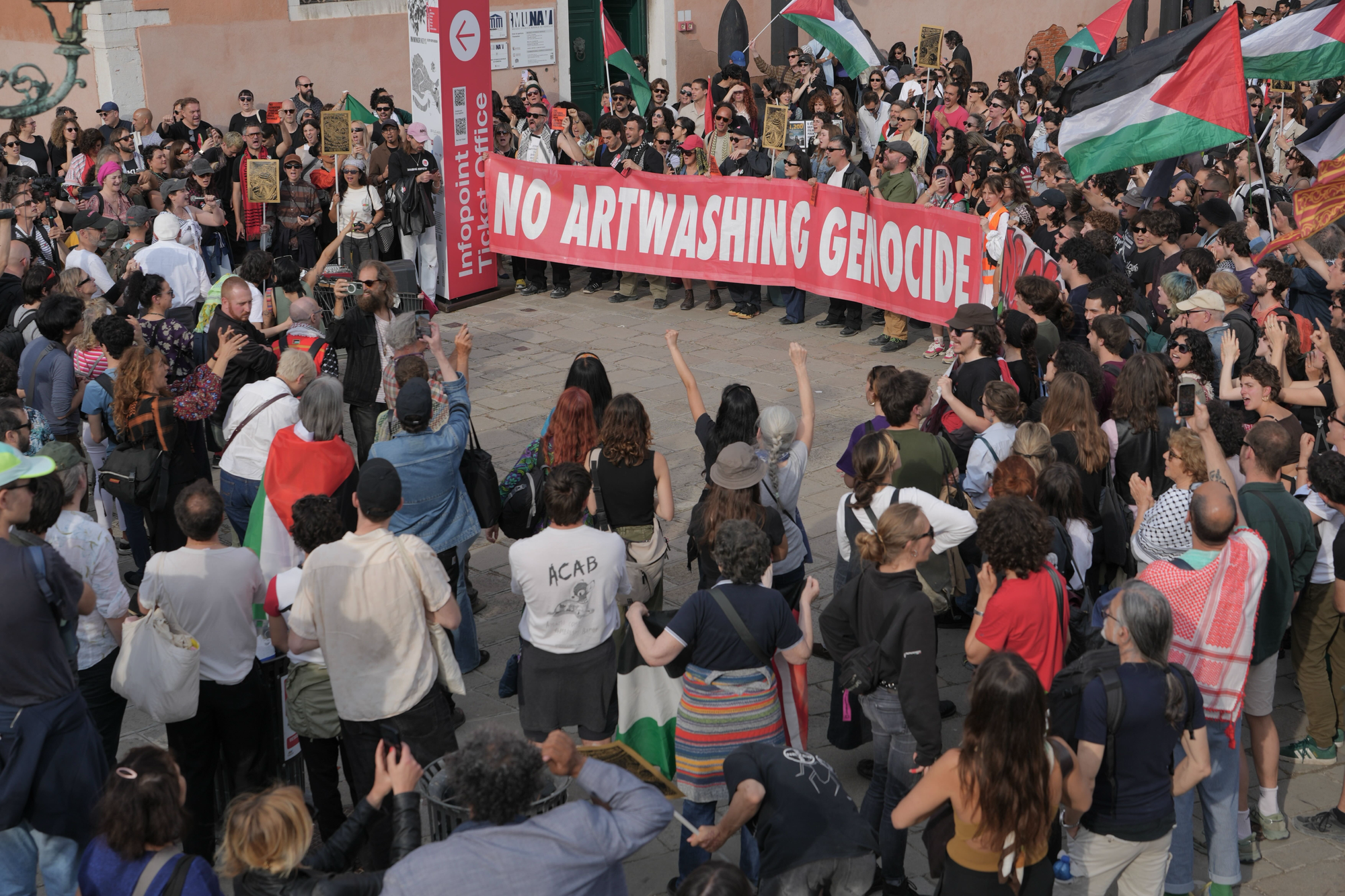
During the preview week of the 61st Venice Biennale, escalating protests targeted the national pavilions of Israel and Russia, with demonstrations by Pussy Riot, ANGA (Art Not Genocide Alliance), and Baltic pavilions. A major protest on May 8 drew over 3,000 people in solidarity with Palestine, and 27 national pavilions—including Austria, the Netherlands, France, and Japan—staged a strike, the first at the Biennale since 1968. The Golden Lion jury resigned after declaring they would not consider countries under ICC investigation (Israel and Russia), and the Biennale administration replaced the prize with a visitors' award, from which half the artists in the main exhibition have withdrawn.

Hyperallergic’s Guide to the 2026 Venice Biennale

Hyperallergic has published its guide to the 2026 Venice Biennale, detailing what to see and do at this year's edition. The guide covers the three main categories of the Biennale—the Giardini with 29 permanent national pavilions, the Arsenale with temporary rented spaces, and collateral events across the city. Key developments include the return of Russia to its permanent Giardini pavilion and Israel's participation with a new contractual stipulation preventing its artist from closing the pavilion, after Ruth Patir's protest in 2024. South Africa withdrew following the cancellation of Gabrielle Goliath's video installation 'Elegy,' which mourns victims of Israel's genocide in Gaza and will now be shown at a historic church. The United States will be represented by Alma Allen after Barbara Chase-Riboud stepped down, and Qatar is set to become the first country in decades to build a new pavilion in the Giardini.

Previews: 61st Venice Biennale: In Minor Keys

The 61st Venice Biennale, titled "In Minor Keys" and curated by the late Koyo Kouoh, opens amid global turmoil and internal controversy. Kouoh, who passed away in May 2025, conceived the exhibition around the metaphor of a "creole garden," emphasizing deep affinities between 111 artists from diverse locations such as Dakar, Beirut, and Salvador. The Biennale is overshadowed by recent geopolitical events, including US-Israeli airstrikes on Iran, and faces protests: over 70 participating artists signed an open letter opposing the participation of Israel, Russia, and the US, while the Australian pavilion saw the reinstatement of Khaled Sabsabi after being dropped, and South Africa withdrew its official pavilion over Gabrielle Goliath's femicide project, which she will still present independently.

Across Venice, Artists Defy Censorship to Mourn and Memorialize Gaza

The 2026 Venice Biennale, titled “In Minor Keys,” features numerous artworks that mourn and memorialize the destruction of Gaza, despite censorship pressures. The main exhibition opens with a poem by slain Palestinian poet Refaat Alareer, and includes works by artists such as Theo Eshetu, Mohammed Joha, Manuel Mathieu, and Avi Mograbi that directly or indirectly address the conflict. Outside the official Biennale, South African artist Gabrielle Goliath’s performance series “Elegy” was censored by her country’s culture minister after she proposed a version honoring murdered Palestinian poet Hiba Abu Nada, leading her to present the work independently at a church in Venice.

Weekly News Roundup: May 5, 2026

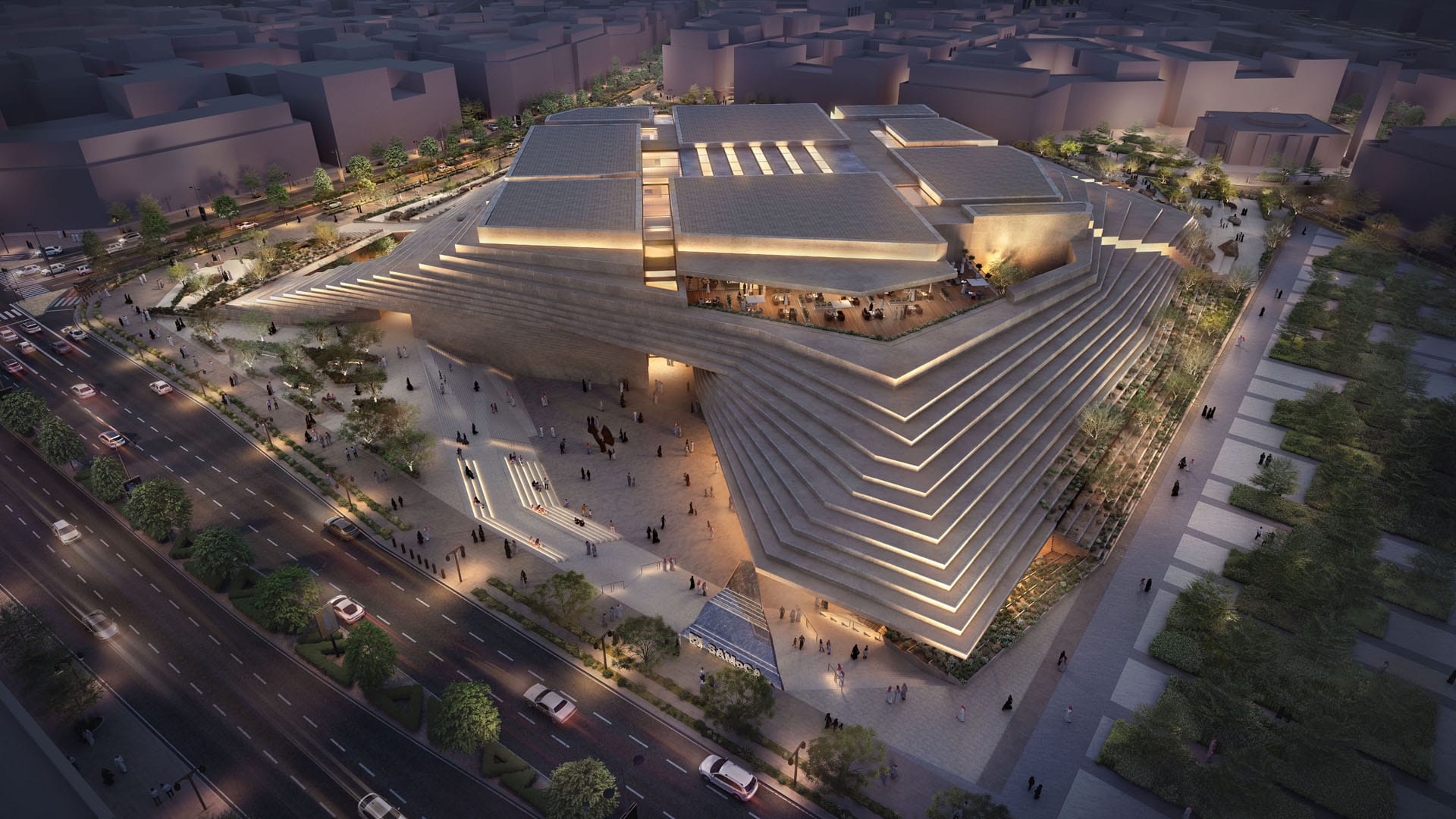
The article reports three major developments in the global art world. Saudi Arabia's Diriyah Company has awarded a $490 million contract for a new flagship space of the Saudi Arabia Museum of Contemporary Art (SAMoCA) in Diriyah, designed by Godwin Austen Johnson. The Sharjah Art Foundation has announced details for Sharjah Biennial 17 (SB17), titled "What remains, sits restive," curated by Angela Harutyunyan and Paula Nascimento, featuring 109 artists and set to open in 2027. Additionally, DATALAND, a new AI art museum founded by Refik Anadol and Efsun Erkılıç, will open on June 20 in Los Angeles, showcasing digital and immersive artworks.

The art of politics: how global conflicts are playing out in this year's Venice Biennale

Israel is making a controversial return to the 2025 Venice Art Biennale after its pavilion was locked in 2024 with a note demanding a ceasefire in Gaza. The artist representing Israel, Belu-Simion Fainaru, will present his project "Rose of Nothingness" in the Arsenale, while Russia also returns to the Biennale after its Giardini pavilion was reassigned to Bolivia in 2024. The Art Not Genocide Alliance (ANGA) has renewed calls for a boycott and is organizing strike action to disrupt the event, accusing Israel of genocide.

Best in Show: 6 Standouts at the 2026 Venice Biennale

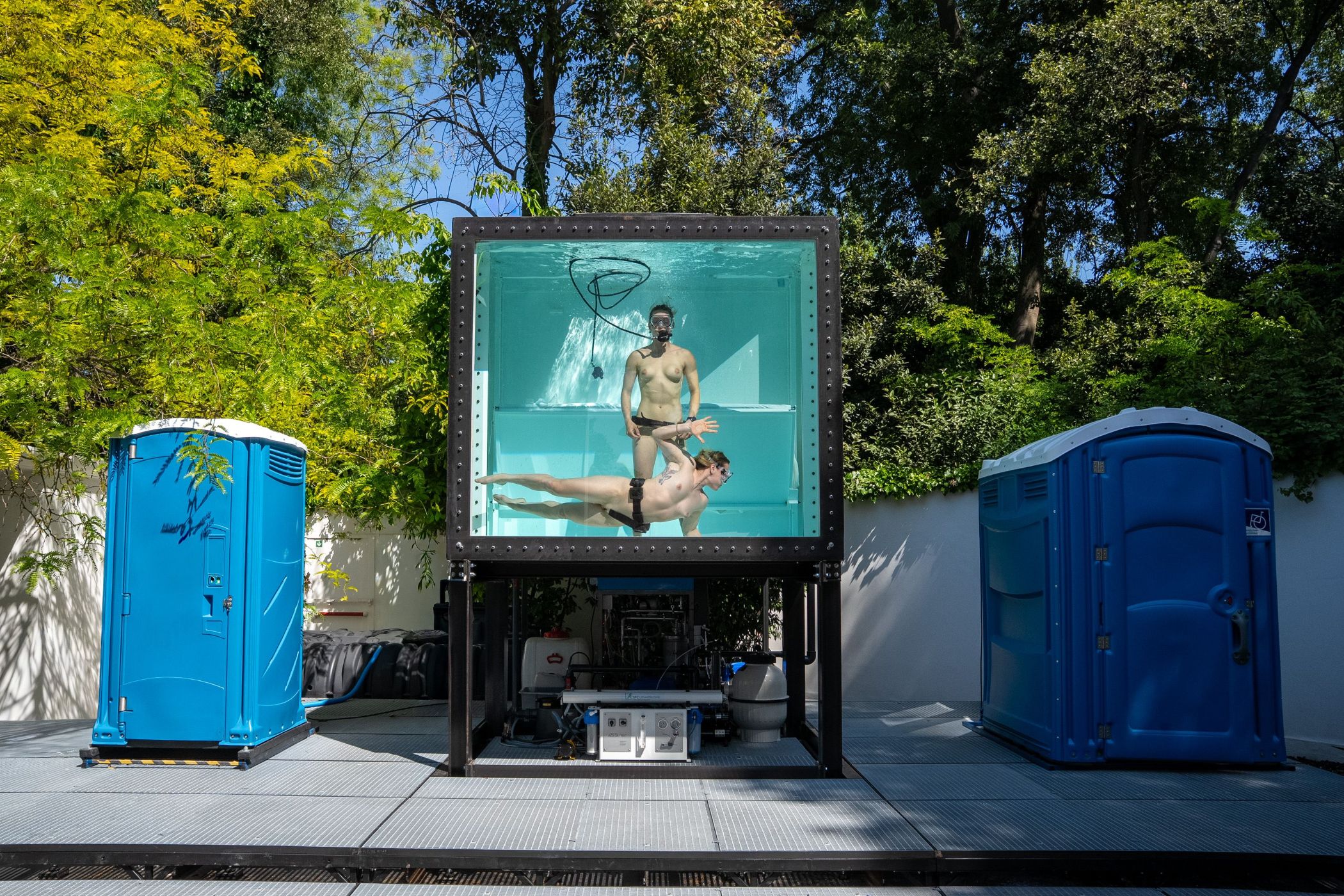
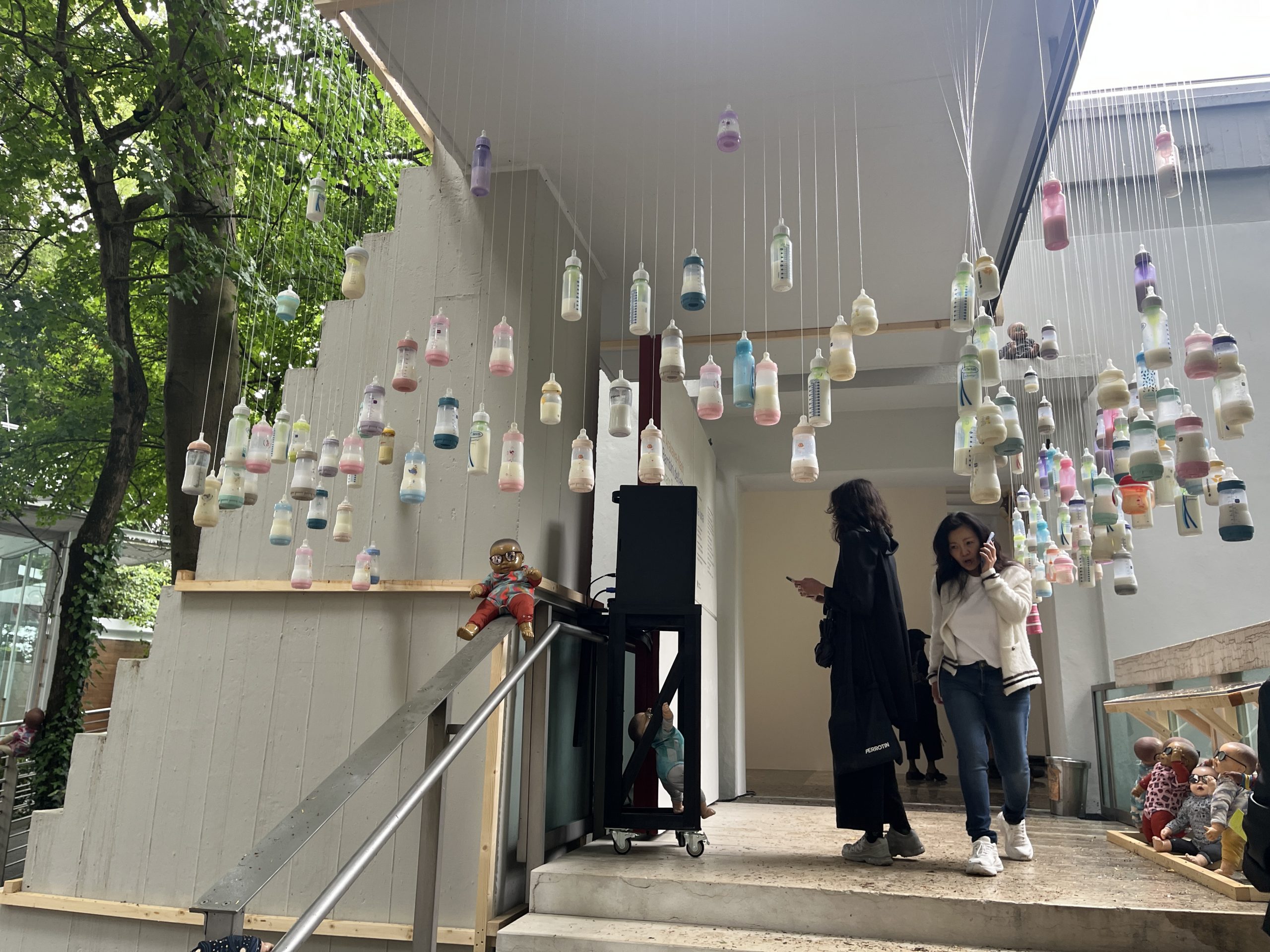
Artnet News writers highlight six standout exhibitions at the 2026 Venice Biennale, which opens to the public on May 9. Among the picks are Ei Arakawa-Nash's interactive installation "Grass Babies, Moon Babies" at the Japan Pavilion, featuring baby dolls and diaper-changing stations; Florentina Holzinger's provocative performance "Seaworld Venice" at the Austria Pavilion, involving nude performers, jet skis, and recycled wastewater; and Dayanita Singh's photographic exhibition "Archivio" at the State Archives of Venice, presenting intimate black-and-white images arranged as freestanding columns.

Art and politics clash at Venice Biennale, as world conflicts upstage exhibition's opening

The 61st Venice Biennale, the world's most prestigious art exhibition, opens under unprecedented turmoil. For the first time, its vision was shaped by the late Cameroonian curator Koyo Kouoh, who centered artists from Africa and its diaspora. However, political conflicts over Russia and Israel have overshadowed the art. All five jurors resigned after the Italian culture minister investigated their decision to withhold prizes from Russia and Israel over alleged crimes against humanity. Protests erupted at the Russian pavilion, with Pussy Riot activists denouncing Russia's participation, while the Israeli pavilion artist threatened legal action over the jury's snub. The Biennale will proceed without a jury, with visitors voting for two awards, and the fate of the Golden Lion remains uncertain.

15 Must-See Events Enriching the Venice Biennale 2026 Experience.

The article presents a curated guide to 15 must-see events accompanying the 61st Venice Biennale, titled "In Minor Keys" and curated by the late Koyo Kouoh, running from May to November 2026. It highlights key exhibitions beyond the main pavilions, including "Screen Melancholy: Li Yi-Fan" at Palazzo delle Prigioni, "Darkness Visible: The Long Shadow of Dictatorship" at Spazio Punch, "Elegy" by Gabrielle Goliath at Chiesa di Sant'Antonin, and "As Above, So Below" at Ex Church Santi Cosma e Damiano, among others. These events span museums, foundations, and historic palazzi, featuring performances, talks, and curatorial interventions that extend the Biennale's reach across Venice.

Welcome to Venice: the shows you won’t want to miss at the 61st Biennale

The 61st Venice Biennale, titled "In Minor Keys," opens with a keynote exhibition conceived by the late Koyo Kouoh and realized by her team after her sudden death in May 2025. The show spans the Central Pavilion in the Giardini and the Arsenale, featuring 110 artists and collectives. Highlights include Bracha L. Ettinger's installation at the Hotel Metropole, where she transforms a room where Sigmund Freud wrote part of *The Interpretation of Dreams* into a feminist 'borderspace,' and works by artists such as Arthur Jafa, Richard Prince, Issa Samb, Beverly Buchanan, and Daniel Lind-Ramos. The exhibition explores themes of history, colonialism, war, and environmental destruction, aiming for a 'sotto voce' tone that nonetheless delivers powerful, liberating statements.

What not to miss at the 2026 Venice Biennale

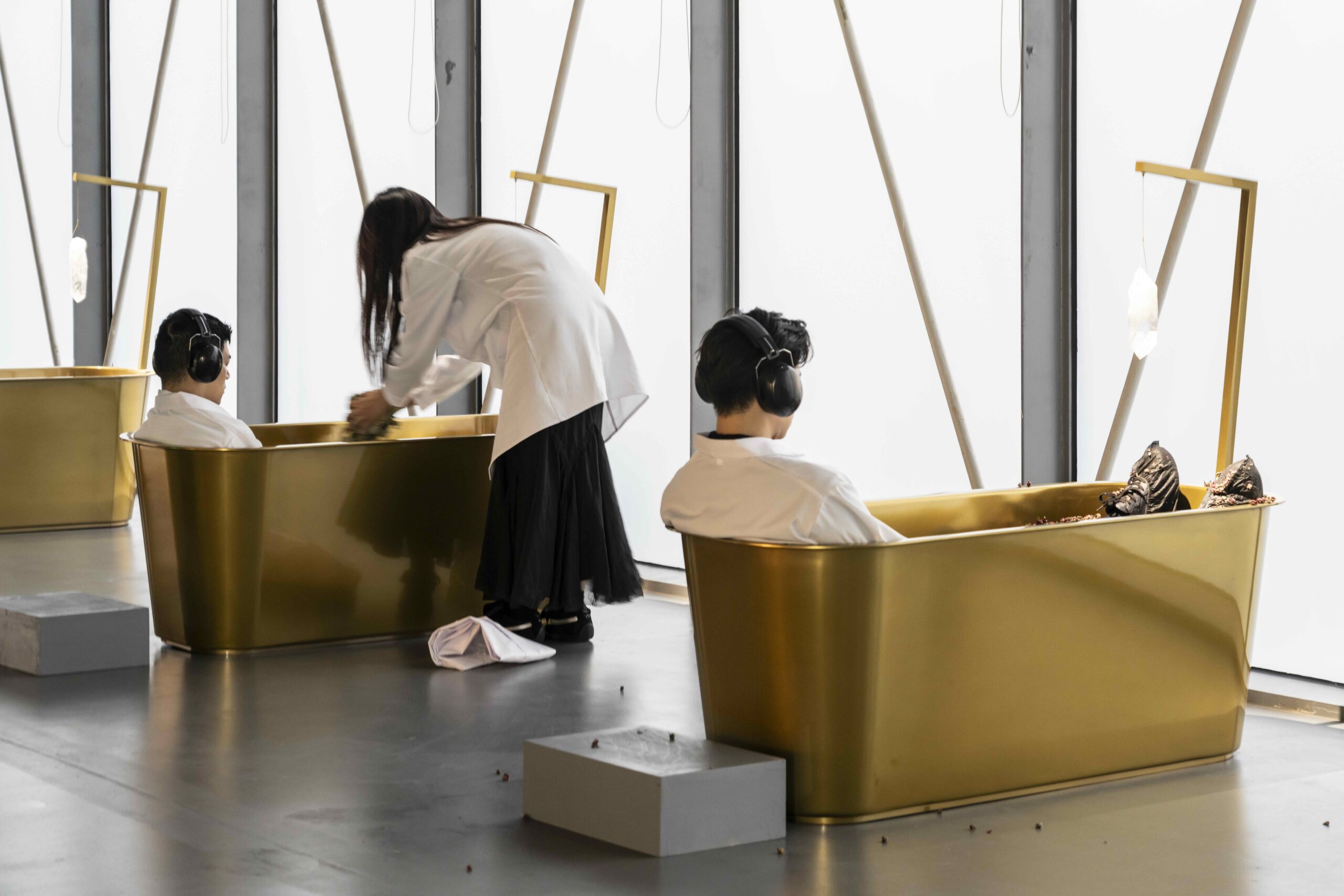
The article highlights five standout pavilions and installations at the 2026 Venice Biennale. Florentina Holzinger's Austrian pavilion features extreme, nude performances including a woman submerged in a urine-purified tank, drawing police attention. Sanya Kantarovsky presents eerie paintings and a Murano glass sculpture in a historic palazzo. Gabrielle Goliath's 'Elegy'—a hypnotic mourning performance for women killed in violence—was banned by South Africa but staged with London's Ibraaz. Carrie Schneider's 1.5km photographic curl in the Arsenale references Chris Marker's 'La Jetée'. Lydia Ourahmane's delicate sculptural show uses materials sourced from Venice, including a bead curtain made by inmates.

Venice Bound? Here’s All the News You Need to Know About This Year’s Biennale

The 61st Venice Biennale is embroiled in geopolitical controversy over Russia's return to the event in 2026, which has sparked widespread backlash. Nearly 10,000 artists and cultural leaders signed an open letter opposing Russia's participation, and the European Union withdrew €2 million in funding for the 2028 edition. Leaked emails reveal Biennale officials worked with Russian pavilion commissioner Anastasia Karneeva to circumvent EU sanctions, while Italy's culture minister Alessandro Giuli plans to boycott the opening week. Meanwhile, activists continue to push for Israel's removal from the Biennale, though Israel will be accommodated in the Arsenale this year.

Milano Art Week 2026 Tops and Flops: The Best and Worst of the Art Week

Milano Art Week 2026 top e flop: il meglio e il peggio della settimana dell’arte

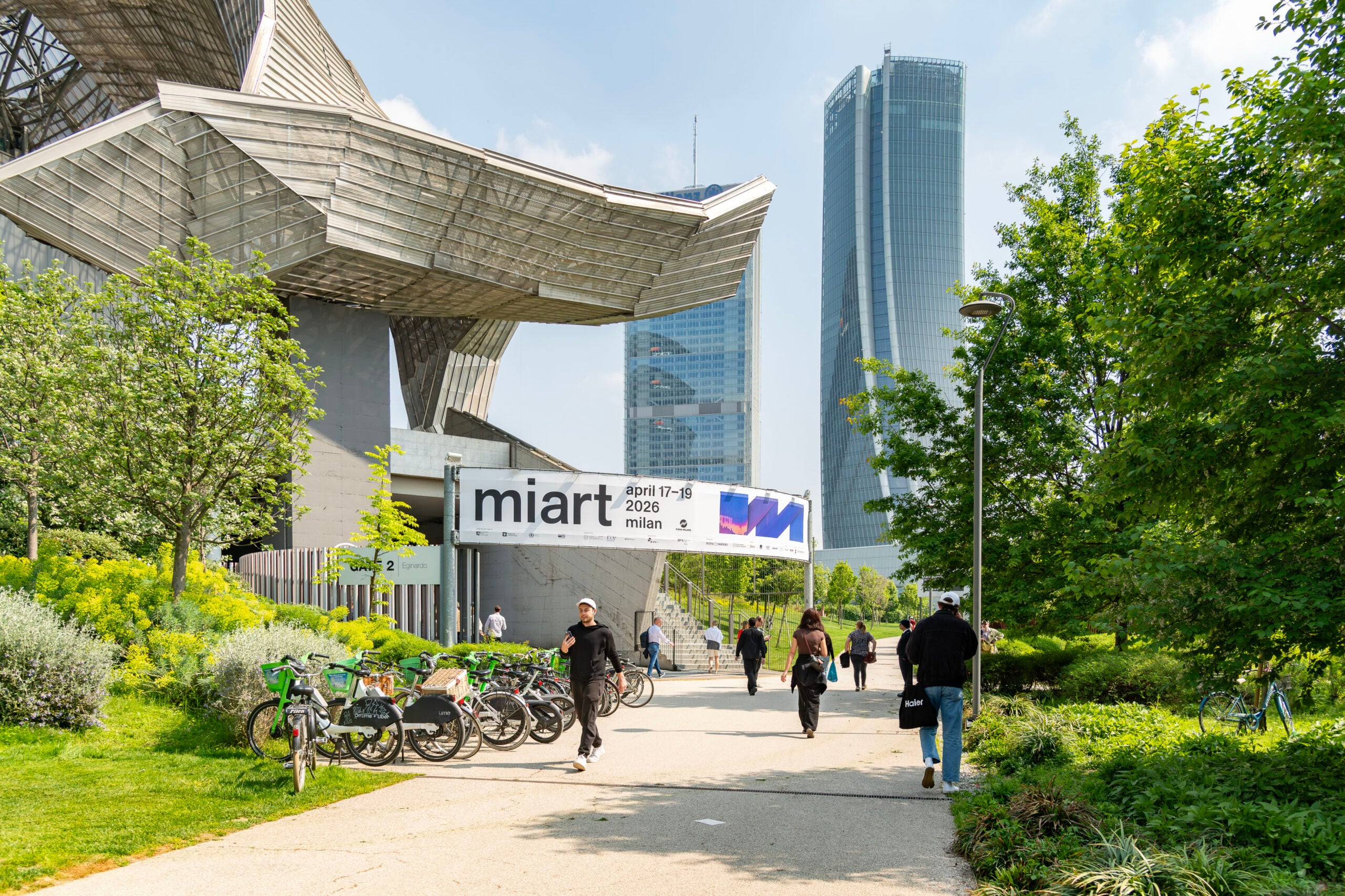
The 2026 edition of Milano Art Week, anchored by the 30th anniversary of the miart fair, presented a mixed bag of organizational shifts and high-quality artistic programming. Key highlights included the successful Milanese debut of Paris Internationale at Palazzo Galbani and the emergence of new cultural hubs like Mulino Factory, which continue Milan's trend of repurposing industrial heritage. However, the primary fair's relocation to the Allianz MiCo South Wing drew criticism for its labyrinthine layout and logistical hurdles despite the scenic park setting.

In Pictures: The Highlights of the 2026 Venice Biennale

En images : les grands moments de la Biennale de Venise 2026

The 2026 Venice Biennale, titled "In Minor Keys" and curated by Koyo Kouoh, opened on May 9, 2026, at the Arsenale and Giardini venues. Kouoh, who died suddenly in May 2025 at age 57, conceived the event as a counterpoint to global noise and fury, inviting visitors to slow down and tune into minor tonalities. The exhibition features works addressing colonial memory, slavery, and Gaza, with a team of four curators executing her vision. Highlights include Maria Magdalena Campos-Pons's tribute to Kouoh and Toni Morrison, Hala Schoukair's installation, and Gabrielle Goliath's "Elegy," alongside collateral shows like the Dries van Noten Foundation at Palazzo Pisani Moretta and the Victor Pinchuk Foundation's "Still Joy – from Ukraine into the World."

Ten Political Statements By Artists At The 2026 Venice Biennale

The 61st Venice Biennale opened with unprecedented political tension, set against the backdrop of the international jury's mass resignation, the death of curator Koyo Kouoh, Russia's closed pavilion, threats from the European Commission to withdraw funding, and Italy's culture minister boycotting the opening. The article highlights ten works and moments where art and power intersected most explicitly, including Alfredo Jaar's 'Red Room' installation in the Chilean pavilion confronting humanitarian crisis, and Ukraine's collateral event 'Still Joy' at Palazzo Contarini Polignac, which frames joy as an act of resistance amid war.

Iran Withdraws From 2026 Venice Biennale

Iran has withdrawn from the 2026 Venice Biennale, the world's most important art event, organizers announced on May 4. No official reason was given, but the withdrawal comes amid an uncertain ceasefire in Iran's war with the United States and Israel. The Biennale confirmed the decision in a statement, noting that 100 countries will still participate, including newcomers Tanzania and Seychelles. This follows South Africa's withdrawal over a legal dispute concerning a Gaza-focused artwork, and the closure of the Russian Pavilion to the public after the EU withdrew €2 million in funding over Russia's involvement.

Historic Strike Disrupts Biennale as Thousands March in Venice

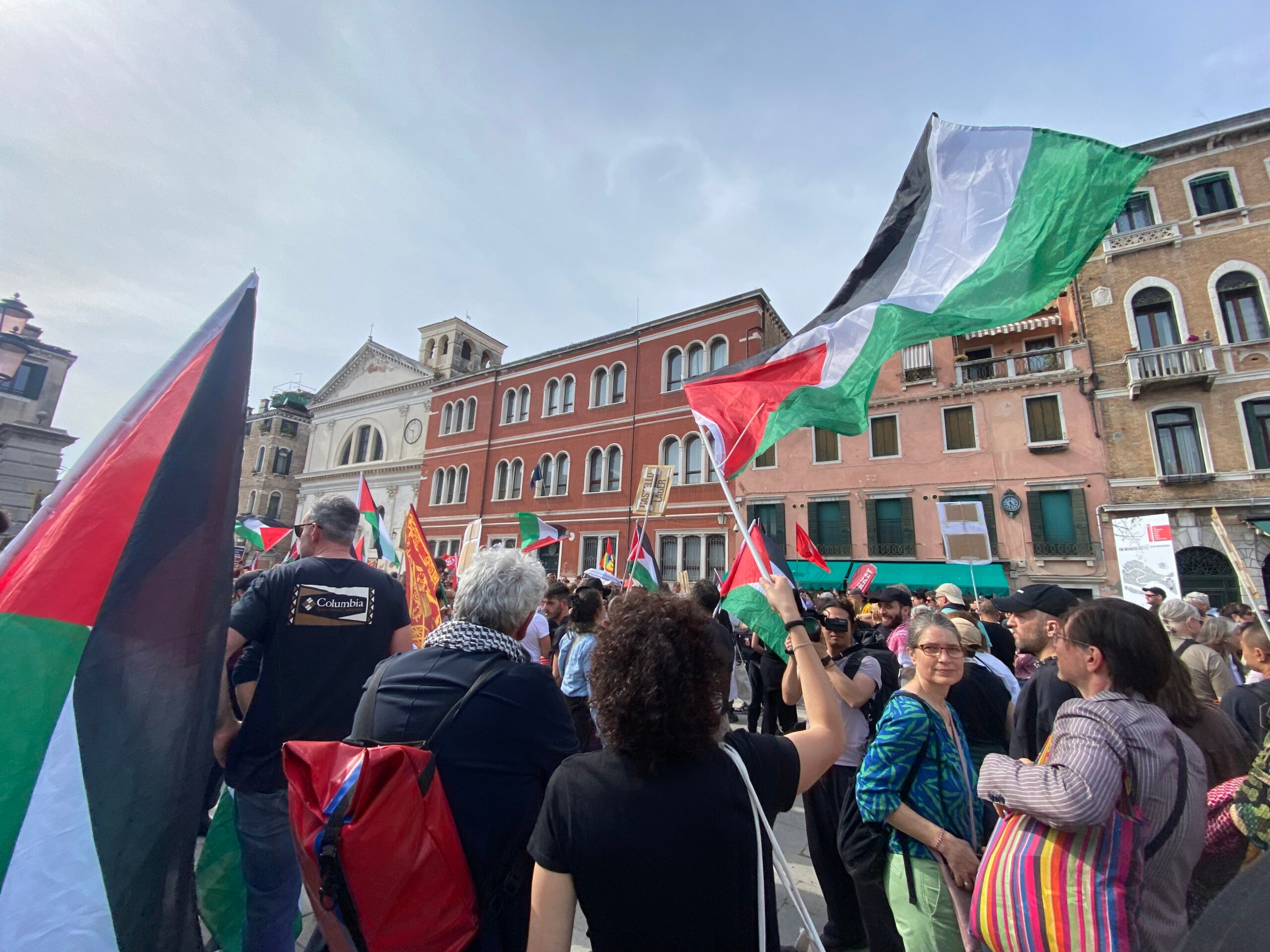
On May 8, 2026, artists and cultural workers staged the first strike in the 131-year history of the Venice Biennale, disrupting the pre-opening of the international exhibition. At least 27 of the 100 national pavilions were partially or fully shut down, and thousands marched through Venice to the Arsenale, which was barricaded by Italian riot police. The strike, organized by the Art Not Genocide Alliance (ANGA) and local activist groups, was a 24-hour action for Palestine and workers' rights, with some artists altering or draping their works in the main exhibition, "In Minor Keys."

Dozens of Pavilions Close During Strike at 61st Venice Biennale

On May 8, 2026, a 24-hour strike organized by the Art Not Genocide Alliance (ANGA) and several Italian activist groups brought the 61st Venice Biennale to a standstill. Approximately 27 of the 100 national pavilions closed fully or partially in solidarity with protesters demanding Israel’s exclusion from the event, including those of Austria, Belgium, France, Great Britain, Japan, South Korea, and Ukraine. Over 3,500 people marched through Venice, with speakers including artist Gabrielle Goliath and curator Caroline Dumalin. The main exhibition, "In Minor Keys," curated by the late Koyo Kouoh, closed by late afternoon, and riot police were stationed outside the Arsenale. The Israeli pavilion, already shuttered during previews, remained closed.

Gabrielle Goliath Discusses Her Canceled South African Pavilion as She Shows New Work in a Venice Church

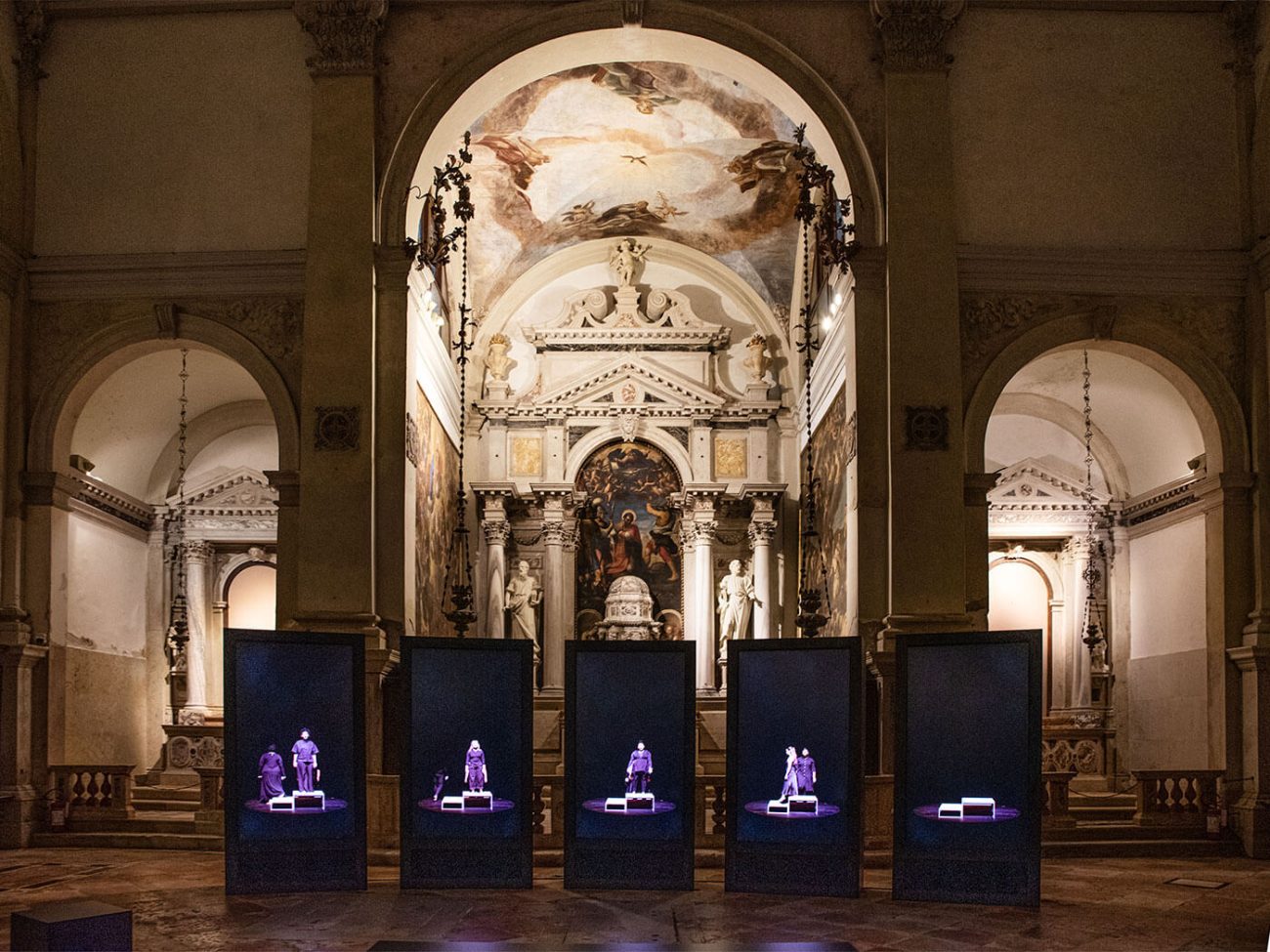
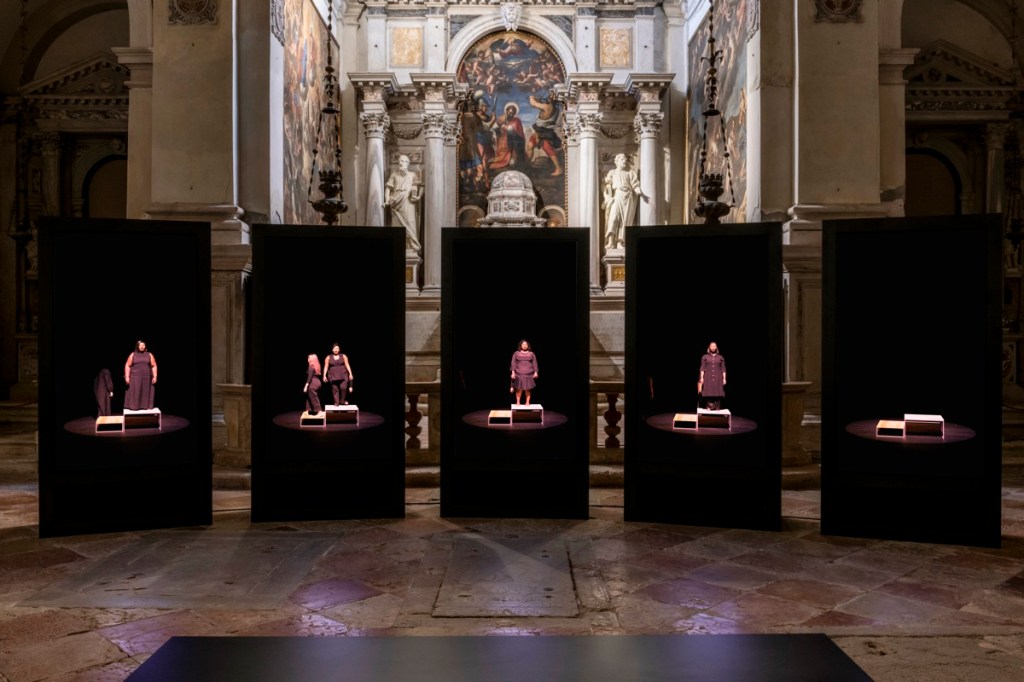
South African artist Gabrielle Goliath’s planned pavilion for the South Africa Pavilion at the Venice Biennale was canceled by culture minister Gayton McKenzie, who deemed it “highly divisive.” Despite the cancellation, Goliath has installed her work, a multi-screen iteration of her ongoing performance series *Elegy*, at the Chiesa di Sant’Antonin, half a mile from the Giardini. The new piece mourns victims of atrocities including South African femicide, the Herero and Nama genocide, and the death of Gazan poet Hiba Abu Nada, killed by an Israeli airstrike. Goliath stated that McKenzie explicitly demanded removal of the Palestinian content while deeming the other subjects acceptable.

The Interview: Gabrielle Goliath

Gabrielle Goliath, a South African artist, created the performance work "Elegy" in 2015 after hearing a father mourn his daughter, Ipeleng Christine Moholane, who was raped and murdered. The piece features seven operatic women sustaining a single note in relay for an hour, evolving over a decade into a series of iterations that address systemic violence and grief. In January 2026, South Africa's Minister of Sport, Arts and Culture, Gayton McKenzie, cancelled Goliath's presentation of the latest version of "Elegy" at the 61st Venice Biennale, which was to include tributes to victims in South Africa, Namibia, and Gaza, including journalist Hiba Abu Nada. Goliath refused to alter the work, took legal action, and will now show it independently at the Chiesa di Sant'Antonin in Venice, while the official South African Pavilion will remain empty for the first time since 2011.

The 10 best pavilions to see at the 2026 Venice Art Biennale. Artribune's top ten

I 10 migliori padiglioni da vedere alla Biennale d’Arte di Venezia 2026. La top ten di Artribune

Artribune presents its top ten must-see national pavilions at the 2026 Venice Biennale, which features a record 100 participating countries. The article highlights standout projects including Greece's escape room by Andreas Angelidakis critiquing nationalist populism, Belgium's participatory dance installation by Miet Warloop, and Canada's greenhouse-like pavilion by Abbas Akhavan exploring colonial botany. The Biennale, curated by Koyo Kouoh under the theme "In Minor Keys," is marked by last-minute jury resignations leading to public voting for the Golden Lions, as well as protests over the participation of Russia and Israel.

PinchukArtCentre opens new exhibition at the Venice Biennale

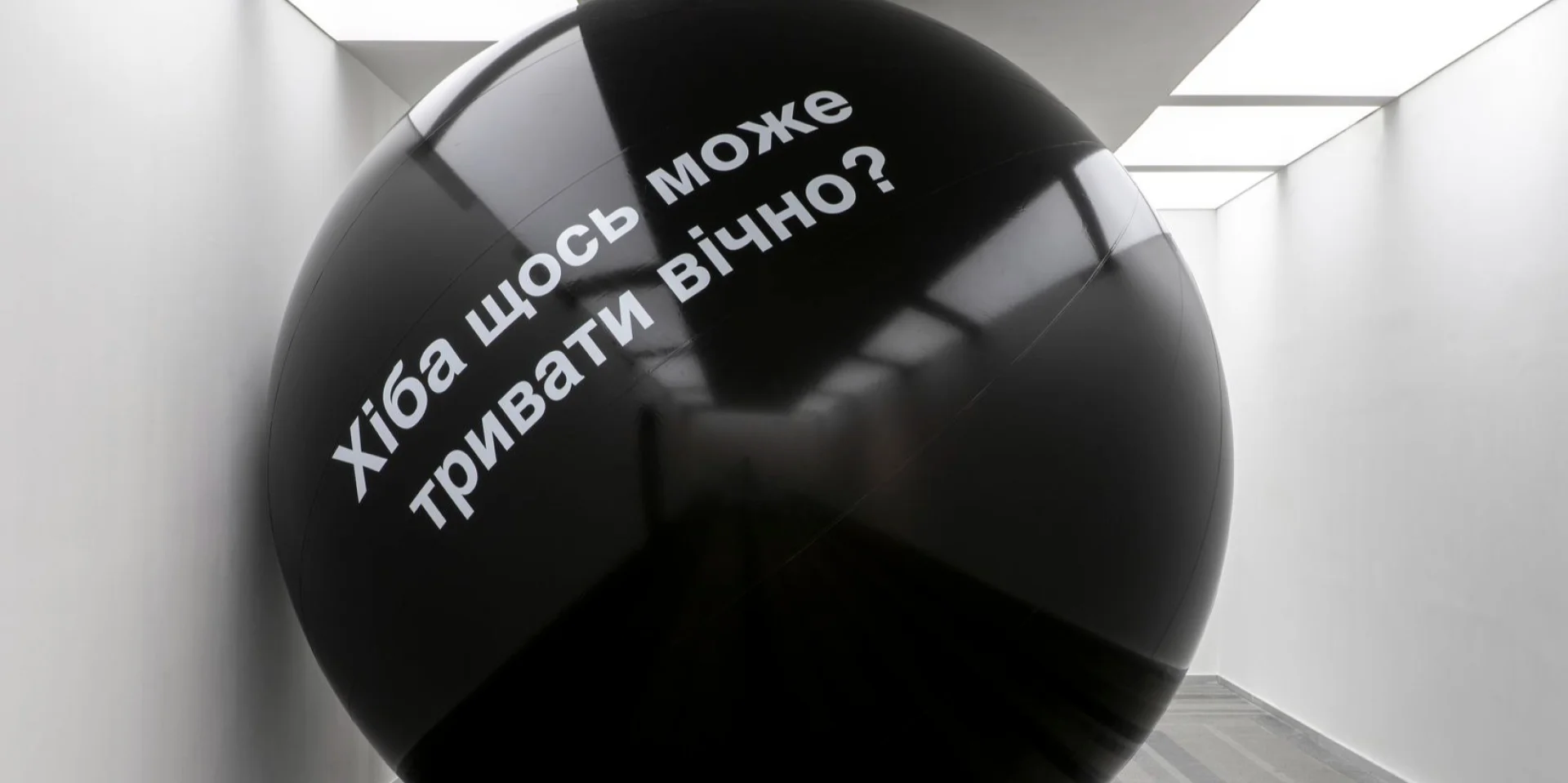
The PinchukArtCentre has opened a new exhibition titled "Still Joy — From Ukraine Into the World" as part of the official parallel program of the 61st Venice Biennale. The show, which opened on May 7 at Palazzo Contarini Polignac and runs through August 1, features works by over 20 international and Ukrainian artists exploring joy as an act of resilience and humanity. Central to the exhibition are testimonies from Hlib Stryzhko, a marine veteran who returned from Russian captivity, which are transformed into sculptural elements. Notable works include a protest performance by Yurii Hruzinov at the Russian pavilion, a video installation of Kyiv rave parties by Malashchuk and Khimei, and installations by Future Generation Art Prize laureates Ashfika Rahman and Zhanna Kadyrova.

At the 2026 Venice Biennale, pavilions shut down for pro-Palestine strike. The map of protests

Alla Biennale di Venezia 2026 serrata dei padiglioni per sciopero pro Palestina. La mappa delle proteste

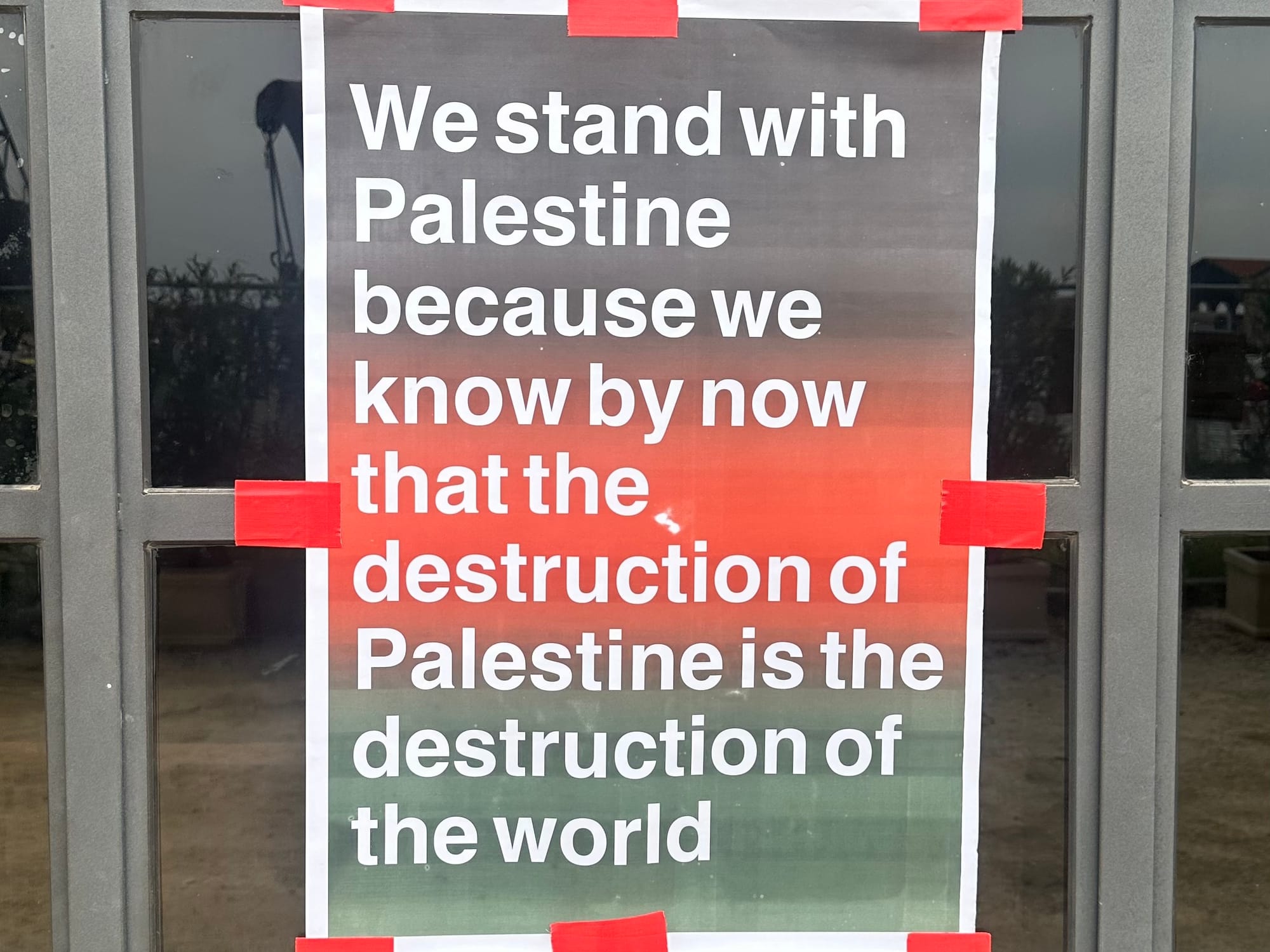
On May 8, 2026, the third VIP preview day of the 61st Venice Biennale, a massive strike shut down numerous national pavilions and disrupted the exhibition. Led by the Art Not Genocide Alliance (Anga), the protest demands Israel's exclusion from the Biennale over allegations of genocide in Palestine, and also targets poor labor conditions in the cultural sector. Pavilions closed one after another due to staff shortages, and protest posters appeared around artworks at the Giardini and Arsenale. The strike involved the Biennale Foundation itself, along with about twenty contractors managing services and national pavilions, with unions Adl Cobas, USB Lavoro privato, and Cub supporting the action. Tensions rose when the UK Pavilion reportedly replaced striking staff to remain open, and the Foundation issued a statement falsely denying that its employees were covered by the strike.

Venice Biennale in crisis: The controversies explained

The Venice Art Biennale's official awards ceremony, scheduled for May 9, has been canceled after the entire five-member jury resigned days before the event. The jury had previously announced they would not consider countries whose leaders face International Criminal Court charges, directly impacting Russia and Israel. Instead of jury-selected prizes, visitors will vote throughout the Biennale's run, with "Visitor Lions" awarded on November 22. The event, running from May 9 to November 22, features 100 national participations, including seven first-time countries, and a posthumous main exhibition titled "In Minor Keys" curated by the late Koyo Kouoh, the first African woman to lead the show. Iran withdrew on May 4 amid Middle East tensions, while Russia's return to the Biennale in 2026 has sparked EU threats to cut funding.

As the South African Pavilion Sits Empty, Gabrielle Goliath Continues a ‘Life-Work of Mourning’

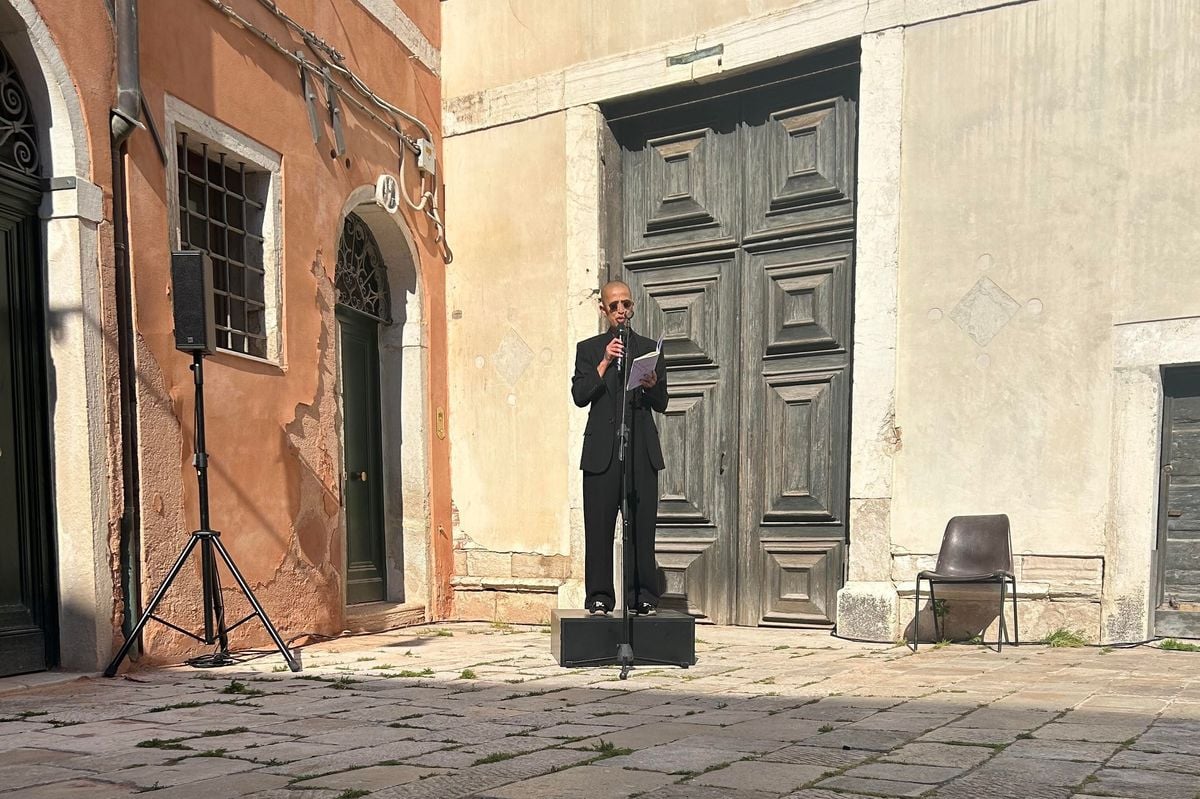
South African artist Gabrielle Goliath inaugurated an off-site Venice exhibition with a public poetry reading after her official presentation at the South African Pavilion was canceled. The performance, part of her ongoing series *Elegy* (2015), features seven singers sustaining a single tone for an hour as a mourning ritual. The work addresses femicide, rape culture, and the killing of Palestinian civilians, and includes new video and sound installations lamenting specific victims: South African teenager Ipeleng Christine Moholane, Nama women killed during Germany’s colonization of Namibia, and Palestinian poet Hiba Abu Nada. The South African Department of Sport, Arts and Culture rescinded Goliath’s invitation in January, deeming the work “related to an ongoing international conflict that is widely polarising.” Goliath unsuccessfully challenged the decision in South Africa’s high court, and the exhibition now runs throughout the Venice Biennale outside the official program before traveling to London in October.