filter_list Showing 7 results for "Illuminated" close Clear
dashboard All 7 museum exhibitions 5article culture 1rate_review review 1
date_range Range Today This Week This Month All
Subscribe

joshua johnson 2745691

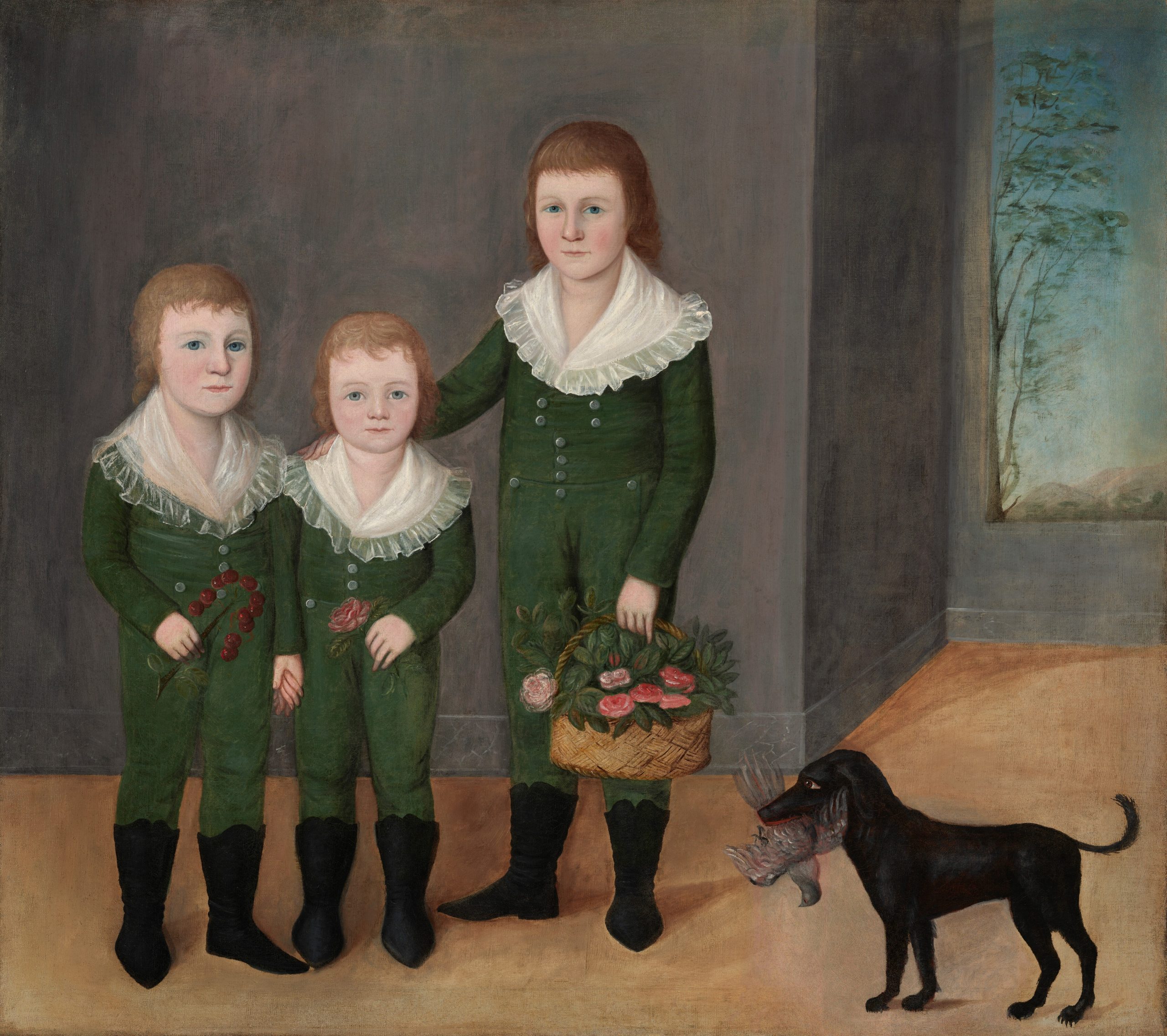
Joshua Johnson, born into slavery in Maryland around 1763, emerged in the late 18th century as the first documented Black professional artist in the United States. After gaining his freedom in 1782, Johnson established himself in Baltimore as a self-taught portraitist, advertising his services in local newspapers and catering to the city's prominent families. His body of work, consisting of approximately 83 attributed paintings, is characterized by a distinct flatness and three-quarter profile compositions typical of early American folk art.

Silvestre Pestana’s LED Signs Give Language Charge

Silvestre Pestana, a Portuguese artist and poet, is presenting a solo exhibition of his LED text-based works at Galeria Quadrado Azul in Porto. The show, titled 'Silvestre Pestana: The Light of Words', features his pioneering 'Poemas Pornográficos' (Pornographic Poems) from the 1980s and newer LED pieces that transform language into pulsating, illuminated objects.

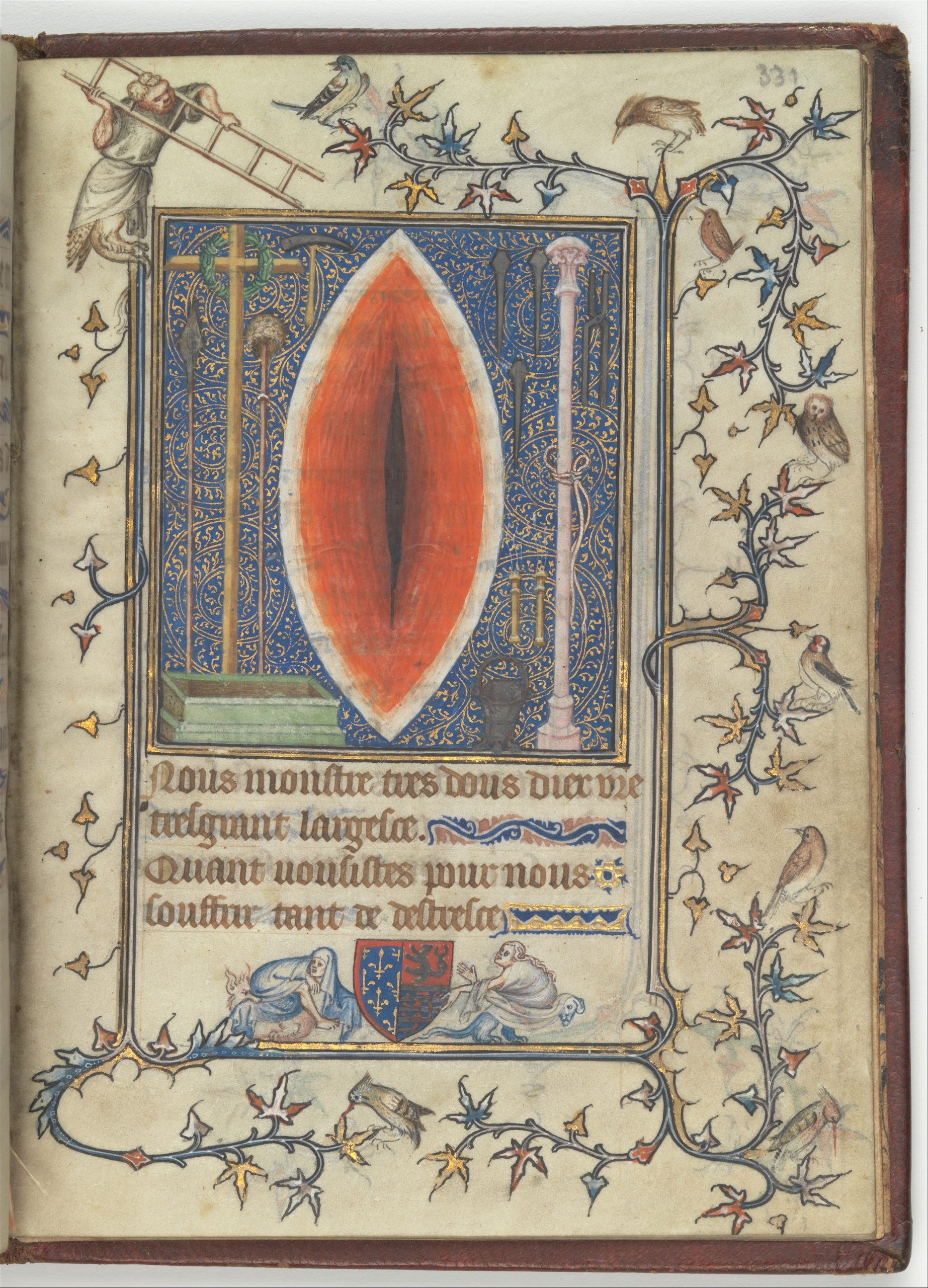
Medieval Art: Christ's Side Wound as Vulva

medieval art christ side wound vulva 2743308

The Met Cloisters in New York is hosting "Spectrum of Desire: Love, Sex, and Gender in the Middle Ages," an exhibition exploring how medieval art depicted the body, sexuality, and gender. A central focus of the show is the intentional depiction of Christ’s side wound as a vulva-like shape, or mandorla, in illuminated manuscripts such as the 14th-century Prayer Book of Bonne of Luxembourg. These images were designed as intimate devotional tools, inviting viewers to meditate on Christ's suffering through a lens that transcended traditional gender binaries.

Nick Cave’s “Mammoth” Collection of Objects Is a Public Deep Dive Into Personal History

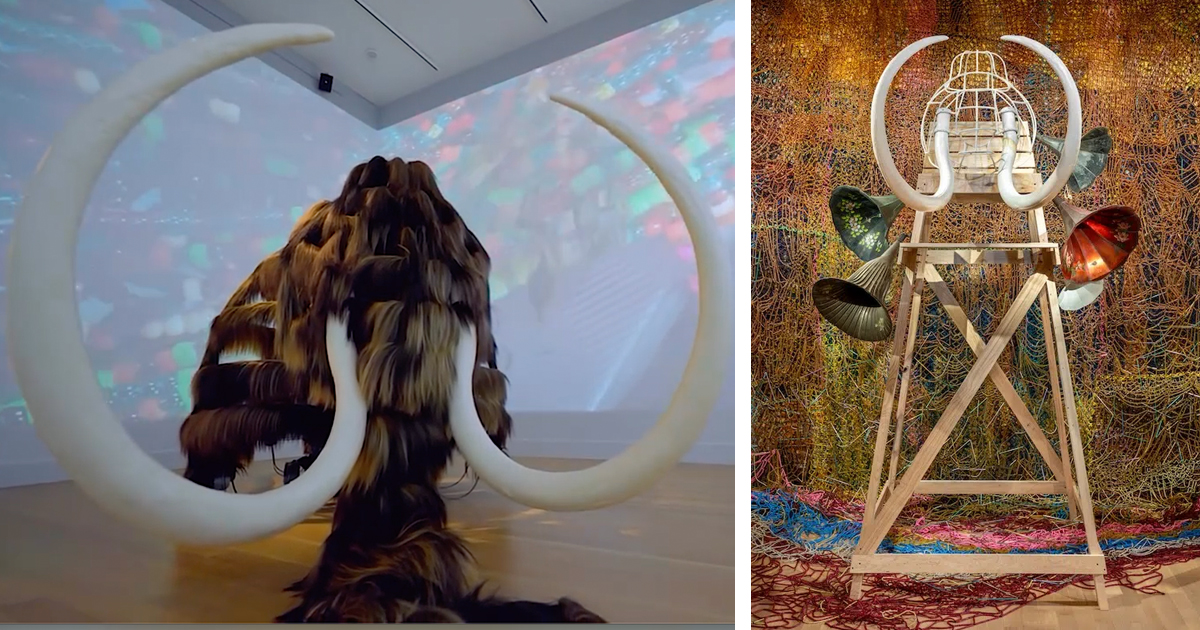
Nick Cave's immersive solo exhibition "Mammoth" is on view at the Smithsonian American Art Museum through January 3, 2027. The show features a vast, illuminated table covered with hundreds of everyday objects—faux fruits, bejeweled vegetables, wooden canes, glass fish, toy trucks, and leather slippers—arranged with deliberate purpose. Alongside these collected items, Cave has constructed mammoth hides and bones, and a video projection brings the ancient creatures to life. The exhibition draws deeply on Cave's personal history growing up in Missouri, with memories of his grandparents' farm and his family's traditions of making, quilting, and craftsmanship informing the assemblage.

DRIFT celebrates LACMA's gallery opening with a glowing swarm of dancing drones

The artist duo DRIFT launched their 'Franchise Freedom' performance, a swarm of over 1,000 illuminated drones, above the Los Angeles County Museum of Art (LACMA). The event celebrated the public opening of the museum's new Peter Zumthor-designed David Geffen Galleries, creating a dialogue between the dynamic, airborne artwork and the building's horizontal, sand-toned concrete architecture.

The Brooklyn Fine Art Print Fair Has Taken Off Its Training Wheels

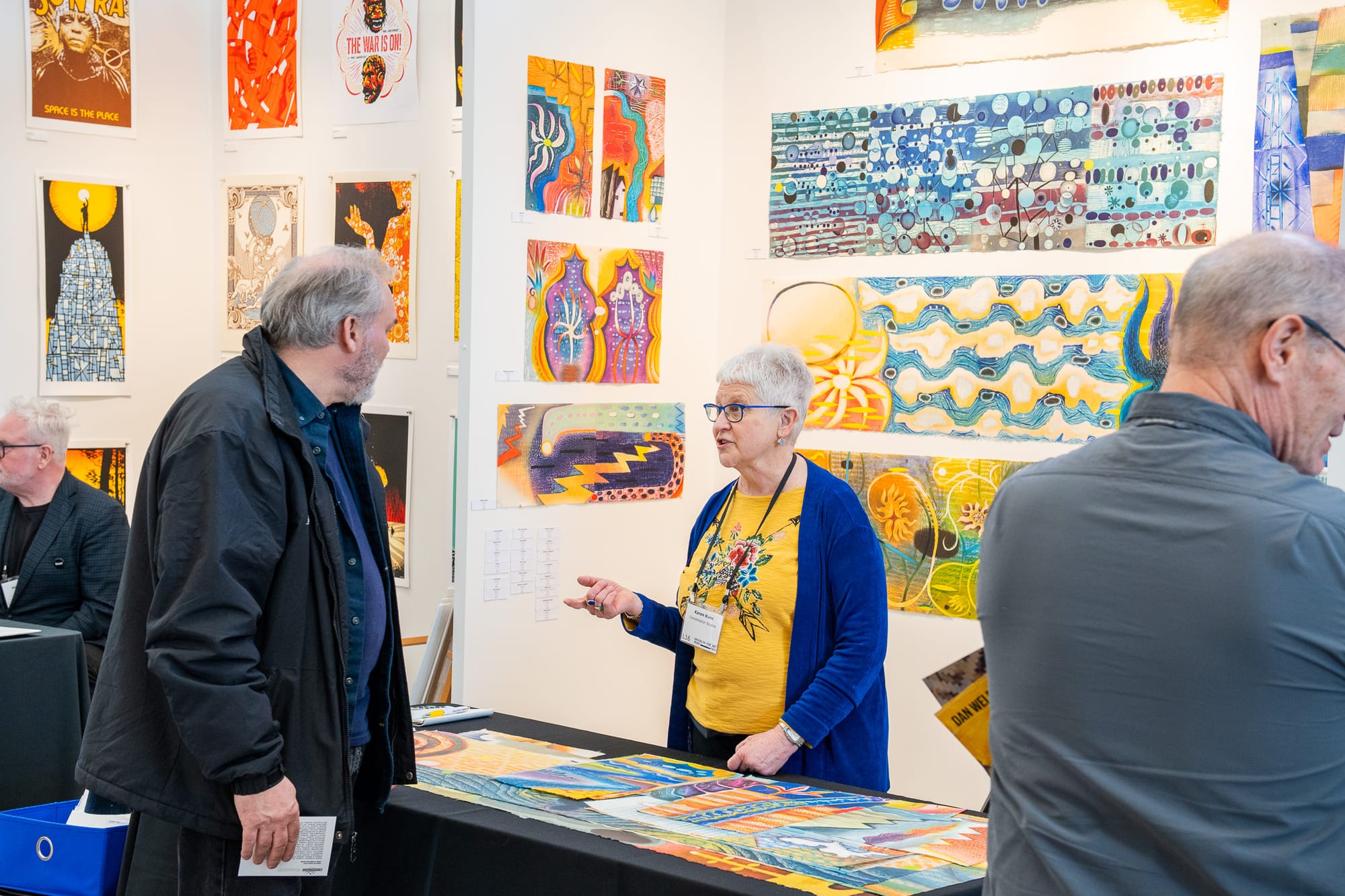
The Brooklyn Fine Art Print Fair (BFAPF) has returned for its second edition at Powerhouse Arts, expanding significantly from its inaugural "beta test" last year. The fair now features over 60 exhibitors, including a diverse mix of independent print shops, academic departments, self-represented artists, and established international galleries. This year's iteration emphasizes experimental mixed-media practices and a rigorous juried selection process, moving beyond traditional printmaking to include illuminated plexiglass screenprints and sculptural paper works.

I wanted to hate the new LACMA. Then I went back

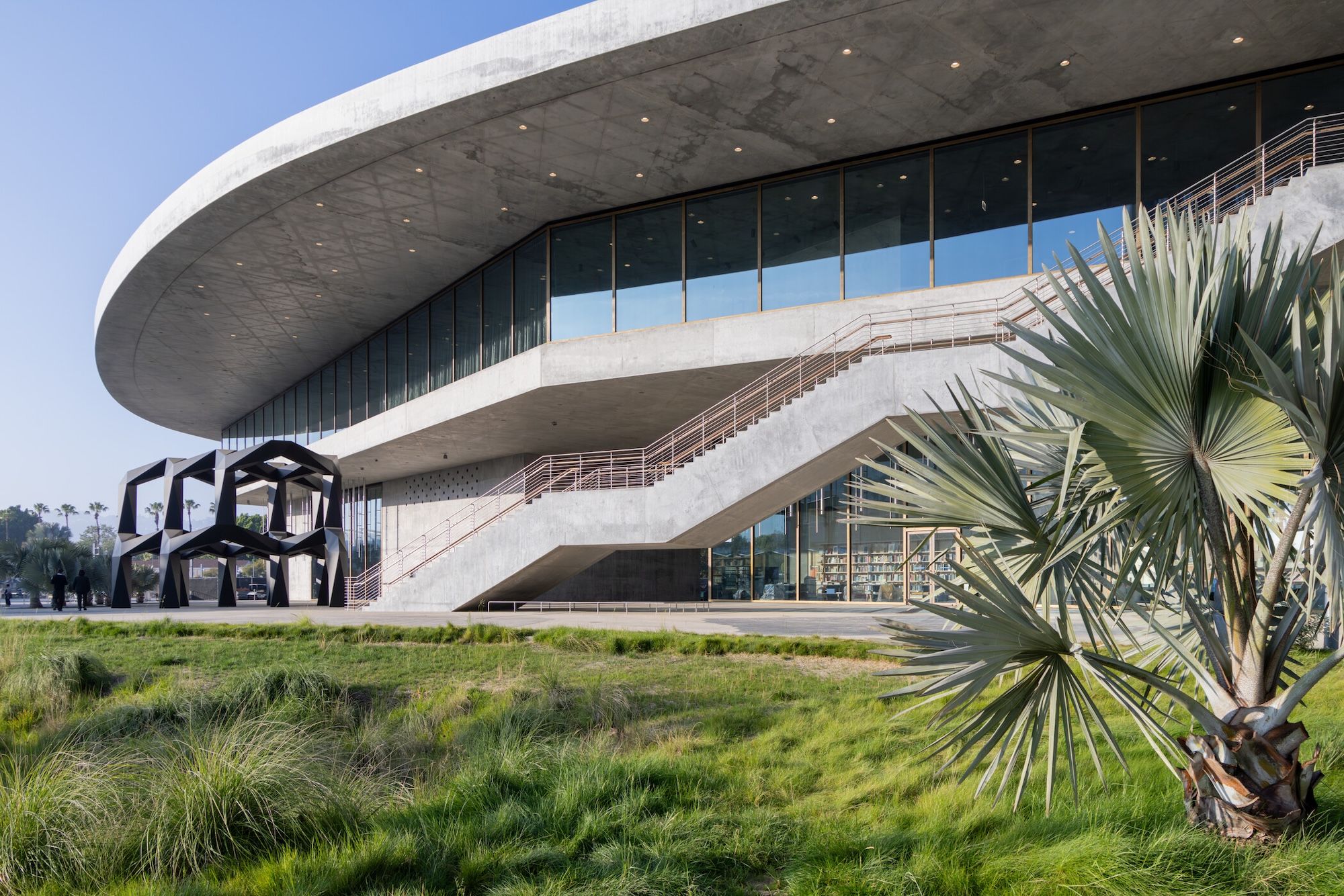
The article describes the author's evolving impression of the newly opened David Geffen wing at the Los Angeles County Museum of Art (LACMA), designed by architect Peter Zumthor. Initially visiting at 11am, the author found the $724 million, 110,000 sq ft building to be a "dismal, dated, inelegant brute," with thick bronze windows, dark concrete slabs, and bunker-like galleries. However, returning at 4pm, the author experienced a transformation: golden afternoon light warmed the concrete, illuminated the interiors, and revealed the building as a "brilliant innovation and true gift to the city." The article details the building's 20-year design evolution, challenges including fossil discoveries on site, and Zumthor's public frustrations with the compromised details.