filter_list Showing 30 results for "In the Sky" close Clear
dashboard All 30 article news 16museum exhibitions 8article policy 5article local 1
date_range Range Today This Week This Month All
Subscribe

Difficult search for new culture senator in Berlin

Schwierige Suche nach neuem Kultursenator in Berlin

Berlin's culture senator Sarah Wedl-Wilson resigned on Friday after a state audit found that her allocation of anti-Semitism prevention funds was unlawful. The CDU politician is being succeeded by former justice senator and Bundestag member Thomas Heilmann (CDU), who is reportedly the favorite for the post. Heilmann, 61, studied law, ran a successful advertising firm, and served as Berlin's justice senator from 2012 to 2016 before sitting in the Bundestag from 2017 to 2025. Governing Mayor Kai Wegner has not yet made a final decision, but transport senator Ute Bonde publicly endorsed Heilmann, citing his experience with Berlin's administration.
DACA Artist Uses Thread to Weave Immigration Stories

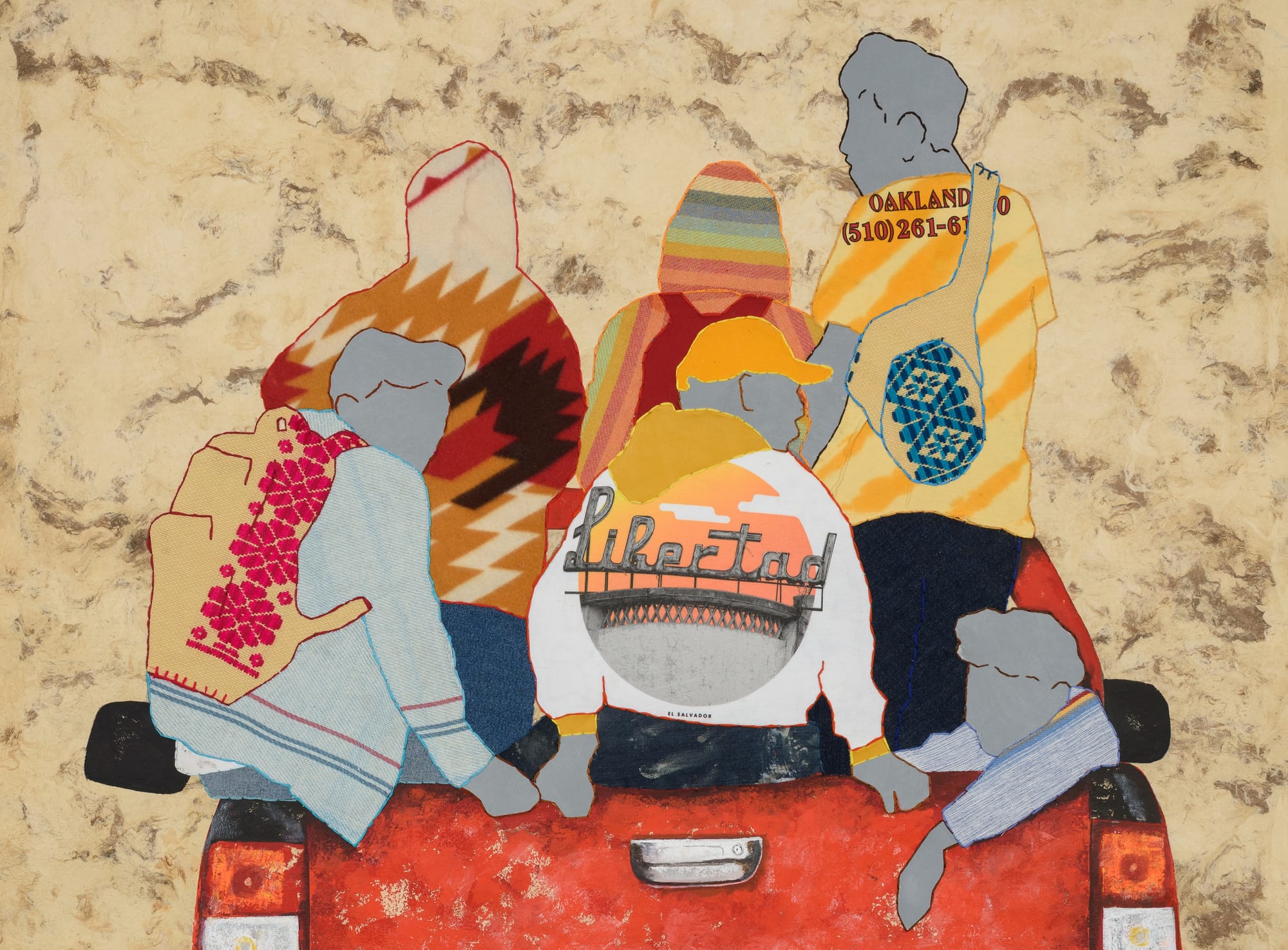
Arleene Correa Valencia, a DACA recipient and Bay Area artist, presents her debut solo exhibition "CÓDICE •• SOBREVIVIENDO A LA PERSECUCIÓN" at Fridman Gallery in Manhattan, on view through May 2. The show features large-scale acrylic and textile works on amate bark paper, including a 16-foot-long piece depicting border-crossing narratives. Valencia collaborates with her father, mother-in-law, and papermaker Jose Daniel Santos de la Puerta, and incorporates childhood letters that poignantly reflect family separation and undocumented life.

From monumental glass sculptures to a lagoon in the sky: what to see beyond the Venice Biennale pavilions

The article highlights several must-see exhibitions and installations beyond the main Venice Biennale pavilions. Patrizia Sandretto Re Rebaudengo's redevelopment of the island of San Giacomo opens on 7 May, transforming abandoned Napoleonic-era powder magazines into exhibition spaces with a solo show by British artist Matt Copson and a group show from her collection. American artist Melissa McGill presents 'Marea', a street-spanning installation of 100 paintings created with local residents and students, addressing climate change and rising sea levels. Dale Chihuly returns to Venice with 'Chihuly: Venice 2026', featuring monumental glass installations along the Grand Canal, including 'Gold Tower' (2025). Wallace Chan unveils titanium sculptures at the Chapel of Santa Maria della Pietà, with a parallel exhibition at the Long Museum in Shanghai.

Exhibition | Nengi Omuku, 'We Were Like Those Who Dreamed' at Pippy Houldsworth Gallery, London, United Kingdom

Pippy Houldsworth Gallery in London presents 'We Were Like Those Who Dreamed,' the second solo exhibition by Nigerian artist Nengi Omuku. The show features new paintings that explore the politics of green spaces in urban centers, particularly Lagos, where rapid urbanization has created a 'concrete jungle.' Omuku transposes figures from contemporary and archival images of Lagos into lush, Impressionistic landscapes painted with pointillist brushstrokes and a Fauvist palette, using the garden as a radical symbol of equality and resistance. She paints on sanyan, a hand-spun Yoruba cloth, working with local artisans in Ilorin to revive the tradition. Works like 'Dream Logic' and 'One Particular Man' address socio-economic tensions, while 'A quiet nation' captures the dichotomy between urban Brutalist architecture and natural foliage.

Russia's 2026 Venice Biennale Will Not Open to the Public, and Other News.

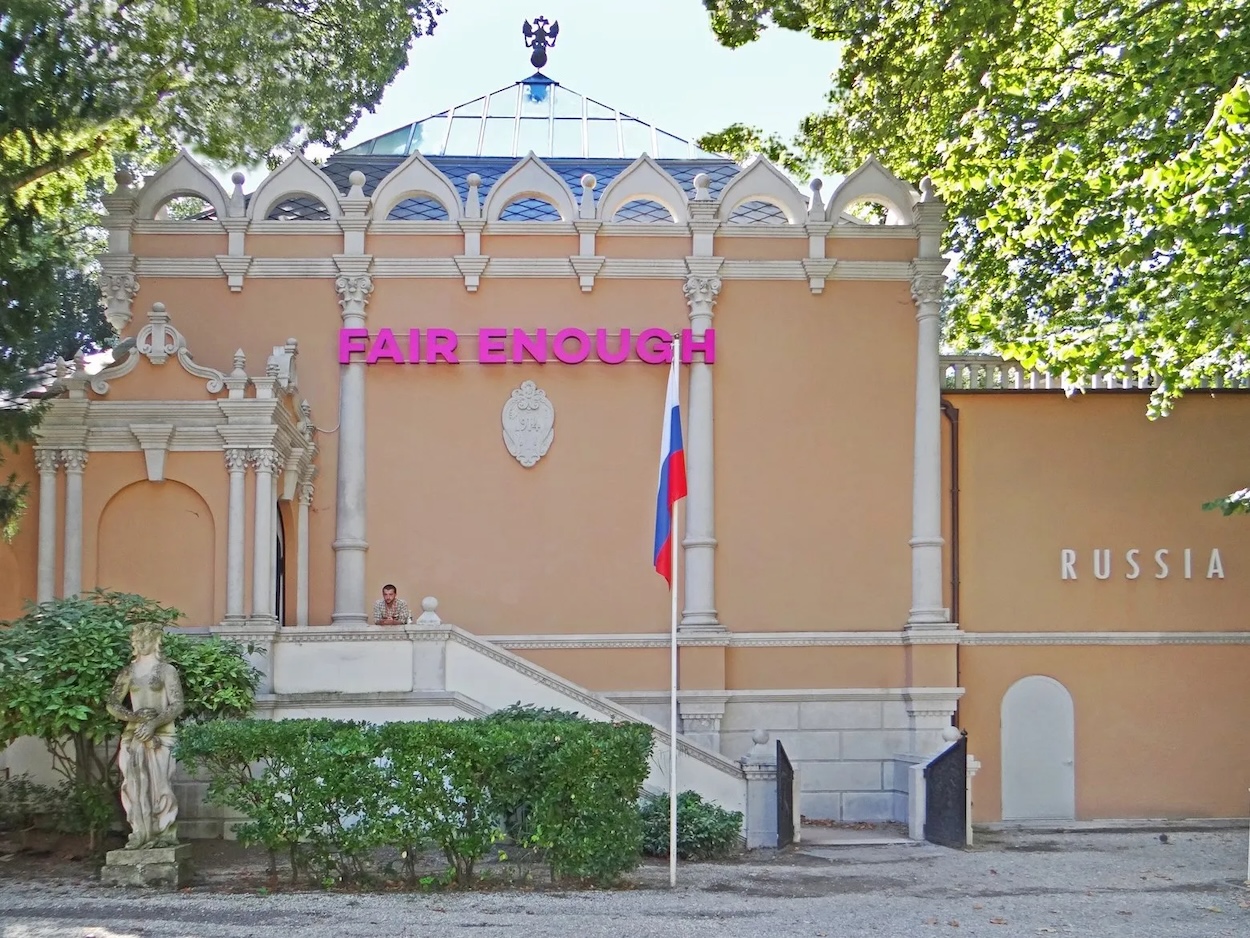
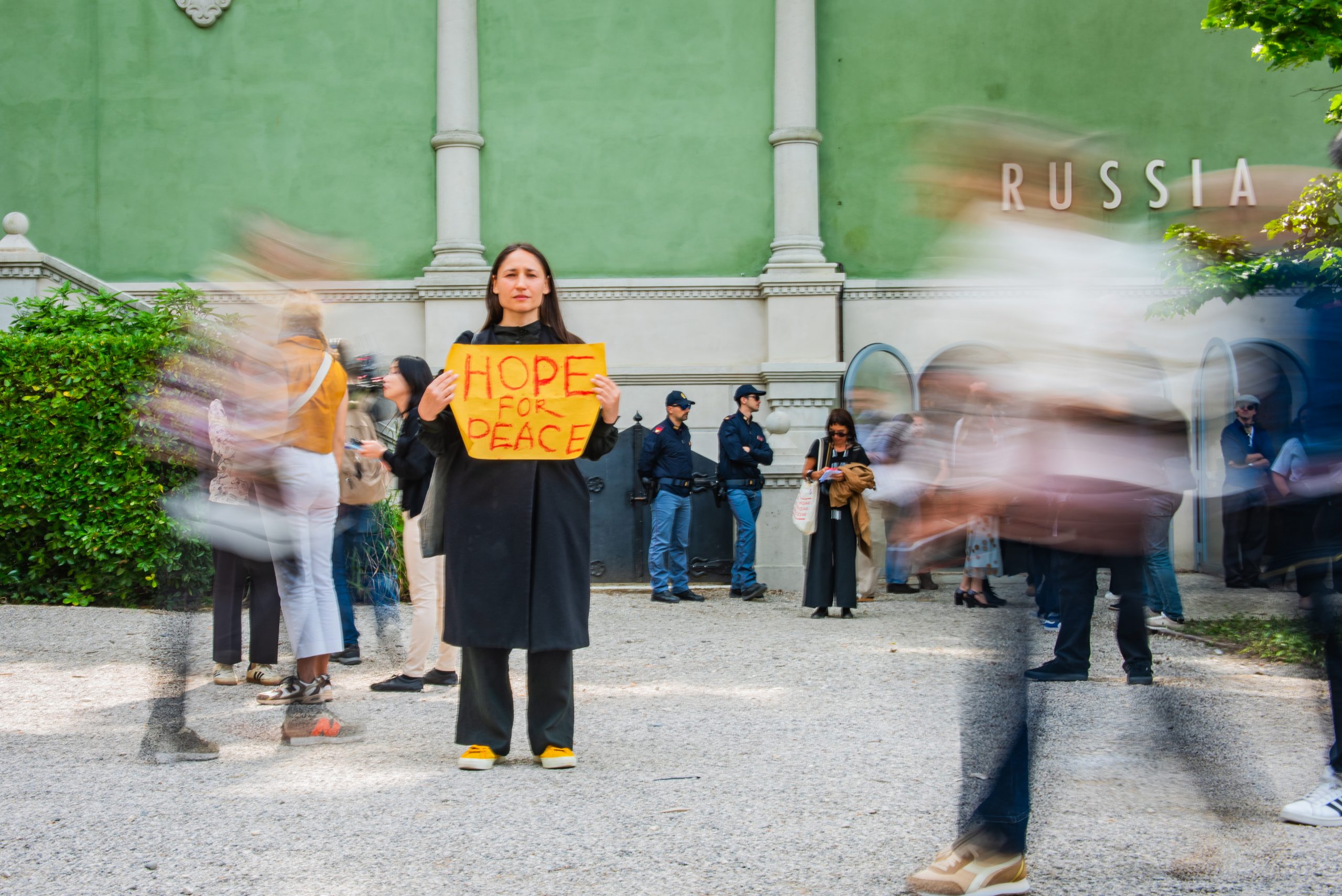
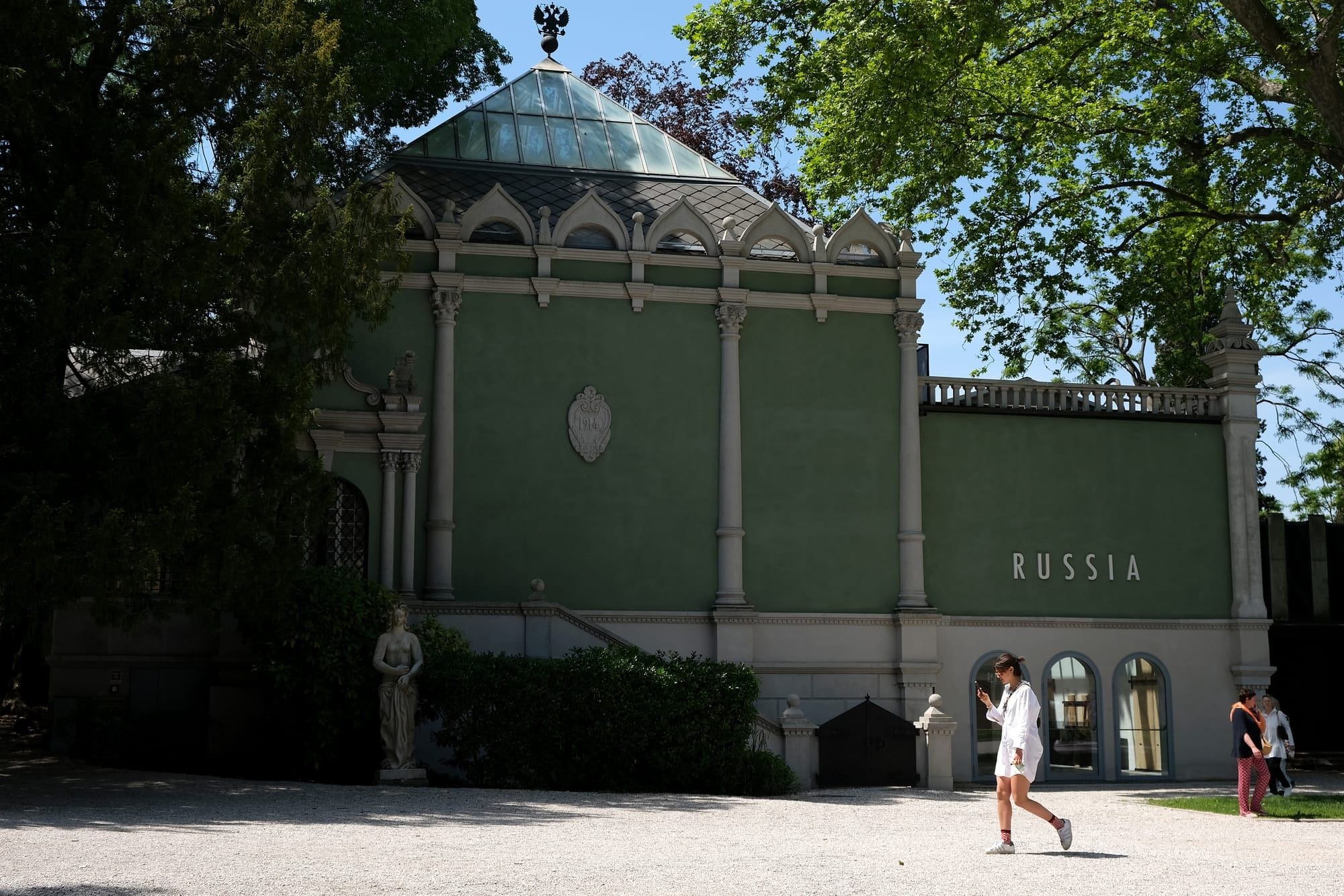
Russia's pavilion at the 2026 Venice Biennale will be closed to the public for nearly the entire run of the exhibition (May 9–November 22), with access limited to a brief preview period for press and invited guests. Instead of physical access, visitors will experience the pavilion's project—titled 'The Tree Is Rooted in the Sky'—via video documentation displayed on exterior screens. The arrangement is widely seen as a compromise shaped by international sanctions and political backlash over Russia's return following its absence after the 2022 invasion of Ukraine. In other news, Matthieu Blazy unveiled his first Chanel cruise collection in Biarritz; San Francisco appointed Matthew Goudeau as its first-ever executive director of arts and culture; the Saudi Arabia Museum of Contemporary Art received a $490 million construction grant from Diriyah Company; and online auction sales grew 8 percent in 2025, generating $423.9 million.

Pussy Riot Storms Russia Pavilion at Venice Biennale

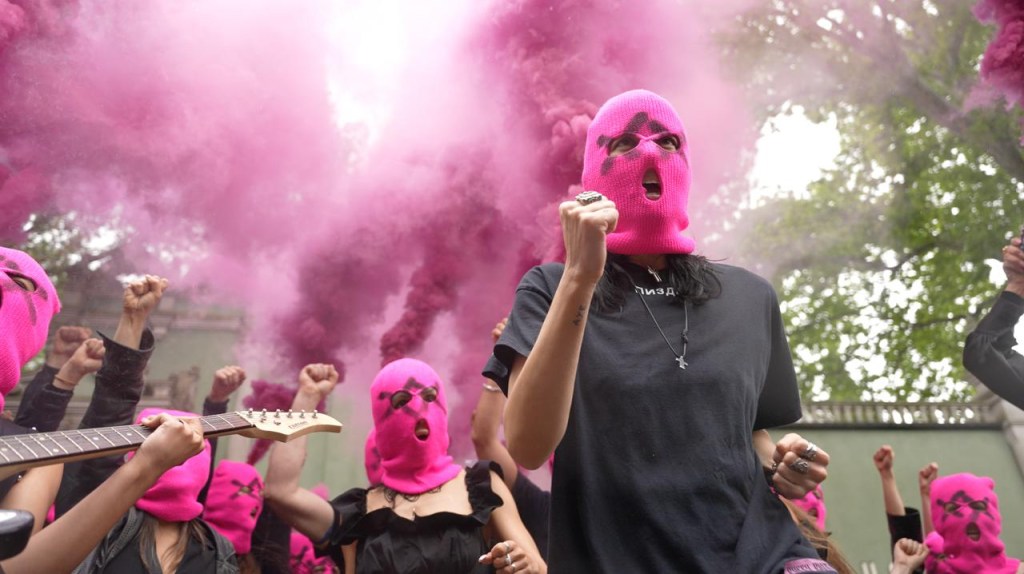
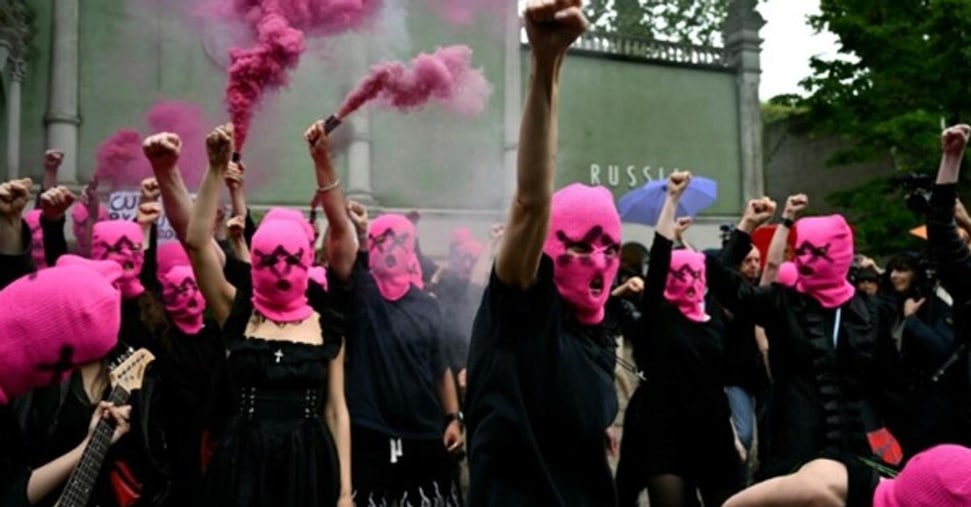
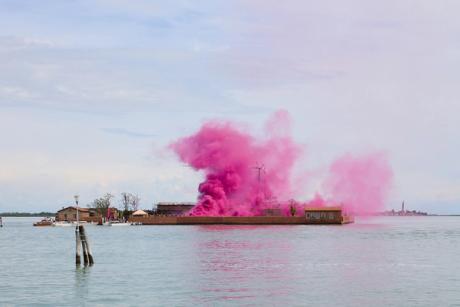
Pussy Riot staged a dramatic protest at the Russia Pavilion during the Venice Biennale, releasing pink smoke and waving Ukrainian flags while chanting slogans like 'Blood is Russia’s art.' Around 50 protesters, including members of Femen, occupied the area. Pussy Riot founder Nadya Tolokonnikova called for the pavilion to be closed and given to oppressed peoples, challenging Biennale president Pietrangelo Buttafuoco to meet her. The protest lasted about 20 minutes, with performers climbing the pavilion and exposing political slogans on their chests.

The art of politics: how global conflicts are playing out in this year's Venice Biennale

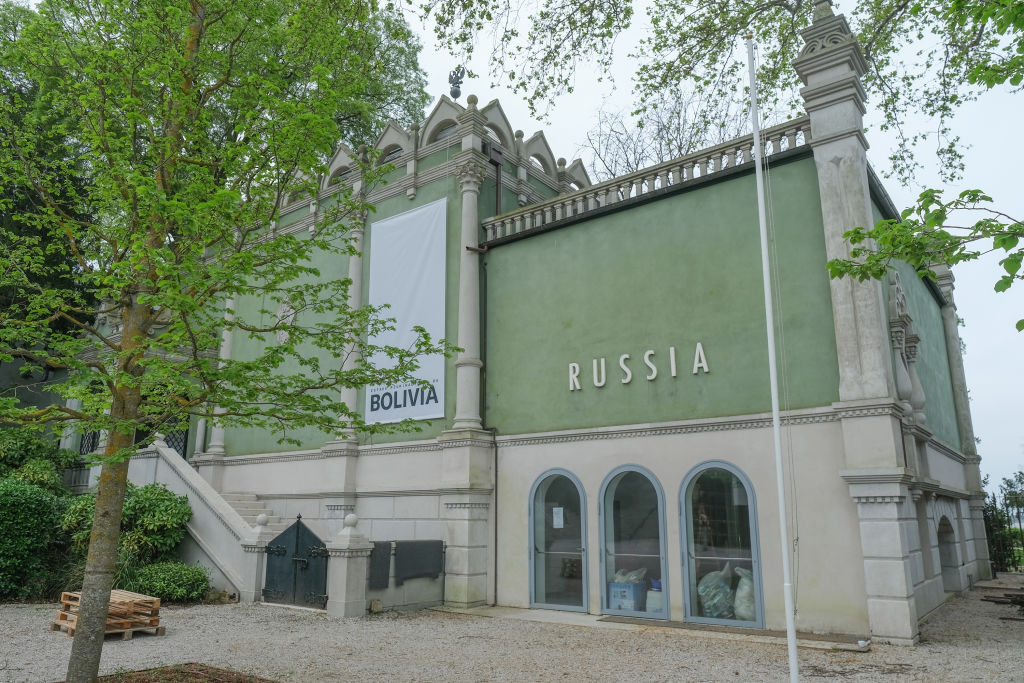
Israel is making a controversial return to the 2025 Venice Art Biennale after its pavilion was locked in 2024 with a note demanding a ceasefire in Gaza. The artist representing Israel, Belu-Simion Fainaru, will present his project "Rose of Nothingness" in the Arsenale, while Russia also returns to the Biennale after its Giardini pavilion was reassigned to Bolivia in 2024. The Art Not Genocide Alliance (ANGA) has renewed calls for a boycott and is organizing strike action to disrupt the event, accusing Israel of genocide.

A new, monochromatic perspective on Alexander Calder at SAM

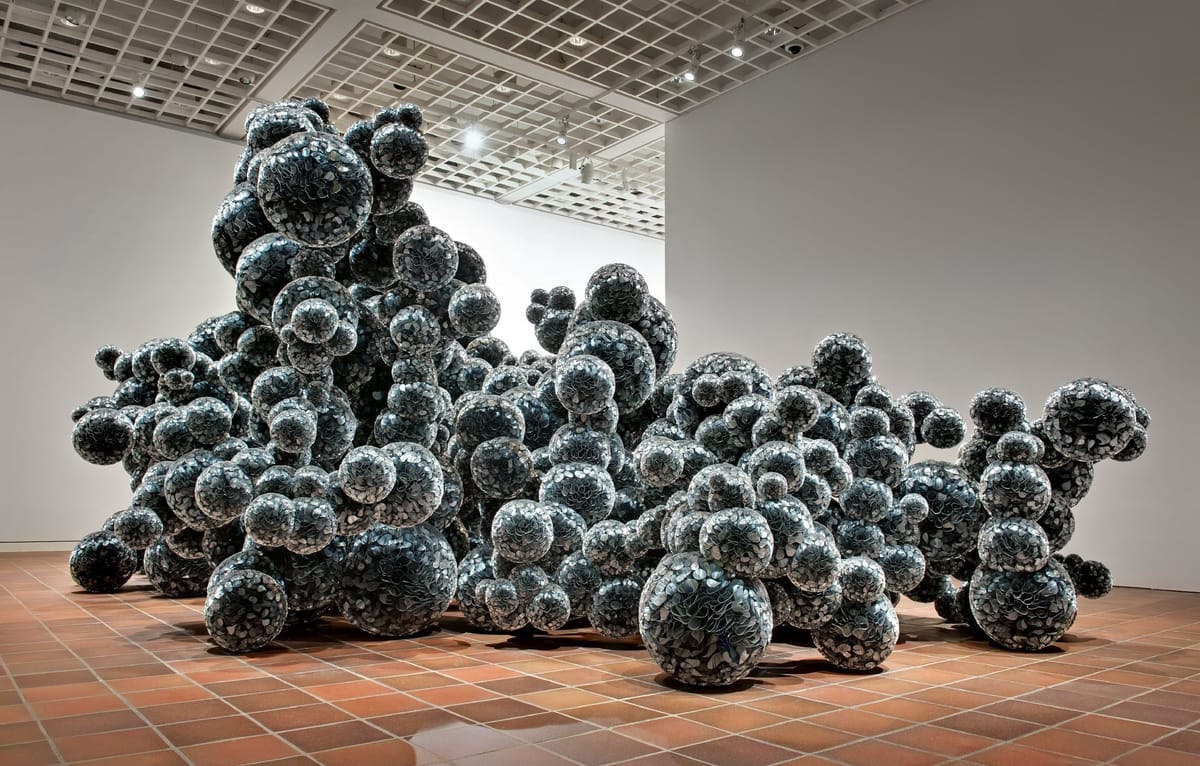
The Seattle Art Museum (SAM) has opened "Monochrome: Calder and Tara Donovan," a new exhibition in its Calder at SAM series that pairs two matte-black Alexander Calder sculptures with works by Brooklyn-based artist Tara Donovan. Curated by Donovan alongside SAM curator Catharina Manchanda, the show uses black as its sole color to highlight materials, texture, and form. Highlights include Calder's 1949 mobile "Jacaranda" and 1976 maquette "Mountains (1:5 intermediate maquette)," juxtaposed with Donovan's sculptures made from industrial materials like plastic stir sticks, slinkys, tar paper, and mylar. The exhibition runs through January 17, 2027.

Russian Pavilion Will Be Closed to the Public During Venice Biennale: Report

The Russian Pavilion will be closed to the public for most of the 2025 Venice Biennale, opening only during the pre-opening vernissage (May 5–8) for live performances tied to the exhibition “The Tree Is Rooted in the Sky.” After May 9, the pavilion will remain closed, with digital documentation displayed in the windows. The compromise follows weeks of pressure from European cultural and political figures—including Italy’s culture minister—to shutter the pavilion due to Russia’s ongoing war in Ukraine. Plans were confirmed via email correspondence between Biennale Foundation president Pietrangelo Buttafuoco, general director Andrea Del Mercato, and Russian Pavilion commissioner Anastasia Karneeva, as reported by Italian outlets Open and La Repubblica.

EU confirms Venice Biennale funding cut over Russia feud

The European Union has confirmed it will cut its funding to the Venice Biennale following the event's decision to allow Russia's return to the exhibition. EU foreign policy chief Kaja Kallas announced the move, which was previously threatened, during a press conference focused on supporting Ukraine. Latvia and Finland have also stated they will not send government representatives if Russia's participation is maintained.

Venice Biennale’s Russian Pavilion and Pussy Riot Spar Over Usage of Protest Footage

The Russian Pavilion at the 2026 Venice Biennale has become embroiled in a new controversy after accusing the anti-Putin art collective Pussy Riot of censorship. The pavilion posted on Instagram that Pussy Riot demanded the removal of footage featuring them from a documentary film about the pavilion's project, labeling the request as self-censorship. Pussy Riot responded sarcastically, questioning the pavilion's use of Instagram given Russia's 2022 ban of the platform. The dispute follows earlier protests at the pavilion's opening, led by Pussy Riot and FEMEN, against Russia's participation in the Biennale amid its ongoing invasion of Ukraine.

Political Fallout Rocks Venice Biennale Prize System

Dozens of artists participating in the 2026 Venice Biennale have withdrawn from consideration for the newly created Visitor Lion awards, replacing the traditional Gold and Silver Lion prizes. A total of 57 artists from the main exhibition and 22 national pavilions signed a statement published on e-flux on May 9, acting in solidarity with the five-person prize jury that resigned on April 30 over the continued participation of Russia and Israel. The jury had objected to awarding prizes to artists from countries whose leaders face International Criminal Court charges, including Russian president Vladimir Putin and Israeli prime minister Benjamin Netanyahu. In response, the Biennale organizers postponed the awards ceremony to November 22 and introduced visitor voting, a move they described as consistent with openness and dialogue. Meanwhile, the Russian Pavilion, which returned after lending its space to Bolivia in 2024, faced protests, closure after previews, and a €2 million funding pull by the European Union for the 2028 Biennale.

Venice Bound? Here’s All the News You Need to Know About This Year’s Biennale

The 61st Venice Biennale is embroiled in geopolitical controversy over Russia's return to the event in 2026, which has sparked widespread backlash. Nearly 10,000 artists and cultural leaders signed an open letter opposing Russia's participation, and the European Union withdrew €2 million in funding for the 2028 edition. Leaked emails reveal Biennale officials worked with Russian pavilion commissioner Anastasia Karneeva to circumvent EU sanctions, while Italy's culture minister Alessandro Giuli plans to boycott the opening week. Meanwhile, activists continue to push for Israel's removal from the Biennale, though Israel will be accommodated in the Arsenale this year.

What You Need to Know About the Venice Biennale’s Russian Pavilion Controversy

The Russian pavilion is set to return to the Venice Biennale for the first time since the 2022 invasion of Ukraine, presenting an exhibition titled 'The tree is rooted in the sky.' This has sparked significant controversy, with artists, curators, and politicians from Ukraine and several European nations calling for the pavilion's exclusion, citing the ongoing war and sanctions. The Biennale organizers have refused to remove Russia, stating they lack the authority to exclude a state recognized by Italy and emphasizing the event's role as a neutral space for cultural dialogue.

How Pussy Riot Is Challenging Russia’s Return to the Venice Biennale

The feminist art collective Pussy Riot is campaigning to replace the official Russian exhibition at the 2024 Venice Biennale with their own show, "Resistance Imprisoned." The alternative exhibition features art created by nearly 30 current and former political prisoners in Russia, using improvised materials like envelopes, bedding, and blood. The collective's founder, Nadya Tolokonnikova, aims to expose the country's repressive system, drawing from her own experience in a penal colony.

Kim Dacres Revitalizes Sleek Tires, Chains, and Gears in Defiant Sculptures

Kim Dacres transforms discarded auto and bicycle rubber into sculptural portraits that celebrate Black hairstyles and community. Her new exhibition "Lost on a Two Way Street" at Charles Moffett in New York features busts with braided buns and gear-like crowns, alongside flat wall works evoking Victorian cameos. The show also includes reimagined U.S. flags with Black and brown figures, addressing the current political climate and the gap between national symbols and lived reality.

Art Biennale: artists reject the popular jury

Fifty-two artists and curators, along with sixteen National Participants of the 61st Venice Art Biennale, have withdrawn from the newly introduced 'Lions of the Visitors' (People's Prizes) competition. The boycott follows the resignation of the jury appointed by artistic director Koyo Kouoh, who died in 2025, and is a protest against the inclusion of Russia and Israel in the prize—countries initially excluded by the international jury. The controversy escalated after Italian Minister of Culture Alessandro Giuli publicly opposed the Biennale president Pietrangelo Buttafuoco's decision to allow Russia's participation, drawing in the European Commission and even Ursula von der Leyen, who warned of potential sanctions violations. The signatories include artists and curators from France, Belgium, Luxembourg, Turkey, Switzerland, Spain, the Netherlands, and several other nations.

Ten Political Statements By Artists At The 2026 Venice Biennale

The 61st Venice Biennale opened with unprecedented political tension, set against the backdrop of the international jury's mass resignation, the death of curator Koyo Kouoh, Russia's closed pavilion, threats from the European Commission to withdraw funding, and Italy's culture minister boycotting the opening. The article highlights ten works and moments where art and power intersected most explicitly, including Alfredo Jaar's 'Red Room' installation in the Chilean pavilion confronting humanitarian crisis, and Ukraine's collateral event 'Still Joy' at Palazzo Contarini Polignac, which frames joy as an act of resistance amid war.

Venice Biennale strike sees more than 15 pavilions temporarily or partially close

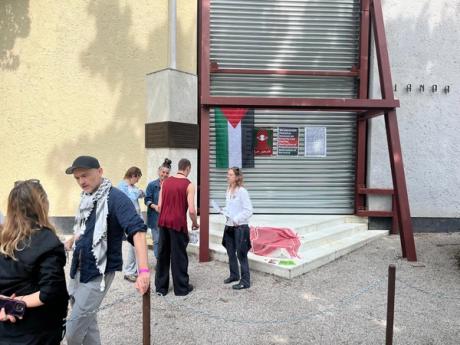
On 8 May, more than 15 national pavilions at the Venice Biennale temporarily or partially closed in a coordinated strike organized by the Art Not Genocide Alliance (ANGA). The protest opposes Israel’s participation in the event, which organizers say normalizes what they call genocide and exploits precarious labor. Participating countries include Austria, Lebanon, Slovenia, Egypt, Poland, and the Netherlands, whose artist Dries Verhoeven stood outside his shuttered pavilion with a Palestinian flag. Some pavilions, like Japan’s, remained open but suspended interactive elements. The strike follows earlier controversies, including the resignation of the prize jury and an open letter demanding the Israeli pavilion’s cancellation.

EU Cuts Venice Biennale Funding Over Russia Involvement

The European Commission has withdrawn a $2.3 million grant from the Venice Biennale, following through on a threat made last week. The funding cut is a direct response to the Biennale's decision to readmit Russian artists as a government-funded delegation for its 2026 edition, which the EU argues violates sanctions and provides Russia a cultural platform during its war against Ukraine.

Italian Culture Minister Launches Inspection of Venice Biennale’s Russian Pavilion

Italian Culture Minister Alessandro Giuli has launched an official inspection of the Russian Pavilion at the 61st Venice Biennale, just days before the exhibition opens. An inspector has been sent to Venice to review all documentation related to Russia's participation, focusing on potential irregularities such as visa issues for Russian artists and delegation members. The investigation follows the Biennale's international jury decision to exclude Russia and Israel from awards due to accusations of crimes against humanity. The Russian Pavilion will be open only during the pre-opening vernissage, after which it will close, with digital documentation displayed in its windows.

Row Over Russia’s Return to the Venice Biennale Deepens

Newly leaked emails reveal that the Venice Biennale has been secretly coordinating with Russia since last summer to facilitate its return to the 2025 edition, despite ongoing international sanctions. The correspondence, published by Italian outlets Open and La Repubblica, shows Biennale president Pietrangelo Buttafuoco, director Andrea Del Mercato, and Russian commissioner Anastasia Karneeva working together on visa issues, pavilion logistics, and a legal strategy to bypass E.U. sanctions prohibiting collaboration with state-backed Russian entities. Russia's pavilion will be open during preview days with performers activating the space, while footage will play for the public from a closed pavilion thereafter.

Russia's Venice Pavilion to Close to the Public in Compliance With Sanctions

Russia will return to the 61st Venice Biennale with its national pavilion, but the exhibition will only be physically open to the press and select guests during the vernissage dates of May 5–8. From May 9 onward, the pavilion will remain closed to the public, with multimedia documentation of performances displayed on screens at the windows. The arrangement follows leaked emails among Biennale Foundation President Pietrangelo Buttafuoco, General Director Andrea Del Mercato, and Russian Pavilion Commissioner Anastasia Karneeva, revealing efforts to comply with EU sanctions while still allowing Russia's participation after two consecutive absences since its invasion of Ukraine.

Finland Pulls Back Venice Biennale Presence Over Return of Russian Pavilion

Finland’s political leadership has announced it will boycott the Venice Biennale if the Russian Pavilion proceeds with its planned exhibition. While Finnish public officials will still attend to support their own national artists, the Ministry of Education and Culture stated that Russia should be excluded as long as the war in Ukraine continues. This move follows an open letter from 22 European nations and a warning from the European Commission regarding potential sanctions violations.

Venice Biennale denies it helped ‘circumnavigate’ sanctions against Russia with pavilion

The Venice Biennale is facing allegations that it helped Russia circumvent EU sanctions by allowing the Russian pavilion to operate during preview days, when only arts professionals and press are present. Investigative website Open published emails between Biennale officials and Russian pavilion organizers, including requests for visa assistance for artists and staff. The commissioner, Anastasia Karneeva, is the daughter of a Rostec deputy CEO and runs a consultancy with the daughter of Russia's foreign minister. The Biennale denies any wrongdoing, stating it acted in compliance with international law. Russia has been absent from the Biennale since 2022 but retains a permanent pavilion in the Giardini.

Russia’s Venice Pavilion Will Be Closed to Public for Duration of Biennale

Russia's pavilion at the 2026 Venice Biennale will be closed to the public for the duration of the exhibition, from May 9 to November 22, following escalating controversy over the country's participation. The group show, titled “The tree is rooted in the sky,” will only be open to press and industry insiders during the preview days (May 5–8). The move comes after the International Criminal Court accused Russia of crimes against humanity, leading the Biennale to bar Russia and Israel from competing for awards. Italian culture minister Alessandro Giuli has also boycotted the preview and opening ceremony in protest.

Brush to canvas: News from the art community

The Dalí Museum in St. Petersburg, Florida, will open two exhibitions in May 2025: "Architecture of the Dalí" on May 2, tracing the museum's history from its 1980s origins to its current bayfront structure, and "Dalí in America" on May 9, featuring over 70 works exploring Salvador Dalí's vision of the United States. Other notable openings include "Wolves: Photography by Ronan Donovan" at the James Museum of Western & Wildlife Art (May 9), multidisciplinary artist Babs Reingold's solo show "After Venus" at the Museum of Fine Arts St. Petersburg (May 15), and "Cigars! Photography, Industry, and Identity" at the Florida Museum of Photographic Arts, commemorating Ybor City's cigar-rolling history. Additional events include Florida NOW at Florida CraftArt, Charles Morrison's "Head in the Sky, Feet on the Ground" at the Morean Center for Clay, and a photography contest sponsored by FloridaRAMA and St. Petersburg Month of Photography.

Brussels, Russia and the Venice Biennale

The jury of the 61st Venice Biennale Art Exhibition has resigned en masse to protest the decision to allow Russian participation for the first time since the 2022 invasion of Ukraine. The jury stated it would refuse to consider artists from countries whose leaders face International Criminal Court warrants, specifically Israel and Russia, citing a commitment to human rights. The Biennale organizers defended the re-admission as consistent with openness and dialogue, while Ukrainian Foreign Minister Andriy Sybiha and EU foreign policy chief Kaja Kallas condemned the move, with the EU threatening to cut funding. The Italian government distanced itself, calling the Biennale autonomous.

Southwick Cultural Council’s 25th annual Fine Art Exhibition & Show kicks off on Saturday

The Southwick Cultural Council is hosting its 25th Annual Fine Art Exhibition Show and Sale at Town Hall on April 26-27. The event features over 40 artisans, with works in oils, acrylics, watercolors, wood carvings, sculpture, photography, and mixed media, most of which are for sale. A jury process selects participants, and the event includes live music and a display by the Southwick Historical Society.

Here's what the much-talked-about Russian Pavilion at the Venice Biennale looks like. Photos and video

Ecco com’è il chiacchieratissimo Padiglione Russia della Biennale di Venezia. Foto e video

The Russian Pavilion at the 2026 Venice Biennale has opened amid intense controversy over its unauthorized participation. The pavilion, housed in a 1914 building recently restored by Italian architects 2050+, features a program of musical improvisations, ensemble performances, techno concerts, and interactive actions, including free used clothing. The space is designed as a fragrant flower shop with a chill-out room featuring a conifer grove and video installations. The exhibition, titled "L’Albero Radicato nel Cielo" (The Tree Rooted in the Sky), is organized by young poets, musicians, and philosophers who prefer to remain anonymous as a collective, coordinated by the Gnessin Russian Academy of Music. However, due to sanctions, the pavilion is only open from May 5 to 8, as organizers cannot obtain the necessary permit to operate beyond the private opening.