filter_list Showing 6 results for "MADD" close Clear
dashboard All 6 article news 3museum exhibitions 2trending_up market 1
date_range Range Today This Week This Month All
Subscribe

À Bordeaux, la métamorphose du MADD

The Musée des arts décoratifs et du design (MADD) in Bordeaux has reopened its design-focused wing after three years of renovation, featuring a new entrance pavilion designed by Antoine Dufour Architectes that connects the historic Hôtel de Lalande and the former municipal prison. The overhaul includes a monumental shelving display of eighty vases by designers such as Andrea Branzi and Gaetano Pesce, a new "gallery of know-how" dedicated to rotating thematic presentations (starting with ceramics), a graphic arts cabinet showcasing the Jacques Sargos collection of over 130 drawings, and improved climate control for conservation.
A Faceless Mary Magdalene by Artemisia Gentileschi Goes to Auction

Va in asta una Maria Maddalena di Artemisia Gentileschi senza volto

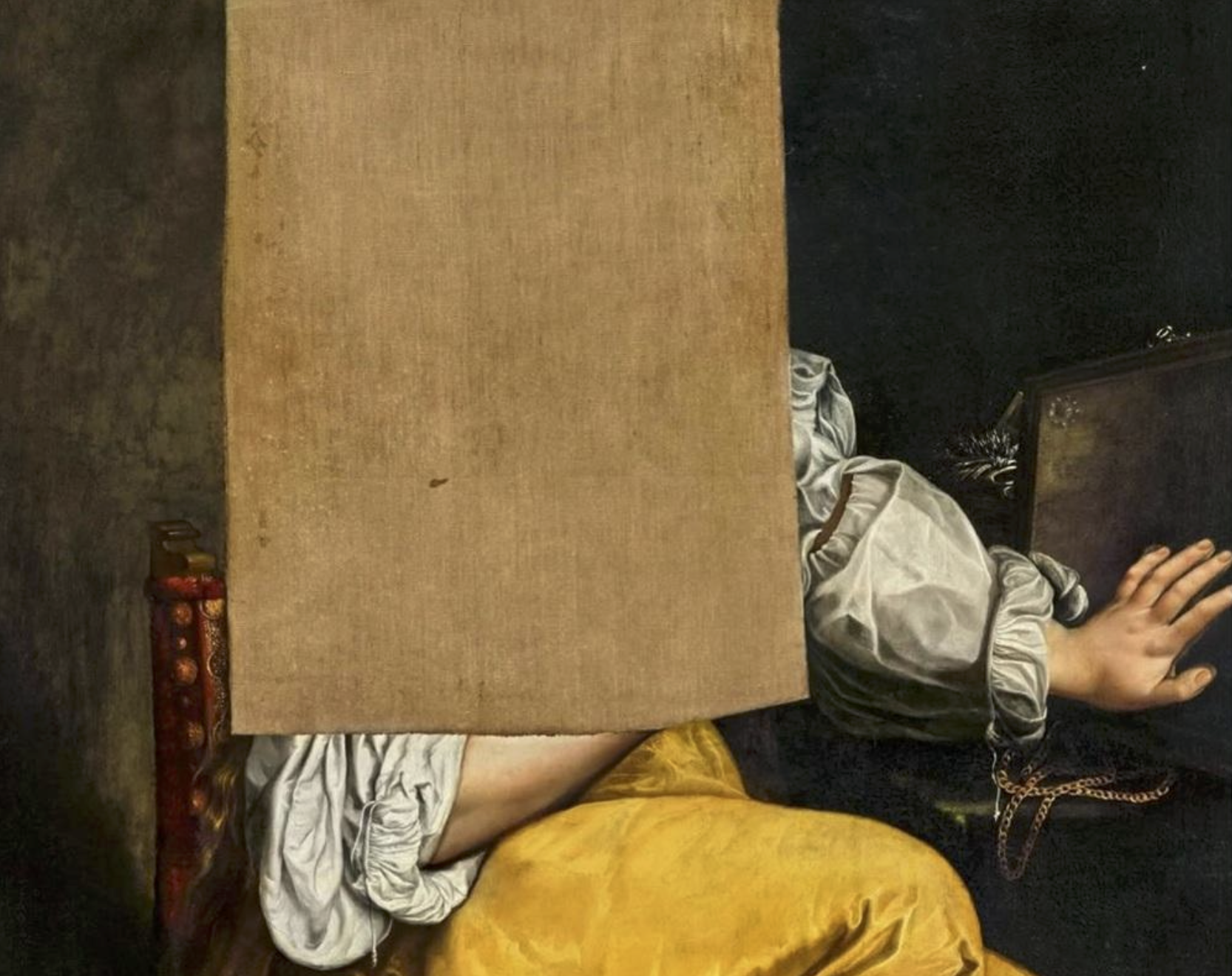
The Viennese auction house Dorotheum has announced the sale of a rare, fragmented painting of Mary Magdalene by the Baroque master Artemisia Gentileschi. Dating from the artist's influential Florentine period (1615–1618), this autograph version of a work held in Palazzo Pitti is notably missing its central element: the head and shoulders of the saint have been physically cut from the canvas. Despite this dramatic mutilation, which experts speculate may have occurred in post-war Berlin, the work is estimated to fetch between €100,000 and €150,000 at the Old Masters auction on April 28, 2026.

Native Americans Played Dice Games Far Earlier Than Previously Known, Study Shows

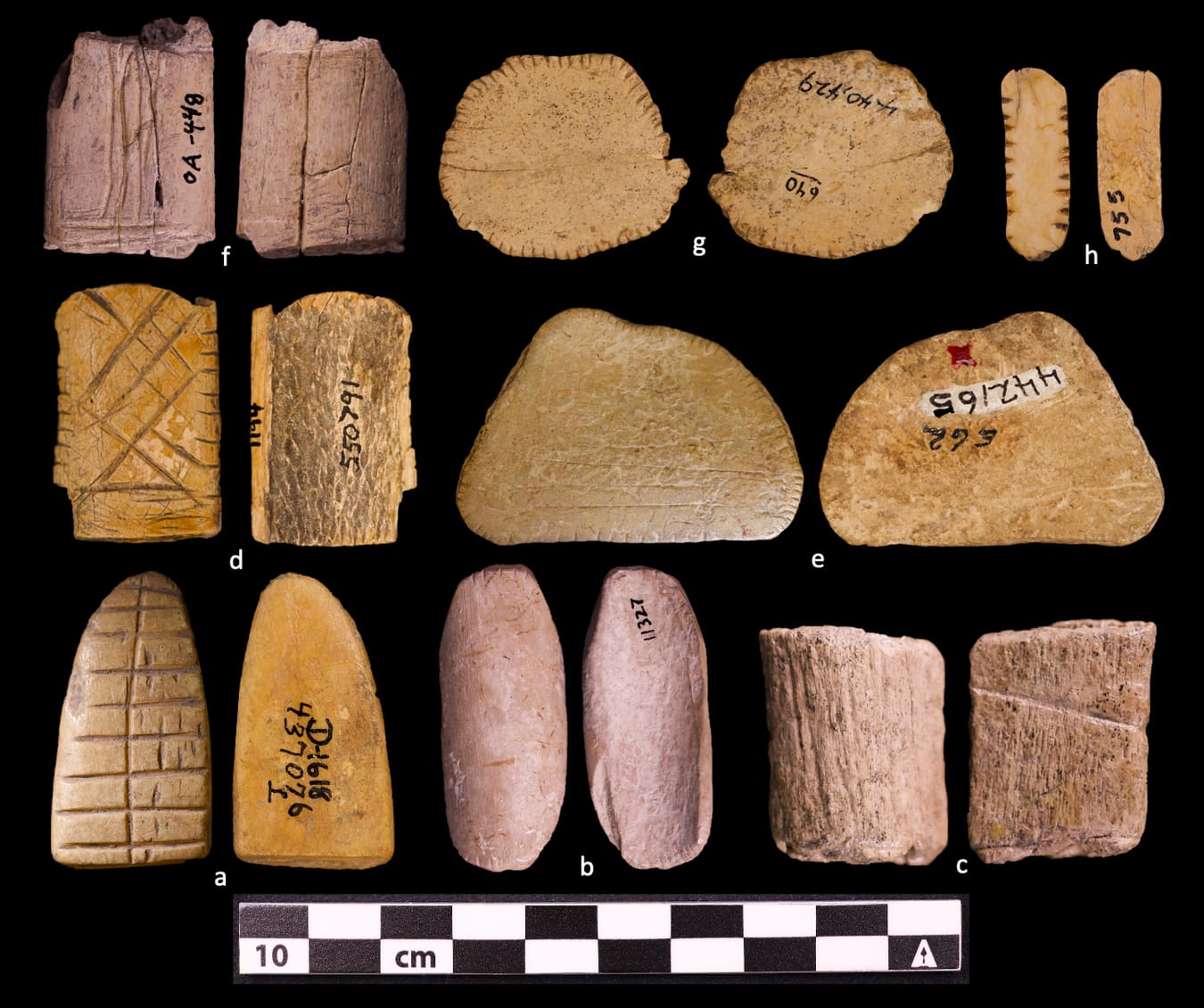
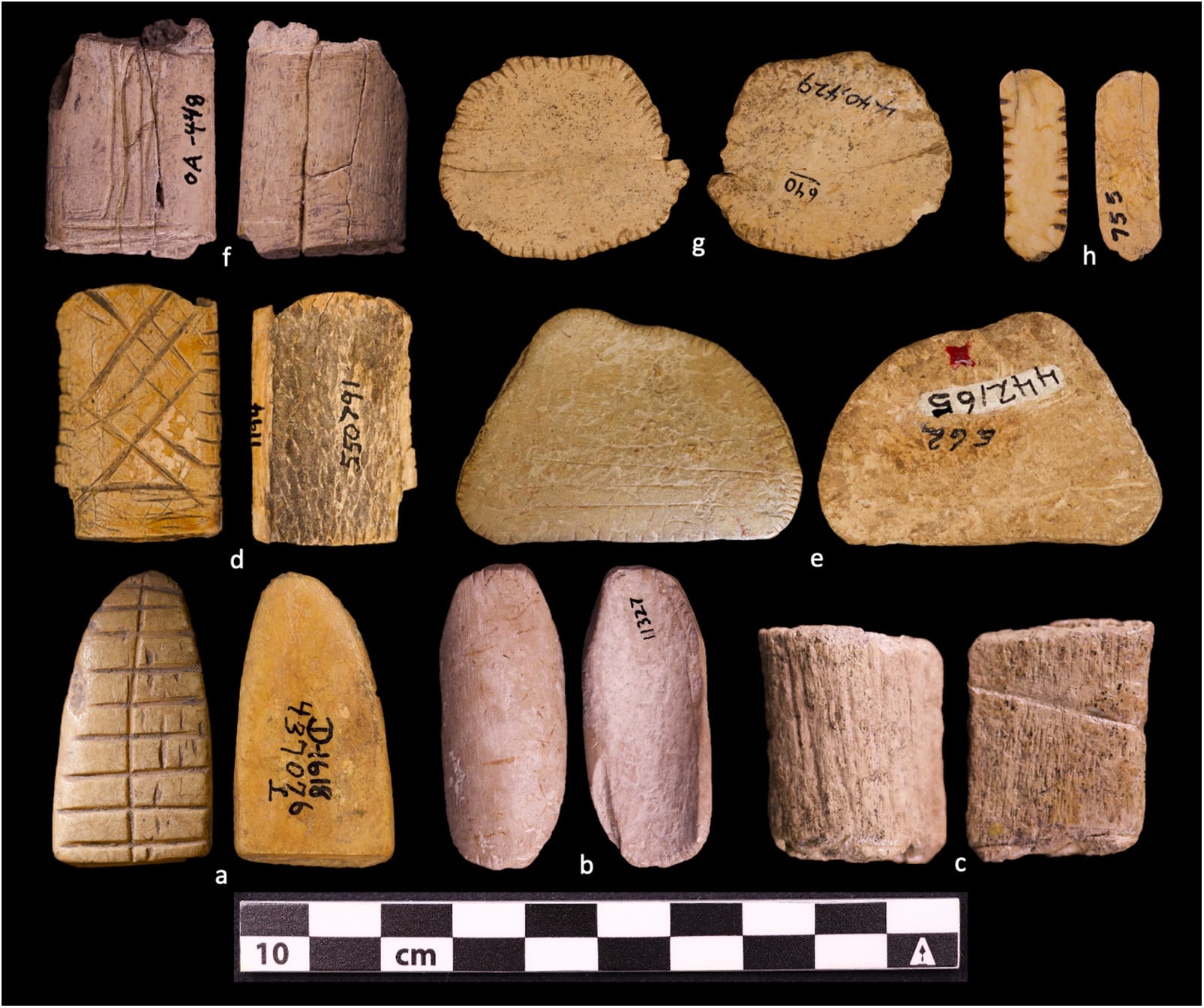
A groundbreaking study from Colorado State University reveals that Native Americans in the western Great Plains were using dice for gaming over 12,000 years ago. Researcher Robert J. Madden identified two-sided dice made of bone or wood from archaeological sites in Wyoming, Colorado, and New Mexico, pushing the known history of games of chance back significantly further than previously recorded.

Dice Are 6,000 Years Older Than Previously Believed, Study Says

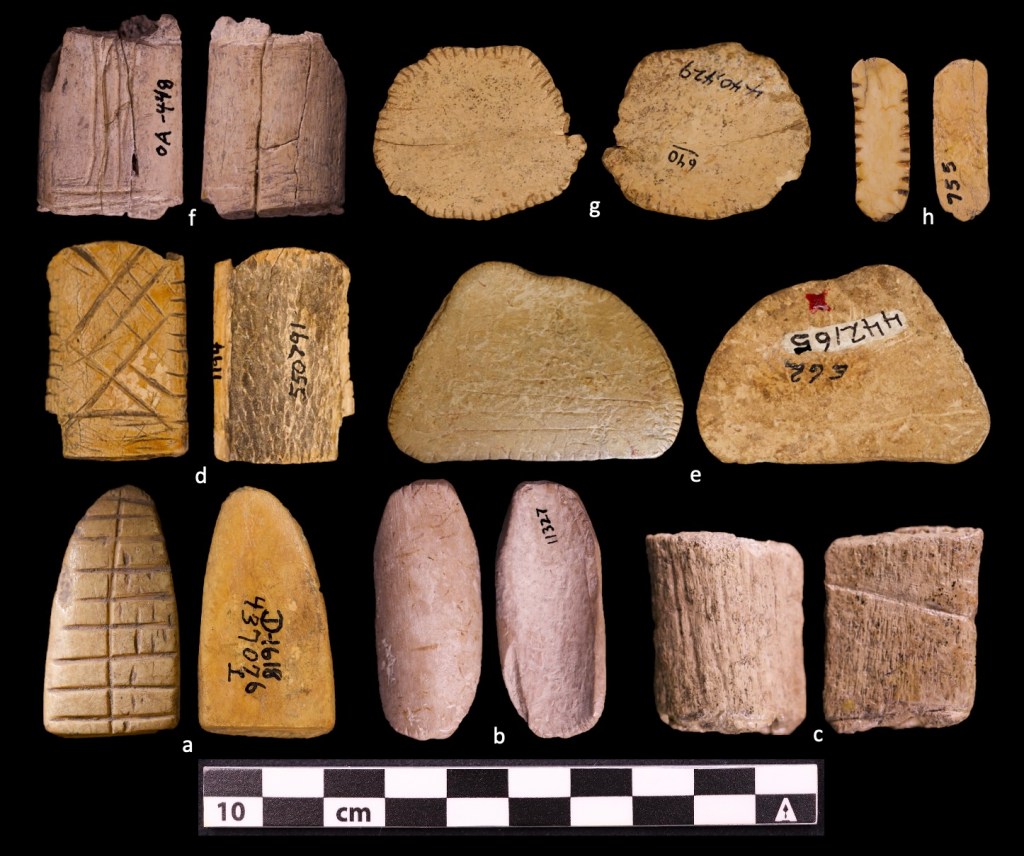
Archaeologist Robert J. Madden has published a groundbreaking study in the journal American Antiquity identifying over 600 prehistoric objects as two-sided dice. These artifacts, found across 57 sites in the American West, date back more than 12,000 years to the Late Pleistocene era. By applying criteria from historic Native American gaming traditions to these bone and wood fragments, Madden argues that dice-based games of chance existed 6,000 years earlier than previously recorded in the archaeological record.

In Bordeaux, the MADD unveils its sublime metamorphosis and pays tribute to a shooting star of design

À Bordeaux, le MADD dévoile sa sublime métamorphose et rend hommage à une étoile filante du design

The Musée des Arts décoratifs et du Design (MADD) in Bordeaux has unveiled a significant architectural renovation and expansion of its public spaces. The project, led by the architecture firm Antoine Dufour, transformed the 18th-century Hôtel de Lalande, creating a new open-air passage, a café-restaurant, a ticket office-shop, and improving accessibility and circulation between the historic mansion and the adjacent former prison used for temporary exhibitions. The redesign emphasizes natural light, reveals original stone walls, and incorporates contemporary, clearly distinguishable interventions.

12,000 Years Ago, Native Americans Were Playing Games of Chance with Handmade Dice

Archaeologists have discovered that Native Americans were engaging in games of chance using handmade dice as far back as 12,000 years ago, during the Late Pleistocene. A new study by researcher Robert Madden reveals that these artifacts, found in sites across Wyoming, Colorado, and New Mexico, predate the previously oldest known dice from Mesopotamia and the Indus Valley by over 6,000 years. These early dice, often made of bone and decorated with pigments, were used by the hunter-gatherer Folsom culture.