filter_list Showing 181 results for "Monopol" close Clear
search
dashboard All 181 museum exhibitions 80article news 35article culture 21article policy 15candle obituary 8trending_up market 6person people 6rate_review review 6gavel restitution 3article local 1
date_range Range Today This Week This Month All
Subscribe

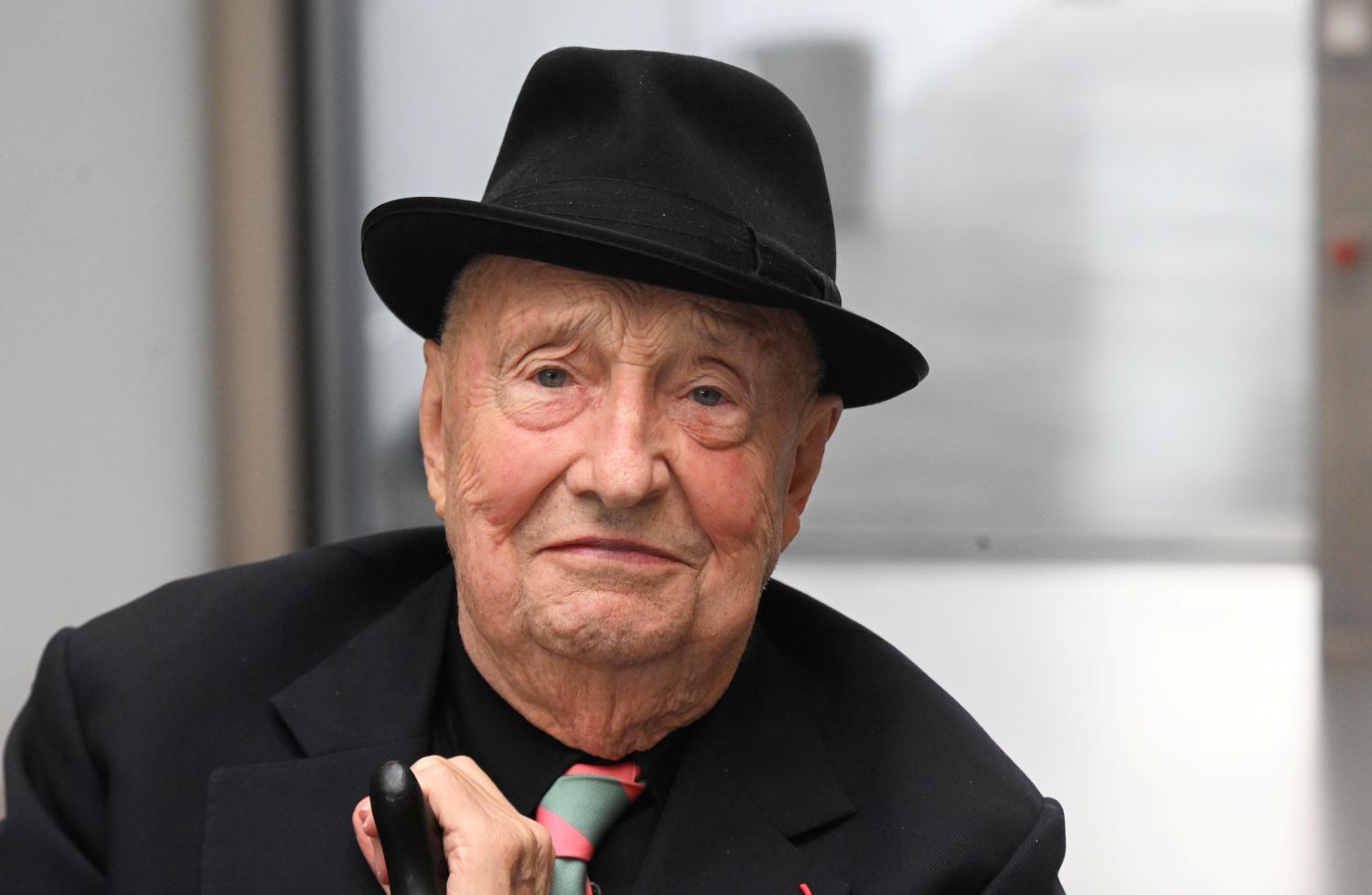
Georg Baselitz ist tot

German artist Georg Baselitz has died at the age of 88. According to Galerie Thaddeus Ropac, he passed away peacefully on Thursday. Born Hans-Georg Bruno Kern in 1938 in Deutschbaselitz, Saxony, Baselitz fled East Germany in 1957 after political repression and academic conflicts. His first solo exhibition in West Berlin in 1963 was shut down due to scandal, and works were confiscated. He became internationally known in the late 1960s for his radical upside-down painting, a signature inversion that destabilized pictorial logic. He also created an extensive sculptural body of work. Key career milestones include representing Germany at the Venice Biennale in 1980 alongside Anselm Kiefer, multiple Documenta appearances, the Praemium Imperiale in 2004, and election to the Académie des Beaux-Arts in Paris in 2019. Major late-career exhibitions included "Nackte Meister" at the Kunsthistorisches Museum in Vienna in 2023.
The Artist Who Painted Pixels Before We Saw in Pixels

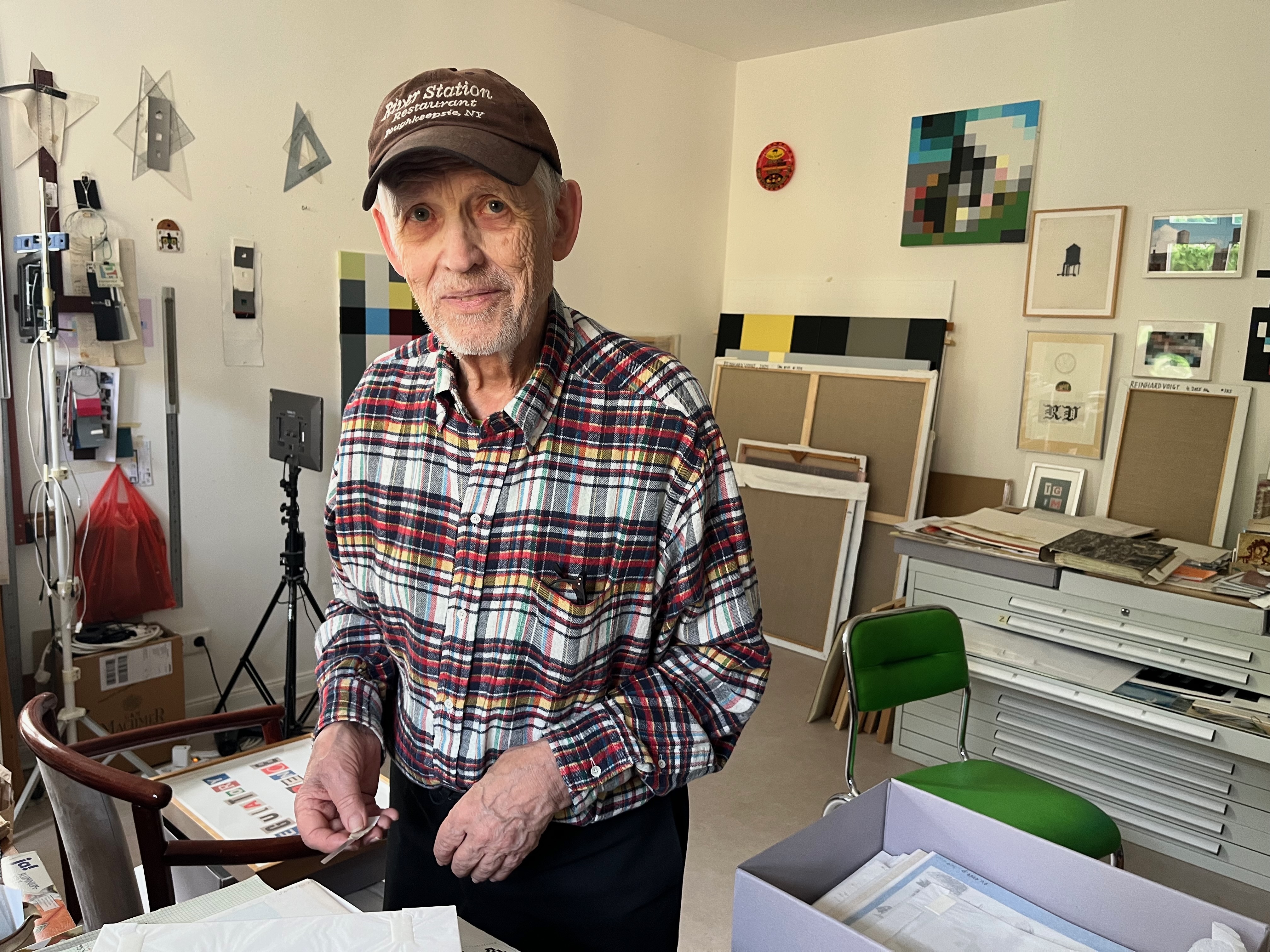
Der Künstler, der Pixel malte, bevor wir in Pixel sahen

Reinhard Voigt, a German artist little known to the public, painted grid-based pictures as early as 1968—years before pixels became ubiquitous in daily life. Despite early discouragement from Gerhard Richter and fellow artist Alan Jones, Voigt persisted, creating meticulous works on paper and canvas using transparent paper, rulers, pencil, and oil paint. His first major exhibition, "Pure Pleasure," took place in 2023/2024 in Nuremberg, and his current duo show "High on Low" with Anna-Sophie Berger is on view at Berlin's Kunstraum Grotto, featuring his Word Paintings series. Voigt lives and works in Berlin-Prenzlauer Berg with his wife, artist Susan Elias.

What else is happening

Was sonst noch geht

Ahead of the Gallery Weekend Berlin (May 1–3), the city is buzzing with parallel exhibitions that extend far beyond the official gallery circuit. The fourth edition of the Sellerie Weekend opens over 75 independent Off-Spaces from April 30 to May 3, featuring performances, curated tours, and a kickoff event with artist Sophia Süßmilch at the Spoiler project space. The Paper Positions art fair returns to Tempelhof Airport (April 30–May 3) with 70 international galleries specializing in works on paper, including artists like Annegret Soltau, Una Ursprung, and Stefanie Moshammer. Meanwhile, the art initiative House presents the group show "Gravity Ease Contract" in the Berghain heating plant hall (May 1–24), curated by David Douard, with works by Susan Philipsz, Julia Scher, and others. Finally, collectors Karen and Christian Boros unveil "Berlin Bunker #5" in their bunker-turned-museum, featuring recent acquisitions by Pol Taburet, Sung Tieu, and Jill Mulleady.

Wohin am Checkpoint Charlie?

The article covers the Berlin Gallery Weekend, highlighting a cluster of exhibitions around Checkpoint Charlie. It features light art, political sculpture, textile experiments, and spatial interventions. Among the participants is Galerie Max Goelitz, which presents James Turrell's light installation series "Small Elliptical Glass 'First Cause'" (2024) at its Berlin space in Rudi-Dutschke-Straße, as part of the "Perspectives" section.

He’s behind you! The best of Photo London – in pictures

Photo London, the UK's leading photography fair, launches its 11th edition at a new venue, Olympia in Kensington, London, running from 13–17 May 2026. The fair features a diverse array of exhibitors, including debutants like Agony and Ecstasy gallery, which showcases nostalgic works of Ibiza by Oriol Maspons and Walter Rudolph, and Hackney-based Guest Editions, presenting Laura McCluskey and Thomas Duffield. A new 'Focus' section highlights galleries from Latin America and Central and Eastern Europe, such as Ungallery (Argentina) and Galeria Monopol (Poland). Notable presentations include vintage prints by Japanese master Daido Moriyama at Akio Nagasawa Gallery, and Ketaki Sheth's series 'Twinspotting' at Photoink, which pairs Patel twins in the UK with those in India.

Marianna Simnett schafft eine exklusive Edition für Monopol

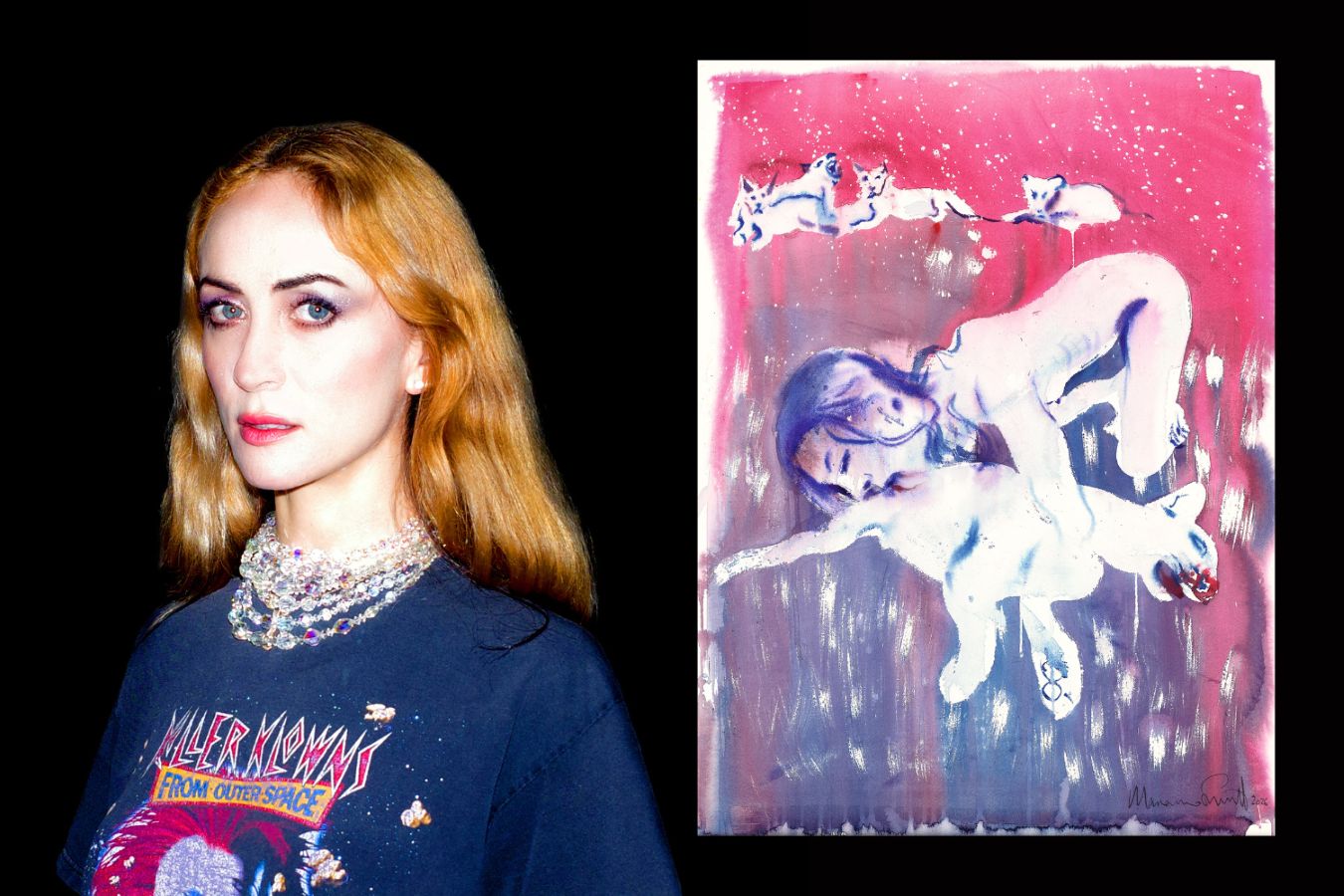
Marianna Simnett, one of the most radical contemporary artists known for exploring metamorphosis, myth, ecstasy, sex, and pain, has created an exclusive edition titled "The Healer" for the German art magazine Monopol. The work is a watercolor depicting a naked female figure licking a lion lying on the ground, with other lions roaring in the background. The edition is an archival pigment print in a size of 60 x 79 cm, published in an edition of 25 plus two artist's proofs, priced at 950 euros plus VAT.

Prize commemorates Henrike Naumann – MMK takes over estate

Preis erinnert an Henrike Naumann – MMK übernimmt Nachlass

A new prize named after the late artist Henrike Naumann has been established by the Institut für Auslandsbeziehungen (ifa) and the Zeit Stiftung Bucerius, coinciding with her posthumous presentation at the German Pavilion of the Venice Biennale. The €15,000 Henrike-Naumann-Preis für Bildende Kunst, plus €5,000 in production funds, will be awarded regularly starting this year to early- to mid-career artists whose work engages with social transformation, political fault lines, or transnational contexts. Meanwhile, the Museum für Moderne Kunst Frankfurt (MMK) has acquired Naumann's estate, which will be catalogued and made publicly accessible to ensure her work receives long-term scholarly and curatorial attention.

Designs for a Better Future

Entwürfe für eine bessere Zukunft

The Rimowa Design Prize has awarded its fourth edition to Samuel Nagel and Paul Feiler from the Schwäbisch Gmünd University of Applied Sciences for their bracelet "Nura," which translates sign language into spoken language and converts speech into written text. Other finalists include Jakob Schlenker's bird-shaped device to encourage movement in the elderly, Niklas Henning's harvesting system for restoring moors, Tobias Kremer and Yannick Stilgenbauer's inflatable cooling capsule for use without electricity, and Valerio Sampognaro's lightweight furniture that can both support and lift off. The exhibition runs until May 13 at the Berlin Kulturforum.

Venice in Crisis Mode

Venedig im Krisenmodus

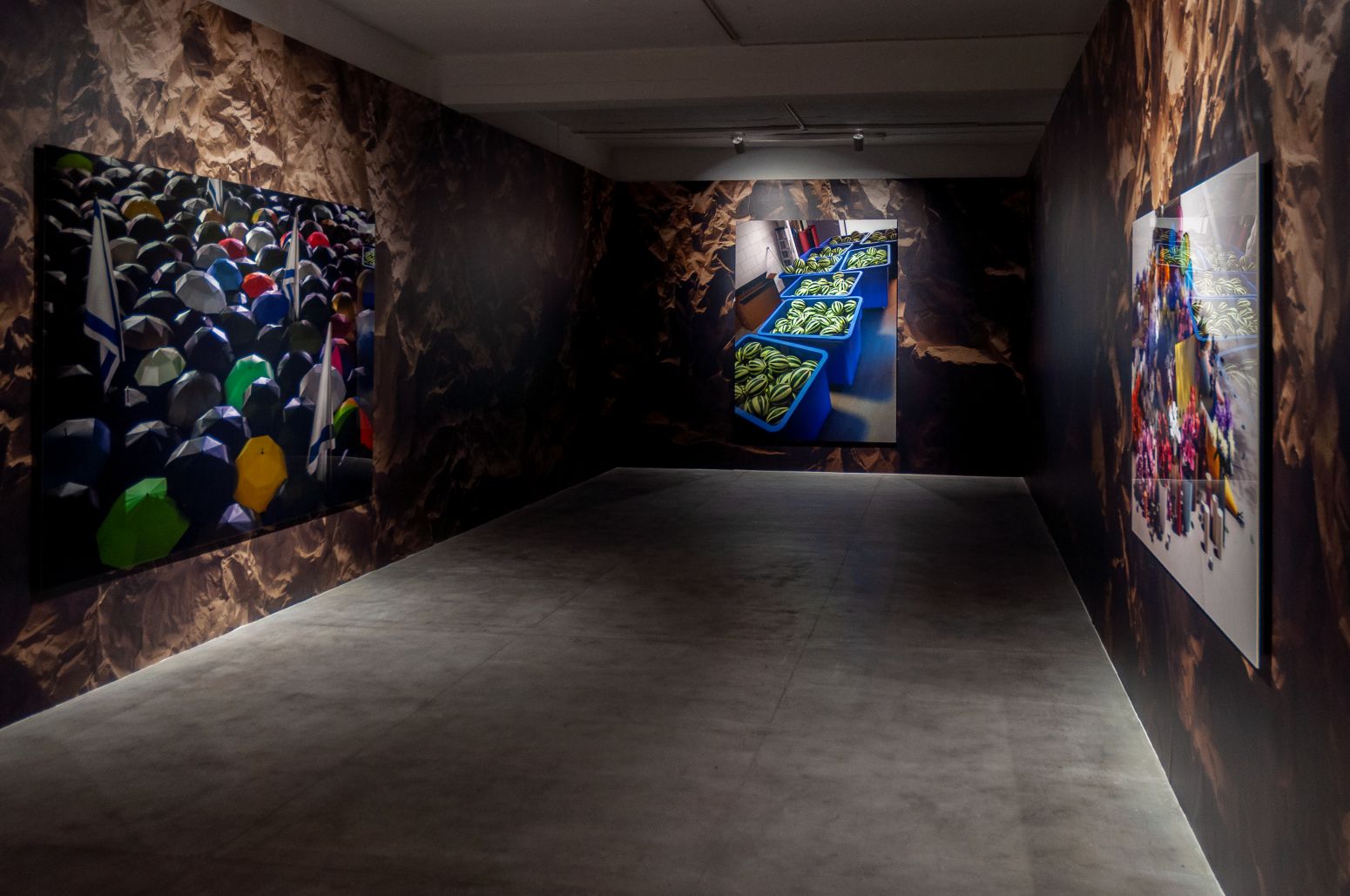
The 61st Venice Biennale has opened under extraordinary circumstances, marked by political protests, a jury resignation, and canceled awards. The Biennale's jury resigned en masse after announcing they would exclude Israeli and Russian contributions from their decisions, leading to the cancellation of the Golden Lion awards and a crisis over the international competition's legitimacy. A newly introduced audience prize also faced boycotts from artists in solidarity. Protests, closed pavilions, and pro-Palestinian actions dominated the preview days, with artists pasting protest posters directly onto their works, reflecting heightened tensions.

DHM main building likely closed until 2031

DHM-Hauptbau wohl bis 2031 dicht

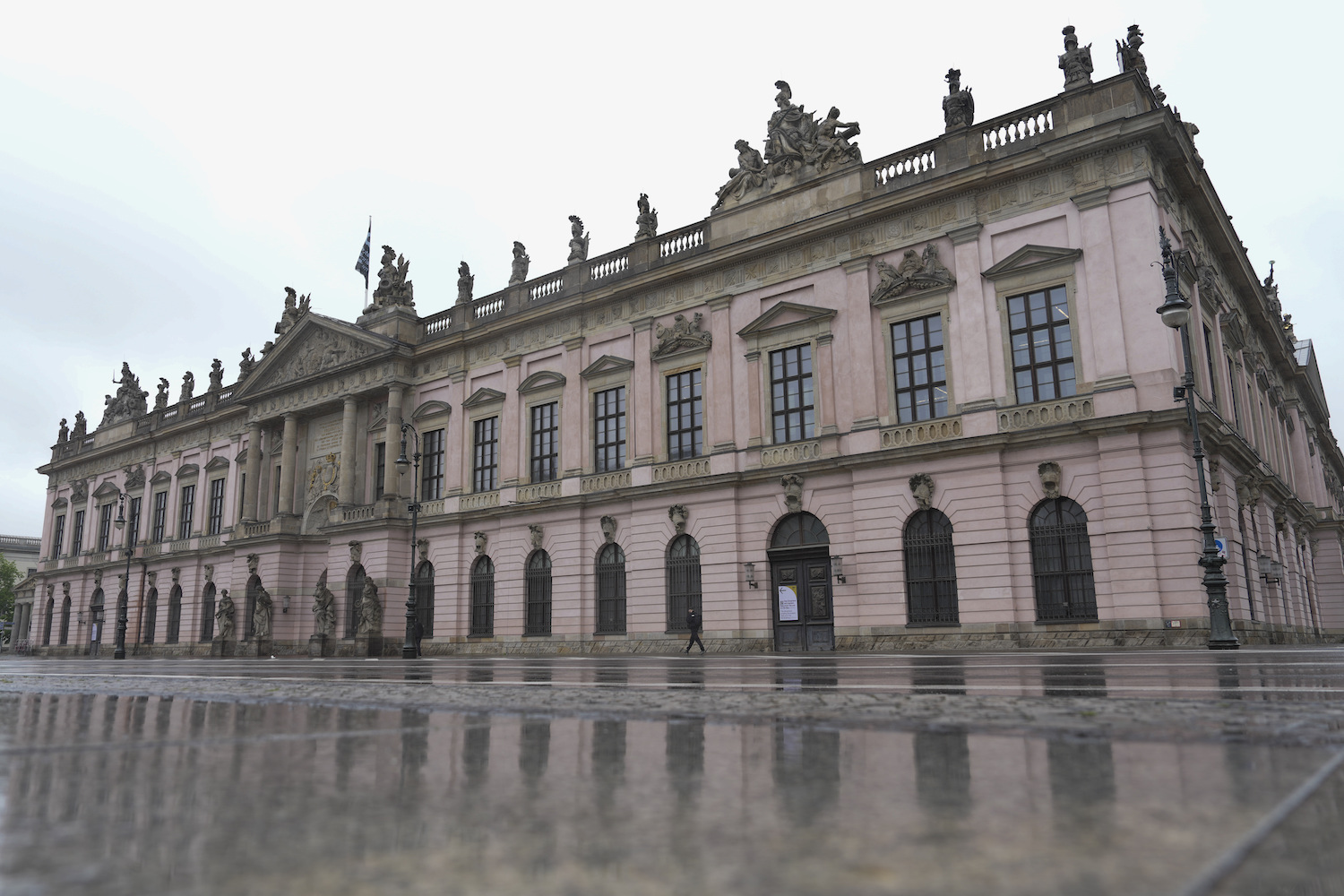
The German Historical Museum (DHM) in Berlin will remain without its main building, the Zeughaus on Unter den Linden, until at least 2031 due to further delays in its renovation. Museum director Raphael Gross announced that a binding timeline from the property owner and the federal construction authority is not expected until 2027, and a reopening before 2031 is unrealistic. In the meantime, the museum is using its modern Pei-Bau wing to host a new exhibition titled "Objekte. Geschichte. Geschichten," featuring around 200 highlights from its collection of one million objects, including a samurai armor once gifted to Adolf Hitler and objects from a refugee shelter.

Deutscher Pavillon wird zum Plattenbau

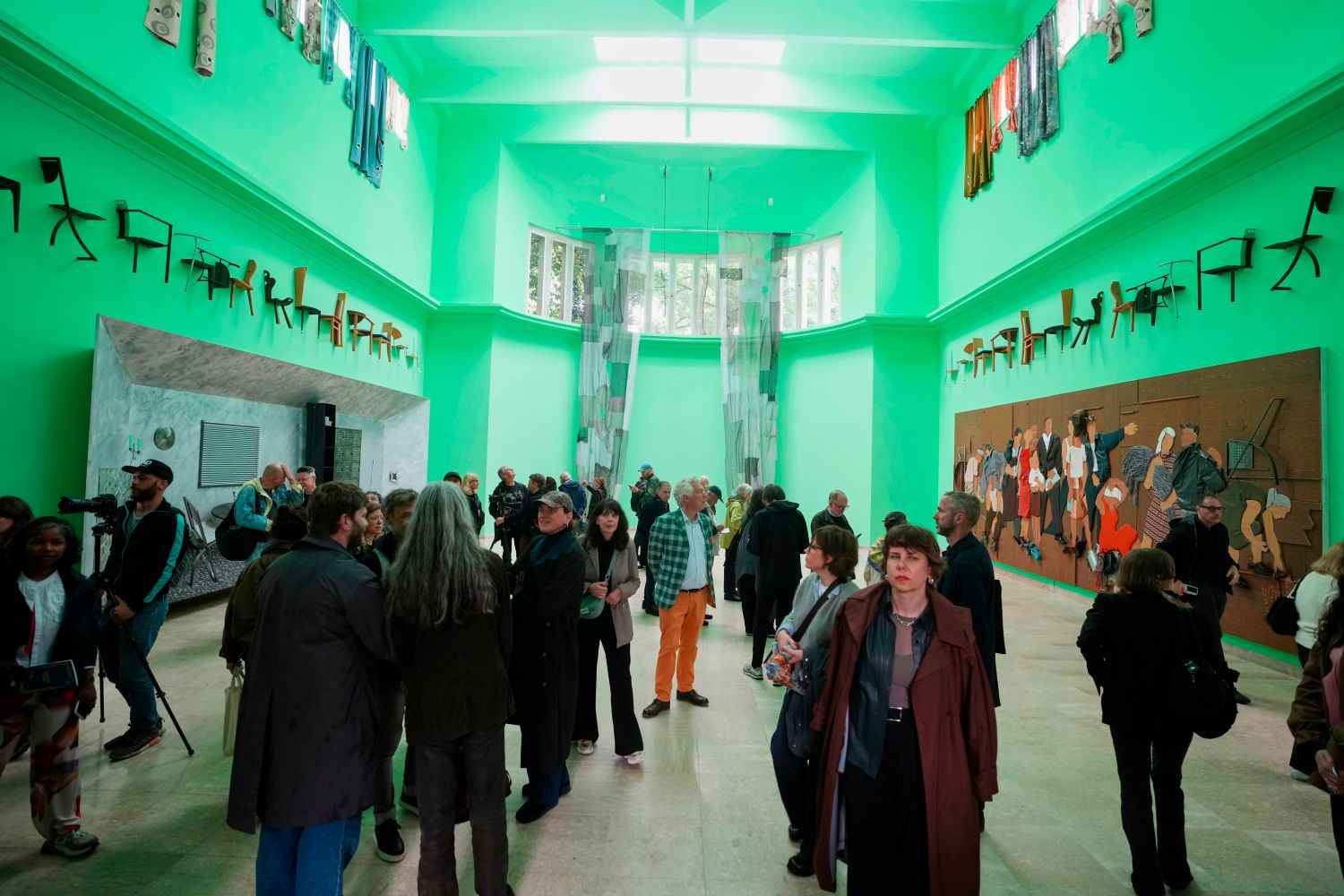
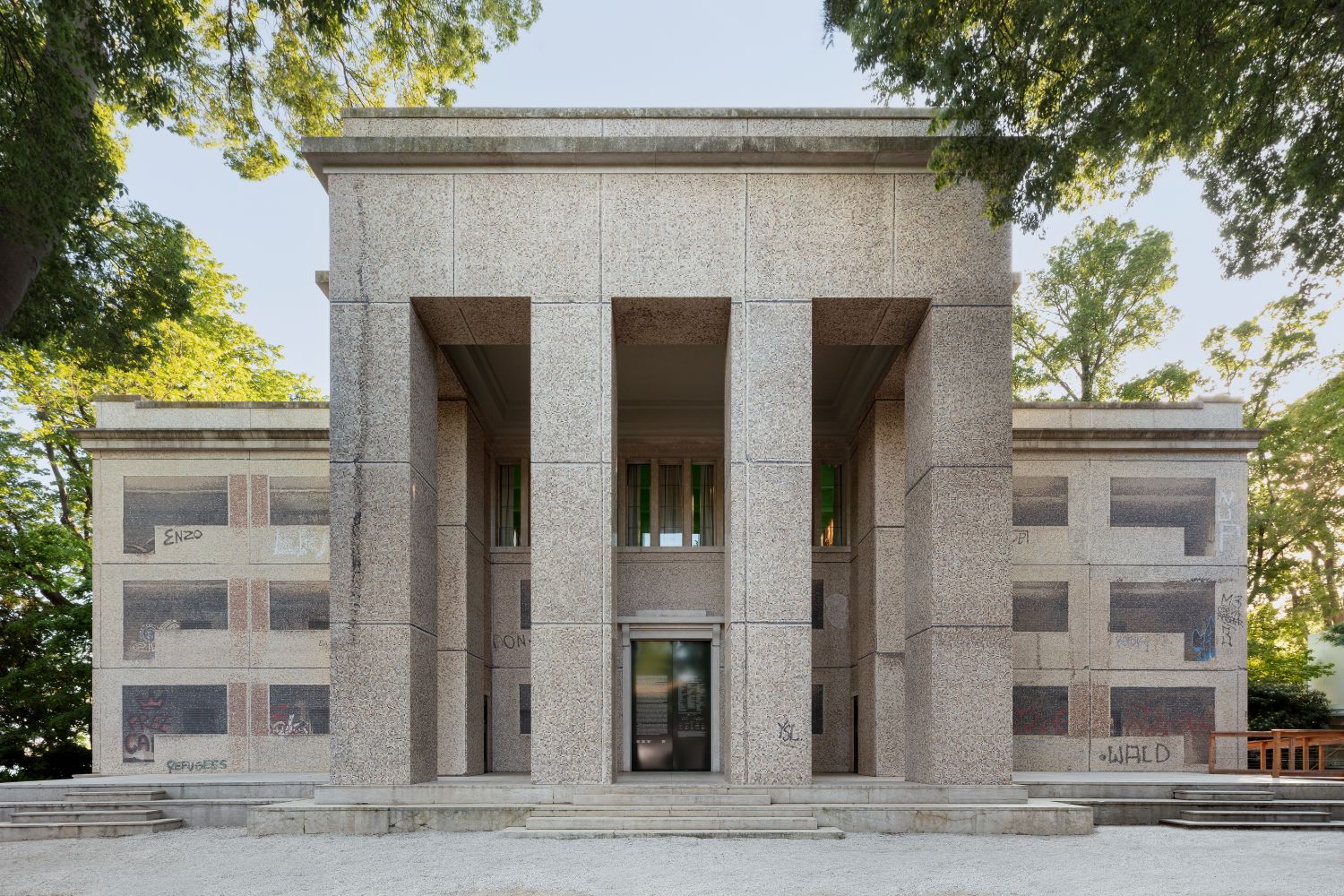
The German Pavilion at the Venice Art Biennale has been transformed into a prefabricated concrete slab building (Plattenbau) for this year's edition, designed by artists Sung Tieu and the late Henrike Naumann, who died suddenly in February at age 41 from cancer. Curator Kathleen Reinhardt described the pavilion as part of a highly political Biennale, with Tieu covering the 1938 fascist-era building with a mosaic of over three million tiles depicting a Berlin apartment block that once housed Vietnamese contract workers. Naumann's interior installation features mint-green references to Soviet barracks in East Germany, a cartography of war, and works including a relief of chairs, a curtain of chainmail, and the performance "Trümmerfrau."

Where to go in May?

Wohin im Mai?

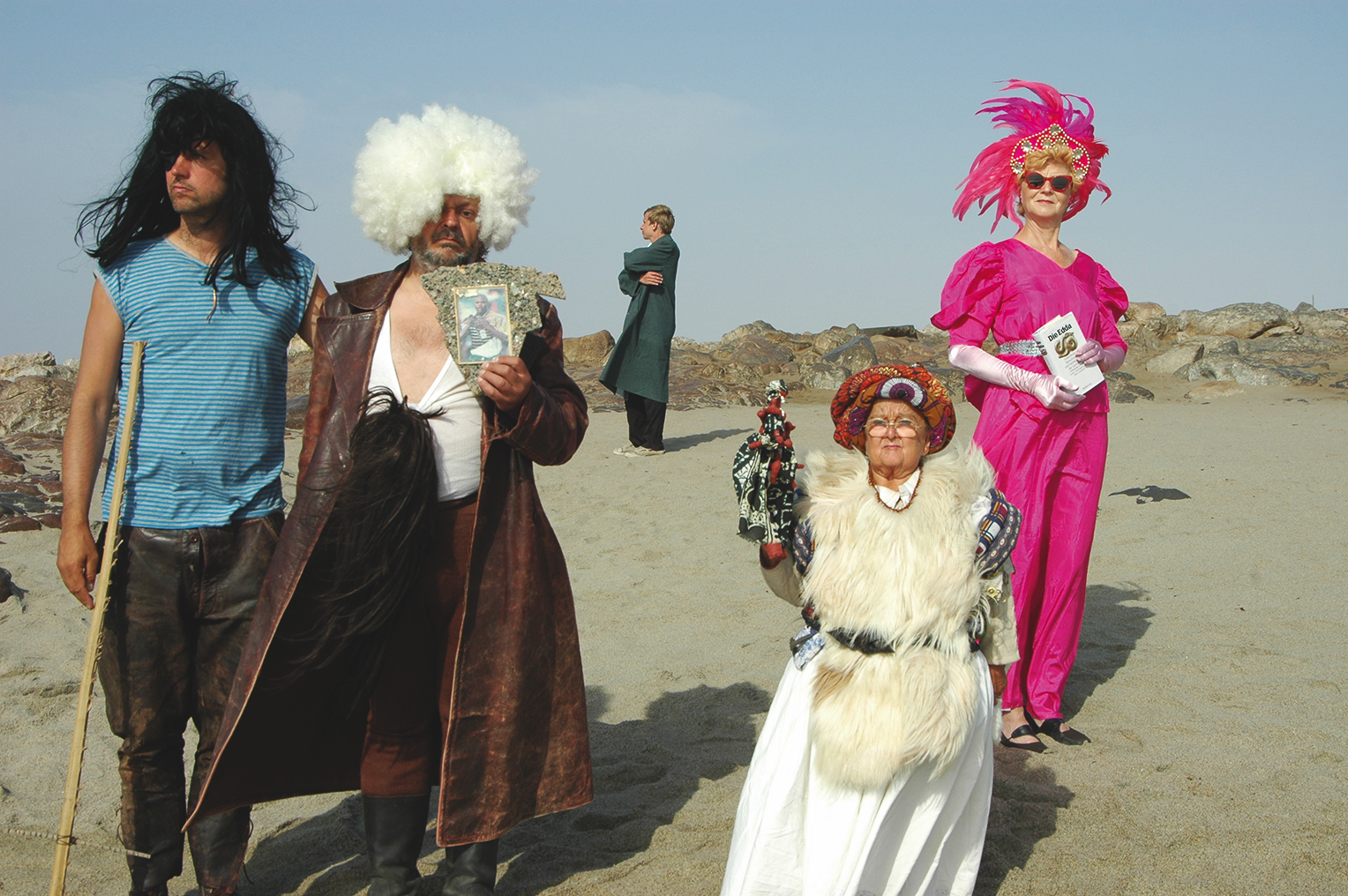
The article, published by Monopol magazine, previews a selection of art exhibitions and biennials opening in May. Highlights include the 61st Venice Biennale, a solo show by Lina Lapelytė at Hamburger Bahnhof in Berlin (part of the CHANEL COMMISSION series), a group exhibition titled "Lebt und arbeitet in Wien. Contemporary Art from Vienna" at Kunsthalle Wien, and a presentation of Christoph Schlingensief's work "The African Twin Towers" (2005) at MAK Wien. Also featured is Maximiliane Baumgärtner's exhibition at Kunstverein für die Rheinlande und Westfalen in Düsseldorf.

Gundlach Collection to Remain in the Deichtorhallen Until 2046

Gundlach-Sammlung bleibt bis 2046 in den Deichtorhallen

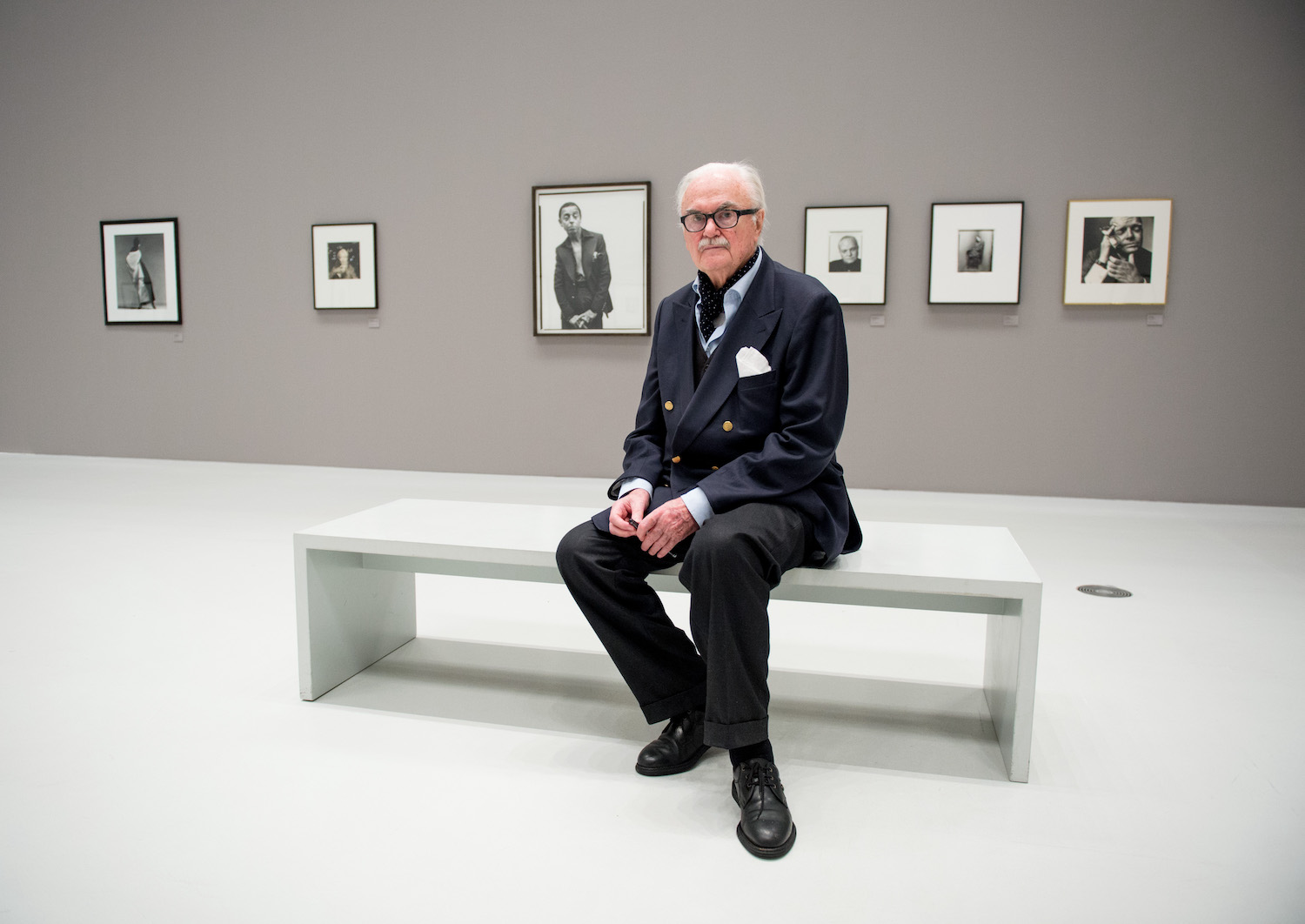
The Hamburg Senate has announced a 20-year extension of the loan agreement for the F.C. Gundlach Collection at the Deichtorhallen. The prominent photography collection, which has grown to 14,000 works, will remain in the institution's 'Haus der Photografie' until 2046 and will receive a dedicated exhibition area on the first floor.

8 Art Films Worth Watching in May

8 Kunstfilme, die sich im Mai lohnen

Monopol magazine presents eight art films worth streaming in May, including a documentary featuring 40,000 slides from critic Jerry Saltz capturing the 1990s New York art scene, Shirin Neshat's film "Women Without Men" about women in 1953 Tehran, Christian Petzold's new film "Miroirs No. 3," and a documentary on the Shroud of Turin. The roundup also includes a politically charged drama directed by Yael Bartana and a Dada-metal film, offering a diverse selection of art-related cinema.

Without Consciousness, No Creativity

"Ohne Bewusstsein keine Kreativität"

Matthias Hornschuh, a speaker at the German Creative Economy Summit in Hamburg, discusses artificial intelligence and its impact on art and creativity in an interview with Monopol. He argues that AI systems lack intentionality and true creativity, describing them as "probability-based imitation" rather than genuine creative tools. Hornschuh warns against the hype surrounding AI, noting that efficiency gains are often overstated and that users can become trapped in unproductive interactions with these systems.

Pussy Riot and Topless Activists Rally Against Russian Pavilion at Venice Biennale

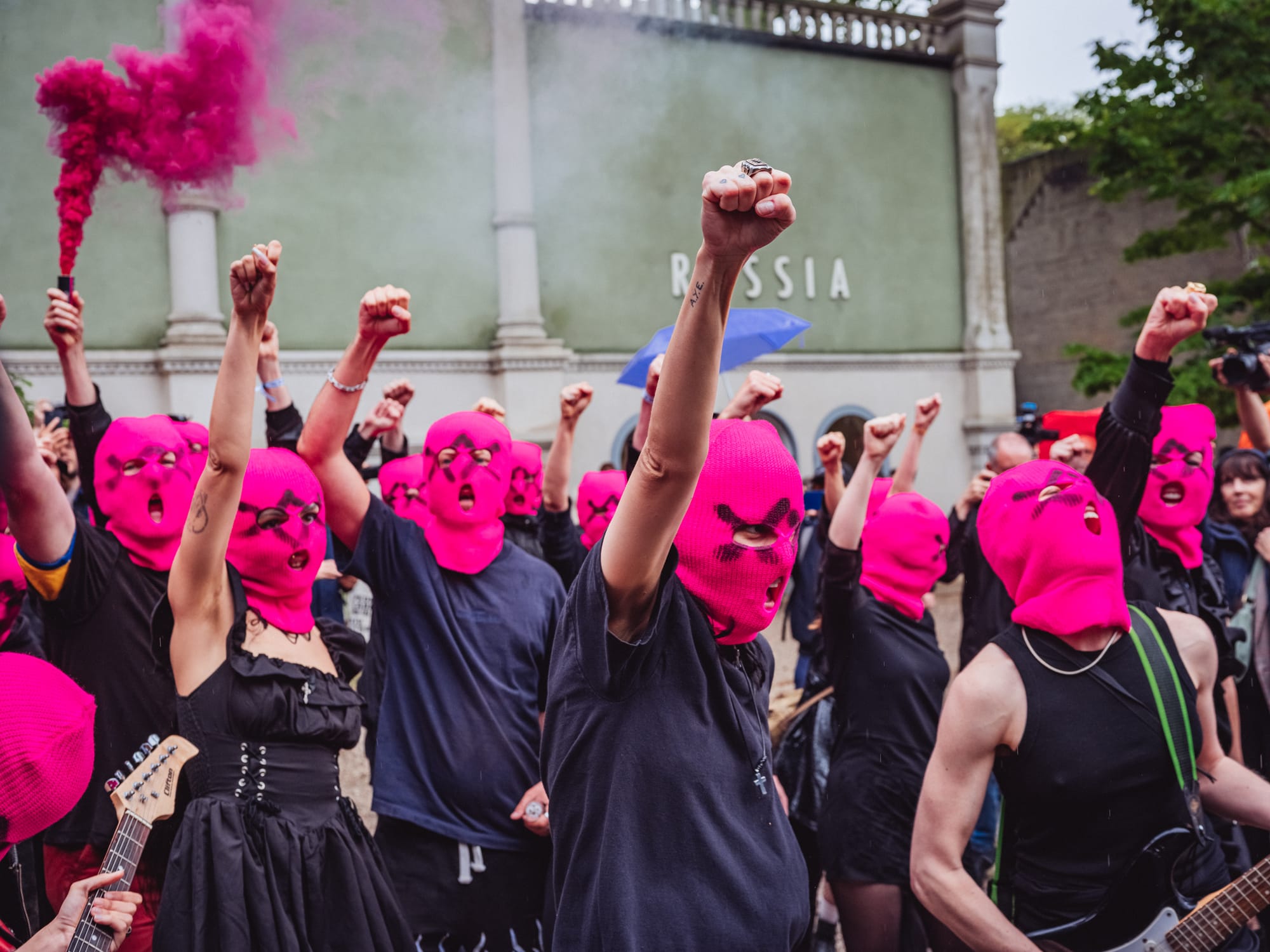
On May 6, 2026, the art collective Pussy Riot and the Ukrainian feminist group FEMEN staged a protest outside the Russian Pavilion at the 61st Venice Biennale. Approximately 50 activists released pink smoke and blue-and-yellow flares evoking the Ukrainian flag, while FEMEN members staged a topless protest with anti-war slogans like “RUSSIA KILLS, BIENNALE EXHIBITS.” Italian police and Biennale security blocked access to the pavilion, and some Pussy Riot activists were tackled after entering. The protest targeted Russia’s participation in the Biennale for the first time since its full-scale invasion of Ukraine in 2022, with activists condemning the event for lending legitimacy to Russian officials and artists aligned with the government.

Romanesco in a Max Mara Coat

Romanesco im Max-Mara-Mantel

Evelyn Taocheng Wang's first institutional solo exhibition in Italy, "Sweet Landscape," opens at the Museion in Bolzano. The Chinese-born, Rotterdam-based artist presents silk paintings, pastel canvases, and painted garments that probe the region's complex history beneath its idyllic Alpine scenery. Works such as "Frog Princess Checks Her Smartphone in front of Window of August Macke’s Hat Shop" (2026) and "Ancient Roman bust for Sale" (2026) blend local food motifs, cultural translation, and hybrid identity, questioning who gets to write history and how landscapes are perceived through secondhand experiences.

Wohin in Mitte?

The article previews the Berlin Gallery Weekend, focusing on the Mitte district as a hub for contemporary art. Highlights include Pae White's exhibition 'pushmi-pullyu' at Neugerriemschneider, featuring oversized insects, crabs, and kaleidoscopic wall sculptures, alongside other shows with photo art on copper, queer historical explorations, and mobile urban interventions along Linienstraße, Oranienburger Straße, and Rosa-Luxemburg-Platz.

Where to go on Potsdamer Straße?

Wohin auf der Potsdamer Straße?

The article previews the Gallery Weekend Berlin, focusing on the Potsdamer Straße art scene. It highlights several exhibitions, including Adam Gordon's "Months Turn to Years" at Galerie Isabella Bortolozzi, which transforms the space into a secluded enclave with quiet paintings. Other featured shows include luminous color experiments, soap foam as an art form, and works exploring identity.

"Geschichtspolitisch fatal und realitätsblind"

A German media roundup reports on a planned restructuring of the Stiftung Flucht, Vertreibung, Versöhnung (Foundation Flight, Expulsion, Reconciliation), which would shift its focus toward German expellees and reduce the influence of the Federal Government Commissioner for Culture and the Media. The reform, criticized by FAZ commentator Andreas Kilb as a fundamental cultural-political intervention, would detach the foundation from the German Historical Museum and give greater weight to the Federation of Expellees in its board. Separately, the roundup covers a review of a legal study on artistic freedom sparked by the antisemitism debate around Documenta Fifteen, and a speech by Culture Minister Wolfram Weimer warning of democratic backsliding and rising antisemitism.

Stars feiern Mode und Kunst bei Met-Gala

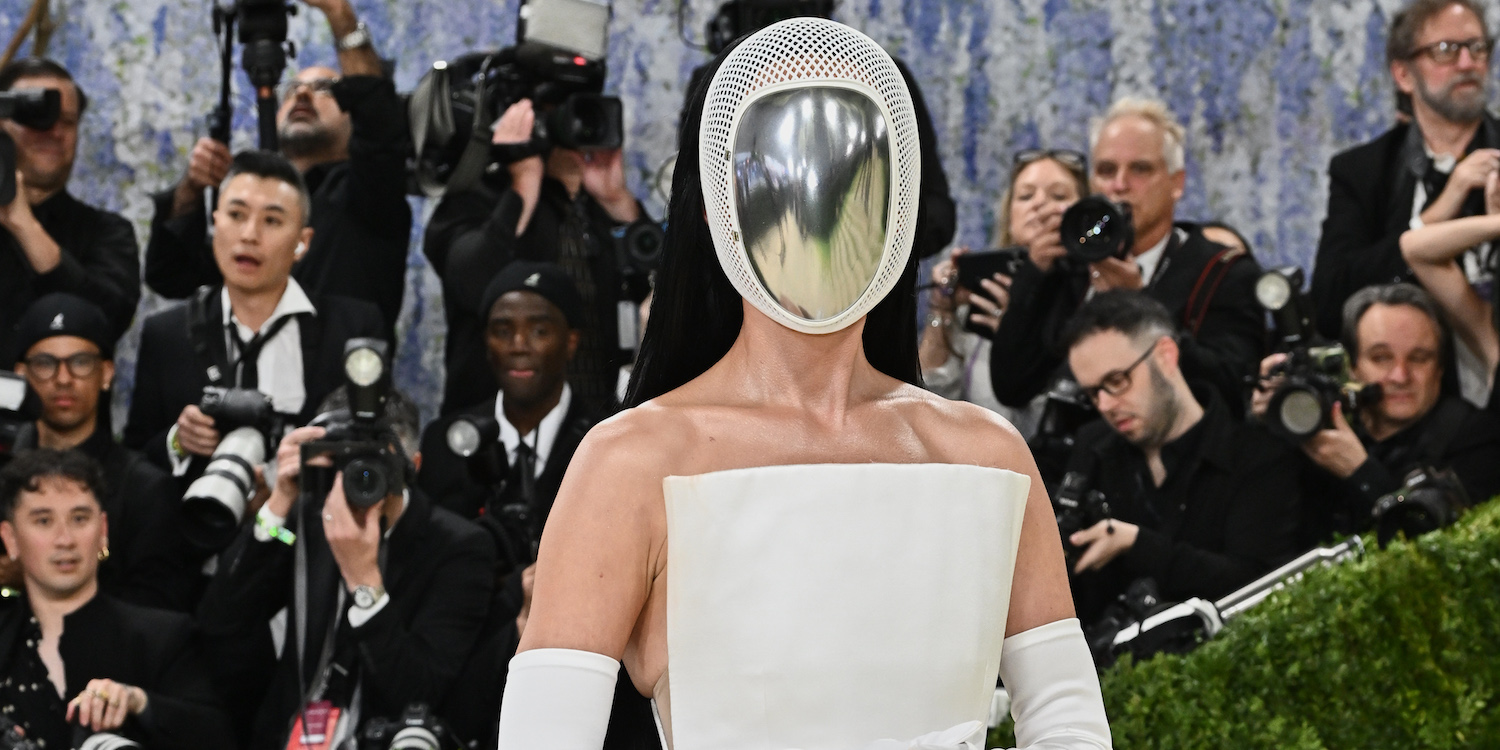
The Met Gala, hosted by Anna Wintour at the Metropolitan Museum of Art in New York, raised millions for the museum's Costume Institute. This year's event featured celebrities like Beyoncé, Nicole Kidman, and Heidi Klum, with a dress code of "Fashion is Art." Beyoncé and Kidman brought their daughters for the first time, while Klum dressed as a stone statue. The gala opened the "Costume Art" exhibition and was co-sponsored by Jeff Bezos and Lauren Sánchez Bezos, drawing protests over Bezos's involvement.

Wintour: Met Gala still makes me nervous

Wintour: Met-Gala macht mich immer noch nervös

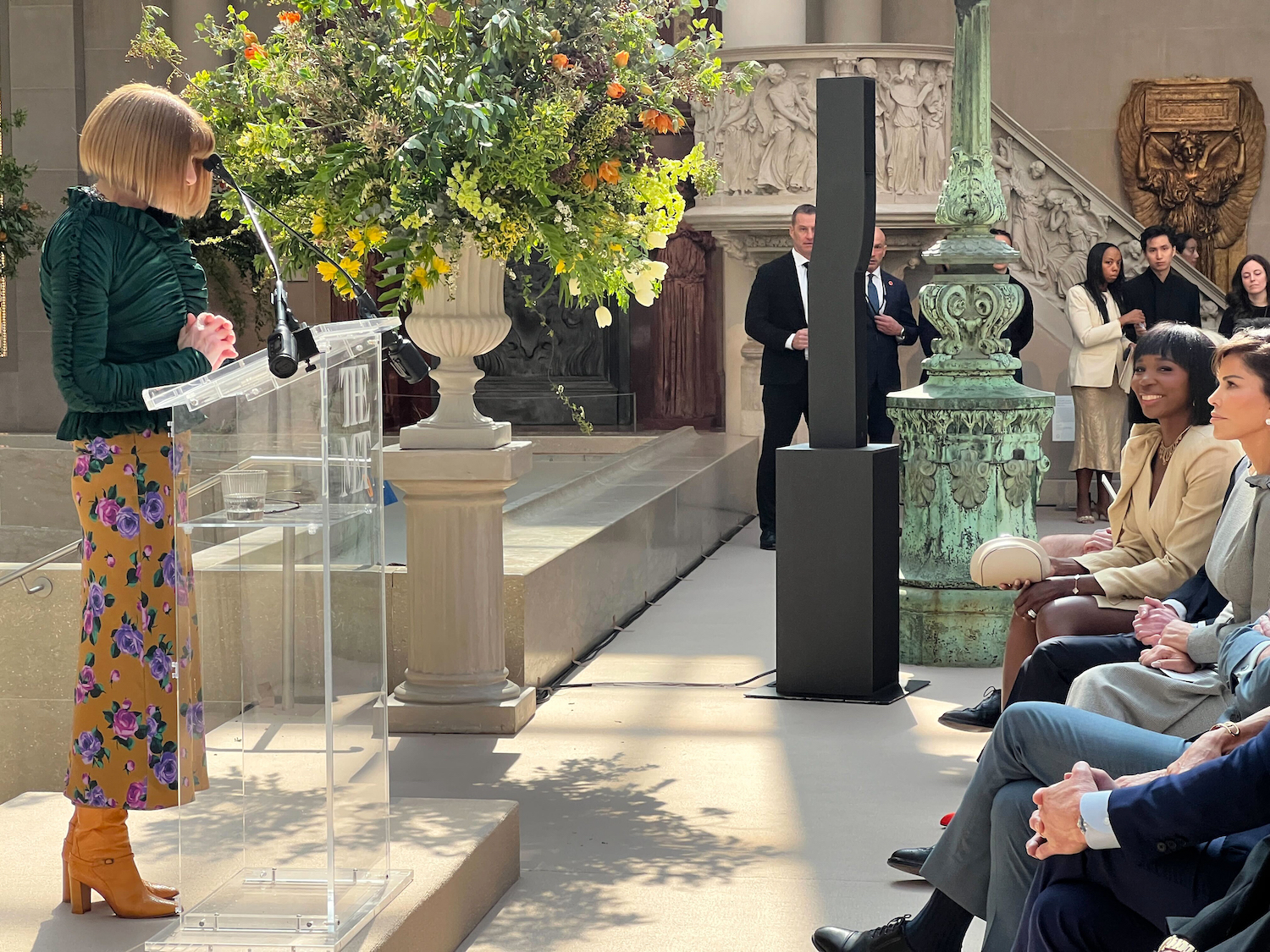
Anna Wintour, longtime host of the Met Gala, admitted at a press conference that even after nearly 30 years, the star-studded fundraiser still makes her nervous, calling it both her favorite and most terrifying time of year. The annual Costume Institute Benefit, which raises millions for the Metropolitan Museum of Art's Costume Institute, is expected to bring in more donations than ever this year, according to Wintour and museum director Max Hollein. This year's gala opens the exhibition "Costume Art" with the dress code "Fashion is Art," and new gallery spaces for the Costume Institute will debut. Co-chairs include Jeff Bezos and Lauren Sánchez Bezos, while New York Mayor Zohran Mamdani has publicly declined to attend.

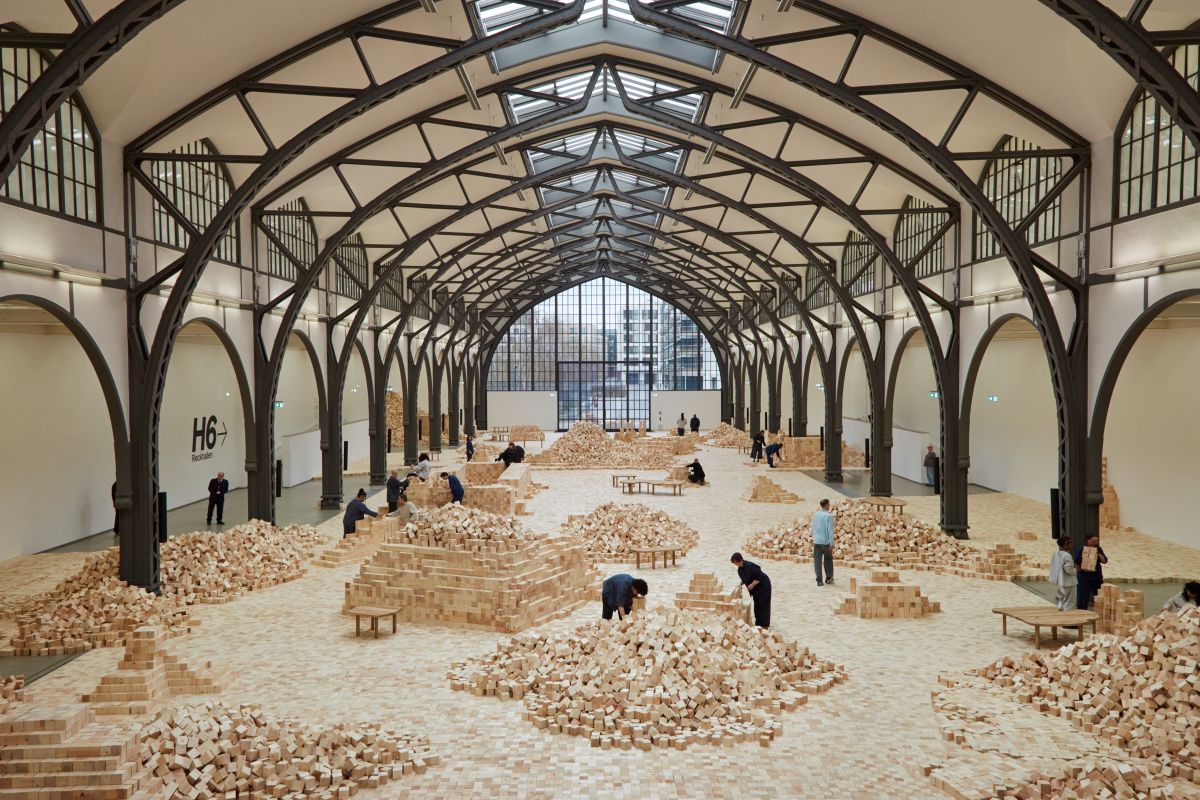
Building Worlds

Welten bauen

Lina Lapelytė has transformed the Hamburger Bahnhof in Berlin into a mutable landscape of wooden blocks for her second Chanel Commission. The installation, titled "Welten bauen" (Building Worlds), invites visitors to actively shape the space, incorporating elements of poetry, song, and community. The work draws inspiration from Paul Hindemith's 1930s children's singspiel "Wir bauen eine Stadt," which was banned by the Nazis and led to Hindemith's emigration.

Stimmung: sakral

The Anozero Biennale in Coimbra, Portugal, opens at the former Santa Clara convent, blending religious imagery with anarchist ideas. Artists including Taryn Simon and Nan Goldin present works that explore utopian visions of community and reciprocity within the monastery's walls.

Are Tattoos Art?

Sind Tattoos Kunst?

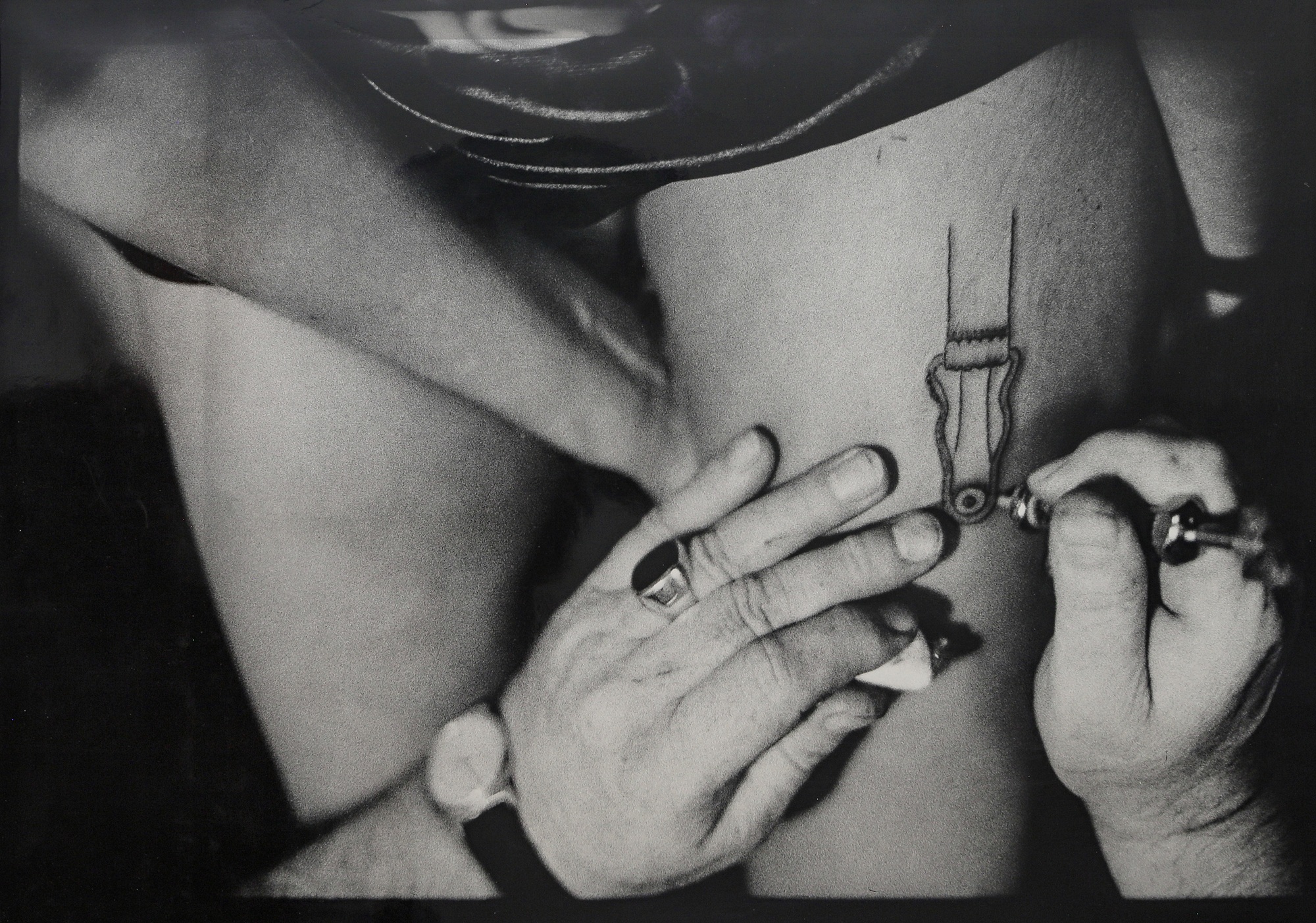
A group exhibition at the Opelvillen in Rüsselsheim, Germany, titled "Unter die Haut. Tattoos im Blick," explores tattooing as an art form, centering on the work of tattoo artist and photographer Herbert Hoffmann. The show traces the evolution of tattoos from post-war working-class culture to contemporary pop culture, featuring Hoffmann's photographs alongside works by contemporary artists David Schiesser, Michele Servadio, and Sarah Dubná, who bridge tattooing with drawing, painting, and printmaking. The exhibition is a partner project with "Mishpocha" at the Jewish Museum Frankfurt and includes shared photographic positions by Sandra Mann and Jan Zappner.

Is Berlin not over yet?

Ist Berlin doch noch nicht over?

Çağla Ilk, who curated the German Pavilion at the Venice Biennale two years ago, has presented her plans as the new artistic director of the Maxim Gorki Theater in Berlin. Her program reimagines theater from the perspective of visual art, signaling a major shift in the city's theater landscape. The announcement comes amid broader reforms in Berlin's theater scene, including Matthias Lilienthal's upcoming takeover of the Volksbühne, and was met with both anticipation and anxiety, reminiscent of Chris Dercon's failed tenure at the Volksbühne in 2017.

"Gesundheitseffekt der Künste auf biologischer Ebene"

A roundup of art news covers multiple stories: Stefan Trinks criticizes Berlin's 'MuseumsMeileMitte' as a symptom of urban and cultural misdevelopment, where museums are co-opted by real estate marketing. At the Venice Biennale, the German Pavilion by Henrike Naumann and Sung Tieu explores East German identity and post-reunification trauma, while Patti Smith performed a 'sonic prayer' at the Vatican Pavilion curated by Hans Ulrich Obrist and Ben Vickers. A study from University College London suggests regular arts engagement may slow biological aging.

I'm a punk artist, I don't give a damn

"Ich bin Punk-Künstlerin, ich geb einen Scheiß drauf"

During the opening week of the Venice Biennale, the Russian activist and Pussy Riot member Nadya Tolokonnikova staged a protest against the Russian pavilion, wearing pink balaclavas and chanting slogans like "Blood is Russia's Art." Meanwhile, Florentina Holzinger's Austrian pavilion, subtitled "I Live in Your Piss," drew massive crowds with its scatological installations and extreme performances, causing wait times of up to two and a half hours. German media critics have widely covered the Biennale's heightened political tone, with debates over boycotts of Russia and Israel, and the tension between art and activism.

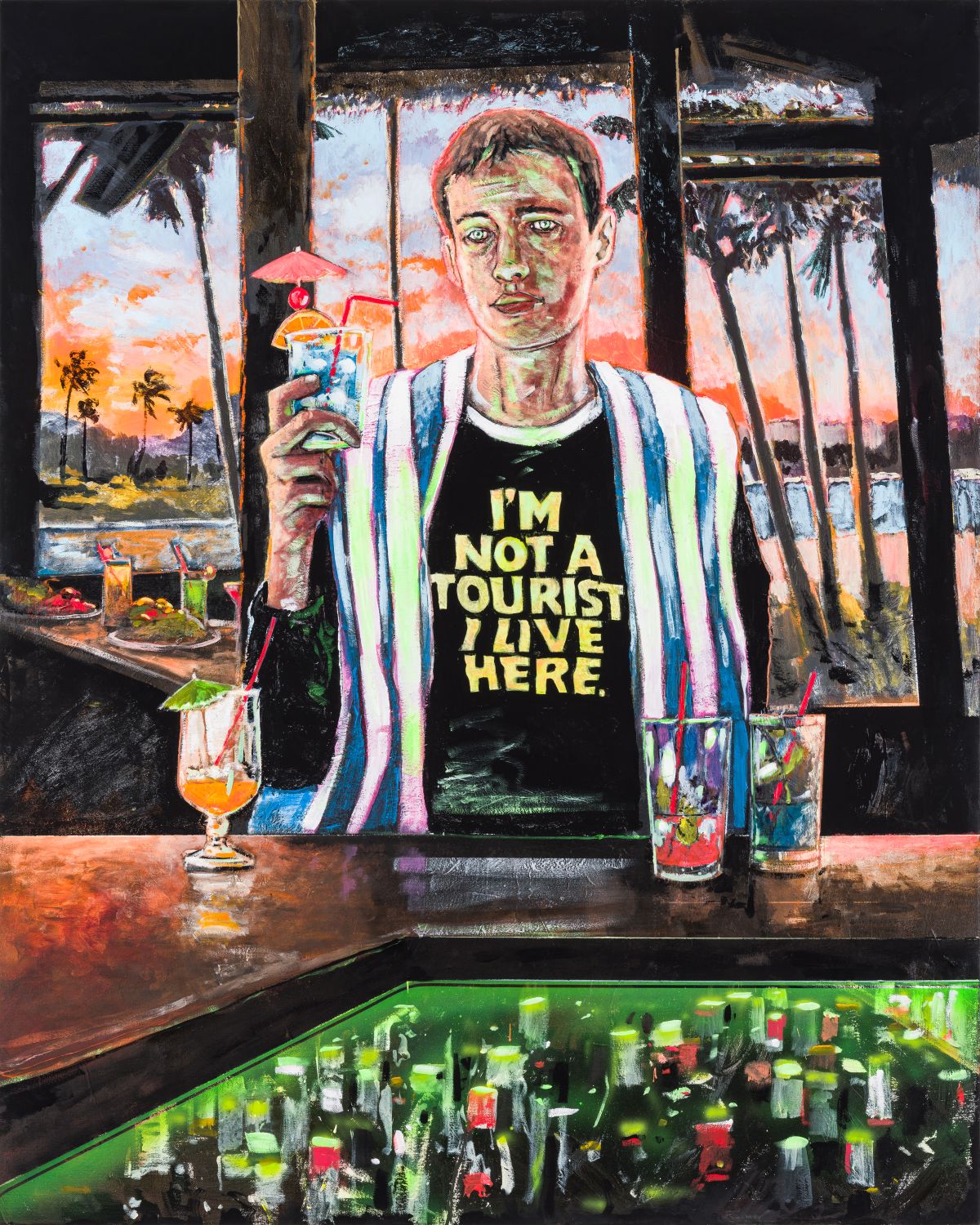
Anyone who never feels uncomfortable as a tourist is not a good tourist

"Wer sich als Tourist nie unbehaglich fühlt, ist kein guter Tourist"

American painter Hernan Bas has created a new series of paintings inspired by Venice and its tourists, drawing from his long-standing relationship with the city. His first encounter with Venice came through an invitation to exhibit at Bruna Aickelin's renowned gallery Il Capricorno, and he has since shown there multiple times, considering Aickelin his Italian connection.

Our Highlights from the Supporting Program

Unsere Highlights aus dem Rahmenprogramm

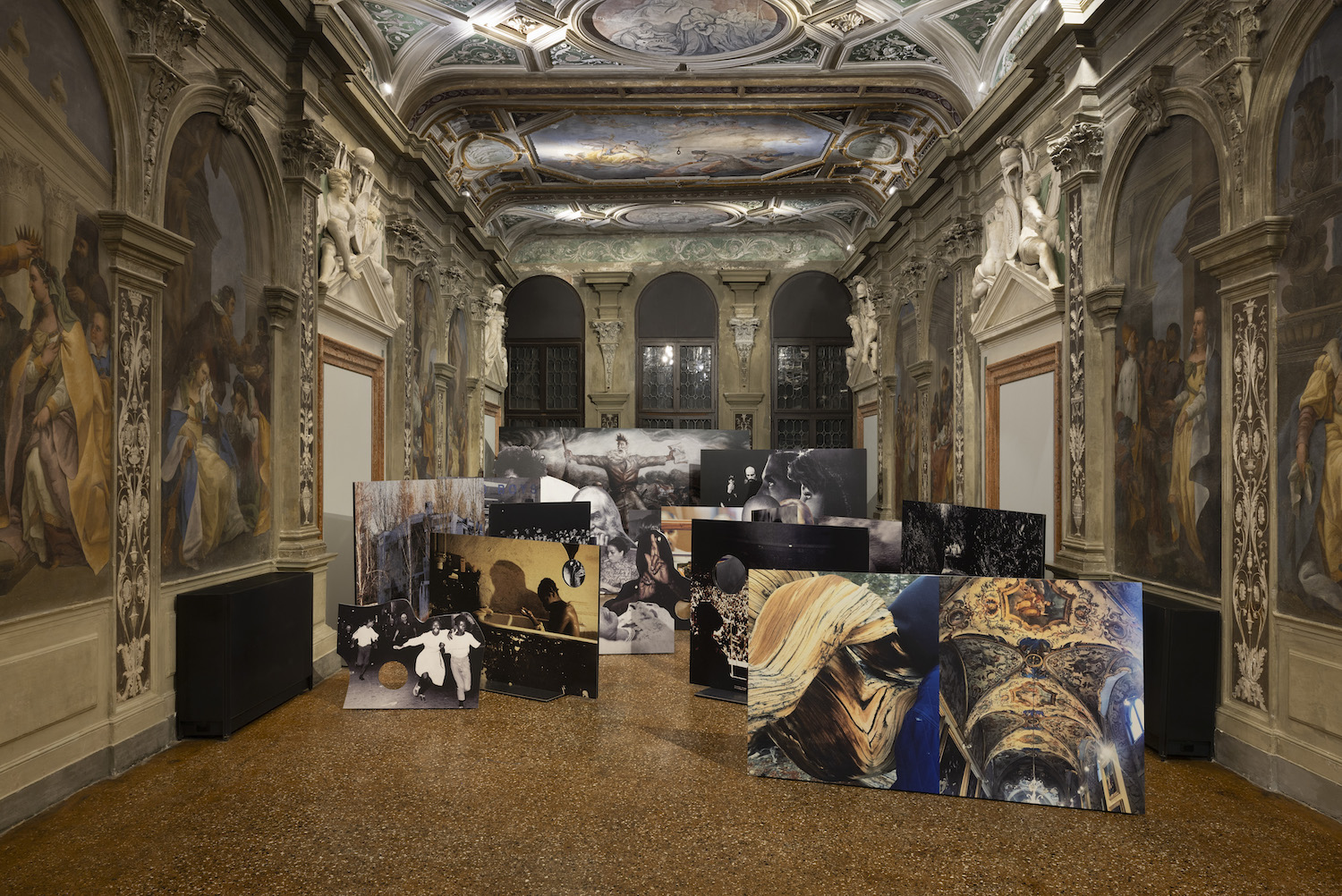
This article from Monopol highlights the must-see collateral events at the Venice Biennale, focusing on exhibitions and performances beyond the main show. It features Arthur Jafa and Richard Prince at Fondazione Prada, as well as works by Marina Abramović and other artists across video and performance art.