filter_list Showing 17 results for "Reinhardt" close Clear
dashboard All 17 museum exhibitions 15trending_up market 1article news 1
date_range Range Today This Week This Month All
Subscribe

“Primary Structures,” Turns 60

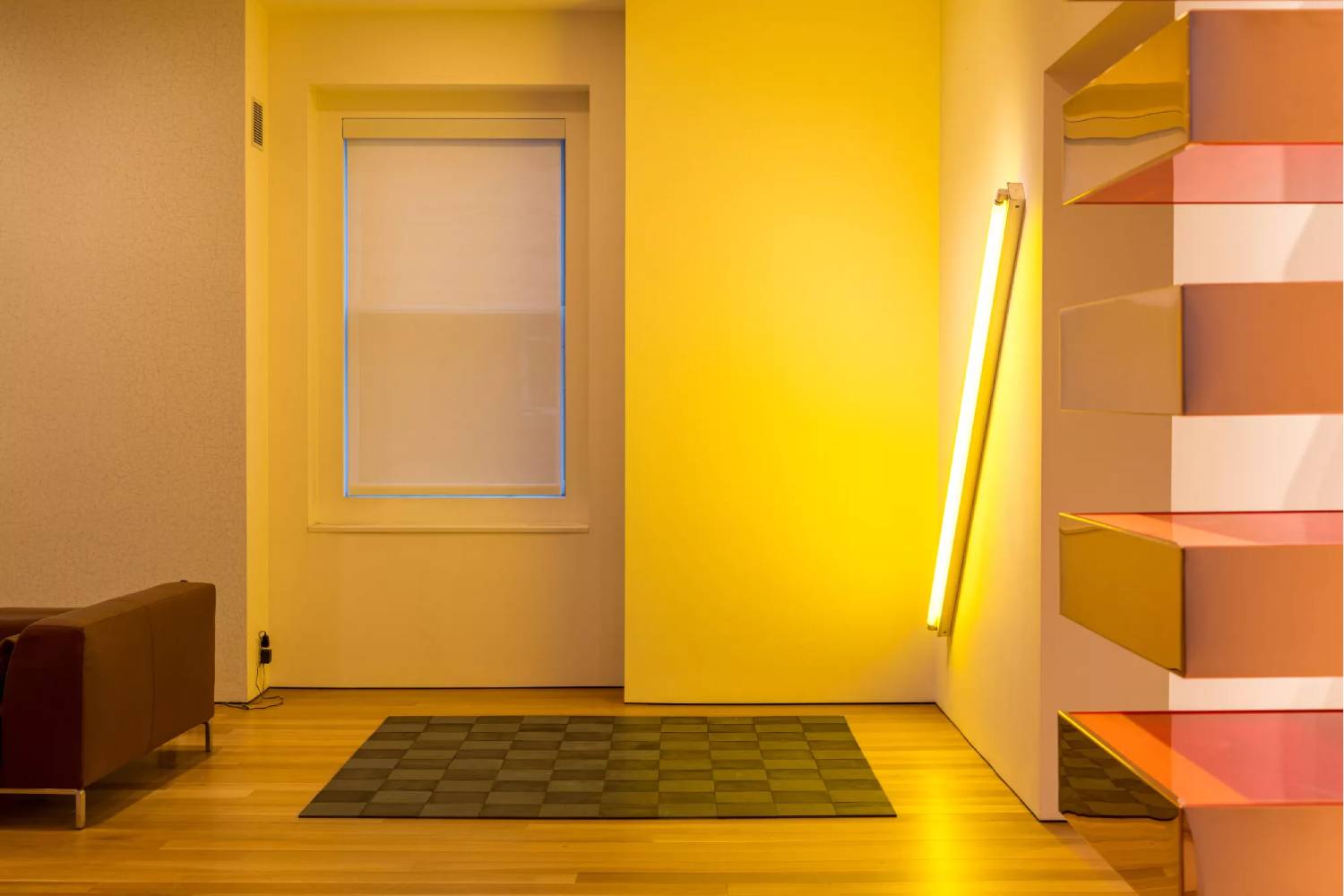
On April 28, 1966, The New York Times published a review by conservative critic Hilton Kramer of the Jewish Museum's exhibition “Primary Structures,” organized by curator Kynaston McShine. Kramer, disdainful of contemporary art, described the 42 American and British artists as rejecting personal expression and subjective inflection, yet he acknowledged the show as the first comprehensive glimpse of a style that would define the 1960s. The exhibition featured then-little-known artists including Carl Andre, Dan Flavin, Donald Judd, Sol LeWitt, Walter De Maria, Robert Morris, Anne Truitt, John McCracken, Larry Bell, Robert Smithson, Judy Chicago, Philip King, Michael Bolus, and David Annesley, and is now recognized as the ur-survey of Minimalism—a term McShine deliberately avoided.
How to Buy Minimalist Art

Artsy Editorial offers a guide on buying Minimalist art, explaining the movement's core principles of geometric shapes, limited color palettes, and material reduction. The article highlights key artists such as Carl Andre and Polly Apfelbaum, and emphasizes that Minimalism focuses on the idea behind the work rather than the artist's technical skill.

‘I shared a single bed with my mother for three years’: Sung Tieu on her monument to immigrant workers in Venice

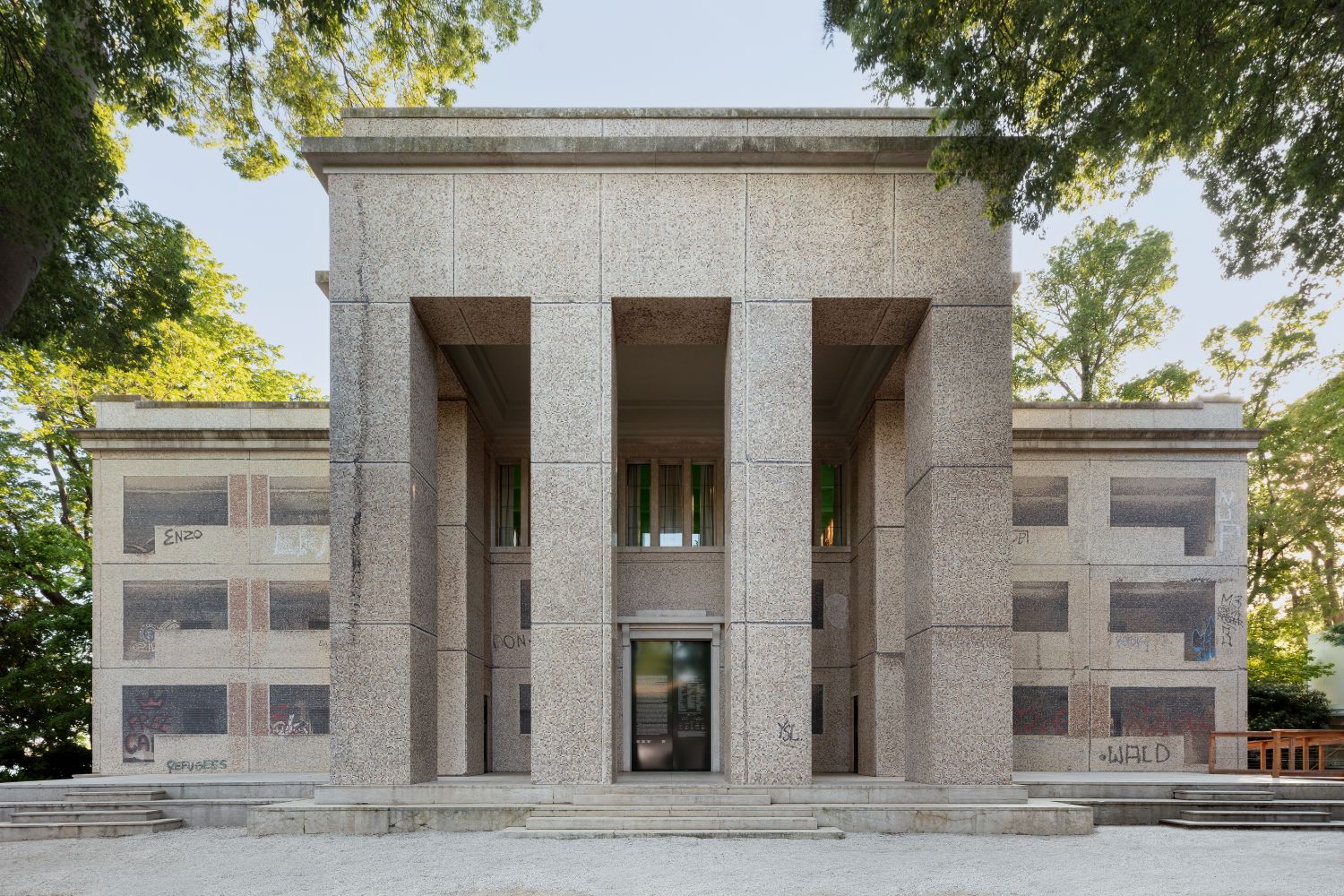
Artist Sung Tieu has clad the German pavilion at the 2024 Venice Biennale with a mosaic replica of the Gehrenseestrasse complex, a now-abandoned housing estate in Berlin where she lived as a child. The work, titled "Human Dignity Shall Be Inviolable," uses three million mosaic stones to recreate the facade of the prefabricated blocks that housed Vertragsarbeiter—contract workers from Vietnam, Mozambique, Angola, and Cuba who bolstered East Germany's economy. Tieu, who shared a single bed with her mother in the complex for three years, conceived the pavilion alongside the late artist Henrike Naumann.

First Details of the German Pavilion

Erste Details zum deutschen Pavillon

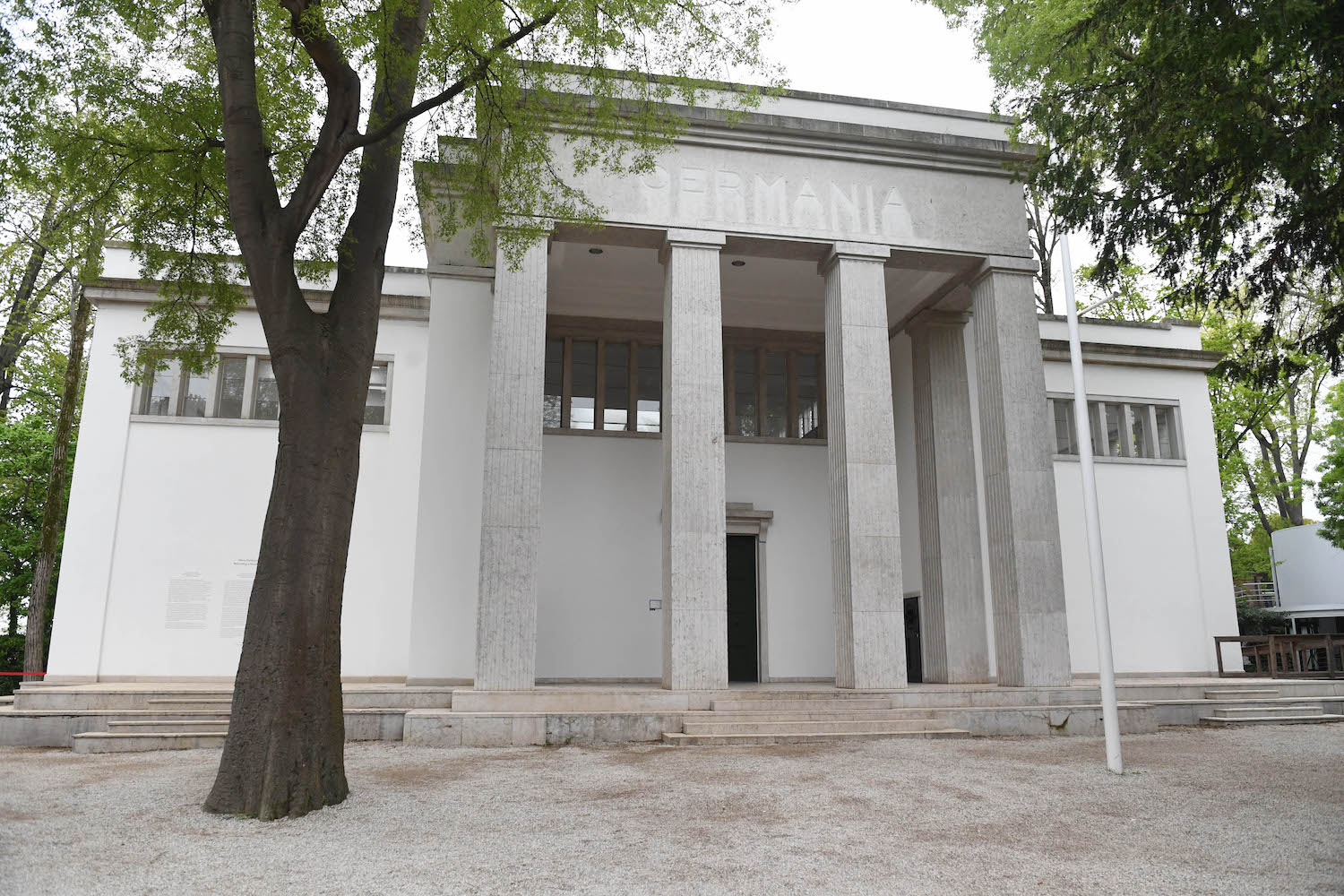
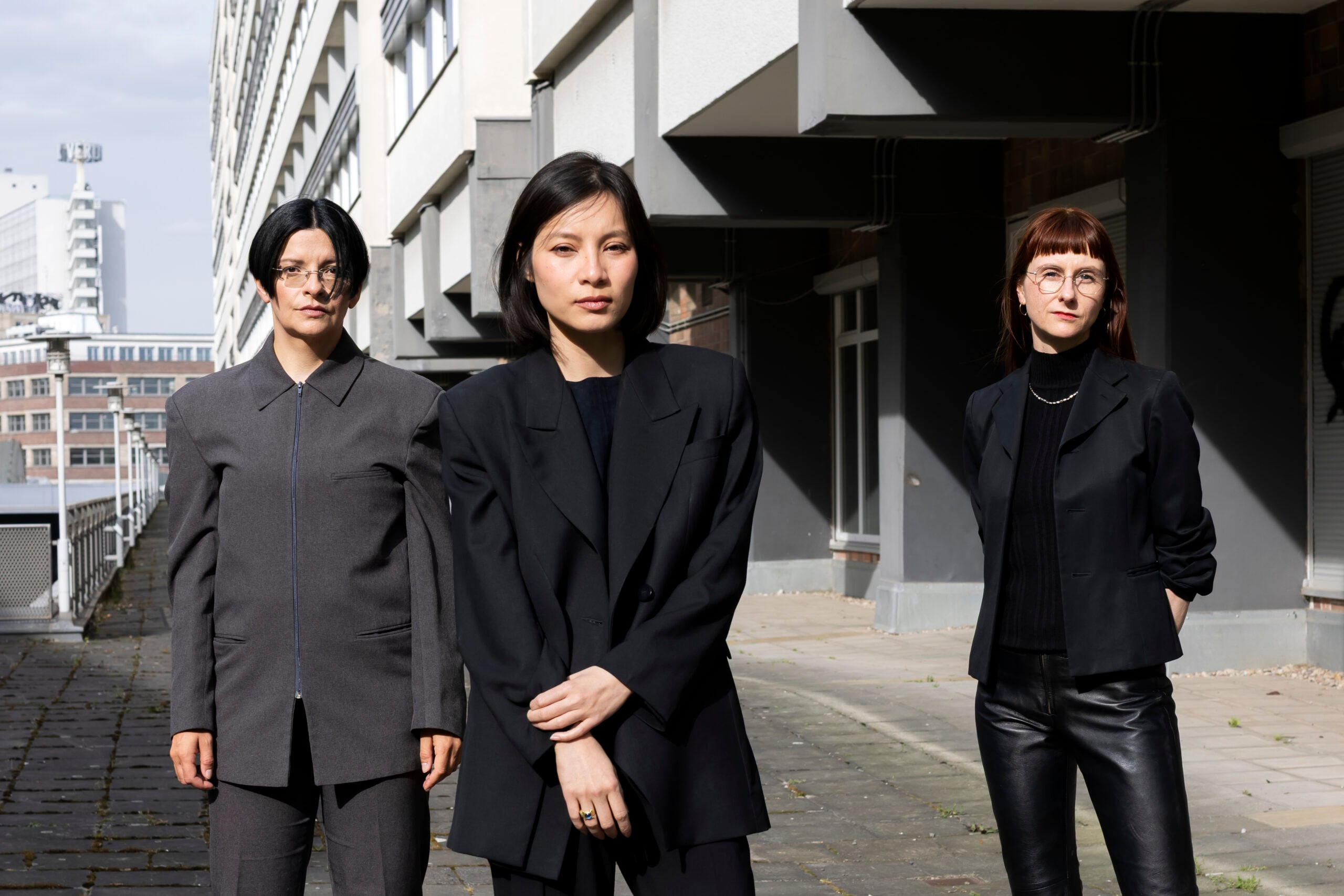
The German Pavilion at the upcoming Venice Biennale will present an exhibition titled "Ruin," featuring works by the late Henrike Naumann and artist Sung Tieu. Curated by Kathleen Reinhardt, the exhibition explores historical ruptures and the lingering effects of political and social voids following German reunification. Tragically, Naumann passed away shortly after completing her contributions, and her studio team is now working to realize her final artistic vision for the prestigious international stage.

Where to go this weekend?

Wohin am Wochenende?

This week's art tips include Anton Corbijn's birthday exhibition at Fotografiska Berlin, featuring iconic portraits alongside personal favorites; the 25th anniversary of Daniel Libeskind's extension at the Jewish Museum Berlin; Refik Anadol's first Belgian AI-driven installation at Brusk in Bruges; the Schirn Kunsthalle Frankfurt's 40th anniversary weekend with free entry and performances; and a Lee Ufan solo show at Dia Beacon in New York, following his Wolfgang Hahn Prize.

Deutscher Pavillon wird zum Plattenbau

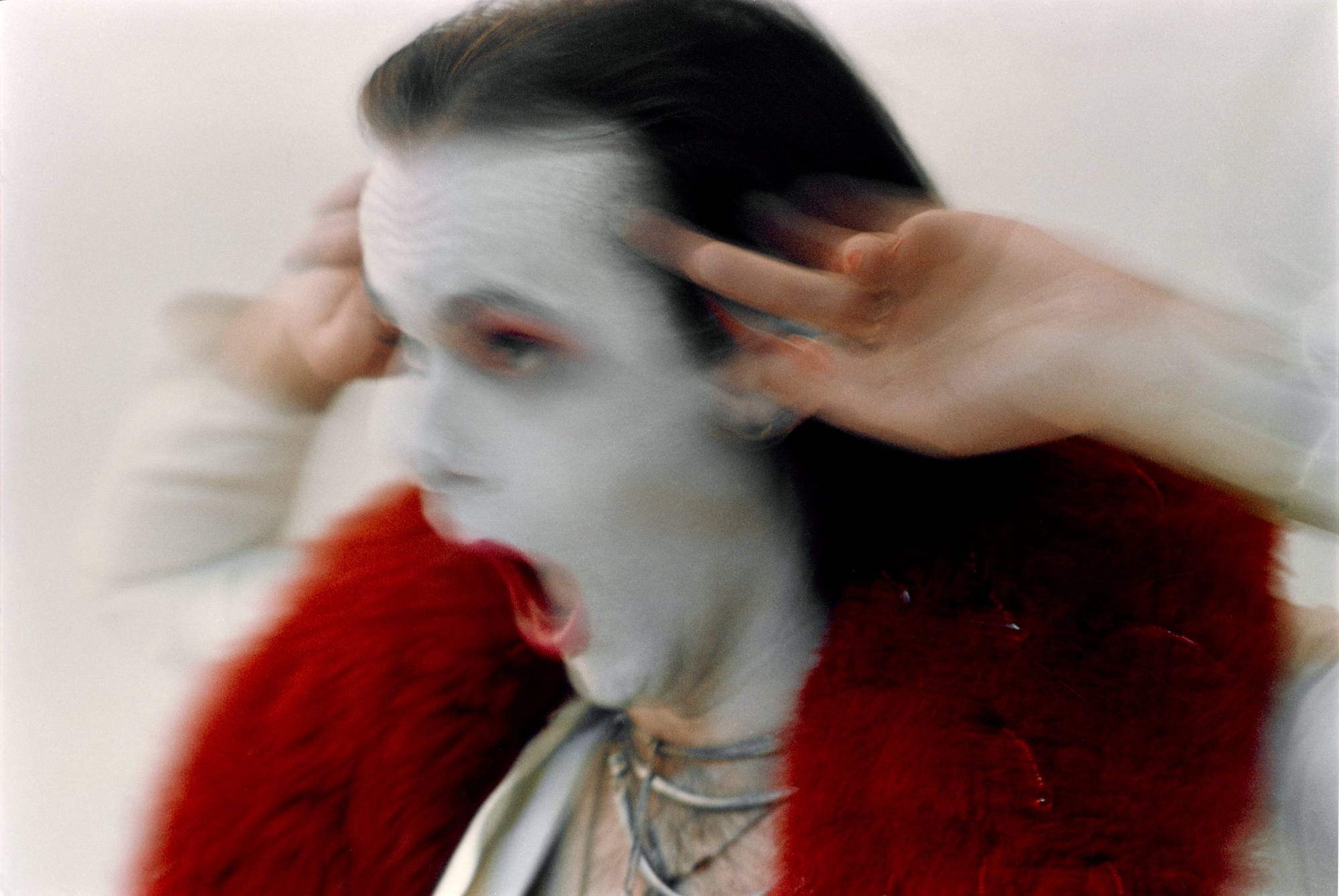
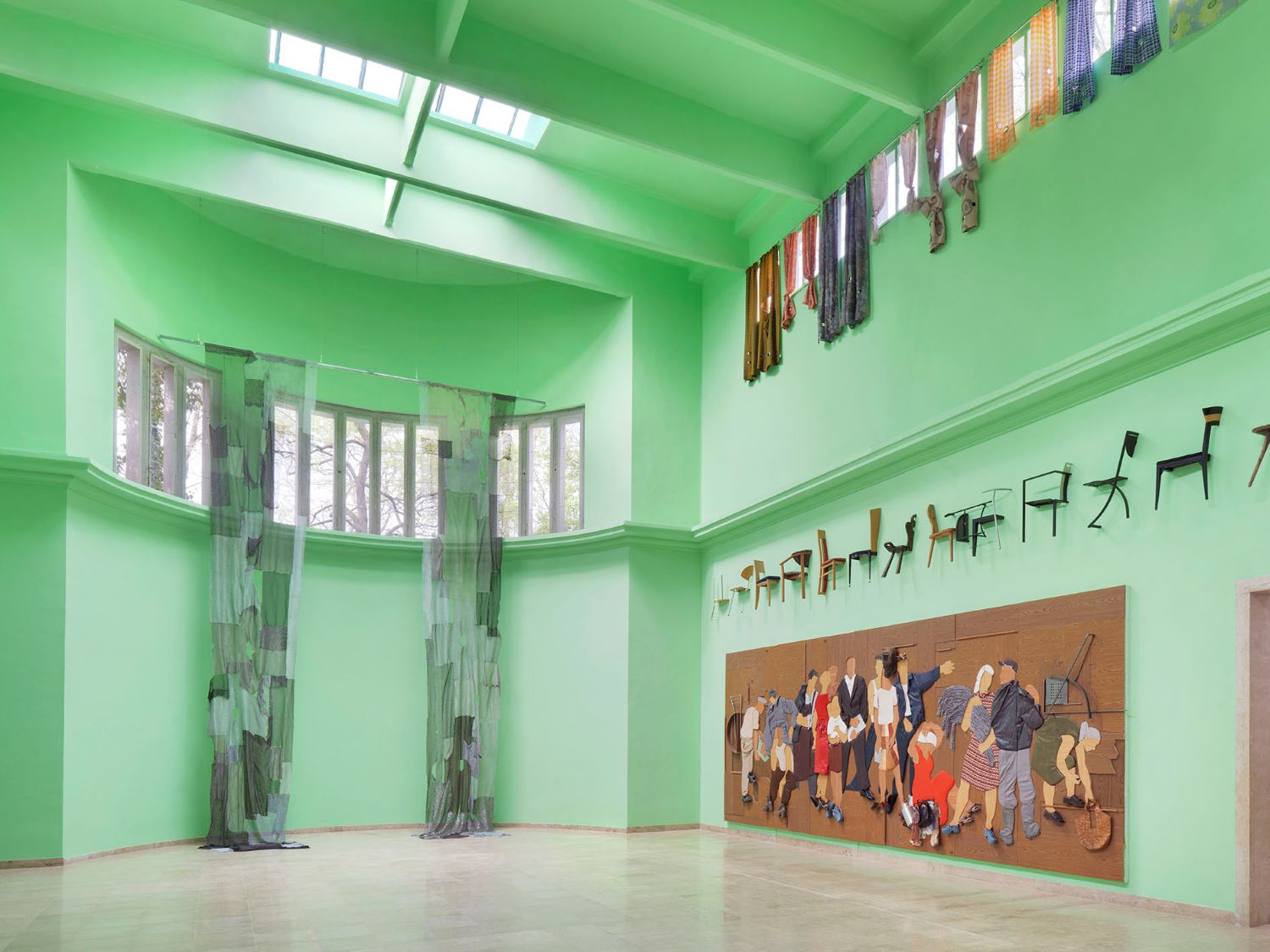
The German Pavilion at the Venice Art Biennale has been transformed into a prefabricated concrete slab building (Plattenbau) for this year's edition, designed by artists Sung Tieu and the late Henrike Naumann, who died suddenly in February at age 41 from cancer. Curator Kathleen Reinhardt described the pavilion as part of a highly political Biennale, with Tieu covering the 1938 fascist-era building with a mosaic of over three million tiles depicting a Berlin apartment block that once housed Vietnamese contract workers. Naumann's interior installation features mint-green references to Soviet barracks in East Germany, a cartography of war, and works including a relief of chairs, a curtain of chainmail, and the performance "Trümmerfrau."

Drained, Drowning, and Decay: The Best National Pavilions at the Venice Biennale

The 2026 Venice Biennale is defined by themes of ruin and decay, with standout national pavilions exploring bodily, infrastructural, and archaeological collapse. The Slovenian Pavilion features the Nonument Group repurposing materials from past Biennales into a ruin of a mosque for Bosnian Muslim soldiers from World War I. Syria presents its first national pavilion since the Civil War, with Sara Shamma invoking Palmyra, destroyed by ISIS. Germany's pavilion, titled "Ruin," features works by Henrike Naumann (who died in February) and Sung Tieu, questioning the pavilion's fascist architecture and nationalist residue. The Austrian Pavilion, curated by Florentina Holzinger, offers a visceral performance titled "Sea World." The Biennale is also marked by the abrupt resignation of its five-member jury, who refused to consider nations charged with crimes against humanity, leading to awards being chosen by public vote. Additionally, the main exhibition "In Minor Keys" was affected by the death of its curator, Koyo Kouoh.

After His Untimely Death, Rutherford Chang’s Survey Rewrites What a Square Can Do

Rutherford Chang, who died last year at age 45, is the subject of a posthumous survey at UCCA Center for Contemporary Art Beijing titled "Hundreds and Thousands." The exhibition centers on Chang's socially engaged works that explore value, circulation, and systems through the deceptively simple form of the square. His best-known piece, "We Buy White Albums" (2013–25), involved amassing roughly one percent of the first pressing of the Beatles' "White Album," highlighting how objects accrue personal and economic worth through use and history. Other works include melting 10,000 copper pennies into a cube and assembling Wall Street Journal portraits from 2008 into a grid that captures a year of crisis and change.

A Pavilion of Ruins: Germany Reconsiders Its Past in Venice

The German Pavilion at the 61st Venice Biennale features a dual presentation exploring the country's layered political history. Artist Sung Tieu has cloaked the pavilion's fascist-era facade with a mosaic reconstruction of a GDR housing estate for Vietnamese contract workers, where she lived as a child. Inside, the late Henrike Naumann's immersive installation 'The Home Front' uses furniture and design to stage a confrontation between East and West German domestic and political ideologies. Naumann died in February 2025 at age 41, but her fully realized concept was completed collaboratively by her partner and curator Kathleen Reinhardt.

Nel Padiglione Germania alla Biennale di Venezia un gruppo di donne riflette sulle rovine del passato per capire il mondo

The German Pavilion at the 2026 Venice Biennale will present the work of two women artists, Henrike Naumann and Sung Tieu, following the death of Naumann at age 41 in February 2026. Curated by Kathleen Reinhardt, director of the Georg Kolbe Museum in Berlin, the pavilion's project, titled "Ruin," explores the dual meanings of the word in English and German—architectural decay versus economic, social, or moral collapse. The exhibition draws on research into East Germany (DDR) and the post-reunification period, using the pavilion's fascist architecture as a lens to examine historical ruptures and their impact on the present. For the first time in its history, the German Pavilion is represented solely by women, mirroring the Italian Pavilion.

72 Hours in Venice: Palazzos, Protests, and a Biennale on the Brink

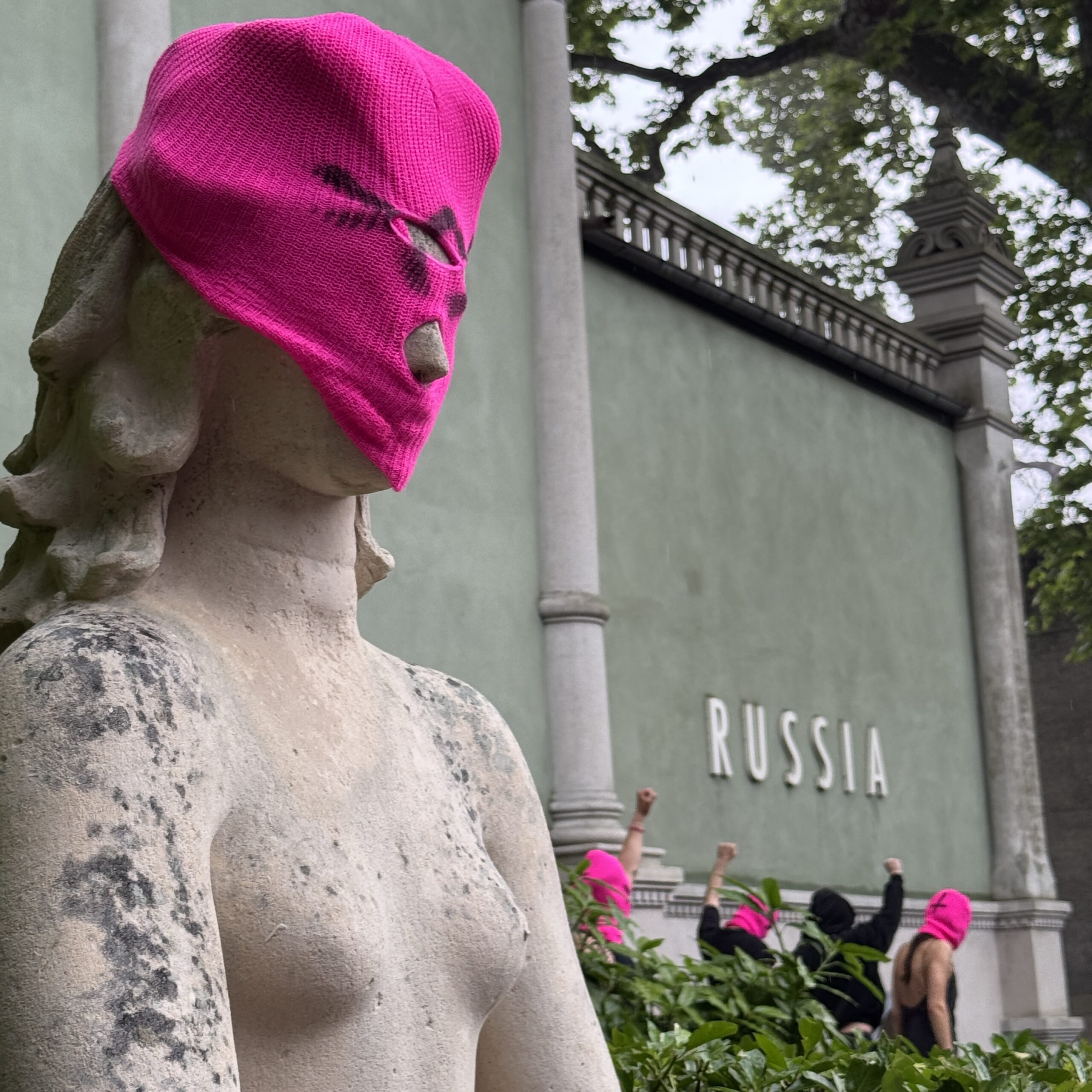
The article recounts a journalist's 72-hour visit to the Venice Biennale, beginning with a protest by Pussy Riot and Femen at the Russian Pavilion. The action features pink smoke, chants of "Blood is Russia's art," and a guerrilla performance of the song "Disobey," set against a backdrop of internal Biennale strife—including juror resignations over countries whose leaders face ICC arrest warrants (Netanyahu and Putin). The narrative also notes the presence of alt-right figures like Ryan Coyne and sculptor Alma Allen's troubled U.S. pavilion representation.

"Eine Idee, die gut ist, kann fast alles verändern"

Henrike Naumann's final major artistic project, the German Pavilion at the Venice Biennale, is completed posthumously by friends after her death from cancer at age 41. Meanwhile, the sudden death of curator Koyo Kouoh at 57 has left her team to finish the central exhibition "In Minor Keys" for the Biennale, opening May 9. The US Pavilion is openly crowdfunding for its 2026 presentation by sculptor Alma Allen, citing opaque funding under the Trump administration. Israel's foreign ministry has accused the Venice Biennale jury of boycotting its artist Belu-Simion Fainaru by excluding countries whose leaders face International Criminal Court charges.

The Minimalist Who Didn't Want to Be One

Die Minimalistin, die keine sein wollte

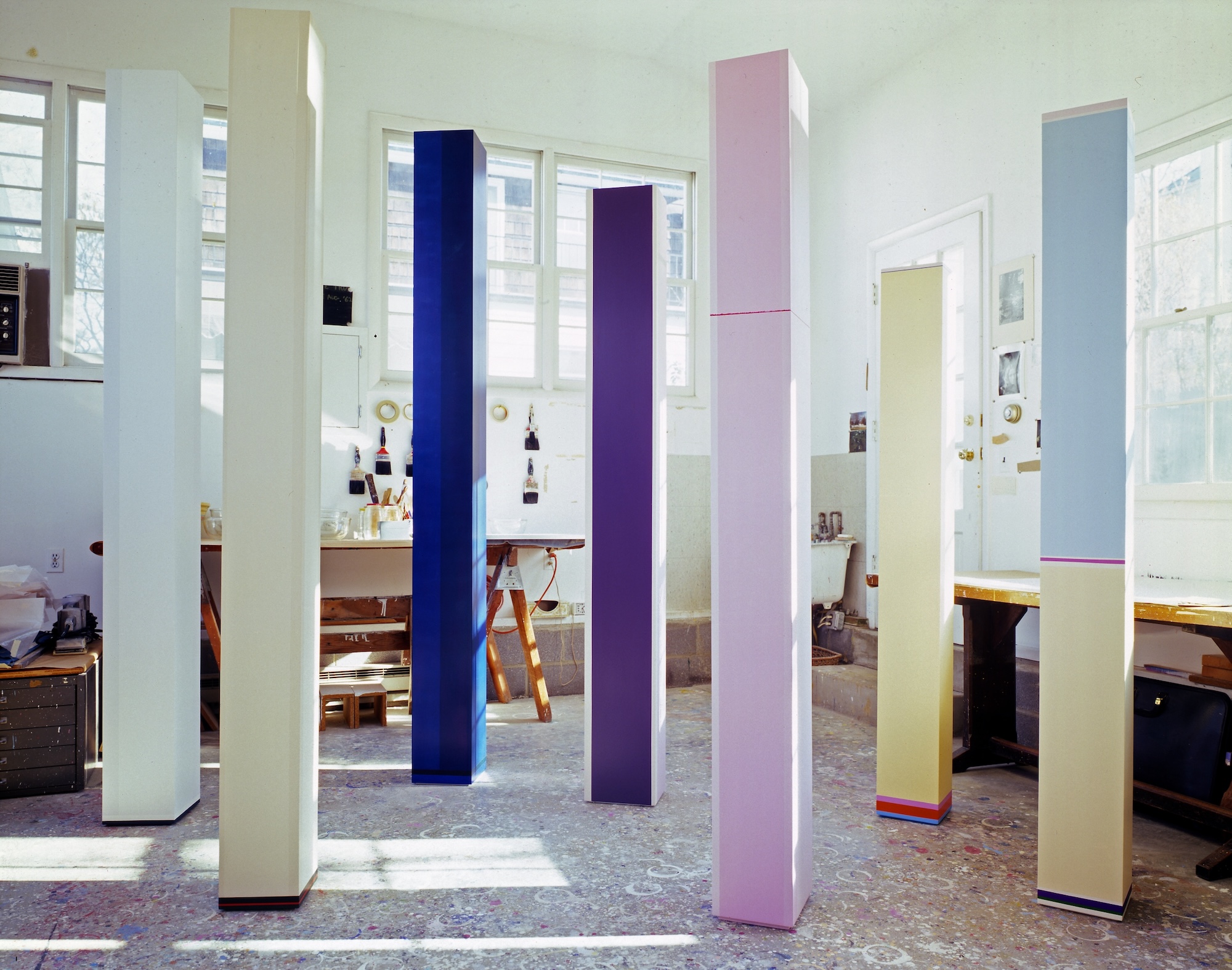
The Kunstsammlung NRW in Düsseldorf is hosting a major retrospective of American artist Anne Truitt, marking the first comprehensive survey of her work in Europe. The exhibition at K20 features approximately 120 works, including her signature hand-painted wooden columns, drawings, and the late "Pith" series, tracing her unique trajectory from the early 1960s until her death in 2004.

The 10 best pavilions to see at the 2026 Venice Art Biennale. Artribune's top ten

I 10 migliori padiglioni da vedere alla Biennale d’Arte di Venezia 2026. La top ten di Artribune

Artribune presents its top ten must-see national pavilions at the 2026 Venice Biennale, which features a record 100 participating countries. The article highlights standout projects including Greece's escape room by Andreas Angelidakis critiquing nationalist populism, Belgium's participatory dance installation by Miet Warloop, and Canada's greenhouse-like pavilion by Abbas Akhavan exploring colonial botany. The Biennale, curated by Koyo Kouoh under the theme "In Minor Keys," is marked by last-minute jury resignations leading to public voting for the Golden Lions, as well as protests over the participation of Russia and Israel.

The Backlash Is Here

"Der Backlash ist da"

Kathleen Reinhardt, the curator of the German Pavilion at the Venice Biennale, has announced her concept featuring artists Sung Tieu and Henrike Naumann under the title "Ruin." The exhibition will use East Germany as a prism to explore themes of power, history, and the present. Reinhardt was invited to submit a concrete concept and specific artists for this edition of the pavilion.

History Made Material

Material gewordene Geschichte

The German Pavilion at the 61st Venice Biennale has been transformed by artist Sung Tieu, who clad its Nazi-era facade with millions of small marble tiles to replicate the look of a prefabricated East German apartment block—specifically the Gehrenseestraße housing complex in Berlin where she spent part of her childhood. Inside, the exhibition features glass casts of her mother's limbs, aluminum beams evoking cramped living quarters, and works by the late Henrike Naumann, all curated by Kathleen Reinhardt to explore bureaucracy, migration, and systemic violence.

In Minor Keys and legacies held in common

The article reflects on the 61st Venice Biennale, curated by Koyo Kouoh, who passed away on 10 May 2025 at age 57 after a cancer diagnosis. Her curatorial concept, "In Minor Keys," will be realized posthumously by her team. The Biennale preview opens on 6 May 2026, with the public opening on 9 May. Additionally, artist Henrike Naumann, selected for the German Pavilion, died on 14 February 2025 at age 41, also from cancer; her work will be shown in her name.