filter_list Showing 5 results for "SHADOWING" close Clear
dashboard All 5 article news 3article culture 1article policy 1
date_range Range Today This Week This Month All
Subscribe

Nicéphore Niépce in 2 Minutes

Nicéphore Niépce en 2 minutes

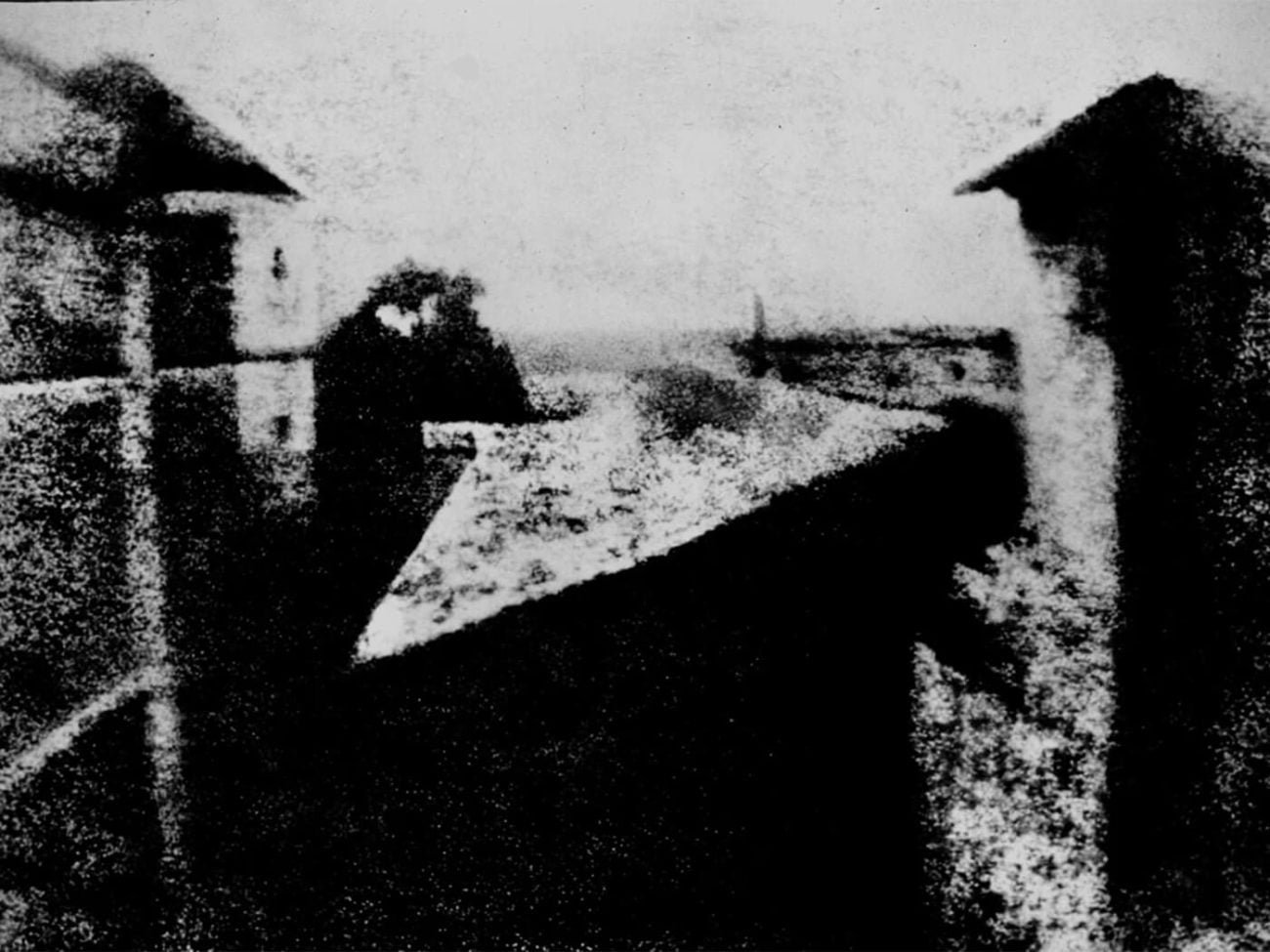
Joseph Nicéphore Niépce, a Burgundian engineer and inventor, is credited with creating the world's first permanent photograph, "Point de vue du Gras," in 1827. Using a process he termed heliography, Niépce utilized bitumen of Judea on pewter plates to fix images captured in a camera obscura. Despite his groundbreaking achievement, he died in relative obscurity in 1833, shortly after entering a partnership with Louis Daguerre, who would later receive the primary credit for the invention of photography.
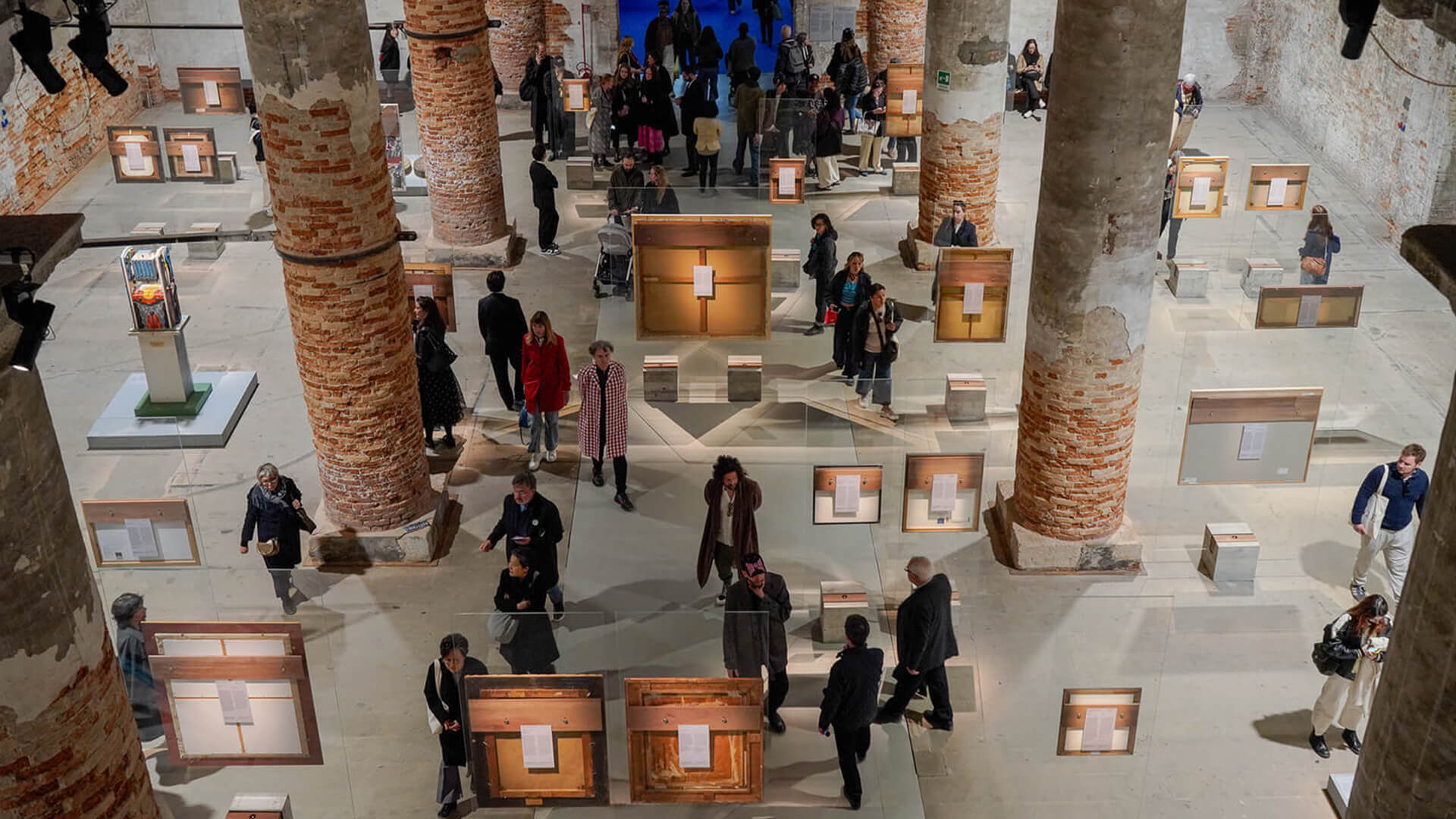
Dark clouds, protests and resignations dampen start of 61st Venice Biennale

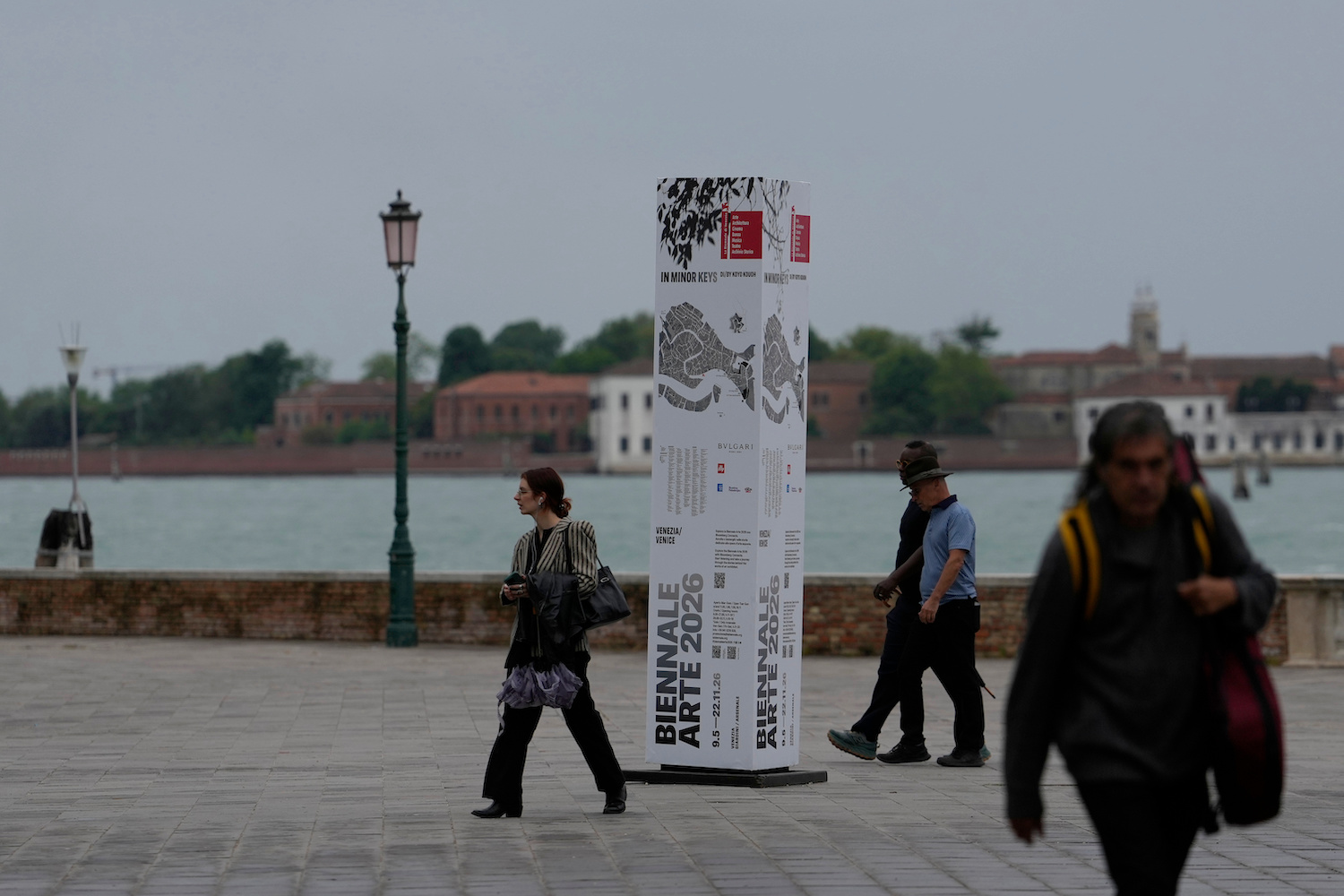
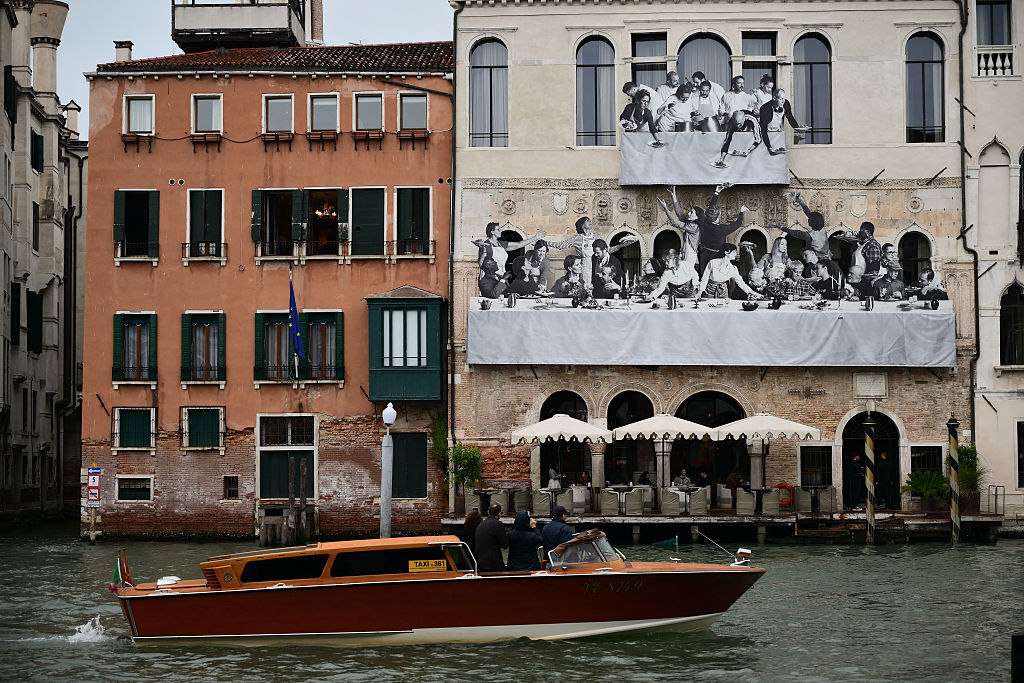
The 61st Venice Biennale opened under grey skies and rain, with political tensions overshadowing the art world's premier event. The Russian pavilion, absent for two editions due to the Ukraine war, reappeared with a party atmosphere, though the Italian ministry of culture confirmed it would not be open to the public. The Ukrainian culture minister called Russia's symbolic presence powerful. The Iranian pavilion withdrew without explanation, and a protest by 60 artists from the In Minor Keys show marched through the Giardini humming in solidarity against Israel's participation. Over 200 artists, including Lubaina Himid and Alfredo Jaar, signed an open letter demanding the Israeli pavilion's cancellation. The event also proceeded without its curator, Koyo Kouoh, who died in May 2025; her curatorial team delivered the exhibition following her plans.

An open letter to La Biennale di Venezia calls out inaction in the face of global atrocities

A group of 74 artists and curators invited to the 61st Venice Biennale have issued an open letter to the institution's president, Pietrangelo Buttafuoco. The signatories are protesting the decision to relocate the Israeli Pavilion to the Arsenale, placing it in close proximity to the central exhibition 'In Minor Keys' curated by the late Koyo Kouoh. The letter demands the exclusion of official delegations from countries accused of war crimes—specifically Israel, Russia, and the United States—and accuses the Biennale of complicity through its silence on global atrocities.

Where to go for the next scandal?

Wo bitte geht's zum nächsten Skandal?

The article reports on the 2024 Venice Biennale preview days, where the atmosphere is dominated by political protests, media stunts, and social-media pressure rather than the art itself. Incidents include a solidarity drone choir for Gaza, a Pussy Riot and FEMEN protest at the Russian Pavilion, and a planned demonstration near the Israeli Pavilion, all amplified by PR agencies and WhatsApp alerts. A journalist describes being pressured by editors to cover scandals and political controversies instead of art reviews, which they say no longer attract clicks.

How the Venice Biennale imploded over Israel

The 61st Venice Biennale, scheduled to open on May 9, has been thrown into turmoil after its International Jury announced that national pavilions and artists representing countries whose leaders are charged with crimes against humanity by the International Criminal Court will not be eligible for prizes. This excludes Israel, represented by sculptor Belu-Simion Fainaru, and Russia from competing for the Golden Lion. The decision follows an open letter signed by hundreds of artists and curators demanding Israel's exclusion over the war in Gaza, and comes amid ongoing geopolitical tensions, including Russia's absence from previous editions after its invasion of Ukraine. The Biennale's theme, 'In Minor Keys,' curated by the late Koyo Kouoh, aimed to focus on dignity and listening to marginalized voices, but the prize ban has sparked accusations that identity politics are overshadowing artistic merit.