filter_list Showing 25 results for "Vincent Van Gogh Foundation" close Clear
dashboard All 25 museum exhibitions 12article culture 4trending_up market 4article policy 3article news 2
date_range Range Today This Week This Month All
Subscribe

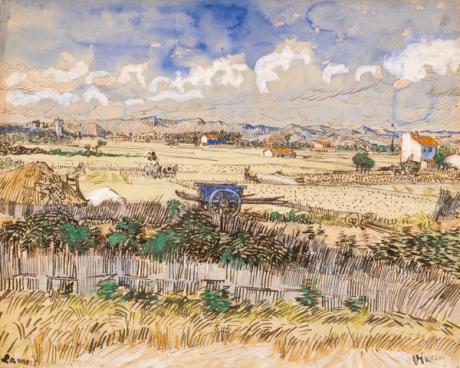
One of Van Gogh’s greatest watercolours could achieve a record price

Sotheby's New York will auction Vincent van Gogh's watercolor *The Harvest in Provence* (June 1888) on May 19, with an estimate of $25–35 million. The work, larger and more elaborate than a related watercolor at Harvard, was created just days before van Gogh's celebrated oil painting of the same scene. It is signed and titled, suggesting the artist considered it a finished piece rather than a mere study, and he sent it to his brother Theo before completing the oil version.
Rare early photographs reveal lost sites featured in Van Gogh’s paintings

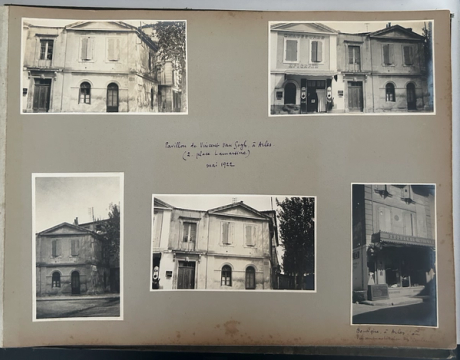
Two rare photographic albums taken by art critic Gustave Coquiot in 1922 have been acquired by the newly established Van Gogh Academy in Auvers-sur-Oise, France, and are now on display. The images capture many of the sites in Arles that Vincent van Gogh painted in the late 1880s, including the Yellow House, the Langlois Bridge, and the Rhône riverbank. Several of these locations were later destroyed during World War II or by modernization, making Coquiot's photographs valuable historical records of Van Gogh's original subjects.

The village where Van Gogh spent his final days celebrates its most distinguished visitor

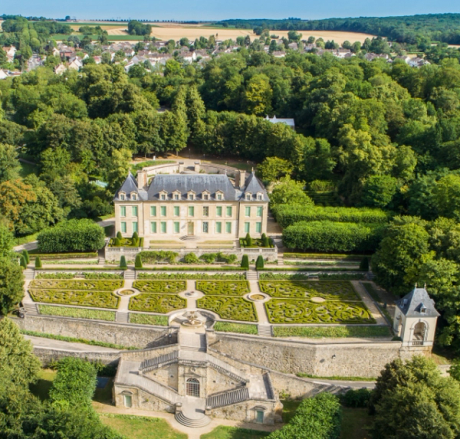
An exhibition titled "Van Gogh, Influencer: Legacies in Motion" has opened at the Château of Auvers-sur-Oise, the village near Paris where Vincent van Gogh spent his final 70 days and died by suicide in July 1890. The show, running until 3 January 2027, features nearly a hundred works by artists influenced by Van Gogh, including Léonide Bourges, Charles-François Daubigny, and Léo Gausson, though no original Van Gogh paintings are included. Curated by Wouter van der Veen, the exhibition explores visual parallels and stylistic contrasts between Van Gogh’s iconic works—such as *Church at Auvers* and *Wheatfield with Crows*—and those of his contemporaries and followers.

A Dutch museum has just put its fake Van Gogh on show

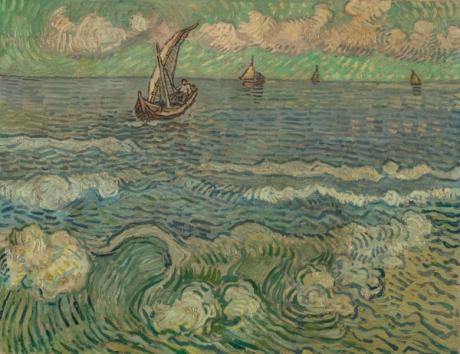
The Kröller-Müller Museum in Otterlo has broken traditional museum protocol by placing a known forgery, "Seascape at Saintes-Maries-de-la-Mer," on public display. Acquired in 1928 by museum founder Helene Kröller-Müller from the notorious Berlin dealer Otto Wacker, the painting was eventually exposed as a fake created by Wacker’s brother, Leonhard. The exhibition, which runs until June 21, coincides with a new podcast detailing the history of the acquisition and the subsequent fraud trial that rocked the art world in the 1930s.

Must-see Van Gogh exhibitions in 2026

Several major Van Gogh exhibitions are scheduled for 2026 across Japan and the Netherlands. In Nagoya, the Aichi Prefectural Museum of Art hosts "Van Gogh's Home: The Van Gogh Museum" (January–March), featuring 24 paintings and five drawings from the Amsterdam museum. Amsterdam's Van Gogh Museum presents "Yellow: More than Van Gogh's Favourite Colour" (February–May), exploring the color yellow through Van Gogh's Sunflowers and works by other artists. A touring exhibition from the Kröller-Müller Museum, "The Grand Van Gogh Exhibition," travels from Kobe to Fukushima and Tokyo with 37 paintings and 20 drawings. The Kröller-Müller Museum itself plans "All Van Goghs" (September 2026–January 2027), reuniting its entire collection for the first time since 1984. Den Bosch's Noordbrabants Museum examines Van Gogh's influence on Jan Sluijters in "Jan and Vincent: About Light" (October 2026–February 2027). Several ongoing exhibitions continue into early 2026, including "Van Gogh and the Roulins" and "Captivated by Vincent" at the Van Gogh Museum, and "Van Gogh and the Potato" in Den Bosch.

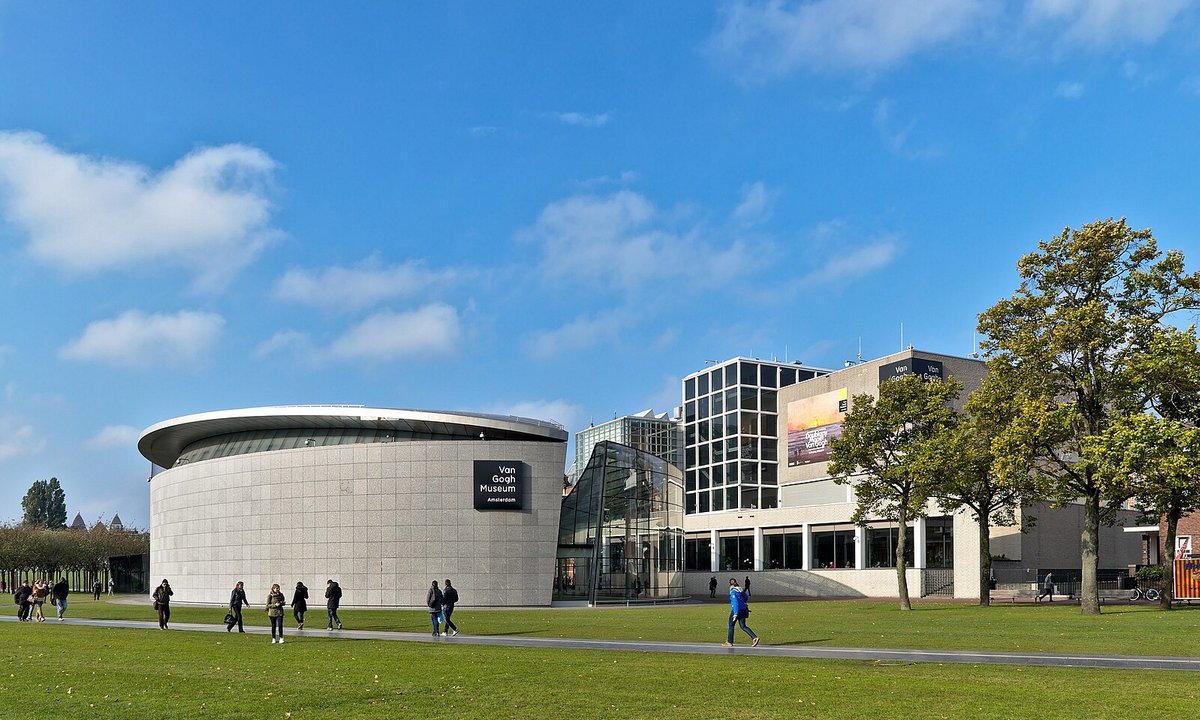
Van Gogh Museum in funding mediation with Dutch government following threats of closure

The Van Gogh Museum in Amsterdam has entered mediation with the Dutch government after initiating legal proceedings to secure additional public funding for a major renovation. The museum, which plans a three-year, €104m renovation starting in 2028, claims it could be forced to close unless its annual subsidy increases by €2.5m. The Dutch government, facing a budget deficit, considers the current €8.5m subsidy sufficient and argues the museum should contribute more itself. Mediation talks are making progress, and legal proceedings have been postponed indefinitely, with both sides aiming to conclude before summer.

van gogh museum closure dutch government funding 1234750053

The Van Gogh Museum in Amsterdam has threatened to close unless the Dutch government increases its annual funding to support a major renovation. The museum, which houses masterpieces by Vincent van Gogh, says the government is failing to uphold a 1962 agreement requiring it to fund the museum's construction and upkeep. The institution currently receives around $10 million per year but needs an additional $2.9 million annually for climate control, elevators, and infrastructure. Its Masterplan 2028, a $120.6 million project, would partially close the museum for necessary maintenance. Director Emilie Gordenker warned that without action, conditions could become dangerous for both the art and visitors.

Van Gogh’s ‘triple painting’ revealed by discoveries beneath the surface

Conservators at Rotterdam's Boijmans Van Beuningen Museum have discovered that Vincent van Gogh's painting *Poplars near Nuenen* (1885) conceals two earlier compositions: a moonlit view of a church tower and graveyard from July 1884, and a subsequent reworking in Paris in late 1886 that brightened the autumnal landscape. X-ray imaging revealed the original church scene, which Van Gogh painted over after his father's death. The final version, now restored after four years of conservation, goes on display on 7 February.

Van Gogh shows in 2026: America, Japan and the Netherlands

A wave of Van Gogh exhibitions is scheduled for 2026 across the United States, Japan, and the Netherlands. Highlights include "Van Gogh’s Sunflowers: A Symphony in Blue and Yellow" at the Philadelphia Museum of Art (June–October 2026), featuring a rare loan of London's National Gallery version alongside Philadelphia's own. Amsterdam's Van Gogh Museum will present "Yellow: Beyond Van Gogh’s Colour" (February–May 2026), while the Kröller-Müller Museum in Otterlo will display all 88 Van Gogh paintings for the first time since 1984 in "Van Gogh, All Our Paintings" (September 2026–January 2027). In Japan, the Kröller-Müller's "The Grand Van Gogh Exhibition" tours Kobe, Fukushima, and Tokyo, and the Van Gogh Museum's "Van Gogh’s Home" is at Nagoya's Aichi Prefectural Museum of Art. Smaller shows take place at the Van Gogh House in Zundert, the Maison du Dr Gachet in Auvers-sur-Oise, and the Foundation Vincent van Gogh Arles.

Van Gogh’s family used an erotic Gauguin ceramic as a flower vase

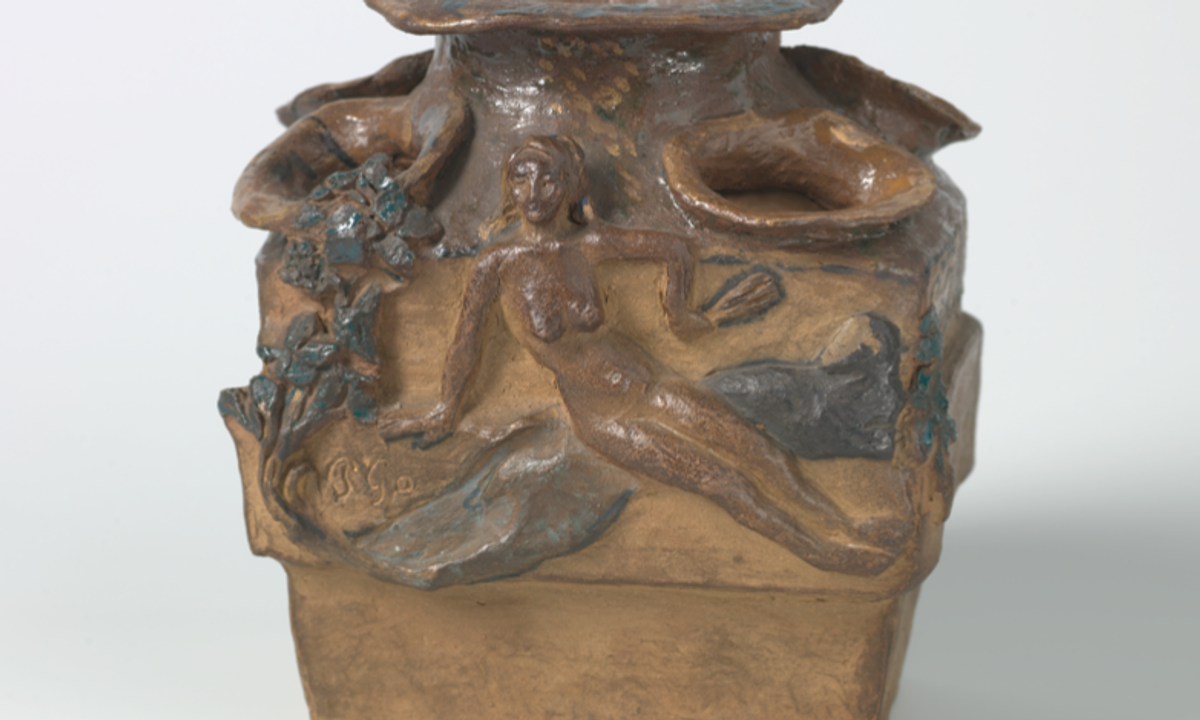
A researcher at the Van Gogh Museum, Joost van der Hoeven, has revealed that Paul Gauguin's erotic ceramic, the Cleopatra Pot (winter 1887-88), was used as a flower vase by Vincent van Gogh's family. Gauguin brought the pot to Arles when he stayed with Van Gogh in 1888, and after Van Gogh's ear incident, Gauguin gave the pot to Vincent's brother Theo as a gift. The pot later remained with Theo's widow, Jo Bonger, and a photograph from 1925-26 shows it on her piano holding flowers, surrounded by still-life paintings.

Van Gogh’s ‘Sower’ will soon go on sale at Sotheby's—where it's set to make record price

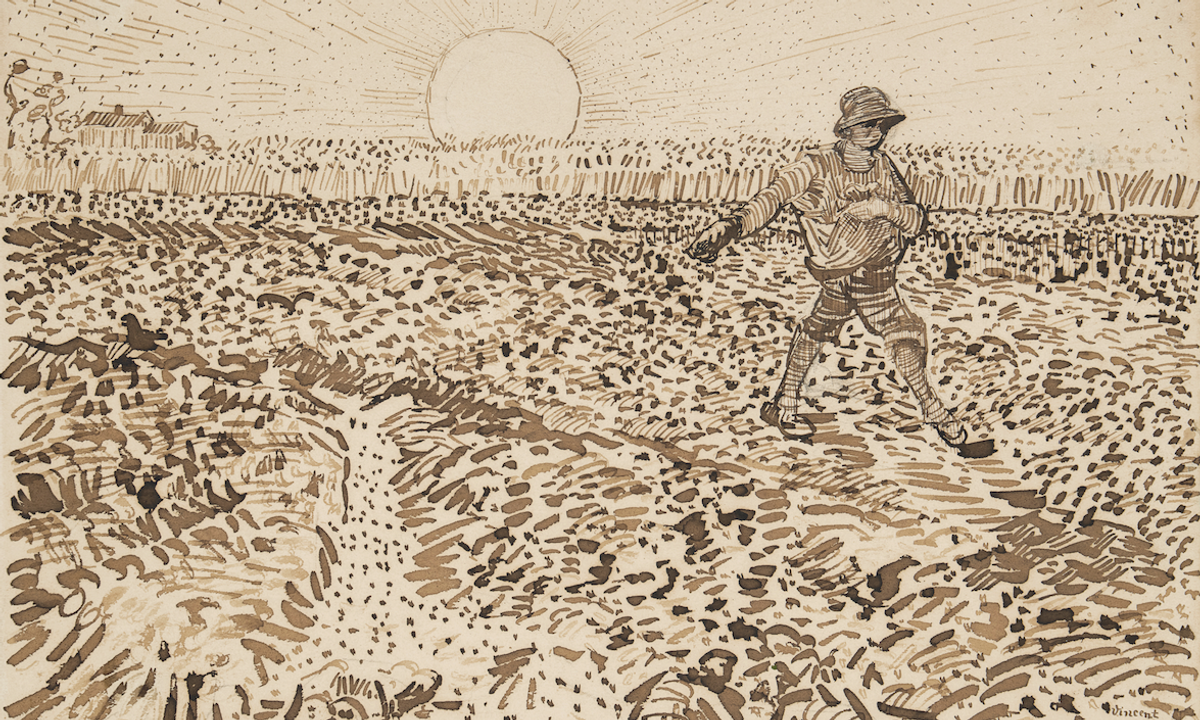
Van Gogh's drawing 'Sower in a Wheatfield with setting Sun' (July 1888) will be auctioned at Sotheby's New York on 18 November with an estimate of $8m-$10m. The work, which belonged to the late cosmetics heir and collector Leonard Lauder, is expected to set a new auction record for a Van Gogh drawing if it exceeds the $8.8m achieved by 'La Mousmé' in 2021. The drawing was originally made for the artist Émile Bernard and later passed through notable hands including dealer Ambroise Vollard and critic Théodore Duret before entering the Lauder collection. It will be sold alongside 23 other major works from Lauder's collection, including three important Gustav Klimt paintings, in a sale expected to fetch over $400m.

Van Gogh’s exuberant ‘Tarascon Stagecoach’ will be donated to a Los Angeles museum

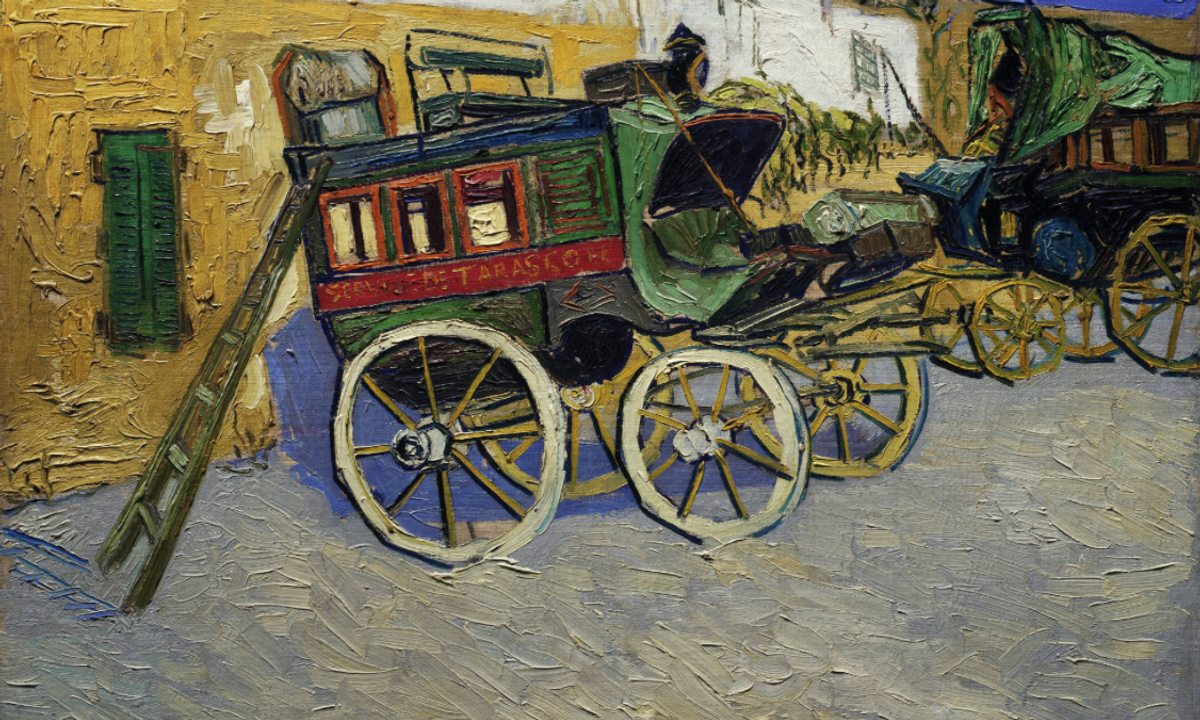
The Henry and Rose Pearlman Foundation is donating 63 works to three major U.S. museums, led by Vincent van Gogh's *Tarascon Stagecoach* (October 1888). The painting will debut at the Los Angeles County Museum of Art (LACMA) from February 22 to July 5, 2026, then travel to the Brooklyn Museum of Art in autumn 2026 and New York's Museum of Modern Art in 2027. The work depicts a horse-drawn coach in Arles, was sketched in a letter to Van Gogh's brother Theo, and has a rich provenance including early ownership by sculptor Medardo Rosso and a journey to Uruguay as the first Van Gogh in the Americas.

A manure mystery: why did Van Gogh depict heaps of sand in a painting of his beloved Yellow House?

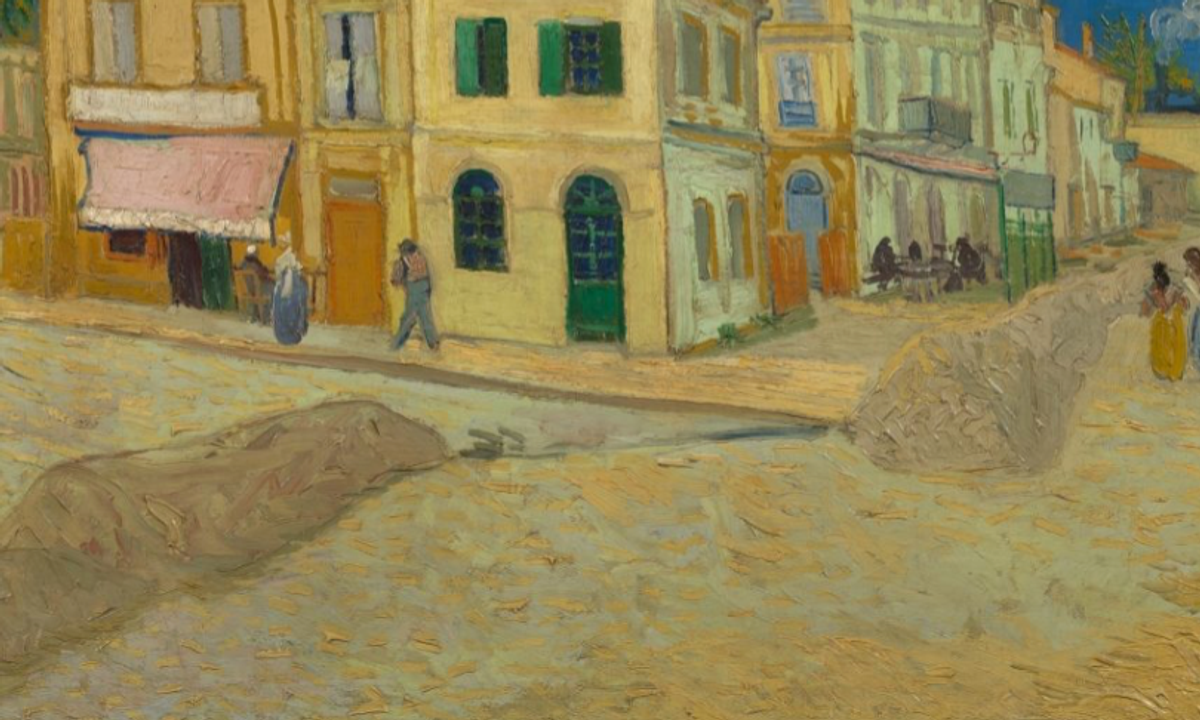
A new study by Van Gogh Museum senior researcher Teio Meedendorp proposes that the mysterious piles of sand in Vincent van Gogh's 1888 painting "The Yellow House" are not, as previously thought, related to gas pipe installation, but rather cleansing sand used to absorb horse manure and urine on the streets of Arles. Meedendorp supports his theory with historical postcards from 1902 showing similar sand piles and street-cleaning practices, as well as municipal records indicating the city had outsourced dung removal in August 1888.

The story behind the Van Gogh still life that looks destined to become his most expensive Paris painting

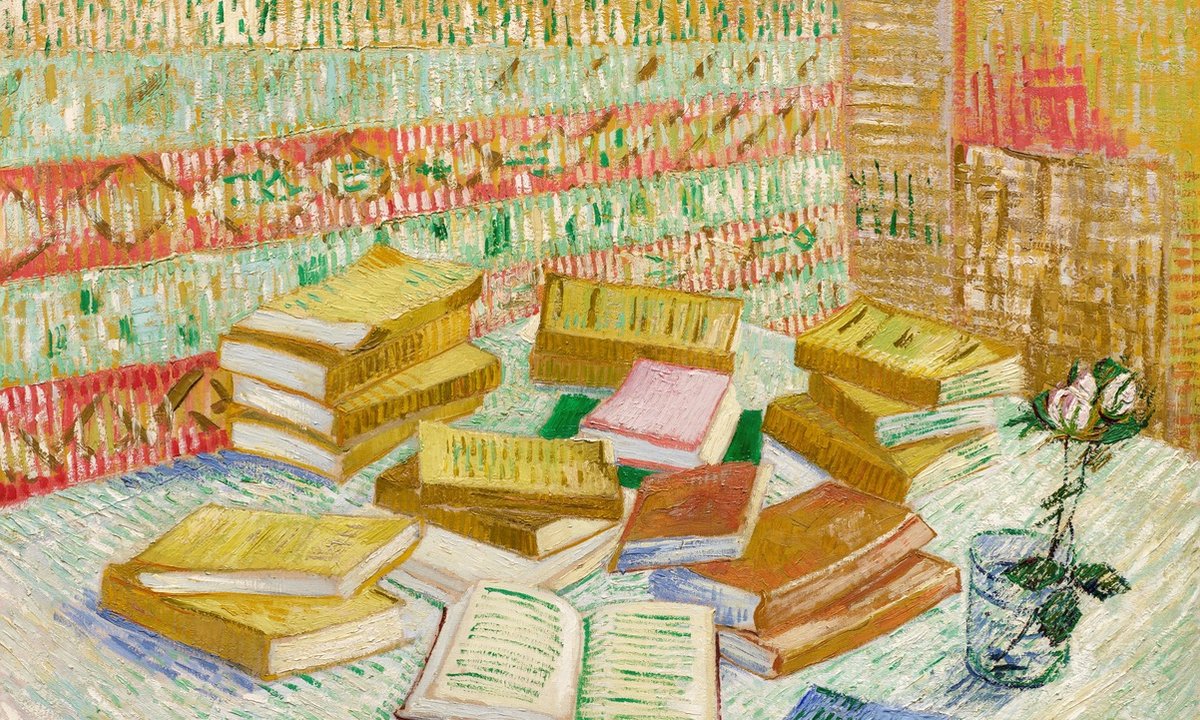
Van Gogh's 'Parisian Novels' (November-December 1887) will be the leading lot in the Pritzker sale at Sotheby's, New York on 20 November, with an estimate of $40 million. The still life, depicting 22 books and three pink roses, has been consigned by the estate of Cindy Pritzker, who died in March at age 101. The painting was created during Van Gogh's time living with his brother Theo in Paris and was among the first three works publicly exhibited during his lifetime, at the Société des Artistes Indépendants in March 1888. The Pritzker collection sale also includes 36 other works estimated at $120 million, featuring pieces by Paul Gauguin and Henri Matisse.

Lovers to friends: the intimate story of Van Gogh's sister-in-law and the artist Isaac Israëls

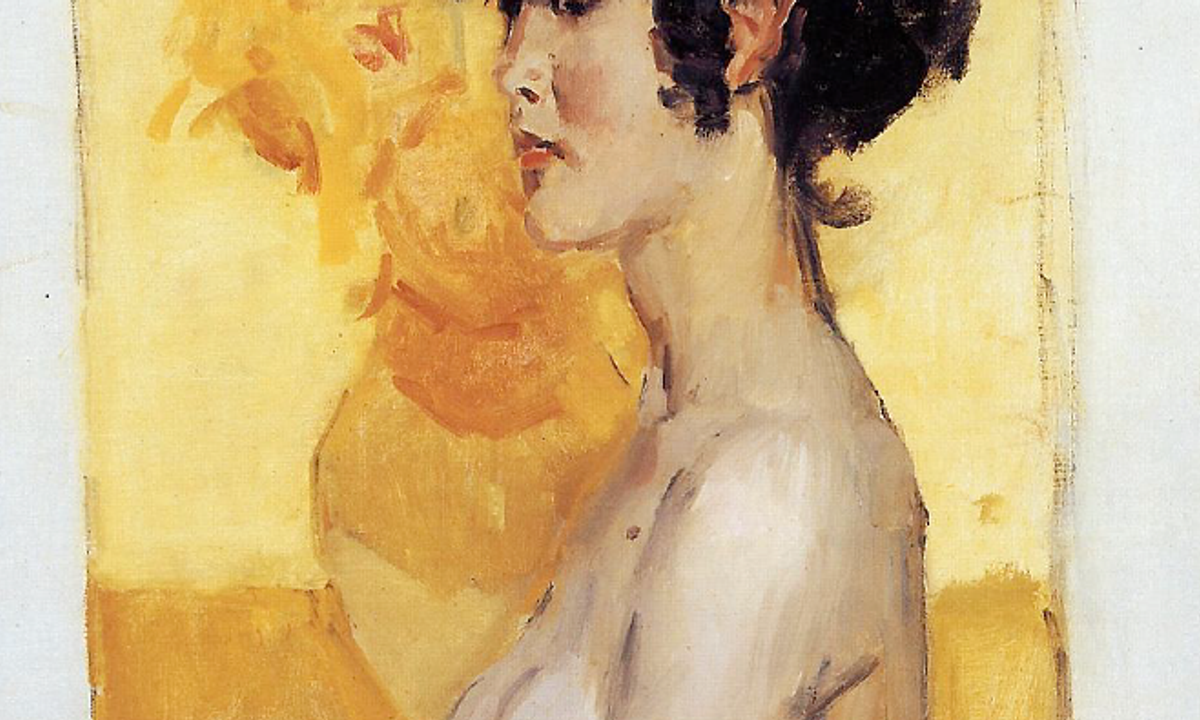
The Van Gogh Museum in Amsterdam has published 103 letters from Dutch Impressionist painter Isaac Israëls to Jo Bonger, Vincent van Gogh's sister-in-law, revealing a previously secret romantic relationship between them. The museum is also presenting an exhibition titled "Captivated by Vincent: The Intimate Friendship of Jo van Gogh-Bonger and Isaac Israëls" (through January 25, 2026), which explores their brief physical relationship in the 1890s and its aftermath, including how Israëls incorporated Van Gogh's paintings into his own portraits—a practice he called "Vincenting." Twelve of these portraits are on display for the first time.

Van Gogh’s Starry Night over the Rhône reveals more of its mysteries

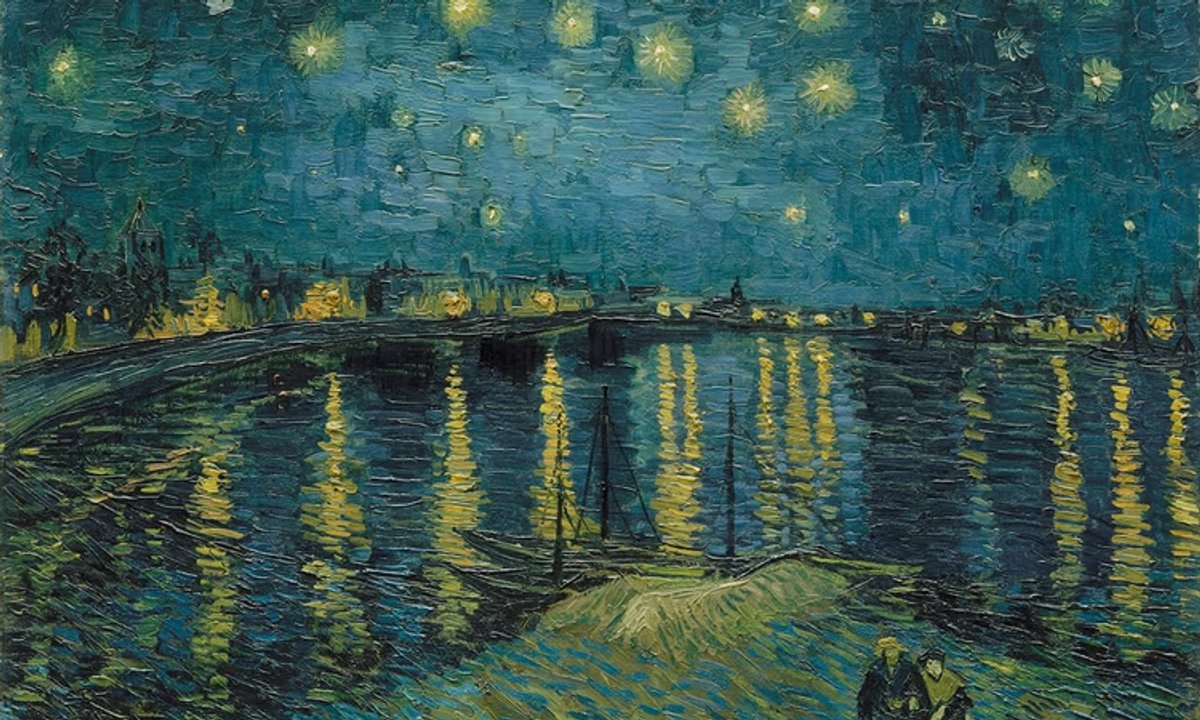
Van Gogh's *Starry Night over the Rhône* (September 1888), housed at the Musée d'Orsay in Paris, is analyzed in detail to separate the actual view of Arles from the artist's imaginative additions. The article examines how Van Gogh repositioned the Plough (Big Dipper) constellation, exaggerated the brightness of gas lamps, and likely painted most of the scene in his studio rather than en plein air. It also reveals that he later reworked the lower-left corner of the canvas, as seen in contemporary sketches.

How did the only painting sold by Van Gogh in his lifetime end up in Russia?

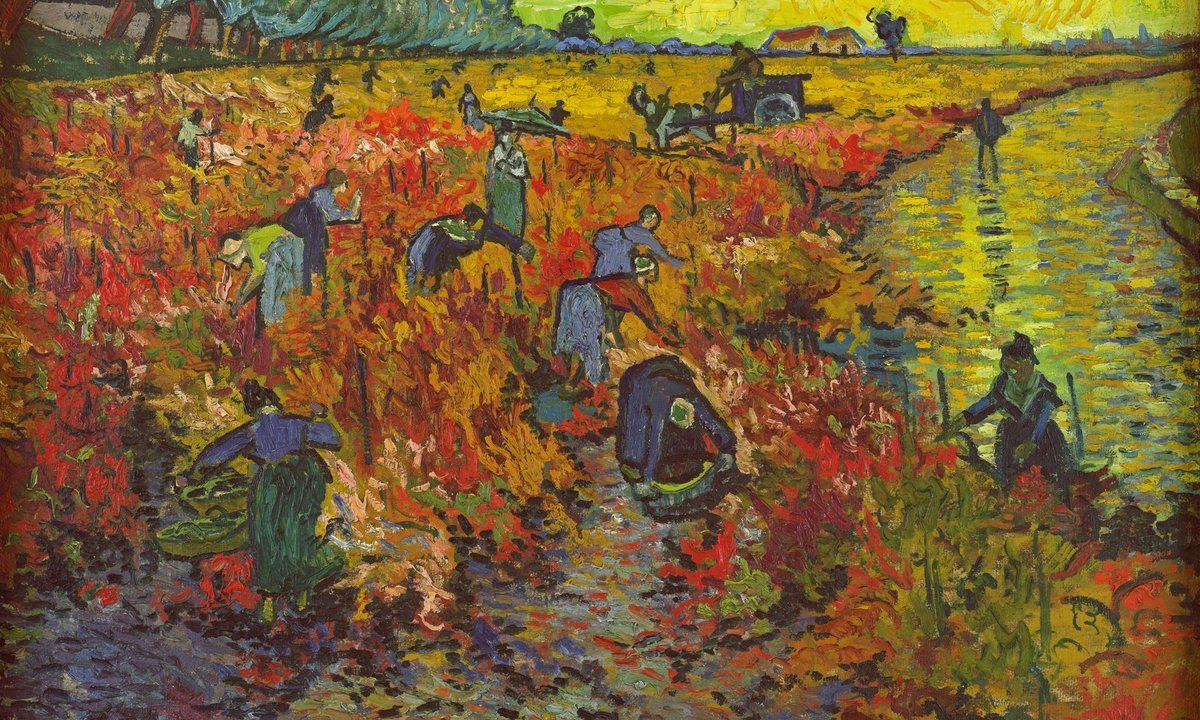
The article explores the history and conservation of Vincent van Gogh's "The Red Vineyard," the only painting he is certain to have sold during his lifetime. Sold for 400 francs at a Brussels exhibition in March 1890, the work now resides at the Pushkin State Museum of Fine Arts in Moscow. A recent conservation project used modern scientific techniques to uncover new details about the painting's creation, including Van Gogh's use of paint straight from the tube, compositional changes, and the fading of chrome yellow pigments. The article also recounts the painting's origin during Van Gogh's time in Arles with Paul Gauguin and its journey to Russia.

Van Gogh’s love of Hiroshige, the Japanese master of the landscape, is reflected in a British Museum exhibition

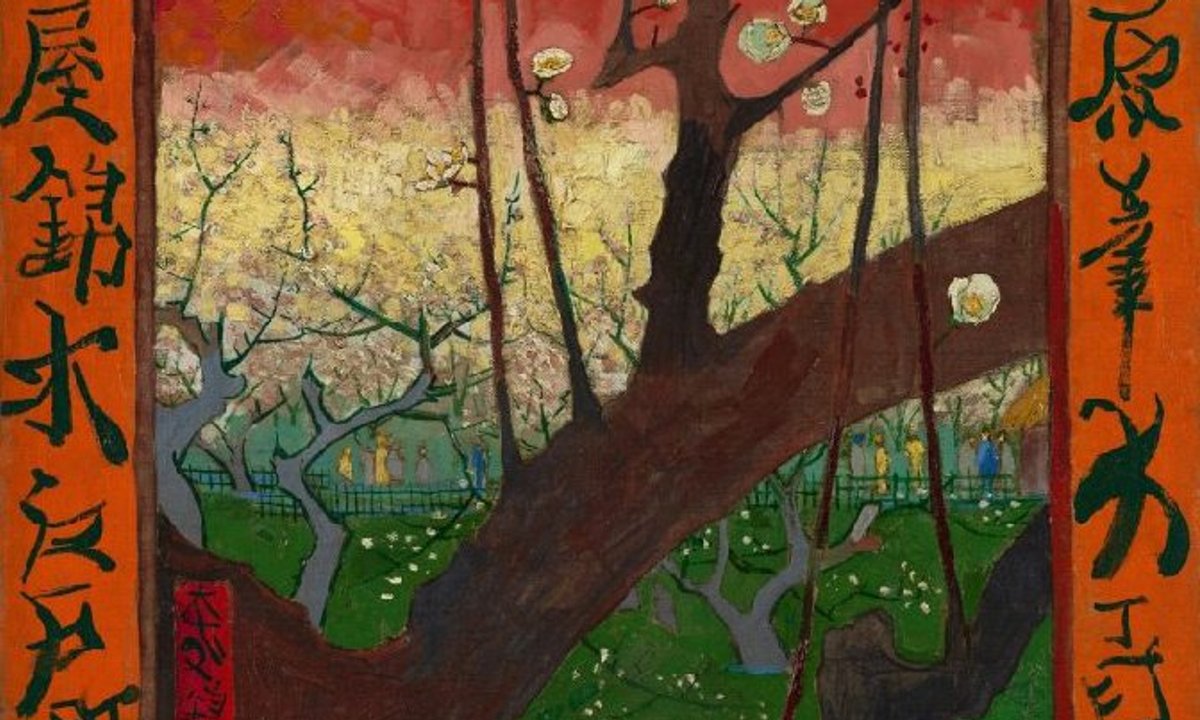
The British Museum's exhibition "Hiroshige: Artist of the Open Road" (through September 7) showcases over 100 prints by the Japanese master Utagawa Hiroshige, including rare loans that highlight his influence on European avant-garde artists. A key display is Vincent van Gogh's own copy of Hiroshige's "The Plum Garden at Kameido" (1857), on loan from the Van Gogh Museum in Amsterdam, along with Van Gogh's squared-up tracing used for his painting. New research by British Museum senior scientist Capucine Korenberg reveals a short pencil line on the print that confirms Van Gogh used this exact copy as a guide for his tracing and subsequent painting.

The Royal Academy’s Kiefer-Van Gogh show offers a soaring spectacle

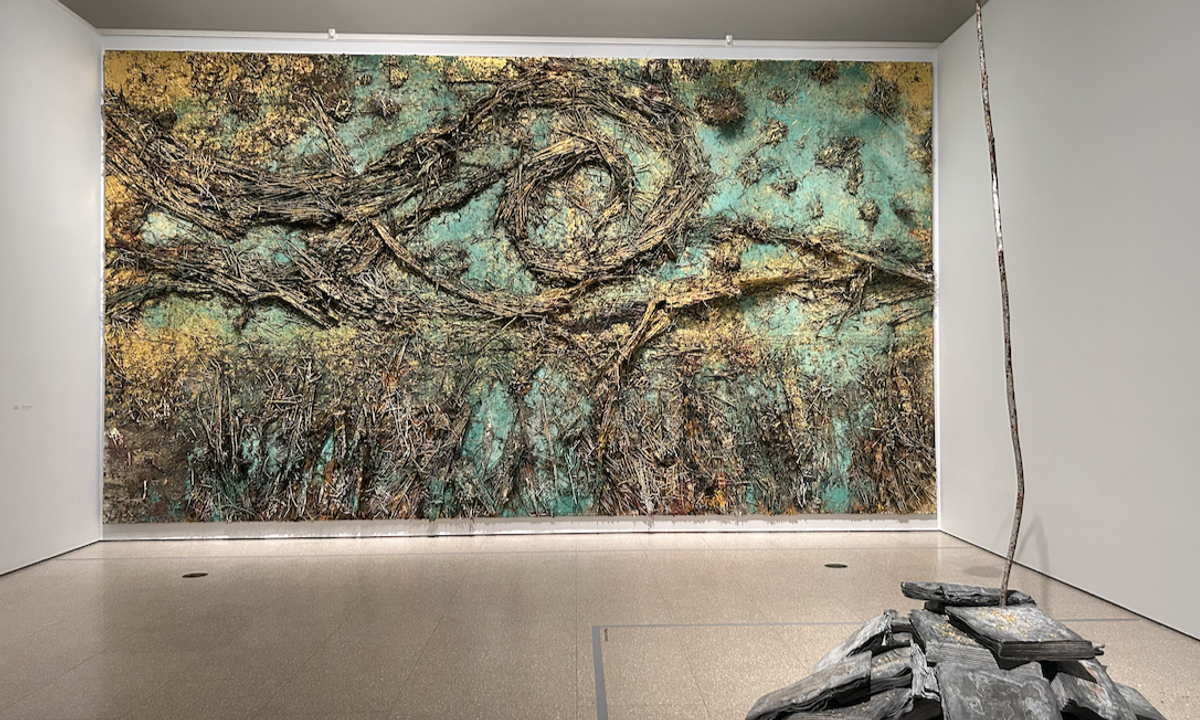
The Royal Academy of Arts in London is hosting "Kiefer/Van Gogh" (28 June–26 October), a focused exhibition pairing Anselm Kiefer's monumental multimedia works with Vincent van Gogh's paintings and drawings. The show, curated by Julien Domercq, features seven huge Kiefer pieces including the 8.4m-wide "The Starry Night" (2019) and a single sculpture, alongside 11 Van Gogh works—five on loan from the Van Gogh Museum. It previously ran at the Van Gogh Museum in Amsterdam, where it drew 340,000 visitors. The London iteration is smaller but includes different works, with a central room dedicated to Van Gogh's pieces spanning his career.

Revealed: how Van Gogh's nephew exchanged two of the artist's drawings for butter and bacon

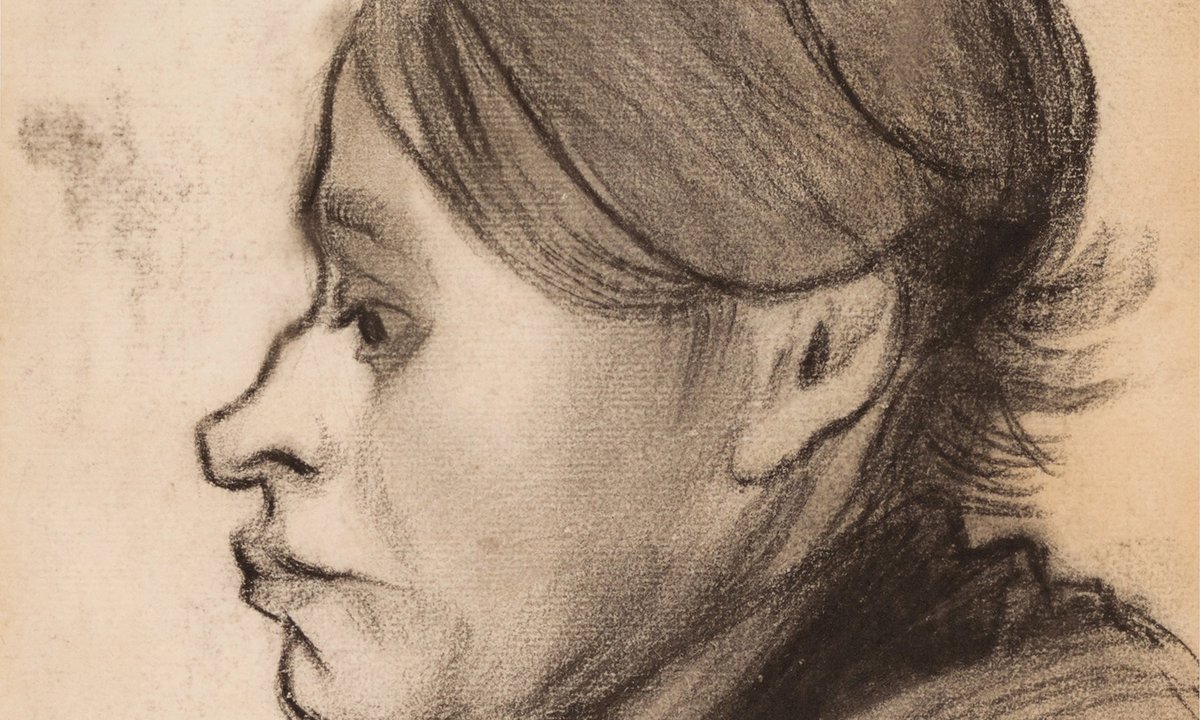
In early 1945, during the Dutch 'Hunger Winter' at the end of World War II, Vincent van Gogh's nephew, Vincent Willem van Gogh, exchanged two of the artist's drawings for 35 packets of butter and some bacon. The swap was arranged with the help of artist Charley Toorop and involved the cheese business Visser Kaas in Heiloo. One of the drawings, *Head of a Peasant Woman, left profile* (December 1884–May 1885), is now being offered at Sotheby's on 25 June with an estimate of £400,000–£600,000, suggesting the pair would be worth around £1 million today. The nephew's family was suffering from starvation and tragedy, including the execution of his eldest son by German forces.

Works by Charley Toorop, one of the first female painters to admire Van Gogh, go on show in the Netherlands

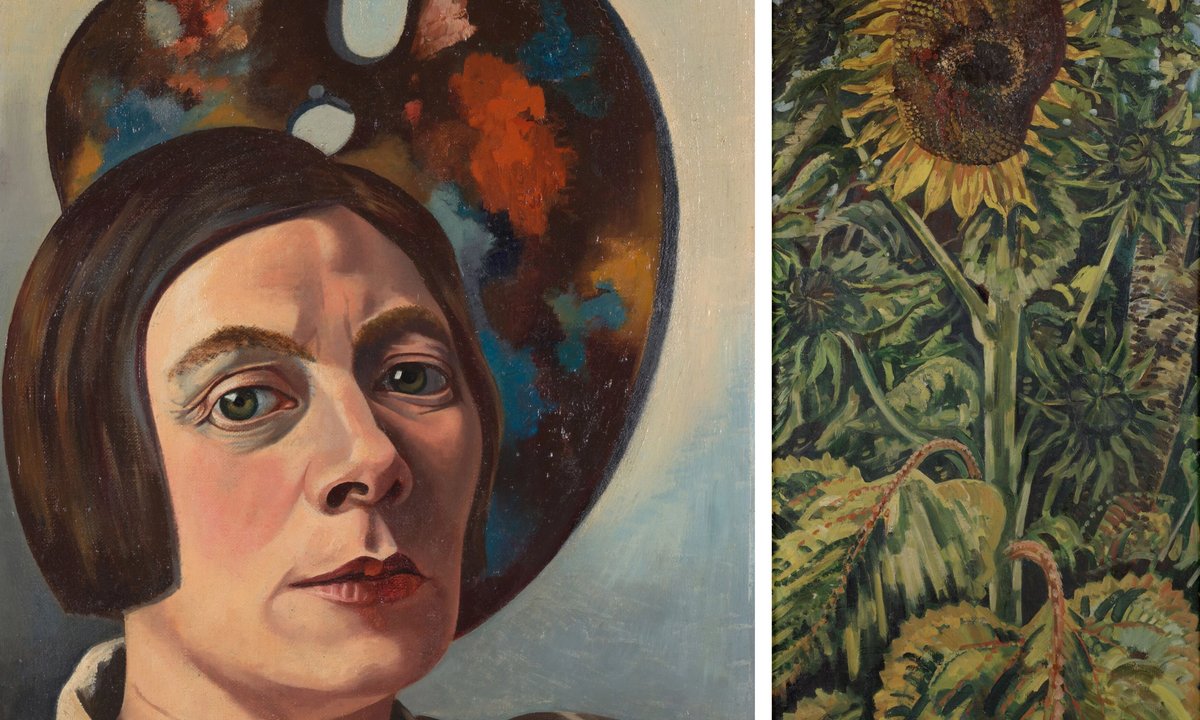
An exhibition titled "Charley Toorop: Love for Van Gogh" opens at the Kröller-Müller Museum in the Netherlands (24 May-14 September), showcasing 60 works by Charley Toorop (1891-1955), one of the first female painters deeply influenced by Vincent van Gogh. The show, curated by Renske Tervaert, draws on the museum's extensive Toorop and Van Gogh collections, supplemented with loans, and highlights how Van Gogh's work shaped Toorop's art, particularly in the early 1920s. A key focus is her 1924 portraits of patients at the Willem Arntsz Medical Asylum for the Insane in Utrecht, where she painted three powerful works after a traumatic marriage to Henk Fernhout, who had been institutionalized there. The exhibition also explores personal connections: Van Gogh's brother Theo was treated and died at the same facility, and Toorop's still lifes echo Van Gogh's motifs, such as her use of knives alluding to domestic strife.

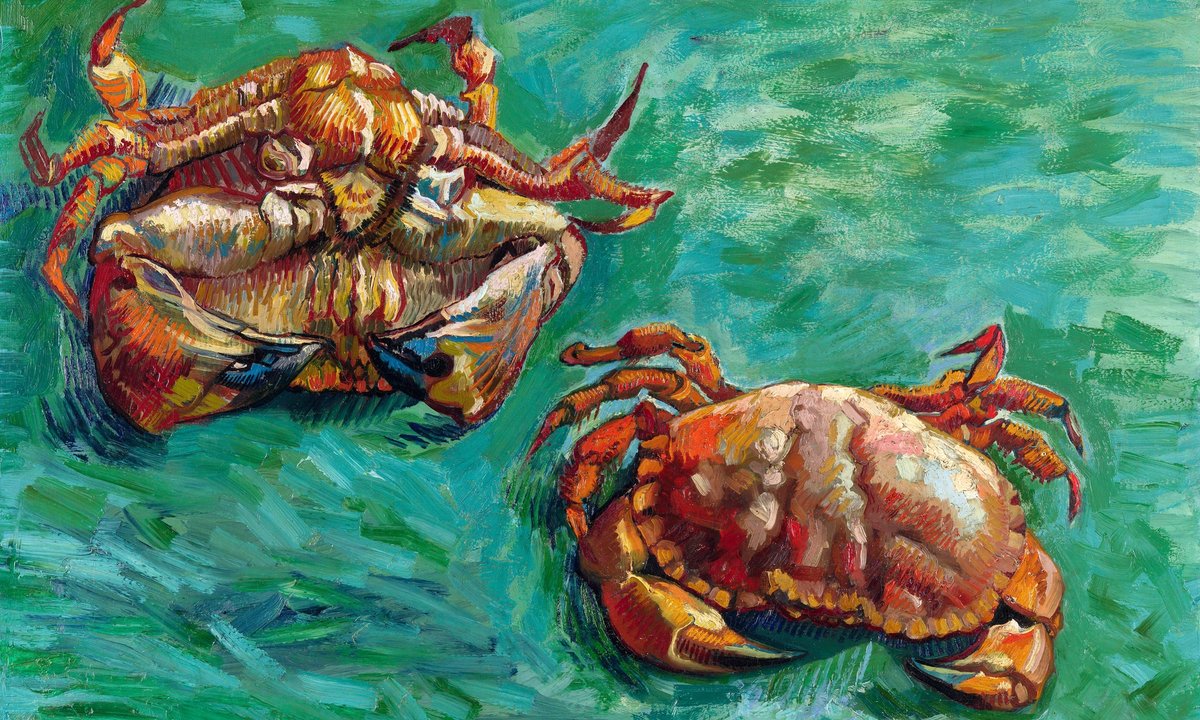
When—and why—did Van Gogh paint a pair of crabs?

An article explores the story behind Vincent van Gogh's still life "Two Crabs," revealing that the two crabs are likely the same individual—a female Cancer pagurus missing its first pair of walking legs. Paul Clark, a crustacean specialist at London's Natural History Museum, confirmed the sex based on the broad abdomen visible in the painting. The work is on long-term loan to London's National Gallery, where it was recently redisplayed as part of the gallery's major rehang ahead of the Sainsbury Wing reopening on May 10. The article also traces the painting's provenance: it was the first Van Gogh bought by a British collector, William Cherry Robinson, in 1893 for 200 guilders, later sold at auction in 1906 for half that amount, and eventually resold at Sotheby's in 2004 for £5.2 million to an anonymous collector who lent it to the National Gallery.

Shows to See in Japan, July 2025

This article highlights five art exhibitions opening across Japan in July 2025. Featured shows include Izumi Kato's largest solo exhibition in Japan, "Road to Somebody," at Iwami Art Museum; Christine Sun Kim's eponymous project at Mori Art Museum in Tokyo; Maya Erin Masuda's solo show "Ecologies of Closeness" at Yamaguchi Center for Arts and Media; and "Van Gogh's Home" at Osaka City Museum of Fine Arts, which centers on the Van Gogh family collection. Each exhibition spans diverse media and themes, from Kato's animistic sculptures to Kim's exploration of sound and deaf experience, Masuda's ecological trauma investigations, and Van Gogh's legacy through his family's archive.

Van Gogh Museum claims it could be ‘forced to close’ amid funding feud with Dutch state

Amsterdam's Van Gogh Museum has publicly warned it could be forced to close unless the Dutch government increases its annual subsidy from €8.5m to €11m to fund essential renovations. Director Emilie Gordenker announced the museum cannot guarantee the safety of its collection, visitors, and staff without the additional funding for climate control, elevators, fire safety, security, and sustainability upgrades. The museum has filed a legal complaint against the state, arguing it is in breach of a 1962 agreement that committed the government to fund the museum's construction and maintenance in exchange for the Van Gogh family's collection. The case is set to be heard on 19 February 2026.

Van Gogh's suicide: Ten reasons why the murder story is a myth

The article argues against the theory that Vincent van Gogh was murdered, asserting that he died by suicide on July 27, 1890. The murder theory, popularized by Steven Naifeh and Gregory White Smith's 2011 biography "Van Gogh: The Life," claims that 16-year-old René Secrétan shot the artist, and that van Gogh protected him by claiming suicide. The author counters this with ten reasons, including that van Gogh's doctor Paul Gachet, his brother Theo, friends like Emile Bernard, and Paul Gauguin all believed it was suicide, and that police records support this conclusion.