filter_list Showing 8 results for "Wyoming" close Clear
dashboard All 8 article news 4museum exhibitions 2article local 1trending_up market 1
date_range Range Today This Week This Month All
Subscribe

Rare Complete Triceratops Skeleton Snags $5.5 Million at Auction

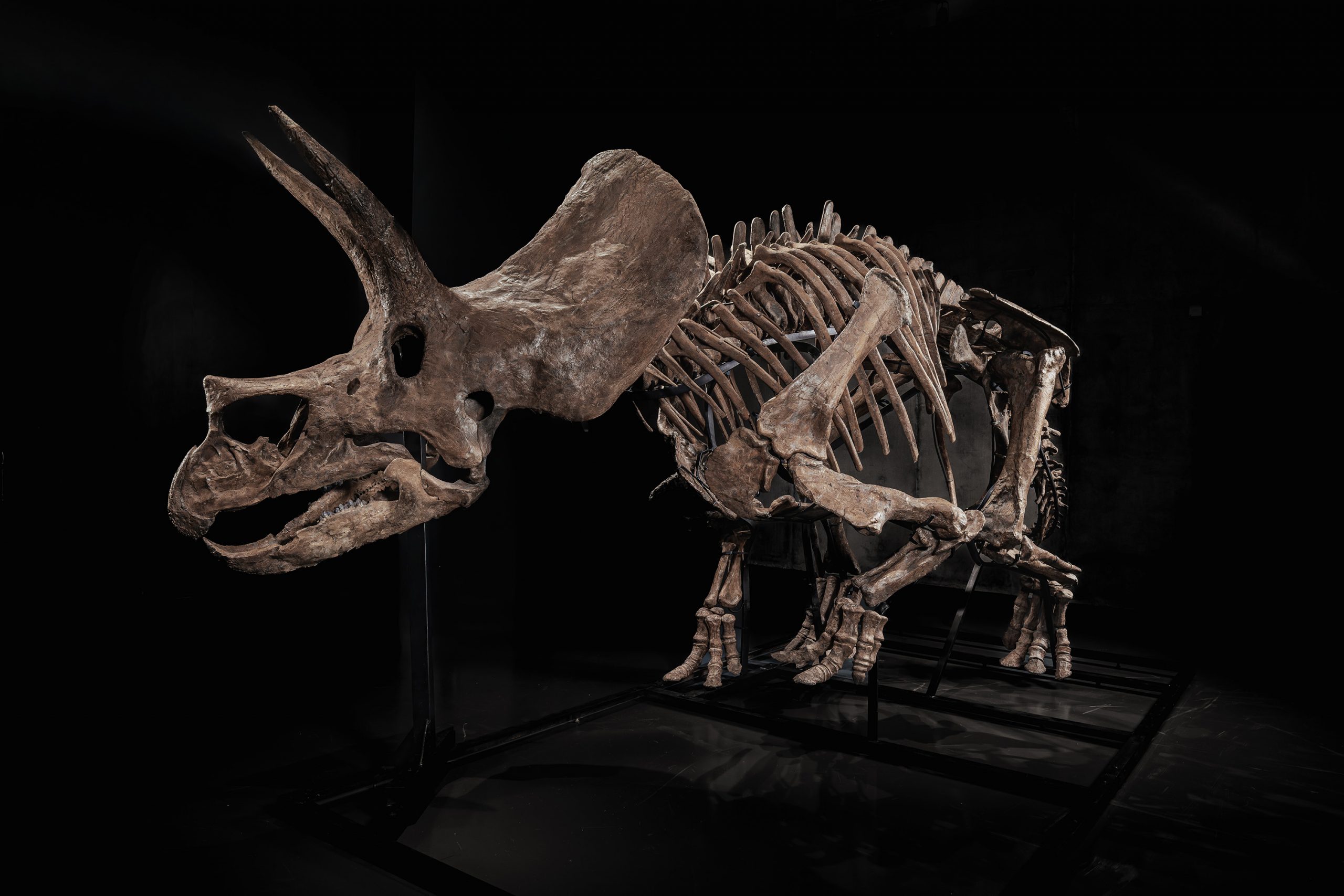
A 66-million-year-old Triceratops skeleton, nicknamed Trey, sold for $5.55 million at the online auction platform Joopiter. The fossil, excavated in 1993, had been on continuous public display at the Wyoming Dinosaur Center for three decades and represents the first dinosaur skeleton sold by Joopiter, a platform founded by Pharrell Williams.
Native Americans Played Dice Games Far Earlier Than Previously Known, Study Shows

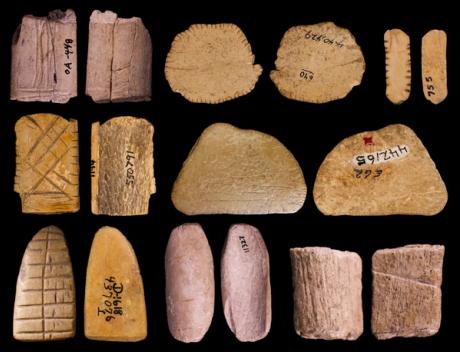
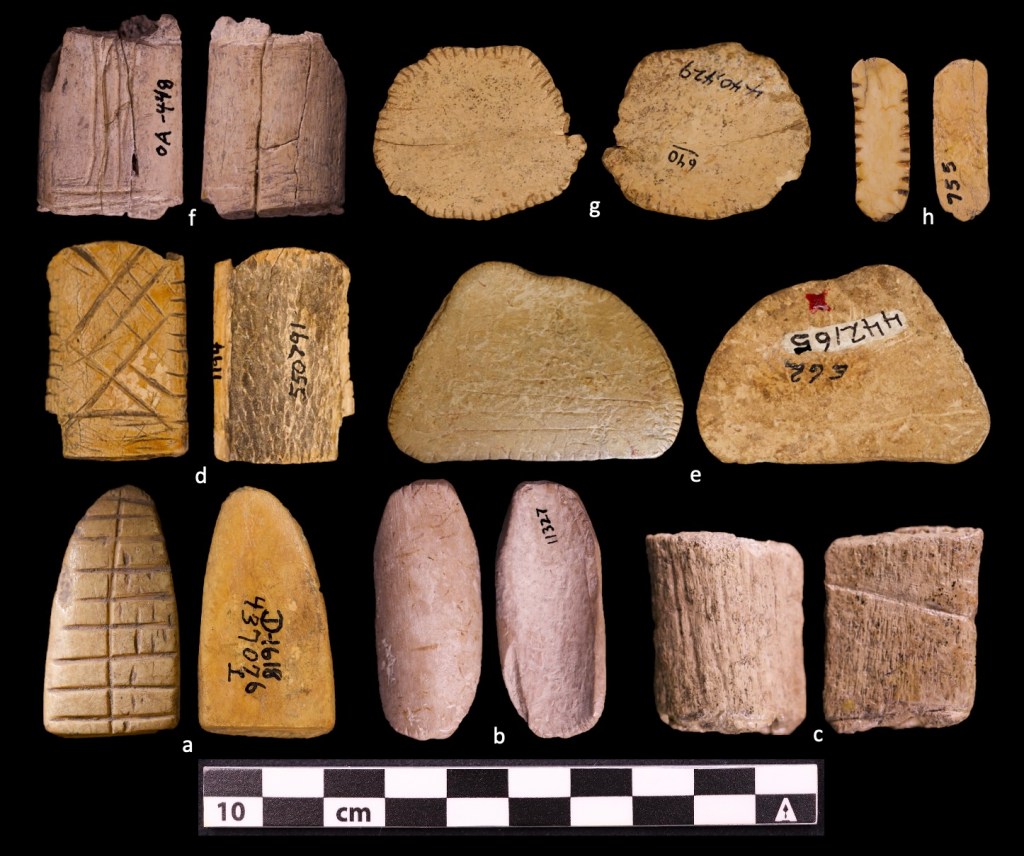
A groundbreaking study from Colorado State University reveals that Native Americans in the western Great Plains were using dice for gaming over 12,000 years ago. Researcher Robert J. Madden identified two-sided dice made of bone or wood from archaeological sites in Wyoming, Colorado, and New Mexico, pushing the known history of games of chance back significantly further than previously recorded.

154-Million-Year-Old Dinosaur Fossil Debuts in the U.K.—But Its Species Remains a Mystery

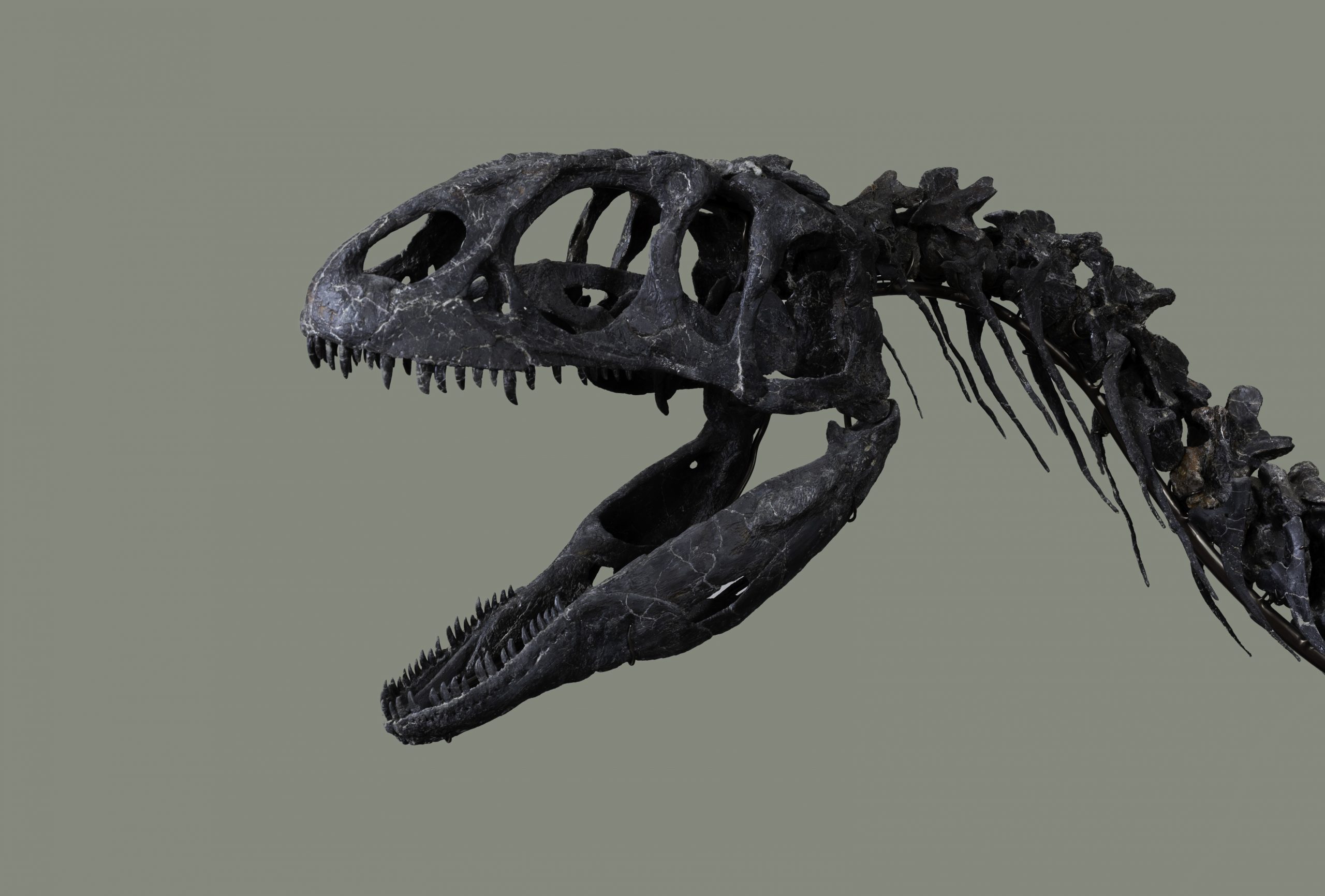
A remarkably complete 154-million-year-old theropod fossil, nicknamed Juliasaurus, has made its public debut at the Hollytrees Museum in Colchester, U.K. Discovered in Wyoming’s Morrison Formation in 2020 and sold by the David Aaron gallery to a private collector, the 20-foot-long specimen is currently part of the “Discover: Museum Wonders” exhibition. While initially thought to be an Allosaurus or Marshosaurus, unique anatomical features in its skull and pelvis suggest it may represent an entirely new species.

Native Americans created dice more than 12,000 years ago, study finds

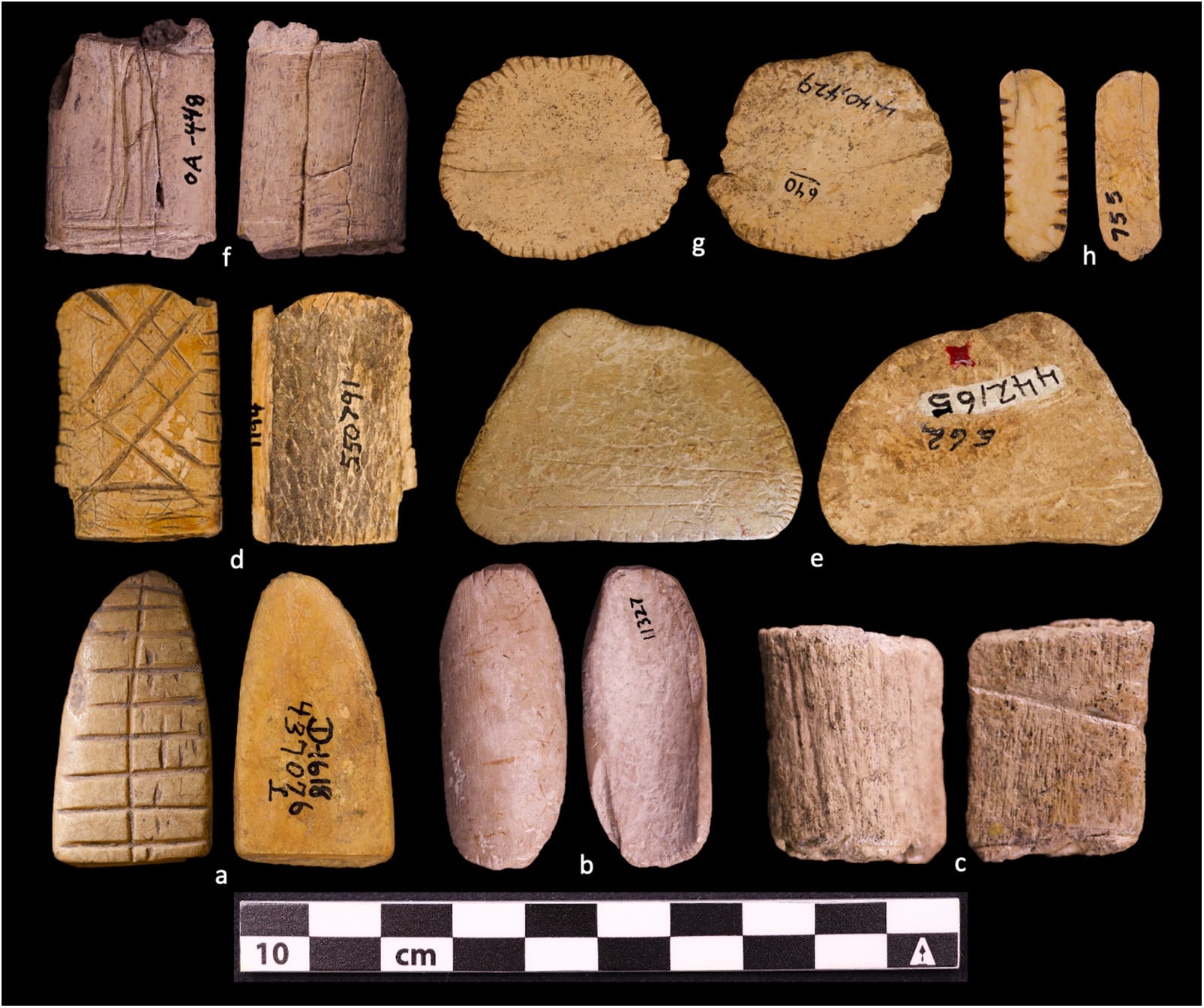
Archaeological research from Colorado State University has identified the world's oldest known dice, created by Native American hunter-gatherers on the western Great Plains over 12,000 years ago. These two-sided "binary lots," found at Folsom-period sites in Wyoming, Colorado, and New Mexico, predate the earliest known Old World dice by more than 6,000 years. The study reclassifies artifacts previously overlooked or misidentified, highlighting that these objects were the only decorated, non-utilitarian items found at these late-Pleistocene sites.

Native Americans created dice more than 12,000 years ago, study finds

Archaeologist Robert J. Madden of Colorado State University has identified the world's oldest known dice, created by Native American hunter-gatherers on the western Great Plains over 12,000 years ago. By re-examining artifacts from Late Pleistocene Folsom-period sites in Wyoming, Colorado, and New Mexico, Madden discovered that these "binary lots" predate the earliest known Old World dice by more than 6,000 years. These objects are often the only decorated, non-utilitarian items found at these ancient sites, featuring artistic markings that distinguish them from everyday tools.

Casper artist Zak Pullen talks his new exhibit and his cowboy art philosophy

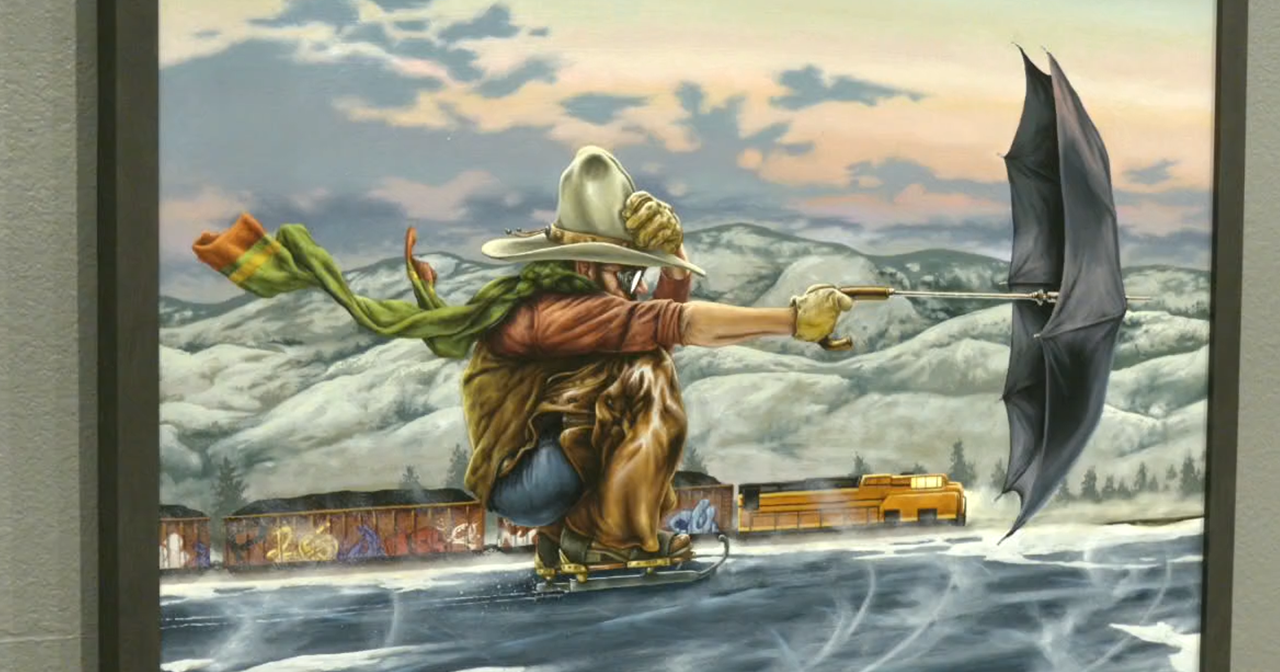
Wyoming artist Zak Pullen is returning to the Nicolaysen Art Museum (the NIC) for his first solo exhibition in eleven years. The showcase features his signature comically exaggerated style and includes the first-ever public display of the complete interior oil paintings from his latest children’s book, "A Home for Steamboat." The exhibition also provides a rare look into Pullen’s creative process, featuring sketches and reference photos that highlight his meticulous approach to character-focused storytelling.

Experience Live Music And Insights From Zachary Pullen At His Exhibit In Casper

Artist Zachary Pullen is hosting a special event at his exhibition in Casper, Wyoming, featuring live music and an opportunity for attendees to gain insights directly from the artist. The event combines a viewing of Pullen's artwork with a musical performance and personal commentary.

12,000 Years Ago, Native Americans Were Playing Games of Chance with Handmade Dice

Archaeologists have discovered that Native Americans were engaging in games of chance using handmade dice as far back as 12,000 years ago, during the Late Pleistocene. A new study by researcher Robert Madden reveals that these artifacts, found in sites across Wyoming, Colorado, and New Mexico, predate the previously oldest known dice from Mesopotamia and the Indus Valley by over 6,000 years. These early dice, often made of bone and decorated with pigments, were used by the hunter-gatherer Folsom culture.