filter_list Showing 24 results for "e-flux" close Clear
search
dashboard All 24 article news 19museum exhibitions 3article culture 1rate_review review 1
date_range Range Today This Week This Month All
Subscribe

Accumulations: A Conversation

On March 16, 2026, e-flux Screening Room presented “Viscosities,” a program of moving-image works by artist Lucy Beech, followed by a conversation between Beech, Lukas Brasiskis, and the audience. The discussion, edited for publication, explores Beech's concepts of accumulation and viscosity, drawing from Trisha Brown's 1971 performance *Accumulation* to describe how her work builds complex sequences through additive materials. Beech discusses her film *Flush*, which examines freemartin cows studied by eugenics-linked scientists, and its connection to endocrinology and IVF. She also addresses her reuse of materials, collaboration with James Richards on *A Map of the Pit*, and her film *Out of Body*, which uses imaging technologies to trace hidden industrial and biological flows, including urine-derived hormones from the Dutch program Moeders voor Moeders.
More than 70 Venice Biennale artists withdraw from awards

More than 70 artists participating in the 2025 Venice Biennale have withdrawn from consideration for the Golden Lion awards, which this year will be decided by public vote. The artists, including Walid Raad, Laurie Anderson, and Yto Barrada, signed a statement published on e-flux on May 9, withdrawing in solidarity with the entire prize jury that resigned last month over a dispute regarding the participation of Israel and Russia. The Biennale management replaced the traditional jury-selected awards with a new "Visitor Lion" system where ticket holders can vote, but the Biennale has acknowledged that if any of the withdrawing artists win, they will not collect the award.

On Paranoid Time

Film Notes has published Qingyuan Deng's essay exploring the intersection of Lacan's concept of retroactive meaning and Eve Kosofsky Sedgwick's distinction between paranoid and reparative reading, as applied to recent artists' films and moving-image installations. The essay examines how works like Alison Nguyen's installation "Perforation, Ellipse" at New York's Storefront for Art and Architecture use cinematic techniques—such as perforations, splices, and missing scenes—to hold the temporal gap between an event and its belated political comprehension, focusing on the censorship of Vietnamese bolero songs after the American War.

Statement of Withdrawal from Visitor Lion Awards

Venice Biennale Jury Resigns in the Wake of Controversial Prize Ban

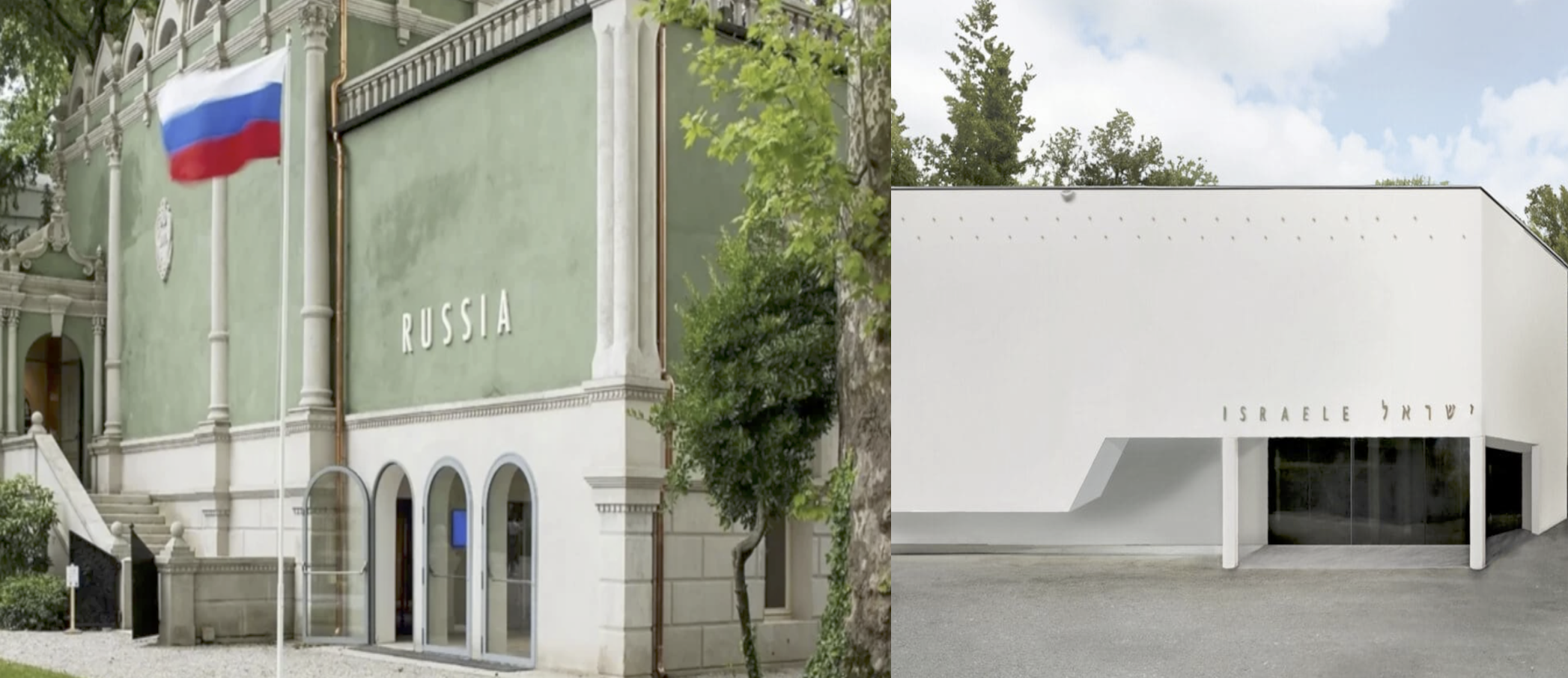
The jury for the 2026 Venice Biennale has resigned just days before the public opening on May 9, after announcing on April 22 that it would not consider artists from countries accused of crimes against humanity for the Golden and Silver Lion prizes. The jury, consisting of Solange Oliveira Farks (president), Zoe Butt, Elvira Dyangani Ose, Marta Kuzma, and Giovanna Zapperi, cited its earlier statement of intention in its resignation, which directly impacted the participation of Russia and Israel—both subject to International Criminal Court warrants. In response, the Biennale postponed the awards ceremony from May 9 to November 22 and replaced the traditional jury with a public vote for best participant and best national participation, framing the move as upholding openness and rejecting censorship.

Venice Biennale Jury Resigns En Masse, Organizers to Award “Visitors’ Lions” in November

The jury for the 2026 Venice Biennale has resigned en masse, announcing the decision via e-flux's Instagram account on April 30 without providing a reason. The five-member jury, including president Solange Oliveira Farks, Zoe Butt, Elvira Dyangani Ose, Marta Kuzma, and Giovanna Zapperi, had previously stated they would not consider national pavilions from countries charged with crimes against humanity by the International Criminal Court, directly affecting Israel and Russia. In response, the Biennale postponed the awards ceremony from May to November 22 and replaced the Golden Lions with two "Visitors' Lions" voted on by the public.

Political Fallout Rocks Venice Biennale Prize System

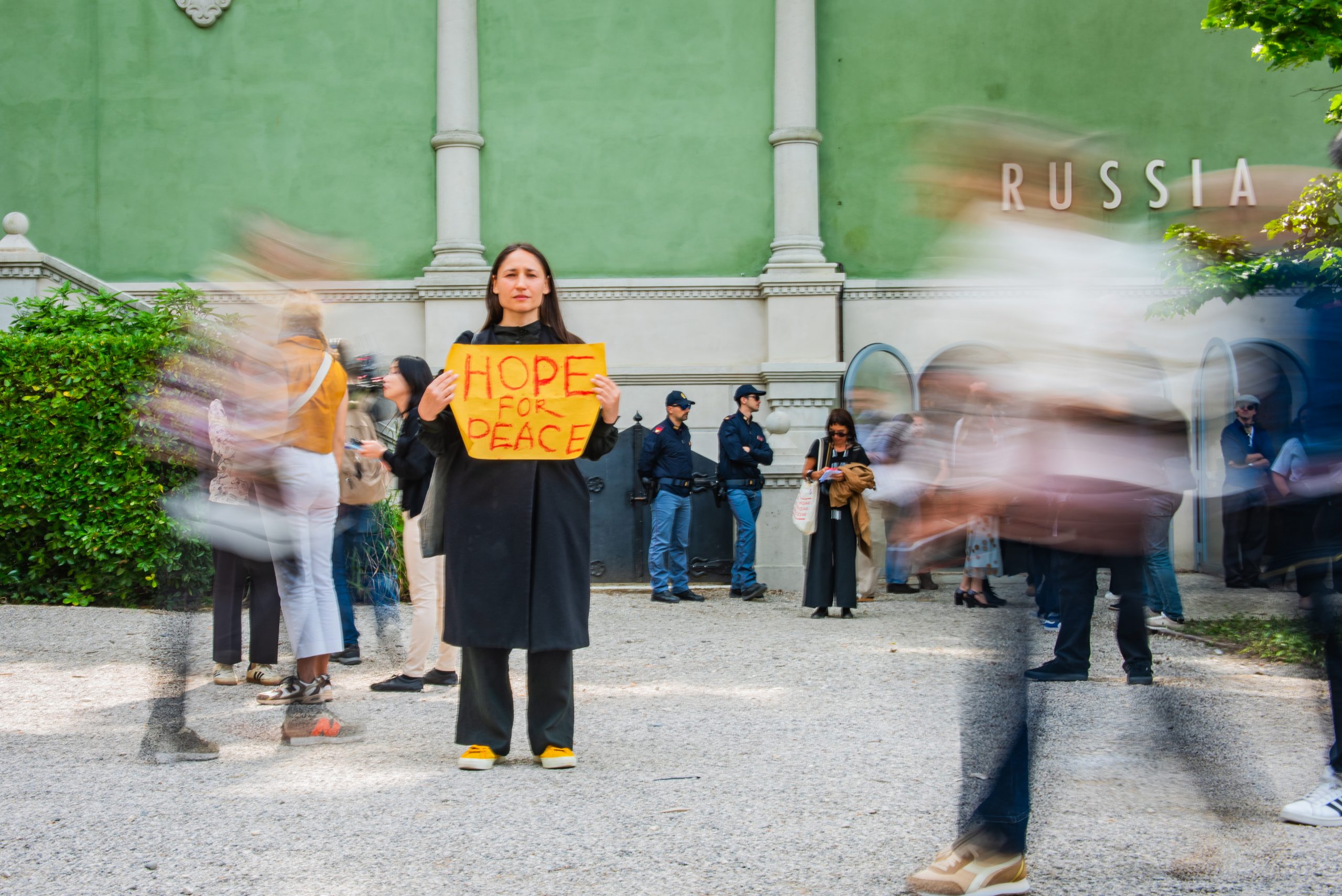
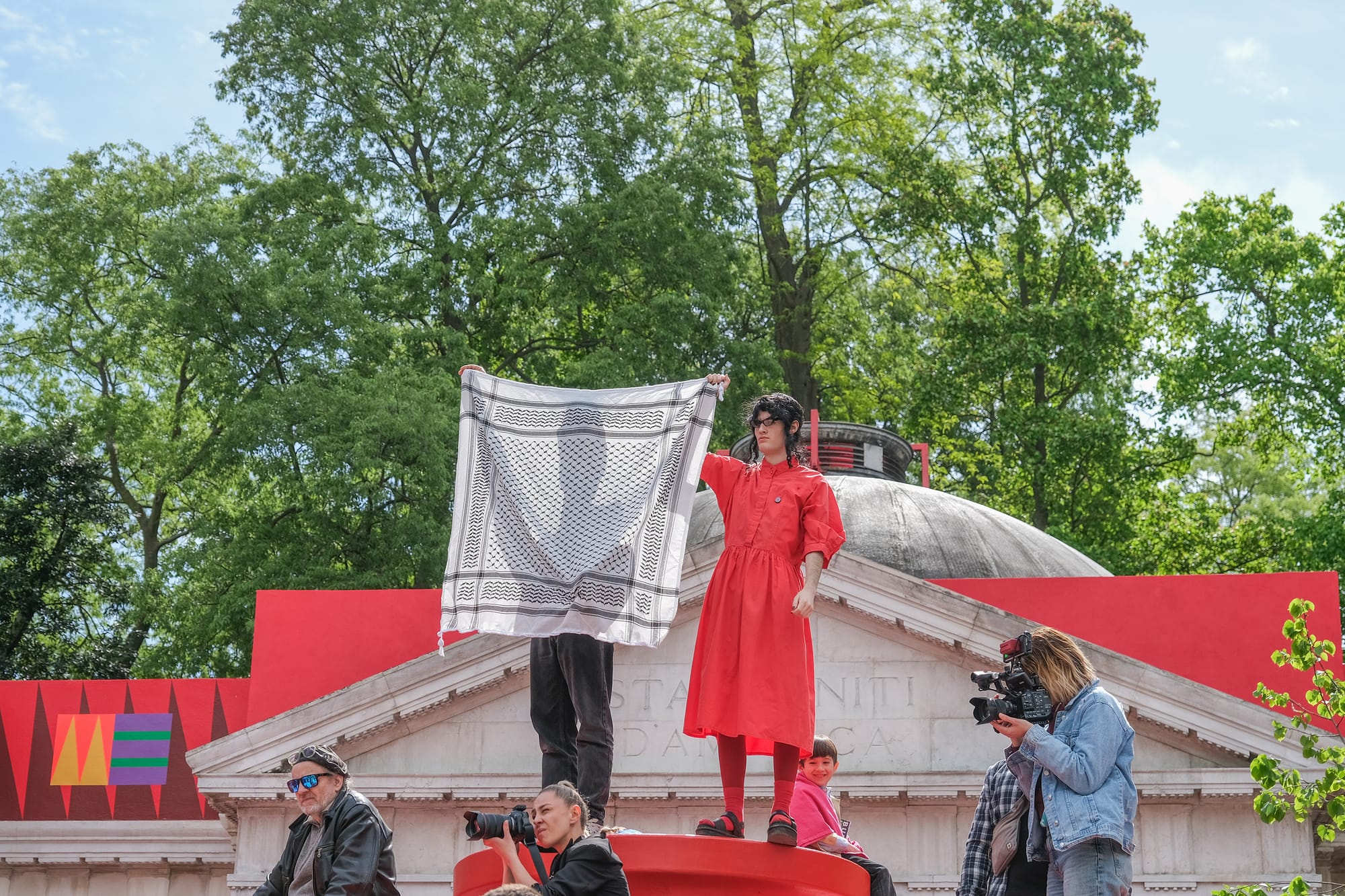
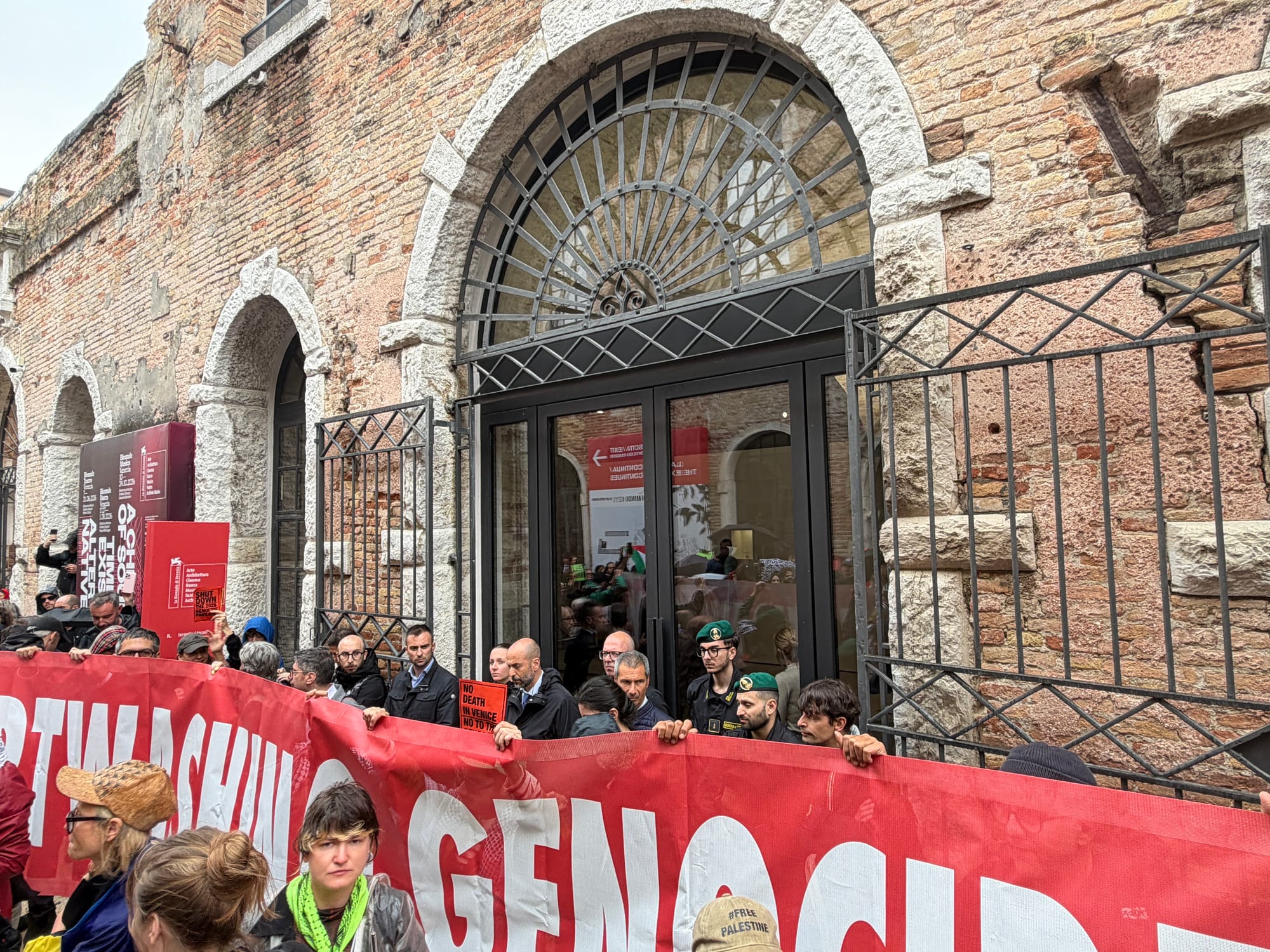
Dozens of artists participating in the 2026 Venice Biennale have withdrawn from consideration for the newly created Visitor Lion awards, replacing the traditional Gold and Silver Lion prizes. A total of 57 artists from the main exhibition and 22 national pavilions signed a statement published on e-flux on May 9, acting in solidarity with the five-person prize jury that resigned on April 30 over the continued participation of Russia and Israel. The jury had objected to awarding prizes to artists from countries whose leaders face International Criminal Court charges, including Russian president Vladimir Putin and Israeli prime minister Benjamin Netanyahu. In response, the Biennale organizers postponed the awards ceremony to November 22 and introduced visitor voting, a move they described as consistent with openness and dialogue. Meanwhile, the Russian Pavilion, which returned after lending its space to Bolivia in 2024, faced protests, closure after previews, and a €2 million funding pull by the European Union for the 2028 Biennale.

Venice Biennale Artists Decline Consideration for Golden Lions Chosen by Public Vote

Nearly half of the artists in the main exhibition of the Venice Biennale have signed a statement declining consideration for the Golden Lion awards, in solidarity with the jury that resigned last month. The statement, published by e-flux, includes prominent names such as Alfredo Jaar, Tuan Andrew Nguyen, Otobong Nkanga, and Walid Raad, as well as national pavilion representatives from France, Lithuania, and the Netherlands. The Biennale had planned to replace the jury-selected Golden Lions with "Visitor Lions" decided by public vote, but the artists' refusal marks an unprecedented protest within the exhibition.

81 artists withdraw from Venice Biennale competition

Statement of Resignation

The international jury for the 61st edition of La Biennale di Venezia, titled “In Minor Keys” and curated by Koyo Kouoh, has resigned as of April 30, 2026. The jury members—Solange Oliveira Farkas, Zoe Butt, Elvira Dyangani Ose, Marta Kuzma, and Giovanna Zapperi—cite their earlier Statement of Intention issued on April 22, 2026, as the basis for their collective resignation.

Venice Biennale’s jury resigns

The entire jury of the 61st Venice Biennale, presided by Brazilian curator Solange Farkas and comprising four other curators, resigned just nine days before the exhibition's scheduled opening on 9 May 2026. The jury had announced it would not award prizes to countries whose leaders are charged with crimes against humanity by the International Criminal Court, a move widely understood to target Israel and Russia. In response, the Biennale's organisers cancelled the prize-giving ceremony and will instead award Golden Lions via a popular vote among ticketholders. The row escalated further when the Israeli representative, sculptor Belu-Simion Fainaru, accused the jury of discrimination and threatened legal action, prompting intervention from Italy's culture ministry.

Venice Biennale jury resigns in latest politically charged controversy at art exhibition

The entire jury of the Venice Biennale has resigned, including president Solange Farkas and members Zoe Butt, Elvira Dyangani Ose, Marta Kuzma, and Giovanna Zapperi. The jury had announced it would not consider for prizes countries charged with crimes against humanity by the International Criminal Court, a stance that would affect Israel and Russia, both of which have national pavilions at the exhibition. As a result, the Biennale will not award several jury prizes, including the Golden Lion for best national pavilion and best artist in the group show, replacing them with visitor-voted awards.

Dozens of Venice Biennale Artists Withdraw From Awards En Masse

Almost half of the artists in the 61st Venice Biennale's international exhibition, along with 16 national pavilion teams, have withdrawn from awards consideration in solidarity with the jury's resignation. The jury resigned on April 30 after stating it would not consider countries whose leaders are charged with crimes against humanity by the ICC, effectively disqualifying Israel and Russia. The Biennale Foundation then replaced the traditional Golden Lions with new "Visitor Lions" decided by public vote, reinstating all pavilions including Israel and Russia. The withdrawal follows protests at the Russian and Israeli pavilions and a historic labor strike that shuttered multiple pavilions.

Venice Biennale Awards Jury Won’t Consider Russia and Israel

The international awards jury for the 61st Venice Biennale has announced it will not consider countries whose leaders are charged with crimes against humanity by the International Criminal Court (ICC) for prizes. The all-women jury, chaired by Solange Farkas, published a statement on e-flux declaring this policy, which implicitly targets Russia and Israel, whose leaders Vladimir Putin and Benjamin Netanyahu face ICC warrants. The jury is responsible for awarding Golden Lions for the best national pavilion and best artist in the central exhibition. A majority of artists in the main show issued an open letter supporting the decision, while the Biennale Foundation faces criticism for allowing both nations to participate in 2026.

Open Letter on Auction of “Tributes” to the Russian Avant-Garde

An open letter signed by art historians, curators, and researchers protests an upcoming auction at Stanley's Auction House in Zaventem, Belgium, scheduled for April 23, titled “Tributes to the Russian Avant-Garde & Constructivists.” The second sale is organized in cooperation with Drouot, a major French auction platform, and offers approximately one hundred works from the so-called Toporovsky collection, which has been linked to a scandal involving forged Russian modernist paintings at the Museum of Fine Arts Ghent. The alleged suppliers, Igor Toporovsky and Olga Toporovsky, face criminal charges including the sale of 171 forged works for about €20 million, with court proceedings beginning in May in Ghent. The signatories argue that the auction, with works priced around €300 each, is deeply troubling given the pending legal case and the undisclosed consignor identity.

The Biennale releases the rules for voting on the Visitors' Lions while many artists and pavilions renounce competing for the prizes

La Biennale diffonde il regolamento per votare i Leoni dei Visitatori mentre molti artisti e padiglioni rinunciano a concorrere ai premi

The 61st Venice Biennale has opened to the public, introducing a controversial new voting system for the Golden Lions. After the entire jury resigned en masse on April 30, the Biennale decided to let the public decide the winners of the so-called "Leoni dei Visitatori" (Visitors' Lions). Voting is open from May 9 to November 22, 2026, and requires ticket holders to visit both main venues (Giardini and Arsenale) to receive a voting link. One vote per person is allowed for each of two categories: an artist in the main international exhibition "In Minor Keys" curated by Koyo Kouoh, and a national pavilion.

The Politics of In-action: Review of In-action: Viennese Actionism and the Passivities of Performance Art

Caroline Lillian Schopp's new book *In-action: Viennese Actionism and the Passivities of Performance Art* (2025) offers a revisionist history of Viennese Actionism, a movement retroactively named in 1970 by Peter Weibel and Valie Export. Schopp introduces the term "in-action" to describe a politics of artistic action that emphasizes intimacy, hesitation, and vulnerability rather than the violent or liberatory extremes typically associated with the movement. She expands the canon to include women artists such as Anna Brus, Hanel Koeck, and Ingrid Wiener, and reexamines the work of Rudolf Schwarzkogler, whose death was mythologized as a suicide by self-castration but was actually a fall from a window. Through close readings of photographs, Schopp argues that Schwarzkogler's performances were characterized by passivity and "in-sincerity," challenging the dominant narrative of actionism as aggressive or heroic.

What Did the Golden Lion Die Of? On Judgment and Disavowal at the Venice Biennale

The international jury of the 61st Venice Biennale announced it would exclude from prize consideration countries whose leaders are charged with crimes against humanity by the International Criminal Court, specifically targeting Russia and Israel. This prompted the Italian culture minister to send inspectors to the Biennale's offices, leading the jury to resign. The Biennale then replaced the Golden Lion with "Visitors' Lions" prizes voted by ticket-holders, immediately making Russia and Israel eligible again. The article traces this crisis to the Biennale's historical structure under Mussolini's 1930 Royal Decree, which established the national pavilion system as a diplomatic concession system designed to serve state power, and notes the recent acceptance of a €50 million donation from Qatar for a new permanent pavilion in the Giardini.

Statement of Intention by the International Jury of the 61st International Art Exhibition In Minor Keys of La Biennale di Venezia

The international jury for the 61st International Art Exhibition of La Biennale di Venezia, titled "In Minor Keys," has issued a statement declaring their intention to exclude from consideration any countries whose leaders are currently charged with crimes against humanity by the International Criminal Court. The jury, chaired by Solange Farkas and including members Zoe Butt, Elvira Dyangani Ose, Marta Kuzma, and Giovanna Zapperi, was selected by artistic director Koyo Kouoh to award the Golden and Silver Lions among the 110 artists in the exhibition.

Bone Insurrection

Artist Rabih Mroué's text "Bone Insurrection" is being published by Film Notes in conjunction with an upcoming screening of his films and videos at the e-flux Screening Room in New York. The text is a poetic, first-person narrative that explores the physical and psychological aftermath of historical violence, framing the self as an excavation site where trauma persists in the body.

Biennale, rules announced for Visitor's Lion. But dozens of artists withdraw

The Venice Biennale has announced the voting rules for the new Visitors' Lion awards, which replace the traditional Golden Lions after the original jury resigned before the opening. On the same day the popular voting opened, dozens of artists from the central exhibition 'In Minor Keys' and several National Pavilions announced their withdrawal from the competition in solidarity with the resigned jury, releasing a statement via e-flux on May 9, 2026. The voting system requires visitors to have attended both the Giardini and Arsenale venues, with anonymous voting open until November 22, 2026.

Russia and Israel cannot win any prizes at the next Venice Art Biennale 2026. The jury takes a stand

Russia e Israele non potranno vincere nessun premio alla prossima Biennale Arte di Venezia 2026. La giuria prende posizione

The international jury for the 61st Venice Biennale, led by Solange Farkas, has unanimously declared it will not consider countries whose leaders are currently accused of crimes against humanity by the International Criminal Court. This means Russia and Israel are excluded from competing for the Golden Lion awards, including Best National Participation and Best Artist. The jury's statement, published on e-Flux Notes, emphasizes the Biennale's historical role as a platform connecting art with contemporary urgencies and acknowledges the complex relationship between artistic practice and state representation.

Israeli Pavilion Artist Made Legal Threats Before Venice Biennale Jury Resigned

New reports reveal that Israeli Pavilion artist Belu-Simion Fainaru issued legal threats against the Venice Biennale, alleging antisemitism and discrimination after the awards jury decided to exclude Israel and Russia from consideration due to human rights charges. The jury, which included Elvira Dyangani Ose, Zoe Butt, Marta Kuzma, Giovanna Zapperi, and Solange Farkas, initially stated on April 22 it would not consider nations whose leaders are charged with crimes against humanity by the International Criminal Court. Fainaru filed legal warnings with the Biennale, the Italian Ministry of Culture, and the Prime Minister's office. The jury abruptly resigned eight days later, leading the Biennale to scrap the Golden Lion awards and institute "Visitor Lions" decided by public vote. Reports indicate the Biennale's legal department warned jurors could be personally liable for damages, and Italian Culture Minister Alessandro Giuli promised to promote Fainaru's work.

Endangered Species? Venice Biennale Ditches Golden, Silver Lions for 2026 Edition

The Venice Biennale has announced it will eliminate the Golden and Silver Lions for the 2026 edition, replacing them with Visitor Lions chosen by popular vote. The prizes, traditionally awarded on opening day (May 9), will now be presented at the closing ceremony (November 22). Russia and Israel, previously barred from consideration by the prize jury due to ICC charges against their leaders, will be eligible for the new Visitor Lions. The decision follows the mass resignation of the original prize jury after they excluded those nations and faced pressure to also ban the US.