filter_list Showing 29 results for "interview" close Clear
dashboard All 29 museum exhibitions 11article culture 10article news 3person people 3article local 2
date_range Range Today This Week This Month All
Subscribe

Paul McCarthy: ‘The world is now an extreme absurdity. The work is a reaction to that’

Paul McCarthy, the 80-year-old American artist known for his transgressive critiques of consumer culture, has opened a new exhibition titled "SS EE Saint Santa Eva Elf" at Hauser & Wirth in Paris. The show features large-scale drawings and a six-channel video installation created during filmed performances with his long-term collaborator, German actress Lilith Stangenberg, who plays the Elf. McCarthy revisits his iconic Santa Claus motif, portraying him as a dark, psychotic figure—the "god of capitalism and consumption." The exhibition also includes earlier drawings made with Stangenberg at Bowman Hal gallery in Madrid. The interview reveals that McCarthy's home and studios in Los Angeles were destroyed by wildfires, resulting in the loss of art, drawings, notebooks, and books, and the cancellation of a planned London show.

Whistleblower Complaint Alleges Misconduct at Palm Springs Art Museum, Where an Ex-Trustee Describes a ‘Shattered Moral Compass’

An anonymous whistleblower has filed a complaint alleging misconduct by leadership at the Palm Springs Art Museum, including improper movement of funds between accounts to address cash shortages, the forced resignation of a former director based on fabricated staff complaints, and a failure to properly interview external candidates for the director position. The complaint, forwarded to ARTnews, also references a $3 million discrepancy in the reported endowment value and the departure of several trustees, leaving the board below its required size. The museum has formed a special committee to investigate the allegations, which were first reported by the Los Angeles Times in November 2025.

The Interview: Ei Arakawa-Nash

Ei Arakawa-Nash, a Japanese American performance artist, was selected to represent Japan at the 61st Venice Biennale, becoming the first non-Japanese national to do so in a solo presentation. This follows his first solo museum exhibition, "Paintings Are Popstars," at Tokyo's National Art Center in 2024, which was also the center's first solo show devoted to a performance artist. In an interview with ArtReview, Arakawa-Nash discusses his naturalization as a U.S. citizen, his complex relationship with national identity, and his upcoming Venice exhibition titled "Grass Babies, Moon Babies," cocurated by Lisa Horikawa and Takahashi Mizuki, which will explore themes of care and reparation using babies as a central motif.

Venice, Here We Come

Hyperallergic's newsletter previews the upcoming 61st Venice Biennale, noting the charged political climate that may overshadow the art. It highlights the main exhibition "In Minor Keys" conceived by the late Koyo Kouoh, and includes a guide to national pavilions, collateral events, and notable exhibitions in Venice. The edition also features a studio visit with 93-year-old artist Joan Semmel, an interview with Lebanese artist Tania El Khoury about her "revenge art," and news about Barbara Chase-Riboud declining to represent the US at the Biennale, a $116M gift to the National Gallery of Art, and the death of Argentine painter Ides Kihlen at 108.

How This Artist Pivoted Into Surreal Sculpture After Decades of Photography [Interview]

Artist Nic Nicosia, known for decades as a photographer and member of the Pictures Generation, has pivoted into surreal sculpture after losing interest in fabricated images. His work was featured in the 1983 Whitney Biennial alongside Cindy Sherman and others, and in major exhibitions like Documenta IX. Now, after years of exploring sculpture in private, he is preparing for his largest museum exhibition since 2000: "Everyday Surrealism" at the Nasher Sculpture Center in Dallas, opening May 16, tracing his career through over 70 works.

The Last Interview with the Great Artist Georg Baselitz on the Occasion of His Exhibition in Florence

L’ultima intervista al grande artista Georg Baselitz in occasione della sua mostra a Firenze

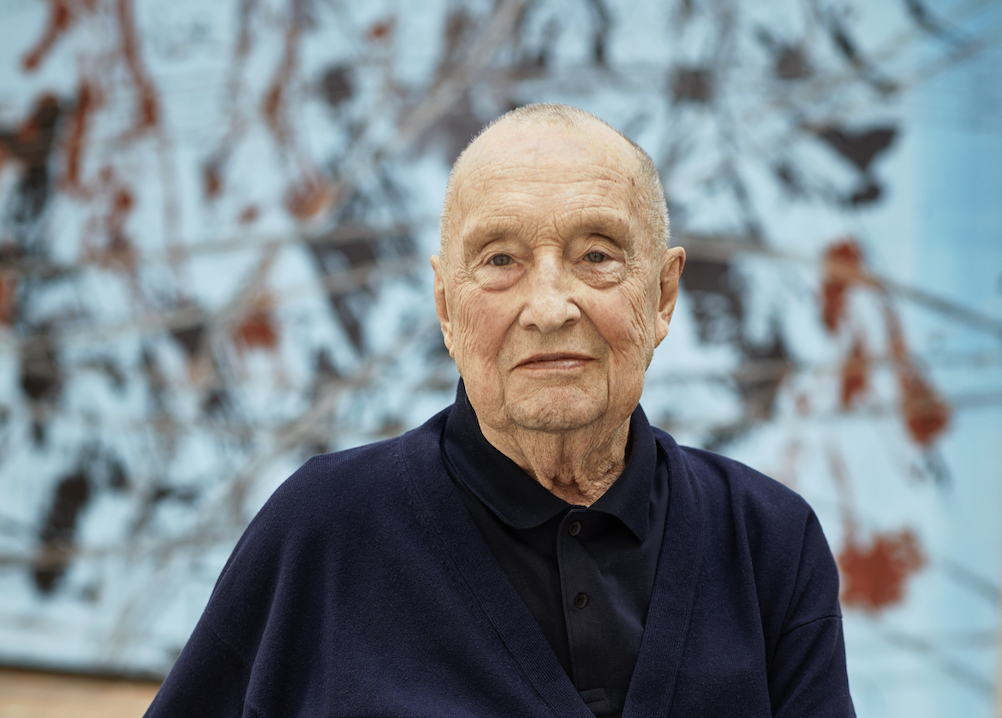
Georg Baselitz, the German artist born in 1938, is the subject of a major retrospective titled "Avanti!" at the Museo Novecento in Florence, featuring 170 works including paintings, works on paper, and sculptures, with a strong focus on his graphic output. The exhibition, curated by Sergio Risaliti and Daniel Blau (Baselitz's son and an artist himself), spans three floors and traces the evolution of Baselitz's practice, culminating in a dialogue with the work of Italian artist Ottone Rosai. The show is accompanied by a prequel exhibition honoring the 120th anniversary of Villa Romana, where Baselitz once held a fellowship, and will be followed by another exhibition at the Fondazione Giorgio Cini in Venice in May, which together with the Florence show form the artist's testament. Artribune published Baselitz's last interview in its new bimonthly issue.

War-time exhibition: Yaacov Dorchin’s iron angels and sculptural language

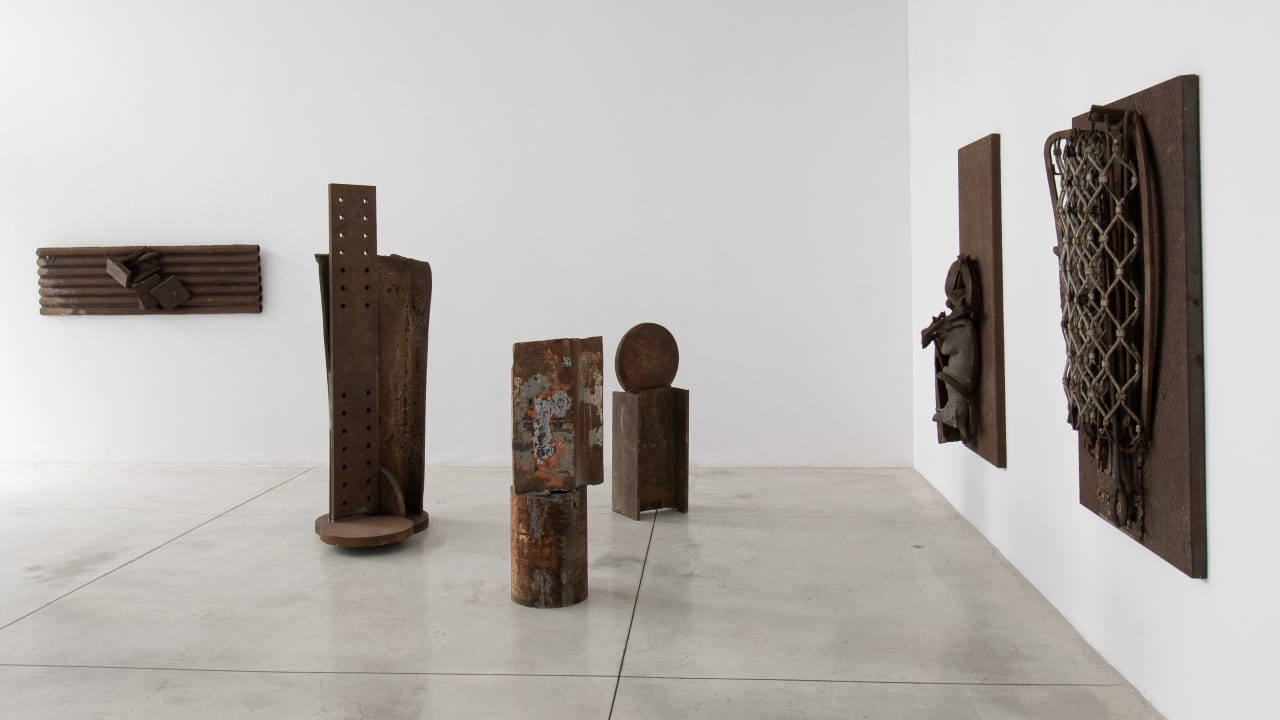
Renowned Israeli sculptor Yaacov Dorchin, recipient of the 2004 Emet Prize and the 2011 Israel Prize for Visual Arts, opened his latest exhibition "Decapitated Fish and Additional Sculptures" at the Gordon Gallery in Tel Aviv on March 12, 2026—his 80th birthday and two weeks into the war with Iran. The exhibition, held without a large opening night due to the conflict, features about 15 sculptures spanning from 1993 to the present, including works in iron, steel, basalt, and other industrial materials. In an interview interrupted by an air raid siren, Dorchin discussed his approach to sculpting, the lyrical names of his heavy works, and how he reorganized the exhibition to create dialogues between older and newer pieces.

Sara Shamma on Representing Syria at the 61st Venice Biennale

Sara Shamma will represent Syria at the 61st Venice Biennale (2026) with a large-scale immersive installation titled *The Tower Tomb of Palmyra*. The 15-meter-high multisensory work combines painting, architecture, light, sound, and scent, inspired by the ancient funerary towers of Palmyra that were destroyed during the Syrian War. Shamma describes the piece as a reflection on loss, resilience, and cultural memory, and notes its resonance with the Biennale's theme, *In Minor Keys*, curated by Koyo Kouoh.

Bogna Burska and Daniel Kotowski on Representing Poland at the 61st Venice Biennale

Bogna Burska and Daniel Kotowski, representing Poland at the 61st Venice Biennale, plan to exhibit a project inspired by the Choir in Motion (a phonic/sign-language ensemble of hearing and Deaf people), underwater role reversals, and whale communication. Their work explores alternate forms of communication, Deaf Gain, and the retrieval of voices—both human and non-human—aligning with the Biennale's theme "In Minor Keys." The Polish pavilion is located in the Giardini.

‘I was super horny when I made my early work’: Loie Hollowell’s abstract paintings of breasts and vaginas

Loie Hollowell discusses her latest painting series 'Overview Effect,' currently on view at Pace Gallery in London. The series features large-scale canvases with twin concave and convex sculpted circles, inspired by the out-of-body experience she had during the home birth of her daughter. The works continue her abstract exploration of pregnancy, birth, and the female body, following earlier series like 'Split Orb' and 'Dilation Stage' that responded to the difficult birth of her son. Hollowell cites influences including Georgia O'Keeffe, Louise Bourgeois, and Luchita Hurtado, as well as Instagram home-birth photographs and the Ina May Gaskin childbirth book.

Nikita Kadan Questions Whether War Ever Ends

Ukrainian artist Nikita Kadan, in an interview with Frieze, reflects on his practice and the ongoing psychological and physical toll of war, questioning whether conflict ever truly ends. He discusses his recent works, which grapple with the persistent state of war in Ukraine, the transformation of urban spaces, and the collective trauma that outlasts active hostilities.

Without Consciousness, No Creativity

"Ohne Bewusstsein keine Kreativität"

Matthias Hornschuh, a speaker at the German Creative Economy Summit in Hamburg, discusses artificial intelligence and its impact on art and creativity in an interview with Monopol. He argues that AI systems lack intentionality and true creativity, describing them as "probability-based imitation" rather than genuine creative tools. Hornschuh warns against the hype surrounding AI, noting that efficiency gains are often overstated and that users can become trapped in unproductive interactions with these systems.

‘Out of the middle’: Asian Art Museum director sees contemporary Korean art coming into its own

Dr. Lee So-young, the first Korean American director of a major U.S. art museum, discussed the rising global prominence of contemporary Korean art during an interview in Seoul. She was visiting with San Francisco Mayor Daniel Lurie to celebrate the cities' 50th anniversary of sister-city ties and to promote an upcoming retrospective on Korean abstract artist Ha Chong-hyun at the Asian Art Museum in September. Lee, who previously curated at the Metropolitan Museum of Art and Harvard Art Museums, noted that Korean art has shifted from traditional focus to contemporary work, with museums and collectors increasingly engaging with dynamic artists from Korea.

Bodies in Motion, Bodies at Rest: Ali Cherri in Conversation with Kaelen Wilson-Goldie

This article presents a conversation between artist Ali Cherri and writer Kaelen Wilson-Goldie, marking the second installment of a collaborative series between TextWork by Fondation Pernod Ricard and Mousse Magazine. The series features in-depth dialogues between artists from the TextWork program and magazine contributors, expanding on the traditional interview format, and is set to continue until 2027.

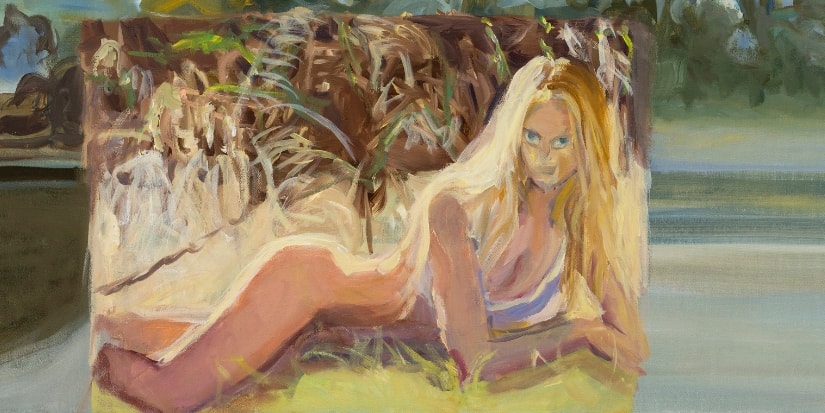
Janet Werner Is Distorting Fashion’s Beauty Ideals Through Painting

Janet Werner, an artist with a nearly four-decade career, has created a new body of work titled "Landscape with Legs" that distorts fashion imagery from Vogue archives and vintage campaigns by Marc Jacobs. Her paintings transform archetypal fashion models—thin, blonde, and emblematic of privilege—into unsettling, complex figures that expose a tension between glamor and the grotesque. The exhibition runs from May 1 to June 12, 2026, at Anat Ebgi Gallery in New York, marking her second solo show there. In an interview, Werner discusses her background as a dancer, her creative process of collaging photographic images with art historical references like Watteau and Caspar David Friedrich, and the political moment that makes the show feel urgent.

Forgers, One-Way Mirrors of the Art Market

Les faussaires, miroirs sans tain du marché de l’art

Anthropologist Monique Jeudy-Ballini has published a new book, "Peintres de l’ombre. Les faussaires à l’œuvre," in which she examines art forgers through an ethnographic lens. Drawing on autobiographical accounts, published interviews, and expert writings—including those of notorious forgers Wolfgang Beltracchi, Eric Hebborn, and Guy Ribes—she explores the motivations and practices of these clandestine figures, arguing that their work involves not only technical skill but also the creation of elaborate narratives and pedigrees for their forgeries. The book is part of the Ethnologiques series edited by Philippe Descola and published by Éditions Mimésis.

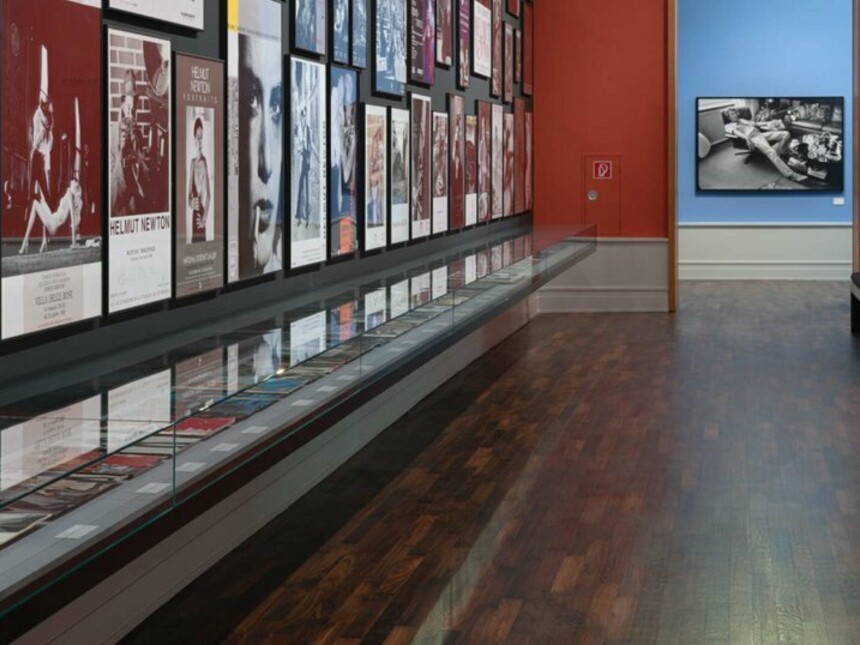
Intermezzo: revisiting Helmut Newton

The Helmut Newton Foundation at Berlin's Museum für Fotografie is overhauling its permanent exhibition after more than 20 years, introducing a cinematic installation called "Intermezzo" that uses eight video projectors across four screens to present a film portrait of Helmut Newton. The film incorporates previously unreleased material, including personal recordings by his wife June Newton, and features interviews with figures from Newton's world such as Philippe Garner, Carla Sozzani, and Matthias Harder. Alongside the immersive film, the ground-floor gallery displays nearly 100 of Newton's exhibition posters and launches a new curatorial series, "Spotlight: behind the frame," which will focus on iconic photographs by Helmut Newton or Alice Springs, starting with Newton's 1975 "Rue Aubriot" and Alice Springs' 1970 Gitanes advertisement.

Korea’s art market grows, but working conditions for entry-level workers do not

A 20-something intern at a small Seoul gallery, identified as Park, accepted a job paying 1.35 million won ($910) per month after taxes—below South Korea's minimum wage—because she believed early experience was essential for career advancement in the art world. The article, based on interviews with the Korea JoongAng Daily, reveals that many entry-level workers face low pay and precarious conditions, exacerbated by a severe oversupply of arts graduates (48,000 annually) versus only about 3,523 job postings per year on the industry site Art More, leading to reliance on personal connections and informal hiring.

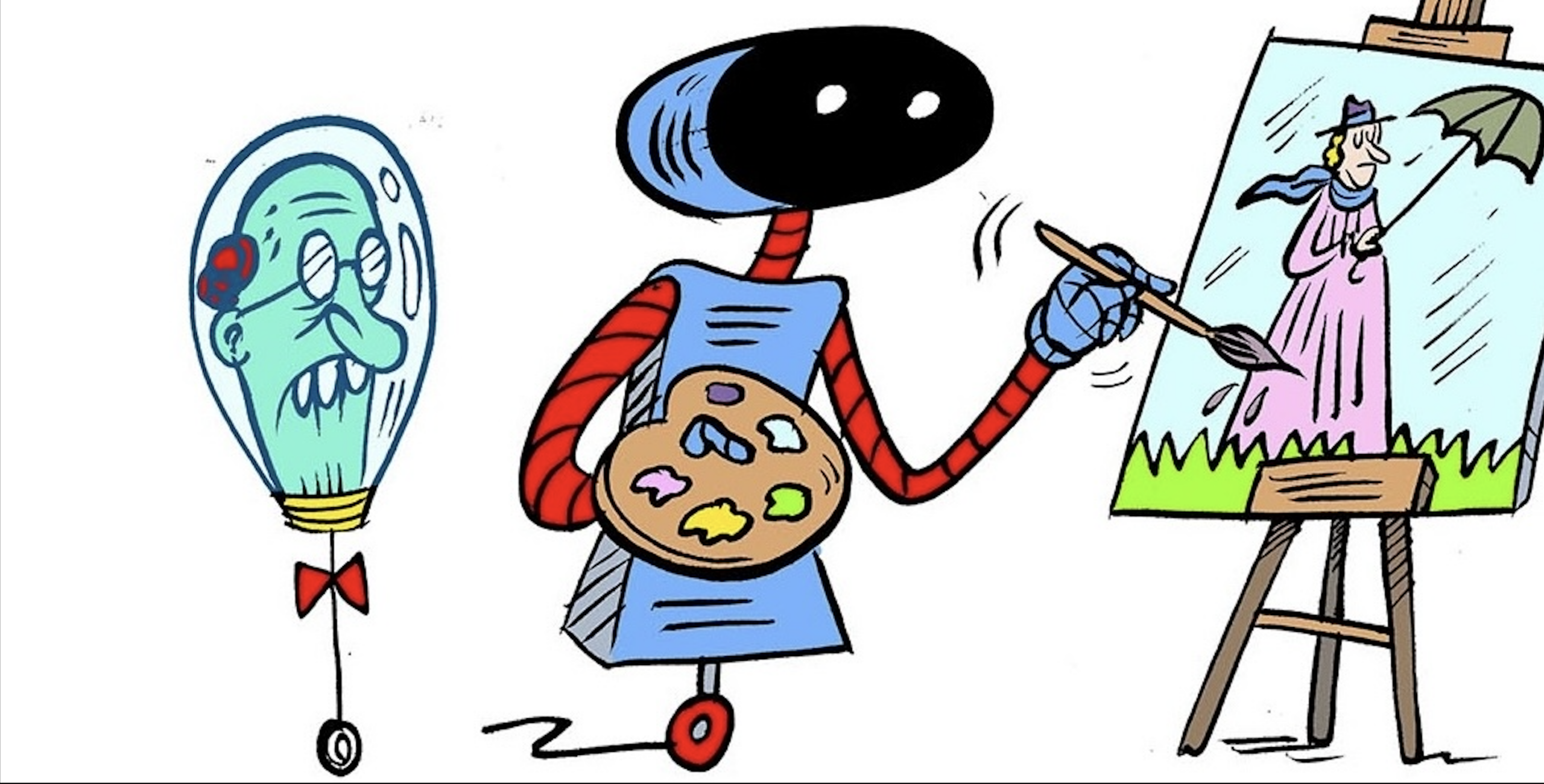
This unpublished comic tries to tell us what the Biennale of the future will be like

Questo fumetto inedito prova raccontarci come sarà la Biennale del futuro

Hurricane (Ivan Manuppelli), a leading figure in Italian underground comics, creates an original comic titled "Biennale 2126" for Artribune, imagining what the Venice Biennale might look like in the future. In an accompanying interview, he discusses his satirical approach, the enduring relevance of underground comics, and the importance of critiquing power through art.

What lies behind the choice of a dress? We asked one of the most famous stylists in the world

Cosa c’è dietro alla scelta di un vestito? Lo abbiamo chiesto a uno degli stylist più famosi del mondo

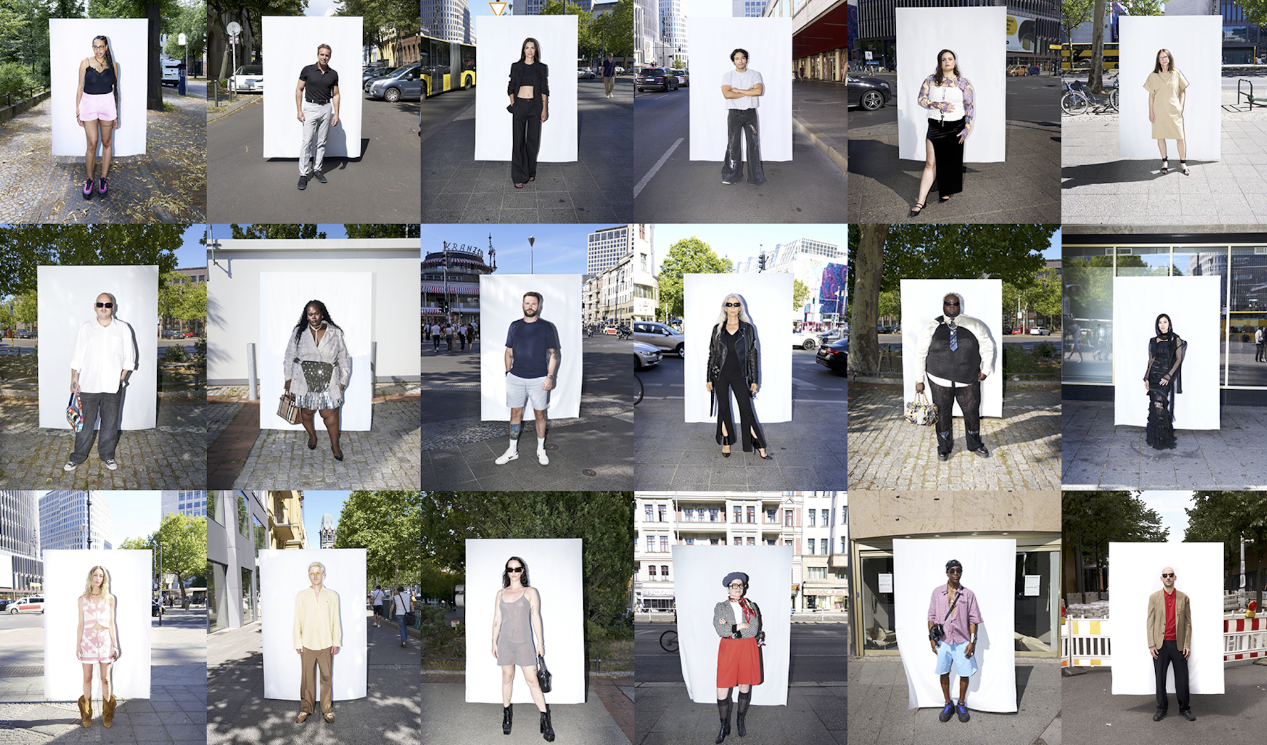
Tom Eerebout, a renowned stylist and fashion consultant known for his work with Lady Gaga, Kylie Minogue, and Austin Butler, has curated an exhibition titled "Exposure – Il potere di essere visti" at ITS Arcademy in Trieste. The show, which runs alongside the ITS Contest where Eerebout serves as a judge for the third consecutive year, explores styling as a tool for constructing identity and shaping contemporary visual culture. In an interview, Eerebout discusses his creative process, his early childhood experiments with costumes, and his belief that styling is not about appearance but about how we exist.

Nelson-Aktins 1975 Chinese art exhibit still resonates in Kansas City today | Opinion

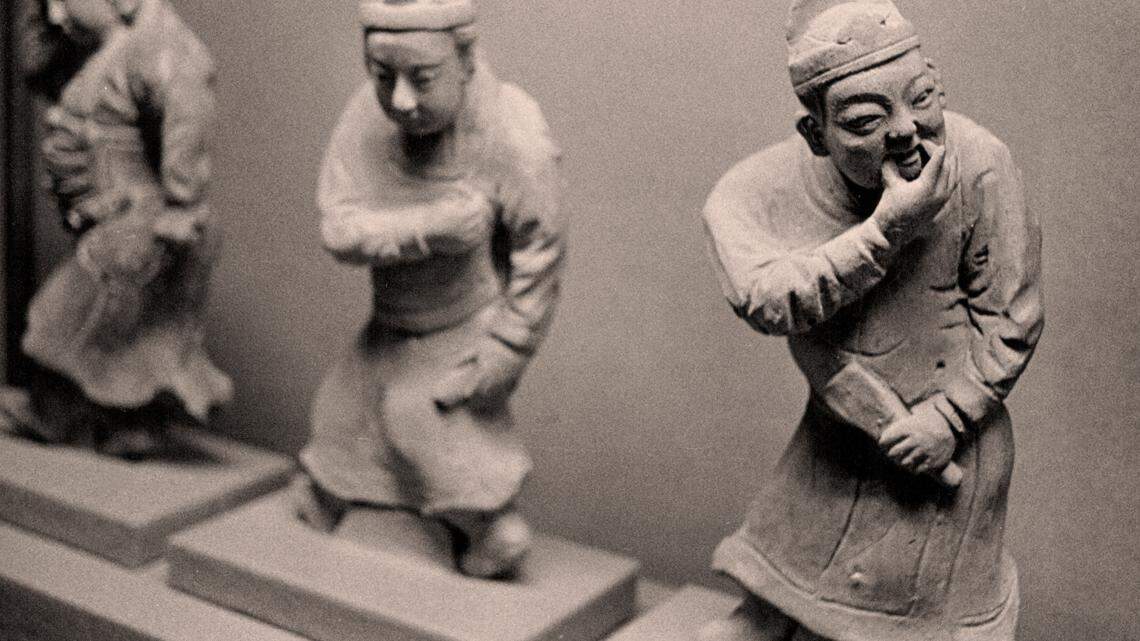
In spring 1975, the Nelson-Atkins Museum of Art in Kansas City hosted the second American stop of "The Exhibition of Archaeological Finds of the People's Republic of China," a landmark traveling show of ancient Chinese artifacts including jade, silk, and bronze sculptures. The author, then a University of Missouri-Kansas City economics student, worked behind the scenes at the museum, describing an unusual interview conducted while gardening and his task of touch-painting gallery walls with a dry brush to cover visitor smudges before opening.

Speaking in Signs: Kwame Akoto’s Worlds Across Contexts.

Ghanaian painter Kwame Akoto, known for his vibrant signboard works blending bold imagery with urgent text, is the subject of his first major French exhibition, 'Almighty God Art Works', at the Musée du quai Branly – Jacques Chirac in Paris. In an interview with ART AFRICA, Akoto discusses how his paintings transform when moving from the streets of Kumasi—where they function as everyday spiritual and commercial communication—into a European museum context, addressing themes of translation, shared authorship, and the shifting meanings of images across cultural and institutional boundaries.

From studio to gallery, here are three women redefining the art world

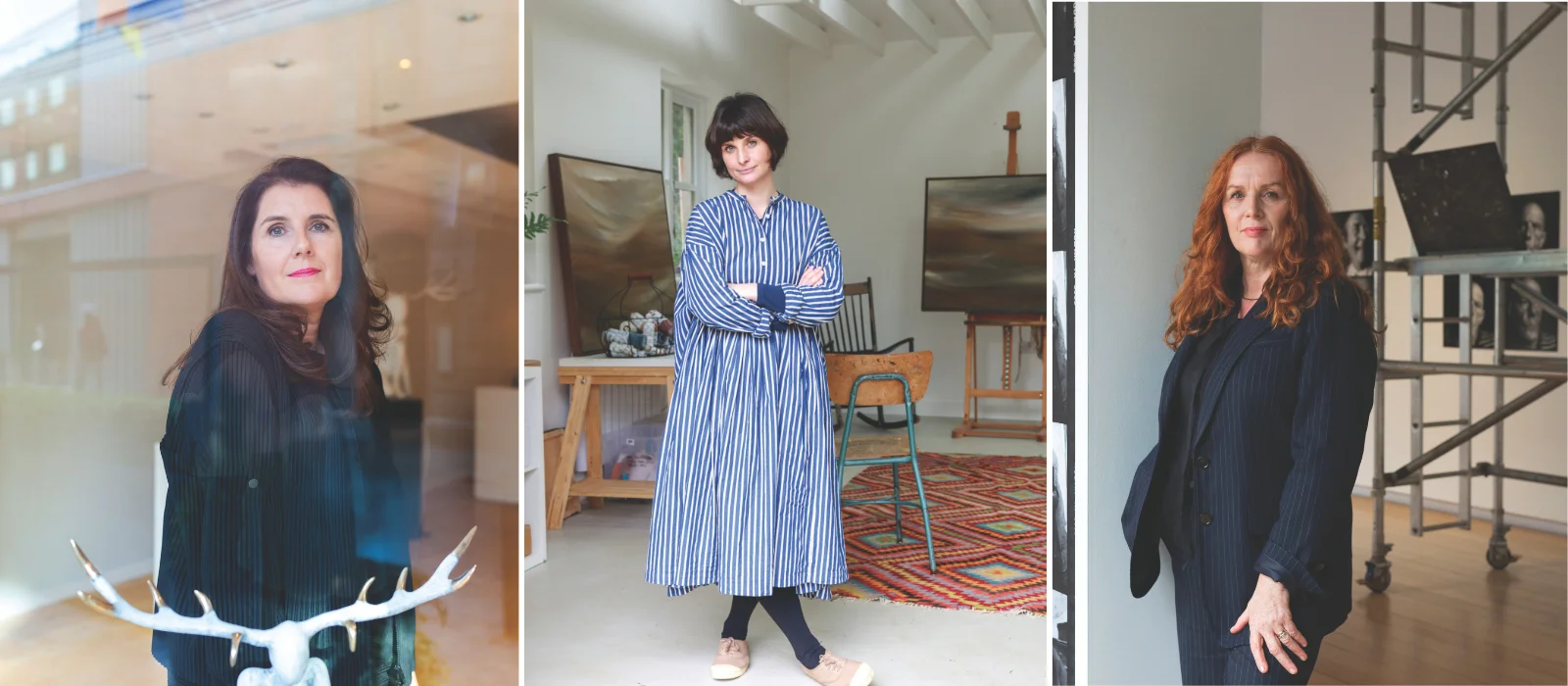
Melanie Mullan interviews three women redefining the art world: contemporary artist Petria Lenehan, who transitioned from fashion design to painting and now works from her studio in Wicklow, Ireland, promoting her work via Instagram; and Trish Lambe, CEO and Artistic Director of Photo Museum Ireland, who began her career at the museum in the 1990s and now leads its curatorial team. The article highlights Lenehan's intuitive painting process and Lambe's hands-on approach to exhibition production.

The new TAILOR newsletter is coming out: luxury crisis, new creative generations, and mental health (subscribe!)

Sta per uscire la nuova newsletter TAILOR tra crisi del lusso, nuove generazioni creative e salute mentale (abbonatevi!)

Artribune has launched a new edition of its newsletter TAILOR, which examines the transformation of the global fashion system amid a luxury crisis, the rise of new creative generations, and the growing structural importance of mental health in the industry. The newsletter features a focus on five emerging designers shifting fashion from product to narrative, an exclusive interview with influential stylist Tom Eerebout, and the debut in Italy of the project "One Person. One Voice" as part of the Mental Health in Fashion campaign, created by Florian Müller with artist Claudia Malecka.

Creating Variety in Contemporary Rome: The Story of the Conventicola degli Ultramoderni on Sky Arte

Fare varietà nella Roma contemporanea: la storia della Conventicola degli Ultramoderni su Sky Arte

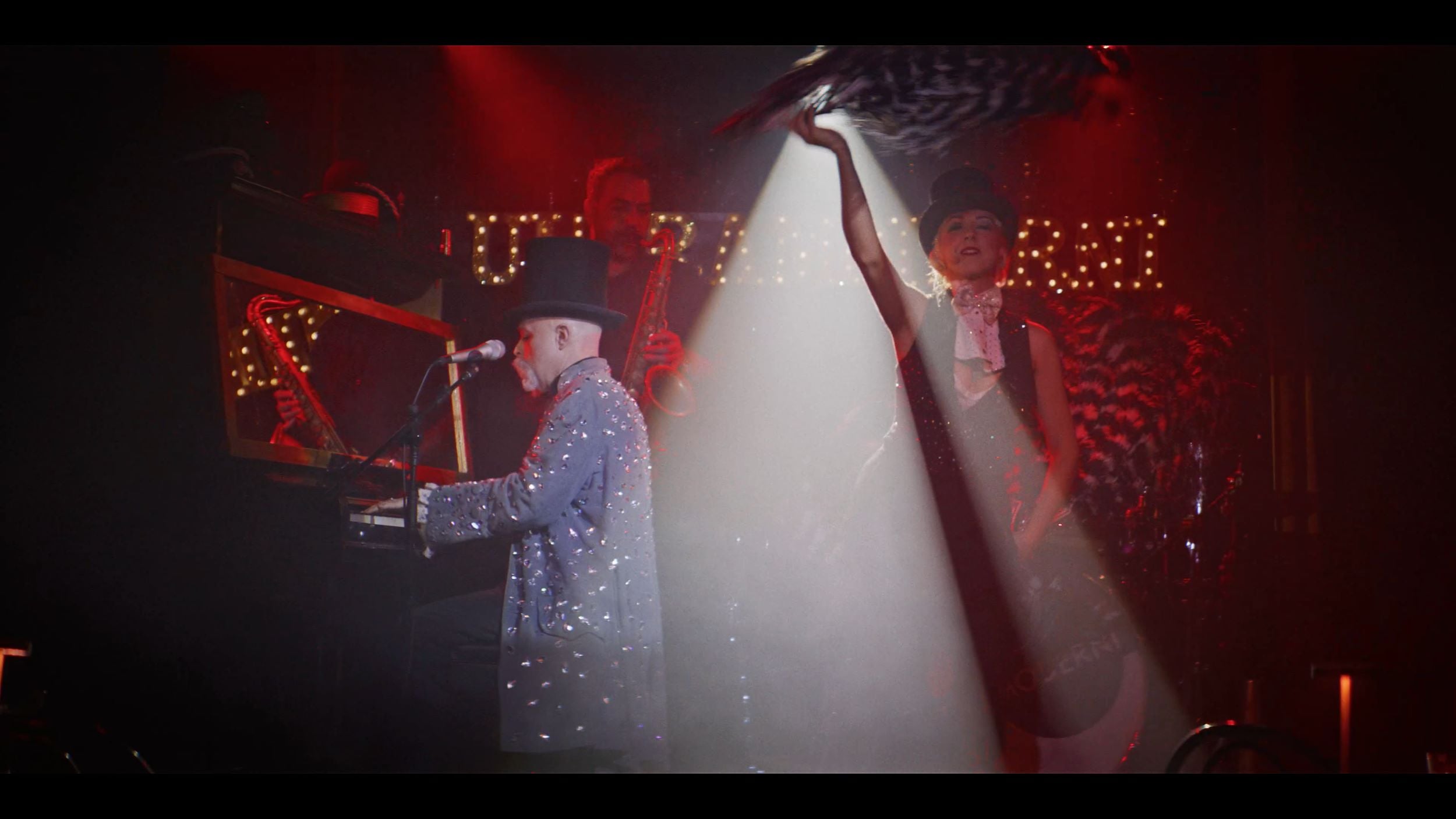
On Sunday, May 3, Sky Arte will premiere the documentary "Ultramoderni," which chronicles the rise of the Conventicola degli Ultramoderni, a unique artistic collective in Rome. Founded by Sior Mirkaccio and Madame de Freitas, who met in 2011, the group operates from a small hidden venue in the San Lorenzo district, blending music, cabaret, burlesque, and contemporary variety shows with a retro-futuristic aesthetic. The documentary, filmed in their Roman space, features interviews with the duo and excerpts from their performances, tracing how they built a diverse community of enthusiasts around their reinvention of past traditions.

“Yellow Letters”: arte e politica, libertà e censura nel nuovo film di İlker Çatak

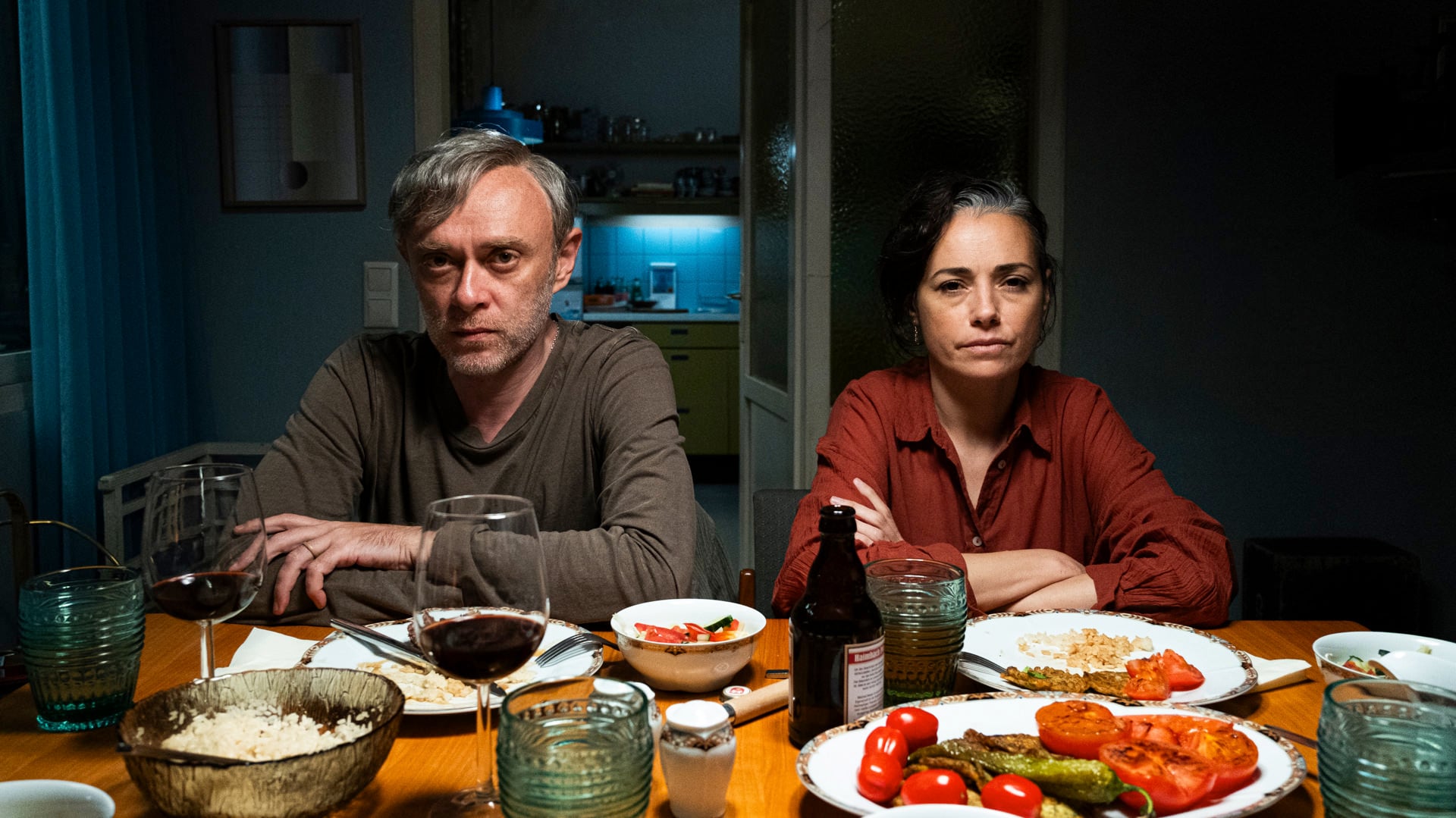
Ilker Çatak's fifth film, "Yellow Letters," premieres on April 30, 2026, distributed by Lucky Red. The story follows Derya and Aziz, a Turkish artist couple whose lives unravel after Aziz, a professor at Ankara University, receives a "yellow letter" terminating his employment. The film, inspired by post-2016 coup purges in Turkey, shifts to Berlin and Hamburg, where the director deliberately avoids mimicking Turkish locations, instead using explicit captions like "Berlin as Ankara" to create a Brechtian alienation effect. Çatak explores how arbitrary state repression fractures personal relationships and moral boundaries, drawing on interviews with artists who faced unjust dismissals.

In the Studio with Jevon Brown

Artist Jevon Brown, a Miamian of Bahamian, Jamaican, and Black Southern descent, discusses his multidisciplinary practice in an interview conducted in his Miami Beach apartment and studio. Brown works across textiles, silkscreen printing, fashion, and photography to explore cultural identity, belonging, queerness, and history. He describes how memories of Miami sunsets, family members like his uncle (a sneakerhead and hat collector), and ancestral references inform his creative process. Key works discussed include the "HAIREtage" series (2025), which uses materials like burlap and raffia to connect contemporary streetwear culture with African and Caribbean spirituality, and his inclusion in the exhibition "Material, Material World" at David Castillo Gallery.

Community Corner: 11th SLAM – Savannah Local Artist Market returns featuring more than 80 artists

The 11th Savannah Local Artist Market (SLAM) returns on Saturday, May 2, 2026, featuring more than 80 artists. The free, grassroots event takes place at Salvation Army Baseball field in Savannah, Georgia, with a rain date of May 9. SLAM Founder Charlie Ellis and local artist William Kwamena Poh discussed the event in an interview with WSAV's Kim Gusby.

“La preistoria non è stata solo violenza, ma anche cura”. Intervista all’archeologa femminista Marga Sánchez Romero

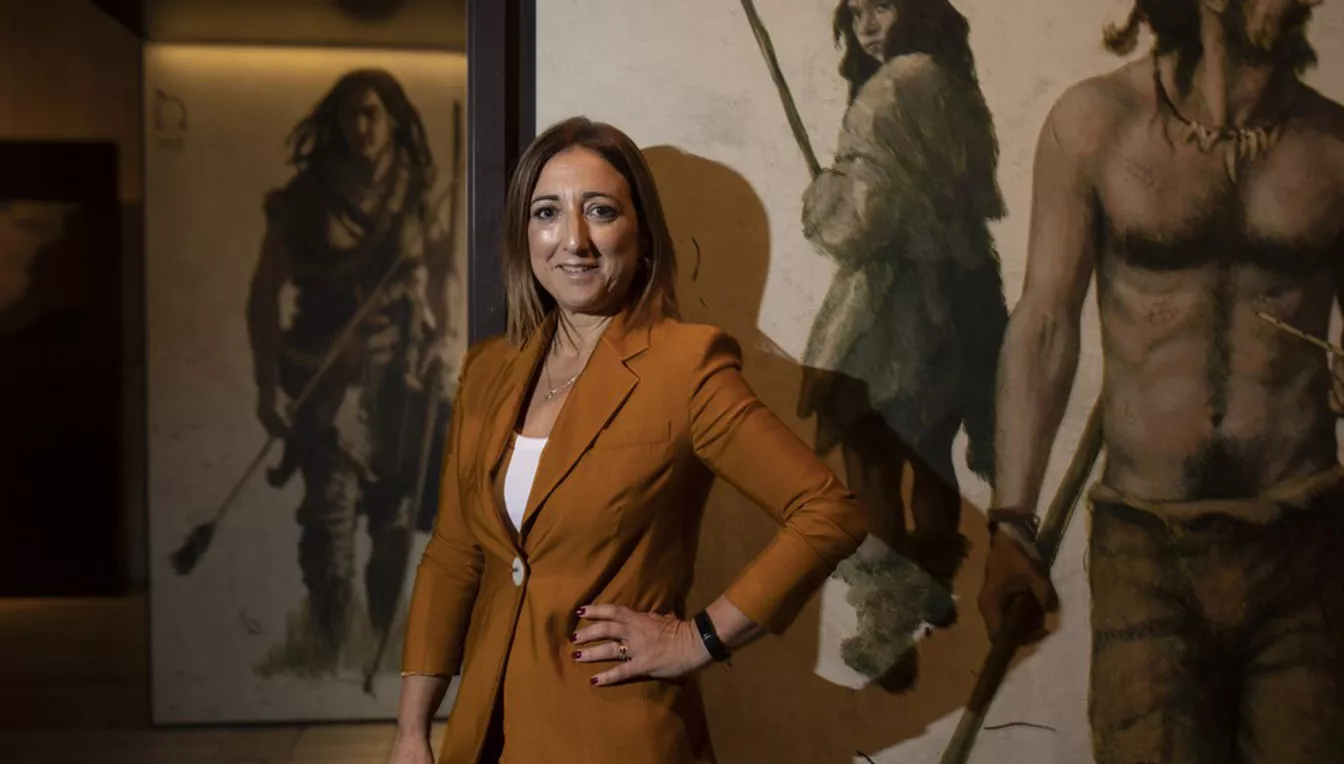
Marga Sánchez Romero, a professor of Prehistory at the University of Granada and a leading voice in feminist archaeology in Spain, argues in an interview that prehistory has been misrepresented as a sequence of violence and hierarchies. She emphasizes that new questions are reshaping our understanding of the past, highlighting that care, cooperation, and solidarity were as crucial as conflict in human evolution. The conversation covers biases in archaeological interpretation, the famous Viking tomb of Birka, the origins of inequality, and the role of museums in creating more inclusive narratives.