filter_list Showing 11 results for "interview" close Clear
dashboard All 30 article culture 11museum exhibitions 11article news 3person people 3article local 2
date_range Range Today This Week This Month All
Subscribe

Expanded Vocabulary: Revisiting Deborah Kass’ Studio

The article recounts the author's visit to Deborah Kass's Brooklyn studio, which she shares with her wife, artist Patricia Cronin. The visit was prompted by logistical issues related to the author's exhibition "Social Minimalism" (2025). During the visit, the author and Kass revisited themes central to Kass's work over three decades: the exclusion of women from art history, Jewish identity, queer voice, lesbian subjectivity, and postwar American art. The conversation also touched on Kass's series including the Warhol Project, Feel Good Paintings, No Kidding, and the large painting/sculpture installation "Everybody" (2019), which was recently featured in a conversation between Kass and Titus Kaphar in Interview magazine.

Nikita Kadan Questions Whether War Ever Ends

Ukrainian artist Nikita Kadan, in an interview with Frieze, reflects on his practice and the ongoing psychological and physical toll of war, questioning whether conflict ever truly ends. He discusses his recent works, which grapple with the persistent state of war in Ukraine, the transformation of urban spaces, and the collective trauma that outlasts active hostilities.

Without Consciousness, No Creativity

"Ohne Bewusstsein keine Kreativität"

Matthias Hornschuh, a speaker at the German Creative Economy Summit in Hamburg, discusses artificial intelligence and its impact on art and creativity in an interview with Monopol. He argues that AI systems lack intentionality and true creativity, describing them as "probability-based imitation" rather than genuine creative tools. Hornschuh warns against the hype surrounding AI, noting that efficiency gains are often overstated and that users can become trapped in unproductive interactions with these systems.

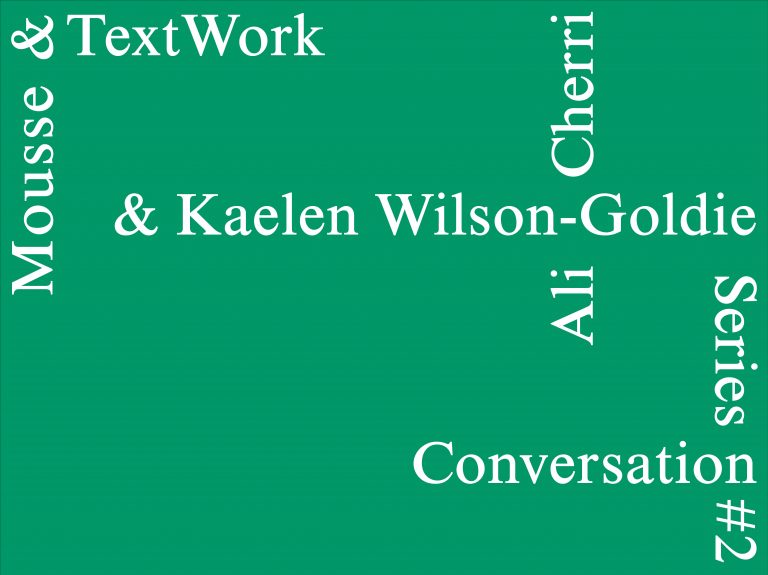
Bodies in Motion, Bodies at Rest: Ali Cherri in Conversation with Kaelen Wilson-Goldie

This article presents a conversation between artist Ali Cherri and writer Kaelen Wilson-Goldie, marking the second installment of a collaborative series between TextWork by Fondation Pernod Ricard and Mousse Magazine. The series features in-depth dialogues between artists from the TextWork program and magazine contributors, expanding on the traditional interview format, and is set to continue until 2027.

Forgers, One-Way Mirrors of the Art Market

Les faussaires, miroirs sans tain du marché de l’art

Anthropologist Monique Jeudy-Ballini has published a new book, "Peintres de l’ombre. Les faussaires à l’œuvre," in which she examines art forgers through an ethnographic lens. Drawing on autobiographical accounts, published interviews, and expert writings—including those of notorious forgers Wolfgang Beltracchi, Eric Hebborn, and Guy Ribes—she explores the motivations and practices of these clandestine figures, arguing that their work involves not only technical skill but also the creation of elaborate narratives and pedigrees for their forgeries. The book is part of the Ethnologiques series edited by Philippe Descola and published by Éditions Mimésis.

This unpublished comic tries to tell us what the Biennale of the future will be like

Questo fumetto inedito prova raccontarci come sarà la Biennale del futuro

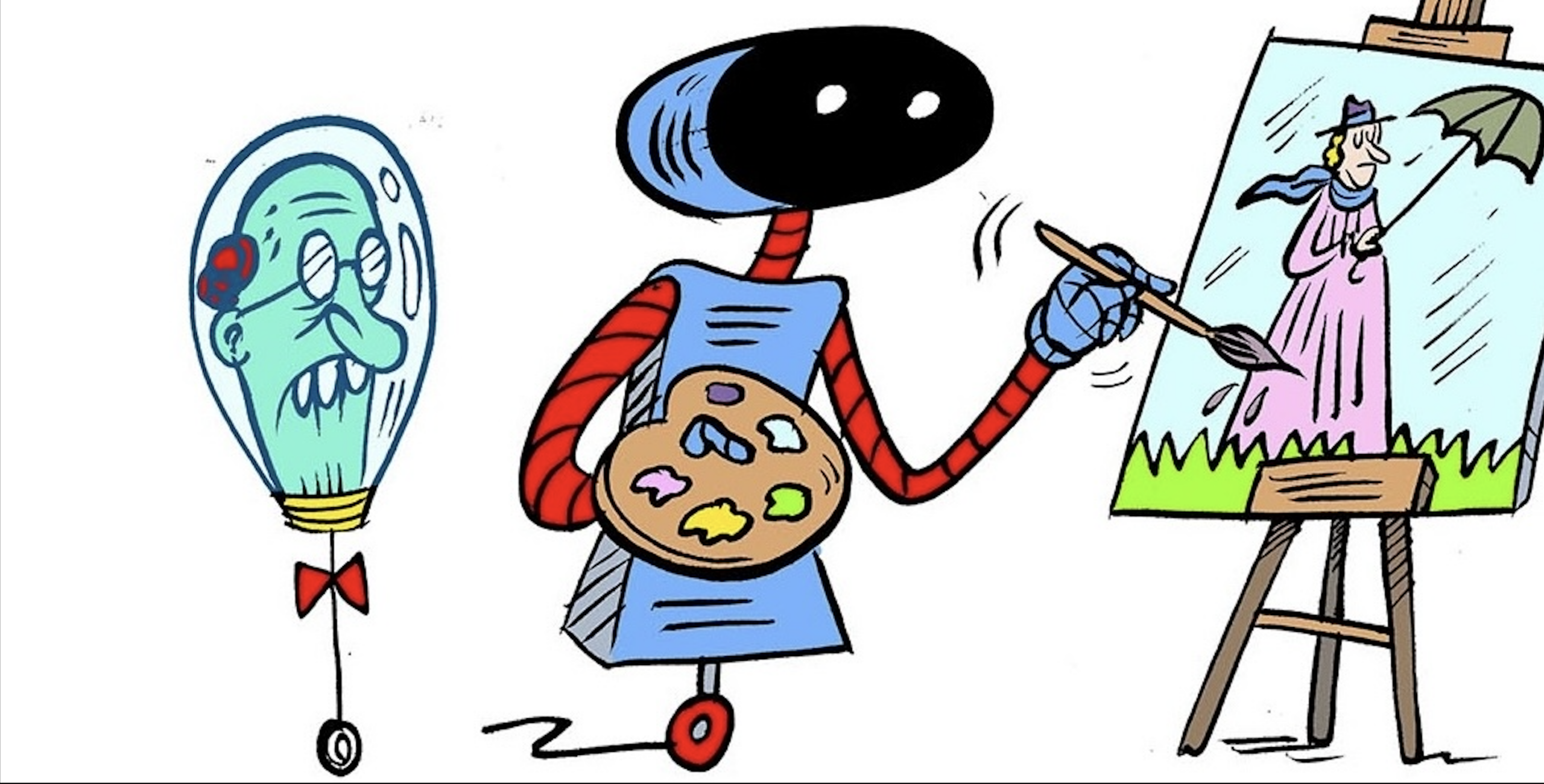
Hurricane (Ivan Manuppelli), a leading figure in Italian underground comics, creates an original comic titled "Biennale 2126" for Artribune, imagining what the Venice Biennale might look like in the future. In an accompanying interview, he discusses his satirical approach, the enduring relevance of underground comics, and the importance of critiquing power through art.

“Yellow Letters”: arte e politica, libertà e censura nel nuovo film di İlker Çatak

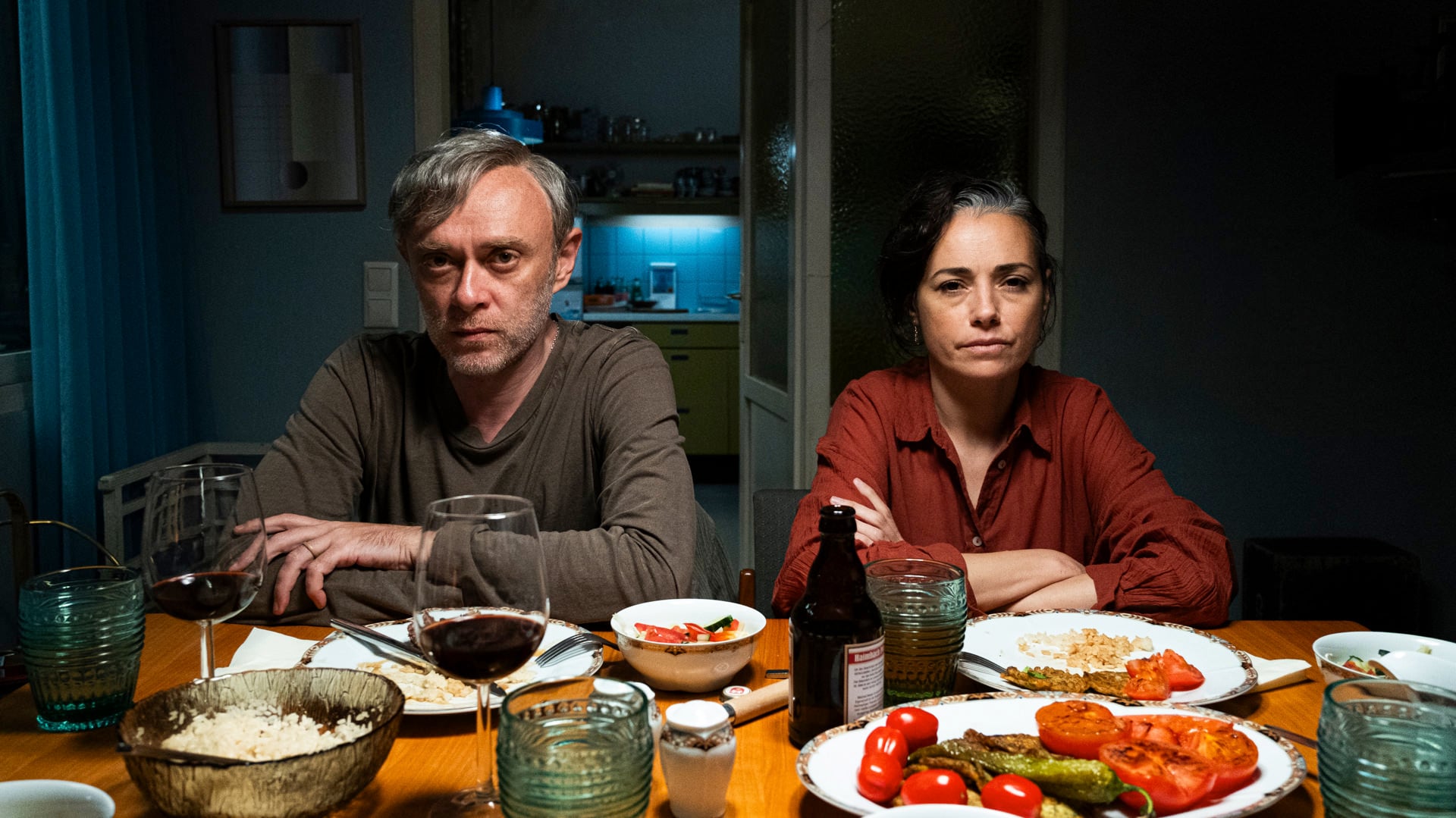
Ilker Çatak's fifth film, "Yellow Letters," premieres on April 30, 2026, distributed by Lucky Red. The story follows Derya and Aziz, a Turkish artist couple whose lives unravel after Aziz, a professor at Ankara University, receives a "yellow letter" terminating his employment. The film, inspired by post-2016 coup purges in Turkey, shifts to Berlin and Hamburg, where the director deliberately avoids mimicking Turkish locations, instead using explicit captions like "Berlin as Ankara" to create a Brechtian alienation effect. Çatak explores how arbitrary state repression fractures personal relationships and moral boundaries, drawing on interviews with artists who faced unjust dismissals.

The new TAILOR newsletter is coming out: luxury crisis, new creative generations, and mental health (subscribe!)

Sta per uscire la nuova newsletter TAILOR tra crisi del lusso, nuove generazioni creative e salute mentale (abbonatevi!)

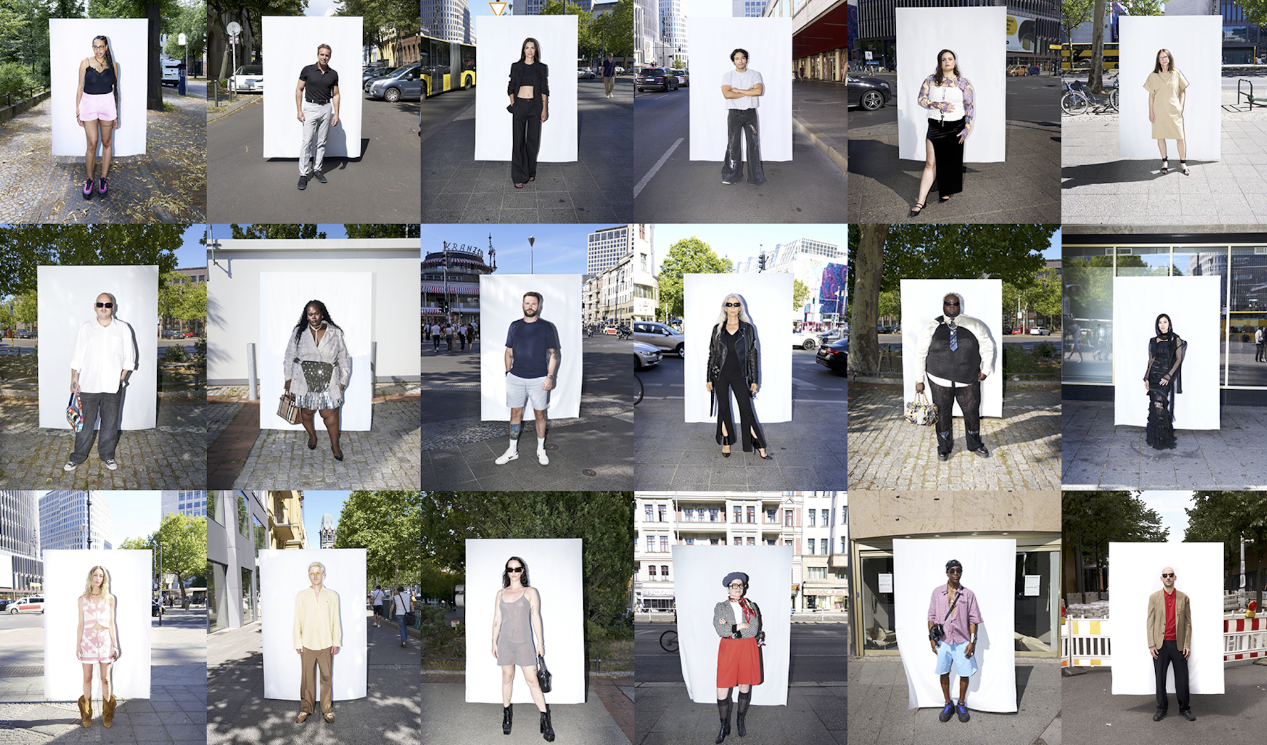
Artribune has launched a new edition of its newsletter TAILOR, which examines the transformation of the global fashion system amid a luxury crisis, the rise of new creative generations, and the growing structural importance of mental health in the industry. The newsletter features a focus on five emerging designers shifting fashion from product to narrative, an exclusive interview with influential stylist Tom Eerebout, and the debut in Italy of the project "One Person. One Voice" as part of the Mental Health in Fashion campaign, created by Florian Müller with artist Claudia Malecka.

Creating Variety in Contemporary Rome: The Story of the Conventicola degli Ultramoderni on Sky Arte

Fare varietà nella Roma contemporanea: la storia della Conventicola degli Ultramoderni su Sky Arte

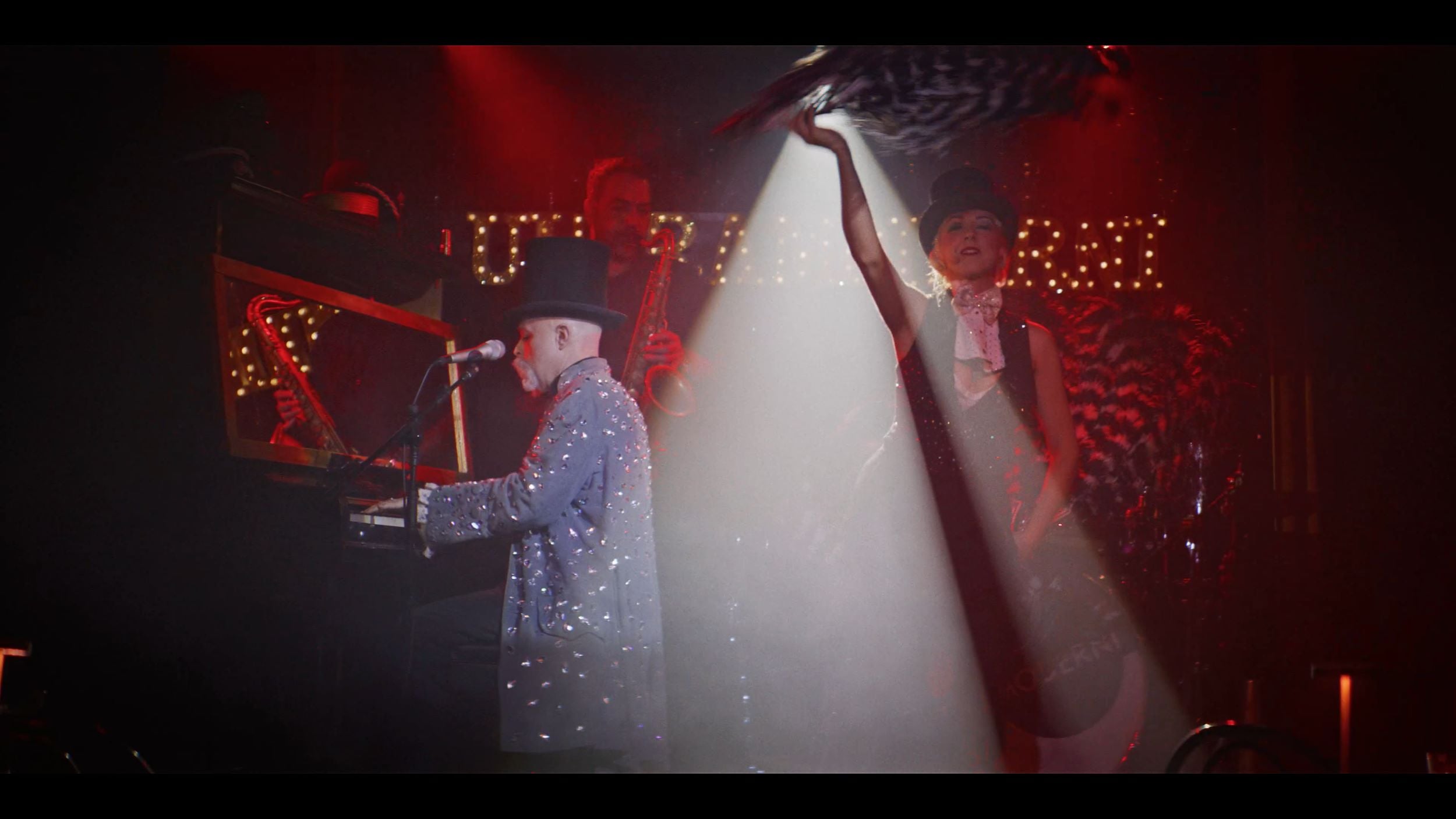
On Sunday, May 3, Sky Arte will premiere the documentary "Ultramoderni," which chronicles the rise of the Conventicola degli Ultramoderni, a unique artistic collective in Rome. Founded by Sior Mirkaccio and Madame de Freitas, who met in 2011, the group operates from a small hidden venue in the San Lorenzo district, blending music, cabaret, burlesque, and contemporary variety shows with a retro-futuristic aesthetic. The documentary, filmed in their Roman space, features interviews with the duo and excerpts from their performances, tracing how they built a diverse community of enthusiasts around their reinvention of past traditions.

In the Studio with Jevon Brown

Artist Jevon Brown, a Miamian of Bahamian, Jamaican, and Black Southern descent, discusses his multidisciplinary practice in an interview conducted in his Miami Beach apartment and studio. Brown works across textiles, silkscreen printing, fashion, and photography to explore cultural identity, belonging, queerness, and history. He describes how memories of Miami sunsets, family members like his uncle (a sneakerhead and hat collector), and ancestral references inform his creative process. Key works discussed include the "HAIREtage" series (2025), which uses materials like burlap and raffia to connect contemporary streetwear culture with African and Caribbean spirituality, and his inclusion in the exhibition "Material, Material World" at David Castillo Gallery.

“La preistoria non è stata solo violenza, ma anche cura”. Intervista all’archeologa femminista Marga Sánchez Romero

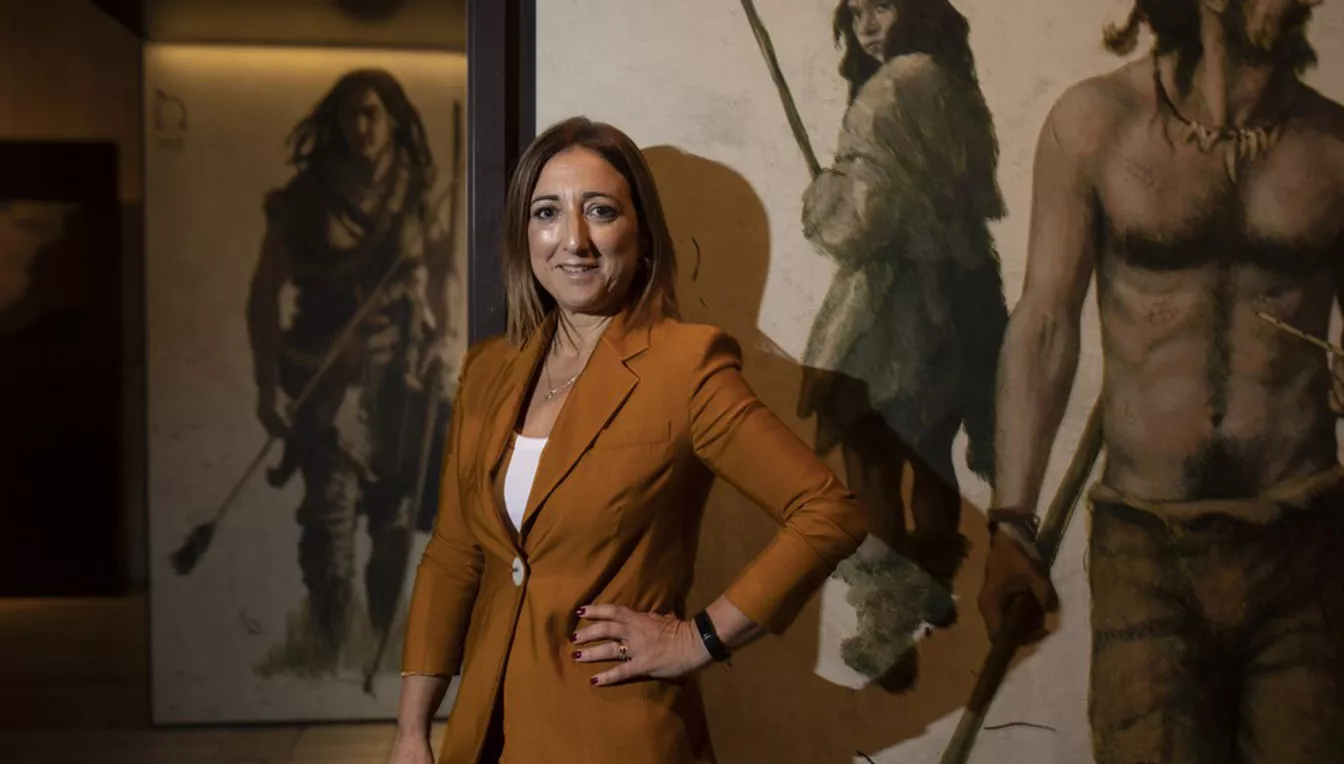
Marga Sánchez Romero, a professor of Prehistory at the University of Granada and a leading voice in feminist archaeology in Spain, argues in an interview that prehistory has been misrepresented as a sequence of violence and hierarchies. She emphasizes that new questions are reshaping our understanding of the past, highlighting that care, cooperation, and solidarity were as crucial as conflict in human evolution. The conversation covers biases in archaeological interpretation, the famous Viking tomb of Birka, the origins of inequality, and the role of museums in creating more inclusive narratives.