filter_list Showing 19 results for "state department" close Clear
search
dashboard All 19 article news 8museum exhibitions 7article policy 2article culture 1rate_review review 1
date_range Range Today This Week This Month All
Subscribe

U.S. Crowdfunds Its Venice Biennale Pavilion

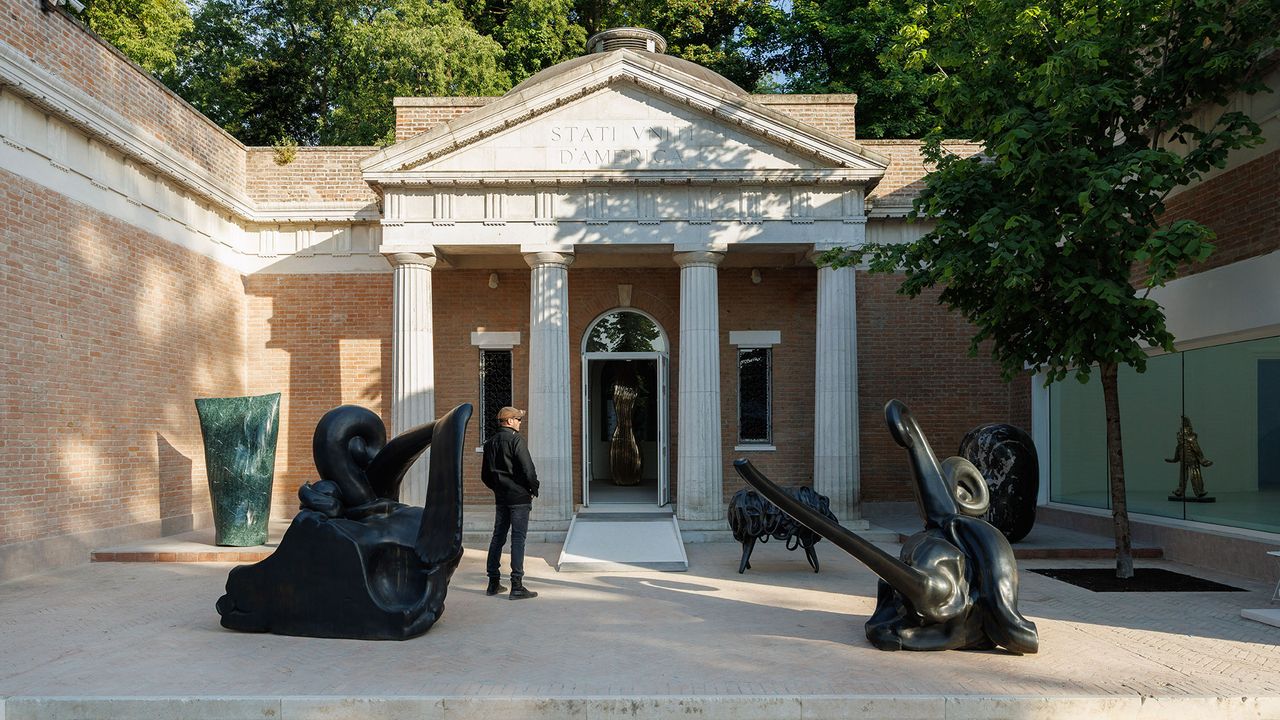
The United States is crowdfunding its pavilion at the 61st Venice Biennale, which opens in ten days, due to the absence of major sponsors like the Ford Foundation and the Mellon Foundation. The pavilion, featuring sculptures by Alma Allen, is being organized by the American Arts Conservancy (AAC), which is soliciting donations through a campaign that has been live since at least November. The U.S. government contributes $375,000, but the installation costs significantly exceed that amount. Donors include Nevada-based Republican donors Jim and Aimee Battista, talent manager Tom Ierna, and actor Alex Pita. The AAC has not disclosed the campaign's fundraising goal, amount raised, or end date.

Alma Allen Speaks Out on Backlash Over U.S. Pavilion Commission: ‘A Little Stressful’

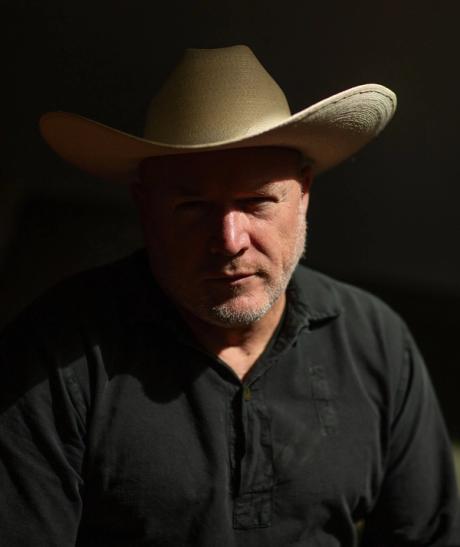
Sculptor Alma Allen has spoken out for the first time about the backlash he faced after accepting the commission to represent the United States at the Venice Biennale. In a rare interview on the podcast *Time Sensitive*, recorded at his home in Tepotzlán, Mexico, Allen described the response as “a little stressful” but said he never hesitated when curator Jeffrey Uslip invited him last fall. His selection sparked controversy because the State Department’s requirement that proposals “reflect and promote American values” while not promoting DEI initiatives led higher-profile artists like William Eggleston and Barbara Chase-Riboud to refuse. Allen’s former galleries, Mendes Wood and Olney Gleason, dropped him after he accepted, though he has since joined Perrotin. He also hinted that his exhibition, “Call Me the Breeze,” will include work about conflict and surveillance.

The US Pavilion Is Taking Online Donations

The American Arts Conservancy (AAC), the nonprofit tasked with executing Alma Allen's 2026 US Pavilion at the Venice Biennale, is soliciting online donations from the public after receiving no corporate or foundation funding. Unlike previous pavilions backed by major foundations like Ford and Mellon, AAC's fundraising relies on private citizens, with a minimum $100 donation requested via its website. The State Department provided $375,000 but requires additional funding, and AAC's Executive Director Jenni Parido, a former pet food store owner, declined to name specific donors, though Instagram posts suggest wealthy Trump allies attended benefit events. Perrotin Gallery, which represents Allen, is providing operational support but not funding.

It’s the Most Controversial Venice Biennale in Years. Can the Art Stand Up to the Noise?

The 2026 Venice Biennale is embroiled in controversy, with the US Pavilion at the center of a political storm. The Trump administration's State Department overhauled the selection process, bypassing the usual NEA panel and commissioning a nonprofit, the American Arts Conservancy, to organize the pavilion. Artist Alma Allen, who accepted the invitation despite threats from galleries and curators, presents a show that critics find politically muted. The Biennale's jury resigned days before the opening, and annual prizes were canceled, adding to the turmoil.

The Only Guide to This Year’s Venice Biennale You Will Ever Need

The 61st Venice Biennale opens amid significant turmoil. The entire jury of the International Art Exhibition resigned after a statement about withholding prizes from countries with leaders charged with crimes against humanity by the ICC, leading to the cancellation of the Golden Lion awards in favor of 'Visitors' Lions' to be given at the exhibition's end. The event has been further marred by the sudden death of artistic director Koyo Kouoh from liver cancer in early 2025, and the death of artist Henrike Naumann, who was set to debut work in the German pavilion. Additionally, the selection process for the American pavilion artist, Mexico-based sculptor Alma Allen, sparked controversy after a delayed grant application process.

The US pavilion's curator on the controversial choice of Alma Allen for the Venice Biennale

The US pavilion at the Venice Biennale has selected Alma Allen, a Utah-born, Mexico-based sculptor, as its representative artist—a controversial and surprising choice given his relative obscurity compared to past pavilion artists. The selection process was unusually fraught: the first artist chosen was dropped before official announcement, and the announcement was delayed by the US government shutdown. The pavilion's curator, Jeffrey Uslip, discusses the exhibition titled "Call Me the Breeze," which will feature Allen's sculptures in stone, bronze, and wood that appear to defy their own weight, emphasizing artistic autonomy despite the State Department's framing of the choice as showcasing "American excellence."

Alma Allen Offers a Quiet Vision in Venice—Even as Questions Swirl the U.S. Pavilion

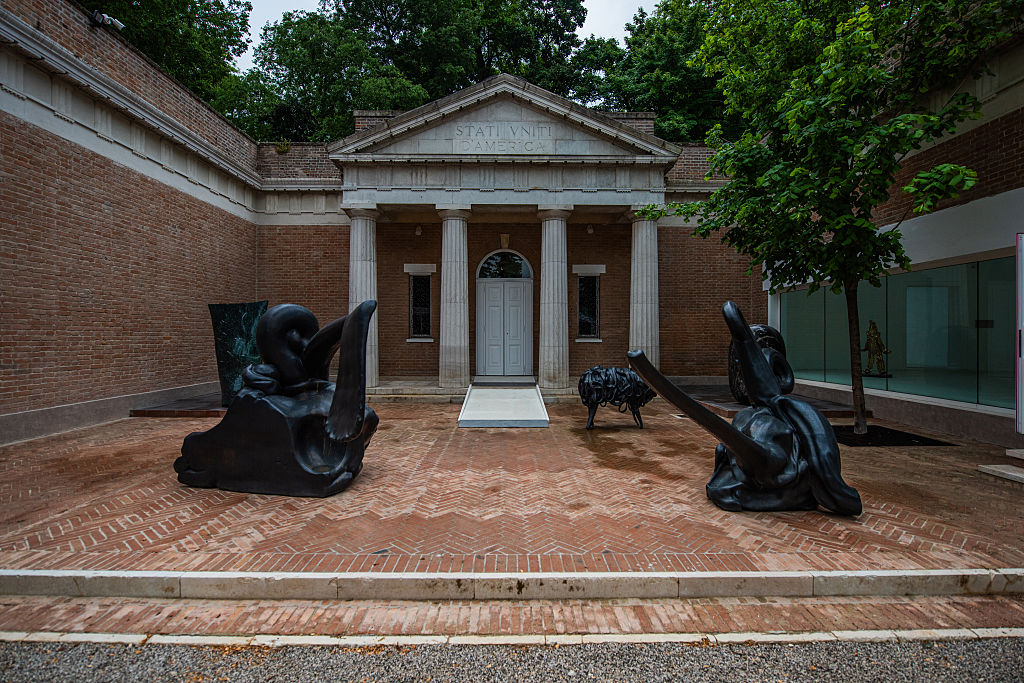
Alma Allen's exhibition "Call Me the Breeze" has opened at the U.S. Pavilion for the 61st Venice Biennale. The Utah-born sculptor presents a pared-down, whimsical show that contrasts with the bombastic work of his predecessors, grouping new and old pieces to explore themes of conflict, mourning, and transcendence inspired by Hieronymus Bosch's *Visions of the Afterlife*. The exhibition was produced hurriedly over a few months, and Allen, who typically leaves his works untitled, felt compelled to explain his art for the first time in 30 years amid controversy surrounding his commission.

Is the US about to be humiliated on the world’s most prestigious cultural stage?

More than 70 prominent international artists have signed an open letter demanding the exclusion of the United States, Israel, and Russia from the 2026 Venice Biennale, accusing those governments of committing war crimes and atrocities. The controversy centers on the US pavilion, which will feature Mexico-based American artist Alma Allen, whose abstract, anodyne sculptures were chosen by a last-minute commissioner with no art-world experience—a luxury pet food store owner from Florida who reportedly gained the role through connections at Mar-a-Lago. The Biennale's five-person jury has already resigned amid the furor, and Russia is returning to the event for the first time since its 2022 invasion of Ukraine.

America’s Venice Biennale artist was scorned by tastemakers — he says he’s misunderstood

American sculptor Alma Allen, a self-taught artist with an unconventional background, has been selected to represent the United States at the 2025 Venice Biennale. His selection was made by the American Arts Conservancy, a new nonprofit with no art-world track record, which was awarded the commission through a State Department process that removed diversity requirements and emphasized art reflecting "American values."

Alma Allen’s US Pavilion Heads to Venice Amid Questions Over Selection Process

The selection of Alma Allen to represent the United States at the 2026 Venice Biennale has ignited controversy over the process. The U.S. State Department abandoned its traditional selection model, which involved a panel of experts convened by the National Endowment for the Arts, and instead handed control to a new nonprofit, the American Arts Conservancy, led by individuals with little museum experience. This shift has drawn criticism from prominent figures in the art world, with some artists declining to participate due to concerns over the political context and unfamiliar leadership.

Embattled US Venice Biennale Pavilion is Seeking Donations

The American Arts Conservancy (AAC), an organization founded last year by the Trump administration, has launched a crowdfunding campaign to support the United States Pavilion at the Venice Biennale. This comes amid widespread controversy and calls to exclude the US, Russia, and Israel from the event. The AAC website solicits donations starting at $100, claiming a "once-in-a-generation opportunity" to restore America's artistic presence abroad. The US government has already contributed $375,000, but the State Department says the total exhibition cost far exceeds that amount. This year's pavilion will feature sculptor Alma Allen, after Barbara Chase-Riboud and William Eggleston declined to participate.

An outsider artist takes the world's biggest stage with the US Pavilion at the Venice Biennale

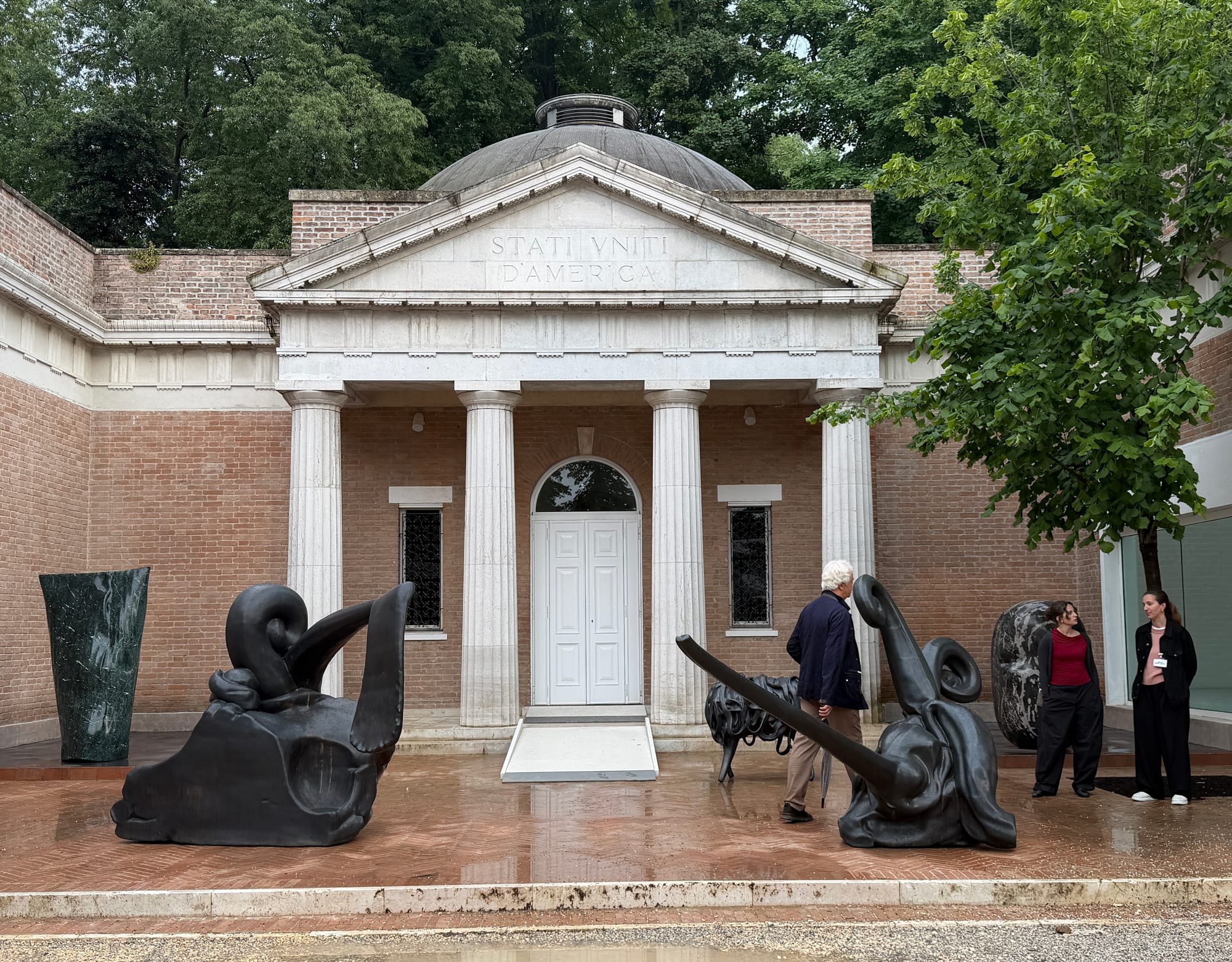
U.S. artist Alma Allen, a self-taught sculptor from Utah who works in Mexico, has been selected to represent the United States at the Venice Biennale with his exhibition "Call Me the Breeze" at the U.S. Pavilion. The selection process was fraught and opaque, with institutions declining to bid for the commission due to concerns about administration politics after the open call removed diversity, equity and inclusion language in favor of promoting "American values." A prior proposal for artist Robert Lazzarini fell apart after its institutional sponsor backed out, and Allen's project was quickly assembled with the American Arts Conservancy as sponsor and Jeffrey Uslip as curator. Allen, who has lived outside the critical art world for three decades, created a bronze evil eye for the pavilion's exterior and a headless sheep sculpture as a self-portrait of an outsider.

The message behind the US pavilion at the Venice Biennale

The article previews the 61st Venice Biennale, opening May 9 and running through November 22, highlighting early controversies. The five-person Golden Lion jury, led by Brazilian curator Solange Farkas, resigned after declaring they would not consider pavilions from countries under International Criminal Court investigation, targeting the Israel pavilion and its artist Belu-Simion Fainaru. Separately, the US pavilion has drawn scrutiny from the New York Times over its selection process, with commissioner Jenni Parido (a former pet food store owner) tapping curator Jeffrey Uslip and sculptor Alma Allen, bypassing traditional funders like the Ford and Mellon foundations.

United States Pavilion to Open at the 61st International

The United States Pavilion at the 61st International Art Exhibition of La Biennale di Venezia will open on May 6, 2026, featuring a solo presentation titled "Call Me the Breeze" by American artist Alma Allen. Curated by Jeffrey Uslip and commissioned by the American Arts Conservancy with support from the U.S. Department of State and the Guggenheim Foundation, the exhibition transforms the historic Giardini pavilion with sculptures in bronze, walnut burl, and various stones, including Colorado Yule marble used in the Lincoln Memorial.

Barbara Chase-Riboud Speaks Out on Declining US Biennale Pavilion

Sculptor and author Barbara Chase-Riboud has publicly declined an invitation to represent the United States at the 2026 Venice Biennale, stating it was "not the moment" for her to do so. She was among the artists initially considered by the newly formed American Arts Conservancy (AAC), which is organizing the US pavilion after both she and photographer William Eggleston turned down the opportunity.

“Joseph Barrett: Views from his Lahaska Studio” to open at Silverman Gallery

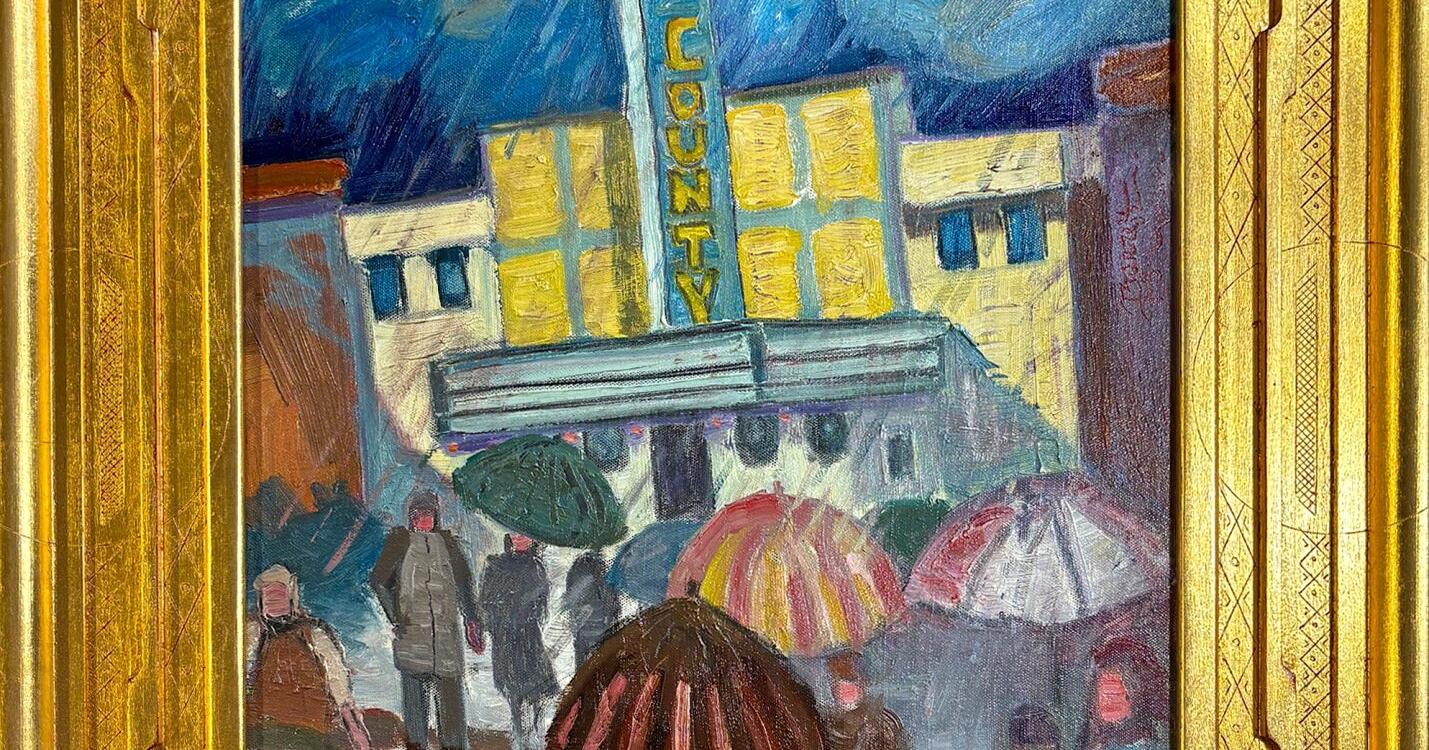
The Silverman Gallery of Bucks County Impressionist Art in Holicong, Pennsylvania, will open a new exhibition titled “Joseph Barrett: Views from his Lahaska Studio” on May 16-17, 2025, with opening receptions featuring live jazz and refreshments. The show runs through June 20 and includes previously unseen works such as “View from My Window,” “Neshaminy,” and “County Theater in Snow,” alongside Barrett’s painting “Estate of Joseph Stanley,” recently returned from a two-year display at the U.S. Embassy in Kigali, Rwanda, as part of the State Department’s Art in Embassies program.

A Whole Lot of Nothing at the US Pavilion

The US Pavilion at the 2026 Venice Biennale features sculptor Alma Allen's exhibition "Call Me the Breeze," curated by Jeffrey Uslip. The show presents untitled, amorphous sculptures in bronze, wood, and stone, including Colorado Yule marble. The selection process was controversial: after the Trump administration excluded the National Endowment for the Arts, the State Department initially picked artist Robert Lazzarini and curator John Ravenal, but that plan collapsed. The American Arts Conservancy, a new nonprofit led by Jenni Parido (a former pet food store operator with Mar-a-Lago ties), then took over, hiring Uslip, who approached Barbara Chase-Riboud and William Eggleston before settling on Allen. Donors include businessman John Phelan and fashion designer Tommy Hilfiger.

Genuflecting Before “Don Colossus”

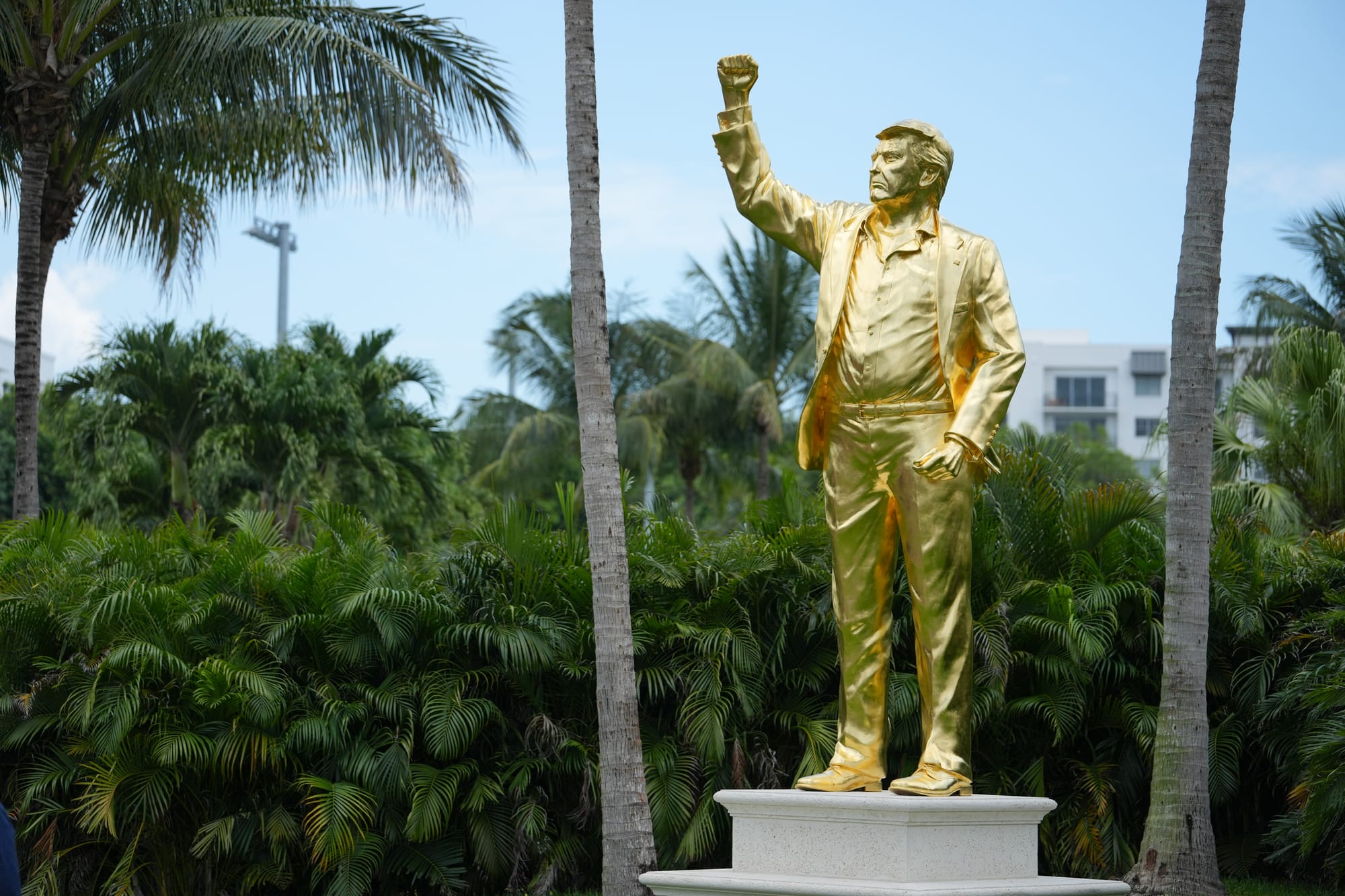
A 15-foot-tall gold-leafed bronze statue of Donald Trump, titled "Don Colossus," was unveiled at his National Doral golf club in Miami, Florida, ahead of the G20 summit. The statue, funded by $450,000 raised by cryptocurrency moguls and sculpted by Alan Cottrill (founder of Four Star Pizza), depicts Trump raising a triumphant fist with a plaque reading "FIGHT, FIGHT, FIGHT!" The unveiling was organized by televangelist Mark Burns of "Pastors for Trump," who posted that the statue was "not a golden calf," and was attended by evangelical Christian leaders and reportedly some Hassidic rabbis.

61st Venice Biennale: Cultural workers and artists strike and protest against the Israeli genocide in Gaza

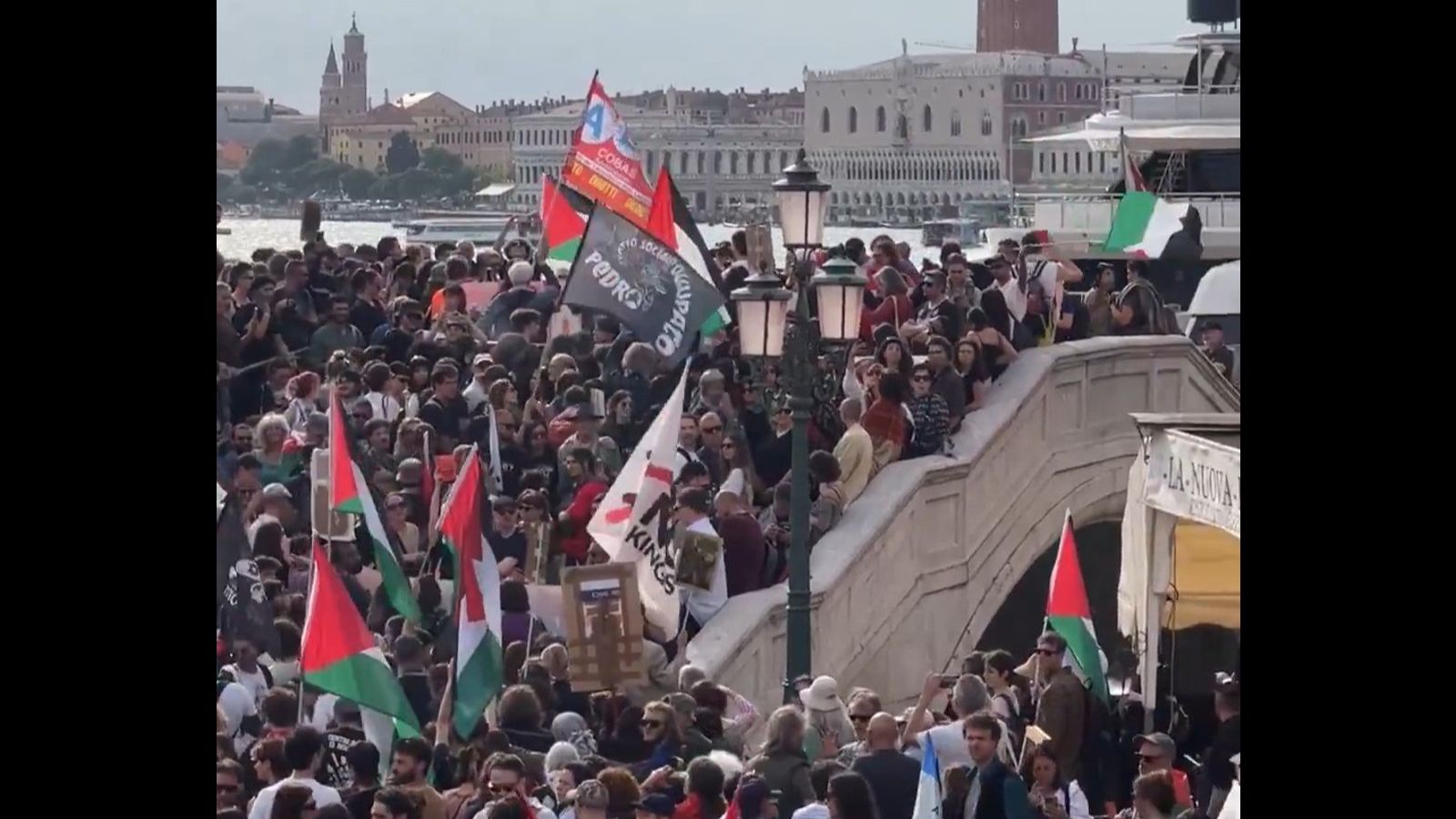
Thousands of artists, cultural workers, and protesters marched through Venice on May 8, 2026, one day before the opening of the 61st Venice Biennale, to protest the Israeli genocide in Gaza and Lebanon. The strike, organized by the Art Not Genocide Alliance (ANGA), led to the closure of approximately 27 of the Biennale's 100 national pavilions, with signs reading "We Stand with Palestine." The Israeli pavilion remained closed and guarded by armed police, who clashed with protesters. Meanwhile, the European Commission threatened to suspend €2 million in EU grants to the Biennale Foundation over its decision to allow Russia to participate, citing incompatibility with EU sanctions and the invasion of Ukraine.