filter_list Showing 39 results for "world war ii" close Clear
dashboard All 39 museum exhibitions 19gavel restitution 8article culture 4candle obituary 3trending_up market 2article local 2article news 1
date_range Range Today This Week This Month All
Subscribe

France Passes Landmark Restitution Law for Looted Art

France has passed a landmark restitution law for looted art, marking a significant shift in the country's approach to addressing Nazi-era confiscations and colonial-era acquisitions. The legislation establishes a legal framework for returning artworks and cultural objects to their rightful owners or heirs, streamlining a process that previously required case-by-case parliamentary approval. This law is expected to accelerate the return of thousands of items held in French museums and public collections.
Rare early photographs reveal lost sites featured in Van Gogh’s paintings

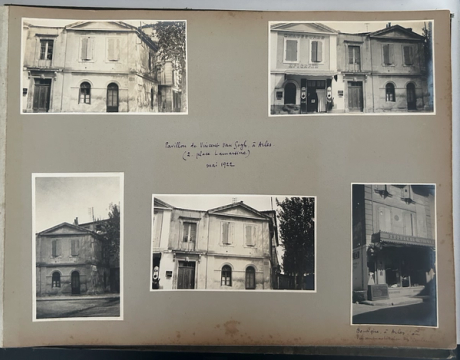
Two rare photographic albums taken by art critic Gustave Coquiot in 1922 have been acquired by the newly established Van Gogh Academy in Auvers-sur-Oise, France, and are now on display. The images capture many of the sites in Arles that Vincent van Gogh painted in the late 1880s, including the Yellow House, the Langlois Bridge, and the Rhône riverbank. Several of these locations were later destroyed during World War II or by modernization, making Coquiot's photographs valuable historical records of Van Gogh's original subjects.

Tiny Cranach Painting That Vanished During WWII Returns to Dresden

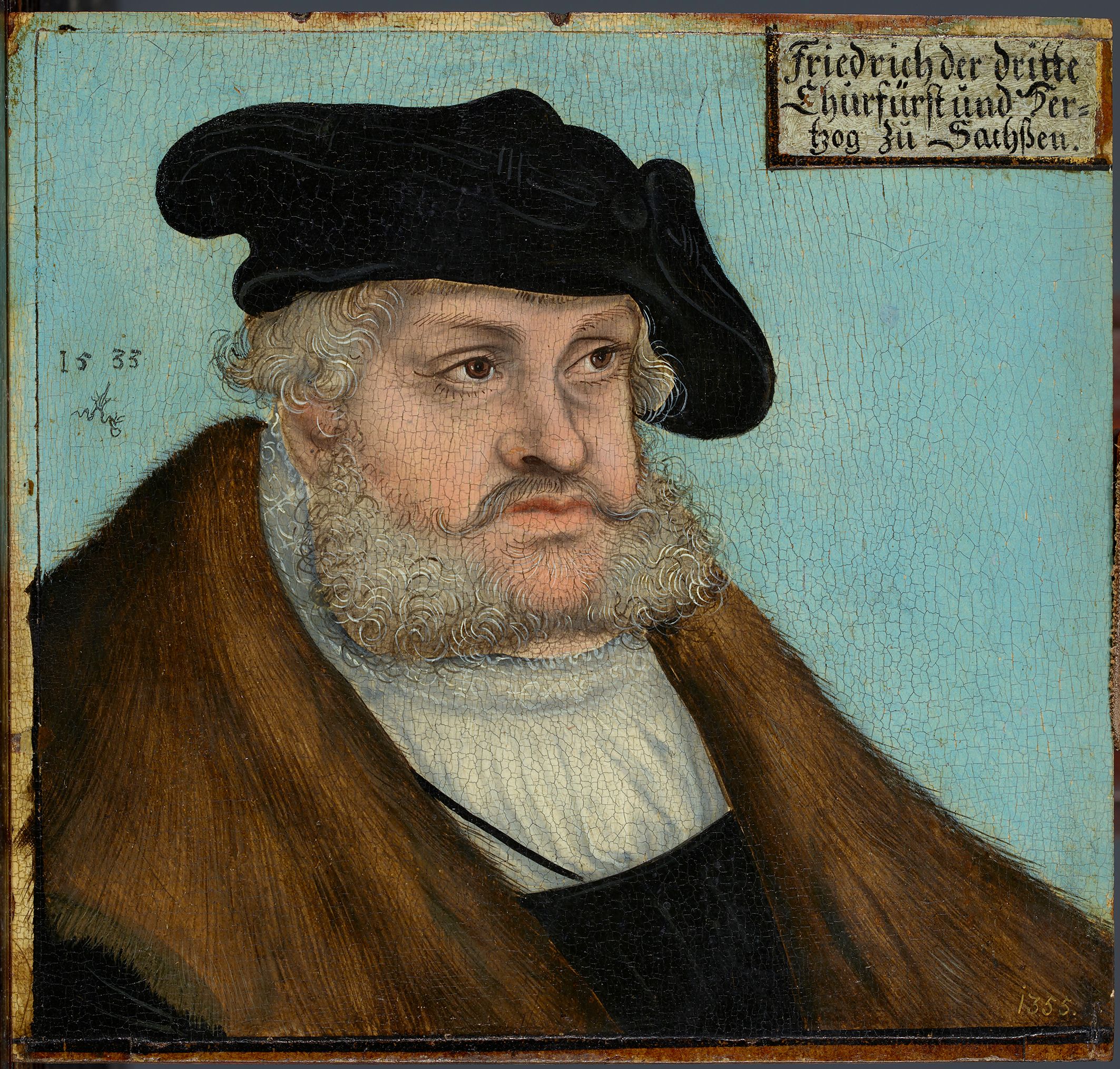
A miniature portrait of Friedrich III (Frederick the Wise) by Lucas Cranach the Elder, missing since World War II, has been returned to the State Art Collections of Dresden, Germany. The painting was last documented in May 1945 in a limestone quarry shelter near Pockau-Lengefeld before vanishing. It resurfaced in 2024 when consigned to Parisian auction house Artcurial, whose provenance investigation revealed a matching inventory number from 1722–1728. The Dreyfus family in France, the modern owners, returned the work after negotiations and a financial agreement. It is now on view at the Coin Cabinet of the Royal Palace in a special exhibition marking the 500th anniversary of Friedrich III's death, and will later be permanently displayed in the Semper Gallery.

The Netherlands is confronting its history of Nazi occupation – but many stolen objects remain unreturned

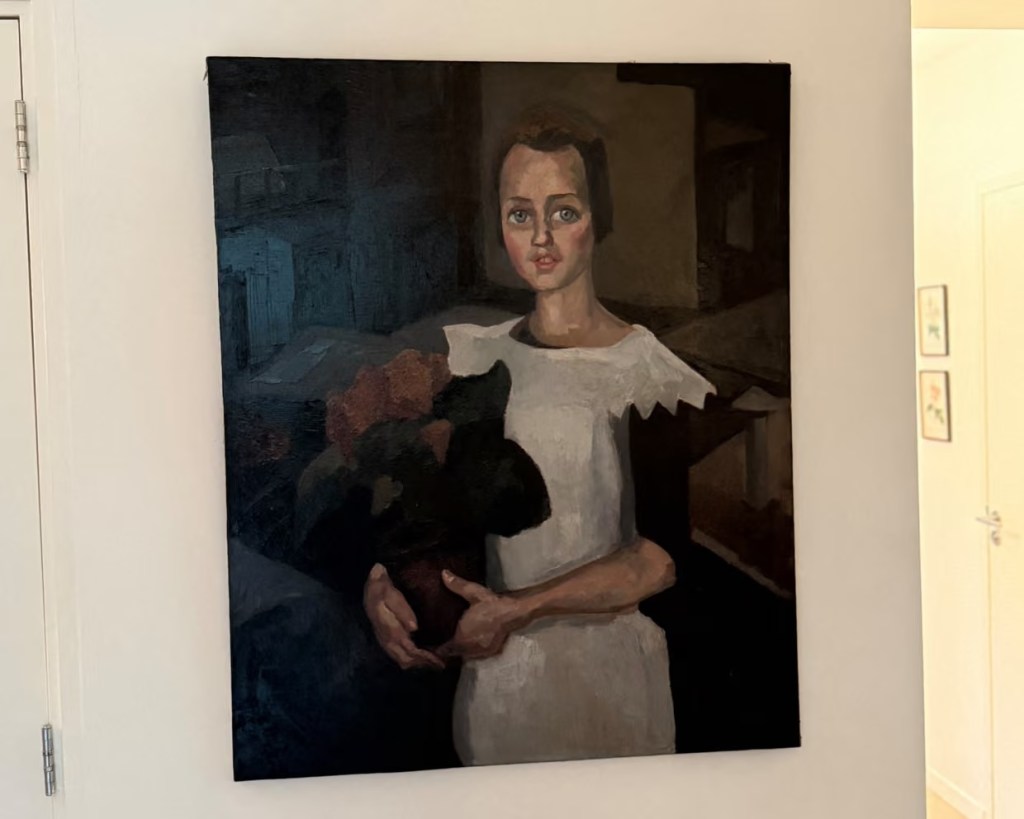
Arthur Brand, a Dutch art detective, was contacted by a man who discovered that his family descended from Hendrik Seyffardt, a high-ranking Nazi collaborator, and that a painting looted from Jewish art dealer Jacques Goudstikker remained in their possession. The painting, Toon Kelder's *Portrait of a Young Girl*, had hung in a relative's home near Utrecht for years. The family, who changed their name after WWII, handed the painting to Brand after the story broke in Dutch media, expressing shame and outrage over the silence surrounding their history.

Exhibition | William Turnbull, 'Origins (1946–1959)' at Karma, Chelsea, New York, United States

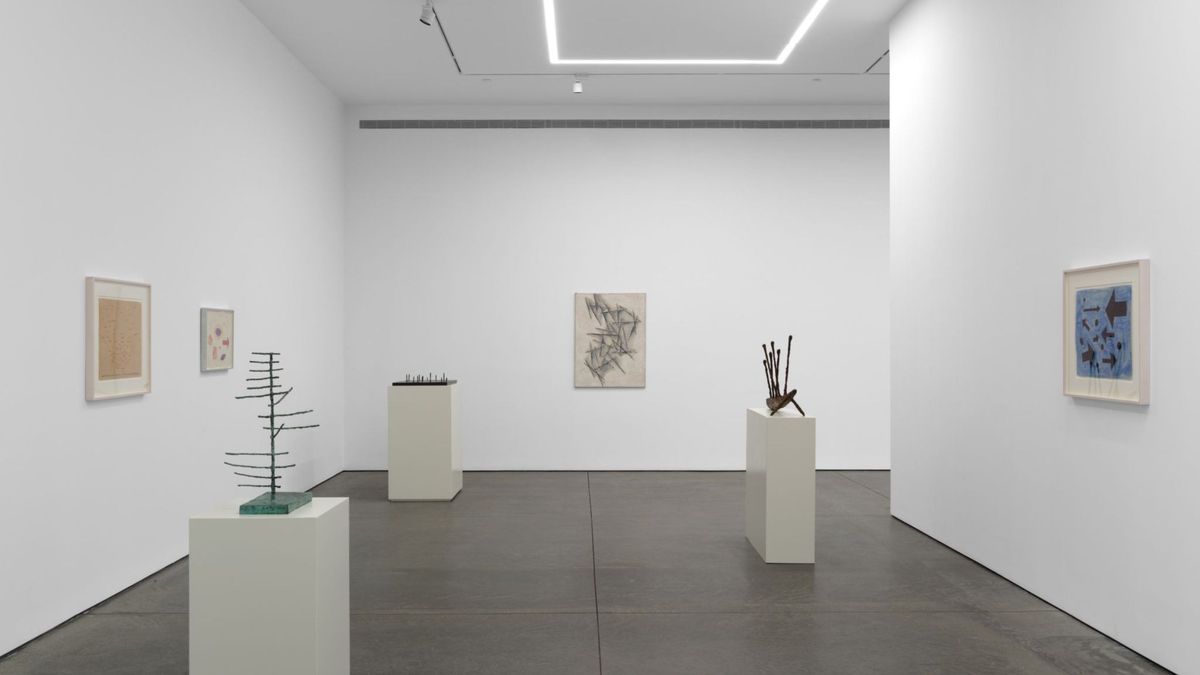
Scottish artist William Turnbull (1922–2012) is the subject of a new exhibition titled 'Origins (1946–1959)' at Karma gallery in Chelsea, New York. The show surveys Turnbull's early career, focusing on the transformative period after World War II when he moved between Surrealist Paris and Abstract Expressionist New York. It features key works such as the sculpture 'Horse' (1946), inspired by a Parthenon marble at the British Museum, and 'Playground (Game)' (1949), reflecting his interest in phenomenology and movement. The exhibition traces his evolution from an illustrator and Slade School student to a sculptor and painter who engaged elemental forms like the horse, standing figure, and human head.

art venice faustin linyekula the galeazze project dance

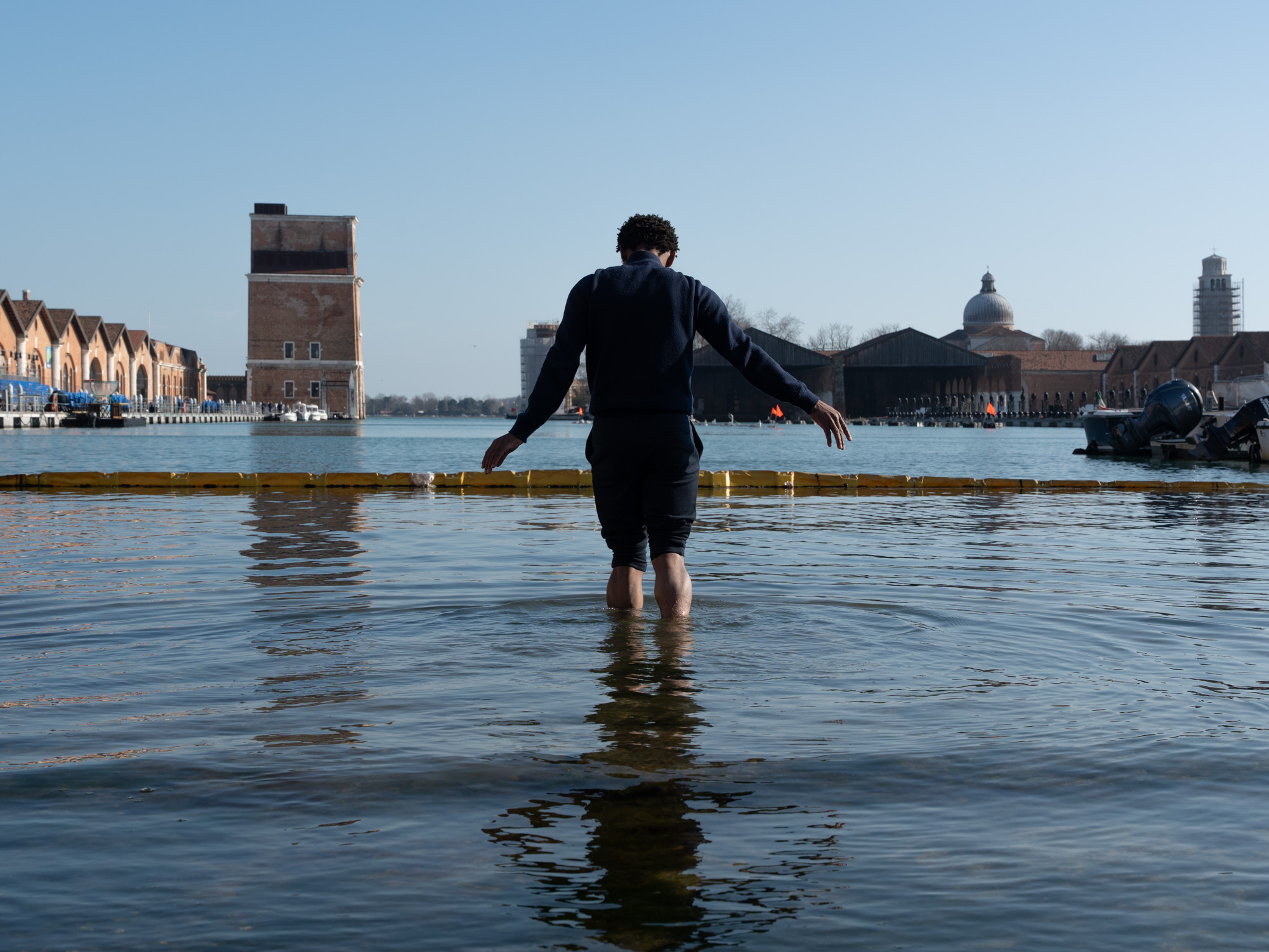
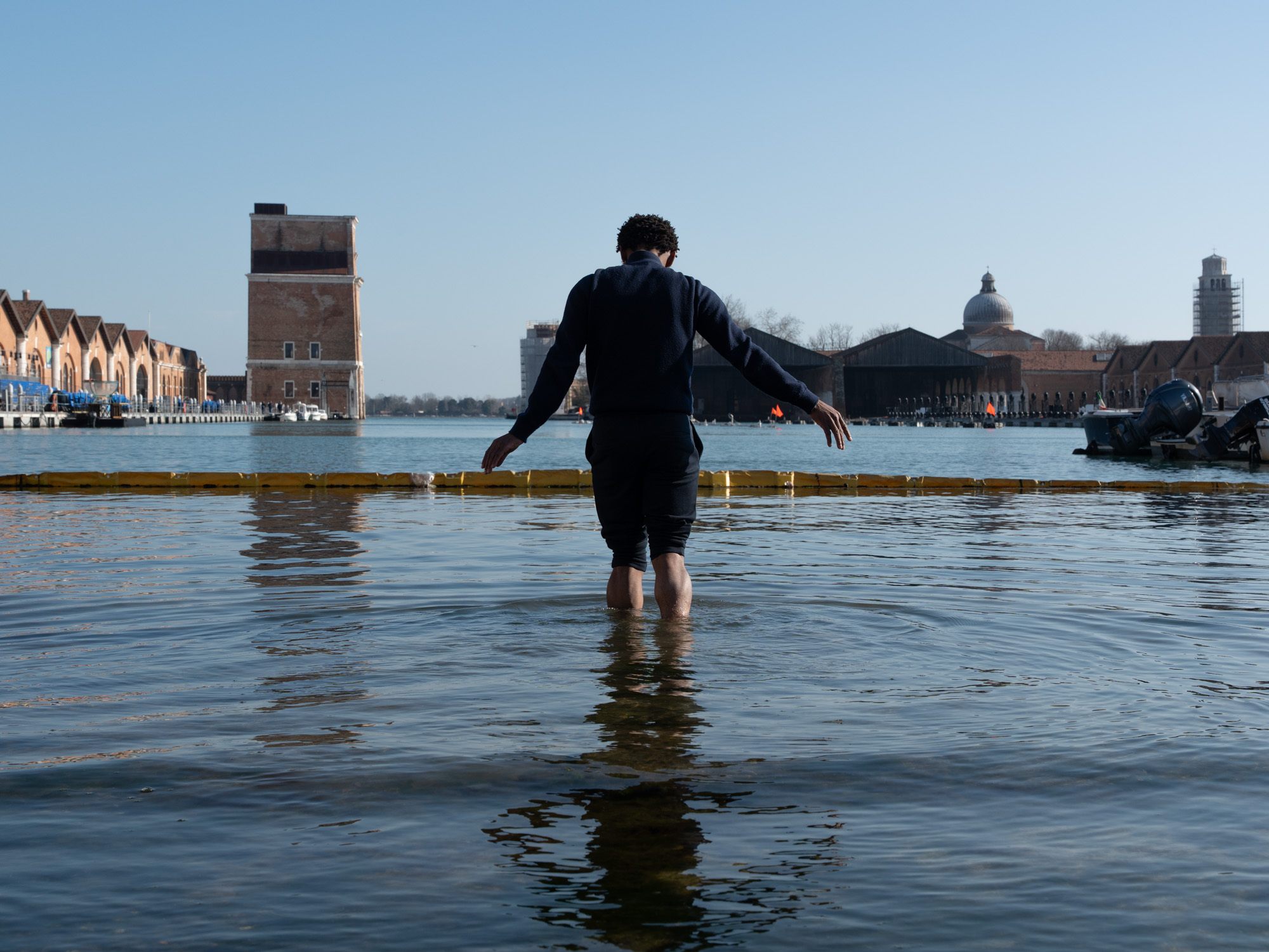
Congolese choreographer Faustin Linyekula is staging "The Galeazze Project," a performance commissioned by the Venice-based nonprofit Scuola Piccola Zattere (SPZ) in the 16th-century Galeazze shipyard complex, which has been inaccessible since World War II and never open to the public. The performance, a collateral event of the 2026 Venice Biennale, brings up to 500 people into the 32,291-square-foot open-air ruin for two nights, featuring local students, musicians from the Venetian label Cosmogram, and trumpeter Heru Shabaka-Ra, with a soundtrack composed collaboratively.

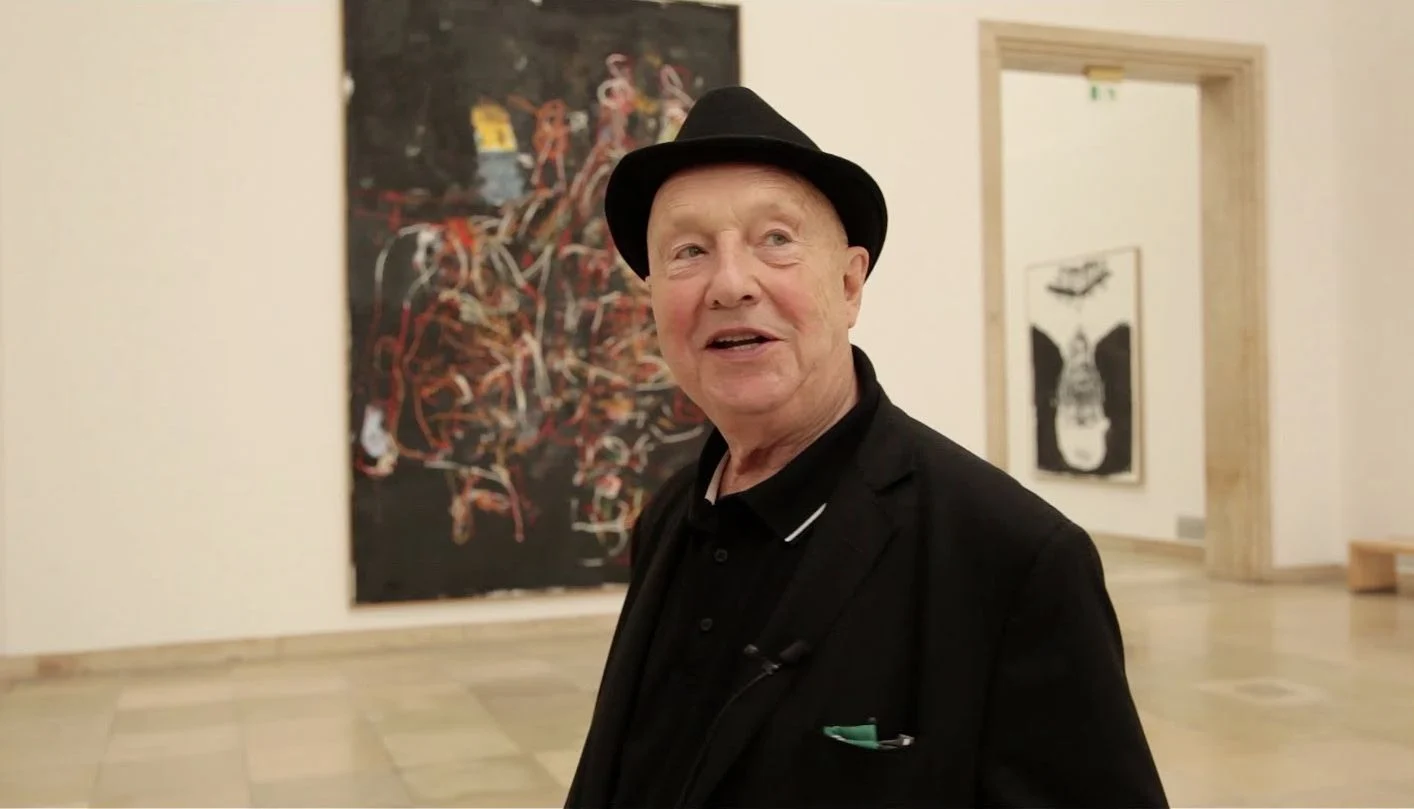
George Baselitz, Purveyor of the Tortured Male Genius Myth, Dies at 88

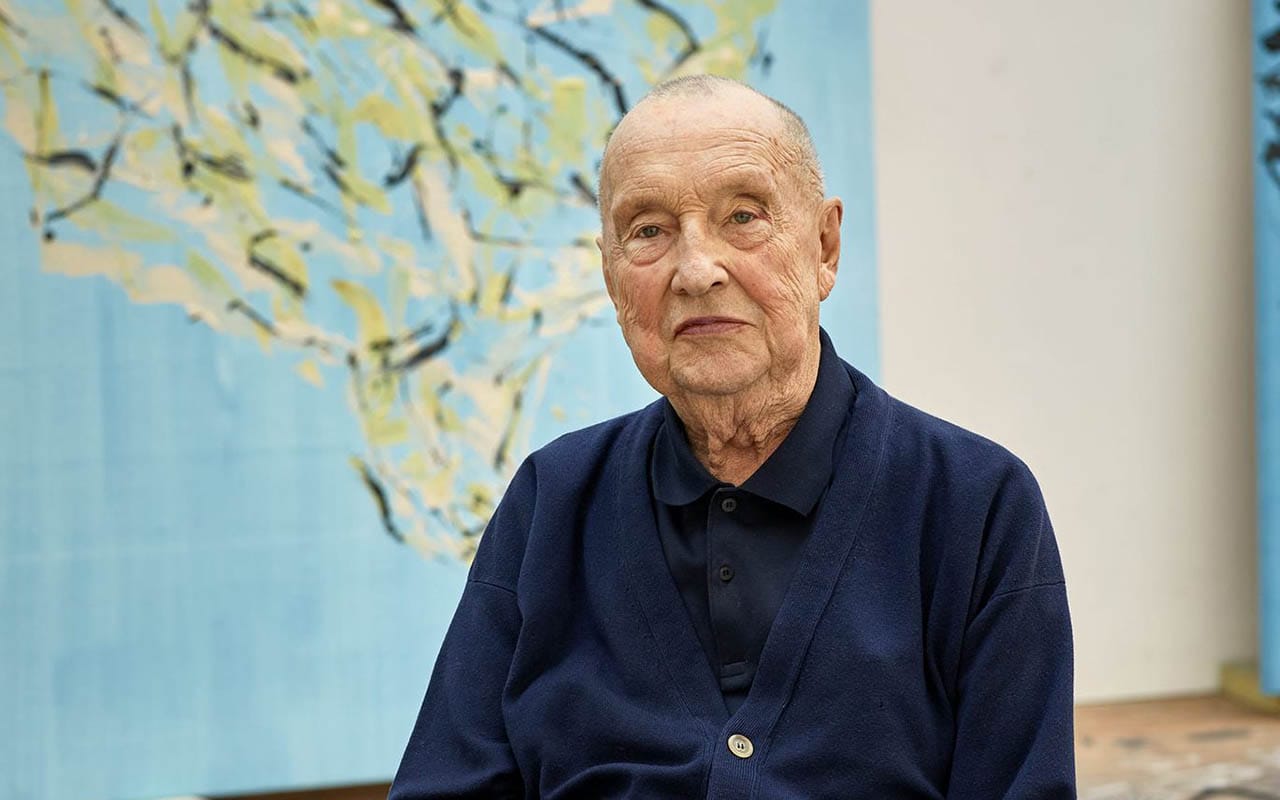
Georg Baselitz, the influential German Neo-Expressionist painter known for his emotionally charged, often violent works and his controversial statements about women artists, has died at age 88. His final paintings will be shown in the exhibition "Eroi d’Oro" at the Fondazione Giorgio Cini in Venice starting May 6. Baselitz rose to prominence with his "Heroes" series of monumental male soldiers and his signature "upside down" paintings, which forced viewers to focus on painterly gesture over representation. He was a key precursor to Germany's Neue Wilde movement and confronted Germany's World War II trauma in works that combined expressionistic brutality with Wagnerian grandeur.

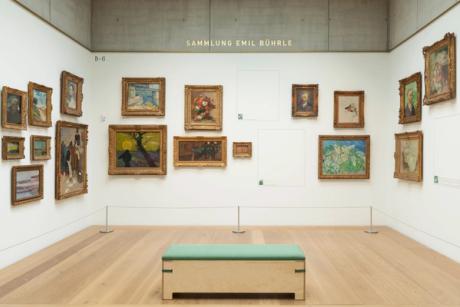
Zurich’s controversial Bührle Collection is rehung, including five paintings by Van Gogh—plus one forgery

The Kunsthaus Zurich has unveiled a comprehensive new display of the Emil Bührle Collection, featuring 205 works including five significant paintings by Vincent van Gogh and one acknowledged forgery. This reinstallation marks a shift from previous thematic displays focused on provenance research to a denser presentation of the collection's breadth. Notable works on view include a 1887 self-portrait and the masterpiece 'The Sower at Sunset,' though one Van Gogh remains in conservation and another has been withdrawn due to Nazi-era ownership complications.

Chicago Art Movements Over The Years, From the Monster Roster to the Modern Moment

Chicago’s art history is defined by a series of indigenous movements that prioritized visceral, existential expression over commercial appeal. The article traces this lineage back to the late 1940s with the emergence of the Monster Roster, a group of artists including Leon Golub and Dominick Di Meo who returned from World War II to produce agonistic work. This movement was catalyzed by institutional resistance at the School of the Art Institute of Chicago, leading to the creation of the independent Momentum Exhibitions which bypassed conservative juried systems.

« À qui appartiennent ces œuvres ? » : le destin des biens culturels spoliés par les nazis au cœur d’un nouvel espace au musée d’Orsay

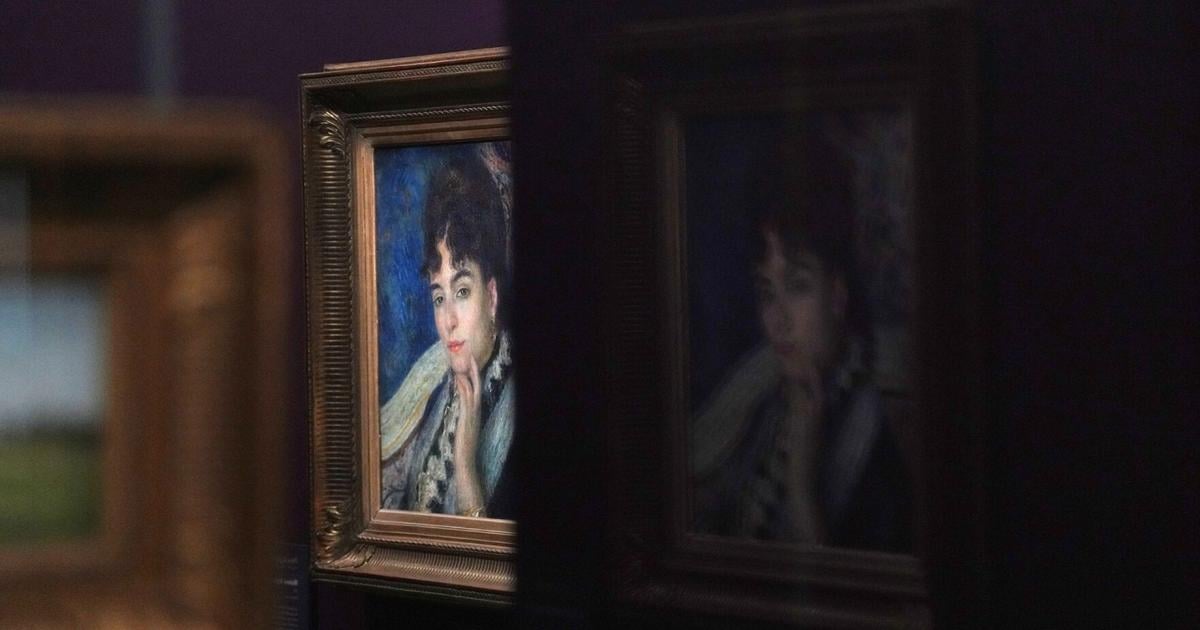
On May 5, the Musée d'Orsay in Paris inaugurated a new dedicated space in the Pavillon Amont for artworks looted during World War II that remain unclaimed by their owners or heirs. The room, titled "À qui appartiennent ces œuvres ?" ("Who owns these works?"), features thirteen pieces including sculptures by Auguste Rodin and paintings by Auguste Renoir, Edgar Degas, and Eugène Boudin. These represent a fraction of the museum's 225 MNR (Musées nationaux récupération) holdings, part of a national legacy of approximately 2,000 looted works still held in French museums.

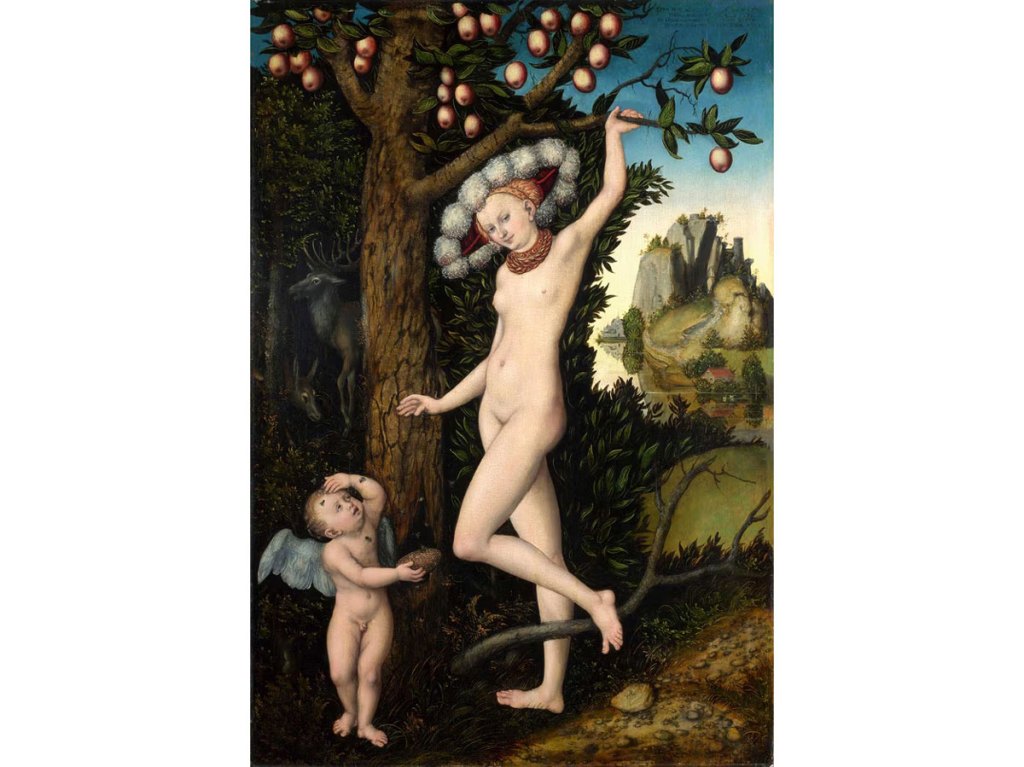
A Lucas Cranach the Elder Masterpiece Once Hung in Hitler’s Munich Apartment

A Lucas Cranach the Elder painting, *Cupid complaining to Venus* (1526–27), once hung in Adolf Hitler's Munich apartment, according to a report by the Art Newspaper. The work was identified in a 1940s photograph published in a 1978 furniture catalog and later in a 2023 article by art historian Birgit Schwarz, who confirmed Hitler's ownership via a 2006 discovery of an album at the Library of Congress. After World War II, American journalist Patricia Lochridge took the painting from a warehouse in Berchtesgaden and smuggled it to the US. The National Gallery in London acquired it in 1963 from A. Silberman Galleries, which falsely claimed it came from the 1909 auction buyer's heir; it had actually been purchased from Lochridge.

È morto a 88 anni il grande artista tedesco Georg Baselitz

German painter Georg Baselitz, known for his expressionist works that confronted the horrors of Nazi Germany, died on April 30, 2026 at age 88. Born Hans-Georg Kern in 1938, he grew up amid World War II rubble and became a pioneering, anti-conformist figure of the post-war era, famously inverting his images to force viewers to reconstruct meaning. A major exhibition, 'GEORG BASELITZ – AVANTI!', had just opened on March 25 at the Museo Novecento in Florence, focusing on his graphic works and his ties to the city. Another show, 'Georg Baselitz. Eroi d’Oro', was set to open May 6 at the Fondazione Giorgio Cini in Venice during the 61st Venice Biennale, featuring large recent paintings and portraits of his wife Elke.

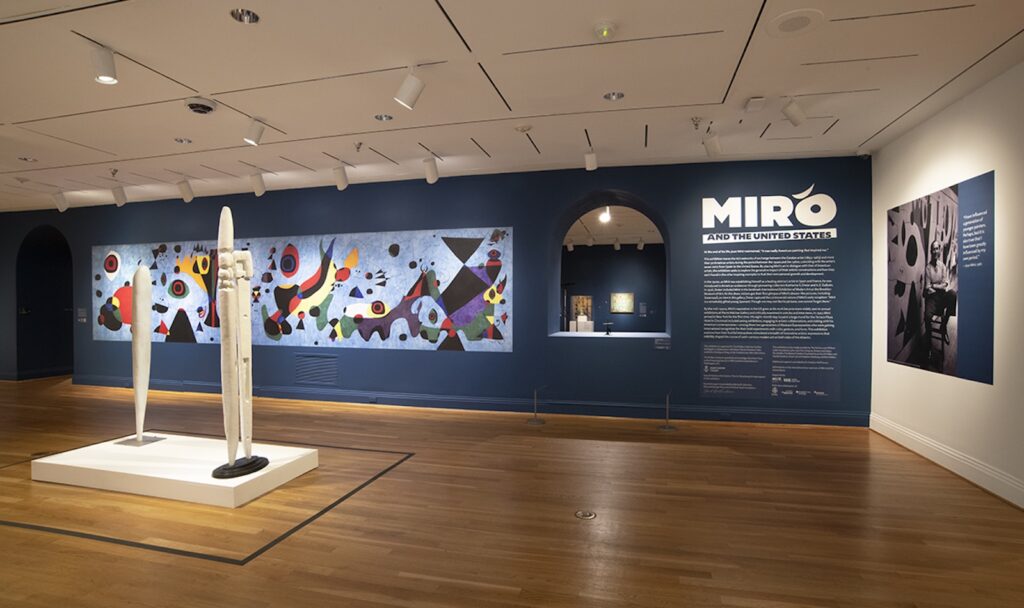
Phillips Collection’s new ‘Miró and the United States’ exhibit focuses on transatlantic cultural exchange rather than conflict

The Phillips Collection in Washington, D.C., has opened a new exhibition titled 'Miró and the United States,' curated by Elsa Smithgall. The show features 75 works by Joan Miró alongside pieces by more than 30 other artists, including Alexander Calder, Rufino Tamayo, and Arshile Gorky. Rather than framing the relationship as a cultural clash between European modernism and American art, the exhibition emphasizes transatlantic artistic exchange during the mid-20th century, particularly in the shadow of World War II and the Spanish Civil War. Key works include Miró's 'Constellations' series and 'Still Life with Old Shoe' (1937), which are presented in dialogue with American contemporaries who responded to his visual language.

An Abandoned Shipyard in Venice Is Getting a New Life Thanks to This Congolese Choreographer

Congolese choreographer Faustin Linyekula is staging "The Galeazze Project," a performance in a 16th-century shipyard complex in Venice that has been inaccessible since World War II and never open to the public. Commissioned by the nonprofit Scuola Piccola Zattere, the work will bring up to 500 people into the 32,291-square-foot open-air ruin for two nights during the 2026 Venice Biennale preview week. The rental fee from the performance will help stabilize and restore the floors of the historic Galeazze site.

Sur Arte Radio et dans une expo, l’enquête d’Adrianna Wallis sur les traces de sa grand-mère peintre spoliée par les nazis

Artist Adrianna Wallis (born 1981) discovers that her paternal grandmother, painter Diane Esmond (1910–1981), was a victim of Nazi looting during World War II. After being contacted by historians Patricia Helletzgruber and Sophie Juliard, Wallis learns that much of Esmond's work was systematically destroyed by the ERR, the Nazi organization responsible for art theft in occupied countries. This revelation sparks a personal investigation that becomes a podcast for Arte Radio titled "Il restera la gravité," blending documentary, autobiographical inquiry, and sound installation. Wallis delves into archives, examining microfilms and lists that detail 46 of Esmond's paintings—each methodically described and declared destroyed, such as "Woman in blue evening dress: annihilated."

Nahmad Seeks to Reopen Modigliani Restitution Case With New Witnesses

David Nahmad's lawyers are asking a New York court to reconsider its April 3 decision in the restitution case over Amedeo Modigliani's *Seated Man with a Cane* (1918), which awarded the painting to the estate of dealer Oscar Stettiner. They cite new eyewitness testimony from Frédéric Allain, who recalls a different Modigliani—smaller, darker, and without a seated man or cane—hidden by the Van der Klip family in Paris during World War II, suggesting the wrong painting may have been the focus of the case. The filing also references a 1946 report describing the missing work as a self-portrait and a new catalogue raisonné by Marc Restellini that finds no link between the painting and Stettiner. Mondex, representing Stettiner's heirs, rejects the claims, asserting that *Seated Man with a Cane* bears Stettiner's name and was in the family's possession from 1944 to 1996.

Klimt, Modigliani, and Freud Lead $200M Lewis Collection at Sotheby’s London

Sotheby’s London will auction a collection of 50 masterpieces from billionaire Joe Lewis and his daughter Vivienne in June 2025, expected to exceed $200 million. Highlights include Gustav Klimt’s 1902 portrait of Gertha Felsőványi (estimate £20–30 million), Lucian Freud’s never-auctioned *Woman in a Grey Sweater* (1988), and Amedeo Modigliani’s *Homme à la Pipe* (1918), making its auction debut after 45 years unseen. The sale follows a successful March auction of School of London works from the same collection, which brought $47.7 million.

Berlin Museum Oversees Digital Resurrection of Hundreds of Paintings Destroyed During World War II

Berlin's Gemäldegalerie is digitally reconstructing hundreds of Old Master paintings by artists like Rubens, Veronese, van Dyck, and Caravaggio that were destroyed in fires near the end of World War II. The project uses high-resolution scans of glass negatives, primarily photographed by Gustav Schwarz between 1925 and 1944, to create detailed online renderings that will be publicly accessible for viewing and download later this year.

In This Nazi-Era Restitution Dispute, the Focus Turns to a Missing Cow

A family is seeking restitution of a painting they believe is a lost Rubens work, looted by Nazis during World War II. However, an expert has cast doubt on the claim, arguing the painting is a copy because it lacks a distinctive detail found in the original: a urinating cow. The dispute has shifted focus to this missing element, complicating the family's efforts to recover the artwork.

Primitivism to Reinvent Art

Le primitivisme pour réinventer l’art

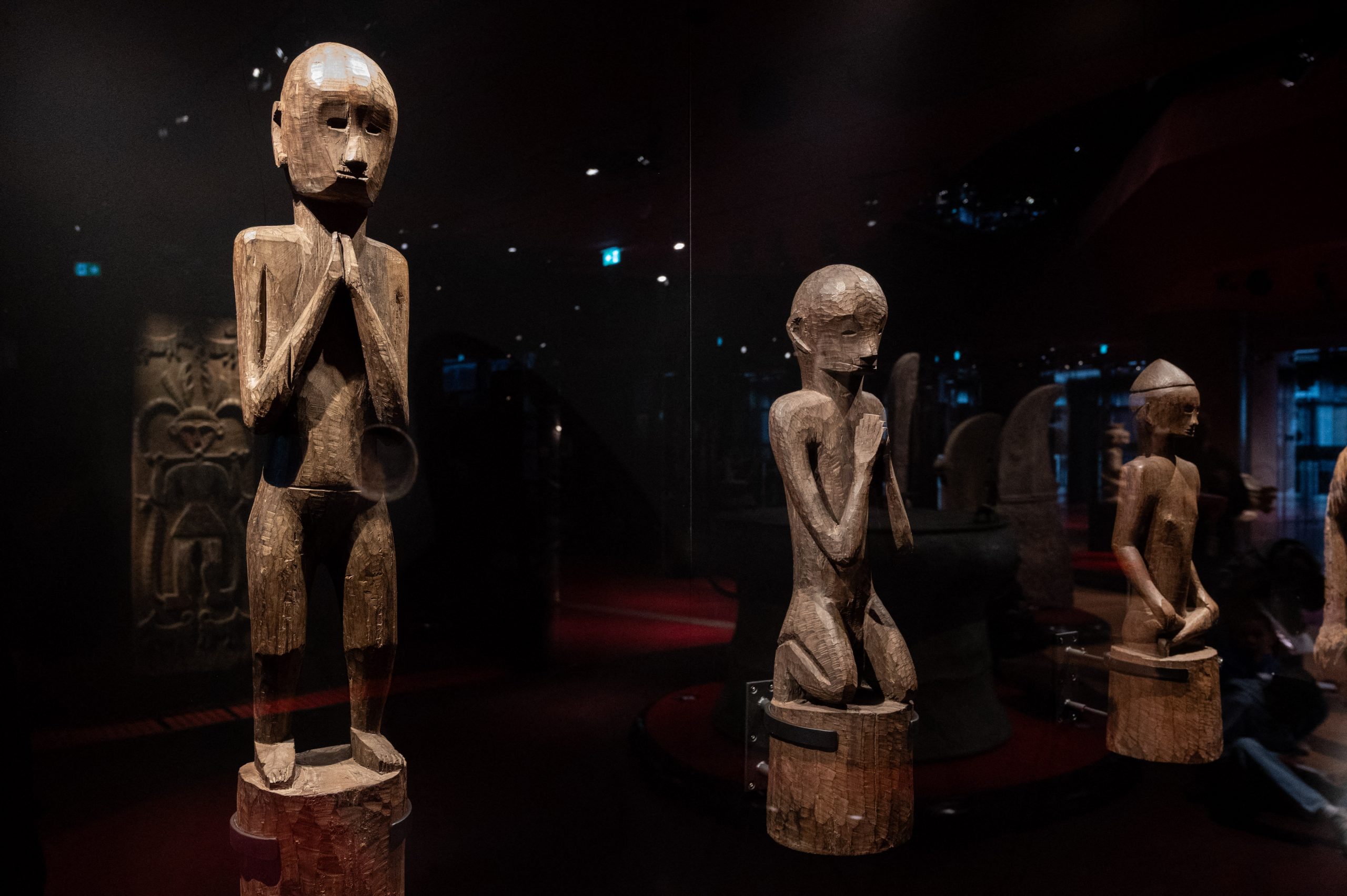
Philippe Dagen has published the third and final volume of his series on primitivism, covering the period from World War II to the late 1970s. The book traces how Western artists, from Barnett Newman and Jackson Pollock to members of the CoBrA movement and figures like Jean Dubuffet, Lucio Fontana, and Yayoi Kusama, engaged with so-called "primitive" art from Africa, Oceania, and the Americas, often as a means of rejecting or redefining modern civilization. Dagen also examines the intellectual debates surrounding primitivism, including the critiques of colonized peoples who refused the label "primitive," and the shifting attitudes of thinkers like Claude Lévi-Strauss, Michel Leiris, and Aimé Césaire.

Musée d’Orsay opens gallery dedicated to still-unclaimed works stolen by Nazis in WWII

The Musée d'Orsay in Paris has opened a permanent gallery dedicated to artworks believed to have been looted by the Nazis from Jewish owners during World War II, but whose rightful owners have not been identified. The exhibition, titled "Who owns these works?", features a rotating selection of 225 such pieces held by the museum, with twelve paintings and one sculpture currently on display. Works by Renoir, Degas, Rodin, and Alfred Stevens are included, alongside provenance research detailing their murky histories—such as a Degas ballroom scene acquired by a Jewish collector later murdered at Auschwitz.

‘Your homes will be destroyed, your family killed’: the US has dropped millions of war propaganda leaflets – but do they work?

The United States military has been dropping propaganda leaflets in psychological operations (psyops) for over a century, from World War I through the Gulf War and the wars in Iraq and Afghanistan. A new interactive exhibit at Pioneer Works in Brooklyn, organized by the digital archive group Khajistan, displays hundreds of these leaflets, including those dropped on Japan during World War II and in more recent conflicts. However, declassified internal documents, such as a 1971 US Air Force report, reveal that leaflets were often used as toilet paper, cigarette rolling paper, or souvenirs by enemy soldiers, undermining the official narrative of their effectiveness.

There's still a time to catch Matisse's "Jazz" at the Art Institute of Chicago

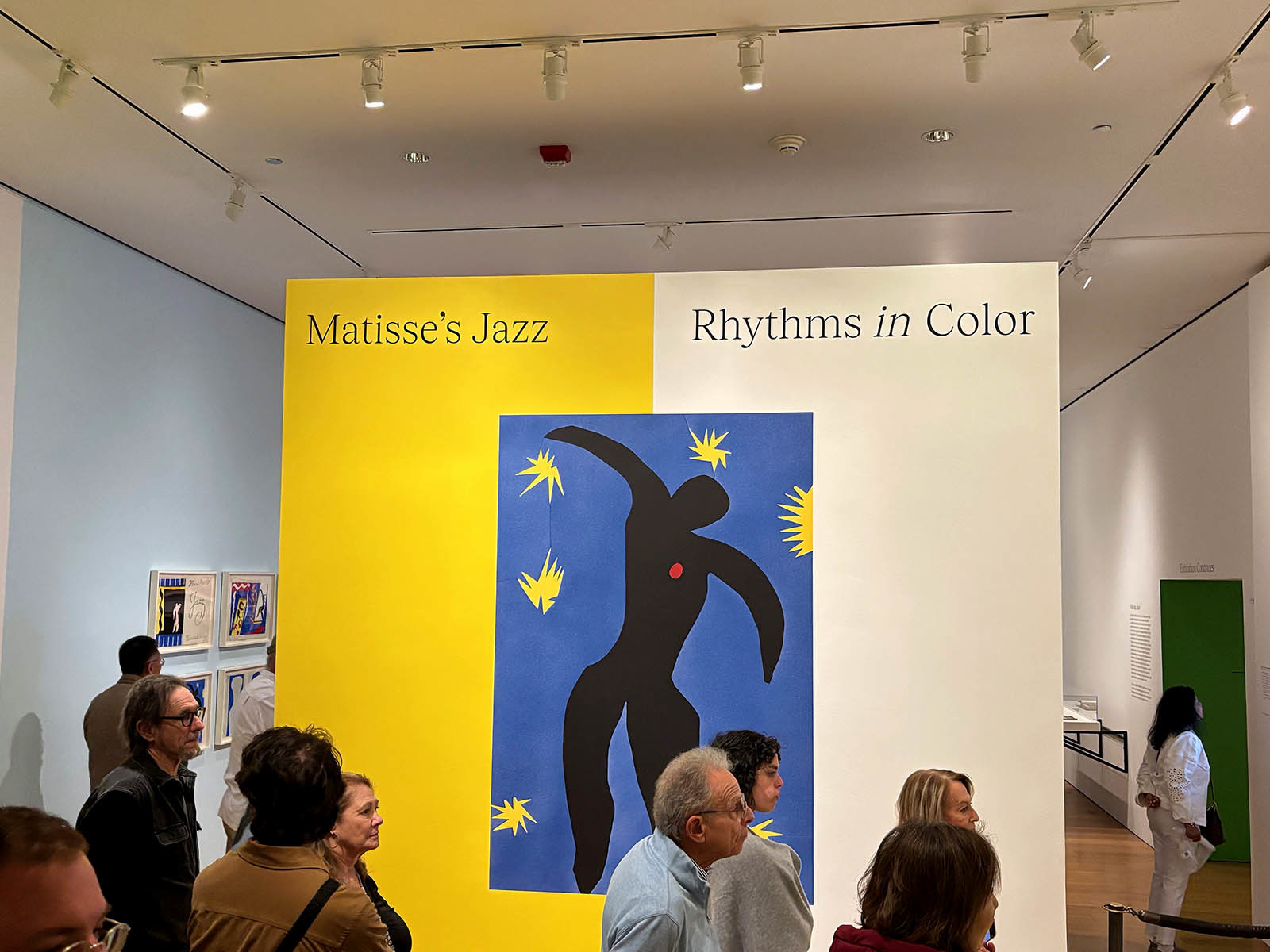
The Art Institute of Chicago is currently hosting "Matisse's Jazz: Rhythms in Color," an exhibition centered on Henri Matisse's 1947 artist's book "Jazz." The show, on view until June 1, features the iconic cut-paper works Matisse created after a 1941 surgery left him unable to paint. Visitors enter directly into the "Jazz" gallery before backtracking through earlier works, offering a chronological journey that culminates in the cut-paper technique. Wait times can exceed 90 minutes, but the museum recommends joining a virtual queue and exploring other galleries in the meantime.

WA’s Maryhill Museum of Art has ties to royalty, celebrates milestone

The Maryhill Museum of Art in Goldendale, Washington, is celebrating the 100th anniversary of its dedication by Queen Marie of Romania. Founded by entrepreneur Samuel Hill in 1907, the museum houses an eclectic collection including over 80 works by Auguste Rodin, French haute couture fashions, and thousands of Indigenous art objects. To mark the centennial, the museum has opened three new exhibitions highlighting Queen Marie's contributions: Russian icons, Romanian embroidery, and folk pottery, alongside her personal items like coronation gowns and gilded furniture.

Lee Miller: Fearless

The Art Institute of Chicago announces 'Lee Miller: Fearless,' the first comprehensive survey of photographer Lee Miller's work in over 25 years, running from August 29 to December 7, 2026. The exhibition spans Miller's multifaceted career as a fashion model, Surrealist innovator, portraitist, and World War II battlefield correspondent for Vogue, featuring iconic images such as 'Self-Portrait with Headband' (about 1932) and 'Dressed for War' (1942). It is organized in collaboration with Tate Britain and Musée d’Art Moderne de Paris, curated by Matthew S. Witkovsky, Hilary Floe, Saskia Flower, and Michal Goldschmidt.

Read a book, flip off a Nazi: when reading meant resistance – in pictures

A new exhibition at Poster House in New York, titled "Reading Under Fire: Arming Minds & Hearts During Wartime," showcases vintage posters from World War I and World War II that promoted reading and book donations to support troops. The posters, drawn from the collections of the American Library Association, the YMCA, and other organizations, encouraged the public to supply soldiers with reading material as a form of morale-boosting and education. The exhibition runs until 1 November and is curated by Molly Guptill Manning.

Nazi-Looted Portrait Surfaces in Home of Descendants of Dutch SS Leader

A Nazi-looted painting, *Portrait of a Young Girl* by Dutch artist Toon Kelder, has been discovered in the home of descendants of Hendrik Seyffardt, a Dutch SS collaborator who aided the Nazis during World War II. The work, stolen from the renowned Goudstikker collection, was allegedly displayed for decades by Seyffardt's family. An anonymous descendant contacted art detective Arthur Brand after learning of his family's past and seeing the painting in the hallway of Seyffardt's granddaughter. The family member told Dutch newspaper *De Telegraaf* that he feels "deep shame" and insists the painting must be returned to the Jewish rightful heirs.

Van Cleef & Arpels cashes in on lucrative secondary market for vintage jewellery

Van Cleef & Arpels has capitalized on the growing secondary market for vintage jewelry through its Heritage Collection, launched in 2007. The collection offers around 150 curated 20th-century pieces, authenticated and restored by the maison, allowing clients to buy directly from the jeweler rather than through auction houses like Sotheby's, Christie's, and Artcurial, which sold over €120 million in Van Cleef jewels in 2024.

Who Owns These Artworks? Musée d’Orsay Hopes Visitors Can Help Find Out.

The Musée d’Orsay in Paris has opened a new room in its permanent display featuring 13 artworks recovered from Germany and Austria after World War II, whose provenance remains unknown. The museum is inviting visitors to help identify the original owners of these pieces, which were looted or displaced during the war and later restituted to France.

La Seconda guerra mondiale con gli occhi dei grandi fotografi in una mostra a Gorizia

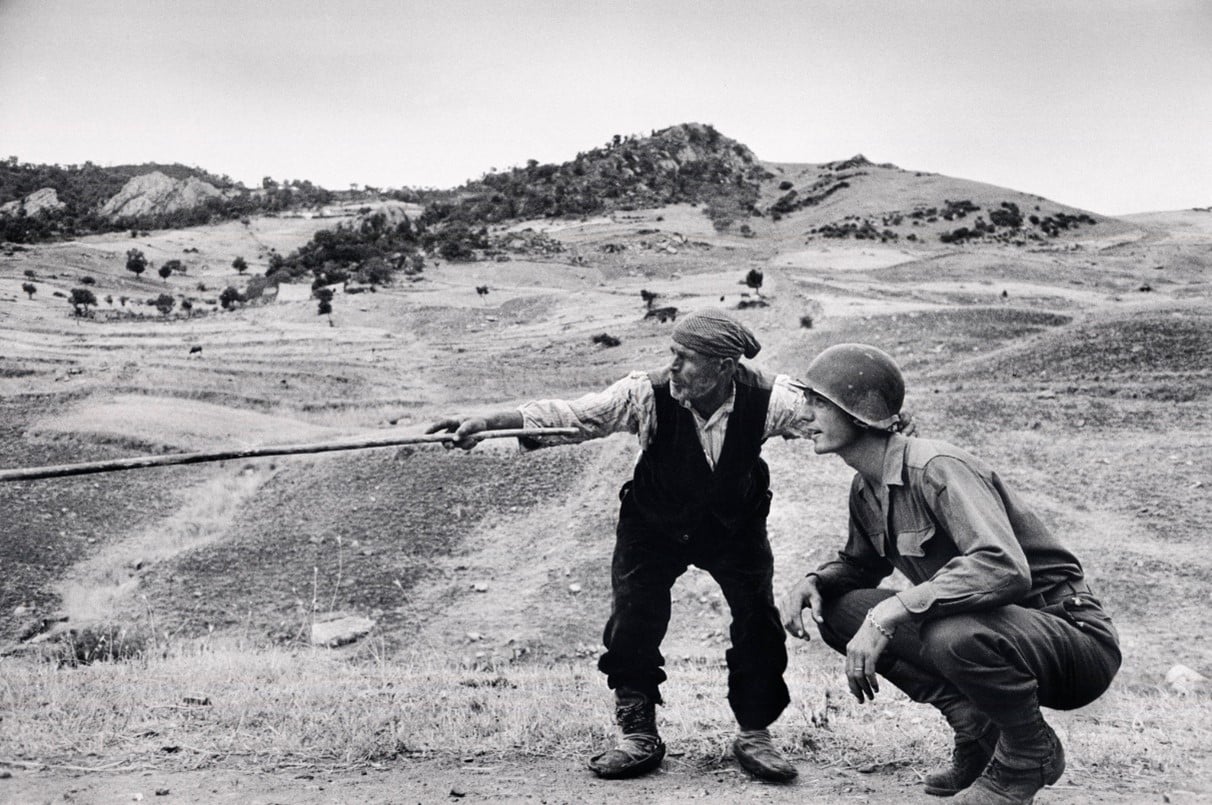
Palazzo Attems-Petzenstein in Gorizia hosts the exhibition "Back to Peace? La guerra vista dai grandi fotografi Magnum," which presents the Second World War and its aftermath through two hundred photographs, video installations, and soundscapes by legendary Magnum photographers. The show features iconic works by Robert Capa, Eve Arnold, Henri Cartier-Bresson, David Seymour, Eric Hartmann, René Burri, Thomas Hoepker, George Rodger, Wayne Miller, and Werner Bischof, covering the Normandy landings, the liberation of Bergen-Belsen, the atomic devastation of Hiroshima, and the return of French prisoners. Curated by Andrea Holzherr and Marco Minuz, the exhibition is divided into two sections: one focusing on wartime imagery and the other on the immediate consequences of the conflict, including the suffering of civilians and the fragile hope of reconstruction.