dashboard All 1221 museum exhibitions 636article local 180article news 119trending_up market 71article culture 60article policy 44person people 43rate_review review 30candle obituary 15article event 11gavel restitution 9article events 2article gallery 1
date_range Range Today This Week This Month All
Subscribe

What does a technology fair have to do with the art world? A report from MIR in Rimini

Cosa c’entra una fiera della tecnologia con il mondo dell’arte? Un report dal MIR di Rimini

The article reports from the MIR (Live Entertainment Expo) technology trade fair in Rimini, an event focused on professional audio/video equipment and systems integration. While dominated by corporate stands and live sound demonstrations, the fair also hosted discussions on the precarious working conditions and pension system for cultural and entertainment workers, revealing underlying anxieties in the creative industries.

Rika Nakajima: A New Book of the Dead, Part 3

連載 中島りか 新しい死者の書 第三回

Japanese artist Rika Nakajima reflects on the trial of Tetsuya Yamagami, who assassinated former Prime Minister Shinzo Abe in 2022, weaving together her own experience running the project space "Datsuisho – (a) place to be naked" in Tokyo's Yanaka district. As the space faced demolition in late 2025, Nakajima draws parallels between the trial's timing and the closure of her venue, recalling earlier events at the space that discussed the state funeral controversy and the cult issues exposed by the assassination. She describes attending the trial in Nara, observing Yamagami's demeanor, and connecting the case to broader themes of political aesthetics, fascism, and the theatricality of the judicial system.

How One Cooperative Champions the Quechua Weavers of Peru’s Sacred Valley

The nonprofit organization Awamaki was founded in 2009 to support Quechua communities in Peru's Sacred Valley, particularly women weavers, as they navigate economic shifts and climate change. It now assists nine cooperatives comprising 174 artisans, providing structural support for selling traditional textiles and coordinating tourism to generate income while preserving cultural practices.

Theater in Paris: Studio Hébertot brings to life the companions of Pablo Picasso, from Fernande Olivier to Françoise Gilot

Théâtre à Paris : le Studio Hébertot fait revivre les compagnes de Pablo Picasso, de Fernande Olivier à Françoise Gilot

A theatrical production titled 'Les Amours de Pablo' is being staged at the Studio Hébertot in Paris until the end of May 2026. The play, created by the Compagnie Bille en Tête, focuses on the intimate and tumultuous relationships of Pablo Picasso, but primarily aims to give voice and substance to seven of his romantic partners, portraying them as complex individuals and artists in their own right.

ART CRITICISM: CLARITY OR MORAL AUTHORITARIANISM?

CRÍTICA DE ARTE: ¿CLARIDAD O AUTORITARISMO MORAL?

The article is a critical essay examining the state of contemporary art production in Mexico, arguing it has become a privatized field designed to please wealthy elites and foreign collectors. It contends that art has shifted from being partly publicly funded to being driven by the market and private initiative, leading to a culture of self-censorship, precarity, and a desperate ambition for visibility and sales.

13 Nudes That Changed Western Art History

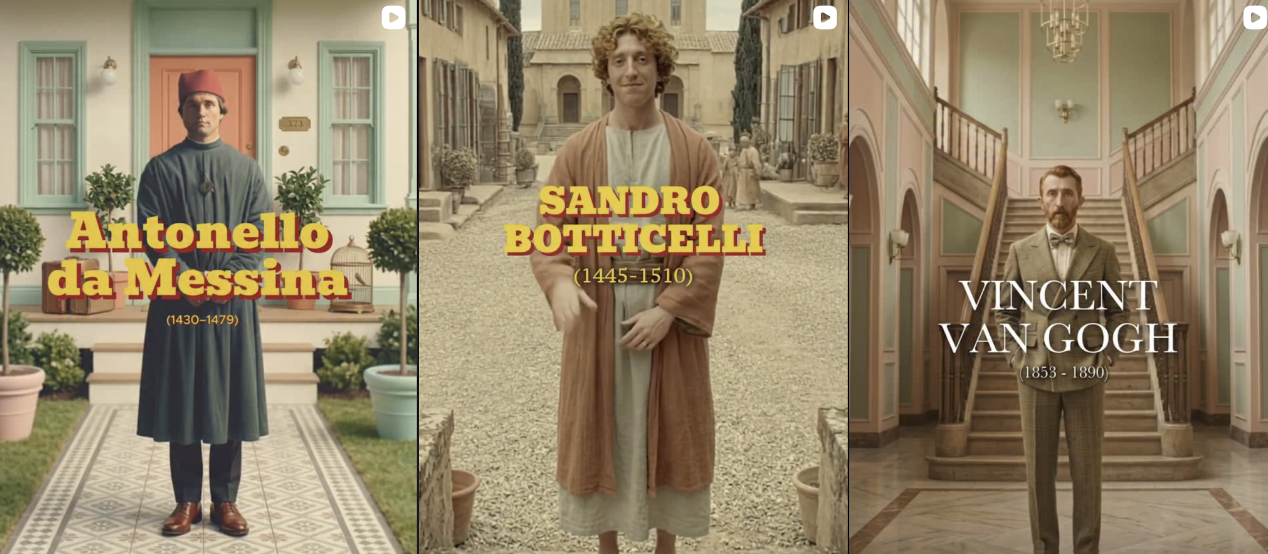
The article presents a curated list of 13 seminal Western artworks featuring the nude form, highlighting how each piece shifted artistic conventions and cultural perceptions. It begins with the Paleolithic Venus of Willendorf and moves chronologically through works by artists including Sandro Botticelli, Leonardo da Vinci, Lavinia Fontana, and Édouard Manet, analyzing their groundbreaking approaches to depicting the human body.

Why AI Doesn't Steal Our Imagination – with Jenifer Becker

Warum KI uns nicht die Fantasie raubt – mit Jenifer Becker

Author and cultural scholar Jenifer Becker discusses the impact of artificial intelligence on creativity in the Monopol podcast "Fantasiemuskel." She argues that while AI-generated text is often generic, it can liberate us from the romantic myth of the solitary genius by demonstrating that most ideas already exist. Becker leads the "AI Lab Kit" at the Hildesheim Literature Institute, using experimental projects to push language models beyond their algorithmic comfort zones.

The National Museum of Mexican Art’s Special Mission

The National Museum of Mexican Art (NMMA) in Chicago was founded in 1987 by a group of public school educators, led by Carlos Tortolero, to address a lack of Mexican history and culture in the curriculum. It has grown into a 48,000-square-foot institution with a collection of over 20,000 objects, spanning from Pre-Columbian times to the present, and was the first Latino museum in the U.S. to be accredited by the American Alliance of Museums.

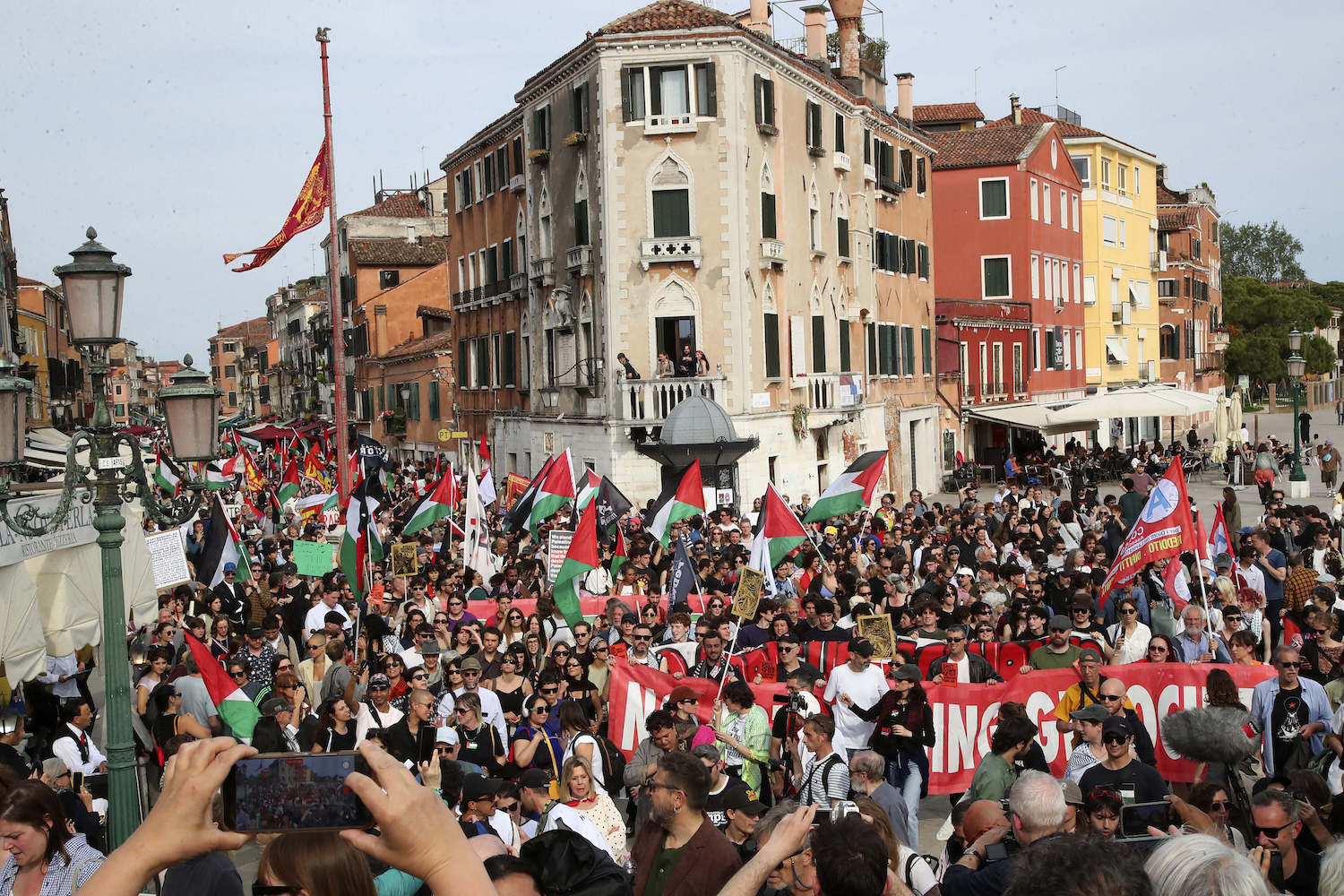
There Has Never Been an Apolitical Venice Biennale

The Venice Biennale, with its national pavilion structure, has always been a platform for political expression and soft power, a reality evident from its early 20th-century origins. Contemporary critic Arturo Lancellotti's 1909 review of the German and British pavilions was steeped in geopolitical context, revealing how national artistic displays were interpreted through the lens of imperial power and military alliances.

Art and Social Consciousness: The Ideals of Legendary Artist Joseph Beuys Told in a Comic

Arte e coscienza sociale: gli ideali del leggendario artista Joseph Beuys raccontati in un fumetto

A new graphic novel by Italian illustrator Gianluca Costantini explores the life and social ideals of the legendary German artist Joseph Beuys. The comic focuses on Beuys's final major work, 'Palazzo Regale' (1985), an environmental installation housed at the K20 museum in Düsseldorf, interpreting it as a synthesis of his belief in art as a transformative social force.

Dance Your Way to the Museum

Curator Naz Cuguoğlu argues in an opinion essay that museums should embrace the ethos of rave culture to become more welcoming and inclusive spaces, suggesting they can foster new forms of belonging. The article also covers several other art stories, including the discovery of pre-Hispanic rock art in Mexico that led to the rerouting of a train line, an exhibition of Genesis P-Orridge's mail art in Toronto, and artist Jean Shin's memorial project at Green-Wood Cemetery.

Design Theft in Platform Capitalism

Designklau im Plattformkapitalismus

The article details a growing trend of design plagiarism within the platform economy, where large interior trade platforms and fast-design companies systematically copy the original work of small, independent design studios. These copies are then mass-produced and sold globally at lower prices, often marketed directly through social media channels. The original designers find it nearly impossible to defend their intellectual property due to the high cost and complexity of legal action, especially against international entities.

A teaspoon at a time: how LACMA built its collection

The Los Angeles County Museum of Art (LACMA) has grown from a fledgling institution into a world-class museum through a deliberate, long-term strategy of cultivating collectors, building strong local relationships, and leveraging its exhibition program to acquire major works. This approach, described as "a teaspoon at a time," involved patient donor cultivation and using international loan shows as opportunities to secure significant pieces for the permanent collection.

The Next Frontier in Design? The Humble Birdhouse.

Artists and architects are increasingly designing and creating elaborate, artistic birdhouses, elevating a common backyard object into a subject of creative expression and public art. This movement reflects a broader trend of engaging with nature and public space, blurring the lines between functional design, sculpture, and environmental commentary.

Three things the Fuorisalone should do (and doesn't) to improve the quality of life in Milan

Tre cose che il Fuorisalone dovrebbe fare (e non fa) per migliorare la qualità della vita di Milano

The 2026 Milan Design Week, coinciding with the Salone del Mobile, has officially begun, bringing over 1,850 events to the city. The launch included a special breakfast-barter event in Piazza Duomo with artist Maurizio Cattelan and journalist Nicolas Ballario, kicking off a week expected to draw 300,000 visitors.

The Future of Museums Is a Dance Floor

Museums and art institutions are increasingly incorporating nightlife and rave culture into their programming, treating the dance floor as a site of cultural and political significance. Exhibitions like Steve McQueen's 2024 Dia Beacon show, the 2018 'Elements of Vogue' in Madrid, the Swiss National Museum's 2025 'Techno' exhibition, and the author's own 2025 curatorial project 'Rave into the Future: Art in Motion' at the Asian Art Museum demonstrate this institutional turn.

How Digital Animation Can Help Audiences Understand Installation Art Before They Experience It in Person

The article examines the inherent limitations of traditional photography in documenting installation art, arguing that static images fail to convey the experiential qualities of scale, sequence, and audience interaction central to the medium. It uses Olafur Eliasson's iconic 'The Weather Project' as a prime example of a work whose atmospheric and social dimensions are lost in photographic reproduction.

Interview with Dries Van Noten who opens his foundation on art & craftsmanship in Venice

Intervista a Dries Van Noten che apre la sua fondazione su arte&artigianato a Venezia

Fashion designer Dries Van Noten is launching a new foundation dedicated to craftsmanship and art in Venice. The Dries Van Noten Foundation, opening on April 25, 2026, will be a hub for the exchange and transmission of knowledge, focusing on skills like glassmaking, textiles, ceramics, and goldsmithing. Its inaugural presentation, 'The Only True Protest is Beauty,' curated with Geert Bruloot, will fill twenty rooms of a Venetian palazzo with over two hundred works spanning fashion, glass, ceramics, design, and photography.

Group "New Generation" Plans "Art Protest" on Wednesday

Gruppe "Neue Generation" plant "Kunstprotest" am Mittwoch

The activist group "Neue Generation" has announced a week of protests in Berlin under the theme "Revolution Days," promising creative and artistically designed actions. Their activities began with a "protest dance" on the steps of the Reichstag building, leading to three participants being investigated for trespassing. The group has scheduled a "Kunstprotest" (art protest) for Wednesday and a "revolutions attempt in the government district" for Thursday.

What Remains of Democracy? The Answers of Contemporary Art

Che cosa resta della democrazia? Le risposte dell’arte contemporanea

The article is a cultural essay examining how contemporary art reflects and responds to the perceived global crisis of democracy. It argues that recent socio-political accelerations—including rising nationalism, wars, and unchecked capitalism—have eroded the substantive content of democracy, reducing public space to an extension of individual, screen-mediated identity.

Grimes joining LinkedIn is artwashing at its most brazen. I should know – I released my new film on there

Artist Alan Warburton critiques the migration of creative professionals to LinkedIn, sparked by musician Grimes' recent pivot to the platform to promote her appearance at an Nvidia tech conference. Warburton, who recently released his AI-focused film 'Image Empire' on the site, describes the move as a desperate response to the 'enshittification' of traditional creative platforms like Twitter and Vimeo, which have been overrun by bots and AI-generated content.

My toddler threw a toy pig at an artwork – and inspired this guide for small kids in galleries

A journalist recounts a stressful visit to the Royal Academy with her toddler, where a toy pig was thrown toward a Kerry James Marshall painting. This incident serves as the catalyst for a new series exploring the compatibility of small children and art galleries, addressing the anxieties parents face regarding museum etiquette, accessibility, and the fear of damaging artworks.

Is Art Dying Along With Work?

Stirbt die Kunst mit der Arbeit?

The rapid advancement of artificial intelligence raises a fundamental paradox for the future of creativity: while automation could theoretically free humans from labor to pursue artistic endeavors, it simultaneously threatens the economic foundations of the art world. If AI-driven job displacement leads to a widespread loss of disposable income, the commercial market that sustains professional artists could effectively collapse.

Do you hate art museums? Why (and how) to take a 2nd look

Do you hate art museums? Why (and how) to take a 2nd look

The traditional art museum experience often leads to exhaustion and a sense of alienation due to the overwhelming abundance of artworks and the pressure to see everything quickly. This phenomenon, which affects even visitors to world-class institutions like the Vatican or the Uffizi, stems from a 'problem of abundance' rather than a lack of appreciation for the art itself. The author suggests that smaller, more intimate spaces and a slower approach to viewing would make art more accessible and less intimidating for the general public.

Alain Passard’s Art Recipe: An Island of Tastes Wrapped in the Style of Christo and Jeanne-Claude

La recette d’art d’Alain Passard : un îlot de goûts emballé façon Christo et Jeanne-Claude

Michelin-starred chef Alain Passard pays tribute to the monumental environmental installations of Christo and Jeanne-Claude through a culinary creation. The article highlights the duo's 1983 project 'Surrounded Islands,' where they encircled eleven islands in Miami's Biscayne Bay with 600,000 square meters of floating pink polypropylene fabric, a work that exemplified their commitment to self-funded, accessible, and ephemeral public art.

The Poetics of Error Between Art and Architecture

La poetica dell’errore tra arte e architettura

This essay challenges the historical obsession with perfection in architecture and art, rooted in Hegelian philosophy where beauty is equated with truth and flawlessness. It argues that the pursuit of the 'ideal' is a cognitive bias that ignores the value of complexity and structural failure. By reframing the 'error' not as a mistake but as a generative method, the text suggests that imperfection is often what elevates a work to the status of a masterpiece.

Shopping Experience: How Has the Way of Experiencing Luxury Changed?

Shopping experience: com’è cambiato il modo di vivere il lusso?

Luxury retail in Milan is undergoing a significant transformation, evolving from simple commercial spaces into 'cultural brandscapes' that blend art, design, and hospitality. Major fashion houses are redesigning their flagship stores to function as urban salons and living galleries, integrating site-specific art installations, historical architecture, and high-end gastronomy to foster community and tangible experiences in an increasingly digital world.

That Time Raphael Visited Tivoli, Transforming Antiquity into Art

Quella volta che Raffaello visitò Tivoli trasformando l’antichità in arte

In April 1516, Raphael Sanzio embarked on a historic excursion to Tivoli alongside a prestigious circle of Renaissance intellectuals, including Baldassarre Castiglione and Pietro Bembo. This journey served as a critical field study for Raphael, who had recently been appointed as Rome's prefect of antiquities. By examining the complex ruins of Hadrian's Villa and the Sanctuary of the Sibyl, the group engaged in a sophisticated blend of archaeological investigation and humanist leisure that defined the cultural climate under Pope Leo X.

Museums have a duty to inspire the creatives of the future. At V&A East, I’ve made that my mission | Gus Casely-Hayford

Gus Casely-Hayford, the director of V&A East, outlines his vision for the new museum as a collaborative space designed specifically to re-engage young audiences. Highlighting a new commission by Cuban artist Tania Bruguera created with local youth, Casely-Hayford argues that museums must move beyond Victorian-era paternalism toward a model of co-creation. The institution has consulted over 30,000 young people to ensure its galleries, such as the "Why We Make" space, reflect contemporary concerns and community needs.

Should Wine Also Become UNESCO Heritage? Yes, But New Certification Criteria Must Be Imagined

Anche il vino diventa Patrimonio Unesco? Ok, ma si dovrebbero immaginare nuovi criteri di certificazione

EU Agriculture Commissioner Christophe Hansen has proposed that the culture of wine and vine be officially recognized as UNESCO World Heritage, citing its deep roots in European and Italian tradition. While wine-related practices like Pantelleria’s 'vite ad alberello' and various vineyard landscapes are already protected, this new proposal seeks a broader, more unified cultural designation for the industry.